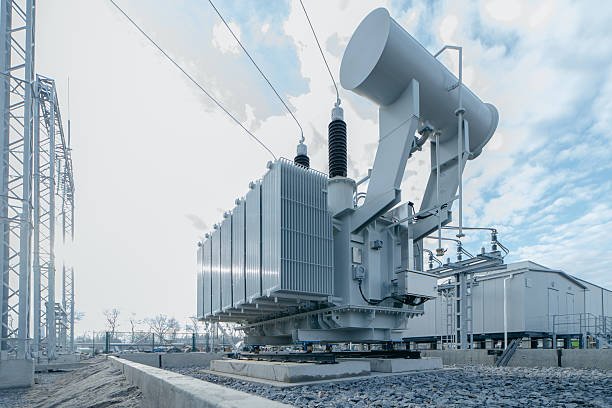
Environmental performance is becoming an increasingly important consideration when purchasing power transformers, especially for utilities, renewable energy projects, industrial facilities, and environmentally sensitive installations. Traditional transformer materials and fluids can have environmental impacts related to energy losses, fire risk, resource consumption, and end-of-life disposal. Choosing more sustainable materials can help reduce these impacts while maintaining the electrical, thermal, and mechanical performance required for reliable operation.
Eco-friendly materials available for power transformers include natural ester insulating fluids, biodegradable synthetic ester fluids, amorphous metal or low-loss electrical steel for transformer cores, recycled or responsibly sourced metals, and recyclable insulation and structural materials. Among these options, natural ester fluids are particularly important because they are biodegradable and have a high fire point, while low-loss core materials can reduce energy consumption throughout the transformer's operating life.
The most suitable material combination depends on transformer capacity, voltage level, installation environment, fire-safety requirements, climate, efficiency targets, and lifecycle considerations. Buyers should evaluate environmental benefits together with technical performance, maintenance requirements, availability, and total cost of ownership.
What Eco-Friendly Materials Are Available for Power Transformers?
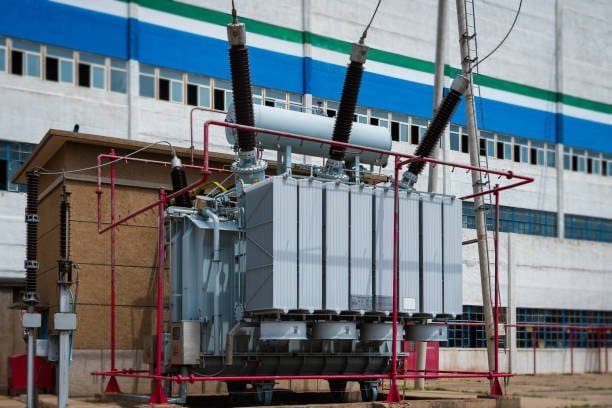
As power systems become more focused on environmental performance, buyers increasingly want transformers that reduce environmental impact without sacrificing electrical reliability, efficiency, fire safety, or service life. The challenge is that “eco-friendly transformer” can mean several different things: a biodegradable insulating fluid, a lower-loss core material, recycled or recyclable metals, reduced-impact insulation, or a design that minimizes material consumption and energy losses. Choosing one environmentally preferable material without considering the complete transformer can therefore produce misleading results. The practical solution is to evaluate the insulating medium, core, conductors, solid insulation, enclosure materials, and lifecycle performance as one system.
The main eco-friendly material options for power transformers include natural ester insulating fluids, biodegradable synthetic ester fluids, low-loss grain-oriented electrical steel, amorphous metal cores, recyclable copper or aluminum conductors, and carefully selected solid insulation materials. Natural ester fluids are particularly attractive because they are biodegradable and have a high fire point, while amorphous metal can significantly reduce no-load losses. The best choice depends on the transformer's voltage, capacity, environment, fire-safety requirements, operating profile, and total lifecycle cost.
Using biodegradable insulating fluid automatically makes a power transformer environmentally friendly in every respect.False
Environmental performance depends on the complete lifecycle, including core losses, material sourcing, manufacturing, fluid properties, service life, maintenance, transport, and end-of-life handling.
Which Eco-Friendly Materials Are Most Relevant?
For most buyers, the greatest opportunities are found in the transformer insulation system and magnetic core. These components can influence environmental performance throughout decades of operation.
| Material | Environmental Advantage | Main Application |
|---|---|---|
| Natural ester fluid | Biodegradable, renewable-source potential, high fire point | Oil-immersed transformers |
| Synthetic ester fluid | Biodegradable and high fire point | Special environmental/fire-sensitive applications |
| Amorphous metal | Very low no-load losses | Distribution transformers |
| High-quality GOES | Reduced core losses | Power and distribution transformers |
| Recyclable copper | High recyclability | Windings |
| Aluminum | Low density and recyclable | Windings and structural applications |
| Recyclable steel | Established recycling pathway | Tank and structural components |
| Cellulose insulation | Bio-based insulating material | Windings and insulation systems |
The material itself is only one part of the assessment. Buyers should also ask for evidence of finished-transformer performance.
Why Are Natural Ester Fluids Popular?
Natural ester insulating fluids are among the most established environmentally preferable alternatives to conventional mineral oil. They are typically derived from vegetable oils and are readily biodegradable under appropriate conditions.
Their high fire point is another important advantage. This can make natural ester-filled transformers attractive in locations where fire risk, environmental sensitivity, or indoor installation is important.
However, buyers should not select natural ester solely because it is biodegradable. Fluid viscosity, moisture behavior, oxidation stability, compatibility with transformer materials, temperature performance, filling procedures, and maintenance requirements must also be considered.
For a power transformer, the fluid performs two essential functions: electrical insulation and heat transfer. Any alternative fluid must therefore satisfy both requirements over the expected service life.
Can Synthetic Ester Fluids Also Reduce Environmental Risk?
Yes. Biodegradable synthetic ester fluids provide another option where buyers want a high-fire-point insulating liquid with different performance characteristics from natural ester.
They can be considered for applications where environmental protection, fire safety, and transformer reliability are all important. The selection should be based on the specific fluid specification and compatibility with the transformer's insulation system.
Buyers should request technical information covering dielectric strength, viscosity, fire point, oxidation stability, moisture tolerance, aging characteristics, and applicable standards.
How Can Eco-Friendly Core Materials Reduce Energy Consumption?
The transformer core is important because no-load losses occur whenever the transformer is energized. Improving core material can therefore reduce energy consumption throughout the operating life.
High-quality grain-oriented electrical steel is widely used in conventional transformers and can provide low magnetic losses when properly processed and designed. Amorphous metal can achieve even lower no-load losses in suitable transformer applications.
| Core Option | Main Benefit | Procurement Consideration |
|---|---|---|
| Conventional GOES | Mature technology and reliable performance | Compare guaranteed core/no-load loss |
| High-permeability GOES | Improved magnetic performance | Requires appropriate processing |
| Amorphous metal | Very low no-load loss | Specialized manufacturing and design |
| Recycled-content steel | Potential material-footprint benefit | Verify quality and traceability |
A key purchasing principle is that a low-loss material should be evaluated based on the finished transformer's guaranteed no-load loss, not merely the supplier's raw-material datasheet.
Are Copper and Aluminum Eco-Friendly Transformer Materials?
Copper and aluminum are not usually described as “green materials” in the same way as natural ester fluid, but their high recyclability is an important environmental advantage.
Copper can be recovered and recycled repeatedly while retaining significant material value. Aluminum also has a well-established recycling infrastructure and can provide weight advantages in some transformer designs.
For buyers, the important questions include:
- Is the conductor material traceable?
- Does it meet the required electrical grade?
- Is recycled content specified or verified?
- Can the material be efficiently recovered at end of life?
- Does the selected conductor design meet thermal and short-circuit requirements?
Environmental benefits should never override the electrical and mechanical requirements of the winding.
What About Eco-Friendly Solid Insulation?
Cellulose-based insulation remains widely used in oil-immersed transformers because of its electrical and mechanical properties. Its bio-based origin and established manufacturing infrastructure make it compatible with broader sustainability objectives.
The environmental performance of solid insulation, however, depends heavily on the complete insulation system. Moisture control is particularly important because water can significantly affect the aging behavior and dielectric performance of cellulose insulation.
Consequently, buyers should evaluate insulation life and transformer aging rather than selecting a material simply because it is bio-based.
How Should Buyers Compare Eco-Friendly Transformer Options?
A practical evaluation should consider environmental performance alongside electrical performance.
| Evaluation Area | Questions for Suppliers |
|---|---|
| Insulating fluid | Is it biodegradable? What is its fire point? |
| Core | What are guaranteed no-load losses? |
| Conductors | What materials and recycled-content options are available? |
| Insulation | What is the expected aging and moisture performance? |
| Manufacturing | How is material waste controlled? |
| Service life | What lifetime is expected under specified loading? |
| End of life | Which components can be recovered or recycled? |
| Certification | Which environmental and product standards apply? |
| Lifecycle cost | What are the energy and maintenance implications? |
This prevents “green” claims from becoming a marketing exercise without measurable technical value.
What Is the Best Eco-Friendly Material Strategy?
There is rarely one universal material solution. A transformer installed near an environmentally sensitive area may benefit strongly from natural ester fluid. A continuously energized distribution transformer may gain more environmental value from an amorphous core because of reduced no-load losses. A large transmission transformer may require a more conventional material combination optimized for reliability, efficiency, serviceability, and lifecycle performance.
The most effective strategy is therefore to optimize the entire material system rather than replacing one component in isolation.
How Do Natural Ester Fluids Improve the Environmental Performance of Power Transformers?
Conventional mineral oil has been used successfully in oil-immersed power transformers for decades, but buyers increasingly face requirements related to fire safety, spill prevention, biodegradability, and environmental protection. These concerns become particularly important for substations near waterways, protected land, urban facilities, renewable-energy projects, and other environmentally sensitive locations. Natural ester insulating fluids offer an alternative, but simply replacing mineral oil does not automatically make a transformer sustainable. The fluid must be compatible with the transformer insulation system, cooling design, operating temperature, maintenance practices, and expected service life.
Natural ester fluids can improve the environmental performance of power transformers primarily because they are derived from renewable biological feedstocks, are readily biodegradable under appropriate conditions, and have high fire points that can reduce fire-related risks. They can also support longer cellulose-insulation life under suitable moisture and thermal conditions. However, environmental performance should be evaluated across the complete transformer lifecycle, including fluid production, electrical losses, material sourcing, maintenance, service life, and end-of-life handling.
Natural ester fluid eliminates all environmental risks associated with a power transformer.False
Natural ester can substantially reduce certain spill, biodegradability, and fire risks, but transformer environmental performance also depends on losses, manufacturing, materials, maintenance, fluid management, and end-of-life treatment.
Why Is Natural Ester Considered More Environmentally Preferable?
Natural ester insulating fluids are commonly produced from vegetable oils or other renewable biological feedstocks. Their environmental advantage is particularly relevant when accidental leakage or equipment failure could result in fluid entering soil or water.
Compared with conventional mineral insulating oil, natural ester fluids generally exhibit much faster biodegradation under suitable environmental conditions. This does not mean a transformer containing natural ester can be installed without spill containment. It means that, if a release occurs, the fluid may present a substantially different environmental persistence profile.
For buyers, the practical distinction is important: biodegradable does not mean environmentally harmless. A spill should still be contained, reported, and cleaned according to applicable environmental requirements.
How Does Biodegradability Reduce Spill-Related Environmental Risk?
A transformer can contain a significant quantity of insulating fluid, especially at higher MVA ratings. Any large oil-filled transformer therefore presents a potential spill-management issue.
Natural ester fluids can reduce the persistence of an accidental release because microorganisms can break down the fluid relatively readily under appropriate conditions.
| Environmental Characteristic | Natural Ester | Conventional Mineral Oil |
|---|---|---|
| Feedstock | Often renewable biological sources | Petroleum-based |
| Biodegradability | Generally high | Generally lower |
| Spill persistence | Typically lower | Typically higher |
| Fire point | High | Lower |
| Spill containment | Still required | Required |
| Environmental risk | Reduced in some scenarios | Higher persistence concern |
Actual environmental performance depends on the specific fluid formulation, test method, soil or water conditions, temperature, and applicable regulatory definitions. Buyers should therefore request the supplier's environmental data rather than relying only on generic descriptions.
How Does High Fire Point Improve Environmental Performance?
Natural ester fluids generally have significantly higher fire points than conventional mineral oil. This is valuable not only for personnel and equipment safety but also for environmental protection.
A transformer fire can cause secondary environmental consequences through combustion products, damaged equipment, contaminated soil, and emergency response activities. Reducing the probability and severity of transformer fires can therefore contribute indirectly to a project's environmental objectives.
This advantage can be particularly important in:
- Urban substations
- Indoor transformer installations
- Commercial facilities
- Renewable-energy plants
- Hospitals and critical infrastructure
- Areas with strict fire-safety requirements
- Environmentally sensitive sites
Natural ester does not make a transformer fireproof, but its high fire point can materially improve the fire-safety characteristics of the insulating-fluid system.
Can Natural Ester Support Transformer Insulation Life?
Yes, under appropriate operating conditions. One important technical feature of natural ester fluids is their interaction with cellulose insulation and moisture.
Cellulose insulation is highly sensitive to moisture. Water can accelerate paper aging and reduce dielectric strength. Natural ester fluids can hold more water in solution than mineral oil, potentially reducing the amount of free water interacting directly with cellulose under suitable conditions.
This characteristic can help slow certain aging mechanisms and may support longer insulation life when the transformer is correctly designed, processed, dried, filled, and maintained.
However, buyers should not interpret this as a universal guarantee of longer transformer life. Actual aging depends on temperature, moisture, oxygen exposure, paper condition, loading, fluid quality, and maintenance.
Does Natural Ester Reduce Transformer Energy Losses?
Not automatically.
This is an important distinction when discussing sustainability. Natural ester primarily changes the insulating and cooling medium. It does not automatically reduce the transformer's core loss or winding loss.
A transformer using natural ester can have exactly the same electrical losses as a comparable transformer using mineral oil if the electromagnetic design is otherwise equivalent.
For energy-related environmental performance, buyers should separately evaluate:
- No-load loss
- Load loss
- Efficiency
- Expected annual loading
- Annual operating hours
- Expected service life
A low-loss transformer filled with natural ester can therefore provide a stronger overall sustainability profile than simply replacing the fluid while ignoring the transformer's electrical efficiency.
How Does Natural Ester Affect Cooling Design?
Natural ester fluids have different physical properties from mineral oil, including viscosity and thermal behavior. These characteristics affect heat transfer and oil circulation.
For some transformer designs, the higher viscosity of natural ester means that the cooling system must be carefully engineered to maintain the required thermal performance. Radiator sizing, oil circulation, winding cooling paths, and temperature-rise calculations should therefore be validated for the selected fluid.
This becomes especially important as transformer capacity increases.
A buyer should request thermal-design information demonstrating that the natural ester-filled transformer meets the specified temperature-rise limits at its rated load and relevant cooling stages.
What Environmental Benefits Are Most Relevant to Buyers?
The environmental advantages of natural ester can be organized into several categories.
| Benefit | Practical Value |
|---|---|
| Biodegradability | Reduces persistence after suitable accidental releases |
| Renewable feedstock | Can reduce dependence on petroleum-derived insulating fluid |
| High fire point | Helps reduce fire-related risks |
| Cellulose moisture interaction | May support insulation-aging management |
| Spill-risk profile | Attractive for environmentally sensitive sites |
| End-of-life handling | Can support environmentally preferable fluid management |
The value of each benefit depends on the project. A transformer installed beside a protected waterway may prioritize biodegradability, while an indoor urban installation may place greater emphasis on fire safety.
Are Natural Esters Suitable for Large Power Transformers?
They can be, but suitability must be evaluated through the complete transformer design.
Natural ester technology is not limited to small distribution transformers. Ester-filled transformers have been deployed in a range of applications, including distribution, industrial, renewable-energy, and utility environments.
For larger power transformers, buyers should pay particular attention to:
- Rated MVA
- Voltage class
- Cooling system
- Temperature rise
- Fluid specification
- Dielectric properties
- Moisture management
- Sealing system
- Expansion system
- Long-term oxidation behavior
- Maintenance procedures
- Applicable standards
The manufacturer should demonstrate that the transformer design is specifically engineered and tested for the selected ester fluid rather than simply substituting the liquid into a mineral-oil design without adequate validation.
What Should Buyers Ask Natural Ester Suppliers?
Procurement teams should request technical documentation that allows the environmental claims to be verified.
Useful questions include:
- What exact natural ester fluid is proposed?
- What is its feedstock origin?
- What biodegradability data are available?
- What is the fluid's fire point and flash point?
- What standards does the fluid meet?
- What is its dielectric strength?
- How does the fluid behave under moisture exposure?
- What temperature-rise calculations were performed?
- Is the transformer specifically designed for ester fluid?
- What maintenance procedures are required?
- How should contaminated or used fluid be handled?
- What environmental documentation is available?
These questions help distinguish a technically engineered sustainable solution from a conventional transformer marketed with a “green” fluid.
How Should Buyers Evaluate Natural Ester Versus Mineral Oil?
The comparison should be based on the actual project rather than a universal assumption that one fluid is always better.
| Evaluation Factor | Natural Ester | Mineral Oil |
|---|---|---|
| Biodegradability | Strong advantage | Generally weaker |
| Fire point | Strong advantage | Lower |
| Long-established technology | High | Very high |
| Environmental spill profile | Generally favorable | Requires greater persistence management |
| Cooling behavior | Requires specific design verification | Well established |
| Moisture interaction | Distinct advantage in some designs | Different moisture behavior |
| Cost | Often higher | Often lower |
| Availability | Increasing | Very mature |
| Sustainability objectives | Often favorable | More limited |
The correct choice depends on the project's environmental requirements, local regulations, safety objectives, budget, and transformer design.
How Can Amorphous Metal and Low-Loss Electrical Steel Reduce Power Transformer Energy Consumption?
Power transformers remain energized for long periods, and a significant portion of their electricity consumption is associated with losses that occur even when the transformer is lightly loaded. This makes the magnetic core an important target for energy-efficiency improvements. Conventional electrical steel remains the dominant core material for many power transformers, but improved grain-oriented electrical steel and amorphous metal can reduce magnetic losses when properly selected and manufactured. The key purchasing challenge is determining whether the additional material or manufacturing cost is justified by the expected lifetime energy savings rather than choosing a “low-loss” material based only on marketing claims.
Amorphous metal and high-performance low-loss grain-oriented electrical steel reduce transformer energy consumption mainly by lowering core, or no-load, losses. Amorphous metal has a thin, non-crystalline structure that can provide very low hysteresis and eddy-current losses, while optimized grain-oriented electrical steel uses controlled grain orientation, low-loss grades, thinner laminations, and improved magnetic-domain characteristics. These technologies are particularly valuable for transformers that remain energized for many hours, because no-load losses occur continuously. Buyers should compare the manufacturer's guaranteed no-load loss, expected loading profile, material cost, service life, and lifetime energy savings rather than evaluating core material by name alone.
Amorphous metal eliminates transformer core losses.False
Amorphous metal can substantially reduce no-load core losses, but it does not eliminate them; magnetic hysteresis, eddy-current, joint, and other losses remain dependent on material and core construction.
Why Do Core Materials Affect Transformer Energy Consumption?
A transformer core repeatedly magnetizes and demagnetizes whenever the transformer operates. This magnetic cycling produces energy losses, principally associated with hysteresis and eddy currents.
These losses are generally referred to as no-load or core losses because they occur whenever the transformer is energized, even when little or no external load is being supplied.
This makes core-material selection particularly important for equipment that operates continuously.
For a simplified lifecycle example, consider a transformer with a 10 kW no-load loss operating continuously:
10 kW × 8,760 hours/year = 87,600 kWh/year
Over 20 years, ignoring changes in operating conditions and energy prices, this represents approximately 1.75 GWh of energy.
Therefore, even a relatively small reduction in no-load loss can become significant over a transformer’s service life.
What Makes Amorphous Metal Different?
Amorphous metal is produced with a rapidly solidified structure that lacks the conventional crystalline grain structure found in ordinary electrical steel. It is commonly supplied as very thin metallic ribbon.
Its magnetic characteristics can produce substantially lower core losses than conventional electrical steel under appropriate operating conditions.
The principal advantages are:
- Low hysteresis loss
- Low eddy-current loss
- Thin material thickness
- Low no-load loss potential
- Useful energy savings in continuously energized applications
However, amorphous metal is not automatically the best choice for every transformer. Its physical properties can make core manufacturing more demanding, and the material is mechanically different from conventional laminated electrical steel.
Consequently, the transformer manufacturer must have appropriate core-processing technology and experience.
How Does Grain-Oriented Electrical Steel Reduce Losses?
Grain-oriented electrical steel, commonly called GOES, remains an important core material for power transformers. Its manufacturing process creates a preferred crystallographic orientation that improves magnetic performance in the rolling direction.
Modern low-loss grades can further improve efficiency through:
- Better grain orientation
- Reduced material thickness
- Improved surface insulation
- Reduced eddy-current losses
- Magnetic-domain refinement
- Optimized annealing and processing
The actual performance of a transformer core depends not only on the steel grade but also on how the manufacturer cuts, stacks, joins, clamps, and assembles the laminations.
This is why two transformers using nominally similar electrical steel can have different measured no-load losses.
What Is the Difference Between Amorphous Metal and Low-Loss GOES?
Both technologies can reduce no-load losses, but they achieve this through different material structures and manufacturing approaches.
| Characteristic | Amorphous Metal | Low-Loss GOES |
|---|---|---|
| Material structure | Non-crystalline | Grain-oriented crystalline steel |
| Typical form | Thin metallic ribbon | Laminated steel sheet |
| No-load loss potential | Very low | Low to very low |
| Manufacturing maturity | More specialized | Highly mature |
| Core processing | More specialized | Widely established |
| Mechanical handling | Requires careful processing | Well established |
| Application suitability | Strong for suitable low-loss applications | Broad power-transformer use |
| Supplier availability | More limited | Generally broader |
| Procurement priority | Verify design/manufacturing capability | Verify grade and core construction |
The correct choice depends on the transformer's operating profile, MVA rating, voltage, design requirements, and economic objectives.
Why Is No-Load Loss Especially Important for Continuously Energized Transformers?
Load losses change with transformer loading, while core losses are present whenever the transformer is energized.
This creates an important difference in lifecycle economics.
A transformer operating at low load for much of its life may derive relatively little benefit from extremely low load-loss characteristics, but the no-load loss continues every hour.
For substations and distribution applications where transformers remain energized continuously, a reduction in core loss can therefore provide meaningful lifetime energy savings.
By contrast, a transformer that is frequently de-energized may have a different economic balance.
Buyers should therefore provide suppliers with an expected operating profile rather than asking only for the lowest possible no-load-loss figure.
Does Lower Core Loss Always Mean Lower Total Energy Consumption?
Not necessarily.
A transformer has several categories of losses. Reducing no-load loss is valuable, but buyers should also evaluate load losses and the overall efficiency of the transformer.
For example, a design with extremely low core loss could have different winding characteristics that affect load loss, dimensions, weight, or cost.
A proper evaluation should therefore compare:
No-load loss + load loss under the expected loading profile
rather than treating core loss as the only efficiency indicator.
How Does Core Manufacturing Quality Influence Material Performance?
Core material specifications alone do not guarantee low transformer losses.
Manufacturing quality can significantly affect the final magnetic performance. Cutting laminations incorrectly, damaging insulation coatings, creating excessive burrs, introducing poor joints, or applying inappropriate clamping pressure can increase losses and noise.
Important manufacturing controls include:
- Accurate lamination cutting
- Controlled burr height
- Proper insulation coating integrity
- Correct stacking
- Controlled joint construction
- Appropriate core clamping
- Prevention of mechanical damage
- Clean assembly conditions
- Verification of core grounding
For amorphous metal, careful handling is particularly important because its thin ribbon structure requires suitable processing methods.
How Can Buyers Verify the Claimed Energy Savings?
Buyers should focus on guaranteed finished-transformer performance.
Instead of accepting a statement such as “amorphous core” or “premium electrical steel,” request the guaranteed no-load loss in watts or kilowatts under the specified test conditions.
The quotation should also clearly identify the relevant standard and measurement conditions.
| Buyer Requirement | What to Request |
|---|---|
| Core material | Exact material/grade |
| No-load loss | Guaranteed value |
| Test condition | Applicable standard and test basis |
| Load loss | Guaranteed value |
| Efficiency | Calculated at relevant load points |
| Core construction | Joint and stacking method |
| Manufacturing controls | Core-processing quality records |
| Factory testing | Routine test results |
| Material traceability | Supplier and batch information |
This approach turns a material claim into a measurable performance requirement.
How Should Buyers Calculate the Economic Benefit?
The basic energy-saving calculation is straightforward.
If a core-material improvement reduces no-load loss by 5 kW, continuous operation would save approximately:
5 kW × 8,760 h = 43,800 kWh/year
If electricity costs $0.10/kWh, the simple annual energy-value calculation would be:
43,800 × $0.10 = $4,380/year
Over a 20-year operating period, this would represent approximately $87,600 before considering electricity-price changes, discount rates, maintenance, taxes, and other financial factors.
This is only an illustrative calculation, but it demonstrates why buyers should compare the incremental transformer price against the present value of expected energy savings.
When Is Amorphous Metal Particularly Attractive?
Amorphous metal can be particularly attractive when transformers are energized continuously and spend substantial time at relatively low loading.
Potential applications include:
- Distribution transformers
- Renewable-energy collection systems
- Commercial facilities
- Industrial distribution
- Urban substations
- Energy-efficiency-focused projects
The economic case becomes stronger when electricity prices are high or when the project places a high value on reducing lifetime energy consumption.
However, buyers should confirm that the manufacturer has adequate experience with amorphous-metal core construction and can provide reliable loss guarantees.
When Is Low-Loss GOES the Better Choice?
Low-loss grain-oriented electrical steel can be attractive where buyers want a mature, broadly available technology with strong manufacturing experience and predictable performance.
It can be particularly appropriate for larger power transformers where core construction, mechanical strength, dimensions, transportation, and established manufacturing processes are important considerations.
A properly designed GOES core can provide excellent efficiency without requiring the manufacturer to adopt a specialized amorphous-core manufacturing process.
Does a Low-Loss Core Increase the Transformer Purchase Price?
It can.
Premium core materials and more sophisticated core processing may increase material and manufacturing costs. The commercial question is whether the additional capital cost can be recovered through energy savings during the expected operating life.
A useful comparison is:
Incremental purchase cost ÷ annual energy-cost savings = simple payback period
For a more rigorous investment decision, buyers should use discounted cash-flow analysis and consider expected electricity-price escalation and transformer operating hours.
How Do Recycled and Responsibly Sourced Metals Affect Power Transformer Sustainability?
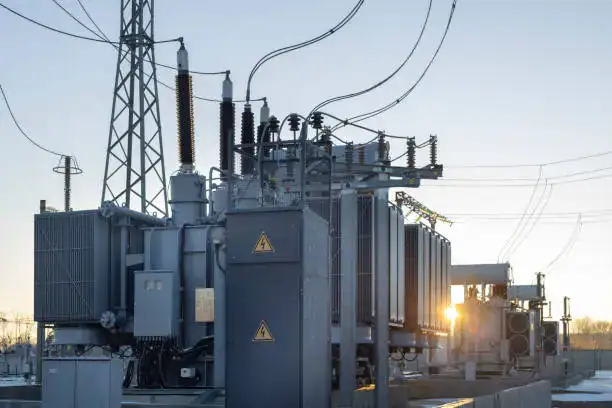
Power transformers contain substantial quantities of metals, particularly electrical steel, copper, aluminum, and structural steel. Because these materials can remain in service for several decades, their environmental impact begins well before the transformer reaches a substation and continues until the equipment is dismantled and recycled. Mining and refining virgin metals can require significant energy and natural resources, while poorly controlled sourcing can introduce additional environmental and social risks. At the same time, simply specifying “recycled metal” is not enough: transformer materials must still meet demanding electrical, mechanical, thermal, and manufacturing requirements. A more sustainable transformer strategy combines appropriate recycled content, responsible mineral sourcing, high material efficiency, long service life, low electrical losses, and effective end-of-life recovery.
Recycled and responsibly sourced metals can improve power transformer sustainability by reducing dependence on virgin raw materials, supporting circular material flows, and improving supply-chain transparency. Copper, aluminum, steel, and some electrical-steel products can contain recycled material or be recovered at end of life. Responsible sourcing can also help buyers address environmental and social risks associated with mining and refining. However, recycled content must not compromise conductivity, magnetic properties, mechanical strength, insulation compatibility, or transformer reliability. Buyers should therefore evaluate verified material origin and recycled content together with finished-transformer performance and lifecycle impacts.
Using recycled metal automatically makes a power transformer more sustainable.False
Sustainability depends on recycled content, material processing, transport, electrical performance, transformer losses, service life, manufacturing quality, and end-of-life recovery; recycled material must also satisfy the required technical specifications.
Which Metals Have the Greatest Sustainability Potential?
Several major transformer materials can participate in circular supply chains, but their sustainability characteristics differ.
| Material | Transformer Application | Sustainability Opportunity |
|---|---|---|
| Copper | Windings and connections | High material value and established recycling |
| Aluminum | Windings and connections | High recyclability and low density |
| Steel | Tank, structure, radiators | Mature recycling infrastructure |
| Electrical steel | Magnetic core | Recycling possible, but magnetic-grade requirements are important |
| Stainless steel | Selected components | Durable and recyclable |
| Brass | Certain fittings and components | Recoverable metal value |
Copper and aluminum are especially important because their electrical conductivity directly affects transformer performance. Steel is significant because large transformers contain substantial structural material in their tanks, radiators, supports, and accessories.
How Does Recycled Copper Affect Transformer Sustainability?
Copper is one of the most valuable materials in a power transformer. It is widely recycled because recovered copper retains significant material value and can re-enter manufacturing streams.
Using recycled copper where technically appropriate can reduce demand for newly mined copper and support a circular-material strategy. However, buyers should distinguish between recycled content and recycled scrap processing quality.
Transformer winding conductors require controlled electrical and mechanical properties. Impurities, processing quality, dimensional accuracy, insulation compatibility, and conductor manufacturing methods must all be controlled.
For procurement, the critical question is therefore not simply:
“Is recycled copper used?”
but rather:
“Does the conductor meet the specified electrical, mechanical, dimensional, and quality requirements, and can its recycled content be verified?”
Can Recycled Aluminum Be Used in Transformer Windings?
Yes, where the transformer design uses aluminum conductors and the material meets the applicable requirements.
Aluminum offers an important sustainability advantage through its established recycling infrastructure and relatively low density. Its lower density can also reduce the weight of certain components.
However, aluminum has different electrical and mechanical characteristics from copper. A transformer manufacturer must therefore design the winding specifically for the selected conductor material.
Buyers should not request recycled aluminum as an isolated material substitution. The entire winding design, including conductor dimensions, joints, thermal performance, mechanical strength, and insulation arrangement, must remain compliant.
How Does Recycled Steel Improve Transformer Sustainability?
Large power transformers use significant amounts of steel for tanks, structural components, radiators, support systems, and other equipment.
Steel has one of the most established recycling systems among industrial materials. Recycled steel can therefore contribute to a circular-economy strategy without requiring the transformer manufacturer to adopt an entirely new structural material.
For these components, buyers can request information about:
- Recycled steel content
- Material certification
- Steel grade
- Manufacturing source
- Traceability
- Surface-treatment requirements
- End-of-life recyclability
Because tank steel is not normally the primary electrical-active material, incorporating verified recycled content can often be considered without changing the electromagnetic design.
Why Is Electrical Steel More Complicated?
Transformer cores have more demanding material requirements than ordinary structural steel.
Grain-oriented electrical steel must have suitable magnetic characteristics, thickness, surface insulation, and processing quality. Core losses depend not only on the nominal material grade but also on cutting, stacking, joints, clamping, and manufacturing processes.
This means recycled content in electrical steel requires particularly careful evaluation.
A buyer should focus on the guaranteed no-load loss of the finished transformer rather than assuming that a particular recycled-content percentage automatically represents better environmental performance.
What Does Responsible Metal Sourcing Mean?
Responsible sourcing goes beyond recycled content. It addresses where the material comes from and how it is produced.
A responsible sourcing program may consider:
- Environmental management
- Energy and emissions
- Water consumption
- Waste management
- Worker safety
- Human rights
- Supply-chain transparency
- Conflict-mineral risks
- Supplier governance
- Material traceability
This is particularly relevant for minerals that enter the global metal supply chain through multiple stages of mining, refining, processing, and manufacturing.
For buyers, responsible sourcing can therefore provide a broader sustainability framework than simply specifying recycled material.
How Do Recycled Content and Responsible Sourcing Work Together?
They address different sustainability questions.
Recycled content asks:
How much material comes from recovered sources rather than newly extracted resources?
Responsible sourcing asks:
How are the raw materials extracted, processed, and supplied?
A transformer may use a high percentage of recycled structural steel while still relying on responsibly sourced virgin materials for specialized electrical components. Conversely, a transformer can use responsibly sourced virgin copper while containing little recycled material.
A strong procurement strategy can incorporate both approaches.
Does Recycled Metal Reduce the Transformer's Carbon Footprint?
Potentially, but the answer depends on the material and supply chain.
Producing metal from recovered material can require less energy than producing certain metals from virgin ores. The actual environmental benefit depends on collection, sorting, transportation, melting, refining, electricity sources, and manufacturing efficiency.
The transformer itself also consumes energy through electrical losses during operation. For equipment with a service life measured in decades, these operational losses can be much more significant than the embodied impact of a particular material choice.
Therefore:
Material sustainability + manufacturing impact + operating losses + service life + end-of-life recovery
should be considered together.
Why Can Long Service Life Be More Important Than Recycled Content?
A transformer is a long-life asset. If a transformer operates reliably for several decades, the environmental impact of manufacturing its replacement is avoided for a longer period.
A slightly higher recycled-material percentage is not necessarily beneficial if it results in reduced reliability or a shorter service life.
For this reason, buyers should prioritize:
- Proven transformer design
- Appropriate materials
- Low losses
- Reliable insulation
- Effective cooling
- Strong short-circuit performance
- Corrosion protection
- Maintainability
- Long expected service life
Sustainability should reinforce reliability rather than compete with it.
How Does Material Choice Affect Energy Efficiency?
The environmental value of metals cannot be separated completely from transformer efficiency.
Copper conductor design influences load losses. Electrical steel influences core losses. Structural materials influence weight and manufacturing requirements. Cooling materials and systems influence auxiliary energy consumption.
Consequently, a sustainable transformer should be evaluated as an integrated system.
| Sustainability Factor | Potential Impact |
|---|---|
| Recycled copper | Reduces virgin-material demand |
| Efficient conductor design | Reduces load losses |
| Low-loss electrical steel | Reduces no-load energy consumption |
| Recycled structural steel | Supports circular material use |
| Responsible sourcing | Improves supply-chain transparency |
| Durable coatings | Extends equipment life |
| Long service life | Reduces replacement demand |
| Recyclable construction | Improves end-of-life recovery |
This is why buyers should avoid selecting materials based on one environmental metric.
What Should Buyers Request From Suppliers?
Environmental claims should be supported by documentation rather than general statements.
Buyers can request:
- Recycled-content declarations
- Material certificates
- Supplier origin information
- Chain-of-custody documentation where applicable
- Environmental product information
- Responsible-sourcing policies
- Relevant management-system certifications
- Manufacturing energy and environmental data
- End-of-life recycling information
- Guaranteed transformer loss data
The documentation should distinguish between mass-balance claims, recycled content, certified recycled material, and responsibly sourced virgin material where relevant.
How Should Buyers Balance Sustainability and Technical Performance?
A practical procurement specification should establish minimum technical requirements first and then identify sustainability preferences within that technical envelope.
For example:
Required:
Specified conductivity, magnetic performance, mechanical strength, temperature rise, insulation performance, short-circuit capability, and applicable standards.
Preferred:
Verified recycled content, responsible sourcing, lower embodied impact, recyclable packaging, efficient manufacturing, and documented end-of-life recovery.
This structure prevents an environmental target from accidentally encouraging a material substitution that could compromise transformer reliability.
What Happens at the End of the Transformer's Life?
End-of-life recovery is an important but sometimes overlooked sustainability advantage of metal-intensive equipment.
A power transformer contains materials with substantial recovery value. Copper, aluminum, steel, and other metals can potentially be separated and recycled when the transformer is dismantled correctly.
A sustainable procurement specification can therefore consider design-for-disassembly and material identification.
Useful questions include:
- Are major materials clearly identified?
- Can copper and aluminum be separated efficiently?
- Are hazardous substances clearly documented?
- Can insulating fluid be recovered or treated appropriately?
- Is the tank recyclable?
- Are components designed for practical dismantling?
- Does the supplier provide end-of-life guidance?
The objective is to keep valuable materials in productive use rather than sending them unnecessarily to disposal.
How Do Eco-Friendly Insulation Materials Improve Power Transformer Environmental Performance?
Power transformer insulation is often discussed mainly in terms of dielectric strength and aging, but its environmental role is equally important. Insulation materials influence transformer service life, fluid selection, fire risk, maintenance requirements, and the amount of material that must eventually be replaced. Conventional cellulose insulation remains highly practical, yet modern transformer projects increasingly consider ester-compatible insulation systems and other lower-impact material choices. The challenge is to improve environmental performance without sacrificing dielectric reliability or long-term thermal endurance.
Eco-friendly insulation materials can improve power transformer environmental performance by supporting biodegradable insulating-fluid systems, reducing fire-related risks, improving moisture management, extending insulation life, and reducing the frequency of replacement or major maintenance. Natural and synthetic ester fluids are particularly important because they can be paired with cellulose-based solid insulation to create a transformer insulation system with a lower spill-impact profile and high fire point. However, the environmental benefit comes from the complete insulation system—not from one material alone—and must be verified against dielectric strength, temperature rise, moisture behavior, aging, compatibility, and service-life requirements.
Replacing conventional transformer insulation with any biodegradable material automatically extends transformer life and reduces environmental impact.False
Insulation performance depends on material compatibility, moisture, temperature, electrical stress, manufacturing quality, and operating conditions; environmental benefits must be evaluated across the complete transformer lifecycle.
Which Insulation Materials Are Considered More Environmentally Preferable?
For oil-immersed transformers, the most practical sustainability improvements usually involve the interaction between solid cellulose insulation and biodegradable ester fluids rather than replacing every insulation component with a completely new material.
Cellulose paper and pressboard are already bio-based materials and have a long history in transformer insulation. Their environmental value can be enhanced when used with an ester fluid system that offers biodegradability and a high fire point.
| Material or System | Environmental Advantage | Main Consideration |
|---|---|---|
| Cellulose paper | Bio-based and established | Moisture and thermal aging |
| Cellulose pressboard | Renewable-source potential | Mechanical and dielectric strength |
| Natural ester fluid | Biodegradable, renewable feedstock potential | Fluid compatibility and oxidation |
| Synthetic ester fluid | Biodegradable and high fire point | Cost and system compatibility |
| Ester-cellulose system | Combines solid and liquid insulation benefits | Requires complete design validation |
| Alternative solid insulation | Potential material innovation | Long-term qualification |
The important point is that insulation should be evaluated as a system. The fluid, paper, pressboard, spacers, barriers, winding conductors, seals, and thermal design all interact.
How Does Natural Ester Improve the Environmental Profile of Insulation?
Natural ester insulating fluid can significantly change the environmental characteristics of an oil-immersed transformer. Because natural esters are generally highly biodegradable and often derived from renewable biological feedstocks, they can reduce concerns associated with persistent petroleum-based insulating fluids.
This is especially valuable when transformers are installed near:
- Rivers and lakes
- Protected land
- Agricultural areas
- Urban infrastructure
- Renewable-energy facilities
- Indoor electrical rooms
- Environmentally sensitive substations
Natural ester also has a high fire point, which can reduce the likelihood of severe fire events and their associated environmental consequences.
However, the transformer still requires appropriate spill containment. Biodegradable fluid should not be interpreted as a reason to eliminate environmental protection measures.
Can Eco-Friendly Insulation Improve Moisture Management?
Moisture is one of the most important factors affecting cellulose insulation life. Water can reduce dielectric strength and accelerate degradation of paper insulation.
Ester fluids generally have a greater ability to dissolve water than conventional mineral oil. This can influence the distribution of moisture between the liquid and solid insulation and may help reduce the concentration of water directly associated with cellulose under suitable operating conditions.
This characteristic is one reason ester-cellulose systems are attracting attention for long-life transformer applications.
Nevertheless, moisture management still requires:
- Proper factory drying
- Controlled filling
- Effective sealing
- Appropriate expansion-system design
- Moisture monitoring
- Correct maintenance procedures
Material selection cannot compensate for poor transformer manufacturing or moisture control.
How Can Longer Insulation Life Improve Sustainability?
One of the most meaningful environmental benefits of a durable insulation system is avoided replacement.
Power transformers are long-life assets. If insulation aging can be managed effectively, the transformer may remain in service longer, reducing the need for new steel, copper, electrical steel, insulating fluid, transportation, manufacturing energy, and installation work.
This creates an important relationship:
Better insulation durability → longer service life → fewer replacements → lower lifecycle material demand
The environmental benefit is therefore not necessarily visible when the transformer is first installed. It accumulates over decades of operation.
Does Ester Fluid Automatically Mean Better Insulation Performance?
No. The insulation system must be engineered specifically for the selected fluid.
Natural and synthetic ester fluids have physical and chemical properties that differ from mineral oil. These differences influence heat transfer, viscosity, moisture behavior, aging, oxidation, and interactions with solid insulation.
A transformer manufacturer should therefore verify the complete system through appropriate design calculations and testing.
Buyers should pay particular attention to:
- Dielectric strength
- Temperature rise
- Fluid viscosity
- Moisture behavior
- Compatibility with cellulose
- Oxidation stability
- Sealing materials
- Long-term aging
- Cooling performance
How Does Insulation Affect Transformer Fire Safety?
The insulating fluid is a major factor in transformer fire risk. Natural and synthetic ester fluids generally have much higher fire points than mineral oil.
This can provide an important environmental advantage because a serious transformer fire can affect not only equipment but also surrounding soil, buildings, water, and emergency-response operations.
For installations in densely populated or environmentally sensitive locations, the combination of cellulose solid insulation and high-fire-point ester fluid can therefore provide both electrical insulation and improved fire-risk management.
What Role Does Cellulose Still Play in Sustainable Transformers?
Cellulose remains highly relevant. It is renewable-source based, widely available, comparatively economical, and well understood by transformer manufacturers.
Rather than replacing cellulose completely, many sustainable transformer designs seek to improve its operating environment.
A properly designed ester-cellulose system can take advantage of the established mechanical and dielectric properties of cellulose while using ester fluid to improve fire and spill characteristics.
This is an important procurement principle: sustainability does not always require replacing a mature material; sometimes it is more effective to optimize how that material is used.
How Should Buyers Evaluate Eco-Friendly Insulation Systems?
Buyers should avoid evaluating insulation through environmental claims alone. A useful specification should combine environmental and technical requirements.
| Evaluation Category | Questions to Ask |
|---|---|
| Solid insulation | What paper and pressboard materials are used? |
| Insulating fluid | Natural ester, synthetic ester, or mineral oil? |
| Biodegradability | What verified data are available? |
| Fire safety | What are the fluid flash and fire points? |
| Moisture | How is moisture controlled and monitored? |
| Temperature | What temperature-rise limits are guaranteed? |
| Aging | What aging or compatibility data support the design? |
| Manufacturing | How is the insulation dried and assembled? |
| Service life | What design life is expected? |
| Maintenance | What fluid and insulation monitoring is required? |
| End of life | How are insulation and fluid handled? |
This approach provides a more reliable basis for comparing suppliers.
Can Eco-Friendly Insulation Reduce Lifecycle Costs?
Potentially, although environmentally preferable materials can have higher initial costs.
A higher purchase price may be justified if the insulation system provides measurable benefits such as:
- Lower fire-protection requirements
- Reduced spill-impact risk
- Longer insulation life
- Lower maintenance frequency
- Better moisture tolerance
- Reduced replacement probability
- Improved suitability for sensitive sites
The buyer should compare these benefits against the incremental equipment cost.
For a long-life transformer, even modest improvements in reliability or insulation aging can have significant economic value.
How Can Buyers Select Eco-Friendly Materials for Power Transformers Without Compromising Reliability?
Choosing environmentally preferable materials for a power transformer can create a difficult procurement balance. Buyers may want biodegradable insulating fluids, recycled metals, low-loss core materials, and lower-impact manufacturing, but a transformer must also withstand electrical stress, thermal cycling, short-circuit forces, moisture, transportation, and decades of operation. Selecting a material simply because it has a stronger sustainability label can therefore create technical risk if its compatibility with the complete transformer design has not been demonstrated. The safest approach is to treat sustainability as an additional design requirement rather than a replacement for electrical and mechanical performance: first establish the required reliability and applicable standards, then select eco-friendly materials that satisfy those requirements and verify the finished transformer's losses, temperature rise, dielectric performance, aging behavior, and service life.
Buyers can select eco-friendly transformer materials without compromising reliability by evaluating the complete material system rather than individual “green” components. Natural or synthetic ester fluids can improve biodegradability and fire safety; low-loss grain-oriented electrical steel or amorphous metal can reduce no-load energy consumption; copper, aluminum, and structural steel can incorporate verified recycled content; and cellulose-based insulation can remain part of a bio-based insulation system. Each option should be qualified for the transformer's voltage, MVA rating, cooling method, environmental conditions, insulation system, mechanical requirements, and expected service life. The final purchase specification should require measurable performance guarantees, material traceability, appropriate testing, and lifecycle evidence—not sustainability claims alone.
Eco-friendly transformer materials necessarily reduce transformer reliability.False
When appropriately engineered, qualified, and tested, materials such as ester fluids, low-loss core materials, and recycled metals can meet demanding transformer requirements; reliability depends on the complete design, manufacturing quality, compatibility, and operating conditions.
Start With Reliability Requirements, Not Material Preferences
The first step should be to define the transformer's technical duty before discussing sustainability.
Important requirements include:
- Rated MVA
- Primary and secondary voltage
- Frequency
- Insulation level
- Impedance
- Cooling class
- Temperature-rise limits
- Short-circuit withstand requirements
- Tap-changer requirements
- Installation altitude
- Ambient temperature
- Pollution and humidity
- Expected load profile
- Required service life
Once these parameters are established, environmentally preferable materials can be evaluated within the required technical envelope.
This prevents a common procurement mistake: choosing a material first and then attempting to redesign the transformer around it.
Which Eco-Friendly Materials Are Most Practical?
There is no single “green material” for every part of a power transformer.
| Transformer Component | Eco-Friendly Option | Main Benefit | Reliability Check |
|---|---|---|---|
| Insulating fluid | Natural ester | Biodegradability, high fire point | Dielectric and thermal performance |
| Insulating fluid | Synthetic ester | Biodegradability, high fire point | Compatibility and aging |
| Core | Amorphous metal | Very low no-load losses | Core processing and mechanical design |
| Core | Low-loss GOES | Reduced core losses | Guaranteed no-load loss |
| Windings | Recycled copper | Circular material use | Conductivity and purity |
| Windings | Recycled aluminum | Circular material use, low density | Conductivity and mechanical performance |
| Tank | Recycled steel | Reduced virgin-material demand | Structural strength and corrosion protection |
| Solid insulation | Cellulose | Bio-based material | Moisture and thermal aging |
The important point is that each material has a different sustainability mechanism. A biodegradable fluid reduces environmental persistence; a low-loss core reduces energy consumption; recycled metal reduces virgin-resource demand. Buyers should not compare these benefits as though they were interchangeable.
How Should Buyers Evaluate Natural Ester Fluids?
Natural ester is one of the most practical material choices for projects where environmental spill risk and fire safety are important.
Its potential advantages include:
- High biodegradability
- Renewable-source potential
- High fire point
- Favorable moisture interaction with cellulose insulation
- Reduced persistence after suitable accidental releases
However, ester fluid has different physical properties from mineral oil. The manufacturer must therefore demonstrate appropriate cooling and insulation performance.
Buyers should request information on:
- Dielectric strength
- Viscosity
- Fire point
- Flash point
- Oxidation stability
- Moisture behavior
- Fluid compatibility
- Temperature rise
- Long-term aging
- Applicable standards
A supplier should be able to demonstrate that the transformer was designed specifically for the proposed fluid.
Can Recycled Metals Be Used Without Reducing Reliability?
Yes, provided the recycled material is properly controlled.
Copper and aluminum are highly recyclable, while steel has a mature recycling infrastructure. But transformer windings and structural components have demanding specifications.
For winding conductors, buyers should verify:
- Electrical conductivity
- Material purity
- Mechanical strength
- Dimensional accuracy
- Joint quality
- Insulation compatibility
- Short-circuit withstand capability
For structural steel, recycled content can often be incorporated more readily because the material is not directly responsible for the transformer's electromagnetic performance. Nevertheless, strength, welding quality, coating adhesion, corrosion resistance, and mechanical integrity remain essential.
How Should Buyers Approach Amorphous Metal and Low-Loss Electrical Steel?
Core materials offer an important opportunity because no-load losses occur whenever the transformer is energized.
Amorphous metal can provide very low core losses, while modern grain-oriented electrical steel can also deliver excellent magnetic efficiency.
The procurement decision should focus on guaranteed finished-transformer losses rather than the material description.
For example, a supplier saying “amorphous core” does not by itself establish the transformer's actual no-load loss. Core cutting, joints, stacking, clamping, and magnetic flux density all influence the final result.
A reliable specification should therefore state a maximum guaranteed no-load loss and define the relevant test conditions.
Why Is Material Compatibility So Important?
Transformer materials interact continuously.
The insulating fluid contacts paper and pressboard. Copper or aluminum windings generate heat. The core generates magnetic losses. Seals and gaskets interact with the insulating liquid. Coatings must withstand environmental exposure.
Changing one material can therefore affect other components.
For an ester-filled transformer, for example, the manufacturer should consider fluid compatibility with:
- Cellulose insulation
- Pressboard
- Gaskets
- Seals
- Coatings
- Bushings
- Tap-changer components
- Monitoring equipment
This is why system qualification is more important than individual material selection.
How Do Environmental Conditions Affect Material Selection?
An eco-friendly material that performs well in one location may require additional engineering in another.
Buyers should consider:
- High ambient temperature
- Low ambient temperature
- High altitude
- Humidity
- Salt contamination
- Industrial pollution
- Corrosive atmosphere
- Flood risk
- Indoor installation
- Fire-sensitive locations
For example, a transformer installed in a coastal environment may require stronger corrosion protection regardless of whether its tank contains recycled steel. A high-altitude installation may require additional cooling considerations.
Sustainability must therefore be integrated with site-specific engineering.
What Testing Should Buyers Require?
A sustainability claim should never replace technical testing.
Depending on the transformer design and applicable standards, buyers should consider requirements for:
- Ratio and polarity tests
- Winding resistance
- Impedance measurement
- No-load loss
- Load loss
- Dielectric tests
- Temperature-rise testing
- Insulation-system verification
- Oil or ester-fluid testing
- Leak testing
- Partial-discharge testing where applicable
- Factory acceptance testing
The exact test program should follow the transformer's voltage class, application, applicable standards, and contractual requirements.
How Can Buyers Verify Sustainability Claims?
This is an increasingly important procurement issue. “Eco-friendly,” “green,” “sustainable,” and “recyclable” can have very different meanings.
Buyers should request documentary evidence.
| Sustainability Claim | Evidence to Request |
|---|---|
| Recycled copper | Recycled-content declaration and material certificate |
| Recycled steel | Supplier declaration and traceability |
| Natural ester | Fluid specification and environmental data |
| Biodegradable fluid | Applicable biodegradability test data |
| Low-loss core | Guaranteed no-load loss |
| Responsible sourcing | Supply-chain policy and relevant documentation |
| Low-carbon manufacturing | Environmental or energy data where available |
| Recyclable transformer | End-of-life material information |
This creates an auditable procurement process rather than relying on marketing language.
Should Buyers Prioritize Lifecycle Cost?
Yes. Initial purchase price should be evaluated together with operating and environmental costs.
A transformer with a more expensive natural ester system may provide value through fire-risk reduction and environmental benefits. A low-loss core may cost more initially but reduce electricity consumption for decades.
A simplified lifecycle model is:
Lifecycle Cost = Purchase + Installation + Energy Losses + Maintenance + End-of-Life Costs
The environmental evaluation can be added to this model by considering material sourcing, manufacturing impact, transportation, service life, and recovery potential.
This approach allows buyers to identify materials that provide both technical and economic value.
How Can Buyers Avoid Over-Specifying Eco-Friendly Materials?
More sustainable does not always mean “use the maximum amount of every sustainable material.”
For example, specifying a very high recycled-content percentage without considering material availability or quality could increase procurement risk. Similarly, selecting the lowest possible core loss may not be economically justified for a transformer that operates only intermittently.
A better approach is to define performance-based sustainability requirements.
Instead of specifying only:
“Use recycled copper.”
buyers can specify:
“Provide the highest technically and commercially practical verified recycled copper content while maintaining the specified conductivity, mechanical properties, short-circuit withstand, and applicable standards.”
This gives manufacturers room to optimize the complete design.
Conclusion
Eco-friendly transformer materials can reduce environmental impact while supporting reliable electrical performance. Natural and synthetic ester fluids, low-loss core materials, recycled or responsibly sourced metals, and improved insulation systems provide practical options for more sustainable transformer designs. However, sustainability should not be evaluated on material selection alone; buyers should also consider energy efficiency, service life, maintenance, recyclability, fire safety, and end-of-life management. By evaluating these factors together, buyers can select power transformers that provide strong technical performance while supporting broader environmental and lifecycle objectives.
FAQ
Q1: What eco-friendly materials are available for power transformers?
Several material options can help reduce the environmental impact of power transformers. The most established option is natural ester insulating fluid, which can replace conventional mineral oil in suitable liquid-immersed transformer designs. Natural esters are generally derived from renewable vegetable oils and offer biodegradability and a higher fire point than conventional mineral oil. IEC 62770:2024 specifically covers unused natural esters for transformers and similar electrical equipment.
Other opportunities involve the transformer core, windings, insulation system, tank, and accessories. Buyers can consider high-performance electrical steel that reduces no-load losses, responsibly sourced copper or aluminum, recyclable steel structures, and insulation systems designed for long service life.
The environmental value of these materials should be assessed across the transformer's entire lifecycle rather than by looking at one component in isolation.
For example, a lower-loss core can reduce electricity consumption throughout decades of operation. Similarly, a natural ester can reduce concerns associated with mineral-oil spills and provide improved fire characteristics. However, the environmental benefit depends on the complete transformer design, manufacturing process, operating profile, maintenance strategy, and eventual end-of-life treatment.
Potential material choices include:
Natural ester dielectric fluids
Synthetic ester dielectric fluids
High-efficiency grain-oriented electrical steel
Recyclable copper or aluminum conductors
Recyclable steel tanks and structural components
Cellulose-based solid insulation
Low-impact coatings and protective materials
Natural ester does not automatically mean that an entire transformer is environmentally sustainable. Buyers should also examine energy efficiency, expected service life, material traceability, repairability, recyclability, and disposal requirements.
For procurement projects, a useful approach is to establish environmental requirements alongside conventional technical specifications. These may cover maximum losses, fluid type, biodegradability criteria, recycled-content expectations, material documentation, and end-of-life provisions.
The most sustainable transformer is generally not simply the one containing the largest percentage of "green" materials. It is the transformer that provides reliable service, low energy losses, manageable environmental risks, and a long useful life while minimizing resource consumption throughout its lifecycle.
Q2: Are natural ester fluids a good eco-friendly alternative to mineral oil in transformers?
Natural ester fluids are one of the most established alternatives to conventional mineral oil when environmental performance is an important consideration.
Natural esters are generally produced from vegetable oils and are used as both insulating and heat-transfer fluids. IEC 62770 provides requirements and test methods for unused natural esters used in transformers and similar electrical equipment.
Their principal environmental advantage is that they are derived from renewable biological resources and can be readily biodegradable under appropriate test conditions. Their high fire point is another important benefit because it can reduce the consequences associated with transformer fires. Specific commercial formulations can also offer favorable moisture-management characteristics.
However, natural ester fluids require appropriate transformer design and operating practices. IEC 62770:2024 notes that exposure to air can cause deterioration of natural ester fluid, so its use is associated with sealed transformers or conservator systems that prevent direct atmospheric contact.
This means buyers should not treat natural ester as a simple "drop-in" environmental material without checking compatibility with the complete transformer.
Important considerations include:
Transformer design
Fluid viscosity
Cooling performance
Operating temperature
Insulation compatibility
Sealing arrangements
Maintenance procedures
Fluid testing requirements
IEC 62975 provides guidance for the maintenance and use of natural ester liquids in sealed transformers and other electrical equipment.
Natural ester technology can therefore provide a strong combination of environmental and safety benefits, but the actual selection should be based on engineering requirements.
Buyers should request documentation showing compliance with applicable standards and should establish the required fluid properties in the transformer specification.
It is also useful to distinguish natural ester from synthetic ester. Both can offer environmental and fire-safety advantages, but their chemical composition and performance characteristics differ. IEC 63012 addresses modified or blended ester insulating liquids intended mainly for transformer applications.
The best choice depends on the installation environment, transformer rating, expected loading, temperature range, maintenance strategy, and project budget.
Q3: Can recycled materials be used in power transformers?
Yes. Recycled or recyclable materials can be incorporated into several parts of a power transformer, although their use must meet strict electrical, mechanical, thermal, and quality requirements.
Copper and aluminum are particularly important because both metals have established recycling pathways. Transformer manufacturers can source conductors containing recycled material when the material meets the required electrical conductivity, mechanical properties, dimensional tolerances, and quality controls.
Steel is another major opportunity. Transformer tanks, frames, support structures, and other mechanical components can incorporate steel produced using recycled feedstock, provided the resulting material meets the required mechanical and manufacturing specifications.
However, recycled content should not be considered independently from product reliability.
Transformer conductors must maintain appropriate:
Electrical conductivity
Mechanical strength
Thermal performance
Surface quality
Dimensional accuracy
Similarly, recycled steel used in structural components must satisfy the applicable strength, fabrication, corrosion-protection, and welding requirements.
The core itself requires particularly careful material control. Electrical steel has specialized magnetic characteristics, so simply substituting ordinary recycled steel would not provide an acceptable transformer core. Core material must have the appropriate magnetic performance and electrical properties.
For buyers interested in recycled content, procurement documents can establish requirements such as:
Minimum recycled content where technically feasible
Material traceability
Supplier declarations
Environmental product documentation
Recycling information
End-of-life recovery requirements
It is also important to distinguish recycled content from recyclability.
A component may contain little recycled material but still be highly recyclable at the end of its service life. Conversely, a material with high recycled content is not necessarily the best environmental choice if it significantly reduces transformer efficiency or service life.
A practical procurement strategy is therefore to evaluate material circularity alongside performance. Buyers should consider the entire lifecycle:
raw material → manufacturing → operation → maintenance → refurbishment → recycling
This approach can encourage manufacturers to reduce environmental impact without compromising transformer reliability.
Q4: Which eco-friendly insulation materials can be used in power transformers?
Transformer insulation is another area where environmental improvements can be achieved.
Conventional oil-immersed transformers commonly use cellulose-based solid insulation, including pressboard and paper. These materials are derived from cellulose and have been used extensively because they provide suitable dielectric and mechanical properties while being compatible with transformer oil systems.
The environmental advantage of cellulose-based insulation is not simply that it originates from a natural material. Its real value also comes from its long-established use, repairability, and compatibility with transformer designs.
The insulating liquid is particularly important because it surrounds the solid insulation and influences thermal behavior, moisture management, and insulation aging.
When natural ester fluid is used, the interaction between the fluid and cellulose insulation becomes an important design consideration. IEC 62975 specifically provides guidance for maintaining natural ester liquids in transformer applications.
Some transformer manufacturers and material suppliers also develop insulation systems designed to improve thermal performance or extend insulation life. A longer insulation life can itself have an environmental benefit because it may delay replacement and reduce the consumption of materials over the transformer's lifetime.
Buyers should therefore evaluate insulation sustainability using several criteria:
Raw-material origin
Thermal aging performance
Dielectric strength
Moisture tolerance
Compatibility with the insulating fluid
Expected service life
Repairability
End-of-life treatment
For dry-type transformers, the insulation system is different because there is no liquid dielectric surrounding the windings. Resin systems, solid insulation, and other materials must provide the necessary dielectric and thermal performance.
Environmental selection should therefore be application-specific. A material that works well in a dry-type transformer may not be appropriate for a large oil-immersed power transformer.
The most useful procurement approach is to require manufacturers to demonstrate that any proposed sustainable insulation material meets the required electrical, thermal, mechanical, and aging performance.
References
IEC 62770:2024 – Unused Natural Esters for Transformers and Similar Electrical Equipment
https://webstore.iec.ch/en/publication/70051
IEC 62975:2021 – Natural Esters: Guidelines for Maintenance and Use in Electrical Equipment
https://webstore.iec.ch/en/publication/32711
IEC 63012:2019 – Modified or Blended Esters for Electrotechnical Applications
https://webstore.iec.ch/en/publication/26526
U.S. Department of Energy – Biobased Transformer Fluid Success Story
https://www.energy.gov/sites/default/files/2023-11/AU21-23-N1-0057_Y-12%20Success%20Story-Biobased%20Transformer%20Fluid_Final%2010-26-23_.pdf
U.S. Department of Energy – Transformer Energy Efficiency Resources
https://www.energy.gov
IEEE Standards Association – Transformer Standards
https://standards.ieee.org