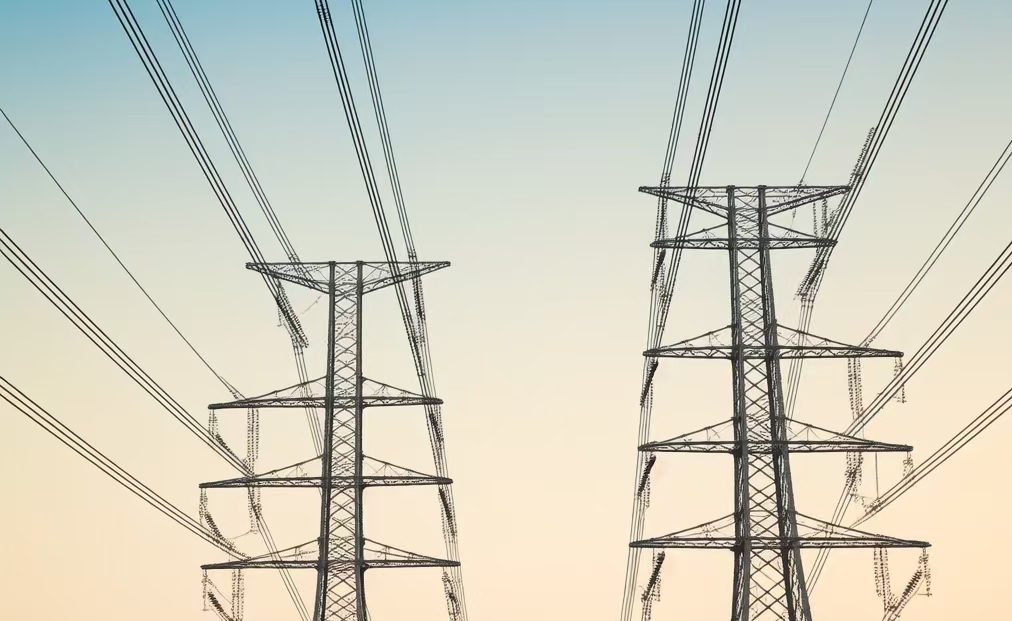
Insulation is one of the most important factors in the design and operation of transformers. It plays a critical role in preventing electrical faults, protecting transformer components, and ensuring safe, efficient, and reliable operation. Depending on the application, different types of insulation are used, each with unique properties suited to specific operating conditions. Whether it’s solid insulation, liquid insulation, or newer gas and solid-state technologies, understanding the various insulation options available is essential for optimizing transformer performance. In this article, we will dive into the key insulation technologies used in transformers, exploring their advantages, applications, and the role they play in enhancing the longevity and safety of electrical systems.
What is the Role of Insulation in Transformers?

Transformers are vital components in power systems, responsible for stepping up or stepping down voltage levels for the efficient transmission and distribution of electricity. However, their operation goes beyond just the magnetic core and winding; the insulation in transformers plays an equally important role in ensuring that these devices function effectively, safely, and efficiently. But what exactly is the role of insulation in transformers, and why is it so crucial for their operation?
In a transformer, insulation serves as a barrier between the electrical windings, preventing electrical faults, enhancing durability, and ensuring the safe transmission of electrical power. Without effective insulation, transformers would experience short circuits, excessive heat, and even catastrophic failures, leading to power outages and significant financial losses. In this article, we’ll delve into the critical functions of insulation, the types of insulation used in transformers, and how it contributes to transformer performance.
Insulation in transformers acts as a protective layer that prevents electrical breakdown, reduces the risk of short circuits, supports efficient thermal management, and ensures the safe operation of the transformer. It also helps to extend the lifespan of the transformer, making it a crucial element for both safety and performance.
Let's explore the vital functions of insulation and how it ensures the reliability and efficiency of transformers.
1. Electrical Isolation
One of the primary functions of insulation in transformers is to provide electrical isolation between different parts of the transformer. Transformers work by transferring electrical energy between two or more windings (primary and secondary) via magnetic induction. These windings operate at different electrical potentials, and insulation ensures that there is no direct electrical contact between the windings, the core, and other parts of the transformer.
Prevention of Short Circuits
In the absence of insulation, the electrical windings would come into contact with each other or with the transformer core, causing short circuits. Short circuits lead to a sudden surge in current, which can result in severe damage to the transformer and create a risk of fire or explosion. Insulation ensures that the electrical paths within the transformer remain separate, thus preventing such incidents.
- Practical Example: If the primary winding and secondary winding in a transformer were to come into contact due to a lack of insulation, they would form a short circuit, which would instantly damage the transformer and potentially cause power disruptions.
2. Thermal Management
Transformers generate heat during operation due to electrical losses, including core losses and copper losses (due to resistance in the windings). Proper insulation is essential for managing this heat and preventing damage to the internal components.
Heat Dissipation
Insulating materials in transformers also serve as thermal conductors, allowing heat to be dissipated effectively, which helps maintain the optimal temperature of the transformer. Without proper insulation, excessive heat can accumulate in the transformer windings, causing the insulation material to degrade, thereby reducing the lifespan and performance of the transformer.
- Practical Example: The windings of a transformer can become extremely hot, especially during heavy load conditions. Insulation made of materials such as paper, oil, or resin can absorb and dissipate heat, preventing the windings from overheating and maintaining the transformer’s efficiency.
Insulation’s Contribution to Cooling
In many cases, insulating materials also help cool the transformer. For instance, mineral oil is used in oil-filled transformers as both an insulator and a coolant. This dual role prevents the transformer from overheating while maintaining electrical isolation.
3. Preventing Dielectric Breakdown
Another critical role of insulation in transformers is to prevent dielectric breakdown. The insulation material needs to withstand the high voltages that are applied to the transformer’s windings without breaking down electrically. When the insulating material fails to maintain its dielectric properties, it results in a breakdown of the electrical isolation, leading to dangerous electrical arcs and potential transformer failure.
Dielectric Strength of Insulation
The dielectric strength of the insulation is a key factor in determining its effectiveness. High dielectric strength ensures that the insulation can withstand high-voltage conditions, keeping the electrical windings separated and preventing any accidental discharge of current.
- Practical Example: In high-voltage transformers, insulation systems need to be specifically designed to handle the stresses of long-term exposure to high electric fields. Failure of insulation in such cases can result in catastrophic consequences, including fires and explosions.
4. Mechanical Protection
While electrical and thermal protection are the primary functions of insulation, it also provides mechanical protection to the transformer components. Insulation materials help to cushion the windings and prevent physical damage from vibrations, shocks, or mechanical stress that can occur during transformer operation or transport.
Protection Against External Forces
Insulating materials like pressboard, resin, or fiberglass provide a physical barrier that absorbs mechanical stress. These materials help maintain the shape and alignment of the windings and other components, ensuring that the transformer operates smoothly and without disruptions.
- Practical Example: During transportation of transformers, mechanical shocks or vibrations could cause dislodgement or misalignment of the windings, potentially causing electrical shorts. The insulation material provides a protective buffer that ensures the transformer components remain intact and well-aligned.
5. Electrical Efficiency and Safety
Insulation directly influences the electrical efficiency of a transformer. Proper insulation minimizes power losses by ensuring that no unwanted currents or energy are lost through leakage or unintentional conduction paths. Additionally, insulation plays a major role in maintaining the safety of the transformer and the environment it operates in.
Safety from Electric Shock
In the case of a fault, if proper insulation is not in place, it can lead to exposure to live parts of the transformer, which can cause electrical shocks to personnel or damage to the surrounding equipment. Insulation ensures that these risks are minimized, contributing to the safe operation of the power distribution system.
- Practical Example: If a transformer’s insulation fails, electrical current can escape and pose a serious safety hazard. Proper insulation ensures that electrical parts remain contained, thus protecting both people and surrounding equipment.
6. Types of Insulation Used in Transformers
There are several types of insulation materials used in transformers, each suited for specific purposes and transformer designs. The most common types include:
Solid Insulation
- Paper: Insulating paper is commonly used in transformers, providing both electrical isolation and mechanical strength. It is often impregnated with oil to enhance its insulating properties.
- Pressboard: A type of compressed paper used for structural insulation in transformers, particularly in dry-type transformers.
- Resin and Epoxy: Used in certain transformers, especially in small transformers or those operating in harsh environments, to provide compact and efficient insulation.
Liquid Insulation
- Mineral Oil: Commonly used in oil-filled transformers, mineral oil not only provides electrical insulation but also serves as a coolant for the transformer.
- Synthetic Oils: These oils are used in high-performance transformers, offering enhanced fire resistance and thermal stability.
Gas Insulation
- SF6 Gas (Sulfur Hexafluoride): In gas-insulated transformers (GIT), SF6 gas provides insulation, allowing for a compact and highly efficient transformer design. SF6 is often used in high-voltage applications due to its superior dielectric properties.
Table 1: Types of Insulation Materials Used in Transformers
| Insulation Type | Material Example | Function | Applications |
|---|---|---|---|
| Solid Insulation | Paper, Pressboard, Resin | Electrical isolation, mechanical support | Used in dry-type transformers and windings. |
| Liquid Insulation | Mineral Oil, Synthetic Oil | Electrical isolation, cooling | Used in oil-filled transformers. |
| Gas Insulation | SF6 Gas | Electrical insulation, compact design | Used in gas-insulated transformers (GIS). |
What Are Solid Insulation Materials in Transformers?
When it comes to transformers, insulation materials are critical for ensuring safe and efficient operation. These materials provide the necessary protection to prevent electrical faults, support thermal management, and enable mechanical stability. Among the various types of insulation, solid insulation materials play an especially important role. But what exactly are solid insulation materials, and how do they function in a transformer?
Solid insulation materials are used to electrically isolate the transformer windings, core, and other internal components from each other, preventing short circuits, maintaining structural integrity, and ensuring the transformer's overall performance. These materials are typically chosen based on their electrical, thermal, and mechanical properties to provide effective insulation and safety in a wide range of operating conditions.
In this article, we will explore the importance, types, applications, and advantages of solid insulation materials in transformers.
Solid insulation materials, such as paper, pressboard, and resin, play a crucial role in ensuring electrical isolation, managing heat, and providing mechanical strength in transformers. These materials are carefully selected based on their ability to withstand high electrical voltages, operate effectively at high temperatures, and provide physical protection to the transformer components.
Let's dive deeper into the different solid insulation materials used in transformers and how they contribute to the transformer's safety, efficiency, and longevity.
1. Types of Solid Insulation Materials
Solid insulation materials come in a variety of forms, each with distinct characteristics and uses. Here are the most common types of solid insulation materials used in transformers:
Paper Insulation
Paper insulation is one of the oldest and most widely used types of solid insulation in transformers. It is primarily used for its high dielectric strength, excellent thermal properties, and mechanical stability.
- Impregnated Paper: In many transformers, paper insulation is impregnated with oil to enhance its electrical properties. This process, known as oil-impregnated paper insulation, increases the dielectric strength and allows the material to withstand high voltage without breaking down. The oil also acts as a coolant, helping to dissipate the heat generated during operation.
- Application: Paper insulation is commonly used in power transformers, distribution transformers, and other electrical devices requiring high voltage insulation.
Advantages of Paper Insulation:
- High dielectric strength
- Excellent thermal conductivity
- Good mechanical strength
Pressboard Insulation
Pressboard is a type of compressed paper material that is often used in transformers for structural insulation. Pressboard is primarily used for providing support to the windings and core, and it helps keep the transformer components aligned under mechanical stress.
- Manufacturing: Pressboard is made by compressing layers of paper, which are then impregnated with oil or resin. This process enhances the material's mechanical strength and dielectric properties.
- Application: It is commonly used in dry-type transformers, liquid-filled transformers, and bushing insulators.
Advantages of Pressboard Insulation:
- Provides mechanical support and stability
- Excellent dielectric properties when oil-impregnated
- Durable and resistant to aging
Resin and Epoxy Insulation
Resins and epoxy materials are another popular form of solid insulation used in transformers, particularly in small transformers and in transformers that need compact and high-performance designs.
- Manufacturing Process: Resins and epoxy materials are typically used to encapsulate or coat transformer windings. When these materials cure, they form a solid, non-conductive layer that effectively isolates electrical components.
- Application: Resin-based insulation is used in dry-type transformers and in high-performance transformers designed for harsh environments.
Advantages of Resin and Epoxy Insulation:
- High mechanical strength and toughness
- Compact design options due to their solid form
- Excellent thermal stability and moisture resistance
2. Function of Solid Insulation Materials in Transformers
Solid insulation materials in transformers serve multiple functions that are critical for the transformer's safe and efficient operation. Here are the key roles they play:
Electrical Isolation
The primary function of solid insulation is to provide electrical isolation between different parts of the transformer, particularly the windings and the core. Electrical isolation is crucial because it prevents short circuits and ensures that the electrical energy is transferred through the transformer without leakage or unintended paths.
- Prevents Short Circuits: Solid insulation ensures that the windings do not come into contact with each other or with the core, which could lead to short circuits and transformer failure.
Thermal Management
Transformers generate heat during operation, and solid insulation materials help manage this heat. The insulation material must be able to withstand high temperatures without breaking down or losing its insulating properties. Many solid insulation materials, such as oil-impregnated paper, also help dissipate heat away from the transformer components, thereby preventing overheating.
- Heat Dissipation: Oil-impregnated paper and resin materials are especially useful in maintaining optimal operating temperatures in transformers by transferring heat to the surrounding environment.
Mechanical Protection
Solid insulation materials not only provide electrical and thermal protection but also offer mechanical support. Pressboard, for example, provides a solid structural base that holds the windings and other components in place during operation. This protection is vital in preventing damage from external forces, such as vibrations or shocks, that could occur during operation or transport.
- Supports Transformer Components: Solid insulation materials, such as pressboard, also prevent the windings from sagging or misaligning, which could cause mechanical failure or even electrical faults.
Moisture and Contamination Protection
Moisture can degrade insulation materials and reduce their effectiveness, leading to dielectric breakdown and transformer failure. Solid insulation materials like resin and epoxy are moisture-resistant and help protect the transformer from external contamination, ensuring long-term reliability and performance.
- Prevents Moisture Ingress: The use of resin-based insulation systems prevents moisture from entering the transformer, which is essential for maintaining the transformer's operational integrity over time.
3. Key Advantages of Solid Insulation Materials in Transformers
High Dielectric Strength
Solid insulation materials like paper and resins have a high dielectric strength, meaning they can withstand high voltages without breaking down. This characteristic is essential for transformers, which are exposed to varying electrical loads and high-voltage conditions.
Durability and Longevity
Solid insulation materials are designed to be durable, offering long-term protection to the transformer. Whether it's paper insulation impregnated with oil or resin coatings, these materials provide stability over time, which helps to extend the lifespan of the transformer.
Compactness and Space Efficiency
Materials like epoxy and resin allow for more compact transformer designs. This is particularly useful in small transformers or in applications where space is limited. Solid insulation materials provide a high degree of electrical isolation in a small footprint, optimizing transformer performance without occupying excess space.
4. Applications of Solid Insulation Materials
Solid insulation materials are widely used across various transformer applications, including:
Power Transformers
In large-scale power transformers, oil-impregnated paper is the most commonly used solid insulation. This system ensures high dielectric strength and thermal management while providing mechanical stability.
Distribution Transformers
For distribution transformers, pressboard and oil-impregnated paper are commonly used, offering the necessary insulation and mechanical protection while minimizing space.
Dry-Type Transformers
For dry-type transformers, where there is no oil, epoxy resin is often used to coat windings, providing excellent insulation and mechanical protection in a compact form.
Small-Scale Transformers
In small transformers, such as those used in electronics and power supplies, resin and epoxy insulation materials provide efficient electrical isolation while saving space and weight.
Table 1: Comparison of Solid Insulation Materials in Transformers
| Material Type | Key Characteristics | Common Applications | Advantages |
|---|---|---|---|
| Paper Insulation | High dielectric strength, oil-impregnated | Power transformers, distribution transformers | High dielectric strength, thermal conductivity |
| Pressboard | Compressed paper, impregnated with oil/resin | Dry-type transformers, bushings | Mechanical support, durable, moisture-resistant |
| Resin/Epoxy | Solid, moisture-resistant, compact | Small transformers, dry-type transformers | Compact design, high thermal stability |
What is Liquid Insulation, and How is It Used in Transformers?
Liquid insulation plays a crucial role in the effective operation and longevity of transformers, especially in large-scale electrical systems. It serves as more than just a dielectric material—it aids in heat dissipation, provides mechanical support, and protects components from environmental factors such as moisture. But what exactly is liquid insulation, and how does it function in transformers? Let’s explore this vital aspect of transformer design.
Liquid insulation, often in the form of mineral oil or synthetic oils, serves multiple purposes in transformers. It provides electrical insulation, facilitates heat dissipation, and protects internal components from environmental factors. These oils offer superior cooling properties, which are essential in high-capacity transformers, and also act as a barrier against moisture and contaminants that could compromise transformer operation.
In this article, we’ll take a closer look at the types of liquid insulation, their functions, and how they are used to enhance transformer performance. We’ll also explore some of the challenges and alternatives to liquid insulation materials in modern transformer designs.
1. What is Liquid Insulation?
Liquid insulation refers to materials that are used to electrically isolate and cool transformer components. The most commonly used liquid insulation is mineral oil, although synthetic oils, silicone fluids, and other specially formulated liquids are also used depending on specific transformer requirements.
The primary role of liquid insulation in transformers is to prevent electrical discharges between the windings, core, and other components. Additionally, liquid insulation provides cooling by transferring heat from the transformer's internal components to the surface, where it can be dissipated.
The oil or liquid not only insulates the components but also serves as a medium for heat transfer and moisture protection, ensuring the transformer operates efficiently under varying load conditions.
2. Types of Liquid Insulation Materials
There are several types of liquid insulation materials used in transformers, each with unique properties suited to specific applications. The main types include:
Mineral Oil
Mineral oil is the most widely used liquid insulation material in transformers. It is derived from crude oil and refined to meet the required dielectric properties for use in electrical equipment.
- Characteristics: Mineral oil has a high dielectric strength, good thermal conductivity, and excellent moisture resistance. It is also chemically stable under normal operating conditions.
- Usage: Mineral oil is used in power transformers, distribution transformers, and large industrial transformers, where cooling and electrical insulation are essential.
Advantages of Mineral Oil:
- High dielectric strength
- Effective heat dissipation
- Cost-effective and widely available
Synthetic Oils
Synthetic oils such as polychlorinated biphenyls (PCBs) or synthetic esters are alternative liquid insulation materials. These oils are used in transformers when mineral oil is not suitable due to specific environmental or operational requirements.
- Characteristics: Synthetic oils offer better fire resistance, biodegradability, and lower environmental impact compared to mineral oil. They also exhibit higher temperature stability.
- Usage: Synthetic oils are used in situations where transformers are located in areas with high fire risk or environmental concerns.
Advantages of Synthetic Oils:
- Environmentally friendly
- Higher fire resistance
- Better performance in extreme temperatures
Silicone Fluids
Silicone fluids are another alternative to mineral oils, offering superior thermal stability and low toxicity. These fluids are often used in environments where transformers face extreme temperature variations.
- Characteristics: Silicone fluids are more expensive than mineral oils but provide excellent temperature stability, especially at both high and low extremes.
- Usage: These fluids are used in high-temperature environments where other oils might fail.
Advantages of Silicone Fluids:
- Excellent temperature stability
- Low viscosity, ensuring effective cooling
- Fire resistance and non-toxic
3. Functions of Liquid Insulation in Transformers
Liquid insulation plays several key roles in ensuring the safe and efficient operation of transformers. These roles can be broken down into the following core functions:
Electrical Insulation
The primary purpose of liquid insulation is to provide electrical isolation between the windings and other conductive parts. This insulation prevents electrical arcing, which could lead to transformer failure or even catastrophic explosions.
- Prevents Electrical Faults: The dielectric strength of the liquid ensures that electrical energy is confined to the designated paths, preventing short circuits or other electrical faults.
Cooling
Transformers generate heat during operation, especially when they are subjected to heavy electrical loads. Liquid insulation plays a vital role in heat dissipation, transferring heat away from the windings and other components to prevent overheating.
- Thermal Conductivity: Liquids like mineral oil are excellent heat conductors, ensuring that the transformer maintains optimal operating temperatures.
- Cooling Efficiency: In oil-immersed transformers, the liquid circulates and transfers heat from the transformer’s core and windings to the external cooling system (often fins or radiators).
Moisture and Contaminant Protection
Moisture can cause significant damage to transformers by breaking down the insulation materials and reducing their effectiveness. Liquid insulation materials protect against moisture ingress and contamination, ensuring the long-term reliability of the transformer.
- Moisture Barrier: The liquid insulation forms a barrier around the components, preventing moisture from entering the transformer and compromising its performance.
Mechanical Support
In addition to electrical and thermal protection, liquid insulation provides some level of mechanical support. The liquid fills the spaces around the transformer components, offering cushioning that helps protect the components from physical damage due to mechanical forces.
- Reduces Vibration Effects: The liquid also helps absorb some of the mechanical stresses caused by vibration, which can occur during operation.
4. Advantages of Liquid Insulation
The use of liquid insulation in transformers provides several advantages, including:
Efficient Heat Transfer
The most significant benefit of liquid insulation is its ability to efficiently dissipate heat generated by the transformer’s internal components. As transformers can operate at very high temperatures, liquid insulation is essential for maintaining safe operating conditions.
Enhanced Electrical Insulation
Liquid insulation materials, particularly mineral oil, offer high dielectric strength. This means they can withstand high electrical voltages without breaking down, which is essential for preventing electrical faults in high-voltage transformers.
Environmental Protection
With concerns about environmental impact rising, the use of synthetic esters and silicone fluids provides an environmentally friendly alternative to mineral oil. These oils are biodegradable, non-toxic, and safer for the environment in case of leaks or spills.
Cost-Effectiveness
Mineral oil is not only an efficient insulator and cooler but is also cost-effective. This makes it the most commonly used liquid insulation material in transformers globally.
5. Challenges and Limitations of Liquid Insulation
While liquid insulation offers numerous benefits, there are some challenges and limitations that need to be considered:
Fire Hazard
One of the main concerns with liquid insulation, especially mineral oil, is its flammability. Although the oils used in transformers are less volatile than gasoline or other fuels, they can still catch fire under extreme conditions, leading to potential transformer fires.
- Mitigation: To address this, synthetic oils and fire-resistant fluids are being used more frequently in transformers located in high-risk areas or with high fire safety requirements.
Leakage and Contamination
Another potential drawback is the risk of leaks. In the event of a leak, the oil can contaminate the surrounding environment, causing damage to ecosystems and adding cleanup costs.
- Prevention: Using higher-quality seals, monitoring systems, and regular maintenance can reduce the risk of leaks.
Aging and Degradation
Over time, the liquid insulation can degrade due to factors like temperature fluctuations, exposure to air, and the presence of contaminants. This can result in reduced insulation effectiveness and the need for oil replacement.
- Regular Maintenance: To ensure transformer longevity, regular oil testing and maintenance are essential to monitor the health of the liquid insulation.
Table 1: Comparison of Liquid Insulation Types
| Type of Liquid Insulation | Key Characteristics | Advantages | Disadvantages |
|---|---|---|---|
| Mineral Oil | High dielectric strength, cost-effective | Excellent cooling, widely available | Flammable, environmental risk in case of leaks |
| Synthetic Oils | Fire-resistant, biodegradable | Higher environmental safety, stable at extreme temperatures | More expensive, limited availability |
| Silicone Fluids | Excellent temperature stability, low toxicity | Non-toxic, fire-resistant, high thermal stability | Expensive, less common in large transformers |
How Does Gas Insulation Work in Transformers?

Gas insulation in transformers is an advanced method that helps improve the performance and reliability of electrical equipment, especially in high-voltage applications. It is increasingly being used as an alternative to traditional liquid insulation methods due to its distinct advantages in terms of safety, environmental impact, and efficiency. But how exactly does gas insulation work, and why is it so important in the modern power grid? Let’s break it down.
Gas insulation is based on electronegative gases such as sulfur hexafluoride (SF₆) or air that are used to insulate transformer components. These gases offer exceptional dielectric properties, preventing electrical discharges and reducing the risk of transformer failures due to insulation breakdown.
In this article, we will explore the role of gas insulation in transformers, how it works to enhance performance, and its key advantages and challenges. We will also dive into the latest trends and innovations in gas-insulated transformer designs.
1. What is Gas Insulation in Transformers?
Gas insulation in transformers refers to the use of gaseous dielectric materials to provide electrical insulation between the transformer windings, core, and other conductive parts. The most commonly used insulating gases in transformers are:
- Sulfur Hexafluoride (SF₆): A colorless, odorless gas with superior electrical insulating properties.
- Air: Used in certain designs, though less common than SF₆ due to lower dielectric strength.
- Other Gases (e.g., nitrogen, carbon dioxide): Sometimes used in combination with other methods to enhance insulation performance.
Gas-insulated transformers (GITs) differ from traditional oil-insulated transformers (OITs) in that they use pressurized gas in place of liquid insulation. The primary function of gas insulation is to prevent electrical breakdown and arcing within the transformer, ensuring that the electrical energy remains contained in the system.
2. How Does Gas Insulation Work?
Gas insulation works by providing a dielectric barrier between electrical components, such as the core and windings, and preventing electrical discharges. The gas acts as an insulating medium by limiting the potential for electrical breakdown and arcing under high voltage conditions.
Dielectric Strength of Gas
The dielectric strength of gas refers to its ability to withstand electrical stress without breaking down. SF₆, for example, is known for its exceptional dielectric strength, making it ideal for use in transformers operating at high voltages. The strength of the gas is determined by its molecular properties, which prevent the free movement of charged particles and minimize the risk of an electrical arc.
- SF₆: SF₆ has a much higher dielectric strength than air, allowing transformers to operate efficiently even under high-voltage conditions. This makes it suitable for use in high-voltage transmission systems.
- Air: While air can be used as a dielectric medium, its dielectric strength is significantly lower than SF₆. Air-insulated transformers are typically used in lower-voltage applications.
Cooling and Pressure Control
In many gas-insulated transformers, the gas is pressurized to enhance its insulating properties. The gas pressure is carefully controlled to maintain its dielectric properties and ensure optimal transformer performance. SF₆, for instance, is often used in sealed enclosures, where it can remain under pressure for extended periods without degrading.
- Cooling Mechanism: Gas-insulated transformers also use the gas to assist in the cooling of the transformer components. In high-voltage transformers, the gas absorbs the heat generated by the electrical currents and helps dissipate it.
Arc Extinction
One of the critical advantages of gas insulation is its ability to extinguish electrical arcs. When a transformer experiences a short circuit or electrical fault, arcing can occur, potentially damaging the transformer and other components. The insulating gas suppresses the arc by effectively absorbing the energy generated by the fault, allowing the transformer to self-regulate and avoid catastrophic failure.
- SF₆: SF₆’s superior arc-quenching capabilities make it highly effective in preventing damage during fault conditions.
3. Types of Gas-Insulated Transformers
There are different designs of gas-insulated transformers, which vary depending on the specific needs of the power system, voltage levels, and environmental factors. The two most common types are SF₆-insulated transformers and air-insulated transformers.
SF₆-Insulated Transformers
SF₆-insulated transformers are often used in high-voltage transmission systems, particularly in areas where space is limited, such as urban environments. The use of SF₆ gas allows for compact transformer designs with high electrical insulating strength.
- Key Features:
- Use of sulfur hexafluoride (SF₆) gas as the insulating medium
- Highly effective in high-voltage applications
- Compact and space-efficient
- Excellent arc-quenching properties
Air-Insulated Transformers
Air-insulated transformers use ambient air as the dielectric medium, typically in applications where high-voltage operations are not required. While not as efficient as SF₆ in terms of dielectric strength, air-insulated transformers can be used in medium-voltage systems or for applications that do not require the extreme insulating properties of SF₆.
- Key Features:
- Uses ambient air as the insulating medium
- Less compact than SF₆ transformers
- Suitable for medium-voltage applications or less space-constrained environments
4. Advantages of Gas Insulation in Transformers
The use of gas insulation, particularly SF₆, offers several key advantages:
1. High Dielectric Strength
SF₆ is known for its superior dielectric properties, meaning it can withstand high electrical stresses without breaking down. This allows transformers to operate more efficiently at high voltages, which is essential for modern power grids.
- Better Performance in High-Voltage Applications: Gas-insulated transformers can handle higher voltage levels more effectively than liquid-insulated transformers.
2. Compact Design
Gas-insulated transformers are typically more compact than their liquid-insulated counterparts. This makes them ideal for locations where space is limited, such as urban areas or underground power systems. Their smaller size also contributes to lower maintenance costs.
- Space-Saving: Gas-insulated transformers are more suitable for confined spaces, reducing the need for expansive transformer yards.
3. Enhanced Safety
Gas-insulated transformers are considered safer than liquid-insulated transformers due to their fire-resistant nature. Since gases like SF₆ do not burn easily and are used in sealed systems, the risk of fire or explosion is significantly lower.
- Reduced Risk of Fire and Explosion: Unlike oil, which is flammable, SF₆ gas offers superior safety, reducing the risk of catastrophic events.
4. Reduced Environmental Impact
SF₆, though a potent greenhouse gas, is typically used in closed systems and does not pose the same environmental risks as mineral oil or other liquids, which can leak and cause contamination.
- Minimized Environmental Hazards: SF₆ systems are usually sealed, reducing the risk of environmental contamination.
5. High Efficiency in Fault Conditions
Gas-insulated transformers are excellent at fault protection, due to their ability to quickly extinguish arcs and dissipate fault energy. This reduces the likelihood of damage during transformer faults, thereby increasing the reliability of the power system.
- Improved Fault Protection: Gas-insulated transformers are less prone to failure during electrical faults.
5. Challenges and Considerations
While gas insulation offers numerous advantages, it is not without its challenges:
1. Environmental Impact of SF₆
SF₆ is a potent greenhouse gas, and its use has raised concerns about environmental impact. Although SF₆ gas-filled transformers are typically sealed, leaks can still occur, contributing to global warming.
- Mitigation: Manufacturers are researching alternatives to SF₆, such as gaseous mixtures or clean gases that offer similar insulating properties without the environmental risks.
2. High Initial Cost
Gas-insulated transformers, particularly those that use SF₆, can be more expensive than traditional oil-insulated transformers. The higher initial cost is due to the specialized materials, manufacturing processes, and pressurization systems required for gas insulation.
- Cost Consideration: While the long-term operational and maintenance costs may be lower, the upfront costs of gas-insulated transformers are higher.
3. Maintenance and Monitoring
Although gas-insulated transformers generally require less maintenance than liquid-insulated models, regular monitoring of the gas pressure, quality, and potential leaks is essential to ensure continued performance.
- Ongoing Maintenance: Gas-insulated transformers require specialized monitoring systems to detect potential gas leakage or other faults.
Table 1: Comparison of Gas-Insulated Transformers vs. Oil-Insulated Transformers
| Feature | Gas-Insulated Transformers | Oil-Insulated Transformers |
|---|---|---|
| Insulating Medium | SF₆ (Sulfur Hexafluoride) or air | Mineral oil or synthetic oil |
| Size | More compact | Larger, requires more space |
| Dielectric Strength | High (especially with SF₆) | Moderate (oil-based) |
| Cooling | Uses gas for cooling | Uses oil for cooling |
What is Paper-Oil Insulation and Its Benefits in Power Transformers?

Paper-oil insulation has been a cornerstone technology in the design and operation of power transformers for many decades. Despite the rise of alternative insulation methods such as gas and synthetic materials, paper-oil insulation continues to play a crucial role in ensuring transformer reliability and performance, especially in large and high-voltage applications. But what exactly is paper-oil insulation, and why is it so beneficial to power transformers? Let's explore the inner workings and advantages of this traditional yet enduring technology.
1. What is Paper-Oil Insulation?
Paper-oil insulation refers to a combination of impregnated paper and mineral oil used to insulate and cool the windings and other internal components of a power transformer. The paper, often kraft paper or cellulose-based paper, is treated with a special oil to enhance its electrical insulating properties. The oil helps to prevent electrical breakdown, while the paper provides structural integrity and improves the insulating qualities.
The paper-oil system is typically used in liquid-immersed transformers, where the oil serves multiple roles, including insulation, cooling, and protecting the transformer components from damage.
Components of Paper-Oil Insulation
- Cellulose Paper (Kraft Paper): The primary insulating material used, which is made from wood pulp. It is both mechanically strong and has good dielectric properties.
- Mineral Oil: A natural oil extracted from crude petroleum, mineral oil is the most commonly used liquid for cooling and insulating transformers. It is chosen for its ability to cool the windings and maintain the dielectric strength of the paper.
These two materials work together in a synergistic way: the paper provides structural strength, while the oil provides superior dielectric properties and helps dissipate heat generated by the electrical current in the transformer.
2. How Does Paper-Oil Insulation Work?
The primary role of paper-oil insulation is to provide electrical isolation between the conductive windings in a transformer. Here's how it works:
Electrical Insulation
Paper is an excellent electrical insulator on its own, but when impregnated with oil, its dielectric strength increases significantly. The oil fills any gaps in the paper, preventing air pockets where electrical discharges could occur. This system ensures that the windings can operate under high voltages without experiencing dielectric breakdown.
Cooling Function
The mineral oil also helps with cooling. During transformer operation, electrical energy is converted to heat, and if not properly managed, this heat can cause damage to transformer components. The oil circulates within the transformer, absorbing the heat and carrying it away from the windings, which helps prevent overheating and keeps the transformer within operational temperature limits.
- The oil in a paper-oil insulation system is circulated through a series of channels in the transformer’s structure. This circulation helps to dissipate heat and maintain the transformer's performance.
Moisture Absorption and Protection
Over time, the insulation material may absorb moisture from the surrounding environment, which can degrade its dielectric properties. However, the oil in a paper-oil insulation system helps to seal the paper and reduce the impact of moisture ingress. Additionally, the oil can trap and remove dissolved gases and contaminants that might accumulate in the insulation, further enhancing the longevity and reliability of the transformer.
3. Benefits of Paper-Oil Insulation in Power Transformers
Paper-oil insulation has been the standard in the transformer industry for many years due to its numerous benefits. These advantages continue to make it a preferred choice in many applications, despite newer technologies emerging.
1. High Dielectric Strength
One of the primary benefits of paper-oil insulation is its high dielectric strength, meaning it can withstand significant electrical stress without breaking down. The impregnated paper provides structural stability, while the oil fills the voids and gaps in the paper, preventing electrical arcing or short circuits.
- Dielectric properties: Both paper and oil have good insulating properties, and together, they can handle high voltage levels that are typical in power transmission systems.
2. Efficient Heat Dissipation
Transformers generate significant amounts of heat during operation, especially at high voltage levels. Paper-oil insulation plays a crucial role in keeping the transformer at an optimal temperature by efficiently dissipating heat from the core and windings.
- Thermal stability: The mineral oil absorbs heat and distributes it throughout the transformer, helping to prevent overheating and damage to internal components.
3. Mechanical Strength and Durability
Cellulose paper, especially when treated for use in transformers, offers high mechanical strength. It is resilient and can withstand the mechanical stresses that occur during transformer operation. The impregnation of oil helps enhance the paper's physical integrity by providing it with flexibility and durability.
- Protection: The oil layer provides a cushion to protect the paper from external damage, making it more durable and resistant to mechanical wear.
4. Long Service Life
When used properly, paper-oil insulation can provide a long service life for power transformers. The oil not only helps in insulating and cooling, but it also acts as a protective barrier, reducing the degradation of the paper over time. The system is designed to handle high levels of stress and maintain optimal performance for years.
- Longevity: With regular maintenance and proper monitoring, a paper-oil insulated transformer can last for several decades.
5. Cost-Effective
While modern insulation systems like gas-insulated transformers can be expensive, paper-oil insulation remains one of the most cost-effective solutions for power transformer insulation. The materials are widely available, and the manufacturing process is well-established, making it an affordable option for a variety of transformer designs.
- Affordable: Mineral oil and cellulose paper are both cost-effective materials that provide reliable insulation without requiring significant investment.
6. Ease of Maintenance
Another significant benefit of paper-oil insulation is its ease of maintenance. If any issue arises with the insulation system, such as oil contamination or moisture ingress, it is relatively easy to monitor and rectify. The oil in the transformer can be periodically tested for quality and moisture content, and the paper insulation can be checked for any signs of degradation.
- Monitoring: Oil-filled transformers are relatively straightforward to inspect and maintain, thanks to accessible oil sampling and testing methods.
4. Applications of Paper-Oil Insulation
Paper-oil insulation is commonly found in various types of power transformers, including:
1. Power Distribution Transformers
These are the most common types of transformers used in residential and industrial power distribution systems. The paper-oil insulation helps ensure that the transformers can safely handle the load, distribute electrical power efficiently, and operate for extended periods without failure.
2. High Voltage Transformers
High-voltage transformers used in electricity transmission rely on paper-oil insulation to provide the necessary electrical isolation and cooling at elevated voltages. The paper-oil system ensures that these transformers can handle large amounts of electrical power without experiencing insulation breakdown.
3. Oil Immersed Transformers in Substations
Substations, which are essential nodes in power transmission networks, often use oil-immersed transformers with paper-oil insulation. The cooling and insulation properties of the system ensure that transformers in substations can operate safely and efficiently under high power loads.
4. Renewable Energy Systems
Paper-oil insulation is also found in transformers used in renewable energy systems, such as wind farms and solar power plants. The insulation ensures the reliable operation of transformers, which are critical for connecting renewable energy sources to the grid.
Table 1: Advantages of Paper-Oil Insulation in Transformers
| Benefit | Description |
|---|---|
| High Dielectric Strength | Prevents electrical breakdown, making it suitable for high-voltage transformers. |
| Efficient Heat Dissipation | Absorbs and dissipates heat, preventing overheating and ensuring long-term reliability. |
| Mechanical Strength | Provides durability and resistance to mechanical wear and tear. |
| Long Service Life | With proper maintenance, paper-oil insulation provides a long-lasting solution. |
| Cost-Effective | Affordable materials and manufacturing processes reduce overall costs. |
| Ease of Maintenance | Simple monitoring and maintenance through oil sampling and testing. |
5. Challenges and Considerations
While paper-oil insulation offers numerous benefits, there are some challenges to consider:
1. Moisture Sensitivity
Paper insulation is highly sensitive to moisture, which can degrade its dielectric strength. If water contaminates the oil or paper, it can lead to reduced performance or even failure of the insulation system.
- Mitigation: Regular testing and monitoring of moisture levels in the oil are essential to maintaining the performance of paper-oil systems.
2. Oil Leakage
Although mineral oil is used in a sealed system, it can still leak over time. Leaking oil can cause environmental pollution and pose fire risks, particularly if the transformer is not properly maintained.
- Prevention: Proper seals and regular inspections help minimize the risk of oil leakage.
What is Solid-State Insulation and Its Emerging Role in Modern Transformers?

As the world moves towards more efficient, sustainable, and compact technologies, solid-state insulation is emerging as a promising alternative in the transformer industry. Traditional insulation methods, like oil and gas-based systems, have served well for decades, but they come with inherent limitations. Enter solid-state insulation—an innovative approach that promises to revolutionize the way transformers operate, offering enhanced performance, reliability, and environmental benefits.
But what exactly is solid-state insulation, and why is it gaining momentum in the design of modern transformers? In this article, we will explore the definition, technology, benefits, and emerging role of solid-state insulation in transformer systems.
1. What is Solid-State Insulation?
Solid-state insulation refers to the use of solid insulating materials to provide electrical isolation, thermal management, and mechanical protection within transformers. Unlike traditional insulation methods, which rely on liquids (such as oil) or gases (like SF6), solid-state insulation relies on materials that maintain their insulating properties in a solid form. These materials are typically advanced polymeric compounds, ceramics, or composites that offer high dielectric strength, stability, and efficiency.
Materials Used in Solid-State Insulation
- Polymeric Materials: These are flexible, lightweight materials that exhibit excellent electrical insulating properties. Polyimide, epoxy resins, and polyethylene are some commonly used polymers.
- Ceramics: Certain ceramic materials, known for their high dielectric strength and thermal stability, are increasingly being explored for use in high-voltage transformers.
- Composites: These are materials made by combining two or more substances to produce enhanced insulating properties. Composite materials can offer better performance in terms of heat resistance, mechanical strength, and electrical isolation.
2. How Does Solid-State Insulation Work in Transformers?
In a transformer, the primary function of insulation is to ensure that electricity flows safely within the winding coils and does not cause short circuits or electrical faults. Solid-state insulation materials, by their nature, offer a reliable dielectric barrier that prevents electrical discharge and maintains the transformer's operational integrity.
Key Functions of Solid-State Insulation in Transformers
- Electrical Insulation: Solid-state materials prevent electrical conduction between different parts of the transformer, ensuring that electrical current flows in a controlled manner within the windings.
- Thermal Management: Advanced solid-state materials can offer heat resistance, allowing transformers to operate at higher efficiency levels without overheating. These materials help maintain the thermal balance within the transformer.
- Mechanical Strength: Solid-state insulation provides mechanical integrity, keeping internal components secure, even under mechanical stress or vibrations that occur during transformer operation.
Solid-state insulation offers high performance due to the absence of liquids or gases that might degrade over time. Instead, these materials exhibit stable, consistent insulation properties over extended periods of operation.
3. Benefits of Solid-State Insulation in Transformers
The shift to solid-state insulation brings with it several compelling advantages that make it a suitable choice for next-generation transformer designs. Let’s explore these benefits:
1. High Dielectric Strength and Efficiency
Solid-state materials such as ceramics and polymers have high dielectric strength, meaning they can withstand substantial electrical stress before breaking down. This is particularly useful for modern transformers that operate at higher voltages. Their ability to offer excellent insulation and prevent electric arcs is one of the key benefits driving the adoption of solid-state insulation.
- Advantage: Higher dielectric strength allows transformers to operate at higher voltages and efficiencies, which are essential for modern grid systems and industrial applications.
2. Reduced Size and Weight
One of the main advantages of solid-state insulation is its ability to reduce the size and weight of transformers. Solid insulating materials are generally more compact and lighter than traditional liquid-filled insulation systems, making them ideal for transformers in applications where space is at a premium.
- Advantage: The reduced footprint and weight of transformers with solid-state insulation allow for easier installation and maintenance, especially in urban or constrained environments.
3. Increased Durability and Reliability
Solid-state insulating materials are more resistant to environmental factors such as temperature fluctuations, humidity, and contaminants, which can degrade oil or gas-based systems. Since solid-state insulation doesn't rely on fluids, there's less risk of leakage, moisture ingress, or contamination, which enhances the transformer’s longevity and reliability.
- Advantage: Solid-state insulated transformers tend to have a longer lifespan and reduced risk of malfunction, making them an attractive choice for high-reliability applications like power grids and renewable energy systems.
4. Environmentally Friendly
Solid-state insulation is typically environmentally friendly, especially when compared to traditional oil-based or gas-based systems that may require hazardous materials like SF6 (a potent greenhouse gas) or lead-based materials. Many solid-state insulating materials are non-toxic, recyclable, and less harmful to the environment.
- Advantage: Using solid-state insulation can help companies comply with increasingly strict environmental regulations and reduce their overall carbon footprint.
5. Enhanced Safety Features
In transformers that use liquid-based insulation, there is always the risk of oil leaks, fires, or gas emissions. Solid-state insulation significantly reduces these risks, improving transformer safety. Additionally, solid-state insulation is more resistant to mechanical damage, reducing the likelihood of failures due to external impact.
- Advantage: Solid-state insulation systems help enhance the safety of electrical infrastructure, providing peace of mind for operators and reducing insurance costs.
6. Lower Maintenance Costs
Traditional oil-filled transformers require frequent maintenance to monitor the oil level, quality, and moisture content. Solid-state insulated transformers, on the other hand, require far less maintenance because they do not suffer from issues like oil degradation, leakage, or the need for cooling systems.
- Advantage: Lower maintenance requirements result in reduced operational costs and less downtime for transformers.
4. Emerging Applications and Trends in Solid-State Insulation
As transformer technology evolves, solid-state insulation is increasingly being used in high-performance transformers for various applications, such as:
1. Smart Grids and Renewable Energy Integration
The growing demand for smart grids and integration of renewable energy sources requires highly efficient, compact, and reliable transformer systems. Solid-state insulation plays a critical role in meeting the operational demands of modern power systems, including higher efficiency, compact design, and increased durability.
- Use case: Solid-state insulated transformers are being used in renewable energy systems like wind farms, solar power stations, and electric vehicle charging stations to improve performance and reduce energy losses.
2. Electric Vehicles (EV) and Charging Infrastructure
Electric vehicles (EVs) require efficient transformers to handle high-voltage DC-to-AC conversion and charging. Solid-state insulation is being used to develop transformers that can handle the demands of high-frequency switching, low maintenance, and reliability.
- Use case: Solid-state insulation systems are being designed to optimize the performance of transformers in EV charging stations, ensuring safe and efficient power delivery.
3. Compact and High-Density Applications
Solid-state insulation is ideal for applications where size and weight are critical, such as mobile transformers or compact transformer designs for urban environments and data centers. These applications require transformers to be smaller and more efficient, while maintaining the high standards of reliability and safety.
Use case: Small, solid-state insulated transformers are increasingly being deployed in mobile power stations and high-density power distribution networks.
Table 1: Advantages of Solid-State Insulation in Transformers
| Benefit | Description |
|---|---|
| High Dielectric Strength | Can handle high voltage levels, making transformers more efficient. |
| Compact and Lightweight | Reduces size and weight of transformers for space-constrained applications. |
| Increased Durability | More resistant to environmental degradation and mechanical stress. |
| Environmental Friendliness | Non-toxic, recyclable materials reduce environmental impact. |
| Enhanced Safety | Reduces risk of oil leaks and fires, improving transformer safety. |
| Lower Maintenance Costs | Solid-state systems require less upkeep, leading to reduced operational costs. |
5. Challenges and Considerations
While solid-state insulation offers numerous advantages, there are challenges that need to be addressed before it can completely replace traditional systems:
1. Material Cost
High-performance solid-state insulating materials can be more expensive than traditional oils and gases. The initial cost of a transformer with solid-state insulation may be higher, which can be a barrier for some customers.
2. Limited Track Record
Since solid-state insulation is relatively new compared to oil or gas-based systems, its long-term performance and reliability in large-scale transformer applications are still under study.
3. Technical Challenges in Scaling
Some solid-state insulating materials may face challenges when it comes to scaling for high-voltage or large-capacity transformers. Research is still ongoing to develop materials that can meet the extreme demands of large transformers in power transmission.
Conclusion
Insulation technologies are integral to the performance, safety, and longevity of transformers. By carefully selecting the appropriate insulation method—whether it’s solid materials, liquid oil, gas, or solid-state technologies—transformers can operate efficiently, ensuring minimal downtime and maximum reliability in power systems. Each insulation technology has distinct advantages depending on the application, from the traditional paper-oil insulation in large power transformers to more modern gas-insulated and solid-state systems in compact, environmentally conscious designs. Understanding these technologies helps engineers and designers select the right insulation for their specific needs, ensuring the continued evolution and improvement of transformer systems in the energy industry.
FAQ
Q1: What are the main types of insulation used in transformers?
A1: The main types of insulation used in transformers are solid insulation, liquid insulation, and gas insulation. Each type plays a crucial role in ensuring the safety, efficiency, and performance of the transformer. Solid insulation is typically used for winding and core insulation, while liquid insulation (such as transformer oil) is used for cooling and insulation. Gas insulation is used in certain dry-type transformers for enhanced dielectric strength.
Q2: What is solid insulation and where is it used in transformers?
A2: Solid insulation refers to materials such as paper, cardboard, and resin that are used to insulate the transformer windings and core. These materials provide electrical isolation and prevent short circuits. Solid insulation is often used in oil-immersed transformers and is known for its durability and reliability in high-voltage environments.
Q3: What is the role of liquid insulation in transformers?
A3: Liquid insulation, typically in the form of transformer oil, is used to insulate and cool the transformer. The oil not only provides electrical insulation but also dissipates heat generated during the transformer's operation. It helps maintain a stable operating temperature, preventing overheating and improving transformer longevity.
Q4: How does gas insulation work in transformers?
A4: Gas insulation is often used in modern dry-type transformers and high-voltage applications. Gases like SF6 (sulfur hexafluoride) provide high dielectric strength and are used in sealed, gas-insulated transformers. This technology allows for a compact design and is particularly effective in preventing electrical breakdowns, especially in environments with limited space.
Q5: Why is insulation technology important in transformer design?
A5: Insulation technology is crucial in transformer design as it ensures the safety, efficiency, and longevity of the transformer. Effective insulation prevents electrical breakdowns, reduces the risk of fire, enhances cooling efficiency, and improves the transformer's overall performance. The choice of insulation depends on the transformer’s application, voltage ratings, and environmental conditions.
References
"Types of Insulation in Transformers: An Overview" - https://www.transformertech.com/insulation-types - Transformer Tech
"Insulation Materials in Power Transformers" - https://www.powermag.com/transformer-insulation - Power Magazine
"The Role of Solid and Liquid Insulation in Transformers" - https://www.electrical4u.com/transformer-insulation-materials - Electrical4U
"Liquid vs Solid vs Gas Insulation in Transformers" - https://www.researchgate.net/insulation-types-transformers - ResearchGate
"Understanding Transformer Insulation Technologies" - https://www.sciencedirect.com/topics/engineering/transformer-insulation - ScienceDirect
"Gas Insulated Transformers: Benefits and Applications" - https://www.smartgridnews.com/gas-insulated-transformers - Smart Grid News
"The Importance of Insulation in Transformer Design" - https://www.energycentral.com/c/ee/transformer-insulation - Energy Central
"A Comprehensive Guide to Transformer Insulation" - https://www.powergrid.com/transformer-insulation-types - PowerGrid