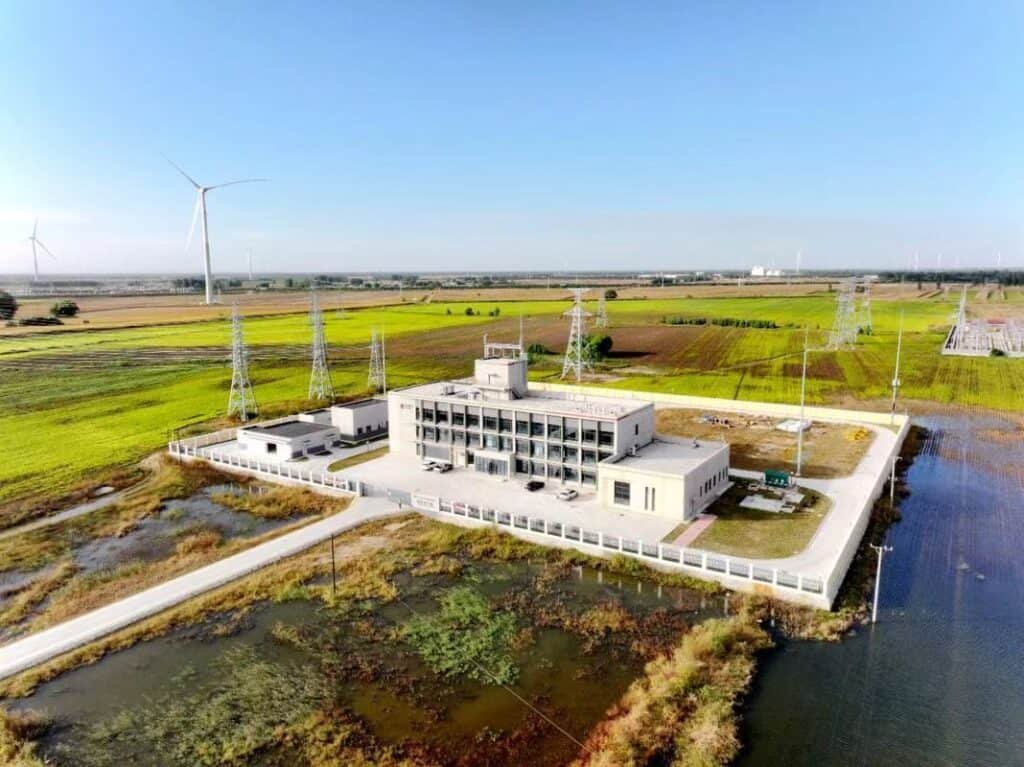
Energy loss in transformers is a critical factor that affects both operational efficiency and long-term costs. Whether in a large utility power grid or a smaller industrial setup, minimizing transformer losses can lead to significant energy savings and improved performance. Evaluating transformer energy losses involves understanding where losses occur—mainly through core (no-load) losses and winding (load) losses—and how to measure and analyze them effectively. This article will guide you through the key methods and considerations for accurately evaluating transformer energy loss and why this evaluation is essential for system optimization.
What Are the Main Types of Transformer Energy Losses?
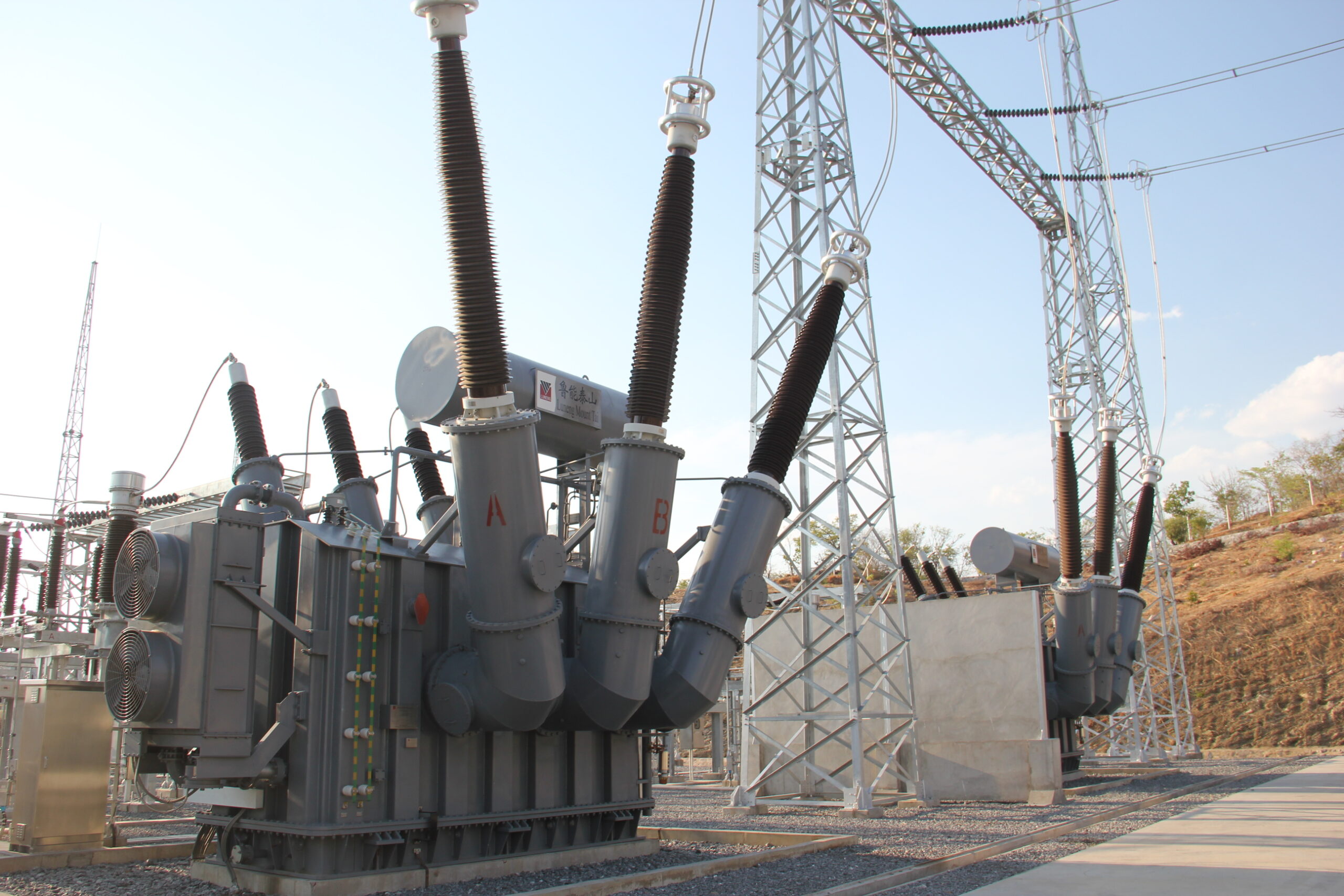
Transformer energy losses are the unavoidable byproducts of electromagnetic conversion that occur when transferring electrical energy between circuits. Although transformers are highly efficient—often achieving efficiencies above 98%—they still experience energy losses that impact operational cost, thermal performance, and system efficiency. Understanding these losses is crucial for transformer design, performance optimization, and energy-saving strategies.
In this article, we explore in detail the main types of transformer energy losses, their causes, characteristics, and practical implications.
1. Core Losses (Iron Losses)
Core losses occur in the magnetic core material due to alternating magnetic flux.
| Type of Core Loss | Mechanism |
|---|---|
| Hysteresis Loss | Energy loss due to the lagging of magnetic domains behind the changing magnetic field. |
| Eddy Current Loss | Loss caused by circulating currents induced within the core material by alternating magnetic flux. |
Key Points:
- Hysteresis loss depends on material properties and frequency.
- Eddy current loss depends on core thickness and conductivity.
- Core losses are almost constant, independent of load.
Reduction Methods:
- Use high-grade silicon steel.
- Laminate the core with thin, insulated sheets.
- Use amorphous metal cores for even lower losses.
2. Copper Losses (Winding Losses)
Copper losses occur due to the resistance of the transformer's windings when carrying current.
| Aspect | Detail |
|---|---|
| Mechanism | Ohmic (I²R) losses due to current flowing through resistive windings. |
| Dependence | Proportional to the square of the load current. |
| Affected By | Winding material (copper, aluminum), conductor cross-section, and operating temperature. |
Key Points:
- Increases significantly during heavy loading.
- Higher winding temperatures further raise resistance, exacerbating losses.
Reduction Methods:
- Use larger conductor cross-sections.
- Employ high-conductivity materials.
- Optimize winding design to minimize length and resistance.
3. Stray Losses
Stray losses are caused by leakage fluxes that induce eddy currents in nearby metallic components.
| Source | Effect |
|---|---|
| Leakage magnetic fields | Induce currents in the tank walls, structural supports, and other metallic parts. |
Key Points:
- Stray losses are load-dependent.
- They are usually small compared to core and copper losses but become significant in large power transformers.
Reduction Methods:
- Use non-metallic or laminated construction in certain regions.
- Shield structural parts with non-conductive coatings.
4. Dielectric Losses
Dielectric losses occur in insulating materials under the influence of alternating electric fields.
| Source | Mechanism |
|---|---|
| Solid insulation (paper, resin) | Molecular friction causes heat during AC operation. |
| Liquid insulation (transformer oil) | Polarization losses occur at molecular levels. |
Key Points:
- Typically very low under normal conditions.
- Increase with insulation aging, contamination, or moisture ingress.
Reduction Methods:
- Use high-quality, low-loss dielectric materials.
- Regular monitoring and maintenance of insulation condition.
5. Magnetostriction and Acoustic Losses
Magnetostriction is the physical deformation of the core material as it magnetizes and demagnetizes, causing:
| Loss Type | Effect |
|---|---|
| Acoustic Losses (Noise) | Energy radiated as audible vibrations. |
Key Points:
- Contributes minimally to energy loss but affects environmental noise levels.
- More critical in urban transformers where noise reduction is essential.
Mitigation Methods:
- Use low-magnetostriction core materials.
- Employ sound-proof enclosures and damping structures.
ClaimReview Fact Check
Transformer energy losses include core losses, copper losses, stray losses, dielectric losses, and acoustic losses, each affecting overall efficiency and thermal management.True
Core and copper losses dominate transformer inefficiencies, while stray, dielectric, and acoustic losses play smaller but important roles in specific operating conditions.
6. Summary Table: Main Types of Transformer Energy Losses
| Type of Loss | Primary Cause | Load Dependence |
|---|---|---|
| Core Loss (Hysteresis + Eddy) | Alternating magnetic flux in the core | No (constant) |
| Copper Loss | Resistance of windings carrying current | Yes (load-dependent) |
| Stray Loss | Leakage flux inducing currents in metal parts | Yes (load-dependent) |
| Dielectric Loss | Polarization in insulation materials | Minimal (increases with aging) |
| Acoustic Loss (Magnetostriction) | Mechanical vibration from core magnetization | Minor, environment-dependent |
How Is No-Load Loss Measured and Evaluated?
No-load loss in transformers—also known as core loss—is the energy consumed by the transformer when its secondary winding is open, meaning there is no external load connected. This loss primarily results from hysteresis and eddy current losses in the transformer's magnetic core, and it occurs whenever the transformer is energized, regardless of load.
Accurately measuring and evaluating no-load loss is essential because it directly impacts operational efficiency, economic performance, and environmental sustainability over the transformer's service life.
In this article, we explain how no-load loss is measured and evaluated, detailing the procedures, instruments, influencing factors, and importance in transformer performance assessments.
1. What Is No-Load Loss in a Transformer?
| Component | Explanation |
|---|---|
| Hysteresis Loss | Caused by the lagging behavior of magnetic domains aligning with the alternating magnetic field. |
| Eddy Current Loss | Caused by circulating currents induced within the core material itself. |
Key Characteristics:
- Independent of load current.
- Proportional to voltage squared: small changes in voltage significantly impact no-load loss.
- Temperature dependent: core material properties vary with temperature, slightly affecting losses.
2. How Is No-Load Loss Measured? (Step-by-Step Procedure)
| Step | Action |
|---|---|
| 1. Connect Test Instruments | Attach a precision wattmeter, voltmeter, and ammeter to the primary side. |
| 2. Ensure Open Circuit on Secondary | Leave the secondary terminals completely open, ensuring no load current. |
| 3. Energize the Transformer | Apply rated voltage at rated frequency to the primary winding. |
| 4. Record Readings | Measure the applied voltage (V), no-load current (I₀), and input power (W₀). |
| 5. Analyze Results | W₀ directly represents the no-load loss, comprising hysteresis and eddy current components. |
Important:
- Use high-precision instruments due to the typically low magnitude of no-load power (especially in distribution transformers).
- Ensure stable temperature during measurement for accurate evaluation.
3. Standard Test Conditions
To ensure consistency, tests are performed under standard conditions defined by IEC 60076 and IEEE C57.12 standards:
| Parameter | Standard Condition |
|---|---|
| Voltage | Rated voltage (±1%). |
| Frequency | Rated system frequency (50 Hz or 60 Hz). |
| Temperature | Core loss usually corrected to a standard temperature, typically 20°C or 25°C. |
| Waveform | Pure sinusoidal supply to avoid harmonics influencing the result. |
4. Instruments Used in No-Load Loss Testing
| Instrument | Function |
|---|---|
| Precision Wattmeter | Measures true power loss. |
| AC Voltmeter | Measures applied voltage accurately. |
| AC Ammeter | Measures magnetizing current (no-load current). |
| Frequency meter (optional) | Verifies supply frequency stability. |
Modern test setups often integrate digital acquisition systems to improve measurement accuracy and automate data collection.
5. Evaluation and Correction of Measured No-Load Loss
| Correction Type | Purpose |
|---|---|
| Voltage Correction | Adjust measurements if the applied voltage deviates from rated voltage. |
| Temperature Correction | Normalize losses to standard temperature for comparison to guaranteed values. |
| Harmonic Distortion Correction | Remove effects of non-sinusoidal supply if present. |
Formulas:
If applied voltage differs from rated:
[W_{0_corrected} = W0 \times \left( \frac{V{rated}}{V_{applied}} \right)^2]
Where:
- (W_0) = measured no-load loss,
- (V_{rated}) = transformer's rated voltage,
- (V_{applied}) = actual applied voltage during testing.
Temperature corrections typically use manufacturer-provided curves or factors.
6. Importance of No-Load Loss Evaluation
| Aspect | Impact |
|---|---|
| Efficiency Rating | High no-load loss directly reduces transformer's overall efficiency. |
| Economic Operation | Losses contribute to operational costs over the lifetime (especially in lightly loaded or continuously energized transformers). |
| Environmental Impact | Lower losses mean reduced carbon footprint, aligning with green energy goals. |
| Contractual Compliance | Guarantees for transformer procurement often specify maximum allowable no-load losses. |
Thus, precise no-load loss evaluation is vital for both technical and economic reasons.
ClaimReview Fact Check
No-load loss in transformers is measured by applying rated voltage with an open secondary and recording the true power input, followed by corrections for voltage, temperature, and harmonics as needed.True
Accurate no-load loss measurement ensures transformers meet performance guarantees, improve operational efficiency, and support energy-saving initiatives.
7. Summary Table: Key Points in Measuring and Evaluating No-Load Loss
| Aspect | Summary |
|---|---|
| Measurement Setup | Apply rated voltage with secondary open-circuited. |
| Key Instruments | Wattmeter, voltmeter, ammeter, frequency meter. |
| Corrections | Adjust for voltage deviation, temperature, and waveform quality. |
| Evaluation Importance | Affects efficiency, lifecycle cost, environmental impact, and standards compliance. |
How Are Load Losses Evaluated During Transformer Operation?
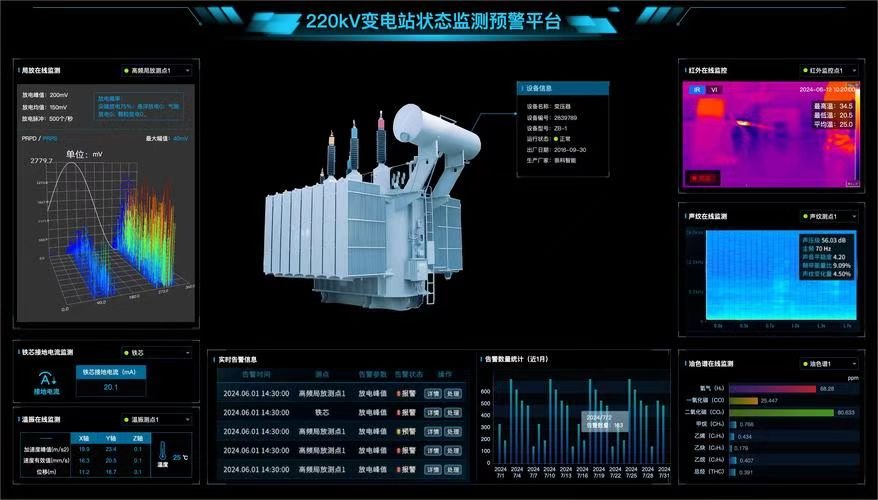
Load losses—also called copper losses—in transformers occur due to the resistance of the windings when they carry load current. Unlike no-load losses, which are mostly constant, load losses vary with the square of the load current. Evaluating load losses accurately is essential for assessing transformer efficiency, predicting heating effects, and ensuring reliable operation under varying system conditions.
In this article, we thoroughly explain how load losses are evaluated during transformer operation, including the methods, measurement procedures, influencing factors, and their importance for performance and reliability.
1. What Are Load Losses in Transformers?
| Type of Loss | Description |
|---|---|
| Copper Loss (I²R Loss) | Heat generated in the windings due to current flow through resistive conductors. |
| Stray Losses | Additional losses caused by leakage flux inducing eddy currents in structural parts. |
| Eddy Current Loss in Conductors | Currents circulating inside the conductors themselves under AC magnetic fields. |
Key Characteristics:
- Proportional to the square of the load current: doubling the load increases copper losses four times.
- Temperature dependent: as temperature rises, resistance increases, slightly raising the losses.
- Load-dependent: varies continuously with operating conditions.
2. How Are Load Losses Measured? (Short-Circuit Test Procedure)
| Step | Action |
|---|---|
| 1. Connect Short-Circuit Test Setup | Attach wattmeter, ammeter, and voltmeter to primary side. Short-circuit secondary winding through low-resistance links. |
| 2. Apply Low Voltage | Apply a reduced voltage sufficient to circulate full-load current in the windings. |
| 3. Record Key Measurements | Measure input voltage (V), current (I), and power (W) under short-circuit condition. |
| 4. Calculate Load Losses | The wattmeter reading directly represents copper and stray losses at the tested load current. |
Important:
- Core (no-load) losses are negligible at the low voltage applied during the short-circuit test.
- Therefore, the measured power loss almost entirely represents load losses.
3. Corrections Applied to Load Loss Measurements
| Correction | Reason |
|---|---|
| Temperature Correction | Load losses are standardized at a reference temperature, typically 75°C or 85°C, because resistance changes with temperature. |
| Voltage Correction (if needed) | Adjust if the test voltage differs slightly from calculated short-circuit voltage. |
Temperature Correction Formula:
[P{75^\circ C} = P{test} \times \left( \frac{235 + 75}{235 + T_{test}} \right)]
Where:
- (P_{75^\circ C}) = corrected load loss at 75°C,
- (P_{test}) = measured load loss during the test,
- (T_{test}) = ambient temperature during test.
4. How Load Losses Are Monitored During Actual Operation
During real-world operation:
| Method | How It Works |
|---|---|
| Temperature Monitoring | Winding temperature rise is indicative of copper loss magnitude. |
| Current Measurement | Load current monitoring allows real-time calculation of expected I²R losses. |
| Online Dissolved Gas Analysis (DGA) | Detects overheating and hotspots linked to excessive copper losses. |
| Condition Monitoring Systems | Smart sensors track load patterns and predict thermal stresses from load loss behavior. |
Load profile analysis over time helps assess how operational patterns influence transformer aging due to thermal effects from copper losses.
5. Factors Affecting Load Losses in Transformers
| Factor | Impact on Load Loss |
|---|---|
| Winding Material (Copper vs. Aluminum) | Copper has lower resistance, thus lower losses. |
| Conductor Size | Larger cross-sectional areas reduce resistance. |
| Winding Configuration | Optimized layouts minimize leakage flux and stray losses. |
| Load Profile | Frequent overloading increases average copper loss. |
| Cooling Effectiveness | Proper cooling helps maintain lower resistance values. |
Careful design and operational strategies minimize load losses and improve transformer life expectancy.
6. Importance of Load Loss Evaluation
| Aspect | Why It Matters |
|---|---|
| Transformer Efficiency | Load losses reduce net energy output, impacting operational costs. |
| Thermal Design Validation | Ensures windings do not overheat under rated and overload conditions. |
| Grid Stability Support | Efficient transformers minimize energy losses and maintain voltage levels. |
| Financial Optimization | Lower load losses lead to reduced energy costs over the transformer's service life. |
ClaimReview Fact Check
Load losses in transformers are evaluated by measuring input power during a short-circuit test at rated current, corrected for temperature, and monitored during operation through current and temperature tracking.True
Short-circuit testing isolates copper and stray losses, while real-time monitoring helps assess and manage operational heating and efficiency impacts in service conditions.
7. Summary Table: Evaluating Load Losses in Transformers
| Aspect | Summary |
|---|---|
| Measurement Method | Short-circuit test with low applied voltage. |
| Main Influencing Factors | Current magnitude, conductor resistance, temperature. |
| Monitoring During Operation | Load current tracking, winding temperature sensors, DGA analysis. |
| Correction Needed | Standardization to rated temperature (typically 75°C). |
| Importance | Efficiency, thermal management, longevity, operational economy. |
What Role Does Temperature Play in Transformer Losses?
Temperature plays a critical role in determining the magnitude, behavior, and consequences of transformer losses. Since transformers operate under varying load conditions and ambient temperatures, understanding how heat influences copper losses, core losses, and overall transformer health is crucial. Temperature not only affects electrical resistance but also accelerates material degradation, making it a central factor in transformer efficiency, reliability, and lifespan.
In this article, we deeply explore the role of temperature in transformer losses, including technical mechanisms, practical implications, and strategies for effective management.
1. How Temperature Affects Copper Losses (Load Losses)
| Effect | Explanation |
|---|---|
| Resistance Increase | As temperature rises, the resistance of copper (or aluminum) windings increases. |
| Amplified I²R Loss | Since copper loss is proportional to current squared times resistance (I²R), higher resistance directly increases copper losses. |
Key Relationship:
- Copper resistance rises approximately 0.4% per °C increase in temperature above 20°C.
Impact:
- Higher operating temperatures cause more electrical energy to be converted into heat.
- Leads to higher operational losses, requiring more cooling to prevent overheating.
Formula:
[RT = R{20°C} \times (1 + \alpha \times (T - 20))]
Where:
- (R_T) = Resistance at temperature T,
- (\alpha) ≈ 0.004/°C for copper.
2. Temperature Influence on Core Losses (No-Load Losses)
| Core Loss Type | Temperature Impact |
|---|---|
| Hysteresis Loss | Slightly decreases with rising temperature because magnetic domain movement becomes easier. |
| Eddy Current Loss | Decreases slightly because increased resistivity reduces induced currents in the core. |
Net Effect:
- Core losses decrease slightly with higher temperatures, but the change is relatively small compared to copper losses.
3. Thermal Aging of Transformer Insulation
| Aspect | Impact of Temperature |
|---|---|
| Insulation degradation rate | Doubles with every 6–8°C rise above design temperature (Arrhenius law). |
| End of life acceleration | Excessive heat dramatically shortens transformer service life. |
Critical Temperature Limits:
- Hot-spot winding temperature typically must not exceed 110–120°C.
- Exceeding limits causes accelerated chemical breakdown of paper, oil, or resin insulation.
Result:
- Increased risk of dielectric failure and catastrophic breakdown under load.
4. Transformer Cooling and Its Importance
| Cooling Method | Purpose |
|---|---|
| ONAN (Oil Natural Air Natural) | Natural convection cooling for standard load conditions. |
| ONAF (Oil Natural Air Forced) | Forced air cooling for higher load or emergency situations. |
| OFAF (Oil Forced Air Forced) | Enhanced cooling using pumps and fans for large power transformers. |
| Dry-type cooling | Air or forced-air cooled dry transformers use ventilation systems. |
Key Point:
- Proper cooling manages temperature rise, limiting load and core losses.
- Essential for maintaining efficiency and avoiding accelerated aging.
5. Load Cycles and Temperature Fluctuations
| Operating Scenario | Temperature Behavior |
|---|---|
| Light load periods | Lower winding temperatures, reduced copper losses. |
| Peak load periods | High winding temperatures, increased copper losses, possible overload stress. |
Management Strategies:
- Use load tap changers (LTCs) to optimize voltage and minimize losses during variable load periods.
- Apply dynamic thermal rating (DTR) to adapt transformer loading based on real-time temperature monitoring.
6. Real-Time Temperature Monitoring for Loss Management
| Monitoring Tool | Purpose |
|---|---|
| Winding temperature sensors | Detect hot-spots and manage load limits. |
| Oil temperature sensors | Monitor cooling effectiveness. |
| Ambient temperature monitoring | Adjust cooling system operation for seasonal variations. |
Benefits:
- Predict potential overheating risks.
- Allow adaptive operation to balance efficiency and longevity.
- Enable preventive maintenance before failures occur.
ClaimReview Fact Check
Temperature directly influences transformer losses by increasing winding resistance, affecting core loss behavior, and accelerating insulation aging, impacting both efficiency and service life.True
Higher temperatures amplify copper losses, slightly reduce core losses, and significantly degrade insulation, emphasizing the importance of thermal management in transformer operations.
7. Summary Table: Temperature Impact on Transformer Losses
| Transformer Element | Temperature Influence |
|---|---|
| Copper (Load) Losses | Increase with rising winding temperature. |
| Core (No-Load) Losses | Slight decrease with temperature rise. |
| Insulation System | Degrades faster with higher operating temperatures. |
| Overall Transformer Efficiency | Decreases at elevated operating temperatures. |
| Service Life | Shortens significantly if thermal limits are exceeded. |
What Tools and Methods Are Used for Loss Measurement and Analysis?
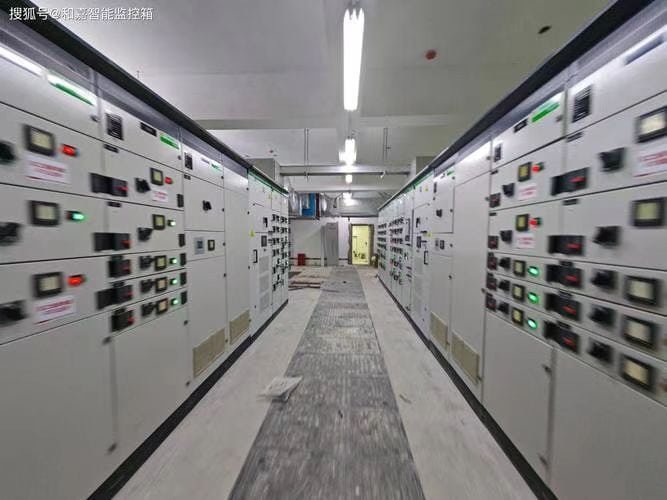
Measuring and analyzing transformer losses accurately is crucial for assessing efficiency, validating performance specifications, optimizing operational costs, and ensuring compliance with industry standards. To accomplish this, engineers use specialized tools and precise methodologies to quantify both no-load (core) losses and load (copper) losses. High accuracy is essential because even small errors can lead to incorrect transformer evaluations, affecting energy billing, asset planning, and regulatory reporting.
In this article, we detail the primary tools and methods used for transformer loss measurement and analysis, along with best practices for achieving precise and meaningful results.
1. Key Tools for Loss Measurement
| Tool | Purpose |
|---|---|
| Precision Wattmeter | Measures the real power loss during no-load and load tests. |
| AC Voltmeter | Measures applied voltage during tests. |
| AC Ammeter | Measures current during short-circuit (load loss) tests. |
| Current Transformer (CT) | Allows measurement of large currents safely and accurately. |
| Potential Transformer (PT) | Steps down high voltages for accurate measurement. |
| Digital Power Analyzer | Measures and records voltage, current, power, harmonics, and phase angles simultaneously. |
| Temperature Sensors | Monitor winding, oil, or ambient temperatures to correct loss measurements. |
| Data Acquisition System (DAQ) | Digitally collects, stores, and processes measurement data. |
Modern test setups integrate these tools into computer-controlled systems to automate analysis, improve accuracy, and reduce manual errors.
2. Methods for No-Load Loss Measurement
| Test Name | Procedure |
|---|---|
| Open-Circuit Test (No-Load Test) | Energize the primary winding at rated voltage while keeping the secondary open; measure input power, voltage, and current. |
Goal:
- Capture hysteresis and eddy current losses of the transformer core.
- Core losses are independent of load current, but very sensitive to applied voltage and waveform purity.
Important Tips:
- Use pure sinusoidal voltage supply.
- Apply voltage exactly at rated value to avoid incorrect loss evaluation.
3. Methods for Load Loss Measurement
| Test Name | Procedure |
|---|---|
| Short-Circuit Test | Short the secondary winding through a low-impedance path; apply enough voltage on the primary to circulate rated current. Measure the input power, voltage, and current. |
Goal:
- Evaluate copper losses (I²R) and stray losses under rated load conditions.
- Core losses are negligible because of low test voltage.
Key Considerations:
- Ensure accurate current measurement to confirm full-load conditions.
- Temperature correction is essential because winding resistance varies with heat.
4. Advanced Techniques for Loss Analysis
| Technique | Application |
|---|---|
| Frequency Response Analysis (FRA) | Detect core saturation and mechanical displacement affecting losses. |
| Infrared Thermography | Identify localized hot spots indicating uneven losses or winding faults. |
| Partial Discharge (PD) Testing | Detect insulation weaknesses that may increase dielectric losses. |
| Online Monitoring Systems | Real-time tracking of losses, temperatures, currents, and harmonics during transformer service. |
These methods go beyond traditional factory tests by offering deeper insights into real-world operating conditions.
5. Corrections and Standards in Loss Measurement
| Correction Type | Purpose |
|---|---|
| Voltage Correction | Standardizes no-load loss to rated voltage. |
| Temperature Correction | Adjusts load loss to reference temperature (typically 75°C or 85°C). |
| Harmonic Distortion Correction | Removes impact of supply waveform distortion during testing. |
Relevant Standards:
- IEC 60076-1: Power transformers—General specifications and testing.
- IEEE C57.12.90: Standard test code for liquid-immersed distribution, power, and regulating transformers.
Adhering to standards ensures comparability and regulatory compliance across manufacturers and testing bodies.
6. Example: Complete Transformer Loss Testing Workflow
| Stage | Description |
|---|---|
| Preparation | Connect calibrated wattmeters, voltmeters, ammeters, and temperature sensors. |
| Open-Circuit Test (No-Load Loss) | Measure core loss at rated voltage and frequency. |
| Short-Circuit Test (Load Loss) | Measure copper and stray losses at rated current with low voltage. |
| Data Correction | Apply voltage and temperature corrections to raw readings. |
| Analysis and Reporting | Summarize losses, efficiency calculations, and compliance checks. |
End Result:
- Accurate efficiency curves.
- Verified compliance with procurement specifications.
- Baseline data for future maintenance and monitoring.
ClaimReview Fact Check
Transformer loss measurement and analysis use tools like precision wattmeters, ammeters, voltmeters, and methods like open-circuit and short-circuit tests, along with corrections for voltage, temperature, and harmonics.True
Accurate evaluation of core and load losses requires standardized testing instruments, procedures, and adjustments to ensure transformers meet performance specifications and operational efficiency goals.
7. Summary Table: Key Tools and Methods for Transformer Loss Evaluation
| Tool/Method | Purpose |
|---|---|
| Precision Wattmeter | Measure real power loss during testing. |
| Open-Circuit Test | Measure no-load/core losses. |
| Short-Circuit Test | Measure load/copper losses. |
| Temperature Monitoring | Correct measurements for thermal effects. |
| Power Analyzer and DAQ Systems | Digital measurement and real-time data analysis. |
| Advanced Diagnostics (FRA, IR, PD) | Deep analysis of loss behavior and fault prediction. |
How Can Transformer Losses Be Minimized for Better Efficiency?

Minimizing transformer losses is critical for improving efficiency, lowering operational costs, and enhancing sustainability across power systems. Since transformers are energized almost continuously, even small improvements in loss performance can lead to significant energy savings, reduced carbon emissions, and better financial outcomes over their operational life.
Loss reduction focuses on minimizing both no-load (core) and load (copper) losses through a combination of design improvements, material innovations, optimized operation, and regular maintenance.
In this article, we explain in detail how transformer losses can be minimized for better efficiency, with practical techniques and emerging technologies for high-performance, sustainable systems.
1. Use of High-Quality Core Materials
| Material Improvement | Efficiency Benefit |
|---|---|
| Cold-Rolled Grain-Oriented (CRGO) Steel | Reduces hysteresis and eddy current losses compared to conventional steel. |
| Amorphous Metal Core | Offers 60–70% lower core losses than traditional silicon steel. |
| Laser-Scribed Core Sheets | Improve magnetic domain alignment, lowering core loss further. |
Impact:
- Significant reduction in no-load/core losses.
- Particularly valuable for distribution transformers operating under light load most of the time.
2. Optimize Winding Design
| Technique | Effect on Losses |
|---|---|
| Larger Conductor Cross-Section | Reduces resistance, lowering copper (load) losses. |
| Use of Copper Instead of Aluminum | Higher conductivity for the same size reduces I²R losses. |
| Compact Winding Layout | Minimizes leakage reactance and associated stray losses. |
Design optimization ensures reduced resistive heating and better short-circuit withstand strength.
3. Implement Efficient Cooling Systems
| Cooling Upgrade | Efficiency Impact |
|---|---|
| Forced Air Cooling (ONAF) | Increases load-carrying capacity while keeping winding temperatures lower. |
| Oil Forced Cooling (OFAF) | Further enhances thermal performance for large transformers. |
| Nano-fluid Enhanced Cooling | Provides better heat dissipation compared to standard transformer oils. |
Proper cooling prevents excessive temperature rise, thereby maintaining low resistance and extending transformer life.
4. Employ Smart Load Management
| Strategy | Loss Reduction Result |
|---|---|
| Avoid overloading | Prevents rapid increase in copper losses (since losses grow with the square of current). |
| Dynamic Load Shifting | Balances loads across time and location to optimize efficiency. |
| Intelligent Tap Changer Operations | Maintain optimal voltage, avoiding excessive magnetization losses. |
Smart grid integration and load forecasting tools can dynamically adjust transformer loading to minimize energy losses.
5. Design for Optimal Operating Points
| Design Focus | Benefit |
|---|---|
| Right-size transformer for typical load | Avoids light load operation where fixed core losses dominate. |
| Match voltage levels carefully | Reduces voltage regulation-related losses. |
Over-sizing or under-loading transformers increases energy wastage—design must aim for operation near optimal efficiency points.
6. Apply Loss Reduction Standards and Regulations
| Standard/Program | Goal |
|---|---|
| DOE 2016 (U.S.) Transformer Efficiency Standards | Set mandatory minimum efficiency for distribution transformers. |
| EU EcoDesign Directive (Tier 2) | Requires energy-efficient transformer designs across Europe. |
Following efficiency standards ensures the deployment of low-loss transformers that support national and global sustainability targets.
7. Perform Regular Maintenance and Monitoring
| Maintenance Activity | Loss Minimization Effect |
|---|---|
| Periodic oil testing | Maintains insulation quality, preventing energy-wasting dielectric degradation. |
| Cleaning cooling radiators | Ensures proper heat dissipation, keeping resistance and thermal aging in check. |
| Tightening connections | Reduces localized heating and contact losses. |
Condition monitoring systems with sensors and online diagnostics detect inefficiencies early, preventing minor issues from growing into major energy sinks.
8. Emerging Technologies for Future Loss Minimization
| Innovation | Potential Impact |
|---|---|
| Solid-State Transformers (SSTs) | Enable very low losses with advanced power electronic control. |
| Self-Healing Insulation Systems | Maintain dielectric performance over long periods, reducing dielectric losses. |
| AI-Optimized Grid Operations | Predict optimal loading, voltage regulation, and maintenance schedules to maximize transformer efficiency. |
Emerging technologies promise further reductions in losses, especially in decentralized, dynamic grids of the future.
ClaimReview Fact Check
Transformer losses can be minimized through high-quality core materials, optimized winding design, advanced cooling, smart load management, and regular maintenance.True
Reducing core and copper losses through material selection, intelligent design, and operational strategies greatly improves transformer efficiency and extends operational life while cutting energy costs.
9. Summary Table: Practical Ways to Minimize Transformer Losses
| Action | Loss Type Reduced |
|---|---|
| Use Amorphous or CRGO cores | Core (no-load) losses. |
| Increase conductor size | Copper (load) losses. |
| Improve cooling systems | Indirectly reduces copper and stray losses by controlling temperature. |
| Smart load management | Optimizes copper losses and minimizes stray losses. |
| Regular maintenance | Sustains low losses by preserving thermal and electrical performance. |
| Deploy emerging technologies | Future reductions in both core and copper losses. |
Conclusion
Accurately evaluating the energy loss of transformers is essential for optimizing performance, reducing operational costs, and achieving energy efficiency goals. By understanding the different types of losses, employing precise testing methods, and using the right monitoring tools, operators and engineers can identify inefficiencies and implement strategies to minimize them. As energy conservation becomes more critical globally, the focus on transformer efficiency and loss evaluation will only intensify, paving the way for smarter, greener electrical infrastructure.
FAQ
Q1: What are the main types of energy losses in transformers?
A1: The two main types of energy losses in transformers are core losses (iron losses) and copper losses. Core losses occur due to hysteresis and eddy currents in the transformer's core, while copper losses result from the resistance in the windings when current flows through them.
Q2: How can core losses in transformers be evaluated?
A2: Core losses are evaluated by conducting an open-circuit test, where the secondary winding is open and rated voltage is applied to the primary side. The power measured during this test (primarily from the core) indicates the transformer's iron losses, which are almost constant regardless of load.
Q3: How are copper losses measured in transformers?
A3: Copper losses are measured using a short-circuit test, where the secondary side is shorted and a reduced voltage is applied to the primary to circulate full-load current. The measured power under this condition is primarily due to the I²R losses (current squared times resistance) in the windings.
Q4: What role does load condition play in transformer energy loss?
A4: Copper losses vary with the square of the load current, meaning they increase significantly under high load conditions. Core losses, however, remain nearly constant regardless of load. Therefore, analyzing load patterns is essential for accurately evaluating overall energy loss and optimizing transformer operation.
Q5: How can transformer energy loss be minimized?
A5: Energy loss can be minimized by using high-quality core materials (like amorphous steel to reduce core losses), optimizing winding designs (to lower resistance and reduce copper losses), maintaining optimal load conditions, and performing regular maintenance to ensure efficient cooling and minimal degradation.
References
"Evaluating Energy Losses in Transformers: A Complete Guide" - https://www.transformertech.com/transformer-energy-loss - Transformer Tech
"Methods to Measure and Minimize Transformer Losses" - https://www.powermag.com/evaluating-transformer-losses - Power Magazine
"Understanding Core and Copper Losses in Transformers" - https://www.electrical4u.com/transformer-core-copper-losses - Electrical4U
"Energy Loss Assessment Techniques in Transformers" - https://www.researchgate.net/transformer-energy-loss-assessment - ResearchGate
"How to Conduct Open-Circuit and Short-Circuit Tests on Transformers" - https://www.sciencedirect.com/transformer-test-methods - ScienceDirect
"Energy Efficiency Improvement Through Transformer Optimization" - https://www.smartgridnews.com/transformer-energy-efficiency - Smart Grid News
"Transformer Loss Reduction Techniques for Power Systems" - https://www.energycentral.com/c/ee/transformer-loss-reduction - Energy Central
"Best Practices for Measuring Transformer Losses" - https://www.powergrid.com/measuring-transformer-losses - PowerGrid