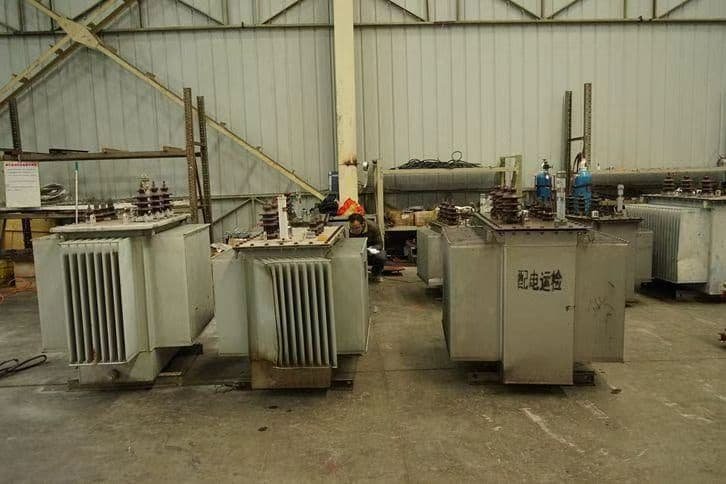
The electrical life of a transformer is a fundamental concept for ensuring reliable and efficient power delivery over the long term. Unlike simple mechanical lifespan, electrical life refers to the duration a transformer can operate under electrical stresses — including voltage fluctuations, load cycles, and fault conditions — before significant deterioration occurs. Understanding the factors that influence a transformer's electrical life helps operators optimize performance, schedule maintenance, and make informed replacement decisions. In this article, we explore what defines electrical life, what affects it, and how it can be extended.
What Defines the Electrical Life of a Transformer?
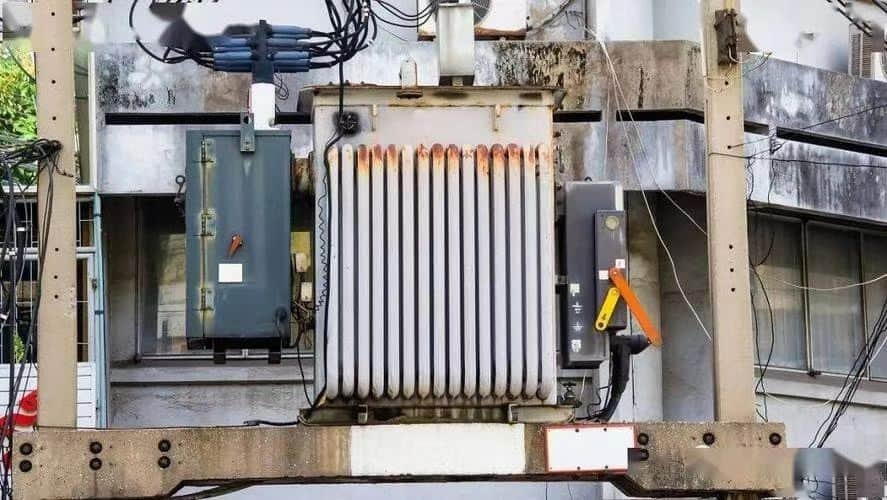
The electrical life of a transformer is defined by the period during which it can reliably perform its designed electrical functions—such as voltage transformation, insulation integrity, and current carrying capacity—before failure risks become unacceptable. A transformer's electrical life is not merely determined by age in years but by the cumulative effects of stresses such as thermal aging, electrical overstress, mechanical degradation, environmental factors, and maintenance quality.
In this article, we will explore in depth what defines the electrical life of a transformer, the key aging factors, how it is evaluated, and how operational practices can extend or shorten it.
1. Insulation System Degradation (Primary Limiting Factor)
| Element | Impact on Electrical Life |
|---|---|
| Solid Insulation (Paper, Pressboard) | Deteriorates due to thermal aging and moisture, leading to reduced dielectric strength. |
| Liquid Insulation (Oil) | Oxidizes over time, loses dielectric properties, and promotes insulation degradation. |
Importance:
- The solid insulation condition is the ultimate determinant of transformer end-of-life.
- Loss of dielectric integrity leads to internal faults, dielectric breakdowns, and irreversible failures.
Thermal aging of paper insulation follows the Arrhenius Law, meaning each 6–8°C rise above the design temperature approximately halves insulation life.
2. Thermal Aging and Hot-Spot Temperature
| Parameter | Effect on Transformer Life |
|---|---|
| Hot-Spot Temperature | Highest temperature point in windings; critical for insulation aging rate. |
| Overload Events | Rapidly accelerate aging even during short periods. |
Typical Design Limits:
- Maximum permissible hot-spot temperature: 110°C–120°C.
- Operating consistently above these limits shortens transformer life exponentially.
Example:
- A transformer continuously operating 10°C above rated hot-spot temperature ages twice as fast.
3. Electrical Stress and Fault Exposure
| Type of Stress | Impact |
|---|---|
| Lightning and Switching Surges | Cause high-voltage transients, stressing insulation barriers. |
| Overvoltages | Can puncture weakened insulation or cause partial discharges. |
| Short-Circuit Currents | Induce severe mechanical stresses on windings and connections. |
Importance:
- Repeated electrical stresses gradually erode insulation margins.
- A single high-energy event can dramatically shorten service life even if no immediate failure is observed.
4. Load Cycling and Mechanical Fatigue
| Parameter | Effect on Electrical Life |
|---|---|
| Load Fluctuations | Cause thermal expansion/contraction cycles in windings. |
| Daily and seasonal load variation | Induces mechanical fatigue and loosening of internal structures. |
Impact:
- Over time, mechanical shifts can cause partial discharges, conductor deformation, or short circuits.
- Frequent or extreme load variations reduce transformer longevity.
5. Moisture and Contamination
| Source | Effect |
|---|---|
| Atmospheric ingress, oil aging | Introduces water and oxygen into insulation system. |
| Internal condensation | Forms under fluctuating temperatures and poor sealing. |
Consequences:
- Moisture reduces dielectric strength drastically.
- Promotes hydrolysis of cellulose insulation, further accelerating deterioration.
Moisture content over 2% in paper insulation can cut transformer life by more than half.
6. Corrosion and Chemical Attack
| Affected Components | Resulting Damage |
|---|---|
| Copper windings, tank walls | Corrosion leads to increased resistance, hotspots, and mechanical weakening. |
| Insulation | Acidic byproducts from oil aging attack paper insulation. |
Impact:
- Chemical degradation compromises both mechanical strength and dielectric properties.
Maintaining oil quality is essential to prevent corrosion-driven failures.
7. Monitoring and Diagnostics Indicators
| Tool | Electrical Life Insight |
|---|---|
| Dissolved Gas Analysis (DGA) | Detects internal fault development early. |
| Furan Analysis | Measures degradation products from cellulose paper. |
| Power Factor (Tan Delta) Testing | Evaluates insulation aging non-destructively. |
| Partial Discharge Testing | Identifies localized insulation weaknesses. |
Regular monitoring can accurately predict life expectancy and allow proactive refurbishment or replacement decisions.
ClaimReview Fact Check
The electrical life of a transformer is defined by the cumulative effects of thermal aging, electrical stress, mechanical fatigue, moisture contamination, and insulation degradation.True
Transformer failure is primarily driven by insulation breakdown and aging processes influenced by operational stresses, with thermal, electrical, and environmental factors playing key roles in determining service life.
8. Summary Table: Main Factors Defining Transformer Electrical Life
| Factor | Impact on Life |
|---|---|
| Thermal Aging | Accelerated by high hot-spot temperatures. |
| Electrical Overstress | Surges and faults stress insulation and structures. |
| Load Cycling | Mechanical fatigue and winding displacement. |
| Moisture and Contamination | Reduces insulation strength and accelerates aging. |
| Corrosion and Chemical Attack | Damages metal and insulation systems. |
| Diagnostics and Monitoring | Enables life extension through early detection and management. |
What Factors Influence the Electrical Life of a Transformer?
The electrical life of a transformer refers to the duration during which the transformer can perform its intended electrical function—voltage transformation and current transfer—without failing due to insulation breakdown, electrical overstress, or thermal damage. Unlike mechanical lifespan, electrical life is influenced by cumulative effects of operational, environmental, and maintenance factors that impact the health of the insulation system and core functionality.
Proactively managing these factors is essential to maximize transformer reliability, reduce unplanned outages, and optimize asset investment.
In this article, we explore the primary factors that influence the electrical life of a transformer, supported by technical reasoning, mitigation strategies, and maintenance best practices.
1. Thermal Aging of Insulation
| Cause | Impact on Electrical Life |
|---|---|
| High hot-spot temperature | Accelerates degradation of solid insulation (cellulose). |
| Overloading and poor cooling | Leads to temperature rise beyond design thresholds. |
Key Insight:
Each 6–8°C rise above the transformer’s rated hot-spot temperature cuts insulation life by approximately 50% (Arrhenius law). Prolonged high temperatures cause irreversible damage to insulation paper, reducing dielectric strength.
Mitigation:
- Maintain oil cooling system functionality (fans, radiators).
- Use temperature sensors to monitor hot spots.
- Implement dynamic load management.
2. Electrical Stress and Overvoltage Events
| Cause | Impact on Electrical Life |
|---|---|
| Switching surges and lightning | Induce high-voltage transients, weakening or puncturing insulation. |
| Repeated overvoltages | Cause cumulative damage to dielectric materials. |
Key Insight:
Overvoltage events such as lightning impulses or switching surges can rapidly compromise insulation, especially if deterioration is already underway.
Mitigation:
- Install surge arresters and grounding systems.
- Use impulse-resistant insulation design for high-risk environments.
- Maintain bushing integrity to prevent voltage creep.
3. Load Profile and Duty Cycle
| Cause | Impact on Electrical Life |
|---|---|
| Constant or cyclical overloading | Raises winding and oil temperature, accelerates aging. |
| Frequent load fluctuations | Induce thermal expansion/contraction, causing mechanical fatigue. |
Key Insight:
Transformers that routinely operate above nameplate rating or undergo frequent loading/unloading age faster than those with stable, moderate loads.
Mitigation:
- Design transformers for expected peak and average load levels.
- Utilize on-load tap changers to stabilize output voltage.
- Analyze historical load curves to optimize usage.
4. Moisture and Contaminant Ingress
| Cause | Impact on Electrical Life |
|---|---|
| Moisture in solid insulation | Reduces dielectric strength and promotes aging. |
| Oil contamination or oxidation | Produces acids and sludge, attacking insulation. |
Key Insight:
Water content above 2% in insulation paper reduces breakdown voltage significantly and increases the risk of partial discharge. Oxidized oil contributes to chemical insulation failure.
Mitigation:
- Maintain oil quality via regular testing (TAN, moisture, DGA).
- Use sealed tanks or nitrogen blanketing to exclude moisture.
- Periodically dry the insulation system if moisture content is high.
5. Mechanical Stress and Short Circuit Forces
| Cause | Impact on Electrical Life |
|---|---|
| Fault currents and short circuits | Exert radial and axial forces on windings. |
| Vibration or movement in core | Loosens clamping systems, creating insulation gaps. |
Key Insight:
Short-circuit events can lead to permanent deformation of the winding structure, which reduces dielectric spacing and leads to internal faults.
Mitigation:
- Design for short-circuit withstand capability (IEC 60076-5 compliance).
- Perform frequency response analysis (FRA) post-event to detect displacement.
- Reinforce core and winding bracing during manufacturing.
6. Environmental Conditions
| Cause | Impact on Electrical Life |
|---|---|
| High humidity and salt pollution | Promote surface tracking and corrosion. |
| Ambient temperature extremes | Affect oil viscosity and cooling efficiency. |
Key Insight:
Transformers in coastal, desert, or industrial zones are at higher risk of surface degradation and temperature-induced insulation weakening.
Mitigation:
- Apply anti-corrosive coatings and silicone grease on bushings.
- Use dehumidified enclosures or air filtration systems.
- Design transformers with climate-specific tolerances.
7. Maintenance Quality and Frequency
| Cause | Impact on Electrical Life |
|---|---|
| Delayed or skipped maintenance | Allows minor issues to escalate into major faults. |
| Lack of monitoring tools | Prevents early detection of oil degradation or gas accumulation. |
Key Insight:
Neglected diagnostics and testing result in surprise failures that could otherwise be forecast and mitigated.
Mitigation:
- Conduct annual Dissolved Gas Analysis (DGA).
- Perform regular oil quality, moisture, and acidity tests.
- Use online monitoring systems for critical assets.
ClaimReview Fact Check
The electrical life of a transformer is influenced by thermal aging, electrical stress, load cycling, moisture, mechanical forces, environmental exposure, and maintenance practices.True
These factors directly impact the condition of insulation systems, cooling effectiveness, and fault susceptibility, all of which determine a transformer's ability to operate within safe electrical limits over time.
8. Summary Table: Influencing Factors and Their Impacts
| Factor | Impact on Electrical Life | Recommended Action |
|---|---|---|
| Thermal Aging | Accelerated insulation breakdown | Monitor hot-spot temperature, optimize loading |
| Electrical Stress | Dielectric failure due to overvoltages | Install surge protection, ensure grounding |
| Load Duty Cycle | Mechanical and thermal fatigue | Load balancing, avoid frequent overloads |
| Moisture and Contamination | Reduced dielectric strength | Maintain oil seals, perform oil filtration |
| Mechanical Stress | Deformation, insulation damage | Verify bracing, perform FRA tests post-fault |
| Environmental Conditions | Corrosion and surface tracking | Use climate-specific designs and coatings |
| Maintenance Practices | Predictable performance degradation | Regular testing and condition monitoring |
How Does Insulation Aging Impact Electrical Life?
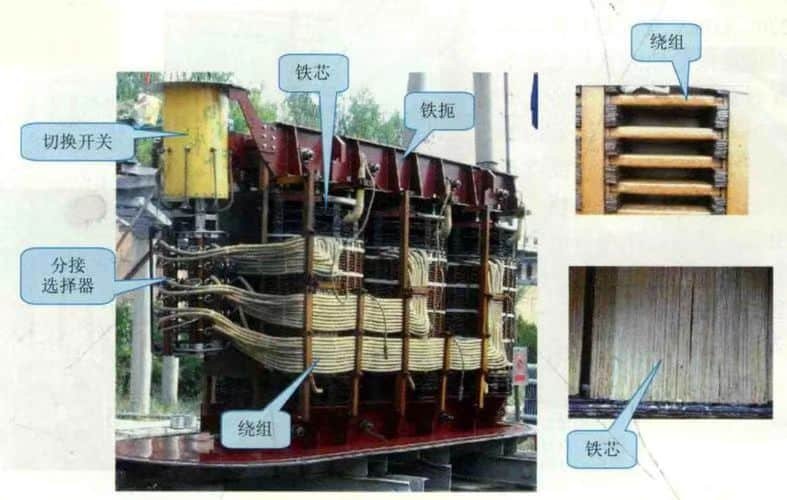
Insulation aging is the leading cause of transformer failure and the primary factor that determines its electrical life. The insulation system—comprising solid insulation (like cellulose paper) and liquid insulation (transformer oil)—is what electrically separates high-voltage components and prevents breakdowns. Over time, this insulation degrades due to thermal stress, moisture, oxidation, and electrical stress, resulting in a reduced ability to withstand voltage, higher risk of partial discharge, and ultimately catastrophic dielectric failure.
In this article, we explore how insulation aging impacts the electrical life of transformers, the mechanisms of degradation, indicators of end-of-life, and strategies for extending operational life through insulation health management.
1. Why Insulation Is Critical to Electrical Life
| Insulation Role | Effect on Transformer Performance |
|---|---|
| Separates live components | Prevents phase-to-phase or phase-to-ground faults. |
| Withstands electrical stress | Enables operation under high voltage conditions. |
| Manages thermal and moisture exposure | Protects windings and structure integrity. |
Key Insight:
The health of insulation directly determines the maximum voltage the transformer can handle, and how long it can operate without breakdown.
When insulation fails, the transformer cannot perform its basic electrical function, even if the windings and core remain physically intact.
2. Mechanisms of Insulation Aging
| Aging Factor | Effect on Insulation |
|---|---|
| Thermal Stress | Causes molecular breakdown in cellulose, reducing tensile and dielectric strength. |
| Moisture Ingress | Significantly reduces dielectric strength and promotes hydrolysis. |
| Oxidation and Acidity | Oil oxidation forms acids that degrade paper and promote sludge buildup. |
| Electrical Stress | Initiates partial discharges that erode insulation over time. |
Thermal aging is the dominant mechanism, where the rate of paper degradation doubles for every 6–8°C rise in hot-spot temperature above the rated limit.
3. Effects of Insulation Aging on Electrical Life
| Degradation Effect | Impact on Electrical Life |
|---|---|
| Loss of dielectric strength | Increases risk of internal arc or flashover. |
| Increased partial discharge | Causes progressive insulation puncture. |
| Crumbling of paper insulation | Leads to insulation collapse under electrical or mechanical stress. |
| Gas generation | Hydrogen, CO, and CO₂ formation signal active degradation. |
Key Insight:
Electrical life ends when the insulation can no longer prevent breakdown under normal operating conditions, even if no fault has yet occurred.
4. Measuring Insulation Aging
| Diagnostic Tool | Parameter Monitored |
|---|---|
| Furan analysis | Measures 2-FAL content in oil to assess cellulose degradation. |
| Degree of Polymerization (DP) | Indicates molecular integrity of paper insulation. |
| Dissolved Gas Analysis (DGA) | Detects CO, CO₂, and other gases from insulation breakdown. |
| Power Factor / Tan Delta Test | Measures dielectric losses indicating insulation dryness and aging. |
Interpretation Example:
| Degree of Polymerization (DP) | Insulation Condition |
|---|---|
| >1000 | New or excellent |
| 400–600 | Moderately aged |
| <250 | End-of-life threshold |
When DP reaches around 200, the paper becomes brittle and fails under mechanical or electrical stress.
5. Acceleration of Insulation Aging
| Trigger | Result |
|---|---|
| Overloading | Higher temperatures accelerate thermal aging. |
| Poor cooling | Oil does not dissipate heat efficiently, exacerbating aging. |
| Fault events | Arc energy further degrades localized insulation. |
| Delayed oil maintenance | Acids and sludge accelerate cellulose breakdown. |
Insulation aging is cumulative and irreversible. The key to long life is slowing down the rate of aging through temperature control, oil quality management, and load balancing.
6. Consequences of Advanced Insulation Aging
| Outcome | System Impact |
|---|---|
| Dielectric breakdown | Causes internal short circuit, triggering relay or explosion. |
| Arc propagation | Destroys surrounding insulation and leads to total failure. |
| Fire risk | Arcing and hot oil can ignite, especially with oxidized oil. |
| Forced outages and downtime | Resulting failures require transformer replacement or costly repairs. |
Insulation aging is the leading cause of catastrophic transformer failure, especially in aged fleets without proper diagnostics.
ClaimReview Fact Check
Insulation aging reduces dielectric strength and is the main cause of electrical failure in transformers, directly impacting their operational lifespan.True
Thermal, electrical, and environmental stresses degrade paper and oil insulation over time, leading to loss of insulation integrity and increased risk of internal failure.
7. Strategies to Slow Insulation Aging and Extend Electrical Life
| Action | Benefit |
|---|---|
| Maintain optimal oil temperature | Reduces thermal stress and slows cellulose aging. |
| Perform regular oil testing | Allows early detection of oxidation and acidity. |
| Use oil filtration and reclamation | Removes aging byproducts and restores oil quality. |
| Load transformers within design limits | Minimizes heat buildup and mechanical stress. |
| Deploy continuous monitoring | Enables predictive intervention before failure occurs. |
Regular condition-based maintenance can double the expected insulation life, especially in well-managed systems with online DGA and furan testing.
8. Summary Table: Impact of Insulation Aging on Transformer Electrical Life
| Aging Symptom | Impact on Transformer | Detection Tool |
|---|---|---|
| Thermal degradation | Reduced dielectric strength, paper fragility | Hot-spot monitoring, furan analysis |
| Moisture absorption | Lowered breakdown voltage, discharge risk | Karl Fischer test, DGA |
| Acid formation | Oil attacks insulation and forms sludge | TAN (Acidity), IFT test |
| Mechanical embrittlement | Higher risk during short-circuit events | DP (Degree of Polymerization) |
| Gas generation | Early failure indicator | Dissolved Gas Analysis (CO, CO₂) |
What Monitoring Techniques Help Track Electrical Aging?
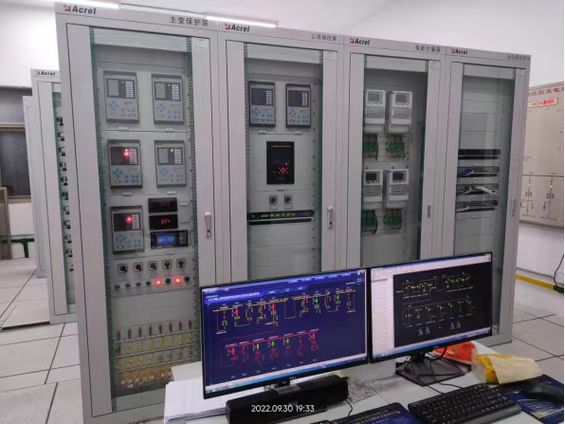
Monitoring the electrical aging of transformers is essential for predicting insulation degradation, preventing catastrophic failures, and extending service life. Because insulation aging is irreversible, early detection allows operators to take timely corrective actions—such as oil treatment, load redistribution, or refurbishment—before reaching critical failure thresholds.
A variety of advanced online and offline monitoring techniques are used to quantify, trend, and interpret insulation aging, focusing primarily on the condition of solid (paper) and liquid (oil) insulation systems.
In this article, we will explore the most effective monitoring techniques used to track electrical aging in transformers, highlighting their principles, applications, and benefits.
1. Dissolved Gas Analysis (DGA)
| Parameter Monitored | Significance |
|---|---|
| Gas concentrations (H₂, CO, CO₂, CH₄, C₂H₂, C₂H₄) | Reveal chemical byproducts of insulation degradation and arcing. |
Key Insight:
- CO and CO₂ are released when cellulose paper decomposes.
- Hydrogen and acetylene indicate partial discharges or arcing.
Application:
- Online DGA monitors provide real-time data.
- Trending gas ratios (Rogers Ratio, Duval Triangle) identify fault types and severity.
Advantages:
- Highly sensitive.
- Early detection of incipient faults before physical failure.
2. Furan Analysis
| Parameter Monitored | Significance |
|---|---|
| 2-Furfural (2-FAL) in oil | Byproduct of aging cellulose; correlates with insulation degradation. |
Key Insight:
- Higher furan levels reflect loss of polymer structure in paper insulation.
- Typically measured in ppb (parts per billion).
| Furan Value (ppb) | Insulation Condition |
|---|---|
| <250 | Good |
| 250–1000 | Moderately aged |
| >1000 | Severely aged; life nearing end |
Advantages:
- Best indicator of solid insulation health.
- Non-destructive and highly specific to paper degradation.
3. Degree of Polymerization (DP)
| Parameter Monitored | Significance |
|---|---|
| Polymer length in insulation | Direct measure of paper mechanical strength and aging. |
Key Insight:
- New insulation: DP ~1000–1200
- Aged insulation (end of life): DP ~200
Application:
- Requires insulation sampling (offline test).
- Often used during major refurbishment or diagnostics post-failure.
Advantages:
- Most accurate method to quantify insulation life remaining.
- Supports end-of-life decisions for critical transformers.
4. Power Factor (Tan Delta) Testing
| Parameter Monitored | Significance |
|---|---|
| Dielectric loss tangent | Indicates insulation condition by measuring energy loss under voltage. |
Key Insight:
- As insulation ages, its power factor increases due to moisture and contamination.
Typical Values:
- Healthy insulation: Power factor <0.5%
- Aged insulation: >1.0%
Application:
- Performed offline using specialized instruments.
- Commonly used in periodic maintenance programs.
Advantages:
- Detects moisture, carbon tracking, and oil degradation effects.
5. Partial Discharge (PD) Monitoring
| Parameter Monitored | Significance |
|---|---|
| Electrical discharges within insulation | Indicate localized weaknesses or voids in dielectric systems. |
Key Insight:
- PD activity is often a precursor to complete insulation failure.
Monitoring Methods:
- UHF sensors, acoustic emission, RF current transformers.
- Online and offline measurement options available.
Advantages:
- High sensitivity to developing defects.
- Can be correlated with physical location of discharge.
6. Thermal and Hot-Spot Monitoring
| Parameter Monitored | Significance |
|---|---|
| Winding hot-spot and top oil temperature | Tracks thermal stress, the primary driver of insulation aging. |
Key Insight:
- Hot-spot temperatures exceeding 110°C accelerate insulation breakdown.
Application:
- Fiber-optic sensors embedded in windings (direct).
- Algorithms using current, ambient temp, and oil temp (indirect).
Advantages:
- Continuous monitoring supports dynamic loading decisions.
- Enables aging rate modeling using IEEE/IEC thermal models.
7. Interfacial Tension (IFT) and Total Acid Number (TAN)
| Parameter Monitored | Significance |
|---|---|
| IFT (mN/m), TAN (mg KOH/g) | Assess oil degradation and acid buildup affecting insulation life. |
Key Insight:
- Low IFT (<20 mN/m) and high TAN (>0.3 mg KOH/g) signal oil oxidation.
- These lead to sludge, corrosion, and insulation damage.
Application:
- Part of routine oil quality assessments (annually or bi-annually).
ClaimReview Fact Check
Monitoring techniques such as DGA, furan analysis, polymerization degree, power factor testing, PD detection, and thermal sensing help track insulation aging and electrical life of transformers.True
These tools reveal early signs of thermal, chemical, and electrical deterioration, allowing predictive maintenance and insulation life extension through timely action.
8. Summary Table: Key Monitoring Techniques for Transformer Aging
| Technique | Tracks | Best Used For |
|---|---|---|
| DGA | Fault gases (H₂, CO, CH₄, etc.) | Early fault and insulation degradation |
| Furan Analysis | Cellulose paper degradation | Solid insulation aging rate |
| Degree of Polymerization | Mechanical paper strength | Accurate life expectancy estimation |
| Power Factor Test | Dielectric losses | Moisture and aging detection |
| PD Monitoring | Partial discharge activity | Locating defects and breakdown risks |
| Thermal Monitoring | Hot-spot temperature | Predicting thermal aging |
| TAN and IFT | Oil oxidation and acidity | Chemical health of insulation oil |
How Can the Electrical Life of a Transformer Be Extended?
Extending the electrical life of a transformer is essential for maximizing investment, minimizing downtime, and maintaining power system reliability. While transformers are typically designed for 25–40 years of service, their actual lifespan can be significantly shortened by insulation aging, overloading, and environmental stress. However, with the right monitoring, maintenance, and operational practices, transformers can safely operate beyond their design life—sometimes by a decade or more.
This article details practical and effective strategies to extend the electrical life of transformers, focusing on preserving insulation, managing loads, improving cooling, and applying condition-based diagnostics.
1. Maintain Thermal Conditions Within Design Limits
| Method | Impact |
|---|---|
| Optimize cooling systems | Prevents overheating that accelerates insulation aging. |
| Monitor hot-spot temperature | Ensures thermal performance is within safe limits. |
| Avoid continuous overloading | Maintains safe thermal conditions to preserve insulation. |
Key Insight:
Every 6–8°C increase in hot-spot temperature halves insulation life. Managing heat is the single most effective way to prolong electrical life.
Actionable Steps:
- Use fiber-optic temperature sensors in windings.
- Regularly clean and test radiators, fans, and oil pumps.
- Apply dynamic thermal rating (DTR) for smart load adaptation.
2. Improve Insulation Health Through Oil Management
| Method | Impact |
|---|---|
| Oil filtration and dehydration | Removes moisture, particulates, and oxidation byproducts. |
| Maintain low moisture levels | Preserves dielectric strength of paper insulation. |
| Periodic oil reclamation | Extends oil life and slows solid insulation aging. |
Key Insight:
Moisture and acidity in oil lead to cellulose degradation, which is irreversible.
Oil Quality Targets:
- Moisture: <10–20 ppm
- TAN (acidity): <0.1 mg KOH/g
- Dielectric strength: >30 kV (2.5 mm gap)
3. Implement Predictive Maintenance Programs
| Method | Impact |
|---|---|
| Regular Dissolved Gas Analysis (DGA) | Detects faults and insulation deterioration early. |
| Furan analysis | Quantifies paper insulation aging rate. |
| Partial discharge monitoring | Detects internal discharge activity before breakdown. |
Key Insight:
Predictive diagnostics allow operators to act before failures occur and prioritize refurbishment or de-rating decisions.
Recommended Schedule:
- DGA: Every 6–12 months or continuous online.
- Furan and oil tests: Annually.
- Offline PD and Tan Delta: Every 3–5 years.
4. Optimize Load and Voltage Management
| Method | Impact |
|---|---|
| Balance load across phases | Reduces asymmetric stress on windings. |
| Avoid prolonged overloading | Minimizes thermal cycles and mechanical fatigue. |
| Use voltage regulation devices | Prevents over-fluxing and insulation overstress. |
Key Insight:
Even moderate overloading, if frequent or prolonged, accelerates both thermal and mechanical deterioration.
Tools:
- On-load tap changers (OLTCs)
- SCADA-based load monitoring systems
- Real-time transformer loading index (TLI) analytics
5. Monitor and Control Environmental Conditions
| Method | Impact |
|---|---|
| Install protective enclosures | Prevents contamination and humidity ingress. |
| Use desiccant breathers and nitrogen blanketing | Maintains dry internal environment. |
| Apply anti-corrosion coatings | Protects bushings and exposed surfaces. |
Key Insight:
Humidity, salt, and dust increase the risk of moisture absorption, corrosion, and surface tracking—all detrimental to electrical life.
6. Reinforce Mechanical Integrity
| Method | Impact |
|---|---|
| Perform frequency response analysis (FRA) | Detects winding displacement post short-circuit. |
| Check clamping pressure and bracing | Prevents insulation gaps due to vibration or shock. |
Key Insight:
Mechanical movement from fault currents can weaken insulation and create partial discharge sites.
Inspection Frequency:
- After every significant fault event or short-circuit.
- During planned major overhauls (every 5–10 years).
7. Assess and Upgrade Aged Components
| Method | Impact |
|---|---|
| Replace degraded bushings | Prevents tracking and dielectric failure. |
| Retrofit cooling upgrades | Enhances heat removal in high-load environments. |
| Use modern insulation materials | Reduces aging rate and improves moisture resistance. |
Key Insight:
Targeted refurbishment can extend transformer life by 10+ years at a fraction of the replacement cost.
ClaimReview Fact Check
The electrical life of a transformer can be extended through thermal management, oil maintenance, predictive diagnostics, load control, environmental protection, and mechanical reinforcement.True
These strategies reduce insulation aging, detect early failures, prevent stress accumulation, and preserve the dielectric integrity critical to a transformer's long-term function.
8. Summary Table: Life Extension Strategies
| Strategy | How It Helps | Tools/Methods |
|---|---|---|
| Thermal Management | Reduces hot-spot aging | Temperature sensors, cooling system upgrades |
| Oil Maintenance | Preserves insulation condition | Filtration, reclamation, moisture control |
| Predictive Diagnostics | Enables early intervention | DGA, furan analysis, PD testing |
| Load Optimization | Avoids thermal and mechanical stress | Load balancing, OLTCs, TLI software |
| Environmental Control | Prevents moisture and contamination | Desiccant breathers, protective housings |
| Mechanical Integrity | Avoids displacement and vibration damage | FRA, torque checks, clamping system inspections |
| Component Refurbishment | Improves reliability of aging parts | Bushing replacement, core inspection, retanking |
When Should a Transformer Be Replaced or Refurbished?

Deciding when to replace or refurbish a transformer is a critical asset management decision that balances safety, reliability, cost, and operational risk. Transformers are designed to last 25–40 years, but some fail earlier due to harsh service conditions, while others can operate safely beyond 50 years with proper care. The decision hinges on several factors, including insulation health, oil condition, fault history, load performance, and economic viability.
Timely replacement or refurbishment can prevent catastrophic failure, minimize unplanned outages, and optimize capital investments.
In this article, we outline the key technical, operational, and economic indicators that signal when a transformer should be replaced or refurbished, along with guidelines for making the best decision.
1. Insulation End-of-Life (Primary Technical Trigger)
| Indicator | Implication |
|---|---|
| Degree of Polymerization (DP) < 200 | Paper insulation is brittle—high failure risk. |
| High furan levels (>1000 ppb) | Advanced cellulose degradation. |
| Frequent partial discharges | Loss of dielectric integrity and insulation gaps. |
Why it matters:
The electrical life of a transformer ends when insulation can no longer withstand normal operating voltages, making failure imminent.
Decision Rule:
- Refurbish if insulation degradation is localized or partial.
- Replace if degradation is systemic, and DP is below threshold.
2. Repeated Fault Events or Overloading History
| Indicator | Implication |
|---|---|
| Multiple internal faults | Core, winding, or insulation damage likely. |
| History of frequent overloading | Accelerated thermal aging and structural fatigue. |
| Short-circuit stress or winding deformation | Reduces mechanical integrity and lifespan. |
Why it matters:
Transformers accumulate damage from each fault. Repeated events indicate the unit is approaching structural or dielectric failure.
Decision Rule:
- Refurbish if damage is repairable (e.g., bushings, core reconditioning).
- Replace if winding displacement, short-circuit damage, or fatigue is widespread.
3. Oil Degradation Beyond Recovery
| Indicator | Implication |
|---|---|
| Total Acid Number (TAN) > 0.3 mg KOH/g | High acidity indicates advanced oil oxidation. |
| Interfacial Tension (IFT) < 20 mN/m | Loss of insulating strength, contamination. |
| Sludge formation in radiators/tank | Impairs cooling and thermal stability. |
Why it matters:
Poor oil quality leads to accelerated paper insulation aging, reduced cooling, and increased dielectric risk.
Decision Rule:
- Refurbish with oil reclamation or replacement if insulation is still good.
- Replace if oil degradation has already impacted internal insulation system.
4. Declining Load Handling and Efficiency
| Indicator | Implication |
|---|---|
| High no-load and load losses | Reduced efficiency increases operational cost. |
| Insufficient capacity for new loads | Inability to support grid or industrial expansion. |
| Voltage regulation problems | Aging tap changers or winding degradation. |
Why it matters:
An inefficient or undersized transformer may no longer serve the operational needs, even if it is still functional.
Decision Rule:
- Refurbish if issues are isolated (e.g., tap changer overhaul).
- Replace if unit is fundamentally undersized or uneconomical.
5. High Risk Profile from Online Monitoring Systems
| Indicator | Implication |
|---|---|
| Consistently rising gas levels (DGA) | Indicates active fault or insulation breakdown. |
| Alarm conditions on thermal or load sensors | Imminent overheating or capacity breach. |
| Online PD detection | Progressive insulation weakening underway. |
Why it matters:
Modern transformers are equipped with real-time monitoring that detects early warning signs of failure. Ignoring them can be costly.
Decision Rule:
- Refurbish if detected early and condition is localized.
- Replace if fault signatures are widespread or escalating rapidly.
6. Cost of Continued Maintenance vs. Capital Investment
| Indicator | Implication |
|---|---|
| Rising repair and testing costs | Operational expenses exceeding life extension benefits. |
| Long lead times for spare parts | Increased risk of prolonged outages. |
| High capital cost of failure | Downtime or safety hazards outweigh maintenance savings. |
Why it matters:
If continued operation becomes more expensive than replacement, or parts are obsolete, investing in a new unit is more prudent.
Decision Rule:
- Refurbish when maintenance is economically justifiable.
- Replace when total cost of ownership tilts in favor of a new unit.
ClaimReview Fact Check
A transformer should be replaced or refurbished when insulation degrades, oil deteriorates, efficiency drops, fault history increases, or maintenance becomes uneconomical.True
These factors directly impact the transformer's safety, reliability, and functionality, guiding asset managers on whether repair, refurbishment, or replacement is warranted.
7. Summary Table: When to Replace or Refurbish a Transformer
| Condition | Refurbish If… | Replace If… |
|---|---|---|
| Insulation Aging | Furan <1000 ppb, DP >250, degradation localized | DP <200, high PD activity, systemic insulation failure |
| Oil Degradation | TAN <0.3, IFT >20, sludge removable | TAN >0.3, sludge hard deposits, insulation affected |
| Fault History | Single, isolated, or minor faults | Multiple faults, short-circuit damage |
| Efficiency & Capacity | Minor voltage or thermal issues | Major loss or undersized for current needs |
| Maintenance Cost | Still cost-effective to maintain | Costs exceed ROI, obsolete parts |
| Monitoring Alarms | Early-stage gas rise or thermal alert | Rapid escalation or persistent critical alarms |
Conclusion
The electrical life of a transformer is not just determined by its age in years but by the accumulated electrical stresses it endures over time. Careful design, proactive monitoring, and timely maintenance are essential to maximize this life span and maintain system reliability. By understanding and managing the factors that influence electrical aging, operators can extend transformer service life, reduce unexpected failures, and achieve greater return on investment — all while ensuring uninterrupted power supply in an increasingly demanding energy landscape.
FAQ
Q1: What is the electrical life of a transformer?
A1: The electrical life of a transformer refers to the period during which it can reliably perform its electrical functions—mainly voltage transformation and insulation—without failure. It is typically measured in years and depends on thermal performance, insulation integrity, and operating conditions.
Q2: What is the typical electrical lifespan of a transformer?
A2: Most power transformers are designed to have an electrical life of 25 to 40 years, depending on their design, materials, and operational environment. With proper maintenance and favorable conditions, some transformers can exceed 50 years of service.
Q3: What factors affect the electrical life of a transformer?
A3: Key factors include:
Thermal stress: Frequent overheating accelerates insulation aging.
Electrical stress: Overvoltages, harmonics, and short circuits degrade internal components.
Moisture and contamination: These weaken insulation and promote corrosion.
Load cycles: Frequent load variations increase mechanical and electrical stress.
Maintenance quality: Poor or irregular maintenance shortens life expectancy.
Q4: How can the electrical life of a transformer be extended?
A4: The electrical life can be extended through:
Regular oil testing and purification
Monitoring temperature and load
Ensuring proper ventilation and cooling
Performing dissolved gas analysis (DGA)
Replacing or refurbishing aged components like bushings and tap changers
Q5: How is the remaining electrical life of a transformer assessed?
A5: Utilities assess remaining life using condition monitoring techniques, such as insulation resistance testing, DGA, thermographic scans, and online monitoring systems. These help estimate aging rates and forecast the transformer's ability to perform reliably under future loads.
References
"Understanding the Electrical Life of Power Transformers" – https://www.transformertech.com/electrical-life-transformers – Transformer Tech
"Transformer Life Expectancy and Reliability Factors" – https://www.powermag.com/transformer-life-expectancy – Power Magazine
"Factors Affecting Transformer Lifespan" – https://www.electrical4u.com/transformer-life-factors – Electrical4U
"Aging and Life Extension of Power Transformers" – https://www.researchgate.net/aging-transformers – ResearchGate
"Determining Transformer Health and Life Expectancy" – https://www.sciencedirect.com/transformer-lifespan-analysis – ScienceDirect
"How to Extend Transformer Life Through Monitoring" – https://www.smartgridnews.com/transformer-life-extension – Smart Grid News
"Assessing Remaining Transformer Life" – https://www.energycentral.com/c/ee/transformer-health-assessment – Energy Central
"Best Practices for Maximizing Transformer Lifespan" – https://www.powergrid.com/transformer-lifespan-best-practices – PowerGrid