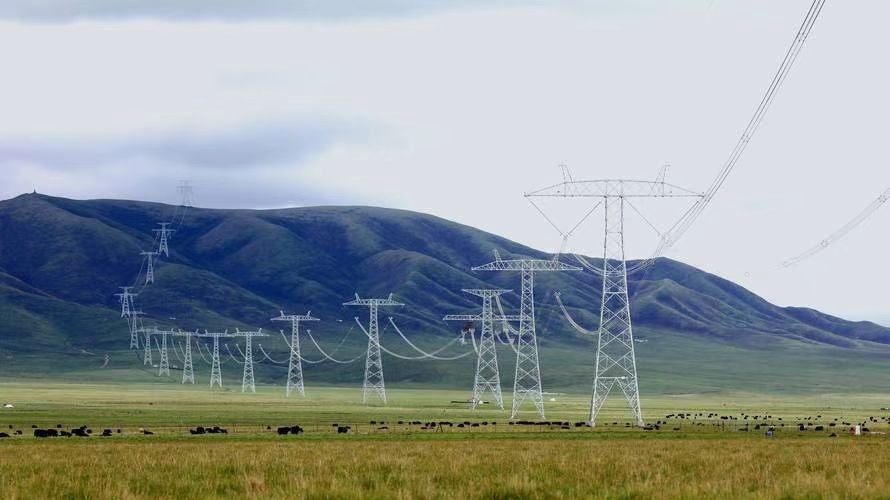
Transformer oil plays a vital role in the performance and longevity of oil-immersed transformers by providing insulation, cooling, and moisture protection. Over time, this oil degrades due to oxidation, moisture ingress, electrical stress, and contaminant buildup. Knowing how often transformer oil should be replaced—or whether it can be filtered and reused—is essential for minimizing downtime and maintaining system reliability. This article explores the key factors that determine oil replacement intervals and offers best practices for oil maintenance.
What Is the Function of Transformer Oil?

Transformer oil plays a crucial dual role in the safe and reliable operation of oil-immersed power and distribution transformers. Without it, the transformer's internal windings would quickly overheat, suffer dielectric failure, or degrade due to moisture and oxidation. Yet despite its hidden position inside the tank, transformer oil is arguably the most critical working fluid in the entire power grid.
Transformer oil functions primarily as a dielectric insulator and cooling medium. It insulates high-voltage components such as windings and bushings, preventing internal arcing, and absorbs heat generated during operation to dissipate it through radiators. Secondary functions include arc suppression, moisture resistance, oxidation prevention, and dissolved gas monitoring to detect faults.
Understanding the function, performance, and maintenance of transformer oil is essential for optimizing transformer life, reducing failure risks, and ensuring safe grid operation.
Transformer oil only acts as a coolant and has no insulating properties.False
Transformer oil provides both cooling and dielectric insulation—its insulating function prevents internal short circuits and arcing in high-voltage components.
Transformer oil helps suppress internal electrical arcs and discharges.True
The oil medium can quench minor discharges and isolate arcs by removing oxygen and providing dielectric strength, reducing the chance of fire or further damage.
1. Primary Functions of Transformer Oil
| Function | Description |
|---|---|
| Dielectric insulation | Prevents electrical breakdown between windings and tank |
| Cooling | Transfers heat from windings and core to external radiators |
| Moisture barrier | Keeps internal parts dry by absorbing residual humidity |
| Arc suppression | Helps quench internal arcs and flashovers in fault conditions |
| Fault detection medium | Used in Dissolved Gas Analysis (DGA) to detect internal faults early |
2. How Transformer Oil Insulates
Dielectric Properties:
- High dielectric strength (typically >60 kV for 2.5 mm gap)
- Prevents flashover between high-voltage windings
- Enhances insulation coordination within the transformer tank
| Insulation Role | Benefit |
|---|---|
| Between windings | Avoids turn-to-turn short circuits |
| Between winding and core | Prevents ground faults and tank potential rise |
| Bushing immersion | Increases external insulation life |
3. How Transformer Oil Cools
Mechanism:
Heat is generated by:
- Copper losses (I²R)
- Iron losses (core hysteresis/eddy current)
Oil absorbs this heat and circulates:
- Natural convection (ONAN)
- Forced circulation (ONAF/OFWF)
- Radiators, coolers, or fans dissipate heat into ambient air
| Cooling Method | Oil Flow Type | Application |
|---|---|---|
| ONAN | Natural convection | Distribution transformers |
| ONAF | Oil natural, air forced | Substation transformers |
| OFWF | Oil forced, water forced | Large power transformers |
4. Transformer Oil in Diagnostics: Dissolved Gas Analysis (DGA)
During faults, oils decompose and release gases:
- Acetylene (C₂H₂): Arcing
- Hydrogen (H₂): Corona discharge
- Methane (CH₄), Ethylene (C₂H₄): Overheating
Why It Matters:
- DGA allows early detection of internal faults
- Prevents transformer failure by enabling preventive maintenance
| Gas Detected | Fault Type | Urgency |
|---|---|---|
| H₂ + CH₄ | Low-temp overheating | Monitor closely |
| C₂H₂ + C₂H₄ | High-energy arcing | Immediate action |
| CO + CO₂ | Cellulose (paper) burning | Moisture ingress |
5. Types of Transformer Oil
| Oil Type | Description | Use Case |
|---|---|---|
| Mineral Oil | Most common; derived from petroleum | Standard indoor/outdoor units |
| Synthetic Esters | Biodegradable, high flash point | Fire-sensitive urban locations |
| Silicone Oil | Thermally stable, expensive | Critical/high-temperature sites |
| Natural Esters (FR3) | Vegetable-based, biodegradable | Renewable energy & eco sites |
Mineral oil remains the most widely used, but natural and synthetic esters are gaining ground for safety and sustainability.
6. Performance Parameters of Transformer Oil
| Property | Typical Standard | Importance |
|---|---|---|
| Dielectric Breakdown Voltage (BDV) | >60 kV (2.5 mm gap) | Insulation effectiveness |
| Moisture Content | <30 ppm | High moisture reduces BDV |
| Acidity (mg KOH/g) | <0.1 | High acid = oil degradation |
| Interfacial Tension (IFT) | >20 mN/m | Low IFT = aging/contamination |
| Color/Clarity | Clear/pale yellow | Dark oil signals oxidation |
7. Transformer Oil Maintenance Practices
To maintain oil performance:
- Periodic testing: BDV, moisture, acidity, DGA
- Filtration or reconditioning (vacuum dehydration, degassing)
- Topping up if oil level drops due to leaks
Replace oil if:
- Oxidation is severe
- Gases exceed alarm thresholds
- Flash point drops below safety limit
| Maintenance Task | Frequency | Purpose |
|---|---|---|
| BDV Test | Every 6–12 months | Confirm dielectric health |
| DGA Sampling | Biannually/annually | Detect incipient faults |
| Moisture Measurement | With each test | Prevent insulation breakdown |
| Full Oil Replacement | Every 10–15 years or as needed | Restore safe operation |
How Does Transformer Oil Degrade Over Time?
Transformer oil, while essential for insulation and cooling, is not immune to aging. Over years of operation, even in a sealed environment, transformer oil undergoes chemical and physical changes that gradually reduce its effectiveness. These changes are driven by heat, oxygen, moisture, electrical stress, and contamination. If not monitored and managed, oil degradation can lead to insulation failure, internal arcing, sludge formation, and complete transformer breakdown.
Transformer oil degrades over time due to thermal oxidation, moisture absorption, catalytic metal reactions, and dielectric stress, leading to increased acidity, reduced breakdown voltage, sludge formation, and diminished insulating and cooling performance. Regular monitoring and timely purification or replacement are essential to prevent equipment failure and maintain operational reliability.
This article explores the mechanisms, indicators, and consequences of transformer oil degradation—and how proactive maintenance can extend both oil life and transformer service life.
Transformer oil naturally maintains its dielectric strength indefinitely if the transformer is sealed.False
Even sealed transformers experience oil degradation due to heat, oxidation, and internal chemical reactions, necessitating regular monitoring and maintenance.
Sludge formation in aging transformer oil can obstruct heat dissipation and damage insulation.True
Sludge deposits on windings and tank surfaces impair heat transfer and can lead to localized overheating and insulation failure.
1. What Causes Transformer Oil Degradation?
| Degradation Factor | Description |
|---|---|
| Thermal oxidation | High temperature causes oil to react with oxygen, forming acids and sludge |
| Moisture ingress | From ambient air, gasket failure, or paper insulation release |
| Catalytic metal contact | Copper and iron accelerate oil oxidation reactions |
| Electrical stress | Arcing, corona, or partial discharges break down hydrocarbons |
| Contaminants | Particulates, insulation debris, carbon particles, atmospheric gases |
Internal temperatures exceeding 90–100°C significantly accelerate oxidation, especially in the presence of oxygen and moisture.
2. Physical and Chemical Changes in Aging Oil
| Parameter | Fresh Oil (Typical) | Degraded Oil (Alarm/Failure) |
|---|---|---|
| Dielectric Breakdown Voltage (BDV) | >60 kV | <30 kV (unsafe) |
| Moisture Content | <30 ppm | >50–100 ppm (dangerous) |
| Acid Number (mg KOH/g) | <0.05 | >0.1–0.2 (degraded) |
| Interfacial Tension (IFT) | >20 mN/m | <15 mN/m (bad aging indicator) |
| Color/Clarity | Clear/pale yellow | Dark brown, turbid |
| Sludge | None | Waxy, carbonaceous buildup |
3. Stages of Transformer Oil Aging
| Aging Stage | Symptoms in Oil | Effect on Transformer |
|---|---|---|
| Initial oxidation | Slight acidity rise, color change | Reduced dielectric margin |
| Intermediate aging | Moisture increases, IFT drops | Insulation starts degrading |
| Advanced degradation | Heavy sludge, high acidity, BDV falls | Overheating, paper insulation breakdown |
Aging accelerates if moisture content >50 ppm or temperature >90°C becomes consistent.
4. Consequences of Oil Degradation
A. Reduced Dielectric Strength
- Oil can no longer prevent internal flashovers
- Can result in turn-to-turn short circuits
B. Sludge Formation
- Deposits on windings and cooling ducts
- Leads to hotspots, cooling inefficiency, and accelerated insulation aging
C. Corrosion and Paper Damage
- Acids in degraded oil attack copper and cellulose paper
- Compromises long-term transformer life
D. Gas Generation and Fault Development
- Oil breakdown produces dissolved gases (H₂, CH₄, C₂H₂)
- Detected through Dissolved Gas Analysis (DGA)
| Gas Produced | Indicates |
|---|---|
| Acetylene (C₂H₂) | Arcing or thermal fault |
| Ethylene (C₂H₄) | High-temperature hotspot |
| Methane (CH₄) | Low-level overheating |
5. Monitoring Oil Degradation: Key Tests
| Test | Frequency | Significance |
|---|---|---|
| BDV (Breakdown Voltage) | 6–12 months | Insulating ability of oil |
| Moisture (ppm) | 6–12 months | Water lowers BDV and speeds up aging |
| Acidity (mg KOH/g) | 6–12 months | Indicator of oxidation progress |
| Interfacial Tension (IFT) | Annually | Sensitive early aging marker |
| DGA (Dissolved Gas Analysis) | Biannually | Detects internal arcing/overheating |
IEC 60296 and ASTM D3487 define acceptable oil standards and test procedures.
6. Oil Treatment and Life Extension Methods
| Method | Description | Application Phase |
|---|---|---|
| Filtration | Removes water and particles | Early to mid-life maintenance |
| Vacuum Dehydration | Removes moisture and dissolved gases | For high moisture or low BDV |
| Degassing | Removes arcing-related gases | During fault recovery |
| Oil Reclamation | Uses adsorbents to remove acids and sludge | Mid to late-stage maintenance |
| Full Oil Replacement | Removes all degraded oil and replaces with new | End-of-life or severe condition |
Summary Table: Key Indicators of Oil Degradation
| Indicator | Alarm Value | Effect |
|---|---|---|
| BDV < 30 kV | Poor insulation | High flashover risk |
| Moisture > 50 ppm | Critical threshold | Rapid paper insulation aging |
| Acidity > 0.1 mg KOH/g | Aggressive oxidation | Copper corrosion, sludge formation |
| IFT < 15 mN/m | Surface tension failure | Early indicator of chemical aging |
| Dark color/sludge | Visual warning | Cooling failure and heat stress |
What Are the Indicators That Oil Needs to Be Replaced?
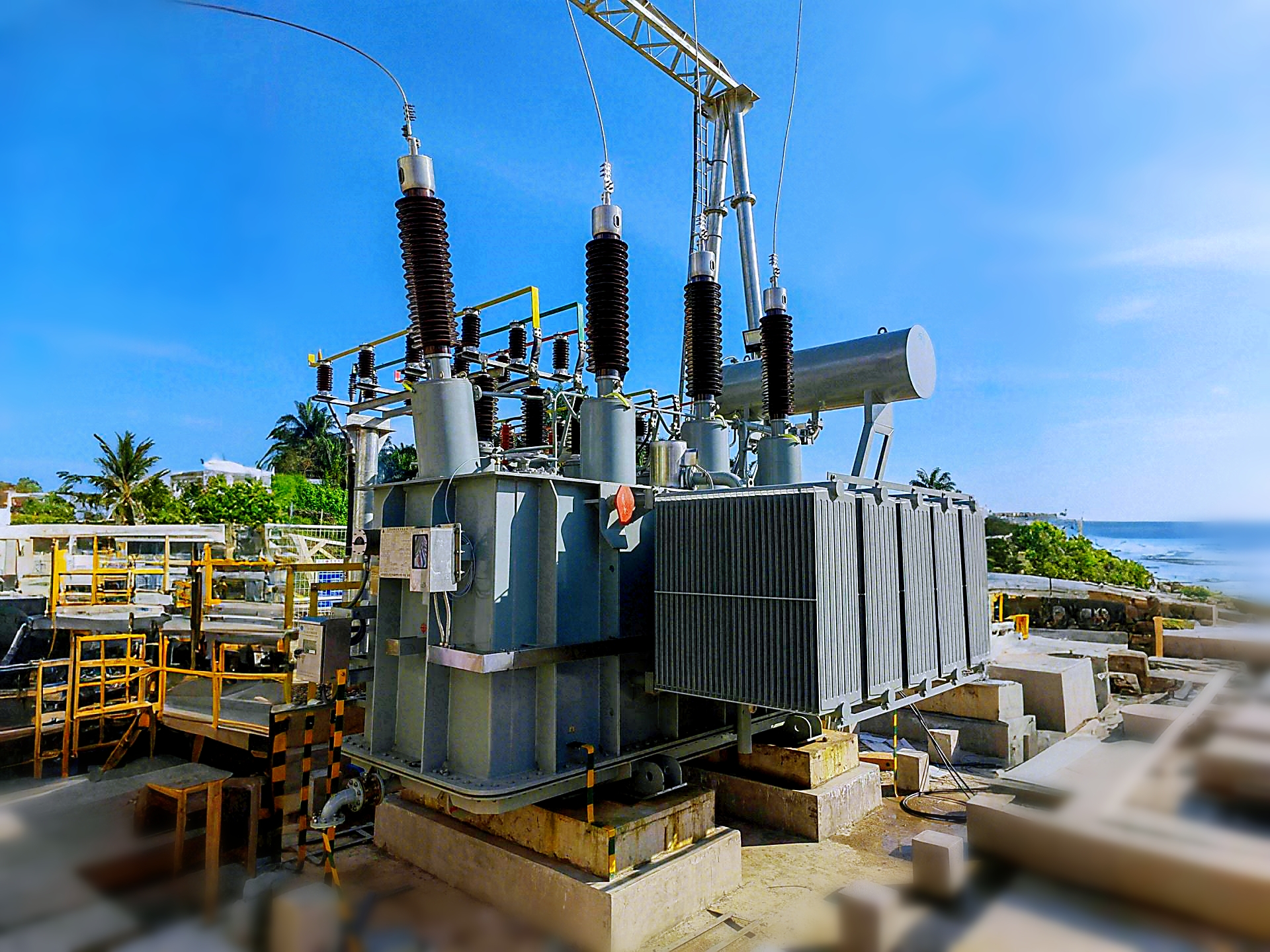
Transformer oil is the lifeblood of oil-filled transformers, performing essential functions like insulation, cooling, arc suppression, and moisture protection. Over time, however, the oil deteriorates due to oxidation, contamination, thermal stress, and chemical reactions with internal components. If not properly monitored, degraded oil loses its ability to insulate and cool effectively—putting the entire transformer at risk. That’s why it's critical to recognize the key indicators that transformer oil has reached the end of its usable life and must be replaced.
The main indicators that transformer oil needs to be replaced include significantly reduced dielectric breakdown voltage (BDV), high moisture content, increased acidity, low interfacial tension (IFT), sludge formation, darkened color, and critical dissolved gas levels. When these values exceed standard thresholds and cannot be corrected through filtration or reconditioning, oil replacement becomes essential to ensure transformer safety and reliability.
This article outlines the top technical and visual signs that transformer oil has degraded beyond safe limits—and provides recommended actions based on international standards.
Transformer oil must be replaced when tests show it can no longer meet minimum dielectric or chemical performance thresholds.True
Once oil properties like BDV, acidity, and moisture exceed acceptable levels and cannot be restored by treatment, full replacement is necessary to maintain insulation and cooling.
Oil color alone is a sufficient reason to replace transformer oil.False
While dark oil can be a warning sign, it must be confirmed with laboratory tests—many darkened oils can be rejuvenated if their electrical and chemical properties remain within limits.
1. Dielectric Breakdown Voltage (BDV) Below Limit
What It Means:
- BDV measures the oil’s ability to resist electrical stress
- Low BDV means increased risk of flashover and internal arcing
| Condition | BDV (2.5 mm gap) | Action |
|---|---|---|
| Healthy oil | >60 kV | No action needed |
| Marginal | 40–60 kV | Consider dehydration/filtration |
| Critical | <30–40 kV | Oil replacement required |
IEC 60156 recommends a minimum BDV of 30 kV for in-service oil.
2. High Moisture Content
Why It’s Critical:
- Moisture reduces BDV, accelerates paper insulation aging, and promotes internal partial discharges
| Moisture Level (ppm) | Transformer Type | Action |
|---|---|---|
| <20 ppm | Sealed/critical units | Ideal |
| 20–40 ppm | Outdoor oil-immersed | Acceptable |
| >50 ppm | Any type | Vacuum dehydration or replace |
| >100 ppm | Any | Immediate replacement |
Moisture is especially dangerous in aging paper-wound transformers.
3. High Acidity (Total Acid Number - TAN)
Why It Matters:
Acid formation from oxidation causes:
- Copper corrosion
- Paper insulation degradation
- Sludge and varnish on windings
| TAN (mg KOH/g oil) | Interpretation | Recommended Action |
|---|---|---|
| <0.05 | Normal | No action |
| 0.05–0.1 | Warning | Reconditioning |
| >0.1 | Degraded | Reclamation or replacement |
| >0.3 | Critical | Full oil change mandatory |
Refer to ASTM D974 for TAN measurement procedures.
4. Low Interfacial Tension (IFT)
Role in Oil Health:
- IFT measures surface tension between oil and water
- Low IFT = contaminated, aged oil with reduced dielectric strength
| IFT Value (mN/m) | Oil Condition | Action |
|---|---|---|
| >20 | Healthy | No action |
| 15–20 | Aging oil | Monitor or reclaim |
| <15 | Severe degradation | Replace oil |
5. Sludge Formation and Sediment Presence
What You See:
- Thick, dark sludge at bottom of tank or windings
- Clogs cooling ducts, reduces heat transfer
- Indicates oxidation beyond recovery
Sludge not only degrades oil—it overheats the transformer, leading to faster insulation decay.
| Sludge Detected? | Effect | Action |
|---|---|---|
| Light sediment | Initial aging | Oil filtration |
| Thick sludge layer | Severe oxidation | Oil replacement and flushing |
| Gel-like sludge | Catastrophic degradation | Replace oil and check windings |
6. Dissolved Gas Indicators
High gas levels indicate active faults:
- Hydrogen (H₂) = partial discharge
- Methane (CH₄), Ethylene (C₂H₄) = overheating
- Acetylene (C₂H₂) = arcing
If levels exceed IEEE C57.104 or IEC 60599 limits, and cannot be mitigated, oil must be replaced to avoid insulation breakdown.
7. Visual and Odor Inspection Clues
| Visual Indicator | What It Suggests | Action |
|---|---|---|
| Dark brown/black oil | Advanced oxidation | Perform tests immediately |
| Foul, burnt odor | Thermal or electrical fault | DGA + TAN analysis |
| Cloudy appearance | Moisture contamination | Check BDV and dry or replace |
Visual inspection is useful, but must be supported by laboratory testing.
Summary Table: Replacement Thresholds for Transformer Oil
| Parameter | Alarm Threshold | Required Action |
|---|---|---|
| BDV | <30–40 kV | Replace or treat oil |
| Moisture | >50 ppm | Dehydrate or replace |
| TAN (Acidity) | >0.1 mg KOH/g | Reclaim or replace oil |
| IFT | <15 mN/m | Reclaim or replace |
| Sludge presence | Visible/gel | Full replacement and flushing |
| Acetylene in DGA | >1 ppm | Replace + fault investigation |
How Often Should Transformer Oil Be Tested and Analyzed?
Transformer oil is the first line of defense in insulating and cooling high-voltage equipment. But this vital fluid degrades over time due to heat, moisture, oxidation, and contamination. Without routine analysis, signs of oil aging or internal faults can go undetected until it's too late—leading to insulation failure, arcing, or catastrophic transformer outages. That’s why regular oil testing is essential, not just for condition monitoring, but also for preventing transformer failure and optimizing maintenance planning.
Transformer oil should be tested and analyzed at regular intervals depending on the transformer's voltage class, age, service criticality, and operating environment. Key parameters such as BDV (Breakdown Voltage), moisture content, acidity (TAN), interfacial tension (IFT), and Dissolved Gas Analysis (DGA) should be tested at least annually for power transformers, and more frequently for critical or older units.
This guide provides a comprehensive overview of how often transformer oil should be tested, what tests to perform, and how to interpret results to ensure transformer longevity and reliability.
Routine testing of transformer oil helps prevent insulation failure and detect faults early.True
Regular oil analysis reveals deterioration or internal fault gases long before visible symptoms appear, allowing preventive action.
Transformer oil only needs to be tested when problems occur.False
Waiting for symptoms to appear often results in irreversible damage—preventive testing is essential for proactive transformer maintenance.
1. Recommended Transformer Oil Testing Frequencies
| Transformer Type | Service Class | Test Frequency (General) |
|---|---|---|
| Distribution transformer | <2.5 MVA | Every 2–3 years (basic tests) |
| Power transformer (≤33 kV) | 2.5–10 MVA | Annually |
| HV/EHV transformer (≥66 kV) | >10 MVA | Semi-annually to annually |
| Critical grid transformers | ≥33 kV & strategic | Quarterly to bi-annually |
| Aged transformers (>20 years) | Any | Every 6 months |
Frequency may increase if oil shows signs of degradation or after fault events (e.g., overloading, lightning, trip).
2. Key Tests and Their Recommended Intervals
| Test Parameter | Standard Test Method | Recommended Interval |
|---|---|---|
| BDV (Breakdown Voltage) | IEC 60156, ASTM D1816 | 6–12 months |
| Moisture Content (ppm) | ASTM D1533, IEC 60814 | 6–12 months |
| Acidity / TAN | ASTM D974 | Annually |
| Interfacial Tension (IFT) | ASTM D971 | Annually |
| Color and Visual | ASTM D1524 | Every sample (routine) |
| Dissolved Gas Analysis (DGA) | ASTM D3612, IEC 60567 | 6–12 months (or after trips) |
| Furan Content (insulation health) | IEC 61198 | Annually (for aged units) |
| Dielectric Dissipation Factor (Tan δ) | IEC 60247 | Annually |
3. Suggested Testing Schedule by Transformer Class
A. Distribution Transformers (≤11/0.4 kV, ≤2.5 MVA)
- BDV and moisture: every 2–3 years
- Full analysis not required unless signs of fault appear
B. Substation and Medium Power Transformers (33/11 kV, 2.5–10 MVA)
- Full oil test: annually
- BDV and moisture: semi-annually if aged
- DGA: annually or after abnormal operation
C. High Voltage Transformers (66 kV – 400 kV, ≥10 MVA)
- BDV, moisture, acidity: every 6 months
- DGA: at least twice per year
- Furan analysis: annually if age >15 years
D. Critical or GIS-Integrated Units
- DGA and BDV: quarterly
- Online DGA recommended (e.g., Kelman, Vaisala systems)
4. When Should Testing Frequency Increase?
| Situation/Condition | Action Recommended |
|---|---|
| Transformer age >20 years | Switch to semi-annual testing |
| Load frequently >80% rated | Increase testing to 2×/year |
| Trip, fault, or overload event | Immediate DGA and oil analysis |
| Prior abnormal results | Monthly or quarterly monitoring |
| Harsh environments (humidity, pollution) | Increase all test frequencies by 50% |
5. Why Regular Testing Matters: Failure Case Examples
| Real Incident | Root Cause | Preventable via Testing? |
|---|---|---|
| 33/11 kV transformer failure due to arcing | Low BDV (22 kV), not tested for 4 years | Yes (BDV/moisture test) |
| Sludge buildup in 66 kV unit | TAN >0.3, sludge clogged radiators | Yes (Acidity + Visual) |
| LV bushing flashover | High moisture content >100 ppm | Yes (Moisture + BDV) |
| 132 kV trip with C₂H₂ > 5 ppm | Internal arcing undetected | Yes (DGA) |
6. Online Monitoring vs. Lab Testing
| Method | Use Case | Limitation |
|---|---|---|
| Lab Testing | High-accuracy diagnostics | Periodic only; not real-time |
| Online DGA Monitors | Continuous fault gas tracking | Higher cost, mostly used on critical units |
| Portable Test Kits | On-site BDV and moisture estimates | Lower accuracy; limited parameters |
For critical units, a hybrid approach is best: continuous DGA + scheduled lab tests.
Summary Table: Oil Test Frequency Recommendations
| Transformer Type | BDV/Moisture | Full Oil Analysis | DGA Frequency |
|---|---|---|---|
| Distribution (≤2.5 MVA) | Every 2–3 years | As needed | Rarely |
| MV Substation (2.5–10 MVA) | Annually | Annually | Annually |
| HV Power (≥10 MVA) | 6 months | 6–12 months | Twice/year |
| Critical Grid Tie | Quarterly | Semi-annually | Quarterly + Online |
When Should Oil Be Filtered vs. Replaced Entirely?
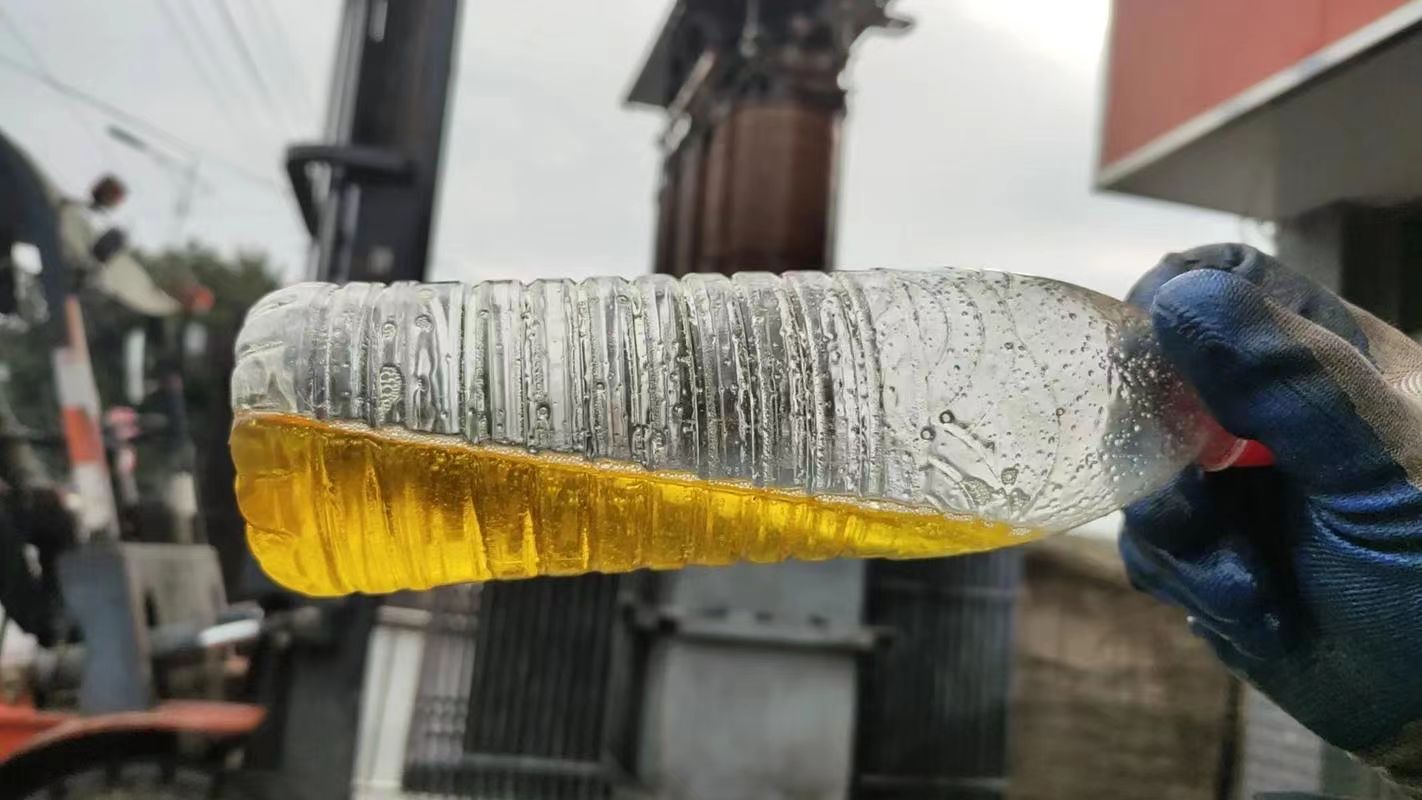
Transformer oil, over time, accumulates moisture, dissolved gases, acids, particulates, and oxidation byproducts that degrade its performance. Fortunately, in many cases, oil doesn’t have to be discarded immediately—filtration and reconditioning can restore its insulating and cooling functions. However, when degradation reaches a critical point, oil must be replaced entirely to avoid equipment failure. The decision between filtering and replacing must be based on oil test results, degradation severity, and transformer criticality.
Transformer oil should be filtered when dielectric properties and contamination levels are still within recoverable limits—typically when moisture, particulates, and dissolved gases are elevated but acidity and interfacial tension are still acceptable. Complete oil replacement is necessary when acid number, sludge, or interfacial tension indicate irreversible oxidation or when filtration cannot restore dielectric strength and chemical integrity.
In this article, we’ll outline the key technical thresholds and decision-making criteria for choosing between oil filtration and total replacement.
Transformer oil should always be replaced when it is dirty or discolored.False
Oil color alone is not a sufficient indicator—many dark oils can be restored through filtration if test values are within acceptable limits.
Oil filtration is a viable maintenance step if the oil has not chemically degraded beyond recovery.True
As long as acid number, interfacial tension, and sludge levels are within acceptable ranges, filtration can effectively restore oil performance.
1. Key Differences: Filtration vs. Replacement
| Parameter | Filtration | Complete Replacement |
|---|---|---|
| Purpose | Restore performance by removing moisture, gas, and particles | Eliminate severely degraded oil and replace with new fluid |
| Cost | Lower (30–50% of new oil cost) | Higher (new oil + disposal + flushing) |
| Downtime | Minimal (on-site, hours) | Moderate (offload and refill time) |
| When Appropriate | Recoverable degradation | Irreversible oxidation or fault contamination |
2. When to Filter Transformer Oil
Filtration (vacuum dehydration, degassing, particulate removal) is recommended if:
- BDV is low (30–50 kV) but can be improved
- Moisture content is <50 ppm
- Acid number (TAN) is <0.1 mg KOH/g
- Interfacial tension (IFT) is >15 mN/m
- No visible sludge or only light sediment
- No critical gases (e.g., C₂H₂ <1 ppm in DGA)
| Condition | Threshold | Recommended Action |
|---|---|---|
| BDV between 30–50 kV | Moderate dielectric loss | Filter and test again |
| Moisture 30–50 ppm | High but manageable | Vacuum dehydration |
| TAN 0.05–0.1 mg KOH/g | Early oxidation | Adsorption filtration |
| IFT 15–20 mN/m | Moderate surface tension drop | Monitor or reclaim |
Filtration is often combined with online oil processing, allowing transformers to remain in service during maintenance.
3. When Oil Must Be Replaced Entirely
Full replacement is necessary when oil has chemically degraded and filtration cannot restore it:
- BDV <30 kV even after drying
- TAN >0.1–0.3 mg KOH/g (acid attack on insulation)
- IFT <15 mN/m (oxidation byproducts dominate surface tension)
- Heavy sludge on tank bottom or windings
- Gummy varnish or sediment in oil
- DGA shows active arcing or high fault gas (e.g., acetylene >2 ppm)
- Oil is over 20 years old and has been previously reclaimed multiple times
| Test Result | Critical Value | Action |
|---|---|---|
| BDV <30 kV | Even after drying | Replace oil |
| TAN >0.1 mg KOH/g | Irreversible oxidation | Replace and flush system |
| IFT <15 mN/m | Poor oil/oil-water interface | Replace |
| Sludge present | Heavy deposits | Full cleaning and refill |
| C₂H₂ in DGA >2 ppm | Internal arcing | Replace and inspect tank |
4. Visual Clues and Supporting Observations
| Observation | Interpretation | Next Step |
|---|---|---|
| Dark brown color | Aging oil | Test TAN and BDV before action |
| Milky/cloudy oil | Water contamination | Dry and recondition |
| Sludge buildup | Severe oxidation | Replace and flush |
| Acrid or burnt smell | Electrical fault byproducts | Perform DGA and acid test |
Remember: visual inspection is not enough—always confirm with laboratory analysis.
5. Example Case Study: Recovery vs. Replacement
Scenario A – Filtration Successful:
- Transformer: 33/11 kV, 10 MVA
- Oil BDV: 38 kV
- Moisture: 48 ppm
- TAN: 0.07 mg KOH/g
- IFT: 18 mN/m
➡ Action: Performed hot oil filtration + vacuum drying
➡ Post-treatment BDV: 62 kV → oil restored successfully
Scenario B – Replacement Required:
- Transformer: 132/33 kV, 50 MVA
- Oil BDV: 26 kV
- TAN: 0.18 mg KOH/g
- IFT: 11 mN/m
- Sludge visible in conservator
➡ Action: Full oil replacement with flushing and bushing cleaning
6. Life Extension Through Strategic Filtering
Routine filtration every 5–7 years, combined with oil analysis, can extend oil life by 10+ years and defer replacement. Use filtration when:
- Oil is aged but not chemically ruined
- Transformer is mission-critical and downtime must be minimized
- Budget constraints limit full replacement
Summary Table: Filter or Replace?
| Parameter | Filter if... | Replace if... |
|---|---|---|
| BDV (kV) | 30–50 | <30 (or unchanged after drying) |
| Moisture (ppm) | <50 | >100 |
| TAN (mg KOH/g) | <0.1 | >0.1–0.3 |
| IFT (mN/m) | >15 | <15 |
| Sludge | Absent/light | Heavy or sedimented |
| Gas content (C₂H₂) | <1 ppm | >2 ppm (fault condition) |
| Oil age | <15 years | >20 years + multiple treatments |
What Are the Industry Standards and Guidelines for Oil Maintenance?

Transformer oil maintenance is a discipline grounded in international standards, ensuring consistent practices for testing, monitoring, treatment, and replacement across diverse power systems. With transformers serving as mission-critical infrastructure in the electrical grid, these standards act as regulatory and technical benchmarks to protect equipment, enhance reliability, and prevent catastrophic failures. From oil quality specifications to testing protocols and treatment thresholds, adherence to these guidelines is non-negotiable for safe and effective transformer operation.
The industry standards and guidelines for transformer oil maintenance include international protocols such as IEC 60296 (for oil quality), ASTM D3487 (for mineral oil specifications), IEC 60422 (for in-service oil management), IEEE C57.106 (for oil testing), and CIGRE technical brochures. These documents provide detailed criteria for oil testing frequency, condition assessment, permissible limits, treatment methods, and replacement triggers to ensure optimal transformer health and safety.
This article outlines the essential oil maintenance standards used worldwide, explains their key provisions, and shows how compliance ensures transformer longevity and grid stability.
International standards define transformer oil quality, testing procedures, and maintenance limits to ensure reliability and safety.True
Standards such as IEC 60296, ASTM D3487, and IEEE C57.106 specify oil characteristics and management practices to minimize transformer failure risks.
Following oil maintenance standards is optional and varies by manufacturer.False
Standards are universally recognized best practices, often mandatory for utility compliance, equipment warranties, and grid code certifications.
1. Key International Standards for Transformer Oil Maintenance
| Standard/Guideline | Issuing Body | Scope |
|---|---|---|
| IEC 60296 | IEC | Specifications for unused mineral insulating oils |
| ASTM D3487 | ASTM International | Mineral oil specs for electrical apparatus |
| IEC 60422 | IEC | Guidelines for maintenance of in-service mineral insulating oils |
| IEEE C57.106 | IEEE | Acceptance and maintenance of insulating oil in equipment |
| IEEE C57.104 | IEEE | Interpretation of Dissolved Gas Analysis (DGA) results |
| CIGRE TB 157, 378, 771 | CIGRE | Technical papers on aging, diagnostics, and oil reclamation |
| IS 335 / IS 1866 | BIS (India) | Local oil quality and management standards |
2. IEC 60296 – Mineral Oil Specifications for New Oil
Purpose:
Defines characteristics and purity of new mineral oil before being introduced into a transformer.
| Parameter | IEC 60296 Limit |
|---|---|
| Dielectric Breakdown Voltage | ≥ 30 kV (min) |
| Water Content (ppm) | ≤ 30 ppm |
| Acidity (TAN) | ≤ 0.01 mg KOH/g |
| Interfacial Tension (IFT) | ≥ 40 mN/m |
| Density @20°C | ≤ 895 kg/m³ |
| PCB Content | Not detectable |
Ensures safe insulation and chemical stability before energizing equipment.
3. ASTM D3487 – US Specification for Transformer Mineral Oil
Purpose:
Standard specification for type I and II mineral insulating oils in electrical applications.
| Parameter | Type I (General Purpose) | Type II (Oxidation Inhibited) |
|---|---|---|
| Flash Point | ≥ 145°C | ≥ 145°C |
| Pour Point | ≤ –40°C | ≤ –40°C |
| Acid Number | ≤ 0.03 mg KOH/g | ≤ 0.03 mg KOH/g |
| Inhibitor Content (DBPC) | None | 0.08–0.40% |
Specifies oil types based on oxidation performance and stability.
4. IEC 60422 – In-Service Oil Maintenance Guidelines
Purpose:
Provides recommendations for monitoring, testing, and decision-making on in-service transformer oils.
| Oil Condition Category | Description | Action Required |
|---|---|---|
| Class I | Unused or reclaimed oil | No action |
| Class II | Aged, still acceptable | Monitor more frequently |
| Class III | Degraded, needs treatment | Filter, dry, or reclaim |
| Class IV | Seriously degraded | Full oil replacement recommended |
| Key Parameters | Normal Limits | Critical Action Limits |
|---|---|---|
| BDV | ≥ 60 kV | < 30 kV |
| Moisture Content | < 30 ppm | > 60 ppm |
| TAN | < 0.1 mg KOH/g | > 0.3 mg KOH/g |
| IFT | > 20 mN/m | < 15 mN/m |
5. IEEE C57.106 – Oil Maintenance in Power Equipment
Focus:
- Acceptance criteria for new and filtered oil
- Maintenance thresholds for in-service oils
- Suggested frequency for oil testing (annually to semi-annually)
Recommends:
- Oil reclamation if acid number is >0.1 mg KOH/g
- Regular DGA for fault detection
- Moisture control to <35 ppm for paper insulation protection
6. IEEE C57.104 – Dissolved Gas Analysis Guidelines
Interprets:
- Gas generation patterns (H₂, CH₄, C₂H₂, C₂H₄, CO₂)
- Fault types: overheating, partial discharge, arcing
- Gas ratios and total combustible gas thresholds
| Fault Type | Key Gas Indicator | Threshold Trigger |
|---|---|---|
| Corona discharge | H₂ and low CH₄ | H₂ > 100 ppm |
| Arcing | C₂H₂, H₂ | C₂H₂ > 1–2 ppm |
| Paper insulation | CO and CO₂ | CO > 500 ppm |
7. Oil Sampling and Test Methods – Standard Practices
| Test | Standard Method (IEC/ASTM) | Purpose |
|---|---|---|
| BDV | IEC 60156 / ASTM D1816 | Dielectric strength |
| Moisture Content | IEC 60814 / ASTM D1533 | Water in oil |
| TAN (Acidity) | ASTM D974 | Oil aging indicator |
| IFT | ASTM D971 | Surface tension; oxidation tracking |
| DGA | ASTM D3612 / IEC 60567 | Internal fault detection |
| Color / Visual | ASTM D1524 | General degradation |
8. Maintenance Schedule per IEC/IEEE Guidance
| Task | Frequency (Typical) | Trigger for Action |
|---|---|---|
| BDV, Moisture, TAN | Every 6–12 months | Low BDV, high moisture or acid |
| DGA | Every 6–12 months | Gas generation above threshold |
| IFT and Color | Annually | IFT <15 mN/m or dark oil |
| Oil Filtration | Every 5–7 years | Class III oil or low BDV |
| Oil Reclamation/Replacement | 10–15 years (avg) | Class IV oil, sludge, high TAN |
Summary Table: Key Maintenance Standards
| Standard | Governs | Use in Practice |
|---|---|---|
| IEC 60296 | New oil specification | Ensure compliance before energizing unit |
| ASTM D3487 | U.S. oil type specification | Classify and select oil |
| IEC 60422 | In-service oil assessment | Schedule testing and define action plans |
| IEEE C57.106 | Oil testing and acceptance | Transformer commissioning and diagnostics |
| IEEE C57.104 | Dissolved gas analysis | Fault diagnosis and condition monitoring |
Conclusion
There’s no fixed timeline for replacing transformer oil—it depends on the condition of the oil, the operational environment, and how critical the transformer is to the system. Through regular oil testing and condition-based maintenance, many transformers can run for decades without requiring full oil replacement. However, when testing reveals unacceptable degradation, timely action is crucial. A proactive oil management program not only extends the transformer's life but also reduces the risk of costly failures and outages.
FAQ
Q1: How often should transformer oil be replaced?
A1: Transformer oil does not have a fixed replacement interval. Instead, it should be replaced based on condition monitoring. Typically, oil can last 15 to 30 years in well-maintained transformers, but periodic testing determines whether replacement or regeneration is necessary.
Q2: What factors influence the need to replace transformer oil?
A2: Factors include:
Moisture content
Acidity level (neutralization number)
Dielectric strength
Dissolved gas content (DGA analysis)
Color and sludge formation
Severe contamination, oxidation, or insulation damage often signals the need for replacement.
Q3: How is transformer oil condition monitored?
A3: Transformer oil is monitored using:
Dissolved Gas Analysis (DGA)
Dielectric breakdown voltage tests
Water content measurement
Furan analysis (for paper insulation degradation)
Regular sampling—annually for critical transformers, or every 2–3 years for less critical units—is recommended.
Q4: Can transformer oil be regenerated instead of replaced?
A4: Yes, oil regeneration is a cost-effective and eco-friendly alternative. It involves removing acids, moisture, sludge, and gases using filtration and chemical treatment to restore oil properties. This extends the life of both the oil and the transformer.
Q5: What are the signs that transformer oil needs replacement?
A5: Indicators include:
Dark or murky appearance
Strong acidic odor
High moisture or gas levels
Low dielectric strength
Presence of sludge in the tank
These conditions compromise insulation and cooling, necessitating prompt action.
References
"Transformer Oil Testing and Replacement Guide" – https://www.transformertech.com/transformer-oil-replacement-guide – Transformer Tech
"When Should Transformer Oil Be Changed?" – https://www.powermag.com/transformer-oil-replacement-frequency – Power Magazine
"Transformer Oil Maintenance and Analysis" – https://www.electrical4u.com/transformer-oil-testing – Electrical4U
"Understanding Transformer Oil Degradation" – https://www.researchgate.net/transformer-oil-aging – ResearchGate
"Transformer Oil Regeneration vs. Replacement" – https://www.sciencedirect.com/transformer-oil-treatment – ScienceDirect
"Smart Grid Practices for Transformer Oil Analysis" – https://www.smartgridnews.com/transformer-oil-monitoring – Smart Grid News
"Energy Central: Managing Transformer Oil for Longevity" – https://www.energycentral.com/c/ee/transformer-oil-maintenance – Energy Central
"PowerGrid Oil-Immersed Transformer Care Checklist" – https://www.powergrid.com/transformer-oil-maintenance-checklist – PowerGrid