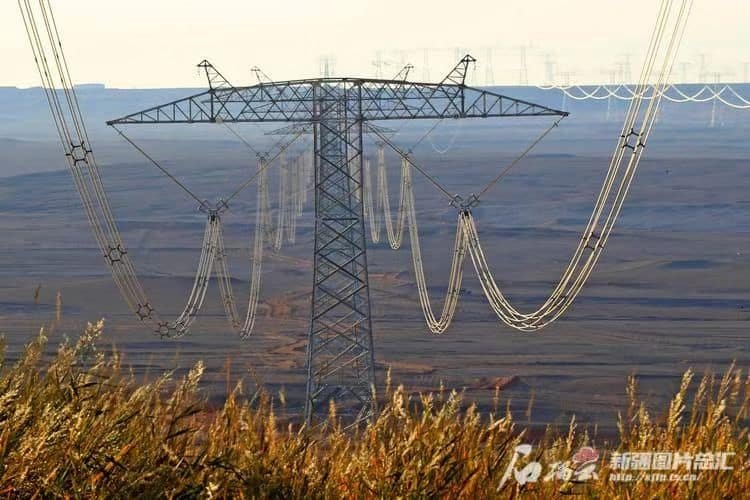
Transformers are essential devices in electrical systems, silently working behind the scenes to make sure electricity flows safely and efficiently. Whether you're turning on a light at home or powering heavy machinery in an industrial plant, a transformer is often involved in adjusting the voltage to suit the application. Without transformers, long-distance power transmission and the use of electricity at different voltage levels would be impractical or even dangerous.
Why Can’t We Transmit Power at Low Voltage?
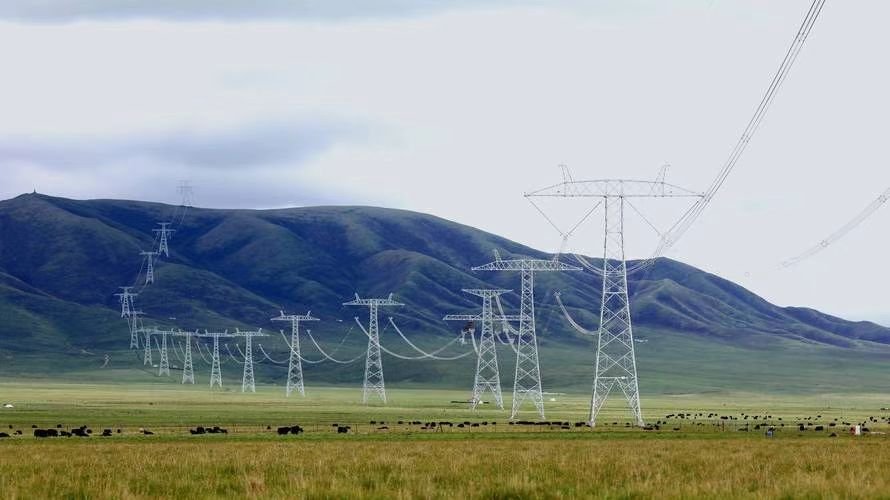
Transmitting power at low voltage might seem like a simpler or safer approach—but in reality, it’s wildly inefficient and impractical for large-scale electrical systems. Low-voltage transmission results in excessive energy losses, oversized infrastructure, and dangerously high currents. This is why modern power grids use high-voltage transmission lines and rely on step-up transformers to raise voltage levels for long-distance delivery. The physics of power loss explains why low-voltage transmission is virtually unusable for bulk power movement.
We cannot transmit power efficiently at low voltage because it requires high current to deliver the same amount of power, which causes substantial energy losses due to heat (I²R losses), demands excessively large conductors, and results in impractically high voltage drops. High-voltage transmission minimizes current, reduces losses, and enables economic, safe, and long-distance power delivery.
This article explains the physics, economics, and engineering behind why low-voltage power transmission is avoided in real-world power systems.
Low-voltage power transmission causes high current and energy losses due to I²R heating.True
As voltage decreases, current must increase for the same power, leading to exponential heat loss in conductors.
High-voltage transmission is used to minimize current and reduce energy losses over long distances.True
Higher voltage lowers current, which reduces resistive heating and allows for smaller, more efficient conductors.
1. Fundamental Formula: Power and Current Relationship
To transmit a given power $P$, the current $I$ is inversely proportional to voltage $V$:
$$P = V \times I \quad \Rightarrow \quad I = \frac{P}{V}$$
- If voltage $V$ is low, current $I$ must be high for constant power $P$.
- Transmission losses due to conductor resistance are given by:
$$\text{Power Loss} = I^2 \times R$$
High current leads to exponentially higher losses due to the square relationship with resistance.
2. Example: 100 MW Transmission at Different Voltages
| Parameter | At 10 kV | At 220 kV |
|---|---|---|
| Current (I) | 10,000 A | 455 A |
| Line resistance (R) | 1 ohm/km (100 km line) | 1 ohm/km (same) |
| Power loss (I²R) | 10,000² × 100 = 100 MW | 455² × 100 = 2.07 MW |
Transmitting at 10 kV would lose the entire 100 MW as heat—wasting all the power.
3. Why Low Voltage Transmission Fails in Practice
| Problem | Explanation |
|---|---|
| High energy loss | Due to large current, heat builds up in lines |
| Massive conductor size | Large current needs thick copper/aluminum wires |
| High voltage drop | Long lines suffer unstable delivery voltage |
| System instability | Load fluctuations cause dangerous voltage sag |
| Poor scalability | Not feasible for large, national grids |
Low-voltage systems are only suitable for short distances and small loads (e.g., inside buildings).
4. Why High Voltage Solves the Problem
| Transmission Benefit | High Voltage Advantage |
|---|---|
| Reduces current | Lower heat loss (I²R) in cables |
| Allows thinner conductors | Reduces infrastructure and material costs |
| Improves voltage regulation | Stable delivery across longer distances |
| Enables longer spans | Transmission lines can go hundreds of km |
| Enhances grid efficiency | Less energy wasted = lower emissions |
High-voltage systems (e.g., 132–765 kV) are up to 98–99.5% efficient.
5. Use of Transformers in Voltage Management
| Transformer Type | Role in Voltage Transformation |
|---|---|
| Step-up transformer | Increases voltage for transmission (e.g., 22 kV → 400 kV) |
| Step-down transformer | Decreases voltage for distribution (e.g., 400 kV → 33 kV) |
Voltage is stepped up before transmission and stepped down again before delivery to end users for safety.
6. Comparison Table: Low vs. High Voltage Transmission
| Parameter | Low Voltage (e.g., 10 kV) | High Voltage (e.g., 220 kV) |
|---|---|---|
| Required current (for 100 MW) | 10,000 A | 455 A |
| Conductor size | Very large | Moderate |
| I²R losses | Very high | Low |
| Cost of infrastructure | Extremely high | Cost-efficient |
| Distance capability | < 10 km | Hundreds of km |
| Grid reliability | Poor | Stable |
7. Applications of Low Voltage (and Why It's Still Used Locally)
| Voltage Level | Application |
|---|---|
| 230/400 V | Residential homes, small commercial buildings |
| 11 kV | Small industrial feeders, local distribution |
| 33 kV | Regional distribution, short industrial lines |
Low voltage is used after step-down transformers, once power is safely delivered to local zones.
How Do Transformers Enable Efficient Long-Distance Power Transmission?
In modern energy systems, long-distance transmission of electricity is critical to meet the demands of urban centers, rural areas, and industrial zones spread across thousands of kilometers. But transmitting electricity over these vast distances isn’t straightforward. Without the voltage control provided by transformers, such transmission would suffer from enormous power losses, high infrastructure costs, and unreliable delivery. Transformers make high-voltage power transmission not only possible, but efficient, safe, and economically viable.
Transformers enable efficient long-distance power transmission by stepping up voltage levels at the generation point to reduce current and transmission losses, and then stepping down the voltage near consumption points for safe use. This process minimizes I²R losses (resistive heating), allows thinner and cheaper conductors, improves voltage regulation, and ensures reliable power delivery across great distances.
This article explores the fundamental role of transformers in making bulk electricity transmission across regions and nations efficient and sustainable.
Transformers enable efficient long-distance transmission by increasing voltage and reducing current to minimize energy losses.True
By stepping up voltage, transformers reduce current, which lowers resistive losses (I²R) over long transmission lines.
Electricity can be transmitted long distances without voltage conversion or transformers.False
Without voltage transformation, transmission would result in excessive power loss and require massive conductor sizes, making it impractical.
1. Understanding the Challenge of Long-Distance Transmission
Electricity generated at power plants (typically at 11–33 kV) needs to travel hundreds or even thousands of kilometers to reach load centers.
Without Voltage Transformation:
- High current is needed for transmission
- Causes significant energy loss due to resistance
- Requires massive, expensive conductors
- Limits distance and load capacity
$$P = V \times I \quad \text{and} \quad \text{Loss} = I^2 \times R$$
The higher the current, the greater the losses in the transmission line.
2. How Transformers Improve Transmission Efficiency
A. Step-Up Transformers at Generation Sites
| Function | Benefit |
|---|---|
| Increase voltage (e.g., 11 kV → 220 kV) | Reduces current required for same power level |
| Lower current → lower I²R loss | Minimizes energy loss in conductors |
| Enables smaller, cost-effective wires | Reduces capital and material cost |
Stepping up voltage is essential for bulk power transport with high efficiency.
B. High-Voltage Transmission Lines
| Voltage Range | Typical Use Case |
|---|---|
| 132 kV – 400 kV | Regional and national grids |
| 500 kV – 765 kV | Ultra high-voltage long-distance lines |
| ±500 kV – ±800 kV DC | High-voltage DC transmission corridors |
Higher voltages extend transmission range, improve efficiency, and reduce footprint.
3. Step-Down Transformers at Receiving Substations
| Function | Role at Load Centers |
|---|---|
| Decrease voltage (e.g., 400 kV → 33 kV) | Makes voltage suitable for regional distribution |
| Ensures safety and compatibility | Powers cities, industries, and homes safely |
Voltage Levels After Step-Down:
- 33 kV for local industrial zones
- 11 kV for commercial feeders
- 400/230 V for residential and retail areas
4. Efficiency Gains from Voltage Transformation
| Voltage Level | Required Current (for 100 MW) | Power Loss (I²R) over 100 km |
|---|---|---|
| 11 kV | 9,090 A | 8.3 MW |
| 220 kV | 455 A | 0.2 MW |
Over 97% reduction in transmission loss by using a transformer to step up voltage.
5. Key Transformer Components Supporting Transmission
| Component | Function |
|---|---|
| Core (CRGO steel) | Ensures efficient magnetic flux transfer |
| Copper/aluminum windings | Carries high current with minimal resistance |
| Insulation and oil | Protects from dielectric failure and overheating |
| Cooling system | Removes excess heat, especially under load |
| Tap changer (OLTC) | Maintains voltage stability during fluctuations |
These components ensure transformers operate reliably under heavy transmission duty.
6. Support for Grid Interconnection and Stability
| Role in Power Network | Description |
|---|---|
| Grid coupling | Connects regions operating at different voltages |
| Reactive power management | Maintains voltage stability in long lines |
| Load balancing | Helps shift power from surplus to deficit areas |
Transformers provide the flexibility and control needed for interconnected grid systems.
7. Use in HVDC Transmission Systems
| Transformer Type | Application |
|---|---|
| Converter transformers | Used in HVDC substations for AC-DC conversion |
| Step-up/down role | Prepares voltage for DC transmission or re-entry |
HVDC Advantages:
- Lower line loss over extremely long distances
- No reactive power issues
- Point-to-point connection for stability
Transformers remain essential even in next-generation transmission technologies like HVDC.
Summary Table: How Transformers Enable Long-Distance Transmission
| Transformer Function | Grid Impact |
|---|---|
| Step-up voltage at generation | Reduces line current and losses |
| Step-down voltage at load end | Ensures safe voltage for usage |
| Tap changing | Adjusts voltage during load variation |
| Efficient materials | Minimizes core and copper losses |
| High-voltage insulation | Supports safe long-distance energy transport |
Why Do We Need to Step Down Voltage for End Users?
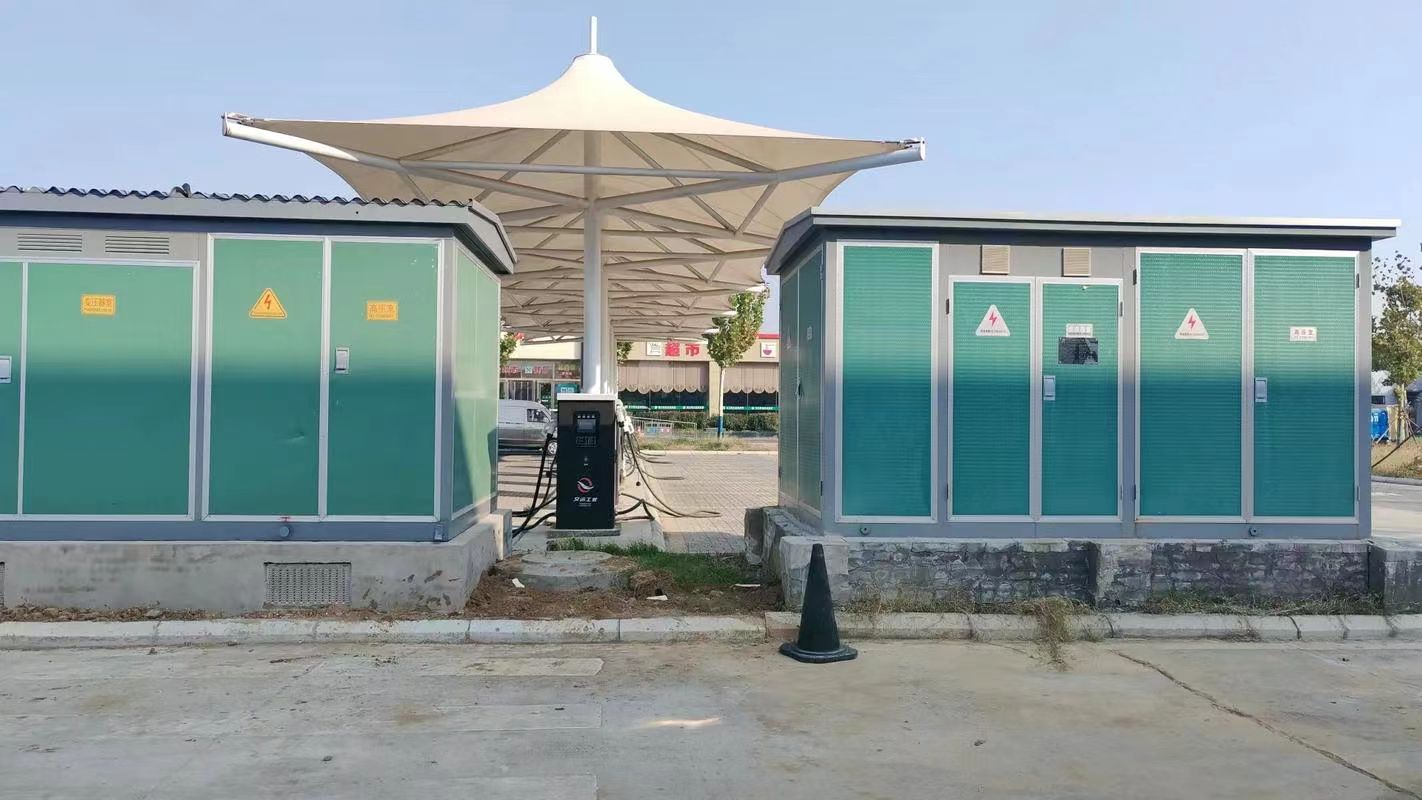
Electricity travels across the power grid at extremely high voltages to minimize energy loss, but it doesn’t reach homes, businesses, and factories at those voltages—and for good reason. High voltages are dangerous and incompatible with end-user equipment. That’s why we must step down the voltage before power reaches consumers. Step-down transformers play a crucial role in making electrical energy safe, usable, and compliant with the voltage levels required by electrical devices and appliances.
We need to step down voltage for end users because high transmission voltages are unsafe and incompatible with residential, commercial, and industrial equipment. Step-down transformers reduce the voltage to standardized, usable levels—such as 400 V or 230 V—ensuring user safety, protecting devices, and enabling consistent, reliable power delivery to homes, businesses, and other low-voltage networks.
This article explains why voltage must be stepped down before electricity reaches the consumer and how this process ensures safe, efficient, and practical use of electrical energy in everyday life.
Voltage must be stepped down before reaching end users to make it safe and compatible with standard electrical devices.True
Most consumer equipment is rated for low voltages (e.g., 230 V), and exposure to high voltages would cause damage or pose safety risks.
Homes and businesses can use electricity directly from high-voltage transmission lines without conversion.False
High-voltage power is extremely dangerous and unsuitable for direct consumer use; voltage reduction is essential for safe operation.
1. Why Transmission Voltage Is Too High for Direct Use
| Factor | Risk or Incompatibility |
|---|---|
| Safety hazard | Risk of electrocution or fire from exposure |
| Equipment design | Appliances designed for 230/400 V, not 11 kV+ |
| Over-insulation | Would require complex, costly equipment |
| Arc flash risk | High voltages easily jump air gaps |
Transmission voltages (132–765 kV) are not safe for direct human environments.
2. Standard Voltage Levels for End Users
| User Type | Standard Voltage Supplied | Typical Loads |
|---|---|---|
| Residential | 230 V (single-phase) | Lights, appliances, sockets |
| Commercial | 400 V (three-phase) | HVAC, elevators, office equipment |
| Industrial | 6.6/11/33 kV (medium voltage) | Motors, welding machines, manufacturing |
Step-Down Process:
- 400 kV (transmission) → 132 kV (sub-transmission)
- 132 kV → 33 kV (distribution)
- 33 kV → 11 kV or 400/230 V (consumer access point)
Voltage is gradually reduced in stages using multiple transformers across the network.
3. How Step-Down Transformers Work for End Users
| Component | Function |
|---|---|
| Primary winding | Receives high-voltage input (e.g., 11 kV) |
| Secondary winding | Outputs safe, low-voltage power (e.g., 400 V) |
| Core | Facilitates magnetic flux transfer |
| Enclosure | Protects against weather and tampering |
Output:
- Single-phase or three-phase based on load type
- Standardized voltages regulated by national electrical codes
4. Consequences of Not Stepping Down Voltage
| Impact on End User | Explanation |
|---|---|
| Fatal safety hazard | High-voltage exposure leads to lethal accidents |
| Device burnout | Low-voltage devices can't handle HV input |
| Infrastructure overload | Cabling and sockets can't withstand HV stress |
| Electromagnetic interference | Causes unstable operation of sensitive electronics |
Voltage regulation ensures that electricity is usable, safe, and code-compliant.
5. Efficiency and Reliability Benefits
| Transformer Role | Grid Benefit |
|---|---|
| Localized supply control | Prevents overloading and allows regional balancing |
| Minimized energy waste | Reduces line losses close to point of use |
| Improved reliability | Isolates faults and maintains voltage stability |
Final step-down transformers also include fuses, relays, and surge protection for local safety.
6. Applications of Step-Down Transformers
| Application | Voltage Supplied | Transformer Location |
|---|---|---|
| Residential suburbs | 230/400 V | Mounted on poles or in kiosks |
| Shopping malls | 400 V three-phase | Inside building substations |
| Small industries | 11 kV or 6.6 kV | Pad-mounted or internal substations |
| Hospitals | 11 kV to 400/230 V backup | With built-in redundancy and switching |
These transformers are scaled and configured based on load size and criticality.
Summary Table: Why Voltage Is Stepped Down for End Users
| Reason | Benefit to Users |
|---|---|
| Prevents electrical hazards | Makes electricity safe to touch and handle |
| Matches appliance voltage | Enables use of standard household devices |
| Avoids equipment damage | Protects electronics and infrastructure |
| Simplifies wiring and design | Reduces need for heavy-duty insulation |
| Complies with electrical standards | Aligns with national grid codes |
| Ensures voltage stability | Improves power quality and load performance |
What Role Do Transformers Play in Industrial Power Supply?
In industrial environments, where power demand is high and operating conditions are harsh, transformers are much more than voltage regulators—they are the lifeline of stable and efficient energy delivery. Whether running high-capacity motors, powering heavy machinery, or feeding process control systems, transformers play a central role in ensuring reliable, safe, and optimized industrial power supply. Choosing and operating the right transformer is essential to the productivity, safety, and profitability of any industrial operation.
Transformers in industrial power supply play a critical role by stepping down high-voltage power to required levels, isolating loads for safety, providing voltage regulation, handling fluctuating demands, and ensuring uninterrupted operation of equipment. They support energy efficiency, protect sensitive machinery, and enable scalable power distribution across factories, processing units, and manufacturing lines.
This article explores how transformers support industrial applications, the types used, and the performance features they bring to power-heavy facilities.
Transformers are essential in industrial power systems to safely reduce voltage, protect equipment, and distribute power effectively.True
Industrial operations use medium to high voltages that must be tailored to equipment needs via transformers, ensuring safety and operational continuity.
Industrial facilities can operate safely without transformers as long as they have a power connection.False
Without transformers, industrial systems would suffer from voltage mismatch, safety hazards, and inefficiency due to incompatible electrical loads.
1. Stepping Down High Voltage for Industrial Equipment
| Task | Description |
|---|---|
| Voltage transformation | Converts transmission-level voltages (e.g., 33/11 kV) to levels suitable for motors, drives, and lighting systems (e.g., 6.6/3.3/0.4 kV) |
| Adaptation to load | Matches power delivery to machinery requirements |
Why it matters:
- Power is delivered to factories at high or medium voltages for efficiency.
Step-down transformers reduce voltage to levels suitable for:
- Conveyors
- CNC machines
- Induction furnaces
- Air compressors
- Lighting and automation panels
This voltage conversion ensures both safety and equipment compatibility.
2. Supporting Large and Variable Loads
| Industrial Challenge | Transformer Role |
|---|---|
| High starting current motors | Transformers are rated to withstand short-term surges |
| Load variability by shift or season | Adaptive capacity management via tap changers or parallel operation |
Features:
- Transformers handle cyclical and uneven load profiles
Thermal and magnetic design accommodates:
- Inrush current during start-up
- Harmonics from variable frequency drives (VFDs)
- Fluctuating operational loads
Industrial transformers ensure voltage remains stable, even under sudden or dynamic load changes.
3. Voltage Regulation and Load Balancing
| Function | Industrial Benefit |
|---|---|
| On-load tap changers (OLTC) | Maintains voltage during variable load |
| Phase load balancing | Ensures 3-phase symmetry, prevents motor damage |
Result:
- Prevents undervoltage or overvoltage conditions
- Improves power factor and energy efficiency
- Minimizes unplanned downtime and equipment failure
Voltage control is critical in plants with tight process tolerances and continuous operations.
4. Electrical Isolation and Safety
| Purpose | Role of Transformer |
|---|---|
| Prevents fault propagation | Isolates electrical circuits from main supply |
| Protects human operators | Reduces shock risk with grounding and neutral |
| Enhances fault detection | Separates sub-systems for accurate diagnostics |
Types used:
- Isolation transformers
- Dry-type or resin cast transformers (for indoor, dust-heavy environments)
Industrial-grade transformers are equipped with earth fault protection, shielding, and safety interlocks.
5. Energy Efficiency and Loss Reduction
| Efficiency Feature | Benefit to Industry |
|---|---|
| CRGO core or amorphous metal | Minimizes core losses |
| Low-loss windings | Reduces copper losses during full-load operation |
| Forced cooling (ONAF/OFWF) | Improves loading efficiency at higher kVA ratings |
Standards followed:
- IEC 60076
- IS 1180 Part 1 (India)
- DOE 2016 efficiency standards (U.S.)
Lower transformer losses contribute to reduced operational energy costs and carbon footprint.
6. Multiple Voltage Outputs and Distribution
| Use Case | Transformer Feature |
|---|---|
| Operating diverse machinery | Multi-tap or dual-voltage windings |
| Feeding multiple zones/floors | Sub-transmission feeders from main transformer |
Design Configurations:
- Dual secondary transformers (e.g., 11 kV/400 V & 11 kV/3.3 kV)
- Custom windings for specific motor ratings or legacy systems
Transformers enable modular power distribution, tailored to plant layout and process needs.
7. Withstanding Harsh Industrial Conditions
| Condition | Transformer Adaptation |
|---|---|
| Dusty or chemical atmosphere | Dry-type or epoxy-resin coating |
| High ambient temperature | Enhanced cooling systems and de-rated capacity |
| Vibration or shock-prone areas | Mechanically rugged frames and core clamping |
Industries:
- Mining
- Petrochemicals
- Cement
- Steel
- Food processing
Industrial transformers are custom-built for environmental resilience and long-term performance.
8. Remote Monitoring and Predictive Maintenance
| Feature | Benefit to Facility Managers |
|---|---|
| Smart sensors (IoT-enabled) | Monitor oil level, temperature, and loading |
| DGA and thermal imaging | Detect early faults, gas buildup |
| Integration with SCADA/BMS | Enables real-time alarms and reporting |
Result:
- Minimizes unscheduled outages
- Supports data-driven maintenance planning
- Extends transformer and equipment lifespan
Summary Table: Transformer Roles in Industrial Power Systems
| Function | Industrial Impact |
|---|---|
| Step-down voltage transformation | Safe and usable voltage levels for machinery |
| Load balancing and regulation | Voltage stability for sensitive equipment |
| Power distribution flexibility | Supplies multiple zones and voltage classes |
| Energy loss reduction | Lowers operating costs |
| Fault isolation and safety | Protects equipment and personnel |
| Monitoring and diagnostics | Supports preventive maintenance and uptime |
How Do Transformers Support Renewable Energy Integration?
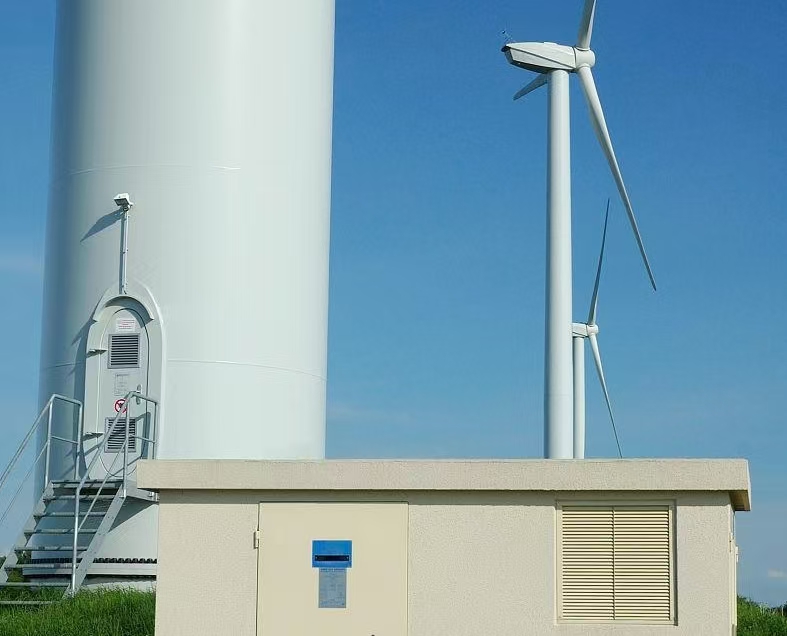
As the world shifts toward a cleaner, more sustainable energy future, renewable energy integration has become a cornerstone of grid evolution. However, integrating variable sources like solar and wind into the power grid requires precise management of voltage levels, power quality, grid stability, and bidirectional flow. Here, transformers play an indispensable role, acting as the bridge between green energy generation and conventional electrical infrastructure. Without them, large-scale renewable deployment would be inefficient, unsafe, and technically unfeasible.
Transformers support renewable energy integration by converting the low or medium voltage output from renewable generators (such as solar panels and wind turbines) to higher transmission-compatible voltages, enabling efficient grid connection. They also help manage power flow, balance fluctuating outputs, isolate systems for protection, and maintain power quality and stability across decentralized generation points.
This article explains how transformers enable the safe, efficient, and scalable integration of renewable energy into modern electrical grids.
Transformers are essential for integrating renewable energy sources into the grid by stepping up voltage and stabilizing power flow.True
Most renewable generators operate at low voltages and must be stepped up to grid levels for transmission and distribution.
Renewable energy systems can directly connect to the grid without transformers.False
Without voltage transformation, renewable sources would be incompatible with grid standards, unsafe, and inefficient for power transmission.
1. Voltage Matching for Grid Compatibility
| Renewable Source | Output Voltage Range | Grid Voltage Level |
|---|---|---|
| Solar PV array | 300–1,500 V DC | 11–220 kV AC (after inverter) |
| Wind turbine | 690 V – 33 kV AC | 66–220 kV (transmission grid) |
Transformer Role:
- Solar inverter transformer: Converts low-voltage AC to medium voltage (e.g., 0.4 kV → 33 kV)
- Collector transformer: Aggregates wind turbine outputs into substation voltages
- Step-up substation transformer: Raises voltage to 132/220 kV for grid export
Without voltage step-up, renewable power cannot enter transmission systems efficiently or safely.
2. Grid Interconnection and Power Flow Control
| Function | Description |
|---|---|
| Connects renewables to grid | Matches voltage and frequency at point of common coupling (PCC) |
| Supports bidirectional flow | Allows surplus energy export and grid-fed backup |
| Maintains synchronization | Balances phase, voltage, and reactive power |
Transformers ensure seamless grid synchronization of fluctuating renewable sources.
3. Isolation and Safety Protection
| Transformer Function | Grid Safety Role |
|---|---|
| Electrical isolation | Separates inverter or generator faults from grid |
| Fault containment | Localizes damage during short circuits or surges |
| Grounding and shielding | Ensures safe dissipation of fault currents |
Equipment:
- Isolation transformers (especially in solar and offshore wind)
- Differential and REF protection relays
- Overvoltage and surge suppression systems
Safety isolation via transformers is mandatory in many national renewable integration standards (e.g., IEC 62109, IEEE 1547).
4. Balancing Intermittency and Voltage Regulation
| Challenge | Transformer Support |
|---|---|
| Variable solar/wind output | Tap changers adjust voltage to stabilize output |
| Load imbalance | Phase balancing ensures consistent power delivery |
Technology:
- On-load tap changers (OLTCs) for dynamic voltage control
- Smart transformer systems that communicate with grid operators in real time
These features help mitigate voltage swings and power quality issues caused by renewables.
5. Integration with Smart Grids and Energy Storage
| Role in Smart Grids | Feature Provided |
|---|---|
| Communicative interface | SCADA and IoT-enabled transformer monitoring |
| Real-time diagnostics | Temperature, oil level, DGA, and loading data |
| Energy storage management | Balances renewable generation with load demand |
Example:
- Transformer station equipped with solar farm + battery storage
- Enables peak shaving, load shifting, and black-start capability
Smart transformers are essential for next-generation decentralized grid management.
6. Special Transformers for Renewable Applications
| Transformer Type | Description and Use Case |
|---|---|
| Inverter duty transformers | Designed for high harmonic content from solar inverters |
| Wind turbine transformers | Compact, high-durability units for nacelle or base use |
| Collector transformers | Aggregate outputs of multiple generators |
| Converter transformers | Used in HVDC grid-connected wind/solar farms |
These transformers are built to withstand fluctuating loads, harmonic distortion, and environmental stress (heat, dust, humidity).
7. Case Study: Solar Farm Integration Example
| System Component | Voltage Level | Transformer Type |
|---|---|---|
| PV modules + inverter | 1,000 V DC → 0.4 kV AC | Inverter transformer |
| Field collector network | 0.4 kV → 33 kV | Collector step-up unit |
| Grid interconnection point | 33 kV → 132 kV | Power transformer at substation |
This multi-stage voltage transformation ensures minimal loss and stable delivery into the high-voltage grid.
Summary Table: Transformer Roles in Renewable Integration
| Function | Impact on Renewable Power Integration |
|---|---|
| Step-up voltage transformation | Enables efficient grid export |
| Electrical isolation | Protects grid and equipment from faults |
| Voltage regulation | Maintains output quality under fluctuations |
| Reactive power compensation | Supports stable grid voltage |
| Smart diagnostics | Enables predictive maintenance and grid control |
| Compatibility with energy storage | Optimizes intermittent power handling |
How Do Transformers Help Maintain Grid Stability and Safety?
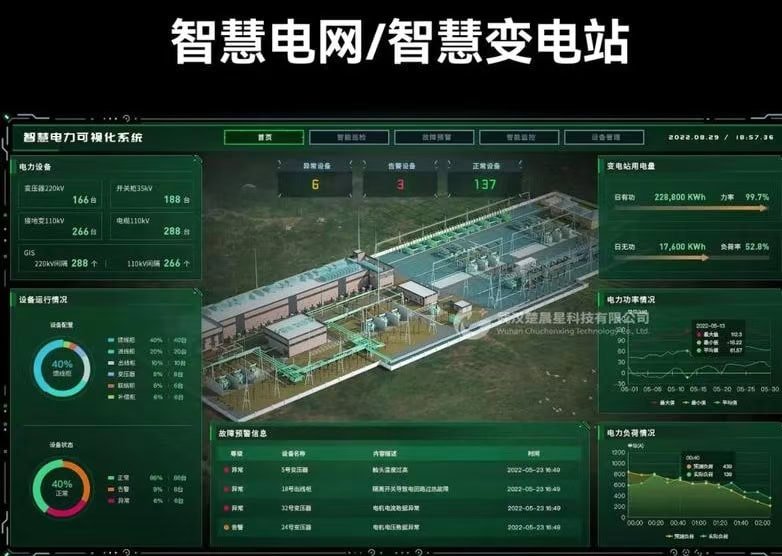
In a modern, interconnected power grid, maintaining voltage balance, system reliability, and operational safety is both essential and complex. Sudden load fluctuations, equipment failures, or weather events can destabilize entire regions—unless the system is designed with robust support mechanisms. At the core of these mechanisms are power transformers, which not only handle voltage changes but also serve as grid stabilizers and protectors. Their strategic operation is vital to ensure that power flows safely, efficiently, and without interruption.
Transformers help maintain grid stability and safety by regulating voltage levels, managing reactive power, supporting load balancing between regions, isolating faulted sections, integrating protection systems, and enabling black-start capabilities. They play a key role in preventing voltage collapse, minimizing outage impact, and allowing stable and secure operation of the power grid.
This article explores how power transformers contribute to both the stability of voltage and frequency and the safety of personnel, equipment, and infrastructure in electric power systems.
Transformers support grid stability by controlling voltage, enabling load balancing, and isolating faults.True
They perform critical functions like voltage regulation, regional interconnection, and protection coordination, all of which ensure system reliability.
Transformers only serve to change voltage and have no impact on grid safety or reliability.False
Modern transformers include safety systems and dynamic voltage controls that directly affect grid stability and protection.
1. Voltage Regulation for Grid Stability
| Function | Grid Impact |
|---|---|
| Adjusts voltage to desired levels | Maintains nominal voltage across the system |
| Compensates for load variations | Stabilizes voltage sag or swell during peak hours |
Technologies:
- On-load tap changers (OLTC) dynamically adjust winding taps under load
- Automatic Voltage Regulators (AVRs) fine-tune output voltage
Stable voltage levels prevent issues such as equipment failure, grid undervoltage, or blackouts.
2. Reactive Power Compensation and Frequency Control
| Grid Challenge | Transformer Role |
|---|---|
| Reactive power imbalance | Affects voltage and frequency stability |
| Frequency deviation | Disrupts synchronized operation |
How transformers help:
- Maintain magnetizing reactance to balance reactive power demand
- Assist generators in keeping system frequency close to 50/60 Hz
This helps prevent voltage collapse, especially during grid stress or disturbances.
3. Load Balancing and Regional Power Flow
| Grid Need | Transformer Contribution |
|---|---|
| Inter-regional power exchange | Enables step-up/step-down voltage transitions |
| Load balancing between zones | Manages demand peaks across the network |
Use Case:
- A 400/220 kV transformer routes excess power from a low-demand region to a high-demand zone, avoiding overload and blackout.
Transformers make dynamic load sharing and peak demand management possible.
4. Fault Isolation and Protection
| Transformer Feature | Safety Benefit |
|---|---|
| High-impedance design | Limits fault current from propagating |
| Differential protection relays | Detect internal winding faults and trip breakers |
| Ground fault detection | Isolates single-line-to-ground faults |
Key Devices:
- Buchholz relays: Detect gas from slow-developing faults
- Pressure relief valves: Prevent tank explosions
- REF relays: Protect transformer neutral circuits
These systems contain electrical faults, preventing damage from spreading across the grid.
5. Surge and Lightning Protection
| External Risk | Transformer Countermeasure |
|---|---|
| Lightning or switching surges | Surge arresters protect insulation from overvoltages |
| Voltage spikes | Shielding and grading rings prevent bushing flashover |
Essential for grid safety in storm-prone or high-altitude areas.
6. Transformer Monitoring for Predictive Stability
| Monitoring Parameter | Role in Grid Reliability |
|---|---|
| Oil temperature and pressure | Prevents overheating and rupture |
| Dissolved Gas Analysis (DGA) | Detects early internal faults |
| Tap changer activity | Ensures smooth voltage regulation |
Integration:
- Linked to SCADA, EMS, or cloud-based platforms
- Real-time alerts help operators act before instability escalates
Predictive monitoring tools reduce unplanned outages and improve grid resilience.
7. Support for Black Start and Grid Restoration
| Grid Recovery Scenario | Transformer Function |
|---|---|
| Total grid collapse | Transformers re-energize sections in phases |
| Local generation islanding | Maintain isolated voltage levels safely |
Transformers allow gradual and controlled re-synchronization after large-scale outages.
8. Special Transformer Designs for Enhanced Stability
| Transformer Type | Stability Feature |
|---|---|
| Auto-transformers | Efficient for interconnection of similar voltages |
| Phase-shifting transformers | Control power flow direction in meshed grids |
| Converter transformers | Allow grid control in HVDC systems |
These units allow precision tuning of energy flow and fault tolerance in complex grids.
Summary Table: How Transformers Maintain Grid Stability and Safety
| Function | Impact on Grid Operations |
|---|---|
| Voltage regulation | Prevents sag/swell under variable load |
| Reactive power balance | Maintains voltage and frequency equilibrium |
| Load sharing between regions | Ensures energy reaches demand centers |
| Fault isolation | Limits spread and damage from faults |
| Surge protection | Shields grid from external overvoltages |
| Smart monitoring | Enables predictive maintenance and control |
| Grid restoration support | Assists phased recovery after blackouts |
Conclusion
You need a transformer because electricity must be delivered at the right voltage, safely and efficiently, across vast distances and varied applications. From reducing transmission losses to enabling the safe use of electricity in homes and industries, transformers are the silent heroes of the power system. They make modern life possible—powering everything from household electronics to national grids.
FAQ
Q1: Why is a transformer necessary in an electrical system?
A1: A transformer is necessary to transfer electrical energy efficiently between circuits with different voltage levels. It allows high-voltage transmission over long distances to minimize power loss and then safely steps down the voltage for use in homes and businesses.
Q2: When would you need a transformer?
A2: You need a transformer when:
Transmitting power over long distances (step-up transformers)
Supplying safe, usable voltage to homes and commercial facilities (step-down transformers)
Integrating renewable energy sources into the grid
Operating electrical equipment that requires different voltage levels
Q3: What problems would occur without transformers?
A3: Without transformers:
Power loss during transmission would be significant
Voltage levels would be unsafe or incompatible for end-users
Electrical grids couldn’t function efficiently or reliably
Equipment could overload, underperform, or be damaged
Q4: How do transformers improve energy efficiency?
A4: Transformers reduce energy loss by enabling high-voltage, low-current transmission, which minimizes I²R (copper) losses in transmission lines. Efficient voltage conversion ensures that electrical power is delivered economically and safely.
Q5: What are the everyday applications of transformers?
A5: Transformers are used in:
Power grids and substations
Electronic devices (phone chargers, TVs)
Factories and industrial plants
Hospitals and data centers
Solar and wind power systems
They ensure stable and reliable power tailored to each application’s voltage needs.
References
"Why Are Transformers Essential in Power Systems?" – https://www.transformertech.com/why-transformers-are-needed – Transformer Tech
"Importance of Transformers in Modern Power Grids" – https://www.powermag.com/why-transformers-matter – Power Magazine
"Reasons You Need a Transformer in Electrical Circuits" – https://www.electrical4u.com/importance-of-transformers – Electrical4U
"Transformer Necessity and Functionality Explained" – https://www.researchgate.net/why-transformers-are-critical – ResearchGate
"The Role of Transformers in Efficient Power Transmission" – https://www.sciencedirect.com/transformer-efficiency – ScienceDirect
"How Transformers Enable Smart Grid Functionality" – https://www.smartgridnews.com/why-transformers-are-vital – Smart Grid News
"Energy Central: Key Use Cases for Transformers" – https://www.energycentral.com/c/ee/transformer-use-cases – Energy Central
"PowerGrid: Understanding the Need for Transformers" – https://www.powergrid.com/why-transformers-are-necessary – PowerGrid