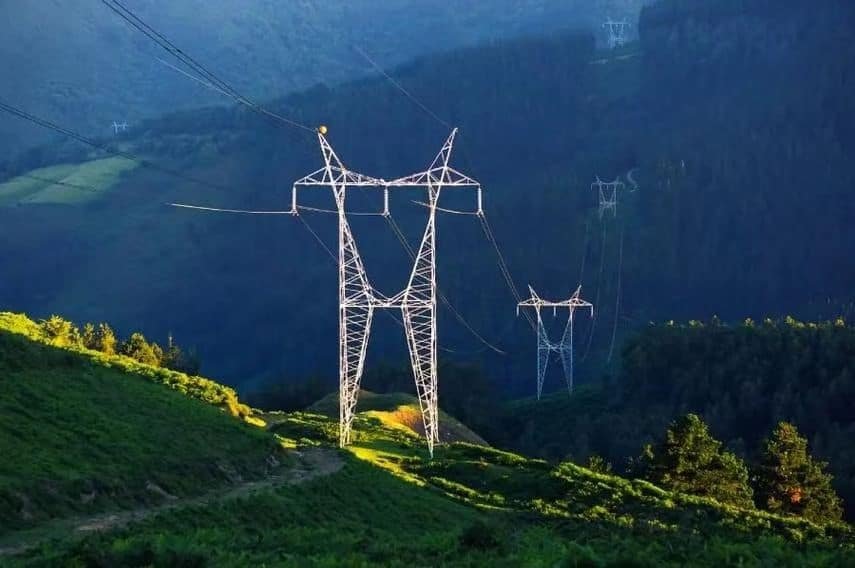
Transformers are everywhere in the power system, yet their function is simple and elegant. While many electrical devices are complex in both design and operation, the transformer’s main job is straightforward: change voltage levels. This voltage conversion is what makes long-distance transmission practical and electricity usable in homes and industries. Let's explore what a transformer does—in the simplest terms.
What Is a Transformer and How Does It Work?
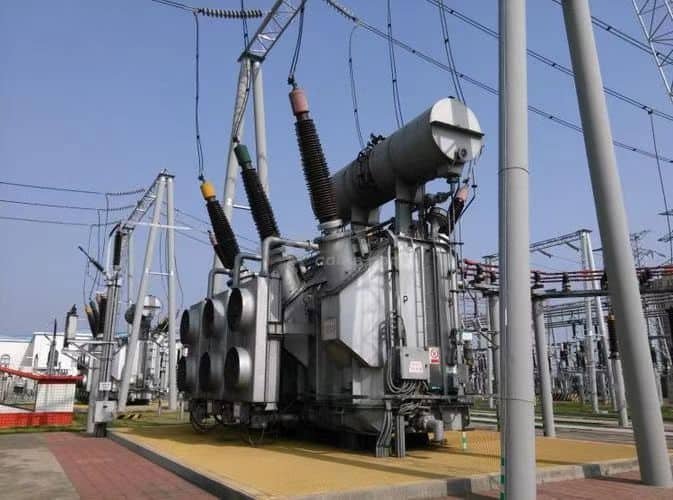
Transformers are fundamental to the generation, transmission, and use of electricity. Without them, it would be impossible to deliver power efficiently over long distances or safely to our homes and industries. Yet despite their widespread use, many people don’t fully understand what a transformer is or how it functions. Misuse or misapplication can lead to inefficiency, overheating, or even equipment failure. Understanding how transformers work is key to designing, maintaining, and troubleshooting modern power systems.
A transformer is a static electrical device that transfers electrical energy from one circuit to another through electromagnetic induction, typically changing the voltage level in the process. It works by using a magnetic core and two or more wire windings—primary and secondary—so that when alternating current flows through the primary winding, it creates a magnetic field that induces voltage in the secondary winding. This allows the transformer to step voltage up or down without changing the frequency.
In this article, we explain the structure, working principle, types, and real-world applications of transformers—demystifying how they power modern life.
Transformers transfer energy through electromagnetic induction without any moving parts.True
They use alternating magnetic fields to induce voltage in secondary windings, enabling voltage transformation with high efficiency.
Transformers can operate using direct current (DC) power.False
Transformers only work with alternating current (AC), since electromagnetic induction requires changing magnetic fields, which DC cannot produce.
1. What Is a Transformer?
| Feature | Description |
|---|---|
| Device type | Passive, electromagnetic, static |
| Core function | Voltage transformation via electromagnetic induction |
| Input/output | Primary (input) and secondary (output) windings |
| Current type | Works only with AC (Alternating Current) |
| Frequency | Does not change—input and output frequencies are the same |
Transformers are used to increase (step-up) or decrease (step-down) voltage levels for efficient power transfer.
2. Basic Working Principle of a Transformer
| Component | Function |
|---|---|
| Primary winding | Receives AC voltage and generates a magnetic field |
| Magnetic core | Channels the magnetic flux between windings |
| Secondary winding | Induces a voltage through mutual induction |
How It Works:
- An AC voltage is applied to the primary winding.
- This creates a changing magnetic field in the core.
- The magnetic field induces a voltage in the secondary winding.
- The voltage induced depends on the turns ratio between the windings.
No electrical connection exists between the input and output—only magnetic coupling.
3. Voltage Transformation Equation
$$\frac{V_1}{V_2} = \frac{N_1}{N_2}$$
| Symbol | Meaning |
|---|---|
| $V_1$ | Voltage at primary winding |
| $V_2$ | Voltage at secondary winding |
| $N_1$ | Number of turns in primary coil |
| $N_2$ | Number of turns in secondary coil |
- If $N_2 > N_1$, it's a step-up transformer
- If $N_2 < N_1$, it's a step-down transformer
4. Types of Transformers by Application
| Type | Description and Use Case |
|---|---|
| Power Transformer | High-voltage transformation (e.g., 132/400 kV) in substations |
| Distribution Transformer | Low-voltage delivery to homes or businesses (e.g., 11/0.4 kV) |
| Isolation Transformer | Provides electrical isolation (1:1 ratio typically) |
| Auto-transformer | Single winding shared by input and output (no isolation) |
| Instrument Transformer | Used for measurement: CT (current) and PT (potential) |
5. Transformer Construction Components
| Component | Function |
|---|---|
| Core | Magnetic path for flux; typically made of CRGO steel |
| Windings | Coils of copper or aluminum wire to carry current |
| Insulation | Electrical isolation between windings and core |
| Tank and oil | Cools and insulates; used in larger transformers |
| Tap changer | Adjusts voltage ratio under load or no-load conditions |
| Bushings | Safe external connections for high-voltage terminals |
Design details vary based on voltage, capacity, and application.
6. Common Use Cases of Transformers
| Sector | Application Example |
|---|---|
| Power generation | Step up 11/22 kV generator output to 132/400 kV grid |
| Transmission networks | Interconnects different regional voltages |
| Industrial plants | Step down 132/66 kV to 11/6.6 kV for motors, drives |
| Commercial buildings | Distributes 11/0.4 kV to internal systems |
| Residential areas | Local step-down from 11 kV to 400/230 V |
7. Why Transformers Are Indispensable
| Reason | Explanation |
|---|---|
| Energy efficiency | Transmit high voltage at low current to reduce losses |
| Voltage safety | Supplies safe voltage levels to end-users |
| Load adaptability | Matches generation output to user demand |
| Network flexibility | Supports multi-voltage, multi-phase systems |
| Protection and isolation | Shields equipment from faults and disturbances |
Without transformers, our entire AC power grid architecture would not function.
Summary Table: Key Facts About Transformers
| Feature | Detail |
|---|---|
| Energy transfer method | Magnetic induction |
| Operates on | Alternating current (AC) only |
| Frequency change | None (input = output frequency) |
| Isolation | Electrical isolation via magnetic field |
| Voltage transformation | Based on coil turn ratio |
| Core materials | CRGO steel, ferrite, or amorphous alloy |
| Efficiency | Up to 99.75% in modern designs |
Why Does Electricity Need to Be Transformed?
Electricity powers everything from heavy industry to household appliances—but the voltage levels suitable for generating and transmitting power are not safe or efficient for direct end use. Without voltage transformation, electrical systems would suffer from massive energy losses, dangerous operating conditions, and costly inefficiencies. This is why transforming electricity between different voltage levels is not optional—it is absolutely essential to modern electrical infrastructure.
Electricity needs to be transformed to enable efficient long-distance transmission at high voltages, ensure safe usage at low voltages for consumers, match equipment voltage requirements, reduce transmission losses, and isolate different parts of the power grid. Transformers change the voltage levels while keeping the frequency constant, allowing for optimized energy flow and safety across all sectors.
This article explores the engineering, safety, and efficiency reasons why voltage transformation is required, and how it underpins every stage of electrical power delivery—from generation to consumption.
Electricity must be transformed between different voltage levels to ensure efficient transmission and safe usage.True
Transformers step voltage up for long-distance transmission to reduce losses, and step it down for compatibility with end-user devices.
Electrical power can be transmitted and used at the same voltage level throughout the grid.False
High voltages are needed for transmission efficiency, but unsafe for direct use, requiring transformation for safe consumption.
1. Why Generation and Usage Voltages Are Different
| Stage | Typical Voltage | Reason for Difference |
|---|---|---|
| Generation (thermal/hydro) | 11–33 kV | Suited to generator design limits |
| Transmission | 132–765 kV | Reduces line losses over long distances |
| Distribution | 33–11 kV | Delivers manageable voltage to local areas |
| Consumer use | 400/230 V | Safe for appliances, equipment, and lighting |
Voltage must be stepped up or down at each transition using power or distribution transformers.
2. Reducing Transmission Losses Through Voltage Step-Up
| Formula: Power Loss (I²R) | Explanation |
|---|---|
| Power = Voltage × Current | For same power, higher voltage means lower current |
| Loss ∝ Current² | Lower current means exponentially lower loss |
Example:
Transmitting 100 MW at 11 kV vs. 400 kV:
- At 11 kV: Current = 9,090 A (very high), high losses
- At 400 kV: Current = 250 A (very low), minimal losses
Step-up transformers at power stations enable long-distance delivery with high efficiency.
3. Ensuring Safety Through Voltage Step-Down
| End Use Sector | Max Safe Operating Voltage | Requires Step-Down? |
|---|---|---|
| Residential homes | 230 V (single-phase) | ✅ Yes |
| Commercial buildings | 400 V (three-phase) | ✅ Yes |
| Industrial machinery | 6.6–11 kV (for large motors) | ✅ Yes |
Grid-level voltages of 132–400 kV would destroy most electrical devices and pose severe safety risks.
4. Matching Voltage Requirements of Different Systems
| System Type | Voltage Compatibility Need |
|---|---|
| Renewable energy plants | Inverter outputs (0.4–33 kV) must be stepped up |
| Industrial loads | Often require 6.6 kV or 11 kV |
| Regional grid interconnection | May require 400/220 kV step-down transformers |
| Microgrids and campuses | Multiple voltage zones for lighting, HVAC, machinery |
Transformers allow versatile and customized voltage matching for each zone or facility.
5. Isolating Electrical Sections for Safety and Protection
| Isolation Need | Transformer Benefit |
|---|---|
| Prevent propagation of faults | Electrical isolation between primary/secondary |
| Protect sensitive equipment | Eliminates surges and harmonics |
| Enable grounding and neutral control | Supports controlled earthing systems |
Isolation via transformers protects the grid, equipment, and human life.
6. Voltage Transformation Across the Power Network
| Network Section | Typical Voltage Levels | Transformer Type |
|---|---|---|
| Generation output | 11–33 kV | Generator Step-Up (GSU) |
| Transmission lines | 132–765 kV | Power Transformer |
| Sub-transmission | 33–132 kV | Substation Transformer |
| Distribution feeders | 11–0.4 kV | Distribution Transformer |
| Internal facilities | 400 V or customized LV | Isolation Transformer |
Multiple transformation points ensure voltage optimization from source to socket.
7. What Happens Without Voltage Transformation?
| Consequence | Explanation |
|---|---|
| Excessive energy loss | High current leads to thermal loss and sag |
| Equipment damage | Overvoltage can burn out motors, devices, and wiring |
| Safety hazard | High-voltage exposure risks shock and fire |
| Grid instability | Voltage mismatch disrupts synchronization |
| Incompatibility with regulations | Violates national electrical and utility codes |
The entire functionality and safety of the power grid depends on correct voltage transformation.
Summary Table: Why Electricity Must Be Transformed
| Reason | Transformer Role |
|---|---|
| Efficient transmission | Step-up voltage to reduce current and line loss |
| Safe usage | Step-down voltage to appliance levels |
| Voltage compatibility | Match generation, grid, and load requirements |
| Isolation and protection | Electrically separate systems for safety |
| Grid reliability and flexibility | Enable multi-zone, multi-voltage operations |
What Is the Difference Between Step-Up and Step-Down Transformers?
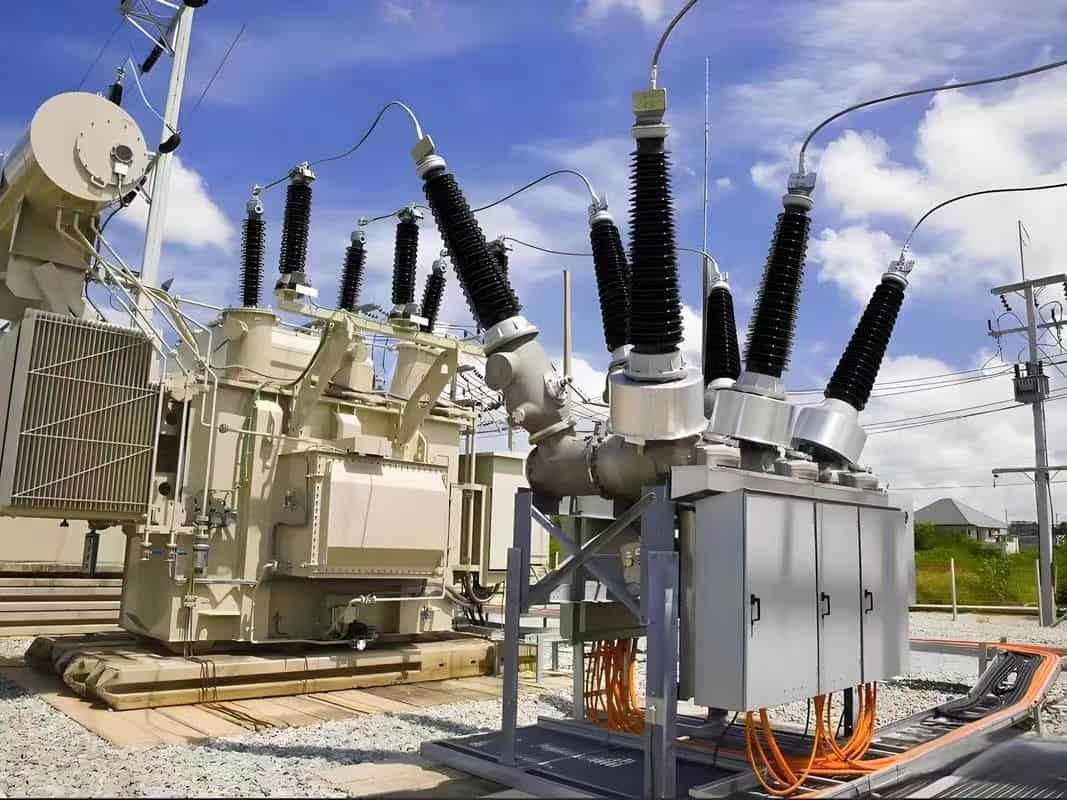
Transformers are essential to any power system, but they are not all the same. Depending on where you are in the energy chain—from generation to transmission to end use—you’ll need a different type of transformer. Selecting the wrong one can cause voltage mismatch, equipment failure, safety hazards, and energy inefficiency. That’s why it’s crucial to understand the difference between step-up and step-down transformers—two core technologies that literally keep the grid powered.
The main difference between a step-up and a step-down transformer lies in the direction of voltage change: a step-up transformer increases voltage from low to high, typically used at the generation side, while a step-down transformer reduces voltage from high to low, typically used for distribution and end-user consumption. This is achieved by altering the number of turns in the primary and secondary windings.
This article breaks down the construction, application, and functional differences between these two transformer types so you can select and apply them correctly in any project.
Step-up transformers increase voltage for transmission, while step-down transformers decrease voltage for distribution.True
This voltage transformation enables efficient long-distance power delivery and safe end-user consumption.
Step-up and step-down transformers are interchangeable because they perform the same basic function.False
Although both use electromagnetic induction, their application, winding ratios, and voltage orientation are opposite and not interchangeable without rewiring.
1. Definition of Step-Up vs. Step-Down Transformers
| Transformer Type | Voltage Action | Common Use Case |
|---|---|---|
| Step-Up Transformer | Increases voltage (e.g., 11 kV → 220 kV) | Power generation to transmission system |
| Step-Down Transformer | Decreases voltage (e.g., 33 kV → 11 kV) | Substation to local distribution |
The difference depends on the number of turns in the coils:
- Step-up: $N{\text{secondary}} > N{\text{primary}}$
- Step-down: $N{\text{secondary}} < N{\text{primary}}$
2. Working Principle: Same Physics, Different Direction
Both step-up and step-down transformers use Faraday’s law of electromagnetic induction:
$$\frac{V{\text{secondary}}}{V{\text{primary}}} \frac{N{\text{secondary}}}{N{\text{primary}}}$$
| Feature | Step-Up | Step-Down |
|---|---|---|
| Voltage increases | ✅ Yes | ❌ No |
| Voltage decreases | ❌ No | ✅ Yes |
| Current decreases | ✅ Yes (higher voltage → lower current) | ❌ No |
| Current increases | ❌ No | ✅ Yes (lower voltage → higher current) |
Voltage and current are inversely proportional: step-up transformers reduce current, while step-down transformers increase it.
3. Key Differences at a Glance
| Attribute | Step-Up Transformer | Step-Down Transformer |
|---|---|---|
| Primary winding turns | Fewer | More |
| Secondary winding turns | More | Fewer |
| Input voltage | Low | High |
| Output voltage | High | Low |
| Typical placement | Generator station → grid injection | Grid → industrial or local use |
| Application | Long-distance transmission | End-user supply |
| Energy loss reduction | Yes (via high voltage, low current) | No (final delivery stage) |
| Safety risk if misused | High (output at hundreds of kV) | Moderate (output for local use) |
4. Application Examples
Step-Up Transformer Use Cases:
| Sector | Example | Transformer Rating |
|---|---|---|
| Power generation | 11 kV output to 220 kV transmission | 11/220 kV, 200–1000 MVA |
| Renewable energy plant | 33 kV inverter block to 132 kV grid | 33/132 kV, 50–250 MVA |
| HVDC stations | AC-to-DC converter entry | 400/500 kV transformer |
Step-Down Transformer Use Cases:
| Sector | Example | Transformer Rating |
|---|---|---|
| Regional substation | 132 kV grid to 11 kV local network | 132/11 kV, 20–160 MVA |
| Industrial facility | 66 kV supply to 6.6 kV motor bus | 66/6.6 kV, 5–50 MVA |
| Residential neighborhood | 11 kV feeder to 0.4 kV utility supply | 11/0.4 kV, 25–500 kVA |
The context defines the direction of voltage flow and the type of transformer needed.
5. Construction and Cooling Differences
| Feature | Step-Up Transformer | Step-Down Transformer |
|---|---|---|
| Size and weight | Larger (due to HV insulation) | Smaller for same capacity |
| Insulation requirements | High on secondary side | High on primary side |
| Cooling method | OFWF or ONAF for large units | ONAN for smaller units |
| Tap changer | Often on HV side | May be on LV side |
Both types may use on-load tap changers (OLTC) to regulate voltage under load conditions.
6. Transformer Selection Based on Power Flow Direction
| Scenario | Transformer Type to Use |
|---|---|
| Sending power from a power plant to the grid | Step-Up Transformer |
| Supplying electricity to a neighborhood | Step-Down Transformer |
| Delivering 132 kV to a cement factory | Step-Down Transformer |
| Connecting solar output to 132 kV feeder | Step-Up Transformer |
| Microgrid feeding national grid | Step-Up Transformer |
Always base your selection on input-output voltage requirements and power direction.
Summary Table: Step-Up vs. Step-Down Transformers
| Feature | Step-Up Transformer | Step-Down Transformer |
|---|---|---|
| Voltage output | Higher than input | Lower than input |
| Used at | Power generation and grid tie | Distribution and end user |
| Typical voltage range | 11 → 132/220/400 kV | 132/66/33 → 11/0.4 kV |
| Primary-secondary turns | $N_2 > N_1$ | $N_2 < N_1$ |
| Goal | Efficiency in transmission | Safety and compatibility |
| Core user | Utilities, generators | Industries, consumers |
How Do Transformers Help in Power Transmission?
The modern electrical grid spans thousands of kilometers, delivering power from distant generation plants to homes, factories, and cities. But without transformers, this vast energy delivery system would be inefficient, unstable, and even dangerous. Transformers are the unsung heroes of power transmission, silently enabling the safe, efficient, and reliable transport of electricity across regions.
Transformers help in power transmission by stepping up the voltage at the generation point to reduce current and line losses during long-distance transmission, and then stepping it down near consumption points to ensure safe and compatible voltage for users. They also provide system isolation, load balancing, and voltage regulation, making them critical for maintaining efficiency, safety, and grid stability.
This article explores in detail how transformers enable high-efficiency power transmission, their role in reducing losses, and their indispensable function in the electrical grid.
Transformers reduce transmission losses by stepping up voltage, which lowers current and minimizes I²R losses.True
Since power loss in lines is proportional to the square of current, higher voltage and lower current significantly reduce energy loss over distance.
Transformers are not required for high-voltage transmission if conductors are large enough.False
Even with thicker conductors, untransformed low-voltage transmission would still result in excessive losses and inefficiency. Transformers are essential for voltage elevation and system scalability.
1. Why Do We Need High Voltage for Transmission?
| Transmission Variable | Impact on Efficiency |
|---|---|
| Voltage ↑ | Current ↓ for same power output |
| Current ↓ | Line losses ↓ (since $P_{\text{loss}} = I^2R$) |
| Conductor size ↓ | Material cost ↓ and sag reduction |
Example:
To transmit 100 MW:
- At 11 kV: current = \~9,090 A (huge loss)
- At 220 kV: current = \~455 A (low loss)
Transformers allow this increase in voltage at generation and decrease near loads.
2. Transformer Roles in the Transmission System
| Stage | Transformer Role | Typical Voltage Levels |
|---|---|---|
| Generation station | Step-up voltage for transmission | 11–22 kV → 132–400+ kV |
| Transmission substation | Maintain high voltage, sometimes inter-step | 400/220 kV, 220/132 kV |
| Distribution substation | Step-down for regional or industrial use | 132/33 kV, 66/11 kV |
| End-user delivery | Step-down for homes and buildings | 11/0.4 kV, 0.4/0.23 kV |
Each stage relies on precision-designed transformers to control and adapt the voltage level.
3. How Transformers Reduce Transmission Losses
| Without Transformer | With Transformer (Step-Up) |
|---|---|
| Low voltage = high current | High voltage = low current |
| High current = high heat loss | Low current = minimal I²R loss |
| Thick cables needed | Smaller, lighter conductors possible |
| Shorter distance viable | Longer-distance transmission feasible |
Transmission Efficiency Equation:
$$P_{\text{loss}} = I^2 \times R$$
$$\text{Since } I = \frac{P}{V}, \text{ increasing } V \text{ reduces } I^2$$
Using step-up transformers multiplies voltage to shrink current and minimize loss.
4. System Protection and Load Management
| Transformer Feature | Transmission Benefit |
|---|---|
| Electrical isolation | Prevents fault propagation |
| Tap changer (OLTC) | Dynamically regulates transmission voltage |
| Impedance | Limits fault current and stabilizes voltage |
| Parallel operation of transformers | Enables load sharing and redundancy |
Transformers provide not only voltage conversion but also power quality management.
5. Real-World Use Cases
A. Thermal Power Station to Grid
- 22 kV generator output stepped up to 400 kV
- Transmitted 500 km via HV lines
- Stepped down at receiving substation to 132 kV, then 33/11 kV
B. Wind Farm Transmission
- Turbine outputs at 690 V
- Collector transformers raise to 33 kV
- Central step-up transformer raises to 132 kV
- Power flows into the regional transmission network
These examples show how multiple transformer stages manage energy flow effectively.
6. Smart Grid and Monitoring Enhancements
| Modern Feature | Transmission Value |
|---|---|
| SCADA integration | Remote transformer monitoring and control |
| Online Dissolved Gas Analysis | Detects faults in insulation early |
| Temperature and load sensors | Avoids overloading and improves reliability |
| Automatic tap changers | Maintain voltage during load swings |
In modern grids, transformers are intelligent energy managers, not just passive devices.
Summary Table: How Transformers Help in Power Transmission
| Function | Benefit |
|---|---|
| Step up voltage | Reduces current and transmission losses |
| Step down voltage | Makes electricity usable for local consumption |
| Electrical isolation | Enhances system safety and fault containment |
| Load balancing | Prevents overloading and equipment damage |
| Grid synchronization | Maintains frequency and phase alignment |
| Scalability | Supports expansion of transmission infrastructure |
How Do Transformers Make Electricity Safe for Home Use?
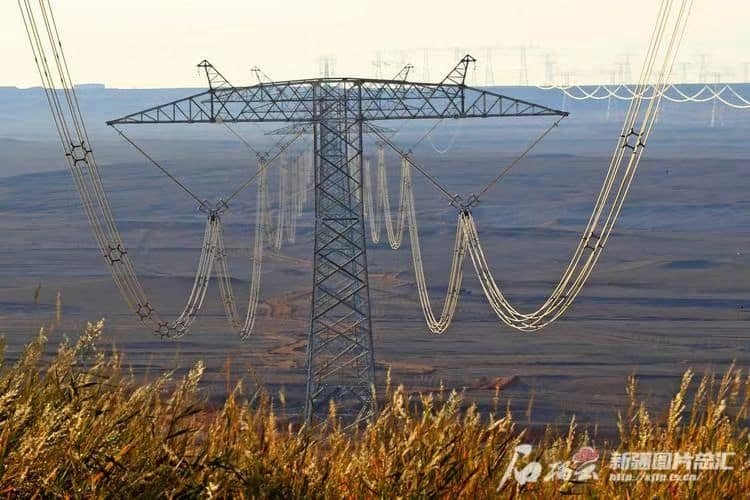
Electricity generated at power stations is far too powerful and dangerous to be used directly in homes. High-voltage electricity—needed for long-distance transmission—can cause electrical fires, equipment damage, or fatal injuries if supplied without being stepped down. This is where transformers come into play: they act as the bridge between the high-voltage world of utility networks and the low-voltage needs of domestic environments.
Transformers make electricity safe for home use by stepping down high-voltage power from the distribution grid to a lower, usable level—typically 230 volts for single-phase or 400 volts for three-phase systems. They also isolate household circuits from high-voltage networks, protect appliances from overvoltage, and ensure stable voltage delivery.
In this article, we break down the essential role of distribution transformers and protective configurations that make home electricity both safe and reliable.
Transformers reduce high transmission voltage to safe levels for residential use.True
Electricity is stepped down from 11 kV or higher to 230 V or 400 V so it can be safely used in homes.
Homes can safely use electricity from transmission lines without any voltage transformation.False
Transmission-level voltages (132 kV–400 kV) are extremely dangerous and must be stepped down multiple times before reaching consumers.
1. Why Home Electricity Needs to Be Stepped Down
| Source Voltage Stage | Typical Value | Result Without Transformation |
|---|---|---|
| Generation output | 11–22 kV | Unsafe for direct use |
| Transmission network | 132–400 kV | Fatal exposure; equipment destruction |
| Distribution feeder | 11–33 kV | Too high for household appliances |
| Residential supply | 230 V (1-phase) or 400 V (3-phase) | Safe and compatible for domestic loads |
Distribution transformers are used at the final stage to bridge this gap safely.
2. What Is a Distribution Transformer?
| Parameter | Description |
|---|---|
| Voltage rating | 11/0.4 kV, 6.6/0.4 kV, or 33/0.4 kV |
| Output voltage | 400 V (3-phase) or 230 V (1-phase) |
| Mounting options | Pole-mounted, pad-mounted, or kiosk type |
| Core material | CRGO steel; oil-cooled or dry-type options |
| Phase configuration | Single-phase or three-phase, depending on load |
These are compact yet powerful units, delivering low-voltage electricity to homes and neighborhoods.
3. How Do Transformers Ensure Electrical Safety at Home?
| Safety Function | Transformer Contribution |
|---|---|
| Voltage reduction | Prevents overvoltage that could burn out equipment |
| Electrical isolation | Separates home circuits from dangerous grid faults |
| Grounding configuration | Enables proper neutral-to-earth bonding |
| Overload protection | Supports breaker coordination and fuse settings |
| Stable voltage supply | Maintains voltage even during fluctuating load |
Without this transformation, every home device would be exposed to destructive voltages.
4. Electricity Path from Grid to Your Home
| Stage | Voltage Level | Equipment Involved |
|---|---|---|
| Generation plant | 11–22 kV | Generator step-up transformer |
| Transmission network | 132–400 kV | Power transformers at switchyards |
| Distribution substation | 33/11 kV | Step-down power transformers |
| Street-level distribution | 11 kV | Distribution transformer (e.g., 11/0.4 kV) |
| Home delivery | 230 V (L-N), 400 V (L-L) | Service cable and main breaker panel |
This multi-stage voltage transformation ensures that what reaches your wall socket is controlled and safe.
5. Transformer Placement in Residential Systems
| Installation Type | Common Location | Typical Application |
|---|---|---|
| Pole-mounted | Rural or semi-urban areas | Serves small clusters of homes |
| Pad-mounted | Urban/suburban areas | Hidden in secure boxes or kiosks |
| Indoor substation | Large apartments or campuses | Integrated into building infrastructure |
Transformer type and placement depend on population density and urban design.
6. How Transformers Protect Home Appliances
| Problem | Transformer Role |
|---|---|
| High voltage surge | Acts as a buffer and controls voltage flow |
| Voltage dips or sags | Tap changers adjust to regulate output |
| Short circuit on grid | Electrical isolation prevents propagation |
| Overheating risk | Reduces current by maintaining correct voltage |
These protections ensure that your TV, fridge, lights, and charger don't burn out during grid events.
7. Residential Safety Enhancements with Transformer Coordination
| Feature | Benefit |
|---|---|
| Neutral grounding at transformer | Ensures stable voltage reference |
| Breaker coordination | Enables proper fault disconnection |
| Surge protection devices | Protect homes from transient spikes |
| Smart monitoring (in some areas) | Allows utility fault detection and analytics |
Many modern transformers are equipped with remote monitoring and load sensing features.
Summary Table: How Transformers Ensure Home Electrical Safety
| Function | Transformer Contribution |
|---|---|
| Voltage transformation | Steps 11 kV down to 230/400 V |
| Load matching | Adapts voltage to household current draw |
| Circuit protection | Supports fuse/breaker configuration |
| Fault isolation | Prevents high-voltage fault from reaching homes |
| Grounding configuration | Enables proper neutral and earthing practices |
| Equipment safety | Maintains voltage stability for sensitive devices |
How Do Transformers Make Electricity Safe for Home Use?

Electricity is generated at high voltages—often thousands of volts—to travel efficiently across long distances. But this high-voltage power is dangerous and unusable in homes. Direct exposure to such voltage would destroy appliances, cause fires, or even result in fatal shocks. That's where transformers become critical safety devices. They act as the guardians of residential power delivery, ensuring that electricity reaches homes at safe and usable levels.
Transformers make electricity safe for home use by stepping down high-voltage power from the distribution grid (typically 11 kV or higher) to a lower voltage level—usually 230 V for single-phase homes or 400 V for three-phase supply—suitable for household appliances and lighting. They also isolate home circuits from grid faults, support protective grounding, and stabilize voltage to prevent equipment damage.
This article details how transformers safeguard residential electricity, protect people and appliances, and ensure compliance with utility safety standards.
Distribution transformers reduce high grid voltage to a safe level for residential electricity use.True
Electricity from the grid is too high to be used directly in homes, and transformers step it down to 230 V or 400 V.
Homes can safely connect directly to transmission lines without a transformer.False
Transmission-level voltages are lethal and unsuitable for household use. Transformers are essential to reduce voltage and isolate circuits.
1. Why Is Grid Voltage Too High for Home Use?
| Voltage Stage | Typical Value | Safe for Homes? |
|---|---|---|
| Transmission network | 132–765 kV | ❌ Extremely dangerous |
| Distribution grid | 11–33 kV | ❌ Still too high |
| Residential supply voltage | 230/400 V | ✅ Safe and compatible |
Electricity is transmitted at high voltage to reduce losses, but must be reduced at the point of use.
2. How Do Transformers Step Down Voltage?
| Transformer Type | Application | Voltage Conversion |
|---|---|---|
| Distribution transformer | Installed near homes or buildings | 11/0.4 kV or 33/0.4 kV |
| Internal building transformer | Used in apartments or campuses | 0.4/0.23 kV (phase split) |
How It Works:
- The primary winding receives high-voltage power from the grid.
- A magnetic core transfers energy to the secondary winding.
- The turns ratio ensures output voltage is reduced to a usable level.
This enables safe lighting, appliance operation, and charging in homes.
3. Voltage Path: From Grid to Your Home
| Stage | Voltage (Typical) | Function |
|---|---|---|
| Power generation | 11–25 kV | Low-voltage output from generator |
| Step-up for transmission | 132–400+ kV | Transmit power efficiently over distance |
| Substation step-down | 132/33 kV or 66/11 kV | Feed regional distribution |
| Street-level transformer | 11 kV → 0.4 kV | Make electricity safe for households |
| Home circuit panel | 230 V (single phase) | Final usable voltage |
Each stage uses a transformer to adapt the voltage appropriately.
4. How Transformers Protect Homes and People
| Safety Feature | Transformer Role |
|---|---|
| Voltage control | Prevents overvoltage that can damage electronics |
| Isolation | Protects homes from faults in the high-voltage grid |
| Neutral grounding | Enables earthing systems to redirect fault currents |
| Overload protection | Supports correct sizing for breakers and fuses |
| Stable delivery | Ensures consistent voltage even during load changes |
Without a transformer, homes would be exposed to unstable and unsafe power.
5. Transformer Types for Residential Power
| Mounting Type | Common Location | Use Case |
|---|---|---|
| Pole-mounted | Overhead lines | Rural and suburban areas |
| Pad-mounted | Underground lines | Urban or high-density areas |
| Indoor substation | Large residential blocks | Apartments, campuses, malls |
Regardless of design, all are engineered to deliver safe voltage.
6. Residential Load Compatibility
| Appliance / System | Voltage Requirement | Transformer Function |
|---|---|---|
| Lighting and outlets | 230 V | Provides stable, regulated output |
| HVAC systems | 230–400 V | Powers motors safely |
| EV chargers | 230 V or 3-phase 400 V | Ensures compatible and safe supply |
| Electronics (TV, PC, etc.) | 230 V | Prevents overvoltage or undervoltage |
Even small voltage fluctuations can shorten equipment lifespan—transformers help prevent this.
7. Grounding and Surge Protection
| Protective Design | Transformer Role |
|---|---|
| Neutral-to-ground bond | Maintains voltage reference for home circuits |
| Surge arresters | Blocks lightning-induced overvoltage |
| Earth fault isolation | Disconnects faulty lines without endangering homes |
Grounding and surge control are often integrated into transformer design.
Summary Table: How Transformers Make Electricity Safe for Homes
| Function | Contribution to Residential Safety |
|---|---|
| Step-down voltage | Reduces 11–33 kV to 230–400 V |
| Electrical isolation | Prevents high-voltage faults from entering homes |
| Grounding and bonding | Ensures safe dissipation of fault currents |
| Voltage stability | Protects appliances from fluctuation damage |
| System coordination | Supports fuse, breaker, and meter design |
Where Do You See Transformers in Everyday Life?
![Image Placeholder – Insert AI-generated image here]
Prompt for AI-generated image: [Everyday locations of transformers in city and suburban environments] + [Street-side pole transformers, pad-mounted units near buildings, utility substations, and small electronics adapters] + [Urban and residential background with visible transformers and labeled voltage signs] + [Everyday practical tone] + [Daylight with clear perspective and color-coded power lines]
Transformers are everywhere, silently powering your life—from the street corner near your home to the inside of your phone charger. Despite their presence being mostly hidden or overlooked, transformers perform the essential task of adapting voltage levels so that electricity can be used safely and efficiently at every stage. Not knowing where transformers are can lead to underestimating safety risks, ignoring infrastructure maintenance, or misusing electrical devices.
Transformers appear in everyday life at street-level utility poles, in green or gray pad-mounted cabinets near buildings, within public substations, inside large appliances, and even in compact electronic chargers. Their job is to change voltage—stepping it up for transmission or down for safe use—and they are critical to every power delivery stage from generation to final consumption.
This article uncovers the common but often unnoticed places where transformers operate and how they make modern life possible.
Transformers are used in everyday environments to adapt voltage for safe and efficient electricity use.True
You can find transformers on utility poles, near buildings, inside electronic devices, and in local substations, enabling electricity to be usable at every voltage level.
Transformers are only found in power plants and industrial settings.False
Transformers are also essential at the residential and consumer level, including inside devices like phone chargers and televisions.
1. On Utility Poles in Residential Areas
| Location | Transformer Type | Voltage Role |
|---|---|---|
| Neighborhood streets | Pole-mounted distribution transformer | Steps down from 11 kV to 400/230 V |
| Rural electric lines | Single-phase transformer | Supplies power to isolated homes |
These are the cylindrical or boxy units mounted near the top of wooden poles, often near your house.
2. In Green or Gray Boxes Near Buildings (Pad-Mounted)
| Location | Transformer Type | Function |
|---|---|---|
| Apartment complexes | Pad-mounted unit | Stepped-down power to building circuits |
| Commercial zones (e.g., malls) | Compartmental transformers | Safe LV delivery to multiple tenants |
These are often hidden in metal enclosures labeled “High Voltage – Keep Out”, placed on the ground in urban zones.
3. Inside Utility Substations
| Substation Type | Transformer Purpose | Voltage Transformation |
|---|---|---|
| Transmission substation | Step down from 400/220 kV to 132/66 kV | Regional grid supply |
| Distribution substation | Step down to 33/11 kV | Feeds pole/pad-mounted transformers |
Substations are the hubs of voltage change, and you’ll often see fenced areas with large cooling fins and warning signs.
4. In Large Buildings and Industrial Facilities
| Building Type | Transformer Use | Location |
|---|---|---|
| Hospitals, airports | Dedicated transformer rooms | Ground floor or basement |
| Manufacturing plants | Motor control transformer banks | On-site substations |
| High-rise buildings | Service transformers | Electrical riser or utility shaft |
These transformers often include protection relays and meters, integrated into the building’s energy control systems.
5. In Home Appliances and Electronics
| Device | Transformer Role | Voltage Level |
|---|---|---|
| Microwave ovens | Step-up for magnetron operation | 230 V → 2,000+ V internally |
| Phone/laptop chargers | Step-down and isolate | 230 V → 5–20 V DC |
| Televisions and audio systems | Regulated transformer for internal circuits | 230 V → LV for ICs and logic boards |
These are typically encapsulated in plastic, but still perform vital voltage conversion and insulation functions.
6. In Transportation and Renewable Systems
| Application | Transformer Purpose | Example Use |
|---|---|---|
| Electric vehicle charging | Isolation and step-down | EV chargers at malls or parking lots |
| Solar power systems | Step-up from inverter output to grid | 0.4 kV → 33/66/132 kV via transformer |
| Railway traction systems | Step-down from 25 kV to 750 V | Inside traction substations |
Transformers are used to bridge onboard systems with grid-level voltage safely.
7. In Emergency Power Systems and Generators
| Equipment | Transformer Function | Example Location |
|---|---|---|
| Backup diesel generator | Match voltage with building circuits | Hospitals, data centers, schools |
| Uninterruptible Power Supply (UPS) | Regulates and isolates power | IT rooms, telecom hubs |
These transformers ensure critical services never lose power—even during grid outages.
Summary Table: Everyday Locations of Transformers
| Environment | Transformer Type | Purpose |
|---|---|---|
| Residential streets | Pole-mounted | Step down to 230/400 V |
| Urban neighborhoods | Pad-mounted | Safe localized distribution |
| Power substations | Power transformers | Bulk voltage conversion |
| Commercial buildings | Service or dry-type transformers | Internal LV control and safety |
| Consumer electronics | Miniature isolation transformers | Safe device operation |
| Renewable and EV systems | Grid-tied and step-up transformers | Export or use of clean energy |
Conclusion
In simple terms, a transformer changes the voltage of electricity to make it easier to transmit over distances and safer to use. Whether stepping voltage up for efficient travel or down for local use, transformers are the invisible helpers that make modern power systems work. Without them, we couldn’t power cities, industries, or even our homes as we do today.
FAQ
Q1: What does a transformer do in simple terms?
A1: A transformer changes the voltage of electricity. It can either increase the voltage (step-up) or decrease it (step-down), depending on what’s needed. This helps send electricity long distances or make it safe to use in homes and businesses.
Q2: Why do we need to change electricity voltage?
A2: Electricity needs high voltage to travel long distances with less energy loss. But high voltage is too dangerous to use in homes or offices. That’s why transformers lower the voltage before it gets to you.
Q3: Where are transformers used?
A3: Transformers are everywhere in the power system:
Power plants use them to increase voltage
Substations use them to lower voltage
Electronics use small ones to power devices like TVs and laptops
Q4: What are the two main types of transformers?
A4: The main types are:
Step-up transformers: Increase voltage for transmission
Step-down transformers: Decrease voltage for safe use in homes and devices
Q5: Do transformers store or make electricity?
A5: No, transformers don’t make or store electricity. They only change the voltage level to help move electricity safely and efficiently from one place to another.
References
"Transformer Basics Explained Simply" – https://www.transformertech.com/what-does-a-transformer-do – Transformer Tech
"What Is a Transformer? Easy Explanation" – https://www.powermag.com/transformer-simple-definition – Power Magazine
"Understanding Transformers in Simple Terms" – https://www.electrical4u.com/transformer-basic-function – Electrical4U
"A Beginner’s Guide to Transformers" – https://www.researchgate.net/transformer-basic-guide – ResearchGate
"How Transformers Help Move Electricity" – https://www.sciencedirect.com/transformer-simple-explained – ScienceDirect
"Smart Grid 101: Transformers Explained" – https://www.smartgridnews.com/transformer-basics – Smart Grid News
"Energy Central: Simple Explanation of Transformers" – https://www.energycentral.com/c/ee/transformers-for-beginners – Energy Central
"PowerGrid: What Every Consumer Should Know About Transformers" – https://www.powergrid.com/transformer-facts – PowerGrid