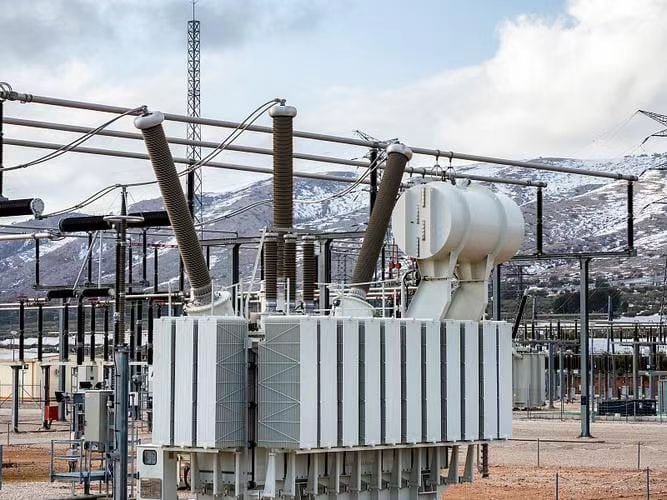
At first glance, a transformer might seem like a simple metal box, but it's one of the most vital components in any electrical system. The point of a transformer is to adjust voltage levels—either increasing or decreasing them—so electricity can be transmitted efficiently and used safely. Whether in power plants, substations, or even inside electronic devices, transformers ensure that power flows properly from generation to consumption.
What Is the Primary Function of a Transformer?
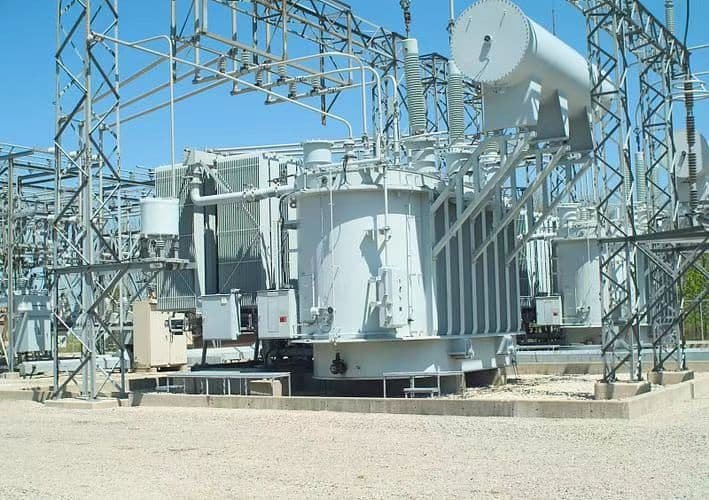
Electricity flows across vast distances to power our daily lives—but the voltage at which it's generated isn't suitable for transmission or consumption. Managing voltage effectively is essential to minimize loss, prevent equipment damage, and ensure user safety. That's where transformers come in. Without them, the modern electric grid as we know it could not exist.
The primary function of a transformer is to change the voltage level of alternating current (AC) electricity using electromagnetic induction—either stepping it up for efficient transmission or stepping it down for safe distribution and consumption—without altering the frequency.
This article provides a detailed explanation of the transformer’s main role, how it achieves voltage conversion, and why this function is fundamental to the operation of all power systems.
A transformer’s main job is to change voltage levels using electromagnetic induction.True
This function allows electricity to be transmitted efficiently and safely across varying stages of the power system.
Transformers generate electricity in power stations.False
Transformers do not generate electricity—they only change its voltage level. Electricity is generated by turbines and generators.
1. How Transformers Work: The Core Principle
| Component | Function |
|---|---|
| Primary winding | Receives input AC voltage |
| Magnetic core | Channels magnetic flux generated by AC |
| Secondary winding | Induces output voltage based on turns ratio |
Key Formula:
$$\frac{V{\text{secondary}}}{V{\text{primary}}} = \frac{N{\text{secondary}}}{N{\text{primary}}}$$
- $V$: Voltage
- $N$: Number of coil turns
By altering the ratio of turns, the transformer increases or decreases the voltage.
2. Step-Up vs. Step-Down Functions
| Transformer Type | Voltage Direction | Application |
|---|---|---|
| Step-Up | Low → High | Power generation to transmission |
| Step-Down | High → Low | Transmission to distribution or end use |
This is the primary function applied at different points in the grid.
3. Why Voltage Transformation Is Necessary
| Objective | Role of Transformer |
|---|---|
| Efficient transmission | Steps up voltage to reduce current and I²R loss |
| Safe power delivery | Steps down voltage to usable levels (e.g., 230 V) |
| Voltage matching | Connects systems with different voltage requirements |
| Equipment protection | Prevents overvoltage and stabilizes power flow |
By changing voltage levels, transformers ensure cost-effective, loss-minimized energy transfer.
4. Examples of Primary Function in Action
| Grid Stage | Transformer Use Case | Voltage Transformation |
|---|---|---|
| Generation site | Step-up transformer connects to HV lines | 11 kV → 220/400 kV |
| Regional substation | Step-down transformer for sub-transmission | 400 kV → 132/33 kV |
| Residential delivery | Distribution transformer | 11 kV → 0.4 kV (230/400 V) |
| Solar power export | Collector transformer | 0.4 kV → 33/132 kV |
Every electricity transition point involves a voltage transformation via a transformer.
5. Transformers vs. Other Power System Components
| Function | Device |
|---|---|
| Voltage conversion | ✅ Transformer |
| Electricity generation | ❌ Generator (not a transformer) |
| Power switching | ❌ Circuit breaker |
| Energy storage | ❌ Battery or capacitor |
| Frequency conversion | ❌ Frequency converter (not transformer) |
Only transformers can adjust AC voltage without changing frequency or direction of flow.
6. Transformer Efficiency and Design Considerations
| Parameter | Effect on Primary Function |
|---|---|
| Core material | Influences magnetic efficiency (CRGO, amorphous) |
| Cooling system | Prevents overheating during voltage transformation |
| Tap changer | Allows fine voltage adjustments |
| Winding insulation | Maintains safety and performance under high voltage |
Good design ensures maximum efficiency of voltage conversion, the transformer’s core job.
Summary Table: Understanding the Transformer’s Primary Function
| Core Function | Impact on Power System |
|---|---|
| Voltage transformation | Enables long-distance, low-loss transmission |
| No frequency change | Maintains AC characteristics across all stages |
| Electromagnetic induction | Provides contactless energy transfer |
| Galvanic isolation | Enhances system safety and reliability |
| Grid compatibility | Matches voltage levels between generation and load |
Why Is Voltage Adjustment Necessary in Power Systems?
Power systems span generation plants, high-voltage transmission lines, substations, and low-voltage delivery to consumers. At every stage, voltage levels must be adjusted for the system to function safely and efficiently. Without proper voltage control, we face power losses, equipment damage, service interruptions, and even safety hazards. That’s why voltage adjustment isn’t optional—it’s essential.
Voltage adjustment is necessary in power systems to reduce transmission losses, ensure equipment compatibility, maintain system stability, and enable safe and efficient electricity delivery across different stages of the grid. This is primarily achieved through the use of transformers, which step voltage up or down based on the needs of the transmission and consumption points.
This article explains the critical importance of voltage adjustment, how it is implemented across power networks, and what risks arise without it.
Voltage adjustment is essential to reduce losses and maintain power system stability.True
Without proper voltage regulation, systems suffer high energy loss, poor power quality, and potential equipment failure.
A single voltage level can efficiently serve all parts of a power system.False
Different stages—generation, transmission, and end-use—require different voltage levels for efficiency, safety, and compatibility.
1. The Role of Voltage in Electrical Power Systems
| Power System Stage | Typical Voltage Range | Reason for Specific Voltage |
|---|---|---|
| Generation | 11–25 kV | Suits generator insulation and design |
| Transmission | 132–765 kV | Reduces current and line losses |
| Sub-transmission | 66–132 kV | Regional voltage balancing |
| Distribution | 11–33 kV | Delivers power to local areas |
| End-user consumption | 230/400 V | Safe for appliances and people |
Voltage adjustment ensures compatibility between each of these interconnected levels.
2. Why Voltage Must Be Adjusted
| Need | Why It Matters |
|---|---|
| Loss reduction | Higher voltage = lower current = less $I^2R$ loss |
| Equipment safety | Prevents overvoltage and under-voltage damage |
| Power quality | Maintains stable voltage under load changes |
| Grid synchronization | Aligns phase and voltage across regions |
| End-user compatibility | Matches supply to appliance requirements |
Without voltage adjustment, electricity would be too inefficient or too dangerous to use.
3. How Transformers Enable Voltage Adjustment
| Transformer Type | Function in Voltage Control |
|---|---|
| Step-up transformer | Raises voltage for long-distance transmission |
| Step-down transformer | Lowers voltage for distribution and usage |
| Tap-changing transformer | Adjusts voltage dynamically to regulate levels |
| Auto-transformer | Efficient intermediate voltage conversion |
Transformer Equation:
$$\frac{V_2}{V_1} = \frac{N_2}{N_1}$$
Adjusting the turns ratio of windings changes voltage up or down accordingly.
4. What Happens Without Voltage Adjustment?
| Consequence | Impact |
|---|---|
| High transmission losses | Heat buildup and reduced system efficiency |
| Device malfunction | Sensitive electronics may burn out |
| Grid instability | Voltage sags, surges, and oscillations |
| Regulatory non-compliance | Violates grid codes and safety standards |
| Public safety risks | Elevated risk of fire, shock, or equipment failure |
Proper voltage regulation is a technical and safety necessity.
5. Examples of Voltage Adjustment in Action
A. Thermal Power Station
- Output at 11 kV
- Step-up transformer increases to 400 kV
- Transmission over 500 km
- Step-down at substation to 132 kV for local grid
B. Industrial Zone Power Feed
- 132 kV input from grid
- Step-down transformer reduces to 6.6 kV for motors
- Smaller transformers supply 400 V for lighting and controls
C. Rural Electrification
- 33 kV feeder line
- Pole-mounted transformers step down to 230 V
- Supplies homes and small farms
Every practical application requires voltage adaptation tailored to purpose and distance.
6. Voltage Adjustment and Power Quality
| Power Quality Issue | Voltage Adjustment Solution |
|---|---|
| Overvoltage | Tap changers or AVR reduce output |
| Undervoltage | Tap adjustment boosts output |
| Voltage imbalance | Phase balancing and transformer vector group |
| Flicker or instability | Dynamic voltage regulators or OLTC systems |
Maintaining voltage within ±5% of nominal is key for sensitive load stability.
7. Grid Standards and Voltage Tiers
| Standard / Country | Voltage Tiers (Typical) |
|---|---|
| IEC / Europe | 400 kV, 220 kV, 110 kV, 20 kV, 400 V |
| ANSI / USA | 500 kV, 230 kV, 69 kV, 13.8 kV, 120/240 V |
| India (CEA regulations) | 765 kV, 400 kV, 220 kV, 33 kV, 11 kV, 230 V |
Transformers are designed to meet these standard voltage levels exactly.
Summary Table: Why Voltage Adjustment Is Necessary
| Purpose | Benefit |
|---|---|
| Efficient power transfer | Less loss and smaller conductor size |
| Safe consumption | Prevents overvoltage damage |
| Equipment compatibility | Supports all load types (residential, industrial) |
| Grid control and protection | Enables section isolation and fault limitation |
| Regulatory compliance | Meets voltage delivery and quality standards |
How Do Transformers Ensure Electrical Safety?
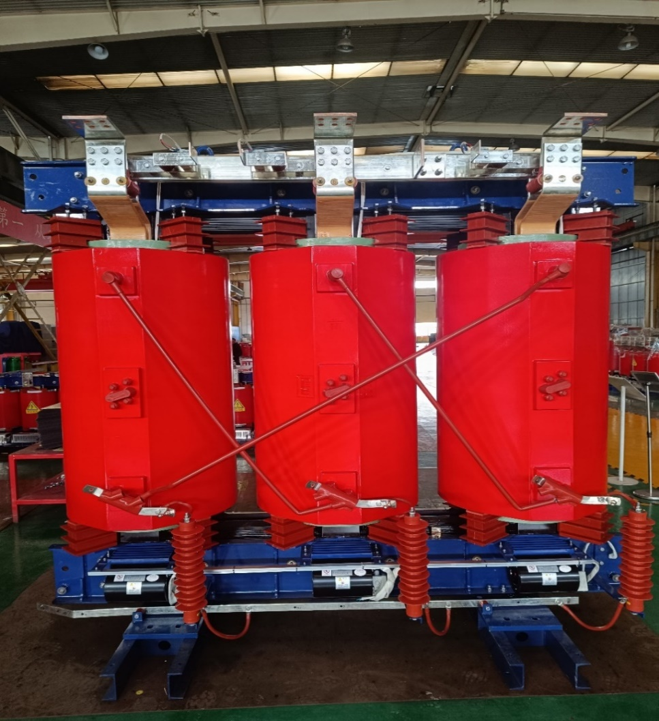
Electricity is both indispensable and dangerous. Without proper control and safety measures, it can cause fires, electric shock, or massive equipment failure. Transformers, though often known for changing voltage, also play a critical role in ensuring electrical safety. When improperly designed or applied, unsafe systems can result in serious harm to people and infrastructure. That's why transformers are built not only for efficiency but also for protection, isolation, and voltage stability.
Transformers ensure electrical safety by providing galvanic isolation between circuits, preventing fault propagation, enabling safe voltage levels through step-down functions, supporting grounding systems, and integrating protection mechanisms such as fuses, relays, surge arresters, and thermal sensors. These features work together to safeguard both people and electrical equipment.
This article explores how transformers protect against electrical hazards, how they are engineered for safety, and the standards that govern their role in secure power systems.
Transformers enhance electrical safety through isolation, voltage regulation, and integrated protection mechanisms.True
They help prevent electric shock, fire hazards, and equipment damage by controlling voltage and limiting fault effects.
Transformers are used only to change voltage and have no safety role.False
Voltage conversion is just one part of their function. Safety is a key design consideration in both power and distribution transformers.
1. Galvanic Isolation: The First Line of Defense
| Feature | Safety Function |
|---|---|
| Separate windings | Prevents direct electrical connection between input and output |
| Core-based magnetic coupling | Transfers power without conductive link |
| Isolation transformer | Specifically designed for sensitive or hazardous applications |
This isolation protects the secondary system from surges, faults, and ground loops on the primary side.
2. Safe Voltage Delivery Through Step-Down Transformation
| System Type | Input Voltage | Output Voltage | Benefit |
|---|---|---|---|
| Transmission grid | 132–400 kV | N/A | High voltage unsafe for end users |
| Distribution transformers | 11/33 kV | 400/230 V | Safe for residential and commercial use |
Transformers reduce dangerous voltages to safe, usable levels in homes and workplaces.
3. Grounding Systems and Neutral Protection
| Transformer Feature | Contribution to Safety |
|---|---|
| Grounded neutral point | Ensures fault current flows safely to earth |
| Earthing transformer | Stabilizes voltage in ungrounded systems |
| Proper neutral bonding | Prevents floating voltages and electric shock |
Effective grounding through transformers minimizes electrocution risks and system voltage instability.
4. Built-In Protection Mechanisms
| Protection Element | Function |
|---|---|
| Buchholz relay | Detects gas buildup from internal faults |
| Temperature sensors | Prevent overheating damage |
| Surge arresters | Divert lightning or switching surges to ground |
| Fuses and circuit breakers | Disconnect transformer during fault |
| Differential protection relays | Detect winding faults and prevent fire |
These protective devices help detect problems early and isolate faults safely.
5. Voltage Regulation and Load Balancing
| Challenge | Transformer Safety Response |
|---|---|
| Overvoltage | Tap changer adjusts voltage downward |
| Undervoltage | Boost tap position raises voltage |
| Unbalanced loads | Neutral and grounding systems absorb imbalances |
Stable voltage minimizes risk of damage to sensitive devices and reduces fire hazards from overcurrent.
6. Transformer Construction Materials Enhance Safety
| Component | Safety Function |
|---|---|
| CRGO core steel | Reduces eddy current losses and overheating |
| High-grade insulation | Prevents internal short circuits and arcing |
| Oil-filled tanks | Dissipate heat and insulate internal components |
| Fire-resistant designs | Use non-flammable fluids (e.g., FR3, dry-type) |
Quality materials and cooling systems prevent thermal runaway and insulation failure.
7. Safety Standards and Certifications
| Standard | Governing Body | Safety Coverage |
|---|---|---|
| IEC 60076 | IEC | General transformer safety and performance |
| IEEE C57 series | IEEE | Transformer testing and protection |
| IS 1180 / IS 2026 | BIS (India) | Distribution and power transformer design |
| ANSI/IEEE 62.92 | ANSI | Grounding and surge protection |
| UL 5085 / UL 1446 | Underwriters Laboratories | Low-voltage transformer fire and insulation |
Certified transformers undergo rigorous testing to ensure safe operation under real-world conditions.
Summary Table: How Transformers Ensure Electrical Safety
| Safety Aspect | Transformer Contribution |
|---|---|
| Electrical isolation | Prevents direct connection between grid and end user |
| Voltage step-down | Delivers safe voltage to homes and businesses |
| Grounding and neutral control | Reduces shock hazards and stabilizes the system |
| Overcurrent and surge protection | Limits fault current and absorbs lightning surges |
| Thermal management | Avoids insulation damage and fire due to overheating |
| Standard compliance | Guarantees safety through certified construction |
What Role Do Transformers Play in Grid Reliability?
Power grids are vast, dynamic systems responsible for delivering electricity across cities, industries, and regions. However, maintaining grid reliability—the continuous and stable delivery of electric power without interruptions or faults—is an incredibly complex challenge. At the heart of this system are transformers, quietly performing multiple roles beyond voltage conversion. Without them, the grid would face frequent blackouts, equipment failures, and unstable operation.
Transformers play a vital role in grid reliability by ensuring consistent voltage levels, managing load distribution, providing fault isolation, enabling regional interconnections, and supporting real-time grid stability through automatic tap changing and smart monitoring systems. They act as nodes that regulate and protect the power system under varying loads and fault conditions.
This article explores how transformers contribute to grid reliability, helping utilities maintain power quality, minimize outages, and support stable energy transmission.
Transformers enhance grid reliability through voltage control, fault isolation, and load balancing.True
Their functions ensure stable operation across generation, transmission, and distribution networks, especially during load changes or faults.
Transformers only convert voltage and do not influence grid stability.False
Beyond voltage conversion, transformers regulate voltage, balance load, and help isolate faults—critical aspects of grid reliability.
1. Voltage Regulation Across the Grid
| Grid Section | Transformer Role | Voltage Stability Function |
|---|---|---|
| Generation side | Step-up transformers match grid voltage | Smoothly inject power into HV lines |
| Transmission network | Regulate voltage via tap changers | Maintain constant levels despite demand |
| Distribution substation | Step-down with automatic voltage control | Protect sensitive consumer equipment |
On-load tap changers (OLTCs) help maintain voltage within ±5% even as load fluctuates.
2. Fault Isolation and Protection Coordination
| Fault Scenario | Transformer Contribution |
|---|---|
| Short circuit in downstream line | Localizes fault using protection relays |
| Transformer internal fault | Activates differential relay and trips unit |
| Lightning or surge disturbance | Diverts with surge arresters at transformer |
Transformers are designed with impedance, grounding, and protection zones to prevent system-wide collapse.
3. Load Balancing and Grid Synchronization
| Challenge | Transformer-Based Solution |
|---|---|
| Uneven demand across zones | Load sharing via parallel transformer operation |
| Sudden load changes | Tap changers compensate voltage to match demand |
| Regional grid mismatch | Transformer vector groups align phase angles |
Without transformers, grids cannot balance multi-zone demand and maintain synchronous operation.
4. System Redundancy and Resilience
| Design Feature | Grid Reliability Benefit |
|---|---|
| Parallel transformers | Redundancy if one unit fails |
| Backup feeders via transformer busbars | Maintains power during equipment maintenance |
| Intertie transformers | Interconnects multiple grids or regions |
Transformers allow the grid to reroute power during faults or maintenance for continuous supply.
5. Smart Monitoring and Condition-Based Maintenance
| Monitoring Tool | Reliability Advantage |
|---|---|
| Dissolved Gas Analysis (DGA) | Detects insulation degradation early |
| Temperature and oil sensors | Prevent overheating and alert operators |
| Remote OLTC control | Allows live voltage tuning for dynamic loads |
| IoT-enabled transformers | Provide real-time data to control centers |
These features make transformers active agents of grid stability, not passive devices.
6. Case Examples: Transformers Maintaining Reliability
A. Urban Substation
- 132/33 kV power transformers
- OLTC adjusts voltage during daytime peaks
- Differential protection trips transformer during fault, avoiding widespread blackout
B. Rural Grid Interconnection
- 33/11 kV transformer with backup parallel unit
- Seamless switching during maintenance or overload
- Grid continues uninterrupted service to critical users (e.g., hospitals, telecom towers)
C. Renewable Grid Integration
- Step-up collector transformers synchronize solar farms to 132 kV
- Protect against reverse power flow and harmonics
- Maintain reliability even under variable generation
7. Compliance with Grid Codes and Reliability Standards
| Standard / Organization | Transformer Role in Reliability |
|---|---|
| IEEE 1366 (SAIFI/SAIDI) | Transformers affect outage frequency/duration |
| IEC 60076 | Transformer design for thermal and electrical limits |
| NERC reliability standards | Require stable operation under all conditions |
| Utility distribution codes | Mandate voltage limits and transformer loading |
Compliance ensures transformers support national and global power quality benchmarks.
Summary Table: How Transformers Support Grid Reliability
| Reliability Function | Transformer Contribution |
|---|---|
| Voltage regulation | OLTC and tap-ratio control |
| Fault isolation | Impedance and protective relay coordination |
| Load sharing | Parallel transformers balance dynamic demand |
| Grid synchronization | Vector group matching and phase alignment |
| Redundancy and resilience | Hot-swappable or backup units ensure continuity |
| Predictive maintenance | Sensors and smart diagnostics prevent failure |
How Are Transformers Used in Different Industries?
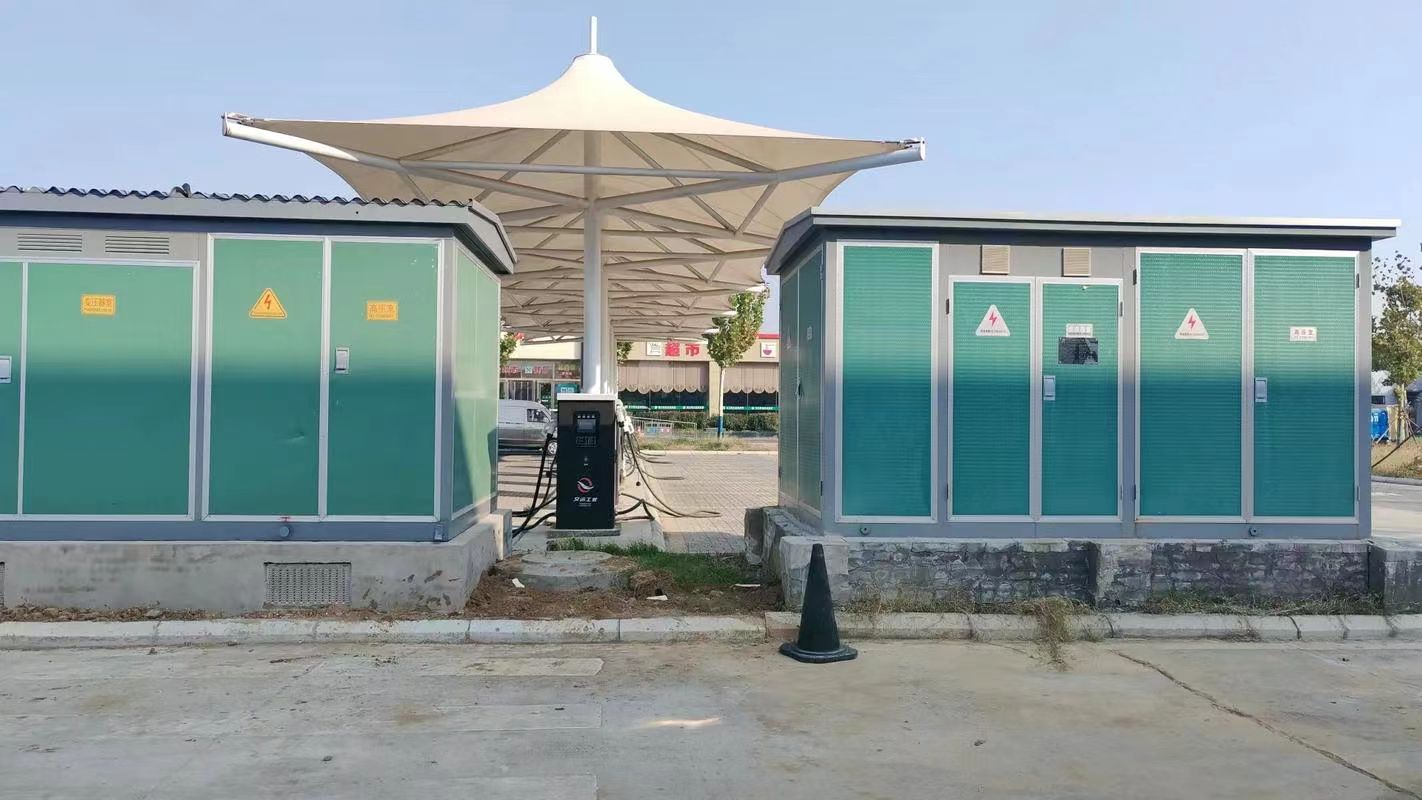
From powering massive motors in steel plants to delivering stable electricity to operating rooms, transformers are indispensable across industrial sectors. Each industry has its own voltage requirements, safety demands, and operational complexities—and transformers must be engineered accordingly. Without proper transformer deployment, facilities would suffer from equipment failure, process interruption, safety hazards, and regulatory non-compliance.
Transformers are used in different industries to match voltage levels to specific equipment needs, isolate and protect electrical circuits, ensure uninterrupted power, balance complex loads, and comply with safety and efficiency standards. Their application is customized based on operational voltage, load type, criticality, and environmental conditions.
This article provides an in-depth view of how transformers serve a wide range of industries and how their roles vary depending on the operational demands of each sector.
Transformers are tailored to industry-specific requirements to deliver appropriate voltage and ensure operational reliability.True
Each industry uses transformers differently based on load type, process sensitivity, and grid interface needs.
One type of transformer is suitable for all industries.False
Industrial applications vary widely in voltage, duty cycle, and environment—requiring custom transformer designs.
1. Steel and Heavy Manufacturing Industries
| Application Area | Transformer Use Case | Voltage Level Example |
|---|---|---|
| Arc furnaces | Power transformers with high short-circuit strength | 33/6.6 kV, 50–100 MVA |
| Rolling mills | Step-down to drive massive motors | 33/11 kV or 11/6.6 kV |
| Crane and hoist systems | Isolated distribution transformers | 11/0.4 kV |
Transformers in steel plants are designed for frequent load fluctuations, voltage dips, and high inrush currents.
2. Oil, Gas, and Petrochemical Facilities
| Application Area | Transformer Use Case | Safety Feature |
|---|---|---|
| Process control systems | Step-down for instrumentation and DCS loads | Explosion-proof/dry-type preferred |
| Pumping stations | Step-down for HV motors (submersible, surface) | Withstand outdoor and humid environments |
| Zone classification areas | Transformers with flameproof enclosures | Certified to ATEX/IECEx standards |
These industries demand highly safe and sealed transformers to operate in hazardous environments.
3. Hospitals and Healthcare Facilities
| Critical System | Transformer Requirement | Example Specification |
|---|---|---|
| Operating rooms | Medical isolation transformers | 230 V isolated output |
| Imaging (MRI, CT) | Shielded dry-type transformers | 11/0.4 kV, <1% THD, low EMF |
| Backup power integration | UPS transformer coupling | Galvanic isolation and load regulation |
Transformers in hospitals must ensure patient safety, continuity of power, and low electromagnetic interference.
4. Data Centers and IT Infrastructure
| Function | Transformer Role | Features Required |
|---|---|---|
| Server rack supply | Voltage regulation and isolation | K-rated dry-type transformers |
| UPS and battery interface | Static switch transformers | High transient tolerance |
| Power distribution units (PDU) | Step-down from MV feeder | 11/0.4 kV, low impedance |
Transformers in data centers must maintain ultra-clean power and support 24/7 reliability.
5. Renewable Energy Installations
| Plant Type | Transformer Function | Voltage Conversion |
|---|---|---|
| Solar PV farms | Step-up inverter output to transmission voltage | 0.4 kV → 33/66/132 kV |
| Wind turbine clusters | Collector and grid transformers | 690 V → 33/132 kV |
| Hybrid systems (solar + battery) | Multi-winding or dual voltage transformers | Bidirectional flow enabled |
These transformers must handle intermittent loads and synchronize with utility grids.
6. Airports, Railways, and Infrastructure
| Sector | Transformer Application | Voltage Type |
|---|---|---|
| Airport terminals | MV distribution and voltage stabilization | 11/0.4 kV |
| Rail electrification | Traction power supply transformers | 25 kV to 750 V or 1,500 V |
| Street lighting and control | Isolation transformers for control panels | 230 V to 12/24 V AC |
These sectors require long-life, low-maintenance transformers that withstand environmental stress.
7. Commercial Buildings and Campuses
| Infrastructure | Transformer Application | Design Features |
|---|---|---|
| Office towers and malls | Internal distribution transformers | Compact dry-type for indoor use |
| University campuses | Centralized substation transformers | Multi-zone voltage management |
| Hotels and stadiums | Lighting and HVAC supply | Integrated with building management systems |
Emphasis here is on aesthetics, fire safety, and space-efficient designs.
8. Mining and Tunneling Operations
| Application | Transformer Use Case | Ruggedization |
|---|---|---|
| Underground tunneling | Mobile skid-mounted transformers | Flameproof, vibration-resistant |
| Surface crushers and conveyors | Step-down for 6.6 kV/3.3 kV motors | High surge capacity |
| Drilling platforms | Distribution transformers for control panels | Corrosion-proof, compact |
These applications require mobile, robust transformers that survive extreme mechanical and environmental stress.
Summary Table: Industry-Specific Transformer Use
| Industry | Transformer Role | Design Specialties |
|---|---|---|
| Steel and metallurgy | Arc furnaces, rolling drives | High surge tolerance, robust windings |
| Oil and gas | Explosion-proof power distribution | Flameproof, sealed, ATEX rated |
| Healthcare | Imaging and surgical equipment power | Isolated, low EMF, continuous duty |
| Data centers | Server and UPS isolation | K-rated, noise filtering, shielded |
| Renewables | Grid synchronization | Multi-tap, bidirectional, low harmonics |
| Transport and rail | Traction and station power | Long life, outdoor-rated |
| Commercial infrastructure | Building energy management | Low-profile, dry-type, safe enclosure |
| Mining and tunnels | Ruggedized field power | Mobile, shock-resistant, sealed units |
What Would Happen Without Transformers?
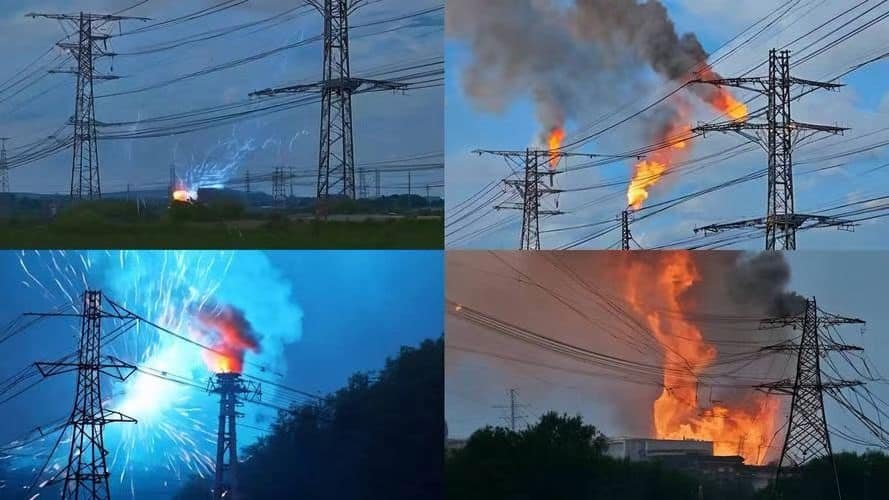
The global electric grid is built on one foundational principle: electricity must be transformed to different voltage levels for safe, efficient delivery. Transformers are the unsung heroes that make this possible. Without them, the entire system would collapse. Power plants could not transmit electricity efficiently, homes would receive dangerously high voltages, and the economic cost of energy infrastructure would skyrocket. In short, electricity as we know it would be unsafe, unstable, and unscalable.
Without transformers, power systems would suffer from catastrophic voltage mismatches, excessive energy losses, widespread safety risks, equipment failures, and the inability to transmit electricity over long distances. The modern power grid could not function, and industries, homes, and infrastructure would be severely affected or inoperable.
This article explores the critical roles transformers play, and what the world would face if they ceased to exist.
Transformers are essential for voltage regulation, power distribution, and electrical safety.True
They enable transmission over long distances and safe usage at low voltages for consumers.
Power grids can operate effectively without transformers.False
Transformers are required to match voltages at every level. Without them, the grid would collapse due to losses and incompatibility.
1. No Long-Distance Power Transmission
| Consequence | Explanation |
|---|---|
| High line losses | Power loss $(P = I^2R)$ increases drastically without voltage step-up |
| Short transmission range | Voltage would drop significantly over a few kilometers |
| Overhead lines would be huge | Requires thick, heavy, costly conductors to carry current |
Without step-up transformers, electricity could not be transmitted beyond local zones.
2. Dangerous Overvoltage at the Point of Use
| System Breakdown | Impact on End Users |
|---|---|
| No step-down at delivery | Homes receive 11 kV or higher, instead of 230 V |
| Equipment failure | TVs, refrigerators, chargers would instantly burn out |
| Risk to life | High-voltage exposure leads to electrocution or fires |
Transformers reduce voltage to safe levels for homes and commercial loads.
3. Incompatible Voltages Between Systems
| Challenge | Consequence |
|---|---|
| Generator output mismatch | Cannot directly connect to the grid |
| Equipment designed for LV | Inoperable with MV/HV supply |
| Grid-level integration fails | No synchronization between supply and demand nodes |
Transformers make multi-voltage, multi-load systems work in harmony.
4. Massive Increase in Infrastructure Costs
| Without Transformers | Required Solution |
|---|---|
| No voltage step-up | Transmit high current at low voltage |
| Conductor size increase | Cables 10–100x thicker and more expensive |
| Structural upgrades | Taller towers, wider ROW (right-of-way), more insulation |
Transformers enable cost-effective infrastructure, reducing conductor size and footprint.
5. No Grid Interconnection or Reliability
| Power System Function | What Fails Without Transformers |
|---|---|
| Regional load balancing | Different regions can't share or balance power |
| Backup routing | No way to reroute power during faults |
| Fault isolation | Whole grid trips instead of localized shutdowns |
Transformers provide isolation, phase alignment, and routing flexibility.
6. Industrial and Urban Collapse
| Sector Affected | Impact Without Transformers |
|---|---|
| Healthcare | MRI machines, surgical equipment overload instantly |
| Data centers | No way to regulate or filter incoming voltage |
| Manufacturing | Motors receive incorrect voltage and fail |
| Transportation | Electrified railways and airports shut down |
All voltage-specific systems would cease functioning or suffer irreparable damage.
7. No Renewable Energy Integration
| Renewable Source | Typical Voltage | Grid Requirement |
|---|---|---|
| Solar PV inverters | 0.4–1.1 kV | Must be stepped up to 33–132 kV |
| Wind turbines | 690 V | Collectors transform to HV |
| Batteries and hybrid systems | 48–600 V DC | Need converters + transformers |
Without transformers, green energy can't connect to the high-voltage grid.
Summary Table: What Happens Without Transformers
| Function | Without Transformer |
|---|---|
| Voltage step-up for transmission | High loss, inefficient, short range |
| Voltage step-down for safety | Lethal voltage delivered to consumers |
| System compatibility | Generator, grid, and loads cannot connect |
| Load balancing and routing | Grid-wide blackouts and bottlenecks |
| Infrastructure cost | Skyrockets due to oversized conductors |
| Renewable integration | Becomes unfeasible or inefficient |
Conclusion
The point of a transformer is simple but powerful: to enable the safe and efficient movement of electricity from where it’s made to where it’s needed. Without transformers, the modern power grid as we know it wouldn't exist—there would be more energy loss, less safety, and far fewer ways to use electricity effectively. From massive utility transformers to small devices in electronics, transformers are key to powering the world.
FAQ
Q1: What is the main point of a transformer?
A1: The main point of a transformer is to change the voltage of electricity. It either increases voltage (for efficient transmission) or decreases voltage (for safe usage), ensuring power can move safely and efficiently from power plants to end users.
Q2: Why is changing voltage important?
A2: Changing voltage is crucial because:
High voltage = low energy loss during long-distance transmission
Low voltage = safer power for homes, offices, and devices
Transformers make this possible by stepping voltage up or down as needed.
Q3: How does a transformer help in the power grid?
A3: In the power grid:
Step-up transformers raise voltage at the power station
Step-down transformers lower voltage near homes or businesses
Without transformers, power systems would be inefficient, dangerous, and unreliable.
Q4: What are other benefits of using a transformer?
A4: Transformers help by:
Improving energy efficiency
Protecting electrical equipment
Allowing flexible power distribution
Supporting the integration of renewable energy
Q5: Can we have electricity without transformers?
A5: Technically yes, but it would be unsafe and inefficient. Power couldn’t travel far, would suffer major losses, and equipment would frequently be damaged. Transformers are critical to making electricity usable and reliable.
References
"What Is the Point of a Transformer?" – https://www.transformertech.com/purpose-of-transformer – Transformer Tech
"Why Do We Use Transformers?" – https://www.powermag.com/importance-of-transformers – Power Magazine
"Transformers: Purpose and Importance" – https://www.electrical4u.com/why-use-transformer – Electrical4U
"Transformers in Power Systems: Why They Matter" – https://www.sciencedirect.com/transformer-importance – ScienceDirect
"How Transformers Make Electricity Work for Us" – https://www.researchgate.net/transformer-role-in-power-systems – ResearchGate
"Smart Grid 101: Purpose of Transformers" – https://www.smartgridnews.com/transformer-utility – Smart Grid News
"Energy Central: Understanding the Role of Transformers" – https://www.energycentral.com/c/ee/why-transformers-matter – Energy Central
"PowerGrid Overview: Why Use Transformers?" – https://www.powergrid.com/transformer-function-explained – PowerGrid