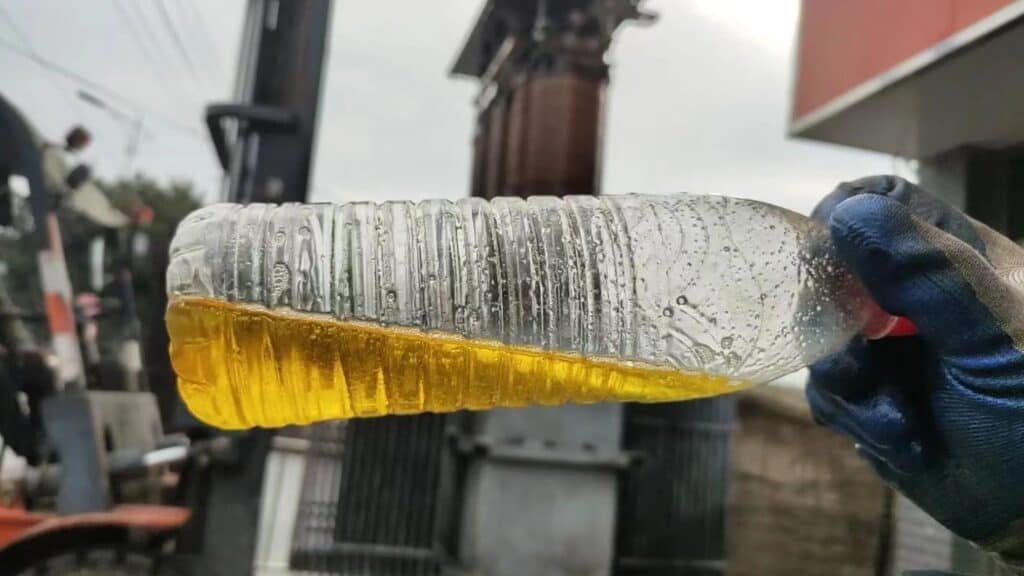
Transformer oil plays a critical role in cooling and insulating power transformers. When a transformer begins to leak—whether oil, gas, or dielectric fluid—it can compromise safety, performance, and the environment. Understanding the consequences and necessary actions is vital for maintaining transformer integrity.
What Are the Common Causes of Transformer Leaks?
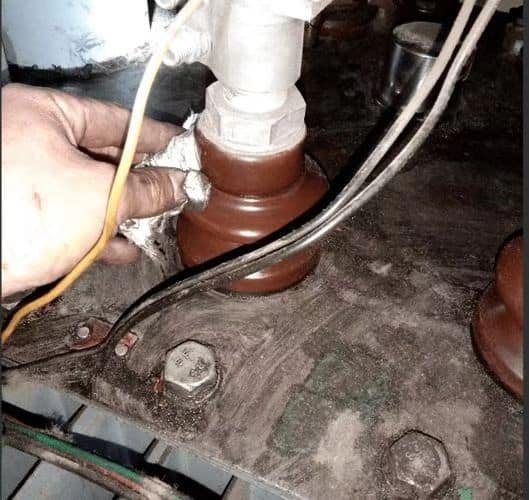
Oil leaks in transformers are a serious concern—not just a mess. They compromise insulation, reduce cooling efficiency, present fire hazards, and lead to costly downtime or failure. Understanding what causes transformer leaks helps engineers and operators maintain equipment health, prevent environmental contamination, and extend the unit's operational life.
Common causes of transformer leaks include gasket aging and compression loss, tank corrosion due to weather or chemical exposure, thermal expansion and contraction cycles, poor weld quality, over-pressurization, and flange or bushing seal failure. Most leaks originate at connection points such as flanges, inspection covers, radiators, and valves where mechanical integrity is essential.
Identifying and addressing these causes early can prevent major failures and regulatory violations.
Transformer leaks are commonly caused by gasket wear, corrosion, pressure changes, and mechanical stress on joints and flanges.True
Most transformer leaks originate at weak connection points or through degraded sealing materials over time.
Transformer oil leaks are rare and not related to maintenance or material wear.False
Leaks are common in aging or poorly maintained transformers and result from predictable mechanical or chemical degradation.
1. Gasket Aging and Deformation
| Cause | Mechanism | Result |
|---|---|---|
| Natural rubber or cork gaskets | Dry out or lose elasticity over time | Oil seepage around flanges or manholes |
| Thermal cycling | Expansion and contraction weakens compression | Micro-cracks allow leak paths |
| Over-tightening | Deforms gasket or damages flange | Gasket no longer seats properly |
Gasket failure is the leading cause of oil leaks, especially in units over 10 years old.
2. Tank and Radiator Corrosion
| Source | How It Affects the Tank | Typical Leak Points |
|---|---|---|
| Moisture, pollution, salt air | Weakens metal, creates pits and cracks | Weld seams, bottom plates, fin edges |
| Paint deterioration | Exposes steel to environmental attack | Accelerates rusting and flaking |
| Internal condensation | Rusts from inside out, especially in cool climates | Top and mid-sections of the tank wall |
Even minor corrosion can create pinhole leaks under oil pressure.
3. Weld or Seam Failures
| Problem | Common Cause | Effect |
|---|---|---|
| Cracked or incomplete welds | Poor fabrication or vibration fatigue | Oil seeps or sprays under pressure |
| Seams without sealing filler | Shrinkage and flex during load cycles | Slow leaks along long seams |
Weld integrity is critical, particularly on radiator and cover junctions.
4. Bushing and Flange Seal Failures
| Area Affected | Failure Mechanism | Leak Symptoms |
|---|---|---|
| High-voltage bushings | Sealant hardens, shrinks, or cracks | Oil leak at bushing base or terminal threads |
| Conservator flanges | Uneven compression or misalignment | Leaks around oil level sight glass |
| Radiator flanges | Frequent movement or vibration | Drips at bolt holes or gasket edge |
These are high-risk leak zones due to movement and pressure variation.
5. Drain Valve and Tap Changer Leaks
| Component | Leak Cause | Example Failure |
|---|---|---|
| Drain plug or valve | Loose or corroded thread seal | Visible dripping under the tank |
| Off-load tap changer | Gasket fatigue or loose panel | Oil seeps when operating or adjusting taps |
| Pressure relief devices | Improper reseating after activation | Slow leak from the device cap |
Valves and taps are often overlooked in inspections—yet they’re frequent leak initiators.
6. Internal Pressure Variation
| Trigger | Effect | Why It Causes Leaks |
|---|---|---|
| Rapid temperature change | Oil expands/contracts | Creates internal pressure pulses |
| Conservator failure | No buffer for oil expansion | Pressure rises and forces oil out of weak points |
| Vacuum collapse | Pulls air and oil into unexpected gaps | Deforms gaskets and breather seals |
Pressure surges stress every sealing surface—especially older units.
7. Improper Assembly or Maintenance
| Fault | Consequences |
|---|---|
| Inadequate bolt torque | Flange leaks due to insufficient compression |
| Dirty or scratched gasket surface | Cannot seal fully |
| Reuse of old gaskets | Leads to rapid failure after reinstallation |
Many leaks emerge after routine service if gaskets or bolts aren’t handled correctly.
Summary Table: Common Transformer Leak Causes
| Leak Source | Underlying Cause |
|---|---|
| Gaskets and flanges | Aging, poor compression, thermal fatigue |
| Tank and radiator | Corrosion, environmental exposure, internal rust |
| Welded joints and seams | Poor workmanship, vibration cracking |
| Bushings and conservator seals | UV damage, shrinkage, pressure cycles |
| Drain plugs and valves | Thread failure, loose fittings, sealant wear |
| Internal oil pressure | Expansion without relief, temperature swings |
| Service errors | Incorrect torque, reused gaskets, dirty surfaces |
What Types of Leaks Can Occur in Transformers?
Transformer leaks are not all the same—they vary in origin, severity, visibility, and required response. Some leaks are slow and hard to detect, others are sudden and dangerous. Knowing the different types helps maintenance teams prioritize inspections, predict failure points, and implement fast containment.
Transformer leaks can be classified into several types based on location and source: flange gasket leaks, bushing seal leaks, radiator seam leaks, weld seam leaks, drain valve and tap changer leaks, and corrosion-related leaks from tank walls. Each type affects oil integrity, insulation performance, and system safety differently, requiring specific inspection and repair methods.
Leak type often determines the urgency, repair difficulty, and environmental impact.
Transformer leaks can occur at gaskets, welds, bushings, valves, and due to corrosion.True
Each area of a transformer presents potential leak points depending on pressure, temperature, and mechanical integrity.
Transformer leaks are always from a single predictable point.False
Leaks can originate from multiple sources and often shift depending on pressure and temperature changes.
1. Flange Gasket Leaks
| Location | Leak Mechanism | Risk Level |
|---|---|---|
| Radiator, conservator, or manhole flanges | Gasket hardening, torque loss, uneven compression | Medium – progressive loss of oil and pressure |
Most frequent type of leak, especially in aging transformers.
2. Bushing Seal Leaks
| Location | Leak Mechanism | Risk Level |
|---|---|---|
| Base or top of bushings | UV damage, thermal cycling, sealant breakdown | High – near high voltage points |
Leaks here can compromise dielectric strength, leading to flashover or explosion.
3. Weld Seam Leaks
| Location | Leak Mechanism | Risk Level |
|---|---|---|
| Tank corners, base welds, or cover plates | Vibration fatigue, poor welding, internal pressure stress | High – difficult to detect, can rupture under pressure |
Often requires ultrasound or dye testing to identify accurately.
4. Radiator Fin or Header Leaks
| Location | Leak Mechanism | Risk Level |
|---|---|---|
| At tube ends, welds, or connections | Corrosion, fatigue from thermal expansion, mechanical damage | Medium to high – affects cooling performance |
Radiator leaks reduce thermal efficiency and risk overheating.
5. Drain Plug and Valve Leaks
| Location | Leak Mechanism | Risk Level |
|---|---|---|
| Oil drain valve, sampling valve | Loose threads, sealant wear, gasket aging | Low to medium – easy to monitor and fix |
Can be resolved with re-torquing, sealing tape, or valve replacement.
6. Tap Changer Cover or Shaft Seal Leaks
| Location | Leak Mechanism | Risk Level |
|---|---|---|
| On-load or off-load tap changer casing | Shaft movement, gasket wear, maintenance errors | Medium – affects regulation equipment |
Can lead to unreliable tap operation and insulation failure over time.
7. Tank Wall Corrosion Leaks
| Location | Leak Mechanism | Risk Level |
|---|---|---|
| Bottom plate, corners, paint-blistered areas | Internal rusting, salt spray corrosion, acidic oil degradation | High – slow leak with progressive weakening |
Often requires tank section repair or full replacement.
8. Breather or Conservator Leaks
| Location | Leak Mechanism | Risk Level |
|---|---|---|
| Air breather housing, silica gel canister, conservator neck | Improper sealing, aging hoses, cracked glass | Low – can allow moisture ingress |
Moisture entry can degrade insulation and reduce oil dielectric strength.
Summary Table: Types of Transformer Leaks
| Leak Type | Origin | Impact |
|---|---|---|
| Flange Gasket Leak | Compression loss, aging | Common; progressive oil loss |
| Bushing Seal Leak | UV, heat, mechanical stress | Dangerous; near high-voltage areas |
| Weld Seam Leak | Poor fabrication, corrosion | Hidden; high risk of pressure failure |
| Radiator Leak | Mechanical damage, thermal fatigue | Affects cooling system |
| Drain or Valve Leak | Loose fittings, gasket wear | Minor; manageable with inspection |
| Tap Changer Leak | Seal wear, shaft movement | Affects voltage regulation and insulation |
| Tank Corrosion Leak | Environmental or internal rusting | Severe; leads to structural weakness |
| Conservator/Breather Leak | Hose seal loss, material fatigue | Allows contamination of oil |
What Are the Immediate Risks of a Transformer Oil Leak?
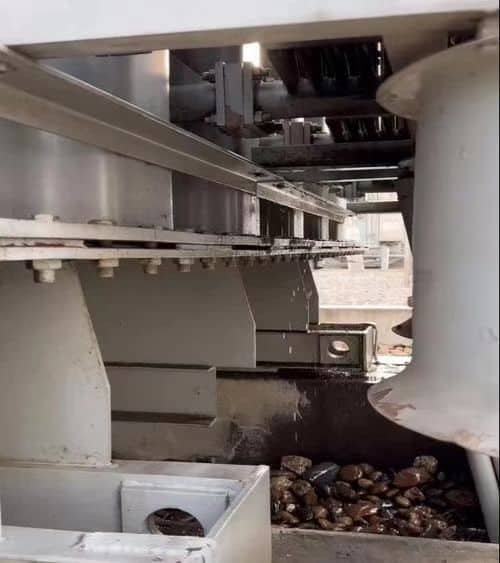
Transformer oil is more than just a coolant—it is also a dielectric medium that ensures safe electrical separation between high-voltage parts. When a leak occurs, the system’s cooling, insulation, and environmental safety are immediately compromised. A small oil leak, if ignored, can evolve rapidly into thermal runaway, flashover, equipment destruction, or even fire. Therefore, understanding and addressing the immediate risks of a transformer oil leak is critical for maintaining system integrity and public safety.
The immediate risks of a transformer oil leak include reduced insulation strength, overheating due to loss of cooling, high fire hazard from combustible oil, contamination of surrounding soil and water, accelerated equipment degradation, and potential electrical failure or explosion. These risks can lead to costly outages, environmental penalties, or even injury if not quickly managed.
Transformer oil leaks are urgent red flags, not minor nuisances.
A transformer oil leak can immediately lead to reduced insulation, overheating, and fire risk.True
Transformer oil is essential for both cooling and electrical insulation; its loss causes multiple failure modes to emerge rapidly.
Transformer oil leaks are harmless if they are small and don't affect performance.False
Even minor leaks reduce dielectric strength, cause contamination, and raise the risk of arcing and fire.
1. Loss of Dielectric Strength and Insulation Breakdown
| Risk Factor | Consequence |
|---|---|
| Air replaces oil in windings | Loss of dielectric insulation |
| Moisture enters via leak | Oil becomes conductive and corrosive |
| Voltage arcs in air gaps | Internal flashover or bushing failure |
Without oil, the transformer's internal insulation system collapses, increasing short-circuit and flashover risks.
2. Thermal Overload and Hotspot Formation
| Risk Factor | Consequence |
|---|---|
| Decreased oil volume | Less cooling capacity |
| Air pockets near windings | Inadequate heat transfer |
| Hotspots form | Rapid insulation aging, winding damage |
A leak affects both convection and radiation-based cooling, causing fast heat rise in critical areas.
3. Fire and Explosion Risk
| Trigger Event | Resulting Risk |
|---|---|
| Oil contacts hot surface | Ignites and spreads fire |
| Leak near high-voltage terminal | Leads to arc-initiated ignition |
| Accumulated oil pools | Fuel for explosion or flash fire |
Mineral oil is highly flammable; a single spark can escalate into a transformer explosion.
4. Environmental and Regulatory Hazards
| Spill Location | Impact |
|---|---|
| Uncontained soil leak | Ground contamination; requires cleanup |
| Storm drain or river access | Legal fines, ecosystem damage |
| Urban transformer pad | Public exposure risk, safety violations |
Oil is classified as hazardous waste, and spills can trigger costly environmental liability.
5. Accelerated Transformer Aging and Failure
| Secondary Effects | Impact |
|---|---|
| Oxidation in exposed oil | Formation of acids and sludge |
| Corrosion at leak points | Weakens tank and fasteners |
| Transformer tripping | Grid instability or blackout |
Oil loss means faster wear, loss of reliability, and increased outage risk.
6. Immediate Maintenance and Safety Response Needed
| Required Action | Why It’s Critical |
|---|---|
| Isolate the transformer | Prevent further leakage or ignition |
| Deploy spill containment | Minimize environmental spread |
| Check Buchholz relay | Detect internal gas or pressure accumulation |
| Perform insulation tests | Ensure no short-circuit pathways exist |
Early intervention prevents minor leaks from becoming major disasters.
Summary Table: Immediate Risks of Transformer Oil Leaks
| Risk Area | Effect |
|---|---|
| Insulation breakdown | Arc faults, flashovers, bushing failure |
| Cooling loss | Overheating, winding burnout |
| Fire hazard | Combustion, transformer explosion |
| Environmental contamination | Legal and cleanup liability |
| Equipment aging | Corrosion, sludge, thermal stress |
| System failure | Load shedding, power outages, asset loss |
How Does a Leak Affect Transformer Operation and Lifespan?
A transformer leak might start small, but its consequences are far-reaching. Whether it’s oil dripping from a flange or moisture creeping into the tank through a faulty gasket, the leak disrupts the very systems that keep the transformer cool, insulated, and electrically stable. Left unchecked, it causes thermal imbalance, insulation deterioration, internal corrosion, and eventual system failure—all while silently shortening the transformer's operational life.
Transformer leaks degrade both operational performance and lifespan by reducing dielectric insulation, impairing cooling efficiency, increasing internal oxidation and corrosion, and accelerating insulation aging. This can lead to overheating, electrical discharge, trip events, and catastrophic failure, ultimately reducing the expected service life by years.
Even minor leaks, over time, can take a transformer from functional to failed.
Transformer leaks negatively impact both performance and lifespan by disrupting insulation and cooling systems.True
Leaks allow moisture ingress, reduce oil level, impair heat dissipation, and speed up aging of insulation materials.
Transformer leaks only cause cosmetic damage and do not affect internal components.False
Internal components depend on oil for dielectric strength and cooling; leaks compromise both and lead to accelerated deterioration.
1. Reduction in Insulation Quality
| Leak Consequence | Operational Impact |
|---|---|
| Air replaces oil in windings | Dielectric strength drops |
| Moisture ingress | Causes partial discharge and paper degradation |
| Oil oxidation | Produces acids, increasing insulation conductivity |
Oil's dielectric role is essential—a leak invites contamination and electrical stress.
2. Loss of Cooling Efficiency
| Effect of Oil Loss | Consequence |
|---|---|
| Hotspot formation | Uneven winding temperatures |
| Radiator efficiency drops | Air pockets replace circulating oil |
| Thermal overload | Insulation aging accelerates exponentially |
Transformer insulation life halves for every 6–8 °C temperature rise beyond design limits.
3. Increased Oxidation and Internal Sludge Formation
| Leak Leads To | Damage Done |
|---|---|
| Air enters tank | Oxygen reacts with hot oil → sludge formation |
| Sludge deposits | Blocks heat paths, traps heat near windings |
| Acid formation | Corrodes conductors and tank internals |
A leak turns oil from a protective fluid into a reactive contaminant.
4. Accelerated Insulation Aging
| Affected Components | Degradation Signs |
|---|---|
| Cellulose paper | Becomes brittle and carbonized |
| Pressboard barriers | Cracks, loses mechanical support |
| Oil-soaked spacers | Turn conductive, enabling arc paths |
Transformer lifespan is often determined by the condition of its insulation system—which leaks destroy.
5. Mechanical Damage and Vibration Stress
| Condition Triggered by Leak | Result |
|---|---|
| Oil level drops below windings | Uneven buoyancy stresses support structures |
| Radiators lose circulation | Cause localized thermal expansion |
| Gasket compression loss | Vibration worsens seal integrity |
The leak snowballs, creating more failure points structurally and thermally.
6. Tripping and Electrical Fault Events
| Leak-related Faults | System Response |
|---|---|
| Bushing oil level drops | Arc-over or flashover |
| Relay detects pressure rise | Triggers emergency shutdown |
| Internal arc from oil void | Trips transformer protection system |
Even small leaks can trigger relay alarms or complete transformer outages.
7. Lifespan Reduction Curve Due to Leaks
| Leak Severity | Estimated Lifespan Reduction |
|---|---|
| Minor leak (<1 L/week) | 5–10% if left unsealed for 12 months |
| Moderate leak (visible drip) | 15–25% over 6–12 months without repair |
| Major leak (oil loss in liters/day) | 30–50% or more; often leads to early failure |
The presence of a leak is often the beginning of a steep decline in transformer health.
Summary Table: How Leaks Affect Transformer Operation and Life
| Area Affected | Result of Leak |
|---|---|
| Dielectric system | Loss of insulation, higher discharge risk |
| Cooling system | Poor heat dissipation, overheating |
| Oil quality | Oxidation, sludge, and acidity increase |
| Internal components | Corrosion, paper degradation |
| Mechanical structure | Stress from oil voids, poor support |
| Protection relays | Unnecessary trips, instability |
| Transformer lifespan | Shortened by years depending on severity |
What Are the Environmental and Safety Concerns of Transformer Leaks?
Transformer oil leaks are not just a technical fault—they pose serious environmental and safety threats to people, ecosystems, and critical infrastructure. When oil escapes a transformer, it can ignite, contaminate soil or water, and harm plant and animal life. Additionally, transformer oil (especially if PCB-based in older systems) may be toxic, flammable, and subject to strict environmental regulations. These concerns make leak prevention, containment, and remediation vital responsibilities for all utilities and industrial facilities.
The environmental and safety concerns of transformer leaks include fire and explosion hazards, soil and groundwater contamination, toxic exposure risks (especially from PCBs), equipment corrosion, regulatory violations, and public liability. Even a minor leak, if left uncontained, can damage ecosystems and create severe safety hazards in populated areas.
Transformer leaks demand urgent containment, environmental mitigation, and compliance action.
Transformer oil leaks can pose both environmental hazards and safety risks including fire and toxic contamination.True
The oil is flammable, may contain toxic substances, and can spread to soil and water, posing a threat to ecosystems and human health.
Transformer oil leaks are harmless and do not require special handling or containment.False
Even small leaks can have serious environmental and safety consequences and must be managed with proper containment and reporting.
1. Fire and Explosion Risk
| Cause | Hazard |
|---|---|
| Mineral oil is combustible | Risk of ignition near hot surfaces or arc flash |
| Oil mist from pressure release | Creates a flammable atmosphere |
| Bushing or winding flashover | Can ignite leaking oil and cause transformer explosion |
Oil-fueled fires are fast-spreading and difficult to control in confined areas like substations.
2. Soil and Groundwater Contamination
| Pathway | Effect |
|---|---|
| Oil seeps into soil | Damages vegetation, poisons plant root systems |
| Drainage into aquifers or drains | Contaminates drinking water supplies |
| Accumulated sludge near base | Long-term leaching of hydrocarbons into groundwater |
A few liters of leaked oil can contaminate thousands of liters of soil or water.
3. Toxicity and PCB Risk (Older Transformers)
| Oil Composition Risk | Health/Environmental Impact |
|---|---|
| Polychlorinated Biphenyls (PCBs) in legacy units | Neurotoxic, carcinogenic, bioaccumulative |
| Inhalation of fumes | Respiratory and skin irritation in personnel |
| Wildlife exposure | Lethal or sub-lethal effects on aquatic/terrestrial life |
PCB-containing oils are regulated as hazardous waste under international law (e.g., Stockholm Convention).
4. Public and Worker Safety Hazards
| Leak Zone Exposure | Danger to Humans |
|---|---|
| Slippery surfaces from spilled oil | Causes slips and falls around energized equipment |
| Vapor ignition potential | Indoor or enclosed transformers become explosion-prone |
| Unmarked leak areas | Accidental contact, electrocution, burns |
Without containment, oil leaks pose multiple occupational health and safety violations.
5. Legal and Regulatory Compliance Risks
| Violation | Consequence |
|---|---|
| Environmental reporting delay | Fines, site shutdowns, public notices |
| EPA/ISO/IEC noncompliance | Revocation of environmental certifications |
| Failure to contain spill | Civil or criminal liability |
Environmental laws require prompt containment, reporting, and cleanup of all leaks.
6. Ecosystem and Infrastructure Impact
| Contaminated Environment | Result |
|---|---|
| Natural areas near substations | Long-term ecological imbalance |
| Urban infrastructure | Oil in storm drains damages sewer systems |
| Protected species zones | Potential extinction impact if spill reaches habitat |
Leaks in high-biodiversity or urban zones create long-term restoration costs and reputational damage.
Summary Table: Environmental and Safety Concerns of Transformer Leaks
| Risk Category | Specific Concern |
|---|---|
| Fire Hazard | Oil ignition, arc flash, transformer explosion |
| Toxic Exposure | PCB oil inhalation, skin contact, wildlife harm |
| Soil and Water Contamination | Hydrocarbon and heavy metal leaching into earth |
| Occupational Safety | Slip hazards, burns, electrical contact |
| Regulatory Violation | Environmental fines, license revocation |
| Infrastructure Damage | Drain clogging, sewer damage, transformer loss |
How Are Transformer Leaks Detected and Repaired?

Transformer oil leaks may begin invisibly, but their consequences—overheating, insulation failure, fire hazards—can be disastrous. Fortunately, with modern tools and systematic maintenance, leaks can be detected early and repaired effectively, avoiding costly replacements or environmental fines. From routine visual inspections to advanced non-destructive tests, the detection process ensures issues are addressed before failure. Once detected, the correct repair method depends on the leak type, location, and transformer condition.
Transformer leaks are detected using visual inspection, ultraviolet dye testing, thermal imaging, pressure or vacuum testing, and dissolved gas analysis. Once identified, leaks are repaired by retightening flanges, replacing gaskets, resealing with epoxy or silicone-based sealants, welding damaged seams, or replacing worn components. Proper detection and repair extend transformer life, restore insulation integrity, and ensure environmental safety.
Timely response to a leak prevents system damage, safety risks, and regulatory violations.
Transformer leaks can be detected using visual inspection, dye injection, pressure testing, and thermal imaging.True
These methods help localize leak points before full failure occurs, allowing targeted repair.
Transformer leaks cannot be repaired and always require full transformer replacement.False
Most leaks can be repaired on-site through gasket replacement, sealant injection, or weld repair, saving cost and downtime.
1. Leak Detection Methods
| Technique | Purpose | When Used |
|---|---|---|
| Visual Inspection | Identify oil residue, drip trails, surface stains | Daily/weekly inspections |
| Ultraviolet Fluorescent Dye | UV dye added to oil, leaks glow under UV light | When leak location is uncertain or hidden |
| Thermal Imaging (IR) | Detect hot spots due to oil voids or air pockets | Load monitoring or suspected cooling issues |
| Pressure or Vacuum Testing | Applies pressure to detect loss points in shut-down transformers | During maintenance windows |
| Dissolved Gas Analysis (DGA) | Detects gas formation linked to insulation degradation from leaks | For internal leak suspicion |
Multiple methods are often used together to pinpoint both external and internal leak origins.
2. Leak Classification and Location
| Leak Type | Detection Indicator | Typical Location |
|---|---|---|
| Gasket/flange leak | Visible seepage or drip around bolt circle | Radiators, manholes, conservators |
| Bushing seal leak | Oil around bushing base | HV bushing terminals |
| Weld seam leak | Oily streaks or bubbles after pressure test | Tank corners, radiator headers |
| Valve or drain leak | Slow drip or pool beneath drain pipe | Drain plug, sampling valve, pressure relief |
| Corrosion puncture | Rust blisters or tank base staining | Tank floor, near paint failure zones |
Leak maps are often created to monitor progression over time and prioritize critical repairs.
3. Repair Methods for Transformer Leaks
| Repair Method | Application | Permanent or Temporary? |
|---|---|---|
| Gasket Replacement | Flange, manhole, radiator joints | Permanent (best practice) |
| Sealant Injection | Silicone/epoxy-based filler applied externally | Temporary to semi-permanent |
| Bolt Retorquing | Corrects under-compressed flanges | Semi-permanent (may recur if gasket is aged) |
| Weld Repair or Pad Welding | For cracked or porous weld seams | Permanent, requires oil draining and gas purging |
| Component Replacement | For leaking bushings, valves, drain plugs | Permanent, ensures long-term integrity |
| On-line Leak Sealing | Leak repair while transformer is energized (with special kits) | Temporary to long-term (depends on conditions) |
Repairs should be matched to the leak severity, location, and transformer age.
4. Environmental and Safety Preparations
| Preventive Measure | Reason |
|---|---|
| Use of oil containment pans | Prevent soil or water contamination |
| Electrical isolation (if possible) | Protect personnel during inspection |
| Use of PPE and fire-rated tools | Ensure safety during high-voltage maintenance |
| Ventilation and breather checks | Prevent internal pressure buildup during repair |
Even a minor repair requires strict environmental and safety controls.
5. Post-Repair Validation
| Inspection Tool | Checks For |
|---|---|
| UV light or chalk spray | Confirm absence of further leaks |
| Infrared camera | Monitor for abnormal heating |
| Oil level and pressure gauge | Confirm restoration of system equilibrium |
| Insulation resistance test | Ensure no moisture ingress |
| DGA test (if needed) | Assess internal dielectric health post-repair |
Validation ensures that the repair has not introduced new risks or stress points.
Summary Table: Transformer Leak Detection and Repair Process
| Step | Action | Tools or Techniques |
|---|---|---|
| 1. Detection | Identify visible or hidden leaks | Visual, UV dye, IR camera, DGA |
| 2. Classification | Determine type and severity | Location-based and pressure testing |
| 3. Preparation | Isolate system, ensure safe environment | Draining, grounding, PPE |
| 4. Repair | Apply suitable technique | Sealant, gasket, weld, replacement |
| 5. Validation | Check effectiveness of repair | Post-repair inspection and electrical tests |
Conclusion
When a transformer leaks, it may lead to reduced insulation effectiveness, overheating, fire hazards, or environmental contamination. Causes include aging gaskets, corrosion, overpressure, or mechanical damage. Detecting and addressing leaks early—through routine inspection, infrared scanning, or dissolved gas analysis (DGA)—is essential. Prompt repairs not only restore performance but also ensure compliance with safety and environmental regulations.
FAQ
Q1: What happens when a transformer leaks?
A1: When a transformer leaks—typically oil or coolant—it can lead to:
Reduced insulation and cooling efficiency
Overheating of windings and core
Increased risk of internal faults or failure
Fire or explosion hazard, especially in oil-immersed units
Environmental contamination, as oil can seep into soil or water
Q2: What causes transformer oil leakage?
A2: Common causes include:
Aging gaskets or seals
Corroded or cracked tanks
Mechanical damage during transport or installation
Thermal expansion and pressure build-up
Poor maintenance or loose fittings
Q3: What are the risks of an undetected transformer leak?
A3: If not addressed, a leak can:
Lead to internal insulation failure
Cause hot spots and electrical breakdowns
Increase the likelihood of fire or explosion
Pollute the surrounding environment
Shorten the lifespan of the transformer
Q4: How is a transformer leak detected?
A4: Maintenance teams use:
Visual inspection (oil stains, drips, puddles)
Infrared thermal imaging to detect abnormal heating
Oil level monitoring systems
Pressure tests and leak detection dyes
Dissolved Gas Analysis (DGA) for early internal fault signs
Q5: How are transformer leaks fixed?
A5: Repair methods include:
Replacing gaskets, seals, or bushings
Welding or patching minor tank cracks
Re-tightening fittings and valves
Draining and refilling oil after filtration
For major leaks, the unit may be shut down and transported for overhaul or replacement.
References
"How to Handle Transformer Oil Leaks" – https://www.transformertech.com/transformer-leak-handling
"Transformer Leak Risks and Safety Measures" – https://www.electrical4u.com/transformer-oil-leakage
"PowerMag: Environmental Risks of Transformer Oil" – https://www.powermag.com/transformer-oil-leak-risks
"ScienceDirect: Case Studies on Transformer Failures Due to Leaks" – https://www.sciencedirect.com/transformer-leak-analysis
"ResearchGate: Thermal and Pressure Effects on Transformer Seals" – https://www.researchgate.net/transformer-oil-leak-study
"Smart Grid News: Preventing Oil Leaks in Transformers" – https://www.smartgridnews.com/transformer-oil-leak-prevention
"Energy Central: Leak Detection in Power Equipment" – https://www.energycentral.com/c/ee/transformer-leak-detection
"PowerGrid: Transformer Oil Leak Troubleshooting Guide" – https://www.powergrid.com/transformer-leak-solutions