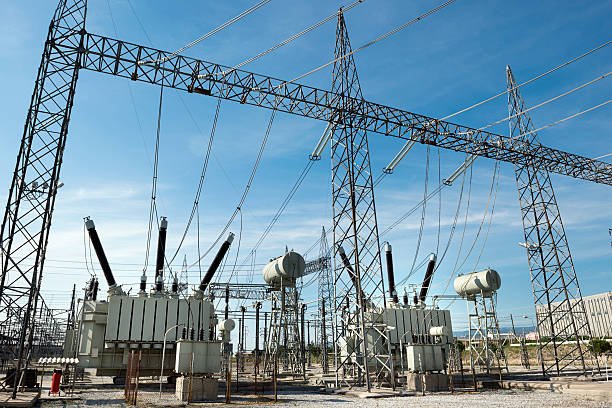
Oil-immersed transformers are among the most widely used transformers in power generation, transmission, and distribution systems. By using insulating oil for both cooling and electrical insulation, they deliver excellent performance under high-voltage and high-capacity operating conditions. Their proven reliability, efficiency, and long service life make them the preferred choice for many utility and industrial applications.
Why Do Oil-Immersed Transformers Offer Superior Cooling Performance?
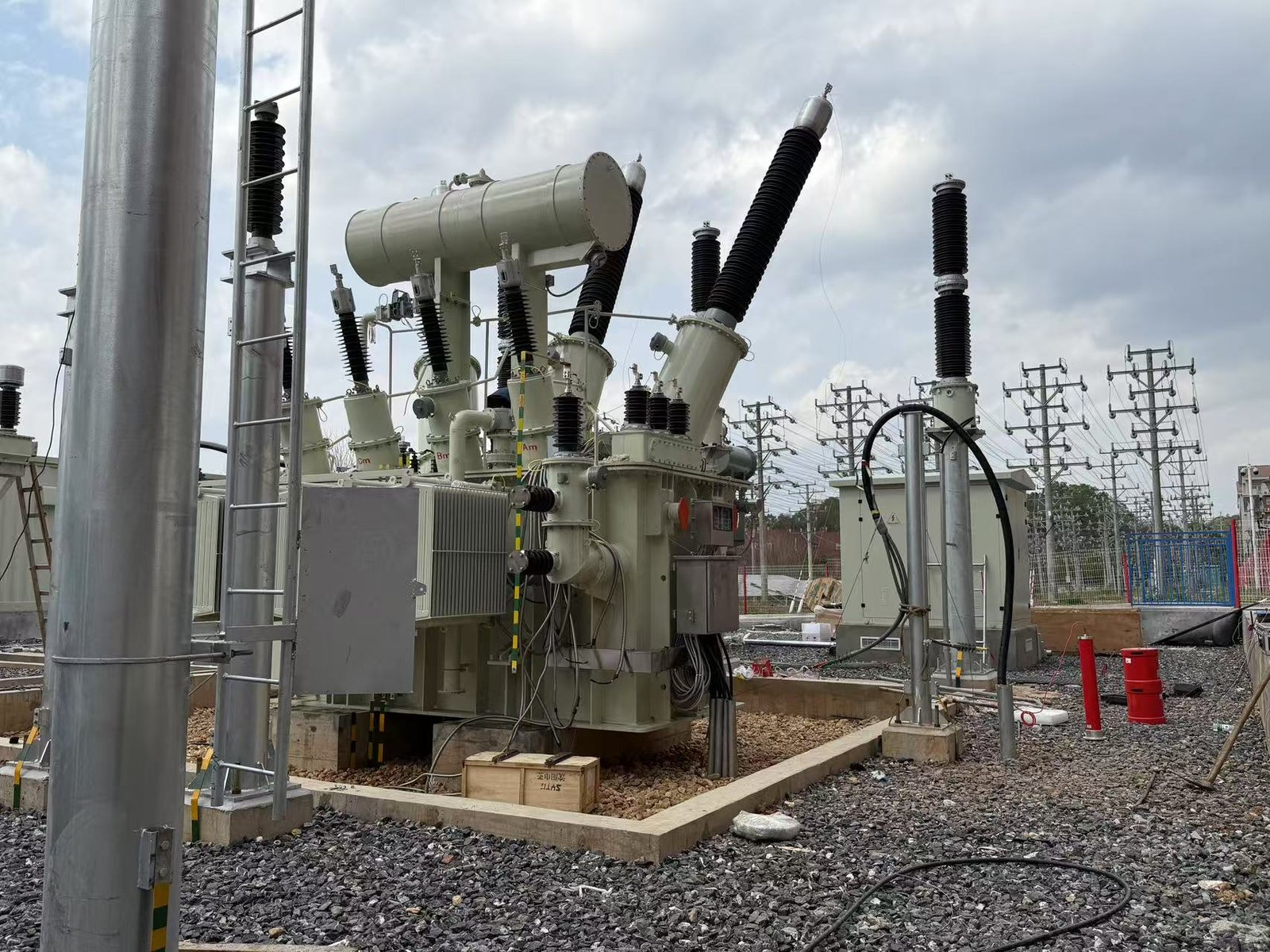
Heat is one of the primary factors that limits transformer performance and service life. During operation, electrical losses in the windings and magnetic core continuously generate heat that must be removed to prevent insulation degradation and excessive temperature rise. Oil-immersed transformers have long been the preferred solution for medium- and high-voltage applications because their liquid insulation system provides highly efficient heat transfer throughout the transformer. By circulating insulating oil around the core and windings, these transformers can dissipate heat more effectively than air-cooled designs, allowing for higher power ratings, greater overload capability, and longer operating life.
Oil-immersed transformers offer superior cooling performance because insulating oil circulates around the windings and core, absorbing heat and transferring it efficiently to the transformer tank and radiators. Compared with air, transformer oil has much higher heat capacity and thermal conductivity, enabling better temperature control, higher power density, improved overload capability, and longer insulation life.
Oil-immersed transformers cool no better than dry-type transformers because both rely primarily on air to remove heat.False
Oil-immersed transformers use circulating insulating oil to transfer heat from internal components to external cooling surfaces, making heat removal significantly more efficient than relying on air alone.
Why transformer cooling is essential
Every energized transformer generates heat due to unavoidable electrical losses.
The primary sources of heat include:
- Copper losses in the windings
- Core losses caused by hysteresis and eddy currents
- Stray losses in structural components
- Additional losses under harmonic loading
If this heat is not removed effectively, operating temperatures rise, accelerating insulation aging and reducing transformer reliability.
Main objectives of transformer cooling
| Objective | Benefit |
|---|---|
| Control winding temperature | Protect insulation |
| Limit hot spots | Improve reliability |
| Maintain efficiency | Reduce energy losses |
| Extend service life | Lower lifecycle cost |
Transformer oil is both an insulator and a coolant
Unlike dry-type transformers, oil-immersed transformers use insulating oil to perform two critical functions simultaneously:
- Electrical insulation
- Heat transfer
The oil completely surrounds the transformer core and windings, allowing it to absorb heat directly from the hottest components while maintaining electrical isolation.
Oil has much better heat transfer properties than air
One of the biggest advantages of transformer oil is its ability to transfer thermal energy much more efficiently than air.
| Cooling Medium | Relative Heat Transfer Performance |
|---|---|
| Air | Moderate |
| Transformer oil | Excellent |
Transformer oil provides:
- Higher specific heat capacity
- Better thermal conductivity
- Improved convection
- More uniform temperature distribution
These properties enable the transformer to operate safely under higher electrical loads.
Oil circulates naturally inside the transformer
As the windings generate heat, the surrounding oil absorbs thermal energy.
The cooling process follows a continuous cycle:
- Windings and core generate heat.
- Oil absorbs the heat.
- Heated oil becomes less dense.
- Warm oil rises toward the top of the tank.
- Cooler oil flows downward to replace it.
This natural convection cycle continuously transports heat away from the active parts without requiring mechanical equipment in smaller transformers.
Radiators efficiently dissipate heat
Once heated oil reaches the top of the transformer, it flows into external radiators.
The radiators:
- Increase cooling surface area
- Transfer heat to surrounding air
- Reduce oil temperature
- Return cooled oil to the transformer tank
The complete heat transfer path is:
Windings → Transformer Oil → Radiators → Ambient Air
This indirect cooling method is significantly more efficient than relying on air circulation around the windings alone.
Oil reaches areas that air cannot cool effectively
Transformer windings contain narrow insulation spaces that are difficult for air to penetrate.
Transformer oil flows through these confined areas, allowing direct cooling of:
- Inner winding layers
- Core surfaces
- Lead connections
- Insulation barriers
This minimizes localized overheating and reduces thermal gradients throughout the transformer.
Improved cooling allows higher power density
Because heat is removed more efficiently, oil-immersed transformers can handle higher electrical loads within a compact design.
Benefits of improved heat dissipation
| Advantage | Result |
|---|---|
| Lower operating temperature | Longer insulation life |
| Higher continuous loading | Greater power capacity |
| Better overload capability | Improved operational flexibility |
This makes oil-immersed transformers particularly suitable for transmission networks, substations, and heavy industrial facilities.
Lower operating temperatures extend insulation life
Insulation aging is strongly influenced by temperature.
Every reduction in operating temperature helps:
- Slow cellulose degradation
- Reduce oil oxidation
- Maintain dielectric strength
- Extend transformer lifespan
Effective cooling therefore improves both reliability and long-term asset value.
Oil minimizes winding hot spots
Heat generation inside a transformer is not uniform.
Areas such as winding ends and inner winding layers often become significantly hotter than surrounding components.
Transformer oil continuously removes heat from these localized regions, reducing the severity of hot spots and lowering the risk of insulation failure.
Forced cooling systems further enhance performance
Large power transformers often incorporate additional cooling equipment.
Common cooling methods include:
| Cooling Method | Description |
|---|---|
| ONAN | Oil Natural, Air Natural |
| ONAF | Oil Natural, Air Forced |
| OFAF | Oil Forced, Air Forced |
| OFWF | Oil Forced, Water Forced |
Forced circulation and external cooling systems allow transformers to operate at substantially higher ratings than natural cooling alone.
Superior cooling improves overload capability
Power systems occasionally require transformers to operate above their rated capacity.
Efficient oil circulation enables:
- Better heat removal during peak demand
- Slower temperature rise
- Greater emergency loading capability
- Improved system reliability
This operational flexibility is particularly valuable for utility transmission systems.
Cooling performance remains effective across a wide power range
Oil-immersed transformers are available in ratings ranging from a few hundred kilovolt-amperes to several hundred megavolt-amperes.
As transformer size increases, liquid cooling becomes increasingly advantageous because air cooling alone becomes insufficient for removing the large amounts of internally generated heat.
Oil also protects the insulation system
The cooling function of transformer oil directly supports electrical insulation.
By maintaining acceptable temperatures, the oil helps preserve:
- Cellulose paper insulation
- Pressboard components
- Dielectric strength
- Mechanical integrity of insulation materials
This relationship demonstrates that cooling and insulation are closely interconnected.
Comparison with dry-type transformers
| Characteristic | Oil-Immersed Transformer | Dry-Type Transformer |
|---|---|---|
| Cooling medium | Insulating oil | Air |
| Heat transfer efficiency | Excellent | Moderate |
| Power density | High | Lower |
| Overload capability | Better | More limited |
| Typical maximum ratings | Very high | Moderate |
Dry-type transformers remain an excellent choice for many indoor applications, particularly where fire safety or reduced maintenance is a priority. However, for high-capacity power transmission and distribution, oil-immersed transformers generally provide superior thermal performance.
Factors affecting cooling performance
Several design factors influence how effectively an oil-immersed transformer dissipates heat.
Key factors
- Oil viscosity
- Radiator size
- Ambient temperature
- Oil circulation path
- Transformer loading
- Cooling method (ONAN, ONAF, OFAF, OFWF)
- Oil cleanliness
- Maintenance condition
Proper design and maintenance ensure that the cooling system continues to perform efficiently throughout the transformer's service life.
Modern innovations in oil cooling
Recent developments continue to improve cooling efficiency, including:
- Optimized winding duct design
- High-efficiency radiator configurations
- Advanced computational fluid dynamics (CFD) modeling
- Online temperature monitoring
- Intelligent cooling control systems
- Improved insulating liquids such as natural and synthetic esters
These technologies enable better thermal management while improving efficiency and reliability.
How Does Transformer Oil Improve Electrical Insulation?
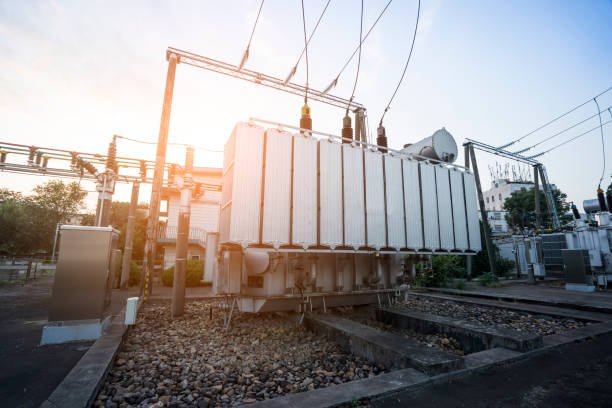
Electrical insulation is the foundation of safe and reliable transformer operation. Inside a liquid-immersed transformer, thousands of volts—or even hundreds of kilovolts—must be safely isolated between windings, the magnetic core, and the grounded tank. While solid insulation materials such as cellulose paper and pressboard provide mechanical separation, transformer oil plays an equally critical role by filling every void around energized components with a highly dielectric liquid. This combination creates a robust insulation system capable of withstanding continuous electrical stress, transient overvoltages, and fault conditions throughout the transformer's service life.
Transformer oil improves electrical insulation by providing high dielectric strength, filling air gaps between energized components, reducing electric field concentration, suppressing partial discharge, protecting solid insulation from moisture, and maintaining stable insulation performance under high-voltage operating conditions. Working together with cellulose insulation, transformer oil forms a comprehensive dielectric system that significantly enhances transformer reliability and safety.
Transformer oil improves insulation only by covering the windings, while the actual electrical insulation is provided entirely by paper insulation.False
Transformer oil is an integral part of the insulation system. It provides dielectric insulation, fills microscopic voids, suppresses electrical discharge, and works together with solid insulation materials to prevent electrical breakdown.
Why electrical insulation is essential in transformers
Transformers operate by transferring electrical energy through magnetic induction while keeping circuits electrically isolated.
The insulation system must safely withstand:
- Rated operating voltage
- Lightning impulse voltages
- Switching surges
- Temporary overvoltages
- Continuous electrical stress
Without effective insulation, internal short circuits and catastrophic failures could occur.
Primary objectives of transformer insulation
| Objective | Purpose |
|---|---|
| Prevent electrical breakdown | Maintain safe operation |
| Isolate energized components | Avoid short circuits |
| Control electric fields | Improve reliability |
| Protect personnel and equipment | Enhance operational safety |
Transformer oil is indispensable in achieving these objectives.
High dielectric strength prevents electrical breakdown
The most important electrical property of transformer oil is its high dielectric strength.
Dielectric strength refers to the maximum electric field a material can withstand without experiencing electrical breakdown.
Transformer oil enables:
- Safe insulation between conductors
- Resistance to high-voltage stress
- Stable dielectric performance
- Reduced flashover risk
Its high dielectric strength allows transformers to operate safely under normal conditions and during temporary voltage surges.
Transformer oil replaces air with a superior insulating medium
Air is a relatively poor insulator in high-voltage equipment because it can ionize under strong electric fields.
Transformer oil completely fills the spaces between:
- High-voltage windings
- Low-voltage windings
- Windings and the magnetic core
- Windings and the grounded tank
- Internal structural components
By eliminating air pockets, transformer oil significantly increases insulation reliability.
Filling microscopic voids reduces weak insulation points
Even carefully manufactured insulation systems contain microscopic gaps.
Without transformer oil, these voids may become locations where electrical discharge begins.
Oil penetrates:
- Tiny crevices
- Paper insulation pores
- Winding spaces
- Structural clearances
This creates a continuous dielectric medium throughout the transformer.
Transformer oil reduces electric field concentration
Sharp changes in electric field intensity increase the likelihood of insulation failure.
Transformer oil helps distribute electric fields more evenly by:
- Surrounding energized conductors
- Reducing field gradients
- Minimizing localized stress
- Improving dielectric uniformity
More uniform electric fields reduce the risk of premature insulation breakdown.
Partial discharge suppression improves insulation reliability
Partial discharge (PD) is a localized electrical discharge that does not completely bridge the insulation gap but gradually damages insulation materials.
Transformer oil suppresses PD by:
- Filling gas-filled cavities
- Increasing dielectric strength
- Reducing ionization
- Limiting discharge development
Benefits of partial discharge suppression
| Benefit | Result |
|---|---|
| Reduced insulation erosion | Longer service life |
| Lower electrical stress | Improved reliability |
| Less gas generation | Better transformer condition |
Controlling partial discharge is essential for long-term transformer performance.
Transformer oil works together with solid insulation
Transformer insulation is not provided by oil or paper alone.
Instead, both materials form an integrated insulation system.
Components of the insulation system
| Component | Primary Function |
|---|---|
| Transformer oil | Liquid dielectric insulation |
| Cellulose paper | Conductor insulation |
| Pressboard | Mechanical and electrical insulation |
| Insulating barriers | Voltage separation |
Each material complements the others to achieve high dielectric performance.
Moisture control preserves insulation quality
Moisture is one of the greatest threats to transformer insulation.
Transformer oil helps maintain insulation integrity by:
- Absorbing limited amounts of moisture
- Reducing water concentration in cellulose insulation
- Preserving dielectric strength
- Slowing insulation aging
Natural ester fluids, in particular, have excellent moisture absorption capability, helping extend the life of paper insulation.
Oil prevents direct contact between energized components
Transformer oil creates a continuous insulating barrier between conductive parts.
This prevents:
- Phase-to-phase faults
- Winding-to-core faults
- Winding-to-ground faults
- Internal flashover
Even when conductors are physically close together, the oil maintains electrical separation.
Arc suppression during fault conditions
Internal faults may generate electrical arcs.
Transformer oil helps by:
- Limiting arc propagation
- Dissipating arc energy
- Cooling the fault region
- Reducing damage to surrounding insulation
Although severe faults may still cause equipment damage, transformer oil helps minimize the extent of the failure.
Stable dielectric properties ensure long-term performance
Transformer oil is formulated to maintain its electrical characteristics over many years.
Important dielectric properties include:
- High breakdown voltage
- Low dielectric loss
- High electrical resistivity
- Stable permittivity
These properties remain reliable when the oil is properly maintained.
Oil protects solid insulation from oxidation
Transformer oil isolates cellulose insulation from direct exposure to oxygen and moisture.
This protection slows:
- Oxidation
- Hydrolysis
- Mechanical degradation
- Thermal aging
As a result, the insulation system retains its mechanical and dielectric strength for a longer period.
Dielectric performance depends on oil condition
Transformer oil must remain clean and dry to perform effectively.
Factors affecting insulation quality
| Factor | Effect |
|---|---|
| Moisture | Reduces dielectric strength |
| Particles | Increase discharge risk |
| Oxidation | Forms sludge |
| Dissolved gases | Indicate developing faults |
Routine maintenance is therefore essential for preserving insulation performance.
Dissolved gas analysis supports insulation monitoring
Transformer oil provides an effective medium for condition monitoring.
Dissolved Gas Analysis (DGA) can detect:
- Partial discharge
- Overheating
- Electrical arcing
- Cellulose decomposition
Because fault gases dissolve in the oil, engineers can identify insulation problems long before catastrophic failure occurs.
Comparison with air insulation
| Property | Transformer Oil | Air |
|---|---|---|
| Dielectric strength | High | Lower |
| Partial discharge resistance | Excellent | Moderate |
| Moisture protection | Good | Poor |
| Heat transfer | Excellent | Limited |
| Electric field uniformity | Excellent | Moderate |
This comparison explains why transformer oil is preferred for medium- and high-voltage applications.
Maintaining transformer oil for optimum insulation
To preserve dielectric performance, operators should regularly perform:
- Dielectric strength testing
- Moisture analysis
- Dissolved gas analysis
- Acidity testing
- Oil filtration and dehydration when required
- Visual inspection for contamination
Proper maintenance ensures that the oil continues to provide reliable electrical insulation throughout the transformer's operating life.
Why Are Oil-Immersed Transformers Suitable for High-Capacity Applications?
As electrical networks expand to accommodate growing industrial demand, renewable energy integration, and urban infrastructure, transformers must handle increasingly higher power ratings while maintaining efficiency, reliability, and operational safety. High-capacity transformers—typically ranging from several megavolt-amperes (MVA) to hundreds of MVA—generate substantial heat and experience significant electrical and mechanical stresses during operation. Oil-immersed transformers have become the preferred solution for these demanding applications because their liquid insulation and cooling system enables efficient heat dissipation, superior dielectric performance, and robust overload capability. These advantages allow them to deliver reliable performance under continuous heavy loading while achieving long service lives.
Oil-immersed transformers are well suited for high-capacity applications because transformer oil provides highly efficient cooling and excellent electrical insulation, allowing larger power ratings, better overload capability, lower operating temperatures, stronger insulation performance, and greater mechanical reliability than air-cooled designs. Their superior thermal management enables compact construction and dependable operation in utility, industrial, and renewable energy systems.
Dry-type transformers can generally achieve the same maximum power ratings as oil-immersed transformers because both use similar winding and core technologies.False
Although both transformer types use similar electromagnetic principles, oil-immersed transformers provide significantly better cooling and insulation, enabling much higher continuous power ratings and larger transformer capacities.
High-capacity transformers generate significant heat
Every transformer produces heat due to electrical and magnetic losses.
As transformer capacity increases, the amount of heat generated also rises.
Primary heat sources include:
- Copper losses in windings
- Core losses
- Stray load losses
- Eddy current losses
Without effective cooling, excessive temperatures would quickly reduce insulation life and limit transformer capacity.
Heat generation increases with transformer size
| Transformer Characteristic | Effect |
|---|---|
| Higher current | Increased copper losses |
| Larger magnetic core | Higher core losses |
| Greater power rating | Increased total heat generation |
Efficient thermal management therefore becomes increasingly important as transformer ratings increase.
Transformer oil provides superior heat transfer
One of the greatest advantages of oil-immersed transformers is the use of insulating oil as a cooling medium.
Transformer oil:
- Absorbs heat directly from windings
- Cools the magnetic core
- Transfers heat to radiators
- Maintains stable operating temperatures
Compared with air, transformer oil has significantly better heat transfer characteristics.
| Cooling Medium | Relative Cooling Performance |
|---|---|
| Air | Moderate |
| Transformer oil | Excellent |
This allows oil-immersed transformers to dissipate large amounts of heat continuously.
Efficient cooling supports higher power density
Because heat can be removed more effectively, oil-immersed transformers can deliver greater power within a relatively compact structure.
Benefits include:
- Higher MVA ratings
- Smaller physical size for equivalent capacity
- Reduced hot-spot temperatures
- Improved thermal margins
Higher power density is particularly valuable where installation space is limited or substation expansion is constrained.
Superior electrical insulation enables higher voltage ratings
Transformer oil is also an excellent dielectric medium.
It provides insulation between:
- High-voltage windings
- Low-voltage windings
- Windings and the magnetic core
- Windings and the grounded tank
Its high dielectric strength enables transformers to operate safely at medium, high, extra-high, and ultra-high voltage levels.
Electrical insulation advantages
| Benefit | Result |
|---|---|
| High dielectric strength | Improved voltage withstand capability |
| Reduced electrical stress | Enhanced reliability |
| Partial discharge suppression | Longer insulation life |
The combination of liquid and solid insulation supports the demanding electrical requirements of large power transformers.
Better cooling extends insulation life
Temperature has a major influence on insulation aging.
Lower operating temperatures help:
- Slow cellulose degradation
- Reduce oil oxidation
- Preserve dielectric strength
- Extend transformer lifespan
Since insulation replacement is generally impractical, maintaining lower temperatures significantly improves long-term asset value.
Oil circulation removes localized hot spots
Heat distribution inside a transformer is never perfectly uniform.
Certain areas—such as inner winding layers and conductor connections—experience higher temperatures than others.
Transformer oil flows through narrow cooling ducts and winding channels, removing heat directly from these critical locations.
This minimizes:
- Thermal gradients
- Localized overheating
- Insulation deterioration
- Premature failures
Multiple cooling methods support very large transformers
Oil-immersed transformers can employ different cooling systems depending on capacity requirements.
| Cooling Method | Description |
|---|---|
| ONAN | Oil Natural, Air Natural |
| ONAF | Oil Natural, Air Forced |
| OFAF | Oil Forced, Air Forced |
| OFWF | Oil Forced, Water Forced |
As transformer ratings increase, forced oil circulation and auxiliary cooling equipment enable substantially greater heat removal and continuous high-load operation.
Greater overload capability improves system flexibility
Electrical utilities often require transformers to operate temporarily above their nameplate rating during:
- Peak demand periods
- Emergency conditions
- Maintenance outages
- Network contingencies
Efficient oil cooling provides additional thermal margin, allowing controlled short-term overloads without causing unacceptable insulation damage.
This operational flexibility enhances grid reliability and asset utilization.
Oil-immersed transformers offer excellent mechanical strength
High-capacity transformers experience significant mechanical forces during short circuits.
Oil contributes indirectly to mechanical reliability by:
- Supporting insulation structures
- Reducing thermal expansion stresses
- Maintaining uniform temperatures
- Protecting cellulose insulation
Stable operating temperatures help preserve the mechanical integrity of winding assemblies over decades of service.
Improved efficiency reduces operating costs
Effective cooling lowers winding resistance by maintaining lower conductor temperatures.
This contributes to:
- Reduced load losses
- Higher operating efficiency
- Lower energy consumption
- Reduced operating expenses
Although cooling itself does not eliminate electrical losses, maintaining optimal temperatures helps transformers operate closer to their designed efficiency.
High-capacity applications require reliable thermal performance
Oil-immersed transformers are commonly used in demanding applications such as:
- Utility transmission substations
- Power generation facilities
- Heavy industrial plants
- Mining operations
- Steel manufacturing
- Petrochemical complexes
- Renewable energy substations
- Large commercial developments
These applications require continuous operation under high electrical loading, making effective cooling essential.
Oil enables compact transformer construction
Because transformer oil efficiently removes heat, designers can reduce conductor spacing while maintaining safe operating temperatures.
Benefits include:
- Smaller tank dimensions
- Higher power-to-size ratio
- Improved installation flexibility
- Reduced material usage
Compact construction is particularly advantageous in urban substations where space is limited.
Advanced monitoring supports high-capacity operation
Modern oil-immersed transformers incorporate sophisticated monitoring systems.
Typical monitoring includes:
- Oil temperature
- Winding hot-spot temperature
- Dissolved gas analysis (DGA)
- Moisture monitoring
- Load monitoring
- Cooling equipment status
These systems help operators optimize performance while preventing overheating and insulation deterioration.
Comparison with dry-type transformers
| Characteristic | Oil-Immersed Transformer | Dry-Type Transformer |
|---|---|---|
| Cooling efficiency | Excellent | Moderate |
| Maximum practical capacity | Very high | Moderate |
| Overload capability | Higher | Lower |
| Voltage capability | Very high | Moderate to high |
| Typical utility applications | Extensive | Limited |
Dry-type transformers remain an excellent choice for indoor installations, commercial buildings, and locations requiring enhanced fire safety. However, oil-immersed transformers remain the preferred solution for very large power ratings because of their superior thermal and dielectric performance.
Factors that further improve high-capacity performance
Modern transformer manufacturers continue to enhance oil-immersed transformer performance through:
- Optimized winding cooling ducts
- Advanced insulating liquids
- Improved radiator designs
- Computational fluid dynamics (CFD) optimization
- Intelligent cooling control systems
- Online condition monitoring
These innovations enable even larger transformer ratings while improving efficiency and reliability.
How Do They Achieve High Efficiency and Long Service Life?
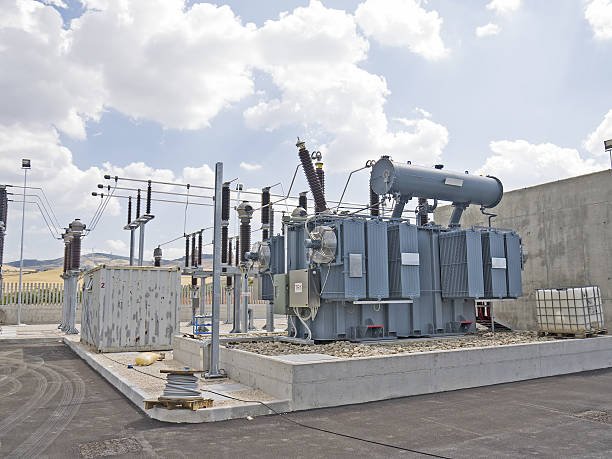
Oil-immersed transformers are expected to operate continuously for 30 to 50 years—or even longer—with minimal performance degradation. Their exceptional efficiency and long service life result from a combination of advanced magnetic core materials, optimized winding design, highly effective cooling systems, reliable insulation, precision manufacturing, and proactive maintenance. Every component is engineered to minimize energy losses, control operating temperatures, withstand electrical and mechanical stresses, and preserve insulation integrity throughout decades of service.
Oil-immersed transformers achieve high efficiency and long service life through low-loss core materials, optimized winding design, effective oil-based cooling, high-quality insulation systems, precision manufacturing, comprehensive testing, and regular condition monitoring. Together, these factors reduce energy losses, slow insulation aging, improve reliability, and maximize operational lifespan.
Transformer efficiency depends only on the quality of the magnetic core, while service life is determined solely by the cooling system.False
Transformer efficiency and lifespan result from the combined performance of the magnetic core, windings, insulation, cooling system, manufacturing quality, operating conditions, and maintenance practices.
High-quality core materials reduce no-load losses
The transformer core is responsible for transferring magnetic flux between the primary and secondary windings.
Modern oil-immersed transformers use advanced electrical steels that minimize magnetic losses.
Typical core improvements include:
- Grain-oriented silicon steel
- Laser-scribed core laminations
- Step-lap core joints
- Thin laminated sheets
Benefits of advanced core materials
| Design Feature | Benefit |
|---|---|
| Grain-oriented steel | Lower hysteresis loss |
| Thin laminations | Reduced eddy current loss |
| Step-lap construction | Lower noise and improved efficiency |
Lower core losses improve efficiency regardless of transformer loading.
Optimized winding design minimizes load losses
Copper or aluminum windings carry the operating current and generate heat through electrical resistance.
Efficient winding design helps reduce:
- Copper losses
- Stray losses
- Localized hot spots
- Voltage drop
Design techniques include:
- Larger conductor cross-sections
- Optimized conductor geometry
- Continuous transposed conductors (CTC)
- Improved winding arrangements
These measures reduce resistance while maintaining excellent mechanical strength.
Transformer oil provides efficient cooling
One of the greatest advantages of oil-immersed transformers is their highly effective cooling system.
Transformer oil:
- Absorbs heat from the windings
- Removes heat from the magnetic core
- Transfers thermal energy to radiators
- Maintains stable operating temperatures
Lower operating temperatures directly improve both efficiency and insulation life.
Effective cooling slows insulation aging
Insulation deterioration is largely driven by temperature.
Maintaining lower temperatures helps:
- Preserve cellulose insulation
- Reduce oil oxidation
- Prevent excessive moisture formation
- Maintain dielectric strength
Relationship between temperature and insulation life
| Operating Temperature | Expected Effect |
|---|---|
| Lower temperature | Slower insulation aging |
| Higher temperature | Faster insulation degradation |
Efficient cooling is therefore one of the most important contributors to long transformer life.
High-quality insulation ensures reliable operation
Transformer insulation consists of both liquid and solid materials.
The insulation system includes:
- Transformer oil
- Cellulose paper
- Pressboard
- Insulating barriers
These materials work together to:
- Prevent electrical breakdown
- Suppress partial discharge
- Maintain voltage withstand capability
- Protect against transient overvoltages
Reliable insulation is essential for decades of safe operation.
Precision manufacturing improves long-term reliability
Manufacturing quality has a major influence on transformer lifespan.
Critical manufacturing processes include:
- Vacuum drying
- Precision core assembly
- Controlled winding compression
- Vacuum oil filling
- Moisture-controlled assembly
Proper manufacturing minimizes defects that could develop into failures during service.
Routine testing verifies transformer quality
Every transformer undergoes extensive testing before shipment.
Typical tests include:
- Ratio test
- Winding resistance test
- Insulation resistance test
- Applied voltage test
- Induced voltage test
- No-load loss measurement
- Load loss measurement
- Temperature rise test
These tests confirm that the transformer meets its design specifications before entering service.
Efficient cooling systems improve thermal performance
Different cooling methods are selected according to transformer size.
| Cooling Method | Typical Application |
|---|---|
| ONAN | Small and medium power transformers |
| ONAF | Medium to large transformers |
| OFAF | Large power transformers |
| OFWF | Very large generating station transformers |
Appropriate cooling ensures that operating temperatures remain within acceptable limits under varying load conditions.
Moisture control preserves insulation
Moisture is one of the most damaging contaminants inside a transformer.
Effective moisture management includes:
- Hermetically sealed tanks
- Desiccant breathers
- Vacuum oil filling
- Regular oil testing
- Oil dehydration when necessary
Keeping the insulation system dry significantly extends service life.
Dissolved gas analysis supports predictive maintenance
Transformer oil provides valuable information about internal condition.
Dissolved Gas Analysis (DGA) helps detect:
- Partial discharge
- Overheating
- Electrical arcing
- Insulation degradation
Early fault detection enables corrective maintenance before major failures occur.
Regular maintenance sustains efficiency
Routine maintenance helps preserve both performance and reliability.
Typical maintenance activities include:
- Oil sampling
- Dielectric strength testing
- Moisture analysis
- Cooling system inspection
- Bushing inspection
- Tap changer maintenance
Preventive maintenance reduces unexpected outages and extends transformer life.
Proper loading prevents excessive thermal stress
Operating transformers within their thermal limits helps maintain efficiency.
Good loading practices include:
- Avoiding continuous overloads
- Monitoring hot-spot temperatures
- Managing harmonic loading
- Balancing system loads
Proper loading reduces insulation aging and improves operational reliability.
Modern monitoring systems optimize performance
Digital monitoring technologies provide continuous insight into transformer condition.
Typical monitoring parameters include:
| Monitoring Function | Purpose |
|---|---|
| Oil temperature | Thermal management |
| Winding hot-spot temperature | Insulation protection |
| Moisture content | Dielectric performance |
| Dissolved gases | Fault diagnosis |
| Load current | Capacity management |
Continuous monitoring supports condition-based maintenance and improves asset utilization.
Robust mechanical design resists electrical faults
Power transformers experience significant mechanical forces during short circuits.
Modern designs incorporate:
- Strong winding clamping systems
- Reinforced insulation structures
- Robust core supports
- High-strength mechanical bracing
These features help maintain winding geometry and insulation integrity throughout the transformer's service life.
Compliance with international standards ensures quality
Oil-immersed transformers are manufactured according to internationally recognized standards such as:
- IEC 60076
- IEEE C57 series
- ANSI standards
- ISO quality management systems
Compliance ensures consistent performance, safety, and reliability across a wide range of applications.
Key factors contributing to efficiency and service life
| Factor | Contribution |
|---|---|
| Low-loss core | Reduced no-load losses |
| Optimized windings | Lower load losses |
| Efficient cooling | Reduced operating temperature |
| High-quality insulation | Improved dielectric reliability |
| Moisture control | Longer insulation life |
| Precision manufacturing | Higher reliability |
| Preventive maintenance | Extended service life |
| Online monitoring | Early fault detection |
Together, these factors enable oil-immersed transformers to operate efficiently for decades.
Future developments continue to improve performance
Transformer manufacturers continue to enhance efficiency and longevity through innovations such as:
- Amorphous metal cores
- Advanced ester-based insulating fluids
- Intelligent cooling control systems
- Digital transformer monitoring
- Improved insulation materials
- AI-assisted condition assessment
These technologies help reduce energy losses, improve reliability, and extend transformer operating life even further.
What Maintenance and Operational Advantages Do They Provide?
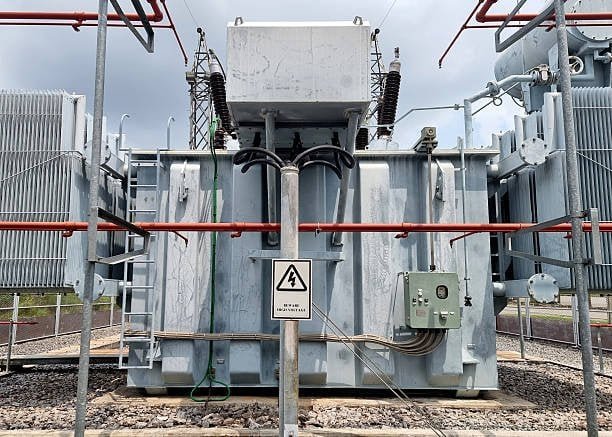
Oil-immersed transformers are widely used in power transmission, distribution, industrial facilities, and renewable energy projects because they combine high reliability with excellent long-term operational performance. Although they require periodic oil inspection and routine maintenance, their superior cooling capability, robust insulation system, and mature design enable them to operate continuously under demanding conditions with relatively low lifecycle costs. Modern monitoring technologies and standardized maintenance practices further enhance their reliability, allowing many oil-immersed transformers to remain in service for 30 to 50 years or more.
Oil-immersed transformers provide significant maintenance and operational advantages through efficient cooling, excellent overload capability, long insulation life, predictive condition monitoring, standardized maintenance procedures, high reliability, and low lifecycle costs. Regular oil analysis and preventive maintenance allow operators to detect developing faults early, minimize unplanned outages, and maximize transformer service life.
Oil-immersed transformers require virtually no maintenance because the insulating oil permanently preserves all internal components.False
Although oil-immersed transformers are highly reliable, they require routine inspections, oil testing, cooling system maintenance, and periodic condition monitoring to ensure safe operation and maximize service life.
Proven technology supports reliable long-term operation
Oil-immersed transformers have been used in electrical power systems for more than a century.
Their mature design offers:
- High operational reliability
- Stable thermal performance
- Excellent electrical insulation
- Well-established maintenance procedures
- Broad availability of replacement parts
These characteristics make them suitable for continuous operation in demanding environments.
Operational benefits
| Advantage | Benefit |
|---|---|
| Proven technology | Reliable long-term performance |
| Standardized maintenance | Easier asset management |
| High availability | Reduced operational risk |
Superior cooling reduces thermal stress
Transformer oil efficiently removes heat generated by the windings and magnetic core.
Lower operating temperatures help:
- Reduce insulation aging
- Minimize thermal expansion
- Prevent overheating
- Improve operating stability
Effective cooling allows transformers to maintain consistent performance even under varying load conditions.
Excellent overload capability improves system flexibility
Power systems occasionally experience temporary overloads due to:
- Peak electricity demand
- Equipment maintenance
- Emergency network conditions
- Renewable energy fluctuations
Oil-immersed transformers can generally accommodate controlled short-term overloads more effectively than many air-cooled alternatives because of their superior heat dissipation.
Benefits of overload capability
| Operating Feature | Operational Benefit |
|---|---|
| Better thermal management | Increased loading flexibility |
| Lower winding temperatures | Reduced insulation stress |
| Higher emergency capacity | Improved system reliability |
Long insulation life reduces replacement frequency
The combination of transformer oil and cellulose insulation forms a highly durable insulation system.
When properly maintained, this system offers:
- Stable dielectric performance
- Slow insulation aging
- Excellent voltage withstand capability
- Long equipment life
Lower insulation deterioration reduces the need for costly refurbishment or replacement.
Oil analysis enables predictive maintenance
One of the greatest operational advantages of oil-immersed transformers is the ability to evaluate internal condition without dismantling the equipment.
Routine oil testing provides valuable information about:
- Insulation condition
- Moisture content
- Oxidation level
- Contamination
- Developing electrical faults
This enables maintenance teams to address issues before they become critical.
Dissolved Gas Analysis (DGA) provides early fault detection
Transformer oil dissolves gases produced by internal electrical and thermal faults.
Dissolved Gas Analysis can identify conditions such as:
- Partial discharge
- Electrical arcing
- Localized overheating
- Cellulose insulation degradation
Early diagnosis allows operators to schedule maintenance before major failures occur.
Standardized maintenance procedures simplify asset management
Maintenance practices for oil-immersed transformers are well established throughout the power industry.
Typical maintenance activities include:
- Oil sampling
- Dielectric strength testing
- Moisture analysis
- Cooling system inspection
- Bushing inspection
- Tap changer servicing
- Seal inspection
These procedures are supported by international standards and industry best practices.
Cooling equipment can be serviced independently
Many cooling components are external to the transformer tank.
Examples include:
- Radiators
- Cooling fans
- Oil pumps
- Temperature indicators
Because these components are readily accessible, maintenance can often be completed efficiently with minimal disruption.
Online monitoring improves operational reliability
Modern oil-immersed transformers frequently incorporate continuous monitoring systems.
Typical monitoring parameters include:
| Monitoring System | Purpose |
|---|---|
| Oil temperature | Thermal management |
| Winding hot-spot temperature | Insulation protection |
| Moisture monitoring | Dielectric assessment |
| Dissolved gas monitoring | Fault detection |
| Load monitoring | Capacity optimization |
Continuous monitoring supports condition-based maintenance rather than relying solely on fixed maintenance intervals.
Moisture control extends service life
Proper moisture management is essential for maintaining insulation quality.
Routine maintenance helps:
- Preserve dielectric strength
- Slow cellulose aging
- Prevent partial discharge
- Improve long-term reliability
Maintenance practices such as oil dehydration and breather replacement help maintain a dry insulation system.
High reliability minimizes unplanned outages
Oil-immersed transformers are designed for continuous operation under demanding conditions.
Their robust construction reduces the likelihood of:
- Internal insulation failure
- Thermal overload
- Mechanical damage
- Unexpected service interruptions
Reduced outage frequency improves both operational efficiency and power system stability.
Long maintenance intervals reduce operating costs
Compared with many other types of electrical equipment, oil-immersed transformers generally require relatively infrequent maintenance when operating under normal conditions.
Advantages include:
- Lower labor requirements
- Reduced maintenance costs
- Longer inspection intervals
- Improved asset utilization
Preventive maintenance is typically more economical than corrective repairs following equipment failure.
Wide availability of maintenance expertise
Because oil-immersed transformers are extensively used worldwide, utilities and industrial operators benefit from:
- Experienced maintenance personnel
- Standardized testing equipment
- Established maintenance procedures
- Readily available spare parts
This broad industry support simplifies long-term asset management.
Adaptability to various operating environments
Oil-immersed transformers perform reliably across diverse environments, including:
- Utility substations
- Industrial facilities
- Renewable energy plants
- Mining operations
- Petrochemical complexes
- Transmission networks
Their robust cooling and insulation systems allow them to accommodate a wide range of ambient temperatures and loading conditions.
Lifecycle cost advantages
Although oil-immersed transformers require periodic maintenance, their long service life often results in lower overall lifecycle costs.
Factors contributing to reduced lifecycle costs include:
- High operating efficiency
- Long insulation life
- Reduced outage frequency
- Predictive maintenance capability
- Excellent overload performance
These benefits frequently outweigh the cost of routine inspections and oil testing.
Summary of maintenance and operational advantages
| Feature | Operational Advantage |
|---|---|
| Efficient oil cooling | Lower operating temperatures |
| Predictive oil analysis | Early fault detection |
| Long insulation life | Extended service life |
| High overload capability | Greater operational flexibility |
| Online monitoring | Improved reliability |
| Standard maintenance procedures | Simplified maintenance planning |
| Proven technology | High system availability |
| Long lifecycle | Lower total ownership cost |
Together, these advantages make oil-immersed transformers one of the most dependable solutions for medium- and high-voltage power applications.
Best practices for maximizing performance
Operators can further improve transformer reliability by implementing:
- Scheduled oil analysis
- Routine dissolved gas analysis
- Regular cooling system inspections
- Moisture monitoring
- Periodic thermographic inspections
- Load management
- Preventive maintenance programs
- Continuous online condition monitoring where appropriate
These practices help maximize efficiency, reduce maintenance costs, and extend equipment life.
Where Are Oil-Immersed Transformers Most Commonly Used?
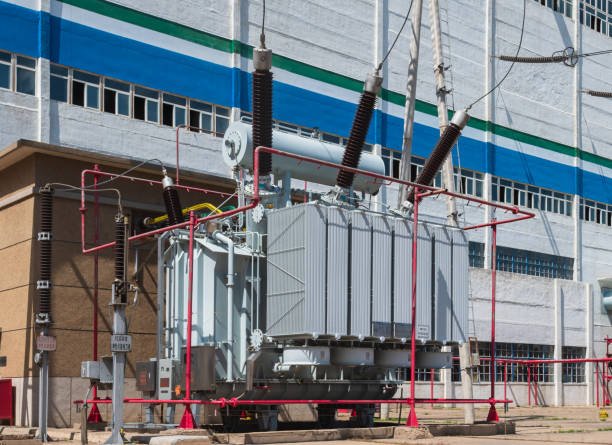
Oil-immersed transformers are the backbone of modern power transmission and distribution systems. Their excellent cooling capability, high dielectric strength, superior overload performance, and ability to handle very large power ratings make them the preferred choice for medium-, high-, and extra-high-voltage applications. From power plants and transmission substations to industrial facilities and renewable energy projects, oil-immersed transformers deliver the reliability and efficiency required for continuous operation under demanding electrical loads.
Oil-immersed transformers are most commonly used in utility transmission and distribution networks, power generation facilities, heavy industrial plants, renewable energy projects, commercial infrastructure, mining operations, petrochemical complexes, transportation systems, and large-scale infrastructure where high capacity, efficient cooling, and long-term reliability are essential.
Oil-immersed transformers are used primarily in small commercial buildings because they cannot support high-voltage or high-capacity power systems.False
Oil-immersed transformers are specifically designed for medium-, high-, and extra-high-voltage applications and are widely used in utility grids, power plants, industrial facilities, and other large-scale electrical infrastructure.
Utility transmission substations
One of the most common applications for oil-immersed transformers is the electrical transmission network.
These transformers are responsible for:
- Stepping up voltage for long-distance transmission
- Stepping down voltage at receiving substations
- Interconnecting transmission networks
- Supporting grid stability
Typical transmission applications
| Application | Typical Function |
|---|---|
| Generator step-up substations | Increase generator voltage |
| Transmission substations | Voltage transformation |
| Grid interconnection stations | Network integration |
| Bulk power delivery | Supply regional networks |
Their excellent cooling performance allows continuous operation under heavy loading.
Electrical distribution networks
After electricity reaches regional substations, oil-immersed transformers continue to play an essential role in distribution systems.
Typical applications include:
- Primary distribution substations
- Secondary substations
- Rural distribution networks
- Urban distribution systems
These transformers provide reliable voltage conversion for residential, commercial, and industrial consumers.
Power generation facilities
Power plants rely extensively on oil-immersed transformers throughout the generation process.
Common installations include:
- Generator step-up transformers
- Station service transformers
- Auxiliary transformers
- Unit auxiliary transformers
These transformers operate continuously under high electrical loads and require exceptional reliability.
Renewable energy projects
As renewable energy capacity expands worldwide, oil-immersed transformers have become indispensable components of clean energy infrastructure.
Typical renewable applications include:
- Solar photovoltaic farms
- Wind power plants
- Hydroelectric facilities
- Battery energy storage systems
- Hybrid renewable power stations
Renewable energy applications
| Renewable Project | Transformer Function |
|---|---|
| Solar farm | Grid connection |
| Wind farm | Voltage step-up |
| Hydroelectric plant | Generator output transformation |
| Battery storage | Power conversion support |
Their high efficiency helps reduce energy losses throughout the power conversion process.
Heavy industrial facilities
Industrial operations require transformers capable of supporting large motors, process equipment, and continuous production.
Typical industries include:
- Steel manufacturing
- Cement production
- Chemical processing
- Paper mills
- Automotive manufacturing
- Aluminum smelting
Oil-immersed transformers provide the thermal performance necessary for sustained high-current operation.
Mining operations
Mining facilities often operate in remote locations where electrical reliability is critical.
Oil-immersed transformers are commonly used for:
- Surface mining operations
- Underground mining infrastructure
- Ore processing plants
- Conveyor systems
- Crushing and grinding equipment
Their robust construction enables dependable operation under demanding environmental conditions.
Petrochemical and oil & gas facilities
The oil and gas industry depends on highly reliable electrical infrastructure.
Applications include:
- Refineries
- Petrochemical complexes
- LNG terminals
- Offshore production platforms
- Pipeline pumping stations
These facilities require transformers capable of operating continuously under high electrical loads.
Commercial and institutional infrastructure
Large commercial developments also use oil-immersed transformers where substantial electrical capacity is required.
Typical examples include:
- Airports
- Large hospitals
- University campuses
- Data centers
- Convention centers
- Shopping complexes
In outdoor installations, oil-immersed transformers offer excellent efficiency and long service life.
Transportation infrastructure
Modern transportation systems rely on high-capacity transformers to support critical operations.
Applications include:
- Railway substations
- Metro systems
- High-speed rail networks
- Airports
- Seaports
These transformers ensure reliable power delivery for traction systems, signaling, and auxiliary equipment.
Water and wastewater treatment facilities
Municipal utilities require dependable electrical power for continuous operation.
Oil-immersed transformers supply electricity to:
- Water treatment plants
- Wastewater treatment facilities
- Pumping stations
- Desalination plants
Reliable transformer operation is essential for maintaining public utility services.
Large infrastructure projects
Oil-immersed transformers are widely used in major infrastructure developments such as:
- Smart cities
- Industrial parks
- Ports
- Large manufacturing campuses
- Utility expansion projects
Their ability to accommodate future load growth makes them well suited for long-term infrastructure investment.
Rural electrification projects
Oil-immersed distribution transformers are commonly installed throughout rural electrical networks.
Advantages include:
- High reliability
- Long operating life
- Low maintenance requirements
- Excellent overload capability
These characteristics make them suitable for remote locations where maintenance resources may be limited.
High-voltage direct current (HVDC) systems
Although converter transformers are specially designed, many HVDC installations incorporate oil-immersed transformer technology because of its excellent insulation and cooling properties.
Applications include:
- HVDC converter stations
- Cross-border interconnections
- Offshore wind transmission
- Long-distance power transmission
Utility-scale energy storage systems
As battery energy storage becomes increasingly important, oil-immersed transformers are frequently used to connect storage facilities to transmission and distribution networks.
Their responsibilities include:
- Voltage transformation
- Grid interconnection
- Power quality support
- Reliable continuous operation
Why oil-immersed transformers dominate these applications
Several characteristics explain their widespread use.
Key advantages
| Advantage | Operational Benefit |
|---|---|
| Excellent cooling | Supports high-capacity operation |
| High dielectric strength | Enables high-voltage applications |
| Superior overload capability | Improves grid flexibility |
| Long service life | Reduces lifecycle costs |
| High efficiency | Minimizes energy losses |
| Proven reliability | Supports continuous operation |
These advantages make oil-immersed transformers the preferred solution wherever high power levels and long-term dependability are required.
Applications where dry-type transformers may be preferred
Although oil-immersed transformers dominate high-capacity outdoor installations, dry-type transformers are often selected for:
- Indoor commercial buildings
- Schools
- Hospitals
- High-rise buildings
- Underground installations
- Fire-sensitive environments
Their use is primarily driven by enhanced fire safety and simplified indoor installation rather than higher power capability.
Future application trends
The demand for oil-immersed transformers continues to grow due to:
- Expansion of renewable energy
- Grid modernization
- Electrification of transportation
- Industrial automation
- Urban infrastructure development
- Utility transmission upgrades
Advances in insulating fluids, digital monitoring, and cooling technologies are further improving their performance and reliability across these sectors.
Conclusion
Oil-immersed transformers offer numerous advantages, including excellent cooling efficiency, high dielectric strength, large load capacity, and reliable long-term operation. Their insulating oil effectively dissipates heat while protecting internal components from electrical stress, enabling stable performance under demanding conditions. With proper maintenance, oil-immersed transformers provide exceptional durability and efficiency, making them an ideal solution for substations, power plants, industrial facilities, and electrical transmission and distribution networks.
FAQ
Q1: What are the advantages of oil-immersed transformers?
Oil-immersed transformers are widely used in electrical transmission and distribution because they provide excellent cooling, high insulation performance, and long-term reliability. The insulating oil surrounding the core and windings enhances both electrical safety and heat dissipation, making these transformers ideal for medium- and high-voltage applications.
Key advantages include:
Superior cooling efficiency
Excellent electrical insulation
High power capacity
Strong overload capability
Long service life
High operational efficiency
Reliable performance in demanding environments
These benefits make oil-immersed transformers the preferred choice for utilities, industrial plants, and substations.
Q2: How does transformer oil improve cooling performance?
Transformer oil efficiently transfers heat away from the core and windings.
The cooling process works by:
Absorbing heat generated during operation.
Circulating naturally or through pumps.
Transferring heat to radiators or heat exchangers.
Releasing heat into the surrounding air or cooling water.
This efficient heat dissipation helps maintain lower operating temperatures, reducing insulation aging and extending transformer lifespan.
Q3: Why do oil-immersed transformers have better insulation?
The insulating oil provides high dielectric strength, allowing it to withstand high electrical stresses while preventing arcing and short circuits.
Benefits of oil insulation include:
High dielectric strength
Uniform insulation around windings
Reduced risk of partial discharge
Protection against electrical flashover
Improved voltage withstand capability
These properties make oil-immersed transformers well suited for high-voltage power systems.
Q4: Can oil-immersed transformers handle higher loads?
Yes. Due to their efficient cooling systems, oil-immersed transformers generally have greater load-carrying and overload capabilities than comparable dry-type transformers.
Advantages include:
Higher continuous power ratings
Better heat dissipation under heavy loads
Improved short-term overload performance
Stable operation in demanding industrial and utility applications
This makes them suitable for large-scale power transmission and distribution networks.
Q5: Are oil-immersed transformers more energy efficient?
Yes. Modern oil-immersed transformers are designed for very high efficiency, with many large units achieving efficiencies above 99% under rated operating conditions.
Efficiency is enhanced by:
Effective cooling that limits temperature rise
Optimized magnetic core materials
Low winding resistance
Reduced electrical losses through advanced design
Higher efficiency lowers operating costs over the transformer's lifetime.
Q6: What applications are best suited for oil-immersed transformers?
Oil-immersed transformers are commonly installed in:
Power generation plants
Transmission substations
Distribution substations
Heavy industrial facilities
Mining operations
Renewable energy projects
Utility distribution networks
They are particularly suitable for outdoor installations and applications requiring high power capacity and continuous operation.
Q7: What is the expected service life of an oil-immersed transformer?
With proper operation and maintenance, an oil-immersed transformer can provide reliable service for 30 to 50 years or more.
Factors that contribute to a long service life include:
Regular oil testing and maintenance
Effective cooling
Proper loading practices
Routine inspections
Moisture and contamination control
Predictive maintenance techniques, such as Dissolved Gas Analysis (DGA), further improve reliability and asset longevity.
Q8: Are there any limitations to oil-immersed transformers?
Although oil-immersed transformers offer many advantages, they also have some considerations:
Potential risk of oil leakage
Fire risk when using mineral oil
Periodic oil testing and maintenance required
Environmental protection measures may be needed
Larger installation footprint compared to some dry-type designs
These challenges can be mitigated by using biodegradable ester fluids, proper containment systems, and regular maintenance.
References
IEC 60076 – Power Transformers
https://webstore.iec.ch/publication/602
IEC 60296 – Fluids for Electrotechnical Applications: Mineral Insulating Oils
https://webstore.iec.ch
IEEE C57.91 – Guide for Loading Mineral-Oil-Immersed Transformers
https://standards.ieee.org
IEEE C57.106 – Guide for Acceptance and Maintenance of Insulating Mineral Oil
https://standards.ieee.org
Electrical Engineering Portal – Advantages of Oil-Filled Transformers
https://electrical-engineering-portal.com