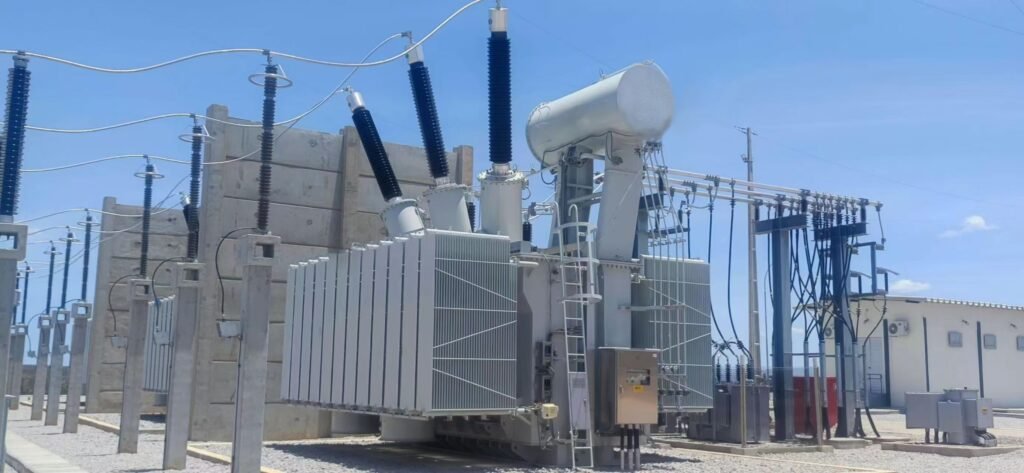
Copper has traditionally been the preferred conductor material for transformer windings due to its excellent electrical conductivity and mechanical strength. However, aluminum is also widely used in many transformer designs because it offers economic and weight advantages. The choice between copper and aluminum depends on factors such as performance requirements, cost considerations, installation conditions, and long-term operating objectives.
Can Aluminum Replace Copper in Transformer Windings?

Transformer winding conductors play a critical role in determining electrical performance, efficiency, reliability, weight, and overall manufacturing cost. For decades, copper has been the traditional material used in transformer windings because of its excellent electrical conductivity, mechanical strength, and long-term reliability. However, rising material costs, supply chain considerations, and advances in transformer design have led many manufacturers and utilities to consider aluminum as a viable alternative.
Today, both copper and aluminum are widely used in power, distribution, and dry-type transformers around the world. Modern engineering techniques allow aluminum-wound transformers to achieve performance levels that are comparable to copper-wound designs in many applications. However, the two materials have different electrical, mechanical, thermal, and economic characteristics that must be carefully considered during transformer design and selection.
Understanding the advantages, limitations, and application requirements of each conductor material is essential for making informed decisions regarding transformer procurement and long-term asset performance.
Yes, aluminum can replace copper in transformer windings when the transformer is specifically designed for aluminum conductors. While aluminum has lower electrical conductivity than copper, larger conductor cross-sections can compensate for this difference, allowing aluminum-wound transformers to achieve comparable electrical performance, reliability, and operational life in many applications.
The choice between copper and aluminum depends on technical requirements, economic considerations, installation conditions, and project objectives.
Aluminum-wound transformers are inherently unreliable and always perform worse than copper-wound transformers.False
Modern aluminum-wound transformers can provide reliable long-term performance when properly designed and manufactured. Many utility and industrial transformers successfully use aluminum windings worldwide.
Why Copper Has Traditionally Been Used
Copper has long been the preferred conductor material for transformer windings.
Key Copper Advantages
| Property | Benefit |
|---|---|
| High conductivity | Lower resistance |
| High mechanical strength | Better fault withstand capability |
| Compact design | Smaller winding dimensions |
| Proven reliability | Long service history |
These characteristics have made copper a standard material in transformer manufacturing.
Why Aluminum Is Increasingly Used
Several factors have encouraged the adoption of aluminum windings.
Main Drivers
| Factor | Advantage |
|---|---|
| Lower material cost | Reduced transformer cost |
| Lower weight | Easier transportation |
| Greater availability | Supply flexibility |
| Cost stability | Improved budgeting |
As aluminum technology has improved, its acceptance has grown significantly.
Electrical Conductivity Comparison
Conductivity is one of the most important considerations when comparing winding materials.
Relative Conductivity
| Material | Relative Conductivity |
|---|---|
| Copper | 100% |
| Aluminum | Approximately 61% |
Because aluminum has lower conductivity, larger conductors are required to carry the same current.
Resistance Relationship
R=\rho\frac{L}{A}
Where:
- (R) = resistance
- (\rho) = resistivity
- (L) = conductor length
- (A) = conductor cross-sectional area
To achieve equivalent resistance, aluminum conductors must have a larger cross-sectional area than copper conductors.
Conductor Size Requirements
Aluminum conductors require more space.
Typical Comparison
| Property | Copper | Aluminum |
|---|---|---|
| Conductivity | Higher | Lower |
| Required cross-section | Smaller | Larger |
| Winding volume | More compact | Larger |
Transformer designers compensate for this difference during the design process.
Weight Comparison
One major advantage of aluminum is its lower density.
Density Comparison
| Material | Density (Approx.) |
|---|---|
| Copper | 8.96 g/cm³ |
| Aluminum | 2.70 g/cm³ |
Even though aluminum conductors are larger, they are often significantly lighter.
Weight Benefits
| Benefit | Impact |
|---|---|
| Easier transportation | Lower logistics cost |
| Reduced structural loading | Simplified installation |
| Improved handling | Easier maintenance |
Mechanical Strength Considerations
Mechanical strength affects transformer durability.
Mechanical Properties
| Property | Copper | Aluminum |
|---|---|---|
| Tensile strength | Higher | Lower |
| Rigidity | Higher | Lower |
| Short-circuit withstand capability | Strong | Design dependent |
Copper naturally provides greater mechanical robustness.
Short-Circuit Forces
During fault conditions, transformers experience large electromagnetic forces.
Force Relationship
F ∝ I²
Where:
- (F) = mechanical force
- (I) = fault current
Proper mechanical support is especially important in aluminum-wound transformer designs.
Thermal Performance Comparison
Both materials conduct heat effectively, but there are differences.
Thermal Characteristics
| Property | Copper | Aluminum |
|---|---|---|
| Thermal conductivity | Higher | Lower |
| Expansion coefficient | Lower | Higher |
These factors influence transformer cooling and mechanical design.
Efficiency Considerations
Efficiency depends primarily on resistance and losses.
Properly Designed Transformers
When aluminum conductors are sized appropriately, efficiency differences can be minimal.
Loss Comparison
| Factor | Copper Design | Aluminum Design |
|---|---|---|
| Load losses | Comparable | Comparable |
| No-load losses | Similar | Similar |
| Overall efficiency | Similar | Similar |
The design approach is often more important than conductor material alone.
Cost Comparison
Cost is one of the most important selection factors.
Material Economics
| Factor | Copper | Aluminum |
|---|---|---|
| Raw material cost | Higher | Lower |
| Price volatility | Higher | Lower |
| Transformer purchase cost | Higher | Lower |
Aluminum can significantly reduce manufacturing costs.
Reliability Considerations
Reliability depends on design quality, not simply conductor material.
Factors Affecting Reliability
| Factor | Importance |
|---|---|
| Winding design | Critical |
| Manufacturing quality | Critical |
| Insulation system | Critical |
| Cooling system | Critical |
Both copper and aluminum transformers can achieve long service lives.
Connection Design Requirements
Aluminum requires special attention at electrical connections.
Common Design Measures
| Measure | Purpose |
|---|---|
| Proper connector selection | Reliable joints |
| Surface treatment | Oxidation control |
| Controlled torque | Contact integrity |
Modern transformer manufacturers incorporate these requirements into their designs.
Oxidation Considerations
Aluminum naturally forms an oxide layer.
Impact of Oxidation
| Characteristic | Effect |
|---|---|
| Oxide formation | Surface protection |
| Electrical resistance increase | Requires proper connection design |
Appropriate connection technology mitigates these concerns.
Application Suitability
Different applications may favor different conductor materials.
Common Aluminum Applications
| Application | Suitability |
|---|---|
| Distribution transformers | Excellent |
| Dry-type transformers | Excellent |
| Utility transformers | Common |
| Renewable energy projects | Widely used |
Common Copper Applications
| Application | Suitability |
|---|---|
| Space-constrained installations | Excellent |
| High fault-current environments | Preferred |
| Specialized industrial systems | Common |
Utility Industry Experience
Utilities worldwide successfully operate both copper- and aluminum-wound transformers.
Industry Adoption
| Sector | Aluminum Usage |
|---|---|
| Distribution networks | Extensive |
| Renewable energy | Extensive |
| Commercial facilities | Common |
| Industrial systems | Common |
Modern utility standards often permit either material.
Renewable Energy Applications
Renewable energy projects increasingly use aluminum-wound transformers.
Typical Projects
| Project Type | Aluminum Usage |
|---|---|
| Solar farms | High |
| Wind farms | High |
| Battery storage systems | Growing |
Cost efficiency often makes aluminum attractive in large-scale projects.
Dry-Type Transformer Applications
Dry-type transformers frequently utilize aluminum windings.
Advantages
| Benefit | Result |
|---|---|
| Lower cost | Economic advantage |
| Reduced weight | Easier installation |
| Good thermal performance | Reliable operation |
Environmental Considerations
Material sustainability is increasingly important.
Sustainability Factors
| Factor | Copper | Aluminum |
|---|---|---|
| Recyclability | Excellent | Excellent |
| Availability | Good | Excellent |
| Resource efficiency | Good | Good |
Both materials can support sustainable manufacturing objectives.
Common Misconceptions About Aluminum Windings
Myth vs Reality
| Myth | Reality |
|---|---|
| Aluminum transformers fail frequently | Modern designs are highly reliable |
| Aluminum causes excessive losses | Proper sizing minimizes losses |
| Aluminum cannot handle utility service | Utilities use aluminum extensively |
| Copper always performs better | Application and design determine performance |
Selection Criteria
The best conductor material depends on project requirements.
Evaluation Factors
| Factor | Importance |
|---|---|
| Budget | Economic assessment |
| Space constraints | Physical limitations |
| Fault current levels | Mechanical requirements |
| Weight limitations | Transportation considerations |
| Utility specifications | Compliance requirements |
Copper vs Aluminum Summary
| Characteristic | Copper | Aluminum |
|---|---|---|
| Conductivity | Higher | Lower |
| Weight | Heavier | Lighter |
| Material cost | Higher | Lower |
| Mechanical strength | Higher | Lower |
| Required conductor size | Smaller | Larger |
| Reliability | Excellent | Excellent when properly designed |
What Are the Electrical Differences Between Aluminum and Copper?
When selecting conductor materials for transformer windings, engineers must carefully evaluate the electrical properties of aluminum and copper. Both metals are widely used in power transformers, distribution transformers, dry-type transformers, and renewable energy applications, but they exhibit significant differences in conductivity, resistivity, current-carrying capability, thermal behavior, and overall winding design requirements.
Copper has traditionally been the preferred winding material due to its superior electrical conductivity and compact design advantages. However, aluminum has become increasingly popular because of its lower cost, lighter weight, and broad availability. Modern transformer manufacturers successfully use both materials by adapting winding designs to compensate for their inherent differences.
Understanding the electrical characteristics of copper and aluminum is essential for transformer buyers, utilities, engineers, and project developers because these properties directly affect efficiency, losses, voltage regulation, transformer dimensions, and long-term performance.
The primary electrical difference between copper and aluminum is conductivity. Copper conducts electricity approximately 60% better than aluminum, meaning aluminum conductors must have a larger cross-sectional area to achieve equivalent electrical performance. When properly designed, however, both materials can deliver comparable transformer efficiency, voltage regulation, and operational reliability.
The selection of either material depends on balancing electrical performance, physical constraints, and economic considerations.
Because aluminum has lower conductivity than copper, aluminum-wound transformers always suffer from significantly higher losses and lower efficiency.False
Modern aluminum-wound transformers are designed with larger conductor cross-sections to compensate for lower conductivity, allowing efficiencies comparable to copper-wound transformers in many applications.
Why Conductor Material Matters
Transformer windings carry electrical current and create the magnetic field necessary for energy transfer.
Key Electrical Functions of Windings
| Function | Importance |
|---|---|
| Current conduction | Power transfer |
| Magnetic field generation | Transformer operation |
| Voltage transformation | System compatibility |
| Loss minimization | Efficiency improvement |
The conductor material directly affects each of these functions.
Electrical Conductivity Comparison
Conductivity measures how easily electricity flows through a material.
Relative Conductivity
| Material | Relative Conductivity (IACS*) |
|---|---|
| Copper | 100% |
| Aluminum | Approximately 61% |
*IACS = International Annealed Copper Standard
Copper is significantly more conductive than aluminum.
Conductivity Relationship
The higher the conductivity, the lower the resistance for a given conductor size.
Resistivity Comparison
Resistivity is the inverse of conductivity and indicates how strongly a material resists electrical current.
Typical Resistivity Values
| Material | Resistivity (20°C) |
|---|---|
| Copper | 1.72 × 10⁻⁸ Ω·m |
| Aluminum | 2.82 × 10⁻⁸ Ω·m |
Lower resistivity allows current to flow more efficiently.
Resistance Formula
R=\rho\frac{L}{A}
Where:
- (R) = resistance
- (\rho) = resistivity
- (L) = conductor length
- (A) = conductor area
Because aluminum has higher resistivity, its conductor area must be increased to maintain similar resistance.
Required Conductor Size
The conductivity difference affects winding dimensions.
Equivalent Electrical Performance
| Property | Copper | Aluminum |
|---|---|---|
| Conductivity | Higher | Lower |
| Required cross-sectional area | Smaller | Larger |
| Winding volume | More compact | Larger |
Typically, aluminum conductors require approximately 1.6 times the cross-sectional area of copper conductors for equivalent electrical performance.
Current-Carrying Capability
Current-carrying capacity depends on conductor size and allowable temperature rise.
Comparison
| Factor | Copper | Aluminum |
|---|---|---|
| Current density capability | Higher | Lower |
| Conductor size required | Smaller | Larger |
With proper sizing, both materials can carry the same load current safely.
Winding Resistance Effects
Winding resistance influences transformer losses.
Copper Loss Formula
P=I^2R
Where:
- (P) = copper loss (load loss)
- (I) = load current
- (R) = winding resistance
Lower resistance generally reduces load losses.
Impact on Transformer Losses
If conductor sizes are adjusted appropriately:
| Parameter | Copper Design | Aluminum Design |
|---|---|---|
| Resistance | Comparable | Comparable |
| Load losses | Similar | Similar |
| Efficiency | Similar | Similar |
Well-designed aluminum transformers can achieve efficiencies nearly identical to copper designs.
Voltage Regulation Differences
Voltage regulation measures the change in output voltage from no-load to full-load conditions.
Factors Affecting Regulation
| Factor | Influence |
|---|---|
| Winding resistance | Direct |
| Leakage reactance | Direct |
| Load current | Direct |
Because conductor resistance influences voltage drop, winding design must compensate for aluminum's higher resistivity.
Voltage Drop Formula
Proper conductor sizing minimizes voltage regulation differences between aluminum and copper transformers.
Eddy Current Losses
Conductors experience eddy current effects due to alternating magnetic fields.
Influencing Factors
| Factor | Effect |
|---|---|
| Conductor dimensions | Significant |
| Frequency | Significant |
| Magnetic field strength | Significant |
Advanced winding designs help control eddy current losses regardless of conductor material.
Skin Effect Considerations
Alternating current tends to concentrate near conductor surfaces.
Impact
| Material | Skin Effect |
|---|---|
| Copper | Present |
| Aluminum | Present |
At typical power frequencies (50 Hz and 60 Hz), skin effect differences between copper and aluminum are generally minimal for transformer applications.
Thermal Conductivity Comparison
Electrical performance is closely linked to thermal behavior.
Thermal Conductivity Values
| Material | Thermal Conductivity |
|---|---|
| Copper | Approximately 401 W/m·K |
| Aluminum | Approximately 237 W/m·K |
Copper transfers heat more effectively.
Electrical Impact of Temperature
Resistance increases with temperature.
Resistance Temperature Relationship
R_T=R_0(1+\alpha\Delta T)
Where:
- (R_T) = resistance at temperature (T)
- (R_0) = initial resistance
- (\alpha) = temperature coefficient
- (\Delta T) = temperature change
Both copper and aluminum experience resistance increases as temperature rises.
Temperature Coefficients
| Material | Temperature Coefficient |
|---|---|
| Copper | ~0.00393/°C |
| Aluminum | ~0.00403/°C |
The values are relatively close.
Short-Circuit Performance
Electrical faults create large currents and electromagnetic forces.
Fault Current Relationship
F ∝ I²
Where:
- (F) = electromagnetic force
- (I) = fault current
While this is partly a mechanical issue, electrical design strongly influences fault performance.
High-Frequency Applications
Some specialized transformers operate at elevated frequencies.
Comparison
| Property | Copper | Aluminum |
|---|---|---|
| High-frequency efficiency | Excellent | Good |
| Compact winding design | Better | Larger required |
Copper often offers advantages where compact, high-frequency designs are necessary.
Impact on Transformer Efficiency
Efficiency depends on total losses.
Loss Components
| Loss Type | Material Influence |
|---|---|
| Copper (load) losses | Direct |
| Core losses | Minimal |
| Stray losses | Indirect |
Properly engineered transformers minimize differences regardless of conductor material.
Electrical Design Adjustments for Aluminum
Manufacturers compensate for aluminum's characteristics through design.
Typical Adjustments
| Adjustment | Purpose |
|---|---|
| Larger conductor area | Reduce resistance |
| Optimized winding geometry | Improve performance |
| Enhanced cooling design | Temperature control |
| Improved connections | Minimize contact resistance |
These measures allow aluminum transformers to meet stringent performance requirements.
Practical Performance Comparison
| Characteristic | Copper | Aluminum |
|---|---|---|
| Electrical conductivity | Higher | |
| Resistivity | Lower | |
| Required conductor area | Smaller | |
| Current-carrying capability | High | |
| Voltage regulation potential | Excellent | |
| Efficiency potential | Excellent | |
| Typical transformer performance | Excellent |
When properly designed, performance differences in actual operation are often small.
Common Applications
Copper-Favored Applications
| Application | Reason |
|---|---|
| Space-limited installations | Compact windings |
| High fault-current systems | Strong performance |
| Specialized transformers | Premium performance |
Aluminum-Favored Applications
| Application | Reason |
|---|---|
| Distribution transformers | Cost efficiency |
| Renewable energy projects | Lower cost |
| Utility networks | Proven reliability |
Summary of Electrical Differences
| Property | Copper | Aluminum |
|---|---|---|
| Conductivity | Higher | |
| Resistivity | Lower | |
| Required conductor size | Smaller | |
| Current density | Higher | |
| Thermal conductivity | Higher | |
| Resistance for equal size | Lower | |
| Weight | Higher | |
| Material cost | Higher |
How Do Weight and Cost Compare Between the Two Materials?
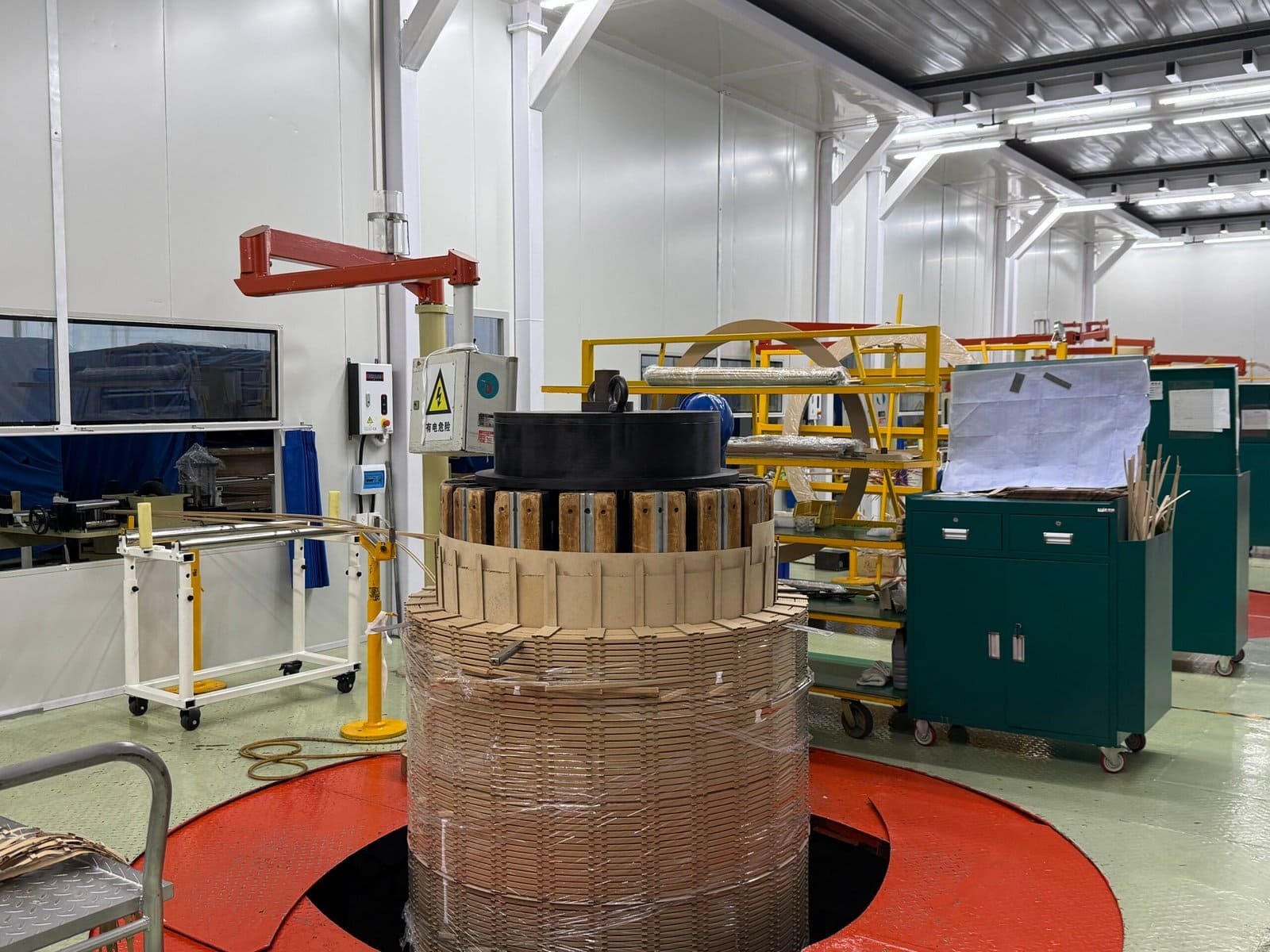
For transformer manufacturers, utilities, EPC contractors, and industrial users, the choice between copper and aluminum windings is often influenced as much by economics and logistics as by electrical performance. While both materials can be engineered to provide reliable transformer operation, they differ significantly in density, raw material cost, transportation impact, and overall project economics.
Copper has long been valued for its superior conductivity and mechanical strength, but it is considerably heavier and more expensive than aluminum. Aluminum, on the other hand, offers substantial weight savings and lower material costs, making it an attractive option for many distribution, renewable energy, and industrial transformer applications.
Because winding conductors account for a significant portion of transformer manufacturing costs and total equipment weight, understanding these differences is essential when evaluating transformer procurement strategies and lifecycle costs.
Aluminum is significantly lighter and typically less expensive than copper. Although aluminum windings require a larger conductor cross-section to achieve equivalent electrical performance, they still weigh substantially less and often reduce transformer manufacturing costs. Depending on transformer size and market conditions, aluminum-wound transformers may cost 5% to 20% less than comparable copper-wound units while offering meaningful weight reductions.
The best choice depends on balancing cost, transportation requirements, installation conditions, and long-term operational objectives.
Because aluminum conductors must be larger than copper conductors, aluminum-wound transformers always weigh more and cost more to manufacture.False
Although aluminum requires a larger conductor cross-sectional area, its much lower density and lower material cost generally result in lighter and less expensive transformer windings.
Why Weight and Cost Matter
Transformer purchasing decisions involve more than electrical performance.
Key Economic Considerations
| Factor | Impact |
|---|---|
| Initial purchase price | Capital expenditure |
| Transportation cost | Project logistics |
| Installation cost | Construction budget |
| Structural requirements | Infrastructure cost |
| Lifecycle economics | Long-term value |
Weight and cost directly influence all of these areas.
Density Comparison
Density is the primary reason aluminum windings weigh less.
Material Density
| Material | Density |
|---|---|
| Copper | 8.96 g/cm³ |
| Aluminum | 2.70 g/cm³ |
Aluminum has approximately 30% of the density of copper.
Density Relationship
For equal volumes:
| Material | Relative Weight |
|---|---|
| Copper | 100% |
| Aluminum | ~30% |
This difference creates substantial weight advantages.
Why Aluminum Conductors Must Be Larger
Copper has higher electrical conductivity.
Relative Conductivity
| Material | Relative Conductivity |
|---|---|
| Copper | 100% |
| Aluminum | ~61% |
To achieve similar electrical resistance, aluminum conductors must have a larger cross-sectional area.
Resistance Formula
R=\rho\frac{L}{A}
Where:
- (R) = resistance
- (\rho) = resistivity
- (L) = conductor length
- (A) = conductor area
Increasing aluminum conductor area compensates for its higher resistivity.
Equivalent Conductor Comparison
For equal electrical performance:
| Property | Copper | Aluminum |
|---|---|---|
| Conductivity | Higher | Lower |
| Required conductor area | 1.0 | ~1.6 |
| Relative conductor volume | 1.0 | ~1.6 |
Even after increasing conductor size, aluminum remains significantly lighter.
Weight Comparison of Equivalent Windings
A practical comparison illustrates the advantage.
Example
| Parameter | Copper Winding | Aluminum Winding |
|---|---|---|
| Relative volume | 1.0 | 1.6 |
| Density factor | 8.96 | 2.70 |
| Relative winding weight | 100% | ~48% |
In many designs, aluminum windings weigh approximately 40–60% less than equivalent copper windings.
Impact on Transformer Weight
Windings are a major component of transformer mass.
Weight Reduction Potential
| Transformer Type | Typical Weight Reduction |
|---|---|
| Distribution transformer | 10–25% |
| Dry-type transformer | 10–20% |
| Medium-power transformer | 5–15% |
| Large power transformer | Project dependent |
Actual reductions vary with design and rating.
Transportation Advantages
Lower weight creates logistical benefits.
Transportation Benefits
| Benefit | Result |
|---|---|
| Lower shipping costs | Reduced expenses |
| Easier handling | Faster installation |
| Smaller lifting requirements | Reduced crane costs |
| Improved site access | Greater flexibility |
These advantages become especially important for remote projects.
Renewable Energy Applications
Wind and solar projects often prioritize weight reduction.
Benefits
| Application | Weight Advantage |
|---|---|
| Wind farms | Easier transport |
| Solar farms | Lower installation costs |
| Battery storage systems | Reduced structural loads |
Many renewable energy developers favor aluminum for this reason.
Raw Material Cost Comparison
Material pricing strongly influences transformer cost.
Typical Market Relationship
| Material | Relative Cost |
|---|---|
| Copper | Higher |
| Aluminum | Lower |
Although market prices fluctuate, aluminum is usually substantially less expensive per kilogram.
Cost Drivers
Transformer conductor cost depends on:
| Factor | Influence |
|---|---|
| Commodity price | High |
| Material quantity | High |
| Manufacturing complexity | Moderate |
| Market availability | Moderate |
Winding Cost Comparison
Because aluminum is less expensive, winding costs are generally lower.
Relative Winding Economics
| Parameter | Copper | Aluminum |
|---|---|---|
| Material price per kg | Higher | |
| Weight required | Higher | |
| Total winding material cost | Higher | |
| Manufacturing cost | Similar |
This often translates into lower transformer purchase prices.
Typical Transformer Price Difference
The actual savings vary by market conditions.
Common Industry Range
| Transformer Category | Typical Aluminum Cost Advantage |
|---|---|
| Distribution transformers | 5–20% |
| Dry-type transformers | 5–15% |
| Utility transformers | Project dependent |
Commodity price fluctuations can significantly affect these numbers.
Market Volatility
Copper prices often experience larger fluctuations.
Comparison
| Factor | Copper | Aluminum |
|---|---|---|
| Price volatility | Higher | |
| Cost predictability | Lower | |
| Budget stability | Lower |
Aluminum may provide more predictable procurement costs.
Installation Cost Impact
Weight influences installation expenses.
Installation Factors
| Factor | Copper | Aluminum |
|---|---|---|
| Equipment handling | Heavier | |
| Crane requirements | Larger | |
| Structural support | Higher loads | |
| Labor effort | Greater |
Lower weight can reduce overall project costs.
Structural Design Considerations
Transformer foundations and support structures must accommodate equipment weight.
Potential Benefits of Lighter Transformers
| Benefit | Impact |
|---|---|
| Smaller foundations | Lower civil costs |
| Reduced platform loading | Structural savings |
| Easier rooftop installations | Design flexibility |
These benefits are particularly valuable in urban projects.
Lifecycle Cost Considerations
Initial cost is only one factor.
Lifecycle Elements
| Factor | Importance |
|---|---|
| Purchase price | High |
| Efficiency | High |
| Maintenance | Moderate |
| Reliability | High |
| Disposal value | Moderate |
The lowest purchase price is not always the best long-term value.
Scrap and Recycling Value
Both metals have substantial recycling value.
Recycling Comparison
| Property | Copper | Aluminum |
|---|---|---|
| Recyclability | Excellent | |
| Scrap value | Higher | |
| Market demand | High |
Copper generally retains greater scrap value due to its higher commodity price.
Large Power Transformer Considerations
For large transformers, economics become more complex.
Influencing Factors
| Factor | Impact |
|---|---|
| Fault current requirements | Design dependent |
| Utility specifications | May dictate material |
| Transportation restrictions | Weight critical |
| Efficiency targets | Performance critical |
Material selection often requires detailed engineering evaluation.
Common Industry Applications
Applications Favoring Aluminum
| Application | Reason |
|---|---|
| Distribution transformers | Lower cost |
| Renewable energy projects | Weight savings |
| Commercial facilities | Economic benefits |
Applications Favoring Copper
| Application | Reason |
|---|---|
| Space-constrained sites | Compact design |
| High fault-current systems | Mechanical strength |
| Specialized industrial projects | Performance requirements |
Weight and Cost Summary
| Characteristic | Copper | Aluminum |
|---|---|---|
| Density | Higher | |
| Conductor weight | Higher | |
| Material cost per kg | Higher | |
| Transformer purchase price | Higher | |
| Transportation cost | Higher | |
| Recycling value | Higher | |
| Structural loading | Higher |
Example Comparison
For a transformer requiring equivalent electrical performance:
| Parameter | Copper Design | Aluminum Design |
|---|---|---|
| Relative conductor volume | 1.0 | 1.6 |
| Relative conductor weight | 100% | ~48% |
| Material cost | Higher | Lower |
| Transportation burden | Higher | Lower |
This example demonstrates why aluminum remains attractive despite requiring larger conductors.
What Design Adjustments Are Required When Using Aluminum?
Aluminum has become a widely accepted alternative to copper for transformer windings due to its lower cost, lighter weight, and broad availability. However, aluminum cannot simply replace copper conductor-for-conductor. Because aluminum has different electrical, mechanical, and thermal properties, transformer manufacturers must make specific design adjustments to ensure that aluminum-wound transformers achieve the same levels of efficiency, reliability, safety, and service life expected from copper-wound designs.
Modern transformer manufacturers have decades of experience designing aluminum-wound transformers for utility, industrial, commercial, and renewable energy applications. Through proper conductor sizing, winding geometry optimization, enhanced mechanical support, specialized connection techniques, and thermal design modifications, aluminum-wound transformers can provide excellent long-term performance.
The key to success is understanding that aluminum requires an engineered design approach rather than a direct substitution for copper.
When using aluminum windings, manufacturers typically increase conductor cross-sectional area, redesign winding dimensions, strengthen mechanical support structures, optimize cooling arrangements, improve electrical connections, and carefully manage thermal expansion effects. These adjustments allow aluminum-wound transformers to achieve performance and reliability comparable to copper-wound designs.
Proper engineering ensures that aluminum's advantages can be fully utilized without compromising transformer performance.
Aluminum can replace copper in transformer windings without requiring any changes to the winding design or transformer structure.False
Because aluminum has lower conductivity, lower mechanical strength, and different thermal properties than copper, transformer designs must be modified to maintain equivalent electrical and mechanical performance.
Why Design Adjustments Are Necessary
Copper and aluminum differ significantly in several important properties.
Material Property Comparison
| Property | Copper | Aluminum |
|---|---|---|
| Electrical conductivity | Higher | Lower |
| Density | Higher | Lower |
| Mechanical strength | Higher | Lower |
| Thermal conductivity | Higher | Lower |
| Thermal expansion | Lower | Higher |
These differences directly influence transformer design.
Increasing Conductor Cross-Sectional Area
The most important modification involves conductor size.
Why Larger Conductors Are Needed
Aluminum's electrical conductivity is approximately 61% that of copper.
Resistance Formula
R=\rho\frac{L}{A}
Where:
- (R) = resistance
- (\rho) = resistivity
- (L) = conductor length
- (A) = conductor cross-sectional area
To achieve equivalent resistance, the conductor area must be increased.
Typical Area Adjustment
| Material | Relative Conductor Area |
|---|---|
| Copper | 1.0 |
| Aluminum | ~1.6 |
This is often the first design modification made during winding design.
Modifying Winding Dimensions
Larger conductors require more physical space.
Effects on Winding Geometry
| Parameter | Impact |
|---|---|
| Radial winding thickness | Increased |
| Axial winding height | May increase |
| Overall winding volume | Larger |
Designers must ensure sufficient space within the transformer core and tank.
Core and Window Dimension Adjustments
Transformer core dimensions may require modification.
Design Considerations
| Component | Possible Change |
|---|---|
| Core window | Larger opening |
| Coil support structure | Increased size |
| Insulation spacing | Re-evaluation |
These adjustments help accommodate larger windings.
Maintaining Equivalent Electrical Losses
One objective is preserving efficiency.
Load Loss Formula
P=I^2R
Where:
- (P) = load loss
- (I) = current
- (R) = resistance
By increasing conductor area, designers can keep resistance—and therefore load losses—within target limits.
Optimizing Current Density
Current density strongly affects transformer performance.
Current Density Relationship
J=\frac{I}{A}
Where:
- (J) = current density
- (I) = current
- (A) = conductor area
Larger aluminum conductors help maintain acceptable current density levels.
Reinforcing Mechanical Structures
Aluminum has lower mechanical strength than copper.
Mechanical Property Comparison
| Property | Copper | Aluminum |
|---|---|---|
| Tensile strength | Higher | |
| Rigidity | Higher | |
| Deformation resistance | Higher |
Additional support structures are often required.
Enhanced Winding Clamping Systems
Transformer windings experience significant forces during faults.
Common Design Improvements
| Improvement | Purpose |
|---|---|
| Stronger clamping structures | Reduce movement |
| Additional spacers | Maintain alignment |
| Reinforced supports | Improve stability |
These features help prevent winding deformation.
Short-Circuit Withstand Design
Fault currents generate large electromagnetic forces.
Force Relationship
F\propto I^2
Where:
- (F) = force
- (I) = fault current
Designers must ensure that aluminum windings can safely withstand these forces.
Improving Connection Design
Electrical connections require special attention.
Why Connections Matter
Aluminum naturally forms an oxide layer that increases contact resistance.
Common Design Measures
| Measure | Benefit |
|---|---|
| Specialized connectors | Reliable contact |
| Surface treatment | Reduced oxidation |
| Compression joints | Improved conductivity |
| Anti-oxidation compounds | Long-term reliability |
Proper connection design is essential for performance.
Managing Thermal Expansion
Aluminum expands more than copper when heated.
Thermal Expansion Comparison
| Material | Relative Expansion |
|---|---|
| Copper | Lower |
| Aluminum | Higher |
Designers must account for this during operation.
Thermal Expansion Formula
\Delta L=\alpha L\Delta T
Where:
- (\Delta L) = change in length
- (\alpha) = expansion coefficient
- (L) = original length
- (\Delta T) = temperature change
Proper allowance prevents mechanical stress buildup.
Cooling System Optimization
Cooling design may require adjustment.
Reasons
| Factor | Impact |
|---|---|
| Larger winding volume | Alters heat flow |
| Different conductor geometry | Changes cooling paths |
| Thermal conductivity differences | Affects heat transfer |
Cooling performance remains a major design consideration.
Enhancing Cooling Channels
Manufacturers often modify cooling arrangements.
Typical Improvements
| Feature | Function |
|---|---|
| Wider cooling ducts | Improve airflow |
| Additional oil channels | Enhance circulation |
| Optimized winding spacing | Better heat removal |
These measures maintain acceptable operating temperatures.
Adjusting Insulation Design
Larger windings influence insulation requirements.
Insulation Considerations
| Area | Design Impact |
|---|---|
| Inter-turn insulation | Re-evaluation |
| Radial insulation | Possible adjustment |
| Clearance distances | Verification required |
Electrical safety margins must be preserved.
Managing Winding Weight Distribution
Although aluminum windings are lighter overall, weight distribution changes.
Design Objectives
| Objective | Benefit |
|---|---|
| Structural balance | Improved stability |
| Reduced vibration | Enhanced reliability |
| Controlled stress paths | Longer service life |
Vibration Control Measures
Mechanical vibration affects long-term reliability.
Typical Design Enhancements
| Enhancement | Purpose |
|---|---|
| Improved bracing | Reduce movement |
| Reinforced supports | Minimize vibration |
| Structural damping | Improve durability |
Dry-Type Transformer Adjustments
Dry-type transformers frequently use aluminum windings.
Special Considerations
| Design Area | Adjustment |
|---|---|
| Resin encapsulation | Optimized geometry |
| Cooling airflow | Enhanced pathways |
| Mechanical support | Additional reinforcement |
These modifications support long-term performance.
Distribution Transformer Design
Distribution transformers often use aluminum economically.
Typical Adjustments
| Feature | Modification |
|---|---|
| Winding dimensions | Increased |
| Tank design | Slightly adjusted |
| Core window | Optimized |
These changes are usually well understood by manufacturers.
Utility Power Transformer Applications
Large utility transformers may require more extensive engineering analysis.
Key Design Areas
| Area | Importance |
|---|---|
| Short-circuit strength | Critical |
| Cooling performance | Critical |
| Transportation dimensions | Important |
| Efficiency optimization | Critical |
Modern Design Tools
Advanced engineering software helps optimize aluminum transformer designs.
Common Technologies
| Technology | Function |
|---|---|
| Finite element analysis | Mechanical simulation |
| Thermal modeling | Cooling optimization |
| Electromagnetic analysis | Performance verification |
These tools improve design accuracy.
Common Misconceptions
Myth vs Reality
| Myth | Reality |
|---|---|
| Aluminum is simply a cheaper substitute | Requires dedicated engineering |
| Aluminum transformers are weaker | Proper design ensures reliability |
| Efficiency must be lower | Proper sizing maintains performance |
| Aluminum cannot handle utility service | Widely used worldwide |
Summary of Required Design Adjustments
| Design Area | Typical Modification |
|---|---|
| Conductor sizing | Larger cross-section |
| Winding dimensions | Increased volume |
| Mechanical support | Additional reinforcement |
| Connections | Specialized connectors |
| Thermal design | Optimized cooling |
| Insulation layout | Re-evaluated clearances |
| Fault withstand capability | Enhanced structural design |
Copper vs Aluminum Design Comparison
| Characteristic | Copper Design | Aluminum Design |
|---|---|---|
| Conductor size | Smaller | Larger |
| Winding volume | More compact | Larger |
| Mechanical reinforcement | Standard | Increased |
| Connection requirements | Standard | Specialized |
| Cooling optimization | Standard | Enhanced focus |
| Weight | Higher | Lower |
How Do Reliability and Maintenance Considerations Differ?
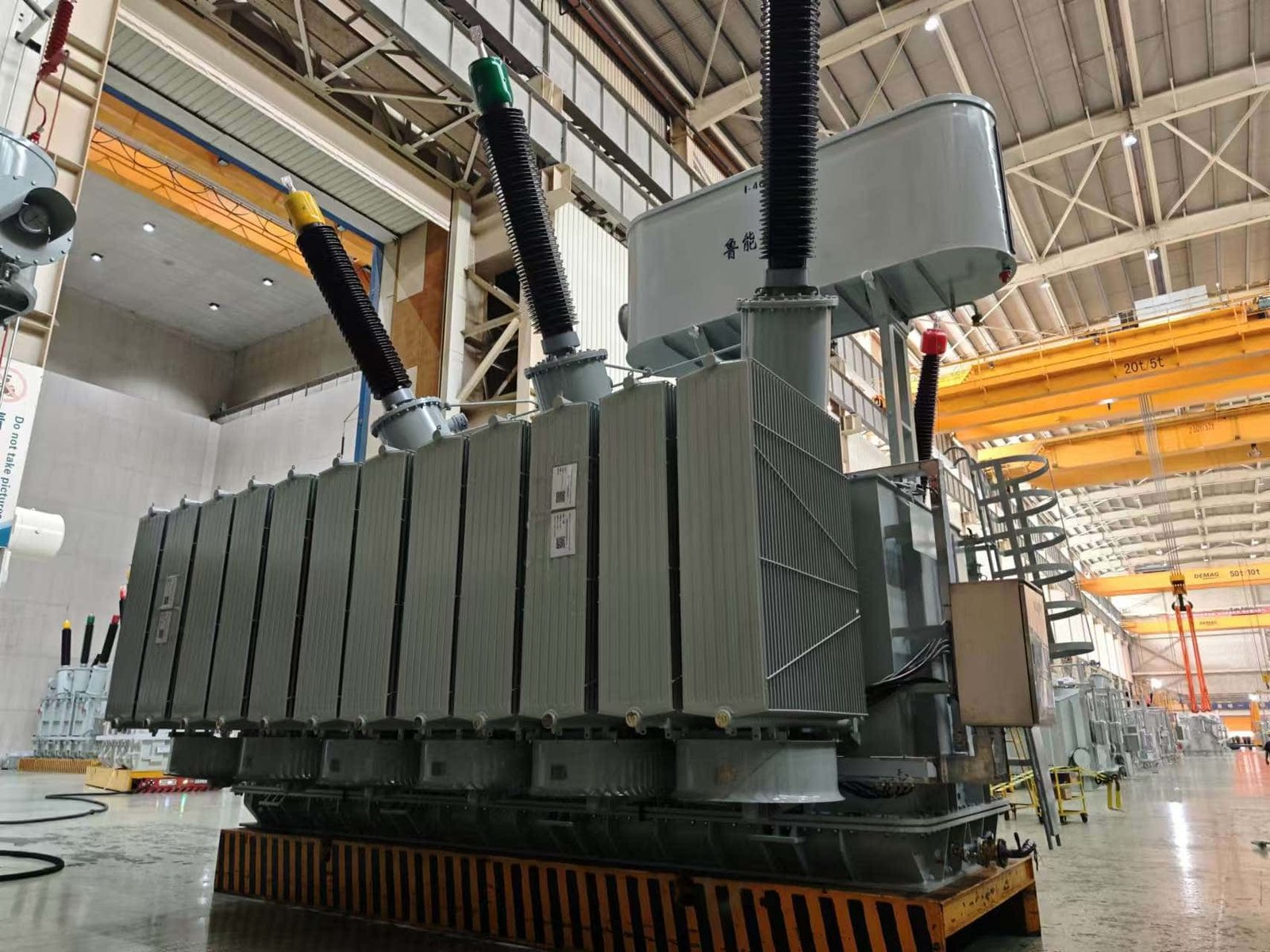
When comparing copper and aluminum transformer windings, reliability and maintenance are often among the most important considerations for utilities, industrial facilities, renewable energy developers, and commercial operators. While much attention is given to conductivity, efficiency, and cost, long-term performance ultimately depends on how well a transformer withstands electrical, thermal, mechanical, and environmental stresses throughout its service life.
Historically, copper has enjoyed a reputation for superior reliability because of its higher mechanical strength, excellent conductivity, and long record of successful service. However, advances in transformer design, manufacturing techniques, conductor technology, and connection systems have significantly improved the reliability of aluminum-wound transformers. Today, both copper and aluminum transformers can achieve service lives of 25 to 40 years or more when properly designed, manufactured, installed, and maintained.
The key difference is that reliability considerations often stem not from the conductor material itself, but from how the material's unique properties are addressed during transformer design and maintenance planning.
Modern copper- and aluminum-wound transformers can both provide excellent reliability and long service life. Copper generally offers greater mechanical strength and fault tolerance, while aluminum requires additional design attention to conductor sizing, thermal expansion, and electrical connections. Maintenance practices are largely similar, although aluminum connections may require closer inspection in certain applications.
Ultimately, transformer reliability depends more on engineering quality, operating conditions, and maintenance practices than on conductor material alone.
Aluminum-wound transformers require substantially more maintenance and have significantly shorter service lives than copper-wound transformers.False
Properly designed and manufactured aluminum-wound transformers can achieve service lives and maintenance requirements comparable to copper-wound transformers in many utility and industrial applications.
What Determines Transformer Reliability?
Transformer reliability depends on multiple factors.
Major Reliability Influences
| Factor | Impact on Reliability |
|---|---|
| Winding design | Critical |
| Insulation system | Critical |
| Cooling performance | Critical |
| Manufacturing quality | Critical |
| Installation practices | High |
| Maintenance quality | High |
The conductor material is only one component of overall reliability.
Service Life Expectations
Modern transformers are designed for decades of operation.
Typical Service Life
| Transformer Type | Expected Service Life |
|---|---|
| Distribution transformer | 25–40 years |
| Power transformer | 30–50 years |
| Dry-type transformer | 20–35 years |
Both copper and aluminum transformers can achieve these lifespans.
Mechanical Strength Differences
One of the most important reliability distinctions is mechanical strength.
Material Comparison
| Property | Copper | Aluminum |
|---|---|---|
| Tensile strength | Higher | |
| Rigidity | Higher | |
| Resistance to deformation | Higher |
Copper naturally withstands mechanical stress more effectively.
Fault Current Performance
Short circuits create powerful electromagnetic forces.
Force Relationship
F ∝ I²
Where:
- (F) = electromagnetic force
- (I) = fault current
Higher fault currents produce dramatically larger forces.
Impact on Reliability
| Condition | Copper | Aluminum |
|---|---|---|
| High fault-current environments | Advantageous | |
| Moderate fault-current systems | Comparable | |
| Utility distribution networks | Proven performance |
Properly reinforced aluminum windings can successfully withstand fault conditions.
Thermal Expansion Considerations
Aluminum expands more than copper when heated.
Expansion Formula
\Delta L=\alpha L\Delta T
Where:
- (\Delta L) = length change
- (\alpha) = thermal expansion coefficient
- (L) = original length
- (\Delta T) = temperature change
This characteristic influences long-term mechanical stability.
Thermal Expansion Comparison
| Property | Copper | Aluminum |
|---|---|---|
| Expansion coefficient | Lower | |
| Thermal movement | Lower | |
| Mechanical stress potential | Lower |
Modern transformer designs account for these differences.
Winding Stability Over Time
Long-term reliability depends on winding integrity.
Design Measures Used for Aluminum
| Measure | Purpose |
|---|---|
| Enhanced clamping systems | Reduce movement |
| Reinforced supports | Maintain alignment |
| Improved spacers | Control deformation |
These features help maintain winding stability throughout service life.
Connection Reliability
Electrical connections are a major reliability consideration.
Why Connections Matter
Poor connections can create:
| Issue | Consequence |
|---|---|
| Increased resistance | Heating |
| Hot spots | Insulation damage |
| Arcing | Failure risk |
Both copper and aluminum require proper connection practices.
Aluminum Oxidation
Aluminum naturally develops a surface oxide layer.
Characteristics
| Property | Effect |
|---|---|
| Oxide formation | Protective |
| Electrical conductivity of oxide | Poor |
Special connection methods are therefore important.
Connection Design Solutions
Modern aluminum transformers use proven connection technologies.
Common Practices
| Practice | Benefit |
|---|---|
| Compression connectors | Reliable contact |
| Oxide-inhibiting compounds | Lower resistance |
| Controlled tightening torque | Consistent performance |
| Surface preparation | Improved conductivity |
These methods significantly reduce maintenance concerns.
Maintenance Inspection Requirements
Routine inspections are important regardless of conductor material.
Typical Inspection Items
| Inspection Area | Purpose |
|---|---|
| Oil condition | Insulation health |
| Winding temperature | Thermal monitoring |
| Connections | Resistance checks |
| Cooling systems | Heat removal verification |
Maintenance programs are generally similar for both materials.
Thermal Performance Reliability
Temperature strongly affects transformer life.
Insulation Aging Relationship
Where:
- (L) = insulation life
- (T) = operating temperature
- (k) = thermal aging constant
Lower operating temperatures improve reliability regardless of winding material.
Hot Spot Management
Hot spots are critical reliability indicators.
Common Monitoring Methods
| Method | Purpose |
|---|---|
| Temperature sensors | Real-time monitoring |
| Thermal imaging | Maintenance inspections |
| Oil analysis | Fault detection |
These methods apply equally to copper and aluminum transformers.
Corrosion Considerations
Environmental conditions affect long-term reliability.
Typical Environments
| Environment | Reliability Concern |
|---|---|
| Coastal areas | Corrosion exposure |
| Industrial zones | Contaminants |
| Humid regions | Moisture intrusion |
Transformer enclosure design often has greater impact than conductor material.
Vibration Resistance
Mechanical vibration can affect transformer longevity.
Sources of Vibration
| Source | Example |
|---|---|
| Magnetic forces | Core operation |
| External vibration | Industrial equipment |
| Transportation | Installation damage |
Copper's greater rigidity offers some advantages, but modern aluminum designs compensate effectively.
Failure Modes
The most common transformer failures are often unrelated to conductor material.
Common Causes
| Cause | Frequency |
|---|---|
| Insulation failure | High |
| Moisture contamination | High |
| Overheating | High |
| Cooling failure | Moderate |
| Improper maintenance | High |
Conductor-related failures are relatively uncommon in properly designed transformers.
Utility Industry Experience
Utilities have decades of experience with both materials.
Industry Observations
| Area | Result |
|---|---|
| Distribution networks | Both perform well |
| Renewable energy projects | Both widely used |
| Industrial facilities | Both accepted |
Field experience demonstrates that design quality is more important than conductor choice alone.
Dry-Type Transformer Maintenance
Dry-type transformers frequently use aluminum windings.
Typical Maintenance
| Activity | Frequency |
|---|---|
| Visual inspection | Periodic |
| Thermal scanning | Periodic |
| Connection checks | As required |
| Cleaning | Periodic |
Maintenance requirements are generally similar to copper units.
Monitoring Technologies
Modern monitoring systems improve reliability for both conductor types.
Common Monitoring Systems
| Technology | Function |
|---|---|
| Temperature monitoring | Thermal protection |
| Partial discharge monitoring | Insulation assessment |
| Dissolved gas analysis | Fault detection |
| Load monitoring | Performance optimization |
These systems help detect issues before failures occur.
Maintenance Cost Comparison
Actual maintenance costs are often similar.
General Comparison
| Factor | Copper | Aluminum |
|---|---|---|
| Routine inspections | Similar | |
| Oil testing | Similar | |
| Thermal monitoring | Similar | |
| Connection attention | Slightly higher focus |
Differences are usually modest when proper design practices are used.
Reliability in Renewable Energy Applications
Renewable energy projects frequently use aluminum transformers.
Reasons
| Factor | Benefit |
|---|---|
| Lower cost | Project economics |
| Reduced weight | Easier installation |
| Proven reliability | Long-term operation |
Many solar and wind projects successfully operate aluminum-wound transformers.
Common Misconceptions
Myth vs Reality
| Myth | Reality |
|---|---|
| Aluminum transformers fail frequently | Modern designs are highly reliable |
| Copper requires no maintenance | All transformers require maintenance |
| Aluminum connections always loosen | Proper connections remain reliable |
| Copper guarantees longer life | Design and operating conditions are more important |
Reliability Comparison Summary
| Characteristic | Copper | Aluminum |
|---|---|---|
| Mechanical strength | Higher | |
| Thermal expansion stability | Higher | |
| Connection sensitivity | Lower | |
| Weight | Higher | |
| Maintenance complexity | Similar | |
| Service life potential | Excellent | |
| Reliability potential | Excellent |
Key Maintenance Priorities for Both Materials
| Maintenance Activity | Importance |
|---|---|
| Temperature monitoring | Critical |
| Oil analysis | Critical |
| Connection inspections | High |
| Cooling system maintenance | High |
| Load management | High |
| Insulation testing | High |
These activities have a greater impact on reliability than conductor material selection alone.
Which Applications Are Best Suited for Aluminum Windings?

Transformer winding material selection is a critical engineering and economic decision that affects equipment cost, weight, performance, installation requirements, and long-term operation. While copper has traditionally dominated transformer construction, aluminum windings have gained widespread acceptance due to their lower cost, lighter weight, and proven reliability when properly engineered.
Today, aluminum-wound transformers are used extensively across utility distribution systems, renewable energy projects, commercial buildings, industrial facilities, and institutional infrastructure. Advances in transformer design, conductor technology, connection methods, and manufacturing processes have enabled aluminum transformers to meet stringent performance and reliability requirements in many demanding applications.
However, aluminum is not necessarily the optimal choice for every transformer installation. The most suitable applications are those where aluminum's advantages—particularly lower cost and reduced weight—outweigh the benefits of copper's higher conductivity and mechanical strength.
Aluminum windings are best suited for distribution transformers, renewable energy projects, dry-type transformers, commercial buildings, institutional facilities, and many industrial applications where cost efficiency, reduced weight, and reliable performance are priorities. Modern aluminum-wound transformers can provide decades of dependable service when properly designed and maintained.
The key is matching transformer design characteristics with the specific operational and economic requirements of the application.
Aluminum windings should only be used in low-performance applications because they cannot provide the reliability required for utility or industrial service.False
Modern aluminum-wound transformers are widely used by utilities, industries, renewable energy developers, and commercial facilities worldwide, providing reliable long-term service when properly engineered.
Why Aluminum Is Widely Used Today
Several characteristics make aluminum attractive for transformer manufacturing.
Primary Advantages
| Advantage | Benefit |
|---|---|
| Lower material cost | Reduced capital expenditure |
| Lower weight | Easier transportation |
| Broad availability | Supply flexibility |
| Proven reliability | Long service life |
| Excellent recyclability | Sustainability benefits |
These advantages make aluminum suitable for a wide range of transformer applications.
Utility Distribution Transformers
Distribution transformers represent one of the largest applications for aluminum windings.
Why Utilities Use Aluminum
| Factor | Benefit |
|---|---|
| Lower procurement cost | Budget optimization |
| High production volume | Economic advantage |
| Proven field experience | Reliability confidence |
| Lower transportation weight | Easier deployment |
Many utilities operate thousands of aluminum-wound transformers.
Typical Distribution Ratings
| Rating Range | Common Usage |
|---|---|
| 25–500 kVA | Residential distribution |
| 500–2500 kVA | Commercial distribution |
| 2.5–10 MVA | Utility substations |
Aluminum is commonly used throughout these ranges.
Renewable Energy Projects
Renewable energy developments are among the fastest-growing users of aluminum transformers.
Common Renewable Applications
| Project Type | Typical Use |
|---|---|
| Solar farms | Collection transformers |
| Wind farms | Pad-mounted transformers |
| Battery energy storage systems | Step-up transformers |
| Hybrid energy plants | Distribution transformers |
Cost reduction is often a major project objective.
Why Renewable Projects Favor Aluminum
| Benefit | Project Impact |
|---|---|
| Lower equipment cost | Improved project economics |
| Reduced weight | Easier installation |
| Reliable operation | Better energy availability |
Large renewable projects may deploy hundreds of transformers.
Solar Power Applications
Utility-scale solar facilities frequently use aluminum-wound transformers.
Typical Locations
| Location | Transformer Function |
|---|---|
| Inverter stations | Voltage step-up |
| Collection systems | Power aggregation |
| Grid interconnection points | Transmission interface |
Aluminum's cost advantage becomes significant across large deployments.
Wind Energy Installations
Wind farms often benefit from lighter transformers.
Advantages
| Benefit | Importance |
|---|---|
| Easier transportation | Critical in remote areas |
| Lower foundation loads | Reduced civil costs |
| Lower project cost | Improved return on investment |
These benefits support widespread aluminum adoption.
Dry-Type Transformers
Dry-type transformers are among the most common aluminum applications.
Typical Installations
| Facility Type | Application |
|---|---|
| Office buildings | Building power distribution |
| Hospitals | Critical infrastructure |
| Schools | Campus distribution |
| Shopping centers | Commercial power systems |
Aluminum windings are frequently used in cast-resin and VPI dry-type transformers.
Why Dry-Type Designs Favor Aluminum
| Factor | Benefit |
|---|---|
| Lower winding cost | Competitive pricing |
| Reduced weight | Easier indoor installation |
| Good thermal performance | Reliable operation |
These characteristics support widespread use.
Commercial Buildings
Commercial facilities often prioritize lifecycle economics.
Common Installations
| Facility | Typical Transformer Use |
|---|---|
| Office towers | Service transformers |
| Retail centers | Power distribution |
| Hotels | Facility power systems |
| Mixed-use developments | Building infrastructure |
Aluminum transformers frequently provide the most economical solution.
Educational Institutions
Universities and schools commonly use aluminum-wound transformers.
Advantages
| Benefit | Impact |
|---|---|
| Lower capital cost | Budget efficiency |
| Long service life | Reduced replacement frequency |
| Proven reliability | Operational continuity |
These facilities often prioritize long-term value.
Healthcare Facilities
Hospitals use both aluminum and copper transformers.
Suitable Applications
| Area | Transformer Type |
|---|---|
| General building power | Aluminum suitable |
| Critical power systems | Project-specific evaluation |
| Support infrastructure | Frequently aluminum |
The final selection depends on system requirements.
Industrial Facilities
Many industrial plants successfully use aluminum transformers.
Common Industries
| Industry | Application |
|---|---|
| Manufacturing | Distribution transformers |
| Food processing | Facility power |
| Warehousing | Service transformers |
| Logistics centers | Distribution networks |
Modern aluminum designs provide reliable industrial performance.
Data Centers
Data centers require careful transformer selection.
Aluminum Applications
| System Area | Suitability |
|---|---|
| General distribution | Common |
| Backup power systems | Common |
| Mission-critical loads | Design dependent |
Specific reliability requirements often determine material selection.
Municipal Infrastructure
Public infrastructure projects frequently use aluminum transformers.
Examples
| Infrastructure Type | Application |
|---|---|
| Water treatment plants | Distribution systems |
| Transportation facilities | Service transformers |
| Public buildings | Utility connections |
Cost-effectiveness is often a key consideration.
Rural Electrification Projects
Aluminum is particularly attractive in rural deployments.
Benefits
| Benefit | Importance |
|---|---|
| Lower equipment cost | Budget constraints |
| Reduced shipping weight | Remote access |
| Proven durability | Long service life |
Many rural electrification programs rely heavily on aluminum transformers.
Pad-Mounted Transformers
Pad-mounted distribution transformers commonly use aluminum windings.
Reasons
| Advantage | Benefit |
|---|---|
| Lower manufacturing cost | Competitive pricing |
| Utility acceptance | Standardized deployment |
| Lightweight construction | Easier installation |
This is one of the largest aluminum transformer markets.
Pole-Mounted Transformers
Pole-mounted transformers often benefit from reduced weight.
Installation Benefits
| Factor | Impact |
|---|---|
| Lower equipment weight | Easier pole installation |
| Reduced structural loading | Improved safety |
| Lower transportation cost | Better logistics |
Utilities frequently use aluminum in these applications.
Sustainable Infrastructure Projects
Sustainability initiatives often support aluminum usage.
Environmental Benefits
| Factor | Benefit |
|---|---|
| Recyclability | Circular economy support |
| Reduced transportation emissions | Lower carbon footprint |
| Efficient resource utilization | Sustainability goals |
These advantages align with many environmental programs.
Applications Where Copper May Be Preferred
Although aluminum performs well in many applications, certain situations may favor copper.
Common Examples
| Application | Reason |
|---|---|
| Space-constrained installations | Smaller winding size |
| Very high fault-current systems | Greater mechanical strength |
| Specialized industrial equipment | Design requirements |
| Certain utility specifications | Regulatory requirements |
Material selection should always be application-specific.
Space-Constrained Installations
Copper's higher conductivity allows more compact designs.
Examples
| Location | Challenge |
|---|---|
| Underground vaults | Limited space |
| Offshore platforms | Size restrictions |
| Mobile substations | Compact design requirements |
Copper may provide advantages in these cases.
High Fault-Current Environments
Mechanical stresses increase dramatically under fault conditions.
Force Relationship
F ∝ I²
Where:
- (F) = electromagnetic force
- (I) = fault current
Copper's greater mechanical strength can be beneficial in extremely demanding fault environments.
Economic Comparison by Application
| Application | Aluminum Suitability |
|---|---|
| Distribution transformers | Excellent |
| Solar farms | Excellent |
| Wind farms | Excellent |
| Commercial buildings | Excellent |
| Schools and universities | Excellent |
| Hospitals | Very good |
| Industrial facilities | Very good |
| Data centers | Good to excellent |
| Utility substations | Common |
| Mobile substations | Project dependent |
Industry Adoption Trends
Aluminum usage continues to expand globally.
Growth Drivers
| Driver | Impact |
|---|---|
| Rising copper costs | Increased aluminum adoption |
| Renewable energy growth | Higher demand |
| Improved designs | Greater confidence |
| Sustainability initiatives | Expanded use |
These trends are expected to continue.
Summary of Best Applications
| Application Category | Aluminum Suitability |
|---|---|
| Utility distribution | Excellent |
| Renewable energy | Excellent |
| Dry-type transformers | Excellent |
| Commercial buildings | Excellent |
| Educational facilities | Excellent |
| Municipal infrastructure | Excellent |
| Rural electrification | Excellent |
| Industrial distribution | Very good |
| Critical power systems | Project-specific |
| Highly constrained installations | Moderate |
Conclusion
Yes, aluminum can be used instead of copper in transformer windings, and both materials are widely accepted in the industry. While aluminum has lower electrical conductivity than copper, this can be compensated for through appropriate conductor sizing and design modifications. Aluminum offers advantages such as lower cost and reduced weight, whereas copper provides higher conductivity, greater mechanical strength, and a more compact design. The optimal choice depends on application requirements, budget, efficiency goals, and operating conditions.
FAQ
Q1: Can aluminum be used instead of copper in transformers?
Yes, aluminum can be used instead of copper in transformer windings and is widely used in many distribution and power transformers. Both materials are effective electrical conductors, but they differ in conductivity, weight, cost, and mechanical properties.
The choice between aluminum and copper depends on application requirements, budget, efficiency targets, and installation conditions.
Q2: What are the advantages of aluminum windings?
Aluminum offers several benefits:
Lower material cost than copper
Lighter weight, making transportation and installation easier
Greater availability and price stability in many markets
Reduced overall transformer manufacturing costs
These advantages make aluminum a popular choice for cost-sensitive transformer applications.
Q3: What are the advantages of copper windings?
Copper remains the preferred conductor for many high-performance transformers because it provides:
Higher electrical conductivity
Lower winding resistance
Better overload capability
Greater mechanical strength
Improved thermal performance
These characteristics can contribute to higher efficiency and longer service life.
Q4: How does conductivity differ between aluminum and copper?
Aluminum has approximately 61% of the electrical conductivity of copper.
To achieve equivalent current-carrying capacity, aluminum conductors must have a larger cross-sectional area. As a result:
Aluminum windings are typically larger in size
Transformer design may require additional space
Performance can still match copper when properly engineered
Q5: Does using aluminum reduce transformer efficiency?
Not necessarily.
Modern transformer designs compensate for aluminum's lower conductivity by increasing conductor size. When properly designed, an aluminum-wound transformer can achieve efficiency levels very close to those of a copper-wound transformer.
However, copper often provides slightly lower losses in compact, high-performance designs.
Q6: Which material is more suitable for high-power transformers?
Both materials are used successfully in high-power applications.
Copper is often preferred when:
Space is limited
Maximum efficiency is required
High mechanical strength is important
Aluminum is commonly selected when:
Lower initial cost is a priority
Weight reduction is beneficial
Adequate installation space is available
Q7: Are aluminum transformers reliable?
Yes. Modern aluminum-wound transformers are highly reliable when manufactured according to IEC, IEEE, or ANSI standards.
Advances in conductor technology, insulation systems, and connection methods have significantly improved aluminum transformer performance and durability.
Many utility companies and industrial facilities operate aluminum-wound transformers successfully for decades.
Q8: How should you choose between aluminum and copper windings?
The decision should be based on:
Initial equipment cost
Energy efficiency requirements
Available installation space
Mechanical stress conditions
Lifecycle cost analysis
Maintenance and operating environment
For many applications, aluminum provides an economical solution, while copper remains the premium choice for maximum performance and compact designs.
References
IEC 60076 – Power Transformers
https://webstore.iec.ch/publication/602
IEEE C57 Series – Transformer Standards
https://standards.ieee.org
U.S. Department of Energy – Transformer Efficiency Resources
https://www.energy.gov
Electrical Engineering Portal – Copper vs Aluminum Windings
https://electrical-engineering-portal.com
National Electrical Manufacturers Association (NEMA)
https://www.nema.org
IEEE Power & Energy Society – Transformer Engineering Research
https://ieeexplore.ieee.org