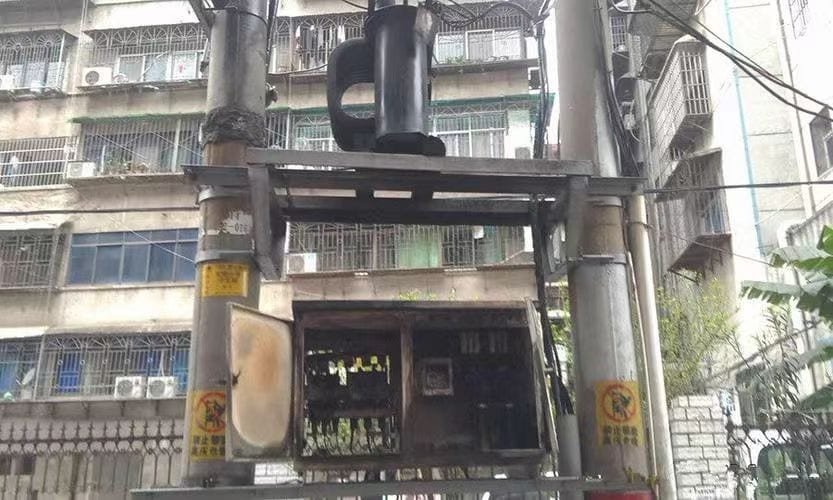
Power transformers are essential components of electrical distribution systems, responsible for safely stepping voltages up or down to ensure efficient power delivery. While generally reliable, these devices can occasionally fail—sometimes catastrophically. One of the gravest concerns is whether a transformer failure, or "blowout," can ignite a house fire. This document explores the risks associated with blown transformers, how fires can occur, and what measures are in place to prevent such disasters.
What Does It Mean When a Transformer Blows?
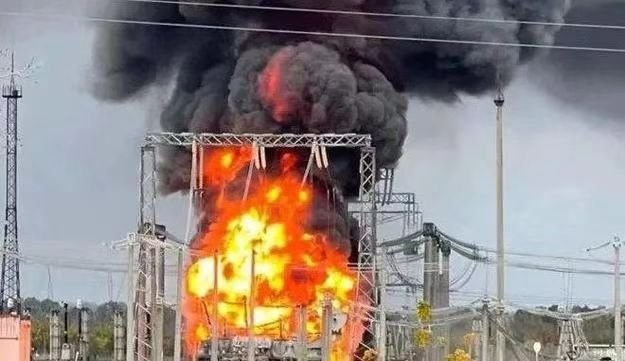
When people say a "transformer blew," they’re usually referring to a sudden, violent failure of a power transformer—an event often accompanied by a loud bang, sparks, smoke, and a localized power outage. But what does it really mean, technically and electrically, when a transformer “blows”? This phenomenon reflects a breakdown in one or more of the transformer's internal or external components and can pose serious risks to property, personnel, and the power grid if not promptly managed.
When a transformer blows, it means the device has experienced a sudden failure—often due to insulation breakdown, overheating, internal arcing, or overvoltage—resulting in a violent electrical fault. This fault may rupture the transformer casing, ignite oil, or trigger protective relays, leading to smoke, fire, and a power outage in the affected zone.
The event is more than a visual or audible incident—it's an emergency that demands fast interpretation and action. This article explores what happens during a blowout, why it occurs, and what technical processes unfold in those critical moments.
A transformer blowout is usually caused by internal insulation failure or an overload condition.True
Overheating, overvoltage, or insulation degradation are common root causes of transformer explosions or blowouts. These lead to arcing, pressure buildup, and rupture.
🧠 What Actually Happens When a Transformer Blows?
When a transformer "blows," several destructive mechanisms may occur either simultaneously or sequentially:
1. Insulation Breakdown and Internal Arcing
The insulation that separates the windings or contains the oil breaks down due to:
- Age
- Overload
- Moisture contamination
- Voltage surges
This leads to a short circuit inside the transformer, where current jumps across components in an uncontrolled way, forming an arc flash.
2. Pressure Buildup and Casing Rupture
Internal arcing heats the surrounding air or transformer oil rapidly, turning it into gas. If pressure isn’t relieved through a pressure relief device (PRD) or Buchholz relay, the casing may rupture explosively, ejecting oil and parts.
3. Protective Relays Trip
If the transformer is part of a protected network, differential relays, overcurrent relays, or Buchholz relays will sense the anomaly and:
- Trip circuit breakers
- Disconnect the transformer from the grid
- Send alerts to control centers
4. Smoke, Fire, or Explosion
In oil-filled transformers, ignition of vaporized oil can lead to a fireball or prolonged flame, especially outdoors. In dry-type transformers, arc-induced fire can melt insulation and emit toxic smoke.
🔧 Technical Overview: Internal Events During a Blowout
| Event Stage | Description | Resulting Consequence |
|---|---|---|
| Overheating or surge | Winding temperatures rise above limit | Insulation begins to carbonize |
| Breakdown of insulation | Voltage creeps or arcs occur | Short-circuit path formed |
| Arc flash initiation | Air or oil ionized | High-energy arc created |
| Pressure increase | Gases rapidly expand | PRD may trigger or tank ruptures |
| Relay tripping | Current imbalance or fault detected | Transformer is disconnected |
📊 Common Causes of Blowouts and Their Signatures
| Cause | Typical Symptoms | Diagnostic Indicator |
|---|---|---|
| Overload | Buzzing, heat, insulation smell | Winding resistance change |
| Lightning strike | Instantaneous bang, flash | External surge trace marks |
| Moisture in insulation | Hissing, foaming oil | DGA shows hydrogen or CO levels |
| Age-related failure | Cracking sounds, leaks, arcing | Low dielectric breakdown voltage |
| Poor maintenance | Rust, loose bushings, arc flashes | Thermography or IR scan anomaly |
🔍 How Utilities Diagnose a "Blown" Transformer
Once a blowout occurs, utilities use multiple techniques to determine the cause:
- Visual inspection: Smoke marks, burst tanks, melted terminals
- Dissolved Gas Analysis (DGA): Detects arc gases (e.g., acetylene, hydrogen)
- Insulation resistance tests: Confirms breakdown paths
- SCADA logs and relay data: Time-stamped fault currents and phase imbalances
- Thermal imaging: Identifies hotspot origin points
🔥 Examples of What "Blowing" Might Look or Sound Like
| Type of Failure | Sound/Visual Cue | Example Description |
|---|---|---|
| Arc Flash | Loud pop, blue-white flash | Similar to a firework or lightning clap |
| Casing rupture | Deep boom, flying debris | Tank lid blasts open, oil leaks |
| Fire | Roaring flame, black smoke | Continuous combustion of oil or cable |
| Dry transformer blowout | Cracking noise, smoke plume | Less intense but still audible |
⚠️ Risks Associated with a Blown Transformer
A transformer blowout is not just an electrical event—it poses severe risks:
- Electrical arc injuries to personnel nearby
- Explosions damaging infrastructure (e.g., utility poles, fencing)
- Fire spread risk to vegetation or nearby buildings
- Extended power outages due to transformer replacement delays
- Environmental hazards from spilled transformer oil
📉 How Long Is Power Typically Lost?
| Transformer Type | Estimated Outage Duration (Urban) | Estimated Outage Duration (Rural) |
|---|---|---|
| Small distribution unit | 2–6 hours | 4–12 hours |
| Medium pad-mounted unit | 4–8 hours | 6–18 hours |
| Substation power unit | 8–24+ hours | 12–36+ hours |
🧠 How to Prevent Transformer Blowouts
Proactive maintenance and smart monitoring can dramatically reduce risk:
A. Install Condition Monitoring Sensors
- Temperature, DGA, moisture-in-oil
- SCADA integration for early warning
B. Implement Load Management
- Prevents thermal overload
- Use predictive algorithms in smart grid
C. Regular Testing and Inspection
| Test Type | Frequency | Purpose |
|---|---|---|
| Insulation resistance | Annually | Identify aging insulation |
| Transformer turns ratio | Every 3 years | Check winding integrity |
| Oil DGA | Every 6–12 months | Detect internal arcing or heating |
| IR thermography | Quarterly | Catch load-related overheating |
How Can a Blown Transformer Start a Fire?
When a transformer blows, it’s more than a dramatic sound or a temporary power outage. The incident can quickly escalate into a dangerous fire hazard if certain conditions are met—especially in older or oil-filled units. Fires sparked by transformer failures can spread to nearby equipment, utility poles, or buildings, posing serious threats to public safety, property, and the environment. But how exactly does this happen? And why do some blowouts result in fire while others don’t?
A blown transformer can start a fire when internal arcing or electrical faults ignite insulating oil, vaporized gas, or combustible materials surrounding the transformer. If pressure relief systems fail or are absent, the rapid expansion of hot gases can rupture the casing and expose flammable contents to oxygen, leading to an explosion or fireball that ignites nearby vegetation, poles, or structures.
While not all transformer failures cause fires, the risk increases with certain conditions like oil content, environmental factors, and delayed fault isolation. This article details the combustion chain, ignition sources, and how these fires unfold in real-world scenarios.
A transformer blowout can ignite nearby vegetation or structures due to fire.True
Fires resulting from blown transformers can spread rapidly, especially in areas with dry vegetation or wooden utility infrastructure, if the fault releases enough thermal energy or burning oil.
🔥 Why Transformer Fires Happen: The Chain Reaction Explained
1. Internal Fault and Arc Flash
An arc fault is the primary ignition source. It forms when:
- Insulation fails
- Voltage exceeds dielectric limits
- Moisture or contamination bridges conductors
The arc reaches temperatures above 10,000°C, more than enough to ignite most flammable materials within milliseconds.
2. Oil Ignition in Oil-Filled Transformers
Most distribution transformers use mineral oil as an insulator and coolant. If arcing vaporizes this oil, it becomes explosive gas. A spark or hot metal surface then ignites the gas, causing:
- A fireball
- Flame jets through bushings or seams
- Flaming oil leakage
3. Casing Rupture and Pressure Release
If the transformer lacks a Pressure Relief Device (PRD) or Buchholz relay, the pressure caused by superheated gases can burst the tank, violently releasing hot oil and gas.
- Sprayed oil ignites on contact with air
- Nearby materials (wooden poles, cable insulation) catch fire
4. Prolonged Current Flow Without Isolation
If protection relays or circuit breakers fail to trip, electrical energy continues feeding the arc or fire. This causes:
- Secondary fires along the cable run
- Further insulation breakdown
- Potential explosion if confined
📊 Table: Transformer Types and Fire Risk Level
| Transformer Type | Fire Risk Level | Key Flammable Components |
|---|---|---|
| Oil-filled pole-mounted | High | Mineral oil, bushings, paint, wooden pole |
| Pad-mounted ground unit | Medium–High | Oil, housing, cable insulation |
| Dry-type indoor transformer | Low–Medium | Epoxy resin, varnish, coil insulation |
| Substation power transformer | Very High | Oil (>10,000 L), SF6 switches, control rooms |
🧠 Real Fire Triggers After Blowouts
| Trigger Scenario | Fire Initiation Point | Propagation Path |
|---|---|---|
| Tank rupture due to internal pressure | Oil contacts hot arc or air | Fireball; burns pole, ignites nearby dry grass |
| Prolonged arcing from untripped circuit | Melts insulation; sustained ignition | Cable fire spreads underground or up pole |
| Failed bushing or terminal explosion | Ignition of flash point vapors | Arcs jump to nearby metal or ground lines |
| Overhead fault on a hot day | Sparks fall into dry vegetation | Ground fire; may reach homes/fences |
🔍 Case Study: Major Urban Fire from Blown Transformer
Incident:
In 2018, a utility transformer exploded in Queens, NY, causing a massive blue fireball visible for miles. The explosion was triggered by a fault in a voltage regulator, causing arcing in an oil-filled transformer. While fire was contained to the station, it created widespread panic and temporary shutdown of nearby airports.
Takeaway:
Even without structural fire, transformer fires can create public safety emergencies due to the intense light, smoke, and confusion they cause.
🛡️ Fire Prevention Mechanisms in Transformers
| Component/Technology | Function | Fire Risk Mitigated |
|---|---|---|
| Pressure relief valve (PRD) | Vents gases before rupture | Reduces explosion/fire risk |
| Buchholz relay | Detects gas accumulation in oil | Trips system before arc intensifies |
| Arc fault detection relays | Rapidly isolate fault circuits | Prevents prolonged heat exposure |
| Fire-retardant oil (FR3) | Less flammable than mineral oil | Slower ignition, lower spread |
| Fire barriers/sand traps | Contain flames and hot fluid leaks | Limits propagation |
📉 Comparison: Oil-Filled vs Dry-Type Transformer Fire Risk
| Feature | Oil-Filled Transformer | Dry-Type Transformer |
|---|---|---|
| Cooling Medium | Mineral oil or synthetic fluid | Air or resin |
| Fire Hazard Potential | Very high if breached | Moderate (resin ignites slower) |
| Explosion Potential | High (pressurized oil vapor) | Low (no fluid expansion) |
| Installation Environment | Outdoor or vault | Indoor/substations |
| Fire Suppression Needed | Yes (sprinklers or walls) | Sometimes optional |
🔧 Utility Fire Response Timeline After Blowout
| Response Step | Time Target | Fire Risk Reduced |
|---|---|---|
| Fault detection via SCADA | <1 minute | Early isolation prevents arcing |
| Relay trip and breaker action | <3 seconds | Cuts power, limits fuel source |
| Emergency crew dispatch | 5–15 minutes | Extinguish flame, cool tank |
| Site cleanup and hazard cordon | 30–120 minutes | Prevents re-ignition, injury |
📋 Common Fire Outcomes from Transformer Blowouts
| Consequence Type | Example Impact |
|---|---|
| Fire damage to property | Burned fences, sheds, poles |
| Blackouts | Grid failure cascading from isolation zone |
| Environmental hazard | Oil spill into soil or waterway |
| Injury or fatality | Workers or public exposed to arcs/fire |
| Legal and financial loss | Lawsuits, compensation, utility fines |
🧩 How to Minimize Transformer Fire Risk
1. Use Flame-Retardant Fluids
Switch to natural ester fluids (like FR3) with high flash points and lower combustibility.
2. Deploy Advanced Protection Relays
- Arc flash sensors
- Transformer differential protection
- Ground fault isolation logic
3. Implement Zoning and Fire Breaks
- Concrete pads or gravel beds
- Barriers between transformers and vegetation
- Flame-resistant enclosures
4. Routine Maintenance & Testing
| Maintenance Task | Interval | Fire Risk Prevented |
|---|---|---|
| Oil quality and moisture test | Every 6–12 months | Prevents gas/vapor buildup |
| PRD function check | Annually | Ensures pressure relief |
| IR thermographic scans | Quarterly | Detects hotspots |
| Relay testing | Semi-annually | Confirms quick isolation |
Are House Fires from Transformers Common?
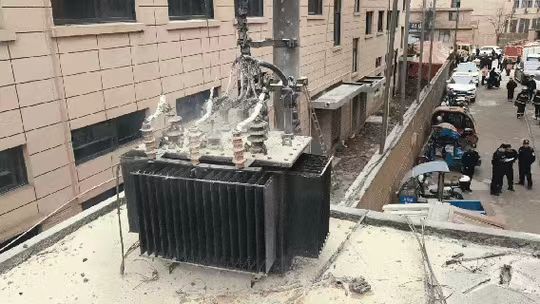
When a nearby transformer blows, homeowners may understandably fear for the safety of their property—especially if the explosion is followed by fire, sparks, or a power surge. But how often do these incidents actually lead to residential fires? Understanding the risks posed by distribution transformers to homes is key to determining if concern is justified or exaggerated.
House fires directly caused by transformer blowouts are rare, but not impossible. While most transformer failures are contained by utility protections and fire-resistant design, fires can spread to nearby structures if flaming oil or electrical arcs reach a house—particularly in densely populated or poorly maintained areas. Secondary fire risks also exist from power surges igniting internal home circuits or appliances.
This means while transformers can be a fire risk, they are not a frequent cause of house fires when properly installed and maintained. Still, specific environmental, technical, and maintenance failures can increase the threat, especially in older neighborhoods or areas with wooden power infrastructure.
Transformer blowouts are a leading cause of house fires in urban areas.False
Transformer-related fires are a rare cause of house fires; most residential fires originate from cooking, electrical faults inside the home, or heating equipment.
🔍 Understanding How a Transformer Fire Could Affect a Nearby Home
Transformers are usually positioned on poles or in ground boxes at safe distances from homes. Still, if a transformer explodes violently or catches fire, several risk pathways can affect nearby buildings:
1. Oil Spray and Fireball Reach
Oil-filled transformers can eject flaming oil up to several meters. If homes are:
- Too close to the pole, or
- Have wooden roofs or vegetation near the transformer,
…this flaming material can ignite siding, fences, or overhangs.
2. Radiant Heat and Ember Ignition
The intense heat from a transformer fire can:
- Warp vinyl siding
- Ignite dried leaves or mulch
- Shatter windows or melt soffits
3. Power Surges Inside the House
A sudden transformer failure can send a voltage spike through home wiring, possibly igniting:
- Surge protectors
- Outlets with loose connections
- Overloaded appliances
This can start a hidden electrical fire inside walls or equipment.
📊 Fire Risk Rating: Proximity to Transformer
| Home-Transformer Distance | Fire Risk from Transformer | Common Preventive Feature |
|---|---|---|
| <5 feet | High (spray, radiant heat) | Fire-resistant siding advised |
| 5–15 feet | Moderate | Grounding, clear vegetation |
| >15 feet | Low | Normal clearance suffices |
🧠 Common Conditions That Elevate Risk
| Risk Factor | Why It Increases Fire Risk |
|---|---|
| Aged or leaking oil-filled transformer | May ignite more easily, more oil available |
| Transformer mounted on wooden pole | Pole may catch fire and fall on structure |
| Overhead lines directly above roof | Arcing may jump to roof or gutter wiring |
| Blocked or faulty pressure relief valve | Explosive rupture spreads fire |
| Nearby dry vegetation or brush | Acts as a fire accelerant |
🔥 Case Examples of Residential Fires Linked to Transformers
| Year | Location | Cause | Result |
|---|---|---|---|
| 2019 | Los Angeles, CA | Pole transformer fire spread to trees | House roof scorched, partial loss |
| 2021 | New Delhi, India | Overheated transformer exploded in alley | Two adjacent houses burned |
| 2022 | Houston, TX | Transformer arc ignited mulch pile | Minor porch damage |
These cases are rare but underscore the importance of utility maintenance and home defensible space.
📉 How Common Are These Fires Statistically?
According to NFPA and utility incident databases:
| Incident Type | Annual Occurrence (U.S.) |
|---|---|
| Transformer failures (all types) | \~26,000 |
| Transformer fires | \~1,000–2,500 |
| Residential structure fires from transformers | <50 confirmed cases |
| Residential electrical fires (general) | \~24,000 |
Thus, less than 0.2% of residential fires are related to transformers.
🔧 Preventive Actions for Homeowners
Even if the risk is low, homeowners near transformers can take action:
✅ Maintain Clearance
- Trim vegetation near transformers
- Avoid placing flammable materials or sheds under poles
✅ Use Whole-House Surge Protectors
- Prevent internal electrical fires from power surges
- Install on main panel by licensed electrician
✅ Fireproof Home Exterior
| Feature | Fire-Resistant Alternative |
|---|---|
| Vinyl siding | Fiber cement or brick |
| Wooden soffits | Metal or treated wood |
| Organic mulch | Gravel or fire-resistant ground cover |
✅ Install Outdoor Surveillance or Sensors
- Detect transformer sparks, arcing, or smoke early
- Useful in remote or low-visibility zones
🧩 How Utilities Minimize the Risk of Residential Fires
| Utility Practice | Fire Risk Reduction Effect |
|---|---|
| Routine thermographic inspections | Catches overheating before failure |
| Oil sampling and analysis (DGA) | Detects pre-fault degradation |
| PRD and explosion vent checks | Prevents uncontrolled oil release |
| Use of FR3 or less-flammable fluids | Lowers ignition risk post-failure |
What Safety Mechanisms Are Built Into Transformers?
Transformers are critical components of power infrastructure—stepping voltage up or down between generation, transmission, and distribution systems. But because they handle extremely high voltages and currents, they are also potential sources of explosions, fires, and grid instability if not properly protected. Fortunately, modern transformers are equipped with a suite of built-in safety mechanisms designed to detect, suppress, or mitigate faults long before they become catastrophic.
Transformers are equipped with multiple safety mechanisms including pressure relief devices (PRDs), Buchholz relays, temperature sensors, oil level indicators, surge arresters, and circuit protection relays. These components detect internal faults, overheating, gas generation, and overvoltage conditions, triggering disconnection or fault isolation to prevent explosions, fires, and damage to the grid.
These systems—mechanical, electrical, and digital—operate either autonomously or through grid monitoring centers to ensure any abnormal operation is quickly contained. In this article, we will dive into each major protective feature and how it contributes to transformer safety.
Transformers do not have any built-in safety features and rely solely on external grid systems.False
Transformers incorporate numerous internal safety devices such as pressure relief valves, temperature sensors, Buchholz relays, and surge arresters to autonomously detect and mitigate potential hazards.
🧠 Overview of Key Safety Mechanisms in Transformers
| Safety Mechanism | Function | Fault Condition Detected |
|---|---|---|
| Pressure Relief Device (PRD) | Vents internal pressure to prevent explosion | Gas buildup, arcing |
| Buchholz Relay | Detects gas from internal faults in oil | Arc faults, overheating |
| Thermocouples / RTDs | Monitor winding and oil temperature | Overheating |
| Surge Arresters | Divert transient overvoltages to ground | Lightning, switching surges |
| Oil Level Gauges | Monitor oil loss or leaks | Seal failure, evaporation |
| Tap Changer Interlocks | Prevent unsafe tap changes | Load fluctuations during switching |
| Differential Protection Relay | Detect internal short circuits | Turn-to-turn fault, winding damage |
| Ground Fault Relays | Sense current leakage to ground | Insulation breakdown |
🔧 In-Depth Breakdown of Each Mechanism
1. Pressure Relief Device (PRD)
Purpose: Prevents tank rupture from internal pressure.
- Contains a spring-loaded diaphragm or explosion vent
- Activates when gas pressure inside the tank exceeds safe levels
- Releases gas and oil to the atmosphere safely
- Often triggers alarms and trips transformer offline
Failure Scenario Example: Arc flash vaporizes oil → gas buildup → PRD vents → prevents explosion.
2. Buchholz Relay
Location: Installed on oil-filled transformers between main tank and conservator.
Functionality:
- Detects gas accumulation due to internal arcing
- Also senses sudden oil flow indicating rupture
Has two levels:
- Alarm for gas detection
- Trip contact for severe fault
Usage: Common in medium to large distribution and power transformers.
3. Temperature Monitoring Devices
| Sensor Type | Monitoring Target | Response Triggered |
|---|---|---|
| RTD (Resistance Temperature Detector) | Winding temperature | Trips if over threshold |
| Thermocouple | Core or oil temperature | Activates fan cooling or circuit trip |
| Thermostat Switch | Surface temperature | Sends alarm to SCADA or local control |
These devices are often integrated into automated cooling systems—switching fans, pumps, or initiating load shedding.
4. Surge Arresters and Lightning Protection
Purpose: Protect transformer windings from:
- Lightning strikes
- Switching surges
- Grid transients
How it works:
- Uses metal oxide varistors (MOVs)
- Clamps voltage spikes and redirects to ground
- Prevents dielectric breakdown
Design Standards: IEEE C62.11 / IEC 60099-4
5. Oil Level Indicators and Leakage Detection
| Feature | Function |
|---|---|
| Magnetic oil gauge | Shows oil level inside conservator |
| Float switches | Trigger alarms if oil falls too low |
| Sight glass | Visual inspection of oil conditions |
| Leak sensors | Detect oil escaping from casing |
Low oil indicates internal leakage or excessive heating, both precursors to failure.
6. Tap Changer Safety Locks and Interlocks
Tap changers adjust the voltage ratio. Improper switching can cause:
- Overloading
- Arcing
- Short circuits
Safety Measures:
- Mechanical locks
- Electrical interlocks
- Sequence controls (especially in OLTCs)
📊 Summary Table: Safety Mechanism Response Time and Activation Mode
| Device | Activation Mode | Typical Response Time | Failure Type Addressed |
|---|---|---|---|
| Pressure Relief Valve | Mechanical | < 1 second | Gas overpressure |
| Buchholz Relay | Mechanical/Electrical | < 5 seconds | Internal fault, oil movement |
| Thermal Relays | Electrical | Seconds–minutes | Overheating |
| Differential Relay | Electrical | < 0.1 second | Internal short circuit |
| Surge Arrester | Passive | Instantaneous | Overvoltage surge |
🧠 How Digital Monitoring Enhances Traditional Safety Devices
Modern transformers incorporate smart grid integration and SCADA systems, which:
- Collect real-time sensor data
- Predict potential failure trends using AI/ML algorithms
- Issue preemptive alarms
- Trigger remote disconnection before damage escalates
Digital twin models also simulate thermal/electrical conditions to verify device health and anticipate risks.
🧩 Why These Safety Mechanisms Are Crucial
Without these features, transformer blowouts would:
- Occur more frequently
- Cause uncontained fires or explosions
- Spread faults across the grid
- Require more frequent replacements and costly downtime
Proper safety integration is not just best practice—it’s a regulatory requirement under IEEE, IEC, and OSHA standards.
🔍 Transformer Safety Case Study: Prevention in Action
Scenario:
A utility substation in Sweden detected rising hydrogen gas levels via its Buchholz relay. Automated systems:
- Tripped the breaker
- Sent an alert via SCADA
- Technicians replaced degraded insulation before arc fault occurred
Result:
Zero downtime, no explosion, full service maintained—thanks to integrated transformer safety systems.
Who Is Responsible for a Blown Transformer Incident?
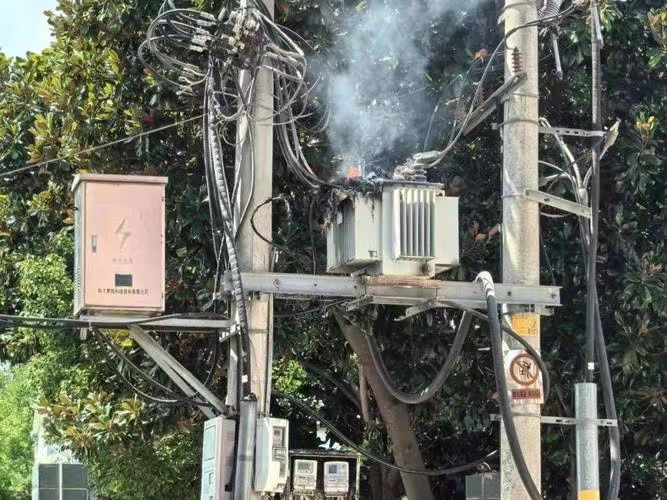
When a transformer explodes or catches fire, the consequences can be significant—ranging from localized blackouts and fire damage to injuries, equipment failure, and insurance claims. In the aftermath, one crucial question arises: who is responsible for the incident? This isn’t just a technical inquiry—it’s also a legal and financial one that affects utilities, homeowners, insurers, municipalities, and potentially even manufacturers.
Responsibility for a blown transformer typically falls on the utility company or energy provider, as they own, operate, and are legally obligated to maintain the transformer infrastructure. However, liability may shift to other parties such as equipment manufacturers, contractors, or property owners if negligence, unauthorized modifications, or interference contributed to the failure. Each incident requires investigation to determine actual fault.
Understanding who holds accountability in these scenarios depends on infrastructure ownership, maintenance practices, safety compliance, and, in some cases, the behavior of third parties. This article outlines the conditions under which different parties may be held responsible for a blown transformer and the legal, operational, and technical factors that influence liability.
Utility companies are always legally responsible for blown transformers.False
While utility companies are usually responsible, liability can shift based on contributing factors such as third-party interference, manufacturing defects, or customer negligence.
🔍 Typical Responsibility Framework for Transformers
| Scenario | Responsible Party | Notes |
|---|---|---|
| Routine transformer failure due to age | Utility/Energy provider | Covered under maintenance obligations |
| Fault caused by lack of maintenance | Utility | May face regulatory fines or lawsuits |
| Manufacturing defect (e.g., internal short) | Transformer manufacturer | Product liability may apply |
| Third-party construction damage | Contractor or property owner | Utility may bill them for repair and damages |
| Vandalism or copper theft | Criminal perpetrators (if identified) | Utility may not be liable if it took preventive steps |
| Customer-installed equipment backfeed | Property owner/homeowner | Tampering or code violation can shift fault |
🧠 Utility Company’s Legal and Technical Obligations
Electric utilities—whether public or private—are tasked with:
- Ensuring routine inspection and maintenance
- Adhering to IEEE, NESC, and OSHA safety standards
- Responding to faults and fires promptly
- Reporting incidents to regulators (e.g., FERC, NERC, local commissions)
Failure to comply can result in:
- Civil liability lawsuits
- Public utility commission (PUC) fines
- Loss of operating license in severe cases
📋 Maintenance Records and Audit Trails
During a post-incident investigation, the utility must present:
| Record Type | Purpose |
|---|---|
| Inspection logs | Confirm routine checks and fault detection |
| DGA reports (Dissolved Gas Analysis) | Evidence of pre-fault warning signs |
| Repair history and work orders | Track previous issues |
| SCADA logs | Show event timelines and automated triggers |
Lack of these records may imply negligence, increasing liability.
🔧 When Manufacturers Are Liable
Transformer manufacturers may bear responsibility when:
- A design flaw causes internal arcing or overheating
- Substandard materials degrade prematurely
- Factory-installed safety mechanisms fail to trigger
📊 Table: Manufacturer vs Utility Responsibility
| Failure Cause | Likely Responsible Party |
|---|---|
| Incorrect oil pressure tolerance | Manufacturer |
| Overloaded transformer not upgraded | Utility |
| Defective pressure relief valve | Manufacturer |
| Missed maintenance on degrading bushing | Utility |
🔍 Third-Party Liability: Contractors and Property Owners
Blown transformers are occasionally caused by external tampering or accidental damage, such as:
- Digging near underground lines
- Tree trimming near power poles
- Mounting unauthorized antennas or equipment
Responsibility shifts to the contractor or property owner if:
- There was no utility notification (e.g., 811/“Call Before You Dig”)
- Utility warnings or easements were ignored
- Unauthorized electrical connections were made
🧠 Insurance and Financial Responsibility
Utility Insurance Coverage
- Covers infrastructure loss and liability claims
- Paid through ratepayer contributions
- Policies may exclude third-party-caused events
Homeowners Insurance
- May cover secondary damage (e.g., power surge damaging appliances)
- Does not cover the transformer itself (not homeowner’s property)
Manufacturer Warranties
| Warranty Scope | May Cover |
|---|---|
| Design/material defect | Cost of transformer replacement |
| Performance guarantees | Failure under normal use |
| Exclusions | Improper installation, overloading by utility |
🔍 Legal Case Example: Assigning Fault
Case Study:
In 2022, a neighborhood in Colorado experienced a transformer fire that spread to a nearby fence and garage. Investigation revealed:
- The transformer had not been inspected in 7 years
- PRD valve was jammed shut, failing to relieve pressure
- The manufacturer had issued a recall notice in 2017
Outcome:
- 60% liability assigned to utility (maintenance failure)
- 40% to manufacturer (known defect not addressed)
- Insurance companies shared repair costs with subrogation
🧩 Steps to Determine Responsibility After an Incident
- Secure site and notify utility
- Document the event (photos, witness accounts)
- Utility conducts internal fault analysis
- Third-party forensic engineering (if large loss)
- Compare findings with industry codes
- Assign financial/legal liability based on cause
📉 Common Myths About Transformer Liability
| Myth | Reality |
|---|---|
| Homeowners must pay for blown transformers | Utilities cover transformer ownership and upkeep |
| Surge damage is always utility’s fault | Not if surge originated from home circuits |
| Fire damage from transformer is insured | Only if homeowner policy includes it |
| Manufacturer warranties always pay out | Only if failure is within warranty period and cause |
What Should You Do if You Suspect a Transformer Near Your Home Has Blown?
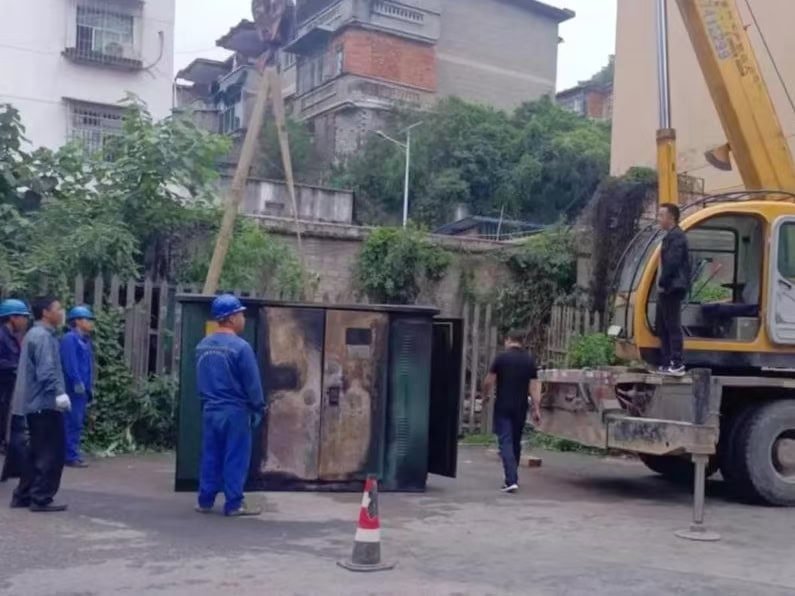
A loud bang, a flash of light, or the sudden loss of power—these are typical signs that a transformer may have blown in your neighborhood. While the experience is jarring and can raise immediate concerns for your safety and home systems, what you do in the minutes that follow is critical. Acting appropriately ensures not only your personal safety but also a swift response from the utility company and minimizes property damage or risk.
If you suspect a nearby transformer has blown, immediately move to a safe distance, avoid downed wires or smoking equipment, and call your local utility or emergency services to report the incident. Do not attempt to approach or inspect the transformer yourself. If power is out, unplug sensitive electronics and use flashlights instead of candles until officials confirm it is safe.
Knowing what to do—step by step—can make a significant difference in safety and response time. In this article, we outline a practical and reliable emergency response plan for homeowners or residents when a transformer blowout occurs near their property.
Residents should inspect a blown transformer to assist utility crews.False
Approaching a blown transformer is dangerous and can result in electrocution or injury. Only qualified utility personnel should inspect or handle damaged electrical equipment.
🧠 Immediate Action Plan for Suspected Transformer Blowout
| Step # | Action to Take | Why It Matters |
|---|---|---|
| 1 | Stay calm and observe from a distance | Prevents panic and avoids exposure to hazards |
| 2 | Look for signs: smoke, fire, sparks | Confirms the nature of the incident |
| 3 | Do NOT approach the pole or equipment | High voltage may still be present |
| 4 | Check for power outage or flickering | Common after transformer failure |
| 5 | Call utility company or 911 immediately | Fast response reduces risk and outage time |
| 6 | Unplug sensitive appliances and surge protectors | Prevents damage from voltage surges |
| 7 | Avoid wet areas near the utility pole | Risk of electrical conduction through water |
🔍 Key Signs a Transformer Has Blown
| Sign | What It Indicates |
|---|---|
| Loud pop or bang | Internal arc fault or rupture |
| Bright flash | Insulation breakdown or electrical arc |
| Blackout or power flicker | Power supply disruption from transformer |
| Smoke or flame near transformer | Oil ignition or overheating |
| Buzzing noise or vibration | Internal short circuits or impending failure |
🧩 Safety Considerations for You and Your Family
🔌 Electrical Hazards
- Blown transformers may leave live conductors exposed
- Power lines may remain energized despite appearance
- Nearby metal fences, water puddles, or trees could be conductive
🔥 Fire Hazards
- Pole-mounted transformers may leak flaming oil
- Nearby structures, vehicles, or vegetation could catch fire
- Flames may re-ignite even after initial extinguishment
⚡ Voltage Surges
| Risk Area | What Can Be Affected |
|---|---|
| Home electronics | TVs, routers, computers, game consoles |
| HVAC systems | Compressors, thermostats |
| Refrigerators/Freezers | Control boards, motors |
| Smart appliances | Sensors, logic circuits |
Use whole-house surge protection or high-quality power strips to prevent damage during sudden outages.
📋 Reporting a Blown Transformer: What to Provide
When calling the utility company or 911, be prepared with:
| Info Type | Example/Details |
|---|---|
| Your name and address | Include nearest cross street or pole number |
| Observations | Smoke, sparks, loud bang, fire |
| Time of event | Approximate time or sequence of flickers |
| Power status | On/off, flickering, partial outage |
| Danger to public | Downed wires, burning tree, etc. |
Most utilities have emergency hotlines, and many accept online outage reports or app-based submissions.
🔧 What Happens After You Report It?
| Phase | Utility Response |
|---|---|
| Dispatch | Crews sent to assess and secure area |
| Isolation | Transformer is de-energized from grid |
| Inspection | Visual and meter checks for damage |
| Replacement | If damaged, a new unit is installed |
| Grid Reconnection | Service restored systematically |
This process may take 1 to 6 hours, depending on the severity and location.
📉 Common Mistakes to Avoid
| Mistake | Why It's Dangerous |
|---|---|
| Approaching the transformer | May be energized; risk of arc flash |
| Using candles during blackout | Fire hazard in dark environments |
| Opening electric meter/panel | Could cause shock or damage |
| Attempting to put out transformer fire | Specialized agents required, not water |
🧠 Preparing for Future Events
✅ Emergency Preparedness Kit
Include:
- Battery-powered flashlight
- Extra phone chargers or power banks
- List of utility contacts
- Emergency radio
- First aid kit
✅ Surge Protection and Maintenance
- Install whole-home surge protectors on your main panel
- Use UL-listed power strips for electronics
- Consider backup power options (UPS, generators)
✅ Communication Plan
- Keep mobile phones charged
- Ensure children or elderly in the home know not to go near the transformer
- Use mobile apps to track outages (e.g., PG\&E, ConEd, Oncor)
Conclusion
While transformer blowouts are alarming and can indeed lead to fires under certain conditions, modern design and utility safeguards make such events rare. The combination of thermal protection, fire-resistant fluids, and remote monitoring greatly reduces risk to nearby structures, including homes. Nonetheless, awareness, timely reporting, and proper maintenance are crucial in ensuring that a blown transformer doesn’t escalate into a house fire. Homeowners should always treat electrical incidents seriously and involve professionals immediately when transformer damage is suspected.
FAQ
Q1: Can a blown transformer cause a fire in a house?
A1: Yes, under certain conditions. A blown transformer can:
Cause electrical surges that damage home wiring or appliances.
Ignite power lines that fall onto flammable materials.
Lead to arc flashes or sparks near homes, especially during dry or windy conditions.
However, most modern transformers have protective systems in place to limit fire risk.
Q2: What is the most common way a transformer fire affects homes?
A2: The most frequent threat is from:
Power surges that overload home circuits.
Live wires falling onto rooftops or trees, which can then ignite.
Transformer oil explosions sending fire toward nearby structures.
Prompt utility response and safety infrastructure usually contain these hazards quickly.
Q3: Are older transformers more dangerous?
A3: Yes. Aging or poorly maintained transformers:
Have a higher risk of insulation failure or oil leaks.
May lack modern fault interrupters or surge protection.
Can be more prone to overheating and bursting under stress.
Upgrading infrastructure is key to reducing residential fire risks.
Q4: What safety systems reduce the risk of transformer-related fires?
A4: Utilities install:
Overcurrent protection relays to isolate faults.
Lightning arresters to prevent voltage spikes.
Pressure relief valves and Buchholz relays in oil-immersed units.
Fire barriers and safe installation distances from buildings.
These measures significantly lower the chance of fire spreading to homes.
Q5: What should you do if a transformer near your home blows?
A5: Stay away from the transformer or any fallen wires.
Call 911 and your utility company immediately.
Unplug sensitive appliances to avoid surge damage.
Do not attempt to put out a transformer fire—leave it to professionals.
Safety depends on fast reporting and professional response.
References
"Can a Blown Transformer Start a Fire?" – https://www.electrical4u.com/can-blown-transformers-cause-fires
"Fire Hazards in Electrical Transformers" – https://www.nfpa.org/transformer-fire-safety
"Understanding Transformer Explosions" – https://www.powermag.com/transformer-blasts-and-home-risks
"IEEE Guide to Transformer Fire Risk Management" – https://ieeexplore.ieee.org/document/7906823
"FirstEnergy: What to Do If a Transformer Blows" – https://www.firstenergycorp.com/help/safety/transformers.html
"Xcel Energy: Preventing Transformer Fire Hazards" – https://www.xcelenergy.com/safety/fire_safety
"FEMA: House Fire Causes from Utility Equipment" – https://www.usfa.fema.gov/prevention/outreach/electrical_safety.html
"Duke Energy: When Transformers Fail Near Homes" – https://www.duke-energy.com/safety/transformer-failures