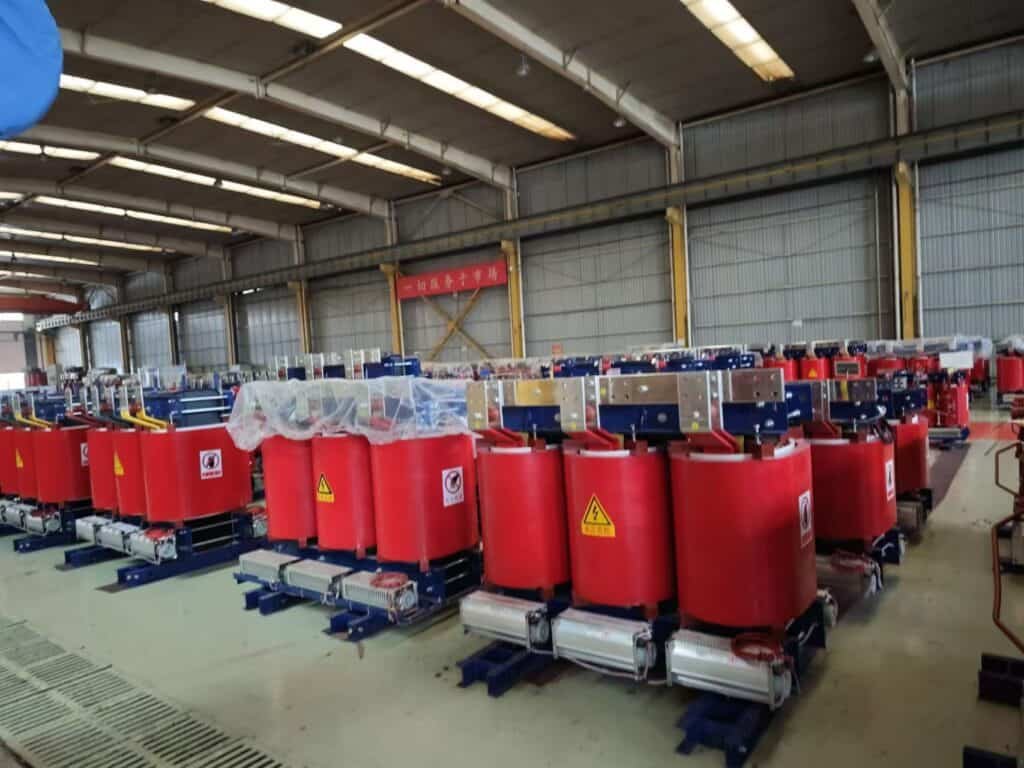
While many transformers—especially high-voltage and outdoor types—use insulating oil for cooling and electrical insulation, not all transformers require oil to function. In fact, dry-type transformers are specifically designed to operate without any liquid insulation. Whether or not a transformer can work without oil depends on its design, intended application, and environmental requirements. This article explores oil-free transformer technologies and their use cases.
What Role Does Oil Play in Traditional Transformers?
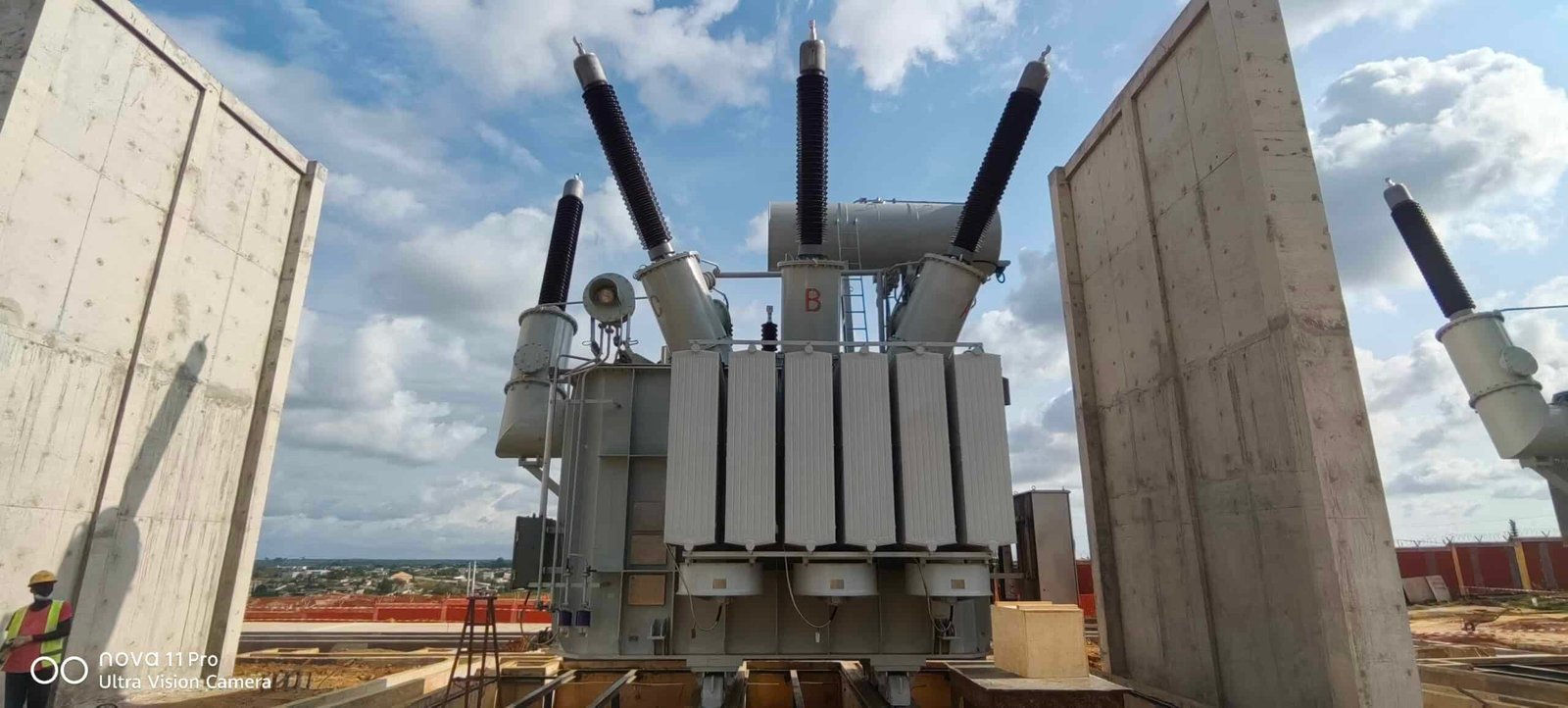
In traditional oil-filled transformers, insulating oil is far more than just a passive filler—it performs multiple essential electrical, thermal, and protective functions. It is critical to transformer performance, longevity, safety, and reliability. Without oil, these large-capacity transformers would suffer overheating, insulation failure, or arcing under even moderate loads. Therefore, oil is a core operational component, not an optional accessory.
Transformer oil in traditional transformers serves as both an electrical insulator and a coolant. It insulates the high-voltage windings from each other and from the core, while also transferring heat away from the windings to the tank walls and external radiators. Additionally, it protects against moisture, suppresses arcing, and provides dielectric strength under high electrical stress.
These combined roles make transformer oil vital to safety, efficiency, and internal component integrity.
Transformer oil only provides cooling and has no electrical function.False
Transformer oil acts both as a dielectric insulator and as a coolant, essential for preventing electrical breakdown and maintaining thermal stability.
Primary Functions of Transformer Oil
| Function | Description |
|---|---|
| Insulation | Prevents electrical discharges between windings, layers, and core surfaces |
| Cooling (Heat Transfer) | Absorbs heat from windings and core and carries it to radiators |
| Moisture Barrier | Keeps water away from paper insulation and internal surfaces |
| Arc Suppression | Minimizes arc formation in case of voltage surge or switching |
| Contaminant Suspension | Helps prevent particulate buildup and manages gas/solid by-products |
| Diagnostic Medium | Enables dissolved gas analysis (DGA) to detect internal faults |
Comparison of Oil Roles in Transformer Operation
| Oil Functionality | Result Without Oil |
|---|---|
| Dielectric Insulation | Risk of flashover and short-circuit |
| Heat Removal | Rapid overheating and thermal aging of insulation |
| Moisture Protection | Paper insulation absorbs water, reducing dielectric strength |
| Arc Quenching | Open arcs may propagate and damage conductors |
| Gas Monitoring Medium | No way to detect incipient faults through DGA |
Thermo-Electrical Behavior of Oil in Operation
| Parameter | Typical Value (Mineral Oil) |
|---|---|
| Dielectric Strength | ≥30 kV per 2.5 mm gap |
| Thermal Conductivity | ~0.12 W/m·K |
| Flash Point | ~140 °C (mineral oil) |
| Pour Point | –40 °C (with additives) |
| Moisture Content Tolerance | <35 ppm for reliable insulation |
As oil absorbs heat, it rises, circulates naturally (ONAN), or via forced flow (OFAF/OFWF), removing heat from the windings.
Real-World Case – 40 MVA Oil-Immersed Transformer
- Cooling method: OFAF
- Oil volume: ~13,000 liters
- Winding temp rise: Maintained ≤60 K under full load
- Insulation: Cellulose + mineral oil barrier
- Diagnostic tools: On-line DGA and moisture sensors
Result: 15+ years of continuous service with stable thermal profile and fault-free operation, thanks to well-maintained oil quality.
Transformer Oil Maintenance Activities
| Task | Purpose | Frequency |
|---|---|---|
| Oil Sampling | Analyze dissolved gases, water content, acidity | Every 6–12 months |
| DGA (Dissolved Gas Analysis) | Detect incipient faults or arcing | Annually or event-based |
| Moisture Content Check | Verify insulation integrity | Every 6 months |
| Oil Filtration / Degassing | Restore dielectric strength | As needed or every 3–5 years |
| Dielectric Strength Test | Ensure safe voltage insulation | Per IEC 60156 |
Types of Oils Used
| Oil Type | Characteristics |
|---|---|
| Mineral Oil | Most common, cost-effective, requires regular care |
| Natural Ester | Biodegradable, higher fire point, eco-friendly |
| Synthetic Ester | High thermal stability, costly, excellent moisture tolerance |
| Silicone Oil | Non-flammable, used in special applications |
Standards Governing Transformer Oil Use
| Standard | Scope |
|---|---|
| IEC 60296 | Requirements for unused mineral insulating oils |
| IEC 60422 | Monitoring and maintenance of insulating mineral oils |
| IEEE C57.104 | Guide for interpreting DGA in transformer oil |
| IS 335 | Indian standard for transformer mineral oil |
What Is a Dry-Type Transformer?
Dry-type transformers are a modern alternative to oil-immersed units, designed for environments where fire risk, environmental safety, and indoor suitability are critical. They are built to operate without liquid insulating or cooling fluids, instead relying on air insulation and natural or forced air convection for cooling. These transformers are used widely in commercial buildings, data centers, hospitals, industrial plants, and renewable systems due to their low maintenance needs and superior fire resistance.
A dry-type transformer is an electrical transformer that uses solid insulation systems (such as epoxy resin or cast resin) instead of oil or liquid dielectric fluids. It is cooled by natural air (AN) or forced air (AF) and is designed for safe operation in indoor or environmentally sensitive areas. The coils are either vacuum-pressure impregnated (VPI) or cast in resin to prevent moisture ingress and environmental degradation.
They are known for safety, reliability, and eco-friendliness, especially in medium-voltage distribution applications.
Dry-type transformers are oil-filled but simply placed indoors.False
Dry-type transformers contain no liquid insulation. They use solid resin or varnish insulation and are air-cooled, making them suitable for indoor or fire-sensitive environments.
Core Characteristics of Dry-Type Transformers
| Feature | Description |
|---|---|
| No Oil or Liquid Fluids | Fully dry insulation system using air and solid materials |
| Air-Cooled Design | Heat is dissipated naturally (AN) or with fans (AF) |
| Encapsulated Coils | Windings coated in epoxy resin or cast resin for protection |
| Safe for Indoor Use | Fire-resistant and no risk of leakage or oil contamination |
| Low Maintenance | No oil checks, no leak repairs, minimal periodic servicing |
| Environmentally Safer | Non-toxic, suitable for hospitals, tunnels, data centers |
Types of Dry-Type Transformers
| Type | Description |
|---|---|
| VPI (Vacuum Pressure Impregnated) | Windings impregnated with varnish for moisture resistance |
| Cast Resin (CRT) | Windings fully cast in epoxy resin, highly durable |
| Encapsulated Type | Basic dry-insulated coils in a protective enclosure |
| Ventilated Dry | Exposed coils in ventilated cabinet (used in some LV units) |
| Sealed Enclosure (NEMA-rated) | For outdoor, harsh, or dusty conditions |
Typical Applications
| Sector | Use Case |
|---|---|
| Commercial Buildings | Lighting, HVAC, lifts, fire safety systems |
| Industrial Plants | Machinery, automation, conveyors |
| Data Centers | UPS input/output, backup systems |
| Hospitals and Airports | Critical systems, noise-sensitive areas |
| Solar and Wind Projects | Grid tie-in, inverter matching |
| Marine/Underground | Fire-restricted or confined installations |
Advantages Over Oil-Filled Transformers
| Feature | Dry-Type Advantage |
|---|---|
| Fire Safety | Flame-retardant resin, no flammable oil |
| Maintenance | No fluid sampling, no leakage checks |
| Installation | Indoor-friendly, no oil pits or containment needed |
| Eco-Friendliness | No hazardous fluid disposal required |
| Response to Faults | Easy access for inspection and fast replacement |
Real-World Example – 1600 kVA Dry-Type Transformer
- Voltage: 11/0.415 kV, VPI construction
- Cooling: ANAF with dual forced air fans
- Location: Pharmaceutical facility clean room
- Result: Installed in confined space without fire protection risk, required only filter cleanings and thermal scans every 6 months
Benefit: Zero leakage, zero environmental hazard, and continuous operation without alarms over 7+ years.
Standards Covering Dry-Type Transformers
| Standard | Focus Area |
|---|---|
| IEC 60076-11 | Design and testing of dry-type power transformers |
| IEEE C57.12.01 | General requirements for dry-type transformers |
| IS 11171 | Indian standard for cast resin dry-type transformers |
| UL 1561 / CSA C22.2 | Safety and performance for low-voltage dry-type units |
How Do Dry-Type Transformers Stay Cool Without Oil?

Without oil to transfer heat, dry-type transformers rely entirely on air-based cooling systems to maintain safe operating temperatures. Whether by natural airflow or mechanical fans, heat generated in the core and windings must be dissipated efficiently to prevent thermal overload, insulation aging, and efficiency loss. Advanced coil design, resin insulation, and strategic ventilation enable dry-type transformers to handle high loads safely, quietly, and reliably—even in compact indoor spaces.
Dry-type transformers stay cool using air as the cooling medium, either through natural air convection (AN) or forced air ventilation (AF). Heat generated in the windings and core is transferred through the solid insulation to the surrounding air and dissipated via heat sinks, cooling ducts, or fans. The transformer design includes vertical airflow channels and thermally conductive encapsulants that support efficient heat flow without liquid media.
These air-based systems are maintenance-friendly, fire-safe, and effective for low- to medium-voltage operations.
Dry-type transformers cannot be used for high-capacity loads because they lack oil cooling.False
Dry-type transformers can handle high loads with proper air or fan-assisted cooling and thermally efficient designs. Units up to 20 MVA are common in commercial and industrial use.
Cooling Mechanisms in Dry-Type Transformers
| Cooling Method | Description |
|---|---|
| AN (Air Natural) | Heat rises naturally through vertical ducts; relies on ambient ventilation |
| AF (Air Forced) | External fans force airflow over windings and coils to improve heat dissipation |
| ANAF (Air Natural/Air Forced) | Combines natural convection and auto-triggered fans for efficiency |
| Ventilation Ducts | Built into winding and core structure to channel air vertically |
| Thermally Conductive Resin | Resin encapsulants help move heat away from coil centers |
Key Heat Dissipation Features in Dry-Type Transformers
| Feature | Function |
|---|---|
| Open Coil Design or Ventilated Enclosure | Allows direct air contact with winding surface |
| Cooling Channels Between Windings | Facilitates uninterrupted vertical airflow |
| Fan-Assisted Airflow (AF) | Engages when winding temp exceeds preset threshold (typically 80 °C) |
| Aluminum or Copper Windings | Thermally efficient, low-resistance paths for lower internal heating |
| Temperature Sensors (RTD/PTC) | Monitor heat rise and trigger alarm or fan system |
Example – Airflow in ANAF-Cooled Dry-Type Transformer
- Unit: 1250 kVA, 11/0.4 kV, cast resin
- Cooling: Natural convection under low load; forced air under full load
- Fan setpoint: 80 °C coil surface temp
- Peak coil temp (with fans): 115 °C (within Class F rating)
- Ambient temp: 42 °C
Outcome: Stable operation under 90% load, with automatic fan activation keeping temperature well below thermal limits.
Thermal Class Ratings
| Insulation Class | Max Hot Spot Temp | Typical Use in Dry-Type Units |
|---|---|---|
| Class B | 130 °C | Older or lower capacity units |
| Class F | 155 °C | Standard for industrial use |
| Class H | 180 °C | High ambient temp applications |
The higher the thermal class, the more tolerant the transformer is to heat—but good airflow remains essential.
Role of Fan and Temperature Monitoring Systems
| Component | Purpose |
|---|---|
| Axial Cooling Fans | Installed at base or side to direct airflow over coils |
| Thermostatic Controllers | Start/stop fans based on coil temperature |
| PTC/RTD Sensors | Embedded in coils for precise heat detection |
| Thermal Protection Relays | Trip transformer or alarm in case of overtemperature |
| Digital Monitors | Display live coil, ambient, and hot-spot temps |
Advantages of Air Cooling in Dry-Type Transformers
| Advantage | Explanation |
|---|---|
| No Flammable Fluids | Reduces fire hazard in enclosed or populated spaces |
| Lower Maintenance | No oil testing, filtration, or leak risk |
| Simple Ventilation Requirements | Operates in ambient air, without external cooling infrastructure |
| Fast Heat Dissipation | Fan-assisted systems rapidly lower coil temperature |
Environmental Factors Affecting Cooling
| Factor | Impact on Cooling Performance | Mitigation |
|---|---|---|
| Ambient Temperature | High ambient limits heat dissipation | Use fans or upgrade to Class H |
| Dust Accumulation | Blocks vents and airflow | Clean filters, ducts regularly |
| Altitude (>1000 m) | Reduces air density and heat transfer | Derate transformer accordingly |
| Ventilation Design | Poor room airflow traps heat | Ensure free airflow around unit |
Standards and Thermal Design References
| Standard | Scope |
|---|---|
| IEC 60076-11 | Cooling classifications and temp limits for dry-type transformers |
| IEEE C57.12.01 | Thermal requirements and overload behavior |
| NFPA 70B | Maintenance of air-cooled transformers in critical facilities |
| IS 11171 | Indian standard for cast resin thermal performance |
Where Are Oil-Free Transformers Commonly Used?
Oil-free transformers, also known as dry-type transformers, are designed for safety, environmental compatibility, and low-maintenance performance. Because they eliminate flammable oil and operate using air and solid insulation systems, they are ideally suited for indoor, densely populated, or high-risk environments. Their adoption is growing rapidly in both public infrastructure and modern private-sector applications—particularly where fire risk, space constraints, or ecological impact are concerns.
Oil-free transformers are commonly used in commercial buildings, hospitals, underground transit systems, high-rise structures, offshore platforms, data centers, renewable energy plants (solar/wind), and heavy industry facilities. These environments demand high reliability, reduced fire risk, and simplified installation—all strengths of dry-type technology.
Their air-cooled, oil-free construction makes them especially valuable in locations where safety, clean power, and regulatory compliance are paramount.
Oil-free transformers are only suitable for low-power applications like home appliances.False
Dry-type transformers are available up to 20 MVA and are widely used in industrial, commercial, and utility-scale environments—not just for low-power use.
Common Applications of Oil-Free (Dry-Type) Transformers
| Industry or Location | Use Case |
|---|---|
| Hospitals and Healthcare | Critical life-safety power, MRI rooms, surgical wings |
| Data Centers | UPS systems, server floor supply, backup distribution |
| Commercial Buildings | Elevators, HVAC, fire pumps, lighting loads |
| Subways and Tunnels | Fire-resistant power systems in confined spaces |
| Airports | Terminal distribution panels, baggage systems, runway lighting |
| Schools and Universities | Classroom and lab infrastructure |
| Hotels and Malls | Centralized low-voltage distribution in public spaces |
| Renewable Energy | Solar inverter tie-in, wind turbine step-up |
| Oil & Gas / Offshore | Zone-classified, oil-free, non-hazardous environments |
| Industrial Plants | Cleanrooms, production lines, robot power |
Environmental or Safety Criteria Driving Oil-Free Use
| Concern | How Dry-Type Transformers Help |
|---|---|
| Fire Risk in Occupied Areas | No oil = no fire spread, meets NFPA/IEC fire safety codes |
| Environmental Regulations | No oil leakage or disposal hazards |
| Indoor Space Limitations | No need for oil pits or blast walls |
| Low Maintenance Zones | Long service life without oil monitoring |
| Ventilation Requirements | Simple cooling via ambient or ducted air |
Real-World Application Snapshots
📍 Hospital – 1600 kVA Dry-Type Transformer
- Location: Main electrical room below ICU
- Reason: Oil-free design meets fire code and EMF shielding near sensitive equipment
- Result: Zero leakage risk, 24/7 availability with thermal sensor monitoring
📍 Data Center – 2500 kVA Cast Resin Transformer
- Location: Server room supply, with redundancy backup
- Reason: Required for sealed, temperature-controlled spaces
- Result: Fan-assisted cooling kept coils under 130 °C during 95% load in summer
📍 Metro Station – 1000 kVA VPI Dry Transformer
- Location: Underground power distribution vault
- Reason: Non-flammable, safe for tunnels, zero oil required
- Result: 5-year operation with quarterly cleaning, no insulation issues
Deployment Advantages by Sector
| Sector | Key Transformer Benefit |
|---|---|
| Healthcare | Fire safety, low EMF, reliable backup systems |
| Retail & Office | Compact, quiet, clean, no oil spill risk |
| Transportation | Tunnel/fireproof installations |
| Education | Maintenance-free in dorms, libraries, labs |
| Renewables | Eco-compliant, easy integration, grid safety |
| Industrials | Dust-resistant, thermally stable, space-saving |
Global Installation Standards Supporting Oil-Free Use
| Standard | Relevance |
|---|---|
| IEC 60076-11 | Design and application guidance for dry-type transformers |
| IEEE C57.12.01 | Safety and construction specs for oil-free transformers |
| NFPA 70 / NEC | Specifies transformer placement and fire-resistant installation methods |
| UL 1561 / CSA C22.2 | Certification for low-voltage dry-type transformers |
| IS 11171 | Indian standard for dry-type transformer performance |
What Are the Advantages and Limitations of Oil-Free Transformers?
Oil-free transformers—commonly known as dry-type transformers—have gained wide adoption due to their fire safety, minimal maintenance, and environmental friendliness. They are especially valued in indoor, commercial, and safety-critical applications, where traditional oil-filled designs may pose risks. However, despite their many strengths, oil-free transformers also have limitations related to thermal capacity, environmental exposure, and cost that must be carefully considered when specifying a transformer for a particular project.
The main advantages of oil-free transformers include fire safety, no risk of oil leakage, lower maintenance, and suitability for indoor and environmentally sensitive applications. Their limitations include lower thermal inertia, restricted outdoor usage unless specially protected, generally higher initial cost, and limited rating capacity compared to oil-filled counterparts.
Proper understanding of both pros and cons ensures optimal application, reliability, and lifecycle cost-effectiveness.
Oil-free transformers are ideal for every application, including high-voltage outdoor substations.False
Oil-free transformers are best suited for indoor and medium-voltage applications. Outdoor or very high-power installations often require oil-filled designs for thermal and environmental robustness.
✅ Advantages of Oil-Free (Dry-Type) Transformers
| Advantage | Explanation |
|---|---|
| Fire Safety | No flammable oil, inherently self-extinguishing resin-insulated coils |
| Environmental Friendliness | No risk of oil leakage or hazardous fluid disposal |
| Low Maintenance | No oil testing, filtration, or containment required |
| Indoor Suitability | Ideal for basements, data centers, hospitals, tunnels |
| Easy Installation | No oil-handling infrastructure or fire pits needed |
| Silent Operation | No oil circulation pumps or cooling noises (unless forced fans installed) |
| Fast Commissioning | Pre-tested, sealed, plug-and-play design reduces setup time |
| Moisture-Resistant (CRT type) | Epoxy cast windings resist environmental degradation |
🔧 Limitations of Oil-Free Transformers
| Limitation | Impact and Considerations |
|---|---|
| Lower Power Ratings | Usually capped around 20–25 MVA; oil units go far higher |
| Thermal Limits | Less heat retention and slower dissipation without oil mass |
| Ventilation Dependence | Requires continuous airflow; overheating possible in poorly ventilated areas |
| Outdoor Exposure Restrictions | Must be housed or weatherproofed to avoid rain, UV, and dust |
| Higher Initial Cost | 15–30% more expensive than oil-filled for same capacity |
| Fan Noise in ANAF Units | Forced air cooling systems may introduce moderate operational noise |
| Size and Weight | Bulkier due to air gap insulation requirements |
Application Suitability Matrix
| Environment Type | Oil-Free Transformer Suitability |
|---|---|
| Indoor Commercial Buildings | ✅ Excellent – fire safe and space-efficient |
| Hospitals/Data Centers | ✅ Excellent – clean, non-toxic, EMF-shielded |
| Underground Metro Stations | ✅ Excellent – meets confined space fire codes |
| Outdoor Substations (Unprotected) | ⚠️ Limited – needs enclosure or derating |
| High Ambient/Heavy Industry | ⚠️ Use with care – may need fans and derating |
| Renewable Energy (Inverter Pads) | ✅ Very good – sealed dry units available |
| Utility HV (>132 kV) | ❌ Not suitable – oil types preferred for cooling and cost |
Real-World Case Comparison – 2500 kVA Transformer
| Feature | Oil-Free Unit (Cast Resin) | Oil-Filled Unit |
|---|---|---|
| Location | Indoor – hospital basement | Outdoor – utility pad |
| Cooling Method | ANAF with dual fans | ONAN with radiators |
| Fire Rating | Self-extinguishing resin | Requires fire pit/oil trap |
| Footprint | Slightly larger | Compact |
| Maintenance Cost (5 yrs) | Very low (~$300) | Moderate (~$1800 incl. oil tests) |
| Purchase Cost | 20% higher upfront | Lower |
| Life Expectancy | 25–30 years | 30–40 years |
Installation Environment Considerations
| Factor | Oil-Free Advantage or Limitation |
|---|---|
| Space Constraints | ✅ No fire zone needed; installs close to load center |
| Ventilation Quality | ⚠️ Needs ambient airflow or fan-assisted enclosure |
| Seismic Zones | ✅ Rigid, non-leaking construction |
| Remote Locations | ⚠️ Limited if fan or dust exposure isn't managed |
| Maintenance Access | ✅ Easy to inspect and clean |
Regulatory Standards Supporting Dry-Type Use
| Standard | Supportive Applications |
|---|---|
| IEC 60076-11 | Indoor dry-type design, testing, fire safety ratings |
| NFPA 70/NEC 450.21 | Requires noncombustible transformers in certain buildings |
| IEEE C57.12.01 | Mechanical and dielectric design of dry-type units |
| IS 11171 | Dry-type transformers for Indian markets |
When Should You Choose a Dry-Type Over an Oil-Immersed Transformer?

Choosing between a dry-type transformer and an oil-immersed transformer is a strategic decision driven by installation environment, safety requirements, capacity needs, cost constraints, and regulatory obligations. Both transformer types serve critical roles in electrical distribution—but their advantages and limitations vary greatly across application contexts. A mismatch can lead to overheating, maintenance burdens, or compliance violations.
You should choose a dry-type transformer over an oil-immersed one when the installation site is indoors, fire safety is a priority, environmental sensitivity is high, oil handling is restricted, or maintenance needs must be minimal. Dry-type units are best for hospitals, data centers, tunnels, high-rise buildings, and renewable installations under 20 MVA.
Where space, ventilation, and safety codes are tight, dry-types provide reliable, fire-resistant, and oil-free power with lower lifecycle risk.
Oil-immersed transformers are always a better option regardless of application.False
Oil-immersed transformers are efficient and high-capacity, but dry-type units are safer and more suitable for indoor, fire-sensitive, or low-maintenance environments.
Decision Criteria: When to Choose Dry-Type
| Factor | Dry-Type Recommended If... |
|---|---|
| Installation Is Indoors | There's no oil containment, and fire rating is required |
| Fire Safety Is Mandatory | Public occupancy or fire-prone space demands flame resistance |
| Environmental Rules Apply | No risk of oil leakage or toxic fluid allowed |
| Maintenance Must Be Minimal | Site lacks staff for oil sampling, filtration, inspections |
| Noise and Clean Operation Needed | Used in hospitals, labs, schools, data centers |
| Space Is Confined | Transformer is located in a basement or wall-mounted enclosure |
| Voltage Rating ≤36 kV | Suitable for LV and MV systems up to ~20–25 MVA |
| Installed in Coastal/Corrosive Zones | Cast resin provides moisture and salt resistance |
| Access Is Limited | Urban, roof-top, or elevator-fed delivery requirements |
Environments Where Dry-Type Is the Best Fit
| Application | Reason for Choosing Dry-Type |
|---|---|
| Hospitals | No risk of oil leaks near sensitive areas |
| High-Rise Buildings | Space and fire code compliance |
| Underground Substations | Fireproof, compact, and ventilated design |
| Metro & Tunnels | Confined spaces, non-flammable requirement |
| Renewables (Solar/Wind) | Grid tie-in, eco-compliance, zero leakage tolerance |
| Data Centers | Clean power, no oil-related downtime or contamination risk |
Real-World Case – Smart Choice for Hospital Retrofit
- Project: Replace aging 1250 kVA oil unit in urban hospital basement
- Issue: Oil risk, leakage history, no containment pit
- Solution: Dry-type transformer with thermal protection and forced air fans
- Result: Fire-safe installation, no fluid disposal, reduced insurance premium
Conclusion: Dry-type was the only viable long-term, regulation-compliant choice.
Dry-Type vs. Oil-Immersed – Comparative Table
| Criterion | Dry-Type Transformer | Oil-Immersed Transformer |
|---|---|---|
| Installation | Indoor-safe, wall/floor mounted | Requires oil pit, outdoor preferred |
| Fire Safety | High – resin is flame-retardant | Medium – flammable oil risk |
| Cooling | Air natural or forced | Oil + radiator (ONAN, ONAF, OFAF) |
| Maintenance | Minimal (cleaning, IR scan) | Oil sampling, filtering, leak checks |
| Moisture Tolerance | High (cast resin types) | Medium – oil absorbs moisture over time |
| Efficiency | Slightly lower (~0.5%) | Slightly higher (~98.5–99%) |
| Initial Cost | Higher (15–30%) | Lower |
| Lifespan | 25–30 years | 30–40 years |
| DGA Capability | No (no oil) | Yes – used for fault detection |
| Outdoor Suitability | Limited (requires enclosure or IP rating) | Excellent (direct install with radiators) |
Installation Checkpoints for Dry-Type Selection
| Checklist Item | Decision Impact |
|---|---|
| Indoor location with no oil traps | ✅ Dry-type is safer and compliant |
| Frequent access restrictions | ✅ Low-maintenance dry-type preferred |
| Strict building code (NFPA/NEC/IS) | ✅ Dry-type often mandated |
| Load capacity ≤20 MVA | ✅ Dry-type meets capacity range |
| Extreme ambient heat or load cycling | ⚠️ Consider forced-air cooling (ANAF dry-type) |
| Heavy industrial/harmonic loads | ⚠️ Derating or hybrid cooling may be needed |
Regulatory Standards Favoring Dry-Type Use
| Standard | Area of Application |
|---|---|
| IEC 60076-11 | Dry-type design, testing, thermal limits |
| IEEE C57.12.01 | General requirements for dry-type transformers |
| NFPA 70 / NEC 450.21 | Requires non-combustible transformers indoors |
| IS 11171 | Indian dry-type transformer specification |
Conclusion
Yes, a transformer can absolutely work without oil—if it is designed for that purpose. Dry-type transformers, using air and solid insulation, are increasingly popular in environments where fire safety, environmental impact, and indoor installation matter. While they may not always match the capacity of oil-immersed units, dry-type transformers are a safe and effective alternative for many modern applications.
FAQ
Q1: Can a transformer operate without oil?
A1: Yes, a transformer can operate without oil if it is a dry-type transformer. These transformers use:
Air or cast resin insulation
Natural or forced air cooling
They are commonly used in indoor environments, fire-prone areas, and low to medium voltage applications.
Q2: What are dry-type transformers and how do they work?
A2: Dry-type transformers:
Use solid insulation (epoxy resin or varnish) around the coils
Rely on air circulation (natural or fan-assisted) for cooling
Eliminate the risk of oil leaks or fire hazards
They are suitable for hospitals, commercial buildings, factories, and underground substations.
Q3: What are the advantages of oil-free (dry-type) transformers?
A3: Key benefits include:
No risk of oil fires or environmental spills
Lower maintenance requirements
Safer for indoor and confined spaces
Faster and cleaner installation
However, they typically support lower voltage (≤36kV) and less overload capacity than oil-filled models.
Q4: What are the limitations of transformers without oil?
A4: Limitations of dry-type transformers:
Lower power capacity compared to oil-immersed transformers
Higher heat buildup, requiring enhanced ventilation
Higher initial cost for resin-cast units
Limited lifespan in harsh or high-moisture environments without enclosure protection
Thus, dry-type is ideal for specific applications, not universal replacement for all transformer types.
Q5: When should you choose a dry-type transformer over oil-immersed?
A5: Choose dry-type when:
Installation is indoors or in public-access areas
Fire safety and environmental regulations are strict
Voltage requirements are moderate (≤36kV)
You want low maintenance and fast commissioning
Oil-filled transformers remain best for outdoor, high-voltage, and large-scale power transmission applications.
References
"Can Transformers Work Without Oil?" – https://www.electrical4u.com/dry-type-transformers
"GE: Air-Cooled vs Oil-Immersed Transformers" – https://www.gegridsolutions.com/dry-vs-oil-transformer
"IEEE: Guide for Dry-Type Transformers" – https://ieeexplore.ieee.org/document/7939232
"NREL: Use of Dry-Type Transformers in Sustainable Projects" – https://www.nrel.gov/docs/fy21ost/dry-transformer-guide.pdf
"Doble: Dry-Type Transformer Testing and Operation" – https://www.doble.com/dry-transformer-testing
"ScienceDirect: Comparison of Oil-Filled and Dry-Type Transformers" – https://www.sciencedirect.com/oil-vs-dry-transformer-analysis