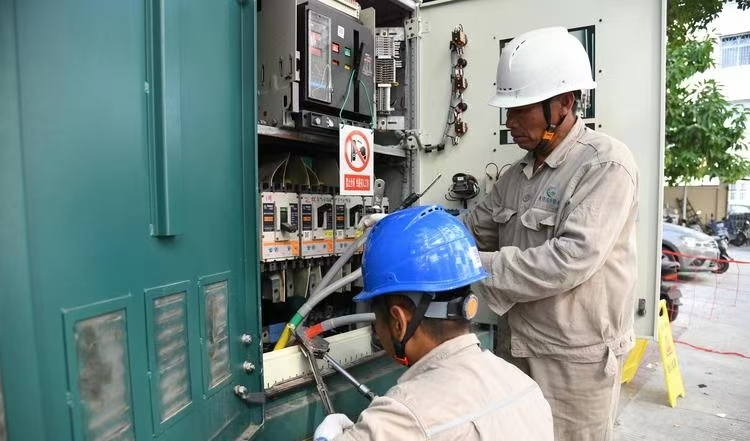
Transformers are critical components in power systems, but like all electrical equipment, they are susceptible to faults. Understanding common transformer faults and their causes is essential for maintaining system reliability, reducing downtime, and preventing costly failures. These faults may result from electrical, thermal, mechanical, or environmental stresses, and early detection is key to minimizing their impact.
What Are the Most Common Electrical Faults in Transformers?
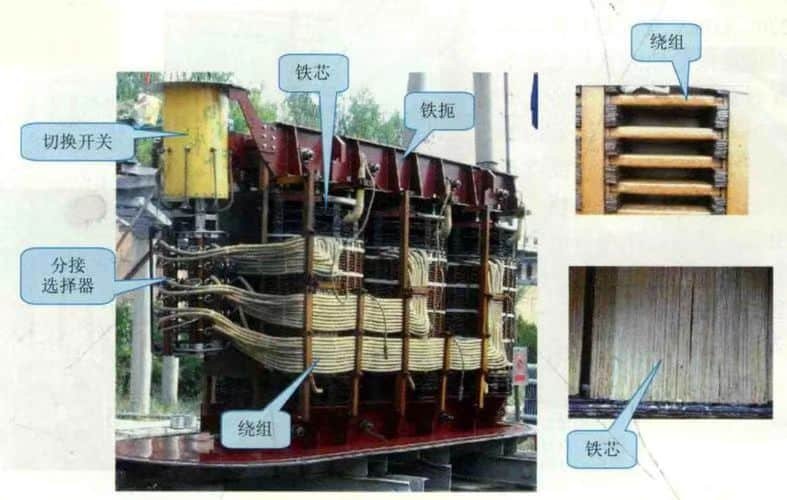
Transformers are vital to every stage of the power system—from generation to distribution—and any electrical fault within a transformer can lead to catastrophic failure, power outages, equipment damage, or even fire. Whether due to insulation breakdown, overvoltage, or short-circuit conditions, these faults must be detected and addressed swiftly. Knowing the most common electrical faults in transformers is essential for preventive maintenance, condition monitoring, and long-term asset protection.
The most common electrical faults in transformers include winding short circuits (inter-turn or phase-to-phase), insulation breakdown, earth (ground) faults, partial discharges, external short circuits, and open circuit faults. These issues can arise from aging, thermal stress, overvoltage surges, contamination, or manufacturing defects, and require timely detection through protective relays, diagnostic testing, and online monitoring systems.
This article identifies and explains the nature, causes, detection methods, and risks of typical transformer electrical faults—empowering engineers and operators to act before failure occurs.
Transformer faults such as winding shorts, ground faults, and insulation breakdowns are common and can be detected with proper monitoring and protection systems.True
These faults are well-documented in field operations and can be predicted or mitigated through diagnostic tests and protection relays.
Transformers do not typically experience electrical faults unless subjected to deliberate damage.False
Normal aging, thermal cycling, environmental stress, and load fluctuations can all cause electrical faults in transformers.
1. Winding Short Circuit Faults
| Type | Description |
|---|---|
| Inter-turn short circuit | Two adjacent turns in the same winding short |
| Phase-to-phase fault | Windings of two phases short to each other |
| Layer or disc fault | Fault between layers or disc segments in winding |
Causes:
- Insulation aging
- Dielectric oil degradation
- Surge overvoltages
- Manufacturing defects
Risks:
- Localized heating, leading to thermal runaway
- Core saturation and uneven magnetic fields
- Severe mechanical stress during faults
Detection:
- Differential protection relays
- Sudden pressure relay
- Dissolved Gas Analysis (DGA) showing acetylene, ethylene
2. Earth (Ground) Faults
| Scenario | Description |
|---|---|
| Primary or secondary winding touches grounded core or tank | Dangerous current path to ground |
Causes:
- Insulation failure
- Water ingress into windings or bushings
- Improper grounding configuration
Risks:
- Core damage
- Fire hazard
- Potential for electric shock
Detection:
- Restricted Earth Fault (REF) protection
- Insulation resistance (IR) testing
- Leakage current monitoring
3. Insulation Breakdown Faults
| Fault Type | Description |
|---|---|
| Solid insulation failure | Paper or pressboard around windings degrades |
| Liquid insulation breakdown | Mineral oil loses dielectric strength (BDV) |
Causes:
- Overheating
- Moisture contamination
- Chemical aging
- Excessive mechanical stress
Risks:
- Flashover between winding layers
- Arc formation and rapid fault escalation
Detection:
- Oil dielectric breakdown test (BDV)
- Tan delta/power factor testing
- DGA showing CO, CO₂ (paper degradation)
4. Partial Discharge (PD) Faults
| Definition | Localized electrical discharges that do not completely bridge electrodes |
|---|
Causes:
- Voids in insulation
- Sharp edges or air bubbles
- Manufacturing flaws
Risks:
- Progressive insulation degradation
- Precursor to catastrophic failure
Detection:
- PD sensors
- UHF/TEV testing
- Online PD monitoring systems
PD is common in high-voltage transformers and requires ongoing surveillance.
5. External Short Circuit Faults
| Situation | Fault occurs outside transformer but affects internal operation |
|---|
Causes:
- Downstream cable failure
- Load-side equipment shorting
- Grid fault propagating through busbars
Risks:
- High fault current stress on windings and bushings
- Mechanical damage from electrodynamic forces
Protection:
- High-speed circuit breakers
- Differential protection
- Backup time-delayed overcurrent relays
6. Open Circuit Faults
| Type | Description |
|---|---|
| Broken winding connection | Open in primary or secondary coil |
| Tap changer disconnection | OLTC contacts fail or open |
Causes:
- Mechanical damage
- Loose terminal connections
- Internal arcing
Risks:
- Voltage instability
- Load imbalance or system blackout
Detection:
- Voltage and current mismatch detection
- Transformer vector group test
- OLTC position sensing alarms
Summary Table: Common Electrical Faults in Transformers
| Fault Type | Typical Cause | Detection Methods |
|---|---|---|
| Inter-turn short circuit | Insulation failure | Differential protection, DGA |
| Phase-to-phase short | Surge or overheating | Impedance tests, relay tripping |
| Ground fault | Moisture, aging insulation | REF protection, insulation resistance test |
| Insulation breakdown | Oil degradation | BDV test, power factor, DGA |
| Partial discharge | Voids, contaminants | PD sensors, UHF testing |
| External short circuit | Cable/grid failure | Current transformers, high-speed relays |
| Open circuit | Loose terminals, contact wear | Voltage monitoring, tap changer status |
How Do Thermal Faults Develop in Transformers?
Thermal faults are one of the most frequent and destructive failure modes in transformers. Whether caused by overload, poor cooling, insulation degradation, or internal arcing, these faults silently damage a transformer’s core, windings, and oil long before visible symptoms appear. If left undetected, they can lead to catastrophic failure, expensive repairs, fire hazards, and extended outages. Understanding how thermal faults develop—and how to detect them—is key to transformer health management.
Thermal faults in transformers develop when excessive heat is generated within the core, windings, tap changers, or insulation due to overloading, internal faults, cooling system failure, or poor ventilation. This heat accelerates insulation aging, reduces dielectric strength, causes oil breakdown, and can lead to hotspots, carbonization, or even internal arcing. Early signs of thermal faults can be detected through dissolved gas analysis (DGA), temperature sensors, infrared thermography, and real-time monitoring systems.
This article explores the mechanisms, causes, stages, and detection of thermal faults in power and distribution transformers—helping you prevent failures before they happen.
Thermal faults develop in transformers when internal components overheat due to overloading, insulation failure, or cooling issues.True
Overheating leads to degradation of insulation and oil, resulting in hotspots and increased risk of internal failure.
Transformers cannot develop thermal faults if they operate under rated load.False
Even within rated load, poor cooling, aging insulation, or oil contamination can lead to localized overheating and thermal faults.
1. What Are Thermal Faults in Transformers?
Thermal faults refer to any internal condition that causes excessive localized heating beyond the transformer’s design limits. These include:
- Hotspots in windings or cores
- Thermal runaways from poor heat dissipation
- Arcing at contact points (e.g., tap changers)
- Oil degradation and carbonization near heat zones
Even brief episodes of thermal stress can significantly reduce transformer life.
2. Primary Causes of Thermal Faults
| Cause | Mechanism |
|---|---|
| Overloading | Excess current → I²R loss in windings = overheating |
| Cooling system failure | Fans/pumps not working → heat accumulation |
| High ambient temperature | Reduces heat dissipation → oil and insulation strain |
| Blocked radiators/ventilation | Impedes airflow → local temperature rise |
| Insulation aging | Less heat resistance → faster degradation under heat |
| Tap changer contact resistance | Poor contact = arcing and localized heating |
Cumulative heat effects double insulation aging rate for every 6–8°C rise above nominal.
3. Stages of Thermal Fault Development
| Stage | Symptoms and Impact |
|---|---|
| Early overheating | Minor oil temperature rise, slight gas generation |
| Hotspot formation | Localized high temperature in windings or tap area |
| Oil decomposition | Release of hydrocarbons (C₂H₆, CH₄, C₂H₂) in DGA |
| Insulation breakdown | Paper turns brittle, lower dielectric strength |
| Carbon tracking and arcing | Leads to internal arc fault or winding failure |
Without intervention, a thermal fault progresses from mild degradation to a major dielectric failure.
4. Types of Thermal Faults by Temperature Range (IEEE C57.104)
| Temperature (°C) | Fault Type | Typical Gas Signature (in DGA) |
|---|---|---|
| <150 | Low-temperature heating (paper aging) | CO, CO₂, minor CH₄ |
| 150–300 | Medium-temperature overheating | C₂H₄, CH₄, C₂H₆ |
| 300–700 | High-temperature overheating | C₂H₂ (acetylene), H₂, C₂H₄, CH₄ |
| >700 | Arcing or hot spot fault | High acetylene (C₂H₂), hydrogen (H₂) |
Dissolved Gas Analysis (DGA) is the most effective method to pinpoint fault type and severity.
5. Common Zones of Thermal Faults
| Transformer Zone | Common Thermal Issues |
|---|---|
| Windings | Overheating due to high current or poor contacts |
| Core | Core lamination faults, flux imbalance |
| Tap changer | Contact arcing, resistive heating |
| Oil system | Hot spots from poor circulation or sludge buildup |
| Bushing terminals | Loose connections and tracking |
Most hotspots go undetected unless sensors or thermal imaging are in place.
6. Detection and Monitoring Techniques
| Method | What It Detects |
|---|---|
| Oil temperature sensors | Top oil temp and rate of rise |
| Winding hot-spot sensors | Local thermal stress points |
| Dissolved Gas Analysis | Gases indicating thermal decomposition |
| Infrared thermography | External hotspots (bushings, radiators) |
| Online thermal models | Predict hot-spot temperatures via algorithms |
Smart transformers include real-time temperature diagnostics and alerting capabilities.
7. Impact of Thermal Faults on Transformer Life
| Effect | Long-Term Impact |
|---|---|
| Insulation breakdown | Accelerated aging, risk of electrical failure |
| Oil sludging and acidity | Reduced cooling and dielectric strength |
| Bushing failure | Arcing, surface tracking, explosive failure |
| Increased core losses | Energy inefficiency and overheating feedback |
The IEEE defines normal insulation life at 110°C, but just a 10°C rise can halve transformer lifespan.
8. Preventing Thermal Faults
| Strategy | Description |
|---|---|
| Load management | Avoid continuous operation above 80% capacity |
| Cooling system inspection | Regularly test fans, pumps, radiators |
| Oil analysis and filtration | Remove sludge and moisture, restore dielectric |
| Sensor integration | Enable real-time thermal alerts |
| Scheduled thermographic surveys | Identify loose connections and hotspots |
Digital monitoring systems are now essential for early thermal anomaly detection.
Summary Table: Thermal Fault Development in Transformers
| Fault Cause | Detection Method | Key Risk |
|---|---|---|
| Overload | Load logs, thermal sensors | Insulation burnout |
| Cooling failure | Fan/pump status, IR scans | Top oil temperature spike |
| Insulation degradation | DGA, power factor test | Dielectric collapse |
| Tap changer arcing | Contact analysis, DGA | Localized flashover |
| External environment | Weather sensors | Ambient impact on cooling |
What Mechanical Faults Can Occur Inside a Transformer?
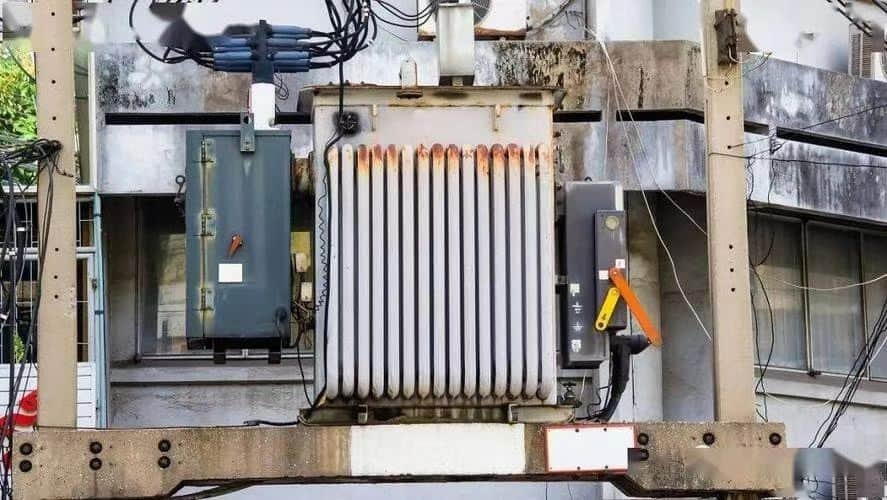
While electrical and thermal failures often take the spotlight, mechanical faults in transformers are just as dangerous—often hidden, yet capable of causing catastrophic failure, internal arcing, core damage, and eventual breakdown. These faults result from physical stresses such as short-circuit forces, improper handling, or insulation shrinkage, and are especially difficult to detect without advanced diagnostic tools. Understanding and preventing mechanical faults is crucial for ensuring transformer safety, longevity, and performance.
Mechanical faults inside transformers typically involve core displacement, winding deformation, insulation compression, loose clamping, and structural damage caused by electromagnetic forces during short circuits, vibrations, thermal expansion, or poor transport handling. These faults compromise electrical clearances, increase dielectric stress, and often trigger secondary thermal or electrical failures. Detection relies on frequency response analysis (FRA), DGA trends, acoustic monitoring, and physical inspection.
This article examines the causes, consequences, types, and detection techniques of transformer mechanical faults—empowering operators to avoid undetected degradation and catastrophic collapse.
Mechanical faults such as winding movement, core displacement, and loose clamping can severely impair transformer performance and safety.True
These faults alter internal geometry, causing increased stress, insulation damage, and eventually triggering electrical breakdown.
Mechanical faults are impossible in sealed transformers and do not occur during normal operation.False
Mechanical faults can develop due to internal forces, transport vibration, thermal cycling, or short-circuit stresses, even in sealed units.
1. Winding Deformation or Displacement
| Fault Type | Description |
|---|---|
| Axial deformation | Winding compresses or elongates vertically |
| Radial buckling | Windings deform inward or outward due to magnetic forces |
| Spiral twist or displacement | Coils misalign or rotate under fault stress |
Causes:
- High fault current (short circuits)
- Inadequate mechanical support
- Thermal cycling causing insulation shrinkage
Risks:
- Insulation cracking
- Electrical clearance reduction → arc risk
- Core imbalance → increased losses
Detection:
- Frequency Response Analysis (FRA)
- Sweep frequency measurements
- Changes in leakage impedance
2. Core Displacement or Loosening
| Fault Description | Mechanical movement of laminated iron core |
|---|---|
| Misalignment of core stacks | Can disturb magnetic symmetry |
| Loosened core clamps | Vibration, noise, and core heating |
Causes:
- Transportation impact
- Short-circuit shock
- Improper bolting or clamping torque
Risks:
- Core vibration and audible noise
- Eddy current losses
- Core-to-ground short risk
Detection:
- Audible noise increase
- Infrared thermography (hot spots)
- Electrical signature analysis
3. Insulation Compression and Degradation
| Fault Mechanism | Shrinking, crushing, or misalignment of insulation layers |
|---|
Causes:
- Thermal aging of paper insulation
- Mechanical stress during tap changes
- Oil contamination reducing elasticity
Risks:
- Loss of dielectric separation
- Paper turning brittle → partial discharge
- Tap changer arcing and contact wear
Detection:
- DGA indicating cellulose breakdown (CO, CO₂)
- Tan delta or power factor test
- Visual inspection (if unit is opened)
4. Loose Clamping and Structural Support Failures
| Component | Typical Fault Description |
|---|---|
| Winding clamps | Lose tension, leading to winding movement |
| Tie rods and press boards | Can shift, break, or shear under force |
| Radiators or external fasteners | May vibrate loose in high-load cycling |
Causes:
- Repeated thermal expansion cycles
- Poor maintenance or original assembly
- External shock or seismic events
Risks:
- Escalates into winding displacement
- Increases vibration and mechanical resonance
- Shortens transformer lifespan
Detection:
- Acoustic vibration monitoring
- Periodic mechanical torque audits
- FRA comparison with baseline
5. Tap Changer Mechanical Wear and Failure
| Type | Mechanical fault during tap shifting |
|---|---|
| Contact misalignment | Improper engagement of movable contacts |
| Gear and motor wear | Increased switching time, inconsistent operation |
Causes:
- Frequent load tap changes
- Aging actuator motors
- Inadequate lubrication or design flaws
Risks:
- Arcing and carbonization
- Thermal runaway at contact site
- Voltage instability or incorrect output
Detection:
- Tap changer signature analysis
- Motor current curve deviation
- Online tap position tracking
6. Handling and Transport Damage
| Scenario | Mechanical shock during installation or movement |
|---|
Vulnerable Components:
- Windings and core clamps
- Bushings and oil conservators
- Radiators and gaskets
Risks:
- Unseen internal deformation
- Future fault initiation under load
- Warranty voidance and operational hazard
Detection:
- Post-delivery FRA testing
- Transport log review (shock sensors)
- Visual inspection and torque checks
Summary Table: Common Mechanical Faults in Transformers
| Fault Type | Cause | Detection Tool(s) |
|---|---|---|
| Winding deformation | Short-circuit forces, thermal expansion | FRA, impedance tests, thermography |
| Core displacement | Handling, loosened clamps | Audible noise, thermography, signature analysis |
| Insulation collapse | Aging, shrinkage, stress | DGA, tan delta, visual inspection |
| Clamping loosening | Vibration, torque loss | Vibration analysis, torque check |
| Tap changer wear | Overuse, motor faults | Motion signature, oil analysis |
| Transport damage | Shock, drop, improper support | FRA, physical inspection, transport sensors |
How Do Environmental Factors Contribute to Transformer Failures?
Transformers are designed to withstand extreme electrical and mechanical stresses—but environmental factors can silently degrade their performance and reliability. From temperature extremes and humidity to dust, pollution, wildlife, and UV exposure, the surrounding environment plays a critical role in accelerating aging, triggering insulation breakdown, and inducing mechanical and thermal stress. Ignoring these external conditions can lead to unexpected outages, fire risks, and premature transformer failure.
Environmental factors contribute to transformer failures by promoting insulation degradation, corrosion, moisture ingress, thermal stress, contamination, and wildlife interference. Key contributors include ambient temperature extremes, humidity, airborne pollution, ultraviolet (UV) exposure, salt spray, lightning, flooding, dust accumulation, and small animal intrusion. These factors can lead to tracking, flashover, overheating, or component failure if not properly mitigated.
This article explores in depth how different environmental elements affect transformer integrity, what failures they cause, and how to defend against them.
Environmental factors such as moisture, temperature extremes, pollution, and wildlife can directly lead to transformer failure.True
These conditions contribute to insulation breakdown, corrosion, contamination, and short-circuiting—major causes of transformer malfunction.
Transformers are immune to environmental conditions if they are installed outdoors.False
Even outdoor-rated transformers are susceptible to environmental stress without adequate protection, sealing, and maintenance.
1. Moisture and Humidity
| Effect | Failure Mechanism |
|---|---|
| Moisture ingress into insulation | Reduces dielectric strength, accelerates aging |
| Condensation inside tank | Causes partial discharges, tracking, or arc |
| Hygroscopic behavior of paper | Absorbs water, loses mechanical integrity |
Typical Consequences:
- Breakdown voltage (BDV) drops
- Paper insulation weakens and carbonizes
- Increases partial discharge (PD) activity
Detection & Mitigation:
- Dissolved Water-in-Oil (Karl Fischer) tests
- Silica gel breathers, nitrogen sealing, air filters
- Dehumidified enclosures or sealed conservators
2. Ambient Temperature Extremes
| Scenario | Impact on Transformer |
|---|---|
| High temperature | Accelerates oil oxidation and insulation aging |
| Low temperature | Increases oil viscosity, slows cooling circulation |
Consequences:
- Hot spot temperature >110°C → shortens insulation life
- Cold oil can delay startup or damage bushings
- Thermal expansion → seal leaks or mechanical stress
Mitigation:
- Smart cooling systems (ONAF, OFWF)
- Use of temperature sensors and alarms
- Low-viscosity or synthetic insulating fluids for cold regions
3. Pollution and Airborne Contaminants
| Contaminant Type | Typical Source | Impact |
|---|---|---|
| Salt spray | Coastal areas | Corrosion, surface tracking |
| Industrial pollutants | Cement, chemical, steel plants | Acidic or conductive deposits |
| Dust and sand | Desert or arid zones | Bushing contamination, flashovers |
Consequences:
- Leakage currents across insulators
- Accelerated metal corrosion (clamps, bolts)
- Increases surface conductivity → risk of tracking
Mitigation:
- Anti-pollution bushings (creepage-extended)
- Silicone coating or RTV insulation
- Regular external washing and infrared scans
4. Ultraviolet (UV) Radiation
| Effect | Target Component | Result |
|---|---|---|
| UV exposure degrades elastomers | Gaskets, bushings, cable insulation | Cracking, embrittlement, leaks |
| Paint degradation | Tank and radiators | Corrosion, heat absorption |
Mitigation:
- UV-resistant coatings and composite materials
- Periodic repainting and gasket inspection
- Indoor sheltering or sun-shielding enclosures
5. Lightning and Surges
| Cause | Consequence |
|---|---|
| Direct or nearby strike | Overvoltage → insulation flashover |
| Switching surge | Voltage spike damages winding insulation |
Effects:
- Bushing explosion
- Tap changer flashover
- Core saturation and dielectric failure
Protection:
- Surge arresters with grading rings
- Grounding grid integrity checks
- Lightning shielding wires above transformer
6. Flooding and Water Ingress
| Scenario | Entry Point | Result |
|---|---|---|
| Flash flood or rising water | Base seal, cable gland | Water intrusion, short-circuit risk |
| Stormwater in pit or trench | Oil contamination, corrosion | Breakdown of insulation properties |
Prevention:
- Elevated installation pads
- Water-proof enclosures for connections
- Flood drainage systems and moisture sensors
7. Wildlife Intrusion
| Animal | Common Faults Caused |
|---|---|
| Rodents | Chew cables, nest inside transformer tanks |
| Birds | Nesting on bushings, cause shorting |
| Snakes and reptiles | Enter cabinets → trigger phase-to-ground fault |
Mitigation:
- Wildlife barriers and vermin-proof mesh
- Bushing covers and anti-nesting spikes
- Sealed cable terminations
8. Seismic and Wind Events
| Event | Structural Impact |
|---|---|
| Earthquake | Core shifting, bushing cracking, anchor failure |
| High winds | Dislodging of radiators, bushings, or top accessories |
Safeguards:
- Seismic-rated design with bracing
- Anchor bolt checks and dynamic loading analysis
- Windbreak structures and fencing
Summary Table: Environmental Factors and Their Effects on Transformers
| Environmental Factor | Key Impact | Recommended Mitigation |
|---|---|---|
| Moisture/Humidity | Insulation failure, PD | Breathable seals, oil monitoring |
| Heat/Cold extremes | Accelerated aging, poor cooling | Smart cooling, temp alarms |
| Pollution/Contaminants | Surface tracking, flashover | RTV coating, insulator cleaning |
| UV Radiation | Material degradation | UV-resistant materials, shielding |
| Lightning/Surges | Dielectric failure | Surge arresters, proper grounding |
| Flooding | Oil contamination, shorts | Elevation, sealing, moisture detection |
| Wildlife | Chewed cables, shorts | Animal guards, mesh, insulation barriers |
| Wind/Seismic events | Mechanical deformation | Structural reinforcement, anchoring |
What Are the Signs and Symptoms of Impending Faults?
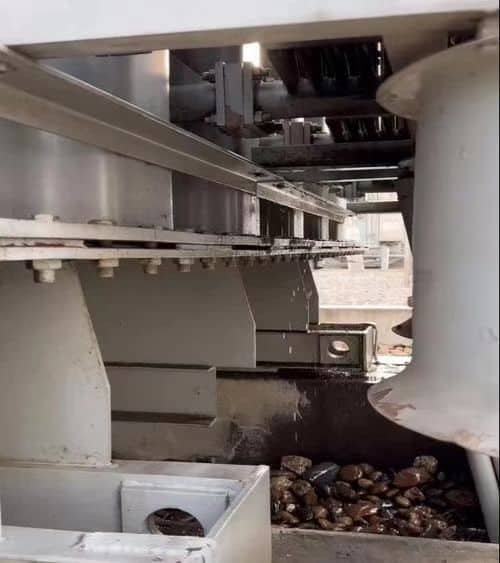
Even the most robust transformers exhibit early warning signs before failure occurs. These symptoms—if detected and interpreted in time—can prevent catastrophic faults, extend service life, and save costly downtime and repairs. Whether electrical, thermal, or mechanical in nature, impending transformer faults always leave behind measurable traces. Knowing what to look for is critical for predictive maintenance and operational safety.
The signs and symptoms of impending transformer faults include unusual noise, elevated oil and winding temperatures, abnormal dissolved gas levels, oil leaks, discoloration, bushing cracks, insulation resistance drops, irregular tap changer behavior, moisture contamination, and increased partial discharge activity. These indicators suggest issues like internal arcing, thermal aging, mechanical movement, or insulation failure—and should trigger immediate investigation.
This article explains each key symptom of transformer distress, the fault it likely indicates, and how to detect it before it escalates into an outage or fire.
Transformers exhibit detectable symptoms such as abnormal gas levels, overheating, noise, and oil leakage before failing.True
These signs often precede catastrophic faults and allow for preventive diagnostics and repairs.
Transformer faults occur suddenly without any early warning signs.False
Most transformer failures are preceded by measurable changes in temperature, gas generation, or electrical behavior that signal pending failure.
1. Unusual Noise or Vibration
| Symptom | Possible Fault |
|---|---|
| Humming louder than usual | Core loosening, magnetostriction imbalance |
| Rhythmic knocking | Winding movement or loose clamps |
| Sharp clicking or crackling | Partial discharges or contact arcing |
Detection:
- Acoustic sensors
- Operator log reports
- Vibration spectrum analysis
Sudden sound pattern changes often signal mechanical stress or internal sparking.
2. Oil Temperature and Winding Hot Spot Rise
| Indicator | Potential Issue |
|---|---|
| Consistent top oil temperature above normal | Overload, blocked radiators, cooling fan failure |
| Hot-spot reading exceeds threshold | Winding overloading or insulation breakdown |
Detection:
- Thermal sensors in oil and windings
- SCADA real-time temperature alarms
- Thermal modeling (IEEE/IEC methods)
Every 6–8°C rise in hot-spot temperature halves insulation life.
3. Dissolved Gas Analysis (DGA) Abnormalities
| Gas Detected | Associated Fault Type |
|---|---|
| Hydrogen (H₂) | Corona or partial discharge |
| Acetylene (C₂H₂) | Arcing or high-energy internal fault |
| Methane/Ethane (CH₄, C₂H₆) | Overheating of oil or windings |
| CO, CO₂ | Cellulose insulation aging or overheating |
Detection:
- DGA lab testing
- Online gas monitoring sensors
- Key gas ratios (Rogers, Duval triangle)
DGA is the gold standard for identifying internal incipient faults.
4. Oil Leakage or Discoloration
| Visual Cue | Possible Cause |
|---|---|
| Dark or cloudy oil | Contaminants, oxidation, carbonization |
| Oil dripping near seals | Tank seal deterioration or expansion leaks |
| Wet spots around bushings | Capillary leakage or gasket failure |
Detection:
- Oil color test (ASTM D1500)
- Daily inspection log
- Moisture and dielectric breakdown testing
Oil condition directly reflects internal thermal and chemical events.
5. Bushing Surface Anomalies
| Symptom | Related Fault |
|---|---|
| Cracks or chalking | UV degradation, thermal stress |
| Surface tracking | Pollution, moisture, or PD activity |
| Flash marks or burning | Arcing or surge event |
Detection:
- Visual inspection
- IR scanning of bushing hotspots
- Capacitance and power factor testing
Bushings are the entry point for most flashovers and failures.
6. Moisture Contamination
| Evidence | Cause and Risk |
|---|---|
| Low insulation resistance | Water ingress through seals or oil oxidation |
| High water-in-oil ppm | Breather failure, humid environment |
| Condensation in conservator | Cooling and heating cycles, improper design |
Detection:
- Insulation Resistance (IR) test
- Karl Fischer titration
- Relative humidity sensors
Moisture reduces dielectric strength and accelerates paper insulation aging.
7. Irregular Tap Changer Operation
| Symptom | Fault Mechanism |
|---|---|
| Inconsistent voltage output | Tap position not aligning or stuck |
| Arcing or burnt oil smell | Tap contacts degraded or carbonized |
| Motor takes longer to actuate | Mechanical wear or jamming |
Detection:
- Tap change counter analysis
- Motion current signature tracing
- Visual and oil inspection of diverter switch
Tap changers account for 30–40% of transformer failures.
8. Abnormal Load and Voltage Patterns
| Observation | Underlying Issue |
|---|---|
| Load imbalance | Phase winding issue or feeder faults |
| Voltage dips or swells | Regulation failure or short-term fault |
Detection:
- Load profile recording
- Voltage trend analysis
- Fault recorders and DR relays
Load and voltage anomalies may precede internal short circuits or core saturation.
9. Partial Discharge (PD) Activity
| Indicator | Early Fault Area |
|---|---|
| UHF signal burst | Voids or defects in insulation |
| PD over 1000 pC | Sign of serious internal degradation |
| Audible noise or ozone smell | Surface PD on bushings or terminals |
Detection:
- UHF/TEV online PD sensors
- Acoustic PD triangulation
- PD trend analysis software
PD is the earliest detectable symptom of insulation deterioration.
Summary Table: Impending Transformer Fault Signs
| Symptom | Potential Fault | Detection Method |
|---|---|---|
| Unusual noise | Core/winding movement, arcing | Acoustic monitoring, visual observation |
| Elevated oil temperature | Overload, cooling failure | Thermal sensors, SCADA alerts |
| DGA abnormalities | Arcing, overheating, insulation breakdown | Gas chromatography, online DGA monitor |
| Oil discoloration/leaks | Oxidation, internal arcing, seal failure | Visual check, oil test (ASTM/IEC) |
| Bushing defects | UV aging, tracking, surge stress | IR scan, visual inspection, capacitance test |
| Moisture presence | Seal leakage, humid environment | Karl Fischer, IR test, silica gel color |
| Tap changer delay/failure | Contact wear, motor failure | Signature analysis, maintenance inspection |
| Load or voltage instability | Phase faults, winding defects | Load logs, digital recorders |
| Partial discharge spikes | Insulation voids or degradation | PD analyzer, TEV/UHF/ultrasonic sensors |
How Can Faults Be Diagnosed and Prevented?
Transformer faults are among the most costly and disruptive failures in any power system. Yet many of them—thermal breakdowns, dielectric failures, winding distortions, oil degradation, and core displacements—begin silently. Early diagnosis and proactive prevention can mitigate risk, extend transformer lifespan, and maintain grid reliability. With the advancement of diagnostic testing tools, online monitoring, and condition-based maintenance, transformer fault management has moved from reaction to prediction and prevention.
Transformer faults can be diagnosed using techniques such as Dissolved Gas Analysis (DGA), Frequency Response Analysis (FRA), infrared thermography, insulation resistance testing, partial discharge detection, and online monitoring systems. Preventive measures include proper cooling, routine testing, oil maintenance, surge protection, load management, and scheduled inspections. Together, these strategies detect faults early, isolate the cause, and prevent damage from escalating.
This article details the tools and strategies to diagnose and prevent faults in transformers—from routine field testing to advanced sensor-based monitoring and lifecycle management.
Transformer faults can be diagnosed using tools like DGA, FRA, thermography, and prevented through routine maintenance, monitoring, and surge protection.True
These diagnostic and preventive practices are industry-standard approaches to maintaining transformer health and reliability.
Transformer faults cannot be predicted or prevented and only occur suddenly.False
Most transformer faults develop over time and show measurable warning signs, which can be caught with appropriate diagnostic techniques.
1. Diagnostic Techniques for Fault Detection
A. Dissolved Gas Analysis (DGA)
| Fault Detected | Gases Produced |
|---|---|
| Thermal faults | CH₄, C₂H₆, C₂H₄ |
| Arcing faults | C₂H₂, H₂ |
| Insulation aging | CO, CO₂ |
- Tool: Online DGA monitors or lab kits
- Use: Detect early-stage internal faults before physical damage occurs
- Standard: IEEE C57.104, IEC 60599
B. Frequency Response Analysis (FRA)
| Application | Fault Detected |
|---|---|
| Winding movement | Displacement, deformation |
| Core issues | Loosened laminations |
- Tool: FRA sweep analyzer
- Use: Post-fault or post-shipping structural assessment
- Advantage: High sensitivity to minor mechanical faults
C. Infrared Thermography
| Fault Indication | Visual Symptoms |
|---|---|
| Hot spots in bushings | Thermal gradient anomalies |
| Loose connections | Overheated terminals or joints |
- Tool: IR thermal cameras (handheld or drone)
- Use: On-load heat signature mapping
- Frequency: Quarterly or bi-annual scans
D. Partial Discharge (PD) Analysis
| PD Source | Common Fault Area |
|---|---|
| Surface tracking | Bushings, terminals |
| Internal voids | Paper insulation, winding defects |
- Tool: UHF sensors, acoustic detectors
- Use: Detect incipient insulation breakdown
- Detection: In pC or UHF dBµV (IEC 60270)
E. Insulation Resistance & Polarization Index
| Parameter | Indicates |
|---|---|
| Insulation Resistance (IR) | Moisture, contamination |
| PI (IR\@10min / IR\@1min) | Insulation aging |
- Tool: Megohmmeter
- Use: Routine dielectric condition assessment
- Threshold: PI < 2 suggests insulation degradation
2. Preventive Maintenance Strategies
A. Oil Maintenance and Filtration
| Action | Benefit |
|---|---|
| Oil purification | Removes moisture and gas |
| Regular BDV testing | Maintains dielectric strength |
| Acid number monitoring | Tracks oxidation levels |
- Tool: BDV kits, DGA, moisture testers
- Frequency: Every 6–12 months or condition-based
- Standard: IEC 60296 oil specifications
B. Cooling System Inspection
| Component | Failure Mode |
|---|---|
| Radiators clogged | Reduced heat dissipation |
| Fans/pumps not functioning | Thermal overload risk |
- Action: Verify coolant flow, fan switching, and oil circulation
- Tool: IR scan, fan relay test
- Interval: Monthly visual checks, quarterly load-run tests
C. Surge and Lightning Protection
| Device | Function |
|---|---|
| Surge arresters | Protect against overvoltage from lightning |
| Shield wires | Intercept direct strikes |
| Grounding grid | Provides safe fault current path |
- Action: Check arrester condition and grounding resistance
- Tool: Earth tester, thermal imaging
- Standard: IEEE 80, IEC 60099-4
D. Tap Changer Inspection and Oil Sampling
| Fault Risk | Prevention Action |
|---|---|
| Arcing or contact wear | Periodic inspection, oil filtration |
| Control motor wear | Test switching cycles |
- Tool: Contact resistance tester, signature analyzer
- Schedule: 5,000 to 10,000 operations or annually
- Note: Tap changers are the most fault-prone mechanical component
3. Online Monitoring and Automation
| Monitored Parameter | Benefit |
|---|---|
| Oil temperature and load | Dynamic rating and thermal alerting |
| DGA in real time | Fault precursor detection |
| PD and vibration levels | Advanced insulation and mechanical alerting |
| Tap position and motor runtime | Condition-based tap maintenance |
- Tool: Smart transformer monitors, IoT platforms
- Integration: SCADA, cloud analytics, DERMS
- Advantage: Enables real-time diagnosis and predictive action
4. Operational Practices That Prevent Faults
| Practice | Impact on Reliability |
|---|---|
| Load balancing | Prevents overheating in windings |
| Phase symmetry checks | Avoids neutral shifts and current imbalance |
| Ground resistance monitoring | Maintains fault dissipation path |
| Environmental protection | Shields against moisture, dust, and animals |
- Tip: Combine routine logs with trend analysis for proactive insights
Summary Table: Transformer Fault Diagnosis and Prevention
| Diagnostic Tool | Faults Detected | Prevention Strategy |
|---|---|---|
| DGA | Arcing, overheating, insulation failure | Oil monitoring, load control |
| FRA | Winding displacement | Transport bracing, core clamping checks |
| IR Thermography | Hotspots, poor cooling | Tightening, cleaning, fan/pump checks |
| PD Analysis | Insulation voids, tracking | Surface cleaning, moisture control |
| Oil Quality Tests | Contamination, oxidation | Regular filtration, sealing, moisture removal |
| Online Monitoring | All parameters in real-time | Predictive maintenance, auto-alarming |
Conclusion
Transformer faults can lead to major disruptions if not identified and addressed promptly. By understanding the typical failure modes and their underlying causes—whether electrical, thermal, mechanical, or environmental—operators can implement effective monitoring and preventive strategies. With proper diagnostics and maintenance, the risk of transformer failure can be significantly reduced, ensuring safer and more efficient power delivery.
FAQ
Q1: What are the most common faults in transformers?
A1: The most common transformer faults include:
Insulation failure
Overheating
Oil leakage
Winding short circuits
Core faults
Bushing failures
Tap changer malfunctions
These faults can lead to performance degradation, outages, or even catastrophic failure if not addressed.
Q2: What causes insulation failure in transformers?
A2: Insulation failure is often caused by:
Thermal aging due to excessive heat
Moisture ingress into the oil or windings
Electrical stress from overvoltage or surges
Contaminated or degraded insulating oil
This type of failure compromises dielectric strength and can lead to short circuits.
Q3: Why does transformer overheating occur?
A3: Overheating is typically caused by:
Overloading beyond rated capacity
Poor ventilation or cooling system failure
Blocked radiator fins or oil circulation issues
High ambient temperatures
Prolonged overheating accelerates insulation breakdown and component aging.
Q4: What leads to winding short circuits?
A4: Winding short circuits can result from:
Mechanical damage due to vibrations or movement
Insulation degradation over time
Manufacturing defects
Electrical transients or surges
Short circuits often cause severe local heating and can result in transformer tripping or permanent failure.
Q5: How can transformer faults be detected and prevented?
A5: Faults can be detected using:
Dissolved Gas Analysis (DGA)
Thermal imaging
Partial discharge monitoring
Insulation resistance testing
Prevention involves regular maintenance, condition monitoring, oil testing, load management, and ensuring proper cooling and grounding.
References
"Common Transformer Faults and Diagnostic Methods" – https://www.transformertech.com/common-transformer-faults – Transformer Tech
"Causes of Transformer Failures and Prevention Tips" – https://www.powermag.com/transformer-fault-causes – Power Magazine
"Typical Transformer Faults and Their Detection" – https://www.electrical4u.com/transformer-faults-causes – Electrical4U
"Transformer Fault Diagnosis Using Condition Monitoring" – https://www.researchgate.net/transformer-fault-diagnosis – ResearchGate
"Understanding Insulation Failures in Transformers" – https://www.sciencedirect.com/transformer-insulation-failures – ScienceDirect
"Energy Central: Transformer Reliability and Maintenance" – https://www.energycentral.com/c/ee/transformer-reliability-guide – Energy Central
"Smart Grid News: Transformer Health Monitoring" – https://www.smartgridnews.com/transformer-fault-detection – Smart Grid News
"PowerGrid: Strategies for Transformer Protection" – https://www.powergrid.com/transformer-fault-protection – PowerGrid