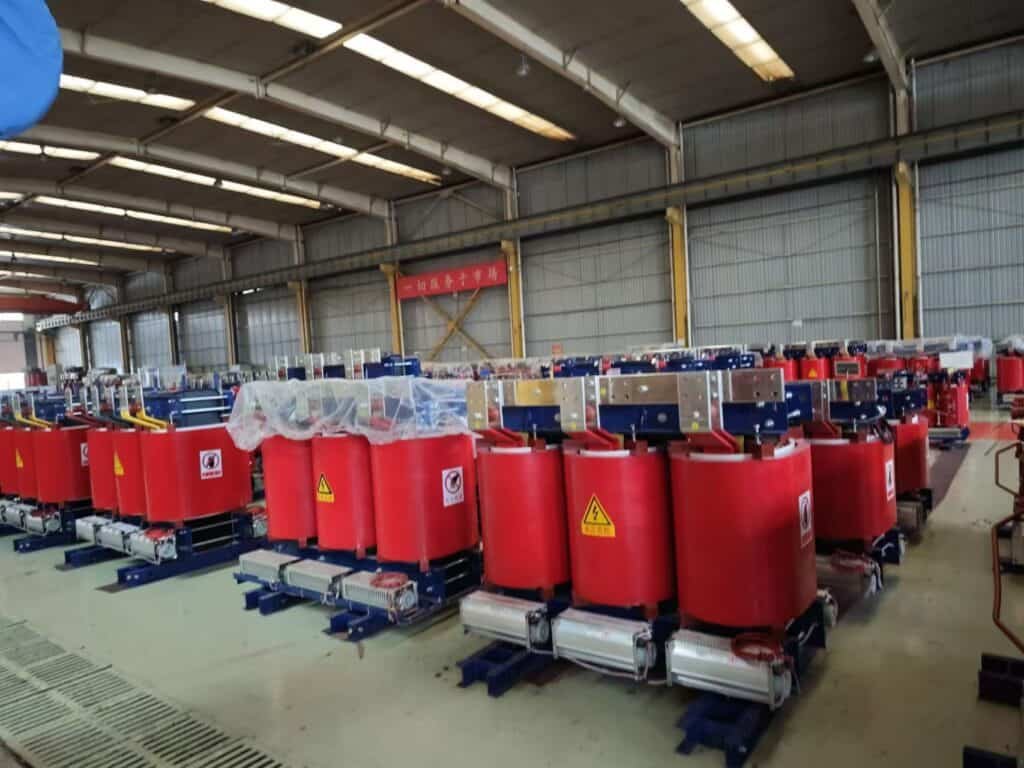
Dry type transformers are widely used in commercial buildings, data centers, and industrial applications where safety, low maintenance, and fire resistance are priorities. Unlike oil-immersed transformers, they use air or resin for insulation and cooling, making them cleaner and safer for indoor use. However, their price and performance vary depending on design, rating, and application. This guide compares costs, highlights advantages and disadvantages, and helps buyers make informed decisions when selecting a dry type transformer.
What Factors Influence the Price of Dry Type Transformers?
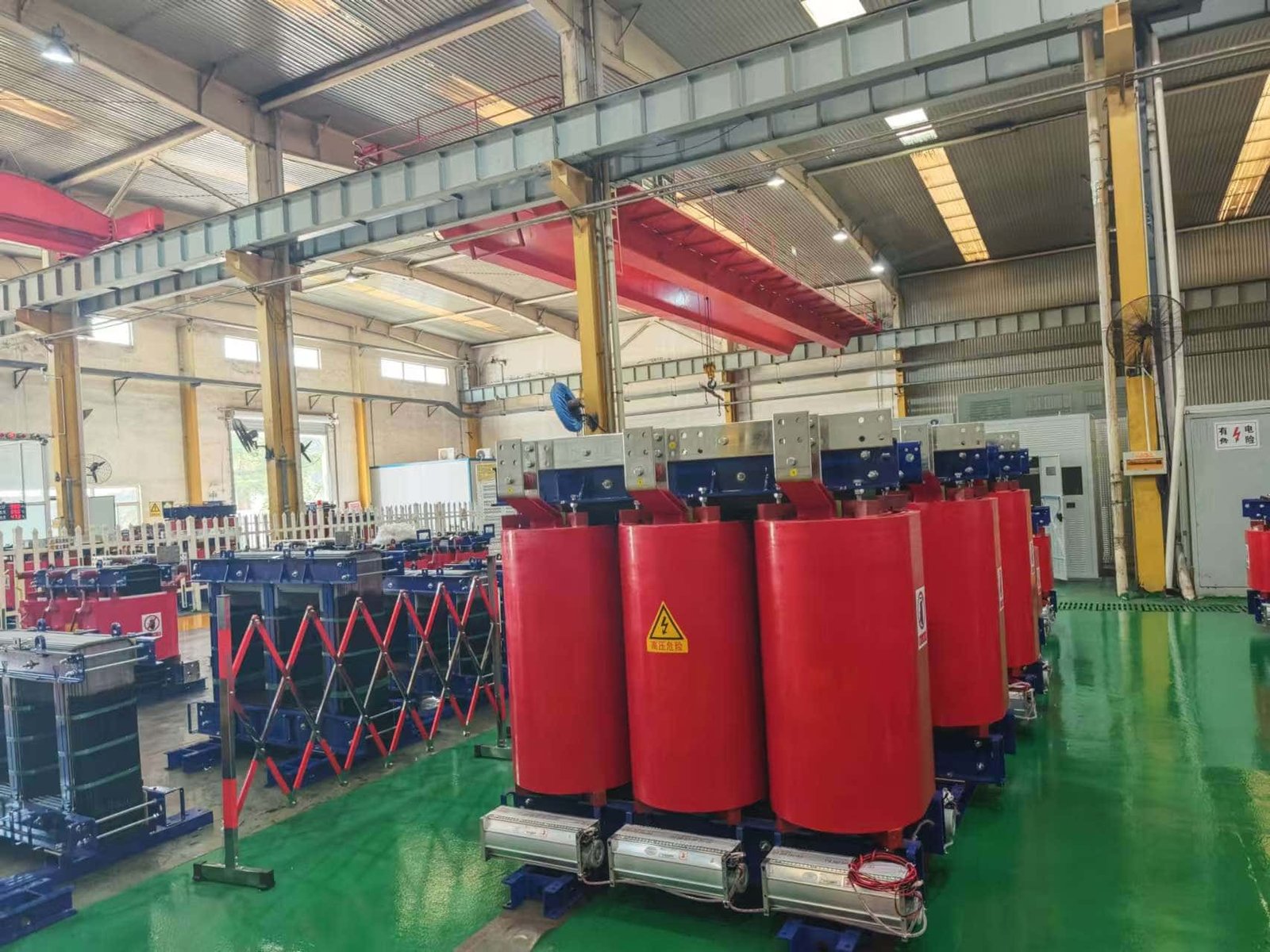
When customers consider purchasing a dry-type transformer, cost is often one of the first questions. However, transformer pricing is not fixed—it depends on a combination of technical specifications, material choices, cooling systems, efficiency standards, and market factors. Misunderstanding these factors can lead to underestimating long-term costs if buyers focus only on upfront price without considering efficiency, reliability, and lifespan.
The price of dry-type transformers is influenced by factors such as capacity (kVA rating), core and winding materials, insulation type, cooling method (AN vs. AF), energy efficiency requirements, certifications and compliance standards, and customization for specific environments. Market conditions and raw material prices (copper, aluminum, silicon steel) also play a significant role. Buyers should evaluate both initial purchase price and lifecycle costs when selecting a transformer.
Investing in the right balance of cost and performance ensures that the transformer not only fits budget but also delivers long-term reliability, reduced energy losses, and compliance with international safety standards.
The cost of a dry-type transformer depends only on its capacity rating.False
While capacity influences price, materials, insulation, cooling, efficiency, and compliance standards significantly impact overall cost.
Higher efficiency dry-type transformers may cost more initially but save money through reduced losses over their lifespan.True
Efficiency improvements lower operating costs, often offsetting higher purchase price.
1. Transformer Capacity (kVA Rating)
- Primary cost driver: Larger kVA capacity requires more copper/aluminum, insulation, and core steel.
- Costs scale roughly in proportion to power rating but are influenced by design complexity.
📊 Example: A 1,000 kVA dry-type transformer may cost 2–2.5 times more than a 500 kVA unit, depending on specifications.
2. Materials Used
| Material | Influence on Price | Notes |
|---|---|---|
| Copper vs. Aluminum Windings | Copper is more expensive but offers higher conductivity, lower losses, and smaller size. Aluminum reduces upfront cost but increases long-term losses. | Trade-off between purchase price and lifecycle efficiency. |
| Silicon Steel Laminations | Higher-grade, grain-oriented steel reduces core losses but raises cost. | Advanced steels lower no-load losses. |
| Epoxy Resin Insulation | High mechanical and thermal resistance; costlier than standard insulation systems. | Preferred for fire safety in public buildings. |
3. Insulation and Thermal Class
- Higher insulation class (e.g., Class H at 180°C vs. Class F at 155°C) increases durability but also cost.
- Critical for applications with harsh climates or heavy load cycles.
4. Cooling Method (AN vs. AF)
- Air Natural (AN): Lower cost, passive cooling, minimal maintenance.
- Air Forced (AF): Requires fans, ducts, and monitoring systems—adds upfront and maintenance cost, but enables higher load capacity.
5. Efficiency Standards and Loss Requirements
- Many regions enforce minimum efficiency levels (e.g., DOE in the US, EU Eco-Design in Europe, BIS in India).
- Low-loss designs use better core steel and more conductor material, which increases cost but saves electricity over decades.
📊 Lifecycle Cost Example:
A high-efficiency transformer may cost 10–15% more initially but save 20–30% in energy loss costs over 25 years of service.
6. Certifications and Compliance
- IEC, IEEE, ANSI standards add design/testing costs.
- Safety/environmental compliance (RoHS, REACH, PCB-free, fire safety codes) influences materials and insulation choices.
- Special certifications for hospitals, marine, mining, or renewable projects increase cost.
7. Customization and Design Features
- Enclosures with high IP ratings (dust, rain, or marine protection).
- Noise-reduction designs for residential or sensitive installations.
- Smart monitoring systems (temperature, humidity, load sensors).
- Climate-specific modifications (anti-condensation heaters, UV-resistant coatings).
8. Market Conditions
- Raw material volatility (copper, aluminum, silicon steel) can shift prices by 10–20% within months.
- Regional differences: Import tariffs, freight, and labor costs affect local pricing.
📊 Cost Influence Breakdown (Typical 1,000 kVA Dry-Type Transformer):
| Factor | Contribution to Price |
|---|---|
| Materials (Copper/Steel/Insulation) | 45–55% |
| Design & Manufacturing Complexity | 20–25% |
| Compliance & Certifications | 10–15% |
| Market & Logistics | 10–20% |
How Do Dry Type Transformers Compare to Oil-Immersed Transformers in Cost?
When choosing between dry-type transformers and oil-immersed transformers, one of the biggest concerns is cost. However, the cost comparison is not only about the purchase price—it involves installation, maintenance, efficiency, lifespan, and compliance with safety/environmental standards. If buyers focus only on upfront cost, they may overlook hidden long-term expenses or savings.
In general, oil-immersed transformers are cheaper to purchase and have higher efficiency, but they require more space, strict fire safety precautions, and careful oil handling. Dry-type transformers, on the other hand, are more expensive upfront (typically 20–40% higher in price), but they are safer, require less maintenance, and are preferred for indoor or environmentally sensitive installations. The choice depends on lifecycle cost analysis, installation environment, and regulatory requirements.
Selecting the right transformer type requires balancing initial investment against operational savings and safety compliance to achieve the most cost-effective solution.
Dry-type transformers always cost less than oil-immersed transformers.False
Dry-type transformers are generally 20–40% more expensive upfront due to insulation, enclosure, and manufacturing complexity.
Oil-immersed transformers offer higher efficiency and lower losses compared to dry-type transformers.True
The liquid cooling in oil-immersed designs reduces resistance and improves thermal performance, lowering energy losses.
1. Initial Purchase Cost
| Transformer Type | Relative Price | Notes |
|---|---|---|
| Oil-Immersed | Lower (baseline) | Less complex construction, efficient cooling with oil. |
| Dry-Type | 20–40% higher | Epoxy insulation, specialized enclosures, higher-grade materials. |
📊 Example: A 1,000 kVA oil-immersed transformer may cost $25,000–$30,000, while a dry-type transformer of the same rating may cost $30,000–$40,000, depending on customization.
2. Installation Costs
- Oil-Immersed: Requires oil containment pits, fire barriers, and outdoor placement → increases site preparation cost.
- Dry-Type: Can be installed indoors, closer to the load, reducing cabling costs.
💡 For buildings (hospitals, malls, data centers), dry-type transformers may save on installation even if purchase price is higher.
3. Operating and Maintenance Costs
| Factor | Oil-Immersed | Dry-Type |
|---|---|---|
| Cooling Efficiency | High (better load handling) | Lower (limited by air cooling) |
| Maintenance | Regular oil testing, leaks, filtration | Minimal (visual checks, fan inspection if AF) |
| Fire Safety | High risk of oil fire | Self-extinguishing, safer indoors |
4. Energy Losses and Efficiency
- Oil-Immersed: More efficient, especially at higher capacities (>2,500 kVA).
- Dry-Type: Slightly higher load and no-load losses, raising long-term operating cost.
📊 Typical Loss Comparison (1,000 kVA, IEC standard):
| Loss Type | Oil-Immersed | Dry-Type |
|---|---|---|
| No-Load Loss | 1.0–1.2 kW | 1.2–1.5 kW |
| Load Loss | 9–10 kW | 11–13 kW |
Over 20 years, even a 1 kW higher loss can translate to $15,000–$20,000 extra electricity cost.
5. Compliance, Safety, and Environmental Impact
- Oil-Immersed: Requires monitoring for oil leaks; stricter compliance for fire and environmental risks.
- Dry-Type: Often required in airports, metro stations, tunnels, and high-rise buildings due to fire safety and low environmental risk.
6. Total Cost of Ownership (TCO)
| Aspect | Oil-Immersed | Dry-Type |
|---|---|---|
| Upfront Purchase | ✅ Lower | ❌ Higher |
| Installation | ❌ Costly (containment, distance) | ✅ Lower (indoor use possible) |
| Operation & Maintenance | ❌ Oil handling, monitoring | ✅ Minimal |
| Energy Efficiency | ✅ Higher | ❌ Slightly lower |
| Fire & Environmental Risk | ❌ Higher | ✅ Lower |
📊 Summary:
- Oil-immersed: Cheaper upfront, lower losses, higher efficiency → best for utilities and outdoor substations.
- Dry-type: Higher initial cost, safer, lower maintenance → best for indoor/public installations.
What Are the Advantages of Choosing a Dry Type Transformer?

When engineers, facility managers, or developers select a transformer, one of the biggest decisions is choosing between dry-type and oil-immersed designs. Many customers worry about safety, maintenance, and installation conditions, especially in places like hospitals, malls, tunnels, or renewable energy projects. Selecting the wrong transformer type can lead to increased risk, higher installation costs, or compliance issues. Dry-type transformers address these concerns by offering a safer, lower-maintenance, and environmentally friendly solution.
Dry-type transformers are safer (no risk of oil fire or leakage), require less maintenance, allow indoor installation close to loads, reduce environmental risks, and provide high mechanical strength with modern epoxy resin insulation. While they may cost more initially than oil-immersed units, their safety, reliability, and compliance advantages make them the preferred choice in buildings, public facilities, renewable projects, and environmentally sensitive areas.
That’s why many engineers and project managers increasingly specify dry-type transformers for urban, indoor, and safety-critical applications.
Dry-type transformers require regular oil monitoring and filtration.False
Dry-type transformers do not use insulating oil, eliminating the need for oil testing, replacement, and leak management.
Dry-type transformers are suitable for indoor applications because they pose no oil fire risk.True
Their epoxy resin insulation eliminates flammable liquids, making them safe for enclosed spaces.
1. Fire Safety and Indoor Use
- No flammable oil → eliminates oil fire hazard.
- Epoxy resin insulation is self-extinguishing.
- Approved for use in airports, hospitals, tunnels, and skyscrapers.
📊 Safety Comparison:
| Feature | Oil-Immersed | Dry-Type |
|---|---|---|
| Fire Risk | High | Very Low |
| Indoor Suitability | Limited | Excellent |
| Environmental Impact | Oil leaks possible | None |
2. Low Maintenance
- No oil sampling, replacement, or filtration.
- Minimal inspection (mainly visual, fan check if AF cooling).
- Lower operating cost over time.
💡 Dry-type transformers are often considered “install and forget” units compared to oil-immersed models.
3. Environmentally Friendly
- No risk of soil or water contamination.
- Suitable for eco-sensitive zones such as renewable farms, water treatment plants, and coastal areas.
- Compliance with RoHS, REACH, PCB-free requirements.
4. Indoor Installation Flexibility
- Can be placed closer to the load, reducing cabling cost.
- Eliminates the need for oil containment pits or fire barriers.
- Compact designs allow installation in basements or upper floors.
📊 Cost Benefit Example:
Locating a dry-type transformer closer to the load may cut cabling costs by 10–20% in large commercial projects.
5. Mechanical Strength and Reliability
- Epoxy resin provides strong short-circuit withstand capability.
- Withstands vibration, thermal stress, and moisture better.
- Suitable for marine, mining, and transport infrastructure.
6. Compliance with Modern Standards
- Meets strict fire safety codes for urban infrastructure.
- Easily certified under IEC 60076-11, IEEE C57.12.01, and ANSI standards.
- Increasingly required by regulators in public facilities.
7. Lifecycle Cost Advantages
Although more expensive upfront, dry-type transformers save money through:
- Lower maintenance costs
- Reduced fire insurance premiums
- Installation savings indoors
- No environmental cleanup costs
📊 Lifecycle Cost Distribution (Typical 1,000 kVA Dry-Type Transformer):
| Cost Category | Oil-Immersed | Dry-Type |
|---|---|---|
| Purchase Price | ✅ Lower | ❌ Higher |
| Installation | ❌ Higher (pits, barriers) | ✅ Lower (indoor) |
| Maintenance | ❌ Oil checks, leaks | ✅ Minimal |
| Fire/Environmental Risk | ❌ High | ✅ Very Low |
| Total 25-Year Cost | Often higher | Competitive/Lower |
What Are the Disadvantages or Limitations of Dry Type Transformers?
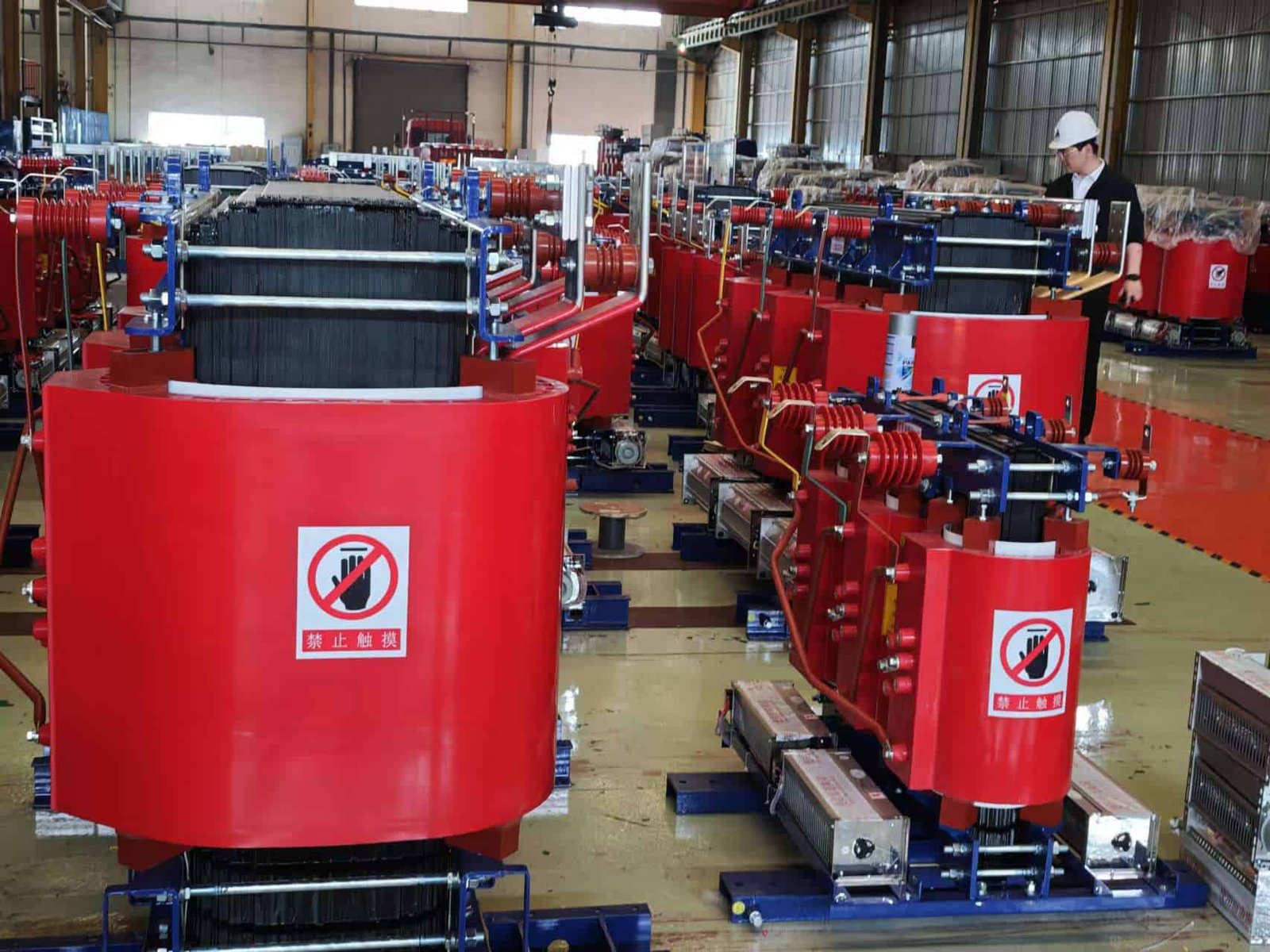
When engineers or buyers evaluate dry-type transformers, the discussion often starts with their advantages—fire safety, eco-friendliness, and low maintenance. However, ignoring their limitations and constraints can lead to selecting the wrong transformer for certain applications. While dry-type transformers are excellent for indoor and public spaces, they are not always the most efficient or cost-effective solution for large-scale utility or heavy industrial use.
The disadvantages of dry-type transformers include higher initial cost (20–40% more than oil-immersed units), larger size and weight for the same rating, lower efficiency due to higher core and load losses, limited power and voltage ratings (typically up to 30–40 MVA and 36 kV), higher noise levels, and the need for forced-air cooling in higher load applications. These factors make them less suitable for large outdoor substations or very high-voltage transmission systems.
Understanding these limitations helps project managers and engineers make balanced decisions—choosing dry-type transformers where safety and indoor use matter most, and oil-immersed transformers where efficiency and high-capacity performance dominate.
Dry-type transformers are more efficient than oil-immersed transformers.False
Dry-type transformers generally have slightly higher losses, making them less efficient than oil-immersed designs, especially at higher capacities.
Dry-type transformers are typically limited to medium voltage and capacity ratings.True
They are usually applied up to 36 kV and around 30–40 MVA, beyond which oil-immersed transformers are preferred.
1. Higher Initial Cost
- Dry-type transformers are 20–40% more expensive upfront due to epoxy resin insulation, enclosures, and manufacturing complexity.
- Cost difference grows larger at higher capacities.
📊 Example:
A 1,000 kVA oil-immersed transformer may cost $25,000–30,000, while a dry-type equivalent may cost $32,000–40,000.
2. Larger Size and Weight
- For the same kVA rating, dry-type units are bulkier and heavier.
- Limits installation in tight outdoor substations where space is a premium.
- Transport and handling are more complex compared to compact oil-filled designs.
3. Lower Efficiency and Higher Losses
| Loss Type | Oil-Immersed | Dry-Type |
|---|---|---|
| No-Load Loss | 1.0–1.2 kW | 1.2–1.5 kW |
| Load Loss | 9–10 kW | 11–13 kW |
Over decades, even small efficiency gaps translate into significant energy cost differences.
4. Limited Capacity and Voltage Range
- Dry-type transformers are commonly available up to 36 kV and 30–40 MVA.
- Oil-immersed units are better suited for HV transmission networks (>220 kV) and extra-large capacities (>100 MVA).
5. Cooling Limitations
- Rely on air natural (AN) or air forced (AF) cooling.
- At high loads, AF systems (fans, ducts) add complexity and require maintenance.
- Less effective at dissipating heat compared to oil circulation in liquid-filled transformers.
6. Higher Noise Levels
- Air circulation and fan cooling increase audible noise.
- Sensitive installations (hospitals, residential areas) may require additional noise suppression measures, raising cost further.
7. Harsh Outdoor Limitations
Without special enclosures, dry-type transformers are vulnerable to:
- Rain, dust, and humidity
- Temperature extremes
- Direct sunlight (UV damage to insulation)
- Oil-immersed designs are naturally better suited for rugged outdoor use.
8. Lifecycle Cost Trade-Off
Although they have lower maintenance costs, dry-type transformers may accumulate higher energy losses over 20–30 years, which can outweigh savings in certain high-load applications.
📊 Lifecycle Consideration Example (1,000 kVA, 25 years):
| Cost Factor | Oil-Immersed | Dry-Type |
|---|---|---|
| Initial Price | ✅ Lower | ❌ Higher |
| Installation | ❌ Higher (oil pit, fire barriers) | ✅ Lower (indoor possible) |
| Maintenance | ❌ Oil checks | ✅ Minimal |
| Energy Loss Cost | ✅ Lower | ❌ Higher |
| Best Fit | Large outdoor substations | Indoor, public, eco-sensitive spaces |
How Do Installation and Maintenance Costs Affect Overall Pricing?
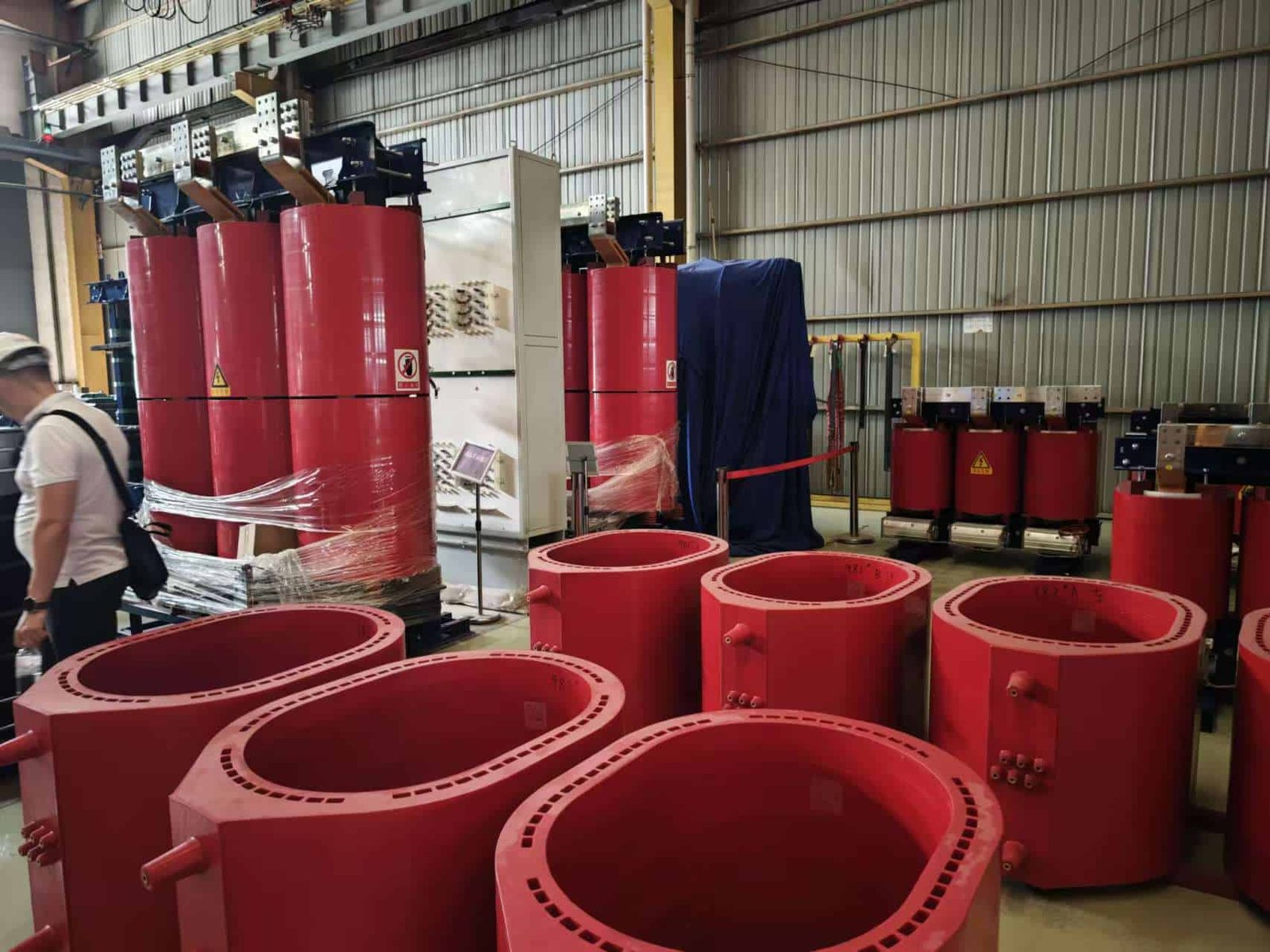
When evaluating the total cost of a transformer, many buyers focus on the purchase price alone. This is a mistake that often leads to unexpected expenses later. The real cost of ownership is shaped not only by the initial purchase but also by installation and long-term maintenance requirements. These factors can cause two transformers of the same rating to have vastly different total costs over their lifespan.
Installation and maintenance costs significantly affect overall transformer pricing because site preparation, fire protection, cabling, and environmental safeguards vary widely between dry-type and oil-immersed units. Oil-immersed transformers are cheaper to buy but require higher installation costs (oil pits, fire barriers) and ongoing maintenance (oil sampling, leak checks). Dry-type transformers cost more upfront but save money on installation and require minimal maintenance. The most cost-effective option depends on environment, load profile, and long-term operating conditions.
This means customers should always evaluate lifecycle cost—not just purchase cost—when making transformer investment decisions.
The cheapest transformer to purchase will always be the cheapest to operate.False
Upfront price does not reflect installation, maintenance, energy losses, and compliance costs, which often outweigh purchase savings.
Dry-type transformers typically save on installation and maintenance compared to oil-immersed transformers.True
They eliminate oil handling, containment, and fire barriers, reducing both upfront and recurring costs.
1. Installation Costs
Installation expenses vary significantly depending on transformer type and location.
| Factor | Oil-Immersed | Dry-Type |
|---|---|---|
| Site Preparation | Requires oil containment pit, fire barriers, and outdoor pad | Simple indoor or outdoor pad; no pit required |
| Cabling | Often placed far from loads → longer cables | Can be installed close to load → shorter cables |
| Safety Systems | Fire suppression, spill monitoring | Minimal fire safety add-ons |
| Enclosures | Weatherproof housing often required | Built-in epoxy protection, only IP-rated enclosure if outdoor |
💡 Example: In a hospital project, installing an oil-immersed transformer required a containment pit and fireproof barriers, adding 15–20% to project cost. A dry-type transformer installed closer to the load reduced both cabling and civil works, offsetting its higher purchase price.
2. Maintenance Costs
Over the transformer’s 20–30 year lifespan, maintenance is a major cost driver.
| Task | Oil-Immersed | Dry-Type |
|---|---|---|
| Oil Monitoring & Testing | Regular DGA (Dissolved Gas Analysis), oil filtration | None |
| Leak Checks | Risk of gasket failure, contamination | None (no oil used) |
| Cooling System | Oil pumps, radiators need servicing | Fans only (for AF cooling) |
| Visual Inspections | Required | Required |
| Typical Annual Cost | Higher | Lower |
📊 Maintenance Cost Estimate (1,000 kVA, 25 years):
- Oil-immersed: $15,000–$25,000 in oil testing, treatment, and leak management.
- Dry-type: $5,000–$10,000, mainly visual checks and fan servicing.
3. Energy Loss Costs
- Oil-immersed: Lower no-load and load losses → lower operating costs.
- Dry-type: Slightly higher losses → higher energy bill over decades.
This means that in high-load, utility-scale applications, the energy savings of oil-immersed transformers may outweigh higher maintenance.
4. Total Lifecycle Cost
📊 Lifecycle Cost Breakdown (1,000 kVA Transformer, 25 years):
| Cost Category | Oil-Immersed | Dry-Type |
|---|---|---|
| Purchase Price | ✅ Lower | ❌ Higher |
| Installation | ❌ Higher | ✅ Lower |
| Maintenance | ❌ Higher | ✅ Lower |
| Energy Losses | ✅ Lower | ❌ Higher |
| Total 25-Year Cost | Often competitive | Often competitive |
👉 Which is cheaper overall?
- Dry-Type: Best for buildings, hospitals, commercial centers where safety and low maintenance dominate.
- Oil-Immersed: Best for utilities, substations, high-load industrial plants where efficiency outweighs maintenance.
What Should Buyers Consider When Comparing Dry Type Transformer Offers?
When purchasing a dry-type transformer, buyers often focus on price quotes without fully analyzing what is included in the offer. This can lead to selecting a transformer that looks cheaper upfront but results in higher operating costs, reduced reliability, or non-compliance with safety standards. Since dry-type transformers are typically chosen for indoor, public, and eco-sensitive applications, overlooking details can lead to serious performance and safety issues.
When comparing dry-type transformer offers, buyers should consider not only the purchase price but also efficiency class, insulation and thermal rating, cooling method (AN or AF), compliance with international standards (IEC, IEEE, ANSI), safety certifications, warranty terms, expected maintenance, and total lifecycle cost. Other key factors include material quality (copper vs. aluminum windings), enclosure protection (IP rating), noise levels, and customization for specific installation environments.
This means buyers must adopt a holistic evaluation approach—not just comparing price tags but analyzing what each supplier guarantees in terms of performance, safety, and long-term operating costs.
Comparing dry-type transformers only by purchase price ensures the best long-term value.False
Price alone ignores efficiency, lifecycle costs, and compliance, which can make a lower-priced unit more expensive in the long run.
Efficiency, materials, and certifications are as important as price when evaluating transformer offers.True
These factors directly impact reliability, energy costs, and regulatory compliance.
1. Transformer Capacity and Specification Match
- Ensure the offered kVA rating, primary and secondary voltages, and impedance match project requirements.
- Check future load growth considerations—a slightly oversized unit may save replacement cost later.
2. Materials and Design Choices
| Factor | Options | Impact on Cost & Performance |
|---|---|---|
| Windings | Copper vs. Aluminum | Copper costs more but reduces losses; aluminum is cheaper but less efficient. |
| Core Steel | Grain-Oriented Silicon Steel, Amorphous | Higher-grade steel reduces losses but raises cost. |
| Insulation | Class F (155°C), Class H (180°C) | Higher classes allow better thermal endurance and longer life. |
3. Cooling Method (AN vs. AF)
- AN (Air Natural): Standard, passive cooling, low maintenance.
- AF (Air Forced): Includes fans, allows higher capacity but adds cost and maintenance needs.
- Buyers should check if the supplier included fans and controls in the offer.
4. Efficiency and Losses
📊 Typical Efficiency Comparison (1,000 kVA unit)
| Parameter | Lower Standard | Premium Efficiency |
|---|---|---|
| No-Load Loss | ~1.5 kW | ~1.1 kW |
| Load Loss | ~13 kW | ~10 kW |
| Annual Energy Cost (at $0.12/kWh, 70% load) | ~$12,000 | ~$9,500 |
Over 25 years, a premium efficiency design may save $50,000+, even if the initial price is higher.
5. Compliance and Certifications
- Confirm compliance with IEC 60076-11, IEEE, ANSI, or regional equivalents.
- Check safety and environmental certifications: RoHS, REACH, PCB-free, fire safety approvals.
- Verify if routine, type, and special test reports are included.
6. Enclosure and Protection
- IP Ratings: Important for dust, moisture, and outdoor applications.
- Noise level guarantees (important for hospitals, schools, offices).
- Additional protection against humidity, salt spray, or vibration if installed in harsh environments.
7. Warranty and Service Support
- Compare warranty lengths (1–5 years typical).
- Check if suppliers offer on-site installation support, spare parts, and after-sales service.
8. Lifecycle Cost and Value Comparison
📊 Cost Distribution for Dry-Type Transformers (Typical 25-Year Service)
| Cost Category | Share of Total Cost | Notes |
|---|---|---|
| Purchase Price | 20–30% | Initial quote |
| Installation | 10–20% | Depends on indoor/outdoor setup |
| Maintenance | 5–10% | Minimal for dry-type |
| Energy Losses | 40–60% | Major cost driver over lifespan |
👉 Key Insight: The cheapest quote may end up being the most expensive in operation if efficiency and compliance are ignored.
Conclusion
Dry type transformers generally cost more upfront than oil-immersed models, especially for higher capacities. However, they provide significant benefits in terms of safety, environmental friendliness, and reduced maintenance. For applications like commercial complexes, hospitals, and data centers, the long-term operational savings and safety advantages often outweigh the higher initial investment. When comparing offers, buyers should evaluate not only the purchase price but also lifecycle costs, installation conditions, and application requirements.
FAQ
Q1: How much does a dry type transformer cost compared to an oil-filled one?
Dry type transformers are typically 20–40% more expensive than oil-filled transformers of the same capacity. For example:
A 500 kVA oil-filled transformer may cost $15,000–20,000, while a dry type unit could be $20,000–28,000.
The higher price comes from the resin insulation, fire safety features, and reduced maintenance costs.
Q2: What factors affect the price of a dry type transformer?
kVA rating and voltage class – larger units cost more.
Insulation type – vacuum pressure impregnated (VPI) vs cast resin.
Efficiency level – meeting DOE or IEC eco-design standards increases cost.
Enclosure type – outdoor-rated or NEMA 3R/4 enclosures are pricier.
Brand and certifications – UL, IEC, ANSI-certified models have premium pricing.
Q3: What are the pros of dry type transformers?
Fire safety – no flammable oil.
Low maintenance – no oil testing or leakage management.
Environmentally friendly – no risk of soil or water contamination.
Indoor installation – ideal for buildings, hospitals, and data centers.
Q4: What are the cons of dry type transformers?
Higher initial cost compared to oil-filled units.
Lower power capacity range – usually up to 30 MVA.
Cooling limitations – less efficient in handling overloads compared to oil-filled transformers.
Noise levels – may be higher due to air cooling and forced fans.
Q5: Are dry type transformers cost-effective in the long run?
Yes. Despite higher upfront costs, dry type transformers save money over time through:
Reduced maintenance and testing needs.
Lower fire protection system costs.
Energy-efficient designs that reduce operating expenses.
This makes them especially cost-effective in indoor, urban, and environmentally sensitive applications.
References
IEEE C57.12 – Dry Type Transformer Standards: https://ieeexplore.ieee.org
IEC 60076-11 – Dry Type Transformer Requirements: https://webstore.iec.ch
DOE – Energy Efficiency Regulations for Transformers: https://www.energy.gov
NEMA – Dry Type Transformer Cost and Performance: https://www.nema.org
Electrical4U – Dry Type vs Oil Transformer Cost Comparison: https://www.electrical4u.com
EEP – Dry Type Transformer Buying Guide: https://electrical-engineering-portal.com