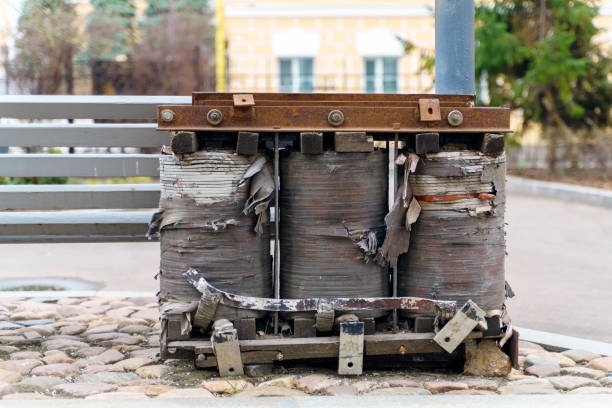
Dry-type transformers are widely used for their safety and low maintenance, but they can still experience operational issues due to environmental conditions, loading, and aging. Understanding the most common problems and applying effective troubleshooting methods is essential to maintain reliability, prevent failures, and extend service life. A structured approach helps quickly identify root causes and implement corrective actions.
What Are the Most Common Problems in Dry-Type Transformers?
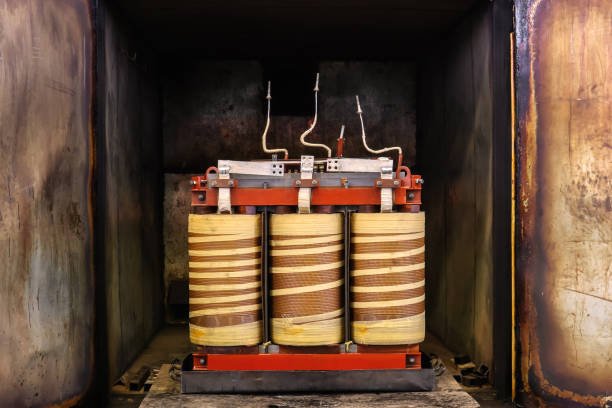
Dry-type transformers are widely used in modern electrical systems because they are safer, environmentally friendly, and require less maintenance compared to oil-filled transformers. However, they are not free from operational problems. In real-world applications, they are exposed to thermal stress, environmental contamination, electrical load variations, and aging effects. If these issues are not properly managed, they can reduce efficiency, shorten service life, and increase the risk of failure.
The most common problems in dry-type transformers include overheating, insulation degradation, dust accumulation, moisture ingress, partial discharge, loose electrical connections, ventilation failure, and mechanical stress, all of which can significantly reduce performance and reliability if not properly controlled.
To understand their impact, each problem must be analyzed in detail from an engineering perspective.
Dry-type transformers do not develop operational problems because they do not use oil.False
Dry-type transformers still experience overheating, insulation aging, contamination, and electrical faults even without oil.
Overheating and Thermal Stress
Overheating is one of the most serious issues in dry-type transformers. Because they rely on air cooling instead of oil, their ability to dissipate heat depends heavily on ventilation and load conditions. When the transformer is overloaded or airflow is restricted, internal temperature rises quickly.
High temperature accelerates insulation aging and increases electrical losses, creating a cycle of rising heat and declining performance.
| Cause of Overheating | Effect on Transformer |
|---|---|
| Overloading | Rapid temperature increase |
| Poor ventilation | Reduced heat dissipation |
| High ambient temperature | Lower cooling efficiency |
Insulation Degradation
Insulation systems such as cast resin, VPI, and VPE are critical for electrical safety. Over time, insulation materials degrade due to heat, electrical stress, and environmental exposure.
When insulation weakens, dielectric strength decreases, increasing the risk of electrical breakdown and partial discharge.
| Factor Affecting Insulation | Result |
|---|---|
| High temperature | Accelerated aging |
| Moisture exposure | Reduced insulation strength |
| Electrical stress | Micro-cracks and failure risk |
Dust and Environmental Contamination
Dust is a common problem in industrial environments. It can block airflow, reduce cooling efficiency, and create conductive paths that increase electrical risk.
Open and partially protected transformer designs are especially vulnerable to contamination.
| Contaminant Type | Impact on Transformer |
|---|---|
| Dust | Reduced cooling efficiency |
| Chemical particles | Insulation surface damage |
| Industrial debris | Airflow blockage |
Moisture Ingress
Moisture is highly damaging to dry-type transformers. It reduces insulation resistance and weakens dielectric strength.
In humid environments or poorly sealed installations, moisture can significantly shorten transformer lifespan.
| Moisture Source | Effect on Performance |
|---|---|
| High humidity | Insulation weakening |
| Condensation | Electrical discharge risk |
| Water exposure | Severe insulation failure |
Partial Discharge
Partial discharge refers to small electrical discharges within insulation caused by internal defects or air gaps. Over time, these discharges degrade insulation and can lead to complete failure.
Early detection is critical to prevent serious damage.
| Fault Type | Cause | Result |
|---|---|---|
| Partial discharge | Insulation voids | Progressive damage |
| Arcing | Severe insulation breakdown | Equipment failure |
Loose Electrical Connections
Loose electrical connections increase electrical resistance, leading to localized heating and energy loss. This can eventually damage insulation and surrounding components.
Regular inspection and tightening of connections are essential for safe operation.
Ventilation Problems
Dry-type transformers depend entirely on air circulation for cooling. Any obstruction in airflow can lead to overheating.
| Ventilation Issue | Result |
|---|---|
| Blocked airflow | Heat buildup |
| Fan failure | Reduced cooling capacity |
| Poor installation | Inefficient temperature control |
Mechanical Stress and Vibration
Transformers experience mechanical stress during operation and fault conditions. Over time, vibration can loosen components and weaken structural integrity.
Encapsulated designs provide better protection, but all transformer types require periodic inspection.
Overloading and Load Imbalance
Operating beyond rated capacity or uneven load distribution across phases can cause excessive heating and uneven stress on windings.
| Load Condition | Effect |
|---|---|
| Overload | Thermal stress |
| Load imbalance | Uneven heating |
Aging Effects
All transformers experience natural aging. Insulation gradually deteriorates, and mechanical components weaken over time.
Proper maintenance can significantly slow this process.
Real-World Example
In an industrial facility, repeated overheating occurred due to dust accumulation and blocked ventilation channels. After implementing a regular cleaning and inspection program, operating temperature dropped significantly and reliability improved.
Preventive Measures
| Maintenance Action | Benefit |
|---|---|
| Regular cleaning | Improved cooling efficiency |
| Load monitoring | Prevent overload |
| Insulation testing | Early fault detection |
| Ventilation checks | Stable temperature control |
How Can Overheating Issues Be Identified and Resolved in Dry-Type Transformers?
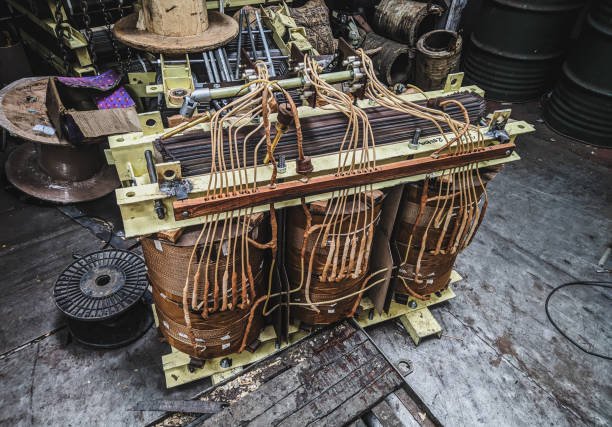
Overheating is one of the most critical issues affecting dry-type transformers, and if left unresolved, it can rapidly accelerate insulation aging, reduce efficiency, and lead to unexpected failure. Because these transformers rely on air cooling instead of oil, their thermal stability is highly dependent on proper ventilation, load management, and environmental conditions. In real-world operations, overheating often develops gradually and may go unnoticed until significant damage has already occurred. This makes early identification and systematic resolution essential for long-term reliability.
Overheating in dry-type transformers can be identified through temperature monitoring systems, thermal imaging, abnormal noise detection, load analysis, and insulation condition testing, and it can be resolved by improving ventilation, reducing load, repairing cooling systems, and enhancing maintenance practices.
To effectively manage overheating, both detection methods and corrective actions must be understood in detail.
Overheating in transformers can only be detected after failure occurs.False
Overheating can be detected early using thermal sensors, infrared imaging, and monitoring systems before failure occurs.
1. How Overheating Is Identified
Temperature Monitoring Systems
Modern dry-type transformers are equipped with built-in temperature sensors that continuously monitor winding and core temperatures. These sensors provide real-time data and trigger alarms when temperature exceeds safe limits.
| Monitoring Method | Function | Benefit |
|---|---|---|
| Winding temperature sensor | Detect internal heating | Early warning system |
| Ambient temperature sensor | Track environmental conditions | Load adjustment guidance |
| Alarm relay | Trigger warning or shutdown | Prevent damage |
Thermal Imaging Inspection
Infrared thermal imaging is one of the most effective diagnostic tools. It visually identifies hot spots on transformer surfaces, terminals, and cooling systems.
Hot spots often indicate:
- Overloaded windings
- Loose electrical connections
- Blocked ventilation paths
| Observation | Possible Cause |
|---|---|
| Localized hotspot | Poor connection or overload |
| Uneven heating pattern | Cooling imbalance |
| High overall temperature | Ventilation failure |
Load Analysis
Excessive or unbalanced load is a common cause of overheating. Continuous monitoring of load current helps identify abnormal operating conditions.
| Load Condition | Thermal Effect |
|---|---|
| Overload | Rapid temperature rise |
| Load imbalance | Uneven heating between phases |
| Fluctuating load | Thermal cycling stress |
Acoustic and Operational Signs
In some cases, overheating can be detected through abnormal noise or operational changes. Increased hum or vibration may indicate electrical stress or thermal expansion issues.
Insulation Condition Testing
Electrical testing such as insulation resistance measurement can indirectly indicate overheating. High temperatures accelerate insulation aging, reducing resistance values over time.
2. Root Causes of Overheating
Understanding the root causes is essential for effective resolution.
| Root Cause | Description |
|---|---|
| Poor ventilation | Insufficient airflow for cooling |
| Dust accumulation | Blocks heat dissipation |
| Overloading | Exceeds thermal design limits |
| Fan failure | Reduces forced cooling efficiency |
| High ambient temperature | Reduces cooling effectiveness |
3. How Overheating Is Resolved
Improve Ventilation and Airflow
One of the most effective solutions is improving airflow around the transformer. Proper installation spacing and unobstructed ventilation paths are critical.
| Action | Result |
|---|---|
| Clear airflow paths | Better heat dissipation |
| Increase installation space | Reduce heat buildup |
| Improve room ventilation | Stabilize operating temperature |
Reduce Electrical Load
If overheating is caused by overload, reducing the load or redistributing it across multiple transformers can immediately improve thermal performance.
| Load Adjustment Method | Effect |
|---|---|
| Load reduction | Lower temperature rise |
| Load balancing | Even heat distribution |
| Parallel operation | Shared thermal stress |
Repair or Replace Cooling Components
Cooling fans, temperature controllers, and ventilation systems must be regularly inspected and maintained.
| Component | Common Issue | Solution |
|---|---|---|
| Cooling fans | Mechanical failure | Repair or replacement |
| Air filters | Dust blockage | Cleaning or replacement |
| Temperature controllers | Sensor malfunction | Calibration or replacement |
Clean Dust and Contamination
Dust buildup significantly reduces cooling efficiency. Regular cleaning of windings, vents, and surfaces restores proper heat dissipation.
Improve Installation Design
Improper installation is a hidden cause of overheating. Transformers should be installed with sufficient clearance and proper airflow direction.
| Installation Factor | Requirement |
|---|---|
| Clearance around unit | Adequate air circulation |
| Room ventilation system | Continuous airflow |
| Heat source separation | Avoid external heating influence |
Upgrade Monitoring Systems
Advanced monitoring systems help detect overheating earlier and prevent recurrence.
Features include:
- Real-time temperature tracking
- Predictive analytics
- Automatic shutdown protection
4. Real-World Engineering Example
In a commercial building, repeated overheating was detected in a dry-type transformer due to blocked ventilation and dust accumulation. After cleaning the unit, upgrading ventilation airflow, and installing thermal monitoring sensors, operating temperature dropped significantly and system reliability improved. This reduced maintenance interventions and prevented future thermal failures.
5. Preventive Strategy Summary
| Strategy | Purpose |
|---|---|
| Regular thermal monitoring | Early detection |
| Scheduled cleaning | Maintain cooling efficiency |
| Load management | Prevent overload |
| Ventilation checks | Ensure airflow stability |
| Predictive maintenance | Avoid unexpected failures |
What Causes Insulation Degradation and How Can It Be Prevented in Dry-Type Transformers?
Insulation systems are the backbone of any dry-type transformer, ensuring electrical separation, dielectric strength, and long-term operational stability. However, insulation is not permanent. Over time, it naturally degrades due to electrical stress, heat, moisture, contamination, and environmental exposure. If this process is not controlled, it can lead to partial discharge, efficiency loss, overheating, and eventual transformer failure. In industrial and commercial power systems, insulation degradation is one of the leading causes of unplanned outages.
Insulation degradation in dry-type transformers is primarily caused by thermal aging, electrical stress, moisture ingress, environmental contamination, and mechanical stress, and it can be prevented through proper thermal management, environmental protection, regular testing, load control, and predictive maintenance practices.
Understanding both the causes and prevention methods is essential for ensuring long-term reliability and safety.
Transformer insulation remains unchanged throughout the entire service life without degradation.False
Transformer insulation naturally degrades over time due to heat, electrical stress, moisture, and environmental factors.
1. Main Causes of Insulation Degradation
Thermal Aging (Heat Stress)
Heat is the most significant factor affecting insulation life. When operating temperatures exceed design limits, insulation materials gradually lose their mechanical strength and dielectric properties.
High temperatures accelerate chemical breakdown in epoxy, varnish, and paper-based insulation systems.
| Thermal Factor | Effect on Insulation |
|---|---|
| Continuous overheating | Accelerated aging |
| Frequent temperature cycling | Material fatigue |
| Poor cooling | Localized insulation breakdown |
Electrical Stress
Electrical stress occurs when insulation is exposed to high voltage levels, switching surges, or transient spikes. Over time, this leads to micro-damage inside the insulation structure.
This damage may not be immediately visible but gradually develops into partial discharge activity.
| Electrical Stress Type | Result |
|---|---|
| Overvoltage spikes | Insulation weakening |
| Partial discharge | Progressive erosion |
| Load fluctuations | Electrical fatigue |
Moisture Ingress
Moisture is highly damaging to dry-type transformer insulation. Even small amounts of water can significantly reduce dielectric strength and increase the risk of electrical discharge.
Moisture typically enters through poor sealing, high humidity environments, or condensation.
| Moisture Source | Impact on Insulation |
|---|---|
| High humidity | Reduced insulation resistance |
| Condensation | Surface tracking and discharge |
| Poor sealing | Long-term degradation |
Environmental Contamination
Dust, chemical particles, and industrial pollutants can settle on insulation surfaces, creating conductive paths and reducing insulation effectiveness.
This is especially critical in industrial environments with poor air filtration.
| Contaminant Type | Effect |
|---|---|
| Dust | Surface leakage currents |
| Chemical vapors | Material corrosion |
| Conductive particles | Electrical tracking |
Mechanical Stress and Vibration
Mechanical forces caused by electromagnetic operation or external vibration can physically damage insulation layers, leading to cracks or displacement.
Repeated mechanical stress weakens structural integrity over time.
Partial Discharge Activity
Partial discharge occurs when small electrical sparks form within insulation voids or defects. These discharges gradually erode insulation material, leading to long-term failure.
| Cause | Effect |
|---|---|
| Internal voids | Localized discharge |
| Aging insulation | Increased discharge activity |
| Manufacturing defects | Early failure risk |
2. How Insulation Degradation Can Be Prevented
Effective Thermal Management
Controlling temperature is the most important preventive measure. Proper cooling ensures that insulation operates within safe limits.
| Method | Benefit |
|---|---|
| Ventilation design | Stable temperature control |
| Cooling fan systems | Improved heat dissipation |
| Load control | Reduced thermal stress |
Environmental Protection
Protecting transformers from moisture and contaminants significantly extends insulation life.
| Protection Method | Purpose |
|---|---|
| Sealed enclosures | Block moisture entry |
| Air filtration | Reduce dust contamination |
| Controlled installation environment | Stability |
Regular Electrical Testing
Routine testing helps detect early signs of insulation degradation before failure occurs.
| Test Type | Function |
|---|---|
| Insulation resistance test | Detect weakening insulation |
| Partial discharge test | Identify internal defects |
| Thermal imaging | Detect hot spots |
Load Management
Operating within rated capacity reduces thermal and electrical stress on insulation.
| Load Condition | Effect |
|---|---|
| Overload | Accelerated aging |
| Balanced load | Stable insulation performance |
| Controlled variation | Reduced stress cycles |
Predictive Maintenance Strategy
Modern maintenance systems use real-time monitoring and data analysis to predict insulation failure before it occurs.
| Maintenance Type | Approach |
|---|---|
| Reactive | Repair after failure |
| Preventive | Scheduled maintenance |
| Predictive | Condition-based monitoring |
Proper Installation Practices
Installation quality directly affects insulation lifespan. Poor airflow, high humidity areas, or improper spacing can significantly accelerate degradation.
3. Real-World Engineering Example
In an industrial plant, repeated insulation failures were traced to high humidity levels and poor ventilation in the transformer room. After installing controlled ventilation, sealing the enclosure, and implementing regular insulation resistance testing, failure rates dropped significantly and equipment lifespan increased.
4. Key Prevention Strategy Summary
| Area of Control | Preventive Action |
|---|---|
| Temperature | Cooling optimization |
| Moisture | Environmental sealing |
| Electrical stress | Surge protection systems |
| Contamination | Air filtration and cleaning |
| Monitoring | Predictive diagnostics |
How Do You Troubleshoot Electrical Faults and Imbalances in Dry-Type Transformers?
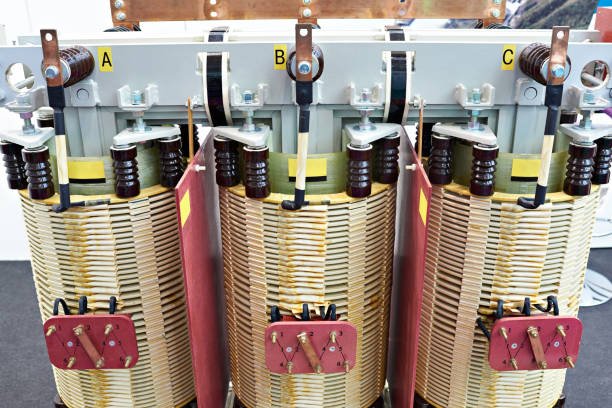
Electrical faults and load imbalances in dry-type transformers can quickly lead to overheating, reduced efficiency, voltage instability, and even catastrophic failure if not addressed in time. Because these transformers operate continuously in critical power systems, even small irregularities in current, voltage, or phase balance can escalate into serious operational issues. In real-world applications, troubleshooting is not a single action but a structured diagnostic process that combines measurement, observation, and corrective engineering decisions.
Troubleshooting electrical faults and imbalances in dry-type transformers involves systematic diagnosis using electrical testing tools, load analysis, thermal inspection, connection checks, and protection system evaluation to identify root causes such as overload, poor connections, phase imbalance, insulation failure, or equipment defects.
A structured approach is essential to ensure accurate fault identification and safe correction.
Electrical faults in transformers can always be detected visually without testing equipment.False
Many electrical faults are internal or invisible and require instruments such as thermal cameras, multimeters, and insulation testers for detection.
1. Identify the Symptoms of Electrical Faults
The first step in troubleshooting is recognizing abnormal operating behavior. Electrical faults and imbalances often present through measurable and observable indicators.
| Symptom | Possible Cause |
|---|---|
| Overheating | Overload or poor connections |
| Uneven phase current | Load imbalance |
| Voltage fluctuation | Internal fault or unstable supply |
| Unusual noise or vibration | Electrical stress or arcing |
Early detection at this stage prevents escalation into serious damage.
2. Measure Electrical Parameters
Accurate measurement is the foundation of fault diagnosis. Key electrical values must be checked across all phases.
Phase Current Analysis
Using a clamp meter, operators measure current in each phase to detect imbalance.
| Condition | Interpretation |
|---|---|
| Balanced current | Normal operation |
| One phase higher | Load imbalance or fault |
| All phases high | Overload condition |
Voltage Inspection
Voltage levels must be checked at both primary and secondary terminals.
| Observation | Possible Issue |
|---|---|
| Voltage drop | Excessive load or connection loss |
| Voltage fluctuation | Supply instability or internal fault |
3. Perform Thermal Imaging Analysis
Thermal imaging is one of the most effective tools for identifying hidden electrical faults.
Hotspots typically indicate:
- Loose connections
- Overloaded conductors
- Faulty insulation areas
| Thermal Pattern | Interpretation |
|---|---|
| Localized hotspot | Loose or faulty connection |
| Uniform high heat | Overload condition |
| One phase hotter | Load imbalance |
4. Inspect Electrical Connections
Loose or corroded connections are a common cause of electrical faults and heating issues. All terminal points must be checked for tightness and cleanliness.
| Connection Issue | Result |
|---|---|
| Loose terminal | Local overheating |
| Oxidized contact | Increased resistance |
| Damaged conductor | Voltage drop |
5. Check Load Distribution
Load imbalance occurs when electrical demand is not evenly distributed across phases. This creates unequal heating and stress.
| Load Condition | Effect |
|---|---|
| Balanced load | Stable operation |
| Uneven load | Overheating in one phase |
| Overload | System-wide thermal stress |
6. Test Insulation and Windings
Insulation degradation or winding faults can cause serious electrical problems. Testing ensures internal components are still safe.
| Test Type | Purpose |
|---|---|
| Insulation resistance | Detect insulation weakness |
| Continuity test | Identify broken windings |
| Partial discharge test | Detect internal electrical faults |
7. Evaluate Protection Systems
Protection devices such as relays and sensors play a key role in fault detection. If these systems are malfunctioning, faults may go undetected.
| Protection Device | Function |
|---|---|
| Overcurrent relay | Detect overload conditions |
| Temperature sensors | Monitor thermal conditions |
| Circuit breaker | Isolate faulted circuits |
8. Identify Root Causes
After gathering data, the root cause must be determined.
| Root Cause | Typical Result |
|---|---|
| Overloading | General overheating |
| Poor connections | Localized hot spots |
| Phase imbalance | Uneven heating |
| Insulation failure | Electrical discharge |
9. Apply Corrective Actions
Once the issue is identified, corrective measures must be implemented.
| Problem | Solution |
|---|---|
| Overload | Reduce or redistribute load |
| Loose connections | Tighten or replace terminals |
| Phase imbalance | Balance electrical load |
| Faulty insulation | Repair or replace transformer |
10. Real-World Engineering Example
In an industrial facility, a dry-type transformer exhibited uneven heating in one phase. Thermal imaging revealed a hotspot at a terminal connection. After tightening the connection and redistributing load across phases, the temperature normalized and efficiency improved. This prevented further insulation damage and avoided potential failure.
11. Preventive Strategy
| Strategy | Purpose |
|---|---|
| Regular electrical testing | Early fault detection |
| Thermal monitoring | Prevent overheating |
| Load balancing | Avoid phase stress |
| Connection inspection | Prevent resistance buildup |
What Mechanical and Connection Issues Can Occur in Dry-Type Transformers?
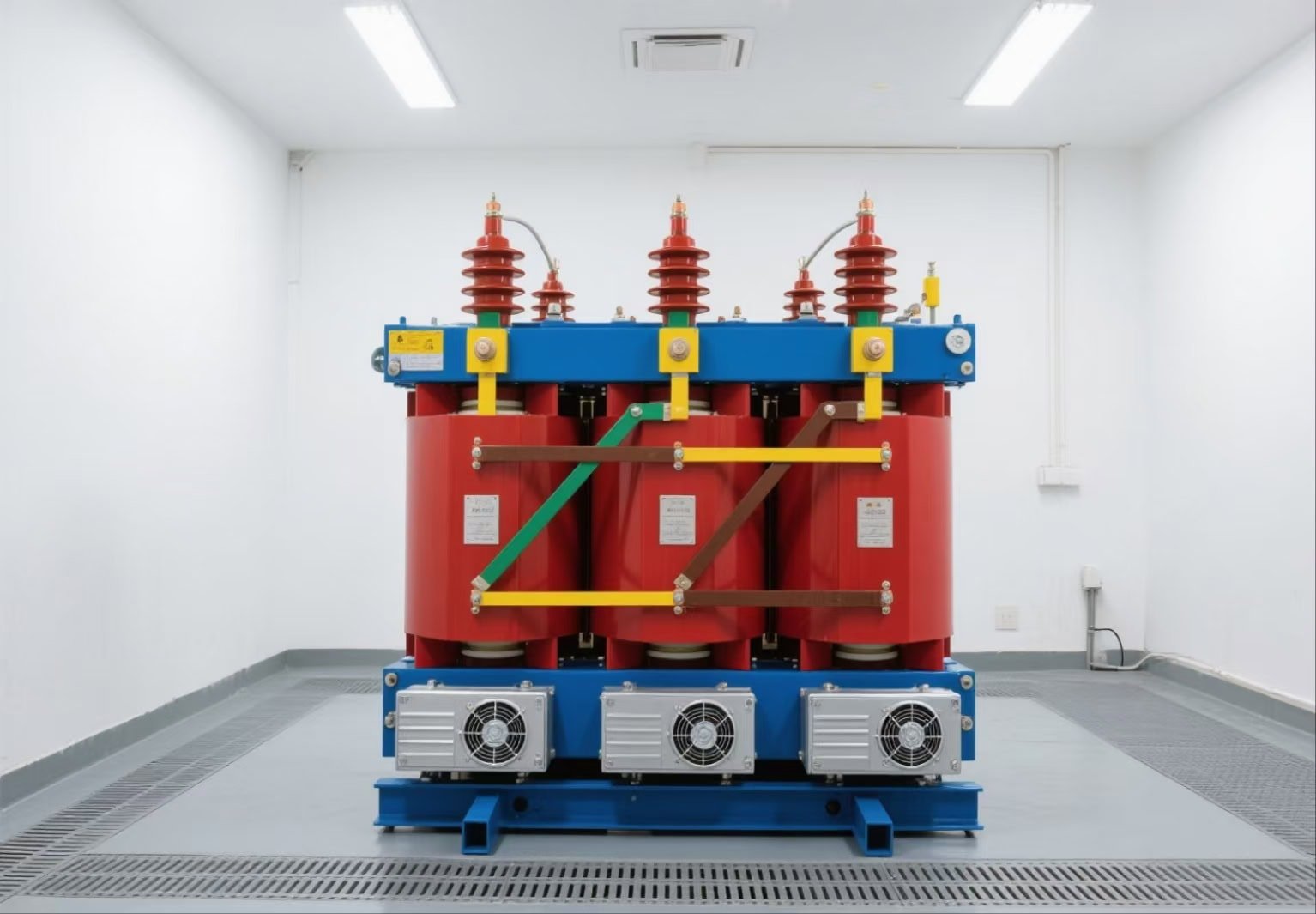
Dry-type transformers are widely used for their safety, efficiency, and low maintenance requirements, but they are still subject to mechanical wear and connection-related issues over time. These problems often develop gradually due to thermal cycling, vibration, electrical stress, and improper installation practices. If not identified early, they can lead to overheating, power losses, insulation damage, and even sudden failure. In real-world operations, mechanical integrity and connection quality are just as important as electrical performance.
Mechanical and connection issues in dry-type transformers typically include loose terminals, degraded contact surfaces, vibration-induced loosening, winding deformation, core looseness, poor busbar connections, and mechanical stress on supporting structures, all of which can reduce efficiency, increase heating, and compromise system reliability.
Understanding these issues in detail is essential for effective maintenance and long-term operation.
Mechanical and connection issues in transformers only occur after electrical failure happens.False
Mechanical and connection problems often develop gradually over time due to vibration, thermal cycling, and aging, and can exist before electrical failure occurs.
1. Loose Electrical Connections
Loose connections are one of the most common and dangerous issues in dry-type transformers. Over time, thermal expansion and contraction cause terminals and joints to loosen.
This increases electrical resistance, which leads to localized heating and energy loss.
| Connection Issue | Effect on Performance |
|---|---|
| Loose terminal bolts | Overheating and energy loss |
| Poor busbar contact | Voltage drop and inefficiency |
| Oxidized surfaces | Increased resistance |
2. Contact Surface Degradation
Electrical connections rely on clean and stable contact surfaces. Over time, oxidation, dust, and corrosion can degrade these surfaces.
This reduces conductivity and increases thermal stress at connection points.
| Cause | Result |
|---|---|
| Oxidation | Higher resistance |
| Dust contamination | Poor electrical contact |
| Moisture exposure | Corrosion and surface damage |
3. Vibration and Mechanical Loosening
Transformers naturally generate electromagnetic forces during operation. These forces, combined with external vibration, can gradually loosen internal and external components.
| Source of Vibration | Impact |
|---|---|
| Electromagnetic force | Structural stress |
| External machinery | Mechanical loosening |
| Thermal cycling | Expansion and contraction fatigue |
4. Winding Deformation
Under fault conditions or excessive loading, windings can experience mechanical stress. Over time, this may lead to deformation or displacement.
| Condition | Effect |
|---|---|
| Short-circuit forces | Winding displacement |
| Repeated overload | Structural weakening |
| Poor mechanical support | Loss of alignment |
5. Core Looseness and Noise
The transformer core must remain tightly clamped to minimize vibration and noise. If core laminations become loose, it can lead to increased noise and energy losses.
| Core Issue | Result |
|---|---|
| Loose laminations | Increased vibration |
| Poor clamping | Audible noise |
| Structural fatigue | Efficiency reduction |
6. Busbar and External Connection Problems
External connections such as busbars play a critical role in power transfer. Poor installation or aging can lead to serious issues.
| Busbar Issue | Effect |
|---|---|
| Loose joints | Heat generation |
| Misalignment | Mechanical stress |
| Poor insulation | Electrical leakage risk |
7. Insulation and Mechanical Stress Interaction
Mechanical stress can indirectly damage insulation systems. Continuous vibration or movement can cause micro-cracks in insulation materials.
| Mechanical Stress | Insulation Impact |
|---|---|
| Vibration | Micro-crack formation |
| Pressure points | Localized insulation damage |
| Structural movement | Long-term degradation |
8. Thermal Expansion Effects
Repeated heating and cooling cycles cause expansion and contraction of metal parts. Over time, this leads to loosening of joints and structural fatigue.
| Thermal Effect | Mechanical Outcome |
|---|---|
| Expansion cycles | Bolt loosening |
| Contraction cycles | Joint stress |
| Repeated cycling | Material fatigue |
9. Real-World Engineering Example
In a commercial power distribution system, repeated overheating was traced to a loose busbar connection inside a dry-type transformer. The loose connection increased resistance, causing localized heating. After tightening and securing all connection points, temperature levels normalized and system efficiency improved significantly.
10. Preventive Maintenance Measures
| Maintenance Action | Purpose |
|---|---|
| Torque checks | Ensure tight connections |
| Thermal imaging | Detect hot spots |
| Vibration monitoring | Identify mechanical loosening |
| Cleaning contacts | Maintain conductivity |
| Structural inspection | Prevent mechanical failure |
How Can Preventive Maintenance Reduce Operational Problems in Dry-Type Transformers?
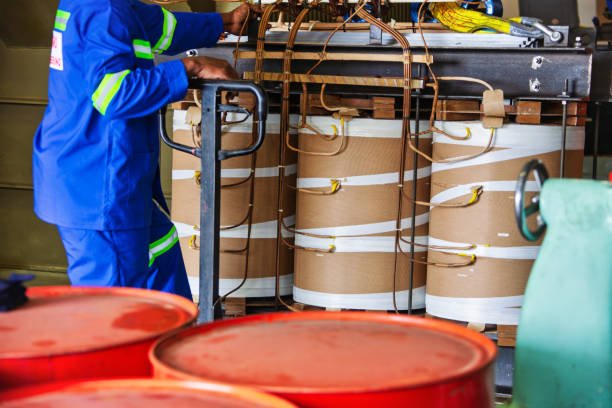
Dry-type transformers are widely used in commercial, industrial, and infrastructure power systems because of their safety and low environmental impact. However, even though they do not use oil, they are still exposed to heat, dust, moisture, electrical stress, and mechanical vibration. Over time, these factors can lead to overheating, insulation degradation, connection failures, and unexpected shutdowns. Many of these issues do not appear suddenly—they develop gradually. Preventive maintenance is the key strategy used to stop small issues from becoming serious failures.
Preventive maintenance reduces operational problems in dry-type transformers by identifying early signs of wear, controlling thermal stress, maintaining insulation integrity, ensuring proper electrical connections, and improving cooling efficiency before failures occur.
In practice, it is a structured approach that focuses on prevention rather than repair.
Preventive maintenance is unnecessary for dry-type transformers because they are maintenance-free.False
Dry-type transformers are low-maintenance, not maintenance-free. Preventive maintenance is essential to avoid overheating, insulation aging, and electrical faults.
1. Early Detection of Developing Faults
One of the most important benefits of preventive maintenance is early fault detection. Many transformer issues begin internally and are not visible until significant damage has occurred.
Through regular inspection and testing, operators can detect problems at an early stage.
| Diagnostic Method | What It Detects |
|---|---|
| Thermal imaging | Hotspots and overloads |
| Insulation resistance test | Insulation weakening |
| Load monitoring | Phase imbalance or overload |
| Visual inspection | Dust, corrosion, loose parts |
Early detection allows corrective action before failure occurs.
2. Prevention of Overheating Problems
Overheating is one of the most common causes of transformer failure. Preventive maintenance ensures that cooling systems and ventilation paths remain effective.
| Maintenance Action | Benefit |
|---|---|
| Cleaning ventilation | Improves airflow |
| Checking cooling fans | Ensures proper operation |
| Monitoring load levels | Prevents overload |
By maintaining proper cooling conditions, thermal stress is significantly reduced.
3. Protection of Insulation System
Insulation is critical for electrical safety. Preventive maintenance helps slow down insulation aging and prevents breakdown.
| Maintenance Task | Effect |
|---|---|
| Insulation testing | Detect early degradation |
| Moisture control | Prevent dielectric loss |
| Environmental sealing | Reduce contamination exposure |
Healthy insulation ensures long-term operational stability.
4. Maintaining Electrical Connection Quality
Loose or degraded connections are a major source of heating and energy loss. Preventive maintenance ensures that all electrical joints remain tight and clean.
| Issue Prevented | Result |
|---|---|
| Loose terminals | Overheating prevention |
| Corroded contacts | Stable conductivity |
| High resistance joints | Reduced energy loss |
Proper connection maintenance improves efficiency and safety.
5. Reducing Mechanical Stress and Vibration Issues
Mechanical stress from vibration and thermal expansion can gradually loosen components. Preventive maintenance ensures structural stability.
| Maintenance Action | Purpose |
|---|---|
| Tightening bolts | Prevent loosening |
| Inspecting core structure | Reduce vibration noise |
| Checking supports | Maintain alignment |
This helps avoid long-term structural damage.
6. Improving Load Management Efficiency
Improper load distribution can cause uneven heating and reduce transformer lifespan. Preventive maintenance includes monitoring and balancing load conditions.
| Load Condition | Impact |
|---|---|
| Balanced load | Stable operation |
| Overload | Overheating risk |
| Phase imbalance | Uneven thermal stress |
Proper load management ensures consistent performance.
7. Extending Equipment Lifespan
By controlling heat, electrical stress, and environmental exposure, preventive maintenance significantly extends transformer lifespan.
| Maintenance Level | Expected Lifespan |
|---|---|
| No maintenance | Shortened service life |
| Basic maintenance | Moderate lifespan |
| Preventive maintenance | Extended operational life |
8. Reducing Unexpected Downtime
Unexpected failures often result in costly downtime. Preventive maintenance reduces this risk by ensuring equipment reliability.
| Benefit | Operational Impact |
|---|---|
| Early fault detection | Avoid sudden shutdowns |
| Scheduled servicing | Planned maintenance windows |
| System monitoring | Continuous reliability |
9. Real-World Engineering Example
In an industrial facility, a preventive maintenance program was implemented that included thermal imaging inspections, insulation testing, and connection tightening every six months. Over time, overheating incidents dropped significantly, and unplanned downtime was reduced by more than 40 percent. This demonstrated how structured maintenance directly improves operational reliability.
10. Preventive Maintenance Strategy Summary
| Maintenance Area | Key Action |
|---|---|
| Thermal management | Cooling system inspection |
| Electrical system | Connection tightening |
| Insulation system | Regular testing |
| Mechanical structure | Vibration and alignment checks |
| Load system | Monitoring and balancing |
Conclusion
Dry-type transformer issues—such as overheating, insulation aging, electrical faults, and mechanical problems—can be effectively addressed through proper troubleshooting and preventive maintenance. By monitoring operating conditions, ensuring adequate cooling, maintaining clean environments, and performing regular inspections, operators can minimize risks and ensure stable, long-term performance.
FAQ
Q1: What are the most common problems in dry-type transformers?
Dry-type transformers can experience several operational issues, especially under heavy or continuous loads. The most common problems include:
Overheating of windings or core
Excessive noise and vibration
Insulation degradation or failure
Voltage fluctuation or poor regulation
Dust accumulation and poor ventilation
These issues typically arise from improper loading, inadequate cooling, or poor maintenance practices.
Q2: Why do dry-type transformers overheat and how can it be fixed?
Overheating is one of the most frequent issues and is usually caused by:
Overloading beyond rated capacity
Blocked ventilation paths
Faulty or inactive cooling fans
High ambient temperature
Troubleshooting steps:
Reduce load to rated capacity
Clean air ducts and ventilation openings
Repair or replace cooling fans
Improve airflow or install forced-air cooling (AF system)
Proper thermal management is essential to prevent insulation damage.
Q3: What causes excessive noise in dry-type transformers?
Noise in dry-type transformers is mainly caused by magnetostriction and mechanical vibration of the core.
Other contributing factors include:
Loose core laminations
Poor mounting or foundation
Electrical imbalance
Resonance with surrounding structures
Troubleshooting steps:
Tighten core and structural components
Install vibration-damping mounts
Check load balance
Ensure proper installation alignment
Q4: What leads to insulation failure in dry-type transformers?
Insulation failure is often caused by:
Excessive heat exposure
Moisture ingress
Dust and contamination buildup
Aging of insulation materials
Troubleshooting steps:
Perform insulation resistance (IR) testing
Clean windings and remove contaminants
Improve environmental protection (enclosures, sealing)
Replace damaged insulation if necessary
Early detection through testing helps prevent catastrophic failure.
Q5: Why do dry-type transformers show voltage problems?
Voltage issues may include poor regulation, drops, or instability. Causes include:
Overloading
Poor connection or loose terminals
Winding faults
Incorrect tap settings
Troubleshooting steps:
Check and tighten electrical connections
Inspect tap changer settings (if available)
Verify load balance
Perform winding resistance tests
Maintaining proper electrical integrity ensures stable voltage output.
Q6: How does dust affect dry-type transformer performance?
Dust accumulation can:
Block cooling airflow
Increase insulation stress
Cause partial discharge over time
Reduce heat dissipation efficiency
Troubleshooting steps:
Regular cleaning of windings and ventilation paths
Use dust-proof or IP-rated enclosures
Improve environmental sealing
Schedule preventive maintenance cleaning
Q7: What diagnostic tools are used for troubleshooting?
Common diagnostic methods include:
Insulation Resistance (IR) testing
Thermal imaging (hotspot detection)
Partial discharge monitoring
Winding resistance measurement
Load and voltage monitoring
These tools help identify issues early before failure occurs.
Q8: How can dry-type transformer problems be prevented long-term?
Preventive strategies include:
Proper load management
Regular cleaning and inspection
Adequate ventilation and cooling design
Periodic electrical testing
Environmental protection from dust and moisture
A structured maintenance program significantly reduces failure risk and extends transformer life.
References
IEC 60076-11 – Dry-Type Transformers
https://webstore.iec.ch
IEEE C57.12.01 – Dry-Type Transformer Standards
https://standards.ieee.org
Electrical Engineering Portal – Transformer Faults and Solutions
https://electrical-engineering-portal.com
CIGRE – Transformer Failure Analysis Studies
https://www.cigre.org
NEMA – Transformer Application and Maintenance Guidelines
https://www.nema.org
IEEE Power & Energy Society – Transformer Condition Monitoring
https://ieeexplore.ieee.org