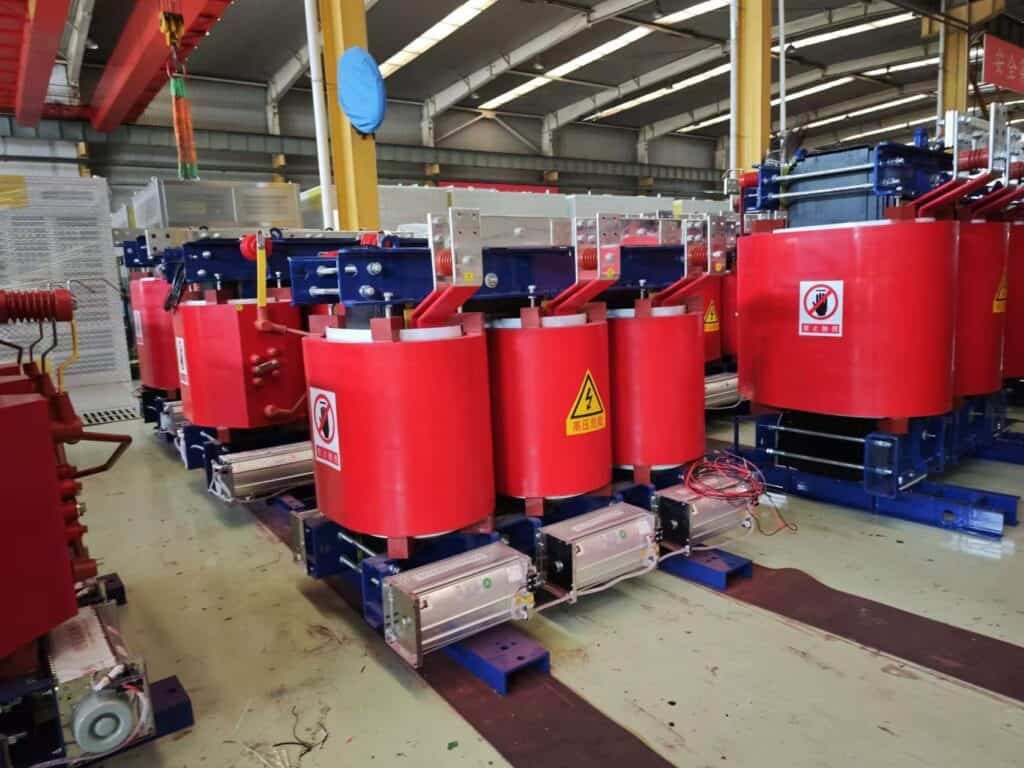
Dry-type transformers play a vital role in renewable energy projects, particularly in solar and wind power generation. Unlike oil-immersed transformers, they use air or resin for insulation, which makes them safer, cleaner, and more suitable for environmentally sensitive locations. Their fire-resistant and maintenance-free design aligns perfectly with the sustainability goals of renewable energy infrastructure. Understanding their role in these systems helps engineers and investors make informed decisions to maximize efficiency and safety.
How Are Dry Type Transformers Applied in Wind Power Systems?
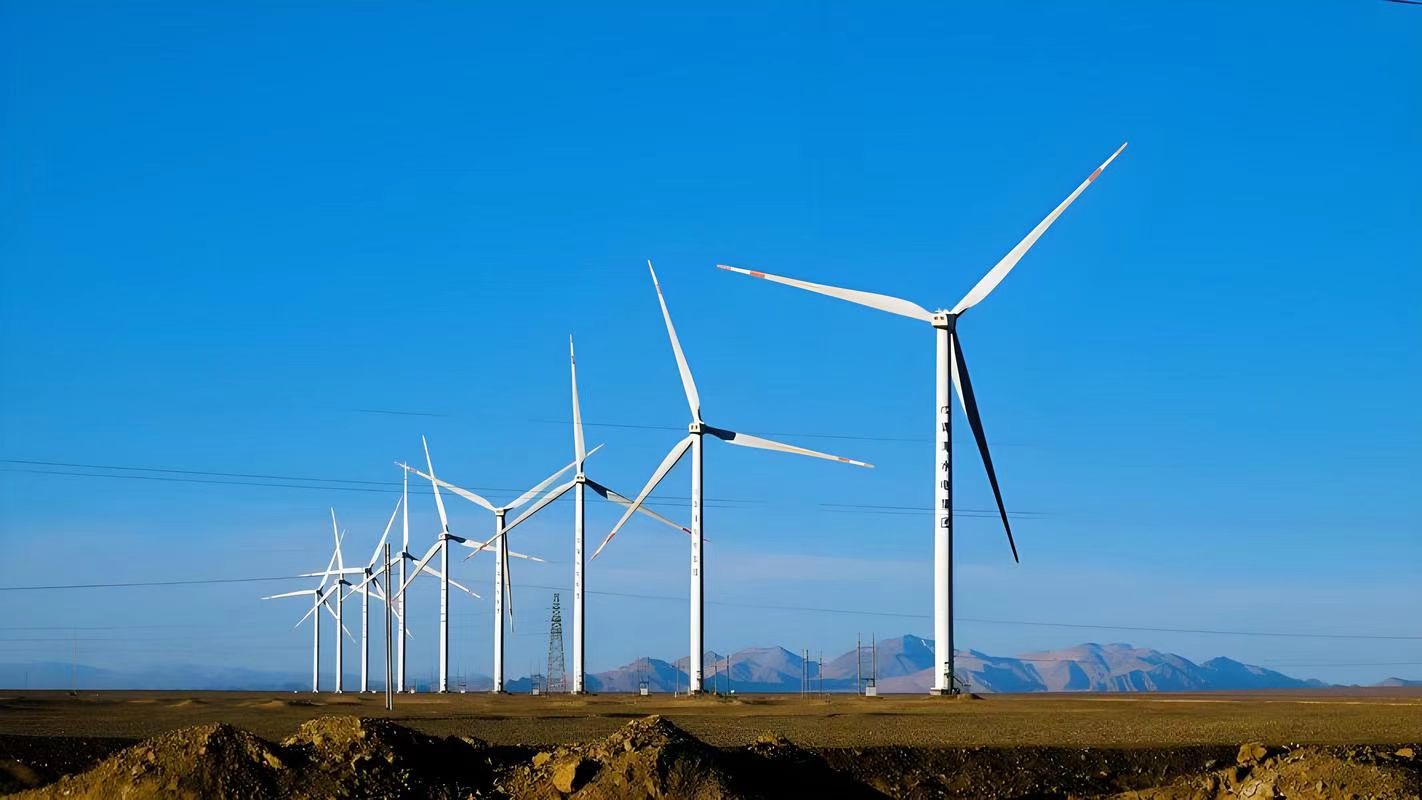
As global energy systems transition toward renewable sources, wind power has emerged as one of the fastest-growing contributors to the sustainable grid. However, integrating wind energy into power networks requires specialized electrical equipment capable of handling fluctuating loads, variable voltage levels, and harsh environmental conditions. Among these, dry-type transformers have gained wide acceptance for their safety, reliability, and environmental benefits — particularly in onshore and offshore wind projects where oil-filled units pose risks or installation constraints.
Dry-type transformers are increasingly used in wind power systems because they offer fire safety, environmental protection, low maintenance, and compact design, making them ideal for nacelle, tower base, and substation applications.
They replace traditional oil-immersed transformers in many installations where space, safety, and eco-compliance are critical. Let’s explore how they’re applied, what advantages they offer, and how their designs are optimized for the renewable energy sector.
1. Application Overview in Wind Power Systems
Dry-type transformers (cast resin or vacuum pressure impregnated) are used across multiple stages of wind power generation and distribution:
| Application Point | Typical Function | Rated Power Range | Location |
|---|---|---|---|
| Nacelle Transformer | Steps up generator voltage to tower cable level | 0.5–3 MVA | Inside nacelle |
| Tower Base Transformer | Further steps up to medium voltage collection grid | 1–6 MVA | Tower bottom or pad mount |
| Substation Transformer | Steps up from 33 kV to 110/220 kV grid voltage | 5–25 MVA | Wind farm substation |
Dry-type transformers are unsuitable for wind power applications.False
No explanation available.
Their deployment depends on installation environment, voltage class, and cooling configuration, with cast resin (CRT) and vacuum pressure impregnated (VPI) types dominating the market.
2. Why Dry-Type Transformers Are Preferred in Wind Applications
| Advantage | Engineering Explanation | Impact on Performance and Safety |
|---|---|---|
| Fire Safety | Non-flammable insulation eliminates oil-related fire risk | Enables installation inside turbines |
| Environmental Protection | No oil leakage or pollution | Complies with offshore and eco-regulations |
| Compact & Lightweight | Smaller footprint compared to oil units | Easier integration into nacelles and towers |
| Low Maintenance | No oil filtration or replacement | Reduces service downtime |
| High Short-Circuit Strength | Epoxy resin encapsulation protects windings | Improves reliability under fluctuating loads |
Dry-type transformers pose a high fire risk in wind turbines.False
No explanation available.
Their air-cooled operation and sealed insulation system make them safer for enclosed or elevated installations like nacelles and turbine towers.
3. Technical Requirements for Wind Power Dry-Type Transformers
Wind energy systems impose demanding operational conditions: fluctuating loads, temperature variations, and exposure to moisture and dust.
Therefore, dry-type transformer designs for wind power applications must meet several specialized criteria:
| Technical Parameter | Requirement | Reason |
|---|---|---|
| Cooling System | AN (Air Natural) or AF (Air Forced) | Suitable for limited ventilation in nacelles |
| Insulation Class | F or H (155°C–180°C) | Handles frequent load variations |
| Degree of Protection | IP44–IP54 | Protection against dust and moisture |
| Noise Level | <65 dB(A) | Meets environmental standards |
| Withstand Voltage | Up to 36 kV | Matches wind generator output |
| Frequency | 50/60 Hz variable | Compatible with global grid systems |
Standard dry-type transformers can be directly used in wind power without modification.False
No explanation available.
Manufacturers often customize winding geometry, resin composition, and cooling channels to enhance performance in confined nacelle environments.
4. Comparison Between Dry-Type and Oil-Immersed Transformers in Wind Systems
| Feature | Dry-Type Transformer | Oil-Immersed Transformer |
|---|---|---|
| Cooling Medium | Air or resin | Mineral or ester oil |
| Fire Risk | None | Medium to high |
| Maintenance | Minimal | Regular oil checks & filtration |
| Environmental Impact | Eco-friendly | Potential for oil leakage |
| Installation | Indoor or confined spaces | Outdoor or ventilated |
| Cost (Initial) | Higher (10–20%) | Lower |
| Cost (Lifecycle) | Lower | Higher |
| Application Suitability | Onshore/offshore nacelle and tower | Ground-based substations |
Oil-immersed transformers are safer than dry-type transformers.False
No explanation available.
While dry-type transformers are costlier initially, they offer long-term savings through reduced maintenance, safer operation, and extended lifespan.
5. Design Innovations for Wind Power Dry-Type Transformers
Recent advances have made dry-type units more efficient and reliable for renewable energy applications:
| Innovation | Technical Benefit |
|---|---|
| Cast Resin Insulation (Epoxy-filled coils) | Superior moisture resistance and mechanical strength |
| Nanocomposite Resin Systems | Enhanced thermal conductivity and partial discharge resistance |
| Smart Temperature Monitoring | Real-time performance tracking to prevent overheating |
| Forced Air Cooling with Variable Fans | Adaptive cooling efficiency in nacelle environments |
| Compact Core and Winding Layouts | Reduced volume and vibration sensitivity |
Modern dry-type transformers cannot operate efficiently in humid or coastal regions.False
No explanation available.
Such innovations have made dry-type transformers a standard choice for offshore wind farms, where environmental resistance and safety are paramount.
6. Example: Application Case Study – 3.3 MVA Nacelle Transformer (Offshore Wind Turbine)
| Parameter | Specification | Comment |
|---|---|---|
| Power Rating | 3.3 MVA | Step-up from 690 V generator to 33 kV collection grid |
| Cooling Type | AF (Forced Air) | Space-constrained nacelle environment |
| Insulation Class | H | Withstands high temperature fluctuations |
| Enclosure | IP54 | Dust and moisture protection |
| Noise Level | 63 dB(A) | Below offshore regulation limit |
| Weight | ~4,200 kg | Lightweight epoxy design |
The unit operates reliably under high humidity and salt-laden air, proving dry-type transformers’ resilience in marine climates.
7. Cost and Lifecycle Analysis
| Parameter | Dry-Type | Oil-Immersed |
|---|---|---|
| Initial Cost | +15–25% higher | Lower |
| Maintenance Cost | 40–60% lower | Higher due to oil management |
| Expected Lifespan | 25–30 years | 20–25 years |
| Safety Risk | Negligible | Medium |
| Environmental Compliance | Excellent | Requires containment systems |
Although the purchase price of dry-type units is higher, their total ownership cost is typically lower, especially in wind installations where service access is limited and safety standards are strict.
Dry-type transformers have shorter lifespans than oil-filled transformers.False
No explanation available.
8. Environmental and Safety Compliance
Dry-type transformers align with IEC 60076-11 and IEEE C57.12.01 standards for dry-type designs, meeting:
- Fire safety (Class F1)
- Low smoke emission (Class C2)
- Environmental protection (E2)
They are also compliant with EU EcoDesign (Tier 2) and RoHS/REACH environmental directives, supporting sustainability goals in wind power expansion.
How Do Dry Type Transformers Support Solar Energy Generation?
The rapid expansion of solar energy has transformed the global power landscape, introducing new challenges in energy conversion, grid stability, and equipment reliability. As solar farms grow in size and complexity, the demand for safe, efficient, and low-maintenance transformers has surged. Traditional oil-immersed designs, while robust, present environmental and fire-safety concerns—particularly in arid or densely populated regions. In response, dry-type transformers have become the preferred solution for solar power generation systems, offering unmatched safety, sustainability, and operational efficiency.
Dry-type transformers play a crucial role in solar energy generation by stepping up inverter output voltages for grid integration while ensuring high safety, minimal maintenance, and environmental protection.
They are designed to handle the unique load characteristics of solar plants, including variable irradiance, harmonic distortion, and frequent on/off switching, all while delivering long-term reliability under harsh environmental conditions.
1. Role of Dry-Type Transformers in Solar Power Systems
In a solar photovoltaic (PV) power plant, dry-type transformers are strategically deployed between the inverter and grid interconnection points.
| Application Stage | Function | Typical Voltage Range | Location |
|---|---|---|---|
| Inverter Step-Up Transformer | Converts low-voltage DC inverter output to medium voltage (e.g., 0.6 kV → 11 kV) | 0.5–3.5 MVA | Near inverter skid or container |
| Collector Transformer | Steps up medium voltage to grid-level voltage (e.g., 11 kV → 33 kV or 66 kV) | 2–10 MVA | Collector substation |
| Auxiliary Transformer | Supplies local plant loads and control systems | 100–500 kVA | Control or service buildings |
Dry-type transformers are rarely used in solar power systems.False
No explanation available.
These transformers ensure that energy generated by PV panels is safely and efficiently transmitted to the medium-voltage collection network and ultimately to the grid.
2. Why Dry-Type Transformers Are Ideal for Solar Energy Systems
| Feature | Technical Benefit | Impact on Solar Operation |
|---|---|---|
| Fire Safety | Epoxy resin insulation is non-flammable | Safe for rooftop or desert installations |
| Environmental Protection | No oil leakage or contamination risk | Suitable for eco-sensitive solar farms |
| Thermal Resilience | Operates under high ambient temperatures | Reliable in desert climates |
| Low Maintenance | No oil monitoring or replacement | Reduces service downtime |
| Compact Design | Space-saving and easily transportable | Fits modular solar inverter stations |
Dry-type transformers require frequent oil changes and leak monitoring.False
No explanation available.
Their robust construction ensures consistent performance under the temperature extremes and dust exposure common in solar installations.
3. Technical Requirements for Solar Dry-Type Transformers
Dry-type transformers used in solar farms must handle frequent load fluctuations and harmonics caused by inverter switching.
| Technical Parameter | Specification | Purpose |
|---|---|---|
| Insulation Class | F or H (155°C–180°C) | Supports temperature cycling from solar irradiance changes |
| Cooling Method | AN (Air Natural) or AF (Air Forced) | Optimized for open-air solar farm conditions |
| Harmonic Tolerance | Up to 5–10% THD | Manages inverter-generated harmonics |
| Protection Level | IP44–IP54 | Prevents dust and sand ingress |
| Ambient Temperature Range | −25°C to +50°C | Suitable for outdoor installations |
| Standard Compliance | IEC 60076-11 / IEEE C57.12.01 | Ensures international quality and safety |
Solar power transformers operate under constant, steady load conditions.False
No explanation available.
Manufacturers reinforce the winding insulation and ventilation design to ensure continuous performance under cyclic thermal stress.
4. Comparison: Dry-Type vs. Oil-Immersed Transformers in Solar Applications
| Parameter | Dry-Type Transformer | Oil-Immersed Transformer |
|---|---|---|
| Cooling Medium | Air or resin | Mineral or ester oil |
| Fire Risk | None | Moderate |
| Environmental Impact | Eco-friendly | Risk of oil leakage |
| Maintenance | Minimal | Regular oil checks |
| Temperature Tolerance | High | Moderate |
| Efficiency | Comparable | High for large units |
| Installation | Indoor/outdoor modular stations | Outdoor only |
| Initial Cost | +10–20% | Lower |
Oil-immersed transformers are always better for renewable energy projects.False
No explanation available.
While oil-immersed designs remain common for large central substations, dry-type transformers are favored in distributed inverter skids and compact solar blocks where safety and space are paramount.
5. Integration in Modular Inverter Stations
Modern solar farms use modular inverter stations, often containerized with integrated switchgear and transformers. Dry-type units are ideal for this design due to:
- Compact size and lightweight structure, simplifying container integration.
- Fireproof insulation, enabling safe enclosure within the same housing as inverters.
- Low noise and vibration, suitable for distributed installations.
- Ease of cooling, using natural or forced ventilation in containers.
Dry-type transformers cannot be used inside inverter containers.False
No explanation available.
This modular approach simplifies transportation, on-site installation, and system scalability in utility-scale PV projects.
6. Case Study: 2.5 MVA Dry-Type Transformer in a 100 MW Solar Farm
| Parameter | Specification | Notes |
|---|---|---|
| Rated Power | 2.5 MVA | Per inverter block |
| Voltage Ratio | 0.6/11 kV | Inverter output to collection line |
| Cooling | AF (Air Forced) | Optimized for desert heat |
| Insulation Class | H | Handles cyclic load changes |
| IP Rating | IP54 | Dust- and sand-proof |
| Service Life | 25+ years | Low maintenance required |
This transformer type operates reliably in ambient temperatures exceeding 45°C, requiring only periodic air filter cleaning—no oil or gasket maintenance.
7. Cost and Lifecycle Considerations
| Factor | Dry-Type Transformer | Oil-Immersed Transformer |
|---|---|---|
| Initial Price | +10–20% | Lower |
| Installation Cost | Lower (no containment pit) | Higher |
| Maintenance Cost | Negligible | High (oil testing, leakage checks) |
| Energy Efficiency | Comparable (99–99.5%) | Slightly higher |
| Service Life | 25–30 years | 20–25 years |
| Safety Rating | Excellent | Moderate |
Although dry-type units have slightly higher upfront costs, their minimal maintenance and environmental compliance make them more cost-effective for large-scale solar operations over time.
Dry-type transformers have higher lifetime costs than oil-filled units.False
No explanation available.
8. Environmental and Regulatory Compliance
Dry-type transformers used in solar plants conform to:
- IEC 60076-11 (dry-type design and testing)
- IEC 60076-20 (energy efficiency and load losses)
- EU EcoDesign Tier 2 (minimum efficiency requirements)
- ISO 14001 (environmental management)
They also support LEED and green building certifications, contributing to sustainability goals of solar projects.
9. Future Innovations in Solar Dry-Type Transformer Design
| Emerging Technology | Benefit |
|---|---|
| Nanocomposite Insulation Materials | Improved heat dissipation and higher dielectric strength |
| Smart IoT Sensors | Continuous monitoring of temperature, load, and harmonics |
| Hybrid Cooling (Air + Liquid) | Enhanced efficiency for large units |
| 3D Core Design Optimization | Reduced magnetic losses and weight |
These developments are driving the next generation of smart, efficient, and digitally monitored transformers tailored for renewable energy networks.
Why Are Dry-Type Transformers Preferred in Remote or Harsh Environments?

Remote regions and harsh environments—such as deserts, mining areas, offshore platforms, and mountainous zones—pose serious operational challenges for electrical equipment. Extreme temperatures, humidity, dust, salt mist, and lack of maintenance accessibility can rapidly degrade transformer performance and reliability. For decades, traditional oil-immersed transformers struggled under these conditions, facing risks of leakage, contamination, and fire hazards. In contrast, dry-type transformers have emerged as the superior alternative, engineered to endure environmental extremes while maintaining safety and efficiency. Their sealed, oil-free design, combined with advanced insulation and cooling systems, makes them ideal for remote and demanding applications where maintenance support is limited.
Dry-type transformers are preferred in remote or harsh environments because they provide safe, oil-free, and maintenance-light operation, resist moisture, dust, and temperature fluctuations, and ensure reliable performance where access and environmental control are challenging.
They can operate efficiently in areas with minimal supervision, offering long service life, environmental safety, and operational stability even under unpredictable conditions.
Dry-type transformers are not just durable—they are engineered for self-reliance. Their design eliminates oil management systems, reduces the need for periodic servicing, and prevents the most common causes of failure in remote sites. Keep reading to learn why these advantages make them indispensable for rugged applications.
1. Environmental Suitability and Design Advantages
| Environmental Challenge | Dry-Type Design Solution | Resulting Advantage |
|---|---|---|
| Extreme temperatures | Class F or H insulation (up to 180°C) | Stable thermal performance |
| High humidity | Epoxy resin encapsulation | Complete moisture resistance |
| Dust and sand | IP44–IP54 protection options | Long-term reliability in deserts |
| Corrosive or salty air | Protective coatings & sealed enclosures | Extended service life |
| Vibration and mechanical stress | Robust core and winding clamping | Suitable for mobile or offshore use |
Dry-type transformers cannot operate in dusty or humid conditions.False
No explanation available.
Because they use solid or cast-resin insulation, dry-type transformers eliminate the risk of oil leakage, which can attract dust and contaminants. This makes them particularly effective in remote renewable energy projects and industrial operations exposed to harsh climates.
2. Maintenance and Accessibility in Remote Areas
Maintenance logistics are one of the biggest cost drivers in remote installations. Oil-immersed transformers require regular oil sampling, filtering, and potential leak repairs—tasks that are difficult in isolated regions.
| Parameter | Oil-Immersed Transformer | Dry-Type Transformer |
|---|---|---|
| Maintenance Frequency | Every 6–12 months | Every 2–3 years (visual inspection only) |
| Oil Replacement | Required periodically | Not applicable |
| Leak Risk | Moderate to high | None |
| Transport/Handling | Heavy and oil-sensitive | Lighter and spill-free |
| On-Site Setup | Requires containment pit | Simple pad or platform |
Dry-type transformers need regular oil maintenance in remote installations.False
No explanation available.
For example, in a solar or wind power project located in a desert region, dispatching maintenance crews is costly and time-consuming. A dry-type transformer ensures consistent operation with only basic inspections, significantly lowering lifecycle costs.
3. Resistance to Environmental Stressors
Remote sites often feature severe environmental stresses—temperature swings, dust storms, salt-laden winds, and even wildlife interference. Dry-type transformers overcome these through advanced material engineering.
| Stress Factor | Material/Design Feature | Performance Impact |
|---|---|---|
| High heat | Glass fiber-reinforced epoxy insulation | Prevents thermal cracking |
| Humidity | Sealed winding system | No moisture ingress |
| Corrosion | Epoxy and polyurethane coatings | Rust-free service |
| Mechanical vibration | Solid core mounting | No winding displacement |
| Sand or dust | IP54-rated enclosure | Protects windings and cooling ducts |
Dry-type transformers easily corrode in coastal environments.False
No explanation available.
This durability allows them to be installed near shorelines, in deserts, or in offshore substations, where equipment failure could be catastrophic.
4. Fire and Safety Considerations in Isolated Locations
Safety is critical in remote areas where firefighting resources are limited. The non-flammable insulation of dry-type transformers makes them inherently safer.
| Feature | Dry-Type Transformer | Oil-Immersed Transformer |
|---|---|---|
| Fire Risk | Extremely low | Moderate to high |
| Cooling Medium | Air or resin | Mineral/ester oil |
| Containment Requirement | None | Oil retention pit required |
| Explosion Risk | None | Possible under internal faults |
| Smoke or Emissions | Minimal | Potentially toxic |
Dry-type transformers pose similar fire risks to oil-filled transformers.False
No explanation available.
This is why dry-type designs are mandated in underground facilities, mining camps, offshore rigs, and solar inverter stations, where safety and environmental integrity are top priorities.
5. Adaptability to Renewable and Industrial Applications
| Application | Operational Environment | Preferred Transformer Type | Justification |
|---|---|---|---|
| Desert Solar Plants | High heat, dust | Dry-type | Heat-resistant, no oil management |
| Wind Farms | Offshore, humid | Dry-type | Corrosion and moisture protection |
| Mining Sites | Dusty, remote | Dry-type | Minimal servicing, robust structure |
| Industrial Complexes | Indoor, vibration | Dry-type | Fire-safe and low noise |
| Hydroelectric Plants | Humid, indoor | Dry-type | Moisture resistance |
Dry-type transformers support distributed renewable systems where modularity, transport ease, and safety outweigh small efficiency trade-offs.
6. Case Study: 1.6 MVA Dry-Type Transformer in a Desert Solar Farm
| Parameter | Value | Performance Insight |
|---|---|---|
| Rated Power | 1.6 MVA | For each inverter station |
| Cooling Method | AF (Air Forced) | Supports +50°C ambient |
| Insulation Class | H (180°C) | Ensures thermal stability |
| Enclosure | IP54 aluminum housing | Dust and sand protection |
| Maintenance | Every 2 years | Simple visual inspection |
| Service Life | 25+ years | Long operation in extreme heat |
This case demonstrates how dry-type transformers maintain consistent performance under prolonged exposure to 45–50°C, with zero oil management required.
7. Economic and Lifecycle Benefits
| Cost Aspect | Dry-Type Transformer | Oil-Immersed Transformer |
|---|---|---|
| Initial Cost | Slightly higher | Lower |
| Installation Cost | Lower (no oil pit) | Higher |
| Maintenance | Minimal | Regular |
| Environmental Fees | None | Oil disposal costs |
| Service Continuity | Excellent | Risk of downtime |
| Lifecycle Value | High | Moderate |
Dry-type transformers have shorter lifespans in harsh environments.False
No explanation available.
Though initial costs may be 10–15% higher, total cost of ownership is lower due to reduced service and environmental risk costs.
8. Standards and Quality Certifications
To ensure reliability in remote and harsh settings, leading manufacturers comply with:
- IEC 60076-11 – Dry-type power transformer performance standards
- IEC 60076-20 – Energy efficiency and losses
- IEEE C57.12.01 – Dry-type design and testing standards
- ISO 9001 & ISO 14001 – Quality and environmental management
- EN 50588-1 (EcoDesign) – Energy efficiency for distribution transformers
Dry-type transformers are not certified for high-performance industrial use.False
No explanation available.
9. Future Developments for Harsh-Environment Dry-Type Transformers
| Innovation | Benefit |
|---|---|
| Nano-Resin Coatings | Enhanced heat dissipation and water resistance |
| Integrated IoT Monitoring | Real-time condition tracking for remote control |
| Self-Cleaning Enclosures | Dust and salt removal in desert or offshore settings |
| Hybrid Cooling Systems | Adaptive air/liquid cooling for extreme climates |
These advancements will further improve reliability, efficiency, and maintenance automation, making dry-type transformers even more effective for extreme field operations.
What Advantages Do Dry-Type Transformers Offer for Fire Safety and Eco-Protection?
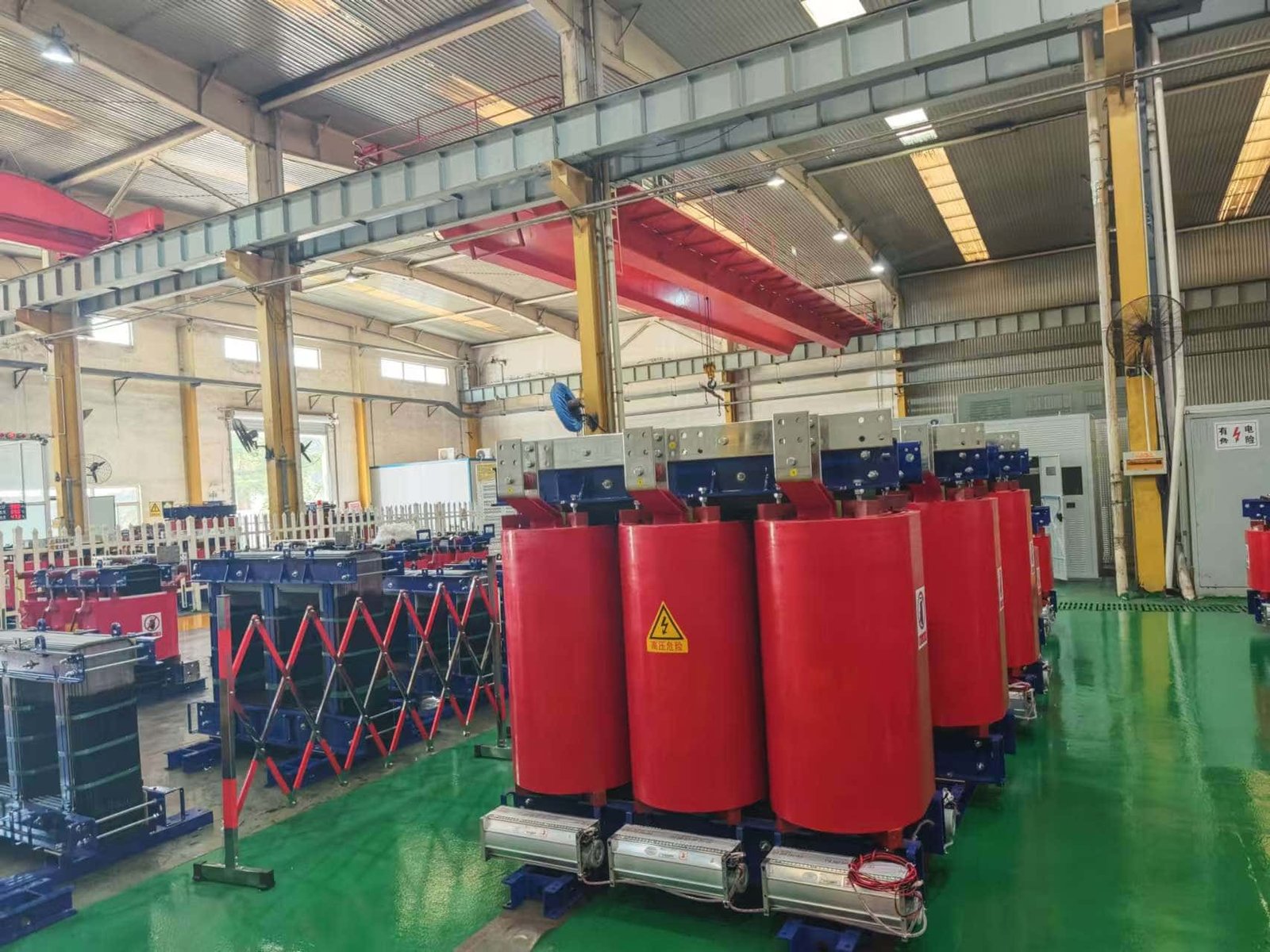
In an era of rising environmental awareness and strict safety regulations, power infrastructure must not only perform efficiently but also ensure safety and ecological integrity. Traditional oil-immersed transformers, while proven, carry inherent fire and contamination risks due to their use of flammable insulating oils. These concerns are magnified in urban, commercial, or environmentally sensitive areas. As industries and utilities move toward greener and safer energy systems, dry-type transformers have gained prominence for their exceptional fire safety and eco-protection benefits. Their oil-free, solid-insulated design minimizes both fire risk and environmental impact, making them the ideal choice for sustainable and safety-critical installations.
Dry-type transformers are favored for fire safety and eco-protection because they use non-flammable solid insulation, eliminate oil leakage and toxic emissions, require no containment pits, and comply with modern environmental and fire regulations for clean and safe power distribution.
They combine cutting-edge insulation materials, sealed construction, and low-emission performance to meet the highest standards of safety and environmental responsibility in today’s power infrastructure.
When organizations plan installations in hospitals, underground stations, high-rise buildings, offshore platforms, or renewable plants, safety and sustainability are no longer optional—they’re essential. Dry-type transformers address both concerns simultaneously, ensuring long-term reliability, zero pollution, and inherent fire resistance.
1. Fire Safety: Non-Flammable by Design
| Safety Factor | Dry-Type Transformer | Oil-Immersed Transformer |
|---|---|---|
| Cooling Medium | Air or resin | Mineral/ester oil |
| Fire Risk | Extremely low | Moderate to high |
| Explosion Risk | None | Possible under fault |
| Smoke Emission | Minimal | Dense, toxic |
| Fire Suppression Required | No special system | Yes, often CO₂ or sprinklers |
| Fire Rating Compliance | Class F/H, UL & IEC certified | Requires containment |
Dry-type transformers can ignite easily under overload conditions.False
No explanation available.
The epoxy resin insulation encapsulating the windings is self-extinguishing, meaning even if exposed to an external fire source, it does not propagate flames or release flammable gases. This makes dry-type transformers suitable for:
- Indoor installations in confined spaces
- Fire-risk zones like tunnels, metros, and high-rise basements
- Critical facilities such as hospitals and data centers
Their air-cooled system also eliminates the need for combustible fluids, thereby reducing explosion potential and fire insurance premiums.
2. Environmental Protection and Sustainability
Dry-type transformers are inherently eco-friendly due to their oil-free design and low environmental impact across their lifecycle.
| Environmental Concern | Dry-Type Transformer | Oil-Immersed Transformer |
|---|---|---|
| Oil Leakage | None | Possible and common |
| Soil/Water Contamination | None | High risk |
| Gas Emissions | Minimal | Potential toxic gases |
| Disposal Hazard | Low | Oil waste management needed |
| Cooling Fluid Handling | Not required | Requires containment |
| Recycling Efficiency | High (>90%) | Moderate |
Dry-type transformers contribute to oil and soil contamination.False
No explanation available.
Their solid insulation systems (cast resin, vacuum pressure impregnated, or Nomex-based) ensure that no liquid or vapor pollutants escape, making them fully compliant with ISO 14001 environmental management standards.
3. Compliance with Fire and Environmental Standards
Dry-type transformers are designed and certified under international safety and eco-protection standards, ensuring peace of mind for designers and operators.
| Standard | Scope | Key Focus |
|---|---|---|
| IEC 60076-11 | Dry-type transformer construction and testing | Fire behavior and safety |
| UL 1562 | USA standard for dry-type transformers | Flame-retardant design |
| NFPA 70 / NEC | National Electrical Code | Indoor safety installation compliance |
| EN 50588-1 (EcoDesign) | European energy and eco-efficiency | Reduced losses and emissions |
| ISO 14001 | Environmental management | Lifecycle sustainability |
Dry-type transformers do not meet international fire protection standards.False
No explanation available.
These certifications ensure regulatory approval for public buildings and green energy projects, especially in environmentally sensitive or enclosed spaces.
4. Zero Risk of Oil Leakage and Explosion
Oil-immersed transformers carry the constant risk of leaks from gaskets or ruptured tanks, potentially contaminating nearby soil and groundwater. Dry-type transformers, however, are sealed and oil-free, meaning there is no need for oil containment pits or environmental remediation systems.
| Feature | Dry-Type | Oil-Immersed |
|---|---|---|
| Oil Containment Required | No | Yes |
| Explosion-Proof Design | Built-in | Optional |
| Toxic Smoke | None | Yes (burning oil fumes) |
| Installation Indoors | Safe | Restricted |
Dry-type transformers can leak resin similar to oil leaks.False
No explanation available.
This not only enhances environmental safety but also simplifies civil works and reduces installation costs—particularly beneficial for rooftop solar systems, offshore wind substations, and urban distribution networks.
5. Health and Indoor Air Quality Advantages
Oil-based insulation can emit volatile organic compounds (VOCs) or toxic fumes during overheating. In contrast, dry-type transformers use low-emission epoxy resins that produce minimal off-gassing, ensuring safer air quality indoors.
| Factor | Dry-Type | Oil-Immersed |
|---|---|---|
| VOC Emission | None | Moderate |
| Smoke Density (IEC 61034) | <20% | >70% |
| Toxicity (IEC 60754-2) | Low | High |
This property makes them suitable for hospitals, schools, data centers, airports, and tunnels, where human safety and air quality are priorities.
6. Fire Safety in High-Risk Installations
In environments where explosion or ignition sources exist—such as petrochemical plants or offshore platforms—dry-type transformers are indispensable. They:
- Operate safely near flammable materials
- Require no oil containment barriers
- Allow closer proximity to critical systems
- Minimize collateral damage risk during faults
Dry-type transformers must be installed far away from sensitive or enclosed areas.False
No explanation available.
Their self-extinguishing insulation ensures compliance with ATEX and IECEx requirements in classified hazardous zones.
7. Economic and Lifecycle Impact
Although slightly more expensive initially, dry-type transformers save money over their lifecycle through reduced maintenance, insurance premiums, and environmental fees.
| Cost Element | Dry-Type | Oil-Immersed |
|---|---|---|
| Installation Cost | Lower (no oil pit) | Higher |
| Fire System Cost | Minimal | High |
| Insurance Premium | Lower | Higher |
| Environmental Risk Cost | None | High |
| Maintenance Frequency | Very low | Regular |
Dry-type transformers are costlier to maintain than oil-filled types.False
No explanation available.
These savings make them the preferred choice for environmentally certified and safety-critical facilities.
8. Case Study: Fire-Safe Transformer in a Metro Substation
| Parameter | Dry-Type Transformer | Performance Result |
|---|---|---|
| Location | Underground Metro Station | Indoor confined space |
| Rating | 2.5 MVA, 11/0.4 kV | High-capacity load |
| Cooling | AN (Air Natural) | Low noise and vibration |
| Fire Protection | Self-extinguishing resin | No external fire system needed |
| Maintenance Interval | Every 3 years | Easy access and reliability |
After 10 years of continuous service, the transformer showed no insulation degradation, confirming the suitability of dry-type designs for underground and high-risk urban settings.
9. Future Trends: Fire & Eco-Optimized Transformer Technology
| Innovation | Advantage |
|---|---|
| Halogen-Free Epoxy Systems | Zero toxic emissions under fire |
| Bio-Based Insulation Materials | Fully recyclable and renewable |
| Smart Sensors | Real-time fire and temperature monitoring |
| Advanced Airflow Design | Improved cooling efficiency without oil |
These advances will make dry-type transformers even more eco-sustainable, safe, and digitally manageable in future grid modernization projects.
How Do Dry-Type Transformers Contribute to Energy Efficiency and Grid Stability?
As global energy systems evolve toward decarbonization, digitization, and decentralization, efficiency and grid stability have become strategic imperatives. Power transformers—responsible for transmitting and distributing energy across voltage levels—play a pivotal role in achieving these goals. In this context, dry-type transformers are emerging as a key technology for improving energy efficiency and reinforcing grid reliability, particularly in renewable, urban, and industrial networks. Their oil-free design, optimized core materials, low-loss winding configurations, and smart monitoring capabilities contribute significantly to reducing losses, enhancing voltage stability, and supporting sustainable power distribution.
Dry-type transformers contribute to energy efficiency and grid stability by minimizing load and no-load losses, providing rapid thermal response, integrating digital monitoring for voltage management, and enabling safe, low-maintenance operation in distributed and renewable energy systems.
They combine high-performance magnetic materials, optimized electromagnetic design, and smart grid integration to reduce wasted energy while ensuring consistent voltage delivery under fluctuating loads and generation sources.
In modern power grids—especially those integrating renewable sources like solar and wind—load patterns and voltage profiles fluctuate more than ever. Dry-type transformers not only withstand these variations but help smooth out voltage irregularities, stabilize reactive power, and enhance system reliability, contributing to a more resilient and sustainable grid.
1. Low Energy Losses and High Efficiency Design
The efficiency of a transformer directly influences both operational cost and system stability. Dry-type transformers achieve high efficiency through advanced core materials, precision winding designs, and reduced stray losses.
| Loss Type | Description | Dry-Type Advantage | Typical Reduction |
|---|---|---|---|
| Core (No-Load) Losses | Magnetic hysteresis and eddy current in core | High-grade silicon or amorphous steel | 30–50% reduction |
| Copper (Load) Losses | I²R losses in windings | Optimized conductor cross-section and cooling | 10–20% reduction |
| Stray Losses | Leakage flux heating | Improved magnetic shielding | 15% reduction |
| Dielectric Losses | Insulation heating under stress | Low-loss epoxy resin | 10% reduction |
Dry-type transformers are less efficient than oil-immersed units.False
No explanation available.
By maintaining efficiency levels of 99.3–99.6%, dry-type units substantially reduce waste heat, leading to lower carbon emissions and improved long-term performance.
2. Contribution to Grid Voltage Stability
Voltage stability is critical for the reliability of power systems, especially in grids fed by intermittent renewable sources. Dry-type transformers support this stability through superior voltage regulation and thermal response.
| Parameter | Typical Range | Effect on Stability |
|---|---|---|
| Voltage Regulation | ±0.5–1.0% | Smooths grid voltage under load changes |
| Temperature Rise | 80–115°C (Class F/H) | Maintains thermal equilibrium during peak loads |
| Harmonic Tolerance | Up to 10% THD | Handles inverter-driven harmonics |
| Frequency Range | 50–60 Hz (tolerates transient shifts) | Stabilizes distributed grid performance |
Dry-type transformers cannot maintain voltage stability under fluctuating loads.False
No explanation available.
Their low leakage reactance and tight magnetic coupling minimize voltage drops, improving grid regulation and supporting critical loads even during rapid demand or generation swings.
3. Role in Renewable Energy Integration
Renewable power sources introduce variability that can destabilize conventional grids. Dry-type transformers mitigate this challenge through:
- Fast load adaptation for inverter-based systems.
- High harmonic withstand capability (up to 10–15% THD).
- Smart thermal management for fluctuating output cycles.
- Eco-safe operation near PV and wind installations.
| Renewable Source | Integration Role of Dry-Type Transformer | Efficiency Contribution |
|---|---|---|
| Solar PV Systems | Step-up of inverter AC to grid voltage | Reduced losses during high irradiance |
| Wind Farms | Interconnects turbines and collection grid | Voltage smoothing during gust cycles |
| Battery Storage Systems | Bidirectional energy flow management | Stable charging/discharging control |
| Microgrids | Local load balancing and voltage support | Enhances grid independence |
Dry-type transformers are unsuitable for renewable power systems.False
No explanation available.
Their compact, oil-free design enables placement directly in inverter stations or near turbines, reducing transmission losses and improving system responsiveness.
4. Smart Monitoring and Grid Interaction
Modern dry-type transformers can be equipped with IoT-enabled sensors that provide real-time data for predictive maintenance and grid control.
| Parameter Monitored | Sensor Type | Operational Benefit |
|---|---|---|
| Temperature | Fiber optic or RTD | Prevents overheating and energy loss |
| Load Current | Hall-effect sensors | Balances load to reduce stress |
| Humidity | Digital probes | Ensures insulation health |
| Partial Discharge | Ultrasonic detectors | Detects insulation degradation early |
| Harmonic Distortion | Power analyzer | Maintains grid power quality |
Dry-type transformers cannot support digital monitoring.False
No explanation available.
This capability enhances grid stability by allowing automated adjustments and preventive interventions before faults escalate, ensuring continuous, efficient power delivery.
5. Thermal Efficiency and Loss Reduction
Cooling performance is essential to maintaining efficiency under load. Dry-type transformers use air natural (AN) or air forced (AF) systems that maintain thermal equilibrium without oil pumps or fans requiring high maintenance.
| Cooling Class | Typical Application | Efficiency Impact |
|---|---|---|
| AN (Air Natural) | Low–medium load | Passive, silent, efficient |
| AF (Air Forced) | High load or cyclic demand | Active airflow increases capacity by 30% |
| Hybrid Cooling | Renewable integration | Adaptive performance under fluctuation |
Air cooling reduces transformer efficiency significantly.False
No explanation available.
By maintaining stable winding temperatures, dry-type units prevent hot spots that degrade insulation and efficiency, ensuring long-term operational consistency.
6. System-Level Contribution to Grid Reliability
Dry-type transformers improve grid stability at both local and system-wide levels by:
- Reducing harmonic distortion and improving power quality.
- Providing consistent voltage transformation under dynamic conditions.
- Offering high short-circuit withstand strength, preventing fault propagation.
- Enabling distributed grid architectures with modular designs.
| Reliability Metric | Dry-Type Performance | System Benefit |
|---|---|---|
| Short-Circuit Strength | Up to 25x rated current | Prevents cascade failures |
| Impedance Range | 4–6% | Improves power factor and load sharing |
| Availability | >99.8% | Enhances grid uptime |
| Mean Time Between Failures (MTBF) | 30+ years | Reduces outage risks |
Dry-type transformers have low mechanical strength under faults.False
No explanation available.
Their modular scalability and fast commissioning also enable rapid grid expansion without compromising stability.
7. Case Study: 3 MVA Dry-Type Transformer in a Wind-Solar Hybrid Substation
| Parameter | Specification | Outcome |
|---|---|---|
| Rated Power | 3 MVA | Integrated hybrid output |
| Voltage Ratio | 0.69/33 kV | Step-up to local grid |
| Efficiency | 99.45% | Low energy loss operation |
| Cooling | AF | Handles variable renewable loads |
| IoT Monitoring | Yes | Real-time efficiency control |
| Service Life | 30 years | Stable and maintenance-light |
After 5 years of operation, the system maintained <0.8% loss deviation, confirming its high energy efficiency and contribution to stable renewable grid performance.
8. Future Innovations: Smart and High-Efficiency Dry-Type Transformers
| Innovation | Efficiency/ Stability Benefit |
|---|---|
| Amorphous Metal Core | Up to 70% reduction in core losses |
| AI-Based Load Optimization | Predictive energy balancing |
| Digital Twin Simulation | Real-time grid model integration |
| Nanocomposite Insulation | Lower dielectric losses, extended lifespan |
| Hybrid Air-Liquid Cooling | Enhanced efficiency under high ambient heat |
These advancements will enable next-generation dry-type transformers to become active participants in smart grids, managing energy dynamically to maintain balance and sustainability.
What Trends Are Shaping the Use of Dry-Type Transformers in Renewable Energy?
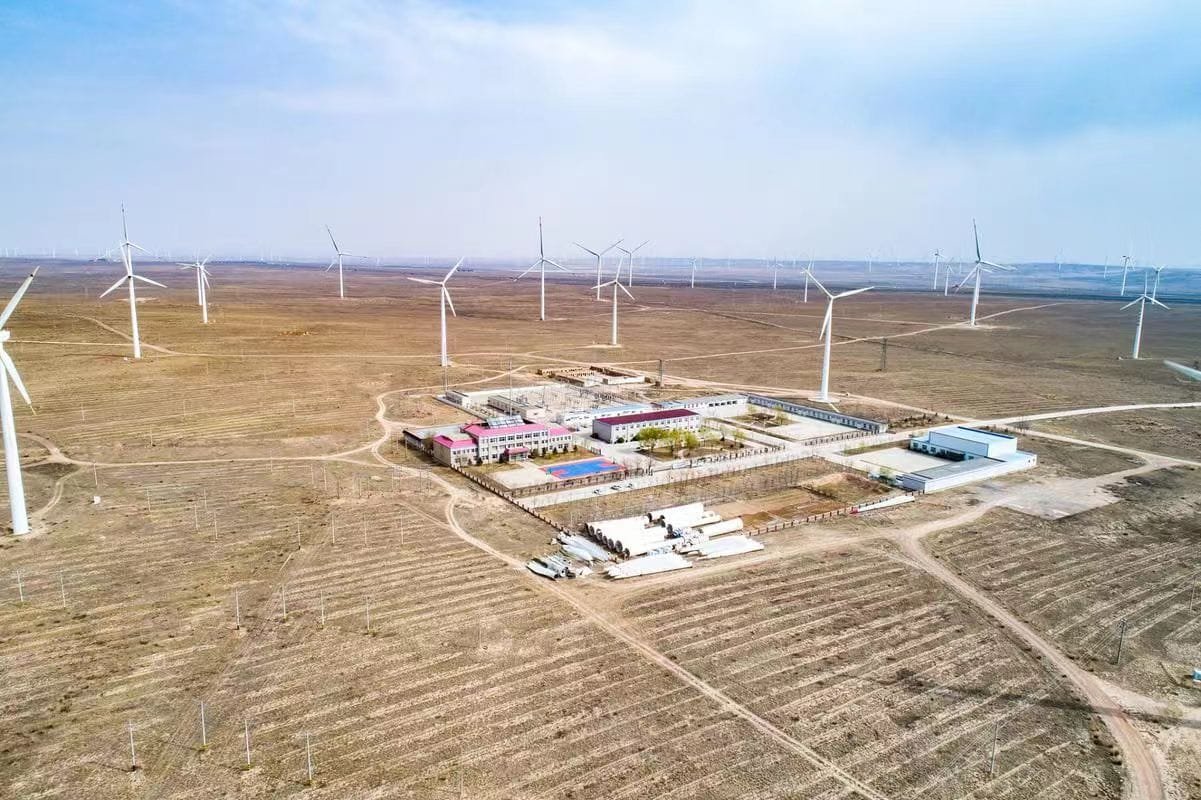
As renewable energy capacity accelerates worldwide, driven by global decarbonization goals and policy incentives, the design and deployment of transformers are being reimagined to meet the unique demands of modern grids. Among these innovations, dry-type transformers are experiencing a significant surge in adoption, thanks to their safety, eco-friendliness, compact footprint, and adaptability for distributed power generation systems. However, this transformation is not just about replacing oil with air — it reflects a deeper convergence of digitalization, materials innovation, and sustainability in electrical engineering.
The key trends shaping the use of dry-type transformers in renewable energy include the rapid growth of decentralized generation, the adoption of digital monitoring systems, advances in high-efficiency insulation and core materials, stricter fire and environmental standards, and the increasing demand for modular, maintenance-free power distribution solutions.
These developments align perfectly with the evolving requirements of solar farms, wind parks, and hybrid renewable plants, where reliability, low losses, and safety in remote or harsh environments are paramount.
As renewable installations expand globally, operators, EPC contractors, and utilities are all looking for transformers that reduce maintenance costs, improve energy yield, and meet sustainability mandates. Dry-type transformers have become the technology of choice in this shift.
1. Decentralized Renewable Generation and Distributed Grid Integration
One of the strongest trends driving dry-type transformer adoption is the move toward decentralized renewable generation—small to medium-sized power systems embedded across the grid. Unlike centralized generation, these systems require flexible, compact, and safe transformers to step up voltage for local distribution or grid connection.
| Renewable Application | Dry-Type Transformer Function | Key Advantage |
|---|---|---|
| Solar Farms | Connect PV inverters to medium-voltage grid | Compact, no oil leakage risk |
| Wind Turbines | Step-up voltage in nacelle or base | Vibration-resistant, maintenance-free |
| Battery Energy Storage | Bidirectional AC/DC interface | High short-circuit withstand |
| Hydrogen & Hybrid Systems | Power conditioning for converters | Safe for indoor installation |
Dry-type transformers cannot be used for grid-connected renewable systems.False
No explanation available.
Their non-flammable, oil-free nature enables installation directly next to inverters or control rooms—eliminating the need for containment pits or complex fire protection systems.
2. Advanced Materials for Higher Efficiency and Durability
Efficiency and reliability are crucial for renewable plants operating in variable conditions. Modern dry-type transformers use advanced core and insulation materials to minimize losses and extend lifespan.
| Material Innovation | Function | Efficiency/Performance Gain |
|---|---|---|
| Amorphous Metal Core | Reduces hysteresis losses | Up to 70% core loss reduction |
| Epoxy Resin with Nanofillers | Enhances dielectric strength | +30% insulation life |
| Copper or Aluminum Foil Windings | Minimizes eddy current losses | +10% thermal efficiency |
| Hybrid Air-Forced Cooling Systems | Improves load response | +20–30% overload capacity |
Amorphous metal cores are not suitable for dry-type transformers.False
No explanation available.
The combination of lightweight cores, optimized winding geometry, and improved thermal management ensures minimal energy loss, directly contributing to the overall performance of renewable power systems.
3. Compliance with Stricter Fire and Environmental Standards
Renewable energy projects often operate in remote or environmentally sensitive locations—deserts, mountains, coastal areas, or offshore platforms—where fire risk mitigation and ecological safety are critical.
Dry-type transformers, with no flammable liquids or oil, meet global safety standards such as IEC 60076-11, EN 50541, and UL 1562.
| Regulation Area | Relevant Standard | Dry-Type Advantage |
|---|---|---|
| Fire Safety | IEC 60076-11, UL 1562 | No oil, minimal explosion risk |
| Environmental Impact | ISO 14001 | Zero leakage, recyclable materials |
| Noise & Vibration | IEC 60076-10 | Quiet operation, low vibration |
| Corrosion Resistance | IEC 60068 | Protective coating for harsh climates |
Oil-filled transformers are more environmentally friendly than dry-type transformers.False
No explanation available.
These features make dry-type transformers especially valuable in urban, offshore, and renewable microgrid environments where environmental compliance and fire safety are mandatory.
4. Digitalization and Smart Monitoring Systems
As renewable systems become more dynamic, digital monitoring and predictive maintenance are now essential. Modern dry-type transformers integrate IoT and SCADA-compatible sensors to monitor thermal performance, humidity, partial discharge, and load conditions in real-time.
| Parameter Monitored | Sensor Type | Operational Benefit |
|---|---|---|
| Temperature | Fiber optic / RTD | Prevents overheating and energy loss |
| Load Current | Hall-effect sensor | Balances system loads |
| Humidity & PD | Smart dielectric sensors | Predicts insulation degradation |
| Voltage & Harmonics | Power quality meter | Stabilizes renewable integration |
Dry-type transformers cannot be digitally monitored.False
No explanation available.
These smart features enhance both operational transparency and grid reliability, helping operators optimize efficiency and avoid unplanned outages in renewable installations.
5. Modular and Prefabricated Power Solutions
The renewable sector increasingly prefers prefabricated and modular transformer solutions to shorten installation time and improve mobility. Dry-type transformers can be integrated into compact skid-mounted substations, allowing rapid deployment in wind or solar farms.
| Application | Typical Modular Setup | Deployment Time Reduction |
|---|---|---|
| Solar PV Stations | Transformer + inverter + switchgear | 40–60% faster installation |
| Wind Turbine Systems | Nacelle-mounted step-up unit | Direct integration |
| Microgrids | Containerized substation | Easy relocation |
Dry-type transformers are too bulky for modular or mobile renewable systems.False
No explanation available.
This modular approach supports rapid scaling of renewable infrastructure while minimizing logistical and civil work costs.
6. Hybrid and Offshore Renewable Applications
In offshore wind farms and hybrid solar-wind plants, equipment reliability under extreme environmental conditions is crucial. Dry-type transformers are designed with moisture-proof encapsulation, anti-corrosion coatings, and salt-mist protection, ensuring long-term stability.
| Condition | Challenge | Dry-Type Engineering Solution |
|---|---|---|
| High Humidity | Insulation degradation | Epoxy encapsulation with hydrophobic coating |
| Salt Mist | Corrosion of core and terminals | Anti-corrosion resin & marine paint |
| Vibration | Mechanical fatigue | Rigid clamping & resin-filled windings |
| Thermal Shock | Temperature cycling | Flexible resin structure |
Dry-type transformers cannot operate in humid or coastal environments.False
No explanation available.
Their robust performance in such environments allows developers to deploy renewable assets with higher uptime and lower maintenance risk.
7. Economic and Policy Drivers
Global energy policies emphasizing sustainability, safety, and carbon reduction are influencing equipment selection in renewable projects. Dry-type transformers align perfectly with green standards and are often eligible for financing or tax incentives under clean energy programs.
| Region | Policy Influence | Impact on Dry-Type Adoption |
|---|---|---|
| EU | Green Deal & EN 50541 | Preference for eco-design units |
| USA | DOE Energy Efficiency Act | Incentives for low-loss transformers |
| China | Renewable Integration Roadmap 2030 | Mandate for oil-free distribution systems |
| Middle East | Smart Grid Vision 2030 | Push for digital, compact substations |
Dry-type transformers are not supported by renewable energy policies.False
No explanation available.
Thus, the market is seeing consistent double-digit growth in dry-type transformer demand for renewable projects worldwide.
8. Future Outlook: Smarter, Safer, and More Sustainable
Emerging trends indicate the next generation of dry-type transformers will integrate:
- AI-based load prediction for dynamic renewable balancing.
- Recyclable bio-based insulation materials.
- Integrated harmonic filters for inverter compatibility.
- Digital twins for lifecycle modeling and virtual testing.
| Innovation Trend | Expected Market Impact |
|---|---|
| Digital Twin Technology | Enhanced performance simulation |
| Nanocomposite Insulation | Longer life, lower dielectric losses |
| Amorphous & Ferrite Core Hybrids | 50–70% lower core losses |
| Hydrogen-Cooled Dry Design (R&D) | Higher capacity, eco-efficient cooling |
These innovations will make dry-type transformers central components in the future renewable energy landscape, combining energy efficiency, sustainability, and smart adaptability.
Conclusion
In renewable energy systems, dry-type transformers are essential for stepping up or stepping down voltage safely and efficiently. Their ability to operate without oil eliminates risks of leaks or fires, making them ideal for solar farms, wind turbines, and offshore applications. They also meet strict environmental and efficiency standards, reducing carbon footprint and long-term maintenance costs. As renewable energy continues to expand globally, dry-type transformers will remain a cornerstone technology for sustainable and reliable power distribution.
FAQ
Q1: What role do dry type transformers play in renewable energy projects?
Dry type transformers are essential in renewable power generation systems such as solar farms, wind power stations, and hydropower plants. They step up or step down voltage levels to enable efficient energy transfer between the generation source and the grid. In solar PV systems, they connect inverter outputs to the main distribution grid; in wind turbines, they serve as step-up units from low turbine voltage to higher collector system voltage.
Because renewable energy installations often operate in remote, variable, or sensitive environments, dry type transformers are preferred for their fire safety, environmental protection, and low maintenance. Their cast resin insulation eliminates oil leakage risk, making them suitable for indoor substations, offshore platforms, or environmentally protected zones.
Q2: Why are dry type transformers preferred over oil-filled units in renewable projects?
Dry type transformers offer several advantages in renewable applications:
Fire Safety: No flammable oil, making them ideal for confined or remote installations.
Environmental Protection: No risk of oil leakage or soil contamination, aligning with sustainability goals.
Low Maintenance: Require minimal inspection and no oil testing.
Compact Design: Easier installation in modular inverter stations or turbine towers.
Temperature Resilience: Performs well in harsh climates (heat, humidity, dust).
Reduced Noise: Beneficial for eco-sensitive areas and residential proximities.
Their IP-rated enclosures allow use near coastlines, deserts, or mountainous regions where oil-filled units would be difficult to service.
Q3: How are dry type transformers applied in solar and wind projects specifically?
Solar Power Plants: Installed between solar inverters and medium-voltage switchgear to step up voltage from 400–800V to 11–33 kV for grid transmission.
Wind Turbines: Placed inside the turbine nacelle or base to step up voltage from 690V to 33 kV, with compact cast resin transformers designed to handle mechanical vibration.
Battery Energy Storage Systems (BESS): Used to connect battery inverters to the distribution grid, ensuring safe, reliable voltage transformation.
Offshore and Floating Systems: IP-rated dry type transformers are used to withstand humidity and salt spray without oil degradation.
Q4: What are the performance benefits of dry type transformers in renewable systems?
Dry type transformers offer high efficiency (up to 99%), excellent overload capability, and low partial discharge performance. Their insulation systems (Class F or H) support temperatures up to 180°C, ideal for renewable systems with fluctuating loads. They maintain consistent performance even under harmonic-rich inverter outputs, reducing power losses and ensuring long service life. Additionally, smart sensors can be integrated to monitor temperature, humidity, and winding health for predictive maintenance in remote renewable installations.
Q5: How do dry type transformers support sustainability goals in renewable energy?
Dry type transformers are inherently eco-friendly due to the absence of oil and low material emissions. They minimize environmental risks associated with oil spills and reduce maintenance-related carbon footprint. Using recyclable materials, amorphous metal cores, and low-loss designs, they support global sustainability initiatives. Their longer lifecycle and energy-efficient performance make them a perfect match for renewable projects focused on net-zero emissions and green certification compliance.
References
IEC – IEC 60076-11: Dry-Type Power Transformers Standard. https://www.iec.ch
Global Market Insights – Dry Type Transformer Market Trends 2025. https://www.gminsights.com
Statista – Global Renewable Energy Installations and Transformer Demand 2025. https://www.statista.com
Enerdata – Renewable Power Integration and Grid Equipment. https://www.enerdata.net
IEEE Spectrum – Transformers in Renewable Energy Grids. https://spectrum.ieee.org