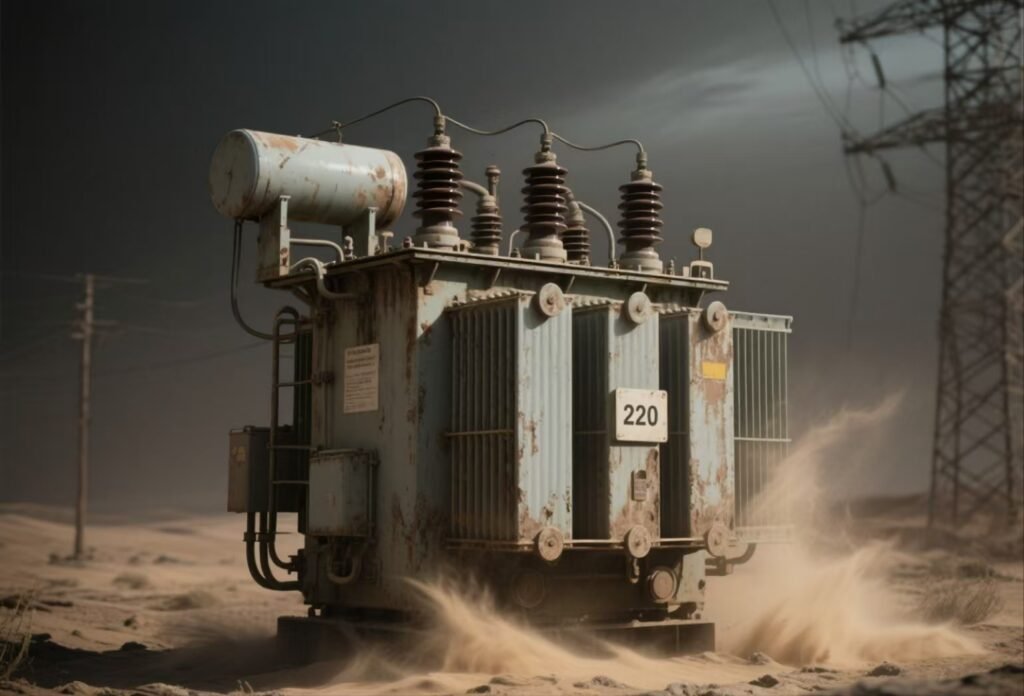
Transformer selection is not only a technical and economic decision but also an environmental one. With increasing global emphasis on sustainability and eco-friendly practices, the environmental impact of transformers throughout their lifecycle—from manufacturing to operation and disposal—must be carefully considered.
How Does Energy Efficiency Influence Environmental Impact?

Modern industries and utilities face a dual challenge: providing reliable electricity while reducing environmental impact. Transformers are among the most widespread equipment in power systems, and their losses — both no-load (core losses) and load (copper losses) — accumulate into significant wasted energy globally. Inefficient transformers not only raise operating costs but also contribute to increased greenhouse gas emissions, higher fuel consumption, and accelerated resource depletion. The solution lies in improving energy efficiency, which directly translates into reduced environmental footprint and long-term sustainability.
Energy efficiency reduces the environmental impact of transformers by minimizing wasted power, lowering greenhouse gas emissions from electricity generation, reducing cooling demands, and conserving natural resources. High-efficiency designs, such as those with amorphous steel cores or optimized windings, improve performance while supporting compliance with eco-design directives and sustainability targets.
This article explores how transformer efficiency and environmental sustainability are connected.
The Link Between Efficiency and Environmental Impact
- Reduced Energy Wastage
- Higher-efficiency transformers convert more of the input energy into useful power.
- Lower core and copper losses reduce unnecessary energy drawn from the grid.
- Lower Greenhouse Gas Emissions
- Every kilowatt-hour of saved electricity reduces emissions from power plants.
- In coal-based grids, efficiency gains directly cut CO₂ output.
- Even in renewable-heavy grids, reducing waste means fewer resources used.
- Decreased Cooling Requirements
- Lower losses mean less heat generated inside transformers.
- This reduces reliance on fans, pumps, or air-conditioning, lowering auxiliary energy consumption.
- Conservation of Resources
- Efficient transformers require fewer replacements and less frequent oil reconditioning.
- Reducing energy losses lessens overall demand for fossil fuels and raw materials.
Quantifying the Benefits
| Efficiency Improvement | Annual Energy Saved (per 100 MVA transformer) | CO₂ Emission Reduction |
|---|---|---|
| 0.5% gain | ~438 MWh | ~200 tons CO₂ (coal-based grid) |
| 1.0% gain | ~876 MWh | ~400 tons CO₂ |
| 2.0% gain | ~1,752 MWh | ~800 tons CO₂ |
Values approximate, depending on load profile and grid emission factors.
Regulatory and Sustainability Perspective
- Eco-Design Directives (EU): Require minimum efficiency standards to cut energy waste.
- DOE Efficiency Standards (US): Mandate low-loss designs for distribution and power transformers.
- Corporate ESG Goals: Utilities and industries adopt high-efficiency transformers to meet sustainability commitments.
Improving transformer efficiency has little impact on carbon emissions.False
Efficiency improvements directly reduce energy losses, which lowers the need for power generation and reduces associated CO₂ emissions.
Why Is the Choice of Insulating Medium Important for Sustainability?
Modern power transformers play a vital role in the global energy infrastructure—but their environmental footprint depends heavily on the insulating medium used inside them. Traditionally, mineral oil has been the standard due to its excellent dielectric and cooling properties. However, it is non-biodegradable, petroleum-based, and poses fire and pollution risks in case of leaks. As the energy sector transitions toward sustainability, the choice of insulating medium has become a key environmental and technical decision.
The choice of insulating medium is important for sustainability because it determines a transformer’s environmental impact, recyclability, fire safety, and operational efficiency. Eco-friendly alternatives such as natural ester oils or dry-type resin systems reduce carbon footprint, enhance biodegradability, lower fire risk, and support compliance with green energy and eco-design standards.
1. Environmental Impact of Different Insulating Media
| Insulating Medium | Biodegradability | Fire Safety | Environmental Risk | Sustainability Rating |
|---|---|---|---|---|
| Mineral Oil | Low (non-biodegradable) | Low (flammable) | High if spilled | ★☆☆☆☆ |
| Natural Ester Oil (Vegetable-Based) | High (>97%) | High (high flash point) | Very low | ★★★★★ |
| Synthetic Ester Oil | Moderate to High | High | Low | ★★★★☆ |
| Dry-Type (Epoxy Resin) | Excellent (no liquid oil) | Excellent (non-flammable) | Very low | ★★★★☆ |
Mineral oil leaks can contaminate soil and water, while ester fluids decompose naturally and pose minimal environmental hazard. Moreover, the production of ester oils often uses renewable feedstocks, aligning with global sustainability goals.
2. Role in Transformer Lifecycle Sustainability
- Production Phase: Natural and synthetic esters have lower carbon emissions during manufacturing.
- Operation Phase: Esters offer higher thermal stability, allowing transformers to operate at higher temperatures with improved efficiency.
- End-of-Life Phase: Esters can be recycled or reprocessed, while mineral oil often requires energy-intensive disposal.
All transformer insulating oils are equally sustainable if properly contained.False
Even with containment, mineral oils remain non-biodegradable and petroleum-based. Bio-based esters and dry insulation systems offer superior environmental sustainability.
3. Fire and Safety Benefits
- Natural esters have flash points above 300°C, greatly reducing fire hazards.
- Dry-type insulation eliminates liquid medium altogether, making them ideal for indoor and public installations.
- This reduced fire risk also lowers the need for large containment pits and expensive fire protection systems.
4. Regulatory and Market Drivers
- IEC 61099 / IEEE C57.147: Standards that classify and test natural and synthetic ester fluids.
- EU EcoDesign Directive & U.S. DOE Efficiency Rules: Encourage use of high-efficiency, low-impact insulation systems.
- Corporate ESG Goals: Utilities and manufacturers adopt ester oils to demonstrate environmental responsibility.
5. Case Study Example
In a 132 kV substation upgrade in Northern Europe, natural ester transformers replaced conventional mineral-oil units. Results showed:
- 80% reduction in oil containment costs.
- 30% lower fire protection expenses.
- Zero soil contamination risk even after minor leakage events.
What Role Do Noise Emissions Play in Environmental Compatibility?
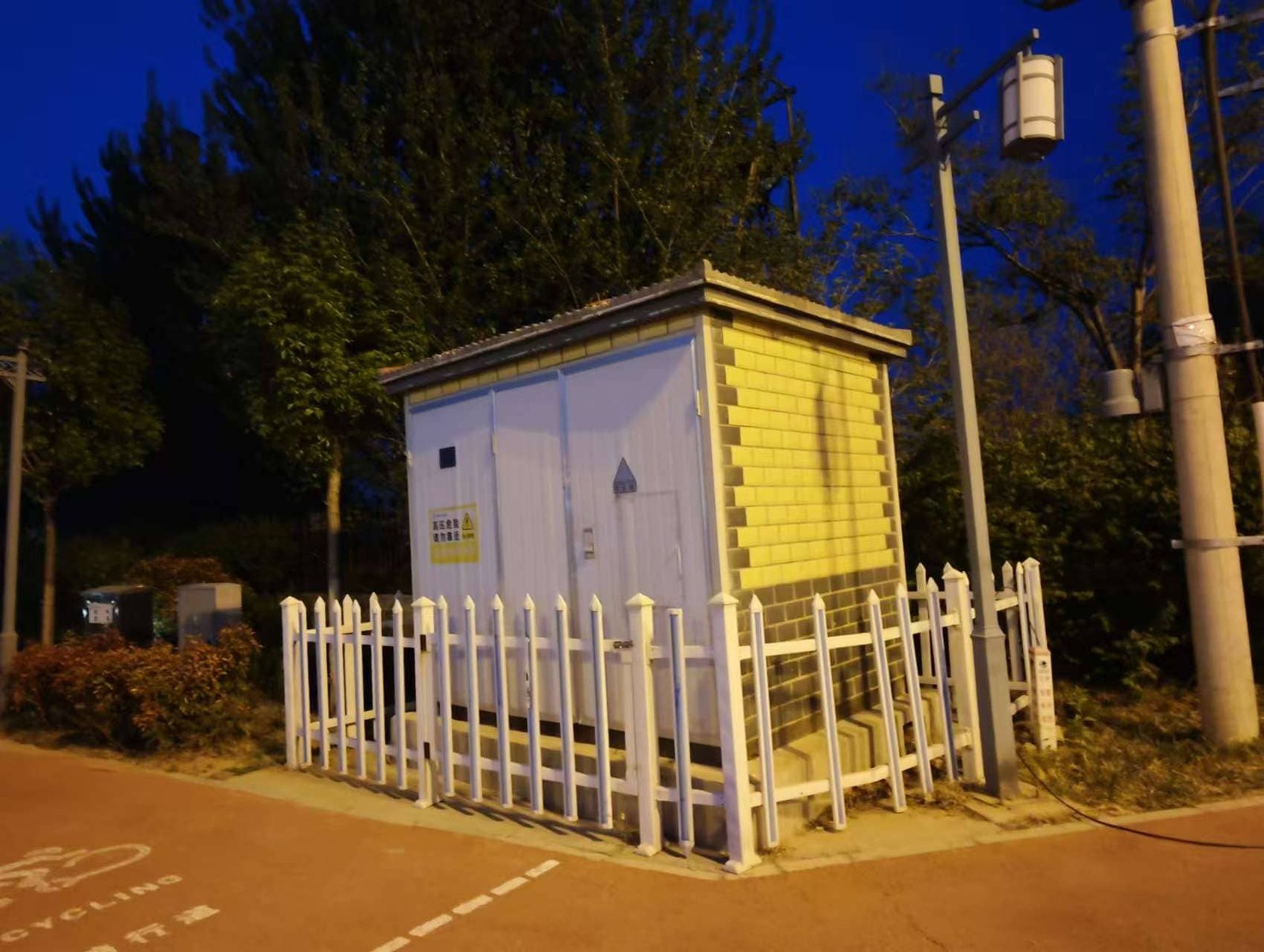
In modern power systems, environmental compatibility goes beyond efficiency and emissions—it also includes acoustic performance. Transformers, especially large distribution and power units, generate continuous low-frequency noise caused by magnetostriction in the core and mechanical vibrations. While often overlooked, noise pollution from transformers can disrupt residential areas, impact human health, and even violate environmental noise regulations. For this reason, noise control has become a core component of sustainable transformer design and installation.
Noise emissions play a vital role in environmental compatibility because they directly affect surrounding communities, ecological well-being, and compliance with environmental standards. Reducing transformer noise through optimized core design, vibration damping, and soundproof enclosures minimizes acoustic pollution, supports urban sustainability goals, and ensures regulatory compliance in populated or sensitive areas.
1. Sources of Transformer Noise
| Source | Type of Noise | Typical Frequency Range | Cause |
|---|---|---|---|
| Core Magnetostriction | Fundamental hum | 100–200 Hz | Magnetic expansion and contraction of silicon steel laminations |
| Winding Vibration | Mechanical vibration | 200–500 Hz | Electromagnetic forces between conductors |
| Cooling Equipment (Fans, Pumps) | Broadband noise | 300–1000 Hz | Airflow turbulence and mechanical operation |
| Structural Resonance | Low-frequency rumble | <100 Hz | Foundation or tank vibration amplification |
Without proper control, these noises combine to form a persistent low-frequency hum that can travel long distances, especially at night when ambient sound is low.
2. Environmental and Social Impact
- Community Disturbance: Transformers near residential or commercial zones can exceed permissible sound levels, causing complaints or operational restrictions.
- Health Effects: Continuous exposure to low-frequency noise may lead to sleep disturbance and increased stress levels.
- Wildlife Disruption: In rural or natural habitats, transformer noise can interfere with animal communication and migration.
- Regulatory Compliance: Most countries impose maximum allowable noise levels (typically 50–65 dB(A) at 1 meter distance for distribution transformers).
Transformer noise has minimal environmental impact and is not regulated in most regions.False
Transformer noise is strictly regulated under environmental standards such as IEC 60076-10 and local environmental noise ordinances to protect communities and ecosystems.
3. Design Measures for Noise Reduction
| Noise Reduction Technique | Engineering Approach | Effectiveness |
|---|---|---|
| Core Optimization | Use of high-grade silicon or amorphous steel, tighter clamping | Reduces magnetostriction noise |
| Vibration Isolation | Damping pads and resilient mountings | Minimizes mechanical transmission |
| Cooling System Design | Low-noise fans and optimized air ducts | Reduces acoustic emissions |
| Sound Enclosures | Acoustic barriers or absorber panels | Reduces ambient noise level by up to 20 dB(A) |
| Foundation Design | Rigid and well-damped concrete base | Prevents resonance amplification |
4. Standards and Testing
- IEC 60076-10: Defines transformer sound level measurement methods and permissible noise limits.
- ISO 3744 / 9614: Establish acoustic testing and sound power level assessment procedures.
- Local Regulations: Cities often impose stricter limits for nighttime operation or residential installations.
5. Example of Noise Reduction in Practice
In a 110 kV urban substation in Germany, retrofitting transformers with amorphous steel cores and low-noise cooling fans reduced noise emissions from 68 dB(A) to 54 dB(A). This improvement brought the installation within city noise limits and eliminated community complaints—while maintaining transformer efficiency.
How Do Materials and Design Affect Eco-Friendliness in Transformers?
The eco-friendliness of a transformer depends heavily on the materials used and the design philosophy applied. Together, these two factors determine not only the transformer's energy efficiency and carbon footprint, but also its lifecycle environmental impact—from raw material extraction to manufacturing, operation, and end-of-life disposal.
Materials and design affect eco-friendliness by influencing resource use, energy efficiency, recyclability, and emissions. Environmentally responsible transformers use sustainable core materials, biodegradable insulation fluids, low-loss designs, and modular, recyclable construction to minimize environmental impact throughout their service life.
1. Environmentally Responsible Material Choices
| Component | Traditional Material | Eco-Friendly Alternative | Environmental Benefit |
|---|---|---|---|
| Core | Cold-rolled grain-oriented (CRGO) silicon steel | Amorphous metal core | Up to 70% lower core (no-load) losses → reduced CO₂ emissions |
| Windings | Copper | High-conductivity copper or aluminum alloys | Lower resistive losses and easier recycling |
| Insulation Oil | Mineral oil | Natural or synthetic ester oil | Biodegradable, fire-safe, non-toxic |
| Solid Insulation | Epoxy resins (standard) | Halogen-free or bio-based resins | Lower environmental toxicity |
| Tank/Enclosure | Mild steel with solvent coatings | Powder-coated or recyclable steel/aluminum | Reduced VOC emissions, improved recyclability |
Using biodegradable ester oils or dry insulation systems, for example, minimizes soil and water contamination risks in case of leaks. Similarly, amorphous steel cores not only lower energy waste but also reduce the carbon footprint over the transformer's operational life.
2. Eco-Friendly Design Principles
High Efficiency Design:
Reducing core and copper losses directly cuts greenhouse gas emissions over decades of operation.Compact, Lightweight Structures:
Optimized magnetic and thermal design lowers material use and transportation impact.Improved Cooling Systems:
Air or ester cooling with natural convection (AN or KNAN) reduces energy consumption compared to forced systems.Modular and Recyclable Construction:
Components that can be separated and recycled simplify end-of-life disassembly and reduce waste.Low-Noise Design:
Minimizing magnetostriction and vibration reduces acoustic pollution in urban or natural environments.
3. Lifecycle Environmental Benefits
Transformers built with sustainable materials and efficient designs achieve:
- Lower CO₂ emissions through reduced operating losses.
- Reduced fire risk with high-flash-point ester or dry insulation systems.
- Minimal soil and water contamination in case of leakage.
- Longer service life, which means fewer replacements and less raw material use over time.
- Ease of recycling, reducing landfill waste at end-of-life.
Only operational efficiency determines a transformer's eco-friendliness.False
Eco-friendliness also depends on material sourcing, recyclability, insulation choice, and lifecycle environmental impact—not just energy efficiency.
4. Standards and Regulatory Alignment
Eco-friendly transformer materials and designs are promoted and often mandated by:
- IEC 60076 series – general design, safety, and environmental requirements.
- EU EcoDesign Directive (EU 548/2014) – sets minimum efficiency and loss limits.
- RoHS & REACH – restrict hazardous substances in materials and coatings.
- IEEE C57.147 & IEC 61099 – define environmentally friendly insulating fluids.
5. Example: Sustainable Design in Practice
A 1 MVA distribution transformer redesigned with:
- An amorphous metal core,
- Natural ester insulation, and
- Powder-coated recyclable steel housing,
achieved a 40% reduction in energy losses, 90% biodegradability, and a 25% lower carbon footprint over its 30-year lifespan compared to a conventional mineral-oil unit.
What Environmental Regulations and Standards Must Be Considered for Power Transformers?
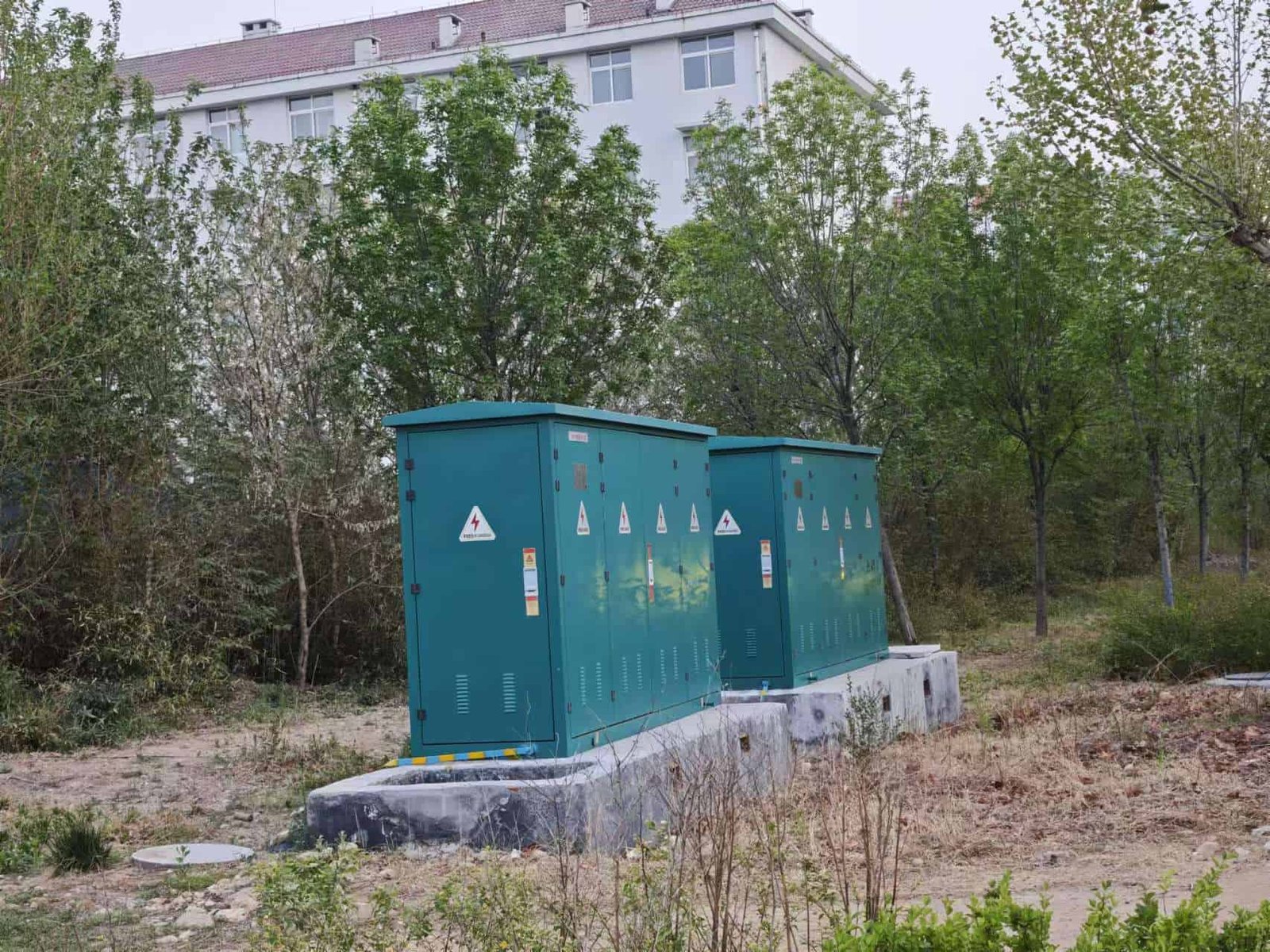
Transformers are essential for reliable energy distribution, but they also pose environmental risks if not properly designed and regulated. Leaks, inefficient materials, noise emissions, and end-of-life disposal can have serious environmental consequences. To address this, global environmental regulations and technical standards govern every phase of a transformer’s lifecycle — from design and production to operation, maintenance, and recycling. These rules ensure minimal environmental impact while maintaining safety and performance.
Environmental regulations and standards for power transformers ensure compliance with international laws governing energy efficiency, hazardous substance restriction, emissions control, and waste management. Major frameworks include the EU EcoDesign Directive, RoHS, REACH, WEEE, and PCB-free requirements, as well as IEC and IEEE standards defining efficiency, noise, and fluid safety.
1. Global Environmental Compliance Framework
| Regulation / Standard | Region | Key Focus Area | Impact on Transformers |
|---|---|---|---|
| EU EcoDesign Directive (EU 548/2014) | European Union | Energy efficiency and eco-design | Sets maximum allowable load and no-load losses for transformers |
| RoHS (Restriction of Hazardous Substances) | Global (EU origin) | Material safety | Bans use of lead, mercury, cadmium, and certain flame retardants |
| REACH (Registration, Evaluation, Authorisation, and Restriction of Chemicals) | European Union | Chemical and material safety | Ensures insulation materials, paints, and oils are non-toxic and traceable |
| WEEE (Waste Electrical and Electronic Equipment Directive) | European Union | End-of-life recycling | Mandates recoverability and recyclability of transformer materials |
| PCB-Free Regulation (Stockholm Convention) | Global | Elimination of toxic chemicals | Requires all transformers to be free from polychlorinated biphenyls (PCBs) |
| ISO 14001 | International | Environmental management systems | Ensures manufacturers control emissions and resource use |
PCBs are still commonly used in modern power transformers.False
PCBs (Polychlorinated Biphenyls) have been banned globally under the Stockholm Convention due to their toxicity and persistence in the environment. Modern transformers use PCB-free insulating oils.
2. Energy Efficiency and Eco-Design Regulations
The EcoDesign Directive (EU 548/2014) and similar national standards (such as DOE 2016 in the USA) demand that transformers meet specific loss limits for:
- No-load losses (core losses) — minimized through high-grade or amorphous steel cores.
- Load losses (copper losses) — reduced by optimized winding design and material quality.
Transformers must display efficiency classes (Tier 1, Tier 2, etc.) and performance data for transparency and comparison.
3. Hazardous Substance and Chemical Regulations
- RoHS & REACH Compliance:
Ensure that paints, coatings, solder, insulation, and adhesives contain no restricted substances or heavy metals. - Halogen-Free Materials:
Increasingly preferred for insulation and enclosures to minimize toxic gas emissions in case of fire. - Eco-Safe Insulating Fluids:
Natural or synthetic esters replace mineral oil due to biodegradability and high fire points.
4. Noise and Environmental Emission Standards
Transformers installed in residential or urban environments must comply with IEC 60076-10 and national noise emission standards, which define maximum permissible sound levels based on transformer rating and installation type.
Low-noise core and structural designs are encouraged to minimize acoustic pollution.
| Transformer Type | Typical Max Noise Level (dB) | Applicable Standard |
|---|---|---|
| Distribution Transformer (≤2.5 MVA) | 55–65 dB | IEC 60076-10, EN 50588 |
| Power Transformer (≥10 MVA) | 70–85 dB | IEEE C57.12.90, ISO 3744 |
5. Waste Management and Recycling
Under WEEE and ISO 14001, transformer manufacturers must plan for:
- Recycling of metals (steel, copper, aluminum).
- Safe disposal of insulation materials and oils.
- Documentation of end-of-life handling to ensure traceability.
6. Regional Considerations
- Europe: Strong enforcement of EcoDesign, RoHS, and REACH compliance.
- USA: DOE Energy Efficiency Standards and EPA environmental regulations apply.
- Asia: Rapidly aligning with IEC standards, with additional national efficiency programs (e.g., BIS in India, GB in China).
- Africa and the Middle East: Often adopt IEC guidelines but emphasize robust environmental durability for harsh conditions.
7. Environmental Reporting and Certification
Manufacturers can further enhance eco-credibility with certifications such as:
- ISO 14001 (Environmental Management)
- ISO 50001 (Energy Management)
- Ecolabels (e.g., EU Ecolabel for sustainable products)
- Life Cycle Assessment (LCA) documentation for environmental transparency.
How Can End-of-Life Recycling and Disposal Be Managed Responsibly for Power Transformers?
Power transformers operate reliably for decades, but eventually, every unit reaches the end of its service life. If not handled properly, a retired transformer can become an environmental hazard—releasing toxic substances, polluting soil and water, or wasting valuable materials like copper and steel. However, with a structured approach, end-of-life recycling and disposal can be managed responsibly, recovering up to 95% of materials and minimizing ecological impact.
Responsible end-of-life management for transformers involves dismantling, material segregation, recovery of recyclable metals, safe disposal of insulating oils and non-recyclable components, and compliance with environmental standards such as WEEE, RoHS, REACH, and PCB-free regulations. Certified recycling processes ensure minimal environmental harm and full material traceability.
1. Why Responsible Disposal Matters
- Environmental Protection: Prevents soil and water contamination from oil or heavy metals.
- Resource Recovery: Copper, steel, aluminum, and insulation materials can be reused.
- Regulatory Compliance: Adheres to global directives like WEEE, RoHS, and Stockholm Convention.
- Carbon Reduction: Recycling metals saves up to 90% of CO₂ emissions compared to virgin material production.
Transformer disposal can be done by simply discarding units in industrial landfills.False
Discarding transformers directly in landfills is illegal and environmentally hazardous. Proper dismantling, recycling, and certified disposal are required by international standards.
2. Step-by-Step Responsible Recycling Process
| Stage | Process | Environmental Goal |
|---|---|---|
| 1. Decommissioning | Disconnect transformer, drain oil, ensure de-energization | Prevent electrical and chemical hazards |
| 2. Oil Removal | Extract insulating oil under containment | Prevent leakage, prepare for recycling or safe incineration |
| 3. Dismantling | Separate core, coils, bushings, and accessories | Enable targeted material recovery |
| 4. Material Segregation | Sort ferrous, non-ferrous, and non-metallic materials | Facilitate efficient recycling |
| 5. Metal Recovery | Recycle copper, steel, and aluminum | Reduce demand for virgin mining |
| 6. Waste Disposal | Dispose of contaminated insulation and resins at licensed facilities | Prevent toxic emissions or groundwater pollution |
| 7. Documentation & Certification | Maintain traceability and environmental reporting | Ensure compliance with ISO 14001 and WEEE directives |
3. Handling of Transformer Oil and Hazardous Materials
- Mineral Oils: Must be tested for PCB contamination before disposal.
- PCB-Free Oils: Can be reclaimed, filtered, and reused as insulating fluid.
- Ester Oils: 100% biodegradable and suitable for energy recovery processes.
- Resins and Insulation: Non-recyclable materials must be incinerated in certified waste treatment plants.
| Fluid Type | Recyclability | Environmental Impact | Treatment Method |
|---|---|---|---|
| Mineral Oil | Medium | Potentially polluting | Reconditioning or controlled incineration |
| Natural Ester Oil | High | Biodegradable | Filtration or energy recovery |
| Synthetic Ester Oil | High | Biodegradable | Regeneration and reuse |
4. Recycling Rates and Material Recovery Efficiency
| Material | Average Recovery Rate | Reuse Options |
|---|---|---|
| Copper Windings | 98% | New conductors or components |
| Steel Core & Tank | 95% | Structural or industrial reuse |
| Aluminum | 90% | Electrical fittings, cables |
| Insulation | 50% | Limited reuse (depends on material type) |
| Oil (Ester/Mineral) | 80–95% | Reconditioning or bioenergy recovery |
5. Global Standards Governing Transformer Recycling
- WEEE Directive (EU 2012/19/EU): Mandates recycling and documentation of electrical equipment waste.
- RoHS & REACH: Ensure hazardous substances are not reintroduced into manufacturing cycles.
- Stockholm Convention: Bans PCBs and ensures their safe elimination.
- ISO 14001: Environmental management certification for recycling facilities.
- IEC 62635: Provides guidelines for environmentally conscious end-of-life management.
Transformers containing PCBs can be refurbished for reuse if the oil is filtered.False
Transformers containing PCBs must be decontaminated and destroyed according to international hazardous waste protocols. Reuse is strictly prohibited.
6. Sustainable Disposal Practices
- Material Traceability: Every component’s fate should be documented to ensure no illegal dumping.
- Energy Recovery: Non-recyclable insulation and fluids can be converted into energy through controlled combustion.
- Zero-Landfill Goals: Increasingly, manufacturers and utilities aim for 100% recycling or energy recovery.
- Manufacturer Take-Back Programs: Some transformer producers offer certified take-back services for old units.
7. Case Study: EU Power Utility Recycling Program
A leading European grid operator decommissioned 500 medium-voltage transformers using ISO 14001-certified recycling facilities:
- Recovered: 3,200 tons of steel, 640 tons of copper, and 180 tons of oil.
- Avoided: 9,000 tons of CO₂ emissions.
- Achieved: 96% recycling efficiency and full compliance with WEEE and REACH directives.
Conclusion
When selecting a transformer, environmental considerations extend far beyond operational efficiency. Decisions regarding insulation type, materials, noise control, compliance with eco-standards, and end-of-life recycling significantly affect sustainability. By choosing environmentally responsible transformers, utilities and industries can reduce their carbon footprint while ensuring reliable and efficient power delivery.
FAQ
Q1: How do earthquakes affect transformer design?
Earthquakes impose dynamic forces and ground vibrations on transformers, which can lead to tank deformation, oil leaks, bushing cracks, and insulation failure. Therefore, transformers in seismic regions are designed to withstand mechanical shocks, horizontal accelerations, and base shear stresses without losing functionality or structural integrity.
Q2: What seismic standards are followed in transformer design?
The main international standards for seismic transformer design include:
IEEE Std 693 – Seismic Design of Substations and Equipment.
IEC 60068-3-3 – Environmental Testing for Seismic Conditions.
ASCE 7 – Earthquake Load and Structural Design Criteria.
IEEE Std 344 – Seismic Qualification of Equipment for Power Plants.
These standards define testing methods, acceptable vibration levels, and qualification requirements for transformers and substations.
Q3: What are the key seismic design features of transformers?
Reinforced tank and frame structure to resist lateral acceleration.
Seismic-qualified bushings and radiators to prevent cracking or detachment.
Flexible connectors between transformers and cables to absorb movement.
Damping and isolation systems such as shock pads and base isolators.
Anchoring and bracing systems to prevent sliding or overturning.
Q4: How does foundation design contribute to seismic resilience?
A transformer’s foundation and anchorage system are critical. Designers use reinforced concrete pads with anchor bolts that absorb horizontal forces. Proper soil-structure interaction analysis ensures stability and prevents resonance effects. This helps maintain alignment and minimizes vibration transfer during seismic events.
Q5: What are the differences between oil-filled and dry type transformers under seismic stress?
Oil-filled transformers may experience oil sloshing, tank rupture, or fire risk. Therefore, they require anti-vibration mounts and flexible bushings.
Dry type transformers, though safer due to lack of oil, still need mechanical support and damping systems to handle oscillations.
Both types must meet seismic qualification tests to ensure reliability during earthquakes.
References
IEEE Std 693 – Seismic Design of Substations: https://ieeexplore.ieee.org
IEC 60068-3-3 – Seismic Testing for Electrical Equipment: https://webstore.iec.ch
IEEE Std 344 – Seismic Qualification of Electrical Equipment: https://ieeexplore.ieee.org
ASCE 7 – Minimum Design Loads for Buildings and Structures: https://asce.org
Electrical4U – Earthquake Impact on Transformers: https://www.electrical4u.com
EEP – Seismic Design of Power Transformers: https://electrical-engineering-portal.com