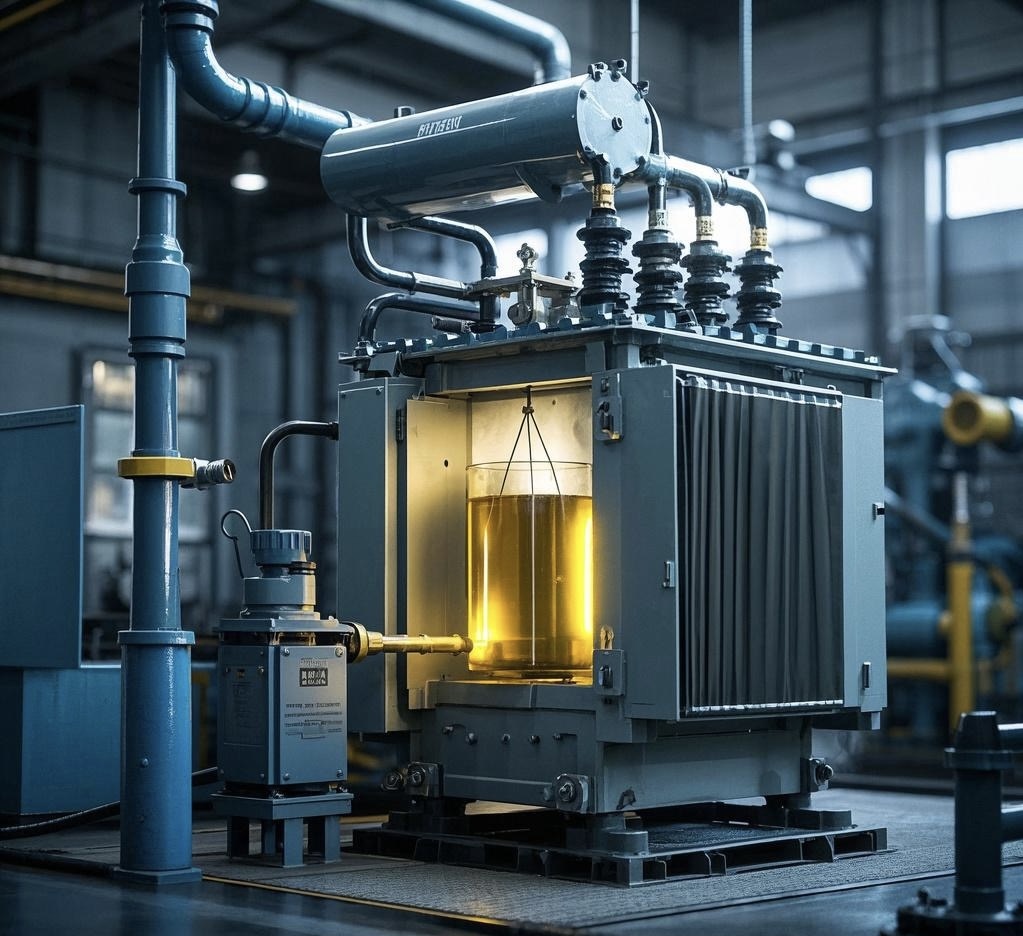
As the global energy sector shifts toward sustainability and carbon reduction, transformer manufacturers are innovating with eco-friendly and low-loss designs. These advanced transformers not only improve energy efficiency but also reduce environmental impact during operation and at end-of-life. This article explores the key features, materials, and technologies that define modern “green” transformers and their role in building sustainable power infrastructure.
What Makes a Transformer "Eco-Friendly"?
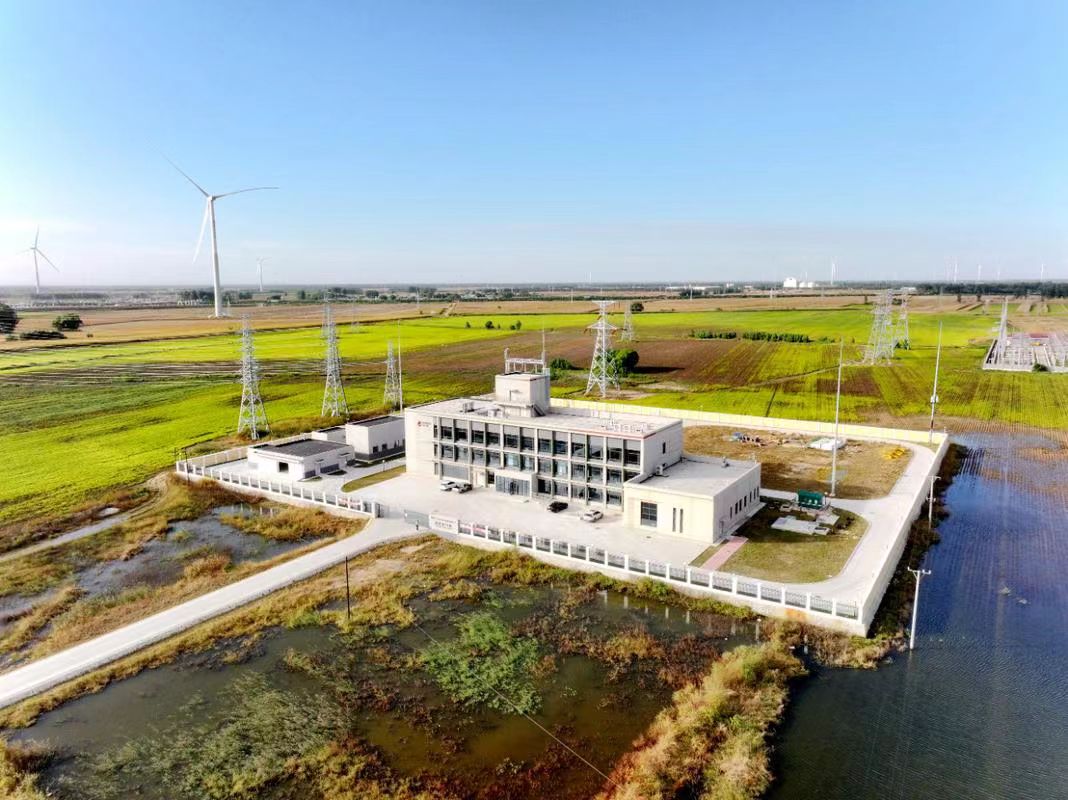
In the era of global decarbonization, energy efficiency and sustainability extend beyond power generation to include transmission and equipment design. Transformers, as 24/7 operating assets, play a vital role in this transition. The industry is now embracing eco-friendly transformer designs that reduce environmental impact throughout their life cycle—from manufacture to operation to disposal.
A transformer is considered eco-friendly when it is engineered to reduce energy losses, use sustainable or biodegradable materials, emit lower noise, support clean energy integration, and minimize its carbon footprint across its service life. This includes the use of low-loss cores, natural ester fluids, recyclable construction materials, and compliance with environmental regulations such as EU EcoDesign and RoHS.
Eco-friendly transformers balance grid reliability with climate responsibility, helping utilities, industries, and governments meet their sustainability goals.
Eco-friendly transformers only refer to transformers with lower noise levels.False
Eco-friendly transformers address energy losses, fluid toxicity, recyclability, and life cycle carbon impact—not just noise reduction.
🌱 Key Features That Define an Eco-Friendly Transformer
| Feature Category | Eco-Friendly Design Approach |
|---|---|
| Core Material Efficiency | Use of ultra-low-loss grain-oriented silicon steel (Hi-B, amorphous) |
| Insulating Fluid | Biodegradable natural ester oils (e.g., Envirotemp FR3) vs. mineral oil |
| Thermal Design | Advanced cooling (ONAF/ODAF) to reduce energy and heat waste |
| Material Sustainability | Recyclable metals, non-toxic paints, zero-lead assembly |
| Efficiency Compliance | Meets or exceeds Tier 2 EcoDesign / DOE performance targets |
| Noise Reduction | Low-vibration core assembly, acoustic shielding |
| End-of-Life Recyclability | Easy disassembly, reusable steel and copper, fluid drainability |
🧪 Sustainable Materials and Components
| Component | Eco-Friendly Variant Used |
|---|---|
| Insulating Fluid | Natural ester (vegetable-based, biodegradable) |
| Tank and Core Steel | Low-carbon, recyclable mild steel |
| Windings | High-conductivity copper or aluminum (easily recyclable) |
| Gaskets and Seals | Halogen-free elastomers |
| Coatings and Paint | Water-based or solvent-free coatings |
📉 Environmental Benefits Across Transformer Lifecycle
| Lifecycle Phase | Eco-Friendly Impact |
|---|---|
| Manufacturing | Reduced emissions from non-toxic paints and recycled steel |
| Operation | Lower losses = less fuel burned at generation source |
| Accidents / Leaks | Natural ester = non-toxic, biodegradable, fire-safe |
| Disposal / Recycling | >90% material recovery, low-cost decommissioning |
Studies show biofluid transformers can reduce CO₂ equivalent emissions by over 60% compared to conventional mineral oil transformers over their lifespan.
📊 Performance Comparison: Eco vs Conventional Transformer
| Attribute | Conventional Unit | Eco-Friendly Unit |
|---|---|---|
| No-Load Loss | 1,300 W | 900 W |
| Fluid Type | Mineral Oil | Natural Ester |
| Biodegradability | <10% | >98% |
| Fire Point | 150 °C | 350 °C |
| Noise Emission | ~60 dB | ~55 dB |
| CO₂ Impact (Lifecycle) | High | Low |
📘 Relevant Standards and Regulations
| Standard / Directive | Environmental Focus |
|---|---|
| EU EcoDesign Directive | Loss limits and energy efficiency performance (Tier 2) |
| REACH / RoHS | Restrictions on hazardous materials |
| IEC 60076-14 | Liquid-immersed natural ester transformers |
| IEEE C57.91 | Loading guides for bio-insulating liquids |
| ISO 14001 Certified Plants | Environmental management in transformer manufacturing |
🌍 Real-World Use Case
A European utility replaced 220 distribution transformers with natural ester-filled, Tier 2-compliant units, reducing annual CO₂ emissions by over 2,000 metric tons, improving fire safety in urban areas, and achieving full compliance with EU EcoDesign legislation.
What Are Low-Loss Transformers and Why Are They Important?
As global energy demands rise and decarbonization accelerates, utility networks and industrial systems are under pressure to reduce energy losses, improve efficiency, and meet regulatory benchmarks. One of the most effective and immediate strategies is to deploy low-loss transformers, which save energy not just once—but continuously, 24/7, over decades of service.
Low-loss transformers are designed with advanced materials and optimized structures to minimize both core (no-load) and copper (load) losses. They are essential because they improve grid efficiency, reduce operating costs, lower greenhouse gas emissions, and comply with global energy standards such as EU EcoDesign, DOE 10 CFR Part 431, and BIS IS 1180.
Even a small increase in transformer efficiency results in significant energy and cost savings over its operational life, especially for large-scale or continuously loaded installations.
Transformer losses are unavoidable and do not significantly affect utility costs.False
Transformer losses are continuous and cumulative, significantly affecting energy bills, system capacity, and environmental impact—making low-loss transformers critical in modern power systems.
🔍 Understanding Transformer Losses
| Loss Type | Occurs When? | Contributing Factors |
|---|---|---|
| Core (No-Load) | Constant 24/7 when energized | Hysteresis and eddy currents in the core |
| Copper (Load) | Proportional to load² | I²R losses in windings |
| Stray & Dielectric | Minor, under load | Tank eddies, insulation capacitance |
📊 Typical Loss Ranges (11 kV Distribution Class Transformers)
| Rating (kVA) | Standard Transformer Losses | Low-Loss Transformer Limits (EU Tier 2) |
|---|---|---|
| 500 kVA | 900 W (core), 6,000 W (load) | ≤750 W (core), ≤5,200 W (load) |
| 1000 kVA | 1,200 W (core), 9,800 W (load) | ≤1,000 W (core), ≤8,100 W (load) |
| 1600 kVA | 1,500 W (core), 13,500 W (load) | ≤1,300 W (core), ≤11,800 W (load) |
Over a 25-year lifecycle, a 1600 kVA low-loss unit can save over \$25,000 in energy costs compared to a standard design, depending on tariff and load factor.
🧪 Key Design Enhancements in Low-Loss Transformers
| Component | Low-Loss Optimization Strategy |
|---|---|
| Core Steel | High-grade CRGO or amorphous metal with low hysteresis |
| Winding Material | Wider copper/aluminum conductors to reduce resistance |
| Core Geometry | Minimized flux leakage, tighter stacking factor |
| Cooling Design | Improved ONAN/ONAF for heat removal, loss mitigation |
| Flux Density Design | Lower operating flux density reduces eddy current loss |
✅ Why Low-Loss Transformers Matter
| Benefit Area | Impact on Users and Utilities |
|---|---|
| Operational Cost | Reduced electricity consumption = lower energy bills |
| System Reliability | Less thermal stress, longer life expectancy |
| Grid Capacity | Frees up capacity for additional loads or renewables |
| Environmental Impact | Reduces CO₂ emissions from avoided generation |
| Regulatory Compliance | Meets DOE, EcoDesign, and local utility procurement rules |
📘 Key Efficiency Standards
| Standard / Directive | Mandates for Transformer Losses |
|---|---|
| EU EcoDesign Tier 2 | Strict caps on no-load/load loss since July 2021 |
| DOE 10 CFR Part 431 | US transformer efficiency requirements |
| IEC 60076-20 | International loss evaluation and classification |
| BIS IS 1180 (India) | Loss levels for distribution transformers |
📈 Long-Term Cost and Energy Savings Example
| Parameter | Standard XFMR | Low-Loss XFMR |
|---|---|---|
| Energy Loss per Year | 45,000 kWh | 37,000 kWh |
| Annual Loss Cost (0.12 $/kWh) | $5,400 | $4,440 |
| 25-Year Loss Cost | $135,000 | $111,000 |
| Net Savings (25 years) | — | $24,000 |
ROI for low-loss models is typically achieved within 3–5 years, with lifetime payback and carbon credits as added value.
💬 Industry Insight
“We mandate Tier 2-compliant transformers not just for regulatory compliance—but for the significant OPEX savings and carbon reductions they deliver over time.”
— Grid Operations Manager, European Utility
Which Materials Are Used in Eco-Friendly Transformer Designs?

With increasing pressure to reduce greenhouse gas emissions, toxic hazards, and lifecycle waste, the transformer industry is embracing eco-friendly materials to align with global energy and environmental policies. The materials used in an eco-friendly transformer aim to maximize energy efficiency, minimize environmental impact, and support recyclability at end-of-life.
Eco-friendly transformer designs use sustainable, recyclable, and non-toxic materials such as natural ester fluids, amorphous or high-grade grain-oriented silicon steel, recyclable copper/aluminum conductors, lead-free solder, halogen-free insulation, and environmentally safe paints. These materials reduce energy losses, improve fire safety, and lower environmental risk throughout the transformer's lifecycle.
Their use is now common in distribution, industrial, and renewable energy transformers aligned with EU EcoDesign, IEEE, and IEC environmental standards.
Eco-friendly transformers use the same materials as traditional ones with no sustainability enhancements.False
Eco-friendly transformers are purposefully built using biodegradable fluids, recyclable metals, low-loss core steel, and non-toxic insulation materials for reduced environmental impact.
🧪 Key Eco-Friendly Materials Used in Transformer Construction
| Material / Component | Eco-Friendly Variant | Environmental Benefit |
|---|---|---|
| Insulating Fluid | Natural ester oil (e.g., FR3, Midel eN) | Biodegradable, non-toxic, high fire point |
| Core Steel | CRGO Hi-B or amorphous metal | Low hysteresis and eddy losses → energy saving |
| Conductors | High-purity copper or aluminum | Fully recyclable, low resistive loss |
| Insulation Paper | Thermally upgraded cellulose or aramid paper | Long-life, biodegradable |
| Gaskets / Seals | Halogen-free elastomers, silicone rubber | Non-toxic, RoHS-compliant |
| Coatings & Paints | Water-based or powder-coat, lead-free | Low VOCs, no heavy metals |
| Solder / Fasteners | Lead-free alloys, stainless steel or zinc-coated | Recyclable and RoHS/REACH safe |
🌍 Biodegradable and Fire-Safe Fluids
| Fluid Type | Fire Point (°C) | Biodegradability (28 days) | Typical Use Case |
|---|---|---|---|
| Mineral Oil | ~150 | <30% | Standard transformers |
| Natural Ester | ≥350 | >97% | Eco-friendly distribution, solar farms |
| Synthetic Ester | ≥300 | 80–90% | Indoor or fire-prone areas |
| Silicone Oil | ≥330 | Low | Compact or offshore use |
Natural esters are non-toxic, renewable, carbon-neutral, and meet the requirements of IEC 61039 and IEEE C57.147.
🛠️ Structural & Magnetic Material Sustainability
| Component | Green Material Used | Advantage |
|---|---|---|
| Core Lamination | Amorphous steel or Hi-B CRGO | Lower energy loss (up to 70% less no-load loss) |
| Tank and Frame | Recyclable mild steel or stainless steel | Fully recyclable, corrosion-resistant |
| Bushings | Epoxy resin or porcelain | Non-toxic, weather-resistant |
| Fasteners | Stainless bolts, zinc-coated washers | Rustproof, reusable |
🔁 Recyclability at End of Life
| Material | Recyclability % | Reuse Process |
|---|---|---|
| Copper Windings | >99% | Melted and reformed into new conductors |
| Aluminum Windings | >97% | Smelted and repurposed |
| Core Steel | >95% | Re-laminated or smelted |
| Ester Fluid | >80% | Biodegrades or is recovered chemically |
| Tank Steel | >98% | Scrap steel or direct reuse |
End-of-life recyclability exceeds 90% in eco-friendly transformers, significantly reducing landfill and environmental cost.
📘 Compliance and Environmental Frameworks
| Standard / Regulation | Area Covered |
|---|---|
| IEC 60076-14 | Natural ester-filled transformers |
| EU EcoDesign Directive | Efficiency + no-load/load loss + fluid type |
| RoHS / REACH | Limits on hazardous substances in materials |
| ISO 14001 | Environmental management systems in production |
| IEEE C57.147 | Performance of natural ester fluids |
💬 Project Experience
A 10 MVA distribution transformer supplied to a French smart grid project featured:
- Natural ester oil
- Amorphous steel core
- Halogen-free insulation
- Recyclable mild steel tank
The unit exceeded EU Tier 2 efficiency standards and reduced CO₂ emissions by over 55% during operation compared to its mineral oil counterpart.
How Do Amorphous Core Transformers Reduce Energy Losses?
As utilities and industries aim to cut energy waste and carbon emissions, amorphous core transformers have emerged as a breakthrough in reducing no-load (core) losses. Their advanced core structure—composed of ultra-thin, non-crystalline metal ribbons—delivers significantly higher energy efficiency than conventional grain-oriented silicon steel (CRGO) cores.
Amorphous core transformers reduce energy losses primarily by minimizing core losses (no-load losses), which occur continuously while the transformer is energized. Their unique metal structure, made of thin amorphous ribbons, exhibits lower hysteresis and eddy current losses due to its random atomic arrangement and high electrical resistance. This results in up to 70% reduction in no-load losses compared to traditional CRGO core transformers.
These savings translate into lower operational costs, reduced environmental impact, and improved compliance with global energy efficiency standards.
Amorphous core transformers have the same energy loss levels as conventional CRGO transformers.False
Amorphous core transformers significantly reduce no-load losses—often by 60–70%—making them highly energy-efficient alternatives to CRGO-based units.
🧠 What Is an Amorphous Core?
| Property | Amorphous Metal Core | Benefit to Transformer Efficiency |
|---|---|---|
| Structure | Non-crystalline, random atomic layout | Reduces magnetic hysteresis |
| Thickness | ~0.025 mm (vs. 0.23 mm CRGO) | Cuts eddy current losses |
| Magnetic Coercivity | Very low | Easier magnetization, less energy needed |
| Electrical Resistivity | High (~130 µΩ·cm) | Suppresses eddy current formation |
📉 Energy Loss Comparison: Amorphous vs CRGO Transformers
| Transformer Type | No-Load Loss (W @ 1000 kVA) | Relative Efficiency Gain |
|---|---|---|
| CRGO Core Transformer | ~1,300 W | Baseline |
| Amorphous Core Transformer | ~400–500 W | ~60–70% lower loss |
In applications where transformers run at low load or idle much of the time, core losses dominate, making amorphous cores especially valuable.
🔋 Long-Term Energy and Cost Benefits
| Metric | CRGO Transformer | Amorphous Transformer |
|---|---|---|
| No-Load Energy Loss/Year | ~11,400 kWh | ~4,400 kWh |
| Cost of Losses (@ $0.12/kWh) | $1,368/year | $528/year |
| 25-Year Lifetime Savings | — | ~$21,000 |
| CO₂ Emissions Avoided | — | ~10 metric tons/year |
⚙️ Typical Design Features of Amorphous Transformers
| Feature | Function |
|---|---|
| Thin Ribbon Core (0.025 mm) | Minimizes eddy losses, increases resistivity |
| Step-Lap Core Assembly | Reduces magnetic flux leakage, noise, and vibration |
| Improved Cooling System | Compensates for slightly higher copper losses |
| Natural Ester Fluid (optional) | Boosts eco-friendliness and fire safety |
| Low Flux Density Design | Further reduces hysteresis in core |
📘 Compliance with Efficiency Standards
| Standard | Amorphous Core Role |
|---|---|
| EU EcoDesign Tier 2 | Enables Tier 2 compliance for 50–2500 kVA units |
| DOE 10 CFR Part 431 | Meets NEMA TP1/TP2 efficiency thresholds in USA |
| BIS IS 1180 Level 2/3 | Required for India’s energy-efficient rural electrification |
| IEC 60076-20 | Applicable under energy performance-based classification |
🌍 Application Areas for Amorphous Transformers
| Sector / Project Type | Why Amorphous Is Chosen |
|---|---|
| Distribution Networks | Low daily load factor, long idle periods |
| Smart Cities | Grid efficiency + low noise + compact design |
| Renewable Integration (solar) | Limited peak load → benefits from lower idle losses |
| Rural Electrification | Minimal loading + long energization cycles |
| Green Building Projects | Required for sustainability certifications (LEED, BREEAM) |
💬 Industry Insight
“We deployed amorphous core transformers across 500+ rural substations. Energy loss dropped nearly 40%, and load centers met EcoDesign Tier 2 targets without added cost per kilowatt delivered.”
— Utility Energy Manager, Southeast Asia
What Role Do Natural Ester Fluids Play in Sustainable Transformer Design?
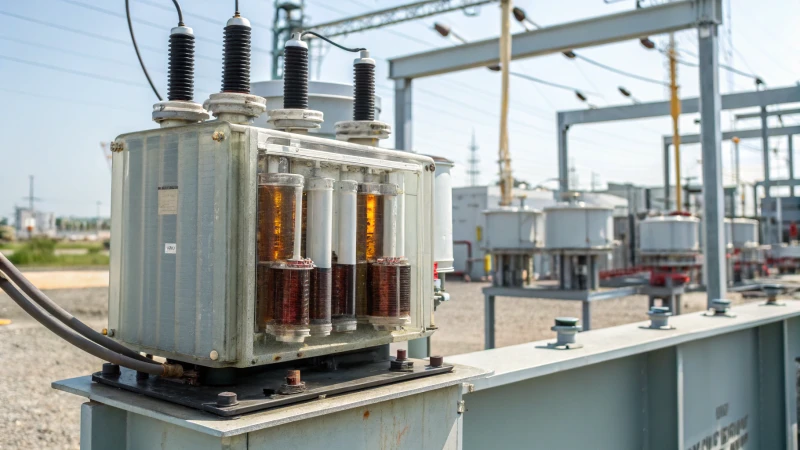
Modern transformer design is not only about electrical performance—it also requires a commitment to environmental safety, fire prevention, and life cycle sustainability. One of the most impactful advances in this space is the shift from conventional mineral oil to natural ester insulating fluids, derived from renewable plant-based sources.
Natural ester fluids play a central role in sustainable transformer design by offering high biodegradability, superior fire safety, enhanced moisture tolerance, and long-term environmental compatibility. These fluids are vegetable-based, non-toxic, and renewable, making them ideal for eco-sensitive or densely populated installations.
Replacing mineral oil with natural esters reduces the risk of environmental contamination, enhances resilience against fire hazards, and supports global sustainability goals and green building certifications.
Natural ester fluids are just marketing terms and do not contribute to transformer sustainability.False
Natural ester fluids are proven biodegradable, renewable, and non-toxic insulating media that improve fire safety, environmental performance, and sustainability in transformer applications.
🌱 What Are Natural Ester Fluids?
| Attribute | Value |
|---|---|
| Source | Derived from renewable vegetable oils (e.g., soybean, rapeseed) |
| Chemical Composition | Triglycerides with natural antioxidants |
| Dielectric Strength | Comparable or superior to mineral oil |
| Moisture Tolerance | Absorbs water without compromising dielectric strength |
| Biodegradability | >97% within 28 days (per OECD 301B) |
🔥 Safety and Environmental Advantages
| Property | Mineral Oil | Natural Ester Fluid | Benefit to Sustainability |
|---|---|---|---|
| Fire Point | ~150 °C | ≥300–360 °C | Reduces fire hazard significantly |
| Flash Point | ~140 °C | ≥275 °C | Delays ignition |
| Biodegradable? | No | Yes (>97%) | Low environmental risk |
| Eco-Toxicity | Moderate | Non-toxic | Safe for soil, water, and fauna |
| Renewable Source | No (petroleum-based) | Yes (plant oils) | Reduces lifecycle CO₂ footprint |
🧪 Technical Performance Benefits
| Functional Area | Natural Ester Contribution |
|---|---|
| Moisture Tolerance | Better water solubility = reduced paper degradation |
| Thermal Performance | Higher temperature operation = extended insulation life |
| Insulation Coordination | Excellent dielectric properties for HV insulation |
| Aging Resistance | Slower oxidation = longer life of transformer internals |
| Compatibility | Compatible with cellulose insulation, IEC 61099 compliant |
In some cases, ester-filled transformers demonstrate 2–4× longer insulation life than those filled with mineral oil.
📘 Standards Supporting Natural Ester Use
| Standard / Guide | Applicability to Natural Esters |
|---|---|
| IEC 61099 | Requirements for natural/vegetable insulating liquids |
| IEEE C57.147 | Performance guide for ester-based transformer fluids |
| UL Classified / FM Approved | Fire resistance ratings for ester-filled transformers |
| LEED / BREEAM Credit | Green building points for using biodegradable fluids |
🏙️ Where Are Natural Ester Fluids Most Useful?
| Installation Type | Reason for Ester Use |
|---|---|
| Urban Substations | Fire safety + environmental sensitivity |
| Underground / Indoor XFMRs | Low flammability + closed space use |
| Renewable Energy Projects | Supports clean energy and carbon-neutral strategies |
| Water-Proximate Installations | Biodegradable in case of leak near rivers/lakes |
| Critical Infrastructure (Hospitals, Data Centers) | Enhanced fire safety and uptime |
📊 Performance Summary: Mineral Oil vs Natural Ester
| Feature | Mineral Oil | Natural Ester |
|---|---|---|
| Fire Point (°C) | 150 | 330–360 |
| Flash Point (°C) | 140 | 275 |
| Biodegradability | <30% | >97% |
| Moisture Absorption | Low (poor) | High (excellent) |
| Insulation Life Factor | Standard | 1.5–2× |
| Eco Toxicity | Yes | No |
| Renewable Material | No | Yes |
💬 Field Example
A 20 MVA ester-filled transformer was installed in a metropolitan substation near a river in Scandinavia. After five years of operation:
- No dielectric degradation observed
- Paper moisture content remained below 2%
- No leaks or fluid oxidation
- Local environmental agency cited the unit as a model for green substation design
How Do Regulations and Efficiency Standards Drive Eco-Transformer Innovation?
In today’s energy landscape, reducing power losses, minimizing environmental impact, and increasing grid sustainability are not optional—they are legally mandated. Efficiency regulations and environmental standards have become powerful catalysts, driving the global shift toward eco-transformer innovation. Manufacturers are now designing smarter, cleaner, and more efficient transformers not just to meet market demand, but to stay compliant and competitive in regulated environments.
Regulations and efficiency standards drive eco-transformer innovation by setting minimum performance thresholds, mandating loss limits, and encouraging the use of sustainable materials. Frameworks like EU EcoDesign Tier 2, US DOE 10 CFR 431, IEC 60076-20, and India’s BIS IS 1180 push manufacturers to improve energy efficiency, reduce carbon footprint, enhance fire safety, and use environmentally safe insulating materials.
As these standards tighten, they accelerate the adoption of low-loss cores, natural ester fluids, recyclable components, and digital monitoring, transforming traditional transformers into high-performance, eco-conscious grid assets.
Transformer regulations only affect labeling and do not influence product design.False
Efficiency and environmental standards directly impact transformer core materials, insulation choices, fluid types, and thermal performance to meet legally mandated benchmarks.
🧾 Key Regulations Driving Transformer Innovation
| Regulatory Body / Standard | Region | Focus Area |
|---|---|---|
| EU EcoDesign Tier 2 | Europe | Strict no-load/load loss caps for ≥50 kVA units |
| DOE 10 CFR Part 431 | USA | Minimum energy conservation for distribution transformers |
| IEC 60076-20 | Global | Efficiency classification and loss measurement for all voltages |
| BIS IS 1180 (Part 1) | India | Star labeling and performance for 11–33 kV distribution transformers |
| CENELEC HD 538 | Europe | Sound level limitations (environmental noise) |
| RoHS / REACH | Global / EU | Material safety—restricts hazardous substances |
| IEEE C57.147 / IEC 61099 | Global | Environmental performance of insulating fluids |
⚡ How These Standards Impact Transformer Design
| Area of Innovation | Regulatory Influence |
|---|---|
| Core Materials | Adoption of amorphous steel or Hi-B CRGO for loss reduction |
| Insulating Fluids | Transition to natural esters for biodegradability and fire safety |
| Thermal Management | Design to operate at lower temperature rise to reduce hot-spot aging |
| Material Composition | Elimination of lead, halogen, and toxic insulation (RoHS compliant) |
| Tank & Coating | Use of powder coatings and recyclable metals |
| Digital Monitoring | Mandated under future smart grid regulation (EU/IEC 61850) |
🧪 Loss Limits Under Major Regulations
| Rating (kVA) | EU Tier 1 (Old) | EU Tier 2 (Current) | DOE 2016 (USA) |
|---|---|---|---|
| 100 kVA | 1,200 W (load) | 1,000 W | 1,050 W |
| 250 kVA | 2,000 W | 1,800 W | 1,950 W |
| 1,000 kVA | 9,800 W | 8,100 W | 8,500 W |
Failure to meet these limits disqualifies units from government tenders, grid connection, and green project eligibility.
🏭 Industry-Wide Design Innovations Triggered by Regulation
| Innovation Area | Examples of Transformative Change |
|---|---|
| Eco-Fluids | Shift from mineral oil to natural/synthetic ester fluids |
| Loss-Optimized Geometry | Step-lap, compact, circular windings with low flux leakage |
| Smart Tap Changers | Automatic voltage regulation to reduce over-excitation losses |
| Low-Sound Enclosures | Acoustic dampening designs for Tier 2/HD 538 compliance |
| High-Performance Dry-Type | Use of NOMEX, aramid paper, and halogen-free resin |
🌍 Global Trends and Compliance Consequences
| Country / Region | Regulatory Trend | Non-Compliance Risk |
|---|---|---|
| Europe | EcoDesign Tier 2 now mandatory for procurement | Banned from EU public tenders |
| USA | DOE/EPAct enforced by law | Legal penalties + product recall |
| India | BIS 5-Star rating for rural programs | Disqualification from REC subsidies |
| Middle East | Mandatory IEC compliance for SEC, DEWA, KAHRAMAA | Grid rejection |
📊 Innovation Pipeline in Response to Regulations
| Regulatory Pressure | Resulting Innovation |
|---|---|
| Lower Loss Caps (Tier 2) | Amorphous core + optimized conductor cross-sections |
| Fire Safety Mandates | FR3 natural ester, sealed tanks, arc-proof enclosures |
| Noise Limits | Vibration-optimized stacking and damping base plates |
| Digital Grid Integration | Transformer health monitoring + IoT-based OLTCs |
💬 Industry Perspective
“EcoDesign Tier 2 was a game-changer—it forced us to redesign our entire medium voltage range. But the result was a 25% loss reduction and new business from green energy developers.”
— Product Manager, European Transformer OEM
Conclusion
Eco-friendly and low-loss transformers represent the future of power system design—combining performance, safety, and sustainability. Through the use of advanced materials, innovative core technologies, and biodegradable fluids, these transformers significantly reduce energy waste and environmental impact. As global regulations tighten and the demand for green infrastructure grows, investing in such transformer designs is not only a responsible choice but also a strategic one for utilities and industries aiming for long-term efficiency and compliance.
FAQ
Q1: What makes a transformer design eco-friendly?
A1: Eco-friendly transformers are engineered to:
Minimize energy losses (no-load and load losses)
Use biodegradable, non-toxic insulation fluids (e.g., natural esters)
Utilize recyclable and sustainable materials (e.g., copper, CRGO/amorphous steel)
Meet or exceed global efficiency standards (e.g., EU EcoDesign Tier 2, DOE 2016+)
These features reduce the carbon footprint, environmental contamination risk, and lifecycle energy costs.
Q2: What are low-loss transformer designs?
A2: Low-loss designs incorporate:
Amorphous metal cores: Significantly reduce core (no-load) losses
CRGO silicon steel with optimized lamination: Reduces hysteresis and eddy current losses
Large cross-section windings: Minimize copper (load) losses
High-efficiency cooling systems: Prevent overheating and improve performance
Such designs increase overall transformer efficiency, especially in continuously energized applications.
Q3: What insulation and fluid options are considered eco-friendly?
A3: Alternatives to conventional mineral oil include:
Natural ester oils (e.g., MIDEL, FR3): Biodegradable, fire-safe, with high moisture tolerance
Synthetic esters: Long life, stable under high temperature
Dry-type epoxy cast insulation: Used in indoor and sensitive environments
These reduce environmental hazards and enhance fire safety.
Q4: What standards govern eco-friendly transformer performance?
A4: Eco-efficient transformers must comply with:
EU EcoDesign Regulation (EU 548/2014 Tier 1 & 2)
U.S. DOE 2016/2023 Efficiency Standards
IEC 60076 series for loss measurement and design validation
IEEE C57.154 for ester-based fluid use
These standards ensure minimum loss values, sustainability, and grid compliance.
Q5: What are the benefits of using eco-friendly, low-loss transformers?
A5: Reduced electricity loss = lower operating costs
Decreased greenhouse gas emissions
Safer installations in urban, marine, or forest areas
Extended equipment life through better thermal performance
Easier regulatory compliance for green infrastructure projects
Ideal for utilities, renewable energy plants, data centers, and LEED-certified buildings.
References
"Eco-Friendly Transformers Explained" – https://www.electrical4u.com/eco-transformer-designs
"DOE 2016 Transformer Efficiency Rules" – https://www.energy.gov/eere/buildings/distribution-transformer-efficiency-standards
"EU EcoDesign Regulation for Transformers" – https://ec.europa.eu/growth/single-market/european-standards/ecodesign/transformers
"IEEE: Biodegradable Transformer Fluids" – https://ieeexplore.ieee.org/document/8999223
"NREL: Sustainable Grid Equipment Guide" – https://www.nrel.gov/docs/transformer-sustainability-guide.pdf
"Hitachi Energy: Eco-Design Strategy for Transformers" – https://www.hitachienergy.com/eco-transformer-products