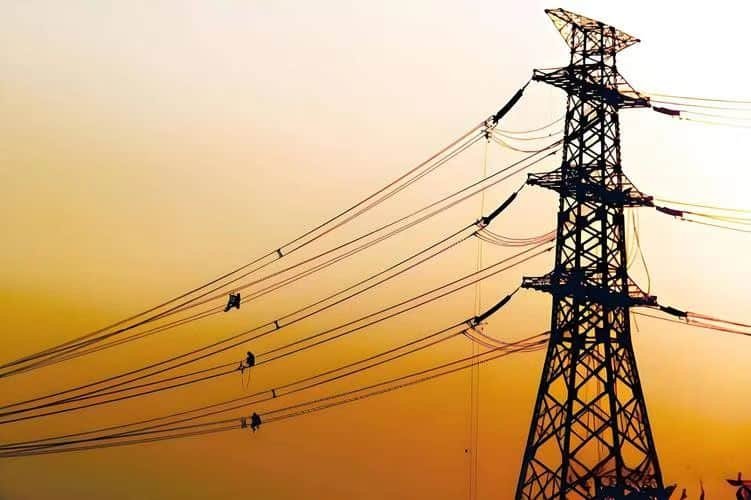
The electrical life of a transformer refers to the duration over which the transformer can operate reliably under electrical stress without experiencing significant degradation in performance or insulation failure. It is a crucial metric for utilities, manufacturers, and maintenance teams, as it directly impacts operational planning, asset management, and system reliability. Unlike mechanical life, which may span decades, electrical life depends on how the transformer handles load cycles, voltage fluctuations, temperature, and environmental conditions. This article explores the factors that determine electrical life, how it is assessed, and ways to extend it.
What Does “Electrical Life” Mean for a Transformer?
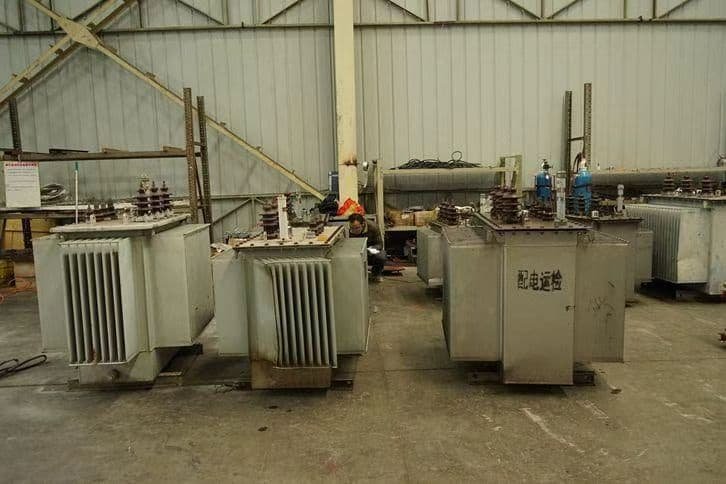
Transformers are the backbone of power systems, working quietly for decades—until they don’t. Many operators mistakenly assume transformers are maintenance-free and long-lasting forever. However, just like any electromechanical equipment, transformers age, and their electrical life is a quantifiable limit beyond which safe operation cannot be guaranteed. Failure to understand this concept leads to poor asset management, unexpected outages, and catastrophic failures. The key to maximizing performance and avoiding costly downtime lies in understanding and managing the electrical life of your transformer.
“Electrical life” of a transformer refers to the period during which it can reliably perform its intended function under normal electrical stress, before insulation degradation, thermal aging, and cumulative electrical faults significantly reduce its dielectric strength and increase the risk of failure.
Electrical life is not just about calendar years—it’s about operating conditions. Load cycles, thermal stress, overvoltages, short circuits, and maintenance practices all affect how long a transformer remains healthy. Let’s break down how electrical life is defined, what influences it, how it’s measured, and how you can extend it through modern diagnostic and asset management techniques.
A transformer's electrical life is determined solely by its manufacturing date.False
While the manufacturing date indicates physical age, electrical life is primarily affected by operational conditions such as load stress, insulation aging, temperature, and fault exposure.
Transformer insulation is the primary limiting factor in electrical life.True
The degradation of winding and core insulation due to thermal, electrical, and chemical stress is the most critical factor that determines a transformer's electrical lifespan.
Defining Electrical Life in Transformers
Electrical life is the functional lifespan during which a transformer’s dielectric system (primarily insulation) remains intact under specified electrical and thermal stresses. It is directly tied to the condition of insulation materials in the windings, core, bushings, and tap changers.
Typical Design Life vs Electrical Life
| Transformer Type | Design Life (Calendar) | Expected Electrical Life (Well-Maintained) |
|---|---|---|
| Distribution Transformer | 25–30 years | 20–35 years |
| Power Transformer | 30–40 years | 25–45 years |
| Furnace Transformer | 10–15 years | 8–12 years |
Electrical life may be significantly shorter if the transformer experiences:
- Frequent overloads
- Poor cooling
- High moisture content in oil
- Short circuit stresses
- Harmonic distortion
Key Factors Influencing Electrical Life
Thermal Aging of Insulation
Temperature is the primary driver of insulation aging. According to Arrhenius' Law:
"For every 6–8°C rise in hot-spot temperature, insulation life halves."
| Hot Spot Temp (°C) | Estimated Life (Years) |
|---|---|
| 98 | 30 |
| 110 | 20 |
| 120 | 10 |
| 130 | 5 |
Insulation degradation leads to:
- Reduced dielectric strength
- Paper embrittlement
- Oil sludge formation
- Accelerated thermal runaway
Dielectric Stress and Electrical Faults
High voltage transients, internal arcing, partial discharges, or external faults introduce stress on insulation materials.
| Electrical Event | Impact on Life |
|---|---|
| Lightning/Surge | Instant dielectric damage |
| Switching Transients | Repeated stress, aging |
| Short Circuit (Internal) | Accelerated aging, hotspot creation |
| PD (Partial Discharge) | Localized insulation breakdown |
Moisture and Chemical Degradation
Water contamination and oxygen accelerate the breakdown of both paper and oil. Moisture >2% in cellulose insulation drastically reduces breakdown voltage.
| Moisture in Paper (%) | Dielectric Strength Reduction (%) |
|---|---|
| <1.0 | Minimal |
| 2.0 | ~30% |
| >3.0 | >50% |
Regular Dissolved Gas Analysis (DGA) and moisture-in-oil testing are key to assessing electrical life.
Monitoring and Estimating Transformer Electrical Life
Real-Time Monitoring Techniques
| Diagnostic Tool | What It Detects | How It Helps Extend Life |
|---|---|---|
| DGA | Internal arcing, overheating, aging gases | Early fault detection |
| Furan Analysis | Paper insulation degradation | Tracks remaining insulation life |
| Hot Spot Sensors (RTD) | Real-time winding temp | Adjusts cooling/load accordingly |
| Oil Quality Testing | Acidity, moisture, resistivity | Prevents dielectric failure |
| Tan Delta & Capacitance | Bushing aging and insulation stress | Predicts potential failure areas |
Aging Index and Life Estimation Models
Modern utilities use aging models integrated into asset management software.
IEEE C57.91 Aging Factor Equation:
[Aging\ Factor = e^{\left( \frac{15000}{110 + 273} - \frac{15000}{\theta + 273} \right)}]
Where ( \theta ) is the hotspot temperature in °C.
Cumulative Aging Index over time gives % of life consumed.
| Cumulative Aging Index | Life Consumed (%) | Action Required |
|---|---|---|
| <0.5 | <50% | Normal operation |
| 0.5–0.8 | 50–80% | Start planning replacement |
| >1.0 | >100% | End-of-life reached |
Case Study – Life Extension via Monitoring
A 30MVA power transformer in Canada showed furan levels exceeding 500 ppb—an indication of insulation deterioration. Through load optimization, enhanced cooling, and oil reconditioning, furan levels dropped to 220 ppb in 8 months. Estimated life extension: 7 years.
Strategies to Extend Transformer Electrical Life
- Control loading: Avoid overloads and high inrush events.
- Enhance cooling: Install forced oil or air systems; manage ambient temperatures.
- Oil filtration and reclamation: Periodically remove moisture, sludge, and acids.
- Routine diagnostics: Monthly DGA, annual furan, and thermal imaging.
- Digital monitoring: Use sensors and analytics to act proactively.
Which Factors Affect a Transformer’s Electrical Life?
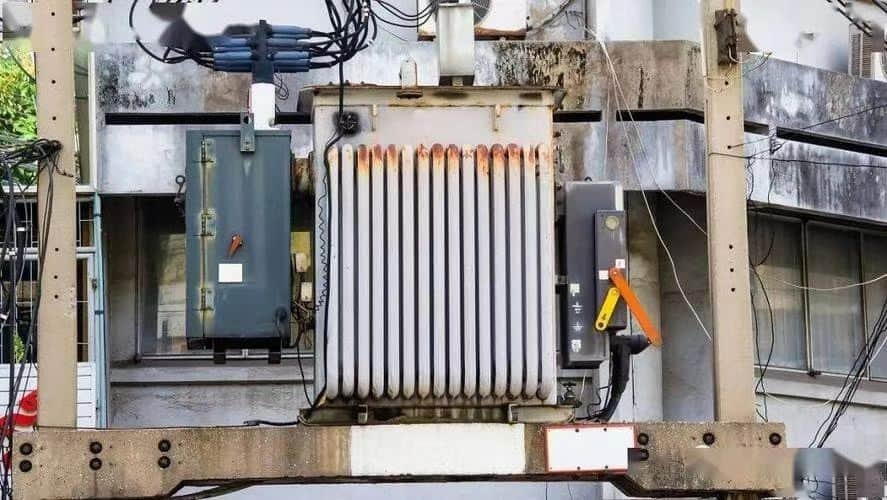
Every transformer has a limit—not just physically, but electrically. Many operators assume transformers last indefinitely as long as they are not mechanically damaged or obviously failed. But in truth, transformers silently degrade over time due to multiple electrical, thermal, mechanical, and chemical stressors. The electrical life of a transformer is directly influenced by how these stressors interact with its insulation system, loading profile, and maintenance practices. Understanding the factors that affect a transformer’s electrical life is the key to maximizing reliability, avoiding sudden failures, and managing capital investments effectively.
The electrical life of a transformer is influenced by several key factors including thermal stress from high operating temperatures, dielectric stress from overvoltage or faults, moisture contamination, chemical aging of insulation materials, mechanical stresses from short circuits, and the quality of installation and maintenance—each of which accelerates insulation degradation and reduces functional lifespan.
Operators, engineers, and asset managers must be proactive—not reactive—in managing these factors. Identifying and mitigating the root causes of electrical aging can dramatically extend transformer service life and reduce the total cost of ownership. Below, we dive deeply into each critical factor with supporting data, analysis models, and real-world applications.
Transformer electrical life is primarily determined by mechanical stress factors.False
While mechanical factors like short-circuit forces do contribute to aging, the dominant factor limiting electrical life is insulation degradation caused by thermal and dielectric stress.
Monitoring transformer temperature helps prevent premature insulation aging.True
Transformer winding hot-spot temperature has a direct exponential relationship with insulation aging rate, making thermal monitoring essential for life extension.
Temperature and Thermal Aging
High temperatures are the single most critical factor in accelerating insulation aging. This process follows the Arrhenius aging equation, where insulation life halves for every 6–8°C increase in winding hot-spot temperature.
| Hot-Spot Temp (°C) | Relative Aging Rate | Approximate Insulation Life |
|---|---|---|
| 98 | 1.0× (baseline) | 30 years |
| 110 | 2.0× | 15 years |
| 120 | 4.0× | 7.5 years |
| 130 | 8.0× | 3.75 years |
Sources of temperature rise:
- High ambient temperatures
- Overloads
- Poor cooling system design
- Blocked radiators or pump failures
- Insufficient airflow in dry-type transformers
Tip: Use smart RTDs or fiber optic sensors in windings for precise hot-spot tracking and real-time aging models.
Moisture Contamination and Humidity
Moisture is a silent killer of transformer insulation. As cellulose-based paper insulation absorbs water, its dielectric strength drops significantly, increasing the risk of internal flashover.
| Moisture Content in Paper | Dielectric Strength Loss | Action Threshold |
|---|---|---|
| <1% | Minimal | Safe |
| 2% | ~30% loss | Warning |
| >3% | >50% loss | Critical |
Moisture sources:
- Breathing through air-filled conservators (without proper seals)
- Oil degradation byproducts
- Poor tank sealing
- Ambient humidity (especially in tropical climates)
Detection methods:
- Karl Fischer titration of oil
- Capacitance/Dielectric response analysis
- Moisture sensors in modern online monitors
Dielectric Stress and Electrical Overvoltages
Excessive voltages from external disturbances or internal switching cause breakdown of insulation. Stress can be cumulative, even if each event is below breakdown voltage.
| Event Type | Typical Voltage | Stress Impact |
|---|---|---|
| Lightning surge | >400 kV | Immediate insulation punch-through |
| Switching transient | 1.5× system voltage | Partial discharge generation |
| Ferroresonance | Uncontrolled | Long-term insulation stress |
| Harmonics & THD | High current waveform distortion | Heat buildup and insulation fatigue |
Fact: Even short-duration impulses can cause partial discharge, which builds over time and destroys paper-cellulose microstructure.
Mechanical Forces from Short Circuits
Short-circuit events cause electrodynamic forces that mechanically deform windings. Even if the transformer survives the event, insulation cracks or misalignments can reduce lifespan.
| Short-Circuit Duration | Typical Effect |
|---|---|
| <200 ms | Minor winding stress, reversible |
| 200–500 ms | Disc coil movement, insulation cracks |
| >500 ms | Core bracing damage, bushing fracture |
Key insights:
- Modern transformers are designed to withstand thermal and mechanical forces from up to 25 short-circuits (per IEC 60076-5).
- High fault levels beyond design can still compromise long-term performance.
Chemical Aging and Oil Quality Degradation
Transformer oil acts as both an insulating and cooling medium. Over time, heat, oxygen, and electrical stress degrade the oil, producing:
- Acids (increase sludge and corrosion)
- Water (lowers dielectric strength)
- Gases (CO, H₂, C₂H₂) – detectable via DGA
| Oil Parameter | Ideal Range | Degraded Range | Risk |
|---|---|---|---|
| Neutralization Value (mg KOH/g) | <0.1 | >0.5 | Severe chemical aging |
| Interfacial Tension (mN/m) | >40 | <25 | Emulsified oil, sludge |
| Color Index | 1–2 | >4 | Heavy contamination |
Solution: Use periodic oil purification, reclamation, or complete replacement. Always pair with insulation testing.
Load Profile and Operational History
Transformers running near or above nameplate rating consistently will age faster than underloaded units. Also, frequent inrush, tap changing, or cyclic heavy loads cause insulation fatigue.
| Load Factor (Average Load / Rated Load) | Impact on Life |
|---|---|
| <0.7 | Extended life |
| 0.8–1.0 | Normal life |
| >1.0 | Accelerated aging |
Advanced practice: Use digital relays or energy meters to track load history and correlate with thermal profiles for predictive aging models.
Installation and Environmental Conditions
Poor installation practices can introduce initial defects that affect long-term performance.
| Environmental Factor | Risk to Electrical Life |
|---|---|
| Poor foundation | Vibration-induced wire movement |
| Inadequate ventilation | Localized overheating |
| Chemical pollution | Accelerated corrosion, oil degradation |
| High altitude | Reduced dielectric strength of air |
Tip: Ensure all site-specific derating factors (like elevation, temperature, humidity) are applied during selection.
How Does Insulation Aging Determine Electrical Lifespan?
In the world of power systems, transformers are expected to operate reliably for decades. However, behind this expectation lies a silent and gradual process—insulation aging—which is the primary factor limiting a transformer’s electrical lifespan. While many focus on external faults or load stresses, it’s the slow degradation of internal insulation materials that most often leads to end-of-life conditions. Ignoring this crucial element can result in unexpected failures, costly repairs, and even catastrophic damage. Understanding how insulation ages, what accelerates it, and how to monitor its condition is essential for ensuring long-term transformer health.
Insulation aging determines a transformer’s electrical lifespan because as insulation materials—especially cellulose paper and insulating oil—degrade over time due to thermal, electrical, and chemical stress, their dielectric strength declines, increasing the risk of breakdown, internal arcing, and failure, thereby defining the functional end of the transformer’s safe operating life.
This aging is inevitable but manageable. By monitoring and mitigating the factors that cause insulation deterioration, asset managers can significantly extend transformer lifespan, optimize maintenance strategies, and defer capital replacement costs. Below is a deep technical exploration of insulation aging and its critical role in defining a transformer’s electrical service life.
Transformer insulation maintains its dielectric strength throughout the transformer’s mechanical lifespan.False
Even if the mechanical structure remains intact, insulation degrades chemically and thermally over time, reducing dielectric strength and leading to eventual electrical failure.
Paper insulation aging is a more reliable indicator of transformer life than physical enclosure condition.True
The condition of cellulose-based insulation inside a transformer is directly tied to dielectric performance and is therefore a critical metric in determining electrical life.
Insulation System in Transformers
A transformer’s insulation system includes:
- Cellulose-based Kraft paper (wrapped around windings)
- Mineral oil or synthetic insulating oil (for dielectric strength and cooling)
- Pressboard spacers and supports
- Bushing and tap changer insulation
These materials age differently but synergistically affect the transformer’s ability to withstand voltage stresses over time.
| Insulation Material | Function | Expected Life (Ideal Conditions) |
|---|---|---|
| Kraft Paper | Primary winding insulation | 30–40 years |
| Mineral Oil | Cooling and dielectric medium | 20–30 years (with maintenance) |
| Pressboard | Structural insulation | 30+ years |
Mechanism of Insulation Aging
1. Thermal Degradation
Heat is the most significant factor in aging. Elevated temperatures break down the long-chain cellulose molecules in Kraft paper, forming water, carbon oxides, and acids.
Degree of Polymerization (DP):
A key metric to assess paper insulation aging.
| DP Value | Condition | Action |
|---|---|---|
| >1000 | New | Safe operation |
| 700–900 | Mildly aged | Monitor |
| 400–600 | Aged, degraded | Prepare for replacement |
| <200 | End of life | Critical—decommission |
2. Oxidation and Acid Formation
Oxidation of oil produces acids that attack paper insulation and create sludge, which clogs cooling channels.
| Parameter | Safe Limit | Impact Beyond Limit |
|---|---|---|
| Acidity (mg KOH/g oil) | ≤0.1 | Increased corrosion and aging |
| Sludge Content | 0% | Heat buildup, insulation damage |
3. Moisture Absorption
Cellulose paper absorbs moisture from oil and air. Even 1% moisture in paper can reduce breakdown voltage by 50%.
| Moisture in Paper (%) | Dielectric Strength Impact | Risk Level |
|---|---|---|
| <1% | Minimal | Low |
| 2–3% | Moderate | Medium |
| >3% | High risk of failure | High |
4. Partial Discharge (PD)
Tiny electrical arcs caused by voids, moisture, or contaminants in insulation lead to localized deterioration that compounds over time.
PD can occur at voltages below rated levels in aged insulation and is often a precursor to catastrophic breakdown.
Insulation Life Estimation Techniques
1. Furan Analysis (2-FAL Test)
Furans are degradation byproducts of cellulose insulation that dissolve in transformer oil.
| Furan Concentration (ppb) | DP Estimate | Insulation Life Stage |
|---|---|---|
| <100 | >700 | Healthy |
| 200–400 | 400–600 | Aging |
| >500 | <300 | Critical |
2. DGA (Dissolved Gas Analysis)
Tracks gases like CO, CO₂ (from paper), and C₂H₂ (from arcing).
3. Hot Spot Temperature Modeling
Uses real-time RTDs or fiber optics to calculate thermal aging rate.
[Aging\ Factor = e^{\left( \frac{15000}{110 + 273} - \frac{15000}{\theta + 273} \right)}]
Where ( \theta ) = Hot-spot temperature in °C
Life Consumption and Modeling
Utilities use cumulative aging models to track insulation wear:
| Aging Index (per year) | Hot-Spot Temp (°C) | Life Consumed in 10 years |
|---|---|---|
| 1.0 | 110 | 10% |
| 2.0 | 120 | 20% |
| 4.0 | 130 | 40% |
Graph: Life Consumption vs. Temperature
This curve visually shows how hotter transformers lose life exponentially faster.
Life Extension Strategies
- Load Management: Avoid sustained overloads or fast cycling
- Oil Reclamation: Remove acids, sludge, and water
- Cooling Upgrades: Add forced oil or air systems
- Online Monitoring: Smart sensors for temp, moisture, gas
- Dry-Out Procedures: For moisture removal from solid insulation
In a documented case in India, reclaiming aged oil and retrofitting a transformer with advanced cooling extended the expected insulation life by 12 additional years, verified via DP testing and DGA.
What Tests Help Assess Electrical Aging in Transformers?
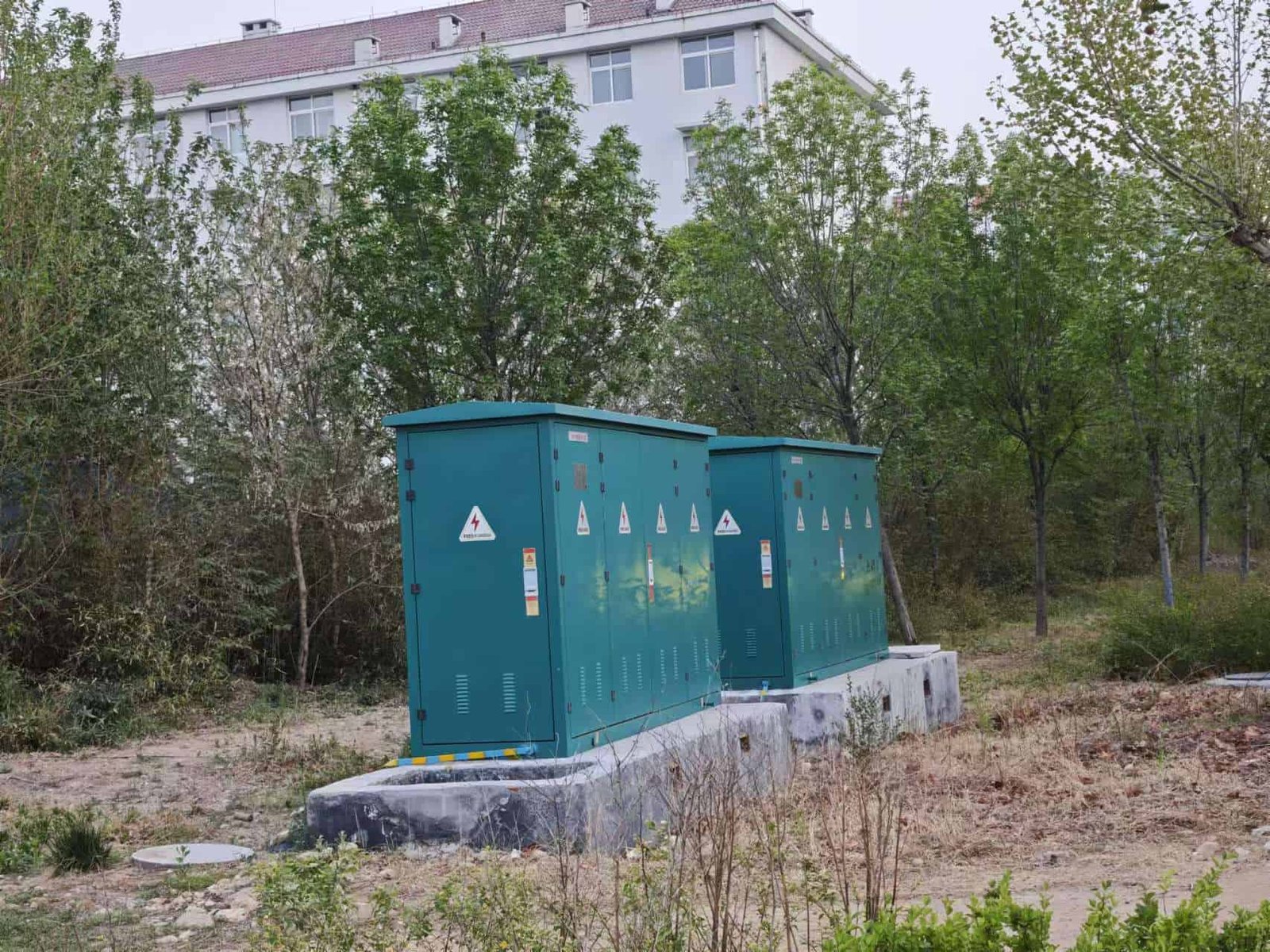
Transformers may seem indestructible on the outside, but inside, insulation systems silently degrade over years of service. Electrical aging is an invisible enemy—it weakens insulation, reduces dielectric strength, and increases the risk of failure. Catching this aging early is crucial to prevent catastrophic breakdowns and optimize asset life. This is where diagnostic testing plays a critical role. A wide array of specialized tests is available today to assess the electrical aging of transformers, especially by targeting the condition of insulation materials such as oil, paper, and windings.
Tests that help assess electrical aging in transformers include Dissolved Gas Analysis (DGA), furan analysis, insulation resistance testing, polarization index (PI), dielectric frequency response (DFR), hot-spot temperature monitoring, and degree of polymerization (DP) testing. These diagnostic methods evaluate the health of the insulation system and identify thermal, electrical, and chemical degradation over time.
These tests reveal hidden deterioration and provide actionable data to guide maintenance decisions. Let’s explore how each test works, what it tells you about electrical aging, and how to interpret the results for effective transformer life-cycle management.
Electrical aging in transformers can be reliably detected through oil and insulation testing.True
Diagnostic tests such as DGA and furan analysis provide direct indicators of insulation degradation and thermal stress, enabling accurate electrical aging assessment.
Only offline tests can detect insulation aging in transformers.False
Online tests like DGA and thermal monitoring are highly effective in detecting insulation aging trends while the transformer is in service.
Dissolved Gas Analysis (DGA)
What it does: DGA measures gases dissolved in transformer oil that are produced during insulation degradation, overheating, or arcing. It is the most widely used online diagnostic tool.
Key Aging Indicators from DGA:
- CO and CO₂: Decomposition of paper insulation
- C₂H₂ (acetylene): Internal arcing or fault
- CH₄ and H₂: Thermal fault or overheating
| Gas Type | Fault Type Detected | Aging Indicator? |
|---|---|---|
| CO₂ | Paper insulation thermal breakdown | Yes |
| C₂H₂ | Arcing / internal fault | Yes |
| H₂ | Partial discharge | Yes |
Interpretation: High levels of carbon monoxide (CO) and carbon dioxide (CO₂), especially with rising trends, indicate advanced thermal aging of cellulose insulation.
Furan Analysis (2-Furfuraldehyde Test)
What it does: Measures the concentration of furans in oil, which are produced as cellulose paper insulation ages. This test is the most direct indicator of paper degradation.
| Furan (ppb) | Insulation Condition | Suggested Action |
|---|---|---|
| <100 | New or mildly aged | Continue monitoring |
| 100–400 | Moderately aged | Plan intervention |
| >400 | Severely degraded | Prepare for replacement |
Best practice: Conduct furan analysis annually after 5 years of operation or when DGA shows elevated CO/CO₂.
Degree of Polymerization (DP) Testing
What it does: Directly tests the strength of cellulose insulation by measuring the average length of polymer chains in paper samples. Requires offline paper sampling.
| DP Value | Paper Condition | Aging Stage |
|---|---|---|
| >800 | New | Normal |
| 400–600 | Aged | Warning |
| <200 | Critically degraded | End-of-life |
Note: This is a destructive test, typically performed during refurbishment or major inspections.
Insulation Resistance (IR) and Polarization Index (PI)
What it does: Measures the resistance between transformer windings and earth to detect insulation breakdown or moisture ingress. PI compares resistance at 1 and 10 minutes.
Interpretation Guidelines:
| Test Result | Value (IR in MΩ, PI Ratio) | Condition |
|---|---|---|
| Good | IR >1000 MΩ, PI >2.0 | Dry insulation |
| Fair | IR 100–500 MΩ, PI 1.5–2.0 | Moisture suspected |
| Poor | IR <100 MΩ, PI <1.5 | Degraded insulation |
Tip: IR and PI are simple, cost-effective offline tests often performed during shutdowns or commissioning.
Dielectric Frequency Response (DFR)
What it does: Measures the dielectric response of insulation over a wide frequency range, sensitive to moisture, aging, and contamination in solid insulation.
DFR Benefits:
- Detects moisture in solid insulation
- Evaluates oil-paper interface condition
- Models thermal and aging behavior
| Frequency Range | Aging Detection Scope |
|---|---|
| <0.1 Hz | Moisture in paper |
| 0.1–10 Hz | Paper-oil aging, contamination |
| >10 Hz | Oil quality, conductivity |
Recommendation: Use DFR for high-value transformers where precise moisture profiling is essential.
Hot-Spot Temperature Monitoring
What it does: Monitors the temperature at the winding’s hottest point using RTDs or fiber-optic sensors. Used to estimate insulation aging rate via thermal models.
Hot-Spot vs. Aging Rate
| Hot-Spot Temp (°C) | Relative Aging Rate | Remaining Life Estimate |
|---|---|---|
| 110 | 1.0× (normal aging) | ~30 years |
| 120 | 2.0× | ~15 years |
| 130 | 4.0× | ~7.5 years |
Use case: Aging models (IEEE, IEC) use temperature data to estimate life consumption over time.
Tan Delta (Power Factor) Testing
What it does: Measures dielectric losses in insulation systems; high tan delta indicates poor insulation quality or contamination.
Acceptance Values
| Voltage Class (kV) | Acceptable Tan Delta (%) | Risk Level |
|---|---|---|
| ≤11 kV | <0.5 | Low |
| 33–66 kV | <0.7 | Moderate |
| >110 kV | <1.0 | Actionable if >1.5% |
Application: Often used to assess bushing or cable insulation, especially during scheduled outages.
Summary Table: Diagnostic Tests for Electrical Aging
| Test Name | Online/Offline | Target Insulation | Key Metric | Aging Indicator Type |
|---|---|---|---|---|
| DGA | Online | Oil & Paper | Gas concentration (ppm) | Thermal/Electrical |
| Furan Analysis | Oil Sample | Paper | 2-FAL (ppb) | Chemical (cellulose) |
| DP Testing | Offline | Paper | Polymer chain length | Structural aging |
| IR & PI | Offline | Paper & Oil | Resistance, PI ratio | Moisture/electrical |
| DFR | Offline | Paper & Oil | Dielectric response | Moisture/aging level |
| Hot-Spot Monitoring | Online | Windings | °C, aging factor | Thermal life modeling |
| Tan Delta Testing | Offline | Bushings/Oil | Power factor | Contamination/aging |
How Can the Electrical Life of a Transformer Be Extended?
![Image Placeholder – Insert AI-generated image here]
Prompt for AI-generated image: [Extending transformer life] + [Detailed digital illustration] + [Large transformer with protective systems, cooling upgrades, monitoring sensors, oil purification system, and maintenance team] + [Power plant or industrial substation background] + [Optimistic and technical mood] + [Bright, clean daylight lighting]
Transformers are expensive, mission-critical assets in power systems. Replacing them prematurely due to electrical failure is costly—not just financially, but operationally. Yet, many transformers fail before their mechanical end-of-life simply because their insulation systems degrade from unmanaged thermal, chemical, and electrical stress. The good news? Electrical aging is not irreversible. With the right strategies, a transformer’s electrical life can be significantly extended, often by decades. Ignoring this potential leaves valuable lifespan and budget efficiency on the table.
The electrical life of a transformer can be extended by minimizing insulation degradation through optimized cooling, regular oil treatment, moisture control, controlled loading, predictive maintenance, and online monitoring systems—all of which reduce thermal, electrical, and chemical stress on the insulation system, delaying dielectric failure.
Proactive life-extension strategies are increasingly critical as utilities face aging fleets and limited capital for replacements. Let’s explore in-depth methods for extending the electrical life of transformers using field-proven practices, real-world data, and modern asset management technologies.
Overloading a transformer occasionally does not affect its electrical life.False
Even occasional overloading significantly increases hot-spot temperatures, accelerating insulation aging and reducing the transformer's electrical life.
Oil purification and moisture removal can restore insulation performance and extend transformer life.True
Removing contaminants, moisture, and degradation byproducts from transformer oil helps preserve dielectric strength and slow insulation aging.
Optimize Cooling to Reduce Thermal Aging
Since temperature is the primary driver of insulation aging, reducing hot-spot temperatures extends life dramatically.
Key Cooling Strategies:
- Ensure radiators and fans are clean and operational
- Upgrade from ONAN to ONAF or OFAF cooling
- Add smart fan controls based on hot-spot sensors
- Monitor ambient temperature and load to avoid overheating
| Cooling Type | Cooling Medium | Load Capacity Increase | Relative Life Extension |
|---|---|---|---|
| ONAN | Oil Natural, Air Natural | Base | – |
| ONAF | Oil Natural, Air Forced | 25–35% more | 1.5× longer life |
| OFAF | Oil Forced, Air Forced | 50–70% more | 2× longer life |
Example: Upgrading a 20 MVA transformer from ONAN to ONAF cooling reduced the average hot-spot temperature by 12°C, effectively doubling its remaining insulation life.
Control Load and Avoid Overstress
Constant or cyclic overloading leads to thermal spikes, increasing the rate of insulation breakdown.
Load Management Best Practices:
- Avoid exceeding nameplate ratings
- Limit peak demand during hot weather
- Use load tap changers to manage voltage without overloading windings
- Utilize SCADA or EMS data to forecast and control load patterns
| Load Factor | Impact on Aging Rate | Recommended Action |
|---|---|---|
| <80% | Low aging rate | Maintain or increase load carefully |
| 80–100% | Normal aging | Monitor temperature |
| >100% | Accelerated aging | Reduce immediately |
Fact: IEEE models show a transformer at 130°C hot-spot ages 8× faster than one at 110°C.
Maintain and Recondition Insulating Oil
Transformer oil deteriorates over time due to oxidation and thermal stress, forming acids, sludge, and moisture—accelerating paper aging.
Oil Reconditioning Methods:
- Oil Filtration: Removes moisture and particles
- Oil Reclamation: Restores chemical properties using clay filtration
- Vacuum Dehydration: Removes dissolved water
- Degassing: Removes dissolved gases formed by aging
| Oil Test Parameter | Threshold for Reconditioning | Life Extension Potential |
|---|---|---|
| Water Content > 30 ppm | Yes | High |
| Acid Number > 0.1 mgKOH/g | Yes | Moderate to high |
| Interfacial Tension < 25 mN/m | Yes | Moderate |
Case Study: A substation in Brazil reclaimed oil from a 25-year-old 66 kV transformer. Insulation DP improved from 380 to 560, extending life by 10 years.
Prevent and Remove Moisture from Insulation
Moisture drastically reduces insulation strength and accelerates chemical aging.
Moisture Prevention Tips:
- Use hermetically sealed tanks or nitrogen blankets
- Replace or regenerate silica gel in breathers
- Monitor conservator air bags for leaks
Dry-Out Techniques:
- Hot oil spray circulation
- Vacuum dry-out cycles
- Online moisture removal devices
| Moisture in Paper | Dielectric Strength Impact | Dry-Out Recommended |
|---|---|---|
| <1% | Minimal | No |
| 1–2% | Moderate | Plan |
| >2% | Severe loss | Immediate |
Best practice: Online moisture sensors help trigger dry-out actions before catastrophic insulation weakening occurs.
Monitor Thermal and Electrical Aging in Real Time
Advanced monitoring helps detect early signs of electrical aging and prevent sudden failures.
Critical Online Monitoring Tools:
- Hot-spot RTDs or fiber optics
- Dissolved Gas Analysis (DGA) sensors
- Furan analyzers
- Moisture-in-oil sensors
- Partial discharge monitors
| Parameter Tracked | Indicative Fault Type | Life Risk if Ignored |
|---|---|---|
| CO + CO₂ in DGA | Paper degradation | Accelerated aging |
| 2-FAL in oil | Cellulose breakdown | Critical aging signal |
| C₂H₂ (Acetylene) | Arcing or insulation cracks | High risk of failure |
| Moisture >30 ppm | Oil saturation | Dielectric collapse |
Result: Utilities using continuous monitoring systems report 60% fewer transformer failures and significantly extended service life.
Use Condition-Based Maintenance (CBM)
Instead of fixed-interval maintenance, condition-based maintenance responds to actual transformer health indicators.
CBM Benefits:
- Detect insulation issues early
- Avoid unnecessary interventions
- Extend intervals between major overhauls
| CBM Tool | Maintenance Triggered By |
|---|---|
| DGA Analyzer | Rise in gas generation rates |
| Online DP model | Threshold aging index reached |
| Infrared Thermal Scan | Abnormal surface hot spots |
| Tan Delta Test | Insulation quality degradation |
Strategy: Combine online monitoring with periodic offline tests (IR, PI, furan) to make informed, cost-effective maintenance decisions.
Improve Installation and Environmental Conditions
Installation errors and harsh environments can shorten life by introducing latent mechanical or chemical stress.
Recommendations:
- Ensure proper transformer foundation and leveling
- Protect against UV and chemical exposure
- Maintain appropriate clearances and ventilation
- Apply derating for high-altitude or coastal zones
Example: Transformers in marine environments should use stainless fittings and sealed bushings to avoid salt-induced aging.
Summary Table: Life Extension Tactics
| Method | Aging Factor Addressed | Life Extension Effect |
|---|---|---|
| Cooling System Upgrade | Thermal | High |
| Load Management | Thermal/Electrical | Moderate to High |
| Oil Reclamation | Chemical | High |
| Moisture Removal | Dielectric | High |
| Online Monitoring | All | Preventive, high impact |
| CBM Strategy | All | Optimized interventions |
When is a Transformer Considered to Have Reached Its Electrical End-of-Life?
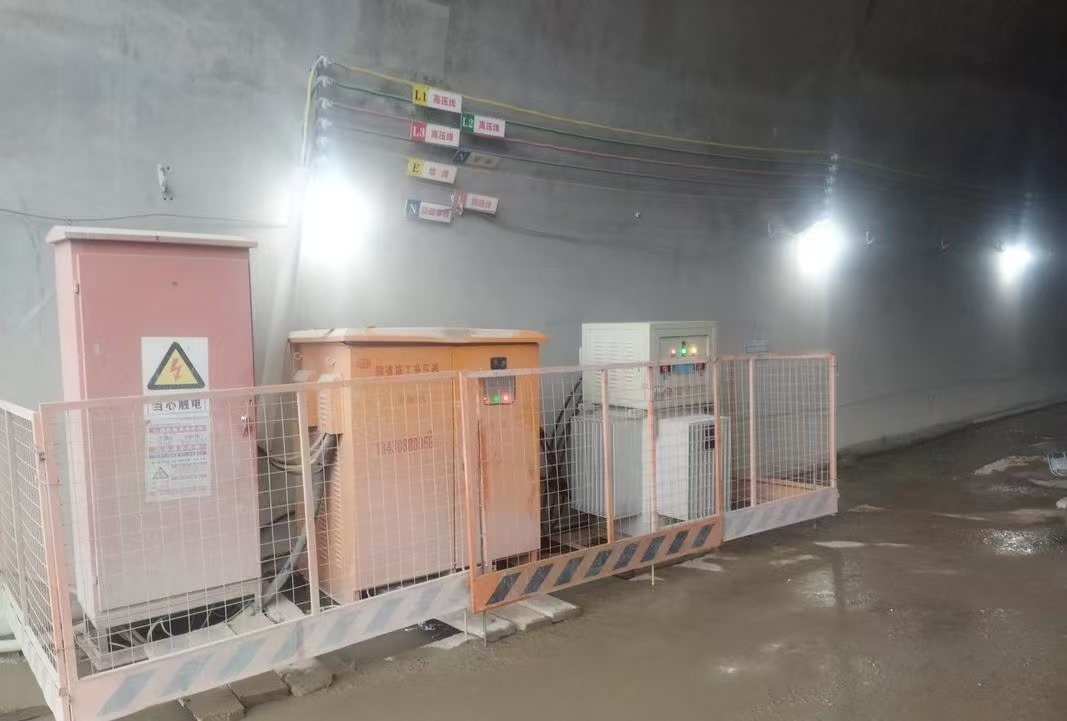
A transformer may still look physically intact, operate without alarming noises, and hold voltage levels correctly—yet still be dangerously close to failure. The most critical and often overlooked concept in transformer asset management is electrical end-of-life (EOL). Unlike mechanical failure, which is visible and immediate, electrical aging is internal, progressive, and silent. When insulation integrity falls below minimum dielectric safety margins, the transformer is considered to have reached its electrical end-of-life, regardless of whether it is still running.
A transformer is considered to have reached its electrical end-of-life when its insulation system—primarily composed of cellulose and insulating oil—has degraded to a point where it can no longer safely withstand operational voltages, thermal stress, or fault currents, significantly increasing the risk of dielectric failure, arcing, or catastrophic breakdown.
End-of-life decisions must be based on measurable diagnostic indicators, not assumptions based on age or appearance. This article presents clear, field-validated criteria for determining when a transformer should be de-rated, refurbished, or retired due to irreversible insulation degradation.
A transformer’s electrical end-of-life is determined by the age printed on its nameplate.False
While nameplate age provides a guideline, actual electrical end-of-life is determined by insulation condition, which depends on operational stress, not just calendar age.
Cellulose degradation is the most reliable indicator of electrical end-of-life.True
The aging of solid insulation, especially cellulose, is irreversible and directly affects dielectric strength, making it a primary indicator of transformer electrical EOL.
Key Indicators of Transformer Electrical End-of-Life
The electrical EOL of a transformer is diagnosed through a combination of physical, chemical, and electrical tests. Here are the most critical parameters and thresholds used globally.
1. Degree of Polymerization (DP) of Cellulose Insulation
DP measures the average chain length of cellulose fibers. As paper ages, the chains break down irreversibly.
| DP Value | Condition | Electrical Implication |
|---|---|---|
| >700 | New/Healthy | Full insulation strength |
| 400–600 | Aged | Elevated aging risk |
| <200 | End-of-life | High failure probability |
DP <200 = Immediate electrical retirement threshold, even if other components are operational.
2. Furan Content in Oil (2-FAL)
Furans are produced as cellulose insulation degrades.
| Furan (ppb) | Interpretation | Electrical Status |
|---|---|---|
| <100 | Normal aging | Monitor |
| 100–400 | Moderate degradation | Watch closely |
| >400 | Critical paper damage | Approaching EOL |
| >1000 | Severe irreversible aging | Electrical EOL confirmed |
Furan values above 500 ppb are often cited in asset decommissioning policies.
3. Dissolved Gas Analysis (DGA)
Gas buildup indicates active deterioration or internal faults.
| Gas | Elevated Levels (ppm) | Meaning |
|---|---|---|
| CO | >500 | Cellulose overheating |
| C₂H₂ | Any (>1 ppm) | Internal arcing, insulation breach |
| Total Combustible Gases | >10,000 ppm | Imminent failure |
DGA trends—especially rising CO, C₂H₂—indicate active end-stage insulation breakdown.
4. Moisture Content in Paper and Oil
Moisture drastically lowers dielectric strength. Aging insulation absorbs and retains water.
| Moisture Level | Impact on Dielectric Strength | EOL Status |
|---|---|---|
| Paper >2.5% | 50–70% loss | Nearing EOL |
| Oil >30 ppm | High water content | Needs dry-out |
| Oil >50 ppm | Saturation + breakdown risk | Critical, EOL likely |
End-of-life declaration is common when paper moisture >3% and drying is no longer feasible.
5. Hot-Spot Aging and Thermal History
Accumulated thermal stress consumes insulation life. If cumulative aging factor (CAF) >1.0, insulation life is exhausted.
| CAF Value | Meaning | Action |
|---|---|---|
| <0.5 | Less than 50% used | Continue monitoring |
| 0.5–1.0 | 50–100% consumed | Assess remaining life |
| >1.0 | Life fully used | Electrical EOL likely |
IEEE C57.91 and IEC 60076-7 thermal models are standard tools for aging calculation.
6. Insulation Resistance and Tan Delta Testing
Electrical EOL often shows as insulation breakdown or abnormal dielectric losses.
| Test | Value Threshold | EOL Implication |
|---|---|---|
| IR | <100 MΩ (HV–GND) | Weak insulation path |
| Polarization Index (PI) | <1.5 | Moist/aged insulation |
| Tan Delta | >1.5% at 10 kV | Severe dielectric loss |
These results must be paired with oil tests and historical data to confirm EOL.
Decision Matrix: When to Declare Electrical EOL
| Condition | Acceptable | Watch Zone | Electrical EOL |
|---|---|---|---|
| DP Value | >400 | 300–400 | <200 |
| Furan Level (2-FAL) | <300 ppb | 300–500 ppb | >500 ppb |
| C₂H₂ in DGA | 0 ppm | 1–10 ppm | >10 ppm |
| Moisture in Paper | <2% | 2–3% | >3% |
| IR Value | >1000 MΩ | 100–1000 MΩ | <100 MΩ |
| Tan Delta | <1.0% | 1.0–1.5% | >1.5% |
| Aging Factor (CAF) | <0.5 | 0.5–1.0 | >1.0 |
Common Real-World EOL Scenarios
Case 1: Urban 33/11kV 20 MVA Transformer
- Age: 32 years
- DP: 185
- Furan: 610 ppb
- Moisture: 3.5%
Conclusion: Electrical EOL reached. Transformer scheduled for decommission.
Case 2: Rural 66/11kV 10 MVA Transformer
- Age: 28 years
- DP: 380
- Furan: 290 ppb
- Oil dryness maintained
Conclusion: Aging but serviceable. Load reduced. Monitoring continued.
Conclusion
The electrical life of a transformer is not fixed—it is shaped by how well the transformer is operated, loaded, and maintained over time. By understanding and controlling key influencing factors such as insulation health, operating temperature, and fault exposure, operators can significantly extend the useful life of their equipment. Regular monitoring and diagnostic testing not only help identify early signs of aging but also support smarter decisions about maintenance and replacement. Investing in electrical life management is ultimately an investment in grid stability, safety, and long-term cost savings.
FAQ
Q1: What is the electrical life of a transformer?
A1: The electrical life of a transformer is the duration over which it can operate reliably without experiencing electrical failure. It reflects how long the transformer can maintain effective voltage regulation, insulation integrity, and load-handling capacity under specified conditions.
Q2: What is the average lifespan of a transformer?
A2: Most transformers have an expected electrical life of 25 to 40 years. However, this can vary significantly based on design, materials, environmental exposure, operational stress, and maintenance practices. Well-maintained transformers can exceed 50 years of service.
Q3: What factors influence the electrical life of a transformer?
A3: Several factors affect transformer lifespan, including:
Thermal stress from overloading or poor cooling
Electrical faults such as surges or harmonics
Insulation degradation due to age or moisture
Oil contamination or oxidation
Environmental conditions like humidity, pollution, and temperature
Maintenance frequency and quality
Q4: How can the electrical life of a transformer be extended?
A4: To extend a transformer's life, implement:
Regular testing (DGA, insulation resistance, oil quality)
Timely repairs and part replacements
Effective load management
Proper ventilation and cooling
Monitoring systems for temperature, load, and moisture
Preventive maintenance schedules
Q5: How is the remaining electrical life of a transformer assessed?
A5: The remaining life is assessed using diagnostic tools such as Dissolved Gas Analysis (DGA), thermal imaging, partial discharge testing, and condition-based monitoring systems. These tools evaluate the internal condition of insulation and other critical components to predict future performance.
References
"Understanding the Electrical Life Expectancy of Transformers" – https://www.transformertech.com/transformer-electrical-life – Transformer Tech
"How Long Should a Power Transformer Last?" – https://www.powermag.com/transformer-lifespan-analysis – Power Magazine
"Factors Affecting Transformer Longevity" – https://www.electrical4u.com/transformer-life-expectancy – Electrical4U
"Extending the Life of Aging Transformers" – https://www.researchgate.net/transformer-life-extension – ResearchGate
"Condition Assessment and Remaining Life Estimation of Power Transformers" – https://www.sciencedirect.com/transformer-condition-monitoring – ScienceDirect
"Maximizing Transformer Life Through Smart Maintenance" – https://www.smartgridnews.com/transformer-maintenance-longevity – Smart Grid News
"Transformer Testing Strategies to Determine End-of-Life" – https://www.energycentral.com/c/ee/transformer-testing-lifespan – Energy Central
"Best Practices to Increase Transformer Lifespan" – https://www.powergrid.com/transformer-service-life-best-practices – PowerGrid