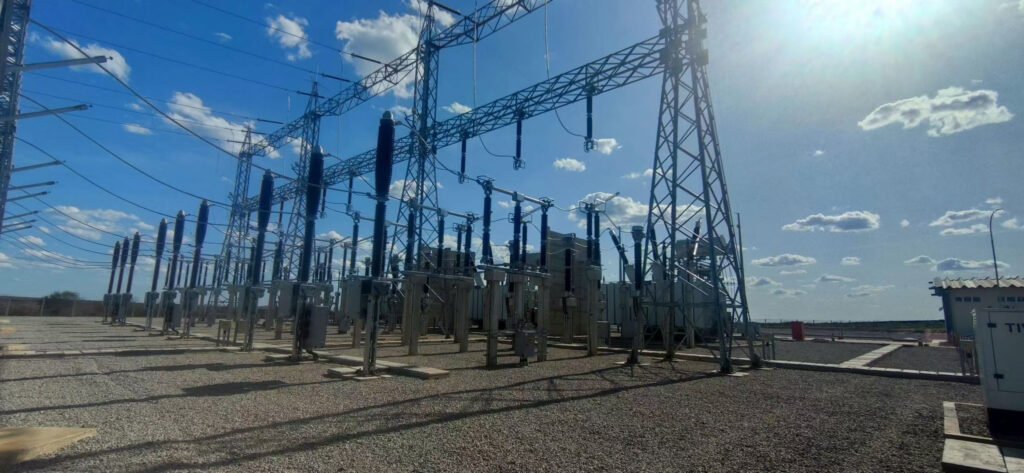
Stable transformer operation is essential for maintaining reliable power delivery in electrical systems. Transformers operate continuously under varying loads and environmental conditions, so ensuring their stability requires careful design, proper installation, regular monitoring, and effective maintenance. By implementing the right operational and management practices, utilities and industries can reduce failures, extend equipment lifespan, and improve overall power system reliability.
What Factors Affect the Stable Operation of Transformers?
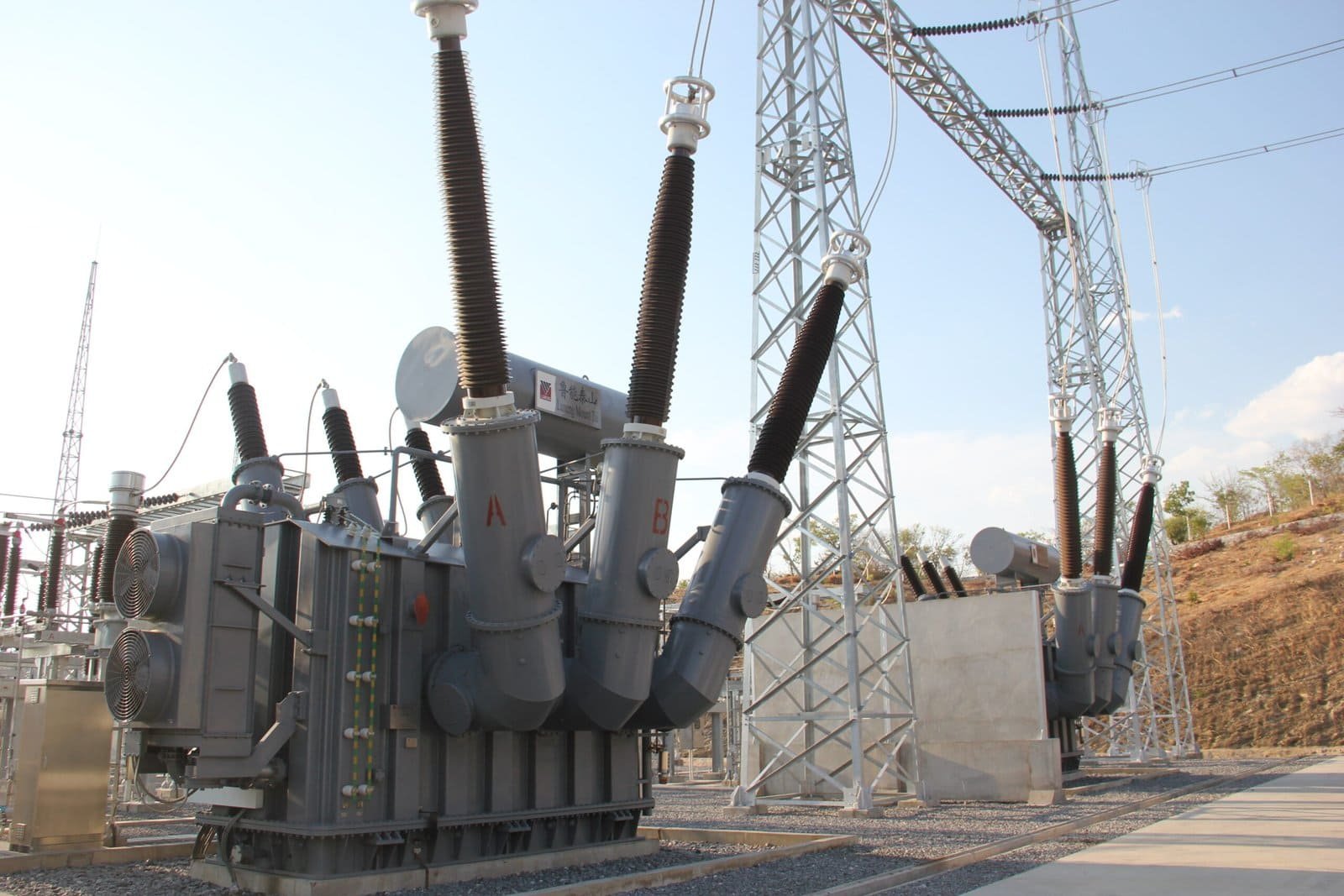
The stable operation of transformers is essential for maintaining reliable power transmission and distribution. Transformers operate continuously under varying electrical, thermal, and environmental conditions. If key operating parameters are not properly controlled, problems such as overheating, insulation degradation, voltage instability, and mechanical damage can occur. Over time, these issues can lead to reduced efficiency, unplanned outages, or even catastrophic failure.
Several technical and environmental factors influence whether a transformer can operate safely and consistently over its intended service life. Understanding these factors allows engineers and operators to maintain optimal performance and improve system reliability.
1. Load Conditions
Load level is one of the most important factors affecting transformer stability.
When the transformer operates within its rated capacity:
- Heat generation remains within design limits
- Insulation aging occurs at a normal rate
- Voltage regulation remains stable
However, excessive loading can cause:
- Increased copper losses
- Elevated winding temperatures
- Accelerated insulation degradation
- Reduced transformer lifespan
Frequent overloads may also lead to thermal stress and eventual insulation failure. Proper load management and monitoring help maintain stable operation.
2. Temperature and Cooling Efficiency
Transformer temperature directly affects insulation life and overall reliability.
Heat is generated by:
- Copper losses in windings
- Core losses in magnetic materials
Effective cooling systems—such as oil circulation, radiators, and fans—are required to dissipate this heat. If cooling is insufficient, internal temperatures rise, leading to:
- Oil degradation
- Increased winding hot spot temperatures
- Faster insulation aging
Stable thermal conditions are therefore critical for long-term operation.
3. Insulation Condition
The insulation system prevents electrical faults between windings and between windings and the transformer core or tank.
Key insulation components include:
- Paper insulation
- Pressboard barriers
- Insulating oil
Over time, insulation may deteriorate due to:
- Thermal stress
- Moisture ingress
- Electrical discharges
- Chemical aging
Degraded insulation reduces dielectric strength and increases the risk of short circuits or internal faults. Regular testing, such as insulation resistance measurements and oil analysis, helps monitor insulation health.
4. Oil Quality (for Oil-Immersed Transformers)
Transformer oil serves two main purposes:
- Electrical insulation
- Heat dissipation
Oil quality can be affected by:
- Moisture contamination
- Oxidation
- Dissolved gases
- Sludge formation
Poor oil quality reduces dielectric strength and cooling performance. Routine oil testing and filtration ensure that the oil maintains its insulating and thermal properties.
5. Voltage Stability
Transformers are designed to operate within specific voltage ranges.
Voltage fluctuations can cause:
- Overvoltage stress on insulation
- Magnetic core saturation
- Increased core losses and heating
Under-voltage conditions may also affect load performance and cause current imbalance. Maintaining stable input voltage helps prevent abnormal operating conditions.
6. Frequency Stability
Transformer magnetic design is based on a specific system frequency (such as 50 Hz or 60 Hz).
If frequency deviates significantly:
- Core flux density changes
- Core saturation may occur
- Magnetizing current increases
- Additional heating develops
Stable frequency ensures that the transformer core operates within its optimal magnetic conditions.
7. Environmental Conditions
External environmental factors also influence transformer stability.
Important environmental considerations include:
- Ambient temperature
- Humidity levels
- Dust and pollution
- Altitude
- Corrosive atmospheres
High ambient temperatures reduce cooling efficiency, while excessive humidity may introduce moisture into insulation systems. Proper site design and protective enclosures help mitigate environmental impacts.
8. Mechanical Integrity
Transformers experience mechanical stresses during operation due to:
- Electromagnetic forces during faults
- Thermal expansion and contraction
- Vibrations from magnetic flux
Loose windings, weakened structural components, or degraded clamping systems can reduce mechanical stability and increase the risk of internal faults.
Regular inspections help ensure that mechanical components remain secure.
9. Protection and Monitoring Systems
Protective devices play a crucial role in maintaining stable transformer operation.
Common protection systems include:
- Temperature monitoring devices
- Buchholz relays
- Differential protection relays
- Overcurrent protection
These systems detect abnormal conditions and disconnect the transformer before severe damage occurs.
Modern digital monitoring systems can also track real-time parameters such as temperature, load, and dissolved gases.
10. Maintenance and Operational Practices
Even well-designed transformers require proper maintenance.
Routine maintenance activities include:
- Oil testing and purification
- Cooling system inspection
- Electrical testing of insulation
- Checking protective devices
- Cleaning and tightening connections
Effective maintenance programs help detect problems early and prevent unexpected failures.
How Does Proper Installation Contribute to Transformer Stability?
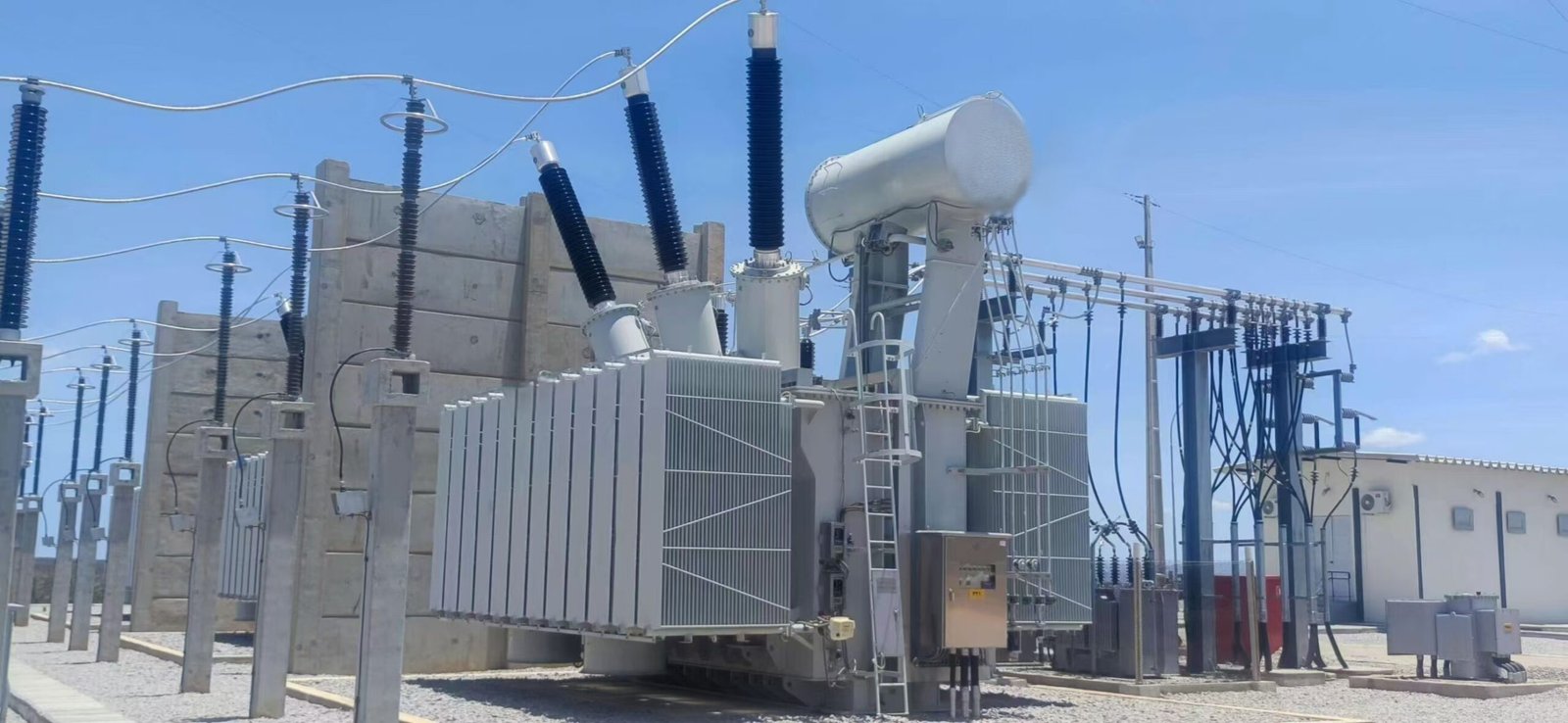
Proper installation is a critical step in ensuring the stable and reliable operation of a transformer throughout its service life. Even if a transformer is well designed and manufactured to high standards, incorrect installation can introduce mechanical stress, electrical faults, poor cooling conditions, or safety hazards. These problems may not appear immediately but can gradually lead to overheating, insulation deterioration, reduced efficiency, and unexpected failures.
Therefore, correct installation practices are essential to ensure that the transformer operates safely, maintains thermal balance, and delivers consistent electrical performance.
1. Ensuring Mechanical Stability
Transformers are heavy electrical equipment that must be firmly supported and properly aligned during installation.
Proper mechanical installation includes:
- Preparing a strong and level foundation
- Securing the transformer to prevent vibration or movement
- Ensuring correct alignment of bushings and connections
If a transformer is installed on an uneven or unstable base, it may experience mechanical stress and vibration. Over time, this can cause loosened connections, structural fatigue, or damage to internal components.
A stable foundation helps maintain long-term mechanical integrity.
2. Maintaining Adequate Cooling Conditions
Transformers generate heat during operation, and proper installation must allow the cooling system to function effectively.
Installation considerations include:
- Providing sufficient clearance around radiators or cooling surfaces
- Ensuring unobstructed airflow for natural or forced cooling
- Positioning cooling fans or pumps correctly
- Avoiding installation near heat sources
If airflow around the transformer is blocked, heat dissipation is reduced, leading to higher oil and winding temperatures. Proper spacing and ventilation allow cooling systems to perform as designed.
3. Correct Electrical Connections
Safe and stable transformer operation depends on proper electrical connections.
During installation, technicians must ensure:
- Accurate connection of primary and secondary terminals
- Proper tightening of all electrical joints
- Correct grounding of the transformer tank
- Appropriate cable sizing and routing
Loose or poorly installed electrical connections can lead to excessive resistance, localized heating, voltage drops, and possible arcing. Correct installation prevents these problems and ensures reliable power transfer.
4. Proper Grounding and Safety Measures
Grounding is essential for both operational stability and personnel safety.
Effective grounding systems:
- Provide a path for fault currents
- Prevent dangerous voltage buildup on the transformer tank
- Improve the performance of protection systems
If grounding is inadequate, electrical faults may not be detected quickly, increasing the risk of equipment damage and safety hazards.
5. Protection from Environmental Conditions
The installation location must protect the transformer from harmful environmental influences.
Important factors include:
- Moisture exposure
- Dust and contamination
- Corrosive atmospheres
- Extreme temperatures
Outdoor transformers often require weatherproof enclosures or protective barriers. Proper site preparation helps prevent moisture ingress and contamination that could degrade insulation or cooling systems.
6. Correct Oil Filling and Handling (Oil-Immersed Transformers)
For oil-immersed transformers, the installation process includes careful oil handling.
Key steps include:
- Vacuum oil filling to remove air bubbles
- Ensuring correct oil level
- Checking for leaks after filling
- Confirming oil purity and dielectric strength
Air pockets inside the transformer can reduce insulation performance and cause partial discharge. Proper oil filling ensures effective insulation and cooling.
7. Alignment of Protection and Monitoring Devices
Modern transformers include various monitoring and protection systems, such as:
- Temperature indicators
- Buchholz relays
- Oil level gauges
- Pressure relief devices
During installation, these devices must be properly mounted, connected, and tested. Accurate installation ensures that protection systems respond correctly to abnormal conditions.
8. Minimizing Mechanical Stress During Transportation and Installation
Transporting and lifting a transformer requires careful handling.
Improper lifting or positioning can cause:
- Internal winding displacement
- Core misalignment
- Structural damage
Following manufacturer lifting guidelines and using appropriate equipment prevents mechanical damage that could compromise transformer stability.
9. Compliance with Installation Standards
Transformers must be installed according to industry standards and manufacturer recommendations. These standards define requirements for:
- Clearances
- Grounding systems
- Cooling ventilation
- Electrical protection
Compliance ensures that the transformer operates safely within its design limits.
Why Is Load Management Important for Reliable Transformer Operation?
Transformers are designed to operate within specific electrical and thermal limits. When these limits are exceeded or frequently approached, the internal temperature rises, insulation deteriorates faster, and the risk of failure increases. In many power systems, transformer failures are not caused by manufacturing defects but by long-term operational stress resulting from improper load distribution or unmanaged peak demand.
Load management is important because it keeps transformer operation within safe thermal and electrical limits, preventing overheating, extending insulation life, improving system reliability, and reducing the likelihood of unexpected outages. Proper control of transformer loading ensures that the equipment operates efficiently while maintaining a long service life.
1. Preventing Overloading
Overloading occurs when the electrical demand connected to a transformer exceeds its rated capacity.
When a transformer is overloaded:
- Current in the windings increases
- Copper losses (I²R losses) rise significantly
- Internal heat generation increases
- Oil and winding temperatures rise
If overloading continues for extended periods, insulation deterioration accelerates and mechanical stress increases.
Effective load management prevents transformers from operating beyond their designed limits and protects them from excessive thermal stress.
2. Controlling Operating Temperature
Transformer reliability is strongly related to temperature.
Higher load levels lead to higher internal temperatures because:
- Electrical losses increase with current
- Heat generation becomes greater than heat dissipation
Excessive temperature can cause:
- Insulation breakdown
- Oil degradation
- Reduced dielectric strength
By distributing electrical demand properly across the network, load management helps maintain stable operating temperatures.
3. Extending Insulation Life
Transformer insulation materials—such as paper and pressboard—age faster at higher temperatures.
A common engineering guideline states that:
Every increase of about 6–8°C in winding hot spot temperature can reduce insulation life by approximately half.
Proper load control ensures that insulation operates within its recommended temperature range, significantly extending transformer service life.
4. Maintaining Voltage Stability
Load levels affect voltage regulation within a transformer.
When the load increases:
- Voltage drops across internal impedance
- Output voltage may decrease
Large or sudden load variations can cause voltage fluctuations that affect connected equipment. Effective load management helps maintain consistent voltage levels across the power system.
5. Improving Power System Reliability
Transformers are key components in power transmission and distribution networks. If a transformer fails due to excessive loading, it can cause:
- Power interruptions
- Equipment damage
- Service disruptions for consumers
- Increased repair and replacement costs
By balancing loads among multiple transformers or feeders, utilities can reduce stress on individual units and improve overall system reliability.
6. Supporting Efficient Energy Use
Transformers operate most efficiently near their optimal load range.
If a transformer is:
- Severely overloaded → losses increase and efficiency drops
- Very lightly loaded → fixed core losses dominate
Proper load management ensures that transformers operate close to their most efficient loading conditions, reducing unnecessary energy losses.
7. Enabling Safe Short-Term Overloads
In some situations, transformers may need to handle temporary load increases, such as during peak demand periods or emergency conditions.
With proper load monitoring and management:
- Short-term overloads can be safely controlled
- Temperature limits can be monitored
- Recovery periods can be planned
Without load management, unexpected overloads may lead to dangerous temperature rises and equipment damage.
8. Coordinating Multiple Transformers
In substations or industrial facilities where several transformers operate together, load management ensures balanced operation.
Balanced loading helps:
- Prevent one transformer from being overstressed
- Improve overall efficiency
- Extend the lifespan of all units
Uneven load distribution may cause some transformers to overheat while others remain underutilized.
How Do Cooling Systems Help Maintain Stable Performance?
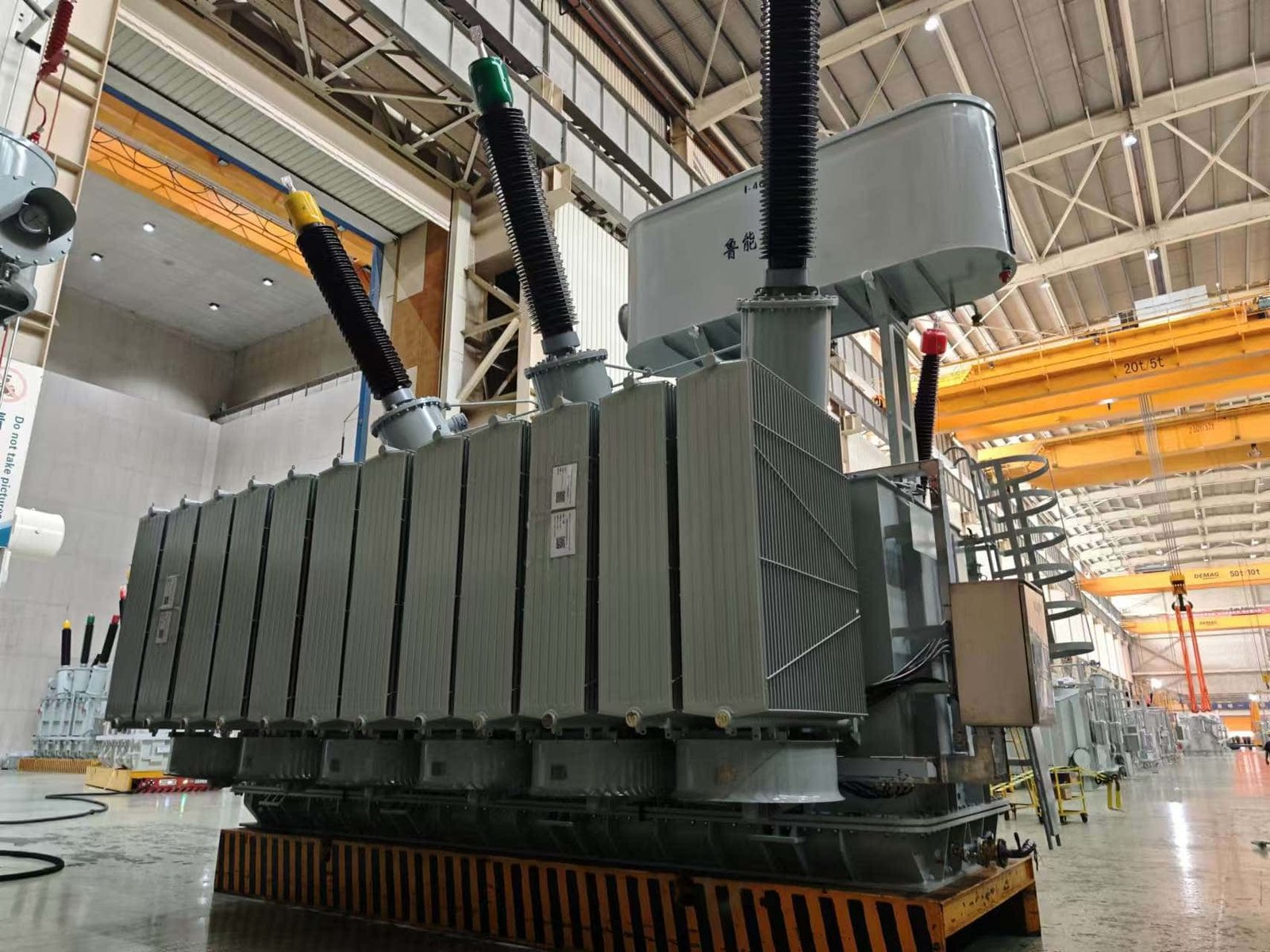
Transformers operate continuously under electrical load, and during this process they inevitably generate heat from internal losses. If this heat accumulates inside the transformer, temperatures can rise beyond safe limits, leading to insulation degradation, reduced efficiency, and possible equipment failure. Because transformer reliability is closely linked to temperature control, cooling systems play a crucial role in maintaining stable operation.
Cooling systems maintain stable transformer performance by efficiently removing heat generated by electrical losses, regulating internal temperatures, protecting insulation materials, and ensuring the transformer operates within safe thermal limits under varying load conditions.
1. Dissipating Heat from Electrical Losses
Two main sources of heat exist inside a transformer:
- Copper losses caused by current flowing through the windings
- Core losses caused by magnetic hysteresis and eddy currents in the core
These losses convert electrical energy into heat. Cooling systems transfer this heat away from internal components through oil circulation, radiators, air flow, or other cooling methods. Effective heat dissipation prevents temperature buildup and keeps the transformer operating safely.
2. Maintaining Safe Operating Temperatures
Stable temperature control is essential for reliable transformer operation. Cooling systems regulate:
- Top oil temperature
- Winding hot-spot temperature
- Overall internal thermal balance
If temperatures rise excessively, materials inside the transformer experience thermal stress and deterioration. By maintaining controlled temperature levels, cooling systems help ensure consistent electrical performance.
3. Protecting Insulation Systems
The insulation system in a transformer—composed of paper, pressboard, and insulating oil—is highly sensitive to temperature.
Excessive heat can cause:
- Chemical aging of insulation
- Reduced dielectric strength
- Increased risk of electrical breakdown
Cooling systems slow down insulation aging by keeping operating temperatures within acceptable limits. This protection is one of the most important factors influencing transformer lifespan.
4. Preventing Hot Spots
Inside the transformer, certain areas of the windings may experience higher temperatures than others due to uneven heat distribution. These areas are known as hot spots.
Cooling systems improve heat circulation and transfer, which:
- Reduces localized overheating
- Promotes uniform temperature distribution
- Prevents damage to winding insulation
Lower hot-spot temperatures significantly improve the reliability of transformer operation.
5. Supporting Load Variations
Electrical demand fluctuates throughout the day. During periods of high demand, transformers must handle increased loads, which generate additional heat.
Cooling systems allow transformers to:
- Operate safely under higher load conditions
- Handle temporary overloads during peak demand
- Maintain thermal stability during load fluctuations
This capability ensures that transformers can respond to changing power system conditions without compromising performance.
6. Maintaining Oil Quality in Oil-Immersed Transformers
In oil-immersed transformers, insulating oil performs two critical functions:
- Electrical insulation
- Heat transfer
Cooling systems circulate oil through the transformer and external radiators, allowing heat to be transferred efficiently from internal components to the surrounding air.
By maintaining lower oil temperatures, cooling systems help prevent:
- Oil oxidation
- Sludge formation
- Loss of insulating properties
Maintaining oil quality contributes directly to stable long-term operation.
7. Improving Overall Transformer Reliability
Consistent temperature control reduces mechanical and electrical stress within the transformer. Cooling systems help prevent issues such as:
- Insulation breakdown
- Thermal expansion damage
- Internal electrical faults
By maintaining stable operating conditions, cooling systems significantly improve transformer reliability and reduce the likelihood of unexpected outages.
8. Adapting to Environmental Conditions
Transformers operate in various environmental conditions, including different ambient temperatures and ventilation situations.
Cooling systems can adapt to these conditions through different methods, such as:
- Natural air cooling
- Forced air cooling using fans
- Oil circulation using pumps
These systems increase cooling capacity when temperatures or loads rise, ensuring stable performance even in challenging environments.
What Monitoring and Protection Systems Improve Operational Stability?
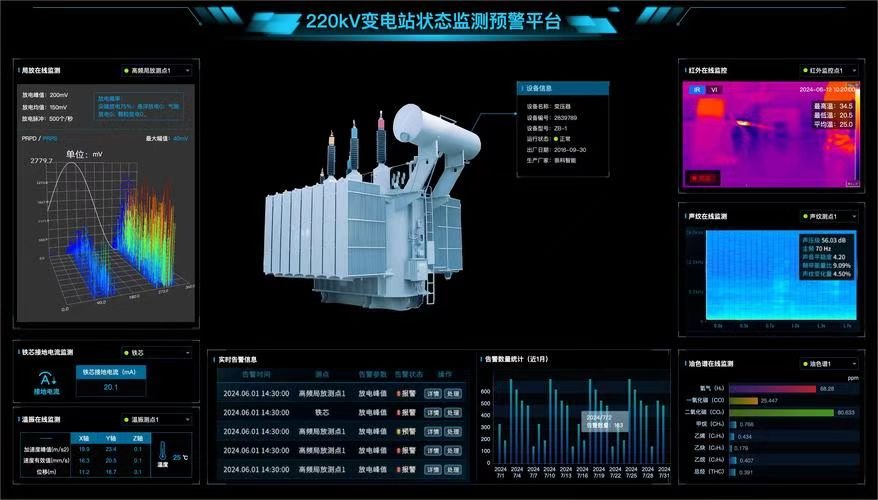
Transformers operate continuously in power systems and are exposed to electrical, thermal, and mechanical stresses. Even small abnormalities—such as overheating, internal faults, insulation degradation, or oil problems—can gradually escalate into serious failures if they are not detected early. Because transformers are critical assets in power networks, monitoring and protection systems are essential for maintaining stable and reliable operation.
Monitoring and protection systems improve transformer operational stability by continuously tracking key operating parameters, detecting abnormal conditions, and automatically isolating the transformer when faults occur. These systems help prevent damage, reduce outage risks, and extend equipment service life.
1. Temperature Monitoring Systems
Temperature is one of the most important indicators of transformer health.
Common temperature monitoring devices include:
- Top oil temperature indicators
- Winding temperature indicators
- Thermal sensors and digital temperature monitors
These systems provide real-time information about transformer thermal conditions. If temperatures exceed safe limits, alarms or automatic cooling systems can be activated.
Early temperature detection helps prevent overheating and insulation deterioration.
2. Buchholz Relay Protection
The Buchholz relay is widely used in oil-filled transformers to detect internal faults.
It is installed in the pipe between the transformer tank and the conservator. The relay detects:
- Gas accumulation caused by internal insulation faults
- Sudden oil flow caused by severe internal failures
When abnormal gas formation or oil movement is detected, the relay triggers an alarm or trips the transformer.
This device is highly effective for identifying internal problems before major damage occurs.
3. Differential Protection Systems
Differential protection is one of the most important electrical protection systems for transformers.
It works by comparing the current entering and leaving the transformer. Under normal conditions, the difference between these currents is minimal.
However, if an internal fault occurs—such as a winding short circuit—the difference becomes significant. The protection system immediately disconnects the transformer from the power system.
Differential protection provides fast and reliable fault isolation.
4. Overcurrent and Overload Protection
Overcurrent protection prevents damage caused by excessive current flow.
When current exceeds predetermined limits:
- Protection relays detect the abnormal condition
- Circuit breakers disconnect the transformer
This prevents overheating and protects both the transformer and connected equipment.
Overload monitoring systems also allow operators to track loading conditions and avoid prolonged overloading.
5. Oil Level Monitoring
Oil level indicators are used in oil-immersed transformers to ensure that sufficient insulating oil is present.
Low oil levels can occur due to:
- Leakage
- Evaporation
- Maintenance errors
If oil levels drop too low, insulation and cooling performance may be compromised. Oil level alarms help operators respond quickly to such problems.
6. Oil Quality and Dissolved Gas Monitoring
Oil condition monitoring is essential for assessing transformer health.
Common oil monitoring methods include:
- Dissolved Gas Analysis (DGA)
- Moisture content monitoring
- Dielectric strength testing
DGA detects gases generated by insulation faults, overheating, or electrical discharges. Monitoring these gases helps identify developing problems before they lead to failure.
Online oil monitoring systems allow continuous tracking of transformer condition.
7. Pressure Relief and Sudden Pressure Protection
Internal faults in transformers can cause rapid pressure increases inside the tank.
Pressure protection devices include:
- Pressure relief valves
- Sudden pressure relays
These devices release internal pressure or trigger protective shutdowns to prevent tank rupture or explosion.
They play an important role in maintaining safe and stable operation.
8. Cooling System Monitoring
Cooling systems must function properly to control transformer temperature.
Monitoring devices track:
- Fan operation
- Pump operation
- Oil flow rates
If cooling equipment fails, alarms notify operators so that corrective actions can be taken before overheating occurs.
9. Digital Monitoring and Smart Diagnostics
Modern transformers often use advanced digital monitoring systems.
These systems can track multiple parameters simultaneously, including:
- Temperature
- Load conditions
- Oil condition
- Vibration levels
- Electrical faults
Data from these systems can be analyzed using diagnostic software to detect trends and predict maintenance needs.
Predictive monitoring improves operational stability and reduces unexpected failures.
How Does Regular Maintenance Prevent Transformer Failures?
Transformers are designed for long-term operation, often serving reliably for several decades. However, continuous electrical loading, thermal stress, environmental exposure, and aging of materials can gradually degrade internal components. Without regular maintenance, small issues—such as insulation deterioration, oil contamination, loose connections, or cooling system problems—can develop into serious faults that lead to equipment failure or costly outages.
Regular maintenance prevents transformer failures by identifying early signs of deterioration, maintaining optimal operating conditions, ensuring the proper functioning of protective systems, and correcting minor issues before they escalate into major problems.
1. Early Detection of Insulation Degradation
The insulation system is one of the most critical parts of a transformer. It separates conductive components and prevents internal electrical faults.
Over time, insulation can degrade due to:
- Thermal aging
- Moisture contamination
- Electrical stress
- Chemical reactions within insulating oil
Routine maintenance tests such as insulation resistance measurements and dielectric tests help identify early signs of insulation deterioration. Detecting these issues early allows operators to take corrective actions before insulation failure occurs.
2. Maintaining Insulating Oil Quality
In oil-immersed transformers, insulating oil performs two essential functions:
- Electrical insulation
- Heat transfer
During operation, oil may deteriorate due to oxidation, moisture ingress, or contamination. Poor oil quality can reduce dielectric strength and cooling efficiency.
Regular maintenance activities include:
- Oil sampling and testing
- Filtration and purification
- Moisture removal
These procedures help maintain the oil’s insulating and cooling properties, preventing internal electrical faults and overheating.
3. Ensuring Effective Cooling System Operation
Cooling systems are responsible for removing heat generated by electrical losses in the transformer.
Maintenance checks ensure that:
- Radiators are clean and unobstructed
- Cooling fans operate correctly
- Oil pumps circulate properly
- Ventilation paths remain clear
If cooling systems malfunction, internal temperatures may rise rapidly, accelerating insulation aging and increasing the risk of failure. Regular inspection ensures that cooling systems continue to function efficiently.
4. Identifying Loose or Damaged Electrical Connections
Electrical connections may loosen over time due to thermal expansion, vibration, or mechanical stress.
Loose connections can cause:
- Increased electrical resistance
- Localized heating
- Arcing or sparking
Routine maintenance inspections allow technicians to tighten connections, replace damaged conductors, and ensure secure electrical contact, preventing overheating and electrical faults.
5. Detecting Internal Fault Indicators
Certain tests performed during maintenance can reveal hidden internal problems.
For example:
- Dissolved gas analysis can detect gases generated by insulation faults or overheating.
- Oil quality tests can indicate internal degradation.
- Temperature trend analysis can identify abnormal heating patterns.
These diagnostic tools provide early warning signs of developing faults, allowing preventive repairs.
6. Verifying Protection System Performance
Transformers rely on various protection devices to detect abnormal operating conditions.
Maintenance procedures ensure that systems such as:
- Temperature alarms
- Protection relays
- Oil level indicators
- Pressure relief devices
are functioning correctly.
Testing and calibration confirm that these devices will respond properly if abnormal conditions occur.
7. Preventing Environmental Damage
Environmental conditions such as moisture, dust, and corrosion can gradually affect transformer components.
Maintenance inspections help identify:
- Oil leaks
- Rust or corrosion on external surfaces
- Dirt accumulation on cooling equipment
- Damaged seals or gaskets
Addressing these issues early prevents environmental factors from damaging internal components.
8. Extending Transformer Service Life
Consistent maintenance reduces the rate of aging and mechanical wear within the transformer.
Benefits include:
- Improved reliability
- Reduced risk of sudden failure
- Longer operational lifespan
- Lower long-term repair costs
Well-maintained transformers can often operate safely for 30 to 40 years or more.
Conclusion
Ensuring stable transformer operation involves a combination of proper design, correct installation, balanced loading, effective cooling, and continuous monitoring. Protection systems and routine maintenance further reduce the risk of faults and unexpected outages. By adopting comprehensive operational practices, operators can maintain transformer reliability, improve efficiency, and support the long-term stability of the power network.
FAQ
Q1: Why is stable operation important for transformers?
Stable operation ensures that transformers reliably convert electrical energy without interruptions, overheating, or internal faults. Because transformers are essential components of power systems, instability can cause power outages, equipment damage, and safety risks.
Maintaining stable performance helps extend transformer service life, reduce maintenance costs, and improve the reliability of the entire electrical network.
Q2: How does proper installation contribute to transformer stability?
Correct installation is the foundation for stable transformer operation. Key installation considerations include:
Proper grounding and earthing systems
Adequate ventilation or cooling space
Secure mechanical mounting and vibration control
Correct cable connections and protection settings
Following manufacturer guidelines and international standards during installation ensures that the transformer operates within its designed electrical and thermal limits.
Q3: How does load management affect transformer stability?
Load management is critical because excessive or uneven loading can lead to overheating and insulation degradation. Stable operation requires:
Operating within rated load capacity
Avoiding frequent or prolonged overload conditions
Balancing loads across phases
Planning for future load growth
Maintaining balanced and predictable load conditions prevents thermal stress and helps maintain voltage stability in the power system.
Q4: What role does cooling play in maintaining transformer stability?
Effective cooling systems prevent excessive temperature rise within the transformer. Heat generated by core and winding losses must be dissipated efficiently to protect insulation and maintain performance.
Common cooling methods include:
Oil natural air natural (ONAN) systems
Forced-air or forced-oil cooling systems
Air natural or air forced cooling for dry-type transformers
Regular inspection of cooling equipment such as radiators, fans, and pumps ensures proper heat dissipation.
Q5: How do protection systems help maintain stable operation?
Protection systems detect abnormal operating conditions and isolate the transformer before damage occurs. Important protection mechanisms include:
Overcurrent protection
Differential protection
Overtemperature alarms
Buchholz relays (for oil-filled transformers)
These systems provide rapid fault detection and help prevent catastrophic failures.
Q6: Why is continuous monitoring important for transformer stability?
Modern transformers often use digital monitoring systems to track operating conditions in real time. Monitoring systems can measure:
Oil temperature and winding temperature
Load currents and voltage levels
Dissolved gases in insulating oil
Partial discharge activity
Continuous monitoring allows early detection of potential issues, enabling predictive maintenance and preventing unexpected outages.
Q7: How does preventive maintenance improve transformer stability?
Routine maintenance ensures that transformers remain in optimal condition. Typical maintenance activities include:
Oil testing and filtration
Insulation resistance measurements
Cleaning cooling surfaces and ventilation paths
Inspecting bushings, connections, and protection devices
Preventive maintenance reduces the likelihood of sudden failures and keeps the transformer operating efficiently.
Q8: What environmental factors affect transformer stability?
Environmental conditions such as temperature, humidity, dust, and pollution can impact transformer performance. Protective measures include:
Weatherproof enclosures for outdoor units
Adequate ventilation for indoor installations
Regular cleaning to prevent contamination
Corrosion-resistant materials
Managing environmental influences helps ensure consistent and stable transformer operation over its lifetime.
References
IEC 60076 – Power Transformers
https://webstore.iec.ch/publication/602
IEEE C57 Series – Transformer Operation and Maintenance Standards
https://standards.ieee.org
Electrical Engineering Portal – Transformer Maintenance Best Practices
https://electrical-engineering-portal.com
CIGRE – Transformer Reliability and Lifecycle Studies
https://www.cigre.org
NEMA – Transformer Application and Maintenance Guidelines
https://www.nema.org
IEEE Power & Energy Society – Transformer Monitoring Technologies
https://ieeexplore.ieee.org