Environmental conditions play a critical role in determining the design, specifications, and operating performance of power transformers. Transformers installed in different locations may face extreme temperatures, high humidity, pollution, altitude variations, coastal corrosion, dust, or seismic risks, all of which can affect insulation performance, cooling efficiency, mechanical strength, and service life. Ignoring environmental factors during transformer selection can result in overheating, accelerated aging, reduced reliability, and unexpected maintenance costs. Understanding how environmental conditions influence transformer specifications helps buyers select equipment that can operate safely and efficiently under actual site conditions.
Environmental conditions influence power transformer specifications by affecting insulation levels, cooling system design, enclosure protection, material selection, corrosion resistance, load capacity, and mechanical construction. Factors such as ambient temperature, altitude, humidity, pollution level, climate conditions, and installation environment must be considered when selecting transformer ratings, cooling methods, insulation systems, and protective features to ensure reliable long-term operation.
A properly designed power transformer must match not only electrical requirements but also the physical environment where it will operate. By considering environmental conditions during the specification stage, buyers can improve transformer reliability, reduce operational risks, and extend equipment lifespan.
How Do Environmental Conditions Influence Power Transformer Specifications?
Environmental conditions play a major role in determining power transformer specifications because transformers must operate reliably under different temperatures, altitudes, humidity levels, pollution conditions, installation environments, and climate challenges. A transformer designed for a standard indoor environment may not perform safely in a high-altitude substation, coastal area, desert region, or industrial facility with chemical contamination. Ignoring environmental factors during transformer selection can lead to overheating, insulation degradation, reduced service life, unexpected failures, and higher maintenance costs.
Environmental conditions influence power transformer specifications by affecting cooling design, insulation levels, enclosure protection, material selection, corrosion resistance, voltage ratings, load capacity, and testing requirements. Buyers should evaluate ambient temperature, altitude, humidity, pollution level, installation location, seismic conditions, and operating environment before selecting transformer specifications to ensure reliable long-term performance.
Ambient temperature affects power transformer cooling requirements and load capacity.True
Higher temperatures reduce heat dissipation ability and may require enhanced cooling or derating.
All power transformers can operate with the same specifications regardless of installation environment.False
Different environments require customized designs for insulation, cooling, protection, and materials.
Altitude influences transformer insulation design because air density affects cooling and dielectric performance.True
Transformers installed at high elevations may require special insulation and thermal considerations.
Selecting transformer specifications without considering environmental conditions can create serious operational risks. Professional transformer suppliers evaluate environmental parameters during the design stage and adjust transformer construction, accessories, cooling systems, and protection features accordingly. Buyers should include environmental requirements in technical specifications before requesting quotations.
Why Are Environmental Conditions Important in Transformer Specification Design?
Power transformers generate heat, experience electrical stress, and depend on insulation systems throughout operation. Environmental conditions directly affect these factors.
| Environmental Factor | Main Transformer Impact |
|---|---|
| Ambient temperature | Cooling performance and loading capability |
| Altitude | Insulation strength and heat dissipation |
| Humidity | Insulation aging and corrosion risk |
| Pollution | External insulation performance |
| Coastal environment | Corrosion protection requirements |
| Industrial environment | Material and sealing requirements |
A transformer must be designed according to the actual installation environment rather than only electrical requirements.
How Does Ambient Temperature Affect Power Transformer Specifications?
Ambient temperature is one of the most important environmental factors.
Transformers lose energy through:
- Copper losses
- Core losses
- Mechanical losses
These losses generate heat that must be removed by the cooling system.
| Temperature Condition | Specification Impact |
|---|---|
| Normal ambient temperature | Standard cooling design |
| High temperature environment | Increased cooling capacity |
| Extreme heat | Possible transformer derating |
| Low temperature environment | Material and oil considerations |
High ambient temperatures can reduce the allowable continuous load because the transformer has less ability to dissipate heat.
How Does Temperature Influence Transformer Cooling Selection?
Cooling systems must match environmental conditions.
Common cooling methods include:
| Cooling Method | Typical Application |
|---|---|
| ONAN | Natural oil and air cooling |
| ONAF | Forced air cooling |
| OFAF | Forced oil and forced air cooling |
| OFWF | Forced oil and water cooling |
In hot climates or high-load applications, buyers may require stronger cooling systems to maintain acceptable winding temperatures.
How Does Altitude Affect Power Transformer Design?
Altitude affects both cooling and insulation performance.
At high elevations:
- Air density decreases.
- Cooling efficiency decreases.
- External insulation performance changes.
| Altitude Condition | Required Adjustment |
|---|---|
| Normal altitude | Standard design |
| Elevated altitude | Thermal correction |
| High-altitude installation | Special insulation and cooling design |
Transformers installed at high altitudes may require:
- Increased insulation clearances
- Higher-rated bushings
- Reduced loading calculations
- Enhanced cooling solutions
How Does Humidity Affect Transformer Specifications?
High humidity environments increase insulation and corrosion risks.
Potential issues include:
| Humidity Effect | Transformer Risk |
|---|---|
| Moisture absorption | Insulation deterioration |
| Condensation | Reduced dielectric strength |
| Corrosion | Mechanical damage |
| Oil contamination | Reduced insulation performance |
For humid environments, buyers should consider:
- Improved sealing systems
- Moisture-resistant materials
- Breather systems
- Oil preservation equipment
How Do Coastal Conditions Influence Transformer Design?
Coastal areas create special challenges because salt particles accelerate corrosion.
Typical risks include:
| Coastal Factor | Impact |
|---|---|
| Salt spray | Corrosion of metal components |
| High humidity | Insulation stress |
| Marine atmosphere | Reduced equipment lifespan |
Recommended specifications may include:
| Design Feature | Purpose |
|---|---|
| Anti-corrosion coating | Protect steel structures |
| Stainless steel hardware | Improve durability |
| Sealed accessories | Prevent moisture entry |
| Special paint systems | Increase weather resistance |
How Does Pollution Level Affect Transformer Insulation Requirements?
Industrial and urban environments may contain contaminants that reduce external insulation performance.
Pollution sources include:
- Industrial dust
- Salt deposits
- Chemical emissions
- Exhaust particles
| Pollution Level | Specification Requirement |
|---|---|
| Low pollution | Standard insulation |
| Medium pollution | Increased creepage distance |
| High pollution | Special bushings and insulation design |
Buyers should specify pollution levels according to installation location.
How Does Creepage Distance Relate to Environmental Conditions?
Creepage distance is the shortest path along an insulating surface between conductive parts.
Higher pollution requires longer creepage distance.
| Environment | Creepage Requirement |
|---|---|
| Clean indoor environment | Lower requirement |
| Industrial environment | Higher requirement |
| Coastal environment | Highest requirement |
Incorrect creepage distance selection may cause:
- Surface flashover
- Insulation failure
- Transformer shutdown
How Do Desert Conditions Affect Power Transformer Specifications?
Desert environments create challenges including:
- High temperature
- Dust accumulation
- Low humidity
- Strong solar radiation
Required design considerations include:
| Desert Challenge | Solution |
|---|---|
| High temperature | Enhanced cooling |
| Dust | Improved sealing |
| Sand exposure | Protected accessories |
| Solar heating | Special enclosure design |
Transformers in desert regions may require additional thermal and mechanical protection.
How Do Industrial Environments Influence Transformer Design?
Industrial facilities may expose transformers to:
- Chemical gases
- Dust
- Vibrations
- Heavy electrical loads
Important considerations include:
| Industrial Requirement | Design Response |
|---|---|
| Chemical resistance | Special coatings |
| Heavy loading | Higher thermal capability |
| Vibration resistance | Stronger mechanical design |
| Indoor contamination | Improved enclosure protection |
Factories, mines, and processing plants often require customized transformer solutions.
How Do Environmental Conditions Affect Transformer Insulation Level?
Insulation systems must withstand both electrical and environmental stress.
Factors affecting insulation design include:
| Factor | Influence |
|---|---|
| Altitude | Dielectric performance |
| Pollution | Surface insulation stress |
| Temperature | Insulation aging |
| Moisture | Breakdown risk |
Buyers should verify:
- Basic insulation level (BIL)
- Power frequency withstand voltage
- Lightning impulse withstand capability
How Do Environmental Conditions Influence Transformer Materials?
Material selection must match operating conditions.
| Component | Environmental Consideration |
|---|---|
| Tank | Corrosion resistance |
| Bushings | Pollution resistance |
| Gaskets | Temperature and chemical resistance |
| Paint system | Weather durability |
| Transformer oil | Climate suitability |
High-quality materials improve transformer reliability.
How Do Environmental Conditions Affect Transformer Accessories?
Accessories must also be selected according to the environment.
Examples:
| Accessory | Environmental Consideration |
|---|---|
| Radiators | Cooling requirements |
| Conservator | Oil protection |
| Breather | Humidity control |
| Bushings | Pollution level |
| Control cabinets | Weather protection |
A transformer is only as reliable as its complete system design.
What Environmental Information Should Buyers Provide to Transformer Suppliers?
Before ordering, buyers should provide:
| Information | Purpose |
|---|---|
| Installation location | Determine environmental category |
| Maximum ambient temperature | Select cooling design |
| Minimum temperature | Select materials |
| Altitude | Adjust insulation and loading |
| Pollution level | Determine insulation requirements |
| Humidity level | Select protection features |
| Indoor/outdoor installation | Define enclosure requirements |
Accurate environmental data helps suppliers design suitable transformers.
How Do Environmental Conditions Affect Transformer Testing Requirements?
Testing may need to reflect actual operating conditions.
| Test Type | Environmental Purpose |
|---|---|
| Temperature rise test | Verify cooling performance |
| Insulation test | Confirm dielectric strength |
| Sealing test | Check moisture protection |
| Corrosion evaluation | Verify material durability |
Special applications may require additional environmental testing.
What Standards Address Environmental Transformer Requirements?
Buyers should consider applicable standards.
| Standard Area | Purpose |
|---|---|
| IEC 60076 | Power transformer requirements |
| IEC environmental classifications | Installation conditions |
| IEEE standards | Electrical performance guidance |
| Customer specifications | Project-specific requirements |
Suppliers should clearly identify compliance requirements.
What Mistakes Should Buyers Avoid?
Common mistakes include:
| Mistake | Consequence |
|---|---|
| Ignoring ambient temperature | Overheating risk |
| Using standard design at high altitude | Reduced performance |
| Neglecting pollution level | Insulation failure |
| Ignoring corrosion environment | Shortened lifespan |
| Providing incomplete environmental data | Incorrect specification |
Environmental evaluation should be completed before transformer design approval.
How Can Buyers Improve Transformer Reliability Through Environmental Selection?
A practical approach includes:
- Identify installation environmental conditions.
- Provide accurate site data to suppliers.
- Select appropriate cooling systems.
- Confirm insulation requirements.
- Evaluate corrosion protection.
- Review supplier design calculations.
- Verify testing before delivery.
This process reduces operational risks and improves transformer lifecycle performance.
How Do Temperature and Climate Conditions Affect Power Transformer Design?

Temperature and climate conditions are among the most important environmental factors affecting power transformer design because they directly influence heat dissipation, insulation aging, cooling system selection, loading capacity, material durability, and long-term reliability. A transformer operating in a hot desert, cold region, tropical climate, or coastal environment cannot always use the same design as a transformer installed in a moderate indoor location. Failure to consider climate conditions during transformer specification may lead to overheating, accelerated insulation deterioration, reduced efficiency, unexpected shutdowns, and shortened service life.
Temperature and climate conditions affect power transformer design by determining cooling requirements, allowable loading levels, insulation systems, transformer oil selection, enclosure protection, material choices, and accessory configurations. Buyers should evaluate maximum and minimum ambient temperature, humidity, solar radiation, seasonal climate variations, and installation environment to select transformer specifications that ensure safe operation and reliable performance throughout the transformer lifecycle.
High ambient temperatures can reduce the available loading capacity of power transformers.True
Higher temperatures reduce the temperature margin between transformer operating temperature and insulation limits.
Transformer designs do not need adjustment for different climate conditions if the rated voltage and capacity are identical.False
Climate conditions affect cooling, insulation, materials, and accessories even when electrical ratings are the same.
Transformer insulation life is strongly influenced by operating temperature.True
Higher temperatures accelerate insulation aging and reduce transformer service life.
Power transformer design is a balance between electrical performance and thermal management. Since transformers continuously generate heat from core losses and winding losses, climate conditions determine how effectively that heat can be removed. Experienced manufacturers consider environmental conditions during the design stage to optimize cooling systems, insulation levels, structural materials, and protection features.
Why Is Temperature Important in Power Transformer Design?
Power transformers convert electrical energy through electromagnetic induction, but part of the energy is converted into heat.
The main heat sources include:
| Heat Source | Cause |
|---|---|
| Core loss | Magnetic hysteresis and eddy currents |
| Copper loss | Resistance of transformer windings |
| Stray loss | Leakage magnetic fields affecting metal parts |
The transformer cooling system must remove this heat to maintain acceptable operating temperatures.
Temperature affects:
- Transformer loading capability
- Insulation aging rate
- Cooling equipment selection
- Oil performance
- Component reliability
How Does Ambient Temperature Affect Transformer Loading Capacity?
Ambient temperature determines how much additional heat the transformer can safely release.
When ambient temperature increases:
| Condition | Transformer Impact |
|---|---|
| Higher surrounding temperature | Reduced heat dissipation |
| Increased winding temperature | Faster insulation aging |
| Smaller thermal margin | Lower overload capability |
For example, a transformer designed for a moderate climate may need derating when installed in a region with significantly higher average temperatures.
How Does Hot Climate Influence Transformer Cooling Design?
Hot climates require stronger thermal management solutions.
Common design adjustments include:
| Hot Climate Requirement | Design Solution |
|---|---|
| Higher heat rejection demand | Larger radiators |
| Increased oil temperature | Improved oil circulation |
| Continuous high loading | Enhanced cooling methods |
| Solar heating exposure | Protective coating and shielding |
Cooling methods may be upgraded from natural cooling to forced cooling.
Common cooling configurations include:
| Cooling Method | Description |
|---|---|
| ONAN | Oil natural circulation and air natural cooling |
| ONAF | Oil natural circulation and forced air cooling |
| OFAF | Oil forced circulation and forced air cooling |
| OFWF | Oil forced circulation and water cooling |
The selected cooling method depends on transformer size and climate conditions.
How Does Cold Climate Affect Power Transformer Design?
Cold environments create different challenges from hot climates.
Important considerations include:
| Cold Climate Factor | Transformer Impact |
|---|---|
| Low ambient temperature | Affects oil viscosity |
| Freezing conditions | Requires suitable materials |
| Thermal cycling | Creates mechanical stress |
| Ice formation | Affects external components |
Design considerations may include:
- Low-temperature transformer oil
- Flexible sealing materials
- Cold-resistant gaskets
- Heater systems for control cabinets
How Does Temperature Affect Transformer Oil Performance?
Oil-immersed transformers rely on insulating oil for both cooling and electrical insulation.
Temperature influences:
| Oil Characteristic | Temperature Effect |
|---|---|
| Viscosity | Changes oil circulation ability |
| Oxidation rate | Increases at high temperature |
| Insulation performance | Affected by oil condition |
| Cooling efficiency | Depends on oil movement |
High temperatures accelerate oil aging, which may increase maintenance requirements.
How Does Climate Affect Transformer Insulation Aging?
Transformer insulation life is strongly related to operating temperature.
Higher temperatures accelerate:
- Paper insulation degradation
- Oil oxidation
- Moisture-related deterioration
A simplified relationship is:
| Temperature Increase | Insulation Aging Effect |
|---|---|
| Moderate increase | Faster aging |
| Significant increase | Reduced service life |
| Excessive temperature | Potential insulation failure |
Therefore, temperature control is essential for transformer reliability.
How Does Humidity Influence Transformer Design?
Humidity is a major climate factor, especially in tropical and coastal regions.
High humidity can cause:
| Humidity Effect | Risk |
|---|---|
| Moisture absorption | Reduced insulation strength |
| Condensation | Electrical stress |
| Corrosion | Component damage |
| Oil contamination | Reduced reliability |
Design solutions include:
- Sealed transformer tanks
- Improved breather systems
- Moisture-resistant materials
- Better enclosure protection
How Does Tropical Climate Affect Power Transformers?
Tropical environments often combine:
- High temperature
- High humidity
- Heavy rainfall
- Salt exposure near coastal areas
Required design features may include:
| Tropical Challenge | Design Response |
|---|---|
| Heat | Enhanced cooling |
| Moisture | Improved sealing |
| Corrosion | Anti-corrosion coating |
| Pollution | Higher insulation level |
Transformers for tropical regions require careful environmental customization.
How Does Desert Climate Affect Transformer Design?
Desert environments create extreme thermal and mechanical challenges.
Main issues include:
| Desert Condition | Transformer Challenge |
|---|---|
| High daytime temperature | Increased thermal stress |
| Dust and sand | Cooling blockage risk |
| Strong sunlight | External heating |
| Large temperature changes | Mechanical expansion stress |
Recommended solutions include:
- Larger cooling surfaces
- Dust-resistant accessories
- High-temperature materials
- UV-resistant coatings
How Does Solar Radiation Affect Outdoor Transformer Design?
Outdoor transformers may absorb significant solar heat.
Solar radiation affects:
| Component | Impact |
|---|---|
| Transformer tank | Increased surface temperature |
| Radiators | Reduced cooling efficiency |
| Control cabinets | Higher internal temperature |
| Bushings | Additional thermal stress |
Manufacturers may consider:
- Reflective coatings
- Sun shields
- Improved ventilation
- Higher thermal design margins
How Does Coastal Climate Influence Transformer Specifications?
Coastal environments expose transformers to salt and moisture.
Potential problems include:
| Coastal Factor | Risk |
|---|---|
| Salt spray | Metal corrosion |
| High humidity | Insulation deterioration |
| Marine pollution | Surface leakage |
Recommended design features:
| Feature | Purpose |
|---|---|
| Anti-corrosion paint | Protect steel structures |
| Stainless hardware | Improve durability |
| Sealed accessories | Prevent moisture entry |
| Pollution-resistant bushings | Maintain insulation performance |
How Does Climate Affect Transformer Accessories?
Transformer accessories must also match environmental conditions.
| Accessory | Climate Consideration |
|---|---|
| Bushings | Pollution and humidity resistance |
| Conservator | Oil protection |
| Breather | Moisture control |
| Control cabinet | Temperature and sealing |
| Cooling fans | Environmental durability |
Accessory selection is part of complete transformer reliability.
How Should Buyers Define Temperature Requirements in Specifications?
Buyers should clearly define environmental temperature conditions.
Important information includes:
| Requirement | Example |
|---|---|
| Maximum ambient temperature | Summer operating condition |
| Minimum ambient temperature | Winter condition |
| Average annual temperature | Normal operation |
| Temperature variation | Thermal cycling conditions |
| Installation location | Indoor or outdoor |
Accurate environmental information allows manufacturers to design correctly.
What Temperature Ratings Should Buyers Review?
Important transformer temperature specifications include:
| Parameter | Purpose |
|---|---|
| Ambient temperature rating | Defines operating environment |
| Winding temperature rise | Controls insulation stress |
| Oil temperature rise | Verifies cooling capability |
| Hot spot temperature | Indicates insulation aging risk |
These values should comply with applicable standards.
How Do Climate Conditions Affect Transformer Testing?
Environmental requirements influence testing procedures.
Important tests include:
| Test | Purpose |
|---|---|
| Temperature rise test | Verify thermal performance |
| Insulation test | Confirm dielectric strength |
| Oil quality test | Check insulation medium |
| Sealing test | Verify moisture protection |
For special climates, additional environmental verification may be required.
What Standards Guide Temperature and Climate Design?
Power transformer environmental design commonly follows:
| Standard | Purpose |
|---|---|
| IEC 60076 | Transformer performance requirements |
| IEC environmental classifications | Installation conditions |
| IEEE standards | Electrical design guidance |
| Utility specifications | Project requirements |
Buyers should confirm the applicable standard before ordering.
What Mistakes Should Buyers Avoid?
Common climate-related specification mistakes include:
| Mistake | Consequence |
|---|---|
| Ignoring maximum temperature | Overheating |
| Using standard design in harsh climates | Reduced reliability |
| Neglecting humidity | Insulation problems |
| Ignoring corrosion environment | Material failure |
| Not considering seasonal changes | Poor performance |
Environmental evaluation should be completed before final transformer selection.
How Can Buyers Optimize Transformer Design for Local Climate Conditions?
A reliable selection process includes:
- Collect accurate climate data.
- Define temperature and humidity requirements.
- Select appropriate cooling methods.
- Confirm insulation design.
- Evaluate material protection.
- Review supplier calculations.
- Verify performance through testing.
This approach improves transformer reliability and reduces lifecycle costs.
How Does Installation Altitude Influence Power Transformer Ratings and Cooling Requirements?
Installation altitude is an important environmental factor that directly affects power transformer ratings, cooling performance, insulation design, and long-term reliability. Many buyers select transformers based only on voltage, capacity, and frequency requirements but overlook the influence of elevation above sea level. However, transformers installed at high altitudes operate in thinner air, which reduces natural cooling efficiency and changes insulation performance. Without proper altitude consideration, a transformer may experience excessive temperature rise, reduced loading capability, insulation stress, and premature aging.
Installation altitude influences power transformer ratings and cooling requirements because higher elevations reduce air density, decrease heat dissipation capability, and affect external insulation strength. Buyers should consider altitude during transformer specification by applying thermal derating, selecting suitable cooling systems, adjusting insulation levels, and confirming manufacturer design calculations to ensure reliable operation at the installation site.
Higher installation altitude can reduce the cooling capability of power transformers.True
Lower air density at high altitude reduces natural convection and heat transfer efficiency.
A transformer installed at high altitude always has the same rated capacity as one installed at sea level.False
High-altitude installations may require capacity correction or enhanced cooling design.
Altitude must be considered when determining transformer insulation requirements.True
Reduced air density affects external dielectric performance and insulation coordination.
Understanding altitude effects allows buyers to avoid incorrect transformer selection and unexpected operating limitations. A transformer suitable for a low-elevation industrial plant may require different specifications when installed in a mountain substation, mining facility, renewable energy project, or remote utility network. Professional manufacturers evaluate altitude together with ambient temperature, humidity, pollution, and load conditions to develop a reliable transformer design.
Why Does Installation Altitude Matter for Power Transformers?
Power transformers generate heat during operation and rely on surrounding air for cooling. They also depend on insulation systems to withstand electrical stress.
Altitude affects two major transformer functions:
| Function | Altitude Influence |
|---|---|
| Thermal performance | Reduced air density decreases cooling efficiency |
| Dielectric performance | Lower air pressure reduces insulation strength |
Because of these effects, transformer specifications may need adjustment when installed above standard altitude levels.
How Does High Altitude Reduce Transformer Cooling Efficiency?
Oil-immersed and dry-type transformers both depend on heat transfer mechanisms.
At higher elevations:
- Air becomes less dense.
- Natural airflow decreases.
- Radiator efficiency is reduced.
- Cooling fans move less mass of air.
The result is reduced heat dissipation.
| Installation Condition | Cooling Performance |
|---|---|
| Sea level | Standard cooling capability |
| Moderate altitude | Slight reduction |
| High altitude | Significant cooling adjustment required |
If cooling is insufficient, transformer temperatures may exceed design limits.
How Does Altitude Affect Transformer Temperature Rise?
Transformer temperature rise represents the increase in transformer temperature above ambient temperature.
At higher altitude:
| Factor | Effect |
|---|---|
| Lower air density | Less heat removal |
| Reduced convection | Higher operating temperature |
| Increased thermal stress | Faster insulation aging |
Manufacturers may need to modify:
- Radiator size
- Cooling fan capacity
- Oil circulation design
- Allowable loading calculations
How Does Altitude Influence Transformer Capacity Rating?
Transformer rated capacity is usually based on specified environmental conditions.
When altitude exceeds the standard design value, the transformer may require:
| Adjustment Method | Purpose |
|---|---|
| Capacity derating | Reduce thermal stress |
| Enhanced cooling | Maintain rated output |
| Larger heat dissipation area | Improve thermal performance |
| Special design margins | Increase reliability |
For example, a transformer rated for full capacity at normal altitude may need reduced loading when installed at a much higher elevation unless additional cooling measures are provided.
What Is Transformer Altitude Derating?
Altitude derating means reducing the allowable transformer loading because the cooling environment is less effective.
Typical considerations include:
| Parameter | Altitude Impact |
|---|---|
| Rated power output | May require reduction |
| Temperature rise limit | Must remain within standard |
| Cooling system capability | Must compensate for altitude |
| Service life | Depends on thermal control |
The exact correction factor depends on:
- Transformer type
- Cooling method
- Standard requirements
- Manufacturer design
How Does Altitude Affect Oil-Immersed Transformer Cooling?
Oil-immersed transformers use transformer oil to transfer heat from windings and core to radiators.
The cooling process involves:
- Heat generation inside windings.
- Oil circulation through the tank.
- Heat transfer through radiators.
- Heat release to surrounding air.
At high altitude:
| Cooling Component | Effect |
|---|---|
| Radiators | Lower heat rejection |
| Natural air circulation | Reduced performance |
| Cooling fans | Reduced airflow efficiency |
| Oil temperature | May increase |
Possible solutions include:
- Larger radiators
- More powerful fans
- Forced oil circulation systems
How Do Different Cooling Methods Perform at High Altitude?
Cooling method selection becomes more important at elevated locations.
| Cooling Method | Altitude Consideration |
|---|---|
| ONAN | Most affected because cooling depends on natural airflow |
| ONAF | Improved through forced air movement |
| OFAF | Better thermal control with forced oil circulation |
| OFWF | Suitable where water cooling is available |
For high-altitude installations, buyers may require upgraded cooling methods instead of standard designs.
How Does Altitude Affect Dry-Type Transformer Cooling?
Dry-type transformers rely heavily on air cooling.
High altitude may reduce:
- Natural ventilation efficiency
- Heat transfer ability
- Continuous loading capability
Design adjustments may include:
| Requirement | Solution |
|---|---|
| Reduced airflow | Forced ventilation |
| Higher temperature rise | Increased thermal margin |
| Limited cooling space | Optimized enclosure design |
Dry-type transformers for mountain facilities often require special altitude ratings.
How Does Altitude Influence Transformer Insulation Design?
Altitude affects external insulation because air pressure decreases as elevation increases.
Lower air density can reduce:
- Breakdown voltage capability
- Flashover distance performance
- Insulation margin
Therefore, high-altitude transformers may require:
| Design Adjustment | Purpose |
|---|---|
| Increased insulation clearance | Prevent flashover |
| Higher creepage distance | Improve surface insulation |
| Enhanced bushings | Maintain dielectric strength |
How Does Altitude Affect Transformer Bushings?
Bushings are especially sensitive to altitude because they provide insulation between energized conductors and grounded structures.
High-altitude requirements may include:
| Bushing Feature | Purpose |
|---|---|
| Higher insulation rating | Compensate for reduced air strength |
| Increased creepage distance | Improve pollution performance |
| Special design certification | Confirm altitude suitability |
Buyers should verify bushing ratings separately from transformer ratings.
What Altitude Levels Require Special Transformer Consideration?
Transformer standards commonly define a normal reference altitude.
Typical categories:
| Installation Altitude | Design Consideration |
|---|---|
| Normal altitude | Standard transformer design |
| Elevated altitude | Thermal and insulation review |
| High altitude | Customized design required |
Many projects above standard elevation require supplier confirmation.
How Should Buyers Specify Altitude Requirements?
Buyers should include altitude information in transformer specifications.
Important information includes:
| Requirement | Example |
|---|---|
| Installation elevation | 2,500 m above sea level |
| Indoor/outdoor location | Outdoor mountain substation |
| Maximum ambient temperature | Summer condition |
| Cooling environment | Natural or forced ventilation |
| Required loading | Continuous operating load |
Providing accurate site information helps manufacturers design correctly.
How Does Altitude Combine With Temperature Conditions?
Altitude and temperature often interact.
A high-altitude location may also have:
- Strong solar radiation
- Large temperature variations
- Cold weather
- Reduced air pressure
Combined effects include:
| Combined Condition | Transformer Impact |
|---|---|
| High altitude + high temperature | Significant thermal stress |
| High altitude + low temperature | Oil and material challenges |
| High altitude + pollution | Increased insulation requirements |
Engineers should evaluate all environmental factors together.
How Does Altitude Affect Transformer Testing Requirements?
High-altitude transformers require additional verification.
Important tests include:
| Test | Purpose |
|---|---|
| Temperature rise test | Confirm cooling capability |
| Insulation withstand test | Verify dielectric strength |
| Impulse test | Confirm insulation coordination |
| Load performance test | Verify rated operation |
Testing ensures the transformer meets site conditions.
What Documents Should Buyers Review for High-Altitude Transformers?
Important technical documents include:
| Document | Purpose |
|---|---|
| Transformer datasheet | Check altitude rating |
| Thermal calculation | Verify cooling design |
| Insulation coordination study | Confirm dielectric performance |
| Factory test report | Verify actual performance |
| Manufacturer guarantee | Confirm operating limits |
These documents help buyers evaluate supplier capability.
What Mistakes Should Buyers Avoid?
Common altitude-related mistakes include:
| Mistake | Risk |
|---|---|
| Ignoring installation elevation | Overheating |
| Using standard transformer ratings | Reduced capacity |
| Not checking bushing ratings | Insulation failure |
| Selecting insufficient cooling | Excessive temperature rise |
| Failing to provide site data | Incorrect design |
Altitude should be included from the beginning of transformer planning.
How Can Buyers Select the Right Transformer for High-Altitude Applications?
A reliable selection process includes:
- Confirm installation altitude.
- Evaluate ambient temperature conditions.
- Calculate required transformer capacity.
- Select appropriate cooling method.
- Verify insulation requirements.
- Review supplier engineering calculations.
- Confirm factory testing.
This approach ensures reliable operation in challenging environments.
How Do Humidity, Pollution, and Corrosion Risks Affect Power Transformer Specifications?
Humidity, pollution, and corrosion risks significantly influence power transformer specifications because they directly affect insulation performance, mechanical durability, cooling reliability, and long-term operational safety. A transformer installed in a coastal substation, tropical region, chemical plant, or industrial environment faces very different challenges compared with a transformer operating in a clean indoor facility. If environmental risks are not considered during transformer specification, problems such as insulation deterioration, surface flashover, oil contamination, corrosion damage, and unexpected equipment failures may occur.
Humidity, pollution, and corrosion risks affect power transformer specifications by determining insulation levels, creepage distance, bushing selection, sealing requirements, anti-corrosion protection, material choices, transformer oil protection, and enclosure design. Buyers should evaluate environmental conditions before purchasing transformers and require suppliers to provide designs suitable for moisture exposure, contamination levels, and corrosive environments to ensure reliable operation and extended service life.
Humidity can accelerate insulation aging and reduce transformer reliability.True
Moisture weakens insulation materials and reduces dielectric performance over time.
Pollution level has no influence on outdoor transformer insulation design.False
Pollution deposits can increase leakage currents and require higher creepage distances and improved insulation design.
Corrosion protection is important for transformers installed in coastal and industrial environments.True
Salt, chemicals, and moisture can damage tanks, accessories, and structural components.
Environmental protection is not limited to the transformer tank itself. A complete power transformer solution must consider bushings, cooling equipment, control cabinets, monitoring devices, sealing systems, and external accessories. Experienced manufacturers evaluate site conditions before finalizing specifications so that the transformer can maintain electrical performance throughout its expected operating life.
Why Do Humidity, Pollution, and Corrosion Matter in Transformer Design?
Power transformers operate with high electrical stress, thermal cycles, and continuous exposure to environmental conditions. Moisture, contaminants, and corrosive substances can gradually reduce transformer reliability.
| Environmental Risk | Main Transformer Impact |
|---|---|
| High humidity | Insulation degradation and condensation |
| Pollution deposits | Reduced external insulation strength |
| Salt exposure | Corrosion of metal components |
| Chemical contamination | Material deterioration |
| Moisture penetration | Oil and insulation degradation |
These factors must be considered during transformer engineering rather than treated as maintenance issues after installation.
How Does Humidity Affect Power Transformer Specifications?
Humidity is one of the most common environmental challenges, especially in tropical, coastal, and rainy regions.
High humidity can affect:
| Transformer Component | Humidity Impact |
|---|---|
| Paper insulation | Reduced dielectric strength |
| Transformer oil | Increased moisture content |
| Metal parts | Corrosion acceleration |
| Control cabinets | Electrical component damage |
| Seals and gaskets | Aging and leakage risk |
To address humidity risks, manufacturers may modify transformer specifications with:
- Improved tank sealing
- Moisture-resistant insulation materials
- Advanced oil preservation systems
- Better breather designs
- Weatherproof control cabinets
How Does Moisture Affect Transformer Insulation Performance?
Transformer insulation systems rely on materials such as:
- Kraft paper
- Pressboard
- Insulating oil
- Solid insulation structures
Moisture reduces insulation reliability.
| Moisture Condition | Potential Effect |
|---|---|
| Low moisture | Normal insulation performance |
| Moderate moisture | Faster aging |
| High moisture | Reduced breakdown strength |
Moisture can increase the risk of:
- Partial discharge
- Dielectric failure
- Insulation breakdown
Therefore, humidity conditions must be included in transformer design requirements.
How Does Humidity Influence Transformer Oil Selection?
For oil-immersed transformers, insulating oil provides both cooling and electrical insulation.
Humidity affects oil performance through:
| Oil Factor | Humidity Influence |
|---|---|
| Moisture absorption | Reduces insulation capability |
| Oxidation | Accelerates oil aging |
| Dielectric strength | May decrease |
| Maintenance frequency | May increase |
Buyers should review:
- Oil preservation method
- Conservator design
- Breather type
- Oil testing requirements
For humid environments, sealed systems or nitrogen protection may be considered.
How Does Pollution Affect Power Transformer Insulation Design?
Pollution is a major concern for outdoor transformers.
Sources include:
- Industrial dust
- Salt deposits
- Chemical particles
- Smoke emissions
- Agricultural contamination
Pollution can create conductive layers on insulating surfaces.
Potential consequences include:
| Pollution Effect | Risk |
|---|---|
| Increased surface conductivity | Leakage current |
| Reduced insulation margin | Flashover |
| Surface contamination | Shutdown risk |
| Accelerated aging | Reduced lifespan |
How Does Pollution Level Affect Creepage Distance Requirements?
Creepage distance is the shortest distance along an insulating surface between conductive parts.
Higher pollution requires longer creepage distances.
| Environment | Creepage Requirement |
|---|---|
| Clean indoor area | Standard distance |
| Urban environment | Increased distance |
| Industrial pollution area | Higher distance |
| Coastal salt environment | Maximum protection |
Transformer bushings and external insulation components must be selected according to pollution severity.
How Does Pollution Influence Transformer Bushing Selection?
Bushings are among the most environmentally exposed transformer components.
Polluted environments may require:
| Bushing Feature | Purpose |
|---|---|
| Increased creepage distance | Prevent surface flashover |
| Silicone rubber insulation | Improve contamination resistance |
| Higher insulation class | Increase reliability |
| Hydrophobic surfaces | Reduce moisture accumulation |
Buyers should ensure that bushing specifications match the actual installation environment.
How Does Coastal Salt Exposure Affect Transformer Specifications?
Coastal environments combine several risks:
- High humidity
- Salt spray
- Wind exposure
- Corrosive atmosphere
Salt accelerates corrosion because it increases the conductivity of moisture layers on metal surfaces.
Common affected areas include:
| Component | Coastal Risk |
|---|---|
| Transformer tank | Surface corrosion |
| Radiators | Metal degradation |
| Bolts and hardware | Rusting |
| Control cabinets | Internal corrosion |
| Accessories | Reduced reliability |
What Corrosion Protection Measures Are Used for Power Transformers?
Manufacturers apply different protection methods depending on environmental severity.
| Protection Method | Purpose |
|---|---|
| Anti-corrosion coating | Protect steel surfaces |
| Multi-layer painting system | Increase durability |
| Stainless steel hardware | Resist corrosion |
| Sealed accessories | Prevent moisture entry |
| Special enclosure materials | Improve environmental resistance |
For severe coastal or industrial locations, enhanced corrosion protection should be specified.
How Does Industrial Pollution Affect Transformer Materials?
Industrial environments may expose transformers to:
- Chemical gases
- Acidic pollutants
- Dust particles
- Oil mist
These conditions may damage:
| Material | Potential Damage |
|---|---|
| Steel structures | Corrosion |
| Rubber seals | Chemical aging |
| Paint coatings | Surface deterioration |
| Electrical components | Reduced reliability |
Industrial transformers often require customized materials and coatings.
How Do Humidity and Pollution Affect Transformer Cooling Systems?
Environmental contamination can also influence cooling performance.
Potential issues include:
| Cooling Component | Environmental Effect |
|---|---|
| Radiators | Dust accumulation reduces efficiency |
| Fans | Contamination affects operation |
| Oil circulation system | Moisture affects performance |
| Cooling accessories | Corrosion risk |
Maintenance requirements may increase in harsh environments.
How Do Environmental Risks Affect Transformer Enclosure and Protection Ratings?
Transformer protection levels must match installation conditions.
Important considerations include:
| Installation Condition | Required Protection |
|---|---|
| Indoor clean environment | Standard enclosure |
| Outdoor installation | Weather protection |
| Coastal environment | Corrosion-resistant enclosure |
| Industrial area | Dust and chemical protection |
Control cabinets and auxiliary systems should also receive appropriate protection.
What Environmental Information Should Buyers Provide to Suppliers?
Accurate environmental data allows manufacturers to select suitable specifications.
Buyers should provide:
| Information | Purpose |
|---|---|
| Installation location | Determine environmental category |
| Humidity level | Select sealing and insulation protection |
| Pollution level | Determine insulation requirements |
| Distance from coast | Evaluate corrosion risk |
| Chemical exposure | Select materials |
| Indoor/outdoor installation | Define enclosure requirements |
Incomplete information can result in unsuitable transformer designs.
How Should Buyers Evaluate Transformer Specifications for Humid Environments?
For humid locations, buyers should review:
| Specification Item | Evaluation Purpose |
|---|---|
| Tank sealing design | Prevent moisture entry |
| Breather system | Control humidity |
| Insulation system | Maintain dielectric strength |
| Oil preservation | Reduce moisture risk |
| Corrosion protection | Extend service life |
How Should Buyers Select Transformers for Polluted Environments?
For polluted environments, buyers should verify:
| Parameter | Requirement |
|---|---|
| Pollution classification | Match installation site |
| Creepage distance | Suitable insulation design |
| Bushing type | Pollution-resistant design |
| External coating | Environmental durability |
| Testing requirements | Confirm performance |
How Should Buyers Select Transformers for Corrosive Environments?
Corrosive environments require additional protection.
Important specifications include:
| Specification | Purpose |
|---|---|
| Paint system | Protect external surfaces |
| Material selection | Resist chemical attack |
| Hardware selection | Prevent rust |
| Sealing design | Avoid moisture penetration |
| Maintenance plan | Ensure long-term reliability |
What Tests Verify Environmental Protection Capability?
Buyers should review environmental-related tests.
| Test | Purpose |
|---|---|
| Insulation withstand test | Confirm dielectric strength |
| Temperature rise test | Verify cooling performance |
| Oil quality test | Check insulation condition |
| Coating inspection | Verify corrosion protection |
| Sealing inspection | Confirm moisture resistance |
What Documents Should Buyers Request From Transformer Suppliers?
Important documents include:
| Document | Purpose |
|---|---|
| Transformer datasheet | Review environmental specifications |
| Technical proposal | Understand design approach |
| Insulation calculation | Verify pollution suitability |
| Coating specification | Confirm corrosion protection |
| Factory test reports | Validate performance |
What Common Mistakes Should Buyers Avoid?
Common environmental specification mistakes include:
| Mistake | Consequence |
|---|---|
| Ignoring humidity | Insulation problems |
| Using standard insulation in polluted areas | Flashover risk |
| Neglecting corrosion protection | Shortened lifespan |
| Choosing unsuitable accessories | Reliability issues |
| Not sharing site information | Incorrect design |
Environmental factors should be addressed before contract approval.
How Can Buyers Improve Transformer Reliability in Harsh Environments?
A practical approach includes:
- Analyze site humidity and pollution conditions.
- Evaluate corrosion exposure.
- Define environmental requirements in specifications.
- Select appropriate insulation levels.
- Confirm cooling and sealing designs.
- Review supplier protection methods.
- Verify testing before delivery.
This approach reduces failures and improves transformer lifecycle performance.
How Do Environmental Conditions Impact Power Transformer Materials and Protection Systems?
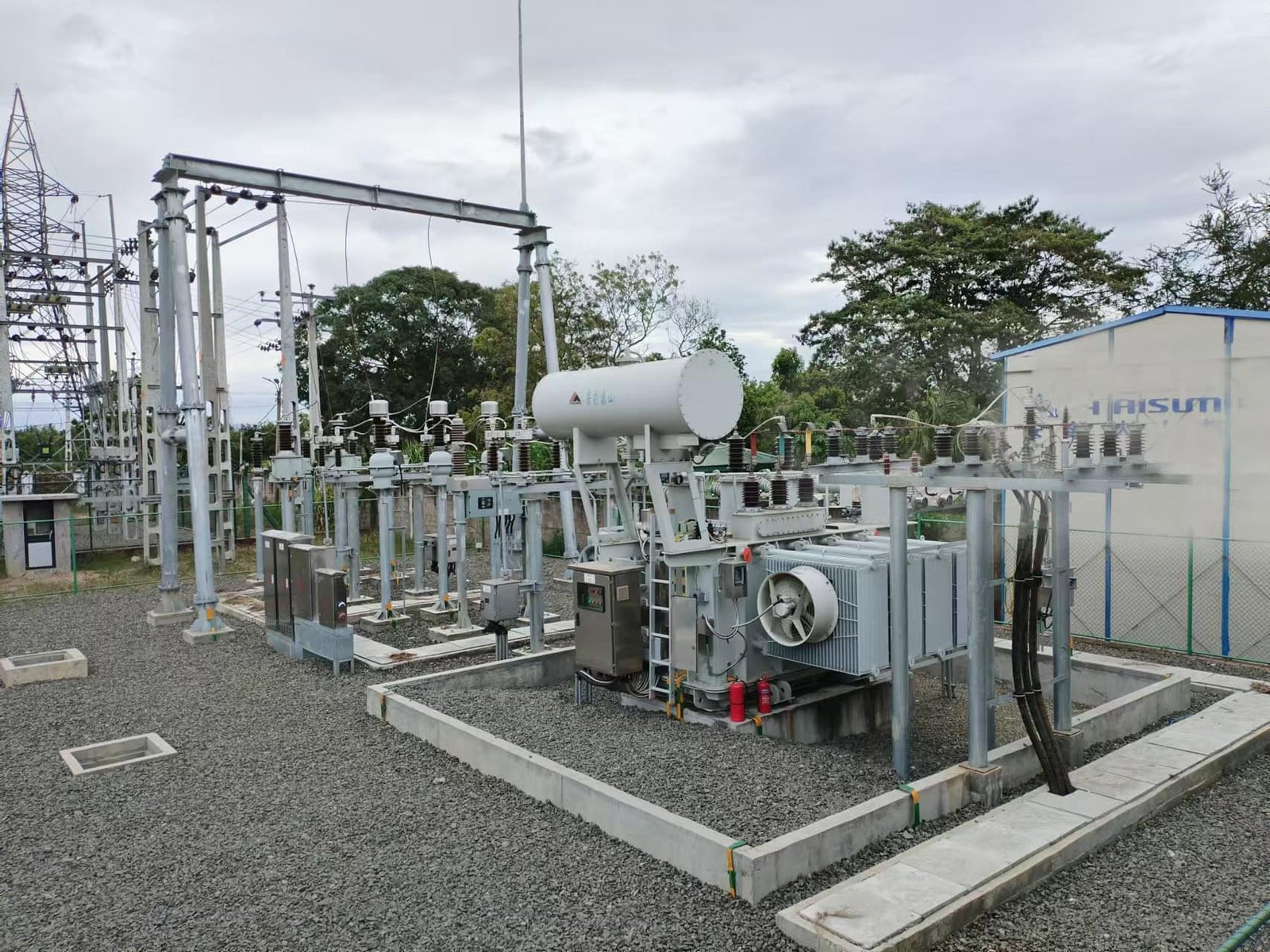
Environmental conditions have a direct impact on the materials, protection systems, and long-term reliability of power transformers. Transformers installed in harsh environments such as coastal areas, deserts, tropical regions, industrial plants, and high-pollution zones face increased risks from moisture, corrosion, dust, chemical contamination, temperature variations, and insulation stress. If these factors are not considered during transformer design, material degradation, insulation failure, overheating, and premature equipment replacement may occur.
Environmental conditions impact power transformer materials and protection systems by influencing the selection of insulation materials, transformer oil, tank coatings, sealing systems, bushings, cooling components, and enclosure protection levels. Buyers should evaluate humidity, pollution, corrosion exposure, temperature range, and installation environment to ensure the transformer uses suitable materials and protection measures for reliable operation and extended service life.
Environmental conditions influence the selection of transformer materials and protection systems.True
Moisture, pollutants, and corrosive environments affect insulation, metal components, coatings, and accessories.
Standard transformer materials are suitable for all environmental conditions without modification.False
Harsh environments often require customized materials, coatings, insulation systems, and protection designs.
Corrosion-resistant materials and coatings can improve transformer durability in coastal and industrial environments.True
Protective materials reduce damage caused by salt, chemicals, and moisture exposure.
Power transformer reliability depends not only on electrical design but also on environmental adaptation. The transformer tank, windings, insulation system, oil, bushings, cooling equipment, and control accessories must work together under actual site conditions. Professional manufacturers evaluate environmental risks during engineering design and apply appropriate protection strategies to maintain performance throughout the transformer’s operating life.
Why Do Environmental Conditions Affect Transformer Materials?
Power transformers contain many materials that are sensitive to environmental stress.
Main transformer materials include:
| Component | Material Function | Environmental Risk |
|---|---|---|
| Transformer oil | Cooling and insulation | Moisture and oxidation |
| Cellulose insulation | Electrical insulation | Humidity and temperature aging |
| Steel tank | Mechanical protection | Corrosion |
| Copper windings | Electrical conduction | Thermal stress |
| Rubber seals | Prevent leakage | Aging and chemical attack |
| Bushings | Electrical isolation | Pollution and moisture |
The selection of these materials must consider the installation environment rather than only electrical requirements.
How Does Humidity Affect Transformer Materials?
Humidity is one of the most common environmental risks affecting transformer reliability.
Moisture can enter transformers through:
- Breathing cycles
- Damaged seals
- Improper storage
- Condensation
- High-humidity environments
The effects include:
| Affected Material | Humidity Impact |
|---|---|
| Paper insulation | Reduced mechanical strength |
| Pressboard insulation | Lower dielectric performance |
| Transformer oil | Reduced insulation quality |
| Metal components | Increased corrosion |
| Control equipment | Electrical malfunction risk |
High humidity requires improved moisture protection systems.
How Does Moisture Damage Transformer Insulation Systems?
Transformer insulation systems rely on solid insulation and oil to withstand electrical stress.
Moisture can cause:
| Problem | Result |
|---|---|
| Lower insulation resistance | Higher failure risk |
| Reduced dielectric strength | Possible breakdown |
| Faster cellulose aging | Shorter transformer life |
| Increased partial discharge risk | Reduced reliability |
To address moisture risks, manufacturers may use:
- Improved tank sealing
- Hermetically sealed designs
- Advanced oil preservation systems
- Better breather technology
How Does Temperature Affect Transformer Material Selection?
Temperature affects nearly every transformer material.
High temperatures accelerate:
- Insulation aging
- Oil oxidation
- Seal deterioration
- Coating degradation
| Material | High Temperature Effect |
|---|---|
| Cellulose insulation | Faster aging |
| Transformer oil | Increased oxidation |
| Rubber seals | Loss of elasticity |
| Coatings | Reduced durability |
Therefore, transformers operating in hot climates require materials with appropriate thermal ratings.
How Does Pollution Influence Transformer Insulation Materials?
Pollution affects mainly external insulation components.
Common pollutants include:
- Industrial dust
- Salt particles
- Chemical gases
- Smoke
- Agricultural contamination
Pollution can create conductive layers on insulation surfaces.
| Pollution Effect | Transformer Risk |
|---|---|
| Increased leakage current | Surface discharge |
| Reduced insulation margin | Flashover |
| Contaminated bushings | Reliability problems |
| External tracking | Insulation damage |
This requires careful selection of bushings and insulation materials.
How Does Pollution Affect Transformer Bushings?
Bushings are among the most environmentally exposed transformer components.
Environmental conditions influence:
| Bushing Feature | Purpose |
|---|---|
| Insulation material | Maintain dielectric strength |
| Creepage distance | Resist contamination |
| Surface design | Reduce moisture accumulation |
| Housing material | Improve weather resistance |
For polluted environments, buyers may require:
- Longer creepage distance
- Silicone rubber insulation
- Higher pollution-class bushings
- Improved sealing
How Does Corrosion Affect Power Transformer Materials?
Corrosion is a major concern for transformers installed near:
- Oceans
- Chemical plants
- Industrial areas
- Mining facilities
Corrosion can damage:
| Component | Corrosion Effect |
|---|---|
| Transformer tank | Metal weakening |
| Radiators | Reduced heat transfer |
| Bolts and hardware | Mechanical deterioration |
| Control cabinets | Electrical failures |
| Accessories | Reduced service life |
Corrosion protection should be included in the original transformer specification.
What Corrosion Protection Materials Are Used for Transformers?
Manufacturers use different protection methods depending on environmental severity.
| Protection Method | Application |
|---|---|
| Multi-layer paint coating | Outdoor tank protection |
| Epoxy coating | Chemical resistance |
| Zinc-rich primer | Corrosion prevention |
| Stainless steel hardware | Salt resistance |
| Weather-resistant seals | Moisture prevention |
Severe environments may require customized coating systems.
How Do Coastal Conditions Influence Transformer Protection Systems?
Coastal environments combine multiple challenges:
- Salt spray
- High humidity
- Wind exposure
- Corrosive atmosphere
Recommended protection measures include:
| Design Feature | Benefit |
|---|---|
| Anti-corrosion coating | Protects tank surfaces |
| Stainless components | Prevents rust |
| Sealed accessories | Blocks moisture |
| Marine-grade materials | Improves durability |
| Pollution-resistant insulation | Reduces flashover risk |
Coastal transformer designs often require higher protection levels than standard outdoor transformers.
How Do Industrial Environments Affect Transformer Materials?
Industrial facilities may expose transformers to aggressive substances.
Examples include:
- Chemical vapors
- Metal dust
- Oil mist
- High mechanical vibration
Potential material impacts:
| Environmental Exposure | Material Damage |
|---|---|
| Chemical gases | Coating deterioration |
| Dust | Cooling blockage |
| Vibration | Seal damage |
| Heat | Insulation aging |
Industrial transformers often require stronger mechanical and environmental protection.
How Do Environmental Conditions Influence Transformer Protection Systems?
Protection systems must prevent environmental damage and maintain safe operation.
Key protection systems include:
| Protection System | Environmental Purpose |
|---|---|
| Sealing system | Prevent moisture entry |
| Breather system | Control oil moisture |
| Coating system | Prevent corrosion |
| Enclosure protection | Block dust and water |
| Insulation system | Resist contamination |
A transformer protection system should be designed as an integrated solution.
How Do Enclosure Protection Ratings Affect Transformer Selection?
Outdoor transformers require suitable protection against environmental exposure.
Important considerations include:
| Environmental Condition | Required Protection |
|---|---|
| Rain exposure | Weather-resistant enclosure |
| Dust environment | Improved sealing |
| Industrial pollution | Enhanced protection |
| Coastal conditions | Corrosion-resistant enclosure |
Protection levels should match the actual installation environment.
How Do Environmental Conditions Affect Cooling System Materials?
Cooling components are also affected by environmental exposure.
Important components include:
| Component | Environmental Concern |
|---|---|
| Radiators | Corrosion and contamination |
| Fans | Dust and moisture |
| Pumps | Mechanical reliability |
| Cooling controls | Temperature exposure |
For harsh environments, cooling equipment may require additional protection.
How Should Buyers Specify Environmental Requirements?
Buyers should provide complete environmental information before ordering.
Important specifications include:
| Requirement | Reason |
|---|---|
| Installation location | Define environmental risks |
| Temperature range | Select materials and cooling |
| Humidity level | Determine moisture protection |
| Pollution level | Select insulation system |
| Corrosion severity | Choose coatings |
| Indoor/outdoor use | Define enclosure requirements |
Accurate information helps suppliers avoid unsuitable designs.
What Documents Should Buyers Review From Transformer Manufacturers?
Buyers should request technical documentation covering environmental protection.
| Document | Purpose |
|---|---|
| Transformer specification sheet | Confirm design parameters |
| Material specification | Verify component quality |
| Coating system report | Evaluate corrosion protection |
| Insulation design documents | Confirm reliability |
| Factory test reports | Verify performance |
Documentation provides confidence before purchase.
How Are Environmental Protection Measures Verified During Testing?
Testing confirms whether the transformer design meets environmental requirements.
Relevant inspections include:
| Test | Purpose |
|---|---|
| Insulation resistance test | Verify insulation quality |
| Temperature rise test | Confirm thermal performance |
| Oil quality test | Check insulation medium |
| Coating inspection | Verify corrosion protection |
| Sealing inspection | Confirm moisture resistance |
For special environments, additional tests may be required.
What Mistakes Should Buyers Avoid?
Common mistakes include:
| Mistake | Consequence |
|---|---|
| Selecting standard materials for harsh environments | Faster degradation |
| Ignoring humidity conditions | Insulation problems |
| Underestimating corrosion risk | Structural damage |
| Choosing unsuitable bushings | Flashover risk |
| Not defining environmental requirements | Incorrect transformer design |
Environmental specifications should be finalized before contract approval.
How Can Buyers Improve Transformer Reliability Through Material and Protection Selection?
A reliable selection process includes:
- Evaluate environmental conditions.
- Identify humidity, pollution, and corrosion risks.
- Select suitable materials.
- Define insulation requirements.
- Specify corrosion protection.
- Review supplier engineering documents.
- Verify testing results.
This approach reduces operational risks and improves transformer lifecycle performance.
How Can Buyers Select Power Transformers Suitable for Specific Environmental Conditions?

Selecting a power transformer suitable for specific environmental conditions is essential for ensuring safe operation, stable performance, and long service life. Many transformer failures are not caused by incorrect electrical ratings but by unsuitable environmental designs. A transformer installed in a coastal area may suffer from salt corrosion, a transformer in a desert region may face overheating and dust accumulation, and a transformer in a tropical climate may experience moisture-related insulation problems. Choosing a standard transformer without considering the installation environment can result in reduced efficiency, increased maintenance costs, and unexpected downtime.
Buyers can select power transformers suitable for specific environmental conditions by evaluating climate temperature, humidity, altitude, pollution level, corrosion risk, installation location, cooling requirements, insulation standards, material protection, and supplier design capability. The correct transformer specification should match the actual operating environment through customized cooling systems, insulation designs, corrosion-resistant materials, protective coatings, and environmental testing.
Power transformer specifications should be customized according to installation environmental conditions.True
Temperature, humidity, pollution, and corrosion exposure directly affect transformer materials and operating performance.
A transformer designed for a standard indoor environment can always be used outdoors without modification.False
Outdoor applications require additional protection against moisture, pollution, temperature variation, and corrosion.
Cooling, insulation, and material selection are important factors when adapting transformers to harsh environments.True
Environmental conditions influence thermal performance, dielectric strength, and equipment durability.
A reliable transformer selection process begins with understanding the installation site rather than simply comparing transformer prices or standard product models. Experienced manufacturers analyze environmental factors together with electrical requirements to determine suitable transformer construction, protection systems, and operating limits. Buyers who define environmental requirements clearly at the beginning of a project can significantly reduce operational risks.
Why Should Buyers Consider Environmental Conditions Before Selecting Transformers?
Power transformers operate continuously under electrical, thermal, and mechanical stress. Environmental conditions influence how effectively the transformer can release heat, maintain insulation strength, and resist physical degradation.
Important environmental factors include:
| Environmental Factor | Transformer Design Impact |
|---|---|
| Ambient temperature | Determines cooling capability and loading limits |
| Humidity | Influences insulation and moisture protection |
| Altitude | Affects cooling efficiency and insulation coordination |
| Pollution level | Determines external insulation requirements |
| Corrosion exposure | Determines material and coating selection |
| Installation location | Defines enclosure and protection needs |
A transformer suitable for one environment may not be suitable for another.
How Should Buyers Evaluate Ambient Temperature Conditions?
Ambient temperature is one of the most important transformer design parameters.
High temperatures reduce the ability of transformers to dissipate heat.
| Temperature Condition | Required Design Consideration |
|---|---|
| Moderate climate | Standard cooling design |
| High-temperature region | Enhanced cooling capacity |
| Desert climate | Larger heat dissipation margin |
| Extreme temperature variation | Improved thermal design |
Buyers should provide:
- Maximum operating temperature
- Minimum operating temperature
- Average annual temperature
- Seasonal temperature changes
This information helps manufacturers determine:
- Cooling system requirements
- Temperature rise limits
- Allowable loading capacity
How Do Hot Climate Conditions Affect Transformer Selection?
Transformers installed in hot environments require stronger thermal management.
Common hot climate challenges include:
- Reduced cooling efficiency
- Higher winding temperature
- Faster insulation aging
- Increased oil oxidation
Recommended design solutions include:
| Challenge | Transformer Solution |
|---|---|
| Excessive heat | Larger radiators |
| High continuous load | Forced cooling |
| High oil temperature | Improved oil circulation |
| Solar exposure | Heat-resistant coatings |
Cooling method selection becomes especially important in hot regions.
How Should Buyers Select Cooling Systems for Different Environments?
Cooling systems must match environmental conditions and transformer capacity.
| Cooling Method | Suitable Application |
|---|---|
| ONAN | Normal environments with moderate temperature |
| ONAF | Higher load or warmer climates |
| OFAF | Large transformers requiring enhanced cooling |
| OFWF | Applications with available water cooling |
For high-temperature or high-load applications, buyers should avoid selecting cooling systems based only on standard capacity.
How Does Humidity Influence Transformer Selection?
Humidity affects insulation reliability and material durability.
High humidity environments require protection against:
- Moisture absorption
- Condensation
- Insulation degradation
- Corrosion
| Humid Environment Requirement | Recommended Design |
|---|---|
| Moisture prevention | Improved sealing |
| Oil protection | Advanced breather systems |
| Outdoor installation | Weather-resistant enclosure |
| Tropical climate | Moisture-resistant materials |
Buyers should evaluate whether the transformer requires:
- Hermetically sealed design
- Nitrogen protection
- Moisture monitoring systems
How Should Buyers Select Transformers for Tropical Regions?
Tropical environments typically combine:
- High temperature
- High humidity
- Heavy rainfall
- Biological contamination
Recommended specifications include:
| Requirement | Design Feature |
|---|---|
| Heat resistance | Enhanced cooling |
| Moisture resistance | Sealed structure |
| Corrosion protection | Special coatings |
| Pollution resistance | Improved insulation |
Tropical transformer selection requires evaluating both thermal and moisture-related risks.
How Does Installation Altitude Affect Transformer Selection?
Altitude affects both cooling and insulation performance.
At higher elevations:
- Air density decreases.
- Natural cooling becomes less effective.
- External insulation performance changes.
| Altitude Effect | Required Adjustment |
|---|---|
| Reduced cooling | Capacity correction or stronger cooling |
| Lower air pressure | Increased insulation consideration |
| High-altitude operation | Special design verification |
Buyers should provide installation altitude during technical specification discussions.
How Should Buyers Select Transformers for Coastal Areas?
Coastal environments create severe corrosion challenges due to:
- Salt spray
- High humidity
- Marine atmosphere
Important protection measures include:
| Coastal Risk | Recommended Protection |
|---|---|
| Salt corrosion | Anti-corrosion coating |
| Moisture exposure | Sealed accessories |
| Pollution deposits | Higher insulation level |
| Outdoor installation | Weather-resistant enclosure |
Coastal transformers often require upgraded materials compared with standard outdoor units.
How Does Pollution Level Affect Transformer Selection?
Pollution affects external insulation performance.
Common pollution sources include:
- Industrial emissions
- Salt deposits
- Dust
- Chemical particles
| Pollution Level | Required Transformer Feature |
|---|---|
| Low pollution | Standard insulation |
| Medium pollution | Increased creepage distance |
| High pollution | Special bushings and insulation |
Buyers should specify pollution classification according to the installation environment.
How Should Buyers Select Transformers for Industrial Environments?
Industrial facilities may expose transformers to:
- Chemical gases
- Dust
- Oil mist
- Mechanical vibration
Recommended considerations include:
| Industrial Risk | Design Solution |
|---|---|
| Chemical exposure | Resistant coatings |
| Dust contamination | Improved sealing |
| Heavy operation | Enhanced cooling |
| Vibration | Strong mechanical construction |
Industrial transformers often require customized protection systems.
How Does Corrosion Risk Influence Transformer Material Selection?
Corrosion affects transformer tanks, accessories, and structural components.
Buyers should review:
| Component | Recommended Protection |
|---|---|
| Transformer tank | Multi-layer coating |
| Hardware | Stainless steel materials |
| Radiators | Corrosion-resistant treatment |
| Control cabinets | Weather protection |
| Seals | Chemical-resistant materials |
Material selection should match environmental severity.
How Should Buyers Evaluate Transformer Insulation Requirements?
Environmental conditions influence insulation design.
Important insulation factors include:
| Parameter | Environmental Relationship |
|---|---|
| Creepage distance | Pollution resistance |
| Insulation level | Altitude and voltage stress |
| Bushing design | Outdoor reliability |
| Solid insulation | Moisture resistance |
Buyers should confirm insulation requirements with supplier calculations.
How Should Buyers Select Transformer Protection Systems?
Protection systems should be matched with environmental risks.
| Protection System | Purpose |
|---|---|
| Breather system | Control moisture |
| Sealing system | Prevent water entry |
| Coating system | Resist corrosion |
| Enclosure protection | Block dust and rain |
| Monitoring system | Detect environmental impact |
A complete protection strategy improves transformer reliability.
What Environmental Information Should Buyers Provide to Manufacturers?
Accurate site information is essential.
Buyers should provide:
| Information | Reason |
|---|---|
| Installation location | Identify environmental risks |
| Temperature range | Select cooling design |
| Humidity level | Determine moisture protection |
| Altitude | Adjust insulation and thermal design |
| Pollution level | Select insulation system |
| Corrosion conditions | Choose materials and coatings |
Incomplete environmental information may lead to incorrect transformer selection.
What Questions Should Buyers Ask Transformer Suppliers?
Before purchasing, buyers should ask:
| Question | Purpose |
|---|---|
| Is this transformer suitable for my climate? | Confirm environmental compatibility |
| What cooling system is recommended? | Verify thermal design |
| What corrosion protection is included? | Evaluate durability |
| What insulation level is provided? | Confirm reliability |
| Are environmental tests available? | Verify performance |
Qualified suppliers should provide engineering explanations, not only product prices.
How Can Buyers Verify Environmental Design Quality?
Buyers should review:
| Verification Method | Purpose |
|---|---|
| Technical drawings | Confirm design features |
| Material certificates | Verify component quality |
| Factory test reports | Confirm performance |
| Environmental protection specifications | Check suitability |
| Third-party inspection | Reduce project risk |
Testing and documentation provide confidence before installation.
What Common Mistakes Should Buyers Avoid?
| Mistake | Possible Consequence |
|---|---|
| Choosing transformers only by electrical ratings | Environmental failure risk |
| Ignoring climate conditions | Reduced service life |
| Selecting insufficient cooling | Overheating |
| Neglecting corrosion protection | Structural damage |
| Using unsuitable insulation | Flashover risk |
Environmental evaluation should be part of transformer procurement.
How Can Buyers Develop a Reliable Transformer Selection Process?
A practical selection process includes:
- Analyze installation environment.
- Define climate and pollution conditions.
- Determine cooling requirements.
- Select suitable materials and coatings.
- Confirm insulation design.
- Review supplier engineering documents.
- Verify factory testing.
This method helps ensure that the transformer performs reliably throughout its expected lifespan.
Conclusion
Environmental conditions are essential considerations when selecting and designing power transformers because they directly influence performance, reliability, and service life. Temperature, altitude, humidity, pollution, corrosion, and installation location all affect transformer cooling, insulation requirements, material selection, and protection features. Buyers should provide accurate environmental information during the specification process and work with experienced manufacturers to ensure the transformer design matches actual operating conditions. By selecting transformers designed for their specific environment, organizations can achieve safer operation, lower maintenance costs, and dependable power system performance over the equipment lifecycle.
FAQ
Q1: How do environmental conditions influence power transformer specifications?
Environmental conditions significantly influence power transformer specifications because transformers must be designed to operate safely and reliably under their intended installation conditions.
A transformer designed for a standard indoor environment may not perform properly in locations with extreme temperatures, high altitude, humidity, pollution, or corrosive conditions. Therefore, buyers must consider environmental factors during the specification stage.
Important environmental factors include:
Ambient temperature
Installation altitude
Humidity levels
Coastal salt exposure
Industrial pollution
Dust and contamination
Outdoor weather conditions
Seismic requirements
These conditions affect key transformer specifications, including:
Cooling system design
Insulation levels
Material selection
Enclosure protection
Load capacity
Protection systems
Maintenance requirements
For example, a transformer installed in a hot climate may require enhanced cooling capacity, while a transformer installed at high altitude may require insulation adjustments due to reduced air density.
Environmental requirements should be clearly defined in transformer purchase specifications to ensure the equipment achieves its expected service life.
Q2: How does ambient temperature affect transformer design and ratings?
Ambient temperature directly affects transformer thermal performance because transformers generate heat during operation.
Transformer losses come mainly from:
Core losses
Winding copper losses
The cooling system must remove this heat to maintain acceptable operating temperatures.
In high-temperature environments:
Cooling efficiency decreases
Oil temperature rises faster
Insulation aging accelerates
Load capacity may decrease
To address high ambient temperatures, manufacturers may modify transformer specifications by adding:
Enhanced Cooling Systems
Examples:
Larger radiators
Additional cooling fans
Improved oil circulation
Higher Temperature Insulation Materials
These materials allow transformers to operate safely at higher temperatures.
Derating Considerations
A transformer may need a reduced load rating if the ambient temperature exceeds standard design conditions.
Buyers should provide expected maximum and average ambient temperatures when specifying transformers.
Q3: How does installation altitude affect power transformer specifications?
Altitude affects transformer performance because air density decreases at higher elevations.
At high altitudes:
Cooling by air becomes less effective
External insulation strength decreases
Heat dissipation capability is reduced
For installations above approximately 1,000 meters, transformer designs may require adjustments.
Possible modifications include:
Improved Cooling Design
Manufacturers may increase:
Radiator size
Cooling airflow
Heat dissipation capacity
Insulation Adjustments
Higher insulation clearances may be required to maintain dielectric performance.
Reduced Loading
Some transformers may require derating if no design modifications are applied.
High-altitude applications are common in:
Mountain regions
Mining operations
Hydropower plants
Remote substations
Buyers should specify installation altitude during the design phase.
Q4: How do humidity and moisture affect transformer specifications?
Humidity and moisture can negatively affect transformer insulation systems and long-term reliability.
Moisture may cause:
Reduced insulation strength
Accelerated insulation aging
Oil degradation
Corrosion of metal components
For humid environments, transformers may require:
Improved Sealing
Protection against:
Moisture entry
Condensation
Water contamination
Enhanced Insulation Protection
Including:
Better insulation materials
Moisture-resistant components
Specialized Accessories
Examples:
Breathers with silica gel
Oil preservation systems
Moisture monitoring devices
Outdoor transformers in tropical or rainy climates often require additional environmental protection compared with standard indoor installations.
Q5: How do coastal environments influence transformer specifications?
Coastal areas create challenging operating conditions because salt particles in the air can accelerate corrosion and insulation contamination.
Common risks include:
Corrosion of metal surfaces
Rust formation
Reduced insulation performance
Increased maintenance requirements
Transformers installed near the coast may require:
Corrosion Protection
Including:
Special paint systems
Stainless steel components
Protective coatings
Improved Enclosures
Outdoor transformer tanks and accessories may require enhanced protection against salt exposure.
Insulation Considerations
External insulation components may require:
Increased creepage distance
Anti-pollution designs
Coastal transformer specifications should consider distance from the sea, salt concentration, and local weather conditions.
Q6: How does pollution affect transformer design requirements?
Industrial pollution and dust can reduce transformer reliability, especially for outdoor installations.
Pollutants may include:
Industrial chemicals
Dust particles
Smoke
Conductive contaminants
These contaminants can accumulate on external insulation surfaces and increase the risk of:
Flashover
Insulation failure
Surface tracking
To handle polluted environments, transformers may require:
Higher Insulation Levels
Including:
Increased creepage distances
Special insulator designs
Protective Coatings
Used to reduce contamination effects.
Regular Maintenance Planning
Including:
Cleaning schedules
Inspection programs
Pollution levels should be considered when selecting transformer insulation and protection systems.
Q7: How do environmental conditions affect transformer cooling methods?
Environmental conditions influence the selection of transformer cooling systems because heat dissipation depends on surrounding conditions.
Common transformer cooling methods include:
ONAN (Oil Natural Air Natural)
ONAF (Oil Natural Air Forced)
OFAF (Oil Forced Air Forced)
Environmental factors affecting cooling selection include:
High Temperature
Requires stronger cooling capacity.
Limited Airflow
May require forced cooling.
Indoor Installation
May require ventilation system design.
Dusty Environments
May require protected cooling equipment.
For example:
A small transformer in a mild climate may use natural cooling.
A large transformer in a hot industrial area may require forced cooling.
Proper cooling selection prevents overheating and improves transformer lifespan.
Q8: What environmental information should buyers provide when ordering power transformers?
Buyers should provide detailed environmental information to ensure suppliers design suitable transformers.
Important information includes:
Location Data
Installation country and region
Indoor or outdoor installation
Climate Conditions
Maximum temperature
Minimum temperature
Average humidity
Rainfall conditions
Site Conditions
Altitude
Pollution level
Coastal exposure
Dust conditions
Mechanical Conditions
Wind loading
Seismic requirements
Transportation limitations
Operating Requirements
Expected load profile
Continuous or intermittent operation
Providing accurate environmental data helps manufacturers select the correct:
Cooling system
Insulation level
Materials
Protection features
Transformer rating
This reduces operational risks and improves long-term transformer reliability.
References
IEC 60076 – Power Transformers
https://webstore.iec.ch/publication/602
IEC 60076-2 – Temperature Rise for Power Transformers
https://webstore.iec.ch/publication/603
IEEE C57 Series – Power Transformer Standards
https://standards.ieee.org
U.S. Department of Energy – Transformer Efficiency and Reliability Resources
https://www.energy.gov