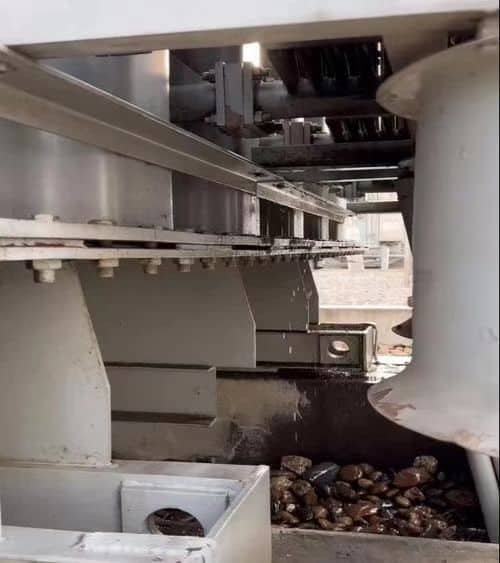
Oil-immersed transformers rely on insulating oil for cooling and dielectric strength. However, when transformer oil leaks into the environment, it can pose several ecological, safety, and regulatory risks. Understanding these risks is essential for utilities, industries, and maintenance teams to prevent environmental damage and comply with environmental protection standards.
How Does Leaking Oil Contaminate Soil and Groundwater?
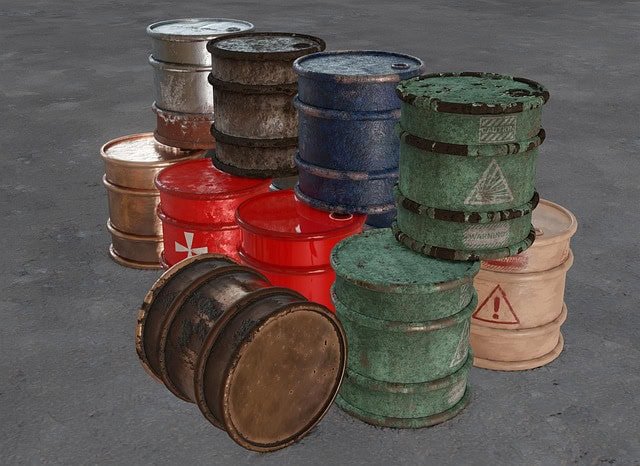
Oil leakage from power transformers—whether mineral oil, silicon oil, or biodegradable ester—creates significant environmental risk. Once released, transformer oil can migrate through soil layers, contaminate groundwater, and introduce persistent hydrocarbons that are difficult and expensive to remediate. Understanding the contamination mechanism helps facilities evaluate risk and implement effective prevention.
1. Oil First Spreads Across the Soil Surface and Begins Penetration
When transformer oil leaks, it initially:
- Spreads horizontally due to surface tension
- Begins percolating downward through soil pores
- Displaces air in the soil matrix
Soils with high permeability (sand, gravel) allow faster penetration, while clays slow movement but retain oil longer.
What happens at this stage?
- Hydrocarbons coat soil particles
- Microbial activity decreases
- Soil loses capacity for plant root development
This is the first step toward larger-scale contamination.
2. Oil Migrates Downward and Forms a Contamination Plume
Once below the surface, transformer oil migrates under gravity and may form a vertical contamination plume. The rate depends on soil structure and the viscosity of the oil.
Key factors:
- Light fractions move faster
- Heavier fractions accumulate in upper layers
- Oil follows natural water flow paths in the soil
This plume eventually spreads until it encounters a barrier, such as:
- A clay layer
- Bedrock
- The saturated groundwater zone
3. Oil Reaches the Water Table and Floats as a Surface Film
Transformer oil is less dense than water, so once it reaches the groundwater table, it floats on top.
This causes:
Light Non-Aqueous Phase Liquid (LNAPL) formation
- Oil acts as a floating layer above groundwater
- It can migrate horizontally with groundwater flow
- It spreads contamination far beyond the leak location
This is one of the most dangerous contamination pathways.
4. Dissolved Hydrocarbon Compounds Spread Through Groundwater
Although transformer oil itself is not very soluble, some components do dissolve in groundwater:
- Aromatic hydrocarbons
- Additives
- Degraded byproducts
These dissolved contaminants can:
- Travel long distances through aquifers
- Enter drinking water wells
- Affect agricultural water supplies
Even low concentrations can create health risks or soil toxicity.
5. Soil and Groundwater Ecosystems Are Disrupted
Contaminated soil loses:
- Nutrient balance
- Microbial life
- Plant root compatibility
Groundwater suffers from:
- Reduced oxygen levels
- Toxicity to microorganisms
- Long-term persistence of hydrocarbons
Transformer oil contamination may remain detectable for decades without remediation.
6. Remediation Is Difficult and Expensive
Once oil penetrates subsurface layers:
- Excavation becomes costly
- Pump-and-treat systems may be required
- Bio-remediation can take years
- Monitoring wells are needed for decades
For utilities, cleanup costs often exceed the value of the transformer itself.
What Are the Ecological Impacts on Plants, Animals, and Aquatic Life?
Transformer oil leaks—whether from mineral oil, synthetic fluids, or esters—can severely disrupt ecosystems once they reach soil, surface water, or groundwater. The ecological impact extends across plant life, terrestrial animals, and aquatic ecosystems, often with long-term consequences due to the persistence of hydrocarbons and additives.
Impacts on Plant Life
When transformer oil contaminates soil, plants are among the first organisms to be affected. Oil forms a barrier around soil particles, reducing air and water availability. This leads to several consequences:
- Reduced germination and stunted growth because roots cannot absorb sufficient oxygen or moisture.
- Root toxicity caused by hydrocarbons and additives that interfere with nutrient uptake.
- Disrupted soil microbial communities that support plant nutrient cycles, leading to depleted soil fertility.
- Leaf chlorosis and necrosis if oil is absorbed through the root system and transported upward.
- Long-term soil infertility when contamination persists in the root zone for years.
Some plants may survive but exhibit poor vitality, while sensitive species may die off completely.
Impacts on Terrestrial Animals
Animals on contaminated land are exposed in multiple ways—direct contact, ingestion of polluted soil or vegetation, and consumption of contaminated water.
Key ecological impacts include:
- Toxicity from ingesting contaminated soil or plants, impairing liver, kidney, and neurological functions.
- Bioaccumulation of oil components (especially aromatic hydrocarbons) in fatty tissues.
- Reduced food availability, as vegetation becomes damaged or dies.
- Disruption of burrowing and soil-dependent species, such as insects, earthworms, and small mammals.
- Habitat abandonment when oil odors or toxicity make areas uninhabitable.
Predators may also be affected indirectly when their prey populations decline due to contamination.
Impacts on Aquatic Life
If transformer oil reaches rivers, lakes, ponds, or groundwater feeding aquatic systems, the effects can be severe:
- Surface film formation reduces oxygen exchange between air and water, leading to low dissolved oxygen levels.
- Toxicity to fish and amphibians, especially through gill exposure and ingestion of contaminated sediments.
- Smothering of aquatic plants that rely on light and oxygen.
- Harm to plankton and invertebrates, the foundation of the aquatic food chain.
- Bioaccumulation in fish, which can magnify toxicity through the entire ecosystem.
- Disruption of spawning habitats, as oil coats eggs or breeding grounds.
Even small spills can create lasting damage because oil persists in sediment, gradually releasing contaminants back into the water.
Long-Term Ecological Consequences
The damage caused by transformer oil spills can last for years or decades, depending on the volume spilled, soil characteristics, and proximity to water sources.
Long-term impacts include:
- Persistent soil toxicity affecting regrowth and reforestation.
- Altered species composition as sensitive organisms die off and tolerant species dominate.
- Disrupted food webs in both terrestrial and aquatic systems.
- Slow recovery of microbial communities essential for ecosystem balance.
- Ongoing contamination of groundwater used by plants, animals, and humans.
Without remediation, ecosystems may struggle to recover naturally.
How Do Oil Leaks Create Fire and Safety Hazards?
Transformer oil leaks are not only an environmental issue—they also pose significant fire and safety risks that can endanger personnel, equipment, and surrounding infrastructure. Because transformer oils are combustible and often operate near high-temperature components, even a small leak can escalate into a major hazard if not detected and controlled promptly.
Combustibility of Transformer Oil
Transformer oil—especially mineral oil—is a flammable hydrocarbon. When it leaks onto hot surfaces or electrical components, its properties create immediate danger:
- Low flash and fire points allow oil vapors to ignite when exposed to sparks, arcing, or high temperatures.
- Rapid vaporization on hot surfaces increases the concentration of combustible gases.
- High energy density of hydrocarbon oils supports sustained burning if ignition occurs.
A single ignition source—fault arc, switching operation, or even static discharge—can start a fire if oil is present.
Interaction With Electrical Faults and Arcing
Oil leaks often coincide with internal or external faults. When a leak reaches energized parts, it can create a dangerous feedback loop:
- Arcing can ignite leaking oil instantly, leading to flash fires or explosions.
- Short circuits caused by oil contamination increase heat, accelerating leakage and vaporization.
- Internal pressure buildup during electrical faults can eject oil forcefully, spreading flames further.
This combination of electrical energy and flammable fluid makes leakage extremely hazardous.
Pooling and Accumulation on Surfaces
Leaked oil commonly pools around the base of the transformer or spreads across cable trenches, creating extensive fire zones:
- Oil pools act as fuel reservoirs, allowing fires to burn hotter and longer.
- Horizontal spreads along floors or cable ducts enable flames to travel through facilities.
- Oil-soaked soil or equipment insulation becomes easily ignitable after prolonged exposure.
In indoor substations, leaks can turn even a small room into a high-risk environment.
Generation of Toxic and Dense Smoke
If leaked oil ignites, the resulting fire produces large volumes of harmful smoke:
- Dense black fumes reduce visibility and hinder evacuation or emergency response.
- Toxic gases such as carbon monoxide, sulfur compounds, and unburned hydrocarbons pose inhalation hazards.
- Corrosive combustion byproducts can damage nearby equipment even after the fire is extinguished.
This makes transformer oil fires both a safety and operational threat.
Risk of Secondary Explosions
Oil fires can escalate rapidly due to thermal expansion and pressure buildup:
- Heating causes oil to expand, increasing internal pressure in intact compartments.
- Relief devices may activate violently, releasing hot oil or vapor into surrounding areas.
- Tank ruptures become possible if the internal pressure rises too fast.
These secondary events can multiply the damage zone and extend fire duration.
Hazards to Personnel and Emergency Responders
Oil leaks expose personnel to several safety risks even before ignition:
- Slippery surfaces from leaked oil cause falls and injuries around high-voltage equipment.
- High-temperature oil spray during fault conditions can cause burns.
- Contaminated walkways and control panels increase the danger of accidental contact with energized components.
- Explosive atmospheres can form when oil vapors accumulate in poorly ventilated indoor substations.
Once a fire starts, evacuation becomes difficult and firefighting becomes extremely dangerous due to electrical and hydrocarbon risks.
Long-Term Safety Implications
If a leak is not addressed promptly, the transformer becomes an ongoing hazard:
- Progressive insulation degradation may lead to catastrophic failure.
- Repeated heating and cooling cycles accelerate leakage, increasing the probability of ignition.
- Nearby structures or vegetation may be exposed to fire risk if oil reaches them over time.
- Fire protection systems (e.g., deluge systems, containment pits) become insufficient when leakage is persistent.
Over time, even a slow leak can turn into a serious fire event.
Why Are PCB-Contaminated Oils a Significant Environmental Risk?
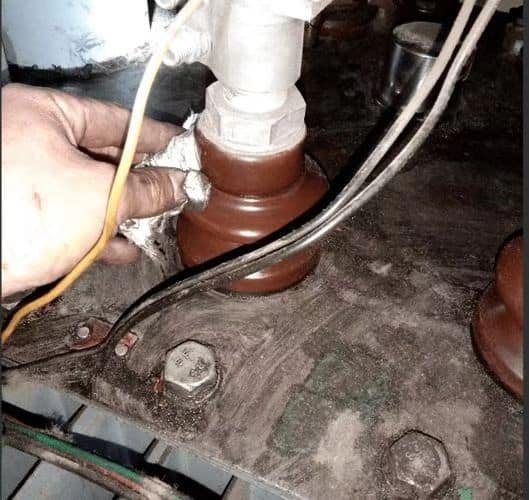
Polychlorinated biphenyls (PCBs) were once widely used in transformer oils for their excellent thermal and chemical stability. However, these same properties make them one of the most persistent and dangerous environmental contaminants ever produced. Even decades after global bans, PCB-contaminated oils remain a major environmental risk wherever old transformers, capacitors, and oil-handling systems are still in operation.
Extreme Persistence and Bioaccumulation in the Environment
PCBs do not break down easily. Their molecular structure—chlorinated aromatic rings—makes them resistant to heat, sunlight, and microbial degradation. As a result:
- They can remain in soil or water for decades.
- They travel long distances through air or water and spread far from the original contamination.
- They accumulate in the fatty tissues of organisms, moving up the food chain.
This means even a small oil spill can become a long-term ecological hazard with effects that persist for generations.
Toxicity to Humans and Wildlife
PCBs are classified as probable human carcinogens and are known to cause a wide range of health problems:
- Cancer risks, including liver and skin cancers.
- Hormone disruption, affecting reproduction and development.
- Immune system suppression.
- Neurological and cognitive impacts, especially in children.
- Liver damage from chronic exposure.
For wildlife, PCB exposure can lead to reproductive failure, immune deficiency, developmental delays, and population decline—especially in fish, birds, and mammals that accumulate high levels through biomagnification.
Contamination of Soil, Surface Water, and Groundwater
PCB-contaminated oil spills can migrate through the environment in several ways:
- Soils bind PCBs strongly, making cleanup difficult and expensive.
- Runoff carries PCBs to rivers and lakes, contaminating entire aquatic ecosystems.
- Leaching into groundwater can spread contamination to drinking water sources.
- Sediment binding in waterways creates persistent hotspots that can re-release PCBs during floods or dredging.
Once PCBs enter a natural system, they can remain a threat for decades without intervention.
High Ecological Impact Even at Low Concentrations
Unlike many contaminants, PCBs cause harm even in extremely small quantities:
- They disrupt endocrine systems at parts-per-billion (ppb) levels.
- Chronic low-level exposure leads to population-level effects in wildlife.
- PCBs accumulate over time, so even minor repeated discharges create large long-term burdens.
This makes them one of the most environmentally potent pollutants associated with electrical infrastructure.
Risk of Vapor Release and Indoor Contamination
PCBs may not be highly volatile, but they can still evaporate slowly:
- Indoor substations, storage rooms, and repair areas can accumulate airborne PCBs.
- Contaminated dust settles on equipment and clothing.
- Workers can be exposed through skin contact and inhalation, even without an obvious oil leak.
This creates a hidden occupational hazard in facilities that still handle older equipment.
Challenges in Disposal and Cleanup
PCB remediation is complicated, costly, and heavily regulated:
- Contaminated oils require specialized high-temperature incineration.
- PCB-contaminated transformer parts cannot be discarded as normal waste.
- Soil remediation often involves excavation or chemical treatment.
- Regulatory oversight increases disposal costs and compliance requirements.
For many utilities, the biggest long-term risk is not the transformer itself—but the legacy of contaminated waste.
Legal and Regulatory Consequences
Because of their toxicity and global environmental impact, PCBs are regulated under:
- The Stockholm Convention on persistent organic pollutants
- National regulations such as EPA TSCA (US), EU PCB directives, and many others
A leak or improper disposal can lead to:
- Strict reporting requirements
- Costly cleanup orders
- Legal penalties and liabilities
- Damage to corporate reputation
For this reason, even a suspected leak of PCB-containing oil is treated as an emergency.
Summary: A Legacy Hazard That Still Requires Vigilance
PCB-contaminated oils pose significant environmental risks because they are:
- Extremely persistent
- Highly toxic
- Bioaccumulative
- Difficult to clean up
- Regulated globally
- Dangerous to both ecosystems and human health
Utilities and industrial operators must manage these oils with the highest level of caution, especially when retiring or handling older transformers.
How Can Oil Leaks Lead to Legal, Regulatory, and Financial Penalties?
Oil leaks from transformers—especially those containing hazardous additives or occurring in sensitive environments—are not just technical failures. They can trigger serious legal, regulatory, and financial consequences for utilities, industrial operators, and facility owners. Modern environmental laws are strict, and authorities increasingly hold operators accountable for both preventing and responding to leaks. Even small spills can escalate quickly into costly liabilities.
1. Violations of Environmental Protection Laws and Regulations
Most countries classify transformer oil leaks as a form of environmental pollution. Depending on the region, spills may violate regulations such as:
- Environmental protection acts
- Hazardous substance handling laws
- Water and soil contamination regulations
- Waste management and chemical storage policies
Regulatory agencies can impose fines for:
- Failure to prevent leaks
- Delayed reporting
- Inadequate containment systems
- Insufficient cleanup measures
In severe cases, civil or even criminal penalties may apply, especially if negligence or repeated violations are documented.
2. Mandatory Reporting Requirements and Non-Compliance Penalties
Oil spills above specific quantities must be reported to local, regional, or national authorities. Failure to do so can result in:
- Additional fines
- Increased regulatory scrutiny
- Mandatory audits
- Suspension or revocation of operating permits
Some regions require immediate reporting for spills involving critical substances such as PCBs, or when the leak threatens waterways, groundwater, or public land.
Even unintentional delays can be considered non-compliance, adding significant legal and administrative consequences.
3. Liability for Environmental Cleanup and Remediation Costs
Cleanup and remediation often represent the largest financial burden associated with oil leaks. Costs can include:
- Excavation and disposal of contaminated soil
- Treatment or pumping of polluted groundwater
- Restoration of vegetation and wildlife habitat
- Hazardous waste processing for contaminated equipment
- Continuous monitoring and reporting for years after the incident
For PCB-contaminated oils, cleanup requirements are more stringent, and the responsible party may face high-cost hazardous waste disposal fees and long-term environmental liabilities.
4. Compensation Claims From Third Parties
Oil leaks that affect property, businesses, or public infrastructure can result in claims for:
- Property damage
- Business interruptions
- Loss of agricultural yield
- Contamination of water supplies
- Damage to fisheries or natural resources
Utilities and industrial operators may be held financially accountable even if the leak was accidental.
In some jurisdictions, strict liability laws mean the operator is responsible regardless of fault.
5. Increased Insurance Premiums and Deductible Costs
Insurance companies track environmental incidents closely. Oil leaks often lead to:
- Higher annual premiums
- Reduced coverage options
- Larger deductibles for future claims
- Mandatory corrective actions before policies can be renewed
Facilities with repeated spills may be considered high-risk, resulting in significantly increased long-term operational costs.
6. Temporary Shutdowns, Project Delays, and Operational Losses
Regulators may require a facility to:
- Shut down leak-affected equipment
- Conduct safety inspections
- Replace or repair transformers
- Install upgraded containment systems
These actions can disrupt operations for days or even months, causing financial losses that far exceed the cost of routine maintenance.
For critical infrastructure, such as utilities or industrial plants, downtime can also have regulatory or contractual implications.
7. Damage to Corporate Reputation and Stakeholder Trust
Oil spills—especially those involving environmental harm—can impact a company’s public image. Consequences include:
- Loss of community support
- Negative media coverage
- Strained relationships with regulators
- Reduced trust from customers and investors
In industries focused on ESG (Environmental, Social, and Governance) performance, a single leak can undermine years of sustainability efforts.
8. Long-Term Liability for Historic or Legacy Contamination
Authorities can hold current property owners or operators responsible for contamination caused by old equipment—even if they did not cause the original leak. This includes:
- PCB legacy contamination
- Abandoned transformer pads
- Previously unnoticed soil or groundwater pollution
Cleanup obligations can surface decades later, resulting in large, unexpected costs.
What Preventive Measures Can Reduce Environmental Risks from Oil Leaks?
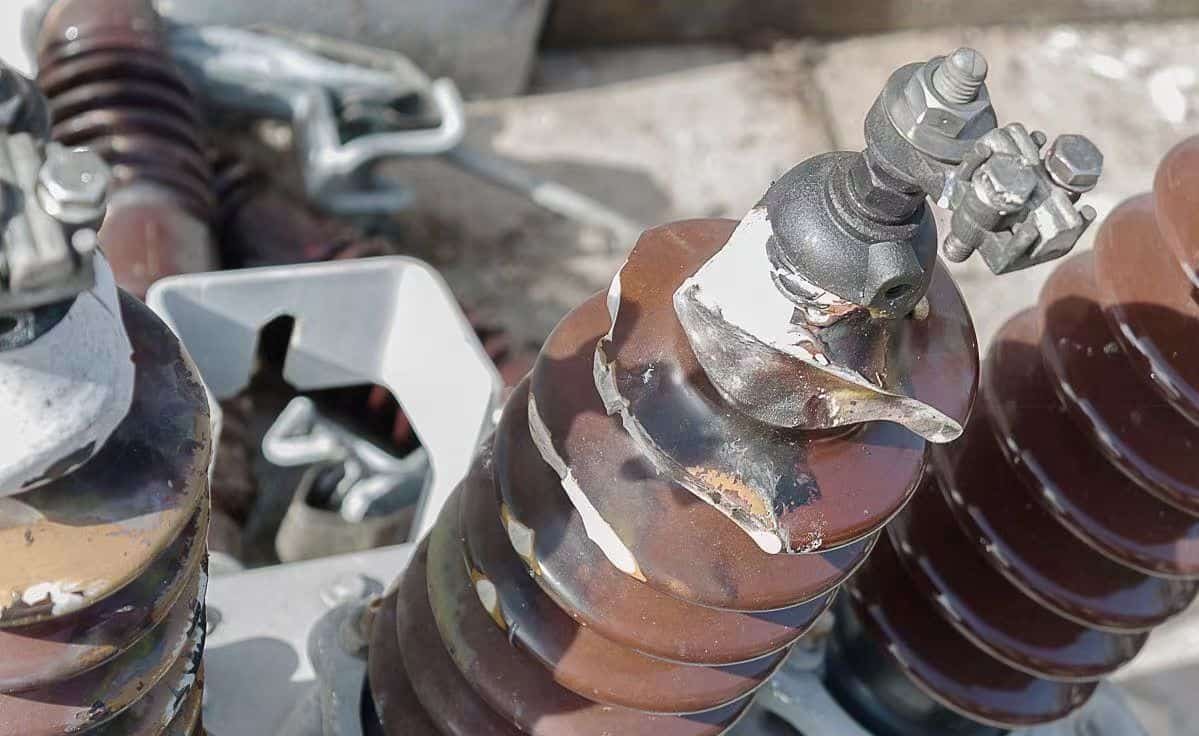
Transformer oil leaks pose significant environmental hazards, including soil contamination, groundwater pollution, harm to plant and animal life, and long-term ecological damage. Because these risks carry legal, regulatory, and financial consequences, operators must proactively implement preventive measures. Effective leak prevention involves a combination of engineering design, maintenance strategies, monitoring technologies, and emergency response planning.
1. Use of Robust Containment Systems
One of the strongest lines of defense against environmental contamination is a properly designed containment system, which can prevent leaked oil from entering soil or waterways. Common solutions include:
- Concrete bunds with sufficient volume to contain 110–130% of transformer oil capacity
- Oil-water separators to treat contaminated runoff
- Impermeable liners such as HDPE membranes under transformer pads
- Secondary containment tanks for mobile or temporary installations
- Sloped floors and drainage channels directing leaks into safe collection areas
These systems provide physical barriers that prevent leaks from spreading beyond the equipment footprint.
2. Regular Visual Inspections and Condition Assessment
Routine inspections help discover leaks early—before oil reaches the environment. Effective inspection programs include:
- Checking gaskets, seals, and bushing interfaces
- Inspecting radiators, valves, and flanges for seepage
- Monitoring corrosion on tanks or fittings
- Verifying tightness of bolts and mechanical connections
- Examining temperature indicators and pressure relief devices
Early detection allows corrective action long before the leak becomes environmentally significant.
3. Preventive Maintenance to Reduce Leak Risk
Maintenance tasks that significantly reduce leak likelihood include:
- Replacing aged gaskets and seals
- Tightening radiator connections and valve fittings
- Cleaning and repainting corroded surfaces
- Maintaining proper transformer pressure and nitrogen systems
- Ensuring breathers and moisture traps are functioning
- Performing oil sampling to detect contaminants or degradation
A structured preventative maintenance schedule minimizes the chance of mechanical failure leading to leaks.
4. Use of Biodegradable and Less Hazardous Oils
In environmentally sensitive areas, operators may choose:
- Natural ester oils (biodegradable, low toxicity)
- Synthetic ester oils (thermally stable, fire-resistant)
These alternatives significantly reduce environmental damage if leaks occur. Modern ester fluids also offer improved moisture tolerance and longer insulation life.
5. Installation of Leak Detection and Monitoring Systems
Advanced monitoring can identify leaks instantly. Technologies include:
- Oil level sensors
- Pressure monitoring for sealed-tank designs
- Smart monitoring systems integrated with SCADA
- Drip tray sensors
- Groundwater sampling wells near substations
Real-time monitoring reduces the time between leak initiation and containment action.
6. Proper Handling, Storage, and Filling Procedures
Human error is a major contributor to oil spills. Preventive measures include:
- Using drip trays during filling or draining
- Ensuring hoses and connectors are properly secured
- Training staff on spill prevention protocols
- Storing oil in approved containers with spill-proof systems
- Avoiding overfilling and pressure buildup
Following strict operational procedures dramatically lowers the risk of accidental leaks.
7. Corrosion Protection and Tank Coatings
Corrosion is one of the most common causes of transformer leaks. Preventive actions include:
- Applying anti-corrosion coatings
- Using corrosion-resistant materials for valves and piping
- Ensuring proper grounding to prevent galvanic corrosion
- Keeping the transformer base area clean and dry
This is especially important for coastal, humid, or chemical-polluted environments.
8. Emergency Spill Kits and Response Plans
Even with strong prevention, leaks can still occur. A rapid response minimizes environmental impact. Essential elements include:
- Absorbent pads and booms
- Sand or clay for ground containment
- Portable spill berms
- Training staff on emergency spill procedures
- A documented spill response plan
- Coordination with local environmental authorities
Fast containment often determines whether a leak becomes a minor event or a costly environmental incident.
Conclusion
Leaking transformer oil can contaminate soil and groundwater, harm ecosystems, and create severe fire hazards—especially if the oil contains hazardous substances like PCBs. Beyond environmental damage, leaks can trigger costly fines, cleanup requirements, and operational downtime. Effective prevention measures such as regular inspections, secondary containment systems, and immediate spill response protocols are essential to protecting both the environment and the reliability of the power grid.
FAQ
Q1: What are the environmental risks of leaking transformer oil?
Leaking transformer oil poses significant environmental risks because it can contaminate soil, groundwater, surface water, and nearby ecosystems. Although modern transformer oils are generally non-PCB mineral oils or ester fluids, they still contain hydrocarbons that can be harmful when released into the environment. Oil leaks can spread rapidly through soil and drain into water systems, creating long-term contamination that requires remediation.
Q2: How does transformer oil leakage affect soil and groundwater?
Oil that seeps into the ground can cause:
Hydrocarbon contamination of soil
Reduced soil fertility and microbial activity
Penetration into groundwater aquifers
Long-term persistence that requires excavation or bioremediation
Even small leaks can migrate several meters underground, leading to costly environmental cleanup and regulatory penalties.
Q3: How does leaking oil impact rivers, lakes, or stormwater systems?
If transformer oil reaches surface water, it can cause:
Oil film formation that blocks oxygen transfer
Toxicity to fish and aquatic organisms
Long-lasting harm to wetlands and breeding habitats
Contamination of water supplies and irrigation systems
Utilities must follow strict spill containment rules to prevent oil runoff during storms or floods.
Q4: Is transformer oil toxic to plants or animals?
Mineral transformer oil can harm plants by:
Blocking oxygen flow in soil
Inhibiting root growth
Preventing nutrient uptake
For animals, the impacts include:
Toxic ingestion if oil contaminates water or food sources
Skin and respiratory irritation
Long-term bioaccumulation risks for certain hydrocarbons
Biodegradable ester oils reduce risk but can still pollute water and soil if spilled in large quantities.
Q5: Are PCB-containing transformer oils still an environmental risk?
Older transformers (pre-1980s in many regions) may still contain PCB oils, which are:
Highly toxic
Persistent organic pollutants (POPs)
Harmful to humans, wildlife, and the food chain
Modern transformers use PCB-free oils, but any legacy equipment must be handled under strict regulatory oversight.
Q6: What are the regulatory and legal implications of an oil leak?
Environmental agencies typically require:
Immediate spill reporting
Containment and cleanup
Soil and water testing
Potential fines or penalties for non-compliance
Documentation and long-term monitoring
Sites like substations must use bunds, oil sumps, or containment trays to comply with standards such as IEC 61936, EPA SPCC rules, or regional environmental laws.
Q7: How can oil leaks from transformers be prevented?
Best practices include:
Routine inspection of gaskets, valves, and bushings
Installing oil leak detection sensors
Using secondary containment basins
Switching to ester-based biodegradable oils
Implementing predictive maintenance (DGA, thermal imaging, online monitoring)
These measures reduce risk and extend transformer life.
References
IEC 61936 – Power Installations Exceeding 1 kV AC
https://webstore.iec.ch/publication/602
IEEE C57.104 – Guide for the Interpretation of Gases in Oil-Immersed Transformers
https://ieeexplore.ieee.org/document/7422917
US EPA – Spill Prevention, Control, and Countermeasure (SPCC) Regulation
https://www.epa.gov/oil-spills-prevention-and-preparedness-regulations/spill-prevention-control-and-countermeasure
Cargill – FR3 Biodegradable Ester Fluid Environmental Safety Data
https://www.cargill.com/bioindustrial/fr3-fluid
NEMA – Oil-Filled Electrical Equipment Safety & Environmental Guidance
https://www.nema.org
Electrical Engineering Portal (EEP) – Transformer Oil Spill Hazards & Prevention
https://electrical-engineering-portal.com
ASTM D4057 – Standard Practice for Manual Sampling of Petroleum and Petroleum Products
https://www.astm.org/d4057-19.html