
Power transformers have been a cornerstone of modern electrical infrastructure for more than a century, enabling the efficient transmission and distribution of electricity across vast distances. However, today's transformers are far more advanced than their early counterparts. As power demand has increased and electrical grids have become more complex, transformer technology has continuously evolved to improve efficiency, reliability, safety, and sustainability. Understanding this evolution helps utilities, industrial users, and project developers appreciate how modern transformer innovations reduce operating costs, enhance grid stability, and support the transition to cleaner energy systems.
Power transformers have evolved from simple iron-core devices used in the late 19th century into highly efficient, digitally monitored, and environmentally friendly electrical assets. Advances in core materials, insulation systems, cooling technologies, manufacturing processes, smart monitoring, and eco-friendly insulating fluids have significantly improved transformer performance, reliability, energy efficiency, and service life while supporting the growing demands of modern power grids and renewable energy integration.
The evolution of power transformers reflects the broader development of the global power industry. From the introduction of laminated steel cores to today's intelligent transformers equipped with real-time monitoring systems, each technological advancement has addressed new challenges in electrical transmission and distribution.
How Have Power Transformers Evolved Since Their Invention?
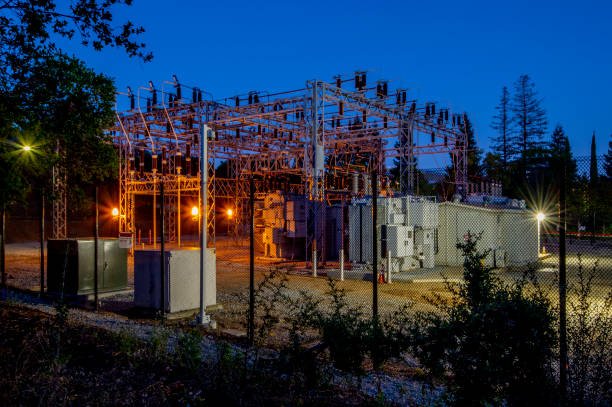
Power transformers have undergone remarkable technological advancements since their invention in the late nineteenth century. What began as relatively simple electromagnetic devices with limited efficiency and capacity has evolved into highly engineered systems capable of transmitting hundreds of megawatts across vast electrical grids. Improvements in core materials, conductor technology, insulation systems, cooling methods, manufacturing precision, and digital monitoring have dramatically enhanced transformer efficiency, reliability, safety, and service life. Today, power transformers are indispensable to modern power generation, transmission, renewable energy integration, and smart grid development.
Power transformers have evolved from simple iron-core devices into highly efficient, digitally monitored electrical assets. Advances in magnetic materials, winding design, insulation technology, cooling systems, protection devices, and online diagnostics have significantly increased transformer capacity, efficiency, reliability, and operational lifespan while reducing energy losses and maintenance requirements.
The basic operating principle of power transformers has changed completely since they were first invented.False
Although transformer technology has advanced significantly, modern power transformers still operate on the same principle of electromagnetic induction discovered in the nineteenth century. Most improvements involve materials, design, manufacturing, cooling, insulation, and monitoring technologies rather than the fundamental operating principle.
The origins of the power transformer
The development of the power transformer began after the discovery of electromagnetic induction by Michael Faraday in 1831.
Faraday demonstrated that a changing magnetic field could induce voltage in a nearby conductor, establishing the scientific foundation for transformer technology.
Later developments by engineers during the 1880s enabled practical alternating-current (AC) power systems, allowing electricity to be transmitted efficiently over long distances.
The fundamental operating principle remains unchanged today.
Early transformer designs
The earliest commercial transformers were relatively simple.
Typical characteristics included:
- Solid iron cores
- Low operating efficiency
- Limited voltage ratings
- Small power capacity
- Basic insulation materials
These transformers served early lighting systems and local electrical distribution networks.
Characteristics of early transformers
| Feature | Early Designs |
|---|---|
| Core material | Solid or simple laminated iron |
| Insulation | Cotton, paper, varnish |
| Cooling | Natural air or simple oil immersion |
| Typical efficiency | Lower than modern designs |
| Monitoring | None |
Although revolutionary at the time, these transformers were considerably less efficient than modern equipment.
Improvements in magnetic core materials
One of the greatest advances has been the development of improved magnetic core materials.
Modern transformers commonly use:
- Grain-oriented silicon steel
- Laser-scribed electrical steel
- Amorphous metal (special applications)
These materials reduce:
- Hysteresis losses
- Eddy current losses
- Audible noise
- Operating temperature
The result is significantly higher efficiency and lower operating costs.
Evolution of core technology
| Generation | Core Material | Main Improvement |
|---|---|---|
| Early designs | Solid iron | Basic magnetic circuit |
| Mid-20th century | Laminated silicon steel | Lower losses |
| Modern designs | Grain-oriented steel | Higher efficiency |
| Advanced designs | Amorphous metal | Ultra-low no-load losses |
Advances in winding technology
Transformer windings have also improved substantially.
Modern winding designs feature:
- High-purity copper or aluminum conductors
- Optimized conductor geometry
- Improved insulation spacing
- Enhanced short-circuit strength
- Reduced stray losses
Precision manufacturing has greatly improved voltage regulation and mechanical reliability.
Better insulation systems
Early transformers used relatively simple insulation materials.
Today's insulation systems combine:
- High-quality cellulose paper
- Pressboard
- High-temperature polymers
- Epoxy resins (dry-type transformers)
- Improved insulating liquids
These advancements provide:
- Higher dielectric strength
- Longer insulation life
- Greater overload capability
- Improved thermal performance
Insulation technology remains one of the most important factors affecting transformer longevity.
Evolution of cooling systems
Cooling technology has progressed alongside increasing transformer capacities.
Modern oil-immersed transformers employ a variety of cooling methods, including:
- ONAN (Oil Natural Air Natural)
- ONAF (Oil Natural Air Forced)
- OFAF (Oil Forced Air Forced)
- OFWF (Oil Forced Water Forced)
Advanced cooling systems enable transformers to:
- Handle larger loads
- Operate at lower temperatures
- Improve efficiency
- Extend insulation life
Higher voltage and power ratings
As electrical grids expanded, transformer capacities increased dramatically.
Typical progression includes:
| Time Period | Typical Voltage Capability |
|---|---|
| Late 1800s | Hundreds of volts |
| Early 1900s | Tens of kilovolts |
| Mid-1900s | Hundreds of kilovolts |
| Modern era | Up to ultra-high-voltage (UHV) transmission levels |
Today's power transformers can transmit enormous amounts of electrical energy over continental-scale networks with minimal losses.
Improved manufacturing techniques
Modern manufacturing processes have significantly enhanced transformer quality.
Important advances include:
- CNC core cutting
- Automated winding machines
- Vacuum drying
- Vacuum oil filling
- Precision assembly
- Computer-aided design (CAD)
These technologies improve:
- Dimensional accuracy
- Insulation quality
- Mechanical strength
- Product consistency
Development of advanced protection systems
Early transformers relied on relatively simple protection methods.
Modern units incorporate sophisticated protection devices such as:
- Buchholz relays
- Differential protection
- Pressure relief devices
- Surge arresters
- Temperature monitoring
- Intelligent electronic relays
These systems reduce failure risk and improve operational safety.
Digital monitoring and smart transformers
One of the most significant recent developments is digital transformer monitoring.
Modern transformers may include:
- Online dissolved gas analysis (DGA)
- Moisture monitoring
- Fiber-optic winding temperature sensors
- Partial discharge monitoring
- Bushing condition monitoring
- Remote diagnostic systems
These technologies support predictive maintenance rather than traditional time-based maintenance.
Environmental improvements
Environmental considerations have become increasingly important.
Recent developments include:
- Biodegradable natural ester insulating fluids
- Synthetic ester fluids
- Lower-loss core materials
- Reduced noise designs
- Improved oil containment systems
- Higher energy efficiency standards
These innovations reduce environmental impact while maintaining high reliability.
Integration with renewable energy
Modern transformers are increasingly designed for renewable energy applications.
Typical uses include:
- Wind farms
- Solar power plants
- Battery energy storage systems
- Microgrids
Compared with traditional power stations, renewable energy projects often require transformers capable of handling:
- Variable loading
- Frequent switching
- Power electronics
- Harmonic distortion
Manufacturers now optimize transformer designs for these operating conditions.
Evolution of maintenance strategies
Maintenance has also evolved significantly.
Traditional maintenance relied on periodic inspections.
Modern asset management increasingly uses:
- Online condition monitoring
- Predictive analytics
- Digital asset management systems
- Remote diagnostics
These approaches reduce maintenance costs while improving reliability.
Modern power transformer characteristics
Today's power transformers offer numerous advantages over earlier designs.
Comparison of historical and modern transformers
| Feature | Early Transformers | Modern Transformers |
|---|---|---|
| Efficiency | Moderate | Very high |
| Core losses | High | Low |
| Insulation | Basic | Advanced multi-layer systems |
| Cooling | Simple | Multi-stage cooling systems |
| Monitoring | Manual inspection | Continuous online monitoring |
| Protection | Limited | Intelligent protection systems |
| Expected service life | Shorter | 30–50+ years with proper maintenance |
These advancements have enabled transformers to meet the growing demands of modern electrical networks.
Future trends
Power transformer technology continues to evolve in response to changing energy systems.
Emerging developments include:
- Digital twins for asset management
- Artificial intelligence-based fault diagnosis
- Smart grid integration
- Eco-friendly insulating fluids
- Higher-efficiency magnetic materials
- Advanced sensor networks
- Enhanced cybersecurity for monitoring systems
These innovations aim to further improve reliability, efficiency, and sustainability.
What Major Technological Advances Have Shaped Power Transformer Design?
Power transformer technology has advanced significantly over the past century, driven by the growing demand for higher efficiency, greater reliability, increased power capacity, and improved environmental performance. Although the fundamental principle of electromagnetic induction has remained unchanged, nearly every aspect of transformer design—including magnetic core materials, winding construction, insulation systems, cooling technology, manufacturing processes, protection devices, and digital monitoring—has been continuously refined. These innovations have enabled modern power transformers to operate more efficiently, withstand higher voltages, support renewable energy integration, and achieve service lives exceeding several decades.
Major technological advances in power transformer design include the development of low-loss magnetic core materials, improved winding technologies, advanced insulation systems, high-performance cooling methods, precision manufacturing techniques, intelligent protection systems, online condition monitoring, environmentally friendly insulating liquids, and smart grid integration. Together, these innovations have increased transformer efficiency, reliability, operational flexibility, and service life while reducing maintenance costs and environmental impact.
Modern power transformer improvements mainly involve increasing transformer size rather than improving technology.False
Modern transformer development has focused on improving materials, efficiency, insulation, cooling, digital monitoring, environmental sustainability, and manufacturing precision, not simply increasing transformer size.
Development of low-loss magnetic core materials
One of the most significant advances has been the improvement of magnetic core materials.
Early transformers used relatively simple laminated iron cores with comparatively high energy losses.
Modern transformers commonly use:
- Grain-oriented silicon steel
- Laser-scribed electrical steel
- Amorphous metal alloys (special applications)
These materials provide:
- Lower hysteresis losses
- Reduced eddy current losses
- Higher magnetic permeability
- Lower operating temperatures
- Reduced audible noise
Evolution of core materials
| Generation | Core Material | Primary Benefit |
|---|---|---|
| Early transformers | Laminated iron | Basic magnetic performance |
| Conventional modern designs | Grain-oriented silicon steel | High efficiency and reduced losses |
| Advanced designs | Amorphous metal | Extremely low no-load losses |
Improved core materials have significantly reduced no-load losses, making transformers more energy efficient throughout their operating lives.
Advances in winding technology
Transformer windings have evolved through improvements in both materials and manufacturing techniques.
Modern winding developments include:
- High-conductivity copper conductors
- Improved aluminum conductor designs
- Continuously transposed conductors (CTC)
- Optimized winding geometry
- Enhanced mechanical bracing
These improvements provide:
- Lower copper losses
- Better voltage regulation
- Increased short-circuit withstand capability
- Reduced hot spots
- Improved thermal performance
Advanced winding designs are particularly important in large power transformers operating under heavy electrical and mechanical stresses.
Improved insulation systems
Insulation technology has undergone major advancements over the past several decades.
Modern insulation systems combine:
- High-quality cellulose paper
- Pressboard insulation
- High-temperature polymers
- Epoxy resin insulation (dry-type transformers)
- Advanced insulating fluids
These materials offer:
- Higher dielectric strength
- Improved thermal endurance
- Better moisture resistance
- Longer service life
The insulation system remains one of the most critical factors influencing transformer reliability and lifespan.
Evolution of insulation technology
| Earlier Systems | Modern Systems |
|---|---|
| Basic paper insulation | Multi-layer cellulose systems |
| Limited thermal capability | High-temperature insulation materials |
| Simple oil insulation | Advanced mineral and ester fluids |
| Manual condition assessment | Continuous insulation monitoring |
High-performance cooling systems
As transformer capacities increased, more efficient cooling became essential.
Modern cooling technologies include:
- ONAN (Oil Natural Air Natural)
- ONAF (Oil Natural Air Forced)
- OFAF (Oil Forced Air Forced)
- OFWF (Oil Forced Water Forced)
Advanced cooling systems:
- Remove heat more efficiently
- Increase transformer loading capability
- Extend insulation life
- Improve operational reliability
Automatic fan and pump control further optimize cooling performance while reducing energy consumption.
Precision manufacturing techniques
Manufacturing technology has transformed transformer quality and consistency.
Modern production methods include:
- Computer-aided design (CAD)
- CNC core cutting
- Automated winding machines
- Vacuum drying
- Vacuum oil filling
- Robotic welding
- Laser measurement systems
These technologies improve:
- Dimensional accuracy
- Mechanical strength
- Insulation quality
- Manufacturing repeatability
As a result, modern transformers achieve higher reliability with fewer manufacturing defects.
Advanced protection systems
Transformer protection has evolved far beyond basic overcurrent relays.
Modern protection devices include:
- Differential protection relays
- Buchholz relays
- Pressure relief devices
- Sudden pressure relays
- Surge arresters
- Intelligent electronic relays
These systems detect internal faults quickly, reducing equipment damage and minimizing outage duration.
Online condition monitoring
One of the most important innovations in recent years is continuous transformer monitoring.
Modern monitoring systems measure:
- Oil temperature
- Winding hot-spot temperature
- Dissolved gas concentrations
- Moisture content
- Oil level
- Load current
- Partial discharge activity
- Bushing condition
Instead of relying solely on scheduled maintenance, utilities increasingly use predictive maintenance based on real-time transformer condition data.
Common online monitoring systems
| Monitoring Device | Purpose |
|---|---|
| Dissolved Gas Analysis (DGA) | Detects internal faults |
| Temperature monitoring | Prevents overheating |
| Moisture sensors | Protects insulation |
| Partial discharge monitoring | Identifies insulation defects |
| Bushing monitoring | Detects insulation deterioration |
These systems help prevent unexpected failures and extend transformer service life.
Environmentally friendly insulating liquids
Environmental considerations have encouraged the development of alternative insulating fluids.
In addition to conventional mineral oil, modern transformers may use:
- Natural ester fluids
- Synthetic ester fluids
- Silicone-based insulating liquids
These alternatives offer benefits such as:
- Higher fire points
- Improved biodegradability
- Reduced environmental impact
- Enhanced fire safety
The choice of insulating liquid depends on the installation environment and project requirements.
Higher voltage and larger capacity designs
Technological advances have enabled transformers to handle increasingly demanding power system requirements.
Modern transformers are designed for:
- Extra-high-voltage (EHV) transmission
- Ultra-high-voltage (UHV) networks
- Large industrial facilities
- Renewable energy integration
- Long-distance power transmission
Improved insulation coordination and mechanical design allow transformers to operate safely at these higher voltage levels.
Digitalization and smart transformer technology
The rise of digital power systems has led to the development of intelligent transformers capable of communicating with grid management systems.
Key features include:
- Remote monitoring
- Automated diagnostics
- Digital communication interfaces
- Predictive analytics
- Asset health management
- Integration with smart grid platforms
These capabilities improve operational efficiency and support more reliable grid operation.
Renewable energy compatibility
The rapid expansion of renewable energy has introduced new design challenges for power transformers.
Modern transformer designs accommodate:
- Variable generation profiles
- Frequent load fluctuations
- Harmonic distortion from power electronics
- Bidirectional power flow
- Battery energy storage integration
These improvements help maintain reliable operation in increasingly dynamic electrical networks.
Future directions in transformer technology
Research and development continue to drive innovation in transformer design.
Emerging technologies include:
- Digital twin modeling
- Artificial intelligence for fault prediction
- Advanced nanomaterial insulation
- Higher-efficiency magnetic alloys
- Smart sensors with cloud connectivity
- Sustainable manufacturing processes
These developments are expected to further improve efficiency, reliability, and asset management.
Summary of major technological advances
| Technology | Primary Benefit |
|---|---|
| Low-loss core materials | Higher efficiency |
| Advanced winding designs | Lower losses and improved mechanical strength |
| Modern insulation systems | Longer service life |
| Enhanced cooling methods | Better thermal management |
| Precision manufacturing | Improved quality and consistency |
| Intelligent protection | Faster fault detection |
| Online monitoring | Predictive maintenance |
| Eco-friendly insulating fluids | Improved safety and sustainability |
| Smart grid integration | Enhanced operational flexibility |
How Have Transformer Materials Improved Performance and Efficiency?

The performance and efficiency of power transformers have improved dramatically over the past century, largely due to advances in materials engineering. While the operating principle of electromagnetic induction has remained unchanged, continuous improvements in magnetic core materials, conductor technology, insulation systems, insulating liquids, and structural materials have reduced energy losses, increased load capacity, enhanced thermal performance, and extended transformer service life. Today's transformers are more compact, reliable, and environmentally friendly than earlier designs because manufacturers use materials specifically engineered to withstand electrical, thermal, and mechanical stresses while maximizing energy efficiency.
Transformer materials have improved performance and efficiency by reducing core and winding losses, increasing dielectric strength, enhancing heat dissipation, improving mechanical durability, and extending insulation life. Modern materials such as grain-oriented silicon steel, amorphous metal, high-purity copper, advanced cellulose insulation, ester-based insulating fluids, and corrosion-resistant structural steels enable transformers to operate more efficiently, reliably, and sustainably than previous generations.
Modern transformer efficiency improvements mainly result from larger transformer sizes rather than better materials.False
While optimized designs contribute to higher performance, advances in magnetic materials, conductor technology, insulation systems, insulating liquids, and manufacturing materials have played a major role in reducing losses and improving transformer efficiency.
Why are materials important in transformer design?
Every major transformer component relies on carefully selected materials to perform its specific function.
Materials directly influence:
- Energy efficiency
- Electrical insulation
- Heat dissipation
- Mechanical strength
- Corrosion resistance
- Service life
- Maintenance requirements
Selecting the appropriate materials allows engineers to balance performance, reliability, cost, and environmental considerations.
Material influence on transformer performance
| Material Category | Primary Performance Benefit |
|---|---|
| Core materials | Lower magnetic losses |
| Conductor materials | Reduced electrical resistance |
| Insulation materials | Higher dielectric strength |
| Insulating liquids | Better cooling and insulation |
| Structural materials | Improved durability and corrosion resistance |
Each material contributes to the overall efficiency and reliability of the transformer.
Advances in magnetic core materials
The magnetic core is one of the largest contributors to transformer efficiency.
Early transformers used simple laminated iron cores that generated relatively high hysteresis and eddy current losses.
Modern transformers use advanced magnetic materials such as:
- Grain-oriented silicon steel
- Laser-scribed silicon steel
- Amorphous metal alloys
These materials provide:
- Higher magnetic permeability
- Lower hysteresis losses
- Reduced eddy current losses
- Lower operating temperatures
- Reduced audible noise
Evolution of core materials
| Core Material | Performance Improvement |
|---|---|
| Laminated iron | Basic magnetic performance |
| Grain-oriented silicon steel | Lower core losses and higher efficiency |
| Amorphous metal | Extremely low no-load losses |
The use of grain-oriented silicon steel has become the industry standard for high-efficiency power transformers, while amorphous metal cores are increasingly used in energy-saving distribution transformers.
Improvements in conductor materials
The transformer windings convert electrical energy through electromagnetic induction.
Modern conductors are manufactured using:
- High-purity copper
- High-conductivity aluminum
- Continuously transposed conductors (CTC)
Compared with earlier conductors, these materials offer:
- Lower electrical resistance
- Reduced copper losses
- Better current-carrying capability
- Improved short-circuit strength
Copper remains the preferred conductor for many high-capacity power transformers because of its superior conductivity and mechanical properties.
Copper versus aluminum conductors
| Property | Copper | Aluminum |
|---|---|---|
| Electrical conductivity | Higher | Lower |
| Mechanical strength | Higher | Moderate |
| Weight | Higher | Lower |
| Relative conductor size | Smaller | Larger |
Both materials are widely used, with the final choice depending on transformer rating, weight limitations, and project economics.
Development of advanced insulation materials
The insulation system protects energized components from electrical breakdown while maintaining mechanical stability.
Modern insulation systems include:
- High-density cellulose paper
- Pressboard
- High-temperature polymers
- Aramid paper
- Epoxy resin (dry-type transformers)
Compared with earlier insulation systems, modern materials provide:
- Higher dielectric strength
- Better thermal endurance
- Improved moisture resistance
- Longer operational life
Because insulation aging largely determines transformer lifespan, advances in insulation materials have significantly increased equipment reliability.
Better insulating liquids
Insulating liquids perform both electrical insulation and cooling functions.
Traditional mineral oil remains widely used because of its excellent balance of performance and cost.
However, newer insulating liquids include:
- Natural ester fluids
- Synthetic ester fluids
- Silicone-based insulating liquids
These alternatives provide advantages such as:
- Higher fire points
- Improved biodegradability
- Better moisture tolerance
- Enhanced environmental performance
The selection of insulating liquid depends on operating conditions, fire safety requirements, and environmental regulations.
Comparison of insulating liquids
| Insulating Liquid | Key Advantages |
|---|---|
| Mineral oil | Proven performance and cost-effectiveness |
| Natural ester | Biodegradable and high fire point |
| Synthetic ester | Excellent thermal stability |
| Silicone fluid | Superior fire resistance for specialized applications |
Modern insulating liquids improve both transformer safety and long-term reliability.
Improved structural materials
Transformer tanks and structural components must withstand mechanical stress, environmental exposure, and thermal expansion.
Today's transformers commonly use:
- High-strength structural steel
- Corrosion-resistant coatings
- Stainless steel hardware
- Improved gasket materials
These materials help:
- Prevent oil leakage
- Resist corrosion
- Increase mechanical durability
- Extend service life in harsh environments
Advances in structural materials have reduced maintenance requirements and improved long-term reliability.
Enhanced cooling materials
Modern cooling systems also benefit from improved materials.
Examples include:
- High-efficiency radiator designs
- Corrosion-resistant cooling pipes
- Durable fan components
- High-performance pump materials
These improvements increase heat transfer efficiency while reducing maintenance requirements.
Better cooling directly supports longer insulation life by maintaining lower operating temperatures.
Material improvements and manufacturing quality
Advances in materials have been complemented by improvements in manufacturing technology.
Modern production techniques include:
- Precision laser cutting
- Vacuum drying
- Vacuum oil filling
- Automated winding
- Computer-controlled assembly
These processes ensure that advanced materials perform to their full potential by reducing defects and improving consistency.
Impact on transformer efficiency
Material innovations have substantially reduced both no-load and load losses.
Key improvements include:
- Lower magnetic losses through advanced core materials
- Reduced winding resistance using high-purity conductors
- Better heat removal with improved insulating liquids
- Higher dielectric strength through advanced insulation
Together, these developments increase overall transformer efficiency while reducing lifetime operating costs.
How material improvements enhance performance
| Material Improvement | Performance Benefit |
|---|---|
| Advanced core steel | Lower no-load losses |
| High-purity conductors | Reduced load losses |
| Improved insulation | Greater dielectric reliability |
| Modern insulating fluids | Better cooling and insulation |
| Corrosion-resistant structures | Longer equipment life |
Contribution to longer service life
Modern materials help transformers remain in service for decades by reducing the primary causes of aging.
Benefits include:
- Slower insulation degradation
- Lower operating temperatures
- Improved resistance to moisture
- Greater mechanical stability
- Better corrosion protection
With proper maintenance, many modern power transformers achieve service lives of 30 to 50 years or longer.
Future material innovations
Research continues to improve transformer materials for higher efficiency and sustainability.
Emerging developments include:
- Nanocomposite insulation materials
- Advanced amorphous and nanocrystalline core alloys
- Eco-friendly insulating fluids
- Recyclable insulation components
- Lightweight composite structural materials
- High-temperature conductor technologies
These innovations aim to further reduce losses, improve reliability, and support the transition to more sustainable power systems.
How Has Digital Monitoring Changed Modern Power Transformers?
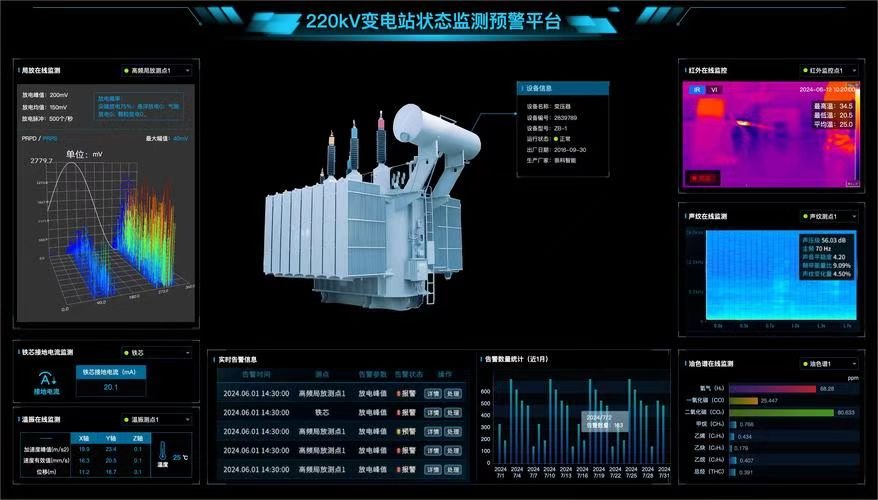
Digital monitoring has fundamentally transformed the way power transformers are operated, maintained, and managed. Traditionally, transformer maintenance relied on scheduled inspections, periodic oil testing, and manual measurements, which often identified problems only after noticeable deterioration had occurred. Today, intelligent sensors, online diagnostic systems, communication networks, and data analytics provide continuous insight into transformer health. These technologies enable utilities and industrial operators to detect developing faults at an early stage, optimize maintenance schedules, reduce unexpected outages, and extend transformer service life while supporting the transition toward smart grids and digital substations.
Digital monitoring has changed modern power transformers by replacing periodic inspections with continuous condition monitoring. Using sensors, online diagnostics, real-time communications, and predictive analytics, operators can detect faults earlier, improve reliability, reduce maintenance costs, extend service life, and make more informed asset management decisions.
Digital monitoring eliminates the need for transformer maintenance because all problems can be corrected automatically.False
Digital monitoring provides continuous condition information and early fault detection, but transformers still require inspections, testing, preventive maintenance, and repairs when abnormal conditions are identified.
Why was digital monitoring introduced?
Traditional transformer maintenance was primarily based on fixed inspection intervals.
Typical maintenance activities included:
- Periodic oil sampling
- Visual inspections
- Manual temperature measurements
- Scheduled electrical testing
- Offline insulation diagnostics
Although these methods remain valuable, they may not detect rapidly developing faults between inspection intervals.
Digital monitoring addresses this limitation by providing continuous information about transformer operating conditions.
Traditional maintenance versus digital monitoring
| Maintenance Approach | Characteristics |
|---|---|
| Periodic maintenance | Scheduled inspections and offline testing |
| Digital monitoring | Continuous real-time condition assessment |
| Predictive maintenance | Maintenance based on equipment condition rather than fixed schedules |
This shift enables maintenance decisions to be driven by actual equipment health instead of calendar-based intervals.
What parameters are continuously monitored?
Modern monitoring systems collect data from numerous sensors installed throughout the transformer.
Commonly monitored parameters include:
- Top oil temperature
- Winding hot-spot temperature
- Load current
- Load voltage
- Oil level
- Moisture content
- Dissolved gases
- Cooling system status
- Ambient temperature
- Bushing condition
- Partial discharge activity
- Tap changer operation
By combining these measurements, operators gain a comprehensive understanding of transformer health.
Online dissolved gas analysis (DGA)
One of the most valuable digital monitoring technologies is online Dissolved Gas Analysis (DGA).
As transformer insulation ages or internal faults develop, gases dissolve into the insulating oil.
Online DGA continuously measures gases such as:
- Hydrogen
- Methane
- Ethane
- Ethylene
- Acetylene
- Carbon monoxide
- Carbon dioxide
Different gas patterns help identify conditions including:
- Partial discharge
- Thermal overheating
- Electrical arcing
- Cellulose insulation degradation
Continuous monitoring allows abnormal trends to be detected long before serious damage occurs.
Typical gases monitored by DGA
| Gas | Possible Condition |
|---|---|
| Hydrogen | Partial discharge |
| Methane | Low-temperature overheating |
| Ethylene | High-temperature overheating |
| Acetylene | Electrical arcing |
| Carbon monoxide | Cellulose insulation aging |
Intelligent temperature monitoring
Temperature is one of the most important indicators of transformer condition.
Digital monitoring systems continuously supervise:
- Top oil temperature
- Bottom oil temperature
- Winding hot-spot temperature
- Ambient temperature
These measurements help operators:
- Prevent overheating
- Optimize cooling equipment
- Manage transformer loading
- Extend insulation life
Automatic alarms can be generated whenever preset temperature limits are exceeded.
Moisture monitoring
Moisture significantly reduces insulation performance.
Modern sensors continuously monitor:
- Moisture dissolved in oil
- Relative moisture saturation
- Estimated moisture in paper insulation
Early moisture detection allows corrective action before insulation strength is compromised.
Partial discharge monitoring
Partial discharge is often an early indicator of insulation deterioration.
Online monitoring systems detect small electrical discharges occurring within:
- Solid insulation
- Oil insulation
- Bushings
- Cable terminations
Continuous partial discharge monitoring enables operators to identify insulation defects before they develop into major failures.
Bushing condition monitoring
Bushings operate under high electrical stress and are among the most critical transformer components.
Digital monitoring systems can continuously assess:
- Capacitance
- Dielectric losses
- Leakage current
- Insulation condition
Changes in these parameters often indicate developing insulation problems.
Early detection significantly reduces the risk of unexpected bushing failure.
Cooling system monitoring
The cooling system directly influences transformer operating temperature and insulation life.
Digital monitoring supervises:
- Fan operation
- Oil pump status
- Radiator performance
- Cooling stage activation
- Heat exchanger operation
Automatic control systems adjust cooling capacity according to transformer loading, improving both efficiency and reliability.
Tap changer monitoring
On-load tap changers (OLTCs) are among the most mechanically active components in a power transformer.
Digital monitoring tracks:
- Number of operations
- Contact wear
- Motor performance
- Operating time
- Switching abnormalities
Monitoring helps schedule maintenance before excessive wear affects voltage regulation.
Remote monitoring and communication
Modern transformers are increasingly connected to utility control centers through secure communication networks.
Operators can remotely access:
- Real-time operating data
- Alarm notifications
- Historical trends
- Event records
- Diagnostic reports
Remote monitoring reduces the need for frequent on-site inspections and enables faster responses to abnormal operating conditions.
Predictive maintenance
Perhaps the greatest advantage of digital monitoring is predictive maintenance.
Instead of replacing components at fixed intervals, maintenance is scheduled based on actual equipment condition.
Benefits include:
- Reduced maintenance costs
- Improved equipment availability
- Fewer unexpected failures
- Better use of maintenance resources
- Extended transformer life
Condition-based maintenance has become a standard asset management strategy for many utilities.
Benefits of predictive maintenance
| Benefit | Operational Impact |
|---|---|
| Early fault detection | Prevents major failures |
| Optimized maintenance | Reduces unnecessary servicing |
| Higher availability | Minimizes outages |
| Lower operating costs | Improves lifecycle economics |
| Longer service life | Delays equipment replacement |
Integration with smart grids
Digital monitoring allows transformers to become intelligent assets within modern electrical networks.
Integration with smart grid systems enables:
- Real-time load management
- Dynamic asset optimization
- Automated fault reporting
- Remote diagnostics
- Enhanced grid reliability
As renewable energy generation increases, these capabilities become increasingly important for maintaining network stability.
Role of data analytics and artificial intelligence
Modern transformer monitoring systems generate large volumes of operational data.
Advanced analytics and artificial intelligence (AI) can:
- Identify abnormal operating trends
- Predict insulation aging
- Estimate remaining service life
- Recommend maintenance actions
- Detect subtle fault patterns that may not be apparent through manual analysis
These technologies help operators make faster and more informed maintenance decisions.
Cybersecurity considerations
As transformers become more digitally connected, cybersecurity has become an essential part of transformer management.
Important protective measures include:
- Secure communication protocols
- User authentication
- Data encryption
- Network segmentation
- Regular software updates
Strong cybersecurity helps protect monitoring systems from unauthorized access while maintaining data integrity.
Future developments in digital transformer technology
Digital monitoring continues to evolve alongside advances in automation and power system management.
Emerging innovations include:
- Digital twin technology
- Cloud-based condition monitoring
- AI-assisted diagnostics
- Wireless sensor networks
- Edge computing
- Autonomous maintenance recommendations
- Integration with enterprise asset management platforms
These technologies are expected to further improve reliability, operational efficiency, and lifecycle management.
Summary of digital monitoring technologies
| Technology | Primary Benefit |
|---|---|
| Online DGA | Early fault detection |
| Temperature monitoring | Prevents overheating |
| Moisture monitoring | Protects insulation |
| Partial discharge monitoring | Detects insulation defects |
| Bushing monitoring | Improves dielectric reliability |
| Tap changer monitoring | Optimizes maintenance |
| Remote communication | Enables real-time supervision |
| Predictive analytics | Supports condition-based maintenance |
| Smart grid integration | Enhances system reliability |
How Are Sustainable Materials and Eco-Friendly Designs Transforming Power Transformers?
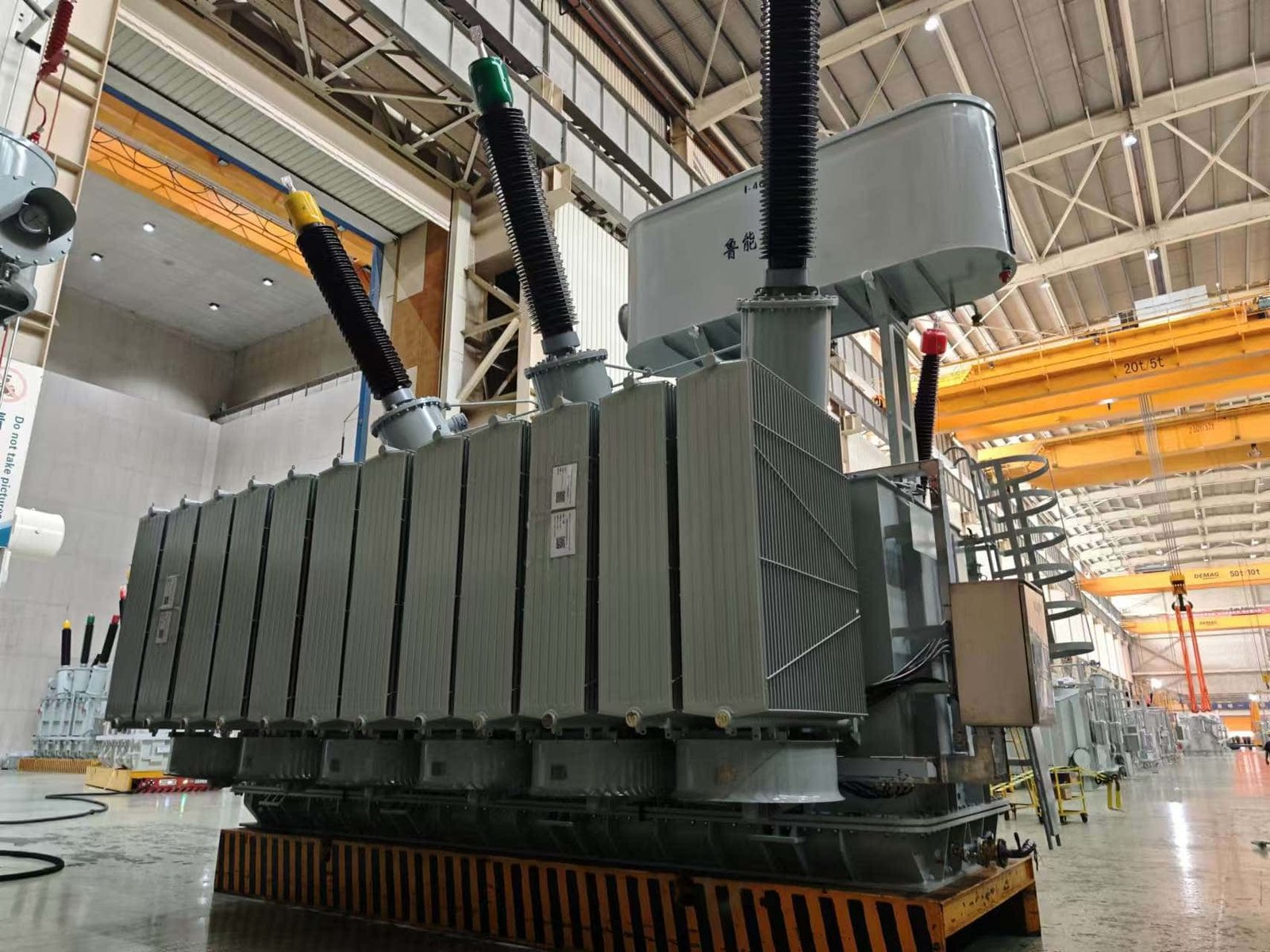
As global energy demand grows and environmental regulations become more stringent, power transformer manufacturers are placing greater emphasis on sustainability. Traditional transformer designs have long relied on mineral oil, conventional electrical steel, and resource-intensive manufacturing processes. Today, advances in environmentally friendly insulating fluids, energy-efficient magnetic materials, recyclable components, and low-carbon manufacturing techniques are reshaping the industry. These innovations not only reduce environmental impact but also improve transformer efficiency, fire safety, operational reliability, and lifecycle value, helping utilities and industrial operators meet both performance and sustainability objectives.
Sustainable materials and eco-friendly transformer designs improve environmental performance by reducing energy losses, lowering greenhouse gas emissions, enhancing fire safety, increasing recyclability, and extending equipment life. Innovations such as biodegradable ester insulating fluids, low-loss magnetic core materials, recyclable insulation, corrosion-resistant components, and energy-efficient manufacturing enable modern power transformers to deliver higher efficiency while supporting global sustainability goals.
Eco-friendly transformer designs sacrifice efficiency and reliability in exchange for environmental benefits.False
Modern sustainable transformer technologies are designed to improve both environmental performance and operational reliability. Many eco-friendly materials also enhance efficiency, fire safety, insulation performance, and service life.
Why is sustainability becoming more important in transformer design?
Power transformers are expected to operate continuously for several decades, making their environmental impact significant over their entire lifecycle.
Manufacturers are increasingly focusing on reducing:
- Energy losses
- Carbon emissions
- Fire risk
- Resource consumption
- Hazardous waste
- Maintenance requirements
Sustainable transformer design considers not only operational efficiency but also manufacturing, transportation, maintenance, and end-of-life recycling.
Sustainability objectives
| Objective | Benefit |
|---|---|
| Lower energy losses | Reduced electricity consumption |
| Improved recyclability | Less material waste |
| Eco-friendly insulation | Reduced environmental risk |
| Longer service life | Lower lifecycle emissions |
| Safer operation | Reduced fire and pollution hazards |
Low-loss magnetic core materials
Core losses occur continuously whenever a transformer is energized, regardless of load.
Modern sustainable transformers reduce these losses by using advanced magnetic materials such as:
- Grain-oriented silicon steel
- Laser-scribed electrical steel
- Amorphous metal alloys
These materials provide:
- Lower hysteresis losses
- Reduced eddy current losses
- Higher efficiency
- Lower operating temperatures
Reducing no-load losses decreases energy consumption throughout the transformer's service life, contributing to lower greenhouse gas emissions.
Comparison of core materials
| Core Material | Sustainability Benefit |
|---|---|
| Conventional silicon steel | Good efficiency |
| Grain-oriented silicon steel | Lower core losses |
| Amorphous metal | Extremely low no-load losses and reduced energy consumption |
Environmentally friendly insulating liquids
Traditional mineral oil remains widely used, but many modern transformers now utilize alternative insulating fluids with improved environmental characteristics.
Common alternatives include:
- Natural ester fluids
- Synthetic ester fluids
- Silicone-based insulating liquids
Natural ester fluids, typically derived from vegetable oils, offer several sustainability advantages:
- Biodegradable
- Renewable raw materials
- Higher fire point
- Lower environmental impact in case of leakage
- Greater moisture tolerance
These characteristics make ester-filled transformers particularly suitable for environmentally sensitive locations.
Comparison of insulating liquids
| Insulating Liquid | Environmental Advantages |
|---|---|
| Mineral oil | Proven performance and wide availability |
| Natural ester | Biodegradable and renewable |
| Synthetic ester | High thermal stability and fire safety |
| Silicone fluid | Excellent fire resistance for specialized applications |
Advanced insulation materials
Modern insulation systems have also become more sustainable.
New materials provide:
- Longer thermal life
- Higher dielectric strength
- Improved resistance to moisture
- Greater mechanical durability
Examples include:
- High-density cellulose insulation
- Recyclable pressboard
- High-temperature aramid paper
- Improved epoxy resin systems for dry-type transformers
Longer-lasting insulation reduces replacement frequency and minimizes resource consumption over the transformer's lifecycle.
Improved cooling efficiency
Eco-friendly transformer designs also focus on reducing operating temperatures while minimizing energy consumption.
Recent improvements include:
- Optimized radiator designs
- Variable-speed cooling fans
- High-efficiency oil circulation systems
- Intelligent cooling controls
These technologies:
- Reduce cooling energy requirements
- Improve thermal performance
- Extend insulation life
- Lower operating costs
Better thermal management also contributes to improved transformer reliability.
Recyclable structural materials
Modern transformer manufacturers increasingly use materials that can be recovered and reused at the end of the equipment's service life.
Examples include:
- Recyclable structural steel
- Copper conductors
- Aluminum components
- Recyclable insulation materials
- Environmentally compliant coatings
Designing transformers for easier disassembly and recycling reduces waste and supports circular economy initiatives.
Energy-efficient manufacturing
Sustainability extends beyond transformer operation to the manufacturing process itself.
Modern production facilities increasingly adopt:
- Energy-efficient machinery
- Automated manufacturing systems
- Waste reduction programs
- Water conservation practices
- Low-emission production technologies
These improvements reduce the environmental footprint associated with transformer manufacturing while maintaining high product quality.
Intelligent monitoring for sustainable operation
Digital monitoring technologies contribute significantly to sustainability by improving transformer efficiency and extending service life.
Modern monitoring systems track:
- Oil temperature
- Winding temperature
- Dissolved gas concentrations
- Moisture levels
- Cooling system performance
- Load conditions
Continuous condition monitoring enables predictive maintenance, preventing failures and reducing unnecessary component replacement.
Digital monitoring benefits
| Technology | Sustainability Contribution |
|---|---|
| Online dissolved gas analysis | Early fault detection and longer equipment life |
| Temperature monitoring | Improved energy efficiency |
| Moisture monitoring | Protection of insulation systems |
| Predictive maintenance | Reduced material waste and maintenance costs |
Designing for longer service life
One of the most sustainable approaches is increasing transformer lifespan.
Modern designs achieve this through:
- Improved insulation systems
- Better thermal management
- Higher-quality materials
- Enhanced corrosion protection
- Intelligent protection systems
Extending transformer service life reduces the environmental impact associated with manufacturing replacement equipment.
Supporting renewable energy integration
The transition to renewable energy requires transformers capable of operating under more dynamic conditions.
Modern sustainable transformers are designed to accommodate:
- Wind power generation
- Solar photovoltaic systems
- Battery energy storage
- Microgrids
- Bidirectional power flow
These applications often involve variable loading and increased switching operations, requiring more robust materials and advanced thermal designs.
By supporting renewable energy infrastructure, transformers contribute directly to global decarbonization efforts.
Reducing lifecycle environmental impact
Sustainability is increasingly evaluated using a lifecycle perspective.
Important considerations include:
- Raw material sourcing
- Manufacturing emissions
- Transportation
- Operational energy losses
- Maintenance requirements
- End-of-life recycling
Optimizing each stage reduces the transformer's total environmental footprint while improving long-term economic value.
Lifecycle sustainability improvements
| Lifecycle Stage | Sustainable Design Approach |
|---|---|
| Material selection | Renewable and recyclable materials |
| Manufacturing | Energy-efficient production |
| Operation | Reduced electrical losses |
| Maintenance | Predictive condition monitoring |
| End of life | Recycling and material recovery |
Future trends in sustainable transformer design
Research continues to drive innovation toward even greener transformer technologies.
Emerging developments include:
- Nanostructured magnetic materials
- Bio-based insulating materials
- Advanced recyclable insulation systems
- Carbon-neutral manufacturing processes
- Digital twins for lifecycle optimization
- Artificial intelligence for energy management
- Low-carbon supply chain initiatives
These innovations aim to further improve transformer efficiency while supporting international climate and sustainability goals.
What Does the Future Hold for Power Transformer Technology?
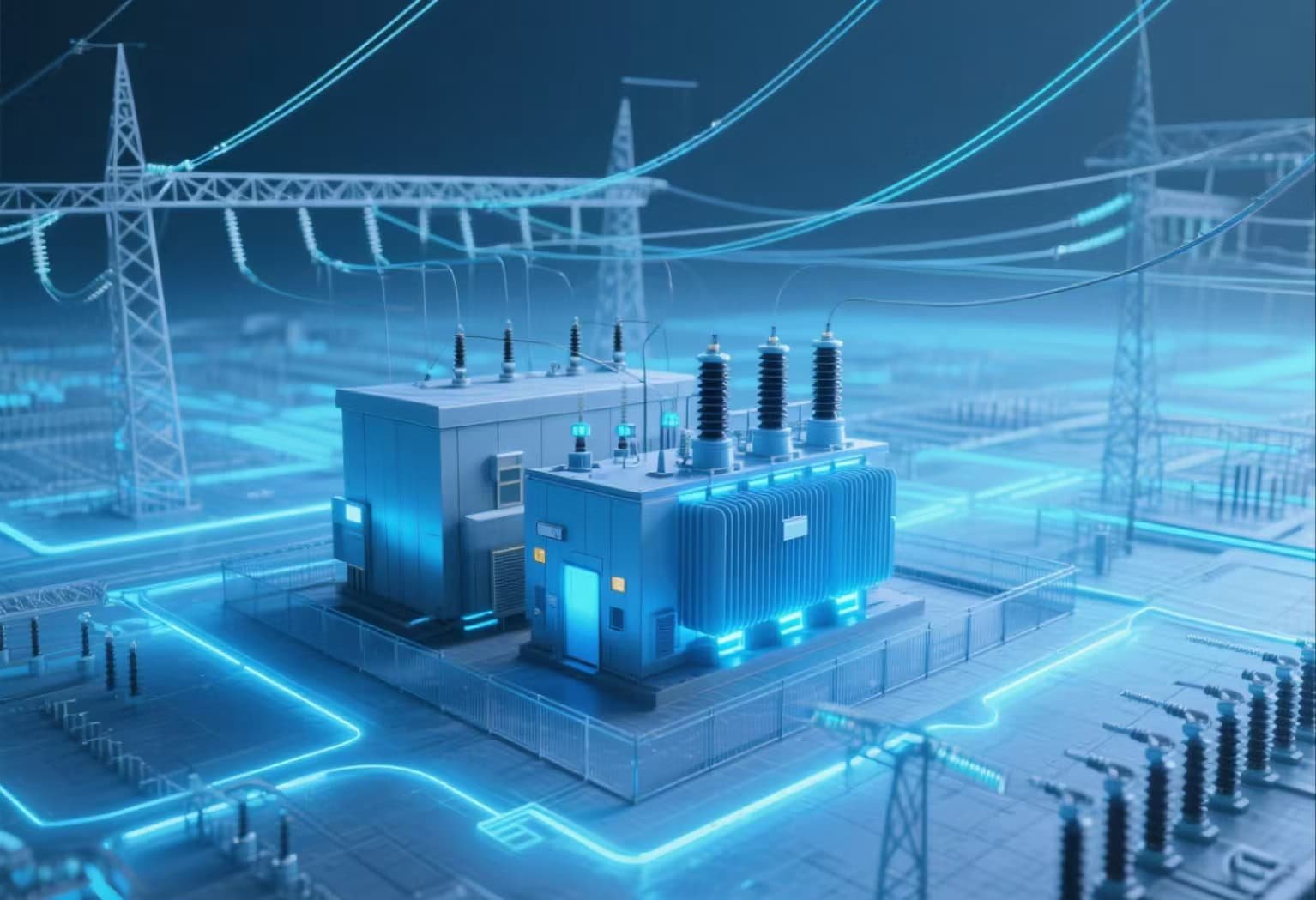
Power transformers have evolved continuously for more than a century, but the pace of innovation is accelerating as the global energy landscape changes. The rapid growth of renewable energy, electrification, digital substations, smart grids, and carbon reduction initiatives is creating new demands for transformers that are more efficient, intelligent, resilient, and environmentally sustainable. Future power transformers will not only transfer electrical energy but also serve as connected, data-driven assets capable of monitoring their own condition, optimizing performance, and supporting increasingly complex power systems.
The future of power transformer technology will be shaped by intelligent monitoring, artificial intelligence, advanced materials, eco-friendly insulation systems, smart grid integration, higher energy efficiency, and sustainable manufacturing. These innovations will improve reliability, extend service life, reduce operating costs, and help electrical networks accommodate growing renewable energy and electrification demands.
Future power transformers will completely replace electromagnetic induction with entirely new methods of power transmission.False
The fundamental operating principle of electromagnetic induction will remain unchanged. Future developments will focus on improving materials, digital technologies, monitoring, insulation, cooling, and manufacturing rather than replacing the basic transformer principle.
Smarter transformers through digitalization
One of the most significant trends is the transition from conventional transformers to intelligent, connected assets.
Modern transformers are increasingly equipped with:
- Online dissolved gas analysis (DGA)
- Fiber-optic winding temperature sensors
- Moisture monitoring
- Partial discharge detection
- Bushing condition monitoring
- Intelligent electronic devices (IEDs)
Future systems will combine these sensors with cloud-based platforms and advanced analytics, allowing operators to monitor transformer health continuously from anywhere.
Evolution of transformer intelligence
| Technology | Future Benefit |
|---|---|
| Online monitoring | Continuous condition assessment |
| Remote communication | Real-time operational visibility |
| Intelligent diagnostics | Faster fault identification |
| Automated reporting | Improved maintenance planning |
Artificial intelligence and predictive maintenance
Artificial intelligence (AI) is expected to become an essential tool for transformer asset management.
Future AI-based systems will analyze data from multiple sources, including:
- Temperature trends
- Dissolved gas concentrations
- Load history
- Cooling performance
- Moisture content
- Weather conditions
These systems can:
- Detect subtle fault patterns
- Estimate remaining insulation life
- Recommend maintenance schedules
- Predict equipment failures before they occur
As predictive maintenance becomes more accurate, utilities can reduce downtime while lowering maintenance costs.
Digital twins for lifecycle management
Digital twin technology is emerging as a powerful tool for transformer management.
A digital twin is a virtual model that mirrors the condition and behavior of a physical transformer using real-time operational data.
Future applications include:
- Performance simulation
- Thermal analysis
- Remaining life estimation
- Maintenance optimization
- Fault investigation
Digital twins allow engineers to evaluate operating scenarios without interrupting transformer service.
Advanced magnetic materials
Reducing energy losses remains a major objective for transformer manufacturers.
Research continues into advanced magnetic materials such as:
- Improved grain-oriented silicon steel
- Amorphous metal alloys
- Nanocrystalline magnetic materials
These materials aim to:
- Reduce core losses
- Increase efficiency
- Lower operating temperatures
- Decrease carbon emissions
As energy efficiency regulations become more stringent, low-loss core materials will become increasingly important.
Material innovations
| Material Technology | Expected Improvement |
|---|---|
| Advanced silicon steel | Lower no-load losses |
| Amorphous metal | Higher energy efficiency |
| Nanocrystalline alloys | Improved magnetic performance |
Environmentally friendly insulation systems
Environmental sustainability is driving major changes in transformer insulation technology.
Future insulation systems are expected to include:
- Biodegradable natural ester fluids
- Improved synthetic ester fluids
- High-temperature solid insulation
- Recyclable insulation materials
These developments provide:
- Higher fire safety
- Reduced environmental impact
- Longer insulation life
- Better moisture tolerance
As environmental regulations evolve, sustainable insulating materials will become increasingly common.
Intelligent cooling systems
Cooling technology is also becoming more sophisticated.
Future cooling systems may feature:
- Variable-speed fans and pumps
- AI-controlled cooling optimization
- Adaptive thermal management
- Smart temperature balancing
These systems can automatically adjust cooling capacity according to:
- Transformer loading
- Ambient temperature
- Weather forecasts
- Grid operating conditions
Improved thermal management enhances both efficiency and equipment longevity.
Smart grid integration
Future electrical networks will rely heavily on smart grid technologies.
Power transformers will increasingly communicate with:
- Substation automation systems
- Distribution management systems
- Energy management platforms
- Renewable energy controllers
This connectivity enables:
- Dynamic load management
- Faster fault response
- Improved voltage regulation
- Enhanced grid stability
Smart transformers will become active participants in power system operation rather than passive network components.
Supporting renewable energy and energy storage
The expansion of renewable energy generation is changing transformer operating requirements.
Future transformers will be designed to handle:
- Variable power generation
- Frequent switching operations
- Bidirectional power flow
- Battery energy storage systems
- Microgrids
These capabilities will help maintain reliable operation as electrical grids become increasingly decentralized.
Sustainable manufacturing and circular economy
Manufacturers are also improving sustainability throughout the production process.
Future initiatives include:
- Low-carbon manufacturing
- Renewable energy-powered factories
- Reduced material waste
- Increased recycling rates
- Eco-friendly coatings
- Design for easier disassembly
These practices reduce the environmental footprint of transformer production while supporting circular economy principles.
Sustainability trends
| Initiative | Long-Term Benefit |
|---|---|
| Low-carbon manufacturing | Reduced greenhouse gas emissions |
| Recyclable materials | Lower resource consumption |
| Eco-friendly insulating fluids | Improved environmental protection |
| Longer service life | Reduced lifecycle impact |
Enhanced cybersecurity
As transformers become increasingly connected, cybersecurity will play a larger role in protecting critical infrastructure.
Future monitoring systems will incorporate:
- Secure communication protocols
- Multi-factor authentication
- Data encryption
- Network segmentation
- Continuous cybersecurity monitoring
Protecting digital transformer systems will be essential for maintaining grid reliability and operational security.
Higher efficiency standards
Governments and utilities continue to establish stricter energy efficiency requirements.
Future transformer designs will focus on:
- Lower no-load losses
- Reduced load losses
- Improved thermal efficiency
- Better voltage regulation
- Optimized lifecycle costs
Manufacturers will continue developing technologies that exceed minimum efficiency standards while maintaining reliability.
Modular and flexible transformer designs
Future projects increasingly require adaptable transformer solutions.
Emerging design approaches include:
- Modular construction
- Easier transportation and installation
- Faster maintenance
- Expandable cooling systems
- Flexible voltage configurations
These features simplify deployment while reducing installation time and lifecycle costs.
Future research directions
Transformer research continues to explore innovative technologies that may further improve performance.
Areas of ongoing development include:
- Nanocomposite insulation materials
- Advanced sensor networks
- Self-diagnosing transformer systems
- Wireless monitoring technologies
- AI-assisted operational optimization
- High-temperature conductor materials
- Improved insulation aging models
While many of these technologies are still evolving, they have the potential to further enhance transformer reliability and efficiency.
Summary of future trends
| Technology Trend | Expected Impact |
|---|---|
| Artificial intelligence | Predictive maintenance and fault diagnosis |
| Digital twins | Improved lifecycle management |
| Advanced magnetic materials | Higher efficiency and lower losses |
| Eco-friendly insulation | Greater sustainability and fire safety |
| Smart grid integration | Enhanced network flexibility |
| Intelligent cooling | Better thermal performance |
| Cybersecurity | Protection of connected infrastructure |
| Sustainable manufacturing | Reduced environmental footprint |
Conclusion
The evolution of power transformers demonstrates how continuous innovation has enabled the electrical industry to meet increasing demands for efficiency, reliability, and sustainability. Modern transformers incorporate advanced magnetic materials, improved insulation systems, intelligent monitoring technologies, and environmentally responsible designs that far exceed the capabilities of earlier generations. As electrical grids continue to modernize and renewable energy becomes more widespread, power transformers will play an even more critical role in ensuring stable, efficient, and resilient power delivery. Investing in modern transformer technology allows utilities and industrial operators to improve operational performance while preparing for the future of smart energy systems.
FAQ
Q1: How have power transformers evolved over time?
Power transformers have undergone remarkable advancements since their invention in the late 19th century. From simple electromagnetic devices used in early AC power systems, they have evolved into highly efficient, digitally monitored, and environmentally friendly assets that form the backbone of modern electrical grids.
Major areas of evolution include:
Improved core materials
Advanced winding designs
Enhanced insulation systems
More efficient cooling technologies
Digital monitoring and diagnostics
Smart grid integration
Sustainable insulating fluids
Higher efficiency and reliability
These innovations have enabled transformers to meet the growing demands of renewable energy, industrial electrification, and modern power networks.
Q2: How did the first power transformers work?
The first practical transformers were developed in the 1880s to support alternating current (AC) power distribution.
Early transformers featured:
Simple iron cores
Copper windings
Basic paper insulation
Natural air cooling
Limited voltage and power ratings
Although less efficient than modern designs, they demonstrated the practicality of transmitting electricity over long distances using AC systems.
Q3: What technological improvements have been made in transformer design?
Over the decades, transformer technology has advanced significantly.
Key improvements include:
Grain-oriented silicon steel cores
Amorphous metal cores for lower no-load losses
Improved winding arrangements
Computer-aided electromagnetic design
Vacuum drying and pressure impregnation
Cast resin insulation for dry-type transformers
High-performance insulating oils and ester fluids
Compact and lightweight structural designs
These advancements have increased efficiency, reduced losses, and enhanced overall reliability.
Q4: How have transformer insulation and cooling systems improved?
Modern insulation and cooling technologies have greatly extended transformer service life.
Insulation Improvements
High-quality cellulose insulation paper
Epoxy resin insulation
Cast resin technology
Synthetic and natural ester insulating fluids
Improved moisture resistance
Cooling Innovations
ONAN (Oil Natural Air Natural)
ONAF (Oil Natural Air Forced)
OFAF (Oil Forced Air Forced)
OFWF (Oil Forced Water Forced)
Intelligent fan and pump control systems
These developments allow transformers to operate safely under higher loads while reducing thermal stress.
Q5: What role does digital technology play in modern power transformers?
Today's power transformers increasingly incorporate digital technologies that support condition monitoring and predictive maintenance.
Common smart features include:
Online Dissolved Gas Analysis (DGA)
Fiber optic winding temperature sensors
Moisture monitoring
Bushing monitoring systems
Partial discharge detection
Remote monitoring via SCADA
Internet of Things (IoT) connectivity
Artificial intelligence (AI)-assisted diagnostics
These technologies enable utilities to detect developing faults early, reduce unplanned outages, and optimize maintenance schedules.
Q6: How have environmental considerations influenced transformer development?
Environmental regulations and sustainability goals have driven the development of greener transformer technologies.
Examples include:
Biodegradable natural ester insulating fluids
Synthetic ester fluids with higher fire safety
Lower-loss transformer designs
Reduced noise emissions
Recyclable construction materials
Lower carbon footprint manufacturing processes
These improvements help utilities and industries meet environmental regulations while improving operational efficiency.
Q7: How are power transformers supporting the modern electrical grid?
Modern power transformers play a vital role in supporting evolving power systems by enabling:
Renewable energy integration
Smart grid operation
Grid automation
High-voltage direct current (HVDC) systems
Electric vehicle charging infrastructure
Data center power distribution
Battery energy storage systems (BESS)
Their enhanced flexibility and monitoring capabilities help maintain grid stability as electricity demand and generation patterns become more dynamic.
Q8: What does the future hold for power transformer technology?
The future of power transformers is expected to focus on greater efficiency, digitalization, and sustainability.
Emerging trends include:
AI-driven predictive maintenance
Digital twin technology
Advanced composite insulation materials
Low-loss magnetic core materials
Eco-friendly insulating fluids
Self-monitoring transformers
Cybersecure communication systems
Improved recycling and circular economy practices
As electrical grids become more intelligent and decentralized, next-generation transformers will continue to evolve to deliver higher reliability, improved energy efficiency, and lower environmental impact.
References
IEC 60076 – Power Transformers
https://webstore.iec.ch/publication/602
IEEE C57 Series – Power Transformer Standards
https://standards.ieee.org
Electrical Engineering Portal – History and Development of Power Transformers
https://electrical-engineering-portal.com
IEEE Power & Energy Society – Research on Advanced Transformer Technologies
https://ieeexplore.ieee.org