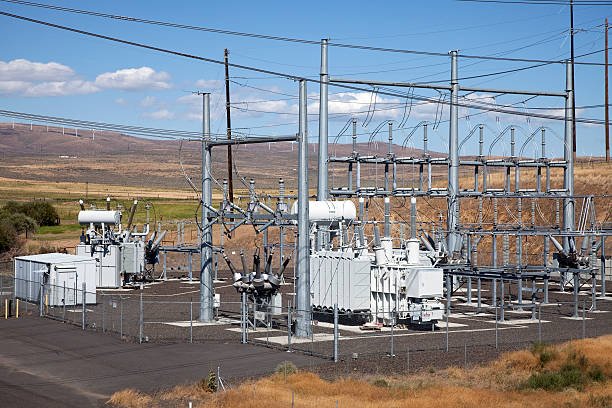
Transformer efficiency and performance are critical factors in ensuring reliable and cost-effective power system operation. A transformer's ability to transfer electrical energy with minimal losses depends on its design, operating conditions, material quality, and maintenance practices. Understanding the factors that influence efficiency and performance helps operators optimize energy usage, reduce operating costs, and extend transformer service life.
How Do Core Materials and Design Affect Transformer Efficiency?
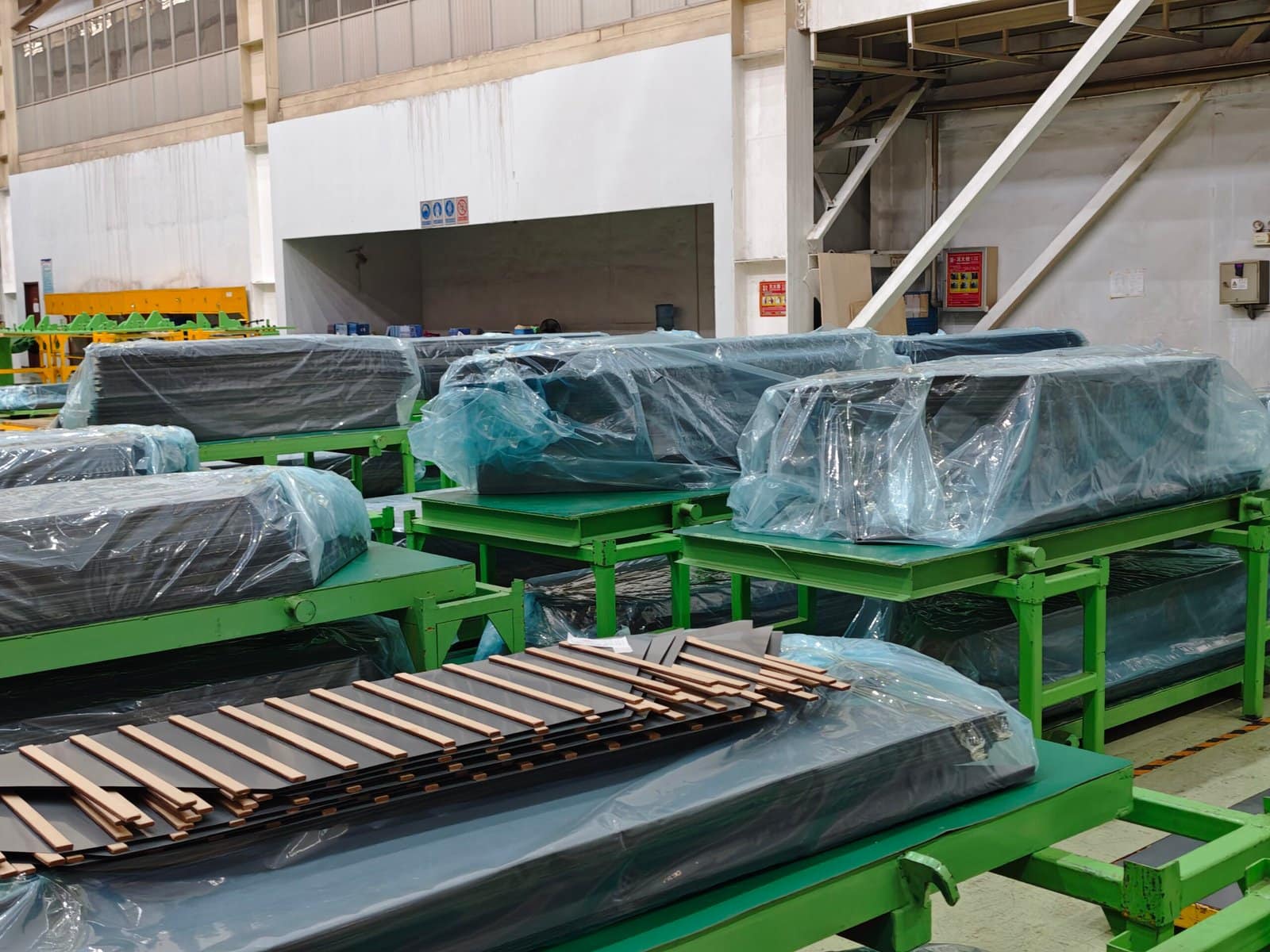
Transformer efficiency is largely determined by how effectively the transformer converts electrical energy from one voltage level to another while minimizing losses. Although winding design, cooling systems, and operating conditions all influence performance, the magnetic core remains one of the most critical factors affecting overall efficiency. Since the core continuously experiences alternating magnetic flux whenever the transformer is energized, its material properties and design directly impact no-load losses, operating costs, temperature rise, and service life.
Poor core design can significantly increase energy losses throughout the transformer's lifetime. Even small improvements in core material quality or magnetic circuit design can result in substantial energy savings, particularly in power and distribution transformers that operate continuously for decades.
Core materials and design affect transformer efficiency by controlling magnetic losses, reducing hysteresis and eddy current losses, optimizing magnetic flux distribution, minimizing leakage flux, and improving overall energy transfer. High-quality core materials and advanced core designs can significantly reduce no-load losses and improve long-term transformer efficiency.
Transformer efficiency is determined mainly by winding resistance, while core materials have little effect on performance.False
Core materials directly influence hysteresis and eddy current losses, which account for most no-load losses. Advanced core materials and designs can significantly improve transformer efficiency and reduce operating costs.
Why the Transformer Core Is Critical to Efficiency
The transformer core provides the magnetic path that links the primary and secondary windings through electromagnetic induction.
Functions of the core
- Conduct magnetic flux efficiently
- Minimize magnetic resistance
- Support electromagnetic induction
- Reduce energy losses
Without an efficient magnetic core, a transformer would experience excessive losses and poor voltage regulation.
Understanding Core Losses
Core losses, also called no-load losses or iron losses, occur whenever the transformer is energized, regardless of load.
Main components of core loss
| Loss Type | Cause |
|---|---|
| Hysteresis loss | Repeated magnetization and demagnetization |
| Eddy current loss | Circulating currents within core material |
These losses exist continuously throughout transformer operation.
Hysteresis Loss and Core Materials
Hysteresis loss occurs because magnetic domains within the core require energy to realign during each AC cycle.
Influencing factors
| Factor | Effect |
|---|---|
| Material composition | Determines magnetic behavior |
| Frequency | Higher frequency increases loss |
| Flux density | Higher flux increases loss |
Lower hysteresis materials improve efficiency by requiring less energy for magnetic reversal.
Eddy Current Loss and Core Construction
Eddy currents are unwanted circulating currents induced within the core itself.
Factors affecting eddy current loss
| Parameter | Impact |
|---|---|
| Lamination thickness | Thinner laminations reduce loss |
| Core conductivity | Lower conductivity reduces currents |
| Flux density | Higher flux increases loss |
Advanced core construction significantly reduces eddy current losses.
Relationship Between Core Loss and Efficiency
Transformer efficiency can be expressed as:
Where:
- (P_{out}) = Output power
- (P_{core}) = Core loss
- (P_{copper}) = Winding loss
Reducing core losses directly improves overall efficiency.
Silicon Steel as a Core Material
Grain-oriented silicon steel has been the industry standard for decades.
Advantages
| Benefit | Description |
|---|---|
| High permeability | Efficient flux conduction |
| Low hysteresis loss | Improved efficiency |
| Good mechanical strength | Manufacturing reliability |
| Cost effectiveness | Widely available |
Most conventional power and distribution transformers use grain-oriented silicon steel cores.
Grain-Oriented Silicon Steel (GOES)
GOES is specifically processed to align crystal structures with the magnetic flux direction.
Performance advantages
- Lower magnetizing current
- Reduced hysteresis loss
- Higher permeability
- Better efficiency
GOES remains one of the most widely used transformer core materials worldwide.
Amorphous Metal Cores
Amorphous metal represents one of the most significant advances in transformer core technology.
Characteristics
| Property | Benefit |
|---|---|
| Non-crystalline structure | Extremely low hysteresis loss |
| Thin ribbons | Reduced eddy currents |
| High resistivity | Lower core loss |
Amorphous cores can reduce no-load losses dramatically compared with conventional silicon steel.
Comparison of Common Core Materials
| Property | Silicon Steel | Amorphous Metal |
|---|---|---|
| Hysteresis loss | Low | Very low |
| Eddy current loss | Low | Very low |
| No-load efficiency | High | Extremely high |
| Initial cost | Lower | Higher |
| Weight | Moderate | Slightly higher |
The choice often depends on lifecycle cost considerations.
Nanocrystalline Core Materials
Nanocrystalline alloys are emerging as another high-efficiency core technology.
Benefits
- Extremely low losses
- High permeability
- Excellent frequency response
- Compact designs
These materials are increasingly used in specialized applications.
Core Lamination Design
The core is constructed from thin insulated laminations rather than solid metal.
Purpose of laminations
| Objective | Result |
|---|---|
| Interrupt eddy currents | Lower losses |
| Improve efficiency | Reduced heating |
| Enhance thermal performance | Better reliability |
Thinner laminations generally provide better efficiency.
Lamination Thickness Effects
Typical relationship
| Thickness | Eddy Current Loss |
|---|---|
| Thick laminations | Higher |
| Thin laminations | Lower |
Modern high-efficiency transformers often use thinner laminations to minimize losses.
Core Joint Design
Magnetic flux must pass through joints where core sections meet.
Common joint types
| Design | Characteristics |
|---|---|
| Butt joint | Simpler construction |
| Step-lap joint | Reduced flux disturbance |
| Advanced overlap joint | Improved efficiency |
Step-lap joints are widely used in modern energy-efficient transformers.
Benefits of Step-Lap Core Construction
Step-lap designs reduce magnetic discontinuities.
Advantages
- Lower core loss
- Reduced magnetizing current
- Lower audible noise
- Improved efficiency
Many premium transformers utilize step-lap core technology.
Flux Density Optimization
Core efficiency depends heavily on operating magnetic flux density.
Design considerations
| Flux Density | Impact |
|---|---|
| Too low | Larger core required |
| Optimal | Best efficiency balance |
| Too high | Increased losses and heating |
Proper flux density selection is a key design challenge.
Core Cross-Sectional Area
The physical size of the core influences magnetic performance.
Effects
- Larger core reduces flux density
- Lower flux density reduces losses
- Increased size raises material cost
Designers must balance efficiency and economics.
Leakage Flux Control
Not all magnetic flux follows the intended path.
Consequences of leakage flux
| Effect | Impact |
|---|---|
| Additional losses | Reduced efficiency |
| Local heating | Component stress |
| Mechanical forces | Structural concerns |
Proper core design minimizes leakage flux.
Core Geometry and Magnetic Circuit Design
Core shape affects magnetic performance.
Common configurations
| Core Type | Application |
|---|---|
| Core-type | Distribution transformers |
| Shell-type | Large power transformers |
| Toroidal | Specialized high-efficiency designs |
Each geometry offers different efficiency characteristics.
Impact on No-Load Current
Core design directly affects magnetizing current.
Lower no-load current results in
- Reduced losses
- Improved efficiency
- Better power quality
- Lower operating costs
High-quality core materials help minimize excitation current.
Effect on Transformer Temperature Rise
Losses generated within the core appear as heat.
Benefits of lower core losses
| Benefit | Result |
|---|---|
| Reduced heating | Longer insulation life |
| Lower cooling demand | Improved reliability |
| Enhanced efficiency | Reduced operating costs |
Thermal performance is closely linked to core design quality.
Influence on Transformer Noise
Magnetic forces within the core create vibration and sound.
Noise reduction methods
- Step-lap joints
- High-quality laminations
- Optimized flux density
- Improved clamping structures
Efficient cores are often quieter cores.
Economic Impact of Core Efficiency
Core losses occur continuously throughout the transformer's life.
Lifecycle implications
| Factor | Impact |
|---|---|
| Energy savings | Reduced operating costs |
| Lower cooling costs | Improved economics |
| Reduced emissions | Sustainability benefits |
Small efficiency improvements can generate substantial long-term savings.
Core Design Considerations for Different Transformer Types
Distribution transformers
Focus on:
- Low no-load losses
- High annual efficiency
- Cost-effective operation
Power transformers
Focus on:
- Low total losses
- Load optimization
- Long-term reliability
Different applications require different optimization strategies.
Modern Trends in Core Technology
Current developments include:
- Ultra-low-loss silicon steel
- Advanced amorphous alloys
- Nanocrystalline materials
- Improved joint designs
- Computer-optimized magnetic circuits
These technologies continue to improve transformer efficiency standards worldwide.
What Impact Do Winding Design and Conductor Materials Have on Performance?

Transformer windings are the primary electrical components responsible for transferring energy between voltage levels through electromagnetic induction. While the magnetic core largely determines no-load performance, winding design and conductor materials significantly influence load losses, voltage regulation, thermal behavior, short-circuit strength, reliability, and overall efficiency. In fact, winding-related losses often represent the largest portion of transformer losses under normal operating conditions.
A well-designed winding system minimizes electrical resistance, withstands mechanical stresses, controls temperature rise, and ensures stable operation throughout the transformer's service life. Conversely, poor winding design can lead to excessive losses, overheating, insulation degradation, and reduced reliability.
Winding design and conductor materials directly affect transformer efficiency, load losses, voltage regulation, thermal performance, short-circuit withstand capability, and operational reliability. Optimized winding configurations combined with high-quality conductor materials reduce electrical losses, improve cooling, and enhance long-term performance.
Transformer winding performance is determined mainly by the magnetic core, while conductor material has little influence on efficiency and reliability.False
Conductor material and winding design directly affect resistance, copper losses, temperature rise, voltage regulation, and mechanical strength, making them critical factors in transformer performance.
Why Transformer Windings Are Critical to Performance
The windings create the magnetic field required for energy transfer and carry the full operating current of the transformer.
Primary functions
- Transfer electrical energy
- Produce magnetic flux
- Determine voltage ratio
- Carry load current
- Withstand electrical and mechanical stresses
Because load current continuously flows through the windings, their design significantly affects operational efficiency.
Understanding Winding Losses
The largest winding-related loss is conductor loss, commonly called copper loss or load loss.
Basic relationship
Where:
- (P_{cu}) = Copper loss
- (I) = Load current
- (R) = Conductor resistance
Since losses increase with the square of current, winding design becomes increasingly important at higher loads.
Effect of Conductor Resistance
Electrical resistance directly impacts efficiency.
Factors influencing resistance
| Factor | Effect |
|---|---|
| Conductor material | Determines conductivity |
| Cross-sectional area | Larger area lowers resistance |
| Conductor length | Longer conductors increase resistance |
| Operating temperature | Higher temperature increases resistance |
Reducing resistance lowers losses and improves efficiency.
Copper Conductors
Copper remains the most widely used transformer conductor material.
Advantages of copper
| Benefit | Impact |
|---|---|
| High conductivity | Lower losses |
| Excellent mechanical strength | Better fault withstand capability |
| Good thermal conductivity | Improved cooling |
| Long-term reliability | Extended service life |
Copper is commonly used in power, distribution, and specialty transformers.
Aluminum Conductors
Aluminum is frequently used as an alternative conductor material.
Advantages
| Benefit | Description |
|---|---|
| Lower weight | Easier handling |
| Lower material cost | Reduced manufacturing expense |
| Good conductivity | Suitable for many applications |
Limitations
- Larger cross-sectional area required
- Lower mechanical strength
- Higher thermal expansion
Design modifications are necessary to achieve comparable performance.
Copper Versus Aluminum Comparison
| Property | Copper | Aluminum |
|---|---|---|
| Electrical conductivity | Higher | Lower |
| Mechanical strength | Higher | Lower |
| Weight | Higher | Lower |
| Cost | Higher | Lower |
| Cross-sectional area required | Smaller | Larger |
The selection depends on technical and economic considerations.
Influence on Transformer Efficiency
Conductor material directly affects load losses.
Typical relationship
Lower resistance results in:
- Reduced copper losses
- Improved efficiency
- Lower operating temperatures
- Lower lifecycle costs
For heavily loaded transformers, conductor selection has a major economic impact.
Winding Configuration and Performance
Beyond material selection, winding arrangement greatly affects transformer characteristics.
Common objectives
- Minimize leakage flux
- Improve voltage regulation
- Enhance cooling
- Increase mechanical strength
Proper winding geometry contributes significantly to overall performance.
Cylindrical Windings
Cylindrical windings are widely used in distribution transformers.
Characteristics
| Feature | Benefit |
|---|---|
| Simple construction | Cost-effective |
| Good cooling | Thermal performance |
| Reliable operation | Proven design |
They are particularly suitable for medium-capacity applications.
Disc Windings
Disc windings are common in high-voltage and large power transformers.
Advantages
- Better voltage distribution
- Improved impulse performance
- Enhanced cooling channels
- Greater short-circuit strength
These characteristics make them ideal for large power transformers.
Helical Windings
Helical windings are frequently used for high-current applications.
Benefits
| Benefit | Result |
|---|---|
| Uniform current distribution | Lower losses |
| Strong mechanical structure | Better fault tolerance |
| Effective cooling | Reduced hot spots |
They are commonly used in low-voltage, high-current windings.
Continuous Disc Windings
Continuous disc windings provide superior electrical performance.
Advantages
- Improved surge withstand capability
- Better voltage distribution
- Enhanced insulation coordination
These designs are frequently specified for EHV and UHV transformers.
Impact on Voltage Regulation
Voltage regulation reflects how output voltage changes with load.
Regulation influenced by
| Factor | Effect |
|---|---|
| Winding resistance | Voltage drop |
| Leakage reactance | Load response |
| Winding arrangement | Electrical characteristics |
Optimized winding designs help maintain stable voltage.
Leakage Reactance Control
Not all magnetic flux links both windings.
Effects of leakage flux
- Voltage drop
- Reduced regulation
- Additional mechanical forces
Winding geometry plays a major role in controlling leakage reactance.
Thermal Performance of Windings
Winding temperature is one of the most important indicators of transformer health.
Sources of heat
| Source | Contribution |
|---|---|
| Copper losses | Primary heating source |
| Eddy current losses | Localized heating |
| Stray losses | Additional temperature rise |
Efficient winding design minimizes thermal stress.
Cooling Channel Design
Cooling channels are incorporated between winding sections.
Benefits
- Improved oil circulation
- Better heat removal
- Reduced hot-spot temperatures
- Increased loading capability
Cooling design is particularly important in large power transformers.
Hot-Spot Temperature Considerations
Hot spots are localized areas of elevated temperature.
Risks
| Issue | Consequence |
|---|---|
| Accelerated insulation aging | Reduced lifespan |
| Thermal degradation | Reliability concerns |
| Increased failure probability | Higher maintenance costs |
Advanced winding designs seek to minimize hot-spot formation.
Mechanical Strength During Short Circuits
Short-circuit events generate extremely high electromagnetic forces.
Forces depend on
As fault current increases, mechanical forces rise rapidly.
Design objectives
- Prevent conductor movement
- Maintain insulation integrity
- Resist deformation
Mechanical robustness is essential for reliability.
Axial and Radial Force Management
Fault currents generate both radial and axial forces.
Potential consequences
| Force Type | Possible Damage |
|---|---|
| Radial force | Conductor buckling |
| Axial force | Winding displacement |
Proper clamping and support structures are critical.
Influence on Impulse Withstand Capability
Transformers must withstand lightning and switching surges.
Winding design considerations
- Voltage distribution
- Insulation coordination
- Surge stress control
Advanced winding arrangements improve impulse performance.
Transposition of Conductors
Large conductors may experience unequal current distribution.
Conductor transposition helps
- Reduce circulating currents
- Minimize eddy losses
- Improve current sharing
This technique is widely used in high-capacity transformers.
Continuously Transposed Conductors (CTC)
CTC technology is common in modern power transformers.
Advantages
| Benefit | Impact |
|---|---|
| Lower eddy losses | Improved efficiency |
| Better cooling | Reduced temperature rise |
| Uniform current distribution | Enhanced reliability |
CTC conductors are widely used in large power transformers.
Eddy Current Losses in Windings
Not all winding losses are simple resistance losses.
Additional losses arise from
- Leakage flux
- Skin effect
- Proximity effect
Advanced conductor designs help minimize these losses.
Skin Effect and High Current Applications
Alternating current tends to concentrate near conductor surfaces.
Consequences
| Effect | Result |
|---|---|
| Increased effective resistance | Higher losses |
| Additional heating | Reduced efficiency |
Proper conductor sizing reduces skin-effect impacts.
Insulation Integration with Winding Design
Winding design and insulation systems must work together.
Objectives
- Prevent electrical breakdown
- Maintain dielectric strength
- Control voltage gradients
Insulation performance directly affects transformer longevity.
Manufacturing Precision and Performance
Even excellent designs require precise manufacturing.
Critical factors
| Factor | Importance |
|---|---|
| Winding tension | Mechanical stability |
| Alignment accuracy | Electrical performance |
| Conductor cleanliness | Insulation reliability |
| Clamping pressure | Short-circuit strength |
Manufacturing quality strongly influences actual performance.
Lifecycle Impact of Winding Design
Well-designed windings contribute to:
- Higher efficiency
- Lower operating temperatures
- Better voltage regulation
- Improved reliability
- Longer service life
The benefits accumulate throughout the transformer's operating life.
Modern Trends in Winding Technology
Current innovations include:
- Continuously transposed conductors
- Advanced copper alloys
- Improved insulation systems
- Enhanced cooling channel designs
- Computer-optimized winding geometry
These technologies continue to improve transformer performance and efficiency.
How Do Load Conditions Influence Transformer Efficiency?
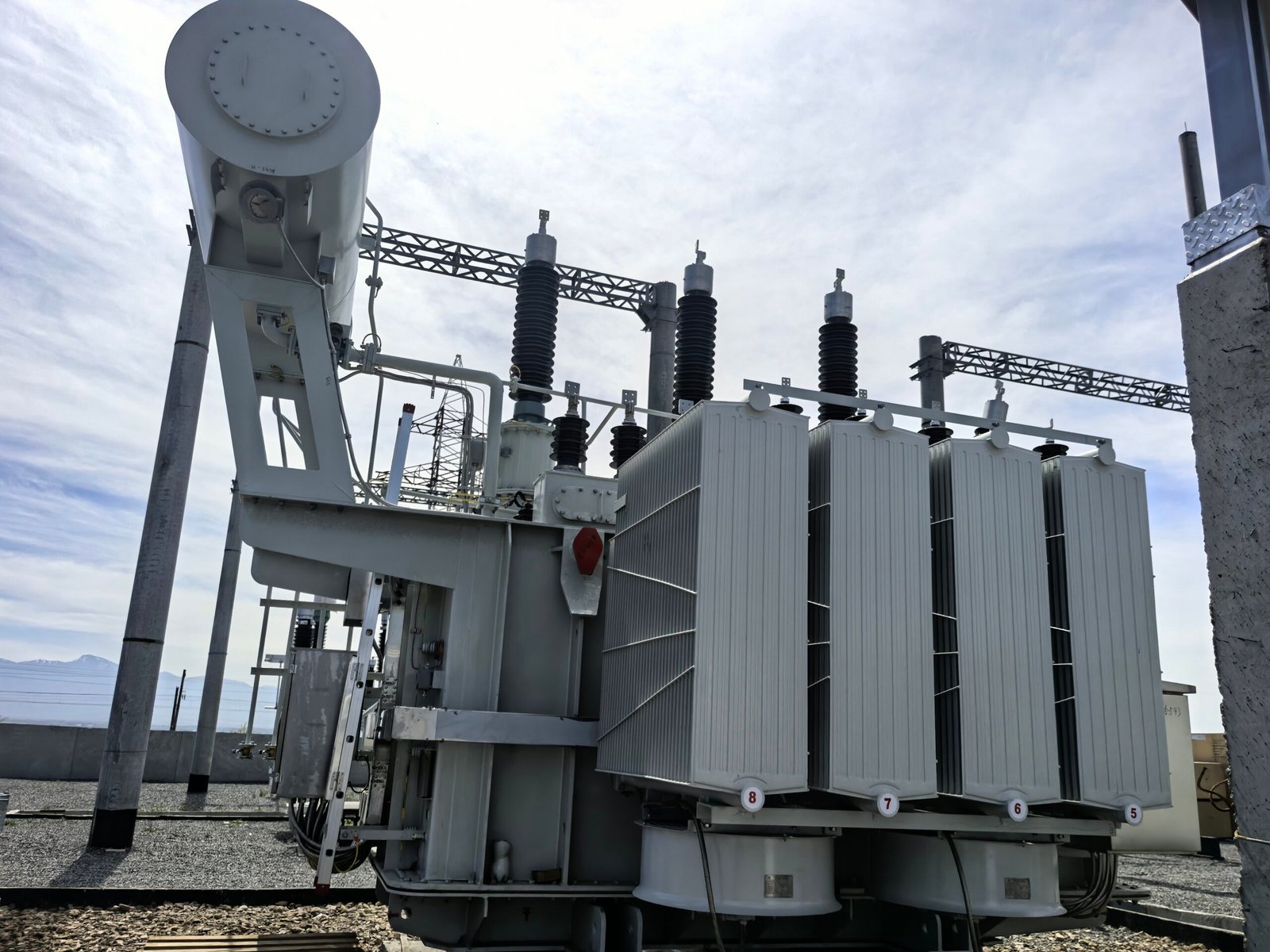
Transformer efficiency is not a fixed value; it varies continuously depending on operating conditions, particularly the load carried by the transformer. A transformer may achieve its highest efficiency at one load level and operate less efficiently at both lower and higher loads. Understanding how load conditions affect efficiency is essential for transformer selection, system design, energy management, and lifecycle cost optimization.
Since transformers operate around the clock in power systems, industrial facilities, commercial buildings, and renewable energy installations, even small efficiency differences can translate into substantial energy costs over their service life. Therefore, engineers carefully evaluate expected load profiles when specifying transformer ratings and designs.
Load conditions influence transformer efficiency by affecting the balance between constant core losses and variable load losses. Efficiency generally increases as load rises from no-load conditions, reaches a maximum at an optimal loading point, and then gradually decreases as load losses become dominant at higher load levels.
Transformer efficiency remains essentially constant regardless of loading conditions.False
Transformer efficiency changes with load because core losses remain relatively constant while copper losses increase with the square of load current. The interaction between these losses causes efficiency to vary across the operating range.
Understanding Transformer Efficiency
Transformer efficiency is the ratio of output power to input power.
Efficiency relationship
Where:
- (P_{out}) = Output power
- (P_{core}) = Core losses
- (P_{cu}) = Copper (load) losses
The interaction between these losses determines overall efficiency.
Types of Transformer Losses
Transformer losses are generally divided into two categories.
Loss components
| Loss Type | Dependence on Load |
|---|---|
| Core loss (iron loss) | Nearly constant |
| Copper loss (load loss) | Varies with load current |
Understanding these losses is essential for evaluating efficiency.
Core Losses Remain Relatively Constant
Core losses occur whenever the transformer is energized.
Sources of core loss
- Hysteresis loss
- Eddy current loss
Characteristics
| Condition | Core Loss Behavior |
|---|---|
| No load | Present |
| Partial load | Present |
| Full load | Present |
Because core losses are largely independent of load, they dominate efficiency at low loading levels.
Copper Losses Increase with Load
Copper losses are caused by current flowing through the windings.
Relationship
This means that if current doubles, copper losses increase by approximately four times.
Efficiency at No-Load Conditions
When a transformer is energized without serving a load:
Characteristics
| Parameter | Condition |
|---|---|
| Output power | Nearly zero |
| Core loss | Present |
| Copper loss | Minimal |
| Efficiency | Very low |
Since energy is consumed without delivering useful output power, efficiency is poor under no-load operation.
Efficiency at Light Load
As load begins to increase:
What happens
- Output power increases
- Core loss remains constant
- Copper loss remains relatively low
This causes efficiency to improve rapidly.
Typical behavior
| Load Level | Efficiency Trend |
|---|---|
| 10% load | Increasing |
| 25% load | Higher |
| 40% load | Approaching optimum |
Many distribution transformers operate within this range for significant periods.
Maximum Efficiency Point
Transformer efficiency reaches a maximum when:
Condition
At this point:
- Core losses equal copper losses
- Total losses are minimized relative to output power
- Efficiency reaches its peak value
This is known as the optimum loading point.
Typical Maximum Efficiency Range
For many transformers, peak efficiency occurs between:
| Transformer Type | Typical Peak Load |
|---|---|
| Distribution transformer | 40%–70% |
| Power transformer | 60%–80% |
| Generator step-up transformer | 70%–100% |
Actual values depend on design objectives.
Efficiency Near Rated Load
As loading approaches the transformer rating:
Effects
- Output power increases substantially
- Copper losses increase rapidly
- Efficiency remains high but stabilizes
Most transformers are designed to achieve excellent efficiency near their expected operating load.
Efficiency Above Rated Load
Overloading affects efficiency and reliability.
Consequences
| Effect | Impact |
|---|---|
| Increased copper loss | Higher energy loss |
| Elevated temperature | Faster insulation aging |
| Reduced efficiency | Higher operating cost |
Sustained overload operation is generally discouraged.
Influence of Load Factor
Load factor represents the average load compared to peak load.
Formula
Load factor significantly affects annual energy efficiency.
High Load Factor Operation
Characteristics
| Condition | Result |
|---|---|
| Consistent loading | Better asset utilization |
| Reduced idle periods | Lower relative core loss impact |
| Improved energy efficiency | Lower cost per delivered kWh |
Industrial facilities often achieve relatively high load factors.
Low Load Factor Operation
Transformers serving highly variable loads may experience:
- Long periods of light loading
- Higher relative core losses
- Reduced overall efficiency
This is common in seasonal or intermittent applications.
Impact of Daily Load Variations
Most transformers experience changing load profiles throughout the day.
Typical load cycle
| Time Period | Load Level |
|---|---|
| Night | Low |
| Morning | Increasing |
| Afternoon | High |
| Evening | Moderate |
Efficiency changes continuously as load varies.
Seasonal Loading Effects
Loading often changes throughout the year.
Examples
| Season | Typical Impact |
|---|---|
| Summer | Higher cooling loads |
| Winter | Higher heating loads |
| Mild seasons | Reduced demand |
Seasonal variations influence annual efficiency performance.
Influence of Power Factor
Load conditions involve more than current magnitude.
Power factor relationship
Where:
- (P) = Real power
- (S) = Apparent power
- (\cos\phi) = Power factor
Lower power factors require higher currents for the same real power output.
Low Power Factor Loading
Effects
| Impact | Consequence |
|---|---|
| Higher current | Increased copper loss |
| Greater heating | Reduced efficiency |
| Lower capacity utilization | Reduced performance |
Power factor correction can improve transformer efficiency.
Harmonic Loading Effects
Modern electrical systems often contain harmonic currents.
Common sources
- Variable frequency drives
- UPS systems
- Data centers
- Solar inverters
Harmonics increase losses beyond those predicted by fundamental-frequency calculations.
Harmonic-Related Losses
Additional losses include
| Loss Type | Cause |
|---|---|
| Eddy current loss | High-frequency currents |
| Stray loss | Leakage flux effects |
| Additional heating | Harmonic distortion |
These factors reduce overall efficiency.
Balanced Versus Unbalanced Loading
Three-phase transformers operate most efficiently under balanced loading.
Balanced load benefits
- Uniform heating
- Equal phase currents
- Reduced neutral currents
Balanced systems generally achieve better efficiency and reliability.
Effects of Load Imbalance
Potential consequences
| Issue | Result |
|---|---|
| Unequal phase loading | Higher losses |
| Additional heating | Thermal stress |
| Reduced efficiency | Increased operating cost |
Load balancing improves transformer performance.
Oversized Transformers and Efficiency
Selecting a transformer significantly larger than required can reduce efficiency.
Why?
- Core losses remain constant
- Average load percentage decreases
- Efficiency operates below optimum point
Proper sizing is important for energy efficiency.
Undersized Transformers and Efficiency
Undersized transformers may experience:
- Frequent overloads
- Excessive copper losses
- Elevated temperatures
- Reduced lifespan
Optimal sizing balances efficiency and capacity requirements.
Load Profile-Based Transformer Selection
Modern transformer selection often focuses on actual load profiles rather than peak demand alone.
Design considerations
| Parameter | Importance |
|---|---|
| Average load | Efficiency evaluation |
| Peak load | Capacity sizing |
| Future growth | Expansion planning |
| Load variability | Operational optimization |
This approach improves lifecycle economics.
Impact on Temperature Rise
Load directly influences winding temperature.
Relationship
Higher load leads to:
- Increased current
- Increased copper loss
- Higher temperatures
Temperature strongly affects insulation aging and transformer life.
Relationship Between Load and Lifespan
Loading effect
| Load Condition | Lifespan Impact |
|---|---|
| Light loading | Longer life |
| Normal loading | Expected life |
| Frequent overloads | Accelerated aging |
Efficiency and longevity are closely related.
Modern Efficiency Standards and Loading
Current standards increasingly recognize real-world load profiles.
Examples include:
- Eco-design requirements
- DOE efficiency standards
- Utility loss capitalization methods
These approaches evaluate transformer performance across varying load conditions.
Strategies to Optimize Efficiency Under Load
Best practices
- Proper transformer sizing
- Power factor correction
- Harmonic mitigation
- Load balancing
- Continuous monitoring
These measures help maintain high operating efficiency.
Why Are Cooling Systems and Operating Temperature Important?
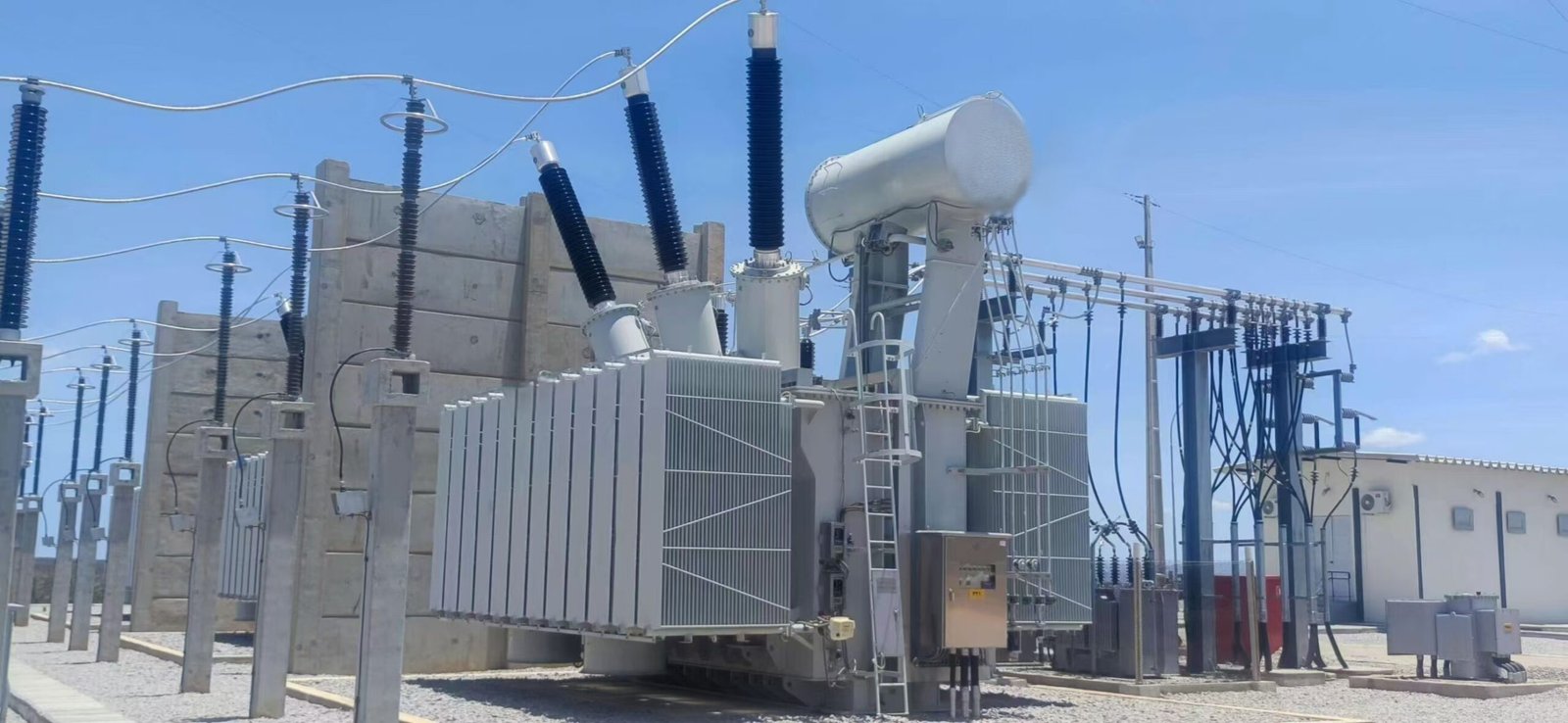
Cooling systems and operating temperature are among the most critical factors affecting transformer performance, efficiency, reliability, and lifespan. Every transformer generates heat during operation due to core losses, winding losses, stray losses, and auxiliary equipment losses. If this heat is not effectively removed, excessive temperatures can accelerate insulation aging, reduce efficiency, damage internal components, and ultimately lead to catastrophic failure.
Since transformer insulation life is highly sensitive to temperature, proper cooling design is often considered just as important as electrical design. Whether the transformer is a small distribution unit or a large power transformer, maintaining acceptable operating temperatures is essential for achieving long-term reliability and maximizing return on investment.
Cooling systems and operating temperature are important because they control heat generated within the transformer, protect insulation systems, maintain efficiency, prevent premature aging, support rated loading capacity, and ensure safe, reliable long-term operation. Effective cooling directly influences transformer lifespan and operational performance.
As long as a transformer operates below its rated current, temperature has little effect on reliability and lifespan.False
Transformer insulation aging is highly dependent on temperature. Even moderate increases in operating temperature can significantly accelerate insulation deterioration and shorten transformer service life.
Why Transformers Generate Heat
Transformers are highly efficient devices, but they are not loss-free.
Primary heat sources
| Source | Description |
|---|---|
| Core losses | Hysteresis and eddy current losses |
| Winding losses | Current-related copper losses |
| Stray losses | Leakage flux-induced heating |
| Auxiliary losses | Fans, pumps, and controls |
Nearly all transformer losses eventually become heat.
Relationship Between Losses and Temperature
As losses increase, internal temperature rises.
Basic efficiency relationship
The energy not delivered to the load is largely converted into heat that must be dissipated by the cooling system.
Importance of Temperature Control
Temperature directly affects every major transformer component.
Components influenced by temperature
- Windings
- Insulation systems
- Transformer oil
- Bushings
- Tap changers
- Gaskets and seals
Poor temperature control accelerates aging throughout the transformer.
Impact on Insulation Life
Insulation is often considered the life-limiting component of a transformer.
Why insulation matters
- Provides dielectric strength
- Separates energized components
- Prevents internal faults
Excessive temperature gradually weakens insulation materials.
Temperature and Insulation Aging
Insulation aging accelerates rapidly as temperature rises.
Typical trend
| Operating Temperature | Relative Aging Rate |
|---|---|
| Normal design value | 1× |
| +6°C to +8°C increase | Approximately 2× |
| +12°C to +16°C increase | Approximately 4× |
| +18°C to +24°C increase | Approximately 8× |
Small temperature increases can dramatically reduce service life.
Effect on Transformer Lifespan
The expected service life of a transformer depends heavily on operating temperature.
Typical relationship
| Temperature Condition | Expected Impact |
|---|---|
| Well controlled | Maximum lifespan |
| Moderately elevated | Accelerated aging |
| Excessively high | Significant life reduction |
Many transformer failures can be traced to long-term thermal stress.
Influence on Efficiency
Temperature affects electrical resistance within windings.
Relationship
As conductor temperature rises:
- Resistance increases
- Copper losses increase
- Efficiency decreases
This creates a cycle where higher temperatures can lead to additional heat generation.
Effect on Copper Losses
Copper losses depend on both current and resistance.
Loss relationship
Since resistance increases with temperature, copper losses rise even if load current remains unchanged.
Hot Spot Temperature
The hottest location inside the transformer is called the hot spot.
Why hot spots matter
| Issue | Consequence |
|---|---|
| Accelerated insulation aging | Reduced life expectancy |
| Local overheating | Potential failure |
| Uneven thermal stress | Mechanical degradation |
Hot-spot temperature is often the most important thermal parameter monitored.
Top-Oil Temperature
Top-oil temperature represents the temperature of the hottest oil near the upper part of the tank.
Importance
- Indicates cooling effectiveness
- Reflects loading conditions
- Supports thermal calculations
Most transformer monitoring systems continuously track top-oil temperature.
Winding Temperature
Winding temperature is usually higher than oil temperature.
Significance
| Parameter | Importance |
|---|---|
| Winding hot spot | Insulation protection |
| Average winding temperature | Performance assessment |
| Temperature rise | Compliance verification |
Winding temperature often determines permissible loading limits.
Cooling Systems and Their Functions
Cooling systems remove heat generated during operation.
Main objectives
- Maintain safe temperatures
- Protect insulation
- Improve efficiency
- Extend service life
The cooling system must match the transformer's power rating and application.
Natural Air Cooling
Used primarily in dry-type transformers.
Characteristics
| Feature | Benefit |
|---|---|
| No moving parts | Simple operation |
| Low maintenance | Reduced costs |
| High reliability | Fewer failures |
Suitable for smaller and medium-capacity installations.
Oil Natural Air Natural (ONAN)
ONAN is the most common cooling method for oil-immersed transformers.
Cooling process
- Heat transfers from windings to oil.
- Warm oil rises naturally.
- Heat dissipates through radiators.
- Cooler oil returns to the windings.
No pumps or fans are required.
Oil Natural Air Forced (ONAF)
ONAF adds fans to improve cooling.
Benefits
| Benefit | Result |
|---|---|
| Increased heat removal | Higher capacity |
| Lower operating temperature | Improved life |
| Better overload capability | Operational flexibility |
Many power transformers use ONAF cooling.
Oil Forced Air Forced (OFAF)
Large transformers often employ OFAF cooling.
Features
- Oil pumps circulate oil
- Fans increase air flow
- Higher cooling efficiency
This system supports large power ratings and heavy loading.
Oil Forced Water Forced (OFWF)
Used in very large power stations and industrial facilities.
Advantages
| Feature | Benefit |
|---|---|
| High heat transfer capability | Excellent cooling |
| Compact design | Reduced footprint |
| Suitable for high ratings | Utility-scale applications |
Water cooling is highly effective where water supply is available.
Cooling System Monitoring
Cooling equipment must operate correctly to maintain performance.
Components monitored
| Component | Purpose |
|---|---|
| Fans | Air circulation |
| Pumps | Oil circulation |
| Temperature sensors | Thermal supervision |
| Controllers | Automatic operation |
Cooling failures can quickly lead to overheating.
Impact on Loading Capability
Cooling performance directly influences transformer loading limits.
Better cooling allows
- Higher continuous loading
- Greater overload capacity
- Improved temperature control
Without adequate cooling, transformer capacity must be reduced.
Emergency Overloading Considerations
Utilities occasionally overload transformers during emergencies.
Requirements
| Requirement | Purpose |
|---|---|
| Effective cooling | Heat management |
| Temperature monitoring | Risk control |
| Loading calculations | Safe operation |
Cooling systems become particularly important during overload conditions.
Influence of Ambient Temperature
Transformer cooling performance depends on surrounding conditions.
Environmental factors
- Ambient air temperature
- Solar radiation
- Altitude
- Ventilation
Higher ambient temperatures reduce cooling effectiveness.
Altitude Effects on Cooling
At higher elevations:
- Air density decreases
- Heat transfer becomes less effective
- Cooling capacity may be reduced
Special derating considerations may be required.
Seasonal Temperature Variations
Transformer temperatures often fluctuate throughout the year.
Examples
| Season | Typical Effect |
|---|---|
| Summer | Higher operating temperatures |
| Winter | Improved cooling performance |
| Transitional seasons | Moderate conditions |
Seasonal analysis is important for capacity planning.
Thermal Monitoring Systems
Modern transformers often include advanced monitoring systems.
Common measurements
| Parameter | Function |
|---|---|
| Top-oil temperature | Cooling assessment |
| Winding temperature | Insulation protection |
| Ambient temperature | Thermal calculations |
| Cooling status | Operational monitoring |
Continuous monitoring improves reliability.
Consequences of Cooling System Failure
A cooling system malfunction can create serious risks.
Potential outcomes
| Problem | Result |
|---|---|
| Fan failure | Reduced heat dissipation |
| Pump failure | Poor oil circulation |
| Sensor failure | Inaccurate temperature control |
| Controller failure | Cooling system malfunction |
Prompt corrective action is essential.
Economic Benefits of Effective Cooling
Proper cooling provides measurable financial benefits.
Advantages
- Longer transformer life
- Reduced maintenance costs
- Improved efficiency
- Lower failure risk
- Better asset utilization
The lifecycle savings often far exceed the cost of cooling equipment.
Modern Trends in Transformer Cooling
Current developments include:
- Intelligent cooling controls
- Variable-speed fans
- Online thermal monitoring
- Digital twin thermal models
- Predictive maintenance systems
These technologies help optimize both performance and efficiency.
Best Practices for Temperature Management
Recommended actions
- Monitor temperatures continuously
- Maintain cooling equipment regularly
- Keep radiators clean
- Verify fan and pump operation
- Analyze thermal trends
- Avoid unnecessary overloads
Proactive temperature management significantly improves reliability.
How Do Harmonics, Power Quality, and Environmental Conditions Affect Performance?
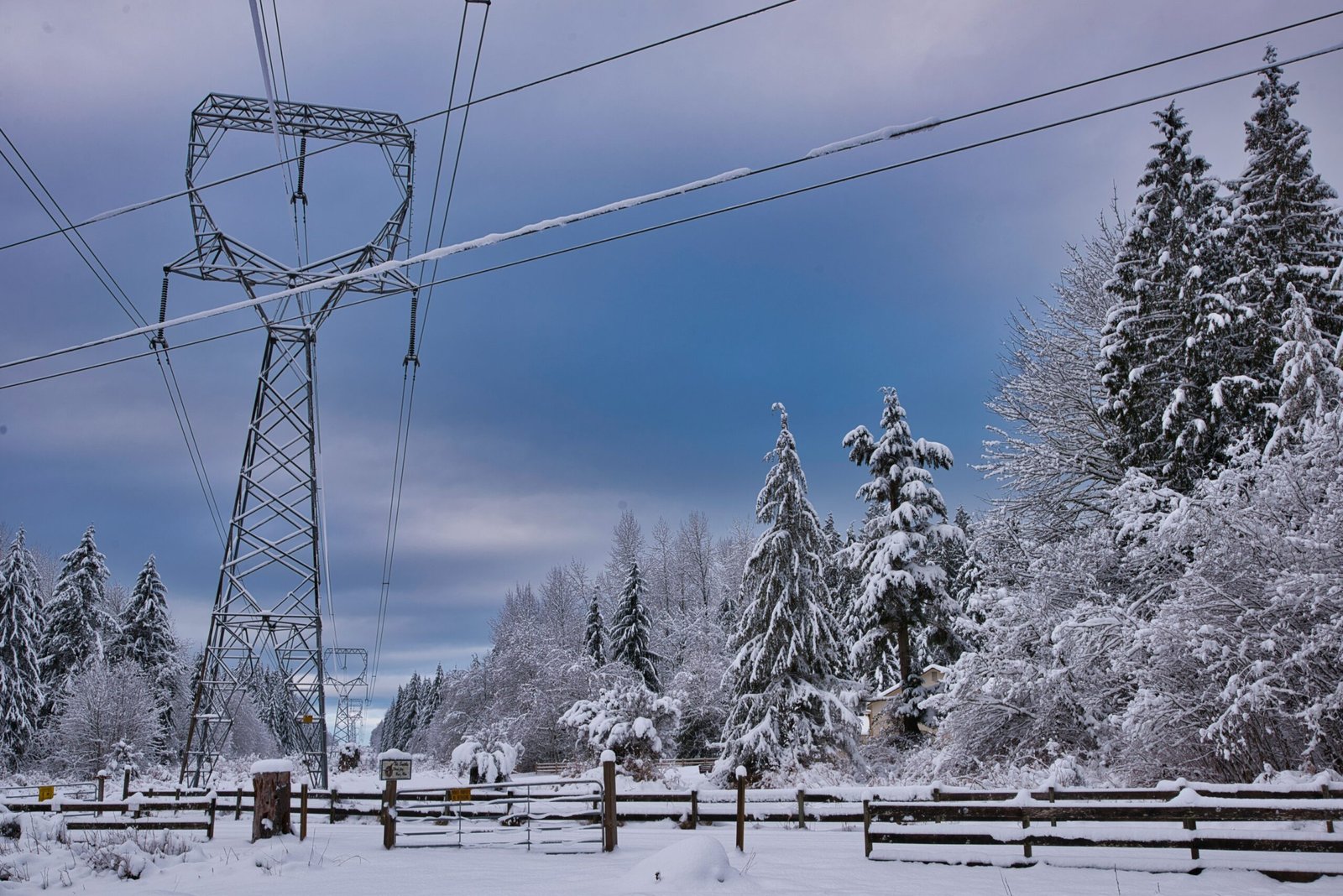
Transformer performance is influenced not only by its design and rated specifications but also by the quality of the electrical system and the environment in which it operates. In modern power networks, transformers increasingly supply nonlinear loads such as variable frequency drives (VFDs), data centers, solar inverters, battery energy storage systems, UPS systems, and industrial power electronics. These loads introduce harmonics and power quality disturbances that can significantly affect transformer efficiency, temperature rise, insulation life, and reliability.
At the same time, environmental conditions such as ambient temperature, altitude, humidity, pollution, seismic activity, and corrosive atmospheres can alter cooling effectiveness, insulation performance, and mechanical durability. Understanding these influences is essential for selecting, operating, and maintaining transformers effectively throughout their service life.
Harmonics, power quality issues, and environmental conditions affect transformer performance by increasing losses, raising operating temperatures, accelerating insulation aging, reducing efficiency, impacting voltage regulation, and potentially shortening service life. Proper transformer design, monitoring, and mitigation measures are necessary to maintain reliable operation under these conditions.
A transformer designed for rated voltage and current will perform identically regardless of harmonics, power quality conditions, or environmental factors.False
Harmonics, voltage disturbances, ambient temperature, altitude, pollution, and other environmental conditions can significantly affect transformer losses, thermal performance, efficiency, reliability, and lifespan.
Understanding Harmonics in Power Systems
Harmonics are voltage or current waveforms with frequencies that are integer multiples of the fundamental frequency.
Common harmonic frequencies
| Fundamental Frequency | Harmonic Order | Harmonic Frequency |
|---|---|---|
| 50 Hz | 3rd | 150 Hz |
| 50 Hz | 5th | 250 Hz |
| 50 Hz | 7th | 350 Hz |
| 60 Hz | 3rd | 180 Hz |
| 60 Hz | 5th | 300 Hz |
Modern electrical systems contain significantly more harmonics than traditional power networks.
Common Sources of Harmonics
Many modern loads generate harmonic currents.
Typical sources
- Variable Frequency Drives (VFDs)
- UPS systems
- Data centers
- Solar inverters
- Battery storage systems
- LED lighting systems
- Arc furnaces
- Industrial rectifiers
The growing use of power electronics continues to increase harmonic levels in electrical networks.
How Harmonics Affect Transformer Losses
Harmonic currents produce additional losses beyond normal load losses.
Primary impacts
| Loss Type | Effect of Harmonics |
|---|---|
| Copper losses | Increase |
| Eddy current losses | Increase significantly |
| Stray losses | Increase |
| Core losses | May increase |
These additional losses appear as heat within the transformer.
Harmonic Heating Effects
Transformer heating is one of the most serious consequences of harmonics.
Why heating increases
Higher-frequency currents create:
- Greater conductor losses
- Increased leakage flux losses
- Additional eddy current losses
Even when RMS current remains within rated limits, harmonic currents can cause excessive temperature rise.
Impact on Winding Temperature
Windings are particularly vulnerable to harmonic loading.
Consequences
| Effect | Result |
|---|---|
| Increased losses | Higher temperatures |
| Hot spot formation | Insulation stress |
| Accelerated aging | Reduced service life |
Temperature monitoring becomes especially important in harmonic-rich environments.
Influence on Insulation Life
Elevated temperatures caused by harmonics accelerate insulation degradation.
Long-term effects
- Reduced dielectric strength
- Increased aging rate
- Shortened transformer life
- Greater failure risk
Harmonic-related heating is often a hidden cause of premature transformer aging.
K-Factor and Harmonic-Rated Transformers
Special transformers are available for nonlinear loads.
Purpose of K-factor ratings
| K-Factor | Application |
|---|---|
| K-4 | Moderate harmonic loads |
| K-13 | Commercial facilities |
| K-20 | Heavy electronic loads |
| K-30 and above | Severe harmonic environments |
These transformers are designed to withstand additional harmonic heating.
Triplen Harmonics and Neutral Currents
Triplen harmonics are odd multiples of the third harmonic.
Examples
- 3rd harmonic
- 9th harmonic
- 15th harmonic
These harmonics can accumulate in neutral conductors.
Potential consequences
| Issue | Impact |
|---|---|
| High neutral currents | Additional heating |
| Increased losses | Reduced efficiency |
| Cable overload | Reliability concerns |
Special attention is required in commercial buildings and data centers.
Effect on Transformer Efficiency
Additional harmonic losses reduce operating efficiency.
Typical impacts
- Increased energy consumption
- Higher operating costs
- Reduced asset utilization
The economic impact can be substantial over a transformer's lifespan.
Harmonics and Audible Noise
Harmonics can increase transformer vibration and noise.
Causes
- Magnetic flux distortion
- Increased electromagnetic forces
- Core excitation variations
Higher harmonic levels often correspond to increased sound levels.
Voltage Quality and Transformer Performance
Power quality encompasses more than harmonics.
Key voltage quality issues
| Disturbance | Description |
|---|---|
| Voltage sag | Temporary voltage reduction |
| Voltage swell | Temporary voltage increase |
| Flicker | Rapid voltage variation |
| Voltage imbalance | Unequal phase voltages |
These conditions can affect transformer operation and connected equipment.
Voltage Sags
Voltage sags are among the most common power quality events.
Potential effects
- Increased current draw
- Additional heating
- Reduced system stability
Frequent voltage sags may indicate broader network issues.
Voltage Swells
Excessive voltage can stress transformer insulation.
Consequences
| Effect | Result |
|---|---|
| Increased flux density | Higher core losses |
| Greater heating | Thermal stress |
| Insulation stress | Reduced lifespan |
Long-term overvoltage operation should be avoided.
Voltage Imbalance
Three-phase transformers are designed for balanced operation.
Sources of imbalance
- Uneven single-phase loads
- Distribution network issues
- Fault conditions
Impacts
| Issue | Consequence |
|---|---|
| Unequal phase currents | Additional losses |
| Localized heating | Reduced efficiency |
| Thermal imbalance | Accelerated aging |
Load balancing improves performance and reliability.
Power Factor and Transformer Loading
Poor power factor increases current demand.
Relationship
Lower power factor results in:
- Higher current
- Increased copper losses
- Greater temperature rise
- Reduced system efficiency
Power factor correction can improve transformer utilization.
Frequency Variations
Transformers are designed for specific operating frequencies.
Frequency deviations may cause
| Condition | Potential Impact |
|---|---|
| Lower frequency | Increased flux density |
| Higher frequency | Different loss characteristics |
Most utility systems maintain frequency within tight limits, minimizing these effects.
Ambient Temperature Effects
Environmental temperature directly influences transformer cooling performance.
Typical impact
| Ambient Temperature | Cooling Effectiveness |
|---|---|
| Low temperature | Improved cooling |
| Moderate temperature | Normal operation |
| High temperature | Reduced cooling capability |
Ambient temperature is one of the most important environmental factors.
High Ambient Temperature Operation
Excessive ambient temperatures reduce cooling margins.
Consequences
- Higher winding temperatures
- Faster insulation aging
- Reduced overload capability
- Lower operational flexibility
Special designs may be required in hot climates.
Altitude Effects
Air density decreases as elevation increases.
Impact on cooling
| Altitude Increase | Result |
|---|---|
| Reduced air density | Lower heat dissipation |
| Reduced cooling efficiency | Higher operating temperature |
Transformers installed at high elevations often require derating.
Humidity and Moisture Exposure
Moisture is a major concern for transformer insulation systems.
Risks
- Reduced dielectric strength
- Increased insulation aging
- Corrosion potential
Dry-type transformers are particularly sensitive to humid environments.
Pollution and Contamination
Industrial and coastal environments can introduce contaminants.
Common contaminants
| Environment | Contaminant |
|---|---|
| Coastal regions | Salt deposits |
| Industrial zones | Chemical pollutants |
| Mining operations | Dust particles |
Contamination can reduce insulation performance and increase maintenance requirements.
Corrosive Atmospheres
Certain environments accelerate material degradation.
Sources
- Chemical plants
- Wastewater facilities
- Marine installations
Corrosion affects:
- Tank surfaces
- Radiators
- Fasteners
- Electrical connections
Protective coatings are often required.
Solar Radiation Effects
Outdoor transformers experience direct solar heating.
Consequences
- Increased oil temperature
- Higher top-oil temperatures
- Reduced thermal margin
Solar heat gain should be considered in thermal design studies.
Seismic Conditions
Earthquake-prone regions require special transformer designs.
Design considerations
| Requirement | Purpose |
|---|---|
| Structural reinforcement | Mechanical integrity |
| Flexible connections | Movement accommodation |
| Seismic qualification | Regulatory compliance |
Seismic factors affect both design and installation practices.
Wind and Ventilation Conditions
Airflow significantly affects cooling performance.
Good ventilation provides
- Improved heat dissipation
- Lower operating temperatures
- Enhanced reliability
Restricted airflow can lead to overheating even under normal loading.
Combined Effects on Reliability
Multiple stress factors often occur simultaneously.
Example scenario
A transformer may experience:
- High harmonic loading
- Elevated ambient temperature
- Poor ventilation
- Voltage imbalance
Together, these conditions can significantly accelerate aging and reduce reliability.
Monitoring Performance Under Challenging Conditions
Modern monitoring systems help identify emerging issues.
Parameters commonly monitored
| Parameter | Purpose |
|---|---|
| Winding temperature | Thermal assessment |
| Oil temperature | Cooling evaluation |
| Harmonic distortion | Power quality analysis |
| Load current | Capacity monitoring |
| Dissolved gases | Fault detection |
Continuous monitoring improves operational awareness.
Mitigation Strategies
Harmonic mitigation
- Harmonic filters
- K-factor transformers
- Phase-shifting transformers
- Active filtering systems
Environmental mitigation
- Enhanced cooling systems
- Protective coatings
- Environmental enclosures
- Regular maintenance
Proper mitigation significantly improves performance and longevity.
Best Practices for Reliable Operation
Recommended actions
| Practice | Benefit |
|---|---|
| Monitor harmonics | Early detection |
| Maintain power quality | Reduced losses |
| Control operating temperature | Longer life |
| Inspect environmental conditions | Improved reliability |
| Perform regular testing | Condition assessment |
These measures help maximize transformer performance under real-world conditions.
What Role Do Maintenance and Monitoring Play in Long-Term Efficiency?
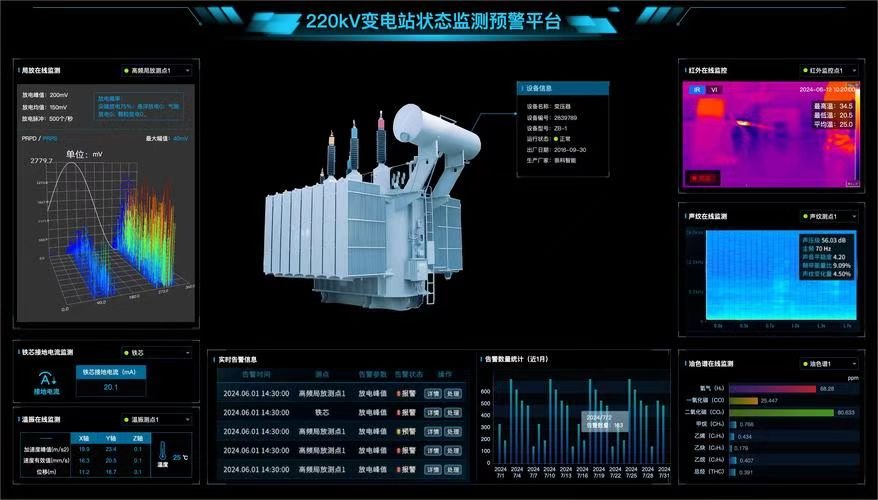
Transformers are designed to operate reliably for decades, often exceeding 30 to 40 years of service life. However, achieving long-term efficiency and reliability depends not only on initial design quality but also on how effectively the transformer is maintained and monitored throughout its operational life. Even the most advanced transformer will gradually experience aging, insulation degradation, contamination, mechanical wear, and environmental stress. Without proper maintenance and monitoring, these factors can increase losses, reduce efficiency, accelerate aging, and ultimately lead to premature failure.
Modern asset management strategies increasingly rely on condition-based maintenance and continuous monitoring technologies to optimize transformer performance. By detecting abnormalities early and addressing issues before they become severe, operators can preserve efficiency, reduce operating costs, and maximize return on investment.
Maintenance and monitoring play a critical role in long-term transformer efficiency by minimizing losses, preserving insulation health, ensuring effective cooling, detecting developing faults, preventing unexpected failures, and extending service life. Well-maintained transformers typically operate more efficiently, reliably, and economically throughout their lifecycle.
Once a transformer is commissioned and operating normally, maintenance has little impact on its long-term efficiency.False
Transformer efficiency and reliability can deteriorate over time due to aging, contamination, cooling system degradation, and developing faults. Regular maintenance and monitoring help preserve performance and prevent efficiency losses.
Why Long-Term Efficiency Matters
Transformers operate continuously for many years, making efficiency a major economic consideration.
Long-term implications
| Factor | Impact |
|---|---|
| Energy losses | Operating cost |
| Temperature rise | Insulation aging |
| Equipment reliability | Asset availability |
| Maintenance expenses | Lifecycle cost |
Even small efficiency improvements can generate substantial savings over decades of operation.
Understanding Transformer Aging
All transformers experience gradual aging during service.
Common aging mechanisms
- Insulation deterioration
- Thermal stress
- Moisture accumulation
- Oxidation
- Mechanical fatigue
Monitoring these processes helps maintain efficiency and reliability.
Relationship Between Condition and Efficiency
Transformer condition directly influences performance.
Deterioration can cause
| Issue | Efficiency Impact |
|---|---|
| Increased winding resistance | Higher copper losses |
| Contaminated oil | Reduced cooling efficiency |
| Cooling system degradation | Increased temperatures |
| Insulation deterioration | Reduced reliability |
Maintaining equipment condition helps preserve design performance.
Importance of Preventive Maintenance
Preventive maintenance addresses issues before failures occur.
Primary objectives
- Maintain efficiency
- Reduce outages
- Extend service life
- Improve reliability
Preventive programs are generally more economical than corrective repairs.
Corrective Versus Preventive Maintenance
| Approach | Characteristics |
|---|---|
| Corrective maintenance | Performed after failure |
| Preventive maintenance | Scheduled intervention |
| Predictive maintenance | Condition-based actions |
Predictive and preventive approaches typically support better long-term efficiency.
Role of Condition-Based Maintenance
Condition-based maintenance relies on actual equipment condition rather than fixed schedules.
Benefits
- Optimized maintenance intervals
- Reduced unnecessary interventions
- Improved fault detection
- Better asset utilization
Modern transformer management increasingly uses this approach.
Monitoring Transformer Losses
Losses should be monitored throughout the transformer's life.
Major loss categories
| Loss Type | Monitoring Purpose |
|---|---|
| Core losses | Magnetic performance |
| Copper losses | Winding condition |
| Stray losses | Operational assessment |
Changes in loss behavior can indicate developing problems.
Temperature Monitoring and Efficiency
Temperature is one of the most important indicators of transformer health.
Key parameters
| Parameter | Significance |
|---|---|
| Top-oil temperature | Cooling performance |
| Winding temperature | Insulation protection |
| Ambient temperature | Thermal assessment |
Elevated temperatures often indicate efficiency-reducing conditions.
Impact of Cooling System Maintenance
Cooling systems play a major role in thermal efficiency.
Components requiring maintenance
- Fans
- Pumps
- Radiators
- Heat exchangers
- Temperature controls
Poor cooling performance increases losses and accelerates aging.
Radiator Cleaning and Heat Transfer
Radiator surfaces must remain clean for effective cooling.
Contamination effects
| Condition | Impact |
|---|---|
| Dust buildup | Reduced heat transfer |
| Corrosion | Lower efficiency |
| Airflow obstruction | Increased temperature |
Routine cleaning supports optimal thermal performance.
Fan and Pump Maintenance
Cooling equipment directly influences operating temperature.
Benefits of proper maintenance
- Improved heat dissipation
- Lower winding temperatures
- Enhanced loading capability
- Better efficiency
Malfunctioning cooling systems can significantly reduce performance.
Monitoring Oil Condition
Transformer oil serves both insulating and cooling functions.
Important oil properties
| Property | Importance |
|---|---|
| Moisture content | Dielectric strength |
| Acidity | Oxidation condition |
| Dielectric breakdown voltage | Insulation performance |
| Dissolved gases | Fault detection |
Oil condition directly affects efficiency and reliability.
Dissolved Gas Analysis (DGA)
DGA is one of the most valuable diagnostic tools.
Purpose
- Detect internal faults
- Identify overheating
- Monitor insulation degradation
- Assess transformer health
Common gases monitored
| Gas | Possible Indication |
|---|---|
| Hydrogen | Partial discharge |
| Methane | Thermal fault |
| Ethylene | High-temperature overheating |
| Acetylene | Arcing |
Regular DGA testing helps identify problems before they impact efficiency.
Moisture Monitoring
Moisture is one of the most damaging contaminants in transformers.
Consequences
- Reduced dielectric strength
- Increased insulation aging
- Higher risk of failure
Effective monitoring supports both efficiency and longevity.
Winding Resistance Monitoring
Changes in winding resistance may indicate deterioration.
Possible causes
| Cause | Impact |
|---|---|
| Loose connections | Increased losses |
| Corrosion | Higher resistance |
| Mechanical damage | Reduced efficiency |
Periodic measurements help identify developing issues.
Infrared Thermography
Thermal imaging provides a non-invasive method for assessing transformer condition.
Applications
- Hot spot detection
- Connection inspection
- Cooling system evaluation
- Load distribution assessment
Thermography often reveals problems before conventional measurements do.
Monitoring Load Profiles
Loading conditions significantly affect efficiency.
Important parameters
| Parameter | Purpose |
|---|---|
| Average load | Utilization analysis |
| Peak load | Capacity assessment |
| Load factor | Efficiency evaluation |
Understanding load behavior supports optimization efforts.
Detecting Overloading Conditions
Excessive loading reduces efficiency and accelerates aging.
Warning indicators
- Elevated temperatures
- Increased losses
- Frequent cooling system activation
Monitoring enables timely corrective action.
Power Quality Monitoring
Power quality issues can affect transformer performance.
Parameters monitored
- Harmonics
- Voltage imbalance
- Power factor
- Frequency stability
Poor power quality often increases losses and operating temperatures.
Harmonic Monitoring
Modern loads frequently introduce harmonic distortion.
Harmonic effects
| Impact | Result |
|---|---|
| Additional losses | Reduced efficiency |
| Increased heating | Accelerated aging |
| Higher operating costs | Lower profitability |
Monitoring supports effective mitigation strategies.
Tap Changer Maintenance
Tap changers are among the most heavily used transformer components.
Maintenance objectives
- Maintain voltage regulation
- Prevent contact deterioration
- Ensure reliable operation
Tap changer issues can negatively affect both performance and efficiency.
Bushing Inspection and Monitoring
Bushings are critical insulation components.
Inspection focuses
| Item | Purpose |
|---|---|
| Cracks | Mechanical integrity |
| Leakage | Insulation assessment |
| Capacitance changes | Condition evaluation |
Healthy bushings contribute to overall transformer reliability.
Online Monitoring Systems
Modern transformers increasingly utilize continuous monitoring technologies.
Common systems
| Monitoring System | Function |
|---|---|
| DGA monitors | Gas analysis |
| Thermal monitoring | Temperature tracking |
| Moisture sensors | Water content measurement |
| Bushing monitors | Insulation condition |
Online monitoring improves visibility into transformer health.
SCADA Integration
Remote monitoring systems enhance operational efficiency.
Benefits
- Real-time status information
- Alarm notifications
- Historical trend analysis
- Faster fault response
SCADA integration supports proactive asset management.
Predictive Analytics and Digitalization
Advanced software tools are transforming transformer maintenance.
Technologies include
- Artificial intelligence
- Machine learning
- Digital twins
- Predictive diagnostics
These systems help identify efficiency-reducing conditions earlier.
Impact on Lifecycle Cost
Maintenance and monitoring directly affect total ownership cost.
Benefits
| Benefit | Economic Impact |
|---|---|
| Reduced failures | Lower repair costs |
| Improved efficiency | Reduced energy costs |
| Extended lifespan | Delayed replacement |
| Higher availability | Increased productivity |
Lifecycle savings often far exceed maintenance expenses.
Reliability and Efficiency Relationship
Reliability and efficiency are closely linked.
Well-maintained transformers typically exhibit
- Lower losses
- Better cooling performance
- Stable operating temperatures
- Longer insulation life
Efficiency improvements often accompany reliability improvements.
Recommended Monitoring Frequency
Typical monitoring intervals
| Activity | Frequency |
|---|---|
| Visual inspection | Monthly |
| Temperature review | Continuous |
| Oil testing | Annually or semiannually |
| DGA analysis | Periodic or continuous |
| Thermography | Annual |
Actual intervals depend on criticality and operating conditions.
Key Performance Indicators (KPIs)
Utilities and industrial operators often track performance metrics.
Common KPIs
| KPI | Purpose |
|---|---|
| Availability | Reliability measurement |
| Loss performance | Efficiency assessment |
| Temperature trends | Thermal evaluation |
| Fault frequency | Condition monitoring |
KPIs support continuous improvement programs.
Best Practices for Long-Term Efficiency
Recommended strategies
- Implement condition-based maintenance
- Monitor temperatures continuously
- Perform regular oil analysis
- Maintain cooling systems proactively
- Track loading and power quality
- Utilize predictive diagnostics
These practices help preserve efficiency throughout the transformer lifecycle.
Conclusion
Transformer efficiency and performance are influenced by multiple factors, including core and winding design, load profile, cooling effectiveness, power quality, and environmental conditions. High-quality materials, proper sizing, effective thermal management, and regular maintenance all contribute to reducing losses and improving reliability. By carefully managing these factors, operators can maximize transformer efficiency, enhance performance, and achieve longer service life while minimizing operating costs.
FAQ
Q1: What factors affect transformer efficiency and performance?
Transformer efficiency and performance are influenced by several electrical, thermal, mechanical, and environmental factors. These factors determine how effectively a transformer converts and transfers electrical energy while minimizing losses.
The most significant factors include:
Core losses
Copper losses
Load conditions
Operating temperature
Cooling effectiveness
Harmonic distortion
Power factor
Insulation condition
Maintenance quality
Understanding these factors helps operators maximize reliability and reduce operating costs.
Q2: How do core losses affect transformer efficiency?
Core losses, also called no-load losses, occur whenever a transformer is energized, regardless of load.
The two primary components are:
Hysteresis Losses
Caused by repeated magnetization and demagnetization of the core material.
Eddy Current Losses
Produced by circulating currents induced within the transformer core.
Core losses depend on:
Core material quality
Magnetic flux density
Operating frequency
Core design
Modern transformers use high-grade silicon steel or amorphous metal cores to minimize these losses.
Q3: How do copper losses impact transformer performance?
Copper losses, also known as load losses, occur in the windings due to electrical resistance.
Copper losses increase as load current rises and are influenced by:
Conductor material (copper or aluminum)
Winding design
Operating temperature
Load level
Reducing winding resistance improves efficiency and voltage regulation.
Q4: Why does transformer loading affect efficiency?
Transformer efficiency varies with load because different losses dominate at different operating points.
Light Load
Core losses dominate
Efficiency is lower
Optimal Load
Core and copper losses are balanced
Efficiency reaches its maximum
Heavy Load
Copper losses increase significantly
Temperature rises
Efficiency may decrease
Most transformers achieve peak efficiency between 50% and 80% of rated load.
Q5: How does temperature influence transformer performance?
Temperature has a major impact on transformer operation.
Higher temperatures can:
Increase winding resistance
Raise copper losses
Accelerate insulation aging
Reduce equipment lifespan
Increase cooling requirements
Proper thermal management is essential for maintaining efficiency and extending service life.
Q6: What role does the cooling system play in efficiency?
The cooling system removes heat generated by transformer losses.
Common cooling methods include:
Oil-Immersed Transformers
ONAN
ONAF
OFAF
OFWF
Dry-Type Transformers
AN
AF
Effective cooling:
Maintains acceptable operating temperatures
Preserves insulation integrity
Supports higher loading capability
Improves overall reliability
Poor cooling can lead to overheating and premature failure.
Q7: How do harmonics affect transformer performance?
Harmonic currents generated by non-linear loads can negatively impact transformer operation.
Common effects include:
Increased eddy current losses
Higher winding temperatures
Reduced efficiency
Additional vibration and noise
Accelerated insulation deterioration
Sources of harmonics include:
Variable frequency drives (VFDs)
Data centers
UPS systems
Industrial electronic equipment
K-rated or harmonic-mitigating transformers are often used to address these challenges.
Q8: How can transformer efficiency and performance be improved?
Several strategies can enhance transformer operation:
Use high-efficiency core materials
Optimize transformer sizing
Maintain proper loading levels
Ensure effective cooling
Perform regular maintenance
Monitor oil and insulation condition
Reduce harmonic distortion
Utilize online monitoring systems
Maintain clean electrical connections
A comprehensive maintenance and monitoring program helps maximize transformer efficiency, reliability, and lifespan.
References
IEC 60076 – Power Transformers
https://webstore.iec.ch/publication/602
IEEE C57.91 – Guide for Loading Mineral-Oil-Immersed Transformers
https://standards.ieee.org
IEEE C57 Series – Transformer Performance Standards
https://standards.ieee.org
IEEE Power & Energy Society – Transformer Efficiency Research Publications
https://ieeexplore.ieee.org