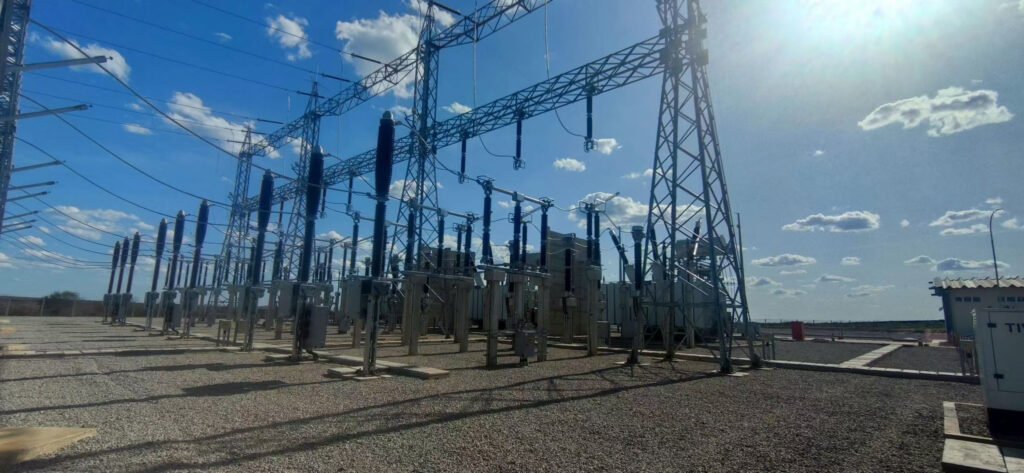
The increasing demand for reliable electricity infrastructure has made access to high-quality power transformers a critical challenge for utilities, industrial companies, renewable energy developers, and infrastructure projects worldwide. Local suppliers may have limited production capacity, technical capabilities, or availability for specialized transformer requirements. Relying on a restricted supplier base can lead to higher costs, longer delivery times, and limited access to advanced technologies. Global sourcing provides buyers with broader supplier options and opportunities to obtain reliable transformers that meet international standards and specific project requirements.
Global sourcing improves access to high-quality power transformers by allowing buyers to compare manufacturers worldwide, access advanced production technologies, benefit from competitive pricing, diversify supply chains, and select suppliers with proven expertise in specific transformer applications. Through careful supplier evaluation, quality verification, and international procurement management, buyers can obtain reliable transformers while reducing procurement risks and improving overall project value.
However, successful global sourcing requires more than finding the lowest-cost supplier. Buyers must evaluate manufacturing capabilities, quality systems, technical expertise, logistics performance, and after-sales support to ensure the selected transformer supplier can deliver consistent quality and long-term reliability.
How Can Global Sourcing Improve Access to High-Quality Power Transformers?
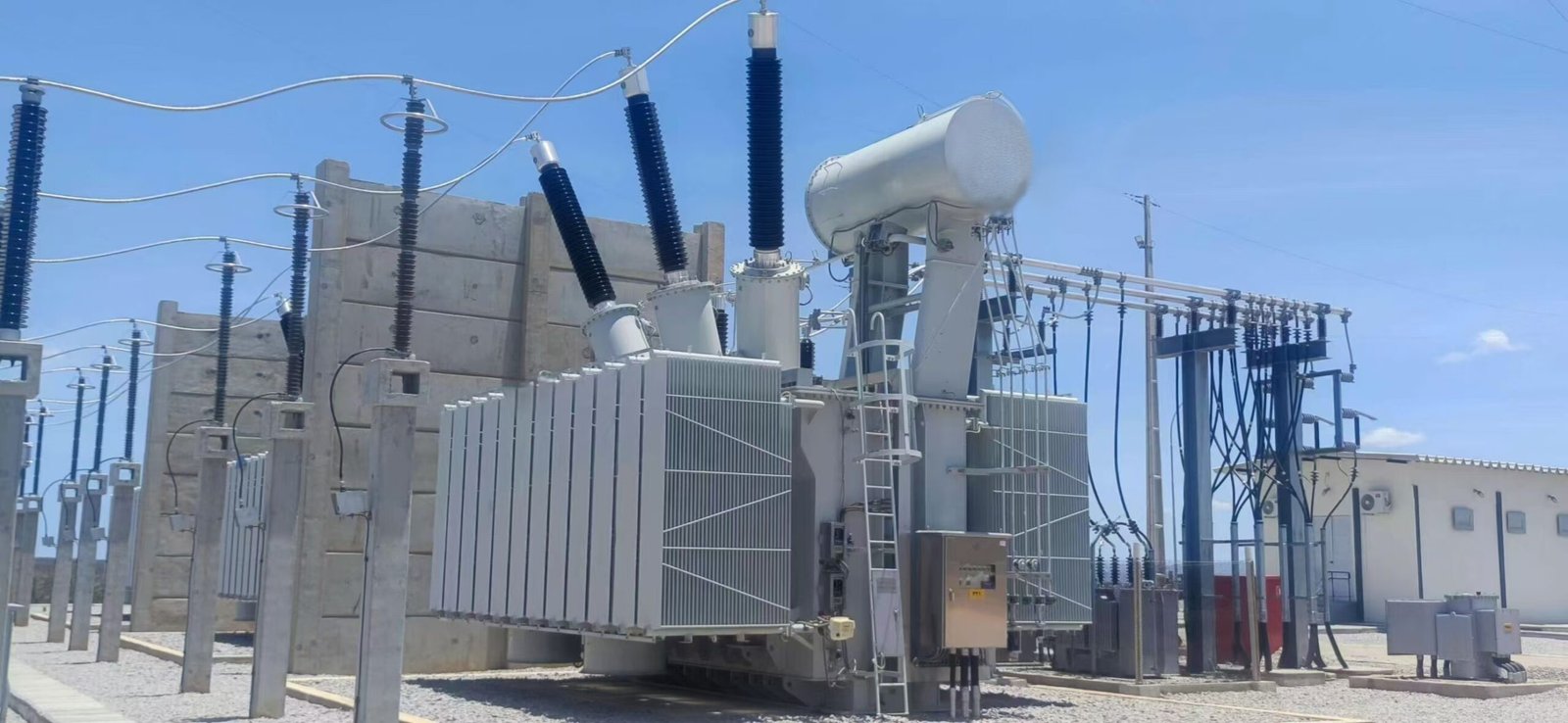
Purchasing power transformers is a major investment decision that directly affects electrical system reliability, operational safety, and long-term energy costs. However, many buyers face challenges when sourcing transformers locally, including limited supplier options, insufficient manufacturing capacity, higher prices, restricted customization capabilities, and inconsistent quality standards. These limitations can increase procurement risks and make it difficult to obtain transformers that meet demanding technical requirements.
Global sourcing improves access to high-quality power transformers by allowing buyers to evaluate manufacturers from multiple regions, compare technical capabilities, access advanced production technologies, select suppliers with proven experience, optimize costs, and obtain customized transformer solutions that meet international standards. Through systematic supplier evaluation, factory inspections, quality verification, and logistics management, global sourcing helps buyers achieve better product reliability, competitive pricing, and long-term value.
Global sourcing allows buyers to access a wider range of qualified power transformer manufacturers and technologies.True
International supplier networks expand procurement options and enable buyers to compare different manufacturing capabilities and solutions.
Selecting overseas power transformer suppliers based only on low price is an effective quality assurance strategy.False
Global sourcing requires technical evaluation, quality verification, and supplier assessment to reduce procurement risks.
International standards and third-party inspections can support quality control when purchasing power transformers globally.True
Independent verification helps confirm that suppliers meet technical and quality requirements.
Global sourcing is not simply purchasing from another country. A successful global procurement strategy combines supplier identification, technical evaluation, quality management, logistics planning, and lifecycle support to ensure that the selected transformer provides reliable performance after installation.
Why Is Global Sourcing Important for Power Transformer Procurement?
Power transformers are specialized products requiring advanced engineering, manufacturing precision, and strict quality control.
Buyers may encounter limitations when relying only on local suppliers:
| Challenge | Potential Impact |
|---|---|
| Limited manufacturer options | Reduced supplier competition |
| Higher production costs | Increased project investment |
| Restricted technology access | Fewer design choices |
| Limited production capacity | Longer delivery times |
| Lack of customization | Poor application matching |
Global sourcing expands access to manufacturers with different strengths and capabilities.
How Does Global Sourcing Expand Supplier Selection?
One of the biggest advantages of global sourcing is access to a broader supplier market.
Buyers can compare manufacturers based on:
| Evaluation Area | Supplier Comparison Goal |
|---|---|
| Manufacturing experience | Identify proven suppliers |
| Technical capability | Confirm engineering expertise |
| Production capacity | Ensure delivery reliability |
| Quality systems | Reduce defect risks |
| Pricing structure | Improve procurement efficiency |
A larger supplier pool allows buyers to select manufacturers based on overall value rather than availability alone.
How Does Global Sourcing Help Buyers Find Advanced Transformer Technologies?
Different regions often develop specialized manufacturing expertise.
Global sourcing may provide access to:
| Technology Area | Potential Advantage |
|---|---|
| High-efficiency transformer design | Reduced operating losses |
| Advanced insulation systems | Improved reliability |
| Low-noise technology | Better environmental performance |
| Smart monitoring systems | Improved condition management |
| Customized cooling solutions | Better thermal performance |
By evaluating international suppliers, buyers can identify technologies that may not be available in their local market.
How Can Global Sourcing Improve Power Transformer Quality?
Quality improvement is one of the most important reasons buyers consider global sourcing.
International procurement allows buyers to evaluate:
| Quality Factor | Verification Method |
|---|---|
| Manufacturing processes | Factory audits |
| Material quality | Certificate review |
| Testing capability | FAT inspection |
| Product performance | Test reports |
| Production consistency | Quality system evaluation |
A global sourcing approach encourages suppliers to compete through quality, not only price.
How Does Supplier Competition Affect Transformer Procurement?
A wider supplier market creates stronger competition.
Benefits include:
| Competition Effect | Buyer Advantage |
|---|---|
| More supplier choices | Better negotiation position |
| Different manufacturing strengths | Improved technical selection |
| Alternative designs | More suitable solutions |
| Competitive pricing | Reduced procurement costs |
However, buyers should avoid choosing suppliers based only on quotation price.
What Supplier Capabilities Should Buyers Evaluate Globally?
A reliable global supplier evaluation process should include:
| Capability | Key Questions |
|---|---|
| Engineering ability | Can the supplier design required transformers? |
| Manufacturing experience | Have they completed similar projects? |
| Testing capability | Can they perform required tests? |
| Quality management | Are production processes controlled? |
| Export experience | Can they manage international delivery? |
| Service capability | Can they support installation and operation? |
Comprehensive evaluation reduces risks associated with unfamiliar suppliers.
How Does Global Sourcing Support Transformer Customization?
Different electrical systems require different transformer designs.
Global suppliers may provide customization options such as:
| Custom Requirement | Example |
|---|---|
| Voltage ratio | Regional grid requirements |
| Capacity rating | Specific load conditions |
| Cooling method | Environmental requirements |
| Protection configuration | System safety needs |
| Noise control | Urban installation requirements |
Access to more manufacturers increases the possibility of finding suitable customized solutions.
How Can Buyers Verify Global Transformer Supplier Quality?
Supplier verification is essential when purchasing internationally.
Recommended evaluation steps include:
| Verification Activity | Purpose |
|---|---|
| Review company background | Confirm experience |
| Check project references | Validate performance |
| Review certifications | Confirm management systems |
| Inspect factories | Verify production capability |
| Witness FAT | Confirm product quality |
| Use third-party inspection | Provide independent verification |
These measures reduce uncertainty before placing orders.
How Do International Standards Support Global Transformer Procurement?
Global sourcing requires clear technical standards.
Common references include:
| Standard Type | Purpose |
|---|---|
| IEC standards | International transformer requirements |
| IEEE standards | Electrical industry practices |
| National standards | Local compliance |
| Customer specifications | Project-specific requirements |
Using recognized standards helps buyers compare suppliers objectively.
How Does Factory Inspection Improve Global Sourcing Reliability?
Factory inspection provides direct visibility into manufacturing capability.
During inspection, buyers or third-party inspectors may review:
| Factory Area | Inspection Focus |
|---|---|
| Engineering department | Design capability |
| Production workshops | Manufacturing processes |
| Testing laboratory | Verification equipment |
| Storage areas | Material management |
| Quality department | Inspection procedures |
Factory visits reduce risks associated with unknown suppliers.
How Do Factory Acceptance Tests Support International Procurement?
Factory Acceptance Tests are especially important for global purchases because buyers may not be physically close to the manufacturing location.
FAT verifies:
| Test Category | Quality Confirmation |
|---|---|
| Electrical tests | Transformer performance |
| Insulation tests | Dielectric reliability |
| Loss measurements | Efficiency |
| Temperature tests | Cooling performance |
| Mechanical inspections | Construction quality |
Successful FAT provides confidence before international shipment.
How Can Global Sourcing Reduce Procurement Costs?
Cost optimization is another advantage of international sourcing.
Global procurement may reduce costs through:
| Cost Improvement | Explanation |
|---|---|
| Supplier competition | Better pricing |
| Manufacturing advantages | Lower production costs |
| Direct purchasing | Reduced intermediary costs |
| Production scale | Improved efficiency |
| Long-term cooperation | Better commercial terms |
However, buyers should evaluate total cost rather than initial purchase price.
What Is the Role of Total Cost Evaluation in Global Sourcing?
The lowest purchase price does not always represent the best value.
Buyers should consider:
| Cost Factor | Lifecycle Impact |
|---|---|
| Purchase price | Initial investment |
| Energy losses | Long-term operating cost |
| Maintenance needs | Service expenses |
| Delivery reliability | Project schedule impact |
| Warranty support | Risk protection |
A higher-quality transformer may provide better long-term economic value.
How Does Global Sourcing Affect Delivery Management?
International transformer procurement requires careful logistics planning.
Important considerations include:
| Logistics Factor | Management Requirement |
|---|---|
| Production schedule | Avoid project delays |
| Transportation method | Protect equipment |
| Packaging design | Prevent damage |
| Customs procedures | Ensure smooth delivery |
| Site coordination | Prepare installation |
Professional suppliers should provide clear delivery plans.
How Can Buyers Manage International Supply Chain Risks?
Global sourcing introduces additional supply chain considerations.
Risk management strategies include:
| Risk | Mitigation Method |
|---|---|
| Shipping delays | Early logistics planning |
| Supplier communication issues | Clear documentation |
| Quality uncertainty | Inspection and FAT |
| Material shortages | Supplier evaluation |
| Regulatory differences | Compliance review |
A structured procurement process reduces these challenges.
How Does Global Sourcing Improve Long-Term Supplier Relationships?
Successful international procurement can develop long-term partnerships.
Benefits include:
| Relationship Benefit | Result |
|---|---|
| Better technical communication | Improved solutions |
| Faster problem resolution | Reduced downtime |
| Customized development | Better product matching |
| Stable supply | Reduced procurement risks |
Long-term cooperation often creates greater value than one-time purchases.
What Challenges Should Buyers Consider When Sourcing Globally?
Although global sourcing offers advantages, buyers should manage potential challenges.
| Challenge | Recommended Approach |
|---|---|
| Distance from supplier | Use inspections and communication systems |
| Language differences | Establish clear technical documents |
| Different regulations | Confirm compliance requirements |
| Transportation complexity | Plan logistics early |
| After-sales service | Confirm support capability |
Proper planning helps buyers maximize benefits.
How Can Buyers Build an Effective Global Transformer Sourcing Strategy?
A successful strategy should include:
| Step | Action |
|---|---|
| 1 | Define technical requirements |
| 2 | Identify qualified global suppliers |
| 3 | Evaluate manufacturing capability |
| 4 | Compare technical and commercial proposals |
| 5 | Conduct factory verification |
| 6 | Complete FAT and inspections |
| 7 | Manage delivery and commissioning |
This structured approach improves procurement outcomes.
How Does Global Supplier Competition Help Buyers Find Better Power Transformer Solutions?
Power transformer procurement involves significant technical, financial, and operational risks. Buyers must ensure that transformers meet electrical performance requirements, reliability expectations, project schedules, and lifecycle cost targets. However, relying on a limited supplier base can restrict design choices, reduce negotiation opportunities, and make it difficult to identify the best combination of quality, technology, and price. Without sufficient market comparison, buyers may select solutions that are more expensive, less efficient, or poorly matched to their actual application.
Global supplier competition helps buyers find better power transformer solutions by expanding access to qualified manufacturers, encouraging suppliers to improve technology and quality, creating stronger price competition, increasing customization options, and allowing buyers to compare technical capabilities, delivery performance, and lifecycle value. Through structured supplier evaluation, factory verification, and performance-based selection, global competition enables buyers to choose transformers that provide better reliability, efficiency, and long-term economic benefits.
Global supplier competition can encourage power transformer manufacturers to improve quality, technology, and service capabilities.True
Competition motivates suppliers to differentiate themselves through better products, engineering solutions, and customer support.
The lowest-priced power transformer supplier always provides the best procurement value.False
Transformer selection should consider quality, efficiency, reliability, delivery capability, and lifecycle costs in addition to purchase price.
Comparing multiple global suppliers helps buyers make more informed power transformer procurement decisions.True
Supplier comparison provides visibility into different technical approaches, commercial terms, and manufacturing capabilities.
Global supplier competition is not only about obtaining lower prices. For power transformers, the greatest value comes from selecting a supplier that can deliver reliable equipment, advanced engineering, strong quality control, and dependable long-term support. A competitive global market gives buyers more opportunities to identify manufacturers that best match their technical and operational needs.
Why Does Supplier Competition Matter in Power Transformer Procurement?
Power transformers are highly customized electrical assets. Their performance depends on many factors, including:
| Factor | Impact on Transformer Performance |
|---|---|
| Core design | Determines energy losses and efficiency |
| Winding technology | Affects reliability and short-circuit strength |
| Insulation system | Influences service life |
| Cooling design | Controls thermal performance |
| Manufacturing quality | Determines long-term reliability |
| Testing capability | Confirms product performance |
Because transformer requirements vary significantly between projects, buyers benefit from evaluating multiple suppliers rather than accepting a single available option.
How Does Global Competition Increase Buyer Choice?
A larger supplier market gives buyers access to more technical solutions.
Global suppliers may offer different advantages:
| Supplier Capability | Buyer Benefit |
|---|---|
| Advanced manufacturing technology | Access to improved designs |
| Large production capacity | Better delivery reliability |
| Specialized engineering teams | More customization options |
| International project experience | Reduced implementation risks |
| Strong testing facilities | Higher quality confidence |
More choices allow buyers to select solutions based on project requirements rather than supplier limitations.
How Does Competition Encourage Better Transformer Quality?
Manufacturers operating in competitive markets must continuously improve their quality performance.
Competition encourages suppliers to strengthen:
| Quality Improvement Area | Buyer Advantage |
|---|---|
| Material control | More reliable components |
| Production processes | Fewer manufacturing defects |
| Testing procedures | Better performance verification |
| Quality management systems | Consistent product quality |
| After-sales service | Improved lifecycle support |
Suppliers that fail to maintain quality standards become less competitive in international markets.
How Does Supplier Competition Improve Transformer Technology?
Competition drives manufacturers to invest in research and development.
Examples of technology improvements include:
| Technology Development | Benefit |
|---|---|
| Low-loss core materials | Reduced operating costs |
| Improved insulation systems | Longer service life |
| Advanced cooling methods | Higher loading capability |
| Online monitoring systems | Better condition management |
| Noise reduction designs | Improved environmental compatibility |
Buyers gain access to innovations that may improve transformer performance and lifecycle value.
How Can Buyers Compare Different Transformer Solutions?
Global competition allows buyers to compare suppliers using objective criteria.
Important comparison areas include:
| Evaluation Category | Comparison Factors |
|---|---|
| Technical performance | Losses, efficiency, impedance |
| Manufacturing capability | Factory capacity and experience |
| Quality assurance | Testing and certification |
| Commercial terms | Price and payment conditions |
| Delivery capability | Production schedule |
| Service support | Installation and maintenance |
A structured comparison prevents decisions based only on initial quotation prices.
How Does Competition Improve Procurement Pricing?
Supplier competition can create more favorable commercial conditions.
Potential cost benefits include:
| Competition Effect | Result |
|---|---|
| Multiple quotations | Better price transparency |
| Alternative suppliers | Stronger negotiation position |
| Manufacturing efficiency | Reduced production costs |
| Long-term partnerships | Improved commercial terms |
However, buyers should evaluate total value rather than simply selecting the lowest offer.
Why Is Total Value More Important Than Purchase Price?
A power transformer operates for decades, making lifecycle cost more important than initial investment alone.
Buyers should consider:
| Cost Factor | Long-Term Impact |
|---|---|
| Purchase price | Initial capital expense |
| Energy losses | Continuous operating cost |
| Maintenance requirements | Service expenses |
| Failure probability | Downtime risk |
| Supplier support | Operational confidence |
A slightly higher-quality transformer may provide significantly better economic performance over its lifetime.
How Does Supplier Competition Support Custom Transformer Design?
Many power systems require customized transformer solutions.
Competitive suppliers may provide:
| Customization Area | Example Requirement |
|---|---|
| Voltage rating | Different grid levels |
| Capacity | Specific load demands |
| Cooling system | Environmental conditions |
| Protection configuration | System requirements |
| Mechanical structure | Installation limitations |
More supplier options increase the possibility of finding the optimal technical solution.
How Should Buyers Evaluate Global Transformer Suppliers?
Supplier competition creates opportunities, but buyers must apply proper evaluation methods.
Recommended evaluation factors include:
| Evaluation Factor | Verification Method |
|---|---|
| Manufacturing experience | Project references |
| Technical capability | Engineering review |
| Quality system | Certification review |
| Production capacity | Factory assessment |
| Testing capability | FAT observation |
| Customer feedback | Reference checks |
A competitive market is valuable only when buyers can accurately evaluate supplier capability.
How Do Factory Audits Improve Supplier Selection?
Factory audits provide direct insight into manufacturing capability.
During an audit, buyers may review:
| Factory Area | Audit Focus |
|---|---|
| Engineering department | Design capability |
| Production workshop | Manufacturing processes |
| Testing laboratory | Equipment accuracy |
| Quality department | Inspection procedures |
| Warehouse | Material management |
Factory audits help distinguish experienced manufacturers from suppliers with limited capability.
How Does Competition Improve Supplier Service Quality?
Transformer suppliers compete not only through products but also through services.
Competitive suppliers often improve:
| Service Area | Customer Benefit |
|---|---|
| Technical communication | Faster project coordination |
| Documentation support | Easier approval process |
| Installation assistance | Reduced startup risks |
| Warranty service | Better risk protection |
| Maintenance support | Improved reliability |
Strong service capability becomes an important competitive advantage.
How Does International Supplier Competition Reduce Procurement Risks?
Multiple supplier options allow buyers to reduce dependence on a single source.
Risk reduction strategies include:
| Risk | Competition-Based Solution |
|---|---|
| Supplier capacity problems | Select suppliers with proven production ability |
| Quality uncertainty | Compare quality records |
| Delivery delays | Evaluate multiple schedules |
| Technology limitations | Review alternative designs |
| Price volatility | Maintain market awareness |
Supplier diversity improves procurement flexibility.
What Role Do Standards Play in Comparing Global Suppliers?
International standards provide a common evaluation framework.
Typical references include:
| Standard | Purpose |
|---|---|
| IEC standards | International transformer requirements |
| IEEE standards | Electrical industry practices |
| National standards | Regional compliance |
| Customer specifications | Project-specific requirements |
Standards allow buyers to compare suppliers more objectively.
How Can Buyers Balance Competition and Supplier Relationships?
While competition improves procurement outcomes, long-term partnerships also provide value.
A balanced approach includes:
| Strategy | Benefit |
|---|---|
| Compare multiple suppliers initially | Find suitable options |
| Select reliable manufacturers | Build trust |
| Maintain supplier communication | Improve cooperation |
| Develop long-term partnerships | Gain technical support |
The goal is not constant supplier replacement but selecting the right strategic partner.
What Mistakes Should Buyers Avoid When Using Global Supplier Competition?
Competition must be managed carefully.
Common mistakes include:
| Mistake | Potential Problem |
|---|---|
| Choosing only by price | Lower quality risk |
| Ignoring technical differences | Poor application matching |
| Skipping factory inspections | Hidden manufacturing risks |
| Overlooking service capability | Difficult future support |
| Failing to verify certifications | Compliance problems |
A professional procurement process considers both competition and quality assurance.
How Can Buyers Build an Effective Supplier Competition Strategy?
A successful strategy includes:
| Step | Action |
|---|---|
| 1 | Define transformer requirements |
| 2 | Identify qualified global suppliers |
| 3 | Request technical proposals |
| 4 | Compare performance and costs |
| 5 | Verify manufacturing capability |
| 6 | Conduct inspections and FAT |
| 7 | Select supplier based on total value |
This approach helps buyers achieve reliable and cost-effective transformer solutions.
How Can Buyers Evaluate International Power Transformer Manufacturers for Quality and Reliability?
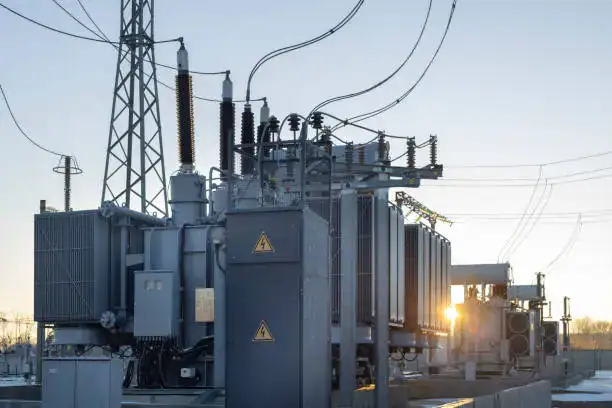
Selecting an international power transformer manufacturer is a critical decision that directly affects electrical system safety, operating efficiency, maintenance costs, and long-term asset reliability. However, evaluating overseas suppliers can be challenging because buyers may have limited visibility into manufacturing capabilities, quality control processes, engineering expertise, and previous project performance. Choosing a supplier based only on price, delivery promises, or marketing information can result in poor product quality, unexpected failures, and costly operational problems.
Buyers can evaluate international power transformer manufacturers for quality and reliability by reviewing technical capabilities, manufacturing experience, quality management systems, certifications, production facilities, testing capabilities, project references, supply chain control, after-sales support, and compliance with international standards. A comprehensive supplier evaluation process combining document review, factory audits, third-party inspections, and technical assessments helps buyers identify reliable manufacturers capable of delivering safe, efficient, and durable power transformer solutions.
Evaluating manufacturing capability, testing systems, and project experience helps buyers identify reliable power transformer suppliers.True
A supplier's technical strength and historical performance provide important evidence of product reliability.
International power transformer manufacturers should be selected only according to the lowest purchase price.False
Transformer procurement decisions should consider quality, efficiency, lifecycle cost, technical capability, and service support.
Factory audits and third-party inspections can improve confidence when selecting overseas transformer manufacturers.True
Independent verification provides additional information about supplier processes and product quality.
A reliable international supplier evaluation process allows buyers to move from simple price comparison to value-based selection. The best transformer manufacturer is not necessarily the cheapest supplier, but the one that can consistently provide high-quality products, technical support, and dependable long-term cooperation.
Why Is Supplier Evaluation Important for International Power Transformer Procurement?
Power transformers are long-life electrical assets that often operate for 30 years or more. A manufacturing mistake or poor-quality component can create serious consequences.
Common risks include:
| Risk Area | Possible Impact |
|---|---|
| Poor transformer design | Reduced performance |
| Weak manufacturing control | Higher failure probability |
| Low-quality materials | Shortened service life |
| Incomplete testing | Hidden defects |
| Limited technical support | Difficult troubleshooting |
| Weak project management | Delivery delays |
Because transformers are complex and expensive, supplier selection must include detailed technical and quality evaluations.
What Basic Information Should Buyers Review Before Selecting a Manufacturer?
The first evaluation stage should focus on understanding the supplier's background.
Important information includes:
| Supplier Information | Evaluation Purpose |
|---|---|
| Company history | Verify industry experience |
| Factory location | Confirm production capability |
| Product range | Check application suitability |
| Export experience | Assess international project ability |
| Main markets served | Understand industry acceptance |
| Customer references | Verify performance history |
A manufacturer with a strong industrial background is generally better positioned to manage complex transformer projects.
How Does Manufacturing Experience Affect Transformer Reliability?
Manufacturing experience is one of the most important indicators of supplier capability.
Experienced manufacturers typically have:
| Experience Area | Reliability Benefit |
|---|---|
| Similar transformer projects | Better technical understanding |
| Large-scale production | Improved process consistency |
| International deliveries | Better export management |
| Complex applications | Stronger engineering capability |
| Long-term operation data | Better design improvement |
Buyers should request examples of transformers with similar ratings, voltage levels, and applications.
What Technical Capabilities Should Buyers Evaluate?
Transformer manufacturers require strong engineering capabilities to design and produce reliable equipment.
Key technical areas include:
| Technical Capability | Buyer Evaluation Focus |
|---|---|
| Transformer design | Ability to meet specifications |
| Electromagnetic calculation | Loss and efficiency optimization |
| Thermal design | Cooling performance |
| Insulation design | Dielectric reliability |
| Mechanical calculation | Short-circuit strength |
| System integration | Protection and accessories |
A capable engineering team helps ensure the transformer matches actual operating conditions.
How Should Buyers Evaluate Transformer Design Capability?
Design quality directly influences transformer performance.
Buyers should review:
| Design Document | Purpose |
|---|---|
| Technical drawings | Verify construction details |
| Design calculations | Confirm performance |
| Loss calculations | Evaluate efficiency |
| Temperature calculations | Check thermal capability |
| Insulation coordination | Confirm safety margins |
Professional manufacturers should be able to explain their design decisions clearly.
Why Are Manufacturing Facilities Important When Evaluating Suppliers?
A factory visit provides direct insight into supplier capability.
Important areas to inspect include:
| Factory Area | Evaluation Focus |
|---|---|
| Core production area | Manufacturing precision |
| Winding workshop | Process control |
| Drying equipment | Moisture management |
| Assembly area | Final construction quality |
| Testing laboratory | Verification capability |
| Warehouse | Material storage control |
A modern and well-managed factory usually indicates stronger quality assurance.
What Production Equipment Should Reliable Transformer Manufacturers Have?
Advanced equipment supports consistent manufacturing quality.
Examples include:
| Equipment | Function |
|---|---|
| Automatic winding machines | Improve winding accuracy |
| Vacuum drying systems | Remove insulation moisture |
| Oil filtration equipment | Maintain oil quality |
| Precision testing instruments | Verify performance |
| Welding equipment | Ensure tank integrity |
Production capability should match the required transformer size and complexity.
How Do Quality Management Systems Affect Supplier Reliability?
A strong quality management system ensures consistent production.
Buyers should evaluate:
| Quality System Element | Purpose |
|---|---|
| Quality manual | Defines procedures |
| Inspection plans | Controls manufacturing stages |
| Non-conformance management | Handles defects |
| Traceability systems | Tracks materials |
| Continuous improvement | Enhances performance |
Common certifications include:
| Certification | Meaning |
|---|---|
| ISO 9001 | Quality management system |
| ISO 14001 | Environmental management |
| ISO 45001 | Safety management |
Certifications are useful indicators but should be verified with actual factory practices.
What Certifications Should Buyers Review?
International transformer manufacturers may provide different compliance documents.
Important certifications include:
| Document | Purpose |
|---|---|
| Quality system certificates | Verify management practices |
| Product certificates | Confirm compliance |
| Material certificates | Verify component quality |
| Calibration certificates | Confirm test accuracy |
| Factory qualification records | Demonstrate capability |
Buyers should ensure certificates are valid and relevant to the project.
How Does Testing Capability Demonstrate Manufacturer Reliability?
Testing capability is a major factor in transformer quality assurance.
A qualified manufacturer should have facilities for:
| Test Type | Purpose |
|---|---|
| Routine tests | Verify every transformer |
| Type tests | Confirm design performance |
| Special tests | Meet customer requirements |
| Factory acceptance tests | Demonstrate compliance |
Testing capability shows that the manufacturer can verify product performance before shipment.
Which Transformer Tests Should Buyers Review?
Important transformer tests include:
| Test | Quality Verification |
|---|---|
| Turns ratio test | Confirms voltage transformation |
| Winding resistance test | Checks conductor integrity |
| No-load loss test | Measures core performance |
| Load loss test | Evaluates efficiency |
| Impedance test | Confirms system compatibility |
| Dielectric test | Verifies insulation strength |
| Partial discharge test | Detects insulation defects |
| Temperature rise test | Confirms cooling performance |
Complete test reports provide evidence of manufacturing quality.
How Do Project References Help Evaluate Manufacturers?
Previous projects provide practical evidence of supplier reliability.
Buyers should review:
| Reference Information | Evaluation Value |
|---|---|
| Project location | Confirms market experience |
| Transformer specifications | Shows technical capability |
| Customer industry | Indicates application experience |
| Operating history | Demonstrates reliability |
| Customer feedback | Reveals service quality |
Successful references reduce uncertainty when selecting international suppliers.
How Can Buyers Verify Customer References?
Reference verification should include:
| Verification Method | Purpose |
|---|---|
| Contact previous customers | Confirm satisfaction |
| Review operating records | Evaluate reliability |
| Check project similarity | Confirm technical relevance |
| Analyze failure history | Understand risk level |
Real customer experience is often more valuable than supplier claims.
Why Are Factory Audits Important for International Supplier Selection?
Factory audits provide deeper understanding than document reviews alone.
During an audit, buyers can evaluate:
| Audit Area | Key Question |
|---|---|
| Engineering department | Can the supplier solve technical problems? |
| Production area | Are processes controlled? |
| Testing laboratory | Are tests reliable? |
| Quality department | Are inspections effective? |
| Management system | Is production organized? |
Factory audits help distinguish professional manufacturers from inexperienced suppliers.
How Does Third-Party Inspection Improve Supplier Evaluation?
Independent inspection provides objective verification.
Third-party inspectors may review:
| Inspection Activity | Purpose |
|---|---|
| Material inspection | Confirm component quality |
| Production monitoring | Verify manufacturing process |
| FAT witnessing | Confirm test procedures |
| Documentation review | Check compliance |
This is especially valuable for overseas purchases where buyers cannot frequently visit factories.
How Should Buyers Evaluate Delivery Capability?
Reliable delivery is part of supplier quality.
Important factors include:
| Delivery Factor | Evaluation Method |
|---|---|
| Production capacity | Review factory output |
| Project schedule control | Examine previous deliveries |
| Supply chain management | Assess material sourcing |
| Export experience | Review international shipments |
A technically capable supplier must also deliver on schedule.
How Important Is After-Sales Support?
Transformer reliability depends on long-term service capability.
Buyers should evaluate:
| Service Capability | Importance |
|---|---|
| Installation support | Reduces startup risks |
| Commissioning assistance | Ensures correct operation |
| Spare parts availability | Supports maintenance |
| Technical response speed | Minimizes downtime |
| Warranty service | Protects investment |
A supplier relationship should continue beyond delivery.
How Can Buyers Compare Manufacturers Fairly?
A supplier scoring system helps create objective decisions.
Example evaluation model:
| Evaluation Category | Weight Example |
|---|---|
| Technical capability | 25% |
| Manufacturing experience | 20% |
| Quality systems | 20% |
| Testing capability | 15% |
| Delivery capability | 10% |
| Commercial terms | 10% |
This approach prevents price from becoming the only selection factor.
What Mistakes Should Buyers Avoid When Selecting International Transformer Manufacturers?
Common mistakes include:
| Mistake | Consequence |
|---|---|
| Choosing only low price | Quality risks |
| Ignoring factory capability | Production problems |
| Skipping reference checks | Unknown supplier performance |
| Accepting incomplete documents | Compliance issues |
| Not reviewing after-sales support | Future maintenance difficulties |
A careful evaluation process protects the investment.
How Can Buyers Build a Reliable International Supplier Selection Process?
A professional selection process includes:
| Step | Action |
|---|---|
| 1 | Define technical requirements |
| 2 | Identify qualified manufacturers |
| 3 | Review supplier documents |
| 4 | Evaluate engineering capability |
| 5 | Audit factory facilities |
| 6 | Verify testing capability |
| 7 | Check project references |
| 8 | Complete contract and quality agreements |
This process helps buyers select manufacturers with proven reliability.
What Supply Chain Factors Should Be Considered When Globally Sourcing Power Transformers?
Global sourcing of power transformers provides buyers with access to a wider supplier base, advanced manufacturing capabilities, competitive pricing, and customized solutions. However, international procurement also introduces complex supply chain challenges, including long transportation distances, supplier coordination difficulties, material availability risks, regulatory differences, and delivery uncertainties. A transformer is a large, heavy, high-value electrical asset, so any disruption during sourcing, manufacturing, transportation, or installation can significantly affect project schedules and operational reliability.
When globally sourcing power transformers, buyers should consider key supply chain factors including supplier capability, raw material availability, manufacturing capacity, production lead time, quality control systems, logistics planning, transportation methods, customs requirements, regulatory compliance, documentation management, spare parts availability, and after-sales support. A well-managed global supply chain strategy helps buyers reduce procurement risks, improve delivery reliability, maintain product quality, and achieve better lifecycle value from power transformer investments.
Supply chain management plays an important role in ensuring reliable global procurement of power transformers.True
Transformer projects depend on coordinated control of suppliers, materials, manufacturing, logistics, and delivery processes.
International transportation is the only supply chain factor that affects global power transformer procurement.False
Global transformer sourcing involves many factors including supplier evaluation, material control, manufacturing, compliance, logistics, and service support.
Early supply chain planning can help reduce power transformer delivery delays and project risks.True
Advanced planning improves coordination among manufacturers, suppliers, logistics providers, and project teams.
Successful global sourcing requires more than selecting a manufacturer with competitive pricing. Buyers must evaluate the complete supply chain behind the transformer, from raw materials and production processes to transportation and long-term service support. A reliable supply chain ensures that the transformer arrives on time, meets technical requirements, and performs safely throughout its operating life.
Why Is Supply Chain Management Important for Global Power Transformer Sourcing?
Power transformers involve complex manufacturing processes and require many specialized materials and components.
Typical supply chain elements include:
| Supply Chain Stage | Main Consideration |
|---|---|
| Raw material sourcing | Availability and quality of materials |
| Component procurement | Reliability of suppliers |
| Manufacturing | Production capability and scheduling |
| Testing | Quality verification |
| Transportation | Equipment protection |
| Installation | Site readiness |
| After-sales service | Long-term support |
Any weakness in one stage can affect the overall transformer project.
What Supplier Capability Factors Should Buyers Evaluate?
The first supply chain consideration is selecting a manufacturer with sufficient technical and operational capability.
Buyers should evaluate:
| Supplier Capability | Evaluation Purpose |
|---|---|
| Manufacturing experience | Confirm project expertise |
| Production capacity | Ensure delivery capability |
| Engineering resources | Support customization |
| Quality systems | Maintain consistency |
| Export experience | Manage international projects |
A supplier with strong internal capabilities can better control supply chain risks.
How Does Raw Material Availability Affect Transformer Procurement?
Power transformers require high-quality materials that may have long procurement cycles.
Important materials include:
| Material | Supply Chain Importance |
|---|---|
| Electrical steel | Influences efficiency and losses |
| Copper or aluminum conductors | Affects electrical performance |
| Insulation materials | Determines reliability |
| Transformer oil | Supports insulation and cooling |
| Steel components | Affects mechanical strength |
Material shortages or quality problems can cause production delays and affect transformer performance.
How Can Buyers Reduce Material Supply Risks?
Buyers can reduce material-related risks by reviewing:
| Control Measure | Purpose |
|---|---|
| Material certifications | Verify quality |
| Supplier qualification | Confirm reliability |
| Inventory planning | Prevent shortages |
| Alternative sourcing plans | Improve flexibility |
| Traceability systems | Track materials |
A transparent material supply chain improves confidence in final transformer quality.
How Does Manufacturing Capacity Influence Delivery Reliability?
Transformer production requires specialized equipment, skilled workers, and controlled manufacturing environments.
Important capacity factors include:
| Factor | Impact |
|---|---|
| Factory size | Determines production volume |
| Equipment capability | Affects manufacturing efficiency |
| Workforce experience | Influences quality |
| Production scheduling | Controls delivery timing |
| Testing resources | Determines shipment readiness |
Manufacturers without sufficient capacity may experience delays during large projects.
Why Should Buyers Review Transformer Production Lead Time?
Power transformers often require long manufacturing periods due to customization and testing requirements.
Typical production stages include:
| Stage | Activity |
|---|---|
| Engineering review | Confirm design |
| Material preparation | Secure components |
| Core and winding production | Build transformer structure |
| Assembly | Complete construction |
| Testing | Verify performance |
| Packaging | Prepare shipment |
Understanding the production timeline helps buyers coordinate project schedules.
How Can Buyers Manage Long Transformer Lead Times?
Effective lead-time management includes:
| Strategy | Benefit |
|---|---|
| Early supplier engagement | Allows better planning |
| Approved drawings before production | Reduces engineering delays |
| Regular progress updates | Improves visibility |
| Milestone tracking | Identifies problems early |
| Production inspections | Prevents late-stage issues |
Early coordination reduces the risk of project delays.
How Does Quality Control Affect the Transformer Supply Chain?
Quality management must continue throughout the entire supply chain.
Important quality controls include:
| Quality Control Stage | Purpose |
|---|---|
| Incoming material inspection | Verify components |
| Manufacturing inspection | Monitor processes |
| Factory acceptance testing | Confirm performance |
| Pre-shipment inspection | Verify final condition |
| Documentation review | Ensure traceability |
A strong quality system prevents defects from moving through the supply chain.
What Role Do Factory Acceptance Tests Play in Global Sourcing?
Factory Acceptance Tests are especially important when purchasing transformers internationally.
FAT helps verify:
| Test Area | Quality Confirmation |
|---|---|
| Electrical performance | Meets design requirements |
| Insulation system | Ensures dielectric strength |
| Loss measurement | Confirms efficiency |
| Temperature rise | Verifies cooling capability |
| Mechanical inspection | Confirms construction quality |
Successful FAT reduces the risk of receiving unsuitable equipment.
How Should Buyers Plan International Transformer Transportation?
Transportation planning is essential because power transformers are oversized and sensitive.
Important logistics factors include:
| Logistics Factor | Consideration |
|---|---|
| Transformer weight | Determines transport method |
| Equipment dimensions | Affects route planning |
| Packaging design | Prevents damage |
| Handling procedures | Protects components |
| Shipping schedule | Supports project timing |
Poor logistics planning can result in physical damage or delivery delays.
What Transportation Risks Should Buyers Consider?
International transportation introduces several risks.
| Risk | Possible Impact |
|---|---|
| Excessive vibration | Internal mechanical damage |
| Impact during handling | Tank or accessory damage |
| Weather exposure | Moisture problems |
| Shipping delays | Project schedule impact |
| Incorrect lifting | Safety hazards |
Buyers should require proper transportation procedures and monitoring.
How Can Buyers Protect Transformers During Shipment?
Protection measures include:
| Protection Method | Purpose |
|---|---|
| Shock monitoring devices | Detect transportation impact |
| Weatherproof packaging | Prevent moisture exposure |
| Secure lifting points | Avoid mechanical damage |
| Transportation insurance | Reduce financial risk |
| Shipping inspections | Confirm condition |
Proper shipment management protects the transformer investment.
How Do Customs and Regulatory Requirements Affect Global Sourcing?
International transformer procurement involves different regulations in different markets.
Buyers should consider:
| Regulatory Factor | Importance |
|---|---|
| Import documentation | Avoid customs delays |
| Product certification | Ensure compliance |
| Local electrical standards | Confirm compatibility |
| Environmental regulations | Meet legal requirements |
| Tax requirements | Control project costs |
Regulatory preparation should begin before shipment.
Why Is Documentation Management Important in Global Procurement?
Power transformer projects require extensive documentation.
Important documents include:
| Document | Purpose |
|---|---|
| Technical drawings | Confirm design |
| Test reports | Verify performance |
| Material certificates | Provide traceability |
| Compliance certificates | Confirm standards |
| Packing documents | Support transportation |
| Manuals | Support operation |
Complete documentation improves project control and future maintenance.
How Does Communication Management Affect Global Supply Chains?
International projects often involve different languages, time zones, and business practices.
Effective communication requires:
| Communication Practice | Benefit |
|---|---|
| Clear technical specifications | Reduce misunderstandings |
| Regular project meetings | Improve coordination |
| Progress reports | Increase transparency |
| Document control systems | Avoid information errors |
Strong communication reduces supply chain uncertainty.
How Should Buyers Evaluate Logistics Partners?
Reliable logistics providers are essential for large transformer transportation.
Evaluation factors include:
| Logistics Capability | Assessment |
|---|---|
| Heavy equipment experience | Confirm handling ability |
| International routes | Verify transportation network |
| Specialized vehicles | Ensure suitable transport |
| Safety procedures | Reduce damage risks |
| Tracking capability | Improve visibility |
Experienced logistics partners reduce transportation problems.
How Does After-Sales Support Affect Supply Chain Reliability?
The supply chain continues after transformer delivery.
Important service factors include:
| Service Capability | Benefit |
|---|---|
| Spare parts supply | Supports maintenance |
| Technical support | Resolves problems |
| Warranty service | Protects investment |
| Field assistance | Improves operation |
| Long-term cooperation | Reduces future risks |
A supplier should support the transformer throughout its lifecycle.
How Can Buyers Build a Risk Management Strategy for Global Sourcing?
A strong risk management plan identifies potential problems before they occur.
| Risk Category | Management Approach |
|---|---|
| Supplier risk | Evaluate manufacturer capability |
| Material risk | Verify supply sources |
| Quality risk | Conduct inspections |
| Logistics risk | Plan transportation |
| Regulatory risk | Review compliance |
| Service risk | Confirm support capability |
Risk management improves procurement confidence.
What Supply Chain Performance Indicators Should Buyers Monitor?
Buyers can track supplier performance using:
| Indicator | Purpose |
|---|---|
| On-time delivery rate | Measure schedule reliability |
| Quality defect rate | Evaluate manufacturing consistency |
| FAT pass rate | Confirm product quality |
| Response time | Assess communication efficiency |
| Supply stability | Evaluate long-term reliability |
Performance monitoring supports better supplier relationships.
How Can Buyers Optimize Global Transformer Procurement?
An optimized sourcing strategy includes:
| Step | Action |
|---|---|
| 1 | Define technical requirements |
| 2 | Identify qualified suppliers |
| 3 | Evaluate supply chain capability |
| 4 | Review quality systems |
| 5 | Confirm production schedule |
| 6 | Plan transportation |
| 7 | Complete inspections |
| 8 | Establish long-term support |
This approach helps buyers achieve reliable transformer procurement.
How Can Global Sourcing Reduce Costs While Maintaining Power Transformer Quality?

Global sourcing has become an important strategy for organizations purchasing power transformers because these assets require significant capital investment and must provide reliable performance for decades. However, many buyers face a difficult balance: reducing procurement costs while maintaining strict requirements for transformer efficiency, safety, durability, and compliance. Choosing suppliers only according to the lowest quotation can create hidden risks, including poor material quality, insufficient testing, delayed delivery, and higher lifecycle costs.
Global sourcing can reduce power transformer costs while maintaining quality by expanding supplier competition, accessing cost-effective manufacturing regions, optimizing supply chains, comparing technical solutions, negotiating better commercial terms, and selecting manufacturers based on total value rather than initial price alone. By applying supplier qualification, factory audits, quality inspections, factory acceptance tests, and lifecycle cost evaluation, buyers can achieve competitive pricing without compromising transformer reliability and performance.
Global sourcing can help reduce power transformer procurement costs by increasing supplier competition and improving price transparency.True
A wider supplier market allows buyers to compare manufacturing capabilities, pricing structures, and technical solutions.
Reducing transformer purchase price always leads to lower overall project costs.False
Lifecycle costs such as energy losses, maintenance, failures, and downtime can exceed initial purchase savings.
Quality verification processes are necessary when using global sourcing strategies for power transformers.True
Supplier evaluations, inspections, and testing ensure cost optimization does not reduce product reliability.
Global sourcing is most effective when cost reduction is achieved through smarter procurement decisions rather than simply selecting cheaper products. For power transformers, the best sourcing strategy combines competitive supplier selection, engineering evaluation, quality control, and long-term operational analysis.
Why Is Cost Optimization Important in Power Transformer Procurement?
Power transformers represent long-term infrastructure investments. The initial purchase price is only one part of the total investment.
A transformer project cost typically includes:
| Cost Category | Description |
|---|---|
| Equipment cost | Transformer manufacturing price |
| Engineering cost | Design and customization |
| Transportation cost | International shipping and handling |
| Installation cost | Site assembly and commissioning |
| Operating cost | Energy losses during service |
| Maintenance cost | Inspection and repair expenses |
| Failure risk cost | Downtime and replacement impact |
A low-cost transformer that requires frequent maintenance or consumes more energy may become more expensive over its lifetime.
How Does Global Supplier Competition Reduce Transformer Costs?
One of the biggest advantages of global sourcing is access to a larger supplier market.
More suppliers allow buyers to compare:
| Comparison Area | Cost Benefit |
|---|---|
| Manufacturing regions | Access different cost structures |
| Production capacity | Select efficient suppliers |
| Technology options | Find optimized designs |
| Commercial terms | Improve negotiation position |
| Delivery solutions | Reduce schedule risks |
Competition encourages manufacturers to offer better value while improving quality and service.
How Does Global Manufacturing Experience Help Control Costs?
Different countries and regions may have specialized transformer manufacturing advantages.
Global suppliers may provide:
| Manufacturing Advantage | Cost Impact |
|---|---|
| Advanced production equipment | Higher efficiency |
| Skilled labor availability | Improved productivity |
| Established supply networks | Lower material costs |
| Large production volume | Economies of scale |
| Specialized expertise | Reduced engineering risks |
Buyers can benefit from international manufacturing capabilities without sacrificing technical performance.
How Can Buyers Reduce Costs Through Supplier Comparison?
A structured supplier comparison process helps identify the best-value manufacturer.
Buyers should compare:
| Evaluation Factor | Purpose |
|---|---|
| Transformer design | Confirm technical suitability |
| Manufacturing capability | Verify production efficiency |
| Quality system | Protect reliability |
| Testing capability | Confirm performance |
| Delivery record | Reduce project delays |
| Total price | Evaluate commercial value |
The goal is selecting the supplier with the strongest overall value proposition.
Why Should Buyers Avoid Choosing Transformers Based Only on Price?
The lowest quotation may not represent the lowest total cost.
Potential problems include:
| Low-Cost Decision | Long-Term Consequence |
|---|---|
| Lower-quality materials | Reduced transformer lifespan |
| Limited testing | Hidden defects |
| Poor design optimization | Higher losses |
| Weak service support | Increased downtime |
| Delayed delivery | Project cost increases |
A professional sourcing strategy evaluates both purchase price and lifecycle performance.
How Does Lifecycle Cost Analysis Improve Procurement Decisions?
Lifecycle cost analysis helps buyers understand the real economic value of a transformer.
Important factors include:
| Lifecycle Factor | Impact |
|---|---|
| No-load losses | Continuous energy consumption |
| Load losses | Operating efficiency |
| Maintenance requirements | Long-term expenses |
| Reliability | Avoided downtime costs |
| Service life | Investment return |
A slightly higher initial investment may provide significant savings over decades of operation.
How Can Buyers Maintain Quality While Reducing Procurement Costs?
Cost reduction should never eliminate essential quality controls.
Important quality measures include:
| Quality Control Method | Purpose |
|---|---|
| Supplier qualification | Confirm manufacturer capability |
| Factory audit | Verify production conditions |
| Material certificate review | Ensure component quality |
| Factory acceptance testing | Confirm transformer performance |
| Third-party inspection | Provide independent verification |
These controls allow buyers to achieve competitive pricing while maintaining reliability.
How Does Supplier Qualification Support Cost-Effective Sourcing?
Qualified suppliers are more likely to deliver reliable transformers at predictable costs.
Supplier qualification should evaluate:
| Qualification Area | Evaluation Focus |
|---|---|
| Company history | Manufacturing stability |
| Engineering team | Technical capability |
| Production facilities | Capacity and equipment |
| Quality certifications | Management systems |
| Previous projects | Real-world performance |
Choosing experienced manufacturers reduces the risk of unexpected expenses.
How Do Factory Audits Help Balance Cost and Quality?
Factory audits provide direct visibility into supplier capability.
During an audit, buyers can review:
| Audit Area | Quality and Cost Evaluation |
|---|---|
| Production workshop | Manufacturing efficiency |
| Material storage | Supply chain control |
| Testing laboratory | Quality verification ability |
| Quality department | Process management |
| Production planning | Delivery reliability |
A capable factory can often provide better value because efficient processes reduce unnecessary costs.
How Can Buyers Use Factory Acceptance Tests to Protect Quality?
Factory Acceptance Tests (FAT) are essential when purchasing globally.
Typical FAT checks include:
| Test | Purpose |
|---|---|
| Turns ratio test | Verify voltage relationship |
| Winding resistance test | Confirm winding condition |
| No-load loss test | Measure efficiency |
| Load loss test | Evaluate performance |
| Impedance test | Confirm system compatibility |
| Insulation test | Verify electrical safety |
FAT ensures that cost savings do not come from reduced product performance.
How Does Supply Chain Optimization Reduce Transformer Costs?
A well-managed supply chain can reduce unnecessary expenses.
Optimization methods include:
| Supply Chain Strategy | Cost Benefit |
|---|---|
| Early material planning | Avoid production delays |
| Supplier coordination | Reduce inefficiencies |
| Bulk procurement | Improve purchasing terms |
| Production scheduling | Shorten lead times |
| Logistics planning | Reduce transportation costs |
Efficient supply chain management improves both cost control and delivery reliability.
How Can Buyers Reduce Logistics Costs in Global Transformer Sourcing?
Power transformers require specialized transportation because of their size and weight.
Cost-control measures include:
| Logistics Strategy | Benefit |
|---|---|
| Route planning | Avoid unnecessary transportation costs |
| Proper packaging | Prevent damage expenses |
| Experienced freight partners | Improve efficiency |
| Shipment consolidation | Reduce logistics costs |
| Early customs preparation | Avoid delays |
Transportation savings should always be balanced with equipment protection.
How Does Standardization Help Reduce Transformer Costs?
Standardized designs can improve manufacturing efficiency.
Benefits include:
| Standardization Method | Cost Advantage |
|---|---|
| Standard accessories | Lower component costs |
| Proven designs | Reduced engineering time |
| Repeated production processes | Improved efficiency |
| Common spare parts | Easier maintenance |
However, standardization should not prevent necessary customization.
How Can Buyers Negotiate Better Transformer Pricing Globally?
International sourcing provides stronger negotiation opportunities.
Effective negotiation considers:
| Negotiation Factor | Potential Benefit |
|---|---|
| Order volume | Better pricing |
| Long-term cooperation | Improved terms |
| Delivery schedule flexibility | Production optimization |
| Payment conditions | Financial efficiency |
| Technical alternatives | Cost optimization |
Successful negotiation focuses on creating value for both buyer and supplier.
How Can Buyers Verify That Cost Reduction Does Not Affect Quality?
A balanced procurement process should include verification steps.
Recommended checks include:
| Verification Activity | Purpose |
|---|---|
| Technical proposal review | Confirm design quality |
| Supplier assessment | Evaluate capability |
| Factory inspection | Verify production |
| Test report review | Confirm performance |
| Shipment inspection | Protect delivery quality |
Cost savings should come from efficiency improvements, not quality reductions.
What Are Common Mistakes When Trying to Reduce Transformer Costs?
Buyers should avoid:
| Mistake | Risk |
|---|---|
| Selecting only the cheapest supplier | Quality problems |
| Ignoring lifecycle costs | Higher operating expenses |
| Reducing inspection requirements | Hidden defects |
| Choosing inexperienced manufacturers | Project delays |
| Overlooking service support | Future maintenance problems |
Smart cost management requires a long-term perspective.
How Can Buyers Create a Balanced Global Transformer Sourcing Strategy?
An effective strategy includes:
| Step | Action |
|---|---|
| 1 | Define technical requirements |
| 2 | Identify qualified global suppliers |
| 3 | Compare technical and commercial proposals |
| 4 | Evaluate lifecycle costs |
| 5 | Audit manufacturing facilities |
| 6 | Perform quality inspections |
| 7 | Complete FAT verification |
| 8 | Establish supplier partnerships |
This approach helps buyers achieve cost efficiency without sacrificing reliability.
How Can Buyers Build a Reliable Global Sourcing Strategy for Power Transformers?

Global sourcing of power transformers provides buyers with opportunities to access advanced manufacturing technologies, competitive pricing, specialized engineering capabilities, and a wider supplier network. However, international procurement also creates additional challenges, including supplier qualification difficulties, quality control concerns, transportation risks, regulatory differences, and communication barriers. Without a structured sourcing strategy, buyers may experience delayed deliveries, inconsistent product quality, unexpected costs, or transformer performance issues after installation.
Buyers can build a reliable global sourcing strategy for power transformers by defining clear technical requirements, identifying qualified international manufacturers, evaluating supplier capabilities, verifying quality systems, conducting factory audits, managing supply chain risks, implementing inspection procedures, controlling logistics, and establishing long-term supplier partnerships. A data-driven and quality-focused sourcing strategy enables buyers to obtain reliable transformers with optimized costs, predictable delivery schedules, and strong lifecycle performance.
A structured global sourcing strategy helps buyers reduce risks when purchasing power transformers from international suppliers.True
Systematic supplier evaluation, quality verification, and supply chain planning improve procurement reliability.
Global transformer sourcing should focus only on obtaining the lowest purchase price.False
Power transformer procurement decisions must consider quality, technical capability, lifecycle costs, delivery performance, and service support.
Long-term cooperation with qualified transformer manufacturers can improve supply reliability and technical support.True
Strategic supplier relationships often provide better communication, customization support, and lifecycle assistance.
A reliable global sourcing strategy is not simply an international purchasing process. For power transformers, buyers must manage the entire value chain from supplier identification and engineering evaluation to manufacturing control, shipment, installation support, and long-term maintenance. The objective is to select a manufacturing partner that can consistently deliver safe, efficient, and durable transformer solutions.
Why Is a Global Sourcing Strategy Important for Power Transformers?
Power transformers are critical infrastructure assets that often operate for several decades. Their reliability depends on manufacturing quality, material selection, engineering accuracy, and supplier management.
A weak sourcing strategy may lead to:
| Risk Area | Potential Consequence |
|---|---|
| Poor supplier selection | Product reliability problems |
| Insufficient quality control | Hidden manufacturing defects |
| Weak communication | Technical misunderstandings |
| Poor logistics planning | Delivery delays |
| Limited service support | Difficult maintenance |
A professional global sourcing strategy helps buyers control these risks before they affect project performance.
How Should Buyers Define Power Transformer Requirements Before Sourcing?
The first step in global sourcing is establishing clear technical and commercial requirements.
Buyers should define:
| Requirement Category | Examples |
|---|---|
| Transformer type | Oil-immersed, dry-type, specialty transformer |
| Rated capacity | kVA or MVA requirements |
| Voltage levels | High-voltage and low-voltage specifications |
| Frequency | System compatibility |
| Cooling method | ONAN, ONAF, OFAF, OFWF |
| Efficiency requirements | Loss limitations |
| Standards | IEC, IEEE, national standards |
| Installation conditions | Environment and location requirements |
Clear specifications allow buyers to compare suppliers objectively and avoid unnecessary design changes.
How Can Buyers Identify Qualified Global Transformer Manufacturers?
Supplier identification is a critical stage because not every manufacturer has the same technical capability.
Buyers should evaluate:
| Supplier Factor | Evaluation Purpose |
|---|---|
| Industry experience | Confirm transformer expertise |
| Manufacturing capacity | Ensure project capability |
| Product range | Match application requirements |
| Export history | Verify international experience |
| Customer references | Confirm market performance |
A qualified supplier should demonstrate successful experience with transformers similar to the buyer's project.
What Manufacturing Capabilities Should Buyers Review?
Manufacturing capability directly affects transformer reliability.
Important evaluation areas include:
| Manufacturing Capability | Importance |
|---|---|
| Core manufacturing | Influences efficiency |
| Winding technology | Determines electrical strength |
| Insulation processing | Affects service life |
| Tank fabrication | Ensures mechanical reliability |
| Drying process | Controls moisture levels |
| Assembly procedures | Maintains quality consistency |
Manufacturers with advanced production processes are more likely to provide stable product quality.
How Should Buyers Evaluate Transformer Supplier Quality Systems?
Quality management is essential when sourcing internationally because buyers may have limited direct control over production.
Important quality elements include:
| Quality System Element | Purpose |
|---|---|
| Incoming inspection | Controls raw materials |
| Process inspection | Monitors manufacturing |
| Final inspection | Confirms product condition |
| Traceability system | Tracks components |
| Non-conformance management | Controls defects |
| Continuous improvement | Enhances performance |
A strong quality system provides confidence that every transformer is produced consistently.
Why Are Factory Audits Important in Global Transformer Sourcing?
Factory audits allow buyers to verify supplier capability before placing large orders.
During a factory audit, buyers should review:
| Audit Area | Key Evaluation |
|---|---|
| Engineering department | Design capability |
| Production workshops | Manufacturing control |
| Testing laboratory | Verification capability |
| Quality department | Inspection procedures |
| Warehouse | Material management |
Factory audits provide direct evidence beyond supplier documents and marketing information.
How Can Buyers Verify Transformer Testing Capability?
Testing capability is one of the strongest indicators of manufacturer reliability.
A qualified transformer supplier should have facilities for:
| Test Category | Purpose |
|---|---|
| Routine tests | Verify each transformer |
| Type tests | Confirm design performance |
| Special tests | Meet customer requirements |
| Factory acceptance tests | Confirm project compliance |
Testing systems help ensure that transformers meet technical expectations before shipment.
What Factory Acceptance Tests Should Be Included?
Factory Acceptance Tests (FAT) are essential for international transformer procurement.
Typical FAT items include:
| Test | Purpose |
|---|---|
| Turns ratio test | Verify voltage transformation |
| Winding resistance test | Check winding integrity |
| No-load loss test | Measure core efficiency |
| Load loss test | Evaluate operating performance |
| Impedance test | Confirm system compatibility |
| Insulation test | Verify dielectric strength |
| Temperature rise test | Confirm cooling capability |
Witnessing FAT allows buyers to confirm product quality before transportation.
How Can Buyers Manage Global Supply Chain Risks?
International sourcing involves multiple supply chain stages.
Key risk factors include:
| Supply Chain Factor | Management Approach |
|---|---|
| Raw materials | Verify supplier stability |
| Production schedule | Monitor manufacturing progress |
| Component availability | Confirm supply planning |
| Transportation | Select experienced logistics providers |
| Customs procedures | Prepare documentation early |
| Site delivery | Coordinate installation timing |
Supply chain visibility helps prevent unexpected project disruptions.
How Does Supplier Communication Affect Global Sourcing Success?
International transformer projects often involve multiple parties.
Effective communication requires:
| Communication Practice | Benefit |
|---|---|
| Detailed technical documents | Reduce misunderstandings |
| Regular progress reports | Improve transparency |
| Engineering meetings | Solve technical issues |
| Document control | Prevent information errors |
| Clear responsibilities | Improve coordination |
Strong communication is essential for successful international cooperation.
How Should Buyers Control Transformer Transportation Risks?
Power transformers require specialized transportation due to their size and sensitivity.
Transportation planning should include:
| Transportation Factor | Consideration |
|---|---|
| Equipment dimensions | Route planning |
| Weight | Vehicle selection |
| Packaging | Damage prevention |
| Handling procedures | Safety control |
| Shipment monitoring | Condition tracking |
Proper logistics management protects the transformer investment.
What Role Do Third-Party Inspections Play in Global Sourcing?
Third-party inspections provide independent verification during procurement.
Inspection services may include:
| Inspection Activity | Purpose |
|---|---|
| Material inspection | Verify component quality |
| Manufacturing inspection | Monitor production |
| FAT witnessing | Confirm testing |
| Pre-shipment inspection | Check final condition |
| Document review | Verify compliance |
Independent inspection is especially valuable when buyers cannot frequently visit overseas factories.
How Can Buyers Balance Cost and Quality?
Cost reduction should be achieved through efficiency, not reduced quality.
Buyers should evaluate:
| Cost Factor | Quality Consideration |
|---|---|
| Equipment price | Product reliability |
| Manufacturing efficiency | Process capability |
| Transportation cost | Equipment protection |
| Maintenance cost | Lifecycle performance |
| Energy losses | Long-term savings |
The best sourcing decision considers total ownership value.
Why Should Buyers Consider Lifecycle Cost During Supplier Selection?
Power transformers operate for decades, so lifecycle performance is more important than initial purchase price.
Lifecycle evaluation should include:
| Lifecycle Factor | Impact |
|---|---|
| Initial cost | Capital investment |
| Energy losses | Operating expenses |
| Maintenance needs | Service costs |
| Reliability | Downtime reduction |
| Service life | Investment return |
A reliable transformer often provides greater financial value over its operating period.
How Can Buyers Establish Long-Term Supplier Partnerships?
A strategic supplier relationship improves future procurement reliability.
Long-term cooperation can provide:
| Partnership Benefit | Result |
|---|---|
| Better technical communication | Faster problem solving |
| Customized solutions | Improved application matching |
| Stable supply | Reduced procurement uncertainty |
| Faster service response | Improved operation support |
| Continuous improvement | Better future products |
Reliable partnerships are especially valuable for organizations with ongoing transformer requirements.
What Digital Tools Can Support Global Transformer Sourcing?
Modern procurement strategies increasingly use digital tools for supplier management.
Useful applications include:
| Digital Tool | Function |
|---|---|
| Supplier databases | Track manufacturer information |
| Project management platforms | Monitor progress |
| Quality management systems | Control documents |
| Data analytics | Compare supplier performance |
| Digital inspection records | Improve transparency |
Digital management improves decision-making and supply chain visibility.
How Can Buyers Create a Step-by-Step Global Sourcing Process?
A reliable sourcing process may include:
| Step | Action |
|---|---|
| 1 | Define technical and commercial requirements |
| 2 | Research qualified global manufacturers |
| 3 | Review supplier qualifications |
| 4 | Compare technical proposals |
| 5 | Audit factories |
| 6 | Confirm quality agreements |
| 7 | Witness testing |
| 8 | Manage shipment |
| 9 | Support installation and commissioning |
| 10 | Evaluate supplier performance |
This structured process reduces uncertainty and improves procurement outcomes.
Conclusion
Global sourcing provides buyers with greater access to experienced manufacturers, advanced technologies, competitive pricing, and specialized transformer solutions that may not be available through local suppliers. By expanding supplier options and applying strict evaluation processes, organizations can improve product quality, reduce procurement risks, and achieve better long-term value from their transformer investments. Successful global sourcing depends on careful supplier assessment, quality control, effective communication, and strong supply chain management. With the right approach, buyers can secure high-quality power transformers that meet technical requirements and support reliable electrical system performance for decades.
FAQ
Q1: How can global sourcing improve access to high-quality power transformers?
Global sourcing improves access to high-quality power transformers by allowing buyers to evaluate and select manufacturers from a broader international supplier base. Instead of relying only on local suppliers, organizations can compare global manufacturers based on technical expertise, production capacity, quality systems, certifications, pricing, and delivery capabilities.
Power transformers are highly specialized products that require advanced engineering, precision manufacturing, and strict quality control. Some regions have developed strong transformer manufacturing industries with decades of experience producing equipment for utility, industrial, renewable energy, and infrastructure projects.
Through global sourcing, buyers can access:
Manufacturers with advanced transformer technologies
Suppliers experienced in high-voltage applications
Competitive production capabilities
Specialized engineering expertise
Internationally certified products
Broader supply chain options
A well-managed global sourcing strategy helps buyers balance quality, cost, delivery time, and technical requirements.
However, successful global sourcing requires careful supplier qualification, factory audits, contract management, and quality inspections to ensure that selected transformers meet project specifications and international standards.
Q2: What are the benefits of sourcing power transformers internationally?
International sourcing provides several advantages for buyers seeking reliable power transformers.
Access to More Manufacturers
Global sourcing expands the supplier pool, allowing buyers to compare manufacturers based on:
Technical capability
Production experience
Product range
Testing facilities
Customer references
Access to Advanced Technology
Different regions may specialize in specific transformer technologies, including:
High-voltage transformers
Energy-efficient designs
Smart monitoring systems
Renewable energy transformers
Special-purpose transformers
Competitive Pricing
International competition can help buyers achieve better value through:
Manufacturing cost advantages
Supplier competition
Economies of scale
Improved Supply Availability
A broader supplier network reduces dependence on a single market and helps manage supply chain disruptions.
Better Customization Options
Experienced global manufacturers may provide customized solutions for:
Voltage requirements
Environmental conditions
Cooling systems
Installation limitations
Q3: How can buyers identify reliable global power transformer manufacturers?
Selecting reliable international transformer suppliers requires a structured evaluation process.
Key evaluation criteria include:
Manufacturing Experience
Review:
Years of transformer production
Similar completed projects
Voltage and capacity experience
Industry applications
Technical Capability
Assess:
Engineering design capability
Testing equipment
Research and development resources
Manufacturing technology
Quality Management
Verify:
ISO 9001 certification
Quality control procedures
Factory testing capabilities
Inspection records
Project References
Request information about:
Previous customers
Installed transformers
Performance history
Warranty experience
Production Capacity
Evaluate:
Factory size
Annual output
Current workload
Delivery capability
A supplier that meets these requirements is more likely to deliver reliable transformers that meet international expectations.
Q4: How does global sourcing help improve transformer quality?
Global sourcing improves transformer quality by allowing buyers to select manufacturers with proven technical expertise and strong quality management systems.
Quality improvements can come from:
Access to Specialized Manufacturers
Some manufacturers focus on specific transformer categories, such as:
Large power transformers
Oil-immersed transformers
Dry-type transformers
Renewable energy transformers
International Standards Compliance
Global suppliers often manufacture according to standards such as:
IEC 60076
IEEE C57 series
Regional grid requirements
Better Manufacturing Processes
Experienced manufacturers may use:
Automated core cutting equipment
Advanced winding technology
Vacuum drying systems
Computerized testing equipment
Stronger Quality Control
International suppliers with mature systems typically perform:
Incoming material inspections
Manufacturing inspections
Routine testing
Type testing
Factory acceptance testing
The key is not simply buying internationally but selecting suppliers based on verified capability.
Q5: What challenges should buyers consider when globally sourcing power transformers?
Although global sourcing provides advantages, buyers must manage several risks.
Supplier Verification Risks
Challenges include:
Limited visibility into factory operations
Difficulty evaluating supplier claims
Lack of local technical support
Solutions:
Factory audits
Third-party inspections
Reference checks
Logistics Challenges
Large transformers require careful transportation planning due to:
Heavy weight
Oversized dimensions
Special handling requirements
Communication Challenges
International projects may involve:
Language differences
Different technical practices
Time zone challenges
Regulatory Requirements
Buyers must confirm:
Local standards compliance
Import requirements
Certification requirements
Effective project management helps reduce these risks.
Q6: How does global sourcing reduce power transformer procurement costs?
Global sourcing can reduce procurement costs by creating competition among qualified suppliers and improving purchasing flexibility.
Cost benefits may include:
Competitive Supplier Pricing
Multiple suppliers can provide quotations, allowing buyers to compare:
Equipment costs
Manufacturing approaches
Delivery terms
Manufacturing Advantages
Some regions have:
Lower production costs
Established supply chains
Large-scale manufacturing capabilities
Better Negotiation Position
A global supplier network gives buyers more options during negotiations.
However, purchase price should not be the only consideration. Buyers should evaluate total lifecycle costs, including:
Energy losses
Maintenance requirements
Reliability
Spare parts availability
Expected service life
A lower initial price may result in higher long-term costs if quality is compromised.
Q7: What role do inspections and testing play in global transformer sourcing?
Inspections and testing are essential for ensuring that internationally sourced transformers meet quality requirements.
Important quality controls include:
Factory Acceptance Tests (FAT)
Verify:
Electrical performance
Loss values
Insulation strength
Design compliance
Third-Party Inspections
Independent inspectors can verify:
Manufacturing progress
Test procedures
Documentation
Packaging quality
Pre-Shipment Inspections
Confirm:
Correct equipment delivery
Accessories included
Shipping readiness
These processes provide confidence that transformers manufactured overseas meet project requirements before shipment.
Q8: What is the best strategy for successful global power transformer sourcing?
A successful global sourcing strategy combines supplier selection, quality control, and lifecycle management.
Recommended practices include:
Define clear technical specifications before sourcing.
Evaluate multiple qualified manufacturers.
Conduct factory audits.
Review supplier certifications and references.
Include inspection rights in contracts.
Witness factory acceptance tests.
Plan transportation carefully.
Perform site acceptance testing.
Establish long-term service support.
Global sourcing is most effective when buyers focus on value rather than only initial cost. By combining international supplier access with strong quality management, organizations can obtain reliable power transformers that meet technical, operational, and financial goals.
References
IEC 60076 – Power Transformers
https://webstore.iec.ch/publication/602
IEEE C57 Series – Transformer Standards
https://standards.ieee.org
ISO 9001 – Quality Management Systems
https://www.iso.org/iso-9001-quality-management.html