Harmonics are distorted electrical waveforms that deviate from the ideal sinusoidal shape of voltage and current. In modern power systems—especially those with nonlinear loads such as converters, drives, and electronic equipment—harmonics are increasingly common. These distortions can significantly affect transformer performance, leading to additional losses, overheating, and reduced lifespan. Understanding their impact is essential for reliable transformer operation.
What Are Harmonics in Electrical Systems?
In modern electrical systems, power quality has become a critical concern due to the widespread use of electronic devices, non-linear loads, and advanced industrial equipment. While ideal electrical power should follow a smooth sinusoidal waveform, real-world systems often experience waveform distortion. This distortion can lead to overheating, equipment malfunction, reduced efficiency, and even system failures. One of the primary causes of this issue is the presence of harmonics.
Harmonics in electrical systems are voltage or current components that occur at integer multiples of the fundamental frequency, distorting the ideal sinusoidal waveform and negatively affecting power quality, efficiency, and equipment performance.
They are a byproduct of non-linear electrical loads and are increasingly common in modern power systems.
Transition to Technical Understanding
To fully understand harmonics, it is important to explore how they are generated, how they affect electrical systems, and how they can be controlled.
Harmonics only exist in theoretical electrical systems and do not occur in real-world applications.False
Harmonics are common in real-world systems due to widespread use of non-linear loads such as power electronics and variable frequency drives.
Fundamental Frequency and Harmonic Components
In a standard power system, electricity operates at a fundamental frequency (typically 50 Hz or 60 Hz). Harmonics are additional frequencies that are integer multiples of this base frequency.
f_n = n \times f_1
| Harmonic Order (n) | Frequency (for 50 Hz system) |
|---|---|
| 1 (Fundamental) | 50 Hz |
| 2 | 100 Hz |
| 3 | 150 Hz |
| 5 | 250 Hz |
| 7 | 350 Hz |
These harmonic frequencies combine to distort the waveform.
Waveform Distortion Caused by Harmonics
Harmonics alter the shape of voltage and current waveforms from a pure sine wave.
| Waveform Type | Description |
|---|---|
| Pure sine wave | Ideal power signal |
| Distorted waveform | Contains harmonic components |
| Flat-topped wave | Common in rectifier loads |
Distortion reduces power quality and system efficiency.
Sources of Harmonics
Harmonics are mainly generated by non-linear electrical loads.
| Source Type | Examples |
|---|---|
| Power electronics | Rectifiers, inverters |
| Industrial equipment | Variable frequency drives (VFDs) |
| Office equipment | Computers, printers |
| Lighting systems | LED drivers, electronic ballasts |
These devices draw non-sinusoidal current, creating harmonics.
Effects of Harmonics on Electrical Systems
Harmonics can cause multiple operational problems.
| Impact Area | Effect |
|---|---|
| Transformers | Overheating and losses |
| Motors | Vibration and reduced efficiency |
| Cables | Increased heating |
| Capacitors | Overloading and failure |
These issues reduce system reliability and lifespan.
Total Harmonic Distortion (THD)
THD is a key metric used to measure the level of harmonics in a system.
THD = \frac{\sqrt{V_2^2 + V_3^2 + V_4^2 + ...}}{V_1}
| THD Level | System Condition |
|---|---|
| < 5% | Acceptable |
| 5% – 10% | Moderate distortion |
| > 10% | Severe harmonic issues |
High THD indicates poor power quality.
Harmonics in Transformers
Transformers are particularly sensitive to harmonic currents.
| Harmonic Effect | Transformer Impact |
|---|---|
| Eddy current losses | Increased heat generation |
| Core saturation | Reduced efficiency |
| Insulation stress | Accelerated aging |
Proper design and filtering are required to mitigate these effects.
Harmonic Mitigation Techniques
Several methods are used to reduce harmonic distortion.
| Method | Function |
|---|---|
| Passive filters | Absorb specific frequencies |
| Active filters | Cancel harmonic components |
| Phase shifting | Reduce harmonic interaction |
| K-rated transformers | Handle harmonic loads safely |
These solutions improve power quality and system performance.
Real-World Engineering Example
In a manufacturing plant using multiple variable frequency drives, significant harmonic distortion is observed in the power system. This leads to transformer overheating and capacitor bank failures. By installing active harmonic filters and using K-rated transformers, the facility reduces THD to acceptable levels, improving efficiency and extending equipment life.
Harmonics Summary
| Category | Description |
|---|---|
| Definition | Multiples of fundamental frequency |
| Cause | Non-linear loads |
| Effect | Waveform distortion |
| Measurement | Total Harmonic Distortion (THD) |
| Mitigation | Filters and specialized equipment |
How Do Harmonics Increase Transformer Losses?
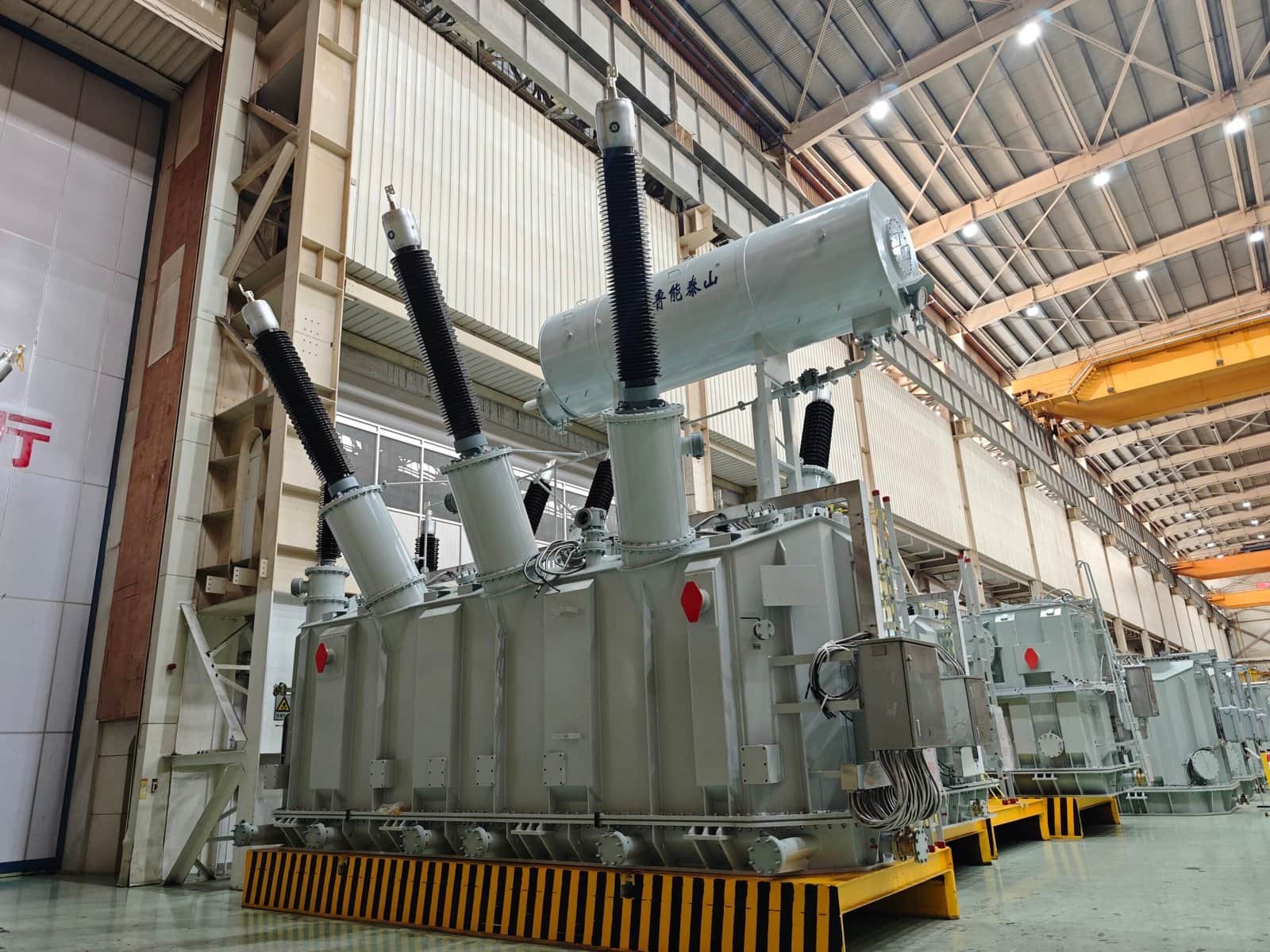
In modern electrical systems, the growing use of non-linear loads such as variable frequency drives, rectifiers, and electronic equipment has significantly increased harmonic distortion. While transformers are designed for sinusoidal operation at fundamental frequency, harmonic currents introduce additional stress that leads to unexpected energy losses. If not properly managed, these losses can cause overheating, reduced efficiency, insulation damage, and shortened transformer lifespan.
Harmonics increase transformer losses by introducing higher-frequency currents that amplify copper losses, eddy current losses, stray losses, and core losses, leading to excessive heat generation and reduced overall efficiency.
These effects are cumulative and can severely impact transformer performance under harmonic-rich conditions.
Transition to Loss Mechanism Analysis
To understand how harmonics affect transformers, it is essential to examine the different types of losses and how they are influenced by harmonic frequencies.
Harmonic currents have no effect on transformer losses because transformers only respond to fundamental frequency.False
Transformers are affected by all frequency components, and harmonic currents significantly increase losses and heating.
Copper Losses Under Harmonic Conditions
Copper losses occur due to the resistance of transformer windings and increase with current magnitude.
P_{cu} = I^2 R
| Condition | Effect on Copper Loss |
|---|---|
| Increased RMS current | Higher I²R losses |
| Harmonic currents | Raise effective current value |
| Non-linear load | Causes uneven current distribution |
Harmonics increase the RMS current, directly amplifying copper losses.
Eddy Current Losses in Windings
Eddy currents are circulating currents induced in conductors due to changing magnetic fields. These losses increase significantly with frequency.
P_{eddy} \propto f^2
| Factor | Impact |
|---|---|
| Higher frequency | Exponential increase in losses |
| Harmonic order | Stronger eddy currents |
| Conductor thickness | Affects current distribution |
Even small harmonic components can cause large increases in eddy current losses.
Stray Losses in Structural Parts
Stray losses occur in transformer components such as tank walls, clamps, and structural parts.
| Source | Effect of Harmonics |
|---|---|
| Leakage flux | Induces currents in metal parts |
| High-frequency flux | Increases localized heating |
| Structural components | Experience additional losses |
These losses are often underestimated but can be significant under harmonic conditions.
Core Losses and Harmonic Distortion
Transformer core losses include hysteresis and eddy current losses, both affected by waveform distortion.
| Core Loss Type | Harmonic Impact |
|---|---|
| Hysteresis loss | Increases with waveform distortion |
| Core eddy losses | Increase with frequency |
| Flux distortion | Causes non-uniform magnetization |
Harmonics distort the magnetic flux, increasing total core losses.
Skin Effect and Proximity Effect
At higher frequencies, current tends to flow near the surface of conductors (skin effect), increasing effective resistance.
| Effect | Result |
|---|---|
| Skin effect | Reduced conductor area |
| Proximity effect | Uneven current distribution |
| Increased resistance | Higher copper losses |
These effects become more pronounced with higher-order harmonics.
Impact on Transformer Temperature Rise
All additional losses caused by harmonics are converted into heat.
| Heat Source | Result |
|---|---|
| Copper losses | Winding heating |
| Eddy losses | Localized hot spots |
| Stray losses | Structural heating |
Excessive heat accelerates insulation aging and reduces transformer life.
Total Loss Increase Under Harmonics
The combined effect of all harmonic-related losses significantly reduces efficiency.
P{total} = P{core} + P{cu} + P{stray}
| Loss Component | Harmonic Influence |
|---|---|
| Copper loss | Increased by RMS current |
| Core loss | Increased by distortion |
| Stray loss | Increased by leakage flux |
Real-World Engineering Example
In a commercial building with a large number of computers and LED lighting systems, harmonic currents significantly increase the RMS current flowing through the distribution transformer. As a result, the transformer experiences excessive heating due to increased copper and eddy current losses. By installing harmonic filters and upgrading to a K-rated transformer, the system reduces losses and maintains safe operating temperatures.
Loss Mechanism Summary
| Loss Type | Cause of Increase | Harmonic Effect |
|---|---|---|
| Copper losses | Higher RMS current | Direct increase |
| Eddy current losses | High-frequency components | Rapid increase (f² relationship) |
| Core losses | Flux distortion | Moderate increase |
| Stray losses | Leakage flux interaction | Significant localized heating |
Why Do Harmonics Cause Overheating in Transformers?
In modern electrical systems, transformers are increasingly exposed to non-linear loads such as variable frequency drives, rectifiers, and electronic equipment. These loads generate harmonic currents that distort the ideal sinusoidal waveform. While transformers are designed to operate efficiently at fundamental frequency, harmonics introduce additional electrical stress that leads to excessive heat generation. If not properly controlled, this overheating can degrade insulation, reduce efficiency, and significantly shorten transformer lifespan.
Harmonics cause overheating in transformers because high-frequency harmonic currents increase copper losses, eddy current losses, stray losses, and magnetic distortion, all of which convert electrical energy into excess heat within the transformer.
This heat accumulation is the primary reason transformers fail prematurely in harmonic-rich environments.
Transition to Thermal Mechanism Analysis
To understand why overheating occurs, it is necessary to examine how harmonic frequencies affect different loss components inside the transformer.
Harmonics do not affect transformer temperature because only fundamental frequency contributes to heating.False
Harmonic currents significantly increase multiple types of losses, leading to additional heat generation.
Increased Copper Losses Due to Harmonic Currents
Copper losses are directly related to current flowing through transformer windings.
P_{cu} = I^2 R
| Condition | Impact on Heating |
|---|---|
| Higher RMS current | Increased I²R losses |
| Harmonic components | Raise effective current value |
| Non-linear loads | Cause irregular current patterns |
Harmonics increase RMS current, which directly increases heat in windings.
Eddy Current Losses and Frequency Effect
Eddy current losses rise sharply with frequency, making harmonics a major contributor to overheating.
P_{eddy} \propto f^2
| Harmonic Order | Heating Effect |
|---|---|
| Low-order harmonics | Moderate increase |
| High-order harmonics | Rapid increase in losses |
| Combined harmonics | Significant heat accumulation |
Even small high-frequency harmonics can generate large amounts of heat.
Stray Losses in Structural Components
Harmonic currents create leakage flux that induces additional currents in transformer structural parts.
| Component | Heating Effect |
|---|---|
| Tank walls | Localized hot spots |
| Clamps and supports | Increased eddy currents |
| Core frame | Additional thermal stress |
These stray losses contribute to uneven temperature distribution.
Core Saturation and Magnetic Distortion
Harmonics distort the magnetic flux in the transformer core.
| Magnetic Effect | Result |
|---|---|
| Flux distortion | Non-uniform magnetization |
| Core saturation | Increased hysteresis losses |
| Waveform distortion | Additional heat generation |
This increases core losses and contributes to overheating.
Skin Effect and Proximity Effect
At higher frequencies, current distribution within conductors becomes uneven.
| Effect | Result |
|---|---|
| Skin effect | Current flows near surface |
| Proximity effect | Uneven current distribution |
| Increased resistance | Higher copper losses |
These effects further increase thermal stress in windings.
Hot Spot Formation in Windings
Harmonic-induced losses are not evenly distributed, leading to localized hot spots.
| Area | Risk Level |
|---|---|
| Inner windings | High temperature concentration |
| Core edges | Increased flux density |
| Structural joints | Localized heating |
Hot spots are dangerous because they accelerate insulation aging.
Impact on Insulation and Lifespan
Excessive heat directly affects transformer insulation materials.
| Temperature Rise | Impact on Insulation |
|---|---|
| Moderate increase | Gradual aging |
| High temperature | Rapid degradation |
| Extreme overheating | Insulation failure |
Insulation failure is one of the leading causes of transformer breakdown.
Combined Thermal Effect of Harmonics
All harmonic-related losses combine to produce significant temperature rise.
P{total} = P{core} + P{cu} + P{stray}
| Loss Component | Contribution to Heating |
|---|---|
| Copper losses | Winding heating |
| Eddy losses | Rapid temperature rise |
| Stray losses | Localized hot spots |
| Core losses | Continuous heat generation |
Real-World Engineering Example
In a data center with a large number of servers and UPS systems, harmonic currents significantly increase due to switching power supplies. The distribution transformer begins to overheat despite operating within its rated load. Thermal imaging reveals hot spots in the windings. After installing harmonic filters and upgrading to a K-rated transformer, the temperature stabilizes and equipment reliability improves.
Overheating Mechanism Summary
| Cause | Effect on Transformer |
|---|---|
| Increased RMS current | Higher copper losses |
| High-frequency harmonics | Increased eddy losses |
| Flux distortion | Higher core losses |
| Leakage flux | Increased stray losses |
| Skin effect | Higher resistance |
How Do Harmonics Affect Insulation and Lifespan?
In modern power systems, the increasing use of non-linear loads has introduced significant harmonic distortion into electrical networks. While transformers are designed for sinusoidal operation, harmonic currents create additional electrical and thermal stress that directly impacts insulation systems. Since insulation is the most critical factor determining transformer lifespan, any degradation caused by harmonics can lead to premature failure, increased maintenance costs, and reduced operational reliability.
Harmonics affect insulation and transformer lifespan by increasing thermal stress, accelerating insulation aging, causing dielectric deterioration, and creating localized hot spots that significantly shorten the service life of transformer components.
Understanding these effects is essential for maintaining long-term transformer reliability in harmonic-rich environments.
Transition to Insulation Degradation Mechanisms
To fully understand the impact, it is important to examine how harmonic-induced electrical and thermal stresses interact with insulation materials over time.
Harmonics have no effect on transformer insulation because insulation only depends on voltage levels.False
Insulation is affected by temperature, electrical stress, and waveform distortion, all of which are influenced by harmonics.
Thermal Aging Acceleration
The most significant impact of harmonics on insulation is increased temperature, which accelerates aging.
genui{"math_block_widget_always_prefetch_v2":{"content":"L \propto e^{-\theta/T}"}}
| Temperature Condition | Effect on Insulation Life |
|---|---|
| Normal operation | Standard aging rate |
| Moderate overheating | Accelerated degradation |
| High temperature | Rapid insulation failure |
Even small temperature increases can drastically reduce lifespan.
Increased Dielectric Stress
Harmonic voltages distort the electric field distribution within insulation.
| Electrical Effect | Impact on Insulation |
|---|---|
| Voltage waveform distortion | Uneven electric field |
| Peak voltage increase | Higher dielectric stress |
| Partial discharge risk | Insulation breakdown initiation |
This weakens insulation integrity over time.
Hot Spot Formation and Localized Damage
Harmonics create uneven heat distribution, leading to hot spots.
| Location | Risk Level |
|---|---|
| Inner windings | High thermal concentration |
| Insulation layers | Localized aging |
| Core edges | Flux concentration effects |
Hot spots accelerate localized insulation failure.
Partial Discharge and Insulation Breakdown
Harmonic distortion increases the likelihood of partial discharge within insulation.
| Condition | Result |
|---|---|
| High-frequency stress | Increased discharge activity |
| Insulation voids | Electrical breakdown initiation |
| Repeated discharge | Progressive insulation damage |
Partial discharge is a major cause of insulation failure.
Mechanical Stress on Insulation
Harmonic currents create electromagnetic forces that affect insulation structure.
| Mechanical Effect | Impact |
|---|---|
| Vibration | Weakens insulation bonding |
| Thermal expansion | Causes material fatigue |
| Repeated stress cycles | Structural degradation |
Over time, this reduces insulation strength.
Moisture and Chemical Degradation
Elevated temperatures caused by harmonics accelerate chemical reactions in insulation materials.
| Degradation Factor | Effect |
|---|---|
| Moisture absorption | Reduced dielectric strength |
| Oxidation | Material breakdown |
| Oil degradation | Reduced insulation performance |
These factors further shorten transformer lifespan.
Reduction in Expected Lifespan
The combined effect of all harmonic-related stresses significantly reduces transformer service life.
What Is the Impact of Harmonics on Transformer Capacity?
In modern electrical systems, transformers are increasingly exposed to harmonic-rich environments due to widespread use of non-linear loads such as variable frequency drives, UPS systems, and electronic equipment. While transformers are rated based on sinusoidal conditions, harmonics introduce additional losses and thermal stress that reduce their effective operating capacity. If these effects are ignored, transformers may overheat even when operating below their rated load, leading to reduced performance and premature failure.
Harmonics impact transformer capacity by increasing internal losses and temperature rise, which forces derating of the transformer, reducing its effective load-carrying capability to prevent overheating and insulation damage.
This means a transformer cannot safely deliver its full rated power under harmonic conditions.
Transition to Capacity Reduction Mechanism
To understand this impact, it is necessary to analyze how harmonic currents influence transformer losses, temperature, and safe operating limits.
Transformer capacity remains unchanged regardless of harmonic distortion in the system.False
Harmonics increase losses and temperature, requiring transformer derating to maintain safe operation.
Increase in RMS Current and Loading Stress
Harmonics increase the effective RMS current flowing through the transformer.
I_{RMS} = \sqrt{I_1^2 + I_2^2 + I_3^2 + ...}
| Condition | Effect on Capacity |
|---|---|
| Pure sinusoidal load | Rated capacity achievable |
| Harmonic-rich load | Higher RMS current |
| Increased current | Higher thermal stress |
Higher RMS current reduces available capacity for useful load.
Increased Losses Reduce Usable Power
Harmonics increase multiple types of losses inside the transformer.
| Loss Type | Effect on Capacity |
|---|---|
| Copper losses | Increased due to higher current |
| Eddy current losses | Increase with frequency |
| Stray losses | Additional heating |
P{total} = P{core} + P{cu} + P{stray}
More losses mean less power can be delivered safely.
Thermal Limits and Derating Requirement
Transformer capacity is ultimately limited by temperature rise.
| Temperature Condition | Capacity Impact |
|---|---|
| Normal temperature | Full rated capacity |
| Elevated temperature | Reduced allowable load |
| Excessive heating | Risk of failure |
To avoid overheating, transformers must be derated under harmonic conditions.
Derating Factor and Harmonic Influence
Engineers use derating factors to determine safe operating capacity.
| Harmonic Level | Typical Capacity Reduction |
|---|---|
| Low distortion (<5%) | Minimal derating |
| Moderate (5–15%) | 5–20% reduction |
| High distortion (>15%) | Significant derating required |
The higher the harmonic content, the greater the capacity reduction.
Impact on K-Factor and Transformer Design
Transformers designed for harmonic loads are rated using a K-factor.
| K-Factor Rating | Application |
|---|---|
| K-1 | Linear loads |
| K-4 to K-13 | Moderate harmonic loads |
| K-20 and above | High harmonic environments |
Higher K-factor transformers can handle more harmonic stress without derating.
Skin Effect and Reduced Conductor Efficiency
At higher frequencies, current flows near the surface of conductors, reducing effective cross-sectional area.
| Effect | Result |
|---|---|
| Skin effect | Increased resistance |
| Proximity effect | Uneven current distribution |
| Higher losses | Reduced capacity |
This further limits usable transformer capacity.
Voltage Distortion and Load Efficiency
Harmonics distort voltage, affecting how efficiently loads operate.
| Distortion Effect | Impact |
|---|---|
| Voltage waveform distortion | Reduced load efficiency |
| Increased current demand | Additional transformer stress |
| Power factor reduction | Lower usable capacity |
Real-World Engineering Example
In a data center with heavy use of UPS systems and servers, harmonic distortion significantly increases RMS current in the distribution transformer. Although the transformer is rated at full capacity, it begins to overheat at only 75% load. Engineers apply a derating factor and install a K-rated transformer along with harmonic filters, allowing safe operation without exceeding thermal limits.
Capacity Impact Summary
| Harmonic Effect | Impact on Transformer Capacity |
|---|---|
| Increased RMS current | Higher loading stress |
| Additional losses | Reduced usable power |
| Thermal rise | Limits safe operation |
| Skin effect | Reduces conductor efficiency |
| Voltage distortion | Affects load performance |
How Can the Effects of Harmonics Be Mitigated?
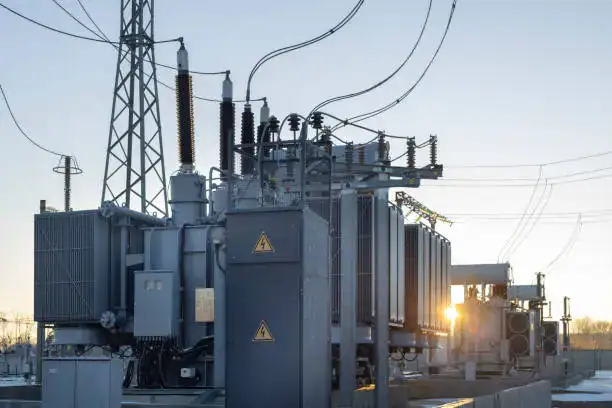
In modern power systems, the widespread use of non-linear loads such as variable frequency drives, data centers, and power electronics has made harmonic distortion a persistent challenge. If left unaddressed, harmonics can cause overheating, increased losses, voltage distortion, equipment malfunction, and reduced system lifespan. Many facilities experience unexpected transformer failures or inefficiencies simply because harmonic mitigation strategies were not properly implemented.
The effects of harmonics can be mitigated through a combination of passive and active filtering, proper transformer selection (such as K-rated transformers), load balancing, system design optimization, and real-time monitoring to reduce distortion, improve power quality, and protect equipment.
A comprehensive mitigation strategy ensures both reliability and efficiency in harmonic-rich environments.
Transition to Practical Mitigation Strategies
To effectively reduce harmonic impact, it is essential to understand the available solutions and how they work together within an electrical system.
Harmonics cannot be mitigated and must simply be tolerated in electrical systems.False
Harmonics can be effectively reduced using filters, proper equipment design, and system optimization techniques.
Passive Harmonic Filters
Passive filters are one of the most widely used solutions for harmonic mitigation.
Z = \frac{1}{2\pi f C}
| Filter Type | Function |
|---|---|
| Single-tuned filter | Targets specific harmonic frequency |
| High-pass filter | Eliminates high-frequency harmonics |
| Band-pass filter | Filters selected frequency range |
These filters use inductors and capacitors to absorb harmonic currents.
Active Harmonic Filters
Active filters provide dynamic and adaptive harmonic compensation.
| Feature | Benefit |
|---|---|
| Real-time correction | Responds to changing loads |
| Wide frequency range | Handles multiple harmonics |
| Precision control | Improves power quality |
They inject counteracting currents to cancel harmonics.
Use of K-Rated Transformers
K-rated transformers are specifically designed to handle harmonic loads.
| K-Factor Rating | Application |
|---|---|
| K-1 | Linear loads |
| K-4 to K-13 | Moderate harmonics |
| K-20 and above | Heavy harmonic environments |
These transformers reduce overheating and extend lifespan.
Load Balancing and System Design
Proper load distribution reduces harmonic concentration.
| Design Strategy | Impact |
|---|---|
| Phase balancing | Reduces neutral currents |
| Load separation | Isolates harmonic sources |
| Distributed loading | Minimizes localized distortion |
Good system design prevents harmonic accumulation.
Harmonic Isolation Techniques
Isolation methods prevent harmonics from spreading across the system.
| Technique | Function |
|---|---|
| Isolation transformers | Block harmonic propagation |
| Delta connections | Trap triplen harmonics |
| Line reactors | Limit harmonic current flow |
These techniques improve overall system stability.
Use of Multi-Pulse Converters
Multi-pulse rectifiers reduce harmonic generation at the source.
| Converter Type | Harmonic Reduction Capability |
|---|---|
| 6-pulse | Standard (higher harmonics) |
| 12-pulse | Reduced harmonics |
| 18-pulse | Very low harmonic distortion |
Higher pulse systems produce cleaner waveforms.
Real-Time Monitoring and Power Quality Analysis
Monitoring systems help detect and manage harmonics proactively.
| Monitoring Tool | Function |
|---|---|
| Power quality analyzers | Measure THD levels |
| SCADA systems | Real-time system monitoring |
| Smart sensors | Detect abnormal conditions |
Continuous monitoring enables early intervention.
Total Harmonic Distortion (THD) Control
Maintaining acceptable THD levels is a key mitigation goal.
THD = \frac{\sqrt{I_2^2 + I_3^2 + I_4^2 + ...}}{I_1}
| THD Level | System Condition |
|---|---|
| < 5% | Optimal performance |
| 5–10% | Acceptable |
| > 10% | Requires mitigation |
Reducing THD improves efficiency and reliability.
Hybrid Mitigation Approach
In most real-world systems, a combination of methods is used.
| Strategy Combination | Result |
|---|---|
| Passive + Active filter | Comprehensive harmonic control |
| K-rated + monitoring | Improved reliability |
| Design + isolation | Long-term stability |
A hybrid approach provides the best performance.
Real-World Engineering Example
In an industrial plant with heavy use of variable frequency drives, harmonic distortion caused transformer overheating and frequent equipment failures. Engineers installed active harmonic filters, added line reactors, and upgraded to K-rated transformers. After implementation, THD levels dropped below 5%, transformer temperature stabilized, and system reliability improved significantly.
Mitigation Strategy Summary
| Method | Primary Benefit |
|---|---|
| Passive filters | Cost-effective harmonic reduction |
| Active filters | Dynamic compensation |
| K-rated transformers | Handle harmonic loads safely |
| Load balancing | Reduce distortion concentration |
| Isolation techniques | Prevent harmonic propagation |
| Monitoring systems | Enable proactive control |
Conclusion
Harmonics negatively impact transformers by increasing losses, causing excessive heating, reducing usable capacity, and accelerating insulation aging. These effects can compromise efficiency and shorten service life if not properly managed. By applying harmonic mitigation techniques—such as filters, proper transformer sizing, and K-rated transformers—operators can minimize risks and maintain stable, efficient transformer performance in modern power systems.
FAQ
Q1: What are harmonics and how do they affect transformers?
Harmonics are voltage or current waveforms that are multiples of the fundamental frequency (e.g., 50 Hz or 60 Hz). They distort the ideal sinusoidal waveform in power systems.
In transformers, harmonics can:
Increase losses and heating
Reduce efficiency
Cause insulation stress
Lead to premature aging
Non-linear loads such as variable frequency drives, rectifiers, and computers are common sources of harmonics.
Q2: Why do harmonics cause overheating in transformers?
Harmonics increase both core losses and copper losses:
Eddy current losses rise with frequency
Skin effect increases resistance in windings
Stray losses occur in structural parts
Higher-frequency harmonic currents generate additional heat, which can exceed design limits and damage insulation over time.
Q3: How do harmonics impact transformer efficiency?
Harmonics reduce transformer efficiency by increasing total losses. These include:
Core (iron) losses due to distorted flux
Copper losses from increased current
Additional stray and dielectric losses
As a result, more input energy is wasted as heat rather than being delivered to the load.
Q4: What is K-factor and how is it related to harmonics?
The K-factor is a rating used to indicate a transformer’s ability to handle harmonic currents without overheating.
Higher K-factor transformers are designed for non-linear loads
They have enhanced insulation and reduced eddy current losses
K-rated transformers are commonly used in data centers and industrial environments with high harmonic content.
Q5: What problems can harmonics cause in transformer insulation?
Harmonics can stress insulation by:
Increasing operating temperature
Causing localized hotspots
Accelerating insulation aging
Leading to partial discharge in severe cases
Over time, this can reduce transformer lifespan and increase failure risk.
Q6: How can the effects of harmonics on transformers be mitigated?
Several methods can reduce harmonic impact:
Using K-rated transformers
Installing harmonic filters (passive or active)
Proper system design and load balancing
Oversizing transformers to handle additional heat
Using phase-shifting transformers
These strategies help maintain performance and prevent overheating.
Q7: Which applications are most affected by transformer harmonics?
Applications with high harmonic distortion include:
Data centers
Industrial plants with variable speed drives
Renewable energy systems (solar inverters, wind converters)
Commercial buildings with heavy electronic loads
These environments require careful harmonic management.
Q8: How can harmonics be monitored in transformer systems?
Harmonics can be monitored using:
Power quality analyzers
Harmonic meters
Smart monitoring systems with real-time data
Tracking harmonic levels helps identify issues early and ensures compliance with power quality standards.
References
IEC 61000 – Electromagnetic Compatibility Standards
https://webstore.iec.ch
IEEE 519 – Harmonic Control in Power Systems
https://standards.ieee.org
Electrical Engineering Portal – Harmonics in Transformers Explained
https://electrical-engineering-portal.com
CIGRE – Harmonic Impact on Power Equipment
https://www.cigre.org
U.S. Department of Energy – Power Quality Overview
https://www.energy.gov
IEEE Power & Energy Society – Harmonic Analysis Research
https://ieeexplore.ieee.org