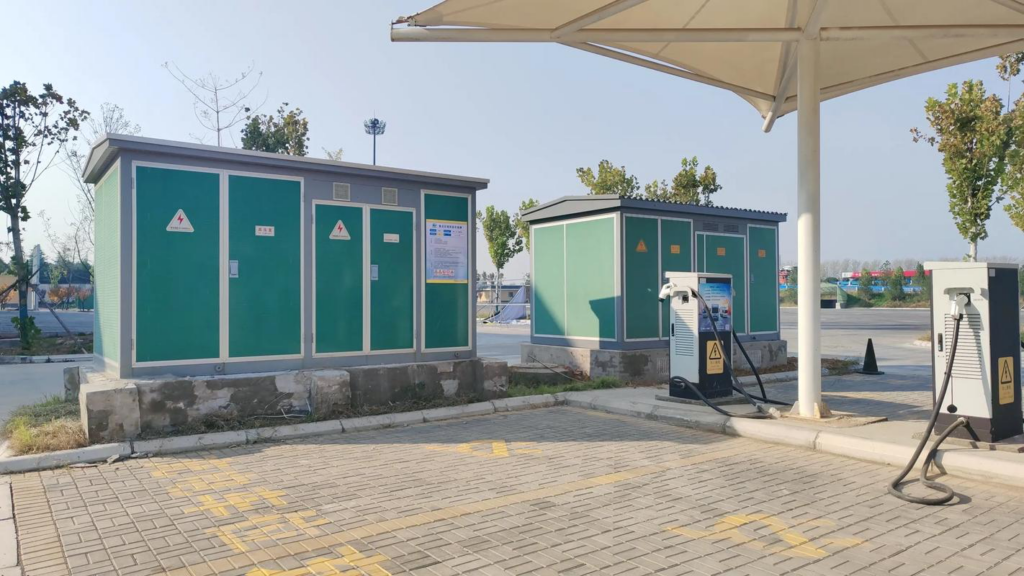
As power systems evolve, smart grids are transforming traditional electricity networks into intelligent, adaptive systems. Transformers—once passive components—now play an active role in this digital ecosystem. By integrating sensors, communication modules, and advanced control systems, smart transformers enable real-time monitoring, load management, and system optimization. Understanding how transformers integrate with smart grids highlights their essential role in creating more resilient, efficient, and sustainable power infrastructure.
What Is a Smart Grid and How Does It Work?
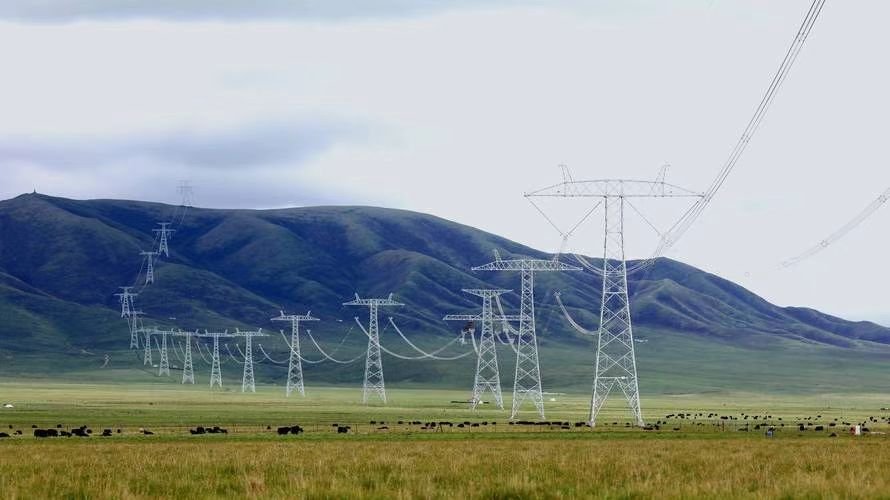
Today’s power grids face unprecedented demands—rising energy consumption, renewable integration, aging infrastructure, and the need for greater resilience against outages. The traditional grid, built for one-way power delivery, is no longer sufficient. Enter the smart grid: a digitally enhanced, dynamic system that combines automation, real-time communication, and analytics to revolutionize the way electricity is generated, transmitted, and consumed.
A smart grid is an advanced electrical grid infrastructure that uses digital communication, sensors, smart meters, automation, and artificial intelligence to monitor, predict, and control the generation, distribution, and consumption of electricity in real time. It enables two-way energy and data flows, integrates renewable sources, improves reliability, enhances energy efficiency, and empowers consumers through demand-side participation.
This article explains the structure, operation, components, and benefits of the smart grid—an essential upgrade to modern energy systems.
A smart grid enables two-way communication between utilities and consumers while integrating advanced automation and data analytics to improve efficiency and reliability.True
The smart grid's core innovation is its real-time control and data-driven adaptability, which traditional grids cannot offer.
Smart grids only involve renewable energy generation without affecting transmission or consumption.False
While smart grids support renewable energy, they span the full electricity value chain—from generation to consumer interaction and grid automation.
1. Traditional Grid vs. Smart Grid
| Aspect | Traditional Grid | Smart Grid |
|---|---|---|
| Power flow | One-way (generation to load) | Two-way (bidirectional with prosumers) |
| Monitoring | Manual, delayed | Real-time, sensor-based |
| Outage response | Reactive | Predictive and automated |
| Energy sources | Fossil-heavy, centralized | Distributed, including renewables |
| Consumer role | Passive | Active (demand response, microgeneration) |
Smart grids modernize all aspects of electricity infrastructure—from transformers to consumer devices.
2. Core Components of a Smart Grid
| Component | Function |
|---|---|
| Smart meters | Provide real-time usage data and enable dynamic pricing |
| SCADA systems | Centralized monitoring and remote control of substations |
| Advanced sensors (PMUs) | Detect voltage, frequency, and phase anomalies at microsecond intervals |
| Communication network | Transmits data securely across grid elements |
| Distributed Energy Resources (DERs) | Solar, wind, battery storage integrated into the grid |
| AI and analytics platforms | Optimize grid performance and predict failures |
3. How a Smart Grid Works: Step-by-Step Flow
Power Generation
- Conventional (coal, gas, nuclear) + Renewable (solar, wind, hydro)
- DERs like rooftop PV and community wind also feed into the grid
Transmission
- High-voltage transport via step-up transformers and transmission lines
- Monitored by Phasor Measurement Units (PMUs) and digital relays
Distribution
- Step-down transformers supply medium/low-voltage to local areas
- Automated switches and reclosers balance loads in real time
Consumer Interface
- Smart meters provide live data to users and utilities
- Homes, EVs, and smart appliances adjust usage based on dynamic pricing
Data Collection and Control
- Cloud-based systems analyze grid-wide performance
- AI detects faults, dispatches field teams, and balances energy from various sources
4. Technologies Powering the Smart Grid
| Technology | Role |
|---|---|
| Internet of Things (IoT) | Sensors and devices connected to the grid |
| Big Data Analytics | Predicts equipment failure, optimizes load dispatch |
| Machine Learning | Learns demand patterns and improves grid predictions |
| Blockchain (emerging) | Peer-to-peer energy trading and secure energy data |
| 5G and Fiber Optics | Ultra-fast communication for real-time grid control |
5. Smart Grid Benefits
| Benefit | Description |
|---|---|
| Enhanced reliability | Real-time detection and isolation of faults |
| Reduced outages | Self-healing capabilities and predictive maintenance |
| Energy efficiency | Dynamic voltage regulation and load optimization |
| Renewable integration | Smoothes intermittency from solar/wind |
| Cost savings | Lowers peak demand charges and energy waste |
| Consumer empowerment | Enables time-of-use tariffs and demand response |
6. Challenges in Smart Grid Deployment
| Challenge | Mitigation Strategy |
|---|---|
| Cybersecurity | Encryption, firewalls, secure protocols |
| Interoperability | Open standards like IEC 61850, IEEE 1547 |
| High capital cost | Phased implementation, government incentives |
| Data privacy concerns | Role-based access control and anonymized data |
| Regulatory lag | Modernized policies to support innovation |
7. Global Examples of Smart Grids
| Region/Country | Project Name or Feature | Highlights |
|---|---|---|
| USA (California) | Pacific Gas & Electric Smart Grid | Large-scale AMI deployment, wildfire AI detection |
| EU (Spain) | SmartCity Málaga | 25% reduction in CO₂ with smart metering |
| Japan (Yokohama) | Yokohama Smart City Project | Integrated EVs, solar, and smart homes |
| India | NSGM (National Smart Grid Mission) | AMI, SCADA, and loss reduction in urban zones |
Summary Table: Smart Grid at a Glance
| Feature | Description |
|---|---|
| Voltage management | Automated, real-time voltage control |
| Fault handling | Self-healing, rapid fault detection |
| Consumer role | Real-time energy use feedback and pricing |
| Renewables | Seamless solar/wind integration |
| Digital backbone | IoT, 5G, fiber optics, cloud analytics |
What Is a Smart Transformer?
As power grids evolve into intelligent, data-driven networks, traditional transformers are no longer sufficient to meet the dynamic needs of distributed energy integration, bidirectional power flow, real-time grid balancing, and demand-side management. This has led to the rise of the smart transformer—a digitally enabled evolution of the conventional transformer that brings communication, monitoring, and adaptive control to one of the grid’s most essential assets.
A smart transformer is a digitally equipped power transformer that monitors its own performance in real time, adjusts voltage dynamically, and communicates with the grid’s control systems. It combines advanced sensors, embedded processors, communication interfaces, and sometimes solid-state technology to manage energy flow, improve reliability, and support smart grid functionality such as renewable integration, fault detection, and load balancing.
This article explains the design, operation, applications, and advantages of smart transformers in modern electrical infrastructure.
Smart transformers use digital control, sensors, and communication modules to monitor, adapt, and optimize their operation in real time.True
Unlike conventional transformers, smart transformers are equipped with microprocessors and data interfaces for intelligent grid interaction.
Smart transformers are identical to conventional transformers but have a newer name.False
Smart transformers are technologically enhanced with advanced sensing, digital control, and communication capabilities that traditional models lack.
1. Smart Transformer vs. Conventional Transformer
| Feature/Function | Conventional Transformer | Smart Transformer |
|---|---|---|
| Voltage Regulation | Fixed or tap changer (manual/OLTC) | Automatic, real-time voltage adjustment |
| Monitoring | Manual, periodic testing | Continuous, sensor-based, digital |
| Communication | None or SCADA-limited | Embedded IoT, wireless/cloud connectivity |
| Grid Integration | One-way, centralized flow | Supports bidirectional, decentralized flow |
| Adaptability | Static settings | Dynamic, based on load/grid behavior |
Smart transformers act as interactive nodes in a distributed energy grid.
2. Key Components of a Smart Transformer
| Component | Function |
|---|---|
| Sensors | Measure voltage, current, temperature, oil level |
| Microcontroller/Processor | Executes logic, voltage control, diagnostics |
| Communication module | Transfers data via Ethernet, Wi-Fi, 5G, or fiber |
| Solid-state switchgear | Enables fast switching and voltage regulation |
| Digital interface (HMI) | User-friendly control and diagnostics panel |
| Cloud connectivity | Sends data to grid analytics platforms |
3. How a Smart Transformer Works
Real-Time Monitoring
- Collects data on load, temperature, power quality, harmonic content, oil condition
Data Processing
- Uses embedded intelligence to analyze and respond to grid conditions
Dynamic Adjustment
- Adjusts output voltage, tap position, or impedance based on demand or grid status
Communication
- Sends alerts, performance data, and maintenance needs to control centers
Integration with DERs
- Manages solar, wind, and battery sources efficiently
Enables proactive fault detection and automated maintenance scheduling.
4. Types of Smart Transformers
| Type | Application |
|---|---|
| Smart Distribution Transformer | Local grid voltage control, smart metering interface |
| Solid-State Transformer (SST) | High-speed digital control using power electronics |
| Modular Smart Transformer | Substation-level control with plug-in digital modules |
| Pole-mounted Smart Transformer | Rural electrification with remote diagnostics |
5. Applications and Use Cases
| Sector/Application | Smart Transformer Role |
|---|---|
| Smart Grid | Voltage regulation, load balancing, data sharing |
| Renewable Energy Integration | Handles fluctuation, supports bidirectional flow |
| EV Charging Stations | Adapts to high-demand fluctuation |
| Microgrids | Islanding and autonomous operation |
| Industrial Facilities | Harmonic filtering, power quality correction |
| Remote Areas | Autonomous fault handling and alerts |
6. Advantages of Smart Transformers
| Benefit | Description |
|---|---|
| Reduced Downtime | Real-time diagnostics prevent unexpected failures |
| Improved Grid Stability | Actively manages local voltage and load balancing |
| Energy Efficiency | Operates at optimal voltage and frequency levels |
| Support for DERs | Enables seamless solar/wind integration |
| Remote Maintenance | Condition-based alerts reduce service trips |
| Data-Driven Decision Making | Informs planning, budgeting, and asset lifecycle |
7. Challenges and Considerations
| Challenge | Mitigation Strategy |
|---|---|
| Cybersecurity | Use of encryption, firewalls, secure protocols |
| Cost of Implementation | Offset by long-term ROI and grid efficiency gains |
| Interoperability | Compliance with IEC 61850, IEEE 2030.5, etc. |
| Skilled Workforce Need | Requires technician and utility retraining |
Despite higher upfront cost, smart transformers yield long-term savings and performance gains.
Summary Table: Smart Transformer Overview
| Feature | Details |
|---|---|
| Voltage Control | Dynamic, programmable, adaptive |
| Monitoring | Real-time (temperature, oil, current, voltage) |
| Communication | IoT, SCADA, cloud, wireless/fiber |
| Control Logic | Embedded processor or AI-based decision engine |
| Key Benefits | Efficiency, reliability, renewable support, remote control |
| Compliance Standards | IEC 61850, IEEE 1547, UL 1741, NERC CIP |
How Do Transformers Communicate Within Smart Grids?
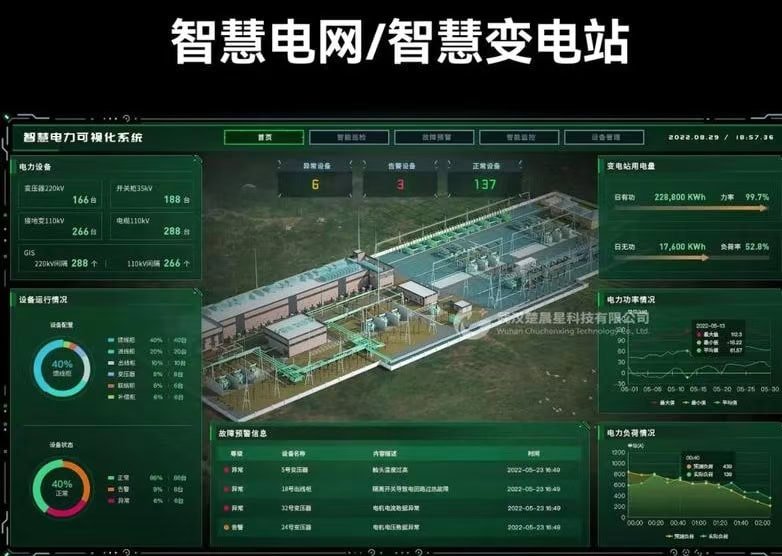
In traditional power systems, transformers functioned as passive, isolated components, making manual inspections and delayed maintenance the norm. But the smart grid changes everything. To manage modern demands like renewable energy integration, fault detection, and real-time load balancing, transformers must be able to talk—to utilities, to each other, and to central systems. That’s why communication is now a fundamental feature of the smart grid transformer.
Transformers communicate within smart grids using embedded communication modules that transmit real-time data on electrical parameters, operational status, and fault conditions to centralized control systems or decentralized nodes. They utilize communication protocols like IEC 61850, DNP3, and Modbus, and technologies such as fiber optics, RF mesh, PLC, 4G/5G, or Wi-Fi. This data exchange enables automation, predictive maintenance, grid optimization, and remote control.
This article details how communication-enabled transformers fit into the digital grid ecosystem—and the protocols and technologies that make it possible.
Smart transformers communicate within the smart grid using protocols like IEC 61850 and DNP3 over fiber optic, wireless, or PLC networks.True
These communication methods enable real-time data sharing, grid coordination, and automated control.
Transformers do not need communication capabilities because they operate independently within the grid.False
In smart grids, communication is essential for monitoring, control, fault response, and integration with distributed resources.
1. Why Communication in Transformers Matters
| Function | Communication Role |
|---|---|
| Monitoring | Transmits real-time voltage, current, and temperature data |
| Control | Receives and executes voltage regulation or switching commands |
| Fault Detection | Sends alerts for overloads, short circuits, or insulation failures |
| Load Balancing | Coordinates with other transformers or DERs to adjust supply dynamically |
| Predictive Maintenance | Sends condition-based maintenance data to SCADA or cloud systems |
Communication-enabled transformers act as digital sensors and actuators within the grid.
2. Common Communication Technologies
| Communication Medium | Description and Use Case |
|---|---|
| Fiber Optics | High bandwidth, low latency; used in substations and control centers |
| RF Mesh Networks | Wireless, self-healing networks; ideal for AMI and distribution grid |
| Power Line Carrier (PLC) | Sends data over existing power lines; cost-effective for remote or rural grids |
| Wi-Fi / Ethernet | Short-range data communication at pole or pad-level units |
| 4G/5G Cellular | High-speed, wide-area coverage; used for mobile or remote substations |
Selection depends on environmental constraints, latency needs, and cost considerations.
3. Standard Communication Protocols
| Protocol | Description | Application Scope |
|---|---|---|
| IEC 61850 | International standard for substation automation | Substation and transformer control |
| DNP3 | Distributed Network Protocol; reliable for SCADA | Widely used in North America |
| Modbus TCP/IP | Simple, industrial-grade open protocol | Field device communication |
| IEC 60870-5-104 | European utility automation protocol | Regional utilities |
| MQTT/OPC-UA | Lightweight, IoT-ready protocols | Cloud and edge applications |
IEC 61850 is the most comprehensive, supporting high-speed messaging and device interoperability.
4. Transformer Communication Architecture in a Smart Grid
Data Acquisition
- Sensors embedded in the transformer collect voltage, current, oil temperature, and load metrics.
Local Processing
- Microcontrollers or edge computers process raw data and detect anomalies.
Data Transmission
- Communication modules send data via fiber, RF mesh, or cellular networks to SCADA/cloud.
Control and Coordination
- Grid controllers send back voltage adjustment commands, isolation signals, or load redistribution instructions.
Cloud/Utility Interface
- Collected data is used for analytics, visualization, alerts, and performance benchmarking.
5. Smart Transformer Communication Use Cases
| Use Case | Communication Purpose |
|---|---|
| Renewable energy balancing | Coordinates with PV inverters or wind farms to balance intermittent output |
| Automated fault isolation | Detects and isolates faulted sections via relay communication |
| Remote voltage control | Tap changer commands issued via SCADA |
| Energy theft detection | Correlates usage data with anomalies |
| Real-time diagnostics | Sends data on bushing health, oil gas levels, insulation degradation |
6. Security and Reliability Considerations
| Risk Area | Mitigation Strategy |
|---|---|
| Cybersecurity threats | Encrypted communication, firewalls, VPNs |
| Data packet loss/delay | Use of reliable protocols (e.g., TCP, IEC 61850 GOOSE) |
| Signal interference | Shielded enclosures, redundancy (RF + Fiber) |
| Device authentication | Certificate-based identity and whitelist control |
Ensuring secure and resilient communication is as important as the transformer design itself.
7. Example: Smart Grid Transformer Communication Workflow
| Step | Device or System | Action |
|---|---|---|
| 1 | Smart transformer | Detects temperature rise over 90°C |
| 2 | Edge processor | Flags anomaly and triggers alert |
| 3 | Communication module | Sends data via 4G to utility SCADA center |
| 4 | SCADA system | Logs alert, initiates remote cooling command |
| 5 | Grid operator | Schedules maintenance or dispatches team |
Summary Table: Transformer Communication in Smart Grids
| Feature | Description |
|---|---|
| Mediums | Fiber, RF mesh, PLC, Wi-Fi, 4G/5G |
| Protocols | IEC 61850, DNP3, Modbus, MQTT |
| Functions | Monitoring, control, alerts, analytics |
| Devices Used | Sensors, processors, communication modules |
| Benefits | Automation, reliability, load management |
| Security Focus | Encryption, access control, redundancy |
What Real-Time Data Can Smart Transformers Provide?
In traditional transformer operations, data was limited to periodic manual readings or occasional maintenance reports—leaving critical faults and inefficiencies undetected until failure occurred. Today’s smart transformers are equipped with advanced sensors and digital communication systems that continuously stream real-time performance metrics to utilities, asset managers, and automated control systems. This transparency enables predictive maintenance, faster fault response, load optimization, and grid-wide efficiency improvements.
Smart transformers provide real-time data including voltage, current, frequency, power factor, oil temperature, winding temperature, load levels, energy usage, harmonics, tap position, and fault indicators. This live data is transmitted via communication protocols such as IEC 61850 or DNP3 to SCADA systems or cloud platforms for analysis, visualization, and control.
This article details the categories and specific parameters of real-time data smart transformers can deliver—and how this information transforms energy system performance.
Smart transformers deliver real-time data on electrical, thermal, and mechanical parameters to enhance performance, safety, and grid integration.True
These data streams enable predictive maintenance, load balancing, and automation in modern power systems.
Smart transformers only provide energy consumption data like traditional meters.False
Unlike simple meters, smart transformers capture a broad range of operational data including fault status, thermal performance, and harmonic content.
1. Electrical Performance Data
| Parameter | Description |
|---|---|
| Voltage (V) | Line-to-line and line-to-neutral readings (primary & secondary) |
| Current (A) | Load current per phase |
| Frequency (Hz) | Grid frequency detection and deviation alerts |
| Power (kW/kVA/kVAR) | Real, apparent, and reactive power measurement |
| Power factor (cos φ) | Efficiency indicator of load quality |
| Load unbalance (%) | Variation in phase loading |
This data allows load management, fault prediction, and grid synchronization.
2. Thermal and Environmental Data
| Parameter | Description |
|---|---|
| Top oil temperature | Monitors insulation and cooling condition |
| Winding hot-spot temperature | Critical for aging and overload assessment |
| Ambient temperature | Helps calculate dynamic thermal ratings |
| Cooling system status | Fan or pump operation, temperature control |
Ensures transformer is operating within safe thermal limits, prolonging insulation life.
3. Insulation and Oil Condition Data
| Parameter | Description |
|---|---|
| Oil level | Monitors for leaks or loss of insulating fluid |
| Moisture in oil (ppm) | Early detection of insulation degradation |
| Dissolved gas analysis (DGA) | Detects internal faults via gas concentration |
| Dielectric strength (BDV) | Breakdown voltage analysis via online test kits |
Vital for preventive maintenance and avoiding catastrophic failures.
4. Tap Changer and Voltage Regulation Data
| Parameter | Description |
|---|---|
| Tap position | Indicates real-time voltage adjustment status |
| Tap change count | Useful for mechanical wear monitoring |
| Automatic voltage regulation (AVR) | Ensures consistent output voltage under variable input/load conditions |
Supports dynamic grid voltage control and OLTC maintenance planning.
5. Fault and Alarm Data
| Event Indicator | Purpose |
|---|---|
| Overcurrent event | Load exceeds design threshold |
| Over/undervoltage alert | Prevents insulation damage |
| High oil temp alarm | Detects overloading or cooling failure |
| Gas detection (Buchholz) | Internal arcing or insulation failure |
| Breaker trip signal | Logs protective device activation |
Enables real-time fault isolation and response, improving system uptime.
6. Advanced Power Quality and Harmonics Data
| Parameter | Description |
|---|---|
| THD (Total Harmonic Distortion) | Indicates power quality problems from nonlinear loads |
| Harmonic spectrum | Identifies specific frequency components |
| Voltage dips/swells | Detects power anomalies affecting sensitive loads |
| Flicker levels | Tracks voltage fluctuations |
Crucial in environments with renewables, industrial machinery, or EV charging loads.
7. Energy Usage and Load Profiling
| Parameter | Description |
|---|---|
| Energy consumption (kWh) | Tracks cumulative usage |
| Demand peaks (kW) | Logs highest power draw events |
| Time-of-use profile | Differentiates load by time/day |
| Load duration curve | Helps in transformer rating optimization |
Helps utilities perform billing, load forecasting, and tariff planning.
8. Communications and Diagnostics Data
| Parameter | Description |
|---|---|
| Communication status | Confirms connectivity to SCADA or cloud |
| Firmware version | Identifies software level and update readiness |
| Data timestamp & sync | Assures accurate historical recordkeeping |
| Self-diagnostics logs | Records internal errors, resets, or latency |
Ensures data integrity, remote access, and device lifecycle management.
Summary Table: Smart Transformer Real-Time Data Capabilities
| Data Category | Example Parameters |
|---|---|
| Electrical | Voltage, current, frequency, power, PF |
| Thermal | Oil and winding temperatures, cooling status |
| Insulation/Oil | DGA, moisture, BDV, oil level |
| Control/Tap | Tap position, AVR operation, tap count |
| Fault/Alarm | Overload, overtemp, short-circuit, gas alert |
| Power Quality | THD, harmonics, flicker, voltage dip/swell |
| Energy Profiling | kWh usage, demand curve, TOU logs |
| Communication | Link health, timestamp sync, diagnostics |
How Do Smart Transformers Support Grid Stability and Efficiency?
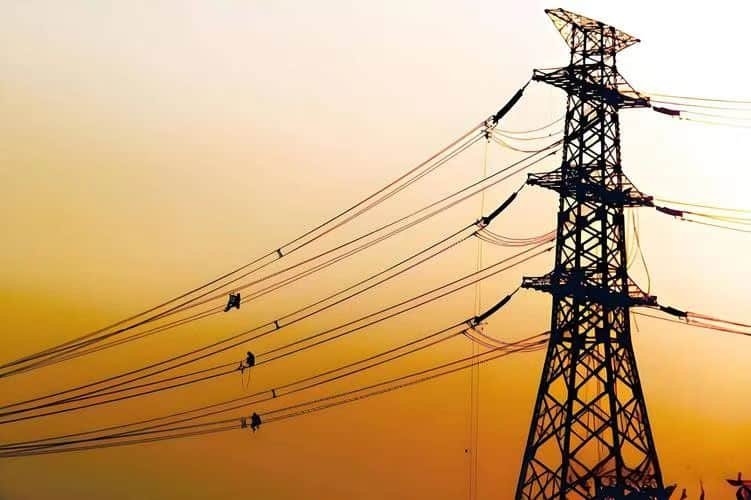
As electric grids become more complex and dynamic—due to renewable integration, distributed energy resources (DERs), variable demand, and increased electrification—maintaining stability and optimizing efficiency have become critical challenges. Traditional transformers, designed for static, one-way energy flow, are ill-equipped for this new reality. Smart transformers, however, are purpose-built to provide the adaptability, intelligence, and real-time responsiveness needed to maintain reliable grid performance under ever-changing conditions.
Smart transformers support grid stability and efficiency by enabling dynamic voltage regulation, real-time load balancing, harmonic filtering, decentralized control, bidirectional energy flow management, and predictive maintenance. They enhance coordination between generation, storage, and load points, reduce losses, and enable faster fault isolation—ensuring a more resilient, flexible, and cost-efficient power system.
This article explains how smart transformers actively contribute to modern grid performance, and why they are essential to next-generation energy infrastructure.
Smart transformers improve grid stability and efficiency through dynamic voltage control, load balancing, fault isolation, and real-time communication.True
These capabilities allow them to respond instantly to grid disturbances, optimize energy flow, and reduce system losses.
Smart transformers operate passively and do not influence grid stability or performance.False
Unlike passive traditional models, smart transformers use sensors and control logic to actively regulate and optimize grid behavior.
1. Dynamic Voltage Regulation
| Function | Benefit |
|---|---|
| Automatically adjusts output voltage | Maintains consistent supply despite input/load fluctuations |
| Reduces voltage drop over distribution lines | Improves power quality at user end |
| Supports DER output smoothing | Mitigates voltage rise caused by PV infeed |
Smart transformers act as local voltage regulators, keeping voltages within ±5% of nominal.
2. Real-Time Load Balancing
| Action | Effect |
|---|---|
| Monitors three-phase load currents | Prevents phase imbalance and overheating |
| Coordinates with nearby smart devices | Redistributes load across the network |
| Reduces peak demand stress | Minimizes transformer overload risk |
Helps maintain power quality and thermal equilibrium, especially in high-load urban zones.
3. Bidirectional Power Flow Management
| Scenario | Smart Transformer Role |
|---|---|
| Solar PV surplus injection | Adapts to reverse power flow into the grid |
| Battery storage discharge | Smoothly integrates variable output |
| EV charging loads | Manages sudden high-demand injection |
Conventional transformers cannot handle reverse flows efficiently—smart transformers adapt in real time.
4. Fault Detection and Isolation
| Feature | Benefit |
|---|---|
| Detects abnormalities in voltage/current | Triggers preemptive alerts |
| Coordinates with SCADA/grid automation | Enables sectional isolation and rerouting |
| Reduces fault duration and impact | Improves grid uptime and MTTR |
Facilitates self-healing capabilities that increase reliability and reduce outage scope.
5. Harmonic Filtering and Power Quality Control
| Issue | Smart Transformer Function |
|---|---|
| Non-linear loads (VFDs, data centers) | Detects and suppresses harmonics |
| Reactive power imbalance | Adjusts phase angle and compensates via local control |
| Flicker and voltage instability | Maintains steady voltage waveforms |
Reduces equipment wear and energy loss due to poor power quality.
6. Energy Efficiency Optimization
| Mechanism | Efficiency Impact |
|---|---|
| Minimizes copper and core losses | Through intelligent voltage and load management |
| Controls cooling systems based on need | Reduces parasitic energy use |
| Prevents overvoltage/undervoltage stress | Extends transformer and grid component life |
Typical efficiency improvements: 0.5–2% per unit, resulting in large-scale savings across fleets.
7. Distributed Energy Coordination
| DER Type | Smart Transformer Action |
|---|---|
| Rooftop solar | Stabilizes voltage at injection points |
| Wind turbines | Supports dynamic infeed and frequency smoothing |
| Battery storage | Balances charge/discharge cycles |
Essential in decentralized microgrids, peer-to-peer energy markets, and renewable-heavy zones.
8. Predictive Maintenance and Lifecycle Optimization
| Data Provided | Result |
|---|---|
| Oil temperature and gas levels | Forecasts insulation and bushing failure |
| Tap change counts | Schedules timely mechanical servicing |
| Load and thermal history | Informs capacity planning and asset replacement strategy |
Reduces unplanned outages and lowers maintenance costs through condition-based asset management.
9. Cyber-Physical System Integration
| Feature | Grid-Level Benefit |
|---|---|
| Real-time communication (IEC 61850, DNP3) | Syncs with SCADA, AMI, and DERMS |
| Cloud and edge computing support | Enables AI-based grid analytics and control |
| Secure data channels | Protects grid from cyberattacks |
Smart transformers are digital-native assets, making them the foundation of intelligent, autonomous grids.
Summary Table: Smart Transformer Support for Grid Performance
| Grid Function | Smart Transformer Contribution |
|---|---|
| Voltage Stability | Dynamic voltage regulation |
| Load Balancing | Real-time monitoring and redistribution |
| Power Quality | Harmonic filtering, PF correction |
| DER Integration | Bidirectional flow control and voltage smoothing |
| Fault Management | Early detection, isolation, and response |
| Energy Efficiency | Loss reduction, dynamic cooling, voltage tuning |
| Maintenance Optimization | Predictive diagnostics and alerts |
| Digital Grid Interface | Communication with SCADA, DERMS, cloud |
What Are the Benefits and Challenges of Integration?
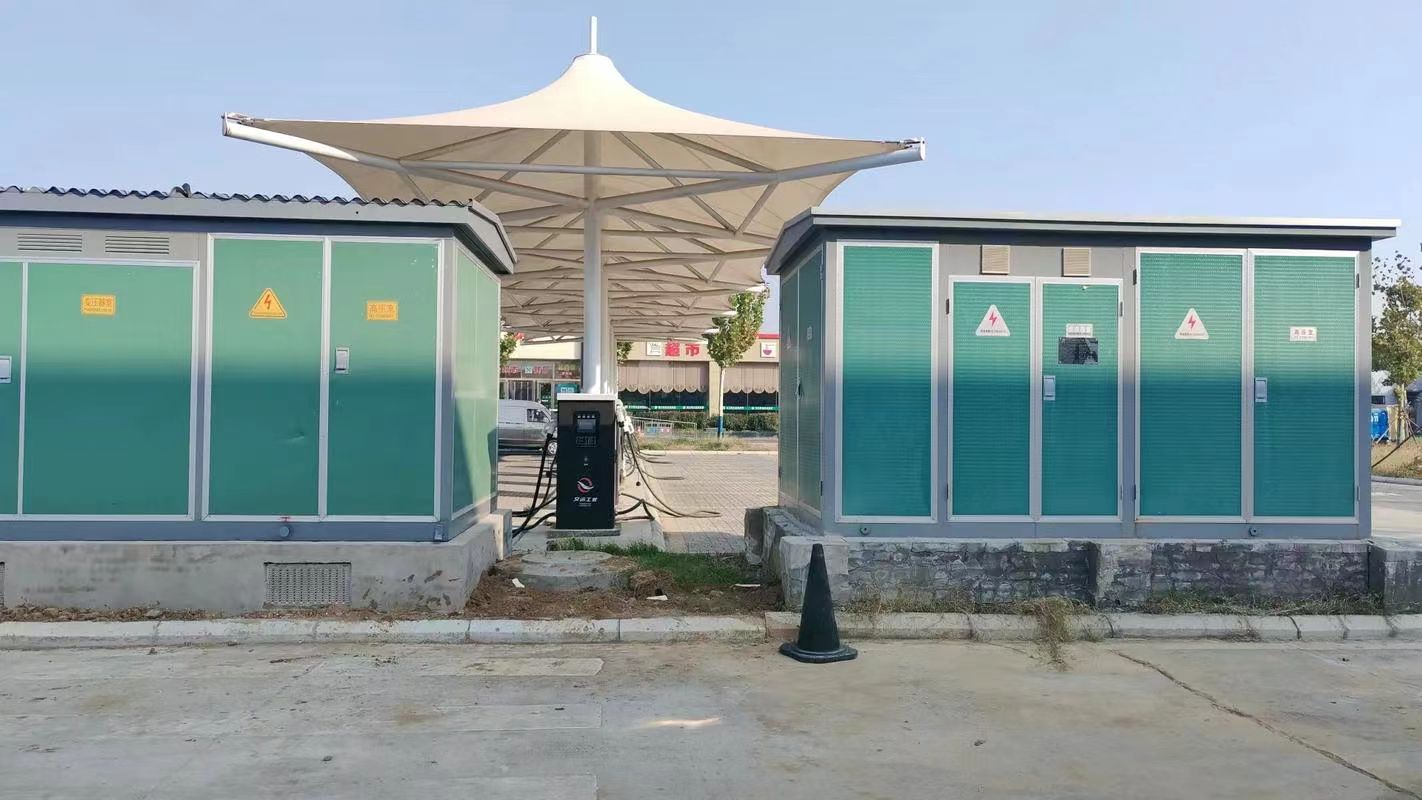
As utilities modernize their infrastructure, integrating smart transformers into the smart grid has become a strategic priority. This integration offers powerful benefits such as real-time control, improved energy efficiency, enhanced grid stability, and seamless renewable energy management. But alongside these opportunities are significant challenges—including technical complexity, cybersecurity risks, cost concerns, and interoperability hurdles. Successfully integrating smart transformers requires a well-planned approach that balances digital innovation with operational reliability.
The integration of smart transformers into smart grids provides benefits like dynamic voltage regulation, predictive maintenance, decentralized energy coordination, and faster fault response. However, it also presents challenges such as high upfront costs, data security risks, compatibility with legacy systems, and the need for skilled workforce and standardized protocols.
This article outlines the key advantages and limitations of integrating smart transformers into intelligent grid ecosystems and offers insights into overcoming deployment barriers.
Integrating smart transformers enhances grid performance but introduces technical, financial, and operational challenges that must be carefully managed.True
While smart transformers enable real-time data and grid flexibility, their integration requires secure communication, investment, and compatibility solutions.
Smart transformer integration is seamless and has no significant obstacles.False
In reality, challenges such as protocol mismatches, cybersecurity, and cost must be addressed for successful integration.
1. Benefits of Smart Transformer Integration
A. Real-Time Monitoring and Control
| Feature | Benefit |
|---|---|
| Sensor-based data streaming | Provides instant visibility of load, temperature, voltage |
| Remote control capabilities | Enables on-the-fly tap changes and voltage adjustments |
Improves situational awareness and operational agility at every grid node.
B. Enhanced Grid Stability and Load Management
| Function | Impact |
|---|---|
| Dynamic voltage regulation | Reduces voltage fluctuations and brownouts |
| Load balancing | Optimizes demand distribution across phases |
| Self-healing capabilities | Isolates faults and reroutes energy automatically |
Essential for maintaining power quality in high-demand or renewable-rich grids.
C. Predictive Maintenance and Lifecycle Extension
| Monitoring Parameter | Use Case |
|---|---|
| Oil temperature trends | Anticipates insulation aging |
| Tap changer activity | Triggers maintenance scheduling |
| Fault signals and DGA | Prevents catastrophic failures |
Reduces OPEX by 10–30% over traditional scheduled maintenance regimes.
D. Distributed Energy Resource (DER) Integration
| DER Type | Smart Transformer Support |
|---|---|
| Solar PV and wind | Manages intermittent voltage surges |
| Battery energy storage | Coordinates charge-discharge cycles |
| EV chargers | Regulates power flow and mitigates peak demand |
Enables bidirectional energy flow and local energy autonomy.
E. Energy Efficiency and Sustainability
| Efficiency Mechanism | Outcome |
|---|---|
| Intelligent voltage tuning | Reduces I²R and core losses |
| Adaptive cooling control | Saves energy by operating fans/pumps only when needed |
Contributes to lower carbon emissions and improved asset performance.
F. Integration with Digital Ecosystems
| System | Connectivity Role |
|---|---|
| SCADA and AMI | Real-time control and metering |
| Cloud platforms | Analytics, visualization, and AI optimization |
| DERMS and EMS | Grid-wide automation and decentralized control |
Forms the digital backbone of smart city and utility operations.
2. Challenges of Smart Transformer Integration
A. High Capital and Installation Costs
| Cost Element | Concern |
|---|---|
| Initial procurement | Smart transformers cost 30–60% more than standard models |
| Communication infrastructure | Requires fiber, wireless, or hybrid network deployment |
| Software licensing & training | Adds to total cost of ownership |
ROI is long-term and depends on fleet scale, grid complexity, and regulatory support.
B. Cybersecurity and Data Privacy Risks
| Vulnerability Type | Risk |
|---|---|
| Unsecured communication | Can lead to grid data interception or device hijack |
| Malware in firmware | Threatens voltage control and power quality |
| Data breaches | Expose sensitive usage and operational data |
Requires encryption, multi-factor access control, and regular firmware updates.
C. Interoperability and Standardization Issues
| Compatibility Concern | Challenge |
|---|---|
| Mixed protocol environments | IEC 61850 may not align with older SCADA systems |
| Vendor-specific platforms | Create proprietary silos that resist integration |
| Legacy infrastructure | Limits full smart functionality deployment |
Solvable through gateway devices, protocol converters, and middleware integration.
D. Skilled Workforce Requirement
| Workforce Need | Limitation |
|---|---|
| Engineers with digital+electrical expertise | In short supply globally |
| IT/OT convergence skills | Often lacking in traditional utility teams |
| Continuous training | Needed to keep up with evolving tech standards |
Utilities must invest in training programs and multidisciplinary teams.
E. Regulatory and Policy Uncertainty
| Region | Regulatory Hurdle |
|---|---|
| Developing markets | Lack of grid codes for smart assets |
| Utility reimbursement models | May not reward efficiency improvements |
| Privacy laws | Restrict data collection without consent |
Calls for updated policies, incentive frameworks, and data protection standards.
3. Case Study Snapshot: Integration in Action
| Project | Key Outcomes |
|---|---|
| SmartCity Malaga (Spain) | 25% reduction in grid losses via smart transformers |
| PG\&E (California, USA) | Improved wildfire resilience and automated voltage control |
| India NSGM Pilot (Ranchi) | 18% drop in transformer overloading incidents post-integration |
Each demonstrates a blend of resilience, efficiency, and customer service improvement through smart integration.
Summary Table: Smart Transformer Integration – Benefits vs. Challenges
| Benefits | Challenges |
|---|---|
| Real-time monitoring and fault response | High upfront cost and infrastructure complexity |
| Voltage stability and grid reliability | Cybersecurity and data privacy risks |
| DER and renewable energy coordination | Protocol and system interoperability |
| Load optimization and power quality | Need for skilled workforce and ongoing training |
| Predictive maintenance and asset longevity | Policy gaps and regulatory uncertainty |
| Energy savings and environmental impact | Vendor lock-in and legacy system barriers |
Conclusion
Transformers are no longer silent players in the background—they are becoming smart, connected nodes that help smart grids operate more efficiently and reliably. Through continuous monitoring, adaptive control, and seamless communication, smart transformers enhance system resilience, reduce outages, and enable the integration of renewable energy sources. As smart grid adoption grows, transformer innovation will be central to powering the grid of the future.
FAQ
Q1: What is a smart grid and how do transformers fit in?
A1: A smart grid is an advanced electrical network that uses digital communication, automation, and real-time data to optimize power generation, distribution, and consumption. Transformers play a critical role by acting as intelligent nodes that regulate voltage, monitor performance, and enable two-way communication between the grid and users.
Q2: How do transformers communicate within a smart grid?
A2: Smart transformers are equipped with IoT sensors, RTUs (Remote Terminal Units), and smart meters that collect real-time data such as voltage, temperature, and load. This data is transmitted to control centers using SCADA or cloud-based platforms, enabling operators to make informed decisions and respond rapidly to grid conditions.
Q3: What benefits do smart transformers offer in a smart grid?
A3: Benefits include:
Real-time monitoring of transformer health
Remote diagnostics and predictive maintenance
Voltage regulation and load balancing
Improved energy efficiency
Faster fault detection and isolation
Enhanced integration with renewable energy sources
Q4: What technologies enable transformer integration in smart grids?
A4: Key enabling technologies are:
IoT-enabled sensors for data acquisition
Edge computing for local data processing
Machine learning algorithms for predictive maintenance
Cloud computing for data storage and analytics
Advanced protection relays and communication protocols like IEC 61850
Q5: How does transformer integration improve grid reliability and sustainability?
A5: By continuously monitoring performance and adjusting in real time, smart transformers help maintain voltage stability, reduce energy losses, and support the integration of distributed energy resources (like solar and wind). This enhances grid resilience, reduces downtime, and supports a more sustainable, flexible energy future.
References
"Smart Transformers and the Digital Grid" – https://www.transformertech.com/smart-transformer-integration – Transformer Tech
"How Smart Grids Work with Intelligent Transformers" – https://www.powermag.com/smart-transformers-in-grid – Power Magazine
"Transformer Role in Smart Grid Systems" – https://www.electrical4u.com/transformers-in-smart-grids – Electrical4U
"Integration of Transformers into IoT-Based Smart Grids" – https://www.researchgate.net/smart-grid-transformer-integration – ResearchGate
"Technologies Enabling Smart Grid-Compatible Transformers" – https://www.sciencedirect.com/transformers-and-smart-grids – ScienceDirect
"Energy Central: Real-Time Monitoring of Smart Transformers" – https://www.energycentral.com/c/ee/smart-transformer-monitoring – Energy Central
"Smart Grid News: Advanced Transformer Applications" – https://www.smartgridnews.com/transformer-grid-integration – Smart Grid News
"PowerGrid Guide to Smart Transformer Deployment" – https://www.powergrid.com/smart-transformer-strategy – PowerGrid