
Commissioning a new power transformer is a critical process that ensures the unit is safe, reliable, and ready for integration into the power grid. This process includes inspection, testing, and verification of all components and operating conditions. Proper commissioning minimizes the risk of early failures, ensures compliance with technical specifications, and extends the service life of the transformer.
What Pre-Commissioning Checks Are Essential?

Bringing a transformer online without proper pre-commissioning checks is a serious risk. It can result in insulation failure, wiring errors, oil contamination, grounding faults, or even catastrophic equipment damage upon energization. Transformers, especially high-voltage units, require rigorous and methodical verification to ensure electrical integrity, mechanical readiness, and protection system accuracy before being put into service. Neglecting even one step can jeopardize the asset’s entire operational life. That’s why a comprehensive pre-commissioning checklist is an industry-mandated requirement under IEC, IEEE, and OEM guidelines.
Essential pre-commissioning checks for transformers include insulation resistance testing, turns ratio verification, oil quality analysis, dielectric strength testing, visual inspection of bushings and connections, verification of protection relays and alarms, control wiring continuity, grounding integrity, and proper operation of cooling and OLTC systems. These checks ensure that the transformer is electrically safe, mechanically intact, and ready to operate under load without risk of failure.
Pre-commissioning is limited to visual inspection and paperwork verification.False
Pre-commissioning requires rigorous electrical, mechanical, and protection system testing to verify transformer readiness.
Insulation resistance and oil dielectric strength must be tested before energizing a transformer.True
These tests confirm the dielectric condition of windings and oil, which is critical to safe energization.
Pre-commissioning includes verifying the correct operation of the protection and control relays.True
Relays must be tested to ensure faults are detected and isolated before damage can occur.
✅ Key Pre-Commissioning Checks and Tests
| Check Type | Description | Standard/Test Method |
|---|---|---|
| Visual Inspection | Confirm integrity of bushings, gaskets, fasteners, OLTC position | IEC 60076-1, IEC 60076-22-7 |
| Insulation Resistance (IR) | Megger test between HV, LV, and ground | IEEE Std 43, min. ≥ 1000 MΩ |
| Turns Ratio Test (TTR) | Validate transformer ratio matches nameplate | ANSI C57.12.90 |
| Winding Resistance | Detects connection issues or broken strands | IEC 60076-1 |
| Oil Dielectric Strength | Measures breakdown voltage of insulating oil | IEC 60156 (min. 30–60 kV/mm) |
| Oil Moisture & Dissipation | Karl Fischer and tan delta measurements | ASTM D1533, IEC 60247 |
| CT/PT Polarity & Ratio | Ensures protection device input accuracy | IEC 61869-2 |
| Buchholz Relay Test | Trip test using simulated gas injection | OEM method |
| Wiring Continuity Check | Verify all control and signal connections | IEC 60204 |
| Grounding System Test | Measure earth resistance (typically <1 ohm) | IEEE Std 81 |
| Cooling System Check | Oil pumps, fans, temperature alarms, radiator valves | IEC 60076-14 |
| Protection Relay Testing | Secondary injection test for differential, overcurrent, REF, etc. | IEC 60255 |
| Functional Trip Test | Simulate fault signals to test relay–breaker response | Factory/Field SOP |
| OLTC Operation Check | Manual and motorized tap change cycles with voltage feedback | IEC 60214-1 |
Sample Pre-Commissioning Checklist Format
| Item No | Test/Inspection | Pass/Fail | Technician Initials | Remarks |
|---|---|---|---|---|
| 1 | IR Test (HV–LV–Ground) | ✅ | RK | 2000 MΩ @ 5 kV |
| 2 | TTR Test | ✅ | VK | 132:33 kV confirmed |
| 3 | Oil Breakdown Voltage | ✅ | SR | 58 kV/mm, within limit |
| 4 | Cooling Fans Operational | ✅ | AN | Fans auto start @ 75°C |
| 5 | Buchholz Relay Tripping | ✅ | KP | Activated @ 0.2 bar test gas |
| 6 | CT Ratio and Polarity Verified | ✅ | SG | Correct polarity mark |
| 7 | Grounding Resistance < 1 ohm | ✅ | JD | 0.45 ohms measured |
All entries must be signed by commissioning authority and documented in the site quality file.
Test Acceptance Criteria Table (Typical)
| Test Type | Acceptance Value |
|---|---|
| IR Test (HV-LV-Ground) | ≥ 1000 MΩ (new equipment) |
| Oil Breakdown Voltage | ≥ 30 kV/mm (new oil), >50 preferred |
| TTR Deviation | ≤ ±0.5% from nameplate |
| Winding Resistance | Within 2% of factory recorded value |
| Earth Resistance | ≤ 1 Ω (or as per local code) |
| Protection Relay Timing | 90–110% of set value during trip test |
Digital Monitoring and SCADA Integration Checks
| System Feature | What to Verify |
|---|---|
| Temperature Sensors | Communicate to relay; trigger alarm above threshold |
| Oil Level Sensors | Alarm and trip signals active |
| Breaker Status Feedback | Open/close status matches control logic |
| Remote Operation Link | SCADA or HMI signals perform valid trip and close actions |
| Event Logger Activation | Records simulated fault test events |
Ensure firmware versions, communication protocols (Modbus, IEC 61850), and time synchronization are confirmed.
Timeline for Pre-Commissioning Activities
| Stage | Duration (Typical) | Activities |
|---|---|---|
| Day 1: Delivery & Visual Checks | 1 day | Bushing inspection, seal checks, oil top-up |
| Day 2: Electrical Tests | 1–2 days | IR, TTR, winding resistance, oil tests |
| Day 3: Protection Testing | 1–2 days | Relay testing, CT/PT verification |
| Day 4: Functional Tests | 1 day | Breaker tripping, cooling system, SCADA |
| Final Report & Sign-off | 0.5 day | Documentation review, QA acceptance |
All test results must be recorded and stored with the transformer’s lifetime asset file.
What Electrical Tests Should Be Conducted Before Energization?
Before a transformer is energized, it must undergo a series of electrical diagnostic tests to ensure that it is free from defects, properly configured, and safe for service. Without these critical tests, there's a substantial risk of insulation breakdown, protection relay malfunction, winding faults, or unsafe grounding conditions—all of which can lead to equipment damage, grid instability, or safety hazards. Whether the transformer is new, refurbished, or relocated, electrical pre-energization tests serve as the final quality gate to detect latent manufacturing errors, shipping damage, or installation issues.
Essential electrical tests before energizing a transformer include insulation resistance (IR) testing, transformer turns ratio (TTR) testing, winding resistance measurement, dielectric strength of oil (BDV), current transformer (CT) ratio and polarity checks, power factor/tan delta tests, and functional verification of protective relays and wiring. These tests validate the dielectric condition, magnetic integrity, electrical symmetry, and control readiness of the transformer.
A transformer can be energized without any electrical testing if it passes visual inspection.False
Electrical tests are essential to verify the insulation condition, winding integrity, and protection system functionality before energization.
Turns ratio tests confirm whether the windings are correctly configured and undamaged.True
The TTR test validates the designed voltage ratio and detects internal faults or incorrect tap settings.
Insulation resistance testing is used to detect moisture or insulation degradation.True
The IR test provides a baseline of insulation health and identifies moisture contamination or surface leakage paths.
✅ Core Electrical Tests Required Before Energization
| Test Name | Purpose | Standard Reference |
|---|---|---|
| Insulation Resistance (IR) | Assess insulation quality between windings and ground | IEEE Std 43, IEC 60076-1 |
| Transformer Turns Ratio (TTR) | Verify correct voltage ratio and winding polarity | ANSI C57.12.90 |
| Winding Resistance | Identify broken strands, poor joints, or incorrect tap settings | IEC 60076-1 |
| Dielectric Strength of Oil (BDV) | Confirm oil's ability to insulate under high voltage | IEC 60156 |
| Power Factor / Tan Delta | Measure dielectric losses and moisture in insulation | IEC 60247 |
| Polarity and Phase Check | Ensure vector group and phase alignment are correct | IEC 60076-1 |
| CT Ratio & Polarity Test | Ensure CTs are correctly wired and accurate for protection relays | IEC 61869-2 |
| Functional Relay Tests | Confirm relay operation and tripping logic | IEC 60255 |
| Ground Continuity Test | Verify effective earthing and low impedance paths | IEEE Std 81 |
| Core Insulation Check (Megger) | Ensure the core is insulated from the tank (especially dry-types) | IEC 60076 |
These tests must be logged, reviewed, and approved by qualified commissioning engineers before energization.
Example Test Limits and Benchmarks
| Test | Expected Value (New Unit) |
|---|---|
| Insulation Resistance | ≥ 1000 MΩ at 5 kV (HV–LV–GND) |
| TTR Accuracy | ±0.5% of nameplate ratio |
| Winding Resistance | Must match factory reference within ±2% |
| Oil BDV | > 30 kV/mm (new oil), ideally > 50 kV/mm |
| CT Ratio Deviation | ≤ 0.5% (per class) |
| Power Factor (tan δ) | < 0.5% for dry-type; <1% for oil-filled |
| Ground Resistance | ≤ 1 ohm (or as per utility code) |
Inconsistencies in these results require troubleshooting or rejection before energization.
Step-by-Step Pre-Energization Test Procedure
| Step | Test Action | Equipment Used | Safety Notes |
|---|---|---|---|
| 1 | IR Test (Megger) between HV–LV–GND | 5–10 kV insulation tester | Disconnect surge arresters before test |
| 2 | TTR Test with all taps | Automatic TTR test set | Ensure de-energized and grounded condition |
| 3 | Winding Resistance (cold) | Precision micro-ohmmeter | Measure at same temperature if possible |
| 4 | Oil BDV Test (for oil-immersed units) | Oil BDV test set | Collect fresh sample from drain valve |
| 5 | Tan Delta Test | Dielectric analyzer | Must be dry and clean before testing |
| 6 | CT Ratio and Polarity Test | CT analyzer | Verify wiring diagram and label orientation |
| 7 | Core to Tank Megger Test | 1000 V tester | Not applicable to grounded core designs |
| 8 | Protection Relay Secondary Injection | Omicron CMC or equivalent | Simulate faults and confirm trip logic |
| 9 | Grounding System Continuity | Earth resistance tester | Perform during dry weather for accuracy |
Example Pre-Energization Results Sheet
| Test Item | Measured Value | Status | Remarks |
|---|---|---|---|
| IR Test HV–LV | 2500 MΩ @ 5 kV | ✅ | Excellent insulation |
| TTR (Nominal Tap) | 132:33.02 kV | ✅ | Within 0.2% deviation |
| Oil BDV | 61.2 kV/mm | ✅ | Fresh oil, passed |
| CT Ratio (300/5) | 299.8/5.01 | ✅ | Polarity correct |
| Relay Tripping Time | 40 ms @ 87T | ✅ | Breaker tripped successfully |
All test data must be recorded, signed, and retained in the transformer’s commissioning dossier.
Visual Diagram: Test Mapping on Transformer Components
| Location on Transformer | Tests Applied |
|---|---|
| HV Bushing | IR, TTR, Phase Check |
| LV Bushing | IR, TTR, Polarity Check |
| Neutral Terminal | Earth Fault, Grounding Resistance |
| Oil Sampling Valve | BDV, Water Content |
| CT Secondary Terminal Box | Ratio and Polarity, Relay Inputs |
| Protection Panel | Functional Trip Tests, Event Logging |
All tests must be done with all connections properly torqued, tagged, and verified.
How Should Auxiliary Systems Be Verified?
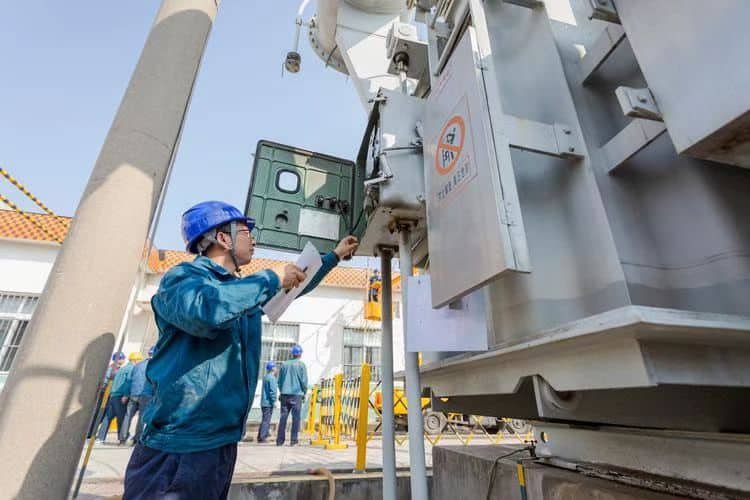
The auxiliary systems of a power transformer—such as cooling, protection signaling, control wiring, sensors, and communication interfaces—play a critical role in operational safety and performance. Even if the transformer windings and insulation pass all primary electrical tests, any failure in the auxiliary system can lead to maloperation, overheating, undetected faults, or delayed trip response. These systems must be thoroughly verified before energization to ensure flawless integration with protection relays, SCADA, alarms, and control interlocks. Verification is both a technical and regulatory requirement, governed by standards such as IEC 60076-1, IEC 60255, and IEEE Std C37.2.
Auxiliary systems of a transformer should be verified through functional testing of all cooling devices (fans, oil pumps), sensors (temperature, oil level, pressure), control wiring circuits, alarms, interlocks, and communication links with protection relays and SCADA. Each device must be simulated under operating conditions, and the response—including trip commands, alarms, and automatic actions—must be confirmed and documented. Proper labeling, wiring continuity, and marshalling panel integration must also be verified.
Auxiliary systems are optional and not critical to transformer safety.False
Auxiliary systems, including cooling, protection signals, and trip circuits, are essential for safe and reliable transformer operation.
Cooling system failure can lead to thermal overload even if the transformer is correctly designed.True
Without functioning fans or oil pumps, transformer windings may exceed thermal limits and degrade rapidly.
Control wiring continuity and interlock logic must be tested before energization.True
Miswired or open control circuits can result in failure to trip during faults or incorrect status signaling.
✅ Key Auxiliary Systems to Verify Before Transformer Commissioning
| Auxiliary System | Function | Verification Method |
|---|---|---|
| Cooling Fans & Pumps | Maintain oil and winding temperatures | Manual start/stop, thermostat trigger simulation |
| Temperature Sensors (RTD/WTI/OTI) | Monitor winding and oil temperature | Secondary injection or heat simulation |
| Buchholz Relay | Detect gas buildup or oil surge due to internal faults | Gas injection test, float actuation |
| Oil Level Sensors | Detect low or high oil level conditions | Magnet/simulated float movement |
| Pressure Relief Device (PRD) | Vents excessive internal pressure | Mechanical trip test or indicator check |
| Control Wiring | Enable alarms, trips, interlocks, breaker commands | Continuity test, insulation test, label check |
| SCADA and Communication | Interface for remote monitoring and control | Protocol test (IEC 61850, Modbus), signal mapping |
| Relay Panel Interfacing | Functional link between sensors and protection devices | Simulation via test sets (e.g., Omicron) |
| Marshalling Kiosk Wiring | Terminal interface for field signals and relay room | Point-to-point verification, insulation testing |
| Space Heaters and Indicators | Prevent condensation, indicate operational states | Operation check via manual control or timer |
Sample Auxiliary System Functional Test Table
| System Component | Test Action | Expected Response | Pass/Fail |
|---|---|---|---|
| Cooling Fan (AUTO mode) | Simulate >85°C winding temp | Fan starts automatically | ✅ |
| Oil Pump | Switch to MANUAL | Pump operates, oil flow visible | ✅ |
| WTI Sensor | Inject 120°C signal | Alarm & trip contact closes | ✅ |
| Buchholz Relay | Inject gas manually | Trip relay activates within 3 sec | ✅ |
| Pressure Relief Device | Press reset/test button | Trip contact toggles | ✅ |
| SCADA Communication | Send simulated oil level low alarm | Displayed correctly at RTU/HMI | ✅ |
| Control Wiring Continuity | Verify end-to-end from relay to terminal | Resistance < 2 ohms | ✅ |
| Heater Function Test | Manually power ON | Surface warms in 10–15 min | ✅ |
All results should be recorded in the commissioning log and signed off by responsible QA personnel.
Diagrams: Typical Auxiliary Control Integration
Cooling Control Circuit Overview
WTI → Relay (49) → Fan Contactor → Fan Motor
OTI → Relay (49) → Oil Pump Contactor → Oil Pump
Manual Switch (Local) — Interlock — Auto/Manual Selector- Confirm interlock logic: AUTO disables manual unless selector allows
- Simulate over-temperature condition to verify full chain response
Protection and Alarm Signal Mapping
| Device | Output Signal | Destination |
|---|---|---|
| Buchholz Relay | Gas Alarm, Oil Surge Trip | Lockout Relay & SCADA |
| PRD | Pressure Alarm | Control Room Panel |
| Oil Level Relay | Low-Level Alarm | SCADA + Local Panel |
| OTI / WTI | Overtemp Alarm & Trip | Cooling System + SCADA |
Relay and SCADA Integration Checklist
| Signal Type | Source Device | Verified On Relay | Verified on SCADA |
|---|---|---|---|
| Oil Temp High Alarm | OTI | ✅ | ✅ |
| Fan Running Feedback | Fan Starter Panel | ✅ | ✅ |
| Buchholz Trip | Buchholz Relay | ✅ | ✅ |
| Low Oil Alarm | Level Sensor | ✅ | ✅ |
| Pressure Alarm | PRD Micro Switch | ✅ | ✅ |
Ensure timestamps, alarm classes, and event logging are active and synchronized with system clock.
Practical Considerations
- Power Supplies: Verify 24VDC and 110VAC/230VAC feeds for relays, fans, SCADA, and lighting
- Labeling: All auxiliary wires must match schematic ID tags and terminal blocks
- Startup Modes: Cooling system must be tested in both manual and automatic modes
- Alarm Silence/Test Buttons: Confirm functionality and LED status indicators
- Redundancy: If dual fans or pumps are installed, alternate cycling must be confirmed
All auxiliary devices must be commissioned before final energization of the main power circuit.
What Are the Steps for First-Time Energization?
First-time energization is a high-stakes operation in a transformer's lifecycle. Even after thorough testing and verification, the energization process carries risk. Without proper planning, monitoring, and control, issues such as inrush currents, insulation failure, tap setting errors, or protection relay malfunction can lead to immediate damage or dangerous operating conditions. That’s why utilities and manufacturers follow a strictly defined sequence of energization steps—rooted in IEC, IEEE, and OEM commissioning protocols—to ensure transformer safety, asset integrity, and system synchronization from the very first moment of power-on.
The steps for first-time energization of a transformer include final inspection and test result review, confirming protection and control readiness, verifying isolation and grounding, ensuring correct tap changer position, communicating with grid control, initiating no-load energization, monitoring voltage and current rise, checking for abnormal noise, alarms, or oil movement, and finally conducting load transfer in a staged manner. The process must be carefully supervised and documented to validate successful commissioning.
A transformer can be energized without coordination with the utility control center.False
Energization must be synchronized with grid operations and approved by system control authorities to prevent grid disturbance.
First energization typically causes a high inrush current that must be monitored.True
Magnetizing inrush current can reach 5 to 15 times rated current and must be considered in protection settings.
Load must not be connected until the transformer operates stably under no-load conditions.True
Initial energization is always done under no-load to detect early abnormalities before load is applied.
✅ First-Time Energization Checklist Summary
| Step | Activity Description | Responsible Party |
|---|---|---|
| 1 | Final Review of All Test Reports (electrical + auxiliary systems) | Commissioning Engineer |
| 2 | Lockout/Tagout (LOTO) Verification | Safety Officer |
| 3 | Confirm Correct Tap Changer Position (Manual/OLTC) | OEM/Technician |
| 4 | Ensure Cooling System Is Functional and in AUTO | Electrical Supervisor |
| 5 | Verify Relays Are Armed, Protection Settings Applied | Protection Engineer |
| 6 | Grounding Resistance Confirmed and System Isolated | Grounding Crew |
| 7 | Communicate with Utility/Grid Dispatch for Energization Window | Operations Lead |
| 8 | Initiate No-Load Energization via Circuit Breaker | Control Room Operator |
| 9 | Monitor Inrush, Voltage, Oil Pressure, Alarms for 30–60 minutes | SCADA Operator + Onsite Team |
| 10 | Gradual Load Application (if stable) | Dispatch + Load Coordinator |
| 11 | Log Events, Trip Records, System Waveforms | QA Engineer |
Pre-Energization Readiness Table
| Parameter or System | Must Be Verified As… | Reference Standard |
|---|---|---|
| IR, TTR, Oil BDV, CT/PT Tests | Passed within 48–72 hours | IEC 60076, IEEE C57.12 |
| Buchholz & Pressure Relays | Tripping and alarm circuits verified | IEC 60255 |
| Control and Relay Wiring | Verified for continuity and correct labels | IEC 60204 |
| Grounding Resistance | ≤ 1 ohm or as per utility standard | IEEE Std 81 |
| Tap Changer Position | As per load flow, verified and locked | IEC 60214 |
| Cooling Systems | Manual and AUTO start functional | IEC 60076-14 |
| Protection Relay Settings | Loaded, tested, and secured | IEC 61850/60255 |
| SCADA/RTU Communication | Active with alarms, trends, and control | Utility Protocol Guide |
Any deviation requires resolution before energization is approved.
Energization Sequence Diagram
[Isolation Verified] → [Control Room Clearance] → [CB CLOSE under NO LOAD]
          ↓
 [Check Inrush Current & System Voltage]
          ↓
 [Inspect Transformer Noise, Vibration, Tank Pressure, Oil Flow]
          ↓
 [No Fault/Alarm Detected]
          ↓
 [Gradual Load Application via Load Breaker/Feeder Switches]
          ↓
 [Stability Period Monitoring (4–8 hours)]
          ↓
 [Commissioning Approval and Handover to Operations]
All events must be logged in real time with timestamps, voltages, current waveforms, and relay states.
Common Parameters Monitored During First Energization
| Parameter | Acceptable Range / Behavior | Monitoring Method |
|---|---|---|
| Inrush Current (Magnetizing) | 5–15× rated current, decays in seconds | Relay capture/CTs |
| Voltage Rise | Smooth transition to nominal voltage | SCADA, voltmeters |
| Oil Level Change | Minor expected with thermal expansion | Level indicator sight |
| Tank Noise/Vibration | Low-frequency hum, no excessive shaking | Auditory/manual check |
| Temperature (OTI/WTI) | ≤ Ambient + 20°C on no-load | Sensor & relay panel |
| PRD & Buchholz Alarm | No activation (must remain inactive) | Relay monitoring |
| SCADA Alarms | No abnormal alarms or tripping | Operator console |
If any unexpected spike, alarm, or noise occurs, energization must be reversed immediately, and the transformer de-energized for inspection.
Inrush Current Monitoring Example
| Parameter | Typical Value | Action Required |
|---|---|---|
| Peak Inrush Current | 8–12× rated (e.g., 1200 A on 100 A unit) | Observe, allow decay |
| Duration | <1 second | No trip if relay set correctly |
| Relay Behavior | Inrush restraint active | Ensure differential protection does not trip |
| Waveform Signature | Asymmetrical, decaying | Capture with digital relay |
Note: Inrush may vary with core design, residual flux, and point-on-wave energization.
Post-Energization Monitoring and Documentation
| Timeframe | Activity | Responsible Party |
|---|---|---|
| 0–30 min | Immediate response checks, oil circulation | Onsite Team |
| 30–120 min | Temperature, alarms, pressure, fan behavior | SCADA Technician |
| 2–8 hours | Load incrementally applied | Load Operator |
| 24 hours | Trend analysis of oil and winding temperatures | QA Team |
| 48–72 hours | Final acceptance sign-off | Utility Inspector |
A detailed energization log with timestamps, operator initials, voltage/current values, and relay states is required for handover.
What Documentation and Reporting Are Required?
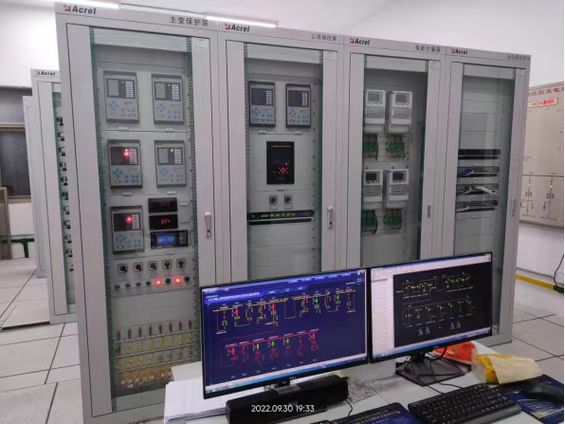
The successful commissioning of a transformer isn’t complete until every test, inspection, and observation is formally documented. Incomplete or missing documentation can lead to regulatory penalties, warranty rejections, future maintenance confusion, or safety non-compliance. All stakeholders—from utilities to OEMs to third-party inspectors—require detailed reporting that proves the transformer was tested, verified, and energized according to internationally accepted procedures. Documentation is the legal and technical backbone of the commissioning process and forms the basis for warranty, insurance, audits, and future upgrades.
Required documentation for transformer commissioning includes test reports (electrical and auxiliary systems), inspection checklists, relay settings and protection coordination, oil test certificates, equipment calibration records, SCADA integration logs, energization logs, and final commissioning reports. All records must be signed, dated, and stored in a quality-controlled archive as per IEC, IEEE, and utility protocols.
Commissioning documentation is only needed for high-voltage transformers.False
All transformers, regardless of voltage class, require documented commissioning to ensure operational safety and legal compliance.
Relay settings and protection coordination studies must be part of the final report.True
Correct protection coordination is critical to safe transformer operation and must be documented and approved.
Transformer test reports are essential for warranty validation.True
OEMs require formal test data and energization records to activate and support transformer warranty coverage.
✅ Mandatory Documentation Categories for Transformer Commissioning
| Documentation Type | Purpose | Format/Standard |
|---|---|---|
| Visual and Mechanical Inspection Report | Verifies condition of bushings, terminals, oil levels, tap position | Site form, OEM template |
| Electrical Test Reports | Validates insulation, winding, ratio, oil, and relay performance | IEC 60076, IEEE C57.12 |
| Auxiliary System Checklists | Confirms cooling, alarm, wiring, and interlock function | Functional test sheets |
| Control Wiring Continuity Test | Ensures all signals and commands function correctly | As-built wiring diagrams |
| Relay Configuration and Settings Sheet | Records all protection relay settings and firmware versions | IEC 60255, OEM software log |
| SCADA and Communication Protocol Log | Documents data mapping, address configuration, and test results | Modbus/IEC 61850 template |
| Transformer Oil Test Certificate | Confirms dielectric strength, moisture, acidity, and contaminants | Lab report (IEC 60296/60156) |
| Energization Checklist and Logbook | Captures breaker operations, inrush monitoring, alarms | Operator-signed logbook |
| Commissioning Completion Certificate | Official declaration of readiness and handover | Signed by all stakeholders |
| Calibration Certificates | Validates instruments used for testing | NABL/ISO 17025-certified labs |
| Photographic Records | Provides visual evidence of equipment condition and connections | High-resolution images |
| As-Built Drawings and Schematics | Reflect final wiring, connections, relay logic | Updated CAD or PDF formats |
Example: Electrical Test Report Summary Page
| Test Performed | Measured Value | Pass/Fail | Reference Standard |
|---|---|---|---|
| Insulation Resistance | 2300 MΩ @ 5 kV | ✅ | IEEE Std 43 |
| Turns Ratio (TTR) | 132:33.05 (within 0.3%) | ✅ | ANSI C57.12.90 |
| Oil BDV | 62 kV/mm | ✅ | IEC 60156 |
| CT Polarity & Ratio | 299.5:5 (Correct) | ✅ | IEC 61869-2 |
| Grounding Resistance | 0.52 ohm | ✅ | IEEE Std 81 |
Each section includes technician initials, instrument ID, calibration date, ambient conditions, and comments.
Final Commissioning Report Structure
| Section No. | Description | Contents |
|---|---|---|
| 1 | Executive Summary | Transformer ID, site, voltage level, and commissioning date |
| 2 | Equipment Description | Ratings, manufacturer, vector group, accessories |
| 3 | Pre-Commissioning Activities | Tests conducted, system checks, site prep |
| 4 | Electrical Testing Summary | IR, TTR, winding resistance, oil tests |
| 5 | Auxiliary System Verification | Fan, pump, relay logic, SCADA integration |
| 6 | Protection Relay Configuration | Settings, logic, backup coordination |
| 7 | First Energization Log | Breaker close time, inrush current, observations |
| 8 | Visual & Photographic Evidence | Labeling, connections, nameplates, test setup |
| 9 | Deviations or NCRs | Non-conformance reports and resolutions |
| 10 | Handover and Approval | Client, OEM, and utility signatures |
Energization Log Example
| Date/Time | Action | Operator Name | Relay Reading | Comments |
|---|---|---|---|---|
| 2025-07-14 10:32 | Breaker Close (No Load) | J. Wu | Inrush: 11.6× | No abnormal sound observed |
| 2025-07-14 11:12 | Load Applied (33% Tap) | R. Singh | Stable: 100 A | No alarms, temps nominal |
Must be signed and time-synchronized with SCADA and event logger.
Report Submission Requirements by Stakeholder
| Stakeholder | Required Documentation |
|---|---|
| Utility/Grid Operator | Energization log, relay settings, SCADA integration map |
| OEM/Manufacturer | Electrical test reports, oil certificates, calibration |
| Commissioning Team | Complete test book, wiring diagrams, NCR resolutions |
| Inspector/Consultant | Final commissioning report, checklists, signature page |
| Regulator (if applicable) | Compliance certificates, safety declarations |
All digital records should be stored in cloud archives or local databases with access control.
Record Retention Recommendations
| Record Type | Minimum Retention Period | Reason |
|---|---|---|
| Test Reports & Commissioning Logs | 15–25 years | Warranty, forensic audits |
| Calibration Certificates | 3–5 years | Quality compliance |
| Relay Settings History | Lifetime of transformer | Protection tuning |
| As-Built Drawings | Permanent (digitally) | Reference for upgrades/repairs |
Files should be version-controlled, time-stamped, and backed up.
What Safety Measures Must Be Taken During Commissioning?
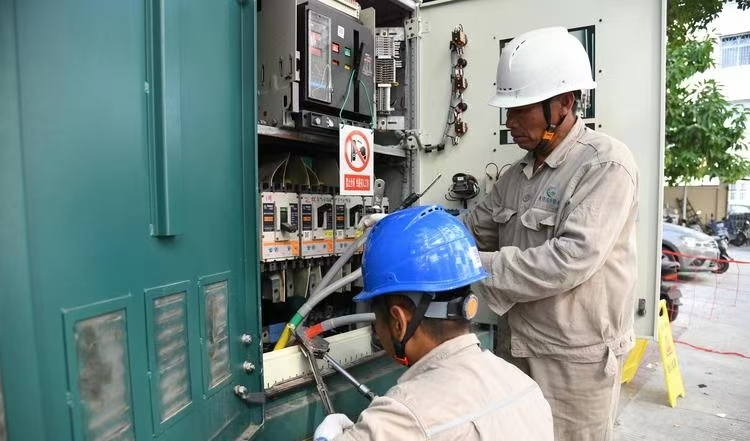
Transformer commissioning is a high-voltage, high-risk process, where a single oversight can lead to catastrophic injury, equipment failure, or grid disturbance. The presence of live circuits, stored energy, high inrush currents, and mechanical movement makes safety planning absolutely essential. Without strict adherence to site-specific and international safety protocols—such as those from IEC, OSHA, NFPA 70E, and ISO 45001—personnel are exposed to arc flash hazards, grounding faults, or oil ignition scenarios. Safety must be proactively engineered into every step of the commissioning process—not just assumed.
During transformer commissioning, critical safety measures include full PPE compliance, lockout-tagout (LOTO) enforcement, live-dead-live voltage verification, proper grounding of test equipment, use of insulated tools, clear communication protocols, barrier placement around energized zones, arc flash risk assessment, confined space entry precautions, and step-by-step adherence to approved commissioning checklists and permits. Supervisory control and emergency response readiness are also required.
Transformer commissioning can be performed without grounding the neutral or the tank.False
Grounding is essential to prevent overvoltage buildup, reduce fault current paths, and protect personnel during commissioning.
Lockout-tagout is mandatory before performing any electrical tests or wiring verification.True
LOTO ensures that all sources of hazardous energy are isolated before work begins, protecting workers from unintentional energization.
Arc flash boundaries must be established and PPE selected based on incident energy analysis.True
Arc flash hazard analysis determines safe working distances and PPE levels in compliance with NFPA 70E and IEEE 1584.
✅ Safety Control Measures Before, During, and After Commissioning
| Stage | Safety Action | Standard/Protocol |
|---|---|---|
| Pre-Work | Job Safety Analysis (JSA), Risk Assessment | ISO 45001, OSHA 1910 |
| Lockout/Tagout of all sources | NFPA 70E, OSHA 1910.147 | |
| Issue Electrical Work Permit (EWP) | IEC 50110, NFPA 70E | |
| Arc Flash Label Review and PPE Confirmation | IEEE 1584, NFPA 70E | |
| During Work | Live-Dead-Live voltage verification before handling terminals | IEC 61243-1 |
| Use of insulated gloves, mats, and tools | ASTM D120, IEC 60900 | |
| Barriers, danger signage, and access control | ISO 7010 | |
| Grounding of test instruments and transformer tank | IEEE Std 80, IEC 60076-3 | |
| Radio or tag-based communication protocols | OSHA 1910.269, EN 50110 | |
| Post-Test | Discharge stored energy (e.g., from windings or capacitors) | IEEE C57.152 |
| Remove temporary grounds and verify safe status | IEC 61936 | |
| Sign off safety release in commissioning documentation | IEC 60076-1 Annex B |
Example: Personal Protective Equipment (PPE) Matrix for Commissioning Tasks
| Task | Arc Flash Category | Required PPE |
|---|---|---|
| High-voltage IR/TTR Testing | CAT 2–3 | Arc-rated suit, gloves, face shield, helmet |
| Relay Trip Circuit Simulation | CAT 1–2 | Flame-resistant clothing, gloves, eye protection |
| CT/PT Secondary Testing | CAT 1 | Insulated tools, safety glasses, hard hat |
| Energization/Breaker Close | CAT 4 | Full arc suit (≥40 cal/cm²), insulated gloves |
| Oil Sampling | N/A (chemical) | Chemical-resistant gloves, eye shield |
| Grounding Resistance Testing | CAT 0 | Safety shoes, gloves, hi-vis vest |
Always refer to the site-specific arc flash study and PPE matrix approved by the utility or EPC.
Common Electrical Hazards and Preventive Actions
| Hazard Type | Description | Preventive Measure |
|---|---|---|
| Arc Flash | Explosion from fault current in air | Arc-rated PPE, safe distance, fault analysis |
| Electric Shock | Contact with live parts | LOTO, insulated tools, voltage test |
| Step/Touch Potential | Voltage gradient in substation ground | Equipotential bonding, rubber mats |
| Backfeed from CT/PT | Stored energy or reverse voltage | Shorting links, CT grounding |
| Overpressure | PRD or Buchholz not venting under trip | Functional relay test, oil pressure check |
| Hot Surfaces | Radiator fins and pump motors during testing | Avoid contact, thermal scan monitoring |
Live Test Safety Sequence (Live-Dead-Live Protocol)
| Step | Description |
|---|---|
| 1 | Test voltage tester on known live source |
| 2 | Use same tester to confirm terminal is dead |
| 3 | Re-test on known live point to verify tester still works |
This sequence ensures the tester is reliable and the test point is safe.
Sample Safety Checklist for Transformer Commissioning
| Item | Checked By | Date | Status |
|---|---|---|---|
| Energization Permit Issued | Site Manager | 2025-07-29 | ✅ |
| Arc Flash Labels Installed and Readable | Safety Officer | 2025-07-29 | ✅ |
| All Grounds Connected and Verified | Electrical Lead | 2025-07-29 | ✅ |
| Fire Extinguisher and Spill Kit Nearby | Safety Tech | 2025-07-29 | ✅ |
| Relay Panel Closed During Live Testing | Technician | 2025-07-29 | ✅ |
| Communication with Control Room Established | Operator | 2025-07-29 | ✅ |
| Emergency Stop Plan Reviewed | All Personnel | 2025-07-29 | ✅ |
Signed checklists must be retained in the commissioning documentation package.
Emergency Preparedness Essentials
| Safety Equipment | Purpose | Required Location |
|---|---|---|
| Class C Fire Extinguisher | For electrical fires | Near relay/control panels |
| Oil Spill Absorbents | In case of conservator/tank leakage | Near transformer base |
| First Aid Kit | Immediate treatment for burns or shocks | Within 100 meters |
| Eye Wash Station | For chemical exposure (oil sampling) | Chemical storage area |
| Emergency Exit Signage | For controlled evacuation | All access pathways |
Emergency contact numbers must be posted at all key transformer access points.
Conclusion
Proper commissioning of a power transformer is not just a technical formality—it is a safeguard for long-term reliability and operational safety. By following a systematic and thorough commissioning procedure, you ensure that the transformer meets all functional and safety standards before being placed into service. This helps prevent early-stage failures and supports efficient operation in the power network.
FAQ
Q1: What is the purpose of commissioning a new power transformer?
A1: Commissioning ensures that a new power transformer is installed correctly, safe to operate, and meets all performance specifications before being energized. It verifies:
Electrical and mechanical integrity
Oil and insulation quality
Correct installation of accessories
Functionality of protection and control systems
This process prevents early failures, ensures compliance with IEC/IEEE standards, and provides a baseline for future maintenance.
Q2: What are the key steps in commissioning a transformer?
A2: The standard commissioning process includes:
Visual and Mechanical Inspection
Check physical condition, nameplate data, grounding, and accessories
Drying (if required)
For oil-immersed units stored long-term or exposed to moisture
Transformer Oil Testing
Dielectric strength, moisture content, DGA (Dissolved Gas Analysis), and acidity
Electrical Testing
Insulation resistance (IR)
Winding resistance
Transformer turns ratio (TTR)
Magnetic balance and excitation current
Functional Checks
Buchholz relay, OLTC, temperature indicators, alarms
Protection Relay Testing
Relay calibration and trip verification
Pre-Energization Checks
Confirm correct voltage, phase rotation, and system grounding
Energization and Monitoring
Energize under no load, monitor for 24–72 hours
Gradually apply load after stabilization
Q3: Which safety precautions are necessary during commissioning?
A3: Use only certified personnel
Ensure the transformer is properly grounded
Follow lockout/tagout (LOTO) procedures
Avoid energizing if oil tests fail
Use personal protective equipment (PPE)
Maintain fire extinguishing systems nearby
Proper documentation and compliance with local regulations and OEM guidelines are essential.
Q4: How long does the transformer commissioning process take?
A4: Depending on the size and complexity, it can take:
1–3 days for small to medium transformers
5–10 days for large power transformers
Factors affecting duration include:
Site accessibility
Drying requirements
Availability of test equipment and personnel
Complexity of relay and SCADA integration
Q5: What documents are generated after commissioning?
A5: Post-commissioning documentation includes:
Commissioning checklist
Test reports (IR, TTR, DGA, etc.)
Calibration certificates
Energization log
Transformer acceptance certificate
These records are critical for warranty validation, audits, and future maintenance planning.
References
Electrical4U: Transformer Commissioning Procedure
https://www.electrical4u.com/commissioning-of-transformer/
IEEE C57.93-2022: Installation and Commissioning of Transformers
https://standards.ieee.org/standard/C57_93-2022.html
Doble Engineering: Transformer Commissioning Services
https://www.doble.com/solutions/commissioning-and-testing/
NREL: Best Practices in Transformer Start-Up
https://www.nrel.gov/docs/fy21osti/transformer-commissioning.pdf
ScienceDirect: Transformer Commissioning and Risk Assessment
https://www.sciencedirect.com/science/article/pii/S2352484721001521