
Moisture contamination in transformer oil can significantly degrade its dielectric strength, accelerate insulation aging, and lead to transformer failure. Therefore, maintaining low water content is crucial for safe and reliable transformer operation. When water is detected in transformer oil, it must be promptly removed using proper filtration or purification techniques. This article explores the causes of moisture ingress and the standard methods for removing water from transformer oil.
Why Is Water in Transformer Oil Dangerous?
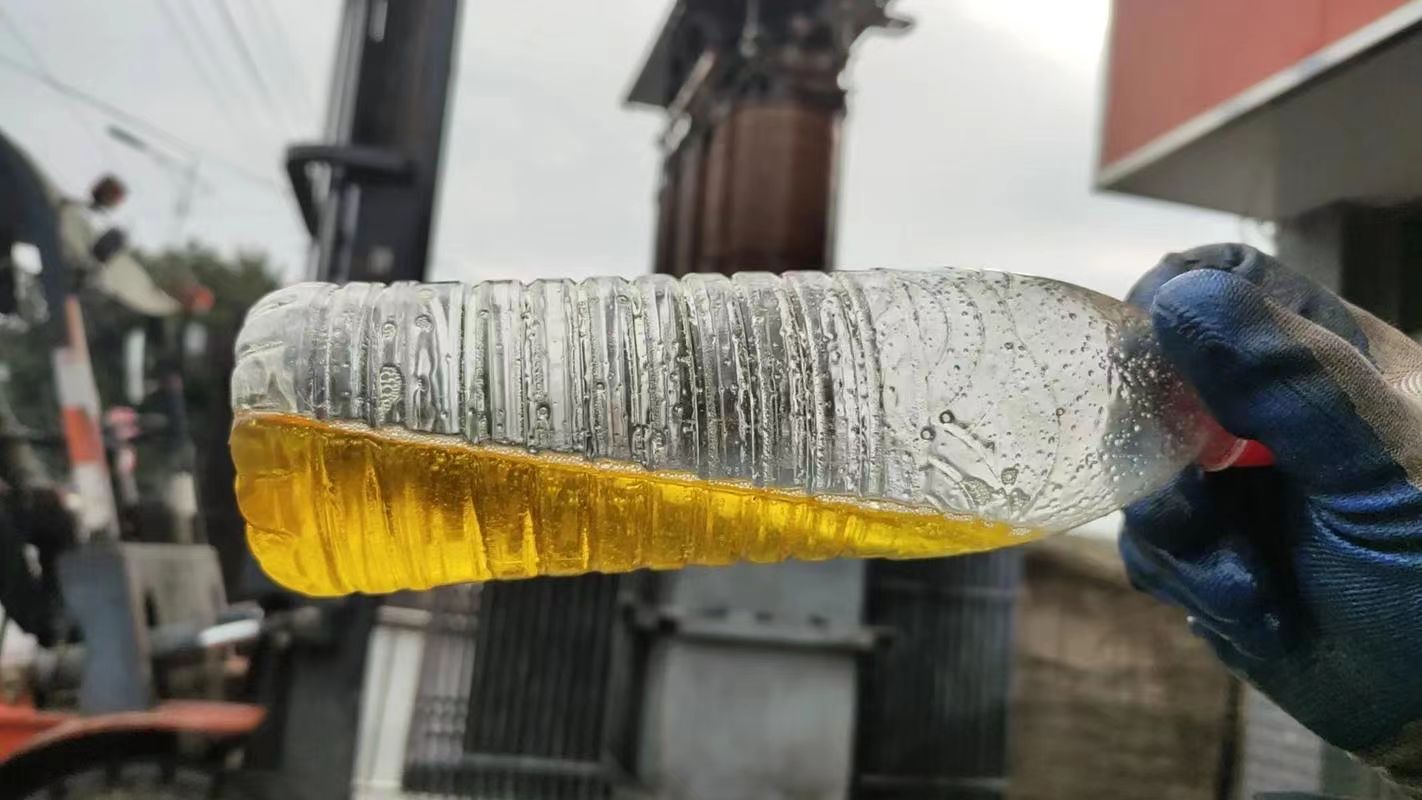
Water contamination is one of the most serious and insidious threats to the health and reliability of oil-filled power transformers. Even small amounts of moisture—measured in parts per million (ppm)—can cause dramatic reductions in dielectric strength, accelerate insulation aging, and increase the risk of electrical breakdowns, internal arcing, and catastrophic failure. This is particularly dangerous because moisture infiltrates slowly and invisibly, often going unnoticed until significant damage has already occurred.
Water in transformer oil is dangerous because it drastically lowers the dielectric strength of the oil, promotes the deterioration of cellulose (paper) insulation, increases the risk of partial discharge and arcing, and leads to accelerated aging of internal components. Just 30–50 ppm of moisture can reduce insulating oil performance to critical levels, compromising transformer safety and lifespan.
Moisture control is therefore a top priority in oil-filled transformer maintenance programs.
Small amounts of water in transformer oil are harmless.False
Even low moisture levels can significantly reduce the dielectric strength of transformer oil, degrade insulation, and trigger dangerous arcing or flashovers.
Key Dangers of Moisture in Transformer Oil
| Risk Category | Impact Mechanism |
|---|---|
| Reduced Dielectric Strength | Water reduces oil's breakdown voltage, increasing risk of internal arcing |
| Cellulose Insulation Aging | Water accelerates hydrolysis and oxidation in paper, reducing mechanical strength |
| Partial Discharges (PD) | Water pockets initiate corona activity and gas formation |
| Bubble Formation at Hot Spots | Localized heating causes vapor bubbles, leading to dielectric collapse |
| Corrosion & Sludging | Water promotes acid formation and metallic corrosion |
| Thermal Runaway Risk | Moisture traps heat in insulation, compounding thermal degradation |
Moisture Impact by the Numbers
| Moisture Content in Oil (ppm) | Dielectric Strength Loss | Transformer Risk Level |
|---|---|---|
| <10 ppm | Minimal | Safe (in-service oil) |
| 20–30 ppm | 20–30% reduction | Begin degradation of cellulose |
| 40–50 ppm | Up to 50% reduction | High PD risk, flashover possible |
| >60 ppm | Critical | Severe insulation failure likely |
Breakdown voltage of mineral oil typically drops from >60 kV to <30 kV as water increases from 10 to 50 ppm.
Case Study – Moisture-Induced Failure
- Transformer: 20 MVA, 132/33 kV oil-filled unit
- Issue: Tripped during heavy load in monsoon season
- Diagnosis: Oil moisture >65 ppm, DGA showed elevated CO₂ and H₂
- Root Cause: Breather failure allowed atmospheric moisture in
- Damage: Paper insulation carbonized, winding shorted
Outcome: Transformer retired early; repair cost exceeded \$80,000
Lesson: Moisture was the silent destroyer
Common Ways Water Enters Transformer Oil
| Source | Description |
|---|---|
| Leaky Gaskets or Flanges | Allows atmospheric humidity into sealed system |
| Faulty Silica Gel Breather | Breather becomes saturated, loses moisture-trapping function |
| Tank Respiration (Conservator Type) | Air intake during temperature cycles brings in water vapor |
| Poor Handling or Testing | Sampling and oil top-up with unfiltered materials |
| Condensation in Idle Units | Moisture settles internally when temperature drops |
Effects on Paper (Cellulose) Insulation
| Moisture Level in Paper (%) | Effect on Insulation Life |
|---|---|
| <0.5% | Optimal – long insulation life |
| 1.0–1.5% | Moderate degradation – aging accelerates |
| >2.0% | Severe deterioration – paper becomes brittle |
| >3.0% | End-of-life – mechanical failure possible |
Water acts as a catalyst for oxidation, forming acids that permanently damage the insulation system.
Detection and Monitoring
| Diagnostic Test | Purpose | Frequency |
|---|---|---|
| Karl Fischer Moisture Test | Measures ppm of water in oil | Every 6–12 mo |
| Breakdown Voltage Test | Confirms oil dielectric strength (IEC 60156) | Every 6–12 mo |
| Insulation Resistance (IR) | Indirect check for water ingress | Annually |
| DGA (Dissolved Gas Analysis) | Detects byproducts of water-accelerated aging | Annually |
Prevention and Remediation
| Action | Impact |
|---|---|
| Use High-Quality Seals | Prevents external air and moisture ingress |
| Maintain Breathers (Silica Gel) | Refill/replace regularly to trap incoming humidity |
| Install Oil Preservation Systems | Bladder or nitrogen cushion avoids air-oil contact |
| Use Moisture Scavengers | Additives or desiccants can absorb free water |
| Perform Oil Filtration and Vacuum Drying | Removes dissolved and free water efficiently |
Standards and Guidelines on Moisture in Transformer Oil
| Standard | Scope |
|---|---|
| IEC 60296 | Specifications for mineral oil, moisture limits |
| IEC 60422 | In-service oil monitoring and moisture management |
| IEEE C57.106 | Guide for acceptance and maintenance of insulating liquids |
| IS 1866 | Indian oil maintenance standard with moisture protocols |
What Causes Water Contamination in Transformer Oil?
Transformer oil plays a critical role in insulation and cooling, but its performance depends on maintaining ultra-low moisture content—often under 30 ppm. Unfortunately, water contamination is common, even in well-sealed transformers. This moisture, often from external air or internal condensation, can significantly lower the dielectric strength of the oil and accelerate insulation aging. Understanding the specific causes of water ingress is essential for prevention, monitoring, and transformer longevity.
Water contamination in transformer oil is caused by exposure to humid air through leaky gaskets or vents, degraded or saturated silica gel breathers, repeated thermal expansion and contraction (tank breathing), condensation during cooling cycles, improper oil handling, or accidental ingress during maintenance. Each of these pathways introduces moisture that degrades both the oil and the paper insulation.
Most causes are preventable with regular inspection, proper sealing, and controlled maintenance practices.
Transformer oil is impervious to water and does not absorb moisture from the air.False
Transformer oil readily absorbs atmospheric moisture, especially through breather systems or leaky seals. This affects both its dielectric and thermal performance.
Primary Sources of Moisture Contamination in Transformer Oil
| Source | Description and Impact |
|---|---|
| Leaky Gaskets or Flanges | Deteriorated seals allow ambient air with water vapor into the tank |
| Faulty or Saturated Breathers | Silica gel loses moisture-trapping ability, allowing humid air ingress |
| Tank Breathing (Conservator) | Thermal expansion/contraction causes air exchange, bringing in vapor |
| Condensation | Occurs during cooling periods or shutdowns, particularly in humid areas |
| Poor Oil Handling | Unsealed drums, dirty hoses, or tools introduce moisture during top-up |
| Rainwater Intrusion | Cracks or cover leaks allow rain or washdown water into enclosure |
| Substandard Oil Delivery | New oil may already contain excess moisture if improperly stored |
| Wet Accessories (Buchholz/Valves) | Components may retain water or be installed while moist |
Real-World Example – Moisture Ingress via Saturated Breather
- Transformer: 10 MVA, 33/11 kV, outdoor installation
- Problem: Sudden drop in dielectric strength from 60 kV to 28 kV
- Investigation: Breather showed pink silica gel, indicating saturation
- Root Cause: No breather maintenance for 18 months in humid region
- Result: Paper moisture >2%, insulation life reduced by ~40%
Lesson: Routine breather inspection could have prevented long-term damage.
Tank Breathing and Moisture Entry (Conservator Systems)
| Condition | Effect on Moisture Entry |
|---|---|
| Daytime Heating | Oil expands → pushes air out of the tank |
| Nighttime Cooling | Oil contracts → draws in outside air with vapor |
| Unfiltered or Wet Breather | Humid air enters freely, saturating oil |
| Repeated Cycling | Accelerates moisture accumulation in cellulose |
In some cases, 5–10 mL of water per day can enter through normal breathing if no breather is present or it is faulty.
Summary of Common Moisture Pathways
| Pathway | Entry Mechanism | Preventive Measure |
|---|---|---|
| Gasket Aging | Seal cracks allow air entry | Replace gaskets every 5–7 years |
| Silica Gel Breather Failure | Gel saturation stops trapping moisture | Monitor color and replace as needed |
| Condensation on Cooling | Moisture condenses on walls or coils | Use space heaters during idle periods |
| Rain or Washdown Entry | Water ingress through vents or cover gaps | Install weatherproof seals and hoods |
| Oil Handling Errors | Moisture from hoses, tools, or drums | Dry storage, inert gas blanket, vacuum fill |
Oil Moisture Absorption Characteristics
| Oil Type | Moisture Saturation Limit at 25 °C | Notes |
|---|---|---|
| Mineral Oil | ~60 ppm | Rapid degradation above 35 ppm |
| Natural Ester | >1000 ppm | More moisture-tolerant but may degrade faster if saturated |
| Synthetic Ester | ~2000 ppm | Higher absorption, slower degradation |
While esters absorb more moisture safely, cellulose insulation still suffers if not dried concurrently.
Maintenance and Monitoring Recommendations
| Action | Frequency | Purpose |
|---|---|---|
| Breather Inspection | Monthly or after storms | Detect gel saturation, blockages |
| Gasket Tightness Check | Annually | Prevent slow air/moisture ingress |
| Oil Moisture Testing (KF) | Every 6–12 months | Confirm oil moisture level <30 ppm |
| Visual Inspection Post-Rain | As needed | Look for intrusion in cover, vents, or flange |
| Infrared Scan of Tank | Annually | Detect condensation zones or leaks |
Standards That Govern Moisture Control
| Standard | Coverage |
|---|---|
| IEC 60422 | Moisture limits and monitoring for mineral oils |
| IEEE C57.106 | Acceptance and maintenance of insulating liquids |
| IS 1866 | Maintenance guide for oil-filled transformers in India |
| IEC 60296 | New oil moisture content limits |
How Can You Detect Water in Transformer Oil?

Water contamination in transformer oil is one of the most critical hidden threats to transformer reliability. It compromises both dielectric performance and insulation lifespan, yet it often enters the system silently and gradually. Fortunately, there are multiple proven methods—both quantitative and qualitative—for detecting moisture in transformer oil. These range from laboratory precision tests to in-field visual indicators, allowing operators to identify problems early and prevent catastrophic breakdowns.
Water in transformer oil can be detected using Karl Fischer titration (the most accurate method), dielectric breakdown voltage testing, visual inspection for turbidity, infrared scanning for condensation, and dissolved gas analysis (DGA) for secondary indicators. Regular sampling and moisture monitoring are essential for timely intervention.
Early detection enables preventive maintenance before irreversible insulation damage occurs.
There is no reliable way to detect small amounts of water in transformer oil.False
Karl Fischer titration and dielectric strength testing provide precise and reliable detection of moisture in transformer oil, even at levels below 10 ppm.
Primary Methods for Detecting Water in Transformer Oil
| Method | Description and Accuracy | Use Case |
|---|---|---|
| Karl Fischer Titration | Gold-standard chemical test for precise water ppm | Lab-based, highly accurate (±1 ppm) |
| Dielectric Breakdown Test (IEC 60156) | Tests oil's voltage withstand capacity | Indicates functional impact of moisture |
| Visual Inspection | Detects turbidity, cloudiness, or free water drops | Quick field check |
| Moisture Sensor (On-line) | Real-time digital moisture-in-oil monitoring | Installed in critical assets |
| Infrared Thermal Imaging | Detects cool spots indicating condensation or water pockets | In-service inspection |
| Dissolved Gas Analysis (DGA) | Indirect signs: CO₂, CO, H₂ rise from water-induced degradation | Cross-check or early failure detection |
Karl Fischer Titration – Precision Moisture Measurement
| Parameter | Detail |
|---|---|
| Detection Limit | <1 ppm to >1000 ppm |
| Standard Used | ASTM D1533 / IEC 60814 |
| Required Sample Volume | ~10–20 mL |
| Typical Accuracy | ±1–2 ppm |
| Turnaround Time | 20–30 minutes per test |
| Sample Handling | Must be sealed and tested promptly to avoid ambient absorption |
Ideal for maintenance decision-making and oil condition benchmarking.
Dielectric Breakdown Test (IEC 60156)
| Purpose | Correlates moisture with insulation degradation |
|---|---|
| Test Voltage | Up to 60–70 kV per 2.5 mm gap |
| Low Result Indicator | <30 kV suggests high moisture or contamination |
| Simple to Perform | Requires calibrated dielectric strength tester |
| Repeatability | Average of 5–6 breakdown tests recommended |
Visual Signs of Moisture Contamination
| Indicator | Interpretation |
|---|---|
| Milky or Cloudy Appearance | Indicates water-in-oil emulsion |
| Water Droplets in Jar | Free water phase—severe contamination |
| Condensation Inside Tank Lid | Internal humidity or breathing issue |
| Rust or Sludge Formation | Prolonged moisture presence |
Real-Time Monitoring Systems
| Device Type | Function |
|---|---|
| Moisture-in-Oil Sensor | Continuously monitors ppm in oil, alarms at set thresholds |
| Combined Moisture/Temp Probe | Tracks water content, oil temperature, and dew point |
| SCADA-Integrated Units | Allow trending, alarms, and remote diagnostics |
Supporting Indicators from DGA (Dissolved Gas Analysis)
| Gas Detected | Possible Moisture Link |
|---|---|
| CO₂, CO | Paper degradation due to hydrolysis |
| H₂ (Hydrogen) | Arcing from reduced dielectric strength |
| Low-level Acetylene | Possible moisture-triggered discharge |
While not primary moisture tests, DGA results often confirm ongoing damage caused by water.
Testing Schedule Recommendations
| Transformer Type | Moisture Detection Frequency |
|---|---|
| New Installation | Before commissioning (KF + dielectric test) |
| Critical Assets (>10 MVA) | Every 3–6 months (KF + sensor if possible) |
| Standard Utility Units | Annually (KF + DGA + dielectric test) |
| After Heavy Rain or Breather Failure | Immediate moisture test required |
Industry Standards Covering Moisture Detection
| Standard | Relevance |
|---|---|
| IEC 60814 | Water content by Karl Fischer method |
| ASTM D1533 | Standard moisture testing for electrical insulating liquids |
| IEC 60156 | Dielectric strength testing |
| IEEE C57.106 | Acceptance and maintenance of insulating liquids |
| IS 1866 | Moisture control and testing in Indian standards |
What Are the Main Methods to Remove Water from Transformer Oil?
Moisture is one of the most harmful contaminants in transformer oil, dramatically reducing dielectric strength and accelerating insulation aging. Removing this water—whether dissolved, emulsified, or free—is essential to restoring transformer health and ensuring long-term reliability. Over time, standard oil servicing is not enough; specialized dehydration techniques are needed to pull moisture out of both the oil and cellulose insulation.
The main methods to remove water from transformer oil include vacuum dehydration, thermal vacuum drying, oil filtration with heat, molecular sieve drying, and centrifugal separation. Among these, vacuum dehydration is the most effective and widely used, capable of reducing moisture content to below 10 ppm while preserving oil quality and electrical properties.
Each method targets different forms of water—free, dissolved, or bound in insulation—and must be selected based on the severity and cause of contamination.
Transformer oil cannot be effectively dried once contaminated with water.False
Transformer oil can be efficiently dried using vacuum dehydration, molecular sieves, or thermal processes, restoring its dielectric performance and extending equipment life.
Overview of Water Removal Techniques
| Method | Water Form Removed | Typical Moisture Level Achievable | Use Case Scenario |
|---|---|---|---|
| Vacuum Dehydration | Dissolved + Free | ≤10 ppm | Most effective for large transformers |
| Thermal Vacuum Drying | Water + Gases from Oil and Paper | ≤5 ppm + paper drying | Offline method used during major overhauls |
| Hot Oil Circulation + Filtration | Free/emulsified | ~30–50 ppm | Used for moderate contamination |
| Molecular Sieve Drying | Dissolved moisture | ≤15 ppm | On-line or by-pass system for slow drying |
| Centrifugal Separation | Free water only | Doesn’t remove dissolved water | Pre-filtration step for high water presence |
1. Vacuum Dehydration – Gold Standard Method
| Process Feature | Description |
|---|---|
| How it Works | Oil is heated and passed through a vacuum chamber; water vaporizes and is extracted via condenser |
| Moisture Removal Efficiency | Removes 95–99% of dissolved and free water |
| Additional Benefit | Also removes air and light hydrocarbons |
| Flow Rate | 300–6000 L/hr (based on unit size) |
| System Used | Mobile oil purification units or fixed dehydration skids |
Vacuum dehydration can restore breakdown voltage from <20 kV back to ≥60 kV within hours.
2. Thermal Vacuum Drying (Offline)
| Feature | Description |
|---|---|
| Application | Used when both oil and paper insulation are wet |
| Process | Entire tank is vacuum-sealed and heated to dry internal insulation |
| Duration | 24–72 hours depending on transformer size |
| When Used | During repairs, refurbishments, or factory testing |
| Limitations | Requires transformer to be out of service |
3. Hot Oil Circulation and Filtration
| Key Attributes | Description |
|---|---|
| Method | Heats oil to \~60–70 °C and circulates through fine filters |
| Effectiveness | Good for emulsified water, limited on dissolved water |
| Benefit | Removes sludge and particulates as well |
| When Used | Quick maintenance during seasonal changes or post-flooding |
4. Molecular Sieve Drying
| Parameter | Explanation |
|---|---|
| How It Works | Oil is passed through a column of hygroscopic desiccant (e.g., silica gel or molecular sieves) |
| Removal Capacity | Low flow rate but very high water affinity |
| Use | Continuous bypass drying on live transformers |
| Maintenance | Requires periodic desiccant replacement |
5. Centrifugal Separation
| Feature | Purpose |
|---|---|
| Mechanism | Spinning separates heavier water from oil (density difference) |
| Effectiveness | Removes free water only—not effective for dissolved moisture |
| Role | Often used as pre-treatment before filtration/dehydration |
Real-World Case Study – Emergency Drying Success
- Transformer: 40 MVA, 132/33 kV
- Problem: Heavy rain ingress pushed oil moisture >80 ppm
- Response: Mobile vacuum dehydration system deployed
- Duration: 48 hours continuous operation
- Result: Moisture reduced to 8 ppm, dielectric strength restored to 65 kV
- Bonus: Removed 4 liters of water, prevented unplanned outage
Vacuum dehydration saved the unit from insulation collapse.
Key Moisture Removal Goals
| Transformer Condition | Target Moisture Level (ppm) | Recommended Action |
|---|---|---|
| Normal Operation | <30 ppm | Preventive maintenance |
| Moderate Contamination | 30–50 ppm | Hot oil + filtration or molecular sieve |
| High Moisture (>60 ppm) | >60 ppm | Vacuum dehydration essential |
| Severely Aged Unit | Evaluate for insulation dry-out or retrofill |
Standards Governing Drying Techniques
| Standard | Scope |
|---|---|
| IEC 60422 | In-service oil maintenance and water limits |
| IEEE C57.106 | Dehydration and purification guidance |
| IS 1866 | Indian oil processing and treatment guidelines |
| ASTM D3306 / D1533 | Water content and drying performance benchmarks |
What Is the Vacuum Dehydration Process?
Vacuum dehydration is the most effective method for removing water and gases from transformer oil, especially when both free and dissolved moisture need to be extracted. It is a core maintenance and recovery procedure for oil-filled transformers, often used during routine servicing, post-fault recovery, or refurbishment. This process ensures the oil regains its high dielectric strength, thermal conductivity, and insulation performance, extending the transformer's operational life.
Vacuum dehydration is a process that heats transformer oil and passes it through a high-vacuum chamber, where moisture and dissolved gases are vaporized and removed. The oil is then cooled and recirculated back into the transformer. It effectively reduces moisture to below 10 ppm and restores dielectric strength to over 60 kV, making it the gold standard for transformer oil purification.
It is applicable for both preventive and corrective maintenance, and is safe for in-service or offline transformers depending on design.
Vacuum dehydration only removes surface moisture from transformer oil.False
Vacuum dehydration removes both free and dissolved water, as well as gases, from transformer oil by heating and depressurizing it in a controlled vacuum chamber.
Key Steps in the Vacuum Dehydration Process
| Step | Description |
|---|---|
| 1. Oil Circulation Setup | Oil is drawn from the transformer into the dehydration unit via a pump |
| 2. Pre-Filtration | Coarse filters remove particulates and sludge before dehydration |
| 3. Heating | Oil is gently heated (typically 55–65 °C) to aid moisture release |
| 4. Vacuum Chamber Entry | Heated oil enters a vacuum tank (~0.5–1.0 mbar) |
| 5. Dehydration | Moisture and gases are vaporized under vacuum and collected via condenser |
| 6. Cooling and Return | Oil is cooled and filtered again before returning to the transformer |
| 7. Continuous Monitoring | Moisture sensors and dielectric testers confirm oil quality improvements |
Equipment Used in Vacuum Dehydration
| Component | Function |
|---|---|
| Vacuum Pump | Creates a low-pressure environment (~0.5–1 mbar) for dehydration |
| Heater | Raises oil temperature to aid moisture evaporation |
| Dehydration Chamber | Central vessel where vacuum and heat drive out water and gases |
| Water Vapor Condenser | Collects vaporized moisture as condensate |
| Final Filters | Remove residual contaminants and particles |
| Flow Meter & Sensors | Monitor oil rate, temperature, moisture ppm, and dielectric strength |
Moisture Removal Performance
| Moisture Condition | Before Dehydration | After Dehydration |
|---|---|---|
| Free Water Visible | Yes (cloudy oil) | None (clear oil restored) |
| Dissolved Water (ppm) | 60–100 ppm | <10 ppm |
| Breakdown Voltage | <25–30 kV | >60–70 kV |
| Gas Content | Elevated (O₂, N₂, H₂) | Reduced to safe levels |
A single dehydration cycle (4–48 hours) can restore critical oil performance metrics, preventing insulation collapse.
Real-World Use Case
- Transformer: 31.5 MVA, 132/33 kV
- Issue: Oil contaminated with 85 ppm water, 28 kV breakdown voltage
- Response: Vacuum dehydration run for 36 hours with inline testing
- Outcome: Moisture reduced to 7 ppm, BDV restored to 68 kV
Transformer was kept in service without interruption—no replacement needed.
Vacuum Dehydration vs. Other Methods
| Method | Moisture Removal Depth | Gas Removal | Suitable For |
|---|---|---|---|
| Vacuum Dehydration | ✔✔✔ (best) | ✔✔✔ | All oil-filled units |
| Hot Oil Circulation | ✔✔ (moderate) | ✘ | Low to moderate moisture |
| Molecular Sieve Dryer | ✔ (slow, selective) | ✘ | On-line dry maintenance |
| Centrifuge | ✘ (free water only) | ✘ | Pre-filtration stage only |
How Long Does It Take?
| Transformer Size | Typical Dehydration Duration |
|---|---|
| <1 MVA | 4–6 hours |
| 2–5 MVA | 8–16 hours |
| 10–30 MVA | 24–48 hours |
| >40 MVA | May require multi-day continuous operation |
Safety and Operational Notes
| Requirement | Reason |
|---|---|
| Oil Temperature Control | Prevents degradation or oxidation |
| Vacuum Pressure Regulation | Ensures vaporization efficiency without oil foaming |
| No Air Entry During Processing | Prevents re-contamination |
| Bypass Valve Setup (Live Units) | Allows partial drying while energized (if design permits) |
| Moisture Meter Readings | Confirm when dehydration target is reached |
Standards Referenced
| Standard | Content Scope |
|---|---|
| IEC 60422 | Oil in-service moisture limits and dehydration guidelines |
| IEEE C57.106 | Best practices for oil purification and vacuum dehydration |
| IS 1866 | Indian standard for oil treatment and quality improvement |
| ASTM D1533 | Karl Fischer test for moisture confirmation |
How to Prevent Future Moisture Contamination in Transformer Oil?
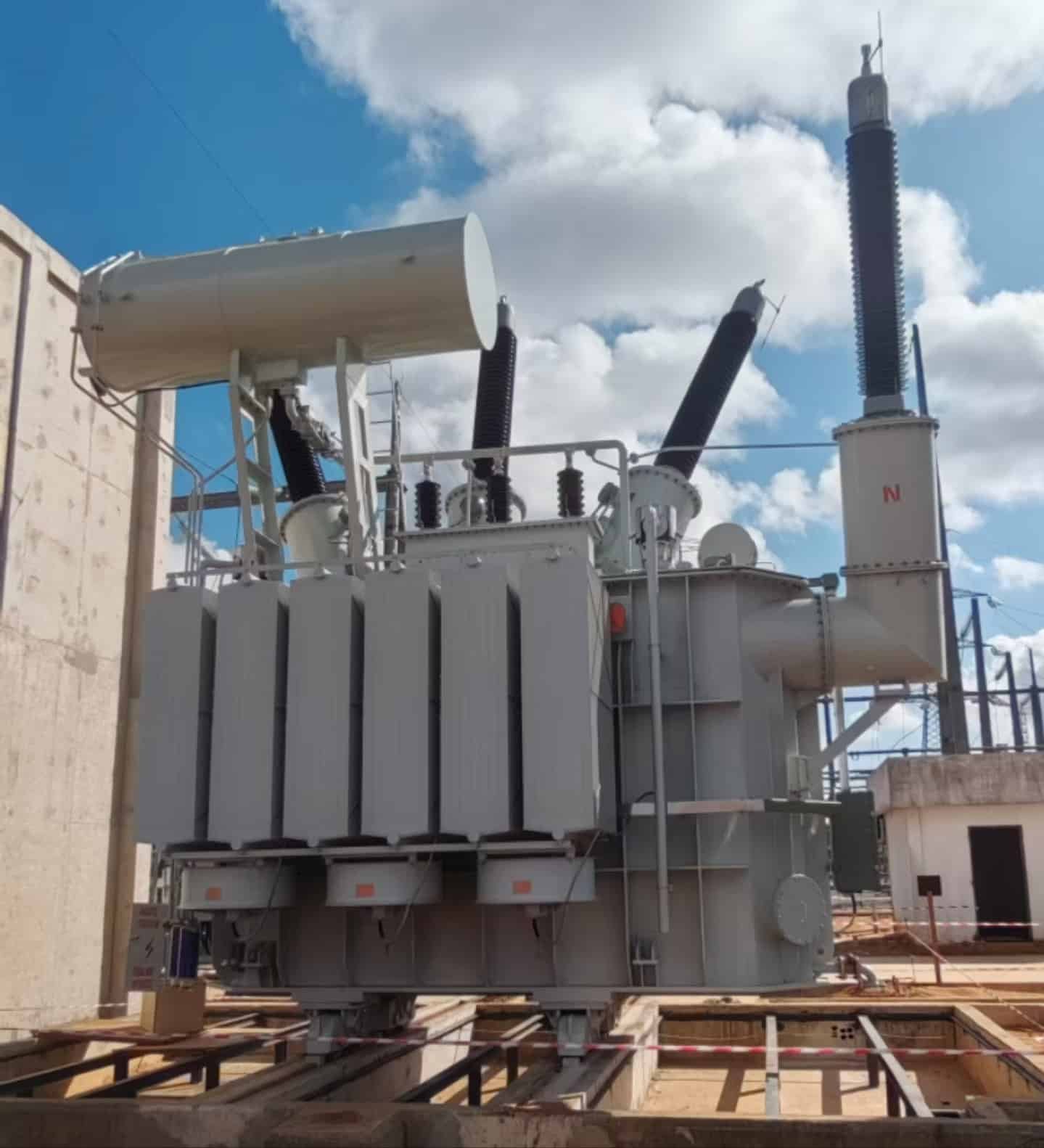
Moisture contamination is one of the most persistent and damaging risks to oil-filled transformers. It undermines insulating oil performance, degrades cellulose insulation, and invites electrical failure. Since water ingress can happen slowly through environmental exposure, thermal cycling, or maintenance errors, prevention must be proactive, systematic, and continuous. A sound moisture management strategy is essential to transformer longevity.
To prevent future moisture contamination in transformer oil, maintain a tight oil-seal system, use functional silica gel breathers, install conservator bladders or nitrogen sealing systems, inspect gaskets and flanges regularly, use moisture-proof oil handling procedures, and conduct routine oil testing. Environmental barriers, temperature control, and preventive maintenance schedules are key to keeping transformers dry.
With the right practices, transformers can run clean and moisture-free for decades.
Moisture contamination in transformers is inevitable and cannot be prevented.False
Moisture ingress can be significantly reduced or eliminated with proper sealing systems, functional breathers, nitrogen blanketing, and proactive maintenance.
Key Moisture Prevention Methods
| Preventive Measure | Description and Benefit |
|---|---|
| Functional Silica Gel Breather | Filters and dehumidifies air entering through conservator tank |
| Conservator Bladder System | Prevents air-oil contact entirely using a sealed rubber diaphragm |
| Nitrogen Sealing | Pressurizes transformer with inert gas to eliminate breathing cycle |
| Weatherproof Seals and Gaskets | Blocks rain, ambient humidity, and condensation ingress |
| Periodic Gasket Inspections | Prevents aging and leaks in flanges, valves, and covers |
| Proper Oil Handling Practices | Keeps tools, drums, hoses dry during sampling or top-ups |
| Ambient Monitoring | Ensures actions during high humidity or wet seasons |
Common Entry Points and Protection Tactics
| Entry Point | Risk Description | Protective Action |
|---|---|---|
| Breather System | Saturated or missing gel lets in humid air | Use color-indicating silica, replace regularly |
| Conservator Air Interface | Exposed oil pulls in water vapor | Use bladder or nitrogen blanket |
| Valve/Flange Gaskets | Cracks allow slow air ingress | Replace every 5–7 years or on inspection |
| Sample Port | Sampling with wet tools contaminates oil | Use sealed and purged accessories |
| Loose Cable Bushings | Moisture tracks through bushing mount | Apply sealant or re-torque insulators |
Real-World Prevention Example
- Unit: 25 MVA, 66/11 kV oil-immersed transformer
- Initial issue: Moisture 62 ppm in oil, 1.9% in paper
Corrective action:
- Bladder conservator installed
- Breather replaced with 2-stage silica + oil trap
- Flange gaskets renewed
- Follow-up: Moisture <15 ppm sustained for 3 years
Result: No further breakdown voltage loss; insulation life preserved
Key takeaway: Prevention pays off exponentially in extended life and reduced risk.
Maintenance Schedule for Moisture Prevention
| Task | Frequency |
|---|---|
| Breather Gel Inspection | Monthly (or after rain/humidity) |
| Gel Replacement | When color changes (pink/white) |
| Gasket Tightness Check | Every 6 months |
| Nitrogen System Pressure Check | Quarterly |
| Visual Seal Inspection | After major storms or temperature swings |
| Oil Moisture Test (KF) | Every 6–12 months |
Equipment Upgrades for Enhanced Moisture Defense
| Upgrade | Function |
|---|---|
| Breather with Oil Trap Cup | Prevents direct vapor exchange and removes aerosols |
| Two-Stage Breather System | Adds second drying stage for high-humidity zones |
| Moisture-Absorbing Breather Bags | Installed inline for live moisture control |
| Remote Moisture Sensor (on-line) | Alerts operators to rising oil moisture |
| Sealed Transformer Tank (Heremetic type) | No breathing cycle—moisture blocked completely |
Safe Oil Handling and Sampling Practices
| Step | Importance |
|---|---|
| Use Dry, Inert Containers | Avoid adds from humid atmosphere |
| Purge Sample Valves | Flush out stagnant oil before collecting samples |
| Avoid Open Drums During Rain | Transfer oil in covered, conditioned environments |
| Seal Sample Bottles Immediately | Prevent post-sample absorption of moisture |
Moisture Tolerance Guidelines by Standard
| Standard | Maximum Water Content (in oil) | Notes |
|---|---|---|
| IEC 60422 | <30 ppm (in-service oil) | Based on voltage and oil type |
| IEEE C57.106 | <0.5% in cellulose insulation | Exceeding shortens lifespan |
| IS 1866 (India) | Moisture monitored biannually | Preventive dehydration if >40 ppm |
Conclusion
Removing water from transformer oil is vital for maintaining insulation integrity and transformer reliability. Techniques like vacuum dehydration and hot oil circulation are effective at restoring oil to safe moisture levels. Regular monitoring and preventive maintenance—such as checking seals and installing effective breathers—can help avoid moisture ingress altogether. By keeping oil dry, transformer lifespan and safety are significantly improved.
FAQ
Q1: Why is it important to remove water from transformer oil?
A1: Water in transformer oil:
Reduces dielectric strength, increasing risk of electrical breakdown
Accelerates insulation aging, especially in paper components
Promotes sludge formation and corrosion
Leads to partial discharges and power failures
Maintaining oil dryness ensures transformer reliability and extended service life.
Q2: What are the most effective methods to remove water from transformer oil?
A2: Common techniques include:
Vacuum Dehydration
Heats oil under vacuum to vaporize and extract moisture
Removes dissolved, emulsified, and free water
Ideal for deep dehydration in high-voltage transformers
Oil Filtration Systems
Use filters and desiccants to remove free water and particles
Effective for routine moisture control and minor contamination
Hot Oil Circulation
Circulates heated oil through the transformer
Draws moisture from insulation paper into the oil for easier extraction
Often paired with vacuum drying for offline maintenance
Dry Air or Nitrogen Purging
Used to remove moisture from the transformer environment
Helps maintain dryness during repairs or oil processing
Q3: How is moisture in transformer oil detected?
A3: Detection methods include:
Karl Fischer titration (highly accurate, lab method)
Dielectric breakdown voltage test
Online moisture sensors
Dissolved Gas Analysis (DGA) for moisture-related fault gases
These tests help identify and address moisture before damage occurs.
Q4: Can water removal be done while the transformer is energized?
A4: Yes, using online oil dehydration units, it's possible to:
Remove moisture continuously
Avoid shutdowns
Maintain system reliability and insulation strength
However, deeper water removal often requires offline vacuum drying for full effectiveness.
Q5: How often should transformer oil be tested for moisture?
A5: Best practices suggest:
Annually for standard transformers
Biannually or quarterly for critical or aged units
Immediately after signs of contamination or cooling issues
Timely testing and drying ensure safe, efficient, and long-term transformer operation.
References
"Moisture in Transformer Oil: Causes and Removal" – https://www.electrical4u.com/moisture-removal-transformer-oil
"IEEE C57.106: Guide for Acceptance and Maintenance of Insulating Oil" – https://ieeexplore.ieee.org/document/7109282
"Doble: Transformer Moisture Control Techniques" – https://www.doble.com/transformer-oil-drying
"NREL: Transformer Moisture Removal Guide" – https://www.nrel.gov/docs/transformer-moisture-care.pdf
"ScienceDirect: Transformer Oil Dehydration and Dielectric Recovery" – https://www.sciencedirect.com/transformer-moisture-removal-analysis