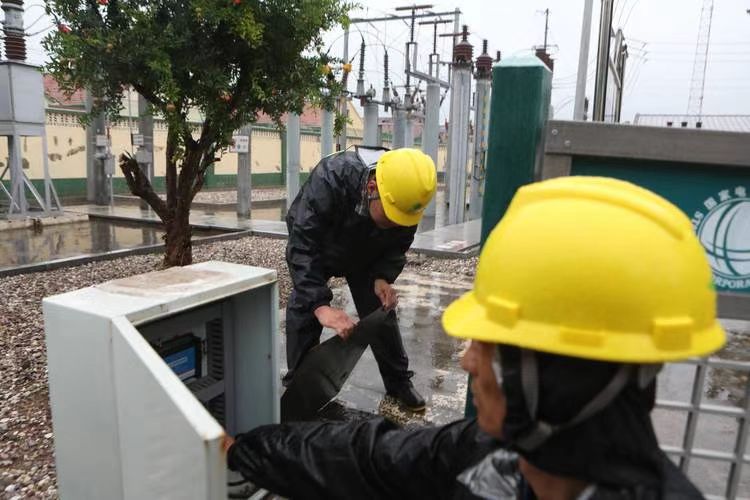
Outdoor transformer installations are constantly exposed to environmental conditions such as rain, temperature changes, and high humidity. Excess moisture can damage insulation systems, accelerate corrosion, and reduce transformer reliability if not properly controlled. Effective humidity management is therefore essential to ensure safe operation, maintain insulation performance, and extend equipment service life in outdoor environments.
Why Is Humidity a Concern in Outdoor Transformer Installations?
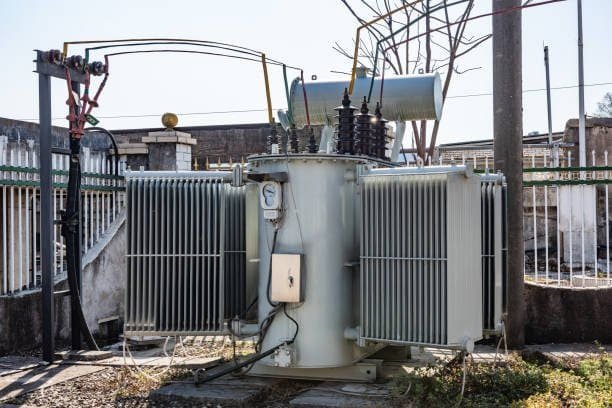
Outdoor transformers are continuously exposed to environmental conditions that can significantly affect their performance, reliability, insulation integrity, cooling efficiency, and operational lifespan. Among these environmental factors, humidity is one of the most critical yet often underestimated threats. High humidity levels introduce moisture into transformer insulation systems, accelerate corrosion, reduce dielectric strength, increase the risk of partial discharge and flashover, and contribute to long-term insulation degradation. Because transformers rely heavily on dry insulation systems and controlled thermal performance for safe operation, moisture intrusion can become a major reliability and safety concern.
Humidity affects both oil-filled and dry-type transformers, although the mechanisms of damage may differ. Outdoor transformers installed in tropical regions, coastal areas, rainy climates, fog-prone environments, industrial zones, and areas with large temperature fluctuations are especially vulnerable. Moisture can enter transformers through breathing systems, seals, gaskets, cable terminations, bushings, and condensation processes caused by temperature cycling. Once moisture enters the insulation system, it becomes extremely difficult to remove completely and may lead to accelerated aging, insulation failure, overheating, reduced dielectric performance, and catastrophic transformer breakdown.
Humidity is a major concern in outdoor transformer installations because moisture can penetrate insulation systems, reduce dielectric strength, accelerate insulation aging, promote corrosion, cause condensation, increase partial discharge risk, degrade cooling performance, and ultimately reduce transformer reliability, efficiency, and operational lifespan.
Proper humidity protection is therefore essential for long-term transformer safety and performance.
Humidity has little effect on outdoor transformer performance because transformer insulation systems are naturally waterproof and unaffected by moisture.False
Humidity can significantly damage transformer insulation systems, reduce dielectric strength, accelerate corrosion, and increase the risk of insulation failure and transformer breakdown.
Why Moisture Is Dangerous for Transformers
Transformers depend heavily on insulation integrity for safe operation.
Main Transformer Insulation Materials
| Insulation Material | Function |
|---|---|
| Mineral oil | Electrical insulation and cooling |
| Cellulose paper | Winding insulation |
| Pressboard | Structural insulation |
| Epoxy resin | Dry-type insulation |
Most insulation materials are highly sensitive to moisture contamination.
How Humidity Enters Outdoor Transformers
Outdoor transformers are exposed continuously to atmospheric conditions.
Common Moisture Entry Paths
| Entry Path | Description |
|---|---|
| Breather systems | Air exchange during thermal expansion |
| Damaged seals | Water ingress |
| Condensation | Internal moisture formation |
| Cable terminations | Surface leakage paths |
| Bushings | Moisture penetration |
Even well-designed transformers are vulnerable over long service periods.
Transformer Breathing and Moisture Ingress
Oil-filled transformers expand and contract thermally during load changes.
Thermal Expansion Effect
When oil temperature rises:
- Oil expands
- Internal pressure increases
- Air exits transformer tank
When temperature decreases:
- Oil contracts
- Air is drawn back into the transformer
If incoming air contains moisture, humidity enters the transformer.
Why Condensation Occurs
Condensation is one of the most damaging humidity-related phenomena.
Condensation Mechanism
| Condition | Result |
|---|---|
| Warm humid air enters transformer | Moisture accumulation |
| Temperature drops below dew point | Water condensation |
Water droplets may form on:
- Windings
- Core surfaces
- Internal insulation materials
Impact of Moisture on Dielectric Strength
Moisture dramatically reduces insulation performance.
Dielectric Strength Reduction
Transformer oil insulation performance decreases sharply as moisture increases.
Dielectric Strength Relationship
E=\frac{V}{d}
Where:
- (E) = dielectric field strength
- (V) = voltage
- (d) = insulation distance
Moisture contamination weakens the insulation’s ability to withstand electrical stress.
Moisture Effects on Transformer Oil
Oil-filled transformers are especially vulnerable to water contamination.
Problems Caused by Moisture in Oil
| Problem | Consequence |
|---|---|
| Reduced dielectric strength | Increased flashover risk |
| Sludge formation | Cooling blockage |
| Oxidation acceleration | Oil degradation |
| Bubble formation under heat | Insulation breakdown |
Water Solubility in Transformer Oil
Water dissolves differently depending on temperature.
Moisture Solubility Behavior
| Temperature | Water Solubility |
|---|---|
| Higher temperature | More moisture dissolves |
| Lower temperature | Water separates more easily |
This creates dangerous moisture migration during load cycling.
Effects on Cellulose Insulation
Cellulose paper insulation is highly hygroscopic.
Why Cellulose Absorbs Moisture
Cellulose fibers naturally attract water molecules.
Consequences of Moisture Absorption
| Effect | Impact |
|---|---|
| Reduced mechanical strength | Winding vulnerability |
| Accelerated aging | Shorter transformer life |
| Lower dielectric strength | Higher failure risk |
Insulation Aging Acceleration
Moisture accelerates insulation decomposition significantly.
Thermal Aging Relationship
Where:
- (L) = insulation lifespan
- (T) = operating temperature
Moisture combined with heat accelerates insulation degradation exponentially.
Partial Discharge Risk
Humidity increases the likelihood of partial discharge activity.
Causes of Partial Discharge
| Cause | Description |
|---|---|
| Moisture pockets | Local dielectric weakness |
| Surface contamination | Leakage paths |
| Air gaps with humidity | Ionization risk |
Partial discharge gradually destroys insulation systems.
Flashover and Surface Leakage
Humidity increases surface conductivity.
Surface Leakage Problems
| Condition | Consequence |
|---|---|
| Wet contaminated surfaces | Leakage current |
| Condensation on bushings | Surface tracking |
| High humidity with pollution | Flashover risk |
Outdoor bushings are especially vulnerable.
Corrosion of Transformer Components
Humidity accelerates metal corrosion.
Components Vulnerable to Corrosion
| Component | Corrosion Risk |
|---|---|
| Transformer tank | Structural weakening |
| Radiators | Cooling degradation |
| Bushings | Insulation damage |
| Fasteners and connectors | Electrical resistance increase |
Coastal and Tropical Environment Risks
Certain environments create particularly severe humidity problems.
High-Risk Environments
| Environment | Main Risk |
|---|---|
| Coastal areas | Salt-laden moisture |
| Tropical climates | Constant high humidity |
| Industrial regions | Polluted moisture |
| Fog-prone zones | Continuous condensation |
Salt contamination significantly worsens humidity effects.
Humidity Effects on Dry-Type Transformers
Dry-type transformers are also sensitive to moisture.
Dry-Type Moisture Problems
| Problem | Impact |
|---|---|
| Surface tracking | Insulation damage |
| Reduced dielectric strength | Breakdown risk |
| Condensation on windings | Partial discharge |
Dry-type transformers installed outdoors require protective enclosures.
Cooling Performance Degradation
Humidity can also affect thermal management.
Cooling Problems Caused by Humidity
| Problem | Consequence |
|---|---|
| Corroded radiators | Reduced heat dissipation |
| Sludge formation | Oil flow restriction |
| Moisture-contaminated insulation | Increased thermal stress |
Harmonic and Humidity Combined Effects
Modern grids contain harmonics that increase transformer heating.
Copper Loss Equation
P_{cu}=I^2R
Higher harmonic currents increase thermal stress, which worsens moisture-related degradation.
Methods Used to Protect Transformers from Humidity
Modern transformers use multiple humidity protection methods.
Common Protection Systems
| Protection Method | Function |
|---|---|
| Silica gel breathers | Moisture absorption |
| Nitrogen sealing | Air isolation |
| Hermetically sealed tanks | Prevent moisture ingress |
| Anti-condensation heaters | Reduce internal moisture |
| Protective coatings | Corrosion resistance |
Silica Gel Breather Systems
Silica gel breathers are widely used in oil-filled transformers.
Breather Function
| Function | Benefit |
|---|---|
| Absorb atmospheric moisture | Protect insulation |
| Dry incoming air | Reduce condensation |
Color-changing silica gel indicates saturation level.
Hermetically Sealed Transformers
Sealed transformers minimize air exchange.
Advantages of Hermetic Designs
| Benefit | Result |
|---|---|
| Reduced moisture ingress | Longer insulation life |
| Lower oxidation rate | Improved oil condition |
| Reduced maintenance | Higher reliability |
Online Moisture Monitoring Systems
Smart transformers increasingly include online moisture sensors.
Monitoring Functions
| Parameter | Purpose |
|---|---|
| Oil moisture content | Insulation protection |
| Relative humidity | Condensation prevention |
| Water activity | Aging analysis |
Transformer Reliability Impact
Humidity strongly affects long-term reliability.
Reliability Problems Caused by Moisture
| Problem | Operational Impact |
|---|---|
| Insulation failure | Transformer outage |
| Corrosion | Reduced lifespan |
| Flashover | Safety hazard |
| Partial discharge | Progressive deterioration |
Real-World Example of Humidity Damage
A transformer installed in a coastal tropical environment may experience:
| Condition | Consequence |
|---|---|
| Salt-laden humidity | Accelerated corrosion |
| Daily condensation cycles | Insulation degradation |
| High ambient moisture | Reduced dielectric strength |
Without proper protection, transformer lifespan may be reduced significantly.
Key Reasons Humidity Is Dangerous in Outdoor Transformer Installations
| Humidity Effect | Main Consequence |
|---|---|
| Moisture ingress | Insulation degradation |
| Condensation | Electrical failure risk |
| Corrosion | Structural deterioration |
| Reduced dielectric strength | Flashover risk |
| Partial discharge | Insulation breakdown |
| Cooling degradation | Overheating |
| Accelerated aging | Reduced lifespan |
How Do Enclosures and Sealing Systems Prevent Moisture Ingress?
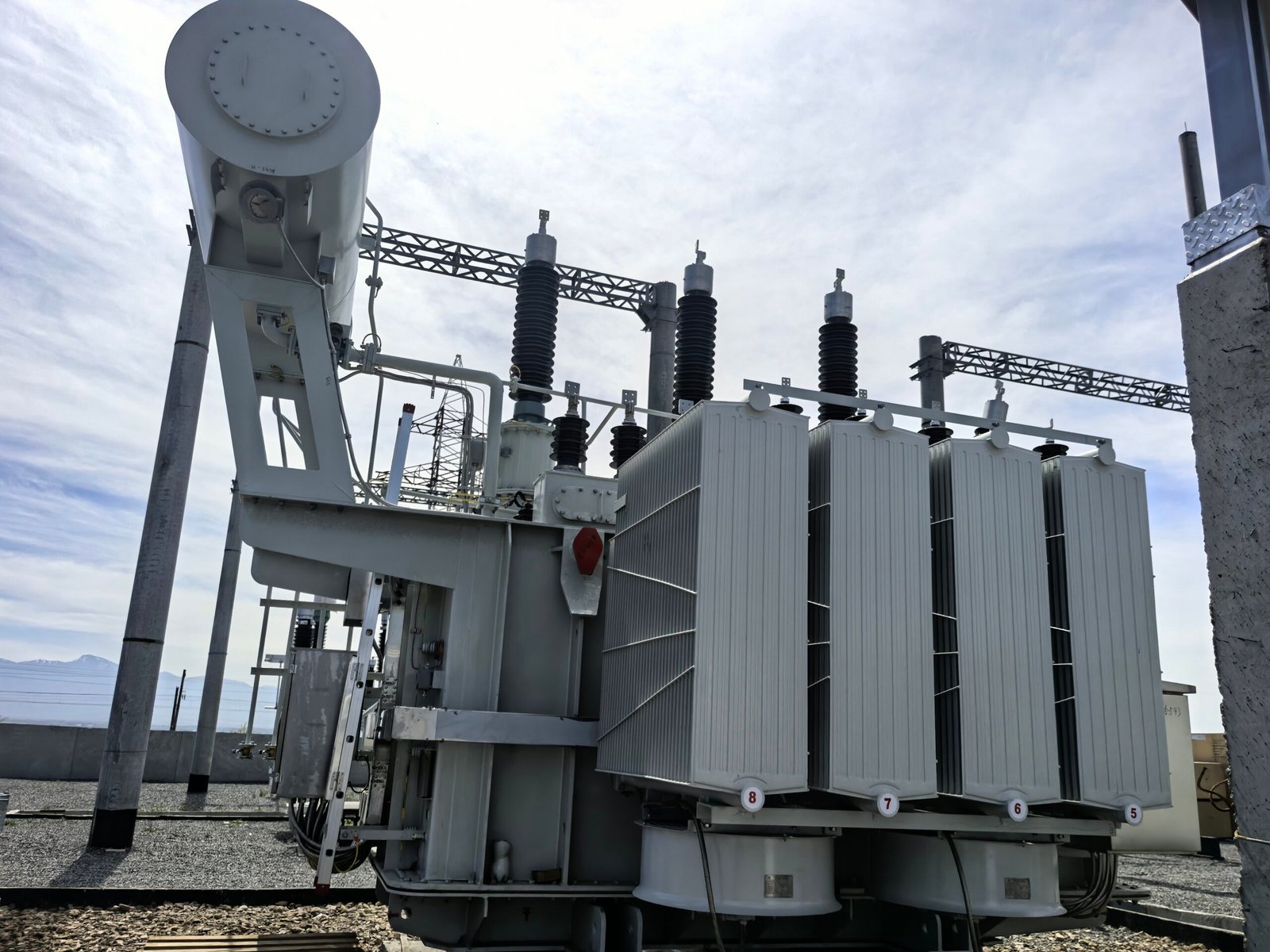
Moisture ingress is one of the most serious threats to transformer reliability, insulation integrity, and operational lifespan, especially in outdoor installations exposed to humidity, rain, condensation, coastal salt air, industrial pollution, and severe weather conditions. Water contamination inside a transformer can reduce dielectric strength, accelerate insulation aging, trigger partial discharge, increase flashover risk, promote corrosion, and eventually lead to catastrophic transformer failure. Because transformer insulation systems rely heavily on dry operating conditions, preventing moisture intrusion is a critical aspect of transformer engineering and long-term asset protection.
To protect transformers from environmental moisture, manufacturers use advanced enclosure designs and sealing systems that isolate internal insulation materials from atmospheric humidity and water contamination. These protective systems include hermetically sealed tanks, weatherproof enclosures, gasket systems, welded joints, pressure management devices, silica gel breathers, anti-condensation systems, cable sealing arrangements, and corrosion-resistant protective barriers. Together, these technologies create controlled internal environments that significantly improve transformer reliability and operational durability in harsh environmental conditions.
Enclosures and sealing systems prevent moisture ingress by isolating transformer insulation systems from atmospheric humidity using hermetically sealed tanks, weatherproof enclosures, gaskets, welded joints, pressure control systems, silica gel breathers, anti-condensation protection, and corrosion-resistant barriers that minimize water penetration and internal condensation.
These protection systems are essential for maintaining transformer dielectric performance, cooling efficiency, and long-term reliability.
Transformer enclosures and sealing systems are mainly cosmetic features and have little impact on transformer insulation reliability or moisture protection.False
Transformer enclosures and sealing systems are critical engineering protections that prevent moisture ingress, insulation degradation, corrosion, and dielectric failure in outdoor and high-humidity environments.
Why Moisture Protection Is Critical for Transformers
Transformers rely heavily on dry insulation systems for safe operation.
Main Transformer Insulation Materials
| Material | Function |
|---|---|
| Mineral oil | Cooling and insulation |
| Cellulose paper | Winding insulation |
| Pressboard | Structural dielectric support |
| Epoxy resin | Dry-type insulation |
These materials are highly sensitive to moisture contamination.
How Moisture Damages Transformer Insulation
Water significantly weakens dielectric performance.
Main Moisture-Related Problems
| Problem | Consequence |
|---|---|
| Reduced dielectric strength | Increased breakdown risk |
| Insulation aging acceleration | Shorter transformer life |
| Partial discharge activity | Progressive insulation damage |
| Corrosion | Structural deterioration |
Dielectric Strength Reduction Caused by Moisture
Electrical insulation strength decreases as moisture increases.
Dielectric Field Relationship
E=\frac{V}{d}
Where:
- (E) = dielectric field strength
- (V) = applied voltage
- (d) = insulation distance
Moisture weakens insulation capability and increases electrical stress concentration.
Purpose of Transformer Enclosures
Transformer enclosures provide the first barrier against environmental exposure.
Main Functions of Enclosures
| Function | Protection Benefit |
|---|---|
| Prevent rain intrusion | Moisture protection |
| Reduce dust contamination | Insulation cleanliness |
| Limit salt exposure | Corrosion reduction |
| Protect against UV radiation | Material preservation |
Types of Transformer Enclosures
Different environments require different enclosure designs.
Common Enclosure Types
| Enclosure Type | Application |
|---|---|
| Open ventilated enclosure | Mild environments |
| Weatherproof enclosure | Outdoor installations |
| IP-rated sealed enclosure | Harsh environments |
| Marine-grade enclosure | Coastal/offshore systems |
Hermetically Sealed Transformer Tanks
Hermetic sealing is one of the most effective moisture protection methods.
What Is a Hermetically Sealed Transformer?
A hermetically sealed transformer completely isolates internal oil and insulation from atmospheric air.
Advantages of Hermetic Sealing
| Benefit | Result |
|---|---|
| No air exchange | Prevents moisture ingress |
| Reduced oxidation | Longer oil life |
| Lower maintenance | Improved reliability |
How Hermetic Sealing Works
Traditional transformers breathe during thermal expansion and contraction.
Thermal Expansion Process
When transformer oil heats:
- Oil expands
- Internal pressure increases
When oil cools:
- Oil contracts
- Pressure decreases
Hermetically sealed tanks accommodate volume changes without drawing in outside air.
Corrugated Tank Designs
Many sealed transformers use corrugated tank walls.
Function of Corrugated Tanks
| Function | Benefit |
|---|---|
| Flexible expansion surface | Pressure compensation |
| Reduced need for air exchange | Moisture protection |
| Improved cooling area | Better heat dissipation |
Conservator Systems and Moisture Control
Some oil-filled transformers use conservator tanks with protection systems.
Conservator Tank Function
| Function | Purpose |
|---|---|
| Oil expansion compensation | Thermal management |
| Oil level stabilization | Pressure control |
Silica Gel Breathers
Silica gel breathers are widely used in conservator-type transformers.
Breather Operation
When air enters the transformer:
- Air passes through silica gel
- Moisture is absorbed
- Dry air enters the conservator
Silica Gel Functions
| Function | Benefit |
|---|---|
| Moisture absorption | Reduced humidity |
| Air drying | Insulation protection |
Color-Changing Silica Gel
Modern breathers often use color-indicating silica gel.
Indicator Function
| Color | Condition |
|---|---|
| Blue/orange | Dry condition |
| Pink/green | Moisture saturation |
This allows maintenance personnel to monitor breather condition visually.
Gasket and Seal Systems
Gaskets are critical for preventing water ingress.
Common Gasket Materials
| Material | Property |
|---|---|
| Nitrile rubber | Oil resistance |
| Silicone rubber | Temperature stability |
| EPDM rubber | Weather resistance |
Functions of Transformer Gaskets
| Function | Protection Role |
|---|---|
| Seal flange joints | Prevent leakage |
| Isolate internal oil | Moisture protection |
| Maintain pressure integrity | Environmental sealing |
Welded Construction Methods
High-quality transformers use welded joints extensively.
Advantages of Welded Tanks
| Benefit | Result |
|---|---|
| Fewer leak points | Better sealing |
| Higher mechanical strength | Improved durability |
| Reduced maintenance | Longer service life |
Cable Entry Sealing Systems
Cable terminations are common moisture ingress points.
Cable Sealing Methods
| Method | Purpose |
|---|---|
| Compression glands | Tight cable sealing |
| Resin sealing systems | Moisture barrier |
| Heat-shrink sealing | Environmental protection |
Bushing Sealing Protection
Bushings are exposed directly to outdoor conditions.
Bushing Moisture Risks
| Risk | Consequence |
|---|---|
| Surface condensation | Leakage current |
| Water penetration | Insulation degradation |
| Salt contamination | Flashover risk |
Modern bushings include advanced sealing structures.
Anti-Condensation Systems
Condensation is a major internal moisture source.
Why Condensation Occurs
| Condition | Result |
|---|---|
| Warm humid air cools | Water condensation |
| Temperature falls below dew point | Moisture formation |
Anti-Condensation Protection Methods
| Method | Function |
|---|---|
| Space heaters | Maintain internal temperature |
| Ventilation control | Reduce humidity accumulation |
| Thermal insulation | Minimize temperature cycling |
Corrosion-Resistant Coatings
Moisture often leads to corrosion.
Protective Coating Functions
| Function | Benefit |
|---|---|
| Block moisture contact | Corrosion prevention |
| Resist salt spray | Coastal protection |
| Improve UV resistance | Longer lifespan |
IP-Rated Enclosure Systems
Ingress Protection (IP) ratings define enclosure protection levels.
Common IP Ratings
| Rating | Protection Level |
|---|---|
| IP54 | Dust and water splash protection |
| IP65 | Water jet protection |
| IP67 | Temporary immersion protection |
Higher IP ratings provide stronger moisture resistance.
Moisture Monitoring Systems
Modern smart transformers use online moisture monitoring.
Monitoring Parameters
| Parameter | Purpose |
|---|---|
| Oil moisture content | Insulation health |
| Relative humidity | Condensation prevention |
| Water activity | Aging analysis |
Pressure Relief and Vacuum Integrity
Sealed transformers must manage internal pressure safely.
Pressure Control Devices
| Device | Function |
|---|---|
| Pressure relief valve | Prevent overpressure |
| Vacuum-resistant tank design | Structural protection |
| Gas cushions | Pressure stabilization |
Cooling Systems and Moisture Protection
Cooling systems must also resist environmental moisture.
Cooling Component Protection
| Component | Protection Method |
|---|---|
| Radiators | Anti-corrosion coating |
| Cooling fans | Sealed motor housings |
| Heat exchangers | Weather-resistant design |
Humidity Effects on Transformer Aging
Moisture accelerates insulation deterioration significantly.
Thermal Aging Relationship
Where:
- (L) = insulation lifespan
- (T) = temperature
Moisture combined with heat dramatically shortens insulation life.
Outdoor Environmental Challenges
Certain environments require stronger sealing protection.
High-Risk Environments
| Environment | Main Moisture Threat |
|---|---|
| Coastal regions | Salt-laden humidity |
| Tropical climates | Constant high humidity |
| Industrial zones | Polluted moisture |
| Desert climates | Temperature cycling condensation |
Real-World Example of Moisture Protection Design
A transformer installed in a coastal offshore substation may include:
| Protection Feature | Purpose |
|---|---|
| Hermetically sealed tank | Prevent air exchange |
| Marine-grade enclosure | Corrosion resistance |
| IP65 protection | Water ingress prevention |
| Silica gel breather backup | Moisture absorption |
Key Components That Prevent Moisture Ingress
| Protection System | Main Function |
|---|---|
| Hermetic sealing | Eliminate atmospheric exposure |
| Weatherproof enclosure | Environmental barrier |
| Gaskets and seals | Leak prevention |
| Silica gel breathers | Air drying |
| Anti-condensation systems | Internal moisture control |
| Corrosion-resistant coatings | Structural protection |
| Cable sealing systems | Moisture isolation |
| IP-rated construction | Water resistance |
What Role Do Breathers and Dehydrating Devices Play?
Moisture is one of the most dangerous contaminants in transformer insulation systems because it directly reduces dielectric strength, accelerates insulation aging, promotes partial discharge activity, increases flashover risk, and shortens transformer service life. Oil-filled transformers are particularly vulnerable to moisture contamination because they continuously experience thermal expansion and contraction during operation. As transformer oil temperature changes, internal oil volume fluctuates, causing the transformer to “breathe” atmospheric air in and out of the conservator system. If incoming air contains humidity, moisture can gradually enter the transformer and contaminate both insulating oil and cellulose insulation materials.
To prevent moisture ingress and maintain dry internal operating conditions, transformers use breathers and dehydrating devices as critical protective systems. These devices remove moisture from incoming air, control humidity levels inside the transformer, maintain oil insulation quality, and prevent condensation formation. Modern transformers may use silica gel breathers, self-dehydrating breathers, membrane sealing systems, molecular sieve dryers, nitrogen blanketing systems, and online moisture control technologies to protect insulation systems from long-term environmental exposure.
Breathers and dehydrating devices protect transformers by removing moisture from incoming air, controlling internal humidity, preventing water contamination of insulating oil and cellulose insulation, reducing condensation risk, maintaining dielectric strength, and extending transformer operational life and reliability.
Without effective moisture control, transformer insulation systems can deteriorate rapidly under outdoor environmental conditions.
Breathers and dehydrating devices are optional accessories that have little influence on transformer insulation performance or reliability.False
Breathers and dehydrating devices are critical protective systems that prevent moisture contamination, maintain dielectric strength, reduce insulation aging, and improve transformer reliability and lifespan.
Why Moisture Is Dangerous in Transformers
Transformer insulation systems depend heavily on dry operating conditions.
Main Transformer Insulation Components
| Component | Function |
|---|---|
| Transformer oil | Cooling and dielectric insulation |
| Cellulose paper | Winding insulation |
| Pressboard | Structural insulation |
| Bushings | Electrical isolation |
All of these materials are sensitive to moisture contamination.
How Moisture Enters Transformers
Oil-filled transformers continuously exchange air with the environment unless fully sealed.
Moisture Entry Mechanisms
| Mechanism | Description |
|---|---|
| Thermal breathing | Air exchange during temperature changes |
| Condensation | Internal water formation |
| Damaged seals | External moisture ingress |
| Improper maintenance | Atmospheric exposure |
Thermal Expansion and Transformer Breathing
Transformer oil expands and contracts as temperature changes.
Breathing Cycle
When oil temperature rises:
- Oil expands
- Internal pressure increases
- Air exits the conservator
When oil temperature decreases:
- Oil contracts
- Internal pressure drops
- Outside air enters the transformer
Without protection, incoming air introduces moisture.
Purpose of Transformer Breathers
Breathers remove moisture from incoming atmospheric air.
Main Functions of Breathers
| Function | Benefit |
|---|---|
| Dry incoming air | Prevent moisture ingress |
| Reduce humidity | Protect insulation |
| Minimize condensation | Improve reliability |
Silica Gel Breathers
Silica gel breathers are the most common transformer breathing protection devices.
How Silica Gel Works
Silica gel is a desiccant material that absorbs water vapor from air.
Operating Principle
| Step | Process |
|---|---|
| Air enters breather | Atmospheric air intake |
| Moisture contacts silica gel | Water absorption |
| Dry air enters transformer | Insulation protection |
Structure of a Silica Gel Breather
A standard breather typically includes:
| Component | Function |
|---|---|
| Breather housing | Mechanical protection |
| Silica gel chamber | Moisture absorption |
| Oil seal cup | Dust filtering |
| Air passage system | Controlled airflow |
Color-Changing Silica Gel
Many silica gel breathers use color-indicating desiccants.
Color Indication System
| Color | Condition |
|---|---|
| Blue or orange | Dry condition |
| Pink or green | Moisture saturation |
This allows maintenance personnel to monitor breather effectiveness visually.
Why Dry Air Is Important
Dry air preserves transformer dielectric integrity.
Dielectric Strength Relationship
E=\frac{V}{d}
Where:
- (E) = dielectric strength
- (V) = applied voltage
- (d) = insulation distance
Moisture contamination lowers dielectric strength and increases electrical breakdown risk.
Moisture Effects on Transformer Oil
Water contamination significantly degrades transformer oil.
Problems Caused by Moisture in Oil
| Problem | Consequence |
|---|---|
| Reduced dielectric strength | Flashover risk |
| Sludge formation | Cooling blockage |
| Oxidation acceleration | Oil deterioration |
| Bubble formation under heat | Insulation failure |
Moisture Effects on Cellulose Insulation
Cellulose insulation is highly hygroscopic.
Why Cellulose Absorbs Moisture
Cellulose fibers naturally attract water molecules.
Consequences of Moisture Absorption
| Effect | Result |
|---|---|
| Reduced mechanical strength | Winding weakness |
| Accelerated aging | Shorter lifespan |
| Lower dielectric performance | Failure risk |
Insulation Aging and Moisture
Moisture dramatically accelerates insulation deterioration.
Thermal Aging Relationship
Where:
- (L) = insulation lifespan
- (T) = operating temperature
Moisture combined with heat greatly accelerates aging reactions.
Partial Discharge Risk
Moisture increases the likelihood of partial discharge activity.
Causes of Partial Discharge
| Cause | Description |
|---|---|
| Moisture pockets | Local dielectric weakness |
| Surface contamination | Leakage paths |
| Air gaps with humidity | Ionization zones |
Condensation Prevention
Breathers help reduce condensation formation.
Why Condensation Occurs
| Condition | Result |
|---|---|
| Humid air cools below dew point | Water condensation |
Condensation can form on:
- Windings
- Core surfaces
- Bushings
- Internal insulation
Self-Dehydrating Breathers
Modern transformers increasingly use automatic dehydrating breathers.
Features of Self-Dehydrating Breathers
| Feature | Benefit |
|---|---|
| Automatic desiccant regeneration | Reduced maintenance |
| Continuous drying capability | Improved reliability |
| Closed-loop air control | Better moisture protection |
Molecular Sieve Dehydrating Systems
Some advanced transformers use molecular sieve technology.
Molecular Sieve Advantages
| Advantage | Result |
|---|---|
| Higher moisture absorption capacity | Better drying performance |
| Lower residual humidity | Improved insulation protection |
| Longer service life | Reduced maintenance frequency |
Membrane Sealing Systems
Some transformers avoid direct air exchange completely.
Membrane Conservator Systems
| Function | Benefit |
|---|---|
| Separate oil from atmosphere | Prevent moisture contact |
| Flexible membrane expansion | Pressure compensation |
Nitrogen Blanketing Systems
Large power transformers may use nitrogen blanketing.
Nitrogen Protection Functions
| Function | Benefit |
|---|---|
| Eliminate oxygen exposure | Reduce oxidation |
| Prevent humidity ingress | Improve oil preservation |
Online Moisture Monitoring
Modern smart transformers monitor moisture continuously.
Moisture Monitoring Parameters
| Parameter | Purpose |
|---|---|
| Oil moisture content | Insulation protection |
| Relative humidity | Condensation prevention |
| Water activity | Aging analysis |
Breather Maintenance Requirements
Breathers require regular inspection and maintenance.
Common Maintenance Tasks
| Task | Purpose |
|---|---|
| Silica gel replacement | Maintain drying efficiency |
| Oil cup inspection | Prevent contamination |
| Seal verification | Ensure airtight operation |
Problems Caused by Failed Breathers
Improper breather operation can severely damage transformers.
Common Failure Consequences
| Problem | Result |
|---|---|
| Saturated silica gel | Moisture ingress |
| Blocked air passages | Pressure imbalance |
| Damaged seals | Contamination risk |
Environmental Conditions Affecting Breather Performance
Some environments create greater moisture challenges.
High-Humidity Environments
| Environment | Moisture Risk |
|---|---|
| Coastal regions | Salt-laden humidity |
| Tropical climates | Continuous high moisture |
| Industrial zones | Polluted moisture |
Cooling and Moisture Interaction
Moisture also affects thermal performance.
Copper Loss Equation
P_{cu}=I^2R
Higher operating temperatures worsen moisture-related insulation degradation.
Breathers in Different Transformer Designs
Different transformer types use different moisture protection systems.
Moisture Protection by Transformer Type
| Transformer Type | Moisture Protection Method |
|---|---|
| Conservator transformer | Silica gel breather |
| Hermetically sealed transformer | No external breathing |
| Nitrogen-blanketed transformer | Pressurized gas protection |
Real-World Example of Moisture Protection
A transformer operating in a tropical coastal substation may use:
| Protection System | Function |
|---|---|
| Silica gel breather | Atmospheric drying |
| Molecular sieve dehydrator | Enhanced moisture removal |
| Online moisture monitor | Real-time condition analysis |
| Corrosion-resistant enclosure | Environmental protection |
Key Roles of Breathers and Dehydrating Devices
| Protection Function | Main Benefit |
|---|---|
| Moisture removal | Insulation protection |
| Air drying | Dielectric preservation |
| Condensation prevention | Reliability improvement |
| Oxidation reduction | Longer oil life |
| Humidity control | Reduced aging |
| Pressure stabilization | Safe operation |
How Is Condensation Controlled in Outdoor Installations?
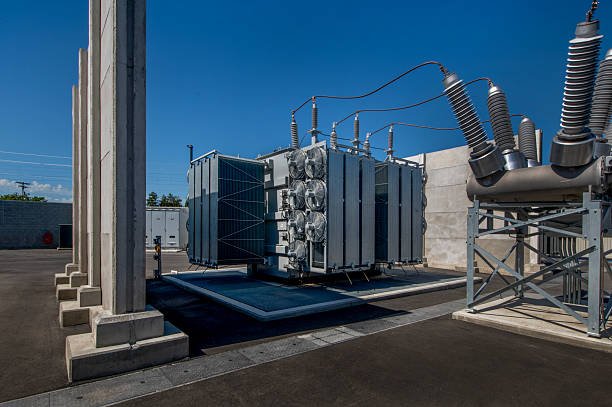
Condensation is one of the most serious environmental threats affecting outdoor transformer installations, electrical substations, switchgear systems, and power distribution equipment. It occurs when warm humid air comes into contact with cooler surfaces and the air temperature falls below the dew point, causing water vapor to condense into liquid moisture. In outdoor transformer installations, condensation can form inside transformer tanks, control cabinets, cable boxes, bushings, terminal compartments, cooling systems, and insulation structures. Even small amounts of condensation can significantly reduce dielectric strength, accelerate insulation aging, promote corrosion, increase leakage current, trigger partial discharge activity, and eventually cause electrical failure.
Outdoor transformers are especially vulnerable because they operate under constantly changing environmental conditions including temperature fluctuations, humidity variation, rainfall, fog, dew formation, solar heating cycles, and seasonal climate changes. Condensation risk becomes even more severe in coastal regions, tropical climates, industrial environments, underground substations, mountainous regions, and areas with large day-night temperature differences. To ensure transformer reliability and long-term operational safety, manufacturers and utilities use advanced condensation control systems such as sealed enclosures, anti-condensation heaters, ventilation management systems, dehumidifiers, moisture barriers, thermal insulation, intelligent humidity monitoring, and hermetically sealed transformer designs.
Condensation in outdoor transformer installations is controlled through sealed enclosures, anti-condensation heaters, ventilation systems, dehumidifiers, silica gel breathers, thermal insulation, humidity monitoring, pressure-controlled sealing systems, and intelligent environmental management technologies that prevent moisture accumulation and maintain dry internal operating conditions.
Effective condensation control is essential for preserving transformer insulation integrity, preventing corrosion, and ensuring long-term operational reliability.
Condensation inside outdoor transformers is harmless because transformer insulation systems are naturally waterproof and unaffected by internal moisture.False
Condensation can severely damage transformer insulation systems, reduce dielectric strength, accelerate corrosion, increase partial discharge risk, and lead to transformer failure if not properly controlled.
What Causes Condensation in Outdoor Transformer Installations?
Condensation occurs when humid air cools below its dew point temperature.
Basic Condensation Process
| Condition | Result |
|---|---|
| Warm humid air contacts cooler surface | Air cools |
| Surface temperature falls below dew point | Water vapor condenses |
| Moisture accumulates | Condensation forms |
Why Outdoor Installations Are Vulnerable
Outdoor electrical equipment experiences continuous environmental changes.
Main Environmental Factors
| Environmental Factor | Effect |
|---|---|
| Day-night temperature cycling | Surface cooling |
| High humidity | Increased moisture content |
| Rain and fog | Moisture exposure |
| Seasonal weather variation | Thermal instability |
Common Locations Where Condensation Forms
Condensation may develop in many transformer components.
High-Risk Condensation Areas
| Component | Condensation Risk |
|---|---|
| Transformer control cabinets | High |
| Cable termination boxes | High |
| Bushings | Moderate |
| Conservator systems | High |
| Switchgear compartments | High |
Why Condensation Is Dangerous
Electrical insulation systems require dry operating conditions.
Main Risks Caused by Condensation
| Problem | Consequence |
|---|---|
| Reduced dielectric strength | Electrical breakdown |
| Corrosion | Structural damage |
| Leakage current | Flashover risk |
| Partial discharge | Insulation deterioration |
Dielectric Strength Reduction
Water significantly weakens insulation capability.
Dielectric Field Relationship
E=\frac{V}{d}
Where:
- (E) = dielectric strength
- (V) = voltage
- (d) = insulation distance
Moisture lowers insulation resistance and increases electrical stress concentration.
Impact on Transformer Insulation Systems
Transformer insulation materials are highly moisture-sensitive.
Sensitive Insulation Components
| Material | Moisture Vulnerability |
|---|---|
| Cellulose paper | Very high |
| Pressboard | High |
| Transformer oil | Moderate |
| Epoxy resin | Moderate |
Condensation and Partial Discharge
Moisture creates localized dielectric weaknesses.
Partial Discharge Causes
| Cause | Description |
|---|---|
| Surface moisture films | Leakage paths |
| Moisture pockets | Local breakdown zones |
| Condensation around air gaps | Ionization risk |
Partial discharge progressively damages insulation systems.
Corrosion Caused by Condensation
Condensation promotes metal oxidation and corrosion.
Components Vulnerable to Corrosion
| Component | Corrosion Effect |
|---|---|
| Transformer tanks | Structural weakening |
| Radiators | Cooling degradation |
| Electrical connectors | Increased resistance |
| Control panels | Electrical malfunction |
Temperature Cycling and Dew Formation
Outdoor installations experience daily thermal cycling.
Typical Condensation Cycle
| Time | Process |
|---|---|
| Daytime | Equipment warms |
| Nighttime | Surfaces cool |
| Early morning | Dew point reached |
| Moisture condenses | Water accumulation |
Anti-Condensation Heaters
One of the most common control methods is controlled heating.
Purpose of Anti-Condensation Heaters
| Function | Benefit |
|---|---|
| Maintain internal temperature | Prevent dew formation |
| Reduce relative humidity | Dry internal environment |
| Stabilize enclosure conditions | Improved reliability |
How Anti-Condensation Heaters Work
Heaters keep enclosure temperature slightly above ambient dew point.
Operating Principle
| Condition | Heater Response |
|---|---|
| Humidity increases | Heater activates |
| Temperature drops | Surface warming occurs |
| Dew point risk detected | Moisture prevented |
Types of Anti-Condensation Heaters
| Heater Type | Application |
|---|---|
| Resistance heaters | Control cabinets |
| Space heaters | Switchgear enclosures |
| Thermostatically controlled heaters | Intelligent systems |
Ventilation Systems
Proper ventilation helps regulate humidity levels.
Ventilation Functions
| Function | Benefit |
|---|---|
| Air circulation | Moisture reduction |
| Temperature stabilization | Reduced condensation |
| Heat removal | Improved thermal control |
Controlled Ventilation vs Open Ventilation
Uncontrolled ventilation may worsen condensation.
Ventilation Comparison
| System | Result |
|---|---|
| Open ventilation | Humid air entry |
| Controlled ventilation | Moisture-managed airflow |
Dehumidification Systems
Large substations may use active dehumidification systems.
Dehumidifier Functions
| Function | Result |
|---|---|
| Remove moisture from air | Lower humidity |
| Maintain dry environment | Insulation protection |
Silica Gel Breathers
Oil-filled transformers commonly use silica gel breathers.
Breather Operation
Incoming air passes through silica gel that absorbs moisture before air enters the transformer.
Silica Gel Benefits
| Benefit | Protection |
|---|---|
| Air drying | Moisture reduction |
| Humidity control | Condensation prevention |
Hermetically Sealed Transformer Designs
Sealed transformers minimize air exchange entirely.
Hermetic Protection Advantages
| Benefit | Result |
|---|---|
| No atmospheric breathing | Moisture isolation |
| Reduced condensation risk | Improved reliability |
| Lower oxidation | Longer oil life |
Thermal Insulation Systems
Thermal insulation helps reduce temperature fluctuation.
Insulation Functions
| Function | Benefit |
|---|---|
| Minimize rapid cooling | Reduced dew formation |
| Stabilize internal temperature | Improved environmental control |
Pressure-Controlled Sealing Systems
Some transformers use pressure stabilization systems.
Pressure Control Functions
| Function | Benefit |
|---|---|
| Limit humid air ingress | Moisture reduction |
| Maintain internal atmosphere | Better insulation protection |
Intelligent Humidity Monitoring
Modern smart transformers use environmental monitoring sensors.
Monitored Parameters
| Parameter | Purpose |
|---|---|
| Relative humidity | Condensation prediction |
| Dew point | Moisture risk analysis |
| Temperature | Thermal management |
Smart Condensation Control Systems
Advanced systems automate environmental control.
Smart Functions
| Function | Benefit |
|---|---|
| Automatic heater activation | Energy efficiency |
| Real-time humidity analysis | Early prevention |
| Remote monitoring | Improved maintenance |
Importance of IP-Rated Enclosures
Ingress Protection (IP) ratings define enclosure resistance.
Common IP Ratings
| Rating | Protection Level |
|---|---|
| IP54 | Splash-resistant |
| IP65 | Water jet resistant |
| IP67 | Temporary immersion resistant |
Higher IP ratings improve moisture protection.
Coastal and Tropical Environmental Challenges
Some environments create severe condensation risks.
High-Risk Environments
| Environment | Main Challenge |
|---|---|
| Coastal regions | Salt-laden humidity |
| Tropical climates | Constant high moisture |
| Mountain regions | Rapid temperature changes |
| Underground substations | Limited ventilation |
Cooling Systems and Condensation
Cooling systems may also influence condensation behavior.
Cooling-Related Condensation Risks
| Condition | Result |
|---|---|
| Rapid nighttime cooling | Surface condensation |
| Uneven thermal distribution | Moisture concentration |
Transformer Aging and Moisture
Moisture accelerates insulation aging significantly.
Thermal Aging Equation
Where:
- (L) = insulation lifespan
- (T) = temperature
Moisture combined with thermal stress dramatically reduces transformer life expectancy.
Real-World Example of Condensation Control
A transformer installed in a tropical coastal substation may include:
| Protection Feature | Function |
|---|---|
| Anti-condensation heaters | Internal warming |
| IP65 enclosure | Moisture isolation |
| Silica gel breathers | Air drying |
| Smart humidity sensors | Real-time monitoring |
| Hermetic sealing | Prevent air exchange |
Key Methods Used to Control Condensation
| Control Method | Main Purpose |
|---|---|
| Anti-condensation heaters | Prevent dew formation |
| Ventilation systems | Humidity management |
| Dehumidifiers | Moisture removal |
| Silica gel breathers | Air drying |
| Hermetic sealing | Moisture isolation |
| Thermal insulation | Temperature stabilization |
| Smart monitoring | Early risk detection |
| IP-rated enclosures | Environmental protection |
What Maintenance Practices Help Manage Humidity?
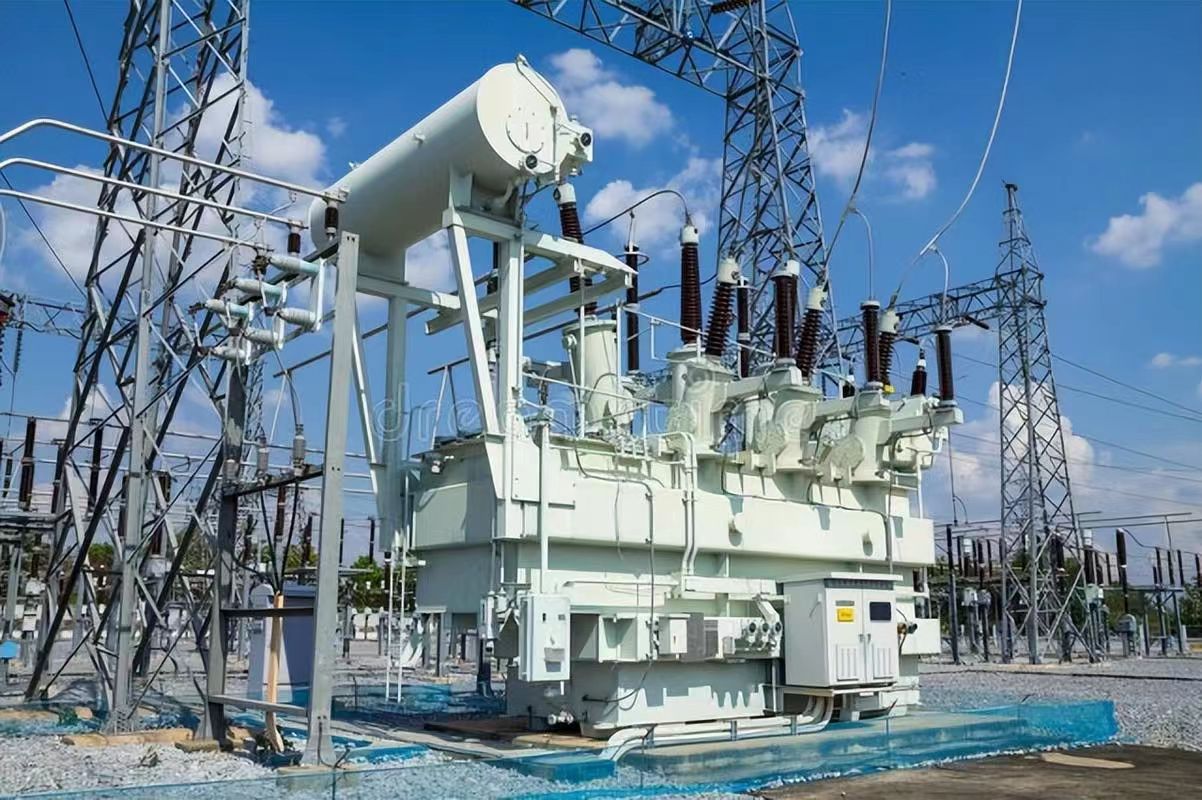
Humidity is one of the most damaging environmental factors affecting transformer reliability, insulation integrity, and operational lifespan. Moisture contamination inside transformers can reduce dielectric strength, accelerate insulation aging, increase partial discharge activity, promote corrosion, degrade cooling performance, and eventually lead to catastrophic electrical failure. Although transformers are designed with various protective systems such as sealed tanks, breathers, gaskets, anti-condensation systems, and moisture barriers, no protection system remains permanently effective without proper maintenance. Over time, environmental exposure, aging materials, operational stress, and mechanical wear can gradually weaken transformer moisture protection systems.
Effective humidity management therefore depends heavily on preventive maintenance practices that continuously monitor insulation condition, control moisture ingress, maintain sealing integrity, inspect drying systems, and identify early warning signs of contamination. Utilities and industrial operators use a combination of routine inspections, oil testing, dissolved gas analysis, moisture measurement, breather maintenance, infrared thermography, gasket replacement, enclosure inspection, online monitoring systems, and environmental control procedures to minimize humidity-related deterioration and extend transformer service life.
Maintenance practices that help manage humidity include regular breather inspection, silica gel replacement, oil moisture testing, dissolved gas analysis, seal and gasket maintenance, anti-condensation system inspection, enclosure integrity checks, infrared thermography, online moisture monitoring, and preventive environmental control procedures that keep transformer insulation systems dry and reliable.
Without proper maintenance, even advanced transformer moisture protection systems can gradually fail under long-term environmental exposure.
Transformer humidity protection systems require little maintenance because moisture cannot significantly affect transformer insulation performance.False
Humidity can severely degrade transformer insulation systems, making regular maintenance essential for preventing moisture ingress, insulation aging, corrosion, and electrical failure.
Why Humidity Maintenance Is Important
Transformers rely heavily on dry insulation systems.
Main Transformer Insulation Components
| Component | Function |
|---|---|
| Transformer oil | Cooling and dielectric insulation |
| Cellulose paper | Winding insulation |
| Pressboard | Structural insulation |
| Bushings | Electrical isolation |
These materials are highly vulnerable to moisture contamination.
How Moisture Damages Transformers
Humidity affects both electrical and mechanical performance.
Main Moisture-Related Problems
| Problem | Consequence |
|---|---|
| Reduced dielectric strength | Electrical breakdown |
| Accelerated insulation aging | Reduced lifespan |
| Corrosion | Structural deterioration |
| Partial discharge | Progressive insulation damage |
Dielectric Strength Reduction
Water contamination weakens insulation capability.
Dielectric Field Equation
E=\frac{V}{d}
Where:
- (E) = dielectric strength
- (V) = voltage
- (d) = insulation distance
Moisture lowers insulation resistance and increases failure risk.
Importance of Preventive Maintenance
Humidity-related transformer failures often develop gradually.
Benefits of Preventive Maintenance
| Benefit | Operational Impact |
|---|---|
| Early moisture detection | Prevent major failures |
| Improved reliability | Reduced downtime |
| Extended transformer life | Lower replacement cost |
| Better insulation condition | Higher operational safety |
Breather Inspection and Maintenance
Breathers are one of the most important humidity control systems.
Functions of Transformer Breathers
| Function | Purpose |
|---|---|
| Dry incoming air | Prevent moisture ingress |
| Reduce humidity exposure | Protect insulation |
Silica Gel Replacement
Silica gel absorbs atmospheric moisture over time.
Color-Changing Silica Gel
| Color | Condition |
|---|---|
| Blue or orange | Active drying condition |
| Pink or green | Moisture saturation |
Saturated silica gel must be replaced or regenerated.
Breather Inspection Procedures
Routine breather maintenance includes:
| Inspection Task | Purpose |
|---|---|
| Check silica gel color | Moisture saturation detection |
| Inspect oil seal cup | Contamination prevention |
| Verify airflow path | Ensure proper breathing |
Oil Moisture Testing
Transformer oil condition directly affects insulation reliability.
Common Oil Moisture Tests
| Test | Purpose |
|---|---|
| Karl Fischer titration | Water content measurement |
| Dielectric breakdown test | Insulation strength evaluation |
| Oil power factor test | Contamination analysis |
Importance of Oil Moisture Content
Even small amounts of water can significantly reduce oil dielectric strength.
Moisture Effects on Oil
| Moisture Level | Impact |
|---|---|
| Low moisture | Stable insulation |
| Moderate moisture | Reduced dielectric performance |
| High moisture | Increased breakdown risk |
Dissolved Gas Analysis (DGA)
Moisture often contributes to insulation decomposition.
Common Fault Gases
| Gas | Possible Condition |
|---|---|
| Hydrogen | Partial discharge |
| Methane | Thermal overheating |
| Carbon monoxide | Cellulose degradation |
DGA helps identify humidity-related insulation problems early.
Online Moisture Monitoring Systems
Modern transformers increasingly use real-time monitoring.
Online Monitoring Parameters
| Parameter | Purpose |
|---|---|
| Oil moisture content | Insulation protection |
| Relative humidity | Condensation prevention |
| Water activity | Aging analysis |
Seal and Gasket Inspection
Damaged seals are major moisture entry points.
Components Requiring Inspection
| Component | Risk |
|---|---|
| Tank gaskets | Water ingress |
| Bushing seals | Surface leakage |
| Cable entry seals | Moisture penetration |
Common Seal Maintenance Practices
| Maintenance Activity | Benefit |
|---|---|
| Gasket replacement | Leak prevention |
| Seal tightening | Pressure integrity |
| Crack inspection | Moisture control |
Conservator Tank Maintenance
Conservator systems require regular moisture protection maintenance.
Conservator Inspection Tasks
| Task | Purpose |
|---|---|
| Oil level inspection | Pressure stability |
| Breather verification | Moisture control |
| Internal contamination check | Insulation protection |
Anti-Condensation Heater Maintenance
Condensation heaters help maintain dry enclosure conditions.
Heater Inspection Procedures
| Procedure | Purpose |
|---|---|
| Heater operation test | Moisture prevention |
| Thermostat calibration | Temperature control |
| Wiring inspection | Safe operation |
Infrared Thermography
Thermal imaging helps identify humidity-related issues.
Thermography Applications
| Application | Problem Detection |
|---|---|
| Hot spot analysis | Connection problems |
| Cooling performance evaluation | Moisture-related overheating |
| Uneven heating detection | Internal deterioration |
Enclosure Integrity Inspection
Outdoor enclosures must remain weatherproof.
Enclosure Inspection Areas
| Area | Inspection Focus |
|---|---|
| Doors and panels | Seal condition |
| Ventilation openings | Water intrusion |
| Corrosion points | Structural damage |
Corrosion Inspection and Control
Humidity often accelerates corrosion.
Corrosion-Prone Components
| Component | Risk |
|---|---|
| Transformer tank | Structural weakening |
| Radiators | Reduced cooling |
| Electrical connectors | Increased resistance |
Surface Cleaning and Contamination Removal
Surface contamination attracts moisture.
Common Contaminants
| Contaminant | Effect |
|---|---|
| Dust | Moisture retention |
| Salt deposits | Leakage current |
| Industrial pollution | Corrosion acceleration |
Regular cleaning reduces moisture-related risks.
Dry-Out Procedures
Transformers with excessive moisture may require drying.
Common Drying Methods
| Method | Application |
|---|---|
| Vacuum drying | Major moisture removal |
| Hot oil circulation | Oil dehydration |
| Molecular sieve filtration | Continuous drying |
Vacuum Dehydration Systems
Vacuum systems remove dissolved water from transformer oil.
Vacuum Drying Benefits
| Benefit | Result |
|---|---|
| Lower moisture content | Improved dielectric strength |
| Reduced insulation aging | Longer lifespan |
Environmental Monitoring
Ambient conditions strongly affect transformer humidity exposure.
Environmental Parameters
| Parameter | Importance |
|---|---|
| Relative humidity | Condensation risk |
| Temperature | Dew point formation |
| Rainfall exposure | Water ingress risk |
Smart Transformer Monitoring Technologies
Modern transformers increasingly use intelligent diagnostics.
Smart Monitoring Functions
| Function | Benefit |
|---|---|
| Real-time humidity tracking | Early warning |
| Automated alarm systems | Rapid response |
| Predictive analytics | Preventive maintenance |
Maintenance Frequency Considerations
Maintenance schedules depend on environmental severity.
Typical Maintenance Frequency
| Environment | Inspection Frequency |
|---|---|
| Mild climate | Standard interval |
| Coastal region | More frequent |
| Tropical climate | Intensive monitoring |
| Industrial zone | Enhanced inspection |
Humidity and Thermal Stress Interaction
Heat accelerates moisture-related deterioration.
Copper Loss Equation
P_{cu}=I^2R
Higher operating temperatures worsen insulation aging when moisture is present.
Transformer Aging Due to Moisture
Moisture greatly accelerates insulation degradation.
Aging Relationship
Where:
- (L) = insulation lifespan
- (T) = operating temperature
Moisture combined with thermal stress significantly reduces transformer life expectancy.
Real-World Example of Humidity Maintenance
A transformer operating in a tropical coastal substation may require:
| Maintenance Activity | Purpose |
|---|---|
| Monthly breather inspection | Moisture control |
| Quarterly oil moisture testing | Insulation monitoring |
| Annual infrared thermography | Thermal condition analysis |
| Periodic gasket replacement | Leak prevention |
Key Maintenance Practices for Managing Humidity
| Maintenance Practice | Main Benefit |
|---|---|
| Breather inspection | Moisture prevention |
| Silica gel replacement | Air drying |
| Oil moisture testing | Insulation protection |
| DGA analysis | Early fault detection |
| Seal and gasket inspection | Leak prevention |
| Anti-condensation heater maintenance | Dew prevention |
| Infrared thermography | Thermal diagnostics |
| Surface cleaning | Contamination reduction |
| Online monitoring | Continuous humidity tracking |
How Do Monitoring Systems Detect Moisture Problems Early?

AI Image Prompt: Smart power transformer with advanced online moisture monitoring systems, digital humidity sensors, dissolved gas analysis equipment, IoT-enabled transformer diagnostics, SCADA communication network, real-time data analytics dashboard, and predictive maintenance monitoring in a modern electrical substation + ultra-realistic industrial engineering style + cinematic lighting + advanced digital utility infrastructure environment
Moisture is one of the most destructive contaminants affecting transformer insulation systems, operational reliability, and service life. Even small amounts of water inside transformer oil or cellulose insulation can significantly reduce dielectric strength, accelerate insulation aging, promote partial discharge activity, increase flashover risk, trigger corrosion, and eventually lead to catastrophic transformer failure. One of the greatest challenges in transformer maintenance is that moisture-related degradation often develops slowly and internally long before visible symptoms appear. By the time traditional inspections identify severe moisture contamination, significant insulation damage may already have occurred.
To prevent unexpected failures and improve transformer reliability, modern power systems increasingly rely on advanced monitoring technologies capable of detecting moisture problems at very early stages. These systems continuously measure critical parameters such as oil moisture content, relative humidity, dissolved gases, temperature, insulation condition, dielectric properties, partial discharge activity, and environmental conditions. Using intelligent sensors, online monitoring devices, IoT communication networks, SCADA integration, artificial intelligence, and predictive analytics, modern monitoring systems can identify abnormal moisture trends long before serious insulation deterioration occurs.
Monitoring systems detect moisture problems early by continuously analyzing transformer oil moisture content, humidity levels, dissolved gases, dielectric properties, temperature behavior, insulation condition, partial discharge activity, and environmental data using smart sensors, online diagnostics, predictive analytics, and real-time monitoring technologies.
Early moisture detection allows maintenance teams to take corrective action before irreversible transformer damage develops.
Moisture problems inside transformers can only be identified after visible insulation failure or transformer malfunction occurs.False
Modern monitoring systems can detect moisture contamination at very early stages through continuous analysis of oil condition, humidity, dissolved gases, dielectric properties, and insulation behavior before major failure occurs.
Why Early Moisture Detection Is Important
Transformer insulation systems depend on dry operating conditions.
Main Insulation Components Vulnerable to Moisture
| Component | Function |
|---|---|
| Transformer oil | Cooling and dielectric insulation |
| Cellulose paper | Winding insulation |
| Pressboard | Structural dielectric support |
| Bushings | Electrical isolation |
Moisture contamination can severely degrade all of these materials.
How Moisture Damages Transformers
Water contamination creates both electrical and thermal problems.
Main Moisture-Related Risks
| Problem | Consequence |
|---|---|
| Reduced dielectric strength | Electrical breakdown |
| Accelerated insulation aging | Reduced lifespan |
| Partial discharge activity | Progressive insulation damage |
| Corrosion | Structural deterioration |
Why Traditional Inspections Are Not Enough
Conventional maintenance often relies on periodic inspections.
Limitations of Traditional Inspection Methods
| Limitation | Risk |
|---|---|
| Infrequent testing | Delayed fault detection |
| Manual inspection dependence | Human error |
| Offline sampling | Limited real-time visibility |
Moisture problems can develop between inspection intervals.
Role of Online Monitoring Systems
Modern transformers increasingly use continuous online monitoring.
Benefits of Online Monitoring
| Benefit | Operational Advantage |
|---|---|
| Continuous condition tracking | Early fault detection |
| Real-time analysis | Faster response |
| Trend monitoring | Predictive maintenance |
Moisture Sensors in Transformer Oil
One of the most important monitoring technologies is online moisture sensing.
What Oil Moisture Sensors Measure
| Parameter | Purpose |
|---|---|
| Water content in ppm | Moisture concentration |
| Water activity | Relative saturation |
| Relative humidity | Condensation risk |
Water Content Measurement
Moisture sensors continuously measure dissolved water concentration.
Moisture Measurement Units
| Unit | Meaning |
|---|---|
| ppm | Parts per million |
| % saturation | Relative water capacity |
Why Water Content Changes Matter
Small increases in moisture can indicate developing problems.
Moisture Trend Indicators
| Trend | Possible Issue |
|---|---|
| Gradual increase | Seal degradation |
| Rapid increase | Water ingress |
| Cyclic fluctuation | Condensation behavior |
Dielectric Strength Monitoring
Moisture directly affects insulation strength.
Dielectric Field Relationship
E=\frac{V}{d}
Where:
- (E) = dielectric strength
- (V) = applied voltage
- (d) = insulation distance
Moisture lowers dielectric strength and increases breakdown risk.
Oil Dielectric Property Monitoring
Modern systems monitor oil dielectric condition continuously.
Parameters Monitored
| Parameter | Moisture Impact |
|---|---|
| Dielectric breakdown voltage | Decreases with moisture |
| Power factor | Increases with contamination |
| Resistivity | Drops with water content |
Dissolved Gas Analysis (DGA)
Moisture often contributes to insulation decomposition and fault gas generation.
Common Moisture-Related Fault Gases
| Gas | Possible Cause |
|---|---|
| Hydrogen | Partial discharge |
| Carbon monoxide | Cellulose degradation |
| Methane | Thermal overheating |
Online DGA Monitoring Systems
Advanced transformers use continuous dissolved gas monitoring.
DGA Monitoring Functions
| Function | Benefit |
|---|---|
| Real-time gas analysis | Early fault detection |
| Gas trend monitoring | Predictive diagnostics |
| Alarm generation | Rapid response |
Temperature Monitoring Systems
Moisture behavior changes significantly with temperature.
Why Temperature Matters
Higher temperatures increase:
- Moisture migration
- Insulation aging
- Chemical reactions
Thermal Aging Relationship
Where:
- (L) = insulation lifespan
- (T) = operating temperature
Moisture combined with heat accelerates insulation aging dramatically.
Fiber Optic Temperature Sensors
Modern transformers use embedded fiber optic sensors.
Fiber Optic Monitoring Advantages
| Benefit | Result |
|---|---|
| Direct winding temperature measurement | Improved accuracy |
| Electromagnetic immunity | Stable monitoring |
| Real-time thermal analysis | Early overheating detection |
Humidity Sensors Inside Enclosures
Outdoor transformer compartments often include humidity monitoring.
Humidity Monitoring Locations
| Location | Purpose |
|---|---|
| Control cabinets | Condensation prevention |
| Cable boxes | Moisture detection |
| Cooling compartments | Environmental monitoring |
Dew Point Monitoring
Condensation risk depends heavily on dew point conditions.
Dew Point Monitoring Purpose
| Parameter | Importance |
|---|---|
| Relative humidity | Moisture content |
| Surface temperature | Condensation risk |
| Dew point temperature | Water formation prediction |
Partial Discharge Monitoring
Moisture increases the probability of partial discharge activity.
Causes of Moisture-Related Partial Discharge
| Cause | Effect |
|---|---|
| Moisture pockets | Local dielectric weakness |
| Surface contamination | Leakage current |
| Condensation | Electrical ionization |
Partial Discharge Detection Technologies
| Technology | Detection Method |
|---|---|
| Ultrasonic sensors | Acoustic discharge signals |
| UHF sensors | Electromagnetic emissions |
| Electrical pulse analysis | PD pulse monitoring |
Smart Analytics and Artificial Intelligence
Modern monitoring systems increasingly use AI-based diagnostics.
AI Monitoring Capabilities
| Capability | Benefit |
|---|---|
| Trend recognition | Early warning |
| Pattern analysis | Failure prediction |
| Anomaly detection | Rapid diagnostics |
Predictive Maintenance Systems
Monitoring systems support condition-based maintenance.
Maintenance Strategy Comparison
| Strategy | Approach |
|---|---|
| Reactive maintenance | Repair after failure |
| Preventive maintenance | Scheduled inspection |
| Predictive maintenance | Real-time condition analysis |
SCADA and Remote Monitoring Integration
Monitoring systems often connect to SCADA platforms.
SCADA Functions
| Function | Benefit |
|---|---|
| Centralized monitoring | Fleet visibility |
| Alarm management | Faster response |
| Historical trend analysis | Long-term diagnostics |
IoT and Cloud-Based Monitoring
Modern smart transformers increasingly use IoT technologies.
IoT Monitoring Advantages
| Advantage | Operational Benefit |
|---|---|
| Continuous connectivity | Remote access |
| Cloud analytics | Large-scale diagnostics |
| Automated reporting | Faster decision-making |
Moisture Trend Analysis
Monitoring systems analyze moisture behavior over time.
Common Trend Indicators
| Trend Pattern | Possible Interpretation |
|---|---|
| Seasonal variation | Environmental influence |
| Sudden spike | Water ingress |
| Continuous increase | Insulation deterioration |
Alarm and Warning Systems
Monitoring systems automatically generate alerts.
Typical Moisture Alarms
| Alarm Condition | Purpose |
|---|---|
| High oil moisture | Insulation protection |
| High humidity | Condensation prevention |
| Abnormal gas generation | Fault investigation |
Real-World Example of Early Moisture Detection
A smart transformer may detect:
| Monitoring Result | Early Diagnosis |
|---|---|
| Rising moisture content | Seal leakage |
| Increasing carbon monoxide | Cellulose degradation |
| Higher humidity in control cabinet | Heater malfunction |
Maintenance can then be scheduled before major failure occurs.
Importance of Early Detection
Early intervention greatly reduces failure risk.
Benefits of Early Moisture Detection
| Benefit | Operational Improvement |
|---|---|
| Reduced unplanned outages | Higher reliability |
| Lower repair cost | Better asset management |
| Extended transformer lifespan | Improved ROI |
| Safer operation | Reduced catastrophic failure risk |
Key Monitoring Technologies for Early Moisture Detection
| Monitoring Technology | Main Function |
|---|---|
| Oil moisture sensors | Water content analysis |
| DGA monitoring | Fault gas detection |
| Temperature sensors | Thermal condition analysis |
| Humidity sensors | Condensation prevention |
| Partial discharge monitoring | Insulation diagnostics |
| SCADA integration | Centralized monitoring |
| AI analytics | Predictive diagnostics |
| IoT systems | Real-time remote monitoring |
Conclusion
Humidity in outdoor transformer installations is managed through protective enclosures, sealing systems, dehydrating breathers, anti-condensation measures, and regular maintenance. These methods help prevent moisture from entering the transformer and damaging insulation or metal components. Combined with monitoring technologies and proper environmental protection, effective humidity management ensures reliable transformer performance and longer operational life in challenging outdoor conditions.
FAQ
Q1: Why is humidity management important in outdoor transformer installations?
Humidity management is critical because excessive moisture can:
Reduce insulation strength
Cause corrosion of metal components
Accelerate insulation aging
Increase the risk of electrical faults and partial discharge
Outdoor transformers are constantly exposed to changing environmental conditions, making moisture protection essential for reliable operation.
Q2: How is moisture prevented from entering transformers?
Transformers use several sealing methods to block moisture ingress, including:
Hermetically sealed tanks
Gasket and flange sealing systems
Nitrogen blanket protection
Conservator systems with air isolation
These methods minimize contact between insulating oil and humid ambient air.
Q3: What role do silica gel breathers play in humidity control?
Silica gel breathers are installed on conservator-type transformers to remove moisture from incoming air.
How they work:
Air enters through the breather during oil expansion and contraction
Silica gel absorbs moisture from the air
Dry air enters the transformer conservator
This helps maintain oil quality and insulation reliability.
Q4: How is humidity monitored in outdoor transformer systems?
Modern transformers may use:
Moisture sensors in oil
Relative humidity sensors
Online dissolved water monitoring systems
Smart transformer monitoring platforms
Continuous monitoring allows early detection of moisture-related problems before insulation damage occurs.
Q5: How does insulation help manage humidity effects?
High-quality insulation systems are designed to resist moisture absorption.
Common protection methods include:
Oil-impregnated cellulose insulation
Epoxy resin insulation (dry-type transformers)
Moisture-resistant insulating materials
Proper insulation design improves dielectric performance even in humid climates.
Q6: What environmental design features help outdoor transformers handle humidity?
Outdoor transformers may include:
Corrosion-resistant coatings
Weatherproof enclosures
IP-rated sealing systems
Elevated foundations for drainage protection
Anti-condensation heaters in control cabinets
These features protect the transformer from rain, condensation, and high humidity environments.
Q7: What maintenance practices help control humidity-related issues?
Recommended maintenance practices include:
Regular inspection of seals and gaskets
Replacing saturated silica gel in breathers
Routine oil moisture testing
Monitoring for condensation or corrosion signs
Maintaining proper enclosure integrity
Preventive maintenance significantly reduces moisture-related failures.
Q8: What happens if humidity is not properly controlled?
Poor humidity control can lead to:
Insulation breakdown
Reduced dielectric strength
Increased partial discharge activity
Corrosion and component damage
Premature transformer failure
Effective moisture management is essential for long-term transformer reliability and safety.
References
IEC 60076 – Power Transformers
https://webstore.iec.ch/publication/602
IEC 60422 – Mineral Insulating Oils in Electrical Equipment
https://webstore.iec.ch
IEEE C57 Series – Transformer Maintenance Standards
https://standards.ieee.org
Electrical Engineering Portal – Transformer Moisture Protection Explained
https://electrical-engineering-portal.com
CIGRE – Transformer Insulation and Moisture Studies
https://www.cigre.org
IEEE Power & Energy Society – Transformer Reliability Research
https://ieeexplore.ieee.org