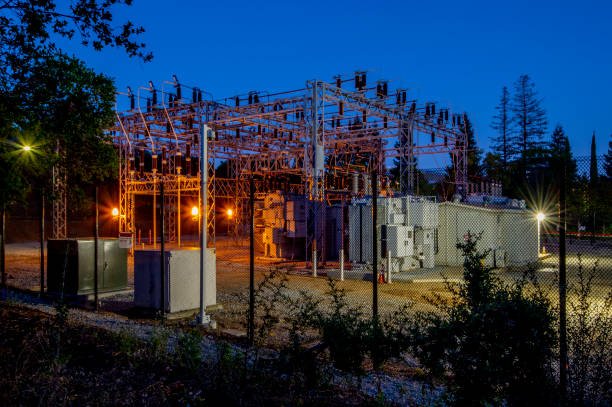
Selecting a reliable power transformer supplier is one of the most important decisions in ensuring project success, equipment reliability, and long-term operational performance. Power transformers are high-value assets with service lives that can exceed several decades, and supplier selection mistakes may result in quality problems, delayed deliveries, unexpected costs, and insufficient technical support. Since many suppliers compete through pricing, buyers need a comprehensive evaluation method to distinguish experienced manufacturers from suppliers that may lack the necessary engineering capability or production reliability.
Buyers can identify reliable power transformer suppliers by evaluating manufacturing experience, technical expertise, quality management systems, production facilities, testing capabilities, certifications, customer references, delivery performance, financial stability, and after-sales support. A trustworthy supplier should demonstrate proven transformer manufacturing experience, compliance with international standards, strong engineering capabilities, transparent communication, and successful delivery of similar transformer projects.
A reliable supplier is not only capable of manufacturing transformers but also able to provide technical guidance, quality assurance, project coordination, and long-term service support. A structured supplier evaluation process helps buyers reduce procurement risks and build dependable partnerships for future power infrastructure projects.
How Can Buyers Identify Reliable Power Transformer Suppliers?

Selecting a reliable power transformer supplier is one of the most important decisions in a power project because transformer performance directly affects system safety, efficiency, and long-term operating costs. Many procurement failures occur not because transformers are inherently unreliable, but because buyers choose suppliers based only on price, without properly evaluating manufacturing capability, engineering expertise, quality systems, project experience, testing procedures, and after-sales support.
Buyers can identify reliable power transformer suppliers by evaluating manufacturing experience, technical capabilities, quality management systems, certifications, production facilities, project references, factory testing procedures, financial stability, delivery performance, warranty policies, and after-sales service capabilities. A trustworthy supplier should demonstrate consistent product quality, proven project experience, transparent communication, and the ability to provide long-term technical support throughout the transformer lifecycle.
Supplier evaluation should include technical capability, quality systems, project references, and after-sales support when purchasing power transformers.True
These factors directly influence transformer reliability, delivery performance, and lifecycle support.
The lowest-priced transformer supplier is always the best choice for buyers.False
Initial price does not reflect lifecycle costs, quality risks, reliability, or long-term service capability.
Factory testing capability is an important indicator of a power transformer supplier's reliability.True
Strong testing facilities allow suppliers to verify transformer performance before delivery.
A reliable supplier is not simply a manufacturer that can produce transformers; it is a partner capable of supporting the complete project process from design consultation to commissioning and maintenance. Buyers should apply a structured supplier evaluation process to reduce procurement risks and ensure that the selected manufacturer can meet both technical and commercial expectations.
Why Is Supplier Selection Critical for Power Transformer Purchases?
Power transformers are high-value assets with long service lives. Supplier selection affects:
| Evaluation Area | Impact on Project |
|---|---|
| Design capability | Ensures correct transformer performance |
| Manufacturing quality | Reduces failure risks |
| Testing ability | Confirms product reliability |
| Delivery management | Prevents project delays |
| Service support | Improves lifecycle operation |
A poor supplier choice can lead to:
- Transformer failures
- Higher maintenance costs
- Delayed commissioning
- Unexpected replacement expenses
- Power system reliability problems
What Manufacturing Experience Should Buyers Evaluate?
Experience is one of the strongest indicators of supplier reliability.
Buyers should review:
| Experience Factor | Evaluation Purpose |
|---|---|
| Years in transformer manufacturing | Shows industry knowledge |
| Transformer types produced | Confirms technical range |
| Voltage levels supplied | Verifies application capability |
| Capacity range | Confirms production ability |
| International projects | Demonstrates export experience |
A manufacturer with experience in similar transformer applications is more likely to understand project requirements and technical challenges.
How Can Buyers Verify a Supplier’s Project References?
Past projects provide practical evidence of supplier performance.
Buyers should request:
| Reference Information | Purpose |
|---|---|
| Customer names | Verify market experience |
| Project locations | Confirm application diversity |
| Transformer ratings | Compare technical similarity |
| Installation dates | Evaluate long-term performance |
| Operating feedback | Understand reliability history |
Useful references include:
- Utility substations
- Industrial power plants
- Renewable energy projects
- Transmission systems
- Distribution networks
What Technical Capabilities Should Reliable Suppliers Have?
A reliable power transformer supplier should have strong engineering capabilities.
Important technical areas include:
| Technical Capability | Importance |
|---|---|
| Transformer design engineering | Custom solution development |
| Electrical calculation capability | Accurate performance design |
| Thermal analysis | Reliable cooling design |
| Insulation design | Prevent electrical failure |
| Short-circuit calculation | Ensure mechanical strength |
Suppliers should be able to provide technical documents such as:
- Design calculations
- Drawings
- Technical datasheets
- Loss calculations
- Test procedures
How Should Buyers Evaluate Manufacturing Facilities?
Production facilities directly influence transformer quality.
Important factory evaluation areas include:
| Facility Area | What Buyers Should Check |
|---|---|
| Winding workshop | Cleanliness and equipment |
| Core assembly area | Precision manufacturing |
| Drying facilities | Insulation quality control |
| Assembly area | Production capability |
| Testing laboratory | Verification ability |
| Storage area | Component protection |
A professional manufacturing environment reduces contamination, assembly errors, and production risks.
What Quality Management Systems Should Suppliers Have?
Quality systems demonstrate whether a supplier has consistent production controls.
Buyers should review:
| Quality System | Purpose |
|---|---|
| ISO 9001 | Quality management |
| ISO 14001 | Environmental management |
| ISO 45001 | Occupational safety |
| Internal inspection procedures | Manufacturing control |
| Supplier quality management | Component reliability |
A supplier should have documented procedures covering:
- Incoming material inspection
- Production monitoring
- Final testing
- Non-conformance handling
- Continuous improvement
How Can Buyers Evaluate Transformer Testing Capability?
Testing capability is a key indicator of supplier reliability.
A qualified supplier should have equipment for:
| Test Capability | Purpose |
|---|---|
| No-load loss testing | Verify core performance |
| Load loss testing | Measure efficiency |
| Impedance testing | Confirm system compatibility |
| Temperature rise testing | Verify cooling performance |
| Dielectric testing | Confirm insulation strength |
| Partial discharge testing | Detect insulation defects |
Suppliers with advanced testing facilities can identify problems before shipment.
Why Are Factory Acceptance Tests Important?
Factory Acceptance Tests (FAT) provide objective proof that transformers meet contract requirements.
Buyers should evaluate:
| FAT Element | Supplier Capability |
|---|---|
| Complete test procedures | Quality transparency |
| Standard compliance | Technical reliability |
| Buyer witness support | Open cooperation |
| Detailed test reports | Performance evidence |
| Corrective action process | Problem management |
A reliable supplier should welcome inspection and testing participation.
How Should Buyers Review Certifications and Compliance?
Compliance documents help confirm supplier credibility.
Buyers should check:
| Certification | Purpose |
|---|---|
| Product certifications | Confirm standards compliance |
| Test certificates | Verify performance |
| Quality certificates | Confirm management systems |
| Customer approvals | Demonstrate market acceptance |
Applicable standards may include:
- IEC 60076
- IEEE transformer standards
- Regional electrical regulations
How Can Buyers Evaluate Supplier Production Capacity?
Production capacity affects delivery reliability.
Important indicators include:
| Capacity Factor | Evaluation Question |
|---|---|
| Annual production volume | Can supplier handle demand? |
| Factory workload | Are schedules realistic? |
| Skilled workforce | Is expertise available? |
| Equipment availability | Can production meet deadlines? |
| Supply chain control | Are materials reliable? |
A supplier with insufficient capacity may struggle with quality and delivery commitments.
Why Is Financial Stability Important When Choosing a Supplier?
Power transformer projects often last many months.
Financial stability helps ensure:
| Benefit | Reason |
|---|---|
| Continuous production | Avoids project interruption |
| Material purchasing ability | Supports manufacturing |
| Warranty support | Maintains long-term service |
| Spare parts availability | Supports lifecycle needs |
Financially unstable suppliers may create risks during long projects.
How Should Buyers Evaluate Delivery Performance?
Past delivery performance is a useful reliability indicator.
Buyers should review:
| Delivery Factor | Evaluation Method |
|---|---|
| On-time delivery history | Review previous projects |
| Production planning | Check project schedules |
| Logistics experience | Evaluate export capability |
| Delay management | Review recovery methods |
Reliable suppliers should provide realistic schedules and regular progress updates.
What Role Does Communication Play in Supplier Reliability?
Effective communication reduces project risks.
Buyers should evaluate:
| Communication Factor | Importance |
|---|---|
| Technical response speed | Resolves engineering issues |
| Documentation quality | Prevents misunderstandings |
| Project reporting | Improves transparency |
| Language capability | Supports international cooperation |
Poor communication often causes avoidable delays and technical conflicts.
How Should Buyers Evaluate Supplier Warranty Policies?
Warranty terms reflect supplier confidence in product quality.
Important warranty factors include:
| Warranty Element | Evaluation Point |
|---|---|
| Warranty duration | Coverage period |
| Failure responsibility | Supplier commitment |
| Repair response | Service speed |
| Replacement policy | Risk protection |
| Spare parts support | Long-term availability |
A reliable supplier provides clear and practical warranty conditions.
Why Is After-Sales Support Important for Transformer Suppliers?
Transformer support continues after delivery.
Buyers should evaluate:
| Service Capability | Benefit |
|---|---|
| Installation support | Reduces commissioning problems |
| Technical assistance | Improves troubleshooting |
| Maintenance guidance | Extends service life |
| Spare parts supply | Reduces downtime |
| Field service engineers | Provides local support |
Strong after-sales capability is especially important for critical power systems.
How Can Buyers Compare Multiple Transformer Suppliers?
A structured scoring system helps make objective decisions.
Example evaluation criteria:
| Category | Suggested Evaluation Focus |
|---|---|
| Technical capability | Design and engineering strength |
| Manufacturing experience | Similar project history |
| Quality system | Inspection and testing control |
| Price | Total lifecycle value |
| Delivery | Schedule reliability |
| Service | Long-term support |
Buyers should avoid selecting suppliers based only on quotation price.
What Warning Signs Indicate an Unreliable Supplier?
Buyers should be cautious if suppliers show:
| Warning Sign | Possible Risk |
|---|---|
| Extremely low price | Quality compromise |
| Limited references | Lack of experience |
| Poor documentation | Weak engineering control |
| No testing capability | Performance uncertainty |
| Unclear warranty terms | Future disputes |
| Slow communication | Project management issues |
These signals may indicate higher procurement risks.
What Questions Should Buyers Ask Potential Suppliers?
Before selecting a supplier, buyers should ask:
| Question | Purpose |
|---|---|
| How many years have you manufactured transformers? | Verify experience |
| Can you provide similar project references? | Confirm capability |
| What tests are performed before shipment? | Evaluate quality control |
| Which standards do you follow? | Confirm compliance |
| What warranty support is provided? | Understand risk protection |
| Can you support installation and commissioning? | Evaluate lifecycle service |
What Is the Best Supplier Evaluation Process?
A professional supplier evaluation process includes:
| Step | Activity |
|---|---|
| Initial screening | Review company qualifications |
| Technical evaluation | Assess engineering capability |
| Factory assessment | Inspect production facilities |
| Reference verification | Confirm project history |
| Commercial review | Evaluate price and terms |
| Final selection | Choose best overall value |
What Technical Capabilities Should Reliable Power Transformer Suppliers Have?
Selecting a power transformer supplier requires more than comparing product prices or delivery promises. A reliable supplier must have strong technical capabilities to design, manufacture, test, and support transformers that operate safely under demanding electrical, mechanical, and environmental conditions. Since power transformers are customized assets with service lives that often exceed 30 years, supplier engineering competence directly influences system reliability, maintenance costs, and long-term performance.
Reliable power transformer suppliers should have comprehensive technical capabilities including transformer design engineering, electrical and thermal calculations, insulation system design, mechanical strength analysis, manufacturing process control, advanced testing facilities, compliance with international standards, customization ability, and lifecycle technical support. Suppliers with strong engineering teams and proven technical experience can deliver transformers that meet project requirements, minimize operational risks, and provide dependable performance throughout their service life.
Engineering design capability is a key factor when evaluating reliable power transformer suppliers.True
Proper transformer design requires electrical, thermal, insulation, and mechanical engineering expertise.
A transformer supplier only needs manufacturing equipment and does not require engineering capabilities.False
Modern power transformers require detailed design calculations, system analysis, and technical customization before manufacturing.
Advanced testing facilities help suppliers verify transformer performance before shipment.True
Factory testing confirms that transformers meet contractual requirements and technical standards.
A professional transformer supplier should act as an engineering partner rather than only a manufacturing contractor. The supplier must understand grid requirements, industrial applications, renewable energy integration, and installation conditions to develop the correct transformer solution. Buyers should evaluate technical capability before placing orders because design errors or insufficient testing can create significant problems after commissioning.
Why Are Technical Capabilities Important When Choosing Transformer Suppliers?
Power transformers operate under high electrical and mechanical stress. Supplier technical capability determines whether the transformer can withstand:
| Operating Challenge | Required Supplier Capability |
|---|---|
| High voltage stress | Advanced insulation design |
| Heavy loading | Thermal analysis |
| Short circuits | Mechanical strength calculation |
| Environmental exposure | Customized protection design |
| Long service life | Reliable material selection |
A supplier with limited technical capability may produce equipment that meets basic specifications but fails under real operating conditions.
What Transformer Design Engineering Capabilities Should Suppliers Have?
Transformer design is the foundation of product reliability.
Reliable suppliers should have engineers capable of performing:
| Design Area | Technical Requirement |
|---|---|
| Electrical design | Voltage, current, impedance calculations |
| Magnetic design | Core optimization |
| Thermal design | Temperature and cooling analysis |
| Insulation design | Dielectric performance evaluation |
| Mechanical design | Structural strength analysis |
| Protection design | Accessory and monitoring integration |
A strong design team ensures that each transformer is optimized for its specific application.
How Should Suppliers Perform Electrical Design Calculations?
Electrical design determines transformer compatibility with the power system.
Suppliers should be able to calculate and optimize:
| Electrical Parameter | Purpose |
|---|---|
| Rated capacity | Confirm load capability |
| Voltage ratio | Match system requirements |
| Short-circuit impedance | Support system coordination |
| Vector group | Ensure phase compatibility |
| No-load current | Improve efficiency |
| Loss calculations | Control operating costs |
Accurate electrical calculations prevent problems such as voltage instability, excessive losses, and incorrect system integration.
What Magnetic Design Capabilities Are Required?
The transformer core is responsible for efficient energy transfer.
Reliable suppliers should understand:
| Magnetic Design Factor | Importance |
|---|---|
| Core material selection | Reduce losses |
| Core construction | Improve efficiency |
| Flux density control | Prevent overheating |
| Joint design | Reduce excitation losses |
| Noise optimization | Reduce vibration |
Advanced magnetic design helps achieve lower energy consumption and improved operating performance.
Why Is Thermal Design Capability Important?
Heat management directly affects transformer lifespan.
Suppliers should perform thermal analysis involving:
| Thermal Factor | Design Consideration |
|---|---|
| Load conditions | Heat generation |
| Ambient temperature | Cooling requirements |
| Oil circulation | Heat transfer efficiency |
| Cooling method | ONAN, ONAF, OFAF, OFWF selection |
| Temperature rise | Insulation protection |
Poor thermal design can accelerate insulation aging and shorten transformer service life.
How Should Suppliers Design Transformer Insulation Systems?
Insulation reliability is critical because electrical failures are often related to insulation breakdown.
Technical capabilities should include:
| Insulation Area | Required Expertise |
|---|---|
| Winding insulation | Layer and turn insulation design |
| Oil insulation | Dielectric performance |
| Bushing insulation | High-voltage coordination |
| Partial discharge control | Defect prevention |
| Impulse withstand design | Surge protection |
Suppliers should be able to provide insulation calculations and test results.
What Mechanical Design Capabilities Should Suppliers Have?
Power transformers must withstand mechanical forces during operation and fault conditions.
Important mechanical capabilities include:
| Mechanical Area | Purpose |
|---|---|
| Winding clamping design | Prevent deformation |
| Tank strength calculation | Withstand pressure |
| Vibration analysis | Reduce mechanical stress |
| Transport design | Protect during shipment |
| Seismic considerations | Support special environments |
Mechanical reliability is especially important for large transmission transformers.
How Should Suppliers Customize Transformers for Different Applications?
Different industries require different transformer solutions.
Reliable suppliers should support:
| Application | Technical Requirement |
|---|---|
| Utility substations | Grid compliance |
| Renewable energy plants | Variable generation conditions |
| Industrial facilities | Heavy-duty operation |
| Mining projects | Harsh environments |
| Data centers | High reliability requirements |
Customization capability demonstrates engineering flexibility.
What Manufacturing Engineering Capabilities Should Suppliers Have?
Strong design capability must be supported by reliable manufacturing processes.
Suppliers should have:
| Manufacturing Capability | Purpose |
|---|---|
| Precision winding technology | Ensure winding quality |
| Controlled assembly processes | Reduce defects |
| Vacuum drying capability | Improve insulation reliability |
| Clean manufacturing environment | Prevent contamination |
| Quality-controlled material handling | Maintain consistency |
Manufacturing technology directly affects transformer durability.
How Important Is Material Selection Capability?
Transformer performance depends heavily on material quality.
Reliable suppliers should have expertise in selecting:
| Material | Technical Importance |
|---|---|
| Electrical steel | Core efficiency |
| Copper or aluminum | Winding performance |
| Insulation paper | Dielectric reliability |
| Transformer oil | Cooling and insulation |
| Sealing materials | Oil leakage prevention |
Poor material selection can lead to premature failures.
What Testing Capabilities Should Reliable Suppliers Have?
Testing capability is one of the most important supplier evaluation criteria.
A qualified supplier should perform:
| Test Category | Purpose |
|---|---|
| Routine tests | Verify every transformer |
| Type tests | Validate design performance |
| Special tests | Meet project requirements |
| Factory acceptance tests | Confirm contract compliance |
Typical tests include:
- Transformer ratio testing
- Winding resistance testing
- Insulation resistance testing
- No-load loss testing
- Load loss testing
- Impedance testing
- Temperature rise testing
- Dielectric testing
- Partial discharge testing
How Do Testing Facilities Demonstrate Supplier Reliability?
A supplier with advanced testing facilities can verify transformer performance before shipment.
Important testing equipment includes:
| Equipment | Function |
|---|---|
| High-voltage test systems | Insulation verification |
| Loss measurement systems | Efficiency testing |
| Temperature test equipment | Thermal verification |
| Partial discharge systems | Insulation quality monitoring |
| Impulse generators | Surge testing |
Strong testing infrastructure reduces the possibility of field failures.
How Should Suppliers Demonstrate Compliance With Standards?
Reliable suppliers should understand and apply international standards.
Common standards include:
| Standard | Application |
|---|---|
| IEC 60076 | Power transformer requirements |
| IEEE standards | North American applications |
| Regional grid standards | Local compliance |
| Customer specifications | Project-specific requirements |
Standards knowledge ensures compatibility with different markets.
What Documentation Capabilities Should Suppliers Provide?
Technical documentation reflects engineering professionalism.
Suppliers should provide:
| Document | Purpose |
|---|---|
| Technical datasheets | Define specifications |
| Design calculations | Verify engineering |
| General arrangement drawings | Support installation |
| Electrical drawings | Confirm connections |
| Test reports | Verify performance |
| Maintenance manuals | Support operation |
Complete documentation helps buyers operate and maintain transformers effectively.
How Important Is Digital Engineering Capability?
Modern transformer suppliers increasingly use digital tools.
Advanced capabilities may include:
| Technology | Benefit |
|---|---|
| CAD design systems | Accurate drawings |
| Simulation software | Performance optimization |
| Thermal modeling | Cooling analysis |
| Data monitoring integration | Predictive maintenance support |
| Digital documentation systems | Better project management |
Digital engineering improves design accuracy and efficiency.
How Should Suppliers Support Transformer Monitoring and Smart Systems?
Modern power systems require more intelligent equipment.
Reliable suppliers should understand:
| Smart Feature | Application |
|---|---|
| Temperature monitoring | Thermal management |
| Oil monitoring systems | Condition assessment |
| Online sensors | Fault detection |
| Communication interfaces | Grid integration |
| Predictive maintenance data | Reliability improvement |
These capabilities support future operational requirements.
What Technical Support Should Suppliers Provide After Delivery?
Technical capability should continue after shipment.
Suppliers should provide:
| Service Capability | Benefit |
|---|---|
| Installation guidance | Correct commissioning |
| Troubleshooting support | Faster problem resolution |
| Maintenance recommendations | Longer service life |
| Technical training | Better operation |
| Spare parts support | Reduced downtime |
Long-term support is a key indicator of supplier reliability.
How Can Buyers Evaluate Supplier Engineering Teams?
Buyers should review:
| Evaluation Item | Question |
|---|---|
| Engineer qualifications | Does the supplier have experienced specialists? |
| Similar projects | Have they designed comparable transformers? |
| Design tools | What engineering software is used? |
| Problem-solving ability | Can they support customization? |
| Technical response quality | Are solutions detailed and accurate? |
A capable engineering team reduces project risks.
What Warning Signs Indicate Weak Technical Capability?
Buyers should be cautious if suppliers show:
| Warning Sign | Potential Risk |
|---|---|
| Limited technical documents | Poor engineering control |
| No design calculations | Unverified performance |
| Weak testing capability | Quality uncertainty |
| Inability to customize | Limited application experience |
| Poor technical communication | Project misunderstandings |
These signs may indicate future reliability problems.
How Should Buyers Compare Transformer Suppliers Technically?
A technical evaluation matrix can help:
| Category | Evaluation Focus |
|---|---|
| Design capability | Engineering expertise |
| Manufacturing ability | Production quality |
| Testing capability | Verification strength |
| Standards compliance | Market acceptance |
| Documentation | Technical transparency |
| Service capability | Lifecycle support |
The best supplier is usually the one offering the strongest overall technical solution, not simply the lowest quotation.
How Can Buyers Evaluate the Manufacturing Quality of Power Transformer Suppliers?
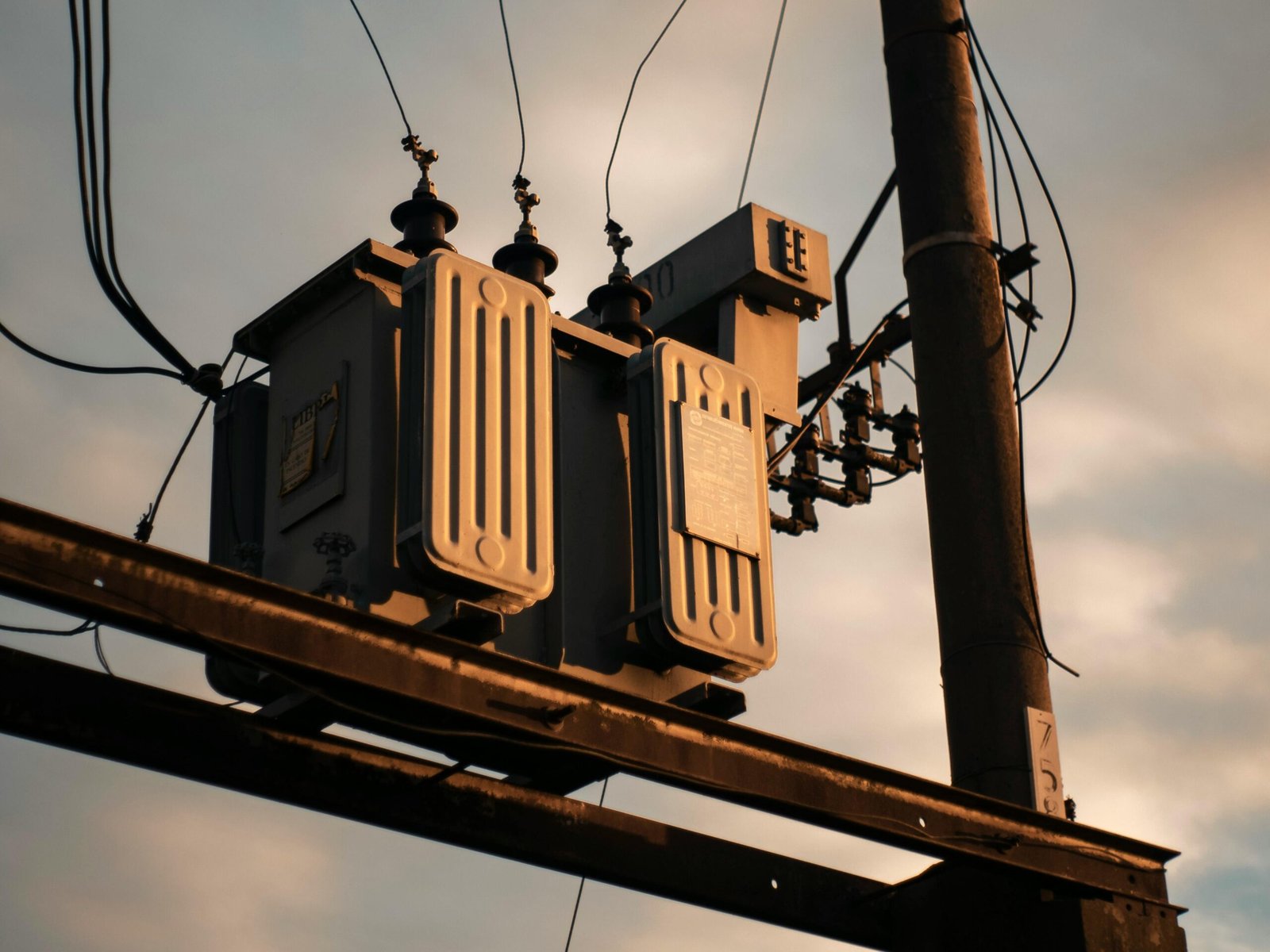
Evaluating the manufacturing quality of a power transformer supplier is essential because production quality directly determines transformer reliability, operating life, maintenance requirements, and total ownership costs. A transformer may have an excellent design on paper, but poor manufacturing practices, inadequate process control, incorrect material handling, or weak inspection procedures can lead to failures such as insulation breakdown, overheating, oil leakage, excessive losses, and unexpected downtime.
Buyers can evaluate the manufacturing quality of power transformer suppliers by inspecting factory facilities, reviewing production processes, verifying quality management systems, assessing material control procedures, examining manufacturing equipment, checking worker expertise, reviewing inspection records, and confirming factory testing capabilities. A reliable supplier should demonstrate strict process control from raw material inspection to final assembly and testing, ensuring every transformer meets technical specifications and international standards.
Factory process control is an important indicator of power transformer manufacturing quality.True
Controlled manufacturing processes reduce defects and improve consistency between transformer units.
A supplier's manufacturing quality can be judged only by the appearance of the finished transformer.False
Transformer quality depends on internal manufacturing processes, materials, testing, and quality management systems.
Material traceability helps buyers verify the quality and origin of transformer components.True
Traceability records allow suppliers and buyers to identify material sources and manufacturing history.
Power transformer manufacturing involves hundreds of controlled processes, from core cutting and winding production to insulation treatment, tank fabrication, assembly, and final testing. Buyers should therefore evaluate not only the final product but also the supplier’s complete manufacturing system. A professional manufacturer should be able to demonstrate how quality is built into every production stage.
Why Is Manufacturing Quality Important for Power Transformers?
Power transformers operate continuously under electrical, thermal, and mechanical stress. Manufacturing defects that are not detected before delivery may cause serious operational problems.
Common consequences of poor manufacturing quality include:
| Manufacturing Issue | Possible Transformer Problem |
|---|---|
| Poor winding quality | Short circuits or insulation failure |
| Contaminated insulation | Reduced dielectric strength |
| Incorrect core assembly | Increased losses and noise |
| Weak welding quality | Oil leakage |
| Poor assembly control | Installation difficulties |
| Incomplete testing | Hidden defects after commissioning |
Because transformers often remain in service for decades, manufacturing quality has a direct impact on lifecycle reliability.
How Should Buyers Evaluate a Transformer Factory?
A factory assessment is one of the most effective ways to evaluate supplier capability.
Buyers should inspect:
| Factory Area | Evaluation Focus |
|---|---|
| Production workshops | Organization and cleanliness |
| Winding area | Precision and process control |
| Core assembly area | Manufacturing accuracy |
| Drying facilities | Insulation treatment capability |
| Testing laboratory | Verification capability |
| Warehouse | Material protection |
A professional transformer factory should have dedicated production areas designed specifically for high-voltage equipment manufacturing.
What Production Equipment Should Reliable Transformer Suppliers Have?
Manufacturing equipment directly affects product consistency.
Important equipment includes:
| Equipment | Manufacturing Purpose |
|---|---|
| CNC core cutting machines | Accurate core processing |
| Automatic winding machines | Precise winding production |
| Vacuum drying systems | Remove moisture from insulation |
| Oil filtration equipment | Maintain oil quality |
| Welding equipment | Ensure tank integrity |
| High-voltage test equipment | Verify performance |
Modern equipment improves manufacturing accuracy and reduces human error.
How Can Buyers Evaluate Transformer Core Manufacturing Quality?
The transformer core affects efficiency, losses, and operating noise.
Buyers should review:
| Core Manufacturing Factor | Quality Requirement |
|---|---|
| Core material | Approved electrical steel |
| Cutting accuracy | Precise dimensions |
| Lamination assembly | Proper alignment |
| Clamping structure | Mechanical stability |
| Grounding design | Safe operation |
Poor core manufacturing can increase no-load losses and transformer noise.
What Should Buyers Check in Transformer Winding Manufacturing?
Winding quality is one of the most critical factors affecting transformer reliability.
Important evaluation points include:
| Winding Factor | Quality Requirement |
|---|---|
| Conductor material | Verified copper or aluminum quality |
| Winding tension | Controlled during production |
| Insulation placement | Accurate and consistent |
| Mechanical support | Prevent deformation |
| Dimensional control | Match design requirements |
A reliable supplier should maintain strict winding procedures and inspection records.
How Does Insulation Processing Affect Transformer Quality?
Insulation systems determine transformer service life.
Manufacturing quality depends on:
| Insulation Process | Importance |
|---|---|
| Paper insulation handling | Prevent damage |
| Drying process | Remove moisture |
| Vacuum treatment | Improve insulation reliability |
| Oil filling process | Prevent contamination |
| Sealing process | Avoid leakage |
Moisture and contamination are major causes of transformer aging and insulation failure.
Why Is Factory Cleanliness Important During Transformer Manufacturing?
Transformer insulation performance can be affected by small contaminants.
Buyers should evaluate:
| Cleanliness Requirement | Purpose |
|---|---|
| Controlled assembly environment | Reduce contamination |
| Dust control | Protect insulation |
| Proper material storage | Prevent damage |
| Clean oil handling | Maintain dielectric strength |
High-voltage transformer manufacturing requires strict environmental control.
How Should Buyers Evaluate Material Quality Control?
Material quality directly affects transformer reliability.
A qualified supplier should control:
| Material | Required Quality Control |
|---|---|
| Electrical steel | Material certificates |
| Conductors | Chemical and dimensional checks |
| Insulation paper | Quality verification |
| Transformer oil | Laboratory testing |
| Steel components | Mechanical inspection |
| Accessories | Supplier qualification |
Reliable manufacturers maintain complete material traceability.
What Is Material Traceability and Why Does It Matter?
Material traceability allows suppliers to track components throughout manufacturing.
A good traceability system records:
| Record | Purpose |
|---|---|
| Supplier information | Verify source |
| Batch numbers | Track materials |
| Inspection results | Confirm quality |
| Production records | Link materials to equipment |
This information is valuable for future maintenance and warranty analysis.
How Can Buyers Assess Manufacturing Process Control?
Strong process control ensures consistent transformer quality.
Important controls include:
| Process Control Area | Evaluation Method |
|---|---|
| Work instructions | Review procedures |
| Inspection points | Check quality gates |
| Operator training | Verify qualifications |
| Process records | Review documentation |
| Corrective actions | Evaluate response methods |
A supplier should be able to explain how defects are prevented rather than only detected.
What Quality Management Systems Should Buyers Review?
Quality systems demonstrate whether a supplier has organized manufacturing controls.
Buyers should check:
| Quality System | Purpose |
|---|---|
| ISO 9001 certification | Quality management |
| Internal audits | Process verification |
| Non-conformance system | Problem control |
| Continuous improvement | Long-term quality enhancement |
| Supplier management | Component reliability |
Certification alone is not enough; buyers should review actual implementation.
How Should Buyers Evaluate Worker Expertise?
Transformer manufacturing requires skilled technicians.
Important personnel areas include:
| Personnel | Required Capability |
|---|---|
| Design engineers | Transformer calculations |
| Winding technicians | Precision manufacturing |
| Assembly workers | Mechanical accuracy |
| Test engineers | Electrical verification |
| Quality inspectors | Defect detection |
Experienced personnel reduce manufacturing risks.
What Inspection Procedures Should Suppliers Perform During Manufacturing?
Quality inspection should occur throughout production.
Typical inspection stages include:
| Production Stage | Inspection Activity |
|---|---|
| Material receiving | Verify incoming quality |
| Core assembly | Check dimensions |
| Winding production | Inspect winding accuracy |
| Drying process | Monitor moisture removal |
| Final assembly | Confirm completeness |
| Testing stage | Verify performance |
Quality should be controlled during manufacturing, not only after completion.
How Can Buyers Evaluate Welding and Tank Manufacturing Quality?
The transformer tank protects internal components and insulating oil.
Buyers should review:
| Tank Quality Factor | Evaluation Requirement |
|---|---|
| Welding process | Qualified procedures |
| Leak testing | Confirm oil tightness |
| Pressure testing | Verify mechanical strength |
| Surface treatment | Prevent corrosion |
| Painting quality | Ensure environmental protection |
Poor tank quality may result in oil leakage and corrosion problems.
What Testing Capabilities Demonstrate Manufacturing Quality?
Final testing confirms whether manufacturing processes achieved the required performance.
Important tests include:
| Test | Purpose |
|---|---|
| Ratio test | Verify transformation ratio |
| Winding resistance test | Check winding condition |
| Insulation test | Verify dielectric strength |
| No-load loss test | Measure core performance |
| Load loss test | Verify efficiency |
| Temperature rise test | Confirm cooling design |
| Partial discharge test | Detect insulation defects |
A supplier with strong testing capability demonstrates confidence in manufacturing quality.
How Should Buyers Review Factory Acceptance Test Procedures?
Factory Acceptance Tests (FAT) should be clearly documented.
Buyers should verify:
| FAT Element | Evaluation Point |
|---|---|
| Test standards | IEC or IEEE compliance |
| Test equipment calibration | Measurement accuracy |
| Test procedures | Repeatability |
| Test reports | Complete documentation |
| Witness arrangements | Buyer participation |
FAT results provide objective evidence before shipment.
Should Buyers Conduct Factory Audits Before Ordering?
For large transformer projects, factory audits are highly recommended.
A factory audit can evaluate:
| Audit Area | Purpose |
|---|---|
| Production capability | Confirm capacity |
| Quality system | Verify controls |
| Equipment condition | Check manufacturing ability |
| Testing facilities | Confirm verification capability |
| Previous projects | Review experience |
Factory audits reduce supplier selection risks.
What Documents Should Buyers Request to Evaluate Manufacturing Quality?
Important documents include:
| Document | Purpose |
|---|---|
| Factory qualification documents | Verify capability |
| Quality certificates | Confirm systems |
| Manufacturing procedures | Review processes |
| Inspection records | Verify controls |
| Material certificates | Confirm components |
| FAT reports | Verify performance |
Document review should support physical factory evaluation.
What Warning Signs Indicate Poor Manufacturing Quality?
Buyers should be cautious when suppliers show:
| Warning Sign | Potential Risk |
|---|---|
| Limited factory access | Lack of transparency |
| Missing quality records | Weak process control |
| Outdated equipment | Manufacturing inconsistency |
| Poor cleanliness | Insulation contamination risk |
| Limited testing capability | Hidden defects |
| No material traceability | Quality uncertainty |
These indicators may suggest higher lifecycle risks.
How Can Buyers Compare Transformer Manufacturers?
A structured evaluation method helps buyers select reliable suppliers.
| Evaluation Category | Key Questions |
|---|---|
| Factory capability | Does the supplier have suitable facilities? |
| Manufacturing process | Are procedures controlled? |
| Material management | Are components traceable? |
| Inspection system | Are quality checks comprehensive? |
| Testing ability | Can performance be verified? |
| Documentation | Are records complete? |
The best supplier provides consistent quality, not only competitive pricing.
Why Are Certifications and Project References Important When Selecting Power Transformer Suppliers?
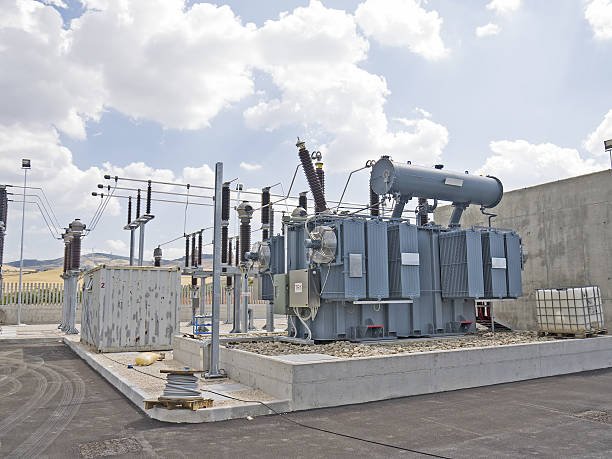
Selecting a power transformer supplier requires careful evaluation because transformers are critical assets that influence the safety, stability, and efficiency of electrical systems for decades. While supplier quotations, product specifications, and delivery schedules are important, certifications and project references provide valuable evidence of a manufacturer’s technical competence, quality management practices, and real-world performance. Without proper verification, buyers may select suppliers that lack sufficient experience, manufacturing control, or after-sales capability, increasing the risk of equipment failure and project delays.
Certifications and project references are important when selecting power transformer suppliers because they help buyers verify manufacturing quality, compliance with international standards, technical capability, and proven experience in similar applications. Certifications demonstrate that a supplier follows recognized quality and safety management systems, while project references provide practical evidence that the supplier has successfully delivered and supported transformers under real operating conditions. Together, they help buyers reduce procurement risks and select reliable long-term partners.
Certifications and project references help buyers evaluate the reliability of power transformer suppliers.True
Certifications verify management and compliance systems, while references demonstrate practical project experience.
A supplier with no relevant project references can always be considered equally reliable as an experienced transformer manufacturer.False
Lack of comparable project experience increases uncertainty regarding technical capability and application suitability.
International standards compliance is an important consideration when purchasing power transformers.True
Standards compliance helps ensure transformers meet recognized technical and safety requirements.
A reliable supplier evaluation process should combine document verification with practical performance assessment. Certifications alone cannot guarantee product quality, and project references alone cannot confirm manufacturing control. Buyers should review both aspects together to understand whether a transformer manufacturer has the systems, experience, and resources required for successful project execution.
Why Should Buyers Verify Certifications Before Choosing a Transformer Supplier?
Certifications provide evidence that a supplier has established processes for managing quality, safety, environmental responsibilities, and production consistency.
For power transformer manufacturers, certifications can indicate:
| Certification Type | What It Demonstrates |
|---|---|
| Quality management certification | Controlled manufacturing processes |
| Environmental certification | Responsible production practices |
| Occupational safety certification | Workplace safety management |
| Product compliance certificates | Technical conformity |
| Testing certificates | Verified performance capability |
However, buyers should not evaluate certifications only by checking whether a certificate exists. They should also verify:
- Certification validity
- Certification scope
- Issuing organization
- Covered manufacturing activities
- Actual implementation within the factory
A certificate is valuable only when it reflects real operational practices.
What Quality Certifications Should Power Transformer Suppliers Have?
Reliable transformer suppliers commonly maintain internationally recognized management certifications.
Important certifications include:
| Certification | Purpose |
|---|---|
| ISO 9001 | Quality management system |
| ISO 14001 | Environmental management |
| ISO 45001 | Occupational health and safety |
| Product certification | Confirms product compliance |
| Factory qualification documents | Demonstrates manufacturing capability |
Among these, quality management certification is especially important because transformer manufacturing requires strict control over:
- Material selection
- Production procedures
- Inspection processes
- Testing methods
- Corrective actions
How Does ISO 9001 Certification Support Transformer Supplier Evaluation?
ISO 9001 demonstrates that a supplier has a structured quality management system.
For transformer buyers, this means the supplier should have procedures for:
| Quality Control Area | Expected Practice |
|---|---|
| Incoming materials | Inspection before use |
| Manufacturing processes | Controlled procedures |
| Product inspection | Defined quality checkpoints |
| Non-conformance handling | Corrective actions |
| Continuous improvement | Process optimization |
A supplier with effective quality management is more likely to produce consistent transformer performance.
Are Product Standards and Compliance Certificates Important?
Yes. Power transformers must comply with applicable technical standards to ensure compatibility and reliability.
Common standards include:
| Standard | Application |
|---|---|
| IEC 60076 | Power transformer requirements |
| IEEE transformer standards | North American applications |
| Regional grid standards | Local utility requirements |
| Customer specifications | Project-specific requirements |
Compliance confirms that the transformer has been designed and tested according to recognized technical criteria.
What Testing Certificates Should Buyers Review?
Testing certificates provide evidence that transformer designs and production quality have been verified.
Important test documents include:
| Test Document | Purpose |
|---|---|
| Routine test reports | Verify individual transformer performance |
| Type test reports | Confirm design capability |
| Special test reports | Meet project requirements |
| Material test certificates | Verify component quality |
Buyers should review whether testing was performed under appropriate standards and conditions.
Why Are Project References Important for Transformer Supplier Selection?
Project references show whether a supplier has successfully applied its technology in real operating environments.
A supplier may claim technical capability, but completed projects provide practical evidence.
Project references help buyers evaluate:
| Reference Factor | Evaluation Purpose |
|---|---|
| Similar transformer ratings | Confirm technical experience |
| Similar voltage levels | Verify application knowledge |
| Similar industries | Confirm operational suitability |
| Project locations | Evaluate market experience |
| Operating history | Understand reliability performance |
A supplier with successful similar projects generally presents lower technical risk.
What Information Should Buyers Request From Supplier References?
Buyers should request detailed project information rather than simple customer lists.
Useful reference information includes:
| Information | Importance |
|---|---|
| Customer name | Verify authenticity |
| Transformer capacity | Compare technical similarity |
| Voltage level | Confirm application match |
| Installation year | Evaluate service history |
| Project location | Understand environmental conditions |
| Customer feedback | Assess satisfaction |
Detailed references provide more value than general claims of experience.
How Can Buyers Verify Whether Project References Are Genuine?
Reference verification helps avoid misleading supplier claims.
Recommended methods include:
| Verification Method | Purpose |
|---|---|
| Contact previous customers | Confirm performance |
| Review project documentation | Verify delivery history |
| Check installation records | Confirm actual deployment |
| Request operating feedback | Understand reliability |
Direct customer feedback is one of the strongest indicators of supplier credibility.
Why Are Similar Project References More Valuable?
Not all transformer experience is equally relevant.
For example:
| Buyer Requirement | Valuable Reference |
|---|---|
| High-voltage transformer | Previous transmission projects |
| Renewable energy transformer | Solar or wind projects |
| Industrial transformer | Similar industrial facilities |
| Harsh environment application | Similar environmental conditions |
A supplier experienced in comparable applications is better prepared for project challenges.
How Do Project References Demonstrate Technical Capability?
Successful projects show that a supplier can handle:
| Capability | Evidence From Projects |
|---|---|
| Engineering design | Similar transformer solutions |
| Manufacturing control | Delivered equipment performance |
| Testing capability | Successful acceptance records |
| Project management | On-time delivery history |
| Service support | Long-term customer relationships |
References provide real-world confirmation of supplier capability.
Should Buyers Consider the Age of Supplier Project References?
Yes. Recent and long-term references provide different information.
| Reference Age | Evaluation Value |
|---|---|
| Recent projects | Shows current manufacturing capability |
| Older projects | Shows long-term reliability |
| Long operating history | Demonstrates durability |
The strongest suppliers usually have both recent deliveries and transformers operating successfully for many years.
How Do Certifications and References Work Together?
Certifications and project references evaluate different aspects of supplier reliability.
| Evaluation Method | What It Shows |
|---|---|
| Certifications | Internal systems and compliance |
| Project references | External performance evidence |
| Factory audits | Actual manufacturing conditions |
| Test reports | Product verification |
Using multiple evaluation methods provides a more complete supplier assessment.
What Other Supplier Qualifications Should Buyers Review?
Besides certifications and references, buyers should evaluate:
| Qualification | Reason |
|---|---|
| Manufacturing experience | Confirms industry knowledge |
| Engineering team | Supports customization |
| Production capacity | Ensures delivery capability |
| Testing facilities | Verifies quality |
| Financial stability | Supports long-term cooperation |
| After-sales service | Reduces lifecycle risks |
A complete supplier evaluation should consider both technical and commercial factors.
What Warning Signs Should Buyers Watch For?
Buyers should be cautious if suppliers have:
| Warning Sign | Possible Risk |
|---|---|
| No similar project references | Limited experience |
| Expired certifications | Weak compliance |
| Unverified certificates | Documentation risk |
| Limited testing records | Quality uncertainty |
| Lack of customer feedback | Performance uncertainty |
These issues should trigger additional investigation before contract signing.
How Can Buyers Build a Supplier Evaluation Scorecard?
A structured scoring system improves decision-making.
Example:
| Category | Evaluation Criteria |
|---|---|
| Certifications | Quality and compliance systems |
| References | Similar successful projects |
| Engineering | Technical capability |
| Manufacturing | Factory capability |
| Testing | Verification strength |
| Service | Lifecycle support |
This approach prevents buyers from selecting suppliers based only on price.
How Should Buyers Compare Pricing, Delivery Ability, and Service Support from Power Transformer Suppliers?
Selecting a power transformer supplier based only on the lowest quotation can create significant risks for buyers. Although purchase price is an important factor, transformer projects require long-term reliability, timely delivery, technical support, and lifecycle value. A supplier offering a lower initial price may lack manufacturing capability, have limited service resources, or provide insufficient warranty support, resulting in higher costs after installation.
Buyers should compare power transformer suppliers by evaluating total cost, delivery capability, and service support together rather than focusing only on purchase price. A comprehensive supplier comparison should consider transformer quality, guaranteed performance, manufacturing capacity, production schedule reliability, logistics experience, warranty terms, technical assistance, spare parts availability, and long-term after-sales support. The best supplier provides the highest overall value, combining competitive pricing with reliable delivery and lifecycle service capability.
Power transformer supplier evaluation should consider price, delivery ability, and service support together.True
A balanced evaluation reduces procurement risks and improves long-term equipment reliability.
The supplier with the lowest transformer price always provides the lowest overall project cost.False
Lifecycle costs, failures, delays, maintenance, and service limitations can make low initial prices more expensive over time.
After-sales service capability is an important factor when selecting power transformer suppliers.True
Long-term technical support and spare parts availability affect transformer operational reliability.
A professional supplier comparison process should evaluate both immediate procurement factors and long-term operational benefits. Power transformers often remain in service for 25 to 40 years, meaning supplier selection affects not only the purchase phase but also maintenance, efficiency, reliability, and future expansion of the electrical system.
Why Should Buyers Avoid Comparing Suppliers by Price Alone?
Transformer pricing reflects many technical and commercial factors.
A lower price may result from:
| Factor | Potential Risk |
|---|---|
| Lower-grade materials | Reduced reliability |
| Limited testing | Hidden defects |
| Weak quality control | Higher failure probability |
| Reduced service support | Difficult maintenance |
| Unrealistic delivery promises | Project delays |
The cheapest supplier may not provide the lowest total cost over the transformer lifecycle.
What Pricing Factors Should Buyers Compare Between Suppliers?
Buyers should evaluate transformer quotations beyond the final purchase price.
Important pricing factors include:
| Pricing Factor | Evaluation Purpose |
|---|---|
| Transformer purchase price | Initial investment |
| Guaranteed losses | Long-term energy cost |
| Included accessories | Scope comparison |
| Testing costs | Quality verification |
| Transportation costs | Total delivery cost |
| Installation support | Project expense |
| Spare parts pricing | Future maintenance cost |
A complete cost comparison should include both initial and future expenses.
How Can Buyers Evaluate Total Cost of Ownership (TCO)?
Total cost of ownership provides a more accurate comparison than purchase price alone.
TCO includes:
| Cost Category | Example |
|---|---|
| Purchase cost | Transformer price |
| Installation cost | Assembly and commissioning |
| Energy cost | No-load and load losses |
| Maintenance cost | Service activities |
| Repair cost | Failure recovery |
| Downtime cost | Lost operation |
A transformer with higher efficiency and reliability may provide better value despite a higher initial price.
Why Are Transformer Loss Guarantees Important When Comparing Prices?
Transformer losses directly affect operating expenses.
Buyers should compare:
| Performance Parameter | Cost Impact |
|---|---|
| No-load loss | Continuous energy consumption |
| Load loss | Operating efficiency |
| Total losses | Lifecycle electricity cost |
A supplier offering lower losses may provide significant savings during decades of operation.
How Should Buyers Compare Supplier Delivery Ability?
Delivery capability is critical because transformer delays can affect entire projects.
Buyers should evaluate:
| Delivery Factor | Evaluation Method |
|---|---|
| Manufacturing capacity | Factory assessment |
| Production schedule | Project plan review |
| Previous delivery records | Reference verification |
| Supply chain capability | Material availability review |
| Export experience | Logistics evaluation |
Reliable suppliers should provide realistic production schedules supported by actual manufacturing capacity.
What Manufacturing Capacity Indicators Should Buyers Review?
A supplier’s production ability determines whether it can meet project deadlines.
Important indicators include:
| Indicator | Why It Matters |
|---|---|
| Annual transformer output | Shows production scale |
| Factory size | Indicates manufacturing resources |
| Equipment availability | Supports production efficiency |
| Skilled workforce | Maintains quality |
| Current workload | Determines schedule feasibility |
A supplier with insufficient capacity may struggle to maintain both quality and delivery performance.
How Can Buyers Verify Supplier Delivery History?
Past performance provides valuable evidence.
Buyers should review:
| Delivery Record | Evaluation Purpose |
|---|---|
| Completed projects | Confirm experience |
| On-time delivery rate | Assess reliability |
| Similar transformer projects | Verify capability |
| International shipments | Confirm logistics experience |
| Customer feedback | Evaluate satisfaction |
Suppliers should be able to provide documented examples of successful deliveries.
Why Is Supply Chain Capability Important for Transformer Delivery?
Power transformers require many specialized components.
Important supply chain areas include:
| Component | Supply Chain Importance |
|---|---|
| Electrical steel | Core production |
| Copper conductors | Winding manufacturing |
| Bushings | High-voltage reliability |
| Transformer oil | Insulation performance |
| Protection devices | System integration |
A strong supplier should have reliable component sourcing and supplier management systems.
How Should Buyers Compare Delivery Schedules?
A realistic schedule should include all project stages.
| Project Stage | Expected Supplier Capability |
|---|---|
| Engineering approval | Timely document submission |
| Material procurement | Controlled sourcing |
| Manufacturing | Progress transparency |
| Testing | Scheduled FAT completion |
| Shipment | Proper logistics planning |
| Commissioning | Technical support availability |
Suppliers that provide overly short schedules without explanation may create future delays.
What Role Does Factory Acceptance Testing Play in Delivery Evaluation?
Factory Acceptance Testing (FAT) affects both quality and schedule.
Buyers should evaluate:
| FAT Factor | Importance |
|---|---|
| Test equipment capability | Accurate verification |
| Testing schedule | Avoid delivery delays |
| Buyer witness support | Improve transparency |
| Test documentation | Confirm compliance |
A supplier should include testing time in the delivery plan rather than treating it as an unexpected delay.
How Should Buyers Compare Supplier Service Support?
Service capability determines how effectively problems are handled after delivery.
Important service factors include:
| Service Factor | Evaluation Question |
|---|---|
| Technical support | Can engineers provide solutions quickly? |
| Field service | Are site engineers available? |
| Spare parts | Are critical parts stocked? |
| Training | Can operators be supported? |
| Maintenance guidance | Is lifecycle support available? |
Strong service support reduces downtime and operational risks.
Why Is After-Sales Support Important for Power Transformers?
Transformer suppliers remain important after installation.
Long-term support may include:
| Service | Benefit |
|---|---|
| Commissioning assistance | Correct startup |
| Troubleshooting | Faster recovery |
| Maintenance recommendations | Longer service life |
| Failure analysis | Prevent recurrence |
| Spare parts supply | Reduce downtime |
A supplier’s responsibility should extend beyond shipment.
How Should Buyers Compare Warranty and Service Terms?
Warranty terms reveal supplier confidence.
Important comparison points include:
| Warranty Item | Evaluation Criteria |
|---|---|
| Warranty period | Coverage duration |
| Defect responsibility | Supplier obligations |
| Response time | Service speed |
| Repair support | Recovery capability |
| Replacement policy | Risk protection |
A strong warranty provides measurable protection rather than general promises.
How Can Buyers Evaluate Technical Support Capability?
Technical support should match project complexity.
Buyers should assess:
| Technical Support Area | Requirement |
|---|---|
| Engineering communication | Accurate technical responses |
| Installation guidance | Proper commissioning |
| System integration support | Grid compatibility |
| Maintenance advice | Long-term reliability |
| Emergency response | Fast problem handling |
Suppliers with experienced technical teams can solve issues more effectively.
Should Buyers Evaluate Local Service Capability?
For critical transformers, local or regional support can be valuable.
Evaluation factors include:
| Local Support Factor | Benefit |
|---|---|
| Service engineers nearby | Faster response |
| Regional spare parts | Reduced downtime |
| Local partners | Easier coordination |
| Language capability | Better communication |
International suppliers should demonstrate how they support customers in different regions.
How Can Buyers Create a Supplier Comparison Matrix?
A weighted evaluation system helps compare suppliers objectively.
Example:
| Category | Evaluation Weight |
|---|---|
| Technical capability | High |
| Manufacturing quality | High |
| Price competitiveness | Medium |
| Delivery reliability | High |
| Warranty terms | Medium |
| Service support | High |
This approach prevents buyers from selecting suppliers based on only one factor.
What Questions Should Buyers Ask Suppliers During Evaluation?
Recommended questions include:
| Question | Purpose |
|---|---|
| What similar transformer projects have you completed? | Verify experience |
| What is your manufacturing lead time? | Assess delivery ability |
| Which tests are performed before shipment? | Evaluate quality |
| What service support is provided after delivery? | Confirm lifecycle support |
| How are warranty claims handled? | Understand risk protection |
| What spare parts are available? | Evaluate maintenance support |
What Warning Signs Should Buyers Watch For?
Potential concerns include:
| Warning Sign | Possible Problem |
|---|---|
| Extremely low quotation | Quality compromise |
| Unrealistic delivery date | Capacity limitations |
| Poor technical communication | Engineering risk |
| Limited references | Lack of experience |
| Weak warranty terms | Future disputes |
| No service network | Difficult maintenance |
These signs should trigger additional supplier investigation.
What Is the Best Approach for Selecting a Transformer Supplier?
The best selection method evaluates:
| Evaluation Area | Key Consideration |
|---|---|
| Price | Competitive total cost |
| Quality | Reliable manufacturing |
| Delivery | Realistic schedule |
| Service | Long-term support |
| Experience | Proven performance |
The ideal supplier provides balanced value across all categories.
What Questions Should Buyers Ask Before Choosing Power Transformer Suppliers?
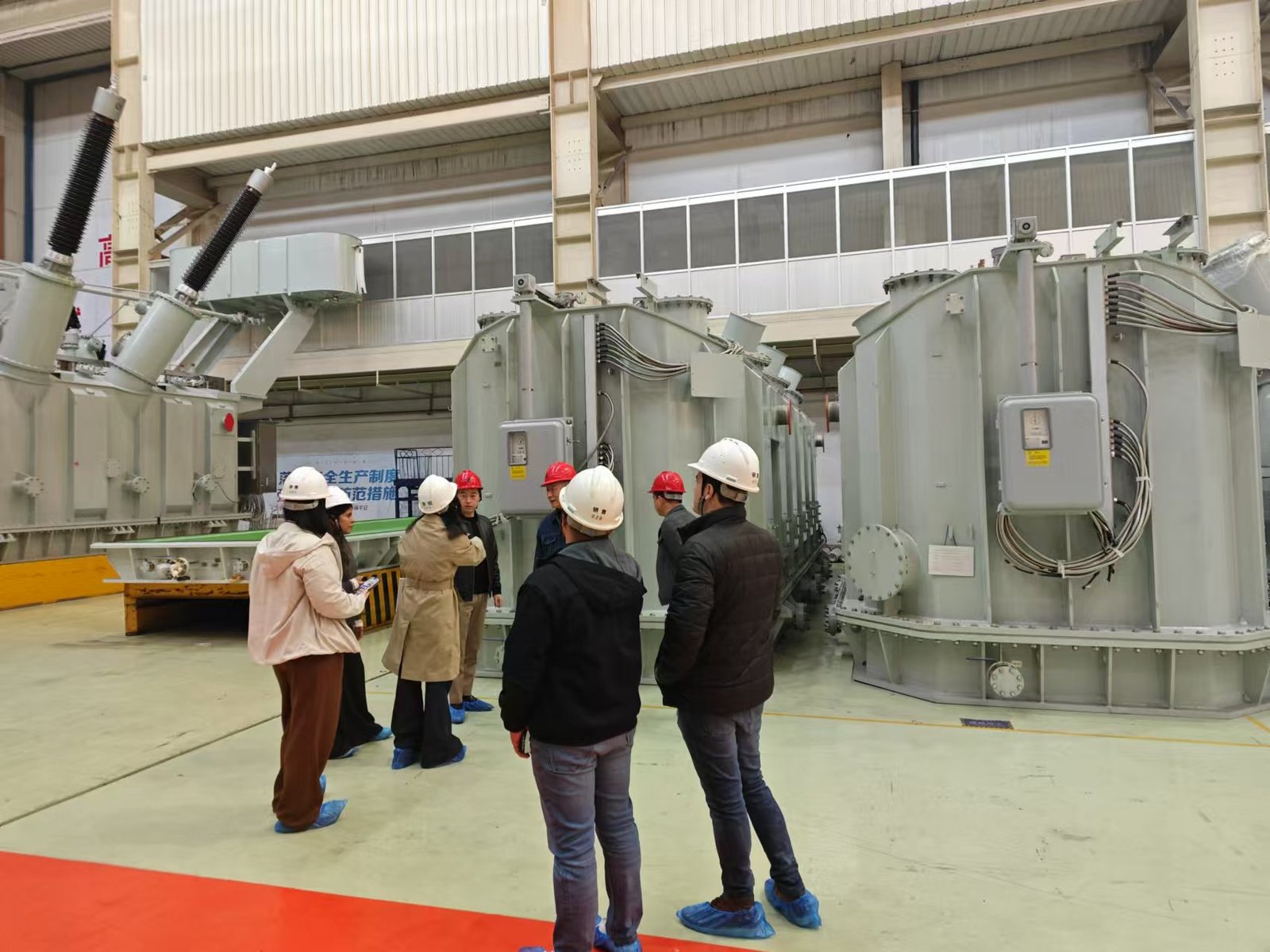
Choosing the right power transformer supplier requires a detailed evaluation process because transformers are long-term electrical assets that directly affect grid stability, industrial productivity, and operational safety. Many procurement risks occur when buyers focus only on price and fail to investigate supplier experience, technical capability, manufacturing quality, testing procedures, delivery reliability, and after-sales support.
Before choosing a power transformer supplier, buyers should ask questions about manufacturing experience, technical qualifications, transformer design capability, production capacity, quality control systems, testing procedures, certifications, project references, delivery schedules, warranty terms, spare parts availability, and technical support services. These questions help buyers verify whether a supplier can provide reliable transformers that meet project requirements and deliver long-term operational value.
A structured supplier questionnaire helps buyers evaluate power transformer suppliers more effectively.True
A detailed evaluation process allows buyers to compare technical, commercial, and service capabilities objectively.
Transformer supplier selection should be based only on the lowest purchase price.False
Supplier reliability, quality, delivery ability, and lifecycle support are equally important factors.
Project references and testing capabilities provide valuable evidence of transformer supplier reliability.True
Past performance and verification procedures demonstrate practical manufacturing capability.
A reliable transformer supplier should provide clear answers supported by technical documents, certifications, factory evidence, and successful project experience. Buyers should treat supplier evaluation as a risk-control process rather than simply a purchasing activity. The following questions can help organizations identify qualified manufacturers and avoid costly procurement mistakes.
What Experience Does Your Company Have in Power Transformer Manufacturing?
Supplier experience is one of the first areas buyers should investigate.
Recommended questions include:
| Question | Evaluation Purpose |
|---|---|
| How many years have you manufactured power transformers? | Verify industry experience |
| What transformer types do you produce? | Confirm technical range |
| What voltage levels have you supplied? | Check application experience |
| What capacity ranges can you manufacture? | Verify production capability |
| Which industries do you serve? | Evaluate market experience |
A supplier with extensive experience in similar applications is more likely to understand technical challenges and project requirements.
How Many Similar Transformer Projects Have You Completed?
Past project experience provides practical evidence of supplier capability.
Buyers should ask:
| Question | Why It Matters |
|---|---|
| Have you supplied transformers with similar ratings? | Confirms technical similarity |
| Have you worked with utility companies? | Shows grid experience |
| Have you supplied renewable energy projects? | Confirms modern application capability |
| Can you provide customer references? | Allows independent verification |
| How long have previous transformers operated? | Evaluates long-term reliability |
Successful references reduce uncertainty during supplier selection.
What Transformer Designs Can You Manufacture?
Different projects require different transformer solutions.
Buyers should ask:
| Question | Purpose |
|---|---|
| Can you manufacture oil-immersed transformers? | Verify product range |
| Can you provide dry-type transformers? | Confirm application flexibility |
| Can you design custom transformers? | Evaluate engineering ability |
| Can you meet special environmental requirements? | Confirm customization capability |
A capable supplier should provide solutions based on actual operating conditions.
What Engineering Capabilities Does Your Company Have?
Transformer design requires specialized engineering knowledge.
Important questions include:
| Question | Evaluation Area |
|---|---|
| Do you perform transformer design internally? | Engineering independence |
| How large is your engineering team? | Technical resources |
| What software is used for design calculations? | Engineering capability |
| Can you provide design documents? | Technical transparency |
| Can you support system integration? | Project support ability |
Strong engineering capability helps prevent design errors.
How Do You Select Transformer Materials?
Material quality directly affects transformer reliability.
Buyers should ask:
| Question | Purpose |
|---|---|
| Which electrical steel brands do you use? | Verify core quality |
| What conductor materials are used? | Confirm winding reliability |
| How do you verify insulation materials? | Evaluate insulation quality |
| How is transformer oil tested? | Confirm dielectric performance |
| Do you maintain material traceability? | Support quality tracking |
Reliable suppliers should have documented material control systems.
What Quality Management Systems Do You Follow?
Quality management determines manufacturing consistency.
Buyers should ask:
| Question | Evaluation Purpose |
|---|---|
| Do you have ISO 9001 certification? | Verify quality system |
| How are production processes controlled? | Assess manufacturing discipline |
| How are defects managed? | Evaluate corrective actions |
| Are internal audits performed? | Confirm continuous improvement |
| Can we review quality procedures? | Verify implementation |
A certification should be supported by actual factory practices.
Can Buyers Conduct a Factory Audit?
Factory transparency is an important supplier evaluation factor.
Ask:
| Question | Purpose |
|---|---|
| Can we visit your factory? | Verify actual capability |
| Can we inspect production lines? | Evaluate manufacturing processes |
| Can we review testing facilities? | Confirm verification ability |
| Can we meet technical personnel? | Assess expertise |
Reliable manufacturers are generally willing to demonstrate their capabilities.
What Manufacturing Processes Are Used for Transformer Production?
Buyers should understand how quality is controlled during production.
Important questions include:
| Question | Manufacturing Area |
|---|---|
| How are windings manufactured? | Winding quality |
| How is core assembly controlled? | Core accuracy |
| What drying process is used? | Insulation reliability |
| How is oil filling performed? | Contamination prevention |
| How are tanks tested? | Mechanical integrity |
Manufacturing procedures directly influence transformer lifespan.
What Testing Facilities Do You Have?
Testing capability is a key indicator of supplier reliability.
Buyers should ask:
| Question | Purpose |
|---|---|
| Which routine tests are performed? | Verify standard testing |
| Can you perform type tests? | Confirm design validation |
| Do you conduct partial discharge testing? | Evaluate insulation quality |
| Are testing instruments calibrated? | Confirm measurement accuracy |
| Can buyers witness testing? | Improve transparency |
A strong testing system reduces field failure risks.
Which Standards Do Your Transformers Meet?
Standards compliance ensures technical compatibility.
Buyers should ask:
| Question | Purpose |
|---|---|
| Do products comply with IEC 60076? | Verify international compliance |
| Do you follow IEEE standards? | Confirm regional suitability |
| Can you meet customer specifications? | Evaluate flexibility |
| Are certificates available? | Confirm documentation |
The supplier should clearly identify applicable standards before contract signing.
What Factory Acceptance Tests Are Included Before Shipment?
Factory Acceptance Tests (FAT) provide final verification.
Buyers should ask:
| Question | Purpose |
|---|---|
| What tests are included in FAT? | Confirm scope |
| Can buyers witness FAT? | Ensure transparency |
| Are test reports provided? | Verify results |
| What happens if a test fails? | Understand corrective actions |
Typical FAT should include:
- Transformer ratio testing
- Winding resistance testing
- Insulation testing
- No-load loss testing
- Load loss testing
- Impedance testing
- Temperature rise testing
What Is Your Production Lead Time?
Delivery capability affects project schedules.
Buyers should ask:
| Question | Evaluation Purpose |
|---|---|
| What is the normal manufacturing period? | Assess schedule |
| What factors may delay delivery? | Identify risks |
| How do you manage production delays? | Evaluate planning |
| Can you provide progress reports? | Improve visibility |
Suppliers should provide realistic delivery commitments.
What Is Your Current Production Capacity?
Production capacity determines whether the supplier can meet demand.
Ask:
| Question | Purpose |
|---|---|
| How many transformers can you produce annually? | Confirm capacity |
| How many production lines exist? | Evaluate resources |
| How many projects are currently active? | Check workload |
| Do you have backup suppliers? | Assess resilience |
Insufficient capacity may affect both quality and delivery.
What Warranty Terms Do You Provide?
Warranty conditions demonstrate supplier confidence.
Buyers should ask:
| Question | Purpose |
|---|---|
| How long is the warranty period? | Understand coverage |
| What failures are covered? | Define responsibility |
| How quickly do you respond to claims? | Evaluate service |
| Who pays for repairs? | Clarify costs |
| Are replacement parts guaranteed? | Ensure support |
Clear warranty terms prevent future disputes.
What After-Sales Services Are Available?
Transformer support continues after delivery.
Buyers should ask:
| Question | Service Evaluation |
|---|---|
| Do you provide installation support? | Commissioning assistance |
| Are field engineers available? | Problem resolution |
| Do you provide maintenance training? | Operational support |
| Can you supply spare parts? | Lifecycle management |
| Do you provide failure analysis? | Reliability improvement |
Strong service capability reduces downtime.
How Do You Handle Transformer Failures?
Failure response capability is critical.
Buyers should ask:
| Question | Purpose |
|---|---|
| What is your failure investigation process? | Understand response |
| How quickly can engineers arrive? | Evaluate support speed |
| Do you provide root cause analysis? | Prevent recurrence |
| How are warranty issues handled? | Confirm responsibility |
A professional supplier should have a structured response process.
What Documents Will You Provide?
Complete documentation supports installation and operation.
Buyers should ask for:
| Document | Purpose |
|---|---|
| Technical datasheets | Confirm specifications |
| Drawings | Support installation |
| Test reports | Verify performance |
| Material certificates | Confirm quality |
| Operation manuals | Support use |
| Maintenance manuals | Extend service life |
Documentation quality reflects supplier professionalism.
How Do You Manage Custom Requirements?
Many projects require customized solutions.
Buyers should ask:
| Question | Purpose |
|---|---|
| Can you modify standard designs? | Evaluate flexibility |
| Can you meet special voltage requirements? | Confirm capability |
| Can you adapt cooling systems? | Verify engineering ability |
| Can you integrate monitoring devices? | Support modern systems |
Customization capability is valuable for complex projects.
How Should Buyers Compare Supplier Responses?
A supplier comparison matrix helps organize evaluation.
| Category | Evaluation Focus |
|---|---|
| Experience | Similar projects completed |
| Engineering | Design capability |
| Manufacturing | Factory quality |
| Testing | Verification ability |
| Delivery | Schedule reliability |
| Service | Lifecycle support |
| Price | Total value |
The strongest supplier is usually the one providing the best balance of quality, cost, and support.
What Warning Signs Should Buyers Watch For?
Buyers should be cautious when suppliers:
| Warning Sign | Possible Risk |
|---|---|
| Avoid factory visits | Lack of transparency |
| Cannot provide references | Limited experience |
| Offer extremely low prices | Quality compromise |
| Have incomplete documents | Weak engineering control |
| Lack testing capability | Hidden defects |
| Provide unclear warranty terms | Future disputes |
These indicators should encourage further investigation.
Conclusion
Identifying reliable power transformer suppliers requires a detailed evaluation beyond comparing purchase prices. Buyers should assess supplier experience, engineering capabilities, manufacturing processes, quality control systems, testing procedures, project history, and after-sales service capabilities. A dependable supplier should provide not only high-quality transformers but also professional technical support and consistent project execution throughout the equipment lifecycle. By conducting a comprehensive supplier assessment, organizations can reduce procurement risks, improve project reliability, and select transformer partners capable of delivering safe, efficient, and durable power solutions.
FAQ
Q1: How can buyers identify reliable power transformer suppliers?
Buyers can identify reliable power transformer suppliers by evaluating technical capability, manufacturing experience, quality systems, production capacity, testing facilities, and project history.
Since power transformers are critical and high-value electrical assets, supplier selection should go beyond comparing purchase prices. A reliable supplier should demonstrate the ability to design, manufacture, test, deliver, and support transformers throughout their operational life.
Key evaluation criteria include:
Technical Experience
Buyers should review whether the supplier has experience producing transformers with similar:
Voltage ratings
MVA capacities
Cooling systems
Applications
Environmental requirements
Manufacturing Capability
A qualified supplier should have:
Modern production facilities
Skilled engineering teams
Advanced manufacturing equipment
Adequate production capacity
Quality Management
Important indicators include:
ISO 9001 certification
Documented quality control procedures
Factory acceptance testing capability
Traceability of materials and processes
Project References
Buyers should request evidence of:
Completed transformer projects
Customer references
Performance history
Similar applications
A reliable supplier should be transparent, technically competent, and able to demonstrate consistent product quality.
Q2: What qualifications should a power transformer supplier have?
A qualified power transformer supplier should meet recognized technical, quality, and industry requirements.
Important qualifications include:
Industry Standards Compliance
The supplier should be familiar with standards such as:
IEC 60076 Power Transformers
IEEE C57 transformer standards
Regional electrical grid requirements
Quality Certifications
Common certifications include:
ISO 9001 Quality Management System
ISO 14001 Environmental Management System
ISO 45001 Occupational Health and Safety Management
Testing Capability
A capable supplier should have facilities for:
Routine tests
Type tests
Special tests
Performance verification
Engineering Capability
The supplier should be able to provide:
Transformer design calculations
Technical drawings
Loss calculations
Short-circuit analysis
Thermal design information
These qualifications help ensure that the supplier can deliver transformers that meet project requirements.
Q3: How can buyers evaluate the technical capability of transformer manufacturers?
Technical capability is a critical factor when selecting a transformer manufacturer.
Buyers should evaluate:
Product Range
Check whether the manufacturer produces:
Distribution transformers
Oil-immersed transformers
Dry-type transformers
Power transformers
Special application transformers
Voltage and Capacity Experience
Review previous production experience with:
Medium voltage transformers
High voltage transformers
Extra-high voltage transformers
Engineering Resources
Assess:
Design teams
Simulation tools
Research capabilities
Technical support
Manufacturing Technology
Evaluate whether the factory uses:
Automated core cutting
Precision winding equipment
Vacuum drying systems
Controlled assembly environments
Manufacturers with strong technical capabilities are more likely to produce reliable transformers with consistent performance.
Q4: Why are factory audits important when selecting transformer suppliers?
Factory audits allow buyers to verify a supplier's actual manufacturing capability and quality management practices.
A factory audit may include:
Production Facility Review
Inspect:
Factory size
Manufacturing equipment
Production workflow
Storage conditions
Quality Control Review
Check:
Incoming material inspection
Manufacturing checkpoints
Testing procedures
Quality documentation
Engineering Review
Evaluate:
Design capabilities
Technical teams
Project management processes
Previous Production Verification
Review:
Similar transformer projects
Customer references
Manufacturing records
Factory audits reduce the risk of selecting suppliers that lack the necessary capability despite attractive pricing or marketing claims.
Q5: What questions should buyers ask power transformer suppliers before purchasing?
Before selecting a supplier, buyers should ask detailed technical and commercial questions.
Important questions include:
Technical Questions
What transformer ratings have you manufactured?
Can you provide similar project references?
Which international standards do you follow?
What testing facilities are available?
Quality Questions
What quality certifications do you hold?
Can buyers witness factory acceptance tests?
How are materials tracked during production?
Production Questions
What is your current manufacturing capacity?
What is the expected lead time?
How do you manage production delays?
Service Questions
What warranty is provided?
Are spare parts available?
Do you provide commissioning support?
Detailed supplier discussions help buyers understand the manufacturer's real capabilities.
Q6: How do supplier references help verify transformer manufacturers?
Supplier references provide practical evidence of a manufacturer's reliability and performance.
Buyers should request references from customers with similar applications, such as:
Utility companies
Industrial facilities
Renewable energy projects
Infrastructure operators
Reference checks can confirm:
Delivery performance
Transformer reliability
After-sales support
Warranty experience
Long-term operating performance
Useful reference information includes:
Project location
Transformer rating
Installation date
Operating experience
Customer feedback
A supplier with successful long-term installations provides greater confidence than one with limited project history.
Q7: How do testing capabilities affect supplier reliability?
Testing capability is a major indicator of transformer supplier quality.
A reliable manufacturer should perform comprehensive testing before shipment.
Typical tests include:
Routine Tests
Winding resistance measurement
Voltage ratio testing
Insulation tests
No-load loss measurement
Load loss measurement
Type Tests
Temperature rise test
Lightning impulse test
Short-circuit withstand test
Special Tests
Partial discharge testing
Noise measurement
Harmonic performance testing
Strong testing capability ensures that transformers meet design requirements before delivery and reduces the risk of failures after installation.
Q8: What are the best practices for selecting a reliable power transformer supplier?
The best supplier selection process combines technical evaluation, quality verification, and commercial assessment.
Recommended steps include:
Step 1: Define Requirements
Prepare detailed specifications covering:
Voltage
Capacity
Standards
Environmental conditions
Performance requirements
Step 2: Shortlist Qualified Suppliers
Evaluate:
Experience
Certifications
Manufacturing capability
References
Step 3: Conduct Supplier Assessment
Perform:
Factory audits
Technical reviews
Quality system evaluations
Step 4: Verify Testing and Quality Control
Confirm:
FAT procedures
Inspection rights
Documentation requirements
Step 5: Evaluate Total Value
Consider:
Initial cost
Energy efficiency
Reliability
Maintenance requirements
Service support
Choosing the right supplier is not only about obtaining a transformer at the lowest price. A reliable supplier should provide a complete solution that ensures safe operation, long service life, and dependable technical support.
References
IEC 60076 – Power Transformers
https://webstore.iec.ch/publication/602
IEEE C57 Series – Power Transformer Standards
https://standards.ieee.org
ISO 9001 – Quality Management Systems
https://www.iso.org/iso-9001-quality-management.html