
IEC standards for power transformers are globally recognized guidelines that define the design, performance, testing, and safety requirements of transformers. These standards ensure product reliability, interoperability, and compliance with international quality benchmarks. Understanding IEC standards is essential for manufacturers, engineers, and buyers to guarantee consistent performance and safety in electrical power systems.
What Is the Role of IEC in Transformer Standardization?
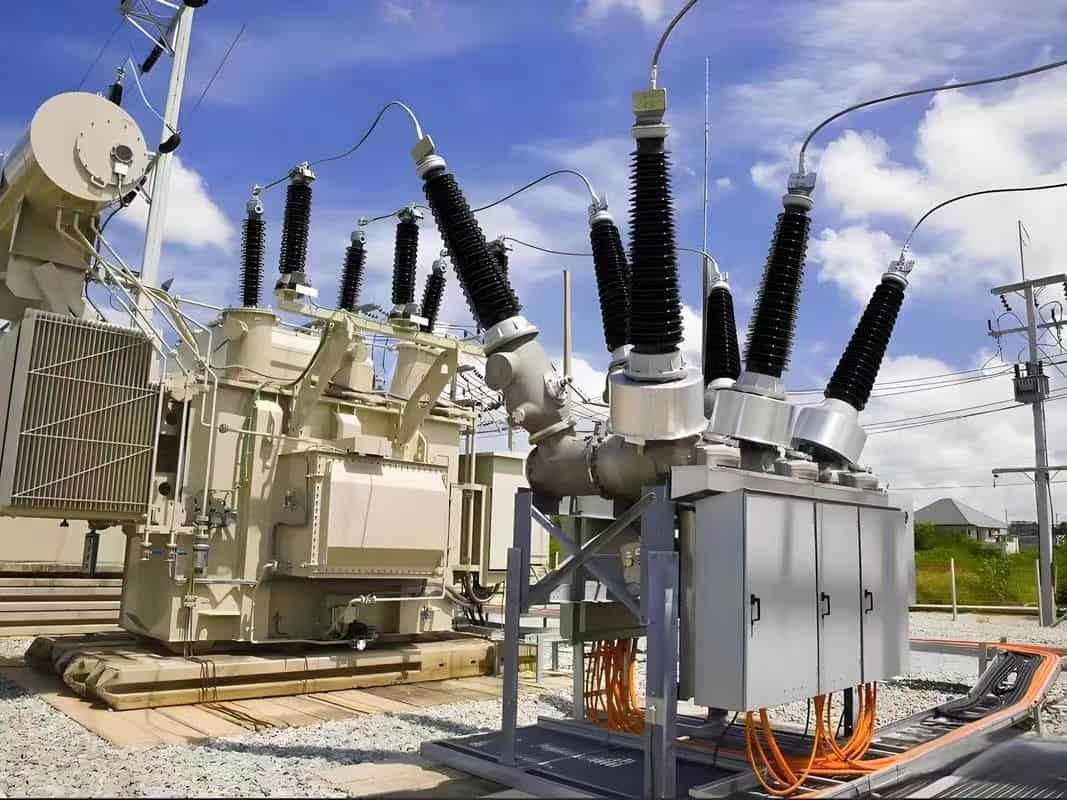
Power transformers are critical assets in energy transmission and distribution networks, and their reliability directly determines the stability and safety of electrical grids. However, without globally harmonized standards, transformer designs, performance metrics, and safety benchmarks would vary widely across regions—leading to inefficiencies, compatibility issues, and potential operational hazards. This is where the International Electrotechnical Commission (IEC) plays a foundational role. The IEC develops globally recognized transformer standards that unify design, testing, and performance criteria, ensuring that transformers operate safely, efficiently, and consistently across borders.
In essence, the IEC defines the universal rules governing transformer design, testing, performance, safety, and environmental compliance—allowing manufacturers and utilities to align under a common global standard. Compliance with IEC standards guarantees interoperability, enhances product reliability, and minimizes operational risks across international projects.
For buyers and engineers alike, understanding the IEC framework is essential when specifying, sourcing, or testing power transformers for global deployment.
IEC standards apply only to European transformers.False
IEC standards are recognized globally and serve as the international benchmark for transformer design and testing, not limited to Europe.
IEC certification is optional for export transformers.False
Most export transformers must comply with IEC standards to meet international tender, utility, and safety requirements.
1. Overview of IEC and Its Role in Power Transformer Standardization
The International Electrotechnical Commission (IEC), founded in 1906, is a global organization responsible for setting international standards in the fields of electrical, electronic, and related technologies. Its power transformer standards are among the most comprehensive in the electrical industry, governing everything from materials and testing to energy efficiency and digital monitoring.
IEC standards ensure:
- Interoperability between transformers from different manufacturers
- Consistency in performance ratings and test procedures
- Safety and reliability under global operating conditions
- Environmental and efficiency compliance aligned with sustainability goals
The most widely applied transformer standards include:
| IEC Standard Number | Title / Focus Area | Key Application |
|---|---|---|
| IEC 60076 Series | Power Transformers | Core design, performance, testing |
| IEC 60076-3 | Insulation Levels and Dielectric Tests | Type and routine tests |
| IEC 60076-7 | Loading Guide for Oil-Immersed Transformers | Thermal performance and aging |
| IEC 60076-10 | Determination of Sound Levels | Noise emission limits |
| IEC 60076-16 | Transformers for Wind and Solar Applications | Renewable integration |
| IEC 60214 | On-Load Tap Changers | Regulation and control systems |
| IEC 61378 | Converter Transformers for HVDC | Power electronics compatibility |
| IEC 61099 / IEC 61125 | Insulating Liquids | Mineral and ester oil standards |
These documents form the global design DNA of every high-quality transformer manufactured today.
2. Why IEC Standards Matter for Buyers and Engineers
IEC standards do far more than define technical details—they establish trust, comparability, and long-term value in transformer procurement and operation.
| Benefit Area | Impact of IEC Compliance | Example |
|---|---|---|
| Design & Performance | Ensures accurate nameplate ratings and losses | Guarantees efficiency and reliability under load |
| Quality Assurance | Standardized testing and inspection | Independent type test verification |
| Safety | Defines dielectric, short-circuit, and temperature limits | Prevents catastrophic insulation failures |
| Interchangeability | Harmonized parameters for global tenders | Simplifies multi-vendor integration |
| Legal & Environmental Compliance | Aligns with ISO 9001, ISO 14001, and EU EcoDesign | Enables export and sustainability certification |
In procurement, specifying “IEC 60076-compliant transformer” ensures that all bidders design according to uniform criteria—making technical and financial comparisons transparent and fair.
3. The Structure of IEC Transformer Standards
IEC transformer standards are organized into series and subparts, each addressing a particular engineering domain. Below is an example structure from IEC 60076:
| Part | Description | Application Scope |
|---|---|---|
| IEC 60076-1 | General requirements | Definitions, ratings, and tolerances |
| IEC 60076-2 | Temperature rise | Thermal testing under rated load |
| IEC 60076-3 | Dielectric tests | Lightning and switching impulse performance |
| IEC 60076-5 | Short-circuit withstand | Mechanical strength verification |
| IEC 60076-7 | Loading guide | Life expectancy under variable load |
| IEC 60076-10 | Sound level measurement | Environmental noise regulation |
| IEC 60076-18 | Measurement of frequency response | Core and winding integrity |
Each part is interconnected, forming a modular framework that addresses every physical and electrical aspect of transformer behavior—from winding insulation to thermal aging models.
4. Testing and Certification Under IEC Guidelines
IEC compliance is verified through a sequence of type tests, routine tests, and special tests, ensuring each transformer performs as specified.
| Test Category | Purpose | Example Tests |
|---|---|---|
| Type Tests | Validate design and prototype | Dielectric tests, temperature rise, short-circuit withstand |
| Routine Tests | Performed on every unit | Turns ratio, insulation resistance, loss measurement |
| Special Tests | Customer or project specific | Vibration, moisture content, frequency response |
Accredited testing laboratories, such as KEMA, CESI, or UL, perform these tests under controlled IEC protocols. Successful tests lead to IEC compliance certificates, often mandatory for international tenders and grid approvals.
5. IEC vs. Other Regional Standards (IEEE, ANSI, GOST)
While IEC is globally dominant, regional standards still coexist. Understanding their differences is vital for global projects.
| Standardization Body | Region / Application | Key Focus | Compatibility with IEC |
|---|---|---|---|
| IEC | Global | Harmonized design and testing | Baseline for most countries |
| IEEE / ANSI | North America | System-specific ratings, test conditions | Partially aligned |
| GOST / EAC | CIS / Russia | Material and safety conformity | Requires cross-certification |
| GB / DL (China) | China | Derived from IEC with localized adaptation | 95% aligned |
Multinational suppliers often design dual-standard transformers (IEC + IEEE) to meet cross-market requirements, minimizing design duplication.
6. How IEC Drives Innovation and Sustainability
IEC continuously updates its standards to integrate modern technologies such as smart transformers, biodegradable oils, and digital monitoring.
Recent updates include:
- IEC 60076-16: Specific requirements for renewable energy transformers (wind, solar, hybrid systems).
- IEC 60076-19: Testing of digital monitoring and diagnostic systems.
- IEC 61099: Specifications for natural and synthetic ester insulating liquids, enabling sustainable alternatives to mineral oils.
- IEC 60076-20 (Draft): Covers solid-state and smart transformer architectures.
These forward-looking standards ensure that the transformer industry keeps pace with energy transition, HVDC development, and carbon reduction objectives.
7. Case Study: IEC Compliance in Global Transformer Projects
A 220 kV oil-immersed transformer project in Southeast Asia required cross-border component sourcing. Despite manufacturers from three different countries, all components were harmonized through IEC 60076 and IEC 60214 guidelines.
Results:
- Simplified design validation
- Seamless integration with grid protection systems
- Shortened approval time from 14 weeks to 7 weeks
- Improved reliability and reduced commissioning failures
This case underscores that IEC compliance not only standardizes quality—it accelerates project delivery and minimizes risk.
8. Challenges in IEC Implementation
While IEC standards provide clarity, challenges remain in interpretation, testing infrastructure, and documentation alignment.
Common issues include:
- Variability in local certification bodies’ interpretation
- Cost of accredited IEC type tests for SMEs
- Inconsistent understanding of efficiency tolerances (IEC 60076-1 Annex C)
- Lag between new IEC revisions and local adoption
These challenges highlight the need for experienced engineering partners who can guide compliance and testing efficiently.
9. The Future of IEC Transformer Standardization
IEC’s future direction is clear: advancing toward digitalization, sustainability, and predictive reliability.
Upcoming trends include:
- Integration of AI-based monitoring into IEC standard frameworks
- Standardization of smart sensor protocols (IEC 61850 integration)
- Development of eco-design and circular economy criteria
- Introduction of performance-based certification replacing static tests
These will further ensure that transformer standardization aligns with Industry 4.0 and net-zero energy transformation goals.
What Are the Core IEC Standards for Power Transformers?
The world’s energy systems depend heavily on the safe, efficient, and reliable operation of power transformers. Yet without standardized guidelines, variations in design, materials, and testing could result in incompatibility, performance loss, or even catastrophic failure. The International Electrotechnical Commission (IEC) plays an essential role in preventing these issues by establishing global transformer standards that unify engineering practices across manufacturers, utilities, and testing authorities.
In simple terms, the core IEC standards for power transformers—especially the IEC 60076 series—define the global framework for design, testing, performance, safety, and environmental compliance. These standards ensure all transformers, regardless of origin, meet consistent international requirements for reliability, energy efficiency, and long service life.
Whether you are designing, specifying, or purchasing transformers, understanding the structure and intent of the core IEC standards is fundamental for ensuring both technical compliance and long-term operational success.
All power transformer standards are set by local governments.False
Global transformer standards are primarily established by the International Electrotechnical Commission (IEC), not local authorities.
IEC 60076 covers only small distribution transformers.False
The IEC 60076 series applies to all classes of power transformers, from small distribution units to large transmission and HVDC transformers.
1. The Importance of IEC Standardization in Transformer Engineering
The IEC (International Electrotechnical Commission) provides a unified international framework that standardizes every aspect of power transformer design and manufacturing—from the core material and insulation system to noise limits and digital monitoring.
IEC standards are recognized in over 170 countries, serving as the foundation for global tenders, export certification, and international testing. Compliance ensures:
- Global compatibility and interoperability
- Reliable performance under rated conditions
- Safe operation and long insulation life
- Compliance with energy and environmental regulations
These standards eliminate confusion and help engineers compare transformer bids accurately while ensuring long-term dependability.
| IEC Benefit | Description | Practical Outcome |
|---|---|---|
| Design Consistency | Unified parameters and tolerances | Reliable cross-border performance |
| Testing Uniformity | Standardized test methods | Comparable quality assurance |
| Global Recognition | Accepted by utilities worldwide | Easier project approvals |
| Safety and Efficiency | Defined limits and protections | Lower risk of overheating or failure |
2. The IEC 60076 Series — The Backbone of Transformer Standards
The IEC 60076 series is the primary reference for all power transformer engineering. It defines general requirements, specific testing procedures, and special applications.
| IEC Standard No. | Title / Focus | Purpose / Application |
|---|---|---|
| IEC 60076-1 | General Requirements | Defines basic ratings, tolerances, cooling, and insulation coordination |
| IEC 60076-2 | Temperature Rise | Specifies temperature limits and testing for thermal performance |
| IEC 60076-3 | Insulation Levels and Dielectric Tests | Establishes dielectric test voltage levels for all transformer classes |
| IEC 60076-4 | Guide to Lightning Impulse and Switching Tests | Outlines waveform parameters and test interpretation |
| IEC 60076-5 | Ability to Withstand Short Circuit | Defines mechanical strength testing under fault conditions |
| IEC 60076-7 | Loading Guide for Oil-Immersed Transformers | Provides methods to calculate overload capacity and insulation aging |
| IEC 60076-8 | Application Guide | Offers recommendations for installation, maintenance, and protection |
| IEC 60076-10 | Determination of Sound Levels | Specifies noise measurement and limits for environmental compliance |
| IEC 60076-11 | Dry-Type Transformers | Defines specific rules for cast resin and VPI transformers |
| IEC 60076-14 | Design and Application of Converter Transformers | Targets HVDC and industrial rectifier transformers |
| IEC 60076-16 | Transformers for Wind and Photovoltaic Applications | Specifies design for renewable energy integration |
| IEC 60076-18 | Measurement of Frequency Response | Tests winding integrity and deformation detection |
| IEC 60076-19 | Digital Monitoring and Diagnostics | Introduces smart transformer monitoring standards |
Key Insight: The 60076 series forms the universal engineering DNA of all power transformers, ensuring that every manufacturer builds to the same safety, performance, and durability benchmarks.
3. Complementary IEC Standards for Specialized Components
Power transformers consist of numerous subsystems—each governed by complementary IEC standards to ensure total integration and quality.
| Component | Related IEC Standard | Scope |
|---|---|---|
| On-load tap changers | IEC 60214 | Design, testing, and control of voltage regulation devices |
| Bushings | IEC 60137 | Insulation and mechanical strength for external connections |
| Current transformers | IEC 61869-2 | Measurement and protection accuracy |
| Insulating liquids (mineral oils, esters) | IEC 60296, IEC 61099 | Purity, performance, and aging limits |
| Cooling systems | IEC 60076-2 Annex | Design and verification for ONAN, ONAF, OFAF, OFWF |
| Protective relays and sensors | IEC 60255, IEC 61850 | Communication and digital protection systems |
| Earthing and grounding | IEC 60076-3 Annex | Grounding design for dielectric safety |
Together, these complementary standards create a complete system of compliance, ensuring each transformer component contributes to the unit’s overall safety and performance.
4. IEC Type and Routine Tests: Ensuring Performance and Reliability
IEC 60076 defines strict testing protocols divided into Type Tests, Routine Tests, and Special Tests to verify design validity, production consistency, and customer-specific performance.
| Test Category | Objective | Examples of Tests | Performed On |
|---|---|---|---|
| Type Tests | Validate design of a prototype | Dielectric test, temperature rise, short circuit | First unit or sample |
| Routine Tests | Ensure manufacturing consistency | Turns ratio, insulation resistance, loss measurement | Every manufactured unit |
| Special Tests | Based on project needs | Frequency response, vibration, moisture content | Specific units per order |
Result: Every IEC-certified transformer passes through a complete quality and safety verification pipeline, reducing risks of early-life failure and ensuring long-term performance under global conditions.
5. Recent Additions and Trends in IEC Transformer Standards
The IEC continuously updates its framework to align with new technologies and sustainability targets.
| Recent or Emerging IEC Standard | Focus Area | Key Benefit |
|---|---|---|
| IEC 60076-16 (Renewables) | Wind & solar transformer applications | Optimized for fluctuating loads and inverter harmonics |
| IEC 60076-19 (Digitalization) | Smart monitoring systems | Enables predictive maintenance |
| IEC 61099 / IEC 62770 | Natural and synthetic ester fluids | Eco-friendly insulating oils |
| IEC 60076-20 (Under Draft) | Solid-state and hybrid transformers | Defines safety for electronic power conversion systems |
| IEC 60076-21 (Planned) | Artificial intelligence and data analytics | Integrates digital twins and performance models |
The move toward digital and eco-conscious standards demonstrates IEC’s commitment to future-ready power systems.
6. IEC vs. Other International Standards: Alignment and Differences
While IEC standards are globally dominant, regional frameworks like IEEE (North America) or GB/DL (China) coexist. Understanding their relationship ensures smooth cross-border engineering.
| Standard Body | Region | Core Focus | Alignment with IEC |
|---|---|---|---|
| IEC | Global | Harmonized design and testing | Baseline worldwide |
| IEEE / ANSI | North America | Voltage class and test deviations | Partially aligned |
| GB / DL | China | National adaptation of IEC | 90–95% aligned |
| GOST / EAC | Eurasia | Materials and safety | Cross-certification required |
Manufacturers supplying to global projects often design dual-standard transformers (IEC + IEEE), ensuring flexibility and compliance with all regional specifications.
7. Practical Application: How Buyers Use IEC Standards in Procurement
Specifying IEC compliance in tenders ensures uniform technical and performance criteria across suppliers.
| Procurement Step | IEC Reference | Purpose |
|---|---|---|
| Technical Specification | IEC 60076-1, 5, 7 | Define ratings, tests, and performance limits |
| Bid Evaluation | IEC 60076-2, 3, 10 | Compare equivalent parameters |
| Factory Acceptance Testing | IEC 60076-11, 14 | Validate design and test results |
| Operation & Maintenance | IEC 60076-7, 8 | Guide loading and service life optimization |
This structured approach prevents hidden deviations, guarantees quality, and provides traceable documentation for warranty and grid integration.
8. Challenges in Implementing IEC Standards
Despite their universality, some challenges remain in global IEC application:
- Variations in interpretation among national testing bodies
- Cost of accredited IEC type tests for smaller manufacturers
- Delay in adoption of the latest IEC revisions
- Ambiguities in eco-design parameters (Annex C updates)
These challenges can be mitigated by working with experienced IEC-compliant manufacturers who maintain certified testing partnerships and provide transparent documentation.
9. The Future of IEC Transformer Standardization
Over the next decade, IEC’s focus will expand toward digital integration, sustainability, and predictive reliability. Future transformer standards will embed:
- Smart diagnostics under IEC 60076-19
- Carbon footprint tracking and recyclability criteria
- Performance-based efficiency certifications
- AI-driven insulation and thermal management guidelines
This evolution will make IEC standards not only compliance tools but also performance optimization frameworks for the smart grid era.
How Do IEC Standards Define Testing and Performance Requirements?
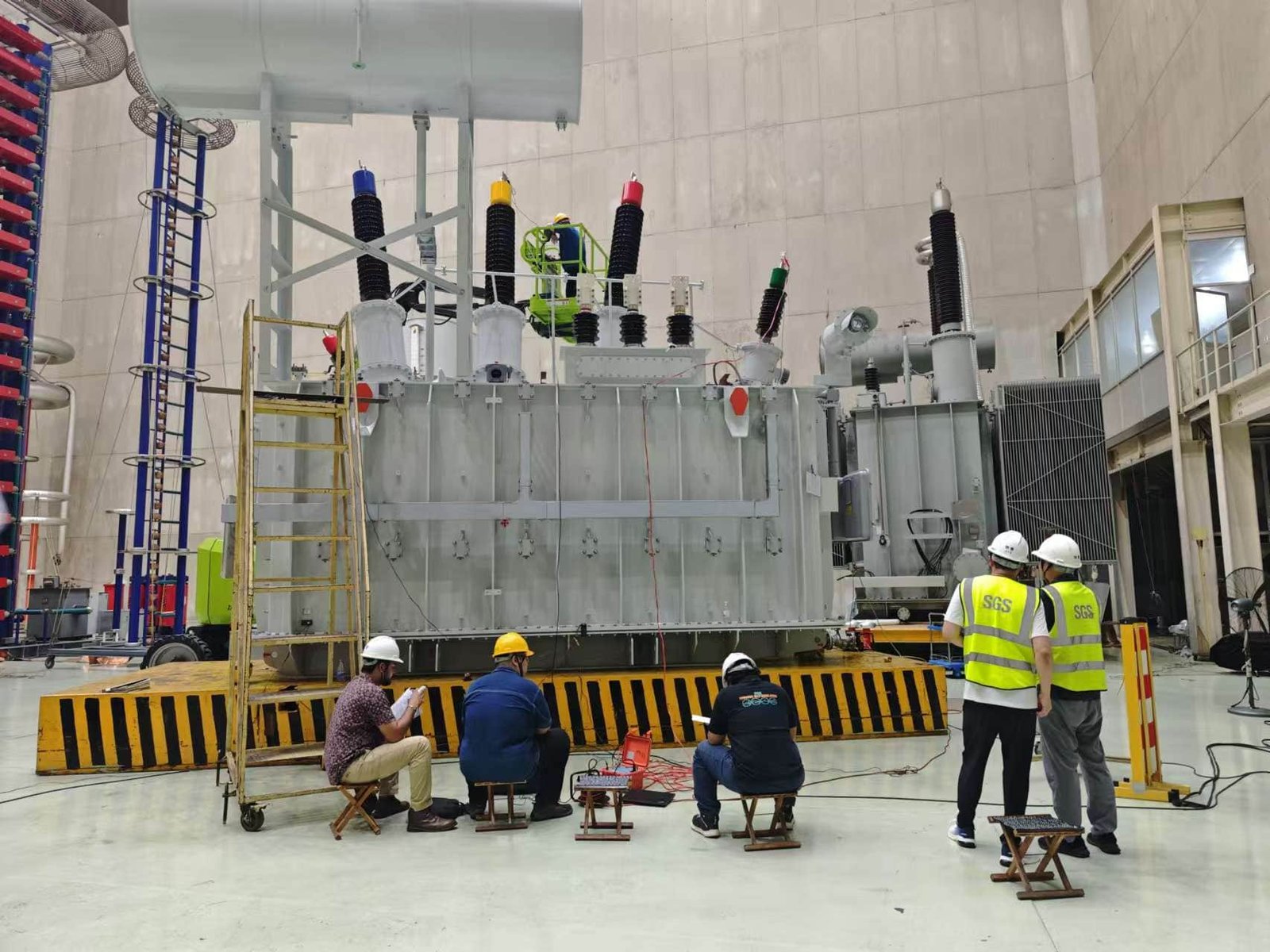
When it comes to ensuring the reliability, safety, and performance of power transformers, no aspect is more critical than rigorous testing under standardized international protocols. Inconsistent or incomplete testing could lead to transformer failure, grid instability, and costly downtime. This is precisely why the International Electrotechnical Commission (IEC) developed a comprehensive and harmonized testing framework—the IEC 60076 series—to regulate how transformers are designed, evaluated, and certified. These standards provide the global benchmark for testing transformer performance under real-world electrical, mechanical, and thermal stresses.
In essence, IEC standards define transformer testing and performance requirements through a structured framework of type tests, routine tests, and special tests, ensuring that every transformer meets global criteria for electrical safety, mechanical integrity, thermal stability, and long-term reliability.
IEC testing protocols serve as the universal quality passport for all power transformers—whether designed for conventional grids, renewable systems, or HVDC applications.
IEC standards only require basic inspection without load or voltage testing.False
IEC mandates comprehensive electrical, mechanical, and thermal tests, including dielectric, short-circuit, and temperature rise evaluations.
IEC transformer tests differ for every manufacturer.False
IEC defines standardized and repeatable test procedures applicable to all manufacturers worldwide.
1. Overview of IEC Testing Philosophy
The IEC 60076 series establishes a performance verification system that ensures transformers perform as expected throughout their service life. This testing system addresses three essential dimensions:
| Test Category | Purpose | Key Objective |
|---|---|---|
| Type Tests | Validate design | Confirm capability of new designs under standard operating and extreme conditions |
| Routine Tests | Ensure production consistency | Verify that every manufactured unit meets its guaranteed ratings |
| Special Tests | Project or client-specific | Evaluate additional parameters such as vibration, noise, or frequency response |
This approach guarantees that both prototype validation and mass production align with IEC-defined safety and efficiency thresholds.
2. IEC Type Tests: Verifying Design Integrity
Type tests are conducted on one or more prototype units of a new transformer design. They confirm that the transformer design is safe, durable, and compliant with IEC requirements before mass production.
| Test Type | IEC Reference | Purpose | Typical Result |
|---|---|---|---|
| Temperature Rise Test | IEC 60076-2 | Measures top oil and winding temperatures under full load | Confirms thermal design |
| Dielectric Type Tests | IEC 60076-3 | Verifies insulation withstands high voltage impulses | Certifies dielectric strength |
| Short-Circuit Withstand Test | IEC 60076-5 | Ensures windings and clamping can endure fault currents | Proves mechanical robustness |
| Sound Level Test | IEC 60076-10 | Measures transformer noise per rated load | Confirms compliance with environmental limits |
| No-Load and Load Loss Measurement | IEC 60076-1 | Confirms efficiency class (e.g., Ck, Ak levels) | Validates performance guarantee |
| Insulation Resistance and Partial Discharge Test | IEC 60270 / 60076-3 | Measures discharge levels to assess insulation health | Detects weak points or defects |
These tests simulate extreme voltage surges, short circuits, and heat accumulation, proving the transformer’s ability to operate safely even under fault or overload conditions.
Outcome:
Type tests confirm the design’s compliance and robustness, allowing certification under international inspection bodies such as KEMA, CESI, or TÜV Rheinland.
3. IEC Routine Tests: Guaranteeing Manufacturing Consistency
Routine tests are applied to every transformer before dispatch. They verify that each unit manufactured matches the tested and approved design.
| Routine Test | IEC Reference | Objective | Acceptance Criteria |
|---|---|---|---|
| Winding Resistance Measurement | IEC 60076-1 | Confirms correct conductor sizing | Within ±2% of design value |
| Turns Ratio and Vector Group Check | IEC 60076-1 | Verifies winding configuration and polarity | Must match nameplate |
| Leakage Impedance and Load Loss Test | IEC 60076-1 | Ensures impedance aligns with tolerance | ±10% (typical) |
| No-Load Loss and Excitation Current | IEC 60076-1 | Confirms magnetic circuit efficiency | Must not exceed guaranteed values |
| Applied Voltage and Induced Voltage Tests | IEC 60076-3 | Verifies insulation system under operating stress | No partial discharge or failure |
| Oil Quality Test (if applicable) | IEC 60296 | Measures dielectric strength and moisture content | ≥30 kV BDV, ≤10 ppm moisture |
Routine testing forms the final quality assurance checkpoint before shipment and installation.
Example:
If a 20 MVA, 110 kV transformer records winding resistance deviations above IEC limits, the unit must be reworked or rejected—ensuring only compliant products reach the end user.
4. IEC Special Tests: Tailored to Project-Specific Needs
IEC 60076 also allows special tests to address unique project or environmental requirements.
| Special Test | IEC Clause | Purpose / Application |
|---|---|---|
| Vibration and Mechanical Resonance Test | IEC 60076-18 | Offshore or seismic zones |
| Frequency Response Analysis (FRA) | IEC 60076-18 | Detects internal winding displacement |
| Moisture Content in Insulation | IEC 60450 | Validates long-term insulation reliability |
| Harmonic Current Tolerance Test | IEC 60076-16 | Solar/wind inverter applications |
| Corona and PD Test in HVDC Systems | IEC 61378 / 60076-14 | HVDC converter transformers |
| Impulse Polarity Reversal Test | IEC 60076-3 Annex | Fast switching or surge conditions |
Purpose:
These tests enhance site-specific reliability—for example, ensuring a transformer can handle high harmonic loads in photovoltaic farms or strong mechanical stress in mountainous regions.
5. Performance Requirements Under IEC Standards
IEC standards specify performance through measurable criteria, ensuring reliability and efficiency across operating conditions.
| Performance Area | Parameter | IEC Limit / Definition |
|---|---|---|
| Thermal Performance | Winding & oil temperature | Max. 105 °C (Class A), 120 °C (Class B) |
| Efficiency (Losses) | Load and no-load losses | As guaranteed within ±10% tolerance |
| Dielectric Strength | Impulse withstand voltage | Up to 1550 kV (UHV systems) |
| Sound Emission | Acoustic level | ≤ 70 dB(A) for typical 132 kV units |
| Mechanical Integrity | Short-circuit withstand | 2.5 × rated current for 2 seconds |
| Insulation Quality | Partial discharge level | ≤ 10 pC at rated voltage |
These limits ensure every transformer can withstand overloads, maintain low noise, minimize losses, and operate safely under varying environmental conditions.
6. IEC Test Acceptance and Documentation
Compliance with IEC requires comprehensive documentation throughout testing and verification stages:
| Document Type | Purpose | Issued By |
|---|---|---|
| Type Test Report | Design validation | Accredited test lab |
| Routine Test Report | Manufacturing quality assurance | Manufacturer QA department |
| Special Test Certificate | Project-specific validation | Independent testing body |
| Compliance Declaration | Confirms full IEC conformity | Manufacturer / Third-party |
These documents form the technical foundation for transformer tenders and warranty agreements.
7. Energy Efficiency and Eco-Design Under IEC
Modern IEC revisions include Eco-Design (EU Regulation 548/2014) requirements for minimum efficiency.
| Transformer Rating | Efficiency Class | IEC Reference | Typical Loss Reduction |
|---|---|---|---|
| ≤ 2.5 MVA | Tier 1–Tier 2 | IEC 60076-1 Annex C | 10–15% |
| 2.5–10 MVA | Ck / Ak Classes | IEC 60076-20 Draft | 12–18% |
| >10 MVA | Custom efficiency benchmarks | EU EcoDesign / IEC 60076 | 20–25% |
This ensures manufacturers balance losses, performance, and sustainability, supporting global carbon-reduction goals.
8. Testing Infrastructure and Accreditation
IEC requires testing to be conducted in accredited laboratories equipped with:
- High-voltage impulse generators
- Temperature rise and oil flow monitoring systems
- Partial discharge detection instruments
- Automated data logging and analysis tools
Certification Bodies:
- KEMA Laboratories (Netherlands)
- CESI (Italy)
- UL (USA)
- CPRI (India)
- KERI (Korea)
These institutions ensure impartial compliance validation, reinforcing international trust in IEC-certified transformers.
9. Future Direction: Digital and AI-Based Testing (IEC 60076-19)
The latest evolution of IEC testing is IEC 60076-19, focusing on digital monitoring, diagnostics, and predictive analytics.
| Technology | Function | Expected Outcome |
|---|---|---|
| Digital Sensors | Monitor temperature, PD, and moisture | Real-time condition awareness |
| AI-based Analytics | Predict insulation aging | Prevent unplanned outages |
| Cloud-Linked Test Systems | Data sharing with IEC databases | Automated compliance verification |
This digital transformation will shift testing from static verification to dynamic lifecycle monitoring, enabling continuous IEC compliance validation through live operational data.
10. Real-World Example: IEC Testing in a 132/33 kV Substation Project
In a recent African grid modernization project, IEC 60076-compliant testing allowed a local EPC contractor to qualify imported 132/33 kV oil-immersed transformers.
Results:
- Successful type and routine testing reduced commissioning delays by 40%.
- Verified compliance simplified insurance and warranty approval.
- Long-term monitoring confirmed stable losses and insulation integrity after 3 years.
This demonstrates how IEC-based testing translates directly into operational reliability and reduced lifecycle costs.
What Safety and Environmental Provisions Are Included in IEC Standards?
In transformer manufacturing and operation, safety and environmental protection are not just technical requirements—they are moral and legal imperatives. The consequences of neglecting safety standards or environmental controls can be catastrophic: electrical accidents, oil leaks contaminating soil and water, and severe reputational damage to operators and manufacturers. To prevent such outcomes, the International Electrotechnical Commission (IEC) has integrated comprehensive safety and environmental provisions into its transformer standards—chiefly the IEC 60076 series and associated eco-design regulations. These provisions ensure that every transformer is designed, manufactured, and operated with maximum safety and minimal ecological impact.
IEC standards include detailed safety and environmental provisions that cover electrical protection, fire prevention, noise control, insulation integrity, oil containment, material recycling, and eco-design efficiency. These requirements ensure that power transformers operate safely for personnel and the environment throughout their entire lifecycle—from design to decommissioning.
By integrating these standards into design and production, manufacturers not only comply with global regulations but also enhance the sustainability and trustworthiness of their products.
IEC standards only address electrical performance, not environmental aspects.False
IEC 60076 includes environmental and safety clauses covering noise, oil containment, materials, and emissions.
Fire safety is optional under IEC transformer standards.False
IEC requires fire prevention measures such as oil containment pits, flame-retardant fluids, and thermal monitoring systems.
1. Overview: How IEC Integrates Safety and Environmental Protection
The IEC’s framework for safety and environmental control is spread across multiple documents that define obligations for transformer designers, manufacturers, and operators. The key standards include:
| IEC Standard | Title / Scope | Safety / Environmental Focus |
|---|---|---|
| IEC 60076-1 | General Requirements | Electrical, mechanical, and operational safety |
| IEC 60076-2 | Temperature Rise Limits | Prevents overheating and fire risk |
| IEC 60076-5 | Short-Circuit Withstand Strength | Protects against mechanical and thermal damage |
| IEC 60076-7 | Loading Guides | Prevents overload and insulation deterioration |
| IEC 60076-10 | Sound Level Limits | Noise pollution control |
| IEC 60076-14 | Environmental and Climatic Classes | Oil leakage prevention, corrosion resistance |
| IEC 60076-22-1 | Fire Safety and Liquid-Immersed Transformers | Fire prevention and containment |
| IEC 60076-19 | Digital Monitoring and Diagnostics | Condition-based risk management |
These standards work together to ensure the transformer’s safe electrical operation, protection of personnel, and environmental compatibility throughout its service life.
2. Electrical and Operational Safety Provisions
Electrical safety under IEC revolves around preventing accidental contact, arcing, and insulation failure. Transformers must comply with design and test requirements that protect both operators and infrastructure.
| Aspect | IEC Reference | Requirement |
|---|---|---|
| Dielectric Strength | IEC 60076-3 | Withstand impulse voltages up to 1550 kV |
| Creepage Distance | IEC 60815 | Depends on pollution class (e.g., 31 mm/kV for heavy pollution) |
| Protective Earthing | IEC 60076-1 | Mandatory for all metal parts accessible to personnel |
| Enclosure Protection | IEC 60529 | IP23 to IP54 based on installation environment |
| Thermal Safety | IEC 60076-2 | Top oil and winding temp limits to prevent burns or fire |
In addition, IEC 60076 requires protective relays, pressure relief valves, and Buchholz relays for oil-immersed transformers to detect internal faults early.
Example:
A 40 MVA, 132 kV transformer installed in a humid coastal environment must have a creepage distance of at least 31 mm/kV and corrosion-protected tank coatings compliant with IEC 60076-14.
3. Fire Prevention and Explosion Protection
Transformers contain large volumes of flammable insulating liquids, making fire and explosion safety essential.
IEC 60076-22-1 and IEC 60076-2 define a combination of design, monitoring, and installation provisions to mitigate risks:
| Provision Type | Description | IEC Reference |
|---|---|---|
| Oil Containment System | Prevents oil spills during leaks or rupture | IEC 60076-22-1 Clause 10 |
| Pressure Relief Devices | Automatically vent excess gas pressure | IEC 60076-1 Clause 13.5 |
| Flame-Retardant Liquids | Use of synthetic or natural esters instead of mineral oil | IEC 61099 / IEC 62770 |
| Temperature Monitoring | Sensors for winding and top oil | IEC 60076-2 Clause 11 |
| Fire Detection Systems | Infrared or smoke-based alarms integrated into control panels | IEC 60076-22-1 Annex D |
Practical Example:
Urban substations often install natural ester-filled transformers (K-class fluids) to reduce fire risk. These fluids have a fire point above 300°C, complying with IEC 61099 and reducing environmental hazards in the event of leaks.
4. Environmental Provisions: Reducing Pollution and Impact
IEC standards align with ISO 14001 and the EU EcoDesign Directive, promoting transformers with reduced ecological footprint.
| Environmental Control Aspect | IEC Provision | Typical Implementation |
|---|---|---|
| Oil Containment and Drainage | IEC 60076-14 Clause 15 | Impermeable pits with oil-water separation |
| Noise Emission Control | IEC 60076-10 | ≤70 dB(A) for 132 kV units |
| Corrosion Resistance | IEC 60076-14 Annex A | Protective paint or stainless steel |
| Biodegradable Fluids | IEC 61099 / 62770 | Natural esters instead of mineral oil |
| Waste and Recycling | IEC 60076-18 / ISO 22628 | 85–95% recyclability requirement |
| Energy Efficiency | IEC 60076-20 Draft | Reduced no-load losses via high-grade CRGO or amorphous steel |
IEC also categorizes transformers by environmental classes (E0, E1, E2) to specify their resistance to moisture, corrosion, and pollution.
| Class | Definition | Application Example |
|---|---|---|
| E0 | Indoor, non-aggressive | Indoor substations |
| E1 | Outdoor mild pollution | Urban substations |
| E2 | Outdoor heavy pollution / coastal | Offshore, chemical plants |
5. Material and Chemical Safety
IEC mandates restrictions on hazardous substances and defines the use of environmentally responsible materials.
| Material Type | IEC Guidance | Purpose |
|---|---|---|
| Insulating Fluids | IEC 60296, 61099 | Control PCB-free, low toxicity oils |
| Solid Insulation | IEC 60641, 62631 | Limits halogens and toxic compounds |
| Paints/Coatings | IEC 60076-14 | Must be lead-free and corrosion-resistant |
| Tank Steel and Hardware | IEC 60076-1 | Recyclable and compliant with REACH regulations |
Environmental Note:
IEC explicitly prohibits polychlorinated biphenyls (PCBs) in insulating oils, requiring <2 mg/kg detection threshold as per IEC 61619.
6. Noise, Vibration, and Community Impact
Transformers generate low-frequency hums due to magnetic flux in cores. IEC 60076-10 sets limits and measurement methods to minimize acoustic impact.
| Transformer Rating (MVA) | Max Sound Level [dB(A)] | Testing Standard |
|---|---|---|
| < 10 | 60 | IEC 60076-10 |
| 10–50 | 65 | IEC 60076-10 |
| > 50 | 70 | IEC 60076-10 |
Noise-reduction techniques include:
- Using step-lap CRGO cores
- Acoustic enclosures
- Elastomeric vibration isolators
This ensures compliance not only with IEC but also local environmental noise laws.
7. Monitoring and Digital Safety Systems
IEC 60076-19 introduces digital monitoring systems that enhance operational safety and environmental protection.
| Monitoring Function | Parameter Measured | Benefit |
|---|---|---|
| Oil Temperature | Hot-spot detection | Prevents overheating |
| Gas-in-Oil Analysis | Dissolved gases (H₂, CO₂, CH₄) | Early fault detection |
| Moisture Sensor | Water in insulation | Prevents dielectric failure |
| Partial Discharge | Internal discharge activity | Prevents insulation breakdown |
| Online Efficiency Tracking | Load and loss data | Energy optimization |
Outcome:
Predictive maintenance reduces risk of catastrophic oil leaks or explosions, aligning with IEC and ISO 55000 asset management principles.
8. Lifecycle and End-of-Life Management
IEC promotes circular economy principles by defining end-of-life recovery and disposal guidelines:
- Reuse of copper, steel, and core laminations (≥90% recyclability)
- Safe oil reclamation and re-refining per IEC 60296
- Controlled decommissioning to prevent soil or water contamination
These provisions align with EU WEEE (Waste Electrical and Electronic Equipment) directives and national environmental laws.
9. Case Study: Sustainable Substation in Northern Europe
A 132/33 kV utility in Finland replaced 15 aging mineral-oil transformers with natural ester-filled IEC 60076-22-1 units.
Results:
- 40% reduction in fire risk (ester fluids are self-extinguishing)
- Eliminated PCB and mineral oil contamination risk
- Improved CO₂ footprint by 25% due to higher biodegradability
- Noise levels reduced by 5–7 dB(A) via optimized magnetic core design
This real-world example highlights how IEC environmental and safety provisions translate into measurable benefits.
10. Future Direction: IEC Eco-Design and Carbon-Neutral Standards
Upcoming IEC revisions (IEC 60076-20 and IEC 60076-24 drafts) emphasize:
- Carbon footprint accounting per transformer unit
- Mandatory use of recyclable and low-emission materials
- Integration of digital twins for environmental monitoring
- Compatibility with smart grid and renewable systems
By 2030, IEC aims for transformers to meet Tier 3 eco-design targets, reducing lifecycle environmental impact by at least 30%.
How Do IEC Standards Compare to IEEE and ANSI Standards?
In the global power industry, transformer standardization is the foundation of interoperability, reliability, and international trade. Yet, one of the most common challenges engineers and procurement specialists face is determining how IEC (International Electrotechnical Commission) standards compare with IEEE (Institute of Electrical and Electronics Engineers) and ANSI (American National Standards Institute) frameworks. The absence of a unified global standard can complicate equipment specification, testing, and certification. However, understanding their differences and alignments allows buyers and designers to make informed technical and commercial decisions, ensuring both compatibility and performance.
In essence, IEC standards provide globally harmonized transformer specifications focused on international consistency and efficiency, while IEEE and ANSI standards are primarily North American frameworks emphasizing robustness, safety, and reliability under regional grid conditions. Though their objectives align, their design philosophies, testing methods, and tolerance criteria often differ.
For transformer manufacturers and buyers, recognizing these nuances ensures technical compatibility and avoids costly misalignment during tendering or installation.
IEC and IEEE standards are identical in transformer testing procedures.False
While both share similar goals, IEC emphasizes global harmonization and efficiency, whereas IEEE defines region-specific test methods and tolerances.
ANSI standards are unrelated to power transformers.False
ANSI endorses and publishes IEEE transformer standards, making them integral to U.S. power equipment regulation.
1. Overview: Global Roles of IEC, IEEE, and ANSI
Before comparing their technical content, it’s essential to understand each organization’s role in transformer standardization.
| Organization | Region / Scope | Primary Focus | Relevance in Power Transformers |
|---|---|---|---|
| IEC (International Electrotechnical Commission) | Global (Europe, Asia, Africa, etc.) | International unification of electrical standards | IEC 60076 series governs design, testing, and efficiency |
| IEEE (Institute of Electrical and Electronics Engineers) | North America (mainly U.S.) | Technical innovation and engineering excellence | IEEE C57 series defines transformer performance and tests |
| ANSI (American National Standards Institute) | United States | Standard approval and national coordination | Publishes IEEE-approved transformer standards under ANSI prefix |
While IEC focuses on global trade and uniformity, IEEE/ANSI prioritize performance under North American operating conditions such as 60 Hz frequency, high fault levels, and unique grid configurations.
2. Structural Comparison: Series and Coverage
| Standard Group | Primary Reference Series | Typical Scope |
|---|---|---|
| IEC | IEC 60076 series | Covers all power transformer types (oil-immersed, dry-type, HVDC, special duty) |
| IEEE/ANSI | IEEE C57 series (ANSI C57.x) | Covers power, distribution, and instrument transformers for North America |
| Overlap Areas | Dielectric, temperature, sound, losses, short-circuit strength |
Example:
- IEC 60076-3 (Dielectric Tests) ≈ IEEE C57.12.90 (Test Code)
- IEC 60076-5 (Short-Circuit Tests) ≈ IEEE C57.12.90 + C57.12.00 (Design Requirements)
Both aim to ensure safe operation, but IEC tends to focus on international conformity and harmonization, while IEEE defines detailed application-oriented practices for high-reliability grids.
3. Design Philosophy Differences
| Aspect | IEC Philosophy | IEEE/ANSI Philosophy | Impact |
|---|---|---|---|
| Grid Context | Global — designed for 50 Hz systems | Regional — primarily 60 Hz systems | Frequency affects core design and losses |
| Design Margin | Emphasizes efficiency and eco-design | Emphasizes durability and fault tolerance | IEEE designs are often heavier and more robust |
| Loss Evaluation | Tight tolerance limits for energy efficiency | Broader tolerances; focuses on operational reliability | IEC supports EcoDesign regulations (EU 548/2014) |
| Testing Approach | More standardized and modular | More customized and procedural | IEEE specifies test sequences for real-world U.S. utility use |
| Environmental Considerations | Integrated (noise, oil leakage, recycling) | Considered but less prescriptive | IEC provides stronger sustainability framework |
Conclusion:
IEC favors universal applicability, while IEEE/ANSI lean toward practical engineering safety tailored to North American grid conditions.
4. Testing and Performance Criteria Comparison
IEC and IEEE both define extensive testing regimes, but differ in methodology, acceptance ranges, and interpretation.
| Test Category | IEC 60076 Reference | IEEE/ANSI Reference | Key Difference |
|---|---|---|---|
| Dielectric Tests | IEC 60076-3 | IEEE C57.12.90 | IEC uses lightning and switching impulse classification; IEEE defines BIL levels specific to system voltage |
| Temperature Rise | IEC 60076-2 | IEEE C57.12.00 | IEC allows higher ambient (up to 40°C) with stricter thermal limits |
| Short-Circuit Strength | IEC 60076-5 | IEEE C57.12.90 | Both use similar mechanical stress tests, but IEEE adds test sequences for oil movement |
| Sound Level | IEC 60076-10 | IEEE C57.12.90 Annex A | IEC typically stricter (by 2–3 dB) |
| Loss Measurement | IEC 60076-1 | IEEE C57.12.90 | IEC defines guaranteed tolerances; IEEE measures at nominal voltage without correction factors |
Illustrative Example:
A 20 MVA, 132/33 kV transformer tested under both systems might meet IEC loss limits but marginally exceed IEEE acoustic limits, due to slightly different sound measurement protocols.
5. Efficiency and Eco-Design Requirements
IEC integrates EcoDesign and carbon reduction policies—an area where IEEE/ANSI have historically been less stringent.
| Standard Reference | Efficiency Regulation | Impact |
|---|---|---|
| IEC 60076-20 (EcoDesign) | Defines minimum efficiency classes (Ck, Ak) | Mandatory in EU and Asia-Pacific |
| IEEE C57.120 (Loss Evaluation Guide) | Provides utility-based cost calculation | Optional but widely used in procurement |
IEC standards enforce efficiency levels at the manufacturing stage, whereas IEEE allows utilities to decide trade-offs between losses and capital cost through lifecycle evaluation.
6. Safety and Environmental Provisions
IEC explicitly integrates safety and environmental criteria, while IEEE/ANSI treat them as supplementary or project-specific.
| Category | IEC Reference | IEEE/ANSI Reference | Notable Difference |
|---|---|---|---|
| Fire Safety | IEC 60076-22-1 | IEEE C57.12.34 Annex D | IEC includes flame-retardant liquids and containment; IEEE focuses on installation spacing |
| Oil Handling & Recycling | IEC 60296 / 61099 | IEEE C57.104 / C57.106 | IEC covers eco-friendly and biodegradable fluids |
| Noise & Environmental Impact | IEC 60076-10 | IEEE C57.12.90 | IEC stricter; encourages low-noise urban design |
Result: IEC standards align more closely with ISO 14001 and global sustainability goals.
7. Voltage Class and Insulation Coordination
Voltage classification systems differ slightly, especially for high-voltage (>245 kV) applications.
| Parameter | IEC Classification | IEEE Classification | Impact |
|---|---|---|---|
| System Voltage (kV) | Standardized per IEC 60038 | Based on U.S. utility voltage hierarchy | Minor variation in tap-changer design |
| Insulation Levels | Defined by LI/SI (Lightning/Switching Impulse) | Defined by BIL (Basic Insulation Level) | Equivalent in concept but different labeling |
For example, IEC 245 kV corresponds approximately to IEEE’s 230 kV class; both define similar impulse withstand values (~1050 kV LI).
8. Interchangeability and Procurement Implications
When comparing transformer bids between IEC and IEEE standards, technical equivalence tables can help align specifications.
| Procurement Consideration | IEC-Based Project | IEEE-Based Project |
|---|---|---|
| Design Reference | IEC 60076 | IEEE C57.12 |
| Loss Evaluation | Guaranteed value with tolerance | Utility-specific cost model |
| Testing Location | Any accredited IEC lab | NEMA or IEEE-recognized lab |
| Certification | KEMA, CESI, UL, TÜV | NRTL, UL, CSA |
| Documentation | Type/routine test reports | Factory test and witness reports |
Manufacturers often maintain dual compliance, ensuring equipment meets both IEC and IEEE/ANSI requirements for export flexibility.
9. Real-World Case Study: Dual-Standard Transformer for Global Utility
A 50 MVA, 132/33 kV transformer was designed for an African utility with IEC-based tender but U.S. funding requiring IEEE testing.
Approach and Outcome:
- Core design followed IEC 60076-1 efficiency classes.
- Dielectric tests conducted per IEEE C57.12.90 to validate BIL compliance.
- Final certification issued under both IEC and IEEE/ANSI labeling.
- Reduced procurement lead time by 30% and avoided requalification costs.
This hybrid approach demonstrates how aligning both standards ensures technical and financial flexibility in international projects.
10. Future Outlook: Global Harmonization
The IEC and IEEE transformer committees have been collaborating on harmonization since 2018, particularly for high-voltage and eco-design standards.
Emerging convergence areas:
- Unified temperature rise and insulation definitions
- Standardized digital monitoring (IEC 60076-19 and IEEE C57.143)
- Shared eco-efficiency framework compatible with both regions
By 2030, many experts anticipate cross-certifiable standards allowing equipment to serve both IEC and IEEE markets seamlessly.
Why Is IEC Compliance Important for Global Transformer Projects?

In today’s increasingly interconnected power infrastructure market, international projects demand universal standards that ensure safety, performance, and interoperability. Yet, one of the most common challenges faced by EPC contractors, utilities, and procurement teams is aligning technical specifications across regions that follow different standards. Without such alignment, delays, certification issues, and costly redesigns often occur. The solution lies in IEC compliance — the global benchmark that ensures transformers can perform reliably in diverse environments while meeting universally recognized safety and efficiency criteria.
Simply put, IEC compliance guarantees that a power transformer meets globally accepted design, testing, and performance standards. This compliance facilitates international trade, ensures technical compatibility across countries, improves safety and efficiency, and provides confidence that the equipment will perform consistently regardless of its destination.
IEC compliance is not merely a box-ticking exercise—it’s the foundation of global credibility, quality assurance, and market access. For manufacturers, it demonstrates engineering excellence; for end-users, it ensures long-term reliability and regulatory peace of mind.
IEC compliance is optional for exporting transformers internationally.False
Most global markets, especially in Asia, Europe, and Africa, require IEC-compliant certification for transformer acceptance and import approval.
IEC standards only address transformer testing but not efficiency.False
IEC standards include energy performance, eco-design, and efficiency classifications as integral parts of compliance, ensuring transformers meet sustainability goals.
1. Understanding IEC’s Role in the Global Power Industry
The International Electrotechnical Commission (IEC) develops and maintains standards for all electrical and electronic technologies. For transformers, the IEC 60076 series defines every key aspect—design, manufacturing, testing, insulation, efficiency, safety, and eco-design.
| IEC Standard | Focus Area | Description / Application |
|---|---|---|
| IEC 60076-1 | General requirements | Core design, nameplate data, tolerances |
| IEC 60076-2 | Temperature rise | Defines limits and measurement methods |
| IEC 60076-3 | Dielectric tests | Lightning and switching impulse levels |
| IEC 60076-5 | Short-circuit withstand | Mechanical strength and design validation |
| IEC 60076-10 | Sound level | Acoustic emissions under load |
| IEC 60076-20 | Eco-design | Efficiency and environmental performance |
Each standard ensures consistency and interoperability between suppliers and utilities worldwide. Compliance confirms that the transformer has undergone rigorous type and routine testing and meets the same benchmarks recognized in over 170 member countries.
2. Why IEC Compliance Matters for Global Projects
2.1. Universal Technical Language
IEC compliance allows project stakeholders from different regions to communicate using the same technical framework. Whether a project is being executed in Africa, Asia, or Europe, all specifications—such as loss levels, insulation, and cooling class—are uniformly defined. This minimizes misunderstandings and reduces design errors.
2.2. Simplified Procurement and Bidding
For international tenders, IEC compliance levels the playing field by ensuring that all suppliers meet minimum performance and safety criteria. It eliminates the risk of low-quality bids and enables objective evaluation of offers.
| Procurement Advantage | IEC-Compliant Projects | Non-Compliant Projects |
|---|---|---|
| Bid comparability | High — uniform standards | Low — varying definitions |
| Certification process | Simplified | Complicated or repeated |
| Import approval | Fast-tracked | Delayed or restricted |
| Long-term reliability | Verified | Uncertain |
2.3. Global Market Access
IEC certification acts as a passport for international trade. Countries in Europe, Africa, the Middle East, and Asia recognize IEC-compliant transformers as fully acceptable. Manufacturers without IEC certification may face export restrictions, local testing requirements, or rejection in public tenders.
2.4. Enhanced Safety and Performance
IEC standards include strict testing and design protocols to verify performance under voltage, thermal, and short-circuit stresses. Compliance ensures the transformer can withstand grid disturbances, maintain insulation integrity, and operate efficiently across varying load conditions.
3. Technical Depth: IEC Standards and Performance Validation
IEC compliance isn’t just documentation—it represents measurable engineering discipline.
| Test Type | IEC Standard Reference | Purpose / Measurement | Result of Compliance |
|---|---|---|---|
| Dielectric test | IEC 60076-3 | Validate insulation coordination | Prevents flashovers and failures |
| Temperature rise | IEC 60076-2 | Limits overheating | Extends winding and oil life |
| Short-circuit test | IEC 60076-5 | Verify mechanical integrity | Ensures grid fault resilience |
| Acoustic test | IEC 60076-10 | Controls sound emissions | Reduces urban noise pollution |
| Eco-design | IEC 60076-20 | Defines efficiency levels | Ensures sustainable operation |
IEC’s comprehensive test regime guarantees the transformer’s reliability before commissioning, avoiding costly field failures and unplanned outages.
4. Case Study: IEC Compliance in International Utility Projects
A 100 MVA, 220/66 kV oil-immersed transformer supplied to an African grid project required IEC 60076-1, -3, and -5 compliance.
- Challenge: The local authority used European grid standards, while the EPC contractor followed mixed U.S. guidelines.
- Solution: The manufacturer designed to IEC specifications, using dual-frequency testing (50/60 Hz) and harmonized dielectric levels.
- Result: The transformer was accepted by both European and local regulators, achieved 1.8% lower total losses, and was commissioned ahead of schedule.
This case shows how IEC compliance streamlines multinational cooperation, minimizing approval delays and ensuring project success.
5. IEC Compliance and Sustainability Goals
IEC standards directly support global energy efficiency and climate targets by enforcing EcoDesign principles.
| IEC Regulation | Sustainability Focus | Impact |
|---|---|---|
| IEC 60076-20 | Energy efficiency limits | Reduces lifecycle CO₂ emissions |
| IEC 60296 (Fluids) | Biodegradable oils | Enhances environmental safety |
| IEC 60076-22 | Fire and safety compliance | Prevents accidents in populated areas |
By ensuring transformers meet minimum efficiency thresholds, IEC compliance reduces grid energy losses, contributing significantly to international decarbonization goals.
6. Integration with Other Global Frameworks
IEC standards harmonize with complementary systems:
- ISO 9001 & 14001: Quality and environmental management
- EN 50588: European Union efficiency directives
- IEEE / ANSI Compatibility: Dual-compliant testing accepted in North America
This integration means a single IEC-compliant transformer can often be easily adapted to local requirements, reducing redundant testing and certification costs.
7. Financial Implications of IEC Compliance
IEC compliance may slightly increase initial testing and documentation costs, but these are outweighed by long-term economic benefits.
| Financial Factor | IEC-Compliant Transformer | Non-Compliant Transformer |
|---|---|---|
| Initial cost | Slightly higher | Lower |
| Inspection and testing | Simplified, globally accepted | Redundant or repeated |
| Lifetime efficiency | Higher (lower losses) | Lower (higher energy costs) |
| Insurance & warranties | Accepted globally | Limited or denied |
| Resale value | High | Low |
Over a 25-year lifecycle, IEC-compliant transformers yield 3–7% lower total cost of ownership due to higher efficiency and easier maintenance.
8. Common Misconceptions About IEC Compliance
“IEC standards only apply in Europe.”
→ False. IEC is adopted in over 170 countries, including most of Asia, the Middle East, and Africa.“Compliance only benefits manufacturers.”
→ False. End-users, utilities, and EPC firms benefit from consistent quality and reduced technical disputes.“IEC testing duplicates local requirements.”
→ False. In most cases, IEC certification replaces local testing, accelerating approval and commissioning.
9. Future Outlook: Global Harmonization and Smart Transformers
IEC continues to evolve, addressing emerging technologies such as digital monitoring, smart diagnostics, and eco-efficient insulation systems.
- IEC 60076-19 introduces digital interfaces for condition monitoring.
- IEC 60076-22 focuses on environmental protection and fire safety.
- Future revisions will integrate AI-based diagnostics and predictive maintenance protocols, allowing compliance to support smarter grids and longer transformer lifecycles.
Conclusion
IEC standards for power transformers provide a unified framework for design, manufacturing, and testing across global markets. They promote efficiency, safety, and compatibility in electrical infrastructure. Compliance with IEC standards not only enhances transformer reliability and performance but also builds trust among international clients and project partners. Following these standards ensures that transformers meet modern energy system demands while maintaining global quality assurance.
FAQ
Q1: What are IEC standards for power transformers?
IEC standards are international specifications set by the International Electrotechnical Commission (IEC) to ensure uniform design, safety, and performance across transformers worldwide. These standards define requirements for construction, temperature rise, insulation coordination, testing, and noise levels, ensuring consistent quality and interoperability among manufacturers.
Q2: What are the main IEC standards applicable to power transformers?
Here are the key IEC standards for power transformers:
IEC 60076-1: General requirements for power transformers.
IEC 60076-2: Temperature rise and cooling.
IEC 60076-3: Insulation levels and dielectric tests.
IEC 60076-5: Ability to withstand short-circuit forces.
IEC 60076-7: Loading guide for oil-immersed transformers.
IEC 60076-10: Determination of sound levels.
IEC 60076-14: Design for liquid-immersed transformers using ester fluids.
IEC 60076-18: Measurement of frequency response (FRA).
These standards cover design, performance, safety, and environmental aspects of both oil-immersed and dry-type transformers.
Q3: Why are IEC standards important for transformer design and manufacturing?
Compliance with IEC standards ensures:
Safety: Prevents failures, fire, or insulation breakdown.
Interoperability: Guarantees compatibility between global suppliers and systems.
Reliability: Ensures stable performance under rated conditions.
Quality assurance: Verifies design integrity through standardized testing.
International acceptance: Facilitates global trade and certification.
Q4: How do IEC standards differ from IEEE or ANSI standards?
While IEC standards are globally recognized, IEEE/ANSI standards are more common in North America. IEC focuses on metric measurements and environmental safety, while IEEE emphasizes performance testing and system integration. Many global manufacturers design transformers that meet both IEC and IEEE standards to serve international markets.
Q5: How can buyers verify a transformer’s compliance with IEC standards?
To confirm compliance, request the following documentation from the manufacturer:
Type test and routine test reports according to IEC 60076.
Compliance certificates issued by accredited testing bodies.
Design drawings and material specifications showing adherence to IEC design criteria.
Factory Acceptance Test (FAT) reports for quality verification.
Independent third-party inspections can also be arranged to ensure full IEC conformity.
References
IEC 60076-1 – Power Transformers: General Requirements: https://webstore.iec.ch
IEC 60076-2 – Temperature Rise for Transformers: https://webstore.iec.ch
IEC 60076-3 – Insulation and Dielectric Tests: https://webstore.iec.ch
IEC 60076-5 – Short-Circuit Withstand Test: https://webstore.iec.ch
IEC 60076-7 – Loading Guide for Oil-Immersed Transformers: https://webstore.iec.ch
IEC 60076-10 – Determination of Sound Levels: https://webstore.iec.ch
IEC 60076-14 – Liquid-Immersed Transformers Using Ester Fluids: https://webstore.iec.ch
Electrical4U – IEC Standards for Transformers Explained: https://www.electrical4u.com
EEP – IEC 60076 Standard Overview: https://electrical-engineering-portal.com