
When procuring high-value equipment like power transformers, understanding international trade terms and payment conditions is critical. Incoterms define the responsibilities of buyers and sellers during shipping and delivery, while payment terms determine the financial flow and risk-sharing between parties. For buyers and suppliers of power transformers, especially in cross-border transactions, clarity on these aspects ensures smooth execution and successful delivery.
What Are Incoterms and Why Do They Matter in Transformer Purchases?
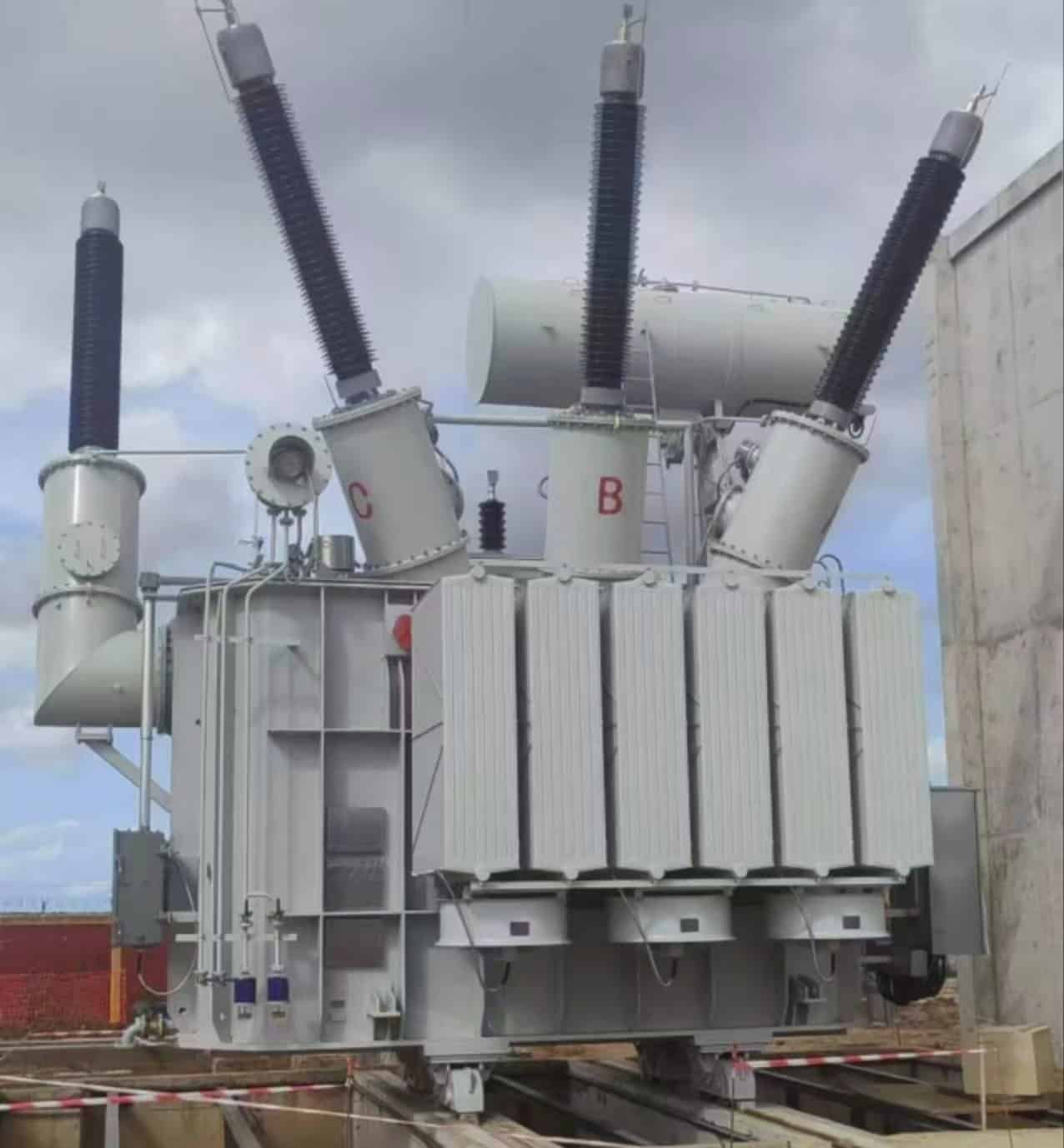
When purchasing high-value equipment like power transformers, commercial clarity is critical—not just in terms of what you’re buying, but also how and where the ownership, responsibility, and cost are transferred. That’s where Incoterms come into play. These globally recognized shipping terms, published by the International Chamber of Commerce (ICC), define the division of responsibilities between buyers and sellers in international trade transactions.
Incoterms (International Commercial Terms) specify who is responsible for transportation, insurance, customs clearance, loading/unloading, and risk transfer at each stage of delivery. In transformer purchases, they determine not only cost and delivery expectations but also liability in case of delays, damage, or import issues.
Understanding Incoterms can help buyers protect their investment, streamline customs processing, and negotiate better logistics strategies for complex power infrastructure projects.
Incoterms are optional suggestions in transformer contracts and do not impact logistics or liability.False
Incoterms are contractually binding and legally define cost, responsibility, and risk transfer points between transformer buyers and sellers.
📋 Key Incoterms in Transformer Procurement
| Term | Stands For | Seller’s Responsibility Ends At |
|---|---|---|
| EXW | Ex Works | Seller’s factory gate |
| FCA | Free Carrier | Named terminal in origin country |
| FOB | Free On Board | Loaded on vessel at port of departure |
| CFR | Cost & Freight | Delivered to destination port (no insurance) |
| CIF | Cost, Insurance, Freight | Delivered to port with marine insurance |
| DAP | Delivered at Place | At buyer’s warehouse or project site |
| DDP | Delivered Duty Paid | After customs cleared and delivered to site |
⚙️ Transformer Procurement: Common Incoterm Scenarios
| Buyer Type | Typical Term Used | Why It’s Chosen |
|---|---|---|
| International EPC Firm | FOB or CIF | Controls insurance and international logistics |
| National Utility | DAP or DDP | Wants turnkey delivery with local clearance |
| OEM Re-exporter | EXW | Controls consolidation and multi-country routing |
🛠️ How Incoterms Affect Transformer Delivery
| Factor | With EXW | With DDP |
|---|---|---|
| Customs Paperwork | Buyer handles | Seller handles |
| Loading at Factory | Buyer’s responsibility | Seller loads and packages |
| Inland Freight in China | Buyer arranges | Seller arranges |
| Marine Insurance | Buyer must purchase | Seller provides (in CIF/DDP) |
| Delivery to Project Site | Buyer arranges | Seller delivers onsite |
📉 Example Cost Implications: CIF vs DAP
| Cost Component | CIF (Port Delivery) | DAP (Site Delivery) |
|---|---|---|
| Transformer Price | \$210,000 | \$210,000 |
| Inland Transport (China) | Included | Included |
| Sea Freight & Insurance | Included | Included |
| Customs Clearance (Buyer’s Country) | Buyer’s cost | Seller’s cost |
| Inland Haulage (to Site) | Buyer’s cost | Included |
| Total Buyer Responsibility | Moderate | Low |
Result: Choosing DAP provides less risk but typically comes at a premium; CIF gives buyer more control at lower price.
⚖️ Risk Transfer in Incoterms
| Incoterm | Point of Risk Transfer |
|---|---|
| EXW | At factory gate |
| FOB | When loaded on ship |
| CIF/CFR | When goods pass ship rail at port of loading |
| DAP/DDP | Upon delivery to destination (before/after clearance) |
🧠 Practical Tips for Transformer Buyers
- Clarify the exact delivery location and obligations in the contract (e.g., DAP–Colombo site vs DAP–port).
- Always ask who arranges insurance, export licenses, and customs bonds.
- Confirm who pays port demurrage or customs delays—especially under CIF or DAP.
- Request a detailed packing list and Incoterms note on the pro forma invoice and Bill of Lading.
- Align your project schedule with the Incoterm delivery point to avoid timeline mismatches.
Which Incoterms Are Commonly Used in Power Transformer Transactions?
In global power equipment procurement, the clarity of shipping responsibility is as crucial as the transformer’s specifications. Incoterms (International Commercial Terms) define where the buyer's and seller’s roles begin and end. For high-value, high-weight assets like transformers, these terms not only dictate costs but also determine liability, delivery timeframes, customs responsibility, and insurance ownership.
The most commonly used Incoterms in power transformer transactions include EXW (Ex Works), FOB (Free On Board), CIF (Cost, Insurance & Freight), DAP (Delivered at Place), and DDP (Delivered Duty Paid). These terms are selected based on buyer sophistication, project location, and whether a turnkey or partial supply strategy is preferred.
Understanding which terms suit your project ensures transparency and reduces risk during transformer procurement and delivery.
Power transformer purchases generally use informal shipping terms without reliance on Incoterms.False
Incoterms are an essential and legally binding part of transformer contracts, especially for international projects involving logistics, customs, and insurance.
📦 Top 5 Incoterms for Power Transformer Deals
| Incoterm | Stands For | Common Use in Transformer Projects |
|---|---|---|
| EXW | Ex Works | Used when buyers want full control over logistics and export |
| FOB | Free On Board | Common for sea shipments from Chinese ports to global EPCs |
| CIF | Cost, Insurance & Freight | Preferred by mid-scale buyers who want goods delivered to port |
| DAP | Delivered At Place | Popular for turnkey transformer deliveries to substation sites |
| DDP | Delivered Duty Paid | Used for government or utility buyers wanting full seller responsibility |
🌍 How Incoterms Are Chosen in Practice
| Buyer Type | Preferred Incoterm | Reason |
|---|---|---|
| Global EPC Contractors | FOB or CIF | Centralize logistics, optimize global fleet planning |
| National Utilities | DAP or DDP | Minimize internal customs handling and transport complexity |
| OEMs or Re-exporters | EXW | Bundle transformer into broader system integration/shipping |
| Small Project Developers | CIF or DAP | Reduce insurance and port handling tasks |
📊 Incoterm Popularity in Transformer Contracts (2023 Survey Data)
| Incoterm | Usage % (Global Transformer Projects) | Notes |
|---|---|---|
| CIF | 32% | Balances cost and insurance |
| FOB | 24% | Preferred by experienced buyers |
| DAP | 20% | Popular in utility contracts |
| EXW | 14% | Used for re-export/multi-site |
| DDP | 10% | Seen in donor-funded or PPP deals |
⚖️ Incoterm Comparison for Transformer Buyers
| Term | Who Handles Export Customs? | Who Pays for Freight? | Who Pays for Import Duties? | Risk Transfer Point |
|---|---|---|---|---|
| EXW | Buyer | Buyer | Buyer | At factory gate |
| FOB | Seller | Buyer | Buyer | Onboard at origin port |
| CIF | Seller | Seller | Buyer | Onboard at origin port |
| DAP | Seller | Seller | Buyer | At project site (before clearance) |
| DDP | Seller | Seller | Seller | At site, post-customs |
🧠 Tips for Selecting the Right Incoterm in Transformer Deals
- Choose EXW if you have strong in-house logistics and customs clearance capabilities
- Use FOB or CIF if you want to split responsibility at the port and manage inland delivery
- Select DAP or DDP for “doorstep delivery”, ideal for public sector or remote projects
- Ensure the Incoterm is clearly listed in the contract, pro forma invoice, and shipping documents
How Do Incoterms Affect Cost, Risk, and Delivery Timeline?
When purchasing a power transformer, Incoterms aren't just legal jargon—they are strategic levers that define exactly how much you pay, what risks you carry, and when you receive your equipment. These international commercial terms shape every logistical step from factory to substation, and understanding their implications is essential for accurate budgeting, risk management, and timeline control.
Incoterms directly influence cost structure (who pays for freight and duties), risk exposure (who’s liable for damage or delays), and delivery timelines (when and where the transformer must arrive). Choosing the right Incoterm ensures optimal financial planning, project synchronization, and logistical efficiency.
For complex transformer deliveries, choosing poorly can result in unexpected fees, customs headaches, or delayed site installation.
Incoterms only affect shipping paperwork and not actual delivery outcomes.False
Incoterms define legal responsibility for cost, damage risk, and delivery milestones, and they significantly influence logistics strategy and financial exposure.
💰 How Incoterms Affect Cost
| Incoterm | Buyer Pays For | Seller Pays For |
|---|---|---|
| EXW | Everything after factory gate | Nothing beyond loading (if even that) |
| FOB | Sea freight, insurance, import clearance | Inland transport and port loading |
| CIF | Duties, port handling, inland delivery | Sea freight + marine insurance |
| DAP | Duties and import clearance | All transport to project site |
| DDP | Nothing (ideally) | All delivery + customs + duties |
Example: DAP transformer quote may be 12–18% higher than CIF, but it bundles risk and simplifies delivery planning.
⚠️ How Incoterms Affect Risk
| Risk Category | Impact of Incoterm |
|---|---|
| Damage in Transit | Buyer bears full risk from EXW onward; risk shifts late in DDP |
| Delay in Freight | Buyer liable for delay from port onward in FOB/CIF terms |
| Insurance Coverage | Only CIF/DDP terms typically include seller-arranged insurance |
| Customs Hold-Ups | Buyer bears storage/demurrage under EXW/FOB/CIF |
Key Insight: Using DDP or DAP transfers customs-related risk to seller—but requires strong contractual guarantees.
🕒 How Incoterms Affect Delivery Timeline
| Delivery Term | Timeline Uncertainty | Time Buffer Needed by Buyer |
|---|---|---|
| EXW | High (buyer must arrange and track all) | 10–15 days extra |
| FOB | Medium (buyer manages international freight) | 7–10 days |
| CIF | Low-medium (seller ships, buyer clears) | 5–7 days |
| DAP/DDP | Low (seller arranges transport to site) | Minimal buyer buffer |
Recommendation: Use CIF or DAP to anchor delivery dates into your site installation schedule with more predictability.
📊 Comparative Overview: EXW vs CIF vs DAP
| Factor | EXW | CIF | DAP |
|---|---|---|---|
| Upfront Cost | Lower | Moderate | Higher |
| Buyer Risk | Very High (transport/customs) | Medium (post-port only) | Low (until offload) |
| Delivery Control | High (buyer arranges all) | Shared | Low (seller fully responsible) |
| Logistics Overhead | Buyer handles all | Buyer handles import/delivery | Seller handles most |
| Lead Time Certainty | Low | Medium | High |
🧠 Strategic Takeaways for Transformer Buyers
- Use EXW or FOB only if you have strong logistics capacity and customs experience
- Select CIF when you want seller to manage sea shipping and insurance
- Choose DAP or DDP for large public utility projects with strict deadlines and limited local logistics support
- Negotiate delivery milestones tied to Incoterm points to ensure contractually aligned handovers
- Always verify Incoterm responsibilities in writing on purchase orders and Bills of Lading
What Payment Terms Are Common in the Power Transformer Industry?

In large-scale equipment procurement—especially in high-value sectors like power transformers—payment terms are more than financial logistics. They represent a balance of risk, trust, and performance accountability between the buyer and supplier. Because these products often involve custom engineering, extended manufacturing lead times, and complex logistics, structured milestone payments are essential to ensure alignment and progress tracking for both parties.
The most common payment terms in the power transformer industry include milestone-based structures such as 30%-70%, 10%-80%-10%, or 20%-70%-10%, where payments are distributed over order confirmation, pre-shipment, and post-commissioning stages. Letters of Credit (L/C), Telegraphic Transfers (T/T), and performance guarantees are typically involved to safeguard both parties.
These terms help manage cash flow, mitigate supplier default risks, and tie payment to real delivery performance.
Payment for power transformers is typically made in full after delivery.False
Transformer contracts usually involve milestone-based payments with deposits, progress payments, and final clearance after commissioning.
📋 Typical Payment Term Structures
| Payment Model | Common Structure | Description |
|---|---|---|
| 30/70 | 30% advance, 70% before shipment | Popular for short-lead standard units; ties final payment to readiness |
| 20/70/10 | 20% advance, 70% before delivery, 10% post-commissioning | Balances supplier liquidity with buyer assurance |
| 10/80/10 | 10% on PO, 80% after FAT, 10% after site acceptance | Risk-averse for buyers; FAT triggers main disbursement |
| LC at Sight (100%) | Full amount via irrevocable Letter of Credit | Preferred in high-risk or first-time buyer scenarios |
| Progress Billing | % paid at engineering, fabrication, FAT, delivery stages | Used in custom-engineered or EPC-supplied projects |
💳 Modes of Payment
| Method | Typical Use Case | Risk Level |
|---|---|---|
| Telegraphic Transfer (T/T) | Most common in bilateral contracts; bank to bank | Moderate |
| Letter of Credit (L/C) | Used in high-value or intergovernmental contracts | Low risk |
| Bank Guarantee (BG) | Linked to performance, warranty, or advance payment | Very low |
| Open Account | Rare; only for long-term trusted partners | High risk |
| Cash Against Documents (CAD) | Buyer pays upon receiving B/L, invoice, packing list | Moderate |
🧠 How Payment Terms Align with Project Risk
| Project Type | Suggested Payment Term | Why It Works |
|---|---|---|
| Standard Distribution Unit | 30% advance / 70% on FAT | Quick cycle, known specs |
| Utility Substation Project | 20/70/10 milestone payment | Aligns with delivery, site integration |
| Government or Donor Funded | L/C with phased drawdown | Ensures budget and oversight compliance |
| OEM-Integrated Supply | Open account or CAD | Simplifies internal billing |
📊 Comparative Breakdown: Buyer vs Seller View
| Term Structure | Buyer Advantage | Seller Advantage |
|---|---|---|
| 20/70/10 | Protects against non-performance | Ensures partial cash flow before fabrication |
| 10/80/10 | Minimizes upfront risk | Heavy cash reliance on FAT pass |
| LC at Sight | Very secure, standard for new partners | Payment guaranteed upon document compliance |
| 100% TT Before Shipment | Avoids post-shipment disputes | Full cash prior to delivery, least risk |
📌 Key Clauses in Transformer Payment Agreements
- Advance Payment Guarantee (APG): Ensures return of advance if seller fails
- Performance Guarantee (PG): Tied to warranty period, often 5–10% of contract
- Retention Clause: Last 5–10% held until successful commissioning and test report
- Banking Cost Sharing: Clarify which side pays for international transfer charges
- Currency Terms: Usually USD or EUR for international deals; sometimes local for domestic buys
How Can Buyers and Sellers Negotiate Favorable Terms in Power Transformer Contracts?
In large-scale transformer contracts, the most successful projects don’t just depend on technical specs or equipment quality—they depend on how well the buyer and seller align on commercial terms. These terms cover everything from payment structure and Incoterms to penalties, lead times, and warranties, and they shape the trust, cash flow, and risk exposure for both parties.
Buyers and sellers can negotiate favorable transformer contract terms by focusing on shared project objectives, agreeing on realistic delivery schedules, balancing payment security with cash flow, using Incoterms to manage logistics responsibilities, and clearly defining warranty and performance obligations. Transparent communication and flexibility are key to aligning interests and ensuring mutual satisfaction.
These negotiations must consider not just cost, but also legal compliance, risk tolerance, project timelines, and after-sales expectations.
Contract terms for transformer sales are fixed and cannot be negotiated.False
Most transformer contract terms are subject to commercial negotiation to balance cost, risk, and delivery needs for both parties.
🧠 Key Negotiable Terms in Transformer Contracts
| Term Category | Elements Commonly Negotiated |
|---|---|
| Payment Terms | Advance %, milestone triggers, performance guarantees |
| Incoterms | Delivery responsibility, customs handling, insurance |
| Delivery Timeline | Lead time commitments, grace periods, LD clauses |
| Warranty Scope | Duration (2–5 years), on-site support, spare parts |
| Testing & FAT | Location, witness conditions, remote testing options |
| Documentation | Drawing submittals, certifications, origin and customs docs |
| Dispute Resolution | Arbitration forum, applicable law, contract language |
🤝 How to Approach Negotiations Strategically
| Buyer Strategy | Seller Strategy |
|---|---|
| Offer a firm delivery site schedule | Offer better payment terms for early PO |
| Request multiple Incoterm options | Provide tiered delivery options (FOB/DAP) |
| Ask for extended warranty with service | Offer faster delivery in exchange |
| Propose phased payments by milestones | Request faster approval on GA drawings |
| Bundle multiple units for better terms | Offer volume discounts or reduced LD risk |
📊 Balanced Payment Term Scenarios
| Buyer Proposal | Seller Counter Offer | Result |
|---|---|---|
| 20/70/10 milestone payment | Request 30/60/10 to cover raw material cash flow | Compromise at 25/65/10 |
| Payment after site test | Seller offers payment after FAT | Add performance bond to secure buyer risk |
| L/C after 90 days | Seller requests L/C at sight | Agree on 60-day deferred L/C |
⚖️ Incoterm Trade-Offs During Negotiation
| Buyer Position | Seller Position | Negotiation Outcome |
|---|---|---|
| Wants DDP to avoid customs | Prefers CIF to reduce delivery risk | Settle on DAP with buyer clearing duties |
| Buyer wants to pick up at factory | Seller prefers to deliver at port | Choose FCA (Free Carrier) term |
| Buyer wants DAP at rural site | Seller worries about logistics there | Share inland transport cost 50/50 |
📑 Clauses to Secure in Favorable Agreements
| Clause Type | Purpose |
|---|---|
| Liquidated Damages (LD) | Set cap for delay penalties, e.g., 0.5% per week, max 5% |
| Force Majeure Clause | Protects both sides from uncontrollable events |
| Warranty & Support Clause | Ensures field response within defined hours/days |
| Advance Payment Guarantee | Assures buyer funds are returned if contract fails |
| Penalty-Free Commissioning Delay Grace | 2–4 weeks flexibility without penalty |
🧾 Real-World Negotiation Outcomes
| Project Type | Negotiation Point | Final Agreement Example |
|---|---|---|
| Urban Substation Project | DDP vs CIF | DAP to city warehouse, buyer clears customs |
| Utility EPC Supply | Payment term risk | 20% advance, 70% post-FAT, 10% post-install |
| Renewable Step-Up Project | Lead time reduction request | Seller expedited delivery by 3 weeks for 5% premium |
🔍 Best Practices for Fair Transformer Deal Negotiations
- Clarify the total contract scope: Include shipping, documentation, and after-sales clearly
- Align payment with value milestones: Trigger payments on drawing approval, FAT, shipment
- Define risk handover points by Incoterms: Don’t leave customs or freight assumptions vague
- Specify all documents upfront: Include test reports, country-of-origin, QA certs, etc.
- Involve project managers early: Ensure delivery expectations match on-site readiness
What Legal and Compliance Factors Should Be Considered in Power Transformer Contracts?
When procuring power transformers—especially across borders—legal and regulatory compliance is just as critical as technical performance. These contracts must account for international trade laws, technical standard conformance, liability definitions, environmental restrictions, and dispute resolution procedures. Any lapse in legal clarity can result in customs seizure, penalties, delayed energization, or voided warranties.
Key legal and compliance factors include adherence to technical standards (IEC, IEEE), regulatory export-import laws, tax and customs policies, warranties, country-of-origin rules, environmental compliance, and clearly defined liability and arbitration terms. A watertight contract ensures the transformer supply meets not only engineering specs but also legal expectations across jurisdictions.
Proper legal planning reduces risk exposure for both buyer and seller and enables smoother execution throughout the transformer’s lifecycle.
Compliance and legal clauses are optional in transformer contracts.False
Legal and compliance provisions are critical to transformer procurement contracts and define enforceable rights, obligations, and risk management.
📜 Legal and Regulatory Considerations
| Legal Area | Importance in Transformer Procurement |
|---|---|
| Technical Standards | IEC 60076, IEEE C57, GB/T compliance ensures global interoperability |
| Import/Export Regulations | Conformity with export control laws (e.g., dual-use tech, China MOFCOM, US EAR) |
| Customs & Duties | Accurate HS code declaration and certificates of origin required |
| Tax Treatment | VAT exemption for utilities, GST inputs, or customs duties structuring |
| Contract Jurisdiction | Specifies the legal system governing the agreement (e.g., English law, UN CISG) |
| Dispute Resolution | Arbitration clause (ICC, SIAC, HKIAC) and seat of arbitration set up front |
| Anti-Dumping Compliance | Particularly relevant in Europe and South Asia import regulations |
✅ Contractual Clauses to Include
| Clause Type | Function |
|---|---|
| Compliance with Standards | Mandates product conforms to specified IEC/IEEE/ISO codes |
| Force Majeure Clause | Covers natural disasters, war, pandemic, transport blockade |
| Warranty & Liability | Clearly defines scope, duration, and exceptions of warranties |
| Insurance Coverage | Specifies who provides marine, third-party, and transit insurance |
| Environmental Compliance | RoHS, WEEE, REACH, and local environmental disposal rules |
| Sanctions & Embargoes | Prohibits delivery in case of international sanctions |
🧾 Documentation for Legal and Customs Compliance
| Required Document | Purpose |
|---|---|
| Commercial Invoice | Contractual pricing and payment reference |
| Packing List | Itemization for customs inspection |
| Certificate of Origin (COO) | Required for duty calculations and origin validation |
| Test Certificates (FAT) | Confirm compliance with electrical performance standards |
| Export License (if required) | For controlled equipment shipments |
| CE/IEC Marking | Indicates conformity to applicable product safety standards |
| Insurance Certificate | Proves shipment coverage for damage or loss |
🌍 Cross-Border Risk Considerations
| Risk Area | Legal/Compliance Requirement |
|---|---|
| Transformer Contains Oil | Must meet hazardous shipping declarations (UN 3082, ADR) |
| High-Value Goods (>USD 50,000) | May require pre-shipment inspection or import license |
| Dual-Use Technology | Export control verification (ITAR, EAR, EU Dual-Use List) |
| Customs Delays Risk | Ensure HS codes and invoice match packing list and COO |
| Third-Party Components | Warranties and IP rights clarity (tap changers, bushings) |
⚖️ Jurisdiction and Arbitration Framework
| Clause Component | Recommended Practice |
|---|---|
| Governing Law | Choose stable jurisdiction (UK, Singapore, Hong Kong) |
| Arbitration Rules | ICC or SIAC preferred for technical contracts |
| Arbitration Seat | Must be enforceable and recognized in both countries |
| Language of Contract | Must match official legal language of jurisdiction |
| Survival Clause | Ensures warranty, liability survive contract termination |
🧠 Best Practices for Legal Risk Mitigation
- Include detailed specification annexes with referenced standards and tolerances
- Ensure all third-party equipment (OLTC, bushings, sensors) carries traceable QA
- Check applicable sanctions before transacting with foreign entities
- Review incoterm-linked responsibility clauses for customs and VAT exposure
- Align contract language with real-world FAT, installation, and commissioning events
Conclusion
Selecting the right Incoterms and payment terms is vital to the success of a power transformer project, especially in global trade. By understanding their implications on cost, responsibility, and risk, both buyers and sellers can ensure transparent, efficient, and legally sound transactions. Luneng Taishan Transformer offers flexible commercial terms tailored to client needs while ensuring global delivery excellence and financial safety.
FAQ
Q1: What are the most common Incoterms used for power transformer purchases?
A1: The most widely used Incoterms for power transformer contracts include:
EXW (Ex Works): Buyer handles all logistics and insurance from the seller’s site.
FOB (Free On Board): Seller delivers goods to port; buyer handles shipping.
CFR/CIF (Cost & Freight/Cost, Insurance & Freight): Seller covers shipping (and insurance in CIF) to the destination port.
DAP (Delivered at Place) or DDP (Delivered Duty Paid): Seller handles full delivery logistics, sometimes including customs duties.
Choice depends on project complexity, buyer location, and local infrastructure.
Q2: What payment terms are typically offered for power transformer procurement?
A2: Standard payment terms include:
Letter of Credit (L/C): Common for international orders; ensures financial security for both parties.
T/T (Telegraphic Transfer):
30% Advance Payment
70% Balance before shipment or against shipping documents
Sight Drafts or Usance L/Cs (30–90 days) in some cases
Large EPC or government projects may negotiate milestone-based payments tied to:
Design approval
Factory Acceptance Test (FAT)
Delivery
Commissioning
Q3: Are flexible payment arrangements available for large projects?
A3: Yes. Depending on supplier reputation and buyer profile, custom options may include:
Deferred payment schedules
Down payment + progressive payments
Backed guarantees like Performance Bonds or Bank Guarantees
Export credit agencies or development banks may support financing for cross-border infrastructure projects.
Q4: How are Incoterms and payment terms selected in contracts?
A4: These are determined during the contract negotiation phase and influenced by:
Buyer’s import/export experience
Supplier location and shipping strategy
Project risk assessment
Banking relationships and compliance rules
Both parties should consult legal and financial advisors to align on clear delivery, payment, and liability terms.
Q5: What documents are required during payment and delivery?
A5: Standard documentation includes:
Commercial invoice
Packing list
Bill of lading or airway bill
Certificate of origin
Factory Acceptance Test (FAT) report
Insurance certificate (for CIF/DDP)
Customs documentation (where applicable)
These ensure smooth release of funds and clearance of goods.
References
"Incoterms 2020 Explained for Engineering Equipment" – https://iccwbo.org/resources-for-business/incoterms-rules/incoterms-2020
"Transformer Procurement Terms and Conditions" – https://www.energycentral.com/c/ee/purchasing-transformers
"Letter of Credit vs T/T Payments in Global Trade" – https://www.investopedia.com/terms/l/letterofcredit.asp
"UN Trade Guide for Capital Equipment" – https://unctad.org/transformers-international-trade-guide
"Export.gov: Trade Finance Options for Power Projects" – https://www.trade.gov/trade-finance-guide
"International Chamber of Commerce: Payment Conditions" – https://iccwbo.org/payments-in-international-contracts
"PowerGrid: Tender Specifications for Transformer Supply" – https://www.powergridindia.com/tenders/transformer-contract-terms