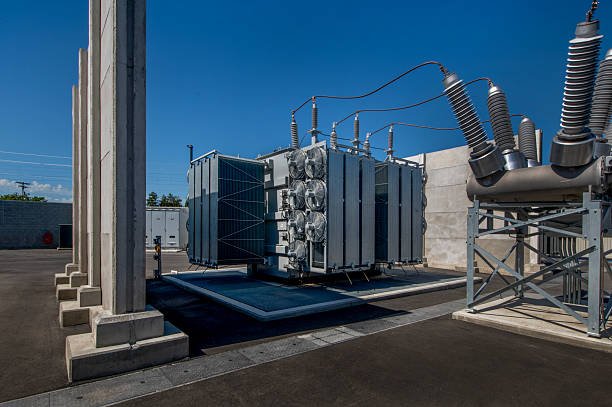
Power transformers are essential to modern electrical infrastructure, enabling the efficient transmission and distribution of electricity across a wide range of industries. While utilities are the most obvious users, many other sectors rely heavily on power transformers to maintain continuous operations, support high-power equipment, and ensure a stable electricity supply. Choosing the right transformer for each industry is critical for improving energy efficiency, minimizing downtime, and meeting increasingly demanding operational requirements. Understanding where power transformers are most commonly used helps buyers select equipment that matches their industry's unique electrical needs.
Power transformers are widely used in electric utilities, manufacturing, mining, oil and gas, renewable energy, transportation, data centers, commercial infrastructure, and heavy industrial facilities. These industries depend on power transformers to step voltage up or down, improve transmission efficiency, support large electrical loads, and ensure reliable, safe, and uninterrupted power distribution across their operations.
As industries continue to electrify and global energy demand grows, power transformers have become indispensable for supporting economic development, grid modernization, and the transition to cleaner energy. The following sections explore the industries that rely most heavily on power transformers and the reasons behind their widespread adoption.
What Industries Depend Most on Power Transformers?
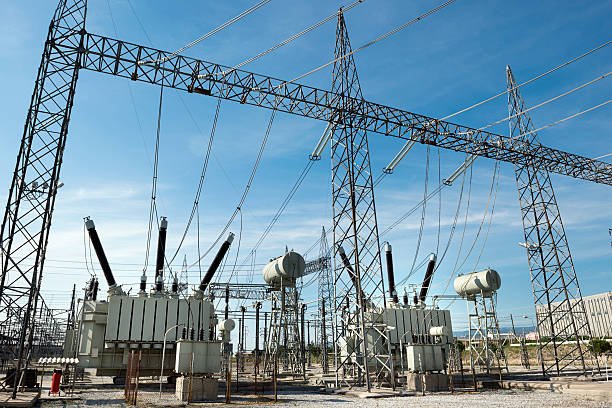
Power transformers are the backbone of modern electrical infrastructure, enabling efficient transmission and distribution of electricity across virtually every major industry. By stepping voltage up for long-distance transmission and down for safe utilization, they ensure reliable power delivery while minimizing energy losses. From utility grids and heavy manufacturing plants to renewable energy farms and data centers, power transformers play a critical role in maintaining operational continuity, equipment safety, and energy efficiency. Choosing the right transformer for each industry is essential for maximizing reliability, reducing operating costs, and supporting future growth.
Power transformers are most widely used in electric utility and transmission networks, industrial manufacturing, renewable energy, oil and gas, mining, commercial infrastructure, transportation systems, and data centers. Each industry has unique requirements for transformer capacity, cooling, insulation, efficiency, and reliability, making application-specific transformer selection critical for long-term performance.
Power transformers are primarily used only by electric utility companies.False
While utilities are the largest users, power transformers are also essential in industries such as manufacturing, renewable energy, mining, transportation, commercial buildings, and data centers where reliable high-voltage power conversion is required.
Why are power transformers essential across industries?
Electricity is generated, transmitted, and consumed at different voltage levels.
Power transformers make this possible by:
- Increasing voltage for efficient long-distance transmission
- Reducing voltage for industrial and commercial equipment
- Isolating electrical systems
- Improving power quality
- Supporting grid stability
Without power transformers, modern electrical infrastructure would experience significantly higher transmission losses, lower reliability, and limited scalability.
Common industrial requirements
| Industry Requirement | Role of Power Transformers |
|---|---|
| Voltage conversion | Match system voltage levels |
| Reliable operation | Minimize outages |
| High efficiency | Reduce operating costs |
| Safe electrical isolation | Protect equipment and personnel |
| Load management | Support changing demand |
Why do electric utilities rely on power transformers?
Electric utilities are the largest users of power transformers.
Throughout the electrical grid, transformers perform voltage conversion at multiple stages:
- Generation substations
- Transmission substations
- Distribution substations
- Local distribution networks
Typical applications include:
- Generator step-up transformers
- Transmission transformers
- Substation transformers
- Distribution transformers
Utility transformers are designed for:
- Continuous operation
- High efficiency
- Long service life
- Excellent overload capability
Because they operate continuously for decades, utilities prioritize low losses, high reliability, and compliance with international standards.
How does the manufacturing industry use power transformers?
Manufacturing facilities require stable electrical power for production equipment.
Industries include:
- Steel manufacturing
- Automotive production
- Cement plants
- Chemical processing
- Food and beverage processing
- Paper mills
Transformers support:
- Large motors
- Furnaces
- Robotics
- Conveyor systems
- Process automation
Industrial transformers often experience:
- Heavy loading
- Frequent motor starting
- Harmonic distortion
- Continuous operation
These conditions require robust winding design and effective cooling systems.
Industrial transformer applications
| Manufacturing Sector | Typical Transformer Function |
|---|---|
| Steel plants | Furnace and rolling mill supply |
| Automotive | Production line power |
| Chemical plants | Process equipment |
| Cement plants | Kilns and grinding systems |
| Food processing | Plant-wide electrical distribution |
Why is the renewable energy sector a major transformer user?
Renewable energy projects require transformers at nearly every stage of power generation.
Applications include:
- Solar photovoltaic farms
- Wind power plants
- Hydroelectric facilities
- Battery energy storage systems
Power transformers:
- Increase voltage for grid connection
- Support inverter output
- Integrate renewable generation into transmission networks
Because renewable generation varies with weather conditions, transformers must accommodate fluctuating loads while maintaining high efficiency and reliable operation.
How does the oil and gas industry depend on power transformers?
Oil and gas operations often involve large electrical loads in demanding environments.
Typical facilities include:
- Refineries
- Offshore platforms
- Pipeline pumping stations
- LNG terminals
- Petrochemical plants
Transformers power:
- Pumps
- Compressors
- Drilling equipment
- Process control systems
These applications require transformers capable of withstanding:
- Harsh environmental conditions
- Continuous heavy loading
- High ambient temperatures
- Corrosive atmospheres
Why are power transformers critical in mining?
Mining operations depend on reliable electricity to support continuous production.
Applications include:
- Underground mines
- Surface mining operations
- Ore processing facilities
- Mineral refining plants
Transformers supply power for:
- Crushers
- Conveyors
- Ventilation systems
- Hoists
- Processing equipment
Mining transformers often require:
- High overload capability
- Rugged mechanical construction
- Effective cooling
- Reliable operation in remote locations
Mining applications
| Equipment | Transformer Role |
|---|---|
| Crushers | High-power supply |
| Conveyors | Motor distribution |
| Ventilation | Reliable continuous operation |
| Hoists | Heavy-duty electrical supply |
How do commercial buildings use power transformers?
Large commercial facilities require dependable voltage transformation for building operations.
Examples include:
- Office towers
- Shopping malls
- Hospitals
- Universities
- Hotels
- Airports
Transformers distribute electricity to:
- HVAC systems
- Lighting
- Elevators
- Security systems
- Medical equipment
- Information technology infrastructure
Indoor commercial installations often use dry-type transformers where enhanced fire safety is required, while large campuses may also employ oil-filled units in outdoor substations.
Why are data centers highly dependent on power transformers?
Modern data centers require exceptionally reliable electrical infrastructure.
Transformers support:
- Server racks
- Cooling equipment
- UPS systems
- Backup generators
- Network infrastructure
Key requirements include:
- High efficiency
- Low harmonic losses
- Redundant power paths
- Continuous operation
As cloud computing and artificial intelligence workloads grow, demand for reliable transformer capacity continues to increase.
Data center priorities
| Requirement | Transformer Benefit |
|---|---|
| High uptime | Reliable operation |
| Energy efficiency | Reduced operating costs |
| Redundancy | Improved availability |
| Thermal performance | Stable equipment operation |
How does the transportation sector use power transformers?
Transportation infrastructure relies on transformers to distribute electrical power safely and efficiently.
Applications include:
- Railway substations
- Metro systems
- Airports
- Seaports
- Electric vehicle charging infrastructure
Transformers provide:
- Traction power
- Station power distribution
- Lighting systems
- Signaling equipment
- Charging systems
Growing transportation electrification continues to increase transformer demand worldwide.
What role do power transformers play in public infrastructure?
Critical public infrastructure depends on uninterrupted electrical service.
Examples include:
- Water treatment plants
- Wastewater facilities
- Government buildings
- Emergency services
- Telecommunications networks
Reliable transformers help ensure:
- Public safety
- Continuous service
- Operational resilience
- Disaster recovery capability
How do industry requirements influence transformer selection?
Each industry places different demands on transformer performance.
Industry-specific selection factors
| Industry | Primary Selection Criteria |
|---|---|
| Utilities | Low losses, long service life, high reliability |
| Manufacturing | High load capacity, thermal performance |
| Renewable energy | Variable-load capability, efficiency |
| Oil and gas | Environmental durability, reliability |
| Mining | Rugged construction, overload capability |
| Commercial buildings | Safety, compact design, low maintenance |
| Data centers | Efficiency, redundancy, reliability |
| Transportation | Continuous operation, voltage stability |
Selecting the appropriate transformer design—including cooling method, insulation system, and monitoring features—ensures dependable operation under each industry's specific operating conditions.
Why Are Power Transformers Essential for Electric Utilities and Power Grids?
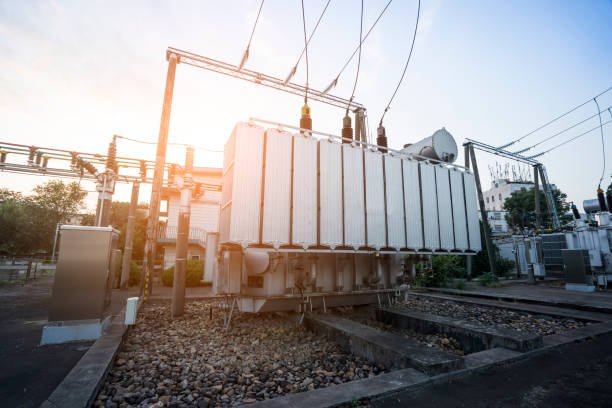
Modern electric power systems rely on the efficient transmission and distribution of electricity over long distances, often from centralized power plants or renewable energy facilities to millions of residential, commercial, and industrial consumers. However, electricity generated at moderate voltages cannot be transmitted economically over hundreds of kilometers due to excessive energy losses. Power transformers solve this challenge by increasing voltage for transmission and reducing it for safe distribution, making them one of the most critical assets in any electrical grid. Without power transformers, today's interconnected power networks would be inefficient, unreliable, and incapable of meeting growing electricity demand.
Power transformers are essential for electric utilities and power grids because they efficiently step voltage up for long-distance transmission and step it down for safe distribution to end users. They reduce transmission losses, improve grid stability, connect power generation with consumption, integrate renewable energy sources, and ensure reliable, economical, and continuous electricity supply across the entire power system.
Electric power grids could efficiently transmit electricity over long distances without power transformers.False
Without power transformers, electricity would have to be transmitted at lower voltages, resulting in significantly higher current, increased power losses, larger conductors, and much higher transmission costs.
Why do electric power systems require voltage transformation?
Power generation, transmission, and utilization operate most efficiently at different voltage levels.
Typical voltage stages include:
- Power generation: approximately 11–25 kV
- Transmission: 110–765 kV or higher
- Sub-transmission: 33–132 kV
- Distribution: 4–35 kV
- End users: 120–690 V (depending on the country and application)
Power transformers enable these voltage transitions safely and efficiently throughout the grid.
genui{"physics_electricity_magnetism_learning_block_staging":{"type_id":"IDEAL_TRANSFORMER","locale_override":"en"}}
Typical voltage conversion in a power grid
| Grid Stage | Typical Voltage Level | Transformer Function |
|---|---|---|
| Power generation | 11–25 kV | Step-up transformer |
| High-voltage transmission | 110–765 kV | Efficient long-distance transmission |
| Sub-transmission | 33–132 kV | Regional power distribution |
| Distribution network | 4–35 kV | Local voltage reduction |
| End users | 120–690 V | Safe utilization voltage |
How do power transformers reduce transmission losses?
Electrical power losses in transmission lines increase as current increases.
For the same amount of transmitted power:
- Higher voltage means lower current.
- Lower current significantly reduces resistive losses in transmission lines.
genui{"physics_electricity_magnetism_learning_block_staging":{"type_id":"OHMS_LAW","locale_override":"en"}}
By stepping up voltage before transmission, utilities can:
- Reduce energy losses
- Use smaller conductor sizes
- Lower transmission costs
- Improve overall system efficiency
This is one of the primary reasons power transformers are indispensable in modern power grids.
Why are power transformers critical for grid reliability?
Electric utilities must deliver electricity continuously despite changing demand and unexpected disturbances.
Power transformers support reliability by:
- Connecting different voltage networks
- Providing electrical isolation
- Maintaining stable voltage levels
- Supporting system redundancy
- Allowing flexible power routing during maintenance or faults
Modern transmission systems depend on strategically located transformers to ensure uninterrupted service.
How do transformers support grid stability?
Power demand changes throughout the day due to residential, commercial, and industrial consumption patterns.
Power transformers help utilities manage these variations by:
- Regulating voltage
- Balancing network loading
- Supporting reactive power management
- Maintaining acceptable voltage levels during peak demand
Many large transformers include on-load tap changers (OLTCs) that automatically adjust the voltage ratio while the transformer remains energized, helping stabilize the network without interrupting service.
Grid stability benefits
| Function | Benefit |
|---|---|
| Voltage regulation | Stable customer voltage |
| Load balancing | Improved network utilization |
| Electrical isolation | Enhanced system protection |
| Flexible network operation | Greater grid resilience |
Why are power transformers essential for renewable energy integration?
Renewable energy sources generate electricity at voltages that are unsuitable for direct connection to transmission networks.
Power transformers are required to:
- Step up output from wind turbines
- Increase voltage from solar photovoltaic plants
- Connect hydroelectric stations to the transmission grid
- Integrate battery energy storage systems
Because renewable generation is variable, transformers must also accommodate fluctuating loads while maintaining high efficiency and reliability.
How do transformers improve the efficiency of utility operations?
Power transformers reduce operating costs by:
- Minimizing transmission losses
- Improving voltage regulation
- Reducing equipment stress
- Increasing network efficiency
Utilities also benefit from:
- Longer equipment life
- Lower maintenance requirements
- Reduced outage frequency
- Improved asset utilization
High-efficiency transformer designs with low no-load and load losses can significantly reduce lifecycle operating costs.
Why are substations built around power transformers?
Substations serve as the connection points between different sections of the electrical network.
Power transformers are the central component of substations because they:
- Convert voltage levels
- Connect transmission and distribution systems
- Enable regional power delivery
- Support switching and protection equipment
Without transformers, substations would be unable to distribute electricity safely and efficiently.
Types of utility substations
| Substation Type | Primary Transformer Function |
|---|---|
| Generator substation | Step up generation voltage |
| Transmission substation | Interconnect transmission networks |
| Distribution substation | Step down voltage for local distribution |
| Industrial substation | Supply power to large facilities |
How do power transformers support expanding electricity demand?
As populations grow and industries expand, electrical demand continues to increase.
Power transformers help utilities meet future demand by:
- Supporting network expansion
- Increasing transmission capacity
- Enabling grid interconnections
- Accommodating higher load growth
Modern transformer designs also support smart grid technologies through advanced monitoring and condition assessment systems.
Why is transformer reliability so important for utilities?
A large power transformer is one of the most valuable assets in a utility network.
Unexpected transformer failures can result in:
- Widespread outages
- Significant repair costs
- Extended replacement lead times
- Reduced grid reliability
Utilities therefore prioritize:
- High-quality insulation systems
- Effective cooling methods
- Online monitoring
- Predictive maintenance
- Robust protection systems
Reliable transformer operation directly improves power system availability and customer satisfaction.
How do power transformers contribute to sustainable power systems?
Improving transformer efficiency helps utilities achieve sustainability goals by reducing energy waste.
Benefits include:
- Lower greenhouse gas emissions
- Reduced fuel consumption at power plants
- Improved renewable energy integration
- Enhanced overall grid efficiency
Modern low-loss transformers support national energy conservation policies and contribute to the development of more sustainable electrical infrastructure.
Long-term benefits for utilities
| Benefit | Operational Value |
|---|---|
| Reduced transmission losses | Lower operating costs |
| Improved voltage regulation | Better power quality |
| High reliability | Fewer outages |
| Renewable integration | Cleaner energy supply |
| Long service life | Lower lifecycle cost |
How Do Manufacturing and Heavy Industries Use Power Transformers?
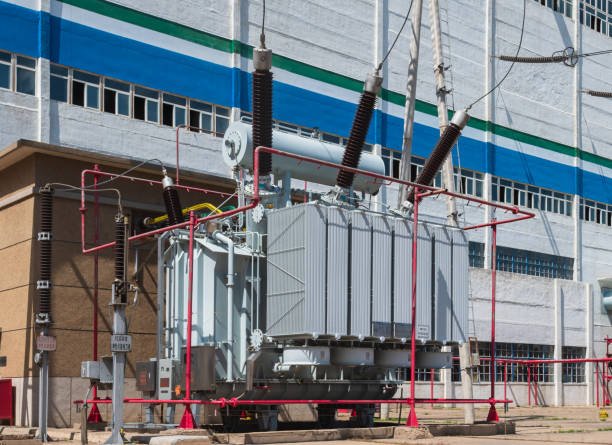
Manufacturing and heavy industries consume enormous amounts of electrical energy to power production lines, process equipment, large motors, furnaces, compressors, and automated machinery. However, the voltage supplied by transmission networks is far too high for direct industrial use. Power transformers bridge this gap by converting high-voltage electricity into suitable operating voltages while ensuring reliable, efficient, and safe power distribution throughout industrial facilities. Without power transformers, modern manufacturing would face frequent power interruptions, higher energy losses, reduced equipment protection, and significantly increased operating costs.
Manufacturing and heavy industries use power transformers to convert transmission voltages into usable operating voltages for production equipment, distribute electricity safely across industrial facilities, support large motor loads, stabilize power quality, improve energy efficiency, and ensure continuous operation of mission-critical processes. They are essential in industries such as steel, mining, chemical processing, cement, automotive manufacturing, pulp and paper, and metal refining.
Industrial facilities can operate large manufacturing equipment directly from high-voltage transmission lines without power transformers.False
Industrial equipment is designed to operate at specific medium- or low-voltage levels. Power transformers safely reduce transmission voltages to suitable operating levels while providing electrical isolation and reliable power distribution.
Why are power transformers essential in manufacturing plants?
Industrial production requires electricity at multiple voltage levels.
For example:
- Transmission networks typically supply electricity at high voltages.
- Medium-voltage systems distribute power throughout the facility.
- Low-voltage systems operate production equipment and control systems.
Power transformers provide safe and efficient voltage conversion between these levels.
genui{"physics_electricity_magnetism_learning_block_staging":{"type_id":"IDEAL_TRANSFORMER","locale_override":"en"}}
Without transformers, industrial equipment would be exposed to unsafe voltage levels, making reliable operation impossible.
Primary functions in manufacturing
| Function | Industrial Benefit |
|---|---|
| Voltage transformation | Matches equipment operating voltage |
| Electrical isolation | Improves personnel and equipment safety |
| Power distribution | Supplies multiple production areas |
| Energy efficiency | Reduces transmission losses within facilities |
| Reliable operation | Supports continuous manufacturing |
How do steel and metal processing plants use power transformers?
Steel production is among the most electricity-intensive industrial processes.
Transformers supply power to:
- Electric arc furnaces
- Induction furnaces
- Continuous casting equipment
- Rolling mills
- Heavy-duty motors
These applications involve:
- Extremely high current
- Rapid load fluctuations
- Frequent starting and stopping
- Severe thermal stress
Industrial transformers for steel plants are therefore designed with:
- High short-circuit strength
- Robust cooling systems
- Excellent overload capability
- Low load losses
Why are power transformers important in mining operations?
Mining facilities often operate in remote locations with demanding electrical requirements.
Power transformers provide electricity for:
- Ore crushers
- Conveyor systems
- Grinding mills
- Hoists
- Ventilation equipment
- Water pumping systems
Mining transformers must withstand:
- Dust
- Vibration
- High ambient temperatures
- Heavy continuous loading
Reliability is particularly important because unexpected outages can halt production and significantly increase operating costs.
Mining equipment powered through transformers
| Equipment | Transformer Function |
|---|---|
| Crushers | High-power motor supply |
| Conveyors | Medium-voltage distribution |
| Hoists | Reliable heavy-load operation |
| Ventilation fans | Continuous power supply |
| Pumps | Stable voltage for motor systems |
How do chemical and petrochemical plants depend on transformers?
Chemical processing facilities require uninterrupted electrical power for both production and safety systems.
Power transformers support:
- Compressors
- Pumps
- Reactors
- Process heaters
- Instrumentation
- Distributed control systems (DCS)
Many chemical plants operate continuously throughout the year, making transformer reliability and efficiency critical for minimizing downtime and reducing production losses.
Why are transformers critical in cement manufacturing?
Cement production involves large mechanical equipment operating continuously under heavy loads.
Transformers supply power to:
- Crushers
- Raw mills
- Rotary kilns
- Cement mills
- Dust collection systems
- Packaging equipment
These facilities often experience:
- High motor starting currents
- Continuous operation
- Significant reactive power demand
Industrial transformers provide stable voltage to maintain efficient plant operation.
How does the automotive industry use power transformers?
Modern automotive factories rely heavily on automation and robotics.
Power transformers distribute electricity to:
- Robotic welding systems
- Automated assembly lines
- Paint shops
- Press machines
- Conveyor systems
- Quality inspection equipment
Reliable electrical supply helps maintain:
- Product quality
- Production efficiency
- Equipment availability
- Worker safety
Because manufacturing lines operate with tight production schedules, transformer reliability directly affects factory productivity.
Why are power transformers important in pulp and paper mills?
Pulp and paper production requires continuous electrical power for large rotating machinery.
Applications include:
- Wood chippers
- Refiners
- Paper machines
- Drying systems
- Water treatment facilities
These facilities often run continuously for extended periods, requiring transformers capable of:
- High efficiency
- Low maintenance
- Stable voltage regulation
- Excellent thermal performance
Industrial sectors and transformer applications
| Industry | Typical Transformer Applications |
|---|---|
| Steel | Arc furnaces, rolling mills |
| Mining | Crushers, conveyors, pumps |
| Chemical | Compressors, reactors, process equipment |
| Cement | Kilns, mills, material handling |
| Automotive | Robotics, assembly lines |
| Pulp and paper | Refiners, paper machines |
How do transformers improve industrial energy efficiency?
Manufacturing facilities consume large amounts of electricity, making efficiency a major concern.
High-efficiency power transformers help reduce:
- No-load losses
- Load losses
- Internal voltage drops
- Heat generation
Lower losses result in:
- Reduced electricity costs
- Lower cooling requirements
- Improved equipment performance
- Reduced carbon emissions
For facilities operating continuously, these savings accumulate significantly over the transformer's service life.
Why is voltage stability important in manufacturing?
Sensitive industrial equipment requires stable voltage for accurate operation.
Power transformers help maintain:
- Consistent output voltage
- Proper motor performance
- Stable automation systems
- Reliable electronic controls
Many industrial transformers incorporate on-load tap changers (OLTCs) that automatically adjust voltage to compensate for fluctuations in the incoming supply.
Stable voltage improves:
- Product quality
- Production consistency
- Equipment reliability
How do transformers support large industrial motors?
Heavy industries use numerous high-power motors for pumps, compressors, conveyors, and processing equipment.
Large motors require:
- High starting current
- Stable voltage
- Reliable fault performance
genui{"physics_electricity_magnetism_learning_block_staging":{"type_id":"OHMS_LAW","locale_override":"en"}}
Power transformers provide the electrical capacity needed to support these demanding motor loads while minimizing voltage drops during startup.
Why is transformer reliability critical for heavy industry?
Unexpected transformer failures can lead to:
- Production shutdowns
- Equipment damage
- Missed delivery schedules
- High repair costs
- Safety risks
To maximize reliability, industrial transformers are designed with:
- Advanced insulation systems
- Efficient cooling methods
- Protective relays
- Online condition monitoring
- Robust mechanical construction
Preventive maintenance further helps ensure dependable long-term operation.
Key selection factors for industrial transformers
| Selection Criterion | Importance |
|---|---|
| Rated capacity | Meets production demand |
| Cooling system | Controls operating temperature |
| Short-circuit strength | Withstands electrical faults |
| Efficiency | Reduces operating costs |
| Voltage regulation | Maintains equipment performance |
| Reliability | Minimizes production downtime |
What Role Do Power Transformers Play in Renewable Energy Projects?
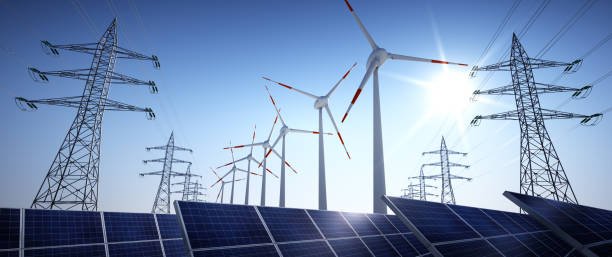
Renewable energy projects are transforming the global power industry by generating electricity from sustainable sources such as solar, wind, and hydropower. However, the electricity produced by renewable generators cannot usually be transmitted directly to the power grid because its voltage is too low and its output is often variable. Power transformers solve this challenge by converting generated voltage to transmission or distribution levels, ensuring efficient power transfer, stable grid integration, and reliable operation. As renewable energy capacity continues to expand worldwide, power transformers have become indispensable components in delivering clean electricity safely and efficiently.
Power transformers play a vital role in renewable energy projects by stepping up generator voltage for efficient grid transmission, stabilizing voltage levels, connecting renewable generation to transmission and distribution networks, reducing energy losses, and supporting reliable integration of variable power sources such as solar, wind, hydroelectric, and battery energy storage systems.
Renewable energy facilities can connect directly to high-voltage transmission grids without power transformers.False
Renewable generators typically produce electricity at much lower voltages than transmission networks. Power transformers are required to increase voltage, reduce transmission losses, and ensure safe, compliant grid interconnection.
Why are power transformers essential in renewable energy systems?
Renewable energy generators typically produce electricity at medium or low voltage levels.
For example:
- Solar photovoltaic inverters generally output low- or medium-voltage AC.
- Wind turbine generators produce electricity at medium voltage.
- Hydroelectric generators operate at generator voltage before grid connection.
These voltages are unsuitable for long-distance transmission, making voltage transformation essential.
genui{"physics_electricity_magnetism_learning_block_staging":{"type_id":"IDEAL_TRANSFORMER","locale_override":"en"}}
Power transformers increase voltage before electricity enters the transmission or distribution network, reducing current and improving transmission efficiency.
Typical voltage conversion in renewable projects
| Renewable Facility | Typical Output Voltage | Transformer Function |
|---|---|---|
| Solar PV farm | Low to medium voltage | Step up to grid voltage |
| Wind farm | Medium voltage | Step up for transmission |
| Hydroelectric plant | Generator voltage | Increase to transmission voltage |
| Battery energy storage system | Medium voltage | Grid interconnection |
How do power transformers support solar power plants?
Solar photovoltaic (PV) systems generate electricity through inverters, which convert DC power into AC power.
Power transformers are used to:
- Increase inverter output voltage
- Connect collector systems to substations
- Reduce transmission losses
- Improve overall system efficiency
Large utility-scale solar farms often include:
- Pad-mounted transformers at inverter stations
- Collector transformers
- Main step-up transformers at the substation
These transformers enable efficient delivery of solar-generated electricity to the utility grid.
Why are transformers critical in wind farms?
Wind turbines generate electricity at relatively low voltages that must be increased before transmission.
Power transformers perform several important functions:
- Step up turbine output voltage
- Connect multiple turbines through collector systems
- Deliver power to transmission substations
- Maintain voltage stability during changing wind conditions
Because wind speeds vary continuously, transformers must operate efficiently under fluctuating load conditions while maintaining reliable performance.
Wind farm transformer applications
| Location | Transformer Function |
|---|---|
| Wind turbine | Local voltage step-up |
| Collector system | Medium-voltage aggregation |
| Main substation | High-voltage transmission connection |
How do hydroelectric facilities use power transformers?
Hydroelectric generators produce electricity at generator voltage levels, which are too low for efficient long-distance transmission.
Power transformers:
- Increase generator voltage
- Connect generating units to transmission systems
- Improve transmission efficiency
- Support stable grid operation
Because hydroelectric plants often operate continuously at high output, transformers are designed for:
- High efficiency
- Excellent cooling performance
- Long service life
- Reliable continuous operation
What role do transformers play in battery energy storage systems?
Battery Energy Storage Systems (BESS) have become increasingly important in renewable energy projects.
Power transformers enable batteries to:
- Connect safely to medium- and high-voltage grids
- Charge from renewable generation
- Discharge electricity during peak demand
- Support frequency and voltage regulation
They also provide electrical isolation and facilitate bidirectional power flow between storage systems and the grid.
How do transformers improve renewable energy efficiency?
Every renewable energy project seeks to maximize the amount of generated electricity delivered to consumers.
Power transformers contribute by:
- Reducing transmission losses
- Maintaining voltage stability
- Minimizing internal energy losses
- Improving overall system efficiency
Modern low-loss transformer designs help increase the net energy exported from renewable facilities, improving project economics over the equipment's service life.
Efficiency benefits
| Feature | Operational Benefit |
|---|---|
| Low no-load losses | Reduced continuous energy waste |
| Low load losses | Higher efficiency during generation |
| Optimized cooling | Improved thermal performance |
| High-quality core materials | Lower operating costs |
Why are power transformers important for grid integration?
Renewable energy sources produce variable electrical output due to changes in:
- Solar irradiance
- Wind speed
- Water flow
- Energy storage dispatch
Power transformers help utilities integrate these changing power levels by:
- Maintaining voltage compatibility
- Supporting stable power transfer
- Connecting renewable facilities to existing substations
- Enabling flexible network operation
Many renewable substations also incorporate on-load tap changers (OLTCs) to regulate voltage automatically as operating conditions change.
How do transformers enhance reliability in renewable energy projects?
Renewable power plants are often located in remote environments where maintenance access may be limited.
High-reliability transformers reduce operational risks by providing:
- Continuous power delivery
- Robust insulation systems
- Effective cooling under varying loads
- Long maintenance intervals
- High mechanical strength
Advanced monitoring systems can also track parameters such as oil temperature, winding temperature, dissolved gases, and moisture to support predictive maintenance and improve asset availability.
How do renewable project requirements influence transformer selection?
Transformer specifications vary depending on the renewable energy technology and site conditions.
Selection considerations
| Project Type | Primary Transformer Requirements |
|---|---|
| Solar PV | High efficiency, low no-load losses |
| Wind farm | Variable-load capability, robust cooling |
| Hydroelectric | Continuous-duty reliability, high capacity |
| Battery storage | Bidirectional operation, voltage stability |
| Hybrid renewable systems | Flexible load handling, advanced monitoring |
Other factors include environmental conditions, grid connection voltage, harmonic performance, insulation system, and compliance with utility interconnection requirements.
Why are efficient transformers important for renewable project economics?
Transformer losses directly reduce the amount of renewable electricity delivered to the grid.
Selecting high-efficiency transformers helps:
- Increase annual energy export
- Reduce operating expenses
- Improve return on investment
- Support sustainability objectives
- Lower lifecycle costs
Since renewable facilities are expected to operate for 20–40 years or more, even modest reductions in transformer losses can result in substantial long-term financial benefits.
Why Are Data Centers, Transportation, and Commercial Infrastructure Increasingly Dependent on Power Transformers?

As economies become more digital, electrified, and interconnected, electricity demand is growing rapidly in sectors beyond traditional utilities and heavy industry. Data centers require uninterrupted power for cloud computing and artificial intelligence (AI), transportation systems are shifting toward electrified railways and electric vehicle (EV) charging, and commercial infrastructure is becoming increasingly dependent on intelligent building technologies. Power transformers are at the heart of these developments, providing reliable voltage conversion, efficient power distribution, and stable electrical supply for mission-critical operations. Without high-performance power transformers, these modern infrastructures would struggle to meet growing energy demands while maintaining safety, efficiency, and operational reliability.
Data centers, transportation systems, and commercial infrastructure increasingly depend on power transformers because they require reliable, efficient, and continuous voltage transformation to support expanding electrical loads, high-power equipment, digital technologies, and electrification. Power transformers improve energy efficiency, ensure voltage stability, enhance system reliability, and enable the safe integration of modern electrical infrastructure into utility power grids.
Power transformers are becoming less important as modern buildings and transportation systems become more energy efficient.False
Although energy efficiency is improving, overall electricity demand continues to increase due to digitalization, electrification, AI computing, and electric transportation. As a result, power transformers are becoming even more critical to modern infrastructure.
Why is electricity demand growing in modern infrastructure?
Digital transformation and electrification are increasing electrical consumption across many sectors.
Key drivers include:
- Artificial intelligence (AI) computing
- Cloud services
- Electric vehicle charging
- Smart buildings
- Urban rail transit
- Building automation
- Electrified heating and cooling
All of these applications require reliable voltage conversion between utility grids and end-use equipment.
genui{"physics_electricity_magnetism_learning_block_staging":{"type_id":"IDEAL_TRANSFORMER","locale_override":"en"}}
Power transformers enable electricity to be delivered efficiently at the appropriate voltage for each application.
Growing demand sectors
| Sector | Main Driver |
|---|---|
| Data centers | AI, cloud computing, digital services |
| Transportation | Railway electrification, EV charging |
| Commercial buildings | Smart building technologies |
| Healthcare | Advanced medical equipment |
| Telecommunications | Expanding network infrastructure |
Why do data centers rely heavily on power transformers?
Modern data centers operate around the clock and require an uninterrupted power supply.
Power transformers support:
- Server clusters
- AI computing hardware
- Network equipment
- Cooling systems
- Backup power infrastructure
- Uninterruptible Power Supply (UPS) systems
A typical data center receives medium- or high-voltage electricity from the utility network, which transformers step down to the voltage required by internal electrical systems.
Data center transformer functions
| Function | Benefit |
|---|---|
| Voltage transformation | Supplies servers safely |
| Electrical isolation | Protects sensitive equipment |
| Load distribution | Supports multiple server rooms |
| High efficiency | Reduces operating costs |
| Reliability | Minimizes downtime |
Because even a brief outage can result in significant financial losses, data centers often use redundant transformer configurations to improve system availability.
How do transformers support AI and cloud computing?
Artificial intelligence workloads require high-density computing infrastructure.
Compared with traditional data processing, AI servers consume substantially more electrical power.
Power transformers enable facilities to:
- Deliver high-capacity electrical power
- Support rapid load growth
- Maintain voltage stability
- Improve energy efficiency
- Reduce power distribution losses
As AI adoption continues to expand, demand for larger and more efficient transformers is expected to increase accordingly.
Why are power transformers essential for transportation systems?
Transportation networks are becoming increasingly electrified.
Examples include:
- Metro systems
- High-speed rail
- Light rail transit
- Airports
- Seaports
- Electric vehicle charging infrastructure
Transformers convert utility voltage into levels suitable for traction systems, station equipment, and charging facilities.
Transportation applications
| Infrastructure | Transformer Application |
|---|---|
| Railways | Traction substations |
| Metro systems | Station power distribution |
| Airports | Terminal electrical systems |
| Seaports | Shore power and cargo equipment |
| EV charging | Fast-charging substations |
Reliable transformer operation ensures uninterrupted transportation services and supports the transition to low-carbon mobility.
How do transformers enable electric vehicle charging infrastructure?
The rapid growth of electric vehicles is significantly increasing electricity demand.
High-power charging stations require transformers to:
- Reduce medium-voltage grid supply to charging voltage
- Support simultaneous charging of multiple vehicles
- Maintain voltage stability during peak demand
- Improve energy efficiency
Fast-charging stations often experience rapidly changing loads, making transformer thermal performance and overload capability particularly important.
Why do commercial buildings depend on power transformers?
Modern commercial facilities contain far more electrical equipment than traditional buildings.
Typical electrical loads include:
- HVAC systems
- Elevators and escalators
- LED lighting
- Security systems
- Data networks
- Building management systems
- Retail equipment
Power transformers distribute electricity efficiently while providing electrical isolation and voltage conversion.
Commercial campuses frequently use medium-voltage distribution combined with dedicated transformers for individual buildings or facilities.
How do smart buildings increase transformer demand?
Smart buildings incorporate digital control systems that continuously monitor and optimize:
- Lighting
- Air conditioning
- Ventilation
- Energy consumption
- Security
- Occupancy
These intelligent systems require:
- Stable voltage
- Reliable electrical distribution
- High-quality power
Power transformers provide the electrical foundation for these integrated building technologies.
How do transformers improve energy efficiency in commercial infrastructure?
Energy efficiency has become a major design objective for commercial facilities.
Modern transformers help reduce:
- No-load losses
- Load losses
- Voltage drops
- Heat generation
Lower transformer losses result in:
- Reduced electricity bills
- Lower cooling requirements
- Improved sustainability
- Reduced carbon emissions
Efficient transformer selection therefore contributes directly to lower lifecycle operating costs.
Why is reliability especially important for these sectors?
Unlike many industrial applications, failures in data centers, transportation systems, and commercial buildings often affect large numbers of users simultaneously.
Transformer failures may cause:
- Data loss
- Service interruptions
- Passenger delays
- Building shutdowns
- Business disruption
- Financial losses
To maximize reliability, many installations incorporate:
- Redundant transformers
- Online condition monitoring
- Intelligent protection systems
- Predictive maintenance
- High-quality insulation and cooling systems
These measures help maintain continuous operation and reduce unplanned downtime.
Reliability requirements by sector
| Sector | Primary Reliability Objective |
|---|---|
| Data centers | Maximum uptime |
| Transportation | Continuous public service |
| Commercial buildings | Occupant comfort and business continuity |
| Healthcare | Protection of critical medical equipment |
| Telecommunications | Network availability |
How do future trends increase transformer demand?
Several long-term trends are driving continued growth in transformer installations:
- Expansion of AI and cloud computing
- Electrification of transportation
- Urbanization
- Smart city development
- Renewable energy integration
- Higher electricity consumption per facility
These trends require transformers with:
- Higher efficiency
- Greater capacity
- Advanced monitoring capabilities
- Improved thermal performance
- Longer service life
Manufacturers are increasingly incorporating digital monitoring, environmentally friendly insulating liquids, and low-loss core materials to meet these evolving requirements.
How Can Different Industries Choose the Right Power Transformer for Their Applications?
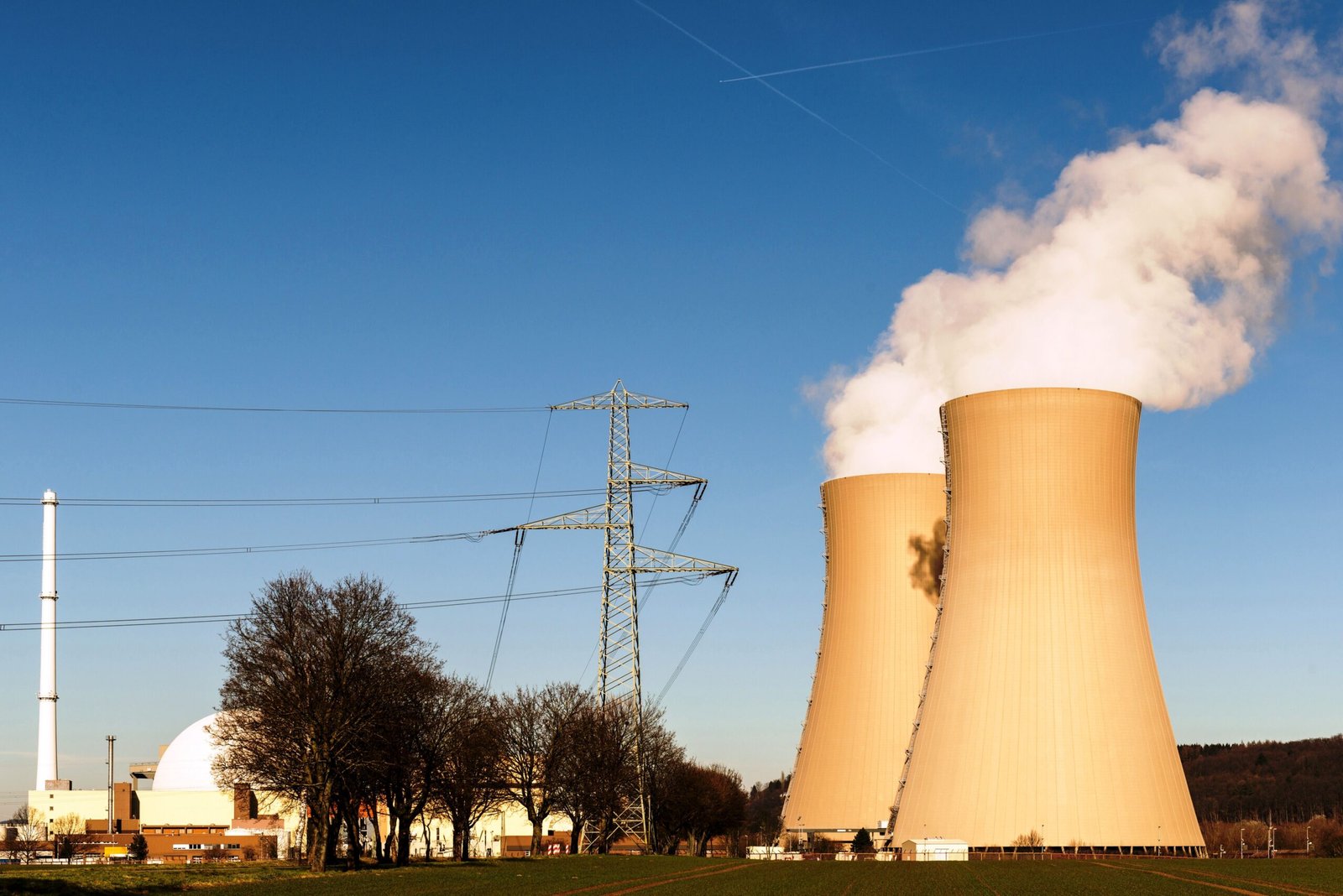
Selecting the right power transformer is one of the most important decisions for any electrical infrastructure project. A transformer that is well matched to its application improves energy efficiency, enhances system reliability, reduces maintenance costs, and extends service life. Conversely, an improperly selected transformer can lead to excessive energy losses, overheating, premature insulation aging, voltage instability, and costly downtime. Because every industry has unique operating conditions, load characteristics, environmental challenges, and regulatory requirements, transformer selection should always be based on a comprehensive evaluation of technical and operational needs rather than purchase price alone.
Different industries should choose a power transformer by evaluating their voltage requirements, power capacity, load profile, installation environment, cooling method, insulation system, efficiency targets, protection features, and applicable international standards. Matching the transformer's design to the specific application ensures optimal performance, lower lifecycle costs, and long-term operational reliability.
A single standard power transformer is suitable for all industrial and utility applications.False
Different industries have unique voltage levels, load characteristics, environmental conditions, and reliability requirements. Selecting an application-specific transformer is essential for safe, efficient, and reliable operation.
Why is application-specific transformer selection important?
Power transformers operate in a wide range of environments, including utility substations, industrial plants, renewable energy facilities, commercial buildings, mining sites, and data centers.
Each application presents different challenges, such as:
- Continuous or variable loading
- High ambient temperatures
- Dust, moisture, or corrosive environments
- Harmonic distortion
- Limited installation space
- Critical uptime requirements
Selecting a transformer designed for these conditions improves both performance and longevity.
Key selection factors
| Selection Factor | Why It Matters |
|---|---|
| Voltage rating | Matches system requirements |
| Power rating | Supports expected electrical load |
| Cooling method | Controls operating temperature |
| Insulation system | Determines reliability and lifespan |
| Efficiency | Reduces operating costs |
| Protection features | Improves system safety |
How should electric utilities choose power transformers?
Utility companies prioritize long-term reliability and energy efficiency because transformers operate continuously for decades.
Important considerations include:
- Low no-load losses
- High overload capability
- On-load tap changers (OLTC)
- Grid voltage regulation
- Compliance with utility specifications
- Long service life
Utility transformers are typically designed for outdoor installation and continuous operation under varying load conditions.
Utility transformer priorities
| Requirement | Importance |
|---|---|
| Low losses | Reduce lifecycle operating costs |
| High reliability | Minimize service interruptions |
| Voltage regulation | Maintain grid stability |
| Robust insulation | Extend service life |
What should manufacturing and heavy industries consider?
Industrial facilities often experience:
- Heavy motor starting currents
- Continuous production schedules
- High short-circuit stresses
- Rapid load fluctuations
Suitable transformers should offer:
- High load capacity
- Strong mechanical strength
- Efficient cooling systems
- Excellent voltage regulation
- Low load losses
Facilities such as steel mills, chemical plants, cement factories, and mining operations frequently benefit from oil-immersed transformers designed for demanding operating conditions.
How do renewable energy projects select transformers?
Solar farms, wind parks, hydroelectric stations, and battery energy storage systems have unique operating profiles.
Selection priorities include:
- High efficiency across varying loads
- Low no-load losses
- Reliable voltage step-up capability
- Grid code compliance
- Compatibility with inverter-based generation
- Resistance to outdoor environmental conditions
Many renewable projects also require advanced monitoring systems to support remote asset management.
Renewable energy considerations
| Project Type | Primary Selection Criteria |
|---|---|
| Solar PV | Low no-load losses, outdoor durability |
| Wind farm | Variable-load capability, robust cooling |
| Hydroelectric | Continuous-duty performance |
| Battery storage | Bidirectional power capability, voltage stability |
What are the requirements for data centers?
Data centers demand exceptionally high levels of reliability because even brief outages can disrupt critical digital services.
Key selection factors include:
- High efficiency
- Low harmonic losses
- Redundant transformer configurations
- Excellent voltage regulation
- Advanced condition monitoring
- Compact installation where space is limited
Many facilities also plan for future expansion, making scalability an important consideration during transformer selection.
How should commercial buildings choose transformers?
Commercial facilities such as hospitals, airports, office complexes, shopping centers, and universities require safe, efficient, and dependable power distribution.
Important factors include:
- Fire safety requirements
- Installation location (indoor or outdoor)
- Noise limitations
- Maintenance accessibility
- Energy efficiency
- Load diversity
In many indoor applications, dry-type transformers are preferred due to their reduced fire risk, while large outdoor substations often utilize oil-filled transformers for higher capacities.
How do environmental conditions influence transformer selection?
The installation environment has a significant impact on transformer performance and lifespan.
Factors to evaluate include:
- Ambient temperature
- Humidity
- Altitude
- Dust levels
- Salt contamination
- Corrosive chemicals
- Flood risk
- Seismic activity
Appropriate enclosure design, insulation systems, and cooling methods help ensure reliable operation under these conditions.
Environmental considerations
| Environment | Recommended Design Focus |
|---|---|
| Desert | Enhanced cooling capacity |
| Coastal | Corrosion-resistant materials |
| Mining | Dust protection and rugged construction |
| Cold climates | Low-temperature performance |
| Urban areas | Low noise and compact footprint |
Why is efficiency an important selection criterion?
Transformer losses accumulate throughout decades of operation.
When comparing models, buyers should evaluate:
- No-load losses
- Load losses
- Total losses
- Expected operating load profile
- Total Owning Cost (TOC)
A transformer with a higher purchase price but lower losses may offer substantially lower operating costs over its lifetime.
How do cooling methods affect selection?
Cooling systems determine how effectively a transformer dissipates heat under load.
Common cooling methods include:
- ONAN (Oil Natural Air Natural)
- ONAF (Oil Natural Air Forced)
- OFAF (Oil Forced Air Forced)
- OFWF (Oil Forced Water Forced)
Higher-capacity applications generally require more advanced cooling systems to maintain acceptable operating temperatures and maximize service life.
Why are protection and monitoring systems important?
Modern power transformers increasingly incorporate intelligent monitoring technologies that improve reliability and maintenance planning.
Typical systems monitor:
- Winding temperature
- Oil temperature
- Dissolved gases
- Moisture content
- Partial discharge
- Load conditions
These systems enable predictive maintenance, reducing the risk of unexpected failures and extending equipment life.
Why should international standards be considered?
Selecting transformers that comply with internationally recognized standards helps ensure safety, performance, and compatibility.
Common standards include those published by the:
- International Electrotechnical Commission
- Institute of Electrical and Electronics Engineers
Compliance provides confidence that transformers have been designed and tested according to established engineering practices.
Industry-specific transformer selection summary
| Industry | Primary Selection Priorities |
|---|---|
| Electric utilities | Reliability, low losses, voltage regulation |
| Manufacturing | High load capacity, thermal performance |
| Mining | Rugged construction, overload capability |
| Renewable energy | Efficiency, variable-load performance |
| Data centers | Reliability, redundancy, monitoring |
| Commercial buildings | Safety, efficiency, compact installation |
| Transportation | Continuous operation, voltage stability |
Conclusion
Power transformers are critical assets across virtually every industry that depends on reliable electricity. From utility transmission networks and heavy manufacturing plants to renewable energy facilities, mining operations, transportation systems, and modern data centers, they ensure efficient voltage conversion and dependable power delivery. As industries pursue greater energy efficiency, digitalization, and sustainability, selecting the appropriate power transformer has become more important than ever. By understanding the electrical demands of different sectors and matching them with the right transformer specifications, organizations can improve operational reliability, reduce lifecycle costs, and build a more resilient power infrastructure for the future.
FAQ
Q1: What industries depend most on power transformers?
Power transformers are essential components of modern electrical infrastructure, enabling the efficient transmission and distribution of electricity across a wide range of industries. They step voltage up for long-distance transmission and step it down for safe and efficient use by end users.
The industries that rely most on power transformers include:
Electric utilities
Power generation
Manufacturing
Renewable energy
Oil and gas
Mining
Transportation and railways
Data centers
Commercial infrastructure
Water and wastewater treatment
Without power transformers, reliable electricity delivery for these sectors would not be possible.
Q2: Why are electric utilities the largest users of power transformers?
Electric utility companies operate extensive transmission and distribution networks that require transformers at every stage of the power system.
Power transformers are used to:
Increase generator voltage for long-distance transmission
Reduce transmission voltage at substations
Supply electricity to residential, commercial, and industrial customers
Improve grid stability and efficiency
Connect renewable energy sources to the electrical grid
Because utilities manage large-scale power networks, they represent the largest market for power transformers.
Q3: How does the manufacturing industry use power transformers?
Manufacturing facilities require stable, high-capacity electrical power to operate heavy machinery and automated production systems.
Industries that commonly use power transformers include:
Steel manufacturing
Cement production
Automotive manufacturing
Chemical processing
Paper and pulp mills
Food and beverage processing
Electronics manufacturing
Power transformers help maintain reliable voltage levels and support continuous industrial operations, minimizing production downtime.
Q4: Why are power transformers important for renewable energy projects?
Renewable energy systems generate electricity at voltage levels that must be adjusted before it can be transmitted through the grid.
Power transformers are widely used in:
Solar photovoltaic (PV) farms
Wind farms
Hydroelectric plants
Battery Energy Storage Systems (BESS)
Their functions include:
Stepping up voltage for grid connection
Improving transmission efficiency
Supporting grid stability
Integrating distributed energy resources
As renewable energy capacity continues to grow worldwide, demand for power transformers is also increasing.
Q5: How do oil and gas and mining industries benefit from power transformers?
Oil, gas, and mining operations often take place in remote or harsh environments where reliable power is essential.
Typical applications include:
Drilling platforms
Refineries
Pipeline pumping stations
Open-pit mines
Underground mining operations
Mineral processing plants
Power transformers provide dependable electricity for heavy equipment, pumps, compressors, conveyors, and processing systems while withstanding demanding operating conditions.
Q6: Why are power transformers essential for transportation infrastructure?
Modern transportation systems depend on reliable electrical power for safe and efficient operation.
Applications include:
Railway traction substations
Metro and subway systems
High-speed rail networks
Airports
Seaports
Electric vehicle (EV) charging infrastructure
Transformers regulate voltage for traction systems, signaling equipment, station facilities, and charging stations, ensuring uninterrupted transportation services.
Q7: How do data centers and commercial facilities use power transformers?
Data centers and large commercial buildings require high-quality, uninterrupted power to support sensitive equipment.
Power transformers are used to:
Supply servers and networking equipment
Feed uninterruptible power supply (UPS) systems
Support cooling and HVAC systems
Maintain voltage stability
Improve overall power quality
As cloud computing, artificial intelligence (AI), and digital services expand, the demand for reliable transformer infrastructure continues to grow.
Q8: What factors should industries consider when selecting a power transformer?
Choosing the right power transformer depends on several operational and environmental factors, including:
Required power rating (kVA or MVA)
Voltage levels
Load characteristics
Cooling method
Installation location (indoor or outdoor)
Environmental conditions
Applicable IEC, IEEE, or regional standards
Energy efficiency requirements
Maintenance strategy
Total Cost of Ownership (TCO)
Selecting a transformer that matches operational requirements helps maximize efficiency, reliability, and long-term return on investment.
References
IEC 60076 – Power Transformers
https://webstore.iec.ch/publication/602
IEEE C57 Series – Power Transformer Standards
https://standards.ieee.org
International Energy Agency (IEA) – Electricity Grids and Secure Energy Transitions
https://www.iea.org
Electrical Engineering Portal – Industrial Applications of Power Transformers
https://electrical-engineering-portal.com
IEEE Power & Energy Society – Research on Power Transformer Applications
https://ieeexplore.ieee.org