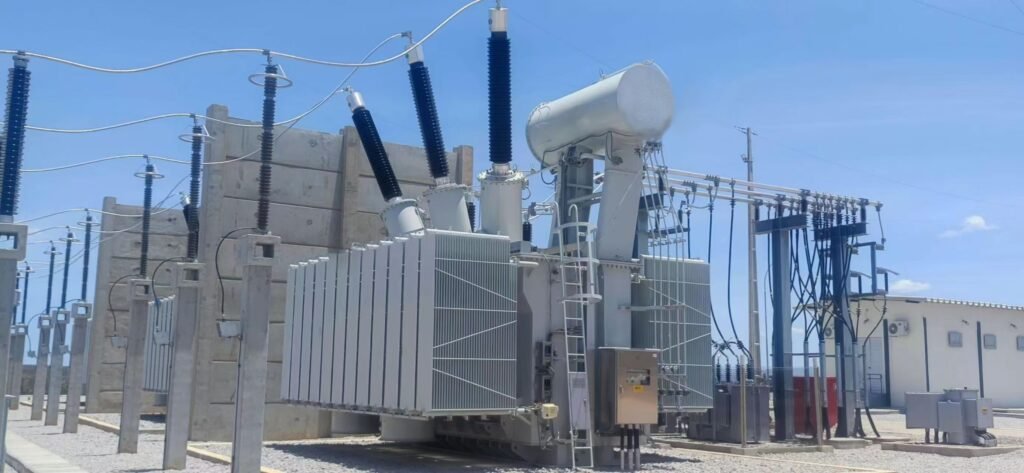
Power transformers are designed according to a range of technical specifications that define their electrical performance, operating limits, efficiency, and reliability. These specifications are essential for selecting the right transformer for a particular application and ensuring compatibility with the power system. Understanding the key technical parameters helps engineers, utilities, and end users evaluate transformer performance and compliance with project requirements.
What Are the Rated Power and Voltage Specifications of a Transformer?
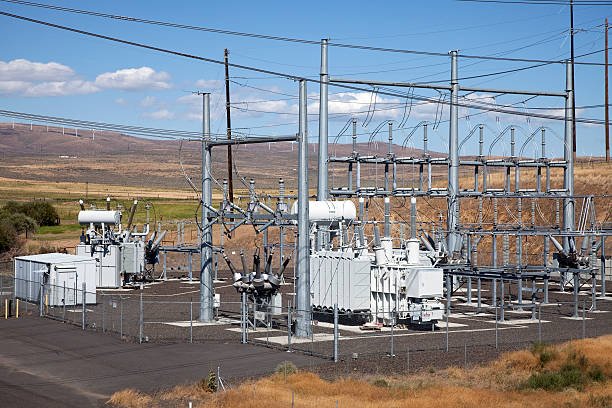
Selecting the right transformer requires a clear understanding of its rated specifications. Among the most important parameters listed on a transformer nameplate are the rated power and rated voltage values. These ratings define how much electrical power a transformer can safely handle and the voltage levels at which it is designed to operate. Whether the transformer is used in a power plant, industrial facility, commercial building, renewable energy project, or utility substation, these specifications are fundamental to safe, reliable, and efficient operation.
Improper interpretation of transformer ratings can lead to overloading, voltage instability, excessive heating, reduced efficiency, insulation damage, and premature equipment failure. Therefore, engineers, facility managers, and electrical contractors must understand exactly what these specifications mean and how they affect transformer performance.
The rated power of a transformer specifies the maximum apparent power it can continuously deliver under standard operating conditions, typically expressed in kVA or MVA. The rated voltage specifies the designed primary and secondary operating voltages of the transformer. Together, these ratings determine the transformer's capacity, application suitability, current-carrying capability, and safe operating limits.
These two parameters form the foundation of transformer selection, system design, and operational planning.
A transformer's rated power is measured in kilowatts (kW) because transformers only transfer real power.False
Transformer capacity is typically rated in kVA or MVA because transformers must carry both real power and reactive power, regardless of load power factor.
What Is Transformer Rated Power?
Rated power represents the maximum apparent power a transformer can continuously supply under specified conditions.
Common Units
| Unit | Meaning |
|---|---|
| VA | Volt-Ampere |
| kVA | Kilovolt-Ampere |
| MVA | Megavolt-Ampere |
Most transformers are rated in kVA or MVA.
Why Transformers Are Rated in kVA
Transformer heating depends primarily on voltage and current rather than load power factor.
Apparent Power Formula
S=VI
Where:
- (S) = apparent power (VA)
- (V) = voltage
- (I) = current
Because transformers must support both active and reactive power, kVA is used instead of kW.
Relationship Between kVA and kW
The relationship depends on power factor.
Power Equation
P=S\times PF
Where:
- (P) = real power (kW)
- (S) = apparent power (kVA)
- (PF) = power factor
For example:
| Apparent Power | Power Factor | Real Power |
|---|---|---|
| 1000 kVA | 1.0 | 1000 kW |
| 1000 kVA | 0.9 | 900 kW |
| 1000 kVA | 0.8 | 800 kW |
This illustrates why transformer capacity is expressed in kVA.
Typical Transformer Power Ratings
Transformer sizes vary according to application.
Common Capacity Ranges
| Transformer Type | Typical Rating |
|---|---|
| Small control transformer | 50 VA–10 kVA |
| Distribution transformer | 25–5000 kVA |
| Dry-type transformer | 100–5000 kVA |
| Power transformer | 5–1500+ MVA |
| GSU transformer | 50–1500+ MVA |
The required capacity depends on system load demand.
What Is Transformer Rated Voltage?
Rated voltage defines the operating voltages for which the transformer is designed.
Voltage Ratings Include
| Rating | Description |
|---|---|
| Primary voltage | Input voltage |
| Secondary voltage | Output voltage |
| Tap voltages | Adjustable voltage settings |
These ratings appear on the transformer nameplate.
Why Voltage Ratings Matter
Transformers must operate within specified voltage limits.
Consequences of Incorrect Voltage
| Condition | Possible Result |
|---|---|
| Overvoltage | Insulation stress |
| Undervoltage | Reduced performance |
| Incorrect ratio | Equipment damage |
Proper voltage matching is essential.
Primary Voltage Rating
The primary voltage is the voltage applied to the input winding.
Examples
| Application | Primary Voltage |
|---|---|
| Distribution network | 11 kV |
| Industrial system | 13.8 kV |
| Transmission network | 115 kV |
| Power plant connection | 20 kV |
The primary voltage depends on the source system.
Secondary Voltage Rating
The secondary voltage is the voltage delivered to the load.
Common Secondary Voltages
| Voltage | Typical Use |
|---|---|
| 120/240 V | Residential |
| 208Y/120 V | Commercial |
| 400/230 V | International distribution |
| 480Y/277 V | Industrial facilities |
Secondary voltage must match load requirements.
Transformer Voltage Ratio
The voltage ratio is determined by the winding turns ratio.
Voltage Transformation Equation
\frac{V_p}{V_s}=\frac{N_p}{N_s}
Where:
- (V_p) = primary voltage
- (V_s) = secondary voltage
- (N_p) = primary turns
- (N_s) = secondary turns
This principle governs transformer operation.
Examples of Voltage Ratings
Distribution Transformer Example
| Parameter | Value |
|---|---|
| Primary voltage | 13.8 kV |
| Secondary voltage | 480 V |
| Power rating | 1000 kVA |
Power Transformer Example
| Parameter | Value |
|---|---|
| Primary voltage | 230 kV |
| Secondary voltage | 115 kV |
| Power rating | 250 MVA |
The ratings vary significantly by application.
Single-Phase and Three-Phase Ratings
Power ratings are specified differently depending on transformer type.
Single-Phase Apparent Power
S=VI
Three-Phase Apparent Power
S=\sqrt{3}VI
Three-phase systems can transfer more power for the same current.
Rated Current and Its Relationship to Power
Current rating is derived from power and voltage ratings.
Single-Phase Current
I=\frac{S}{V}
Three-Phase Current
I=\frac{S}{\sqrt{3}V}
These formulas are widely used during transformer sizing.
Example Current Calculation
A 1000 kVA transformer operating at 480 V three-phase has:
I=\frac{1000\times10^3}{\sqrt{3}\times480}
Result:
Approximately 1203 A.
This demonstrates how power and voltage determine current requirements.
Transformer Nameplate Information
Rated power and voltage appear on every transformer nameplate.
Typical Nameplate Data
| Parameter | Example |
|---|---|
| Rated power | 2500 kVA |
| Primary voltage | 13.8 kV |
| Secondary voltage | 480 V |
| Frequency | 60 Hz |
| Impedance | 5.75% |
| Cooling class | ONAN |
Engineers rely on this information for installation and operation.
Tap Changer Voltage Specifications
Many transformers include adjustable voltage taps.
Purpose
| Function | Benefit |
|---|---|
| Voltage compensation | Improved regulation |
| System adaptation | Operating flexibility |
Tap changers help maintain desired voltage levels.
Example Tap Positions
| Tap Position | Voltage |
|---|---|
| +5% | 14.49 kV |
| Nominal | 13.8 kV |
| -5% | 13.11 kV |
These adjustments accommodate system variations.
Rated Voltage vs Operating Voltage
Operating voltage may vary slightly from rated voltage.
Typical Allowable Variation
| Condition | Variation |
|---|---|
| Normal operation | ±5% |
| Utility tolerance | Depends on standards |
Excessive deviation should be avoided.
How Rated Power Affects Performance
Power rating influences transformer design.
Higher Ratings Require
| Design Element | Impact |
|---|---|
| Larger conductors | Increased current capacity |
| Larger core | Higher power transfer |
| Enhanced cooling | Heat management |
Power ratings directly affect transformer size and cost.
How Rated Voltage Affects Design
Voltage ratings determine insulation requirements.
Voltage-Dependent Components
| Component | Effect |
|---|---|
| Insulation system | Dielectric strength |
| Bushings | Voltage withstand |
| Clearances | Safety requirements |
Higher voltages require more robust insulation systems.
Importance in Transformer Selection
Power and voltage ratings are the first specifications considered during selection.
Selection Criteria
| Parameter | Importance |
|---|---|
| Rated power | Capacity matching |
| Primary voltage | Source compatibility |
| Secondary voltage | Load compatibility |
| Frequency | System matching |
Incorrect ratings can lead to serious operational problems.
Common Transformer Rating Examples
| Application | Power Rating | Voltage Rating |
|---|---|---|
| Residential distribution | 50–500 kVA | 13.8 kV / 240 V |
| Commercial building | 500–2500 kVA | 13.8 kV / 480 V |
| Industrial facility | 1–10 MVA | 13.8 kV / 4.16 kV |
| Transmission substation | 100–500 MVA | 230 kV / 115 kV |
| Power plant GSU | 200–1000 MVA | 20 kV / 400 kV |
These examples illustrate the diversity of transformer applications.
Summary of Rated Power and Voltage Specifications
| Specification | Purpose |
|---|---|
| Rated power (kVA/MVA) | Defines capacity |
| Primary voltage | Input operating voltage |
| Secondary voltage | Output operating voltage |
| Current rating | Load capability |
| Voltage ratio | Transformation relationship |
Together, these parameters define transformer performance limits.
How Do Frequency, Phase Configuration, and Vector Group Affect Performance?
Transformers are often selected based on power rating and voltage levels, but these specifications alone do not determine how a transformer will perform within an electrical system. Three additional parameters—frequency, phase configuration, and vector group—have a significant influence on transformer efficiency, compatibility, power quality, protection coordination, harmonic behavior, and overall system performance. A transformer with the correct kVA rating but the wrong frequency, phase arrangement, or vector group may operate inefficiently or even fail to function properly within the intended network.
Understanding these parameters is essential for utility engineers, industrial plant designers, renewable energy developers, and electrical contractors. Proper selection ensures seamless integration with existing infrastructure, while incorrect selection can lead to overheating, circulating currents, voltage imbalance, relay maloperation, and costly downtime.
Frequency affects core losses, magnetic flux density, and transformer sizing. Phase configuration determines how electrical power is transmitted and distributed, influencing efficiency, load balancing, and capacity. Vector group defines the winding connections and phase displacement between primary and secondary voltages, affecting system compatibility, grounding, parallel operation, harmonic performance, and protection schemes. Together, these parameters are critical to transformer performance and successful power system integration.
A thorough understanding of these factors helps ensure reliable, efficient, and safe transformer operation throughout its service life.
Any transformer can operate at any frequency, phase configuration, or vector group without affecting performance.False
Transformers are designed for specific frequencies, phase arrangements, and vector groups. Using incompatible specifications can cause overheating, incorrect voltage relationships, operational issues, and system instability.
What Is Transformer Frequency?
Frequency refers to the number of alternating-current cycles occurring each second.
Frequency Unit
| Unit | Meaning |
|---|---|
| Hertz (Hz) | Cycles per second |
Common Power Frequencies
| Region | Frequency |
|---|---|
| North America | 60 Hz |
| Most of Europe | 50 Hz |
| Asia (varies) | 50 Hz or 60 Hz |
| Middle East | Primarily 50 Hz |
Transformers are designed for a specific operating frequency.
Why Frequency Matters
Transformer core flux depends on frequency.
Flux Relationship
E=4.44fN\Phi
Where:
- (E) = induced voltage
- (f) = frequency
- (N) = number of turns
- (\Phi) = magnetic flux
Changes in frequency directly affect magnetic flux levels.
Operating a Transformer at Lower Frequency
When frequency decreases while voltage remains constant, magnetic flux increases.
Potential Effects
| Condition | Consequence |
|---|---|
| Increased flux density | Core saturation |
| Higher magnetizing current | Additional heating |
| Increased losses | Reduced efficiency |
A 60 Hz transformer operated at 50 Hz may require voltage derating.
Operating at Higher Frequency
Higher frequency generally reduces core flux.
Effects
| Condition | Result |
|---|---|
| Lower flux density | Reduced saturation risk |
| Smaller core size possible | Compact design |
| Different loss characteristics | Design optimization required |
However, transformers are not automatically interchangeable between frequencies.
Frequency and Core Design
Core design is directly linked to operating frequency.
Design Considerations
| Frequency | Design Impact |
|---|---|
| Lower frequency | Larger core required |
| Higher frequency | Smaller core possible |
This explains why aircraft transformers operating at higher frequencies can be much smaller.
Frequency and Efficiency
Frequency influences transformer losses.
Loss Types
| Loss Type | Frequency Dependence |
|---|---|
| Hysteresis loss | Increases with frequency |
| Eddy current loss | Increases significantly with frequency |
| Copper loss | Largely unaffected |
Designers optimize transformers for their intended frequency.
What Is Phase Configuration?
Phase configuration describes the arrangement of alternating-current conductors.
Common Configurations
| Type | Description |
|---|---|
| Single-phase | One AC waveform |
| Three-phase | Three AC waveforms |
Most utility and industrial transformers are three-phase.
Single-Phase Transformers
Single-phase transformers are common in smaller applications.
Typical Uses
| Application | Example |
|---|---|
| Residential service | Homes |
| Lighting systems | Small facilities |
| Control circuits | Industrial equipment |
Single-phase systems are relatively simple and economical.
Three-Phase Transformers
Three-phase transformers dominate modern power systems.
Advantages
| Benefit | Result |
|---|---|
| Higher efficiency | Lower losses |
| Greater power transfer | Increased capacity |
| Better load balance | Improved performance |
Most utility-scale transformers are three-phase designs.
Three-Phase Apparent Power
Three-phase systems transmit power more efficiently.
Power Formula
S=\sqrt{3}VI
Where:
- (S) = apparent power
- (V) = line voltage
- (I) = line current
This relationship demonstrates the efficiency advantages of three-phase systems.
Effect of Phase Configuration on Capacity
Three-phase transformers typically provide higher capacity for a given size.
Comparison
| Parameter | Single-Phase | Three-Phase |
|---|---|---|
| Material utilization | Lower | Higher |
| Efficiency | Lower | Higher |
| Cost per kVA | Higher | Lower |
This contributes to widespread adoption of three-phase systems.
Phase Configuration and Load Balancing
Balanced loads improve transformer performance.
Benefits of Load Balance
| Benefit | Impact |
|---|---|
| Reduced heating | Longer lifespan |
| Improved efficiency | Lower losses |
| Better voltage regulation | Stable operation |
Unbalanced loading can create operational challenges.
What Is a Transformer Vector Group?
The vector group describes:
- Winding connections.
- Phase displacement between primary and secondary voltages.
- Grounding arrangement.
It is a critical transformer specification.
Why Vector Groups Are Important
Vector groups determine electrical compatibility.
Influenced Areas
| Area | Impact |
|---|---|
| Parallel operation | Compatibility |
| Harmonic performance | Power quality |
| Protection systems | Relay coordination |
| Grounding | System safety |
Incorrect vector group selection can create serious problems.
Components of a Vector Group Designation
A typical vector group contains letters and numbers.
Example
Dyn11
Meaning
| Symbol | Interpretation |
|---|---|
| D | Primary delta connection |
| y | Secondary wye connection |
| n | Neutral available |
| 11 | 30° phase displacement |
Each character conveys specific information.
Common Winding Connections
Delta (Δ) Connection
In a delta connection, windings form a closed loop.
Advantages
| Benefit | Impact |
|---|---|
| Harmonic circulation | Reduced distortion |
| High fault tolerance | Improved reliability |
| No neutral required | Simpler configuration |
Delta connections are widely used in transmission systems.
Wye (Y) Connection
Wye-connected windings have a common neutral point.
Advantages
| Benefit | Impact |
|---|---|
| Neutral availability | Grounding capability |
| Lower insulation requirements | Economic design |
| Flexible voltage options | Broad applications |
Wye connections are common in distribution systems.
Common Vector Groups
Frequently Used Configurations
| Vector Group | Typical Application |
|---|---|
| Dyn11 | Distribution transformers |
| Dyn1 | Industrial systems |
| Yyn0 | Special distribution applications |
| Yd1 | Transmission substations |
| YNd11 | Power transformers |
Selection depends on system requirements.
Vector Group and Phase Displacement
Vector groups define the phase shift between primary and secondary voltages.
Clock Notation
| Clock Number | Phase Shift |
|---|---|
| 0 | 0° |
| 1 | 30° |
| 5 | 150° |
| 6 | 180° |
| 11 | 330° (-30°) |
Clock notation is standardized internationally.
Why Phase Shift Matters
Phase displacement affects system integration.
Applications
| Application | Importance |
|---|---|
| Parallel operation | Critical |
| Grid interconnection | Critical |
| Protection coordination | Important |
Matching phase relationships is essential.
Parallel Operation Requirements
Transformers operating in parallel must satisfy several conditions.
Requirements
| Requirement | Importance |
|---|---|
| Same voltage ratio | Essential |
| Similar impedance | Essential |
| Same vector group | Essential |
| Same polarity | Essential |
Mismatched vector groups can create damaging circulating currents.
Harmonic Performance and Vector Group
Vector groups influence harmonic behavior.
Harmonic Management
| Connection | Harmonic Benefit |
|---|---|
| Delta winding | Traps triplen harmonics |
| Wye winding | Supports grounding |
Delta-connected windings are particularly effective for harmonic mitigation.
Grounding Considerations
Grounding affects system protection and safety.
Grounding Benefits
| Benefit | Purpose |
|---|---|
| Fault detection | Protection operation |
| Voltage stabilization | Improved reliability |
| Personnel safety | Hazard reduction |
Vector groups determine available grounding options.
Impact on Protection Systems
Protection relays must account for transformer phase shifts.
Protection Functions Affected
| Function | Consideration |
|---|---|
| Differential protection | Phase compensation |
| Distance protection | Voltage reference |
| Ground fault protection | Grounding method |
Protection engineers must understand vector group characteristics.
Frequency, Phase Configuration, and Renewable Energy Systems
Renewable energy projects require careful transformer specification.
Typical Requirements
| Parameter | Importance |
|---|---|
| Frequency matching | Grid compatibility |
| Three-phase operation | Efficient power transfer |
| Appropriate vector group | Protection and harmonics |
Solar and wind facilities often use Dyn11 configurations.
Comparison of Key Parameters
| Parameter | Main Effect |
|---|---|
| Frequency | Core performance and losses |
| Phase configuration | Capacity and efficiency |
| Vector group | Compatibility and power quality |
Each parameter influences transformer operation differently.
Summary of Performance Effects
| Specification | Impact on Performance |
|---|---|
| Frequency | Flux density, losses, heating |
| Phase configuration | Capacity, efficiency, load balance |
| Vector group | Phase shift, harmonics, grounding, protection |
Proper specification ensures reliable operation and long service life.
What Are the Key Impedance and Short-Circuit Requirements?
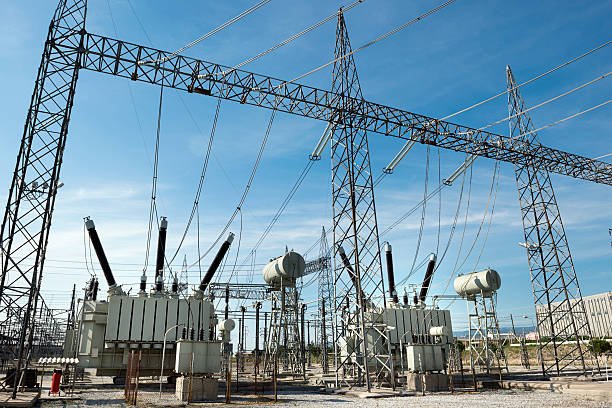
Transformers are designed not only to transfer electrical energy efficiently but also to withstand abnormal operating conditions that occur in real-world power systems. Among the most critical specifications affecting transformer performance, protection coordination, voltage regulation, and fault tolerance are impedance and short-circuit withstand capability. These parameters play a vital role in determining how a transformer behaves during normal operation and, more importantly, during electrical faults.
A transformer with improperly selected impedance may experience poor voltage regulation, inadequate fault-current limitation, or incompatibility with protection systems. Similarly, insufficient short-circuit strength can result in winding deformation, insulation damage, catastrophic failures, and costly downtime. For utilities, industrial facilities, renewable energy plants, and commercial installations, understanding these requirements is essential for ensuring system reliability and safety.
Transformer impedance determines voltage regulation, fault-current limitation, load sharing, and protection coordination, while short-circuit requirements define the transformer's ability to withstand the thermal and mechanical stresses caused by fault currents. Properly specified impedance and short-circuit ratings are essential for system stability, equipment protection, reliable operation, and long service life.
Because electrical faults can produce currents many times greater than normal operating levels, these specifications are among the most important factors in transformer design and selection.
Transformer impedance only affects efficiency and has no impact on fault currents or protection system performance.False
Transformer impedance directly influences fault-current magnitude, voltage regulation, protection coordination, parallel operation, and overall system performance.
What Is Transformer Impedance?
Transformer impedance is the total opposition that a transformer presents to alternating current under load conditions.
Components of Impedance
| Component | Function |
|---|---|
| Resistance (R) | Causes copper losses |
| Reactance (X) | Limits current flow |
Together they form total impedance.
Impedance Relationship
Z=\sqrt{R^2+X^2}
Where:
- (Z) = impedance
- (R) = resistance
- (X) = reactance
Transformer impedance is usually expressed as a percentage.
What Is Percentage Impedance?
Percentage impedance (%Z) is the percentage of rated voltage required to circulate rated current when the secondary winding is short-circuited.
Definition
| Parameter | Meaning |
|---|---|
| Low %Z | Lower voltage required |
| High %Z | Higher voltage required |
This value appears on the transformer nameplate.
Percentage Impedance Formula
%Z=\frac{V{SC}}{V{Rated}}\times100
Where:
- (V_{SC}) = short-circuit test voltage
- (V_{Rated}) = rated voltage
The result defines transformer impedance percentage.
Typical Transformer Impedance Values
Different transformer types have different impedance ranges.
Common Values
| Transformer Type | Typical Impedance |
|---|---|
| Small distribution transformer | 2–6% |
| Medium distribution transformer | 4–8% |
| Large power transformer | 8–18% |
| Generator step-up transformer | 10–20% |
The exact value depends on system requirements.
Why Transformer Impedance Is Important
Impedance affects multiple aspects of system performance.
Primary Effects
| Function | Impact |
|---|---|
| Fault-current limitation | Critical |
| Voltage regulation | Important |
| Parallel operation | Important |
| Protection coordination | Critical |
It is one of the most influential transformer parameters.
Impedance and Fault Current
One of the most important functions of transformer impedance is limiting fault current.
Fault Current Relationship
I{SC}=\frac{I{FL}\times100}{%Z}
Where:
- (I_{SC}) = short-circuit current
- (I_{FL}) = full-load current
- (%Z) = impedance percentage
Fault current is inversely proportional to impedance.
Example
For a transformer with:
- Full-load current = 1000 A
- Impedance = 5%
Result
I_{SC}=\frac{1000\times100}{5}=20000A
The transformer can supply approximately 20 kA under fault conditions.
High vs Low Impedance
Comparison
| Characteristic | Low Impedance | High Impedance |
|---|---|---|
| Fault current | Higher | Lower |
| Voltage regulation | Better | Worse |
| Protection stress | Higher | Lower |
| Equipment stress | Higher | Lower |
Selecting the proper balance is essential.
Impedance and Voltage Regulation
Impedance influences voltage drop under load.
Voltage Regulation Formula
%VR=\frac{V{NL}-V{FL}}{V_{FL}}\times100
Where:
- (V_{NL}) = no-load voltage
- (V_{FL}) = full-load voltage
Higher impedance generally increases voltage regulation.
Impact on Load Performance
| Impedance Level | Voltage Stability |
|---|---|
| Low impedance | Better |
| High impedance | Reduced |
This consideration is important for sensitive loads.
Impedance and Parallel Operation
Transformers frequently operate in parallel.
Why Matching Matters
| Requirement | Importance |
|---|---|
| Similar impedance | Essential |
| Similar voltage ratio | Essential |
| Same vector group | Essential |
Unequal impedance causes load-sharing problems.
Load Sharing Formula
When transformers operate in parallel:
\frac{Load_1}{Load_2}=\frac{Z_2}{Z_1}
Load sharing is inversely proportional to impedance.
What Is Transformer Short-Circuit Strength?
Short-circuit strength refers to a transformer's ability to withstand fault conditions.
Key Requirements
| Requirement | Purpose |
|---|---|
| Thermal withstand | Survive heat |
| Mechanical withstand | Resist physical forces |
| Insulation integrity | Prevent breakdown |
Both thermal and mechanical aspects are critical.
Thermal Effects of Short Circuits
Fault currents generate intense heat.
Heating Relationship
P=I^2R
Because fault currents can be many times rated current, heating increases dramatically.
Potential Thermal Damage
| Damage Mechanism | Consequence |
|---|---|
| Conductor overheating | Insulation degradation |
| Hot spots | Reduced lifespan |
| Severe faults | Permanent damage |
Thermal design must account for these conditions.
Mechanical Effects of Short Circuits
Fault currents also create large electromagnetic forces.
Force Relationship
F\propto I^2
Mechanical stress increases rapidly with fault current magnitude.
Possible Mechanical Damage
| Damage Type | Effect |
|---|---|
| Winding movement | Reduced reliability |
| Conductor deformation | Performance degradation |
| Clamping failure | Catastrophic damage |
Mechanical strength is a major design consideration.
Short-Circuit Withstand Capability
Transformers must survive specified fault durations.
Typical Requirements
| Requirement | Typical Duration |
|---|---|
| Thermal withstand | 2 seconds |
| Mechanical withstand | Instantaneous fault forces |
Industry standards define testing procedures.
Short-Circuit Testing
Manufacturers verify transformer strength through testing and analysis.
Test Objectives
| Objective | Purpose |
|---|---|
| Thermal verification | Heat resistance |
| Mechanical verification | Structural integrity |
| Performance validation | Standards compliance |
Testing helps ensure reliable operation.
International Standards
Several standards define impedance and short-circuit requirements.
Common Standards
| Standard | Organization |
|---|---|
| International Electrotechnical Commission IEC 60076 | Transformer requirements |
| Institute of Electrical and Electronics Engineers IEEE C57 Series | Transformer standards |
| National Electrical Manufacturers Association Standards | Equipment guidance |
These standards provide detailed design requirements.
Impedance Selection Considerations
Engineers select impedance based on application needs.
Design Factors
| Factor | Influence |
|---|---|
| Fault-current limits | Major |
| Voltage regulation | Major |
| Protection coordination | Major |
| Parallel operation | Major |
Optimal impedance varies between applications.
Distribution Transformer Requirements
Distribution systems often require moderate impedance.
Typical Range
| Rating | Typical Impedance |
|---|---|
| Small units | 2–4% |
| Medium units | 4–6% |
| Larger units | 5–8% |
These values balance regulation and fault limitation.
Power Transformer Requirements
Large power transformers generally use higher impedance.
Reasons
| Reason | Benefit |
|---|---|
| Fault-current control | Improved protection |
| System stability | Better reliability |
| Equipment protection | Reduced stress |
Higher impedance is often advantageous at transmission voltages.
Generator Step-Up Transformer Requirements
GSU transformers frequently have relatively high impedance.
Typical Range
| Application | Impedance |
|---|---|
| Utility generation | 10–18% |
| Large generating stations | Up to 20% |
This helps limit fault levels within the plant.
Protection Coordination Considerations
Protective devices must operate correctly during faults.
Coordination Objectives
| Objective | Benefit |
|---|---|
| Fast fault clearing | Equipment protection |
| Selective operation | Reduced outages |
| Stable performance | Reliability |
Transformer impedance significantly affects protection settings.
Renewable Energy Applications
Renewable facilities also require careful impedance selection.
Common Considerations
| Facility | Requirement |
|---|---|
| Solar farms | Grid fault management |
| Wind farms | Collection system protection |
| Battery systems | Fault-current limitation |
Proper impedance improves grid compatibility.
Consequences of Incorrect Impedance
Improper impedance selection can create problems.
Low Impedance Risks
| Issue | Consequence |
|---|---|
| Excessive fault current | Equipment stress |
| Higher breaker requirements | Increased cost |
High Impedance Risks
| Issue | Consequence |
|---|---|
| Excessive voltage drop | Poor performance |
| Load regulation issues | Power quality concerns |
Balance is essential.
Summary of Key Impedance and Short-Circuit Requirements
| Requirement | Purpose |
|---|---|
| Appropriate impedance level | Fault-current control |
| Adequate thermal strength | Heat resistance |
| Adequate mechanical strength | Structural integrity |
| Standards compliance | Reliability |
| Protection coordination | Safe operation |
These requirements are fundamental to transformer design.
How Are Cooling Methods and Temperature Rise Specified?
Transformers convert electrical energy with very high efficiency, but they are not loss-free devices. During operation, losses within the core and windings generate heat that must be dissipated to prevent excessive temperatures. If transformer temperatures exceed design limits, insulation aging accelerates, efficiency decreases, reliability suffers, and the risk of premature failure increases significantly. Therefore, cooling methods and temperature rise specifications are among the most critical parameters in transformer design, selection, and operation.
Transformer cooling systems are engineered to remove heat from the windings and core while maintaining temperatures within allowable limits. At the same time, temperature rise ratings define how much hotter the transformer can safely operate compared to the surrounding ambient environment. Together, these specifications determine loading capability, lifespan, overload capacity, and overall performance.
Transformer cooling methods specify how heat is removed from the core and windings, using air, oil, fans, pumps, or water-cooling systems. Temperature rise specifications define the allowable increase in winding or oil temperature above ambient conditions during rated operation. These parameters ensure reliable performance, insulation protection, operational efficiency, and long service life.
Proper understanding of cooling classifications and temperature rise limits is essential for selecting transformers that can safely operate under expected environmental and load conditions.
Transformer cooling systems only improve efficiency and have little effect on reliability or service life.False
Cooling systems directly affect operating temperature, insulation aging, overload capability, reliability, maintenance requirements, and transformer lifespan.
Why Transformer Cooling Is Necessary
No transformer operates with 100% efficiency.
Sources of Heat Generation
| Loss Type | Heat Source |
|---|---|
| Core loss | Magnetic losses |
| Copper loss | Winding resistance |
| Stray loss | Leakage flux effects |
| Eddy current loss | Conductive materials |
These losses are converted into heat during operation.
Transformer Efficiency and Heat
Even highly efficient transformers generate significant heat.
Efficiency Relationship
\eta=\frac{P{out}}{P{in}}\times100%
A transformer operating at 99% efficiency still converts approximately 1% of input power into heat.
Example
| Transformer Rating | Loss at 99% Efficiency |
|---|---|
| 1 MVA | 10 kW |
| 10 MVA | 100 kW |
| 100 MVA | 1 MW |
Large transformers can generate enormous amounts of heat.
What Is Temperature Rise?
Temperature rise is the increase in transformer temperature above ambient conditions.
Definition
\Delta T=T{Operating}-T{Ambient}
Where:
- (\Delta T) = temperature rise
- (T_{Operating}) = operating temperature
- (T_{Ambient}) = surrounding air temperature
Temperature rise is usually expressed in degrees Celsius (°C).
Why Temperature Rise Matters
Excessive temperature accelerates insulation deterioration.
Effects of High Temperature
| Effect | Consequence |
|---|---|
| Insulation aging | Reduced lifespan |
| Increased losses | Lower efficiency |
| Thermal stress | Mechanical damage |
| Reduced reliability | Higher failure risk |
Temperature control is essential for long-term performance.
Transformer Insulation Life and Temperature
Insulation aging is highly temperature-dependent.
General Aging Principle
| Temperature Increase | Insulation Life Effect |
|---|---|
| +6°C to +8°C | Approximately half life expectancy |
| Reduced temperature | Longer lifespan |
This relationship is often referred to as the thermal aging rule.
Standard Ambient Temperature Assumptions
Most transformer ratings are based on standardized ambient conditions.
Typical Standards
| Parameter | Value |
|---|---|
| Average ambient temperature | 30°C |
| Maximum ambient temperature | 40°C |
Higher ambient temperatures may require derating.
Common Temperature Rise Ratings
Transformers are manufactured with specific temperature rise limits.
Typical Ratings
| Temperature Rise | Application |
|---|---|
| 55°C | Traditional designs |
| 65°C | Common modern transformers |
| 80°C | Special applications |
| 115°C | Dry-type transformers |
| 150°C | High-temperature designs |
The allowable value depends on insulation class and design.
Total Operating Temperature
Total operating temperature equals ambient temperature plus temperature rise.
Example
| Ambient | Temperature Rise | Total Temperature |
|---|---|---|
| 40°C | 65°C | 105°C |
| 30°C | 65°C | 95°C |
| 25°C | 55°C | 80°C |
Insulation systems are designed around these limits.
Transformer Cooling Classifications
International standards use specific cooling designations.
Main Cooling Categories
| Category | Cooling Medium |
|---|---|
| Dry-type | Air |
| Liquid-filled | Oil or insulating liquid |
Each category uses different cooling methods.
Dry-Type Transformer Cooling
Dry-type transformers rely primarily on air circulation.
Common Methods
| Method | Description |
|---|---|
| Air Natural (AN) | Natural airflow |
| Air Forced (AF) | Fan-assisted cooling |
Dry-type transformers are widely used indoors.
Air Natural (AN) Cooling
AN cooling uses natural convection.
How It Works
| Process | Description |
|---|---|
| Heat generated | Windings warm |
| Air rises naturally | Heat removed |
| Cooler air enters | Continuous cooling |
No mechanical equipment is required.
Advantages of AN Cooling
| Benefit | Result |
|---|---|
| Simple design | High reliability |
| Low maintenance | Reduced costs |
| Quiet operation | Suitable indoors |
However, cooling capacity is limited.
Air Forced (AF) Cooling
Fans increase airflow around the transformer.
Benefits
| Benefit | Impact |
|---|---|
| Higher capacity | Increased loading |
| Lower operating temperature | Improved reliability |
| Better heat removal | Enhanced performance |
AF cooling is common for larger dry-type units.
Liquid-Filled Transformer Cooling
Oil-filled transformers use insulating liquid as both coolant and insulation.
Benefits of Transformer Oil
| Function | Purpose |
|---|---|
| Heat transfer | Cooling |
| Electrical insulation | Dielectric protection |
| Arc suppression | Enhanced safety |
Oil significantly improves thermal performance.
Oil Natural Air Natural (ONAN)
ONAN is the most common cooling method for medium-sized transformers.
Meaning
| Symbol | Description |
|---|---|
| O | Oil |
| N | Natural oil circulation |
| A | Air |
| N | Natural air circulation |
Heat removal occurs without pumps or fans.
ONAN Cooling Process
| Step | Description |
|---|---|
| Oil absorbs heat | Windings cooled |
| Warm oil rises | Natural circulation |
| Radiators dissipate heat | Cooling occurs |
| Cool oil returns | Continuous cycle |
This system is highly reliable.
Advantages of ONAN
| Advantage | Benefit |
|---|---|
| Simplicity | High reliability |
| No moving parts | Reduced maintenance |
| Low operating cost | Efficient operation |
Many distribution transformers use ONAN cooling.
Oil Natural Air Forced (ONAF)
ONAF systems add cooling fans.
Cooling Classification
| Symbol | Meaning |
|---|---|
| O | Oil |
| N | Natural oil circulation |
| A | Air |
| F | Forced air |
Fans increase radiator cooling efficiency.
Benefits of ONAF
| Benefit | Result |
|---|---|
| Higher load capacity | Increased power output |
| Improved heat dissipation | Lower temperatures |
| Flexible operation | Fan control capability |
Large power transformers commonly use ONAF cooling.
Oil Forced Air Forced (OFAF)
OFAF systems employ both pumps and fans.
Features
| Component | Function |
|---|---|
| Oil pumps | Increase circulation |
| Fans | Enhance cooling |
This design supports very high transformer ratings.
Oil Forced Water Forced (OFWF)
OFWF systems utilize water-cooled heat exchangers.
Applications
| Application | Reason |
|---|---|
| Large power stations | High cooling demand |
| Underground installations | Limited airflow |
| Industrial facilities | Space constraints |
OFWF provides extremely high cooling capability.
Comparison of Cooling Methods
| Cooling Method | Complexity | Capacity |
|---|---|---|
| AN | Low | Low |
| AF | Moderate | Moderate |
| ONAN | Moderate | Moderate |
| ONAF | High | High |
| OFAF | Higher | Very High |
| OFWF | Highest | Maximum |
Selection depends on transformer size and application.
Temperature Rise Measurement
Manufacturers verify temperature performance through testing.
Test Objectives
| Objective | Purpose |
|---|---|
| Winding temperature verification | Insulation protection |
| Oil temperature measurement | Cooling assessment |
| Compliance confirmation | Standards adherence |
Temperature-rise testing is a key factory acceptance test.
Top-Oil Temperature Rise
Oil-filled transformers often specify top-oil rise.
Definition
The temperature difference between top oil and ambient air.
Typical Values
| Transformer Type | Top-Oil Rise |
|---|---|
| Distribution transformer | 55–65°C |
| Power transformer | 55–65°C |
Top-oil temperature is an important monitoring parameter.
Winding Temperature Rise
Windings typically operate hotter than the oil.
Why?
| Reason | Effect |
|---|---|
| Copper losses | Direct heating |
| Internal location | Reduced cooling |
Winding temperature often determines insulation life.
Hot-Spot Temperature
The hottest location inside the transformer is known as the hot spot.
Importance
| Parameter | Significance |
|---|---|
| Insulation aging | Critical |
| Overload capability | Critical |
| Life expectancy | Critical |
Modern monitoring systems often estimate hot-spot temperature.
Cooling and Transformer Loading
Cooling capability directly affects transformer capacity.
Relationship
| Better Cooling | Result |
|---|---|
| Lower temperature | Higher loading |
| Reduced thermal stress | Longer life |
| Improved reliability | Better performance |
Cooling upgrades can increase transformer capacity.
Cooling Systems and Overload Capability
Transformers can sometimes operate above rated load.
Conditions
| Requirement | Importance |
|---|---|
| Adequate cooling | Essential |
| Temperature monitoring | Essential |
| Thermal limits respected | Essential |
Cooling performance determines overload tolerance.
Standards Governing Cooling and Temperature Rise
Several standards define acceptable performance.
Common Standards
| Standard | Organization |
|---|---|
| International Electrotechnical Commission IEC 60076 | Transformer requirements |
| Institute of Electrical and Electronics Engineers IEEE C57 Series | Transformer performance |
| National Electrical Manufacturers Association Standards | Design guidance |
These standards establish testing and rating procedures.
Selecting the Appropriate Cooling Method
Cooling selection depends on several factors.
Selection Criteria
| Factor | Influence |
|---|---|
| Transformer rating | Major |
| Installation environment | Major |
| Ambient temperature | Major |
| Space availability | Significant |
| Maintenance capability | Significant |
The cooling method must match operational requirements.
Summary of Cooling Methods and Temperature Rise
| Parameter | Purpose |
|---|---|
| Cooling method | Heat removal |
| Temperature rise | Thermal limit |
| Oil temperature | Performance indicator |
| Winding temperature | Insulation protection |
| Hot-spot temperature | Life assessment |
Together, these parameters define transformer thermal performance.
What Insulation Levels and Dielectric Ratings Must Be Considered?
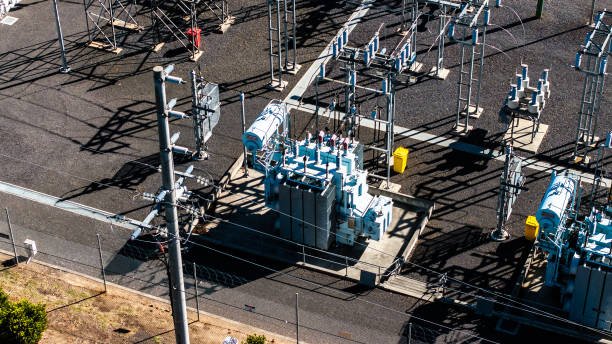
Transformers routinely operate under high electrical stresses caused by system voltages, switching operations, lightning surges, and transient overvoltages. While power rating, voltage rating, and cooling performance are essential design considerations, a transformer's ability to withstand electrical stress depends heavily on its insulation system and dielectric ratings. These characteristics determine whether the transformer can operate safely and reliably throughout its service life without insulation breakdown or catastrophic failure.
Transformer insulation serves two critical functions: it electrically separates components operating at different voltages and provides sufficient dielectric strength to withstand normal operating voltages as well as abnormal transient events. Because insulation failure remains one of the leading causes of transformer outages, proper specification of insulation levels and dielectric performance is vital for utilities, industrial facilities, renewable energy installations, and commercial power systems.
Insulation levels and dielectric ratings define a transformer's ability to withstand continuous operating voltages, temporary overvoltages, switching surges, lightning impulses, and internal electrical stresses without insulation failure. Key specifications include insulation class, dielectric strength, Basic Insulation Level (BIL), power-frequency withstand voltage, impulse withstand voltage, and insulation coordination requirements.
Carefully selecting appropriate insulation levels ensures transformer reliability, safety, and long-term operational performance.
Transformer insulation only needs to withstand normal operating voltage because lightning and switching surges are handled entirely by external protection devices.False
Even with surge arresters and protection systems, transformers must be designed to withstand specified transient overvoltages, lightning impulses, and switching surges through appropriate insulation and dielectric ratings.
Why Transformer Insulation Is Important
Electrical energy must be safely contained and controlled within the transformer.
Primary Functions of Insulation
| Function | Purpose |
|---|---|
| Electrical separation | Prevent short circuits |
| Dielectric withstand | Resist voltage stress |
| Mechanical support | Stabilize windings |
| Thermal protection | Maintain reliability |
Without adequate insulation, transformer operation would be impossible.
What Is Dielectric Strength?
Dielectric strength is the maximum electric field an insulating material can withstand before breakdown occurs.
Basic Definition
| Property | Meaning |
|---|---|
| High dielectric strength | Better insulation performance |
| Low dielectric strength | Higher breakdown risk |
Dielectric strength is often expressed in kV/mm.
Common Transformer Insulation Materials
Transformers use multiple insulation systems.
Typical Insulating Materials
| Material | Application |
|---|---|
| Mineral oil | Liquid insulation |
| Cellulose paper | Winding insulation |
| Pressboard | Structural insulation |
| Epoxy resin | Dry-type transformers |
| Nomex® aramid paper | High-temperature insulation |
Modern transformers often combine several insulation technologies.
Major Categories of Insulation
Transformer insulation can be divided into two broad groups.
Categories
| Type | Examples |
|---|---|
| Solid insulation | Paper, pressboard, resin |
| Liquid insulation | Mineral oil, ester fluids |
Both systems work together to provide dielectric integrity.
What Are Insulation Levels?
Insulation levels define the voltages a transformer must safely withstand.
Main Objectives
| Objective | Importance |
|---|---|
| Prevent insulation failure | Critical |
| Ensure system reliability | Critical |
| Withstand transient events | Critical |
Insulation levels are standardized by international standards.
Rated Voltage and Insulation Design
Insulation requirements increase as system voltage increases.
Relationship
| Voltage Level | Insulation Requirement |
|---|---|
| Low voltage | Lower dielectric stress |
| Medium voltage | Moderate insulation |
| High voltage | Extensive insulation |
| Extra-high voltage | Advanced insulation design |
Voltage class strongly influences insulation structure.
Basic Insulation Level (BIL)
One of the most important transformer dielectric ratings is the Basic Insulation Level.
Definition
BIL represents the peak impulse voltage that a transformer can withstand without insulation failure.
Purpose
| Event | Protection Objective |
|---|---|
| Lightning surges | Withstand impulse stress |
| Switching surges | Prevent breakdown |
BIL is expressed in kilovolts (kV).
Why BIL Is Important
Power systems are frequently exposed to transient overvoltages.
Common Sources
| Source | Description |
|---|---|
| Lightning strikes | External surges |
| Switching operations | Internal surges |
| Fault clearing | Voltage transients |
BIL ensures the transformer survives these events.
Typical BIL Ratings
BIL increases with voltage class.
Example Values
| System Voltage | Typical BIL |
|---|---|
| 15 kV | 95 kV |
| 25 kV | 150 kV |
| 35 kV | 200 kV |
| 69 kV | 350 kV |
| 115 kV | 550 kV |
| 230 kV | 900 kV |
Actual requirements vary according to standards and utility specifications.
Lightning Impulse Withstand Voltage
Lightning impulse tests verify insulation capability.
Test Characteristics
| Parameter | Typical Value |
|---|---|
| Wave shape | 1.2/50 μs |
| Peak voltage | Based on BIL |
The test simulates a lightning surge.
Impulse Wave Representation
The standard lightning impulse waveform is characterized by:
- 1.2 μs front time
- 50 μs tail time
This waveform closely represents real lightning events.
Switching Impulse Withstand Voltage
Extra-high-voltage systems may also specify switching impulse ratings.
Why?
| Voltage Range | Concern |
|---|---|
| Above 300 kV | Switching surges become significant |
| EHV systems | Major insulation design factor |
Switching impulses can be as damaging as lightning impulses.
Power-Frequency Withstand Voltage
In addition to impulse tests, transformers must withstand normal AC voltage stress.
Definition
Power-frequency withstand voltage verifies insulation integrity under sustained AC conditions.
Test Frequency
| Region | Frequency |
|---|---|
| North America | 60 Hz |
| Most other regions | 50 Hz |
This test confirms insulation performance during normal operation.
Applied Voltage Test
One common dielectric test is the applied voltage test.
Purpose
| Objective | Benefit |
|---|---|
| Verify insulation quality | Manufacturing validation |
| Detect defects | Improved reliability |
The test subjects insulation to elevated voltage.
Induced Voltage Test
The induced voltage test evaluates turn-to-turn insulation.
Main Purpose
| Target | Evaluation |
|---|---|
| Winding insulation | Electrical integrity |
| Inter-turn insulation | Fault prevention |
This test is especially important for high-voltage transformers.
Insulation Coordination
Insulation coordination ensures that equipment withstand capabilities align with system overvoltages.
Main Goal
| Objective | Result |
|---|---|
| Proper insulation selection | Reliable operation |
| Economical design | Cost optimization |
Overdesign and underdesign are both undesirable.
Insulation Coordination Principle
Protection devices should operate before insulation breakdown occurs.
Typical Components
| Component | Function |
|---|---|
| Surge arresters | Limit overvoltage |
| Transformer insulation | Withstand residual voltage |
| Coordination margins | Ensure reliability |
This approach protects expensive equipment.
Dielectric Clearance Requirements
Physical spacing contributes significantly to dielectric performance.
Clearance Types
| Type | Purpose |
|---|---|
| Air clearance | External insulation |
| Oil clearance | Internal insulation |
| Surface clearance | Creepage protection |
Higher voltages require greater distances.
Creepage Distance
Creepage distance refers to the shortest path along an insulating surface.
Importance
| Environmental Condition | Significance |
|---|---|
| Humidity | Increased risk |
| Pollution | Increased leakage current |
| Coastal environments | Salt contamination |
Proper creepage design improves reliability.
Insulation Systems in Oil-Filled Transformers
Oil-filled transformers use composite insulation systems.
Main Components
| Component | Function |
|---|---|
| Transformer oil | Dielectric medium |
| Cellulose paper | Winding insulation |
| Pressboard barriers | Electrical separation |
These materials work together to withstand high voltages.
Insulation Systems in Dry-Type Transformers
Dry-type transformers use solid insulation.
Common Materials
| Material | Application |
|---|---|
| Epoxy resin | Cast-resin transformers |
| Nomex® insulation | High-temperature designs |
| Fiberglass materials | Mechanical support |
These systems eliminate the need for insulating oil.
Dielectric Ratings of Transformer Oil
Oil quality significantly affects insulation performance.
Key Parameters
| Parameter | Purpose |
|---|---|
| Dielectric breakdown voltage | Insulation quality |
| Moisture content | Reliability indicator |
| Dissipation factor | Condition assessment |
Regular testing is essential.
Oil Dielectric Strength Testing
Oil is periodically tested during maintenance.
Common Test
| Test | Purpose |
|---|---|
| Breakdown voltage test | Assess dielectric condition |
Low breakdown voltage may indicate contamination.
Temperature Effects on Insulation
Temperature influences dielectric performance and insulation aging.
Effects
| Temperature Increase | Consequence |
|---|---|
| Accelerated aging | Reduced life |
| Reduced dielectric strength | Increased risk |
| Moisture migration | Insulation degradation |
Thermal management supports insulation longevity.
Environmental Factors Affecting Insulation
External conditions can influence dielectric performance.
Common Factors
| Factor | Impact |
|---|---|
| Humidity | Moisture ingress |
| Pollution | Surface leakage |
| Salt contamination | Flashover risk |
| Altitude | Reduced dielectric strength |
Environmental conditions must be considered during design.
Standards Governing Insulation and Dielectric Ratings
Several international standards define insulation requirements.
Common Standards
| Standard | Organization |
|---|---|
| International Electrotechnical Commission IEC 60076 | Power transformer requirements |
| Institute of Electrical and Electronics Engineers IEEE C57 Series | Transformer standards |
| International Electrotechnical Commission IEC 60071 | Insulation coordination |
These standards establish testing and rating requirements.
Typical Dielectric Tests Performed by Manufacturers
Factory Acceptance Tests
| Test | Purpose |
|---|---|
| Applied voltage test | Insulation verification |
| Induced voltage test | Winding insulation assessment |
| Lightning impulse test | BIL verification |
| Partial discharge test | Defect detection |
Testing confirms compliance before shipment.
Importance of Partial Discharge Performance
Partial discharge is an early indicator of insulation defects.
Benefits of PD Testing
| Benefit | Result |
|---|---|
| Early fault detection | Improved reliability |
| Quality assurance | Reduced failures |
| Longer service life | Better asset performance |
Modern high-voltage transformers often undergo extensive PD testing.
Summary of Key Insulation and Dielectric Ratings
| Parameter | Purpose |
|---|---|
| Insulation class | Thermal capability |
| Dielectric strength | Breakdown resistance |
| BIL | Lightning withstand capability |
| Power-frequency withstand voltage | AC insulation performance |
| Switching impulse rating | EHV protection |
| Creepage distance | Surface insulation reliability |
| Insulation coordination | System compatibility |
These parameters collectively define transformer dielectric performance.
Which Efficiency, Loss, and Testing Parameters Are Most Important?
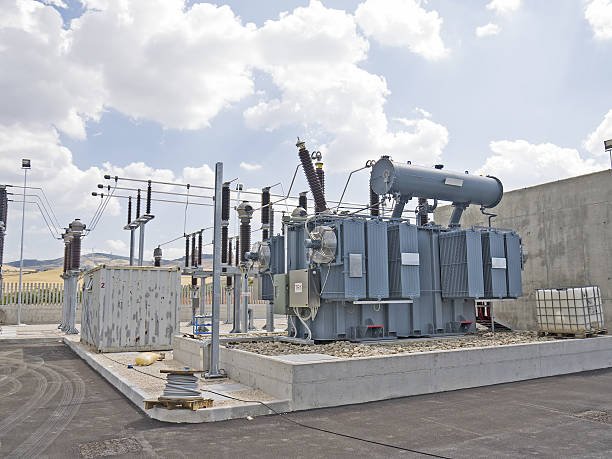
Transformer performance is often evaluated by its voltage rating, power capacity, and cooling system, but the true measure of long-term operational value lies in its efficiency, losses, and testing performance. These parameters directly influence energy consumption, operating costs, thermal behavior, environmental impact, reliability, and overall lifecycle economics. For utilities, industrial facilities, renewable energy plants, data centers, and commercial buildings, even small improvements in transformer efficiency can translate into substantial cost savings over decades of operation.
At the same time, rigorous testing verifies that the transformer meets design specifications, complies with international standards, and can safely withstand electrical, thermal, and mechanical stresses. Understanding which efficiency metrics, loss characteristics, and test parameters matter most helps engineers make informed purchasing, operational, and maintenance decisions.
The most important transformer performance parameters include efficiency, no-load (core) losses, load (copper) losses, total losses, impedance losses, temperature-rise performance, dielectric test results, short-circuit withstand capability, partial discharge levels, and factory acceptance test outcomes. Together, these indicators determine operating cost, reliability, thermal performance, regulatory compliance, and long-term asset value.
Careful evaluation of these factors is essential when selecting or comparing transformers for any application.
Transformer efficiency alone determines transformer quality and operating performance.False
While efficiency is important, transformer performance also depends on loss characteristics, thermal behavior, dielectric integrity, short-circuit strength, and successful completion of factory and field testing.
Why Efficiency Matters
Transformers operate continuously, often for 30 to 50 years or more.
Even small efficiency improvements can produce significant energy savings over the equipment's lifetime.
Benefits of High Efficiency
| Benefit | Impact |
|---|---|
| Reduced energy consumption | Lower operating costs |
| Lower heat generation | Improved reliability |
| Reduced cooling requirements | Increased efficiency |
| Lower carbon footprint | Environmental benefits |
Efficiency is one of the most economically important transformer characteristics.
What Is Transformer Efficiency?
Efficiency is the ratio of output power to input power.
Efficiency Formula
\eta=\frac{P{out}}{P{in}}\times100%
Where:
- ( \eta ) = efficiency
- ( P_{out} ) = output power
- ( P_{in} ) = input power
Because losses exist, efficiency is always less than 100%.
Typical Transformer Efficiencies
Modern transformers are highly efficient.
| Transformer Type | Typical Efficiency |
|---|---|
| Small distribution transformer | 95–98% |
| Medium distribution transformer | 97–99% |
| Power transformer | 98.5–99.75% |
| Large utility transformer | Above 99% |
Although percentages appear similar, lifetime cost differences can be substantial.
Understanding Transformer Losses
Transformer losses are generally divided into two primary categories.
Major Loss Types
| Loss Category | Load Dependent |
|---|---|
| No-load (core) loss | No |
| Load (copper) loss | Yes |
Additional losses may also be present.
What Are No-Load Losses?
No-load losses occur whenever the transformer is energized.
Alternative Names
| Common Term | Meaning |
|---|---|
| Core loss | Magnetic loss |
| Iron loss | Core material loss |
| Excitation loss | Magnetization loss |
These losses exist even when no load is connected.
Sources of Core Loss
Core losses originate from magnetic effects.
Components
| Loss Component | Cause |
|---|---|
| Hysteresis loss | Magnetic reversal |
| Eddy current loss | Induced circulating currents |
Both occur continuously during operation.
Core Loss Characteristics
| Characteristic | Effect |
|---|---|
| Present 24/7 | Continuous energy cost |
| Independent of load | Constant expense |
| Influenced by core material | Design optimization |
Core loss is particularly important in lightly loaded transformers.
What Are Load Losses?
Load losses increase as load current increases.
Main Source
The primary contributor is winding resistance.
Copper Loss Formula
P_{Cu}=I^2R
Where:
- (P_{Cu}) = copper loss
- (I) = current
- (R) = resistance
Because current is squared, losses rise rapidly at higher loading levels.
Load Loss Characteristics
| Characteristic | Impact |
|---|---|
| Varies with load | Dynamic behavior |
| Generates heat | Cooling requirement |
| Influences efficiency | Operational cost |
Load losses dominate at high loading conditions.
Stray Losses
Not all losses occur directly in the windings or core.
Sources
| Source | Description |
|---|---|
| Leakage flux | Structural heating |
| Tank losses | Induced currents |
| Clamp losses | Magnetic effects |
These are generally grouped into load losses.
Dielectric Losses
Insulation systems also consume small amounts of energy.
Occurrence
| Location | Source |
|---|---|
| Insulation materials | Dielectric polarization |
| Bushings | Electrical stress |
These losses are usually minor but become significant at higher voltages.
Total Transformer Losses
Total losses are the sum of all loss components.
Total Loss Formula
P{Total}=P{Core}+P{Load}+P{Stray}
Total losses determine operating cost and thermal performance.
Loss Evaluation Example
| Parameter | Value |
|---|---|
| Core loss | 3 kW |
| Load loss | 12 kW |
| Stray loss | 1 kW |
| Total loss | 16 kW |
This energy is converted into heat and must be dissipated.
Peak Efficiency Point
Transformers do not achieve maximum efficiency at all load levels.
Maximum Efficiency Condition
P{Core}=P{Load}
Maximum efficiency typically occurs when core loss equals load loss.
Why Loss Evaluation Is Important
Losses influence lifetime ownership cost.
Economic Factors
| Factor | Impact |
|---|---|
| Energy consumption | Utility expenses |
| Cooling requirements | Operating costs |
| Equipment sizing | Capital investment |
Utilities frequently evaluate total ownership cost rather than purchase price alone.
Importance of Temperature Rise Performance
Losses produce heat.
Thermal Impact
| Effect | Consequence |
|---|---|
| Higher temperature | Accelerated aging |
| Reduced insulation life | Shorter lifespan |
| Increased cooling demand | Higher operating cost |
Temperature-rise performance is therefore a critical test parameter.
What Testing Parameters Are Most Important?
Testing verifies that the transformer meets design specifications.
Major Categories
| Category | Purpose |
|---|---|
| Electrical testing | Performance verification |
| Thermal testing | Temperature validation |
| Mechanical testing | Structural integrity |
| Dielectric testing | Insulation verification |
Each category addresses a different aspect of performance.
Routine Tests
Routine tests are performed on every transformer.
Common Routine Tests
| Test | Purpose |
|---|---|
| Ratio test | Verify voltage ratio |
| Polarity test | Confirm winding connections |
| Resistance measurement | Evaluate winding condition |
| No-load loss test | Verify core performance |
| Load loss test | Verify copper loss |
These tests confirm manufacturing quality.
No-Load Loss Testing
This test measures core losses.
Procedure
| Condition | Description |
|---|---|
| Secondary open | No load connected |
| Rated voltage applied | Standard test condition |
Measured power equals no-load loss.
Load Loss Testing
Load loss testing evaluates winding losses.
Procedure
| Condition | Description |
|---|---|
| Short-circuit condition | Controlled current |
| Rated current applied | Standard test value |
The measured power represents load losses.
Impedance Testing
Impedance affects fault current and voltage regulation.
Measured Parameters
| Parameter | Importance |
|---|---|
| Percent impedance | Fault-current limitation |
| Reactance | System analysis |
| Resistance | Loss calculations |
Impedance verification is critical for system studies.
Temperature Rise Test
Temperature testing validates cooling performance.
Objectives
| Objective | Importance |
|---|---|
| Verify cooling design | Reliability |
| Confirm thermal limits | Insulation protection |
| Validate rating | Compliance |
Large transformers often undergo extensive thermal testing.
Dielectric Testing
Insulation performance is verified through dielectric testing.
Important Tests
| Test | Purpose |
|---|---|
| Applied voltage test | Insulation verification |
| Induced voltage test | Turn-to-turn insulation |
| Lightning impulse test | Surge withstand capability |
These tests ensure dielectric reliability.
Partial Discharge Testing
Partial discharge (PD) is a key quality indicator.
Why It Matters
| Benefit | Impact |
|---|---|
| Detects insulation defects | Improved reliability |
| Prevents premature failure | Longer service life |
| Quality assurance | Better performance |
Lower PD levels generally indicate higher insulation quality.
Short-Circuit Withstand Verification
Transformers must survive fault conditions.
Evaluation Areas
| Area | Requirement |
|---|---|
| Thermal withstand | Heat resistance |
| Mechanical withstand | Structural integrity |
This capability is particularly important for power transformers.
Sound Level Testing
Noise performance may be important in urban installations.
Noise Sources
| Source | Cause |
|---|---|
| Core vibration | Magnetostriction |
| Cooling equipment | Fans and pumps |
Many specifications include maximum sound limits.
Factory Acceptance Testing (FAT)
FAT confirms compliance before shipment.
Typical FAT Scope
| Test Type | Included |
|---|---|
| Electrical tests | Yes |
| Loss measurements | Yes |
| Insulation tests | Yes |
| Functional verification | Yes |
FAT is a critical quality-control step.
Special Tests
Some applications require additional testing.
Examples
| Test | Application |
|---|---|
| Frequency response analysis | Mechanical assessment |
| Dissolved gas analysis baseline | Oil-filled transformers |
| Switching impulse test | EHV transformers |
| Zero-sequence impedance test | Protection studies |
Special tests provide deeper performance insight.
Standards Governing Efficiency and Testing
Several international standards define testing requirements.
Common Standards
| Standard | Organization |
|---|---|
| International Electrotechnical Commission IEC 60076 | Transformer requirements |
| Institute of Electrical and Electronics Engineers IEEE C57 Series | Transformer testing |
| National Electrical Manufacturers Association Standards | Performance guidance |
Compliance ensures consistent evaluation criteria.
Most Important Parameters for Transformer Comparison
When comparing transformer designs, engineers typically prioritize the following:
| Parameter | Importance |
|---|---|
| Efficiency | Operating cost |
| Core loss | Continuous energy consumption |
| Load loss | Full-load performance |
| Temperature rise | Thermal reliability |
| Impedance | System compatibility |
| Partial discharge | Insulation quality |
| Dielectric test results | Electrical integrity |
| Short-circuit strength | Fault survivability |
Together, these provide a comprehensive assessment of transformer quality.
Summary of Critical Efficiency, Loss, and Testing Parameters
| Category | Key Parameter |
|---|---|
| Efficiency | Overall efficiency (%) |
| Losses | Core loss, load loss, stray loss |
| Thermal | Temperature rise |
| Electrical | Impedance, ratio accuracy |
| Insulation | Dielectric strength, PD levels |
| Reliability | Short-circuit withstand capability |
| Quality Assurance | Factory acceptance testing |
These metrics collectively determine performance, reliability, and lifecycle value.
Conclusion
The key technical specifications of a power transformer include rated power (kVA/MVA), voltage ratings, frequency, phase configuration, vector group, impedance, cooling method, insulation level, temperature rise, efficiency, and loss characteristics. These parameters determine how the transformer performs under operating conditions and ensure compatibility with system requirements. Careful evaluation of these specifications is essential for achieving reliable operation, optimal efficiency, and long-term service life in power applications.
FAQ
Q1: What are the key technical specifications of a power transformer?
Power transformers are defined by several critical technical specifications that determine their performance, safety, and suitability for specific applications. The most important specifications include:
Rated power (kVA or MVA)
Voltage rating
Frequency
Impedance
Cooling method
Insulation class
Efficiency
Temperature rise
Tap changer range
Vector group
These parameters help engineers select the appropriate transformer for a given power system.
Q2: What is the rated power of a transformer?
Rated power represents the maximum apparent power a transformer can continuously deliver under specified operating conditions.
It is typically expressed in:
kVA (kilovolt-amperes) for distribution transformers
MVA (megavolt-amperes) for power transformers
Examples:
500 kVA distribution transformer
40 MVA substation transformer
500 MVA transmission transformer
The rated power determines the transformer's load-carrying capability.
Q3: What are voltage ratings and transformation ratios?
Voltage ratings specify the operating voltages of the primary and secondary windings.
Example:
Primary voltage: 132 kV
Secondary voltage: 33 kV
The transformation ratio is calculated as:
Turns Ratio=
Secondary Voltage
Primary Voltage
Voltage ratings must match the requirements of the connected electrical system.
Q4: Why is transformer impedance important?
Transformer impedance is usually expressed as a percentage (%Z) and represents the opposition to current flow under fault conditions.
Impedance affects:
Short-circuit current levels
Voltage regulation
Parallel operation performance
System protection coordination
Typical power transformer impedance values range from 5% to 20%, depending on application and size.
Q5: What cooling methods are specified for power transformers?
Cooling systems remove heat generated during operation and are identified by standardized codes.
Common cooling methods include:
Oil-Immersed Transformers
ONAN (Oil Natural Air Natural)
ONAF (Oil Natural Air Forced)
OFAF (Oil Forced Air Forced)
OFWF (Oil Forced Water Forced)
Dry-Type Transformers
AN (Air Natural)
AF (Air Forced)
The cooling method directly influences transformer loading capability and service life.
Q6: What is insulation class and temperature rise?
The insulation system determines the maximum temperature a transformer can safely withstand.
Important specifications include:
Insulation class
Temperature rise limit
Hot-spot temperature
Typical dry-type insulation classes include:
Class F (155°C)
Class H (180°C)
Temperature rise limits are established by IEC and IEEE standards to ensure long-term insulation reliability.
Q7: What are transformer efficiency and losses?
Transformer efficiency measures how effectively electrical power is transferred from input to output.
Modern power transformers often achieve:
98%–99.8% efficiency
Losses include:
No-Load (Core) Losses
Occur whenever the transformer is energized
Load (Copper) Losses
Increase with current flow
Additional Losses
Stray losses
Dielectric losses
Higher efficiency reduces operating costs throughout the transformer's lifecycle.
Q8: What additional specifications should be considered?
Other important transformer specifications include:
Vector group designation
Tap changer type and range
Short-circuit withstand capability
Noise level
Altitude rating
Protection class (IP rating)
Insulating fluid type
Harmonic load capability
Monitoring and diagnostic systems
These parameters ensure the transformer meets both operational and environmental requirements.
References
IEC 60076 – Power Transformers
https://webstore.iec.ch/publication/602
IEC 60076-1 – Power Transformers: General Requirements
https://webstore.iec.ch/publication/602
IEEE C57 Series – Transformer Standards
https://standards.ieee.org
Electrical Engineering Portal – Transformer Technical Parameters Explained
https://electrical-engineering-portal.com
National Electrical Manufacturers Association (NEMA) – Transformer Standards
https://www.nema.org
IEEE Power & Energy Society – Transformer Design and Performance Research
https://ieeexplore.ieee.org