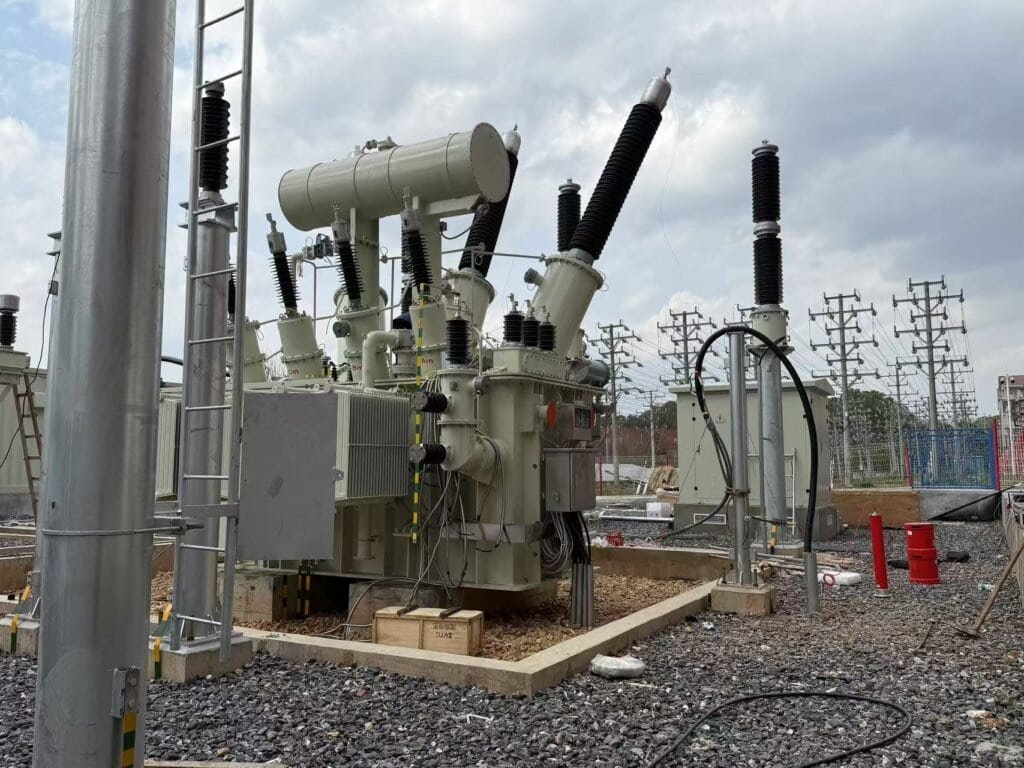
Liquid-immersed transformers use a liquid medium to provide both electrical insulation and cooling for internal components such as the core and windings. The choice of insulating liquid has a significant impact on transformer performance, safety, environmental compatibility, and maintenance requirements. Understanding the types of liquids used in these transformers is essential for selecting the right solution for different applications.
What Is the Purpose of the Insulating Liquid in a Transformer?
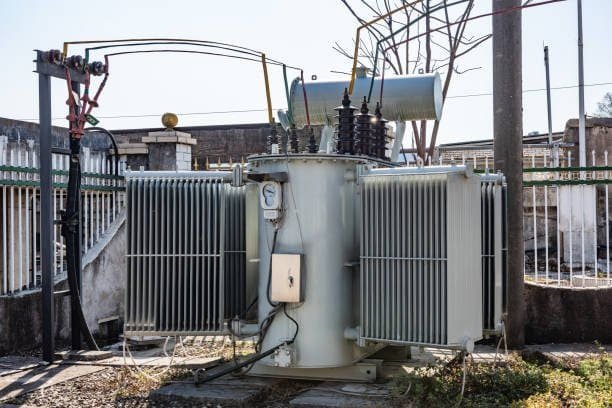
The insulating liquid in a transformer is a vital component that performs multiple functions essential to safe, efficient, and reliable operation. In oil-immersed transformers, the insulating liquid surrounds the core, windings, and internal electrical components, providing both electrical insulation and heat dissipation. Without this liquid, transformers would be unable to withstand high operating voltages, manage internally generated heat effectively, or achieve the long service life expected in modern power systems.
As transformer ratings and voltage levels increase, the importance of the insulating liquid becomes even greater. It not only protects against electrical breakdown but also contributes to cooling, fault detection, insulation preservation, and overall transformer performance.
The primary purpose of transformer insulating liquid is to provide electrical insulation and efficient cooling. It prevents electrical discharge between energized components, removes heat generated by transformer losses, protects solid insulation materials, supports fault detection, and helps ensure long-term reliability and operational safety.
The insulating liquid inside a transformer is mainly used to lubricate moving parts and has only a minor role in electrical insulation.False
Transformer insulating liquid is primarily used for dielectric insulation and heat dissipation. Its insulation and cooling functions are critical to transformer operation and reliability.
Why Transformers Need an Insulating Liquid
Transformers operate under high electrical and thermal stresses.
Major operational challenges
| Challenge | Required Solution |
|---|---|
| High voltage levels | Strong insulation |
| Continuous heat generation | Effective cooling |
| Insulation aging | Environmental protection |
| Internal fault risks | Diagnostic capability |
The insulating liquid helps address all of these requirements simultaneously.
Primary Functions of Insulating Liquid
Transformer insulating liquids perform multiple critical functions.
Main functions
| Function | Importance |
|---|---|
| Electrical insulation | Essential |
| Heat transfer | Essential |
| Arc suppression | Important |
| Insulation preservation | Important |
| Diagnostic support | Valuable |
These functions work together to maintain transformer performance.
Electrical Insulation Function
The most important role of the insulating liquid is dielectric insulation.
Insulating responsibilities
- Separate energized conductors
- Prevent electrical breakdown
- Maintain voltage isolation
- Reduce flashover risk
The liquid fills gaps that would otherwise contain air, significantly increasing insulation strength.
Preventing Electrical Breakdown
High voltages create strong electrical fields inside transformers.
Potential risks
| Risk | Consequence |
|---|---|
| Electrical discharge | Insulation damage |
| Flashover | Equipment failure |
| Arcing | Severe transformer damage |
Insulating liquid helps prevent these failures.
Dielectric Strength of Insulating Liquids
Dielectric strength measures the ability of a liquid to resist electrical breakdown.
Benefits of high dielectric strength
- Improved insulation performance
- Greater operating safety
- Enhanced reliability
- Support for higher voltage ratings
Maintaining dielectric strength is a key maintenance objective.
Supporting Solid Insulation Systems
Transformers use both liquid and solid insulation.
Common solid insulation materials
- Cellulose paper
- Pressboard
- Insulating barriers
- Spacer blocks
The insulating liquid works together with these materials to form a complete insulation system.
How Liquid and Solid Insulation Work Together
The liquid penetrates insulation structures and fills voids around solid materials.
Combined advantages
| Benefit | Result |
|---|---|
| Higher dielectric strength | Improved reliability |
| Better heat transfer | Lower temperatures |
| Reduced electrical stress | Longer insulation life |
This combination enhances overall transformer performance.
Cooling Function of Insulating Liquid
Transformers continuously generate heat during operation.
Sources of heat
| Source | Cause |
|---|---|
| Core losses | Magnetic processes |
| Copper losses | Current flow |
| Stray losses | Leakage flux |
The insulating liquid serves as the primary cooling medium.
Heat Absorption Process
Heat generated by the windings and core is transferred to the liquid.
Process
- Heat forms within the active parts.
- Insulating liquid absorbs thermal energy.
- Heated liquid circulates.
- Heat moves to cooling surfaces.
- Heat dissipates into the environment.
This process prevents excessive temperature rise.
Natural Convection Cooling
Many transformers rely on natural oil circulation.
Cooling cycle
| Stage | Action |
|---|---|
| Heating | Liquid absorbs heat |
| Expansion | Density decreases |
| Rising flow | Hot liquid moves upward |
| Cooling | Heat dissipates |
| Return flow | Cool liquid sinks |
Natural convection provides reliable cooling without mechanical assistance.
Supporting Forced Cooling Systems
Larger transformers often use enhanced cooling systems.
Examples
- Oil pumps
- Cooling fans
- Heat exchangers
The insulating liquid remains the primary heat transfer medium in these systems.
Temperature Control and Reliability
Transformer lifespan is strongly affected by temperature.
Effects of high temperature
| Condition | Impact |
|---|---|
| Elevated temperature | Faster aging |
| Severe overheating | Insulation damage |
| Prolonged overheating | Reduced service life |
Efficient cooling helps maintain acceptable temperatures.
Reducing Thermal Stress
Proper heat removal minimizes thermal stress on:
- Windings
- Insulation systems
- Structural components
- Electrical connections
Reduced stress improves long-term reliability.
Preserving Cellulose Insulation
Cellulose insulation is highly sensitive to temperature and moisture.
Liquid contributes by
- Controlling temperature
- Reducing oxidation
- Managing moisture distribution
- Slowing aging processes
This helps extend transformer life.
Moisture Management
Moisture is one of the most harmful contaminants in transformers.
Problems caused by moisture
| Problem | Consequence |
|---|---|
| Reduced dielectric strength | Higher failure risk |
| Accelerated aging | Shorter lifespan |
| Increased partial discharge | Reliability concerns |
Insulating liquid plays an important role in moisture control.
Arc Suppression Capability
Electrical faults may generate arcs inside transformers.
Insulating liquid helps by
- Surrounding fault locations
- Dissipating arc energy
- Limiting damage propagation
This protective characteristic enhances transformer resilience.
Supporting Fault Detection
The insulating liquid acts as a diagnostic medium.
Why this is valuable
Internal faults often generate gases that dissolve into the liquid.
These gases provide information about transformer condition.
Dissolved Gas Analysis (DGA)
DGA is one of the most important transformer diagnostic techniques.
Purpose
- Detect developing faults
- Monitor insulation health
- Assess operating condition
- Support maintenance planning
The insulating liquid serves as the carrier for diagnostic gases.
Common Fault Gases
| Gas | Possible Indication |
|---|---|
| Hydrogen | Partial discharge |
| Methane | Low-temperature overheating |
| Ethylene | High-temperature thermal fault |
| Acetylene | Arcing |
Gas analysis provides valuable insight into transformer health.
Protection Against Oxidation
Certain insulating liquids help protect internal materials from oxidation.
Benefits
- Slower oil aging
- Reduced sludge formation
- Improved insulation life
Oxidation control contributes to long-term performance.
Influence on Transformer Efficiency
The insulating liquid indirectly affects efficiency.
Mechanisms
| Effect | Result |
|---|---|
| Better cooling | Lower resistance |
| Lower temperatures | Reduced losses |
| Improved insulation condition | Enhanced reliability |
Efficient cooling supports efficient operation.
Common Types of Transformer Insulating Liquids
Several liquid types are used in modern transformers.
Major categories
| Liquid Type | Characteristics |
|---|---|
| Mineral oil | Most common |
| Natural ester | Biodegradable |
| Synthetic ester | High fire safety |
| Silicone fluid | Specialized applications |
Each offers unique advantages.
Mineral Oil
Mineral oil remains the most widely used insulating liquid.
Advantages
- Good dielectric properties
- Effective cooling
- Proven reliability
- Competitive cost
Most utility transformers utilize mineral oil.
Natural Ester Fluids
Natural ester fluids are derived from vegetable-based sources.
Benefits
| Benefit | Impact |
|---|---|
| Biodegradable | Environmental protection |
| High fire point | Improved safety |
| Moisture tolerance | Better insulation preservation |
Their use continues to grow worldwide.
Synthetic Ester Fluids
Synthetic esters provide enhanced fire resistance.
Typical applications
- Commercial buildings
- Underground installations
- Offshore facilities
- Transportation infrastructure
They are often selected where fire safety is a priority.
Silicone-Based Insulating Fluids
Silicone fluids are used in specialized applications.
Characteristics
- Excellent fire resistance
- High thermal stability
- Long service life
These fluids are generally used in niche markets.
Environmental Considerations
Environmental requirements increasingly influence fluid selection.
Factors evaluated
| Factor | Importance |
|---|---|
| Biodegradability | Environmental compliance |
| Fire safety | Risk reduction |
| Spill impact | Site protection |
| Sustainability | Regulatory support |
These considerations are becoming more important in transformer projects.
Fire Safety Benefits
Different insulating liquids offer varying fire performance.
Comparison
| Fluid Type | Relative Fire Resistance |
|---|---|
| Mineral oil | Standard |
| Natural ester | Higher |
| Synthetic ester | Very high |
Fire safety requirements often influence fluid choice.
Maintaining Insulating Liquid Quality
Liquid condition directly affects transformer reliability.
Important monitoring parameters
- Dielectric strength
- Moisture content
- Acidity
- Dissolved gases
- Interfacial tension
Regular testing helps maintain performance.
Consequences of Liquid Deterioration
Poor liquid condition can cause:
- Reduced insulation capability
- Lower cooling effectiveness
- Accelerated aging
- Increased failure risk
Routine maintenance helps prevent these issues.
Relationship Between Liquid Condition and Service Life
Transformer lifespan is closely linked to liquid quality.
Well-maintained liquid provides
| Benefit | Result |
|---|---|
| Strong insulation | Fewer faults |
| Effective cooling | Lower temperatures |
| Better diagnostics | Early fault detection |
| Reduced aging | Longer service life |
Proper liquid management is a key asset management strategy.
Modern Developments in Insulating Liquids
Current innovations focus on:
- Environmentally friendly fluids
- Improved oxidation stability
- Enhanced fire resistance
- Higher thermal performance
- Advanced monitoring technologies
These developments continue to improve transformer reliability and sustainability.
What Types of Mineral Oils Are Commonly Used in Liquid-Immersed Transformers?

Mineral oil has been the most widely used insulating liquid in liquid-immersed transformers for more than a century. Its excellent combination of dielectric strength, cooling performance, chemical stability, availability, and cost-effectiveness has made it the industry standard for power transformers, distribution transformers, reactors, and other high-voltage electrical equipment. Although alternative insulating fluids such as natural esters and synthetic esters are gaining popularity, mineral oil remains the dominant choice in utility, industrial, and commercial transformer applications worldwide.
Not all mineral oils are the same. Transformer mineral oils are carefully refined petroleum-based products designed specifically for electrical insulation and heat transfer. Depending on their chemical composition, refining process, oxidation characteristics, and performance requirements, several types of mineral oils are used in modern transformers.
The most common mineral oils used in liquid-immersed transformers are naphthenic mineral oils and paraffinic mineral oils. Naphthenic oils dominate the global transformer market because of their excellent low-temperature performance, oxidation stability, and favorable electrical properties, while paraffinic oils are used in certain regions and applications where higher oxidation resistance is desired.
All transformer mineral oils have identical chemical compositions and performance characteristics regardless of their source or refining process.False
Transformer mineral oils differ significantly in chemical composition, oxidation stability, low-temperature behavior, wax content, and operational performance depending on the crude source and refining methods used.
Why Mineral Oil Is Used in Transformers
Mineral oil performs two essential functions in liquid-immersed transformers.
Primary functions
| Function | Purpose |
|---|---|
| Electrical insulation | Prevent electrical breakdown |
| Cooling medium | Transfer heat away from windings and core |
In addition, mineral oil helps suppress electrical discharges, preserve insulation materials, and support transformer diagnostics through dissolved gas analysis.
Characteristics Required for Transformer Mineral Oils
Transformer oils must meet strict technical requirements.
Desired properties
| Property | Importance |
|---|---|
| High dielectric strength | Reliable insulation |
| Low viscosity | Efficient cooling |
| Oxidation stability | Long service life |
| Low moisture content | Improved insulation |
| Chemical compatibility | Protection of insulation materials |
These properties ensure safe and reliable transformer operation.
Classification of Transformer Mineral Oils
Transformer mineral oils are generally classified according to their hydrocarbon composition.
Main categories
| Oil Type | Dominant Hydrocarbon Structure |
|---|---|
| Naphthenic oil | Cycloalkanes |
| Paraffinic oil | Straight-chain and branched alkanes |
Both types originate from petroleum refining but exhibit different performance characteristics.
What Is Naphthenic Mineral Oil?
Naphthenic mineral oil is produced from crude oils rich in cyclic hydrocarbon compounds.
Characteristics
- Low wax content
- Excellent low-temperature behavior
- Good dielectric properties
- Favorable oxidation characteristics
Today, most transformer oils used globally are naphthenic-based.
Why Naphthenic Oils Dominate the Transformer Industry
Naphthenic oils offer several advantages for transformer applications.
Benefits
| Advantage | Operational Benefit |
|---|---|
| Low pour point | Better cold-weather performance |
| Minimal wax formation | Reduced flow restrictions |
| Good solvency | Better sludge management |
| Stable cooling performance | Improved reliability |
These advantages make naphthenic oils particularly suitable for power equipment operating across a wide range of temperatures.
Low-Temperature Performance of Naphthenic Oils
One major advantage of naphthenic oils is their excellent behavior in cold environments.
Benefits in cold climates
- Easy circulation
- Reduced viscosity increase
- Improved startup performance
- Reliable cooling capability
This characteristic is especially important in northern climates and high-altitude installations.
Oxidation Characteristics of Naphthenic Oils
Transformer oil gradually reacts with oxygen over time.
Naphthenic oil advantages
| Characteristic | Benefit |
|---|---|
| Good oxidation stability | Longer service life |
| Effective inhibitor compatibility | Enhanced longevity |
| Reduced deposit formation | Improved cooling efficiency |
These properties contribute to long-term transformer reliability.
What Is Paraffinic Mineral Oil?
Paraffinic mineral oil is derived from crude oils rich in paraffin hydrocarbons.
Characteristics
- Higher wax content
- Higher oxidation resistance in some cases
- Higher viscosity index
- Different thermal behavior
Paraffinic oils are used in certain markets and specialized applications.
Advantages of Paraffinic Oils
Although less common in transformer applications, paraffinic oils offer several benefits.
Key advantages
| Advantage | Benefit |
|---|---|
| Higher oxidation resistance | Longer oil life in some conditions |
| Higher flash point | Improved safety margin |
| Stable molecular structure | Good long-term performance |
These characteristics can be advantageous under specific operating conditions.
Challenges Associated with Paraffinic Oils
Paraffinic oils also present some limitations.
Potential concerns
| Challenge | Impact |
|---|---|
| Wax content | Reduced low-temperature flow |
| Higher pour point | Limited cold-weather performance |
| Potential wax precipitation | Cooling concerns |
These factors often make naphthenic oils more attractive for transformer use.
Inhibited and Uninhibited Mineral Oils
Transformer oils can also be classified according to oxidation inhibitor content.
Categories
| Type | Description |
|---|---|
| Inhibited oil | Contains oxidation inhibitors |
| Uninhibited oil | No added oxidation inhibitors |
This classification significantly affects aging characteristics.
What Is Inhibited Transformer Oil?
Inhibited oils contain chemical additives designed to slow oxidation.
Common inhibitor
- DBPC (Dibutyl Para-Cresol)
Benefits
- Extended oil life
- Reduced sludge formation
- Improved oxidation resistance
- Lower maintenance requirements
Most modern power transformers utilize inhibited oils.
Advantages of Inhibited Oils
Operational benefits
| Benefit | Result |
|---|---|
| Slower aging | Longer service intervals |
| Better dielectric stability | Improved reliability |
| Reduced deposit formation | Enhanced cooling |
These advantages are particularly valuable for large power transformers.
What Is Uninhibited Transformer Oil?
Uninhibited oils contain no added oxidation inhibitors.
Characteristics
- Simpler formulation
- Lower initial cost
- More sensitive to oxidation
Historically, many transformers used uninhibited oils.
Typical Applications for Uninhibited Oils
Although less common today, uninhibited oils may still be found in:
- Older transformers
- Certain regional markets
- Specialized applications
Modern asset management practices increasingly favor inhibited oils.
Mineral Oil According to International Standards
Transformer oils are manufactured according to recognized international standards.
Common standards
| Standard | Organization |
|---|---|
| IEC 60296 | International Electrotechnical Commission |
| ASTM D3487 | ASTM International |
| IEEE C57.106 | IEEE |
| BS 148 | British Standards |
These standards establish minimum performance requirements.
IEC 60296 Transformer Oils
IEC 60296 is one of the most widely used transformer oil specifications.
Requirements include
- Dielectric strength
- Moisture content
- Oxidation stability
- Viscosity
- Flash point
Compliance ensures suitability for transformer service.
ASTM D3487 Classification
ASTM D3487 classifies transformer oils into several categories.
Common classifications
| Classification | Characteristics |
|---|---|
| Type I | Lower pour point |
| Type II | Higher oxidation stability |
Both types are widely used in North America.
Type I Mineral Oil
Type I oils generally offer:
- Excellent low-temperature performance
- Lower viscosity
- Improved cold-weather operation
These oils are often selected for colder climates.
Type II Mineral Oil
Type II oils generally provide:
- Enhanced oxidation resistance
- Higher operating stability
- Longer expected service life
These characteristics can benefit heavily loaded transformers.
Sulfur Content Considerations
Sulfur compounds in transformer oils require careful control.
Categories
| Sulfur Type | Impact |
|---|---|
| Non-corrosive sulfur | Generally acceptable |
| Corrosive sulfur | Potential winding damage |
Corrosive sulfur has been associated with copper sulfide formation in transformers.
Corrosive Sulfur Risks
Potential consequences
- Copper conductor degradation
- Insulation deterioration
- Reduced reliability
- Increased failure risk
Modern transformer oils are carefully formulated to avoid these problems.
Electrical Performance of Mineral Oils
The dielectric properties of mineral oils are critical to transformer operation.
Key electrical characteristics
| Property | Importance |
|---|---|
| Breakdown voltage | Insulation capability |
| Dielectric dissipation factor | Loss measurement |
| Resistivity | Electrical insulation quality |
High-performance oils maintain strong dielectric properties throughout service life.
Thermal Performance of Mineral Oils
Effective heat transfer is essential for transformer reliability.
Important thermal properties
- Thermal conductivity
- Specific heat capacity
- Viscosity
- Convection characteristics
These properties influence cooling effectiveness.
Impact on Transformer Efficiency
Mineral oil indirectly affects efficiency through its cooling performance.
Better cooling results in
| Benefit | Effect |
|---|---|
| Lower winding temperature | Reduced resistance |
| Reduced losses | Improved efficiency |
| Better thermal margins | Higher reliability |
Cooling performance remains a key selection criterion.
Compatibility with Transformer Materials
Transformer oil must remain compatible with:
- Cellulose insulation
- Copper conductors
- Steel components
- Gaskets and seals
- Coatings and paints
Compatibility ensures long-term reliability.
Monitoring Mineral Oil Condition
Routine testing helps ensure continued performance.
Common tests
| Test | Purpose |
|---|---|
| Dielectric strength | Insulation assessment |
| Moisture analysis | Water contamination |
| Acidity testing | Aging evaluation |
| Dissolved gas analysis | Fault detection |
| Interfacial tension | Oil condition assessment |
These tests support condition-based maintenance.
Environmental Considerations
Although mineral oil remains dominant, environmental concerns have increased interest in alternatives.
Considerations
- Biodegradability
- Spill containment
- Fire risk
- Regulatory requirements
These factors influence fluid selection in modern projects.
Comparison of Common Mineral Oil Types
| Characteristic | Naphthenic Oil | Paraffinic Oil |
|---|---|---|
| Low-temperature performance | Excellent | Moderate |
| Wax content | Very low | Higher |
| Pour point | Lower | Higher |
| Oxidation resistance | Good | Very good |
| Cooling performance | Excellent | Good |
| Global transformer use | Dominant | Limited |
Naphthenic oils generally provide the best balance of properties for transformer applications.
Future Trends in Transformer Mineral Oils
Current developments include:
- Improved oxidation inhibitors
- Enhanced sulfur control
- Higher-performance refining techniques
- Extended service-life formulations
- Better compatibility with online monitoring systems
These advancements continue to improve transformer reliability.
How Do Natural and Synthetic Ester Fluids Compare to Mineral Oil?
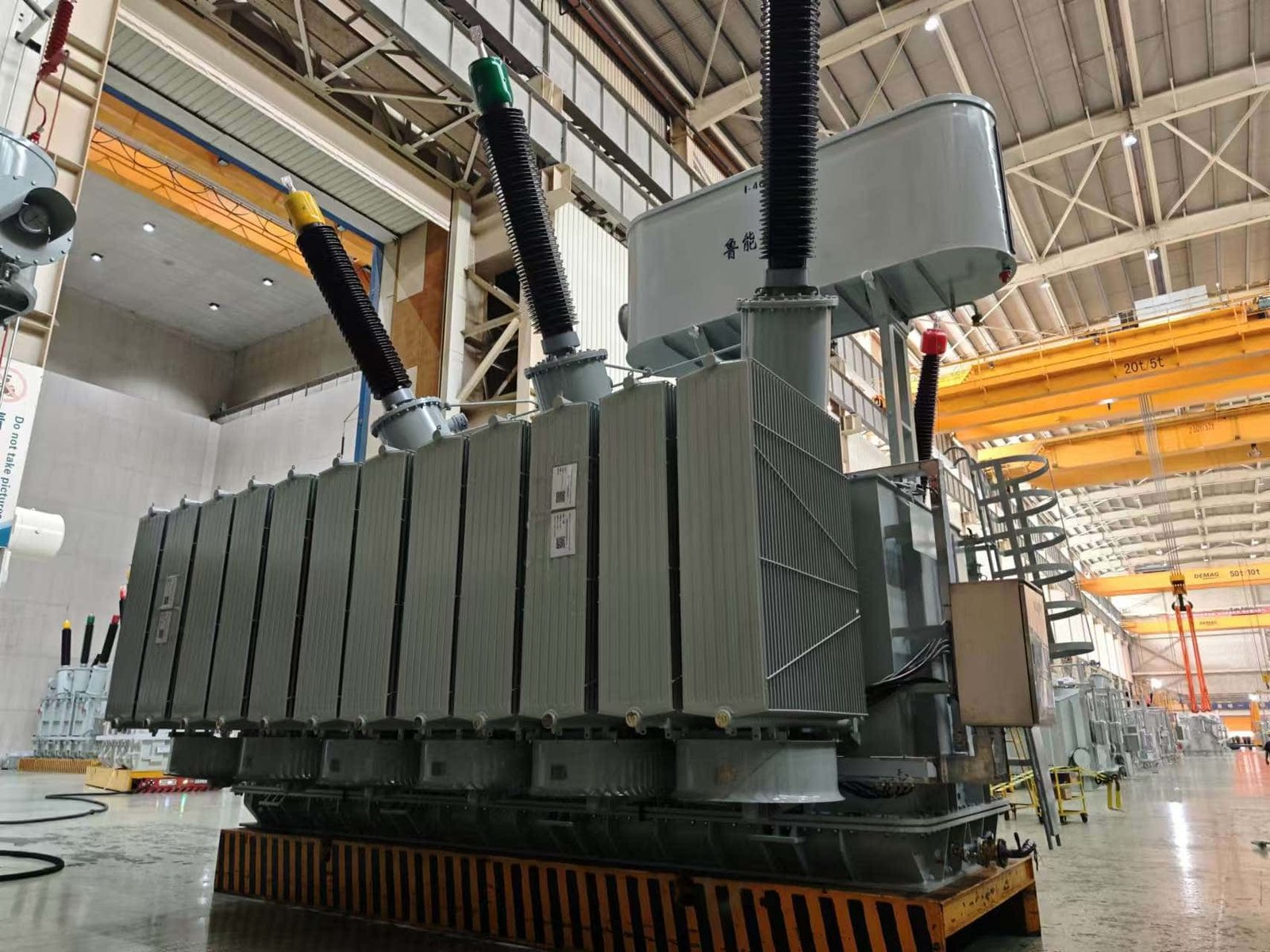
Transformer insulating fluids play a decisive role in safety, efficiency, and environmental performance
Selecting the correct insulating liquid is not a minor design detail—it directly influences transformer fire risk, cooling capability, insulation aging behavior, and total lifecycle cost. When mineral oil is replaced or compared with natural ester and synthetic ester fluids, engineers are essentially balancing three priorities: operational performance, safety, and sustainability. In real-world applications such as renewable energy plants, urban substations, and industrial networks, the wrong fluid choice can increase fire hazards, accelerate insulation aging, or raise maintenance costs significantly. A well-informed selection ensures stable long-term operation and compliance with modern environmental and safety expectations.
Natural ester and synthetic ester fluids generally outperform mineral oil in fire safety, environmental friendliness, and moisture tolerance, while mineral oil remains the most cost-effective and widely proven option for traditional transformer applications. The optimal choice depends on system voltage level, installation environment, safety regulations, and lifecycle economics.
Natural ester, synthetic ester, and mineral transformer oils behave almost identically in fire safety, moisture absorption, and insulation aging performance.False
These fluids differ significantly: esters have much higher fire points and superior moisture absorption behavior, while mineral oil has lower fire resistance and different aging characteristics.
Fundamental chemical differences between insulating fluids determine all performance behavior
Mineral oil is derived from petroleum hydrocarbons, while ester fluids are based on organic ester chemistry. Natural esters come from renewable vegetable oils, and synthetic esters are engineered chemical compounds designed for controlled performance characteristics. These structural differences influence viscosity, dielectric behavior, oxidation stability, and environmental impact.
| Fluid Type | Chemical Basis | Key Origin |
|---|---|---|
| Mineral oil | Hydrocarbon mixture | Petroleum refining |
| Natural ester | Triglycerides | Vegetable oils |
| Synthetic ester | Engineered esters | Chemical synthesis |
Because transformer operation depends heavily on heat transfer and dielectric stability, even small molecular differences result in meaningful engineering trade-offs.
Fire safety performance is one of the most important differentiators in real applications
Fire risk is a critical factor in transformer installation, especially in buildings, tunnels, offshore platforms, and urban substations where fire containment is difficult.
| Property | Mineral Oil | Natural Ester | Synthetic Ester |
|---|---|---|---|
| Fire point | Moderate | Very high | Very high |
| Flash point | Moderate | High | High |
| Fire classification | Flammable | Less-flammable | Less-flammable |
Natural and synthetic esters significantly reduce fire risk compared to mineral oil. This is one of the main reasons they are increasingly used in indoor and high-risk environments.
Environmental performance strongly favors ester-based fluids
Environmental regulations and sustainability goals are increasingly influencing transformer design decisions. Ester fluids provide a clear advantage in this area.
| Property | Mineral Oil | Natural Ester | Synthetic Ester |
|---|---|---|---|
| Biodegradability | Low | Very high | High |
| Toxicity in soil/water | Moderate | Very low | Low |
| Spill impact | High | Minimal | Low |
Natural ester fluids are biodegradable and derived from renewable sources, making them particularly attractive for green energy projects and environmentally sensitive installations.
Moisture behavior directly affects insulation lifespan and transformer reliability
One of the most technically important differences lies in how each fluid interacts with moisture inside the transformer.
| Property | Mineral Oil | Natural Ester | Synthetic Ester |
|---|---|---|---|
| Moisture tolerance | Low | High | Medium-high |
| Paper insulation drying effect | Weak | Strong | Moderate |
Natural esters can chemically bind moisture, effectively pulling it away from solid cellulose insulation. This slows paper aging and can significantly extend transformer life under certain operating conditions.
Dielectric strength and electrical stability remain strong across all fluids
All three fluids provide reliable electrical insulation, but their long-term behavior differs slightly.
| Property | Mineral Oil | Natural Ester | Synthetic Ester |
|---|---|---|---|
| Dielectric strength | High | High | High |
| Partial discharge resistance | Proven | Good | Very good |
| Field experience | Very extensive | Growing | Growing |
Mineral oil remains the most proven in long-term field operation, while ester fluids continue to gain confidence through modern deployment.
Thermal and cooling performance depends heavily on viscosity and flow behavior
Cooling capability is critical because transformer lifespan is strongly temperature-dependent.
| Property | Mineral Oil | Natural Ester | Synthetic Ester |
|---|---|---|---|
| Viscosity | Low | Higher | Medium |
| Natural convection efficiency | Excellent | Moderate | Moderate-high |
| Low-temperature flow | Excellent | Good | Good |
Mineral oil typically provides better circulation due to lower viscosity, especially in cold environments. Ester fluids may require design optimization to achieve equivalent cooling performance.
Oxidation stability determines long-term aging and maintenance requirements
Transformer fluids degrade over time due to oxygen exposure and heat.
| Property | Mineral Oil | Natural Ester | Synthetic Ester |
|---|---|---|---|
| Oxidation stability | High (inhibited types) | Moderate | High |
| Sludge formation tendency | Medium | Very low | Low |
| Long-term stability | Proven | Improving | Stable |
Synthetic esters generally offer better oxidation stability than natural esters, while mineral oil depends heavily on additives to maintain long-term performance.
Compatibility with solid insulation strongly influences transformer lifespan
Transformer paper insulation is highly sensitive to moisture and temperature. Fluid type affects its aging rate.
| Property | Mineral Oil | Natural Ester | Synthetic Ester |
|---|---|---|---|
| Paper aging rate | Baseline | Slower | Slower |
| Moisture control in insulation | Limited | Excellent | Good |
Natural esters are particularly effective at preserving cellulose insulation by reducing moisture concentration in paper.
Cost and lifecycle economics often determine final selection
Despite technical advantages of esters, economics remain a key decision factor.
| Factor | Mineral Oil | Natural Ester | Synthetic Ester |
|---|---|---|---|
| Initial cost | Low | High | High |
| Maintenance cost | Standard | Lower in critical systems | Moderate |
| Lifecycle value | High in conventional systems | High in sensitive systems | Balanced |
Mineral oil remains dominant due to its low upfront cost and mature global supply chain.
Application suitability defines the most practical fluid choice
Each fluid type performs best in specific environments rather than universally.
Mineral oil is best suited for conventional utility and industrial transformers
It is widely used in transmission and distribution systems where cost efficiency and proven reliability are primary concerns.
Natural ester fluids are ideal for environmentally sensitive and fire-risk areas
They are commonly used in indoor substations, renewable energy systems, and urban installations where fire safety and sustainability are priorities.
Synthetic ester fluids are preferred in high-reliability and safety-critical infrastructure
They are often selected for rail systems, offshore platforms, and facilities requiring enhanced fire performance and stable long-term operation.
Engineering trade-offs must always be considered in fluid selection
Choosing between mineral oil and ester fluids involves balancing competing factors:
- Fire safety vs cost
- Environmental impact vs cooling efficiency
- Moisture tolerance vs viscosity
- Field experience vs sustainability goals
No single fluid is universally superior; each is optimized for different engineering priorities.
When Are Silicone-Based Insulating Liquids Used?
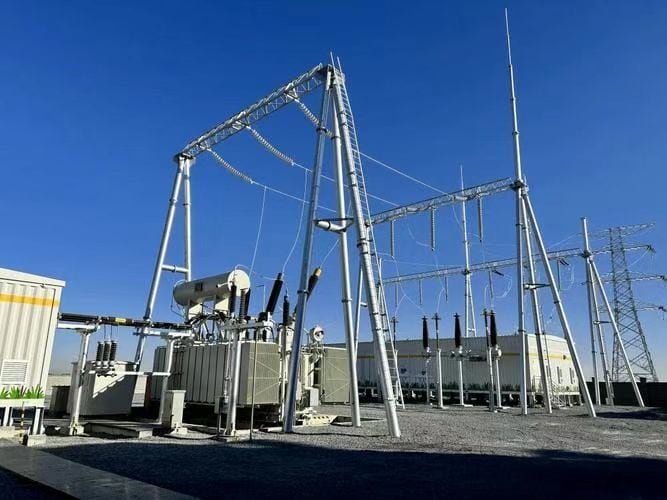
Silicone insulating liquids are specialized transformer fluids designed for extreme fire safety and high-temperature stability
Silicone-based insulating liquids are not the default choice for most transformers, but they play a critical role in specific applications where fire risk, temperature stress, or environmental constraints exceed the capabilities of mineral oil and even ester-based fluids. These liquids are engineered from silicone polymers (typically polydimethylsiloxane, PDMS), giving them exceptional thermal stability and very high fire resistance.
In practice, silicone fluids are selected when safety requirements dominate over cost or when installations are located in environments where fire containment is extremely difficult or highly regulated. They are most commonly used in indoor substations, tunnels, high-rise buildings, hospitals, transportation infrastructure, and other high-risk or densely populated environments.
Silicone-based insulating liquids are used primarily in transformers installed in fire-sensitive or enclosed environments where maximum fire safety, high thermal stability, and low toxicity under fire conditions are more important than cost or maximum cooling efficiency.
Silicone insulating liquids are commonly used in all types of power transformers because they provide better cooling efficiency than mineral oil.False
Silicone fluids are used in niche applications due to cost and viscosity limitations; they do not generally provide better cooling efficiency than mineral oil and are not the standard choice for most transformers.
Why silicone insulating liquids exist as a specialized solution
Transformer fluids must balance three core functions:
- Electrical insulation
- Heat dissipation
- Safety under fault conditions
Silicone fluids were developed to address a specific weakness of mineral oil: fire risk.
| Requirement | Mineral Oil | Silicone Fluid |
|---|---|---|
| Fire resistance | Moderate | Very high |
| Thermal stability | Good | Excellent |
| Cooling efficiency | High | Moderate |
| Cost efficiency | High | Low |
Silicone fluids are therefore optimized for safety and stability, not cost or maximum cooling performance.
Fire safety is the primary reason for using silicone fluids
The most important feature of silicone insulating liquids is their extremely high resistance to ignition.
Fire performance characteristics
| Property | Silicone Fluid |
|---|---|
| Fire point | Very high |
| Flash point | Very high |
| Combustion behavior | Self-extinguishing tendency |
| Smoke toxicity | Lower than mineral oil |
Because of these properties, silicone fluids are often classified as high fire-point or fire-resistant insulating liquids.
Typical installation environments for silicone-based liquids
Silicone insulating fluids are selected when fire safety is critical due to location constraints.
High-rise buildings and commercial complexes
In tall buildings, fire containment is difficult and evacuation time is limited. Transformers installed indoors must minimize fire risk.
Why silicone fluids are used here
- Reduced fire propagation risk
- Compliance with strict building codes
- Improved occupant safety
- Reduced need for fire suppression systems
Underground substations and tunnels
Underground environments present extreme fire containment challenges.
Key risks
| Risk factor | Impact |
|---|---|
| Limited ventilation | Smoke accumulation |
| Difficult access | Emergency response delay |
| Confined space | Fire spread amplification |
Silicone fluids reduce these risks significantly.
Hospitals and critical public infrastructure
In healthcare and public safety facilities, operational continuity is essential.
Benefits of silicone fluids
- Reduced fire hazard near patients
- Improved regulatory compliance
- Lower risk of service disruption
- Enhanced safety margin
Transportation systems (rail, metro, airports)
Silicone fluids are frequently used in transport infrastructure.
Reasons
- High passenger density
- Underground installations
- Strict fire regulations
- Continuous operation requirements
Data centers and sensitive electrical infrastructure
Although less common than ester fluids, silicone oils may be used where fire risk mitigation is prioritized.
Benefits
- Reduced risk of catastrophic fire loss
- Improved asset protection
- Enhanced safety compliance
Thermal stability and high-temperature performance
Silicone fluids maintain stable properties at elevated temperatures.
Thermal characteristics
| Property | Performance |
|---|---|
| Thermal decomposition resistance | Very high |
| Operating temperature stability | Excellent |
| Aging resistance | Strong |
This makes them suitable for environments with sustained high thermal stress.
Electrical insulation performance
Silicone fluids provide strong dielectric properties.
Electrical advantages
- High dielectric strength
- Stable insulation over time
- Good partial discharge resistance
However, their electrical performance is not significantly superior to mineral oil or ester fluids—it is their safety advantage that dominates selection.
Cooling performance limitations
One trade-off of silicone fluids is their relatively high viscosity.
Cooling impact
| Property | Effect |
|---|---|
| Higher viscosity | Reduced convection flow |
| Lower fluid mobility | Slightly reduced heat transfer |
| Stable thermal behavior | Compensates partially |
Because of this, silicone fluid transformers often require larger radiators or enhanced cooling design.
Comparison with mineral oil and ester fluids
| Feature | Mineral Oil | Ester Fluids | Silicone Fluid |
|---|---|---|---|
| Fire safety | Medium | High | Very high |
| Cooling efficiency | High | Medium | Medium-low |
| Environmental impact | Moderate | Low | Moderate |
| Cost | Low | Medium-high | High |
| Application scope | Broad | Growing | Limited (specialized) |
Environmental and safety behavior under fire conditions
One of the most important advantages of silicone fluids is their behavior during extreme events.
Fire scenario advantages
- Reduced flame spread
- Lower heat release rate
- Lower toxic gas production
- Improved containment safety
This makes them especially valuable in enclosed or occupied environments.
Why silicone fluids are not widely used
Despite their advantages, silicone fluids are not the default transformer liquid.
Key limitations
- Higher material cost
- Higher viscosity (lower cooling efficiency)
- Limited global supply compared to mineral oil
- Specialized design requirements
These factors restrict their use to niche applications.
Maintenance and operational considerations
Silicone fluid transformers require similar but carefully adapted maintenance practices.
Key monitoring areas
- Moisture content
- Dielectric strength
- Temperature rise behavior
- Seal integrity
- Cooling system performance
Because silicone fluids behave differently from mineral oil, design and maintenance must be adapted accordingly.
Modern trends in silicone fluid usage
Silicone fluids are not expanding as rapidly as ester fluids, but they remain important in high-safety applications.
Current trends
- Continued use in fire-critical infrastructure
- Replacement of older mineral oil systems in buildings
- Integration with advanced fire safety regulations
- Use in hybrid insulation designs
How Does the Choice of Liquid Affect Safety and Environmental Performance?
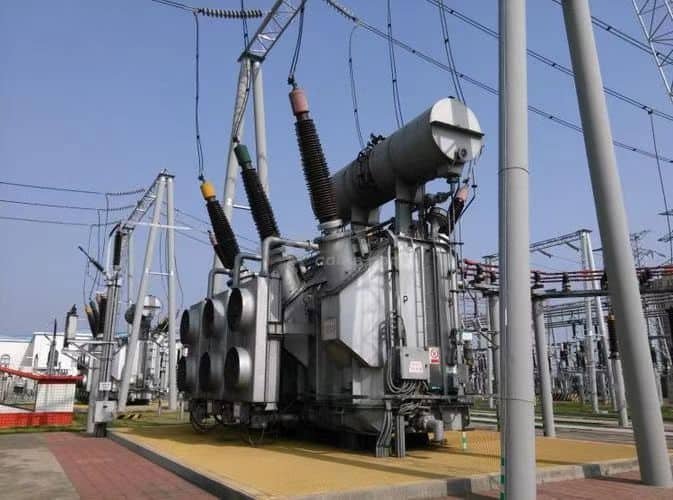
Transformer insulating liquid selection directly determines fire risk, ecological impact, and regulatory compliance
The insulating liquid inside a transformer is not just a technical medium for insulation and cooling—it is a major determinant of system safety and environmental performance. Because transformers store large volumes of liquid under electrical stress and high temperature, any leakage, fault, or fire event can have significant consequences. For this reason, selecting between mineral oil, natural ester, synthetic ester, or silicone-based fluids is fundamentally a safety and environmental engineering decision, not just a material choice.
Different fluids behave very differently under fault conditions, in fire scenarios, and when released into the environment. These differences influence everything from building design requirements and fire suppression systems to spill response planning and regulatory approval.
The choice of transformer insulating liquid directly affects safety by determining fire resistance, toxicity, and fault behavior, and affects environmental performance through biodegradability, spill impact, and long-term ecological persistence. Ester fluids generally provide the highest environmental performance and improved fire safety, while mineral oil offers lower cost but higher environmental and fire risk profiles.
All transformer insulating liquids pose the same fire risk and environmental impact in case of leakage or failure.False
Different insulating liquids vary significantly: esters are biodegradable and less flammable, while mineral oil has higher environmental persistence and greater fire risk.
Safety and environmental performance are two tightly linked design priorities
In modern transformer engineering, safety and environmental impact are evaluated together because both are strongly influenced by the insulating liquid.
Key risk domains
| Domain | Main Concern |
|---|---|
| Fire safety | Ignition and flame propagation |
| Toxicity | Harmful gases and exposure risks |
| Spill impact | Soil and water contamination |
| Regulatory compliance | Environmental laws and building codes |
The insulating liquid directly influences all of these categories.
Fire safety performance is the most critical safety factor
Fire behavior is one of the most important differentiators between transformer liquids.
Fire performance comparison
| Fluid Type | Fire Point | Fire Behavior |
|---|---|---|
| Mineral oil | Moderate | Flammable |
| Natural ester | High | Less-flammable |
| Synthetic ester | High | Less-flammable |
| Silicone fluid | Very high | Self-extinguishing tendency |
Why this matters
Transformer fires are dangerous because they:
- Spread rapidly due to oil combustion
- Produce high thermal energy
- Are difficult to extinguish once initiated
- Can cause cascading equipment failure
Ester and silicone fluids significantly reduce these risks.
Impact of liquid choice on building and installation safety design
Fire risk determines infrastructure requirements.
Example safety design implications
| Fluid Type | Fire System Requirements |
|---|---|
| Mineral oil | Fire suppression systems required |
| Ester fluids | Reduced suppression needs |
| Silicone fluid | Minimal fire propagation risk |
Key insight
Safer fluids can reduce:
- Fire barrier requirements
- Fire suppression system complexity
- Insurance and compliance costs
Toxicity and human safety considerations
During fire or decomposition, transformer liquids can produce gases.
Toxicity comparison
| Fluid Type | Combustion Toxicity |
|---|---|
| Mineral oil | Higher smoke toxicity |
| Natural ester | Lower toxicity emissions |
| Synthetic ester | Lower toxicity emissions |
| Silicone fluid | Relatively low toxicity |
Why this matters
In enclosed environments (tunnels, buildings), smoke toxicity is often more critical than flame itself.
Environmental impact depends on biodegradability and persistence
One of the most important environmental differences is how fluids behave after leakage.
Environmental persistence
| Fluid Type | Biodegradability | Soil/Water Impact |
|---|---|---|
| Mineral oil | Low | Long-lasting contamination |
| Natural ester | Very high | Rapid biodegradation |
| Synthetic ester | High | Moderate degradation |
| Silicone fluid | Moderate | Stable but less toxic |
Key insight
Natural esters are derived from vegetable oils and can biodegrade naturally in soil and water, significantly reducing long-term environmental damage.
Spill risk and contamination behavior
Transformer failures or leaks can release large volumes of liquid.
Environmental consequences
| Scenario | Mineral Oil | Ester Fluids |
|---|---|---|
| Soil contamination | Long-term remediation required | Minimal cleanup |
| Water contamination | Persistent film formation | Rapid breakdown |
| Ecosystem impact | Higher | Lower |
Why this matters
In environmentally sensitive zones (near rivers, farmland, coastal areas), ester fluids are often preferred or required.
Influence on regulatory compliance and approvals
Government and industry regulations increasingly influence fluid selection.
Regulatory drivers
- Environmental protection laws
- Fire safety building codes
- Green building certification systems (LEED, BREEAM)
- Utility sustainability requirements
Typical outcomes
| Fluid Type | Regulatory Ease |
|---|---|
| Mineral oil | Standard compliance |
| Natural ester | Easier environmental approval |
| Synthetic ester | Easier safety approval |
| Silicone fluid | Specialized approval cases |
Carbon footprint and sustainability considerations
Transformer fluids also affect lifecycle environmental performance.
Carbon and sustainability comparison
| Factor | Mineral Oil | Natural Ester | Synthetic Ester |
|---|---|---|---|
| Renewable source | No | Yes | Partial |
| Lifecycle carbon impact | Higher | Lower | Medium |
| Sustainability profile | Conventional | Green-friendly | Balanced |
Key insight
Natural esters support renewable energy integration goals and sustainability reporting requirements.
Impact on fire suppression systems and emergency planning
The choice of liquid affects emergency response design.
Fire system dependency
| Fluid Type | Fire Suppression Requirement |
|---|---|
| Mineral oil | High dependency |
| Ester fluids | Reduced dependency |
| Silicone fluid | Minimal dependency |
Why this matters
Safer fluids reduce:
- Fire system installation costs
- Maintenance complexity
- Emergency response burden
Effect on transformer location flexibility
Liquid type influences where transformers can be installed.
Installation flexibility
| Fluid Type | Suitable Locations |
|---|---|
| Mineral oil | Outdoor or controlled environments |
| Ester fluids | Indoor, urban, sensitive sites |
| Silicone fluid | High-risk enclosed environments |
Key insight
Safer fluids expand installation possibilities, especially in dense urban infrastructure.
Long-term environmental risk profile
Environmental risk is not only about accidents but also long-term exposure.
Risk profile comparison
| Fluid Type | Long-term Environmental Risk |
|---|---|
| Mineral oil | Higher persistence risk |
| Natural ester | Low risk |
| Synthetic ester | Low to moderate |
| Silicone fluid | Low toxicity, stable persistence |
Operational safety during transformer faults
Transformer faults can involve overheating, arcing, and gas generation.
Safety behavior during faults
| Fluid Type | Fault Response Behavior |
|---|---|
| Mineral oil | Higher fire propagation risk |
| Ester fluids | Reduced fire escalation |
| Silicone fluid | Self-limiting combustion behavior |
Key insight
Ester and silicone fluids provide greater safety margins during internal electrical faults.
Maintenance and lifecycle environmental impact
Fluid type also affects maintenance frequency and disposal impact.
Maintenance impact
| Factor | Mineral Oil | Ester Fluids |
|---|---|---|
| Oil disposal complexity | Higher | Lower |
| Environmental handling | Strict | Easier |
| Spill remediation | Expensive | Simpler |
Trade-offs in selecting insulating liquids
No fluid is perfect; each involves engineering trade-offs.
Key decision factors
- Fire safety vs cooling efficiency
- Environmental impact vs cost
- Installation constraints vs operational performance
- Regulatory compliance vs lifecycle economics
What Factors Should Be Considered When Selecting a Transformer Insulating Liquid?
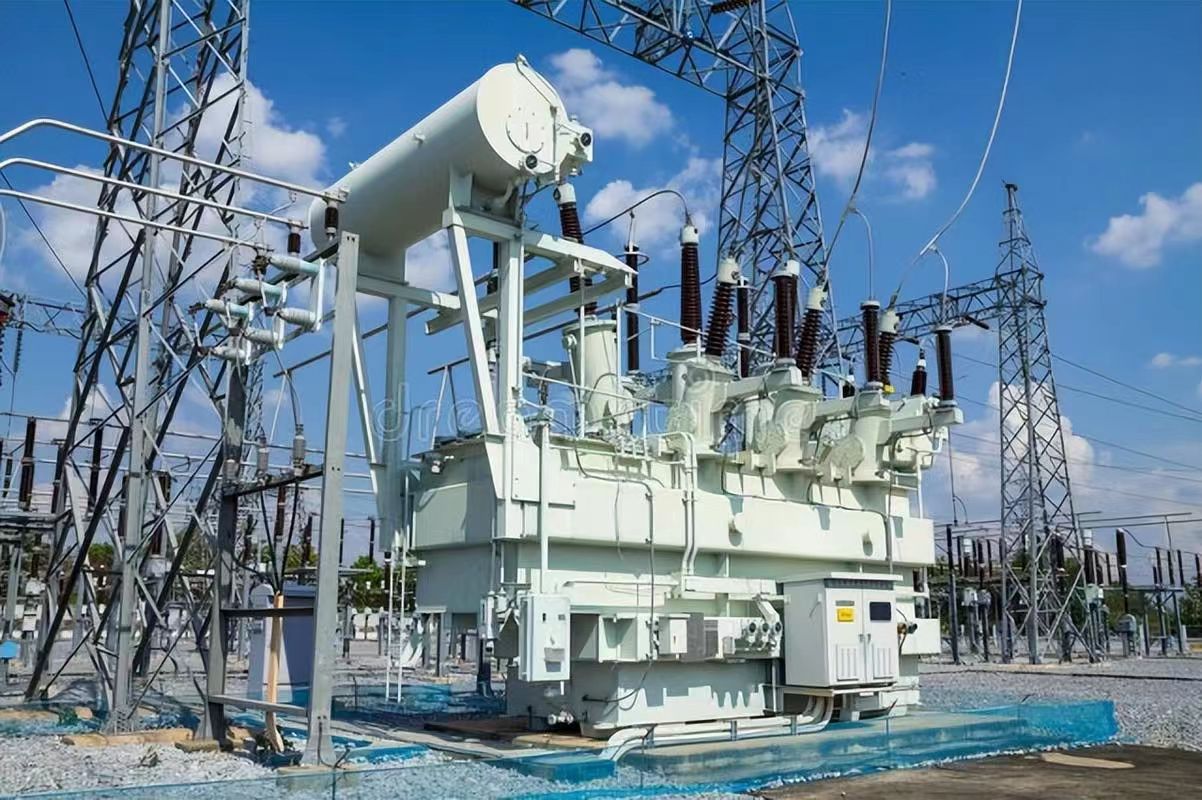
Transformer insulating liquid selection is a multi-parameter engineering decision affecting safety, reliability, cost, and sustainability
Selecting the correct insulating liquid for a transformer is a critical design and procurement decision because it directly influences electrical insulation performance, thermal management, fire safety, environmental impact, and total lifecycle cost. The decision is not simply a choice between mineral oil, natural ester, synthetic ester, or silicone fluid—it is a system-level optimization problem that must align with application conditions, regulatory requirements, and long-term asset strategy.
In modern power systems, transformers are expected to operate reliably for 25–40 years under varying loads and environmental stresses. The insulating liquid must therefore perform consistently over decades while supporting both normal operation and fault conditions.
Key selection factors for transformer insulating liquids include fire safety requirements, thermal performance, dielectric strength, moisture tolerance, environmental impact, material compatibility, regulatory compliance, lifecycle cost, and application-specific operating conditions. The optimal choice balances safety, performance, and economic considerations over the full transformer lifespan.
The selection of transformer insulating liquid has little impact on long-term transformer reliability as long as the voltage rating is appropriate.False
Insulating liquid directly affects cooling efficiency, insulation aging, moisture control, and fault behavior, all of which significantly influence transformer reliability and lifespan.
Understanding the role of insulating liquid in transformer performance
Before evaluating selection factors, it is important to understand what the liquid actually does:
- Provides electrical insulation between energized components
- Transfers heat away from windings and core
- Suppresses partial discharge and electrical arcing
- Protects solid insulation materials
- Enables diagnostic testing through dissolved gas analysis
Because it performs multiple critical functions, any weakness in the fluid directly affects overall transformer performance.
Fire safety requirements are one of the most important selection drivers
Fire risk is often the primary deciding factor in liquid selection, especially for indoor or high-density installations.
Fire safety comparison
| Fluid Type | Fire Performance |
|---|---|
| Mineral oil | Flammable |
| Natural ester | Less-flammable |
| Synthetic ester | Less-flammable |
| Silicone fluid | Very high fire resistance |
Key considerations
- Building fire codes
- Population density near installation
- Emergency evacuation constraints
- Insurance and risk assessments
In high-risk environments, ester or silicone fluids are often required by regulation.
Thermal performance and cooling efficiency
Transformer life is strongly dependent on operating temperature.
Key thermal factors
| Parameter | Importance |
|---|---|
| Viscosity | Affects circulation |
| Thermal conductivity | Heat transfer efficiency |
| Specific heat | Heat absorption capacity |
| Convection behavior | Cooling effectiveness |
Engineering trade-off
| Fluid Type | Cooling Efficiency |
|---|---|
| Mineral oil | High |
| Natural ester | Moderate |
| Synthetic ester | Moderate-high |
| Silicone fluid | Moderate-low |
Lower viscosity fluids typically provide better natural convection cooling.
Dielectric strength and insulation performance
Electrical insulation quality is fundamental to safe operation.
Key electrical properties
- Breakdown voltage
- Dielectric dissipation factor
- Resistivity
- Partial discharge behavior
All modern transformer fluids provide adequate dielectric strength when properly maintained, but long-term stability varies with fluid type and aging behavior.
Moisture management capability
Moisture is one of the most damaging contaminants in transformer insulation systems.
Moisture impact
| Issue | Effect |
|---|---|
| Reduced dielectric strength | Higher failure risk |
| Accelerated paper aging | Shorter transformer life |
| Increased partial discharge | Reliability degradation |
Fluid differences
| Fluid Type | Moisture Handling |
|---|---|
| Mineral oil | Limited tolerance |
| Natural ester | Excellent moisture absorption |
| Synthetic ester | Good moisture control |
Natural esters are particularly effective at protecting cellulose insulation by absorbing moisture from paper.
Environmental impact and sustainability requirements
Environmental performance is increasingly important in modern transformer procurement.
Key environmental factors
- Biodegradability
- Toxicity in case of spill
- Carbon footprint
- Renewable sourcing
| Fluid Type | Environmental Performance |
|---|---|
| Mineral oil | Low |
| Natural ester | Excellent |
| Synthetic ester | High |
| Silicone fluid | Moderate |
Natural esters are widely used in green building and renewable energy projects due to their biodegradable nature.
Compatibility with transformer materials
The insulating liquid must be chemically compatible with internal materials.
Materials affected
- Cellulose paper insulation
- Copper conductors
- Steel tank and core
- Gaskets and seals
- Paints and coatings
Risks of poor compatibility
- Seal degradation
- Sludge formation
- Insulation deterioration
- Reduced service life
Compatibility is essential for long-term reliability.
Oxidation stability and aging behavior
Over time, insulating liquids degrade due to oxygen and heat exposure.
Key aging indicators
- Acidity increase
- Sludge formation
- Dielectric degradation
- Color change
| Fluid Type | Oxidation Stability |
|---|---|
| Mineral oil (inhibited) | High |
| Natural ester | Moderate |
| Synthetic ester | High |
| Silicone fluid | Very high |
Synthetic esters and silicone fluids generally provide better long-term oxidation stability.
Fire safety vs cooling efficiency trade-off
One of the most important engineering decisions is balancing safety and performance.
| Priority | Mineral Oil | Ester Fluids | Silicone Fluid |
|---|---|---|---|
| Cooling efficiency | Excellent | Moderate | Moderate-low |
| Fire safety | Moderate | High | Very high |
Higher fire safety fluids may require larger radiators or enhanced cooling design.
Application environment and installation constraints
The installation location heavily influences fluid selection.
Environmental categories
- Indoor substations
- Underground tunnels
- Urban infrastructure
- Industrial plants
- Outdoor substations
Example selection logic
| Environment | Preferred Fluid |
|---|---|
| Indoor building | Ester or silicone |
| Outdoor utility grid | Mineral oil |
| Tunnel/metro | Silicone or ester |
| Renewable energy site | Natural ester |
Regulatory and compliance requirements
Standards and regulations often dictate acceptable fluid types.
Common influences
- IEC standards
- IEEE guidelines
- Fire safety codes
- Environmental protection laws
- Green building certifications (LEED, BREEAM)
Compliance can eliminate certain fluid options regardless of cost or performance.
Lifecycle cost and economic considerations
Initial cost is only part of the financial decision.
Cost components
- Purchase cost
- Maintenance cost
- Fire protection system cost
- Spill remediation cost
- Insurance costs
| Fluid Type | Lifecycle Cost Impact |
|---|---|
| Mineral oil | Low initial cost |
| Natural ester | Higher initial, lower risk cost |
| Synthetic ester | Balanced |
| Silicone fluid | High initial cost |
In high-risk installations, safer fluids can reduce total lifecycle cost despite higher purchase price.
Load conditions and operational profile
Transformer loading affects fluid performance requirements.
Key factors
- Continuous vs intermittent load
- Overload capability
- Peak temperature conditions
- Seasonal variation
High-load transformers require fluids with strong thermal performance and stability.
Maintenance requirements and diagnostic capability
Different fluids support different maintenance strategies.
Diagnostic compatibility
- Dissolved gas analysis (DGA)
- Moisture monitoring
- Oil quality testing
All fluids support diagnostics, but aging patterns differ.
Safety performance under fault conditions
Transformer faults can generate heat, gas, and pressure.
Fault behavior comparison
| Fluid Type | Fault Safety Performance |
|---|---|
| Mineral oil | Higher fire propagation risk |
| Natural ester | Reduced fire escalation |
| Silicone fluid | Self-limiting fire behavior |
This factor is critical in high-risk installations.
Key engineering trade-offs summary
Selecting a transformer fluid always involves balancing competing priorities:
- Fire safety vs cooling efficiency
- Environmental impact vs cost
- Moisture control vs viscosity
- Proven history vs sustainability goals
No single fluid is optimal for all applications.
Conclusion
Liquid-immersed transformers are most commonly immersed in mineral insulating oil, which provides excellent electrical insulation and heat dissipation. However, alternative liquids such as natural ester fluids, synthetic esters, and silicone-based fluids are increasingly used where enhanced fire safety, biodegradability, or environmental protection is required. The selection of the insulating liquid depends on application requirements, safety considerations, environmental regulations, and long-term operational objectives.
FAQ
Q1: What are liquid-immersed transformers typically immersed in?
Liquid-immersed transformers are typically immersed in electrically insulating and thermally conductive liquids that serve two main functions: insulation and cooling.
The most common insulating liquids include:
Mineral insulating oil
Natural ester fluids (vegetable-based oils)
Synthetic ester fluids
Silicone-based fluids
These liquids surround the transformer core and windings inside a sealed tank, helping transfer heat away from active components while preventing electrical breakdown.
Q2: Why is liquid used in transformers instead of air?
Liquids are used because they are far more effective than air at both cooling and insulating high-voltage equipment.
Key advantages include:
Higher thermal conductivity than air
Better dielectric strength (insulation capability)
Efficient heat removal from windings and core
Ability to support higher power ratings
Improved overload capability
This makes liquid-immersed transformers suitable for medium and high-voltage applications.
Q3: What is mineral oil in transformers?
Mineral oil is the most widely used insulating liquid in transformers.
Characteristics:
Derived from refined petroleum
High dielectric strength
Good cooling performance
Cost-effective and widely available
Limitations:
Flammable under certain conditions
Environmental concerns in case of leaks
Requires monitoring for aging and contamination
Despite limitations, it remains the industry standard for many power transformers.
Q4: What are ester-based insulating fluids?
Ester fluids are biodegradable alternatives to mineral oil.
Types:
Natural esters (vegetable-based oils)
Synthetic esters (chemically engineered fluids)
Advantages:
High fire safety (higher flash point)
Environmentally friendly and biodegradable
Better moisture tolerance in insulation systems
Suitable for indoor and sensitive installations
Applications:
Urban substations
Renewable energy systems
Indoor installations with strict fire regulations
Q5: What is silicone fluid used in transformers?
Silicone fluids are synthetic insulating liquids used in specialized transformer applications.
Properties:
High thermal stability
Excellent fire resistance
Long service life
Stable dielectric performance
Applications:
High-risk fire environments
Underground substations
Industrial installations with strict safety requirements
Although more expensive, silicone fluids are chosen where safety is critical.
Q6: How do these liquids help cool transformers?
Insulating liquids remove heat through a natural or forced circulation process:
Heat is generated in windings and core
Liquid absorbs the heat
Hot liquid rises to radiators or tank walls
Heat is dissipated into the surrounding air or cooling system
Cooled liquid returns to the bottom of the tank
This continuous cycle maintains safe operating temperatures and prevents insulation damage.
Q7: Are all transformer liquids flammable?
Not all transformer liquids have the same fire risk.
Comparison:
Mineral oil: Flammable under high temperature
Natural esters: High fire point, safer than mineral oil
Synthetic esters: Improved fire resistance
Silicone fluids: Very high fire resistance
Selection depends on safety requirements, environmental regulations, and installation location.
Q8: How are transformer liquids maintained and tested?
Regular monitoring ensures long-term performance.
Common tests include:
Dielectric breakdown voltage test
Moisture content analysis
Dissolved Gas Analysis (DGA)
Acidity and oxidation checks
Color and contamination inspection
Proper maintenance extends transformer life and prevents internal failures.
References
IEC 60296 – Mineral Insulating Oils
https://webstore.iec.ch
IEC 61099 – Synthetic Ester Insulating Liquids
https://webstore.iec.ch
IEEE C57.106 – Guide for Acceptance and Maintenance of Transformer Oil
https://standards.ieee.org
IEEE C57.147 – Guide for Ester Fluids in Transformers
https://standards.ieee.org
Electrical Engineering Portal – Transformer Oil vs Ester Fluids
https://electrical-engineering-portal.com