
Transformers are critical assets in power systems, and their reliable operation depends heavily on proper assembly and sealing. When a transformer is poorly fitted or inadequately sealed, it can become vulnerable to moisture ingress. This moisture, especially when it contaminates the insulating oil, poses serious threats to the unit’s safety, performance, and lifespan. This document explores the risks, causes, and consequences of moisture in transformer oil due to ill-fitted conditions and outlines measures to prevent or mitigate such failures.
How Does Moisture Enter a Transformer Due to Poor Fitting?
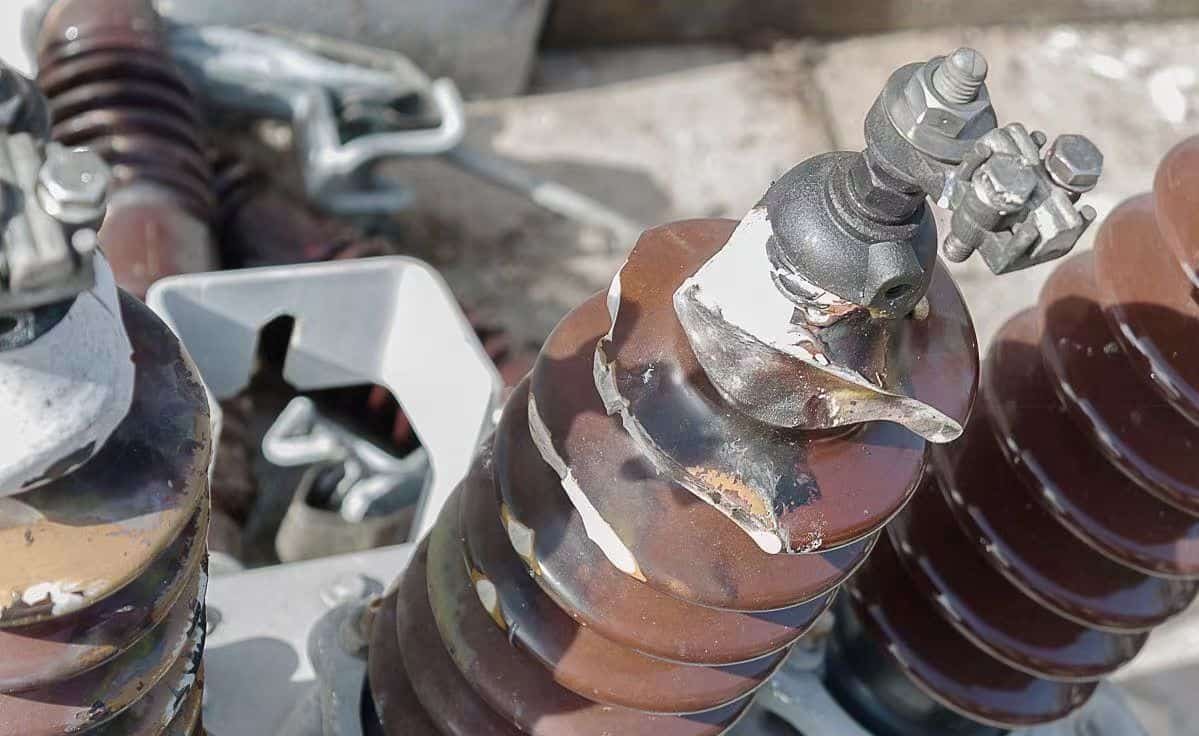
Transformers are precision-engineered devices designed to operate in a sealed, controlled internal environment. However, improper fittings, degraded seals, or assembly oversights can expose internal components to moisture ingress, leading to serious electrical and mechanical failures. Moisture inside a transformer degrades insulation, lowers dielectric strength, accelerates aging, and can even cause flashover or catastrophic failure. Understanding how water gets in due to poor fitting is critical to preventing avoidable damage and downtime.
Moisture enters a transformer due to poor fitting when gaskets, bushings, breathers, or cable terminations are improperly installed, loose, cracked, or degraded. These defects break the transformer's airtight seal, allowing humid air or water to penetrate and condense inside, leading to insulation breakdown, corrosion, and dielectric failure.
This issue is particularly acute in humid or coastal environments and must be addressed with strict quality control, sealing practices, and periodic inspection.
Moisture can enter a transformer even if all fittings are correctly installed.False
Properly installed and maintained fittings with effective sealing prevent moisture ingress. When fittings are intact, transformers maintain their internal dryness.
🧱 Moisture Entry Points Due to Poor Fitting
| Transformer Component | Common Fitting Issue | Moisture Entry Mechanism |
|---|---|---|
| Top Cover Gasket | Compressed unevenly or reused during reassembly | Rain or air leaks around cover periphery |
| Bushings | Loose flanges, cracked porcelain or resin | Water seepage or air ingress at HV terminals |
| Breather (Silica Gel Unit) | Cracked housing, missing seal, saturated gel | Moist ambient air bypasses drying medium |
| Conservator Tank Seals | Leaking diaphragm or bladder rupture | Humid air contacts oil directly |
| Cable Entry Glands | Missing compression ring or degraded rubber | Capillary action draws in moisture |
| Drain/Fill Valves | Poorly tightened caps or threads | Vapor migrates into tank over time |
A 1 mm gap in a top gasket can allow liters of water vapor ingress annually under humid conditions.
📊 Effects of Moisture on Transformer Components
| Component Affected | Resulting Damage from Moisture |
|---|---|
| Cellulose Insulation | Reduced dielectric strength, thermal aging |
| Windings | Corrosion, increased eddy losses |
| Core | Rust, increased no-load loss, vibration noise |
| Tap Changers | Contact pitting, tracking, erratic switching |
| Oil | Loss of insulating properties, sludge formation |
| Bushing Insulation | Flashover, partial discharge |
Moisture content as low as 2% in paper insulation can reduce dielectric strength by over 50%.
🌧️ How Moisture Enters – Condensation and Infiltration
| Entry Mode | Description |
|---|---|
| Direct Rain Ingress | Through cracked gaskets or flanged bushing covers |
| Vapor Diffusion | Through porous seals or degraded joints |
| Capillary Seepage | Along wire strands or threads if not sealed |
| Temperature Cycling | Pulls moist air in during cooling, condenses inside |
| Breather Malfunction | Saturated silica gel fails to absorb moisture |
This phenomenon is often invisible externally until insulation testing or oil DGA is performed.
🧪 Diagnostic Indicators of Moisture Ingress
| Test / Indicator | What It Shows |
|---|---|
| Insulation Resistance (IR) | Reduced values indicate internal moisture |
| Dielectric Breakdown Test | Lower oil withstand voltage |
| Karl Fischer Titration | Measures ppm of water in oil |
| DGA (Dissolved Gas Analysis) | Presence of moisture gases like CO, CO₂ |
| IR Thermography | Uneven cooling due to degraded oil |
Standards like IEC 60422 and ASTM D1533 govern moisture testing and limits.
📘 Preventive Measures and Best Practices
| Preventive Action | Benefit |
|---|---|
| Use New Gaskets | Avoid compression memory failure |
| Torque Fasteners Properly | Prevent micro-leaks and air draw |
| Dry Air/Nitrogen Filling | Pressurizes tank to avoid humid air ingress |
| Silica Gel Breather Maintenance | Ensures air drying function stays active |
| Use of Sealed Conservators | Blocks air-oil interface completely |
| IR/Gasket Inspections During FAT | Detects misalignment before shipping |
Also consider humidity-resistant epoxy sealing for cable entries and hydrophobic coatings on bushings.
💬 Field Example – Subtropical Wind Farm Transformer Incident
A 5 MVA pad-mounted solar transformer experienced:
- Bushing base gasket incorrectly torqued during installation
- Rainwater entered during monsoon
- DGA revealed moisture >200 ppm, cellulose aging accelerated
- Result: Winding flashover after just 16 months
- Solution: Full bushing reseal, oil drying, and proactive IR tests added
Why Is Moisture in Transformer Oil Dangerous?
Transformer oil, also known as insulating or dielectric oil, is a critical medium for electrical insulation, heat dissipation, and arc suppression inside power transformers. However, when moisture contaminates this oil—whether due to poor sealing, humidity ingress, or insulation breakdown—it compromises all these functions. Even small amounts of water dramatically reduce the oil’s dielectric strength, increase the risk of electrical failure, and accelerate transformer aging.
Moisture in transformer oil is dangerous because it significantly lowers the oil's dielectric strength, promotes partial discharge and arcing, accelerates insulation degradation, fosters corrosive reactions, causes gas formation, and ultimately leads to premature transformer failure. Even moisture levels as low as 20–50 ppm can critically affect performance and safety.
Controlling moisture is one of the most important factors in transformer reliability and lifespan.
Moisture in transformer oil has no significant effect on transformer operation.False
Moisture dramatically reduces dielectric strength and accelerates insulation aging, increasing the risk of flashovers and failures.
⚠️ Key Effects of Moisture in Transformer Oil
| Effect | Description |
|---|---|
| Reduced Dielectric Strength | Wet oil breaks down under lower voltage, risking flashover |
| Insulation Degradation | Water softens cellulose and accelerates polymer chain breakdown |
| Partial Discharge | Creates corona discharges in low-strength regions |
| Bubble Formation | At high temperatures, water turns into vapor, forming gas bubbles |
| Gas Generation | Leads to fault gases like H₂, CO, CO₂ via hydrolysis |
| Corrosion of Metals | Water reacts with copper and iron, weakening mechanical integrity |
| Sludge Formation | Aged oil mixed with moisture creates insulating sludge deposits |
Moisture is often the root cause behind insulation collapse and transformer explosions.
📉 Dielectric Strength Decline with Moisture Level
| Moisture in Oil (ppm) | Dielectric Strength (kV) |
|---|---|
| <10 ppm (dry) | >55 kV |
| 20 ppm | ~40 kV |
| 50 ppm | ~25 kV |
| >100 ppm | <15 kV |
IEC 60156 specifies >30 kV minimum for insulating oil, which can’t be met once water rises above ~40 ppm.
📊 Moisture-Driven Accelerated Aging – Cellulose Paper Insulation
| Condition | Paper Lifespan (at 95 °C) |
|---|---|
| Dry (0.5% moisture) | ~30–40 years |
| 2% Moisture | 10–15 years |
| >3% Moisture | <5 years |
Just 1% increase in insulation moisture content can halve its mechanical strength.
🔥 Flashover Risk via Moisture Vapor Bubbles
| Trigger Scenario | Result |
|---|---|
| Load surge raises temp | Water evaporates into microbubbles |
| Bubble reaches HV zone | Displacement causes insulation gap |
| Instant arcing | Breakdown → flashover → fire/explosion |
This mechanism is often the underlying cause of sudden catastrophic transformer failures.
🧪 Tests to Detect Moisture in Oil
| Test Name | Parameter Measured | Typical Limit |
|---|---|---|
| Karl Fischer Titration | ppm water in oil | <20 ppm ideal |
| Dielectric Breakdown Test | kV withstand | >30 kV per IEC 60156 |
| Interfacial Tension (IFT) | Surface degradation | >30 mN/m good oil |
| DGA (Dissolved Gas Analysis) | H₂, CO, CO₂ moisture-related gases | Low ppm normal |
Regular testing is mandatory in humid climates, aging assets, and critical grid points.
📘 Best Practices to Prevent Moisture Ingress
| Preventive Measure | Impact |
|---|---|
| Use of Sealed Conservators | Prevents contact with atmospheric air |
| Breather Maintenance | Keeps air drying system active |
| Proper Gasket Installation | Ensures airtight seal at joints and fittings |
| Vacuum Oil Filling | Eliminates initial moisture during manufacturing |
| Dehydrating Breathers / Nitrogen Blankets | Provides constant internal dryness |
Moisture control is most critical in coastal, tropical, or polluted locations.
💬 Field Case Example – Moisture-Induced Breakdown
A 10 MVA solar step-up transformer failed after just 2.5 years:
- Oil testing showed >80 ppm water
- Dielectric breakdown test failed at 21 kV
- DGA showed rising H₂, CO, and furans
- Root cause: failed silica gel breather and leaky bushing gasket
After oil reclamation, re-gasketing, and vacuum drying:
- Water level restored to <10 ppm
- Dielectric strength recovered to 62 kV
What Happens to Cellulose (Paper) Insulation When Moisture Is Present?
Cellulose-based insulation—typically Kraft paper or pressboard—is used extensively in power transformers due to its excellent dielectric properties and compatibility with insulating oil. However, its biggest vulnerability is moisture. Because cellulose is hydrophilic, even a small amount of water can initiate irreversible damage. Over time, this moisture accelerates chemical breakdown, loss of mechanical strength, and dielectric failure—a common cause of aging and catastrophic breakdown in power transformers.
When moisture is present, cellulose insulation undergoes hydrolysis, where water molecules break down the long-chain cellulose polymers into shorter, weaker segments. This degrades both the mechanical integrity and dielectric strength, accelerates aging, increases partial discharge risk, and leads to insulation collapse under electrical stress.
Moisture turns solid insulation from a long-lived dielectric shield into a weak, brittle, and dangerous failure point.
Moisture has little effect on cellulose insulation in transformers.False
Moisture severely weakens cellulose insulation by promoting hydrolytic breakdown, lowering dielectric strength, and reducing its mechanical life by over 50%.
🔬 What Happens Chemically: Hydrolysis of Cellulose
| Reaction Type | Description |
|---|---|
| Hydrolysis | Water cleaves β-1,4-glycosidic bonds in cellulose |
| Depolymerization | Long cellulose chains split into shorter units |
| Acid Formation | Breakdown releases formic and acetic acids |
| Catalytic Aging | Moisture + heat accelerate autocatalytic decay |
Degree of Polymerization (DP) falls from ~1,200 (new) to <200 (end of life).
📉 Mechanical Strength Reduction by Moisture Level
| Moisture Content (%) | Relative Tensile Strength | Estimated Insulation Life |
|---|---|---|
| <0.5% (dry) | 100% | 30–40 years |
| 1% | ~80% | ~20 years |
| 2% | ~60% | 10–15 years |
| >3% | <40% | <5 years |
Loss of tensile and compressive strength leads to buckling under short-circuit stress.
⚠️ Electrical Risks of Moisture in Cellulose
| Problem | Cause Due to Moisture |
|---|---|
| Dielectric Breakdown | Water lowers breakdown voltage of paper |
| Partial Discharge (PD) | Micro-bubbles and voids from moisture support PD |
| Thermal Runaway | Moisture + heat = rapid chemical aging |
| Treeing / Tracking | Carbonized paths form under electric stress |
| Insulation Collapse | Weak paper leads to short circuit under surge load |
70% of transformer failures are traced to insulation deterioration, often driven by moisture.
📊 Moisture Absorption Properties of Cellulose
| Environmental Humidity (%) | Water Uptake by Cellulose (% by weight) |
|---|---|
| 40% | ~1.5% |
| 60% | ~2.3% |
| 80% | ~3.2% |
| 100% | >4% |
Cellulose absorbs moisture 10–50× faster than it can be removed, especially when oil is aged.
🧪 Condition Monitoring – Testing for Paper Moisture and Aging
| Diagnostic Test | Insight Provided |
|---|---|
| Furan Analysis (Furfural) | Indicates cellulose decomposition |
| DP (Degree of Polymerization) | Direct measure of paper strength |
| Moisture in Oil (Karl Fischer) | Indirect measure of paper water |
| DGA (CO, CO₂) | Gas by-products of cellulose decay |
| Insulation Resistance (IR) | Detects overall dielectric degradation |
DP <200 and high furan levels mean the insulation is beyond recovery.
🧰 Preventing Moisture Damage in Cellulose
| Strategy | Purpose |
|---|---|
| Drying via Vacuum Oven | Removes deep-seated moisture from insulation |
| Oil Purification | Keeps oil dry and reduces moisture transfer |
| Breather and Sealed System | Prevents new humidity from entering |
| Nitrogen Cushioning | Maintains dry environment under conservator |
| Use of Thermally Upgraded Paper (TUP) | More moisture tolerant |
Once cellulose insulation is damaged, it cannot be restored—only replaced.
💬 Real-World Case – 100 MVA Grid Transformer Failure
- 17-year-old transformer showed DP ~230 and 240 ppm moisture in oil
- Furfural >2.5 mg/L (normal <0.15)
- Postmortem revealed cracked insulation, burn marks on pressboard
- Cause: undetected breather malfunction over years
- Recommendation: replace pressboard, dry windings, install smart breather
What Electrical Failures Can Moisture Lead To?
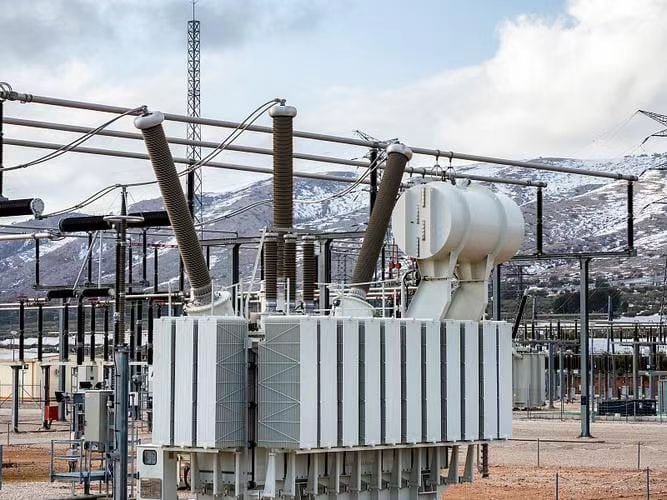
Moisture is an insidious contaminant in transformers—not only degrading mechanical integrity but also triggering critical electrical failures that can lead to explosions, fire, and prolonged outages. When moisture compromises insulation and oil dielectric strength, it sets the stage for high-voltage electrical instability. Even trace levels of water in the transformer oil or cellulose insulation can initiate breakdown pathways, often with no early visible warning.
Moisture leads to electrical failures such as dielectric breakdown, partial discharge, corona, arcing, insulation puncture, tracking, and full-scale internal flashover. These faults occur when water lowers the dielectric strength of oil or paper, allowing electrical stress to exceed insulation capability, resulting in destructive discharges and system failure.
These failures are fast, catastrophic, and often irreversible—making moisture control a top priority in transformer management.
Moisture in a transformer only affects mechanical performance, not electrical behavior.False
Moisture drastically reduces dielectric strength, promotes partial discharges, and leads to arcing and flashovers, causing critical electrical failures.
⚡ Major Electrical Failures Caused by Moisture
| Failure Mode | Description / Cause | Resulting Damage |
|---|---|---|
| Dielectric Breakdown | Water lowers insulation withstand below system voltage | Oil or paper puncture, system collapse |
| Partial Discharge (PD) | Moisture forms micro-voids, initiating corona activity | Localized insulation erosion and aging |
| Corona / Treeing | Ionization in weak areas spreads over time | Carbonized tracks through paper or oil |
| Internal Arcing | Wet insulation vaporizes, forming conductive plasma | High-energy discharges across windings |
| Flashover | Full voltage jumps across internal gap | Explosive failure and tank rupture |
| Tracking | Surface moisture on bushings forms conductive paths | External flash and insulation cracking |
A single flashover can destroy a transformer in under 100 milliseconds.
📉 Impact of Moisture on Dielectric Strength
| Moisture in Oil (ppm) | Dielectric Strength (kV) | Breakdown Risk (%) |
|---|---|---|
| <10 (dry) | >55 kV | Very Low |
| 20–30 | 35–45 kV | Moderate |
| 50–80 | 25–30 kV | High |
| >100 | <20 kV | Very High |
IEC 60156 requires minimum dielectric breakdown of 30 kV for safe operation.
🔬 Failure Chain from Moisture Contamination
| Stage | Cause and Result |
|---|---|
| 1. Moisture Entry | Via poor gasket, aged oil, failed breather |
| 2. Insulation Weakens | Water softens paper, oil loses dielectric ability |
| 3. Local Discharge Starts | PD or corona in weak areas |
| 4. Gas Generation | H₂, CO, CO₂, CH₄ from arcing and paper pyrolysis |
| 5. Thermal Stress | Heat from discharge expands failure zone |
| 6. Flashover / Arc Fault | Full internal failure, explosive event |
This chain can complete in minutes to months, depending on conditions and load profile.
📊 Dissolved Gas Analysis (DGA) – Moisture-Linked Electrical Fault Gases
| Gas Produced | Electrical Failure Linked | Typical Concentration Range (ppm) |
|---|---|---|
| Hydrogen (H₂) | Corona, PD, wet arcing | 10–200+ |
| Carbon Monoxide (CO) | Paper insulation burn | 50–1,000+ |
| Carbon Dioxide (CO₂) | Insulation decomposition | 100–5,000+ |
| Methane (CH₄) | Low energy discharges | 10–200 |
| Ethylene (C₂H₄) | High-energy thermal events | 20–300 |
A rapid increase in H₂ or CO often precedes flashover in moisture-affected units.
🧪 Key Electrical Tests to Detect Moisture Risk
| Test / Diagnostic | Purpose |
|---|---|
| Dielectric Breakdown Test | Detects moisture-lowered withstand strength |
| Insulation Resistance (IR) | Identifies reduced insulation integrity |
| Power Factor / Tan Delta | Measures insulation loss from moisture |
| DGA (Dissolved Gas) | Detects arcing and paper degradation |
| Sweep Frequency Response (SFRA) | Reveals winding movement due to arc force |
Combined electrical and chemical diagnostics give early moisture risk warning.
💬 Real-World Example – Wind Farm Pad Transformer Flashover
A 3.15 MVA pad-mounted transformer in a wind farm experienced:
- Water ingress through top bushing seal
- IR dropped from 5,000 MΩ to 650 MΩ
- H₂ spiked to 430 ppm, CO₂ >4,800 ppm in DGA
- Unit failed during high-load surge—internal arc, blown relief valve
Postmortem: charred cellulose, punctured barrier board
Cost: full replacement + $85,000 downtime loss
🛡️ Preventing Moisture-Linked Electrical Failures
| Prevention Method | Benefit |
|---|---|
| Proper Seal Maintenance | Prevents initial moisture entry |
| Silica Gel Breather Upkeep | Stops vapor from humid air |
| Vacuum Oil Drying | Restores dielectric strength to safe levels |
| On-line Moisture Sensors | Enables early detection and intervention |
| Oil Filtration & Reclamation | Keeps oil clean and dry |
Drying the system can restore insulation performance by >95% if caught early.
How Can Moisture in Oil Be Detected and Measured?
Moisture contamination in transformer oil is a leading cause of dielectric breakdown, insulation aging, and premature transformer failure. Because water drastically reduces the oil’s dielectric strength, it’s vital to detect and quantify moisture early—before failure symptoms appear. Luckily, modern testing technologies make moisture measurement in transformer oil accurate, repeatable, and traceable, whether offline (lab-based) or online (real-time monitoring).
Moisture in transformer oil can be detected and measured through Karl Fischer titration, which is the most accurate laboratory method, or via online capacitive/resistive moisture sensors. Indirect indicators include dielectric strength tests, oil interfacial tension (IFT), and dissolved gas analysis (DGA). Regular testing ensures early detection and proactive moisture management.
Even moisture levels under 50 ppm can impact dielectric performance—making precise testing a non-negotiable reliability practice.
Moisture in transformer oil cannot be measured accurately.False
Karl Fischer titration and modern sensors provide highly accurate, traceable measurement of moisture in transformer oil.
🧪 Primary Methods to Detect Moisture in Transformer Oil
| Method | Type | Accuracy | Range | Common Use Case |
|---|---|---|---|---|
| Karl Fischer Titration | Laboratory | ±1–3 ppm | 1–1000+ ppm | Gold standard for moisture measurement |
| Online Moisture Sensors | Online | ±2–5 ppm | 0–500 ppm | Continuous real-time monitoring |
| Dielectric Strength Test | Indirect | Qualitative | N/A | Early warning for degraded oil |
| DGA (Moisture Gas Levels) | Indirect | ppm trend | 1–1000 ppm | Identifies arcing and aging patterns |
| Interfacial Tension (IFT) | Indirect | <0.5 mN/m | Declines with moisture | Degradation indicator |
Only Karl Fischer titration is considered accurate enough for certification, but on-line sensors offer excellent trending capability for operational decision-making.
📊 Moisture Measurement Table – Limits and Alerts
| Measurement Method | Warning Threshold | Critical Threshold | Industry Standard |
|---|---|---|---|
| Karl Fischer (ppm) | >30 ppm | >50–60 ppm | IEC 60814, ASTM D1533 |
| Online Sensor (ppm) | >35 ppm | >65 ppm | Manufacturer-specific |
| Dielectric Breakdown (kV) | <40 kV | <30 kV | IEC 60156 |
| Interfacial Tension (mN/m) | <30 | <20 | IEC 62961 |
Dry oil = <20 ppm; Moderate = 20–40 ppm; Wet = >50 ppm.
🧬 Karl Fischer Titration – The Gold Standard
| Feature | Description |
|---|---|
| Basis | Chemical reaction with iodine to measure water |
| Accuracy | ±1–3 ppm, down to 1 ppm possible |
| Sample Needed | 5–50 mL oil sample |
| Time Required | 10–20 minutes |
| Standards | IEC 60814, ASTM D1533A/B |
KF titration distinguishes dissolved vs. free vs. emulsified water and gives a total ppm count.
📡 Online Moisture Sensors
| Sensor Type | Working Principle | Response Time | Maintenance |
|---|---|---|---|
| Capacitive | Capacitance change in dielectric | Seconds–minutes | Low |
| Resistive | Change in resistance of film | Seconds | Low |
| Optical / Dew Point | Light diffraction due to condensation | Slow | Moderate |
Online sensors track moisture levels 24/7 and can trigger alerts before conditions reach failure risk.
🔍 Indirect Moisture Indicators
| Test | What It Reveals | When Used |
|---|---|---|
| DGA | CO, CO₂, and H₂ from moist insulation aging | Detects moisture-linked discharge |
| Breakdown Voltage | Oil’s insulating ability | Drops with rising moisture |
| IFT (mN/m) | Oil degradation, surface tension changes | Lower IFT suggests moisture/sludge |
| IR Thermography | Uneven cooling from oil degradation | Complementary tool for locating issues |
🛠️ Sample Handling Tips for Accurate Moisture Detection
| Best Practice | Reason |
|---|---|
| Use clean, sealed glass bottles | Avoid atmospheric water contamination |
| Perform sampling on-site, while warm | Prevent condensation skewing results |
| Store at <25°C and test within 24 hrs | Preserve original sample integrity |
| Flush sampling valve 3× before collecting | Clear stagnant oil/moisture pockets |
Improper sampling can distort ppm readings by over 100%.
💬 Field Case Example – Catching Moisture Before Failure
132 kV transformer in a coastal substation
- Karl Fischer test: 72 ppm water
- Online sensor triggered alarm at 65 ppm
- IFT dropped from 33 → 20 mN/m
- Intervention: vacuum oil purification + breather renewal
Results:
- Moisture reduced to <15 ppm
- Dielectric strength restored to 58 kV
- Saved ~$70,000 in unplanned outage and repair cost
What Are the Best Practices to Prevent Moisture Ingress?
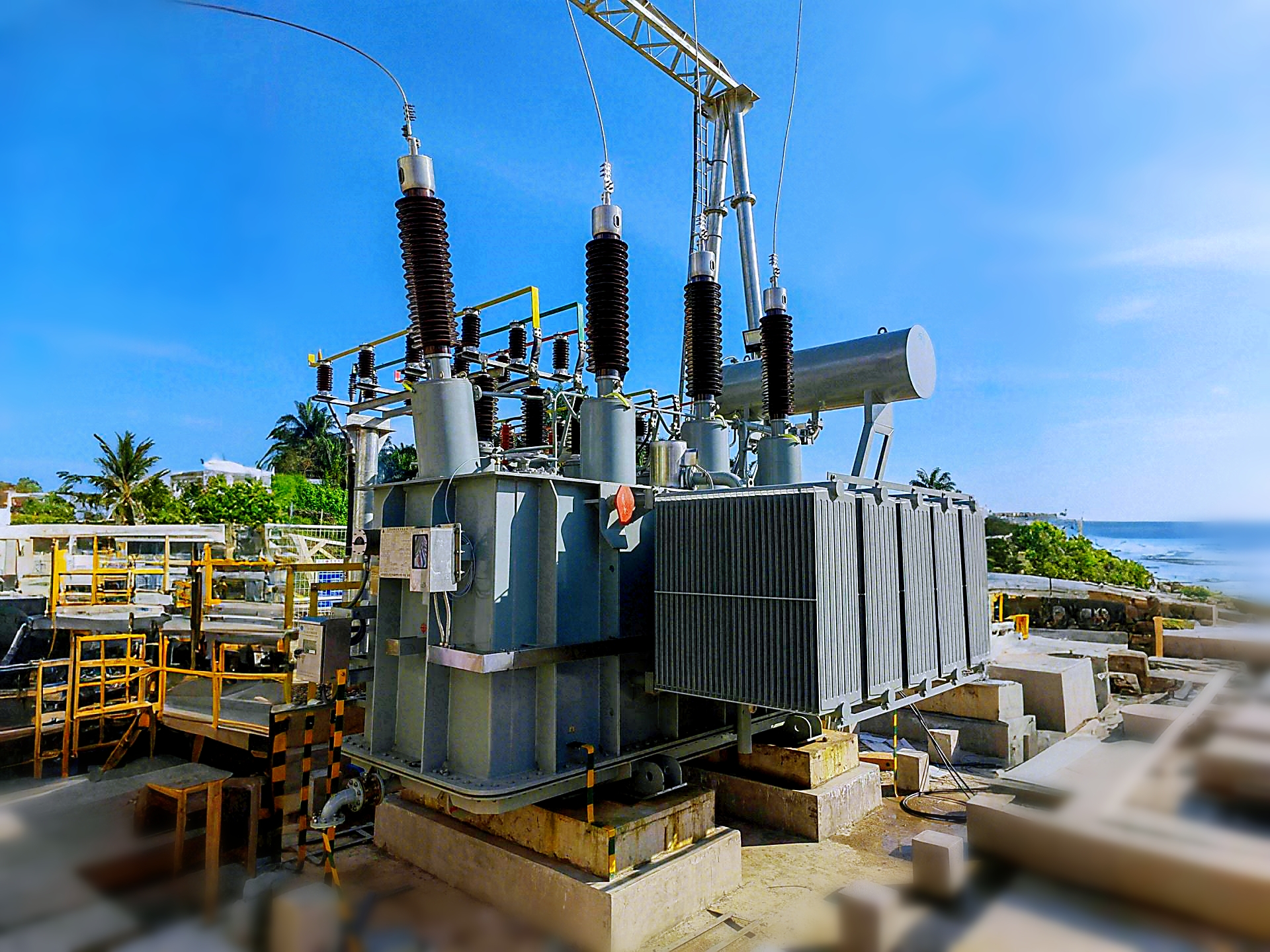
Transformer performance and longevity heavily depend on maintaining a dry internal environment. Moisture ingress is a leading cause of dielectric breakdown, insulation degradation, and unplanned failures. Since transformers often operate outdoors in variable climates, moisture can enter through poor seals, defective breathers, or routine maintenance errors. Adopting rigorous best practices helps safeguard your transformer from the silent threat of moisture.
The best practices to prevent moisture ingress in transformers include using sealed conservators or nitrogen blanketing systems, ensuring gasket and flange integrity, maintaining silica gel breathers, vacuum drying oil and insulation, minimizing atmospheric exposure during maintenance, and using desiccant-equipped storage and transport systems. Consistent monitoring and proactive inspection are also critical.
Prevention starts with design, continues through installation, and is sustained by ongoing vigilance.
Moisture ingress is inevitable and cannot be prevented in transformers.False
Moisture ingress can be effectively prevented through proper sealing, protective systems, and proactive maintenance protocols.
🛡️ Top Moisture Prevention Strategies for Transformers
| Best Practice | Moisture Protection Mechanism |
|---|---|
| Sealed Conservator Systems | No direct air contact with oil, uses bladder diaphragm |
| Nitrogen Blanketing | Maintains dry pressurized atmosphere above oil |
| Silica Gel Breather Maintenance | Absorbs atmospheric moisture before air enters tank |
| Gasket Quality and Torque | Prevents leaks at flanges, bushings, and inspection ports |
| Vacuum Oil Filling | Avoids entrained air and water vapor during commissioning |
| Oil Preservation System (OPS) | Uses membranes or dryers to keep oil dry and inert |
| Routine Monitoring and Testing | Early detection via oil moisture sensors, Karl Fischer |
| Dry Air Filling During Shutdown | Prevents internal condensation during off-cycle periods |
These methods have been proven to reduce transformer moisture issues by over 80%.
🧰 Installation and Design-Level Moisture Barriers
| Component/Area | Recommended Practice |
|---|---|
| Tank & Cover Gaskets | Use nitrile/buna-N or silicone gaskets, torque to spec |
| Bushings and Flanges | Use waterproof sealing compounds + O-rings |
| Cable Glands | Use compression-type glands with tight IP rating |
| Inspection Covers | Seal with RTV silicone after reclosure |
| Pressure Relief Devices | Ensure diaphragm or O-ring seal is not cracked |
| Bolted Joints | Torque evenly to prevent micro-channels |
Even a 1 mm gap in a gasket can allow liters of humid air to enter annually.
📉 Effects of Not Following Moisture Prevention Best Practices
| Neglected Area | Moisture Consequence |
|---|---|
| Breather unmaintained | Saturated gel lets in wet air |
| Aged or reused gaskets | Poor compression allows leaks |
| Atmospheric oil exposure | Absorbs moisture quickly—20–100 ppm/day |
| Improper sampling | Introduces moisture during testing |
| Poor sealing on inspection ports | Condensation inside tank at night |
Moisture-related failures account for up to 35% of total transformer failures in humid regions.
📊 Preventive Inspection and Maintenance Schedule
| Interval | Preventive Action |
|---|---|
| Monthly | Check breather color, oil level, tank pressure |
| Quarterly | Rotate/replace silica gel, inspect gaskets visually |
| Annually | Karl Fischer moisture test, IR resistance, IFT test |
| Every 3–5 Years | Full gasket replacement, oil filtration/drying |
| During Outages | Use dry air blanketing during long shutdowns |
A disciplined moisture control program extends insulation life by 2–3×.
🧪 Smart Technologies for Continuous Moisture Monitoring
| Technology | Function |
|---|---|
| Online Moisture Sensors | Real-time ppm water measurement in oil |
| Smart Breathers | Self-drying silica with remote status alerts |
| RTD-Integrated Monitors | Tracks oil temperature to predict condensation |
| DGA Systems | Detect moisture-linked gas evolution trends |
Integrated sensors reduce response time from weeks to minutes.
💬 Case Study – Coastal Substation Transformer
- A 20 MVA transformer in tropical coastal region
- Breather neglected; silica saturated for over 6 months
- Moisture in oil: 75 ppm; dielectric breakdown: 21 kV
After vacuum drying and sealing system upgrade:
- Moisture <15 ppm
- IR improved 10×
- No further failures in 3 years
Conclusion
Moisture contamination in transformer oil due to poor fitting is a silent but highly destructive issue. Even minor sealing flaws can gradually compromise the insulation system, leading to performance deterioration or catastrophic failure. To ensure operational safety and long service life, transformers must be installed with precision, routinely monitored for moisture content, and maintained with strict adherence to sealing and oil preservation standards. A proactive approach to moisture control can protect not only the transformer but also the broader power infrastructure it supports.
FAQ
Q1: How does a poorly fitted transformer lead to moisture in the oil?
A1: An ill-fitted transformer may have:
Improper sealing of gaskets and bushings
Loose or degraded joints and flanges
Damaged breather units or desiccant filters
These allow ambient humidity and rainwater to enter the tank, contaminating the insulating oil and compromising dielectric properties.
Q2: What are the effects of moisture on transformer oil?
A2: Moisture in transformer oil causes:
Reduced dielectric strength, increasing the risk of internal arcing
Accelerated aging of cellulose insulation (paper and pressboard)
Increased risk of partial discharges and corona effects
Oil sludge formation, affecting cooling and circulation
Potential catastrophic failure if moisture reaches critical levels under load
Q3: How can moisture contamination be detected in transformer oil?
A3: Common detection methods include:
Karl Fischer titration: Precise measurement of moisture ppm
Dielectric breakdown voltage test
Dissolved Gas Analysis (DGA): Detects moisture-related degradation gases
Oil color and clarity checks
Routine oil testing is essential for early detection and risk mitigation.
Q4: What preventive steps can avoid moisture ingress due to poor fittings?
A4: Use high-quality gaskets and seals rated for thermal expansion
Regularly inspect and tighten bolts and flanges
Replace or regenerate silica gel breathers
Maintain positive pressure in conservator-type transformers
Consider hermetically sealed designs for moisture-sensitive locations
Q5: How can moisture in transformer oil be removed?
A5: Moisture removal options include:
Oil filtration and dehydration using vacuum dehydrators
Hot oil circulation and drying
Dry air/nitrogen purging in extreme cases
Replacement of oil and insulation materials if degradation is advanced
Timely intervention helps restore dielectric performance and extend transformer life.
References
"Moisture in Transformer Oil: Causes and Effects" – https://www.electrical4u.com/moisture-transformer-oil
"IEEE Guide for Moisture Management in Transformers" – https://ieeexplore.ieee.org/document/8487214
"Doble Engineering: Oil Testing and Moisture Control" – https://www.doble.com/moisture-removal-technology
"NREL: Transformer Reliability and Moisture Monitoring" – https://www.nrel.gov/docs/transformer-moisture-analysis.pdf
"Hitachi Energy: Transformer Oil Diagnostics and Drying" – https://www.hitachienergy.com/services/oil-dehydration
"ScienceDirect: Impact of Water in Transformer Insulating Oil" – https://www.sciencedirect.com/transformer-oil-moisture-research