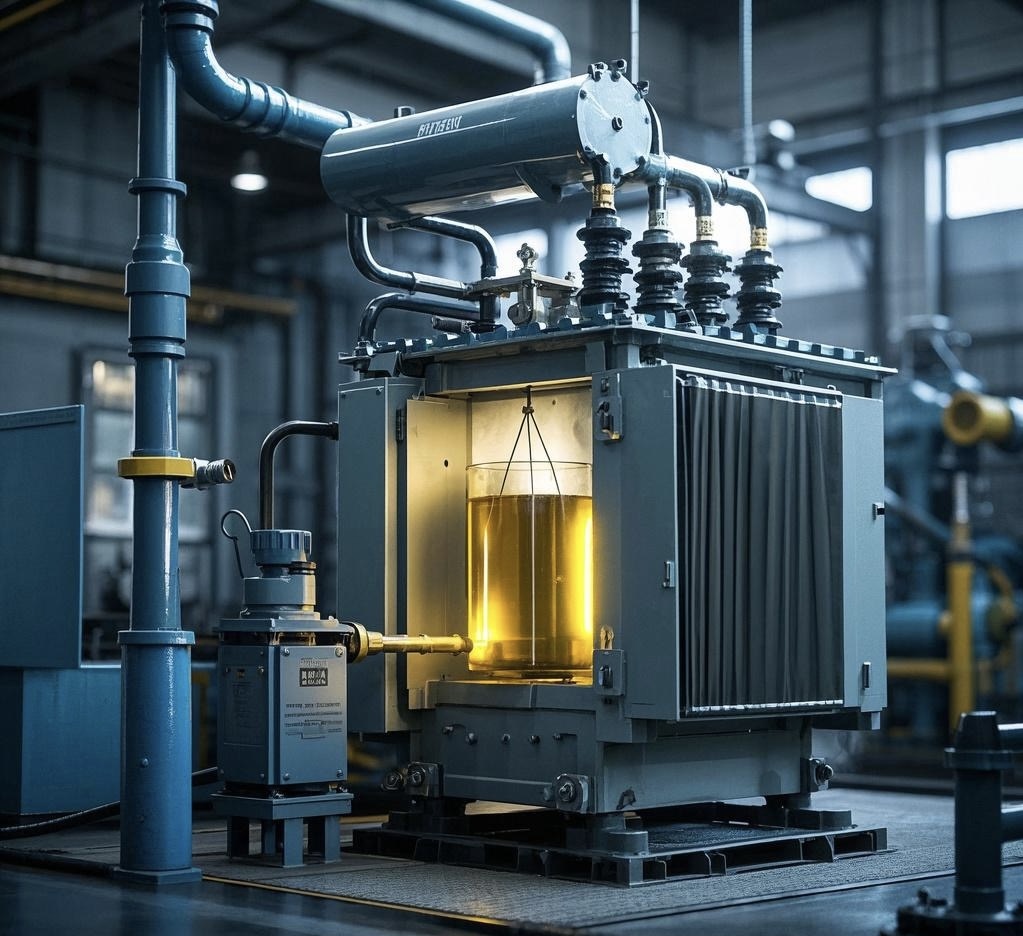
Transformers are fundamental to modern life, silently enabling the generation, transmission, and utilization of electrical energy across various sectors. While their primary function is to adjust voltage levels, transformers serve multiple purposes beyond just power transmission. They are crucial in industrial, commercial, renewable energy, transportation, and specialized electronic applications. Understanding the diverse uses of transformers highlights their indispensable role in supporting our increasingly electrified world. This article explores the wide-ranging applications of transformers and their significance in different fields.
How Do Transformers Support Power Generation and Transmission?
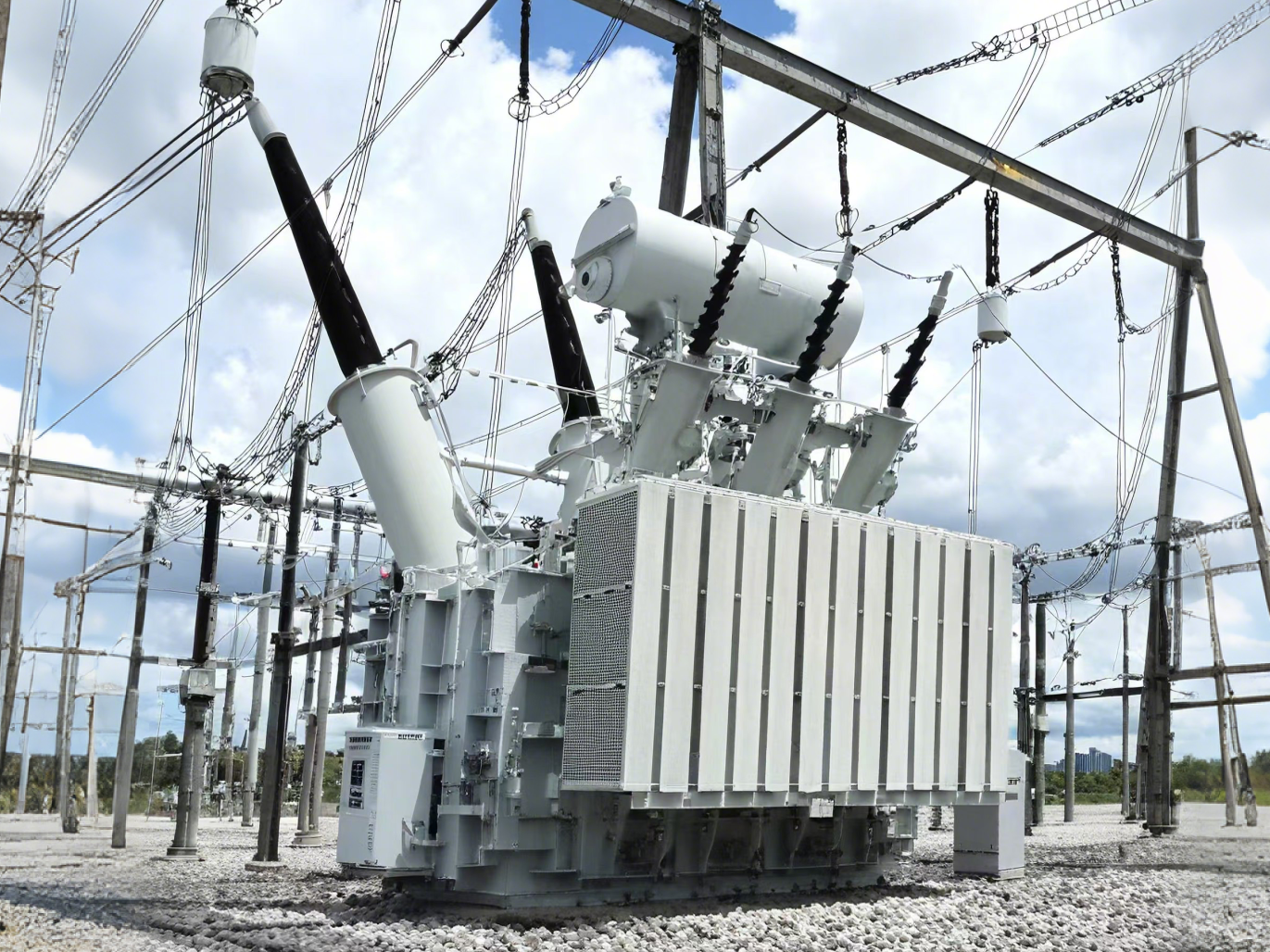
Transformers are the backbone of modern power systems, playing a crucial role in enabling efficient generation, transmission, and distribution of electricity across vast distances. Without transformers, it would be nearly impossible to deliver electrical energy reliably, economically, and safely from power plants to consumers. By adjusting voltage levels up or down, transformers help minimize energy losses, manage grid stability, and support system flexibility at every stage of the electrical supply chain.
In this article, we explore in depth how transformers support power generation and transmission, highlighting their functions, importance, and impact on global energy infrastructure.
1. Voltage Level Adjustment for Efficient Power Transfer
| Stage | Transformer Role |
|---|---|
| Power Generation (Plant Output) | Use step-up transformers to raise voltage levels. |
| Long-Distance Transmission | Maintain high voltage to minimize line losses. |
| Distribution to Consumers | Use step-down transformers to lower voltage to safe levels. |
Purpose:
- Stepping up voltage reduces the current for the same power level.
- Lower current means reduced I²R (ohmic) losses in transmission lines.
- Enables the economic and practical transmission of electricity over hundreds of kilometers.
2. Step-Up Transformers at Power Generation Plants
At power stations (hydroelectric, thermal, nuclear, wind, or solar farms):
- Generator output voltage typically ranges from 11 kV to 33 kV.
- Step-up transformers immediately boost this voltage to 110 kV, 220 kV, 400 kV, or even higher for extra-high voltage (EHV) transmission.
Impact:
- Greatly improves transmission efficiency.
- Supports interconnection of multiple plants into national or regional grids.
- Reduces the size and cost of transmission conductors needed.
3. High-Voltage Transmission with Minimal Losses
Why High Voltage?:
- Power loss in transmission lines is proportional to the square of the current:
[P_{\text{loss}} = I^2 \times R] - By increasing voltage, current decreases for the same power delivery, significantly cutting losses.
Role of Transformers:
- Enable safe and flexible adjustment of voltage levels to optimize transmission economics.
- Support inter-regional transmission lines (HVAC and HVDC systems).
4. Step-Down Transformers for Distribution Networks
At substations closer to cities, towns, and industries:
- Step-down transformers lower the high transmission voltages to medium distribution voltages (like 11 kV or 33 kV).
- Further distribution transformers bring voltages down to 400/230 V suitable for homes and businesses.
Benefits:
- Ensure safe delivery of electricity to end-users.
- Match voltage levels with appliance and industrial equipment requirements.
- Support diverse consumer demands without compromising grid stability.
5. Voltage Regulation and Grid Stability
Modern transformers are often equipped with:
- On-load tap changers (OLTCs).
- Automatic Voltage Regulators (AVRs).
Functions:
- Maintain constant secondary voltage despite load fluctuations or transmission line drops.
- Ensure voltage stability across the grid, improving power quality and consumer experience.
Impact:
- Reduces voltage sags, surges, and flickers.
- Supports stable operation of sensitive electronics and industrial machinery.
6. Interconnection of Renewable Energy Sources
Renewable power sources like wind and solar farms are highly decentralized. Transformers enable:
| Function | Result |
|---|---|
| Voltage matching | Connects renewable generators to the main grid. |
| Step-up for transmission | Enables delivery of renewable energy over long distances. |
| Grid synchronization | Ensures proper phase and frequency alignment. |
Transformers are critical for integrating clean energy into existing infrastructures, supporting global sustainability goals.
7. Fault Isolation and Protection
Transformers also play a key role in:
- Isolating faults between generation, transmission, and distribution systems.
- Enabling selective disconnection during emergencies.
- Supporting backup systems and power redundancy designs.
Benefit:
- Minimizes the spread of outages.
- Enhances grid reliability and resilience.
ClaimReview Fact Check
Transformers support power generation and transmission by adjusting voltage levels to reduce losses, enable efficient long-distance transfer, and ensure safe distribution to consumers.True
Transformers step up voltage at generation sites for efficient transmission and step it down at distribution points, minimizing energy losses and supporting reliable grid operation.
8. Summary Table: Transformer Roles in Power Systems
| Function | Purpose and Impact |
|---|---|
| Step-Up at Generation | Boost voltage to minimize transmission losses |
| High-Voltage Transmission | Reduce I²R losses, support efficient long-distance power delivery |
| Step-Down for Distribution | Lower voltage for safe consumer use |
| Voltage Regulation | Maintain stable voltage under varying load conditions |
| Renewable Energy Integration | Match and synchronize renewable generation to the grid |
| Fault Isolation | Protect the grid and maintain service continuity |
What Role Do Transformers Play in Industrial Applications?
Transformers are indispensable components in industrial operations, providing the crucial function of modifying voltage levels to meet the diverse and demanding needs of industrial equipment and processes. Their role extends far beyond simple voltage conversion — transformers enhance operational efficiency, ensure safety, improve power quality, and support customized energy solutions across a wide range of industries. Without transformers, industrial plants would struggle with unstable voltage supply, equipment incompatibility, and severe energy losses.
In this article, we explore the vital roles transformers play in industrial applications, the types used, and their importance in enabling modern industry.
1. Voltage Transformation for Specialized Equipment
| Application | Transformer Role |
|---|---|
| Heavy machinery (motors, compressors) | Step-down transformers lower high-voltage supply to equipment-rated levels. |
| Furnaces and welding equipment | Special transformers adjust voltage and current for high-energy demands. |
| Lighting systems | Dedicated transformers supply stable lower voltage for industrial lighting. |
Purpose:
- Match the utility supply voltage (often medium voltage) to the operational voltage required by industrial loads.
- Allow use of a variety of machinery without expensive rewiring or adaptation.
2. Power Distribution Inside Industrial Facilities
Transformers ensure efficient internal power distribution by:
- Stepping down incoming high-voltage grid supply (typically 11 kV or 33 kV) to usable low voltage levels like 400 V or 690 V.
- Feeding localized distribution panels that power production lines, HVAC systems, cranes, conveyors, and control rooms.
Impact:
- Streamlines facility design by creating multiple voltage tiers within a complex site.
- Enhances operational flexibility to support expanding production needs.
3. Isolation and Protection
In many industries, isolation transformers are deployed to:
| Function | Result |
|---|---|
| Electrical isolation | Protect sensitive equipment from voltage spikes and surges. |
| Ground loop elimination | Improve signal integrity in control and communication systems. |
| Enhanced operator safety | Separate energized circuits from human-accessible systems. |
Benefit:
- Minimizes electrical hazards and equipment damage due to system faults or unstable power supplies.
4. Voltage Regulation and Power Quality Improvement
Industrial operations with variable loads (like motor starts or welding processes) can cause:
- Voltage sags or swells.
- Harmonic distortions.
Transformers with features like:
- Tap changers (on-load or off-load).
- Auto-transformers.
- K-rated transformers.
Role:
- Stabilize voltage levels dynamically.
- Reduce harmonic content in power supply.
- Enhance the lifespan of sensitive electronic controls and automation equipment.
5. Supporting High-Power Industrial Processes
Some industries require very large power inputs, such as:
| Industry | Typical Power Need |
|---|---|
| Steel and metallurgy plants | High-current electric arc furnaces. |
| Petrochemical complexes | Continuous operation of large pumps and compressors. |
| Mining operations | Heavy-duty drilling, crushing, and conveyor systems. |
Specialized transformers (e.g., furnace transformers, rectifier transformers) are designed to meet these intense demands with tailored voltage-current characteristics.
6. Enabling Renewable Energy and Green Initiatives
Modern industries are increasingly integrating:
- Solar power systems.
- Wind energy.
- Battery storage solutions.
Transformers are essential for:
- Grid-tie connections of renewable energy systems.
- Voltage matching between renewable generation and industrial loads.
- Energy storage integration into facility power grids.
Impact:
- Supports sustainability goals.
- Reduces carbon footprint and energy costs.
7. Critical Backup and Emergency Systems
Industrial facilities often deploy:
- UPS (Uninterruptible Power Supply) transformers.
- Standby generator step-up transformers.
Function:
- Maintain critical operations during grid outages (e.g., data centers, chemical processing controls).
- Prevent costly production losses and maintain safety systems during power failures.
ClaimReview Fact Check
Transformers in industrial applications are used for voltage conversion, isolation, protection, power quality improvement, and integration of renewable energy systems.True
Transformers adapt grid voltage for specialized equipment, enhance safety, stabilize power quality, and enable efficient, sustainable industrial operations across various sectors.
8. Summary Table: Industrial Roles of Transformers
| Role | Impact on Industrial Operations |
|---|---|
| Voltage Conversion | Match equipment needs and grid supply. |
| Power Distribution | Efficiently manage internal site energy flow. |
| Electrical Isolation | Protect equipment and enhance operational safety. |
| Power Quality Management | Improve voltage stability and reduce harmonics. |
| High-Power Process Support | Enable intensive operations like furnaces and drilling. |
| Renewable Energy Integration | Support sustainable energy use within industries. |
| Backup Power Systems | Ensure continuous operation during outages. |
How Are Transformers Used in Renewable Energy Systems?
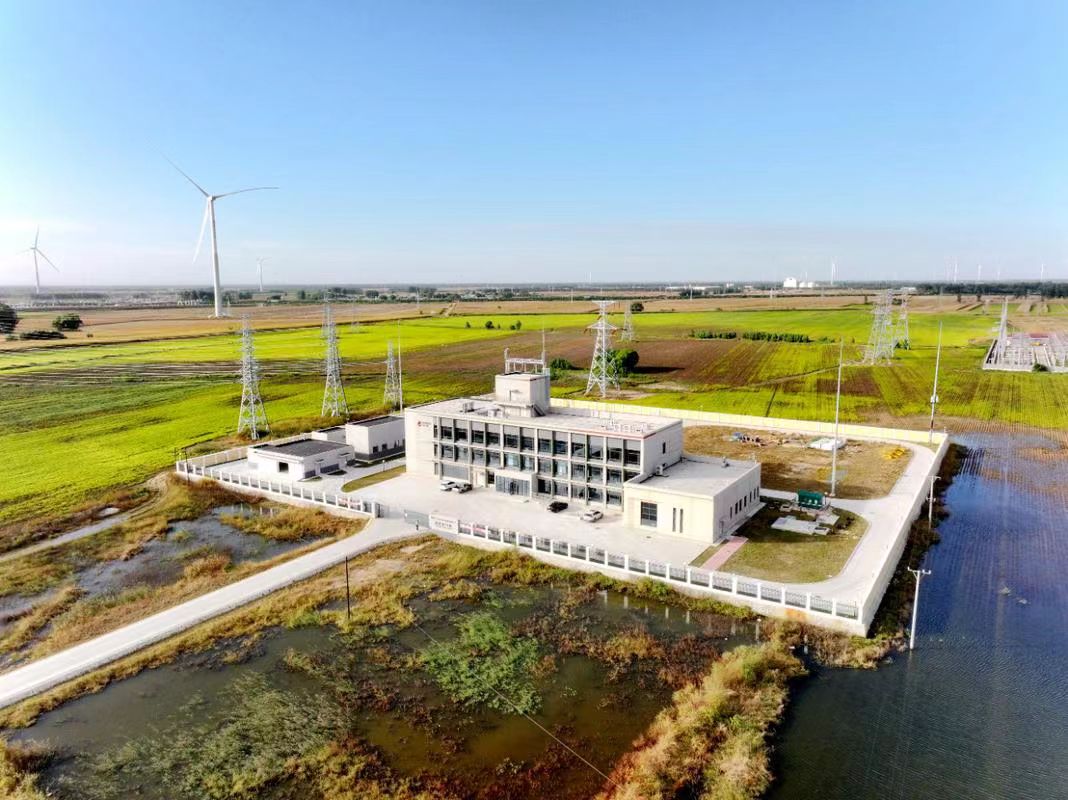
Transformers play a pivotal role in renewable energy systems, making it possible to integrate variable, decentralized generation sources like solar, wind, hydropower, and biomass into existing power grids. Renewable energy sources produce electricity at diverse voltage levels and under fluctuating conditions; transformers are essential for voltage regulation, grid compatibility, power stability, and efficient energy transmission. Without transformers, renewable energy could not be reliably delivered to homes, businesses, or industries on a large scale.
In this article, we will detail how transformers are used in renewable energy systems, the types employed, and their importance in building a sustainable and resilient energy infrastructure.
1. Voltage Transformation for Grid Connection
| Renewable Source | Typical Generation Voltage | Role of Transformer |
|---|---|---|
| Solar Photovoltaic (PV) Systems | 400 V – 1500 V DC | Step-up inverter AC output to distribution levels. |
| Wind Turbines | 690 V AC | Step-up to medium voltage (11–33 kV). |
| Small Hydro Plants | 400 V – 11 kV AC | Boost voltage for local grid feeding. |
Purpose:
- Match generator output to medium-voltage distribution systems or high-voltage transmission networks.
- Minimize transmission losses by increasing voltage for long-distance transport.
2. Step-Up Transformers in Renewable Plants
Immediately after generation:
- Step-up transformers are installed to raise the relatively low output voltage of renewable generators to suitable grid injection levels.
- Example: A wind turbine generator producing 690 V steps up to 33 kV at the nacelle or base before joining a collection network.
Impact:
- Reduces current, which decreases I²R losses over cables and improves system efficiency.
- Supports centralized collection of multiple generators within a renewable energy farm.
3. Collector System Transformers
In large renewable installations (solar or wind farms):
- Multiple smaller transformers collect energy from different generation units.
- Feed into a collector substation where voltages are stepped up again for regional transmission.
Benefit:
- Modular system design enables scalability.
- Simplifies maintenance and grid management.
4. Grid Interface and Voltage Regulation
At the point of interconnection (POI) between the renewable facility and the utility grid:
- Large power transformers step-up or adapt voltage to meet transmission grid standards (110 kV, 220 kV, 400 kV).
- On-load tap changers (OLTCs) in these transformers regulate voltage dynamically based on grid demand.
Functions:
- Maintain stable voltage despite variable renewable generation output.
- Enable smart grid synchronization and dynamic reactive power compensation.
5. Transformers in Energy Storage Systems
Renewable energy storage systems like:
- Battery Energy Storage Systems (BESS)
- Hydrogen generation plants
use transformers to:
| Function | Purpose |
|---|---|
| Match inverter output voltage | Enable safe and efficient AC grid connection. |
| Provide isolation | Protect batteries and sensitive electronics from faults. |
| Balance multi-level storage modules | Allow modular, scalable storage solutions. |
Impact:
- Facilitates load shifting, peak shaving, and frequency regulation services.
6. Special Transformer Designs for Renewables
Renewable energy projects often require:
| Feature | Why It Matters |
|---|---|
| High thermal endurance | To handle wide load fluctuations and ambient conditions. |
| Low-noise operation | Especially critical for wind farms near residential areas. |
| Compact and modular design | For installation in remote, space-constrained sites. |
| High-efficiency ratings | To maximize energy harvest and reduce operational costs. |
Examples:
- Pad-mounted transformers in solar farms.
- Cast resin dry-type transformers in offshore wind installations.
7. Offshore Wind and Subsea Transformers
In offshore wind farms:
- Subsea transformers and offshore substations step up voltages to high transmission levels (e.g., 220 kV, 400 kV).
- Built with corrosion-resistant materials and compact, modular designs.
Importance:
- Enables long-distance export of clean energy to shore with minimal losses.
- Reduces the cost per delivered megawatt-hour (MWh).
ClaimReview Fact Check
Transformers in renewable energy systems enable voltage adaptation, grid integration, energy storage connection, and stable power delivery across varying conditions.True
By stepping up or down voltage, regulating grid interfaces, and connecting energy storage, transformers make renewable energy practical, reliable, and scalable within modern power systems.
8. Summary Table: Transformer Roles in Renewable Energy Systems
| Function | Application |
|---|---|
| Voltage Stepping (Up/Down) | Match generation output to grid standards. |
| Collector System Management | Aggregate multiple generators efficiently. |
| Grid Interface Regulation | Synchronize with dynamic grid conditions. |
| Energy Storage Integration | Connect BESS and manage modular loads. |
| Offshore/Remote Application | Enable distant renewable project viability. |
What Are the Applications of Transformers in Residential and Commercial Settings?
Transformers are critical components in residential and commercial power distribution systems, enabling safe, efficient, and reliable delivery of electricity from the utility grid to end users. By adjusting voltage levels to suit various applications, transformers protect electrical devices, improve energy efficiency, and maintain system stability across diverse settings — from homes and apartment complexes to office buildings, malls, and hospitals.
In this article, we explain how transformers are used in residential and commercial environments, the types employed, and their key roles in ensuring modern urban infrastructure functions seamlessly.
1. Voltage Step-Down for Safe Usage
| Setting | Transformer Role |
|---|---|
| Residential neighborhoods | Step down medium-voltage (e.g., 11 kV) to 400/230 V suitable for household appliances. |
| Commercial buildings | Supply power at voltages appropriate for lighting, HVAC, elevators, and office equipment. |
Purpose:
- Match utility transmission voltages to safe, usable voltages for homes and businesses.
- Prevent electrical hazards by supplying controlled, standardized power.
2. Distribution Transformers in Residential Areas
Pad-mounted or pole-mounted distribution transformers:
- Step down electricity from the local distribution grid (11–33 kV) to 400/230 V for residential use.
- Supply multiple homes from a single transformer through low-voltage distribution networks.
Impact:
- Enable widespread electrification across neighborhoods.
- Ensure reliable service with minimal voltage fluctuations.
3. Transformers for Commercial Complexes and High-Rise Buildings
Large commercial properties often use:
- Indoor dry-type transformers for fire safety.
- Oil-immersed transformers for outdoor substations.
Functions:
- Step down incoming medium voltage (11–22 kV) to 400 V three-phase for building-wide distribution.
- Power major loads like elevators, escalators, chillers, fire pumps, and lighting systems.
Advantages:
- Centralized power management.
- Load balancing across floors and wings.
4. Isolation Transformers for Sensitive Equipment
In commercial applications, especially:
| Facility | Use of Isolation Transformers |
|---|---|
| Data centers | Protect servers and communication equipment from voltage spikes. |
| Hospitals | Isolate critical medical equipment from grid disturbances. |
| Commercial laboratories | Provide clean, noise-free power for sensitive instruments. |
Benefits:
- Enhanced electrical noise filtering.
- Improved system reliability and equipment lifespan.
5. Voltage Regulation and Energy Efficiency
Transformers with tap changers or automatic voltage regulators are often used in commercial setups to:
- Maintain consistent voltage levels despite load fluctuations.
- Improve the performance of sensitive devices like computers, LED lighting, and air conditioning systems.
Impact:
- Reduces energy wastage.
- Extends the life of connected equipment.
6. Renewable Energy and Backup Power Integration
Modern homes and commercial properties integrate:
- Solar inverters connected to transformers to feed back into the grid.
- Battery Energy Storage Systems (BESS) using isolation transformers for grid-tied safety.
- Standby generators connected via transfer transformers to ensure seamless backup power during outages.
Role of Transformers:
- Safely synchronize alternative power sources with the utility grid.
- Manage voltage and phase matching during emergency operations.
7. Safety and Fire Protection
Transformers are engineered for high safety standards in residential and commercial settings:
| Type | Safety Feature |
|---|---|
| Dry-Type Transformers | Non-flammable, suitable for indoor use. |
| Sealed Oil-Filled Transformers | Reduced risk of leaks and fire with hermetically sealed designs. |
Purpose:
- Minimize fire hazards.
- Ensure compliance with safety regulations such as NEC, IEC, and NFPA standards.
ClaimReview Fact Check
Transformers in residential and commercial applications step down voltage, ensure power quality, protect sensitive equipment, and integrate renewable and backup energy systems.True
Transformers adjust grid voltages for safe residential and commercial use, maintain power quality, support critical loads, and facilitate integration of solar, storage, and emergency power solutions.
8. Summary Table: Transformer Applications in Residential and Commercial Sectors
| Application | Purpose and Impact |
|---|---|
| Voltage Step-Down | Make high-voltage grid electricity safe for users. |
| Distribution to Homes and Buildings | Deliver reliable, stable electricity. |
| Isolation for Sensitive Equipment | Protect critical systems from surges and noise. |
| Voltage Regulation | Improve device efficiency and lifespan. |
| Renewable Energy Integration | Support solar, wind, and battery systems. |
| Backup Power Systems | Ensure uninterrupted power during outages. |
| Safety Enhancement | Reduce fire risks and comply with regulations. |
How Are Transformers Essential in Transportation Systems?
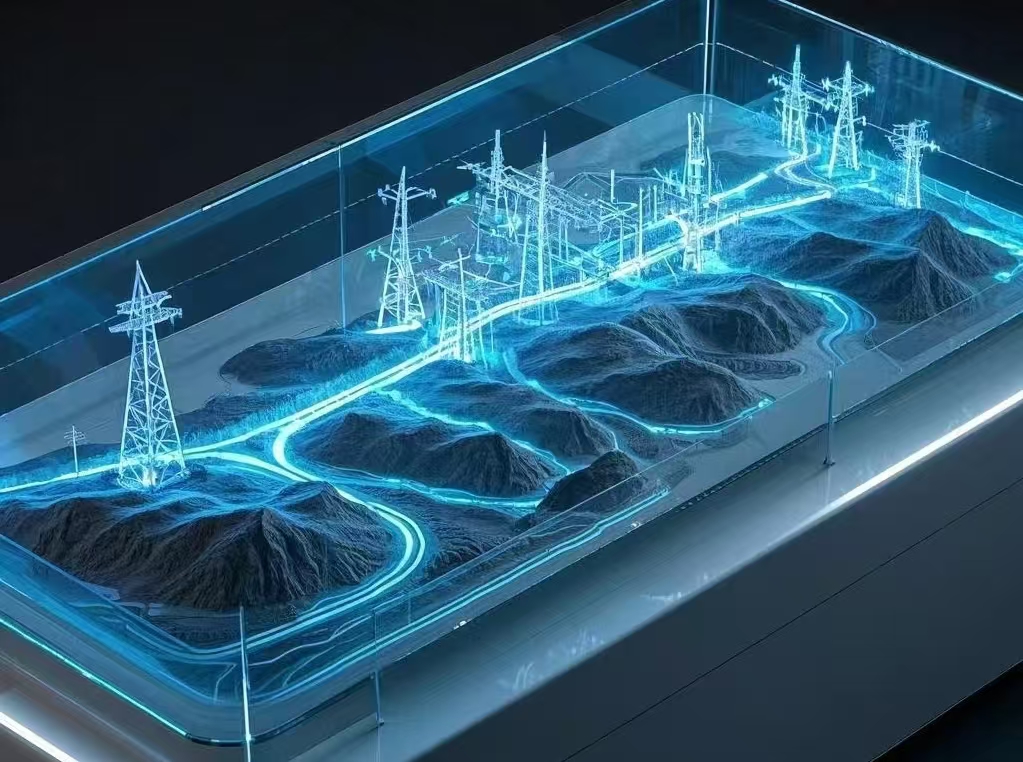
Transformers are absolutely essential in transportation systems, supporting the reliable, efficient, and safe movement of people and goods across railways, airports, ports, and electric vehicle (EV) infrastructures. Whether stepping down grid voltage for safe use, supplying traction power for trains, or supporting airport lighting and electric buses, transformers are the unseen force that keeps transportation networks running smoothly and sustainably.
In this article, we explore how transformers are used in various transportation systems, the specific applications involved, and why they are critical for the future of mobility.
1. Transformers in Railway and Metro Systems
| Application | Transformer Role |
|---|---|
| Electric train operation | Step down high transmission voltages to supply 25 kV, 15 kV, or 750 V systems for railway electrification. |
| Metro/subway systems | Provide safe, controlled power for underground and elevated tracks. |
| Onboard traction transformers | Convert overhead line voltage to appropriate traction motor supply for trains. |
Impact:
- Enable electric traction, reducing dependence on fossil fuels.
- Ensure high-speed, efficient, and reliable train movement.
- Power auxiliary systems like lighting, HVAC, and control circuits onboard.
2. Traction Power Substations
Traction substations use specialized transformers to:
- Step down high-voltage transmission power (e.g., 110 kV, 220 kV) to traction voltages suitable for train systems.
- Supply catenary systems (overhead wires) or third rail systems (for metros).
Benefits:
- Maintain consistent voltage even under varying train load conditions.
- Support multiple trains operating simultaneously across extensive networks.
3. Transformers in Airports
Modern airports rely on transformers to power:
| Facility | Transformer Application |
|---|---|
| Runway and taxiway lighting | Supply stable low-voltage power to lighting circuits. |
| Terminal buildings | Provide distribution power for HVAC, escalators, lighting, and security systems. |
| Ground support equipment (GSE) | Power baggage handling systems, electric ground vehicles, and maintenance equipment. |
Purpose:
- Ensure continuous, high-quality power for critical operations 24/7.
- Support emergency systems like runway approach lights and fire protection services.
4. Transformers at Ports and Shipping Yards
In maritime logistics:
- Transformers power cranes, conveyor belts, lighting towers, and control systems.
- Support shore-to-ship power (cold ironing), where ships connect to the port’s electrical grid to reduce engine emissions while docked.
Impact:
- Enhance port efficiency and reduce environmental pollution.
- Support electrification of cargo handling, aiding green initiatives.
5. Transformers in Electric Vehicle (EV) Infrastructure
As electric mobility expands:
- Distribution transformers supply EV charging stations.
- Step down utility grid voltages to usable levels for Level 2, fast chargers, and ultra-fast chargers (up to 800 V DC).
| Component | Transformer Role |
|---|---|
| Residential chargers | Small pad-mounted transformers feed home EV chargers. |
| Commercial charging stations | Medium-capacity transformers manage multiple vehicle loads. |
| Ultra-fast highway chargers | High-capacity transformers enable rapid energy delivery. |
Significance:
- Enable the scalability of EV charging networks.
- Maintain grid stability by balancing large, instantaneous EV charging loads.
6. Energy Efficiency and Load Management
Transformers in transportation are often equipped with:
- High-efficiency designs to minimize operational losses.
- Tap changers to adjust voltage dynamically based on fluctuating loads (especially in metro and high-speed rail systems).
- Smart monitoring systems to optimize performance and detect faults early.
Benefits:
- Reduce operational costs.
- Increase reliability and lifespan of critical transportation infrastructure.
7. Special Transformer Designs for Transportation
| Feature | Transportation Need |
|---|---|
| Compact and modular designs | Space-constrained installations like metro stations or EV chargers. |
| High thermal endurance | Handle fluctuating loads from moving trains or clustered EV charging. |
| Noise reduction | Meet stringent noise regulations in urban environments. |
| Shock and vibration resistance | For onboard traction transformers exposed to constant motion. |
Customized transformer solutions are key to meeting the unique environmental and operational demands of transportation systems.
ClaimReview Fact Check
Transformers are essential in transportation systems for supplying power to trains, airports, ports, and EV infrastructures, enabling safe, efficient, and reliable operation.True
Transformers step down and manage voltages, supply traction power, enable electric mobility, and support critical services across all major modes of modern transportation.
8. Summary Table: Transformer Applications in Transportation
| Sector | Transformer Application |
|---|---|
| Railways and Metros | Traction power supply, onboard voltage conversion |
| Airports | Lighting, HVAC, baggage handling, ground services |
| Ports and Shipping | Cargo handling equipment, shore power connection |
| Electric Vehicle Infrastructure | Charging station supply, load balancing |
| Energy Efficiency Systems | Smart voltage regulation and loss minimization |
What Specialized Uses Do Transformers Have in Electronics and Communications?
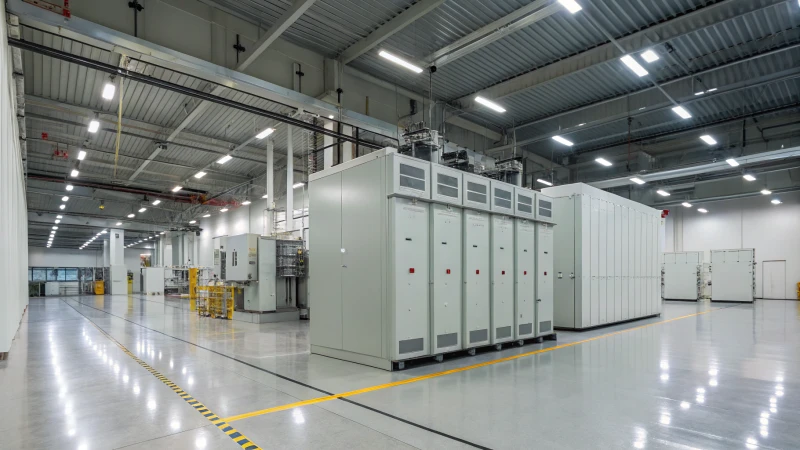
Transformers are fundamental to electronics and communications systems, far beyond their traditional role in power grids. In these fields, transformers perform specialized functions like impedance matching, voltage isolation, signal conditioning, and noise suppression, enabling safe, efficient, and high-quality operation of sensitive electronic circuits and communication networks. Without these specialized transformers, modern electronics, internet infrastructure, audio devices, and telecommunication systems would not function reliably.
In this article, we explore the specialized uses of transformers in electronics and communications, the types involved, and their critical contributions to modern technology.
1. Signal Isolation and Safety
| Application | Transformer Role |
|---|---|
| Data transmission circuits | Provide galvanic isolation to prevent ground loops and protect devices. |
| Telecommunication networks | Isolate line voltages from internal equipment circuits. |
| Medical electronics | Safeguard patients and sensitive equipment from electrical faults. |
Purpose:
- Prevent electrical faults from propagating.
- Ensure safe, isolated data and signal pathways across systems.
Example Devices:
- Ethernet isolation transformers.
- Telephony line coupling transformers.
2. Impedance Matching in Communication Systems
In electronics and RF (radio frequency) communication systems:
- Transformers match the impedance between source and load to maximize power transfer and minimize signal reflections.
| Use Case | Transformer Function |
|---|---|
| Antennas and RF circuits | Match impedance between transmitter, receiver, and antenna. |
| Audio equipment | Match microphones or speaker impedances to amplifiers. |
Impact:
- Improves signal quality.
- Enhances transmission efficiency in communication links.
3. Voltage Step-Up or Step-Down in Low Power Applications
Miniature transformers are used to:
- Step down high voltage AC (e.g., 120 V/240 V) to safe levels (e.g., 5 V, 12 V) for circuit operation.
- Step up signals where needed in instrumentation amplifiers or specialty sensors.
Typical Applications:
- Power supplies for computers, TVs, and chargers (AC-DC adapters).
- LED drivers and home automation devices.
Benefits:
- Safe operation of sensitive microelectronics.
- Compact and lightweight power solutions.
4. Pulse Transformers for Digital Communication
Pulse transformers are specialized to:
| Role | Application |
|---|---|
| Transmit digital signals | In computers, modems, and network devices (Ethernet, DSL). |
| Maintain signal integrity | Shape and transmit sharp, clean pulses over data lines. |
Key Features:
- High-frequency response.
- Minimal signal distortion.
Impact:
- Enables high-speed data communication without loss or corruption.
5. Audio Transformers in Sound Systems
Audio transformers are used for:
| Function | Application |
|---|---|
| Impedance balancing and matching | Connect microphones to mixers, speakers to amplifiers. |
| Noise suppression (ground loop elimination) | Ensure clean audio signals. |
Benefits:
- Reduce hum and electromagnetic interference (EMI).
- Deliver clearer, higher-quality sound.
Examples:
- Studio-grade microphone transformers.
- Hi-Fi and PA system line-matching transformers.
6. High-Frequency Transformers in Switching Power Supplies
Switch-mode power supplies (SMPS) use high-frequency transformers to:
- Operate at much higher frequencies (20 kHz to 1 MHz or more).
- Reduce size and weight of the transformer compared to 50/60 Hz types.
Applications:
- Laptop chargers.
- Mobile phone chargers.
- DC-DC converters in communication and industrial systems.
Advantages:
- High efficiency.
- Compact designs for portable electronics.
7. Balun Transformers in RF Systems
Balun transformers (balanced-unbalanced) are critical in RF and communication:
| Function | Application |
|---|---|
| Convert balanced signals to unbalanced | Used between coaxial cables (unbalanced) and antennas (balanced). |
| Maintain impedance matching | Ensure minimal signal loss in RF paths. |
Industries:
- Broadcasting (TV and radio).
- Satellite communications.
- Amateur (ham) radio systems.
ClaimReview Fact Check
Transformers in electronics and communications are used for signal isolation, impedance matching, voltage conversion, noise suppression, and high-frequency operation.True
Transformers provide essential electrical isolation, efficient power transfer, signal integrity, and compact voltage control across modern electronic and communication systems.
8. Summary Table: Specialized Uses of Transformers in Electronics and Communications
| Application Area | Transformer Function |
|---|---|
| Signal Isolation | Prevent ground loops and protect circuits. |
| Impedance Matching | Maximize signal transmission efficiency. |
| Voltage Step-Up/Step-Down | Adapt voltage levels for low-power circuits. |
| Pulse Transmission | Support clean, high-speed digital communication. |
| Audio Systems | Enhance sound quality, reduce noise. |
| High-Frequency Power Supplies | Enable compact, efficient device designs. |
| RF Systems and Antenna Interfaces | Balance and match transmission lines and antennas. |
Conclusion
Transformers are not just a backbone of electrical grids but versatile devices with applications across a wide range of sectors. From powering industries and cities to enabling clean energy and modern electronics, their adaptability and reliability make them indispensable. As technology advances and the demand for energy grows, transformers will continue to evolve, playing a critical role in building smarter, more sustainable energy ecosystems for the future. Understanding their multiple uses gives us a deeper appreciation of how essential transformers are to daily life and innovation.
FAQ
Q1: What is the primary use of transformers?
A1: The primary use of transformers is to step up or step down voltage levels in electrical circuits. This is crucial for efficient power transmission over long distances and for safely delivering electricity to homes, businesses, and industries at usable voltage levels.
Q2: How are transformers used in power generation and distribution?
A2: In power generation, step-up transformers increase the voltage generated by power plants for efficient transmission over high-voltage lines. In distribution systems, step-down transformers reduce the voltage to safe, usable levels for residential, commercial, and industrial consumption.
Q3: What role do transformers play in industrial applications?
A3: In industries, transformers are used to supply power to heavy machinery and specialized equipment that require specific voltage levels. They also ensure voltage stability, protect equipment from surges, and enable efficient energy distribution within factories and production plants.
Q4: How are transformers used in renewable energy systems?
A4: Transformers are essential in renewable energy systems like wind farms and solar plants. They step up the voltage generated by turbines and solar panels for integration into the grid and step it down for localized use, ensuring efficient and reliable energy delivery.
Q5: What are some specialized uses of transformers?
A5: Specialized uses of transformers include:
Isolation transformers for separating circuits for safety.
Instrument transformers (CTs and VTs) for metering and protection.
Rectifier transformers in industries requiring DC output.
Traction transformers in electric railways.
Medical-grade transformers for sensitive hospital equipment.
References
"Exploring the Various Uses of Transformers" - https://www.transformertech.com/uses-of-transformers - Transformer Tech
"Applications of Transformers Across Different Industries" - https://www.powermag.com/transformer-applications - Power Magazine
"Industrial and Specialized Uses of Electrical Transformers" - https://www.electrical4u.com/transformer-uses - Electrical4U
"The Role of Transformers in Renewable Energy Systems" - https://www.researchgate.net/renewable-energy-transformers - ResearchGate
"Understanding the Importance of Transformers in Power Systems" - https://www.sciencedirect.com/transformer-applications - ScienceDirect
"Specialty Transformers: Beyond Power Distribution" - https://www.smartgridnews.com/special-transformer-applications - Smart Grid News
"Transformers in the Renewable Energy Sector" - https://www.energycentral.com/c/ee/renewable-transformers - Energy Central
"A Comprehensive Guide to Transformer Applications" - https://www.powergrid.com/transformer-uses - PowerGrid