
As the global energy sector moves toward decarbonization, net-zero systems have become a key objective for utilities, industries, and governments. Transformers, as essential components of power generation, transmission, and distribution, play a significant role in achieving net-zero goals. By improving efficiency, reducing losses, and enabling renewable energy integration, transformers can be specifically designed to support low-carbon and net-zero energy systems.
What Does a Net-Zero Energy System Mean for Power Infrastructure?
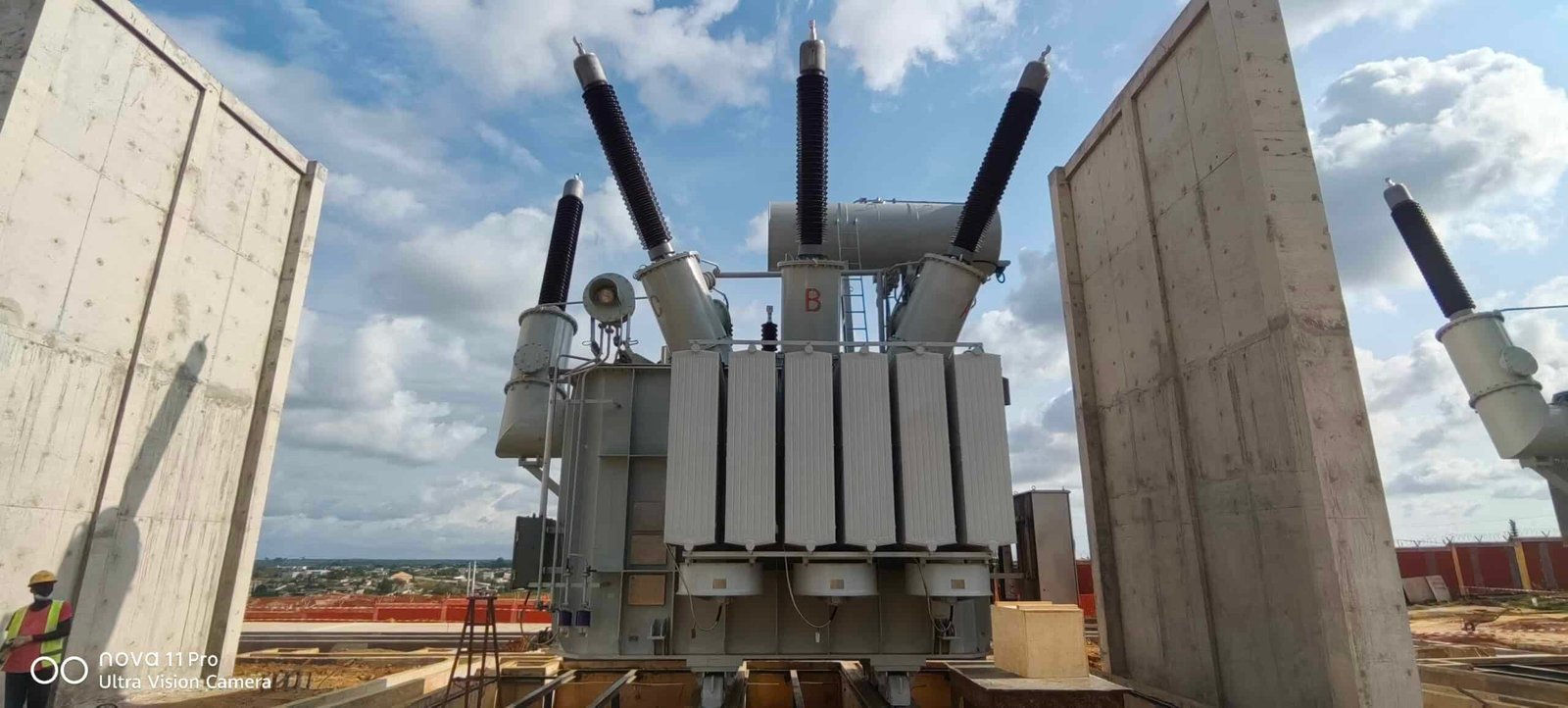
As power systems expand to meet rising electricity demand, they are also under pressure to drastically reduce carbon emissions. Traditional power infrastructure was designed primarily for reliability and cost, with little consideration for carbon impact. A net-zero energy system represents a fundamental shift—requiring power infrastructure not only to deliver electricity reliably, but to do so in a way that balances all associated greenhouse gas emissions with equivalent reductions or offsets.
A net-zero energy system for power infrastructure means that, over a defined period, the total carbon emissions produced across generation, transmission, distribution, operation, and asset lifecycles are reduced to zero or fully offset.
A net-zero energy system requires power infrastructure to balance total lifecycle emissions with equivalent reductions or offsets.True
Net-zero considers emissions from construction, operation, losses, and end-of-life, not just electricity generation.
In practice, this concept reshapes how grids are planned, built, operated, and modernized.
Net-Zero Beyond Power Generation
Net-zero is often misunderstood as being only about renewable generation.
For power infrastructure, it includes:
- Generation emissions (renewables, nuclear, low-carbon thermal)
- Transmission and distribution losses
- Manufacturing of equipment such as transformers and switchgear
- Construction, transportation, maintenance, and end-of-life processes
A grid supplied by renewables can still fail net-zero targets if infrastructure losses and embodied carbon are ignored.
Role of Transmission and Distribution Networks
Power networks are critical to net-zero success.
Key implications include:
- Minimizing electrical losses through high-efficiency transformers
- Upgrading conductors and substations to reduce resistive losses
- Deploying smart grids for optimized power flow
Every percentage point of loss reduction translates into large system-wide emission savings.
Transformer Efficiency as a Net-Zero Enabler
Transformers operate continuously for decades.
In a net-zero framework:
- No-load and load losses become major emission contributors
- High-efficiency cores and optimized windings are prioritized
- Lifetime energy loss matters more than upfront cost
Efficient transformers directly reduce the amount of electricity that must be generated, lowering upstream emissions.
Integration of Renewable and Distributed Energy
Net-zero infrastructure must accommodate variable energy sources.
This requires:
- Flexible transformers and substations
- Bi-directional power flow capability
- Voltage regulation and synchronization support
Infrastructure must evolve from passive energy transport to active energy management.
Electrification and Load Growth Challenges
Net-zero systems increase electricity demand.
Drivers include:
- Electric vehicles
- Heat pumps
- Industrial electrification
Power infrastructure must expand capacity while simultaneously reducing its own carbon footprint—a dual challenge.
Digitalization and Smart Grid Technologies
Digital infrastructure is essential for net-zero operation.
Key contributions include:
- Real-time monitoring to minimize losses
- Predictive maintenance to extend asset life
- Load optimization and congestion management
Smarter grids operate more efficiently with fewer emissions.
Lifecycle Carbon Accounting
Net-zero infrastructure is evaluated over its full lifecycle.
This includes:
- Raw material extraction
- Manufacturing emissions
- Transportation and installation
- Operational losses
- Recycling or disposal
Design decisions are increasingly based on total carbon impact, not just efficiency at commissioning.
Resilience and Reliability in a Net-Zero Context
Net-zero does not mean compromising reliability.
Power infrastructure must still:
- Withstand extreme weather
- Support critical loads
- Maintain grid stability
Resilient design reduces outage-related emissions from backup generation and emergency response.
Regulatory and Standardization Impacts
Net-zero goals reshape standards and procurement.
Trends include:
- Minimum efficiency requirements
- Carbon disclosure for equipment
- Incentives for low-loss and recyclable designs
Manufacturers and utilities must align infrastructure choices with long-term climate targets.
Economic Implications for Utilities
Net-zero infrastructure changes cost structures.
Although:
- Capital costs may increase
- Design complexity grows
Benefits include:
- Lower lifetime energy costs
- Reduced carbon penalties
- Improved asset valuation and regulatory alignment
Total cost of ownership increasingly favors low-carbon infrastructure.
How Do High-Efficiency Transformers Support Net-Zero Goals?

Power systems worldwide face a critical contradiction: electricity demand is growing rapidly due to electrification, while carbon emissions must fall to near zero within decades. One of the most underestimated pain points in this transition is the silent but continuous energy loss inside transformers. Even when operating correctly, conventional transformers waste electricity 24 hours a day through core and copper losses. Over a 30–40 year service life, these losses translate into massive indirect carbon emissions, higher operating costs, and increased pressure on generation assets. The solution is not theoretical—high-efficiency transformers directly attack this hidden emission source and convert grid efficiency into measurable carbon reduction.
High-efficiency transformers support net-zero goals by reducing continuous electrical losses, lowering upstream generation demand, cutting lifetime carbon emissions, and enabling more efficient integration of renewable and digital power systems.
Net-zero targets cannot be achieved through renewable generation alone. They require a structural reduction of losses across the entire power infrastructure, and transformers sit at the center of that effort.
Transformer losses are a significant source of indirect carbon emissions in power systems.True
Transformers operate continuously, and their losses must be compensated by additional electricity generation, often from carbon-emitting sources.
High-efficiency transformers reduce lifecycle carbon emissions even when supplied by renewable energy.True
Lower losses reduce total generation demand, material use, and system stress over the transformer’s full service life.
Why Transformers Are Carbon-Critical Assets
Transformers differ from most electrical equipment in one crucial way: they are almost never switched off. Even at zero load, core losses continue as long as the transformer is energized. In national grids with millions of distribution and power transformers, these losses accumulate into terawatt-hours of wasted energy annually.
From a net-zero perspective, this means:
- Every watt of transformer loss requires additional electricity generation
- Additional generation increases carbon emissions unless the grid is 100% carbon-free
- Even in renewable-dominated grids, losses increase infrastructure size, storage needs, and material emissions
High-efficiency transformers directly reduce this structural inefficiency.
Loss Reduction as Direct Carbon Reduction
Transformer losses fall into two main categories:
- No-load (core) losses, which occur continuously
- Load (copper) losses, which increase with current
High-efficiency designs target both.
By using:
- Amorphous metal or advanced grain-oriented steel cores
- Optimized winding geometry
- Lower-resistance conductors
losses can be reduced by 20–70% compared with conventional designs.
Example: Lifetime Carbon Impact
| Transformer Type | No-Load Loss Reduction | Lifetime Energy Saved (30 years) | Approx. CO₂ Avoided* |
|---|---|---|---|
| Standard core | Baseline | 0 MWh | 0 t |
| High-efficiency GO steel | 20–30% | 1,500–3,000 MWh | 600–1,200 t |
| Amorphous core | 60–70% | 4,000–6,000 MWh | 1,600–2,400 t |
*Carbon avoided depends on grid emission factor; values shown are illustrative.
This demonstrates why transformers are increasingly evaluated as carbon assets rather than purely electrical equipment.
Supporting Renewable Energy Integration
Net-zero power systems rely heavily on renewables, which introduce variability and bidirectional power flow.
High-efficiency transformers support this by:
- Operating efficiently at partial and fluctuating load
- Reducing losses during periods of low utilization
- Improving voltage regulation and power quality
Lower losses mean that more renewable energy reaches end users instead of being dissipated as heat.
Reducing System-Wide Overcapacity
Losses force utilities to oversize generation, transmission, and storage.
High-efficiency transformers:
- Reduce peak and base-load generation requirements
- Lower cooling and thermal stress across the grid
- Decrease the need for redundant infrastructure
This indirectly cuts emissions embedded in steel, copper, concrete, and construction activities.
Enabling Electrification Without Emission Growth
Electrification of transport, heating, and industry is central to net-zero strategies.
However:
- Electrification increases transformer loading
- Higher losses would otherwise offset decarbonization gains
High-efficiency transformers ensure that electrification results in net emission reduction rather than hidden energy waste.
Digitalization, Monitoring, and Smart Grids
Modern high-efficiency transformers are often paired with digital monitoring.
Benefits include:
- Real-time loss and temperature tracking
- Predictive maintenance that extends service life
- Optimized loading to maintain peak efficiency
Longer service life further reduces embodied carbon from manufacturing and replacement.
Lifecycle Carbon Advantage
Net-zero frameworks increasingly assess lifecycle emissions, not just operational efficiency.
High-efficiency transformers reduce:
- Operational emissions (through lower losses)
- Cooling system energy use
- Replacement frequency due to lower thermal aging
Lifecycle Comparison
| Factor | Conventional Transformer | High-Efficiency Transformer |
|---|---|---|
| Operational losses | High | Low |
| Cooling demand | Higher | Lower |
| Insulation aging | Faster | Slower |
| Service life | 25–30 years | 35–40+ years |
| Lifecycle carbon | High | Significantly reduced |
Economic Alignment With Net-Zero Policy
Although high-efficiency transformers cost more initially, they align strongly with net-zero economics:
- Energy savings exceed capital premium
- Carbon pricing amplifies financial benefits
- Regulatory compliance becomes easier
In many regions, lifecycle cost analysis already favors high-efficiency designs.
Grid Resilience and Climate Adaptation
Net-zero grids must also be resilient.
Lower-loss transformers:
- Run cooler under heatwaves
- Maintain performance under stress
- Reduce failure risk during extreme events
Resilience reduces outage-related emissions from backup generators and emergency response.
What Materials and Designs Reduce Transformer Carbon Footprint?

Modern power systems are under intense pressure to decarbonize, yet transformers—operating continuously for 30–40 years—are often designed with a narrow focus on electrical performance rather than environmental impact. The pain point is clear: traditional materials and legacy designs embed large amounts of carbon during manufacturing and then continue to generate indirect emissions through losses, cooling demand, and premature aging. The consequence is a transformer fleet that quietly undermines net-zero ambitions. The solution lies in deliberate material selection and low-loss, lifecycle-optimized transformer design that reduces both embodied carbon and operational emissions.
Transformer carbon footprint is reduced by combining low-loss core materials, optimized conductor design, environmentally friendly insulation fluids, recycled metals, and lifecycle-oriented mechanical and thermal designs.
This topic matters because transformers are among the few grid assets where design decisions made once can lock in carbon outcomes for decades.
Transformer carbon footprint is dominated by both embodied emissions from materials and indirect emissions from lifetime energy losses.True
Manufacturing materials such as steel and copper create embodied carbon, while continuous losses require additional electricity generation over decades.
Material and design optimization can reduce a transformer’s total lifecycle carbon footprint by more than 30–50%.True
Loss reduction, longer service life, and recyclable materials significantly lower total emissions across the transformer lifecycle.
Understanding Transformer Carbon Footprint Holistically
To reduce transformer carbon footprint effectively, engineers must look beyond efficiency alone.
The total footprint includes:
- Raw material extraction and processing
- Manufacturing and transportation
- Operational losses over decades
- Cooling and maintenance energy
- End-of-life recycling or disposal
Designs that focus only on initial efficiency but ignore materials, lifespan, and recyclability miss major carbon reduction opportunities.
Core Materials That Reduce Carbon Emissions
The transformer core is the single largest driver of continuous energy loss.
Grain-Oriented Electrical Steel (GOES)
Advanced GOES reduces hysteresis and eddy current losses.
Benefits:
- 20–30% lower no-load losses than conventional steel
- Reduced upstream generation emissions
- Mature recycling infrastructure
GOES remains the industry baseline for low-carbon power transformers.
Amorphous Metal Cores
Amorphous alloys dramatically cut core losses.
Advantages:
- 60–70% reduction in no-load losses
- Outstanding performance at light load
- Significant lifetime CO₂ reduction
Trade-offs include higher initial material cost and larger core volume, but lifecycle carbon savings are substantial.
| Core Material | No-Load Loss Level | Embodied Carbon Impact | Lifecycle Carbon Reduction |
|---|---|---|---|
| Conventional steel | High | Moderate | Baseline |
| Advanced GO steel | Medium | Moderate | 15–25% |
| Amorphous metal | Very low | Higher | 30–50%+ |
Conductor Materials and Winding Design
Copper and aluminum windings account for both embodied carbon and load losses.
Optimized Copper Usage
Reducing resistance lowers losses.
Key design strategies:
- Larger conductor cross-section
- Shorter mean turn length
- Transposed conductors to reduce eddy losses
Although more copper increases embodied carbon slightly, lifetime emission savings are far greater.
Aluminum Windings
Aluminum has lower embodied carbon per kilogram.
Considerations:
- Larger size required than copper
- Proper design maintains efficiency
- Often favorable in distribution transformers
Material choice must balance loss reduction and embodied emissions.
Insulation Fluids With Lower Environmental Impact
Transformer oil choice has major environmental implications.
Mineral Oil (Conventional)
- Fossil-based
- Fire and spill risks
- Limited biodegradability
Natural Ester Fluids
- Derived from renewable sources
- Biodegradable and non-toxic
- Higher fire point improves safety
Ester fluids also allow higher operating temperatures, enabling smaller, lighter designs with lower material use.
| Insulation Fluid | Source | Biodegradability | Carbon Advantage |
|---|---|---|---|
| Mineral oil | Fossil | Low | Baseline |
| Synthetic ester | Chemical | Medium | Moderate |
| Natural ester | Renewable | High | Significant |
Structural and Mechanical Design Optimization
Carbon footprint is also influenced by how much material is used.
Low-carbon design approaches include:
- Compact core-and-coil assemblies
- Finite-element optimization to eliminate excess steel
- Modular tank designs that reduce fabrication waste
Less steel and smaller tanks mean lower embodied emissions.
Cooling System Design and Carbon Impact
Cooling systems consume energy indirectly.
Efficient cooling design:
- Reduces auxiliary power consumption
- Maintains lower operating temperature
- Extends insulation life
Lower temperatures slow aging, reducing replacement frequency and associated manufacturing emissions.
Design for Long Service Life
Extending transformer lifespan is a powerful carbon strategy.
Design features that support longevity:
- Lower operating temperature margins
- Robust insulation systems
- Corrosion-resistant coatings
Every additional year of service spreads embodied carbon over more delivered energy.
Digital Monitoring and Smart Design
Modern low-carbon transformers integrate monitoring.
Benefits include:
- Optimized loading to minimize losses
- Early fault detection
- Reduced unplanned replacement
Avoiding premature failure is one of the most effective carbon reduction measures.
Recyclability and End-of-Life Design
Transformers are highly recyclable if designed correctly.
Key considerations:
- Use of recyclable steel and copper
- Minimization of composite materials
- Clear material separation
Steel and copper recovery significantly offset embodied carbon at end of life.
Manufacturing and Supply Chain Choices
Carbon footprint is also shaped by how transformers are built.
Low-carbon manufacturing includes:
- Energy-efficient production lines
- Renewable electricity in factories
- Local sourcing to reduce transport emissions
Supplier selection increasingly matters as much as design.
Comparative Lifecycle Carbon Impact
| Design Approach | Initial Carbon | Operational Carbon | Total Lifecycle Impact |
|---|---|---|---|
| Conventional transformer | Low | High | High |
| High-efficiency materials | Medium | Low | Medium |
| Optimized low-carbon design | Medium | Very low | Lowest |
Strategic Role in Net-Zero Power Systems
Low-carbon transformers:
- Reduce continuous losses
- Enable renewable integration
- Support electrification without emission growth
They turn efficiency into permanent carbon reduction.
How Do Transformers Enable Renewable Energy Integration?
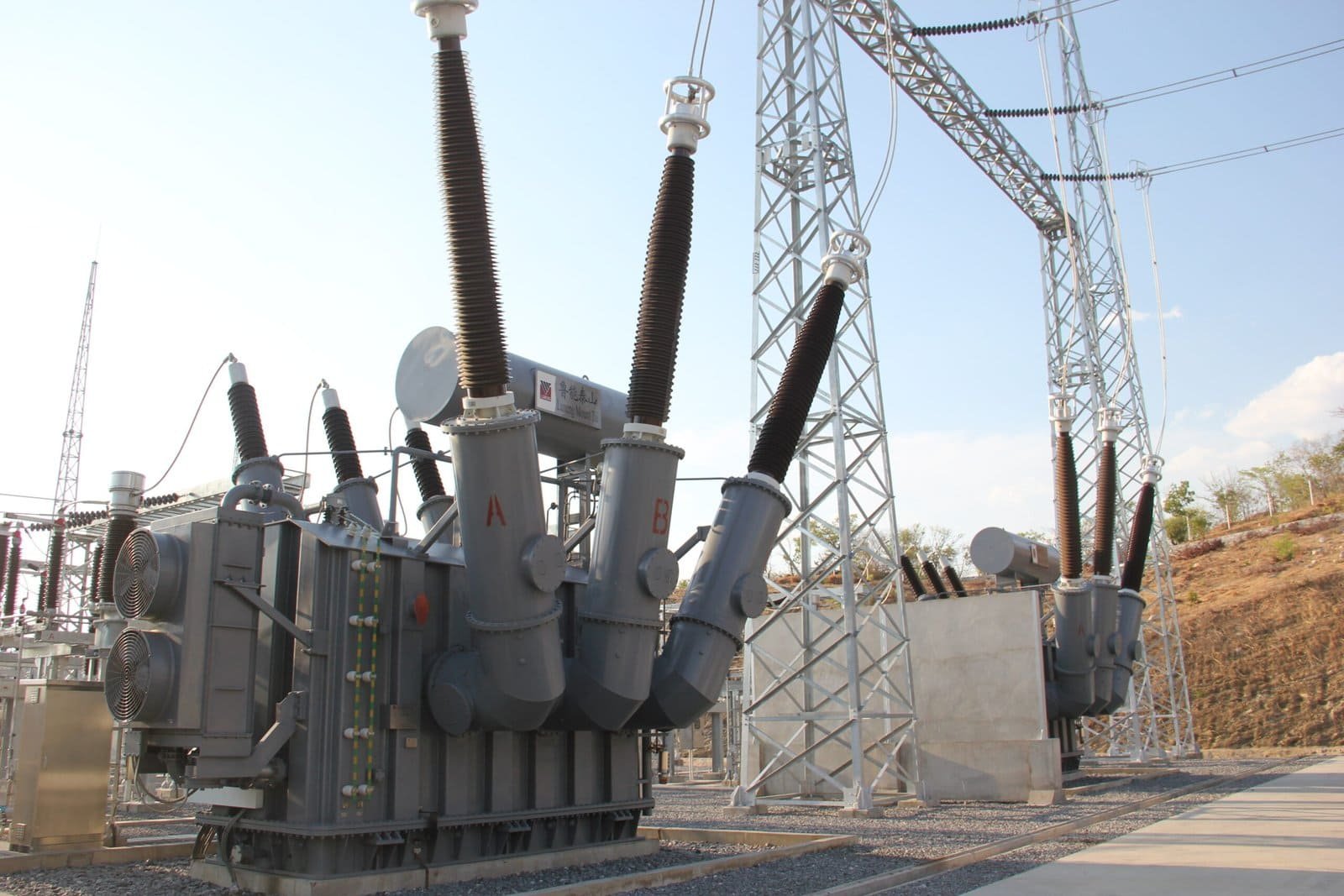
Renewable energy is essential for decarbonization, but it introduces fundamental technical challenges that traditional power systems were never designed to handle. Wind and solar generation are variable, decentralized, and often located far from load centers. Without the right infrastructure, renewable energy cannot be transmitted efficiently, regulated reliably, or integrated safely into existing grids. The result is curtailment, instability, and wasted clean energy. Transformers provide the critical solution by adapting voltage levels, enabling grid compatibility, stabilizing power quality, and forming the backbone that connects renewable generation to consumers.
Transformers enable renewable energy integration by matching voltage levels, ensuring electrical isolation, supporting grid stability, managing bidirectional power flow, and minimizing losses across transmission and distribution networks.
Transformers are not passive components in the energy transition; they are active enablers that determine how much renewable energy can be safely and efficiently absorbed by the power system.
Transformers are essential for integrating renewable energy into power grids by adapting voltage levels and maintaining system stability.True
Renewable generation operates at voltages and characteristics incompatible with transmission and distribution networks without transformers.
High-efficiency transformers directly increase the usable share of renewable energy by reducing transmission and distribution losses.True
Lower losses ensure more renewable electricity reaches end users instead of being dissipated as heat.
Voltage Transformation From Renewable Sources to the Grid
Most renewable generators do not produce electricity at grid-compatible voltages.
Typical examples include:
- Wind turbine generators producing power at medium voltage
- Solar PV inverters operating at low or medium voltage
- Energy storage systems with DC-to-AC conversion
Transformers step this power up to transmission or distribution voltages, allowing renewable energy to be transported efficiently over long distances. Without this voltage transformation, renewable plants would suffer from extreme losses and limited reach.
Enabling Long-Distance Transmission of Renewable Power
Renewable resources are often geographically remote.
Examples include:
- Offshore wind farms
- Desert solar installations
- Remote hydroelectric plants
Step-up transformers increase voltage to reduce current, dramatically lowering I²R losses. This enables renewable energy to be transmitted hundreds of kilometers with acceptable efficiency, making large-scale renewable deployment feasible.
| Voltage Level | Typical Application | Role of Transformer |
|---|---|---|
| 400–800 V | Solar inverters | Step-up to MV |
| 10–35 kV | Wind farm collection | Step-up to HV |
| 110–765 kV | Transmission grid | Efficient bulk transfer |
Grid Compatibility and Electrical Isolation
Renewable generators use power electronics that introduce harmonics and fast transients.
Transformers provide:
- Electrical isolation between generators and the grid
- Harmonic attenuation through impedance and winding configuration
- Protection against fault propagation
Isolation improves safety and limits disturbances from renewable plants affecting the wider grid.
Supporting Variable and Intermittent Generation
Renewable output fluctuates with weather and time of day.
Transformers support this variability by:
- Operating efficiently across wide load ranges
- Handling frequent load changes without mechanical wear
- Maintaining stable voltage under dynamic conditions
Modern transformer designs are optimized for partial-load efficiency, which is essential for wind and solar applications.
Enabling Distributed Energy Resources (DERs)
Renewable integration is increasingly decentralized.
Transformers make this possible by:
- Connecting rooftop solar to low-voltage networks
- Managing voltage rise caused by reverse power flow
- Allowing safe interconnection of microgrids
Distribution transformers are now critical nodes for renewable integration at the local level.
Bidirectional Power Flow Capability
Traditional grids were designed for one-way power flow.
With renewables:
- Power can flow from consumers back to the grid
- Voltage regulation becomes more complex
Transformers designed for bidirectional power flow support:
- Net metering
- Community solar
- Vehicle-to-grid (V2G) systems
This flexibility is essential for modern renewable-rich grids.
Voltage Regulation and Grid Stability
Voltage instability is a major challenge with renewables.
Transformers contribute to stability through:
- On-load tap changers (OLTCs)
- Reactive power support
- Coordinated control with inverters
These features maintain voltage within acceptable limits even during rapid generation changes.
Integration of Energy Storage Systems
Energy storage is tightly coupled with renewable integration.
Transformers:
- Connect batteries to medium- and high-voltage networks
- Enable charging and discharging at grid scale
- Support peak shaving and frequency regulation
Storage-equipped transformers smooth renewable output and improve grid reliability.
Loss Reduction and Renewable Energy Utilization
Every transformer loss reduces usable renewable energy.
High-efficiency transformers:
- Reduce no-load and load losses
- Increase delivered clean energy
- Lower the need for backup fossil generation
Over decades, loss reduction translates into massive carbon savings.
| Transformer Type | Loss Level | Impact on Renewable Utilization |
|---|---|---|
| Conventional | High | Increased curtailment |
| High-efficiency | Low | Higher clean energy delivery |
| Amorphous core | Very low | Maximum renewable utilization |
Supporting Microgrids and Islanded Operation
Renewables often power microgrids.
Transformers enable:
- Seamless transition between grid-connected and islanded modes
- Voltage and frequency support
- Safe reconnection to the main grid
This is critical for resilience in renewable-powered communities.
Enhancing Grid Resilience for Climate Extremes
Renewable-heavy grids must withstand extreme weather.
Transformers designed for renewable integration:
- Operate efficiently at higher ambient temperatures
- Support rapid load shifts
- Reduce failure risk during storms and heatwaves
Resilience directly supports continuous renewable availability.
Digital Transformers and Smart Grid Integration
Modern renewable grids rely on data.
Digital transformer features include:
- Real-time load and temperature monitoring
- Loss optimization
- Predictive maintenance
These capabilities maximize renewable integration while minimizing downtime and losses.
Lifecycle Carbon Benefits
Transformers affect renewable impact over decades.
Efficient, long-life designs:
- Reduce operational emissions
- Minimize replacement frequency
- Lower embodied carbon per delivered MWh
Lifecycle performance is increasingly central to renewable infrastructure planning.
Comparative Impact on Renewable Systems
| Grid Component | Without Optimized Transformers | With Optimized Transformers |
|---|---|---|
| Renewable curtailment | Higher | Lower |
| Voltage stability | Poor | Stable |
| Losses | High | Low |
| Grid flexibility | Limited | High |
| Carbon performance | Suboptimal | Optimized |
Strategic Importance in Net-Zero Power Systems
Renewable energy cannot scale without transformers.
They:
- Form the physical link between generation and load
- Determine how much clean energy reaches consumers
- Enable electrification without destabilizing the grid
Transformers are therefore strategic assets in decarbonization.
What Role Do Digital and Smart Transformers Play in Net-Zero Systems?
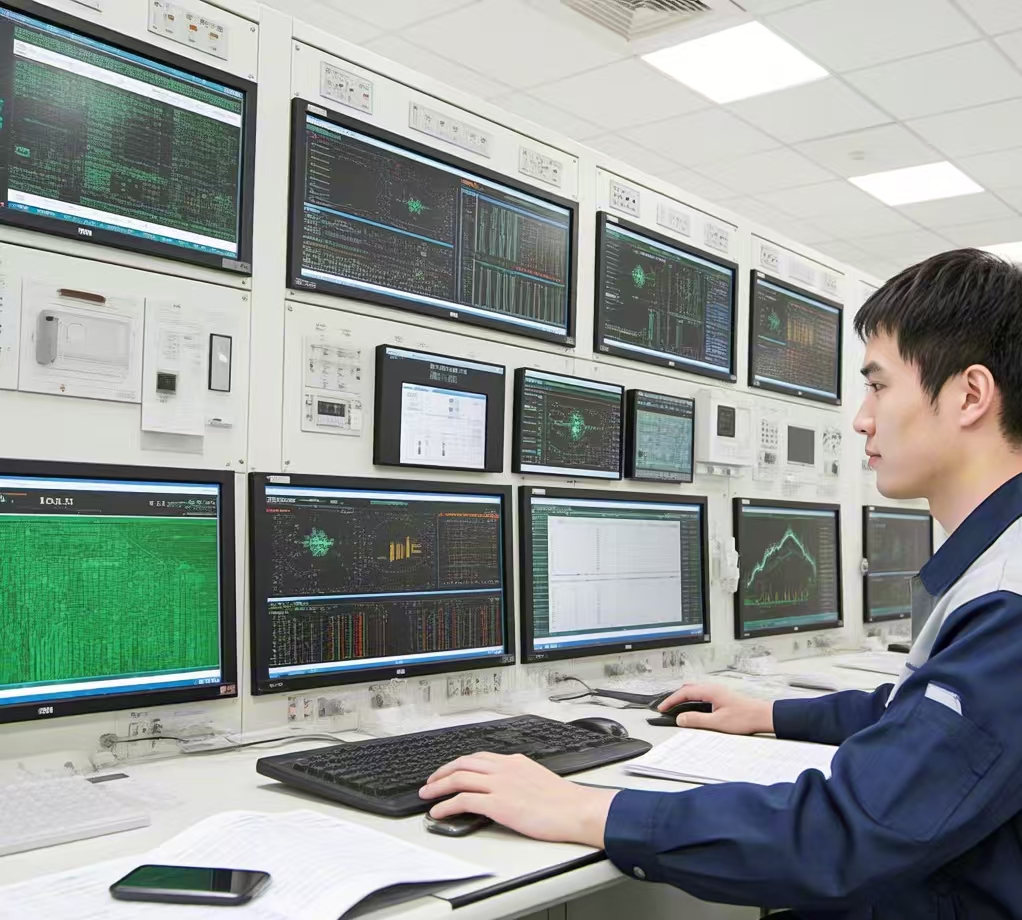
Power systems pursuing net-zero targets face a growing contradiction: electricity demand is rising due to electrification, while grids must simultaneously cut losses, reduce carbon emissions, and integrate large volumes of variable renewable energy. Traditional transformers, although reliable, operate largely “blind,” with limited real-time insight into losses, loading, and health. The consequence is hidden inefficiency, conservative operation, premature replacement, and avoidable emissions across the asset lifecycle. Digital and smart transformers resolve this problem by turning transformers from passive components into intelligent, data-driven assets that actively support decarbonization, efficiency, and resilience.
Digital and smart transformers play a critical role in net-zero systems by enabling real-time efficiency optimization, loss reduction, predictive maintenance, renewable integration, and lifecycle carbon minimization across power infrastructure.
To understand their importance, it is essential to see digital transformers not as optional upgrades, but as structural enablers of net-zero power systems.
Digital transformers enable measurable carbon reduction by optimizing losses and extending asset life.True
Real-time monitoring and control reduce unnecessary losses, prevent overheating, and delay carbon-intensive replacement.
Smart transformer technologies are essential for managing renewable variability and bidirectional power flow in net-zero grids.True
Digital control and sensing allow transformers to adapt dynamically to fluctuating generation and load conditions.
From Passive Equipment to Active Net-Zero Assets
Conventional transformers are designed to operate within conservative margins because operators lack continuous visibility into internal conditions. This results in:
- Overdesigned capacity
- Suboptimal loading
- Hidden thermal stress
- Excess energy losses
Digital and smart transformers fundamentally change this paradigm by embedding sensors, communication systems, and analytics directly into the transformer.
They continuously measure:
- Load current and voltage
- Winding and oil temperatures
- Loss behavior under real conditions
- Insulation health indicators
This data-driven approach allows transformers to actively support net-zero goals instead of silently eroding them.
Loss Visibility and Continuous Efficiency Optimization
Transformer losses are one of the largest sources of indirect carbon emissions in power systems.
Smart transformers:
- Quantify no-load and load losses in real time
- Identify inefficient operating points
- Enable optimized loading strategies
Instead of operating blindly, utilities can:
- Shift load to minimize losses
- Balance parallel transformers optimally
- Reduce peak losses that drive extra generation
This transforms efficiency from a design assumption into a continuously managed performance metric.
| Transformer Type | Loss Awareness | Loss Optimization Capability |
|---|---|---|
| Conventional | None | None |
| Monitored | Partial | Limited |
| Digital / Smart | Full real-time | Continuous, automated |
Enabling Predictive Maintenance and Life Extension
Asset replacement carries a heavy carbon cost due to steel, copper, oil, transport, and manufacturing emissions.
Digital transformers reduce this impact by:
- Detecting early signs of insulation aging
- Monitoring moisture and partial discharge
- Predicting failures before they occur
This allows maintenance to be:
- Condition-based rather than time-based
- Precisely targeted
- Less intrusive and less frequent
Extending transformer life by even 5–10 years significantly lowers lifecycle carbon footprint by spreading embodied emissions over more delivered energy.
Supporting High Renewable Penetration
Net-zero systems rely on renewables, which introduce variability and complexity.
Smart transformers enable renewable integration by:
- Handling frequent load and power flow changes
- Supporting bidirectional power flow
- Coordinating with inverters and energy storage
Digital control allows transformers to adapt dynamically as renewable output fluctuates, maintaining voltage stability and minimizing curtailment of clean energy.
Managing Bidirectional Power Flow and DERs
Distributed energy resources (DERs) such as rooftop solar, batteries, and EVs challenge traditional grid design.
Smart transformers:
- Monitor reverse power flow
- Control voltage rise at distribution level
- Enable safe interconnection of prosumers
Without digital intelligence, renewable-rich distribution networks risk instability and energy waste.
Reducing Overcapacity and Infrastructure Carbon
Traditional planning often oversizes transformers to avoid unknown risks.
With digital insight:
- Actual loading patterns are understood
- Capacity can be used more efficiently
- Unnecessary overbuilding is avoided
This reduces:
- Steel and copper usage
- Construction emissions
- Capital locked into underutilized assets
Net-zero systems benefit from infrastructure that is optimized, not oversized.
Integration With Smart Grids and Automation
Digital transformers are native components of smart grids.
They integrate seamlessly with:
- SCADA systems
- Energy management platforms
- Grid automation and AI-based control
This enables system-wide optimization where transformers actively participate in:
- Load shifting
- Peak shaving
- Loss minimization
Such coordination is essential for net-zero grids operating near efficiency limits.
Enhancing Resilience and Climate Adaptation
Climate change increases thermal and operational stress on grids.
Smart transformers improve resilience by:
- Monitoring temperature rise during heatwaves
- Preventing overload-related failures
- Enabling adaptive derating instead of emergency shutdown
Resilient operation avoids outages that often require carbon-intensive backup generation.
Lifecycle Carbon Accounting and Reporting
Net-zero commitments increasingly require transparent carbon reporting.
Digital transformers support this by:
- Providing accurate loss and energy data
- Enabling lifecycle carbon calculations
- Supporting regulatory and ESG reporting
This data-driven accountability is becoming a requirement rather than an option.
| Lifecycle Stage | Conventional Transformer | Digital / Smart Transformer |
|---|---|---|
| Operational loss tracking | Estimated | Measured |
| Maintenance strategy | Preventive | Predictive |
| Service life | Fixed assumption | Optimized |
| Carbon reporting | Approximate | Data-driven |
Economic Alignment With Net-Zero Policy
Net-zero is as much an economic transition as a technical one.
Smart transformers:
- Reduce energy losses permanently
- Lower maintenance and outage costs
- Delay capital-intensive replacement
As carbon pricing, efficiency standards, and ESG metrics tighten, digital transformers align technical performance with financial incentives.
Accelerating Electrification Without Emission Penalty
Electrification of transport, heating, and industry increases transformer loading.
Smart transformers ensure that:
- Higher utilization does not mean higher losses
- Thermal limits are respected dynamically
- Electrification delivers real emission reduction
Without digital intelligence, electrification risks shifting emissions rather than eliminating them.
Enabling Circular Economy and Sustainability
Digital transformers support circular economy principles by:
- Maximizing useful life
- Reducing material waste
- Improving end-of-life planning
Sustainability shifts from design intent to operational reality.
Strategic Importance in Net-Zero Power Infrastructure
In net-zero systems, inefficiency is no longer acceptable.
Digital and smart transformers:
- Convert data into carbon reduction
- Turn efficiency into a controllable variable
- Align daily operation with long-term climate goals
They are no longer optional enhancements—they are foundational infrastructure.
How Can Lifecycle Design and Recycling Support Net-Zero Targets?
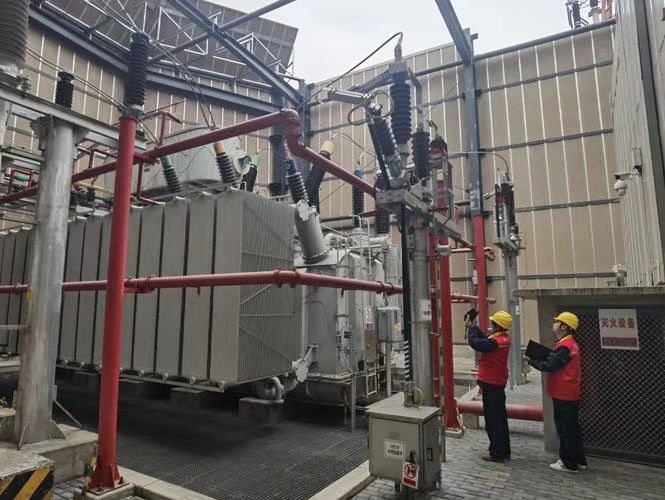
As net-zero commitments move from policy statements to enforceable targets, a critical pain point has become impossible to ignore: focusing only on operational emissions is not enough. Power infrastructure assets such as transformers, switchgear, and substations carry a large hidden carbon burden from raw material extraction, manufacturing, transportation, maintenance, and end-of-life disposal. The consequence of ignoring this lifecycle impact is a grid that appears low-carbon in operation but remains carbon-intensive when viewed holistically. Lifecycle design combined with effective recycling provides the solution by transforming power infrastructure into long-term, circular, and carbon-efficient assets.
Lifecycle design and recycling support net-zero targets by minimizing embodied carbon, reducing operational emissions, extending asset lifespan, and recovering valuable materials to offset future manufacturing emissions.
In net-zero power systems, the question is no longer “How efficient is this transformer today?” but “How much carbon does it create and avoid over its entire life?”
Lifecycle emissions from power infrastructure assets can equal or exceed their annual operational emissions when viewed over decades.True
Materials, manufacturing, losses, maintenance, and replacement all contribute significantly to total carbon footprint.
Effective recycling of transformer materials significantly offsets embodied carbon and supports circular economy goals.True
Recovered steel, copper, and aluminum reduce the need for carbon-intensive primary material production.
Understanding Lifecycle Design in a Net-Zero Context
Lifecycle design means optimizing every stage of an asset’s existence, not just its initial performance.
For transformers and power equipment, this includes:
- Raw material selection
- Manufacturing and assembly
- Transportation and installation
- Decades of operation and maintenance
- Decommissioning, recycling, and reuse
Each stage presents opportunities to reduce carbon emissions permanently.
Embodied Carbon: The Hidden Emissions Challenge
Embodied carbon refers to emissions generated before an asset is ever energized.
Major contributors include:
- Steel production for cores and tanks
- Copper and aluminum refining for windings
- Insulation fluids and polymers
- Fabrication, welding, and painting
- Long-distance transportation
Lifecycle-oriented design aims to minimize this upfront carbon burden while maximizing the useful energy delivered over time.
Designing for Long Service Life
Extending asset lifespan is one of the most powerful carbon reduction strategies.
Lifecycle design achieves this through:
- Lower operating temperatures
- Robust insulation systems
- Corrosion-resistant coatings
- Conservative mechanical stress margins
A transformer designed to last 40 years instead of 25 spreads its embodied carbon over significantly more delivered electricity.
| Design Life | Embodied Carbon per Delivered MWh |
|---|---|
| 25 years | High |
| 30 years | Medium |
| 40+ years | Low |
Reducing Operational Carbon Through Lifecycle Thinking
Operational losses dominate lifetime emissions for continuously energized equipment.
Lifecycle-optimized transformers:
- Use low-loss core materials
- Optimize winding geometry
- Maintain efficiency across partial loads
Lower losses reduce:
- Generation requirements
- Fuel consumption
- Associated carbon emissions
These savings accumulate every hour of operation for decades.
Maintenance Strategy as a Carbon Lever
Maintenance has a direct carbon impact.
Lifecycle design enables:
- Condition-based maintenance
- Predictive diagnostics
- Reduced oil replacement and transport
Avoiding unnecessary maintenance reduces emissions from service vehicles, oil processing, spare parts, and outages.
Design for Disassembly and Recycling
End-of-life design is often overlooked.
Recycling-friendly transformers:
- Use easily separable materials
- Avoid excessive composite structures
- Clearly identify material types
This simplifies dismantling and increases material recovery rates.
Recycling Potential of Transformer Materials
Transformers are among the most recyclable grid assets.
Typical recovery rates:
- Steel: 95–98%
- Copper: 95%+
- Aluminum: 90–95%
Recovered metals require far less energy than primary production, dramatically reducing future carbon emissions.
| Material | Energy Saved by Recycling | Carbon Reduction Impact |
|---|---|---|
| Steel | ~60–70% | High |
| Copper | ~85% | Very high |
| Aluminum | ~90–95% | Extremely high |
Insulation Fluids and Environmental Recovery
Traditional mineral oils pose challenges at end of life.
Lifecycle-focused alternatives include:
- Natural ester fluids (biodegradable)
- Reclaimable synthetic esters
These reduce:
- Soil and water contamination risk
- Cleanup emissions
- Long-term environmental liability
Cleaner end-of-life handling supports net-zero and broader ESG goals.
Circular Economy Benefits
Recycling closes the material loop.
Benefits include:
- Reduced demand for virgin raw materials
- Lower mining and refining emissions
- Increased supply chain resilience
Lifecycle design turns transformers into material banks rather than waste liabilities.
Transportation and Localization Strategies
Lifecycle emissions also depend on logistics.
Design strategies include:
- Modular construction
- Local manufacturing and assembly
- Reduced shipping distances
Shorter transport routes directly reduce carbon emissions.
Digital Tracking Across the Lifecycle
Digitalization enhances lifecycle carbon control.
Digital lifecycle management enables:
- Tracking of losses and efficiency over time
- Accurate carbon accounting
- Optimized retirement and replacement decisions
Data-driven decisions prevent premature scrapping and unnecessary new manufacturing.
Regulatory and Policy Alignment
Net-zero regulations increasingly demand lifecycle accountability.
Lifecycle design and recycling help organizations:
- Meet carbon disclosure requirements
- Comply with extended producer responsibility rules
- Qualify for green financing and incentives
Lifecycle transparency is rapidly becoming mandatory.
Economic Advantages of Lifecycle and Recycling Design
Net-zero alignment is not only environmental—it is financial.
Lifecycle and recycling benefits include:
- Lower total cost of ownership
- Reduced carbon taxes and penalties
- Higher residual asset value
Recyclable materials retain economic value at end of life.
Comparative Lifecycle Carbon Impact
| Asset Strategy | Upfront Carbon | Operational Carbon | End-of-Life Impact | Total Lifecycle Carbon |
|---|---|---|---|---|
| Conventional design | Low | High | High waste | Very high |
| Efficient design only | Medium | Medium | Moderate | Medium-high |
| Lifecycle + recycling | Medium | Low | Low, recoverable | Lowest |
Strategic Importance for Net-Zero Power Systems
Net-zero power systems require:
- Durable assets
- Minimal waste
- Continuous carbon reduction
Lifecycle design and recycling ensure that infrastructure supports net-zero not just today, but across generations.
Conclusion
Yes, transformers can be designed specifically to support net-zero systems by focusing on high efficiency, low losses, sustainable materials, and smart monitoring technologies. Through optimized core materials, advanced insulation, compatibility with renewable energy sources, and lifecycle-oriented design, modern transformers help reduce emissions across the entire power network. As energy systems continue to evolve, net-zero–ready transformers will be a vital foundation for a cleaner, more sustainable electrical future.
FAQ
Q1: What does “net-zero” mean in the context of transformers?
In the context of transformers, net-zero means minimizing lifecycle carbon emissions so that the total greenhouse gases produced during manufacturing, operation, and disposal are offset by efficiency gains, renewable integration, or carbon reduction measures.
While transformers themselves do not generate energy, they play a critical enabling role in net-zero systems by reducing energy losses and supporting renewable power generation, storage, and distribution.
Q2: Can transformers themselves be truly net-zero?
Transformers cannot be inherently net-zero on their own, but they can be designed to support net-zero energy systems. This is achieved by:
Extremely high operational efficiency
Ultra-low no-load and load losses
Long service life (30–40+ years)
Use of low-carbon materials and manufacturing processes
Over their lifespan, energy saved by high-efficiency transformers can far exceed the emissions generated during production.
Q3: How does transformer efficiency contribute to net-zero goals?
Transformer losses occur continuously, often 24/7. Even small efficiency improvements lead to massive cumulative energy savings over decades.
High-efficiency transformers:
Reduce electricity generation demand
Lower fossil fuel consumption
Decrease indirect CO₂ emissions
Support compliance with energy efficiency regulations
Efficiency is one of the most cost-effective carbon reduction strategies in power systems.
Q4: What transformer technologies support net-zero systems?
Several technologies are key to net-zero transformer design:
Amorphous metal cores for ultra-low core losses
High-conductivity copper windings to reduce load losses
Advanced insulation systems with longer thermal life
Natural ester or biodegradable fluids instead of mineral oil
Dry type transformers for safer, low-emission environments
These technologies directly reduce energy waste and environmental impact.
Q5: How do transformers support renewable energy integration?
Transformers are essential for integrating renewable energy sources such as solar, wind, hydro, and battery storage. They enable:
Voltage matching between generation and grid
Efficient power evacuation from renewable plants
Grid stability under variable and intermittent loads
Connection of distributed energy resources (DERs)
Without high-performance transformers, large-scale renewable deployment would not be feasible.
Q6: Do smart transformers contribute to net-zero systems?
Yes. Smart transformers equipped with sensors and digital monitoring enhance net-zero performance by:
Optimizing loading and efficiency
Predicting maintenance needs
Extending service life
Preventing failures and energy waste
Digitalization improves asset utilization and reduces unnecessary replacements, lowering embodied carbon.
Q7: What role do materials and manufacturing play in net-zero transformer design?
Lifecycle emissions include raw material extraction, manufacturing, transport, operation, and end-of-life disposal. Net-zero-oriented transformer design focuses on:
Low-loss magnetic materials
Recyclable metals (steel, copper, aluminum)
Reduced oil volume or eco-friendly fluids
Energy-efficient manufacturing processes
Sustainable sourcing and recyclability significantly reduce embodied carbon.
Q8: Are there standards that support net-zero transformer development?
Yes. International standards increasingly align with net-zero objectives by enforcing stricter loss limits and environmental requirements, including:
Minimum efficiency performance standards (MEPS)
EU Ecodesign regulations
DOE energy conservation standards
IEC and IEEE efficiency and lifecycle guidelines
These standards accelerate adoption of low-carbon transformer technologies worldwide.
References
IEC 60076 – Power Transformers
https://webstore.iec.ch/publication/602
IEA – Net Zero by 2050: A Roadmap for the Global Energy Sector
https://www.iea.org
U.S. Department of Energy – Transformer Energy Efficiency Standards
https://www.energy.gov
EU Ecodesign Directive for Power Transformers
https://energy.ec.europa.eu
CIGRE – Sustainability and Power Transformer Lifecycle Studies
https://www.cigre.org
Electrical Engineering Portal – Energy Efficient Transformer Design
https://electrical-engineering-portal.com
World Economic Forum – Net-Zero Infrastructure and Power Systems
https://www.weforum.org