
Selecting the correct rating of an oil-immersed transformer is essential for ensuring reliable power distribution, efficient operation, and long service life. Many buyers focus only on voltage levels, but transformer rating involves multiple electrical and thermal parameters that determine whether the equipment can safely handle the required load. Choosing an incorrectly rated transformer may result in overheating, excessive losses, poor voltage regulation, or premature aging. Understanding oil-immersed transformer ratings helps engineers and purchasers select equipment that matches their application requirements and future expansion plans.
The rating of an oil-immersed transformer is typically expressed in kilovolt-amperes (kVA) or megavolt-amperes (MVA) and defines its maximum power-handling capability under specified operating conditions. Common oil-immersed transformer ratings range from small distribution units of 25 kVA to large power transformers exceeding 1000 MVA. The correct rating depends on factors such as voltage level, load demand, cooling method, frequency, insulation class, and operating environment.
Oil-immersed transformers are available in a wide range of ratings for residential distribution, industrial facilities, renewable energy projects, and utility transmission systems. Understanding how these ratings are defined helps buyers choose transformers that provide the right balance between capacity, efficiency, and cost.
What Is the Rating of an Oil-Immersed Transformer?
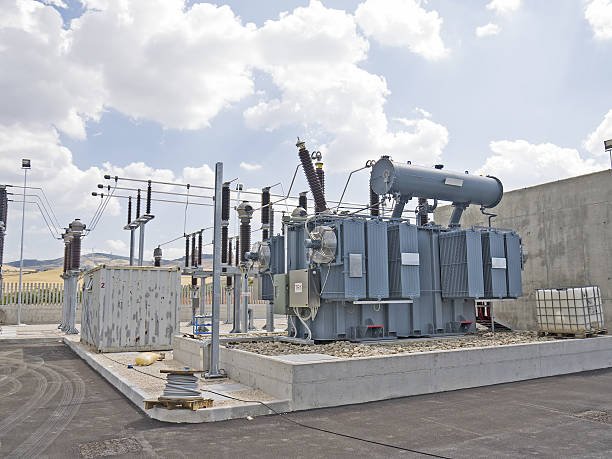
Choosing the correct rating of an oil-immersed transformer is essential for ensuring safe operation, reliable power supply, and long service life. Many buyers focus only on voltage levels or physical size when selecting transformers, but the transformer rating involves several important parameters, including rated capacity, voltage rating, current rating, frequency, insulation level, and thermal performance. Selecting an incorrect rating can lead to overheating, excessive losses, reduced efficiency, premature insulation aging, or even transformer failure. Understanding oil-immersed transformer ratings helps engineers and customers select equipment that matches their actual electrical requirements while maintaining long-term reliability.
The rating of an oil-immersed transformer refers to its designed operating capacity and electrical performance specifications, mainly expressed by rated power in kVA or MVA, rated primary and secondary voltage, rated current, frequency, insulation level, and cooling capability. The transformer rating indicates how much electrical power the transformer can safely transfer under specified operating conditions without exceeding temperature and insulation limits.
The rating of an oil-immersed transformer is primarily determined by its rated capacity, voltage levels, current capability, and thermal design limits.True
Transformer ratings define the maximum electrical and thermal conditions under which the equipment can operate safely.
Oil-immersed transformers are widely used in utility networks, industrial facilities, renewable energy systems, and commercial power distribution because transformer oil provides effective insulation and cooling. The rating system allows manufacturers and users to communicate the transformer’s operating capability clearly. Understanding these ratings is important when purchasing, installing, and maintaining transformer equipment.
What Does Transformer Rating Mean?
A transformer rating describes the maximum electrical load and operating conditions that a transformer can handle continuously.
Unlike some electrical devices rated only by power output, transformers are generally rated by apparent power, measured in:
- kVA (kilovolt-amperes)
- MVA (megavolt-amperes)
The basic relationship is:
| Rating Parameter | Meaning |
|---|---|
| kVA/MVA rating | Maximum apparent power capacity |
| Voltage rating | Designed voltage transformation level |
| Current rating | Maximum allowable current |
| Frequency rating | Operating frequency requirement |
| Temperature rating | Maximum thermal operating condition |
| Insulation rating | Voltage withstand capability |
The rating determines whether a transformer is suitable for a specific application.
What Is the Capacity Rating of an Oil-Immersed Transformer?
The capacity rating is the most commonly referenced transformer rating.
It represents the maximum apparent power the transformer can transfer.
Common oil-immersed transformer ratings include:
| Transformer Type | Typical Rating Range |
|---|---|
| Distribution transformer | 25 kVA–5000 kVA |
| Industrial transformer | 1 MVA–100 MVA |
| Utility power transformer | 10 MVA–1000+ MVA |
For example:
- A 1000 kVA transformer can supply approximately 1000 kVA of apparent power under rated conditions.
- A 50 MVA transformer is designed for much larger transmission or industrial applications.
The required capacity depends on:
- Connected load
- Load growth expectations
- Power factor
- Operating conditions
- Safety margins
Why Are Oil-Immersed Transformers Rated in kVA Instead of kW?
Transformers transfer electrical energy but do not directly consume significant active power.
The transformer handles both:
- Active power (kW)
- Reactive power (kVAR)
Therefore, transformer capacity is expressed as apparent power:
[kVA = \frac{kW}{Power\ Factor}]
For example:
| Load Requirement | Power Factor | Transformer Requirement |
|---|---|---|
| 800 kW | 1.0 | 800 kVA |
| 800 kW | 0.8 | 1000 kVA |
A lower power factor requires a larger transformer rating.
Transformer capacity is expressed in kVA because the transformer rating depends on voltage and current rather than only active power consumption.True
Transformer heating is mainly related to current flow, which includes both active and reactive power components.
What Is the Voltage Rating of an Oil-Immersed Transformer?
Voltage rating defines the voltage levels the transformer is designed to handle.
It usually includes:
| Voltage Rating | Description |
|---|---|
| High-voltage side | Primary input voltage |
| Low-voltage side | Secondary output voltage |
| Rated voltage ratio | Transformation relationship |
Examples:
| Application | Typical Voltage Ratio |
|---|---|
| Distribution transformer | 10 kV / 0.4 kV |
| Industrial transformer | 35 kV / 10 kV |
| Grid transformer | 220 kV / 110 kV |
The voltage rating must match the electrical network.
Incorrect voltage selection can cause:
- Insulation stress
- Poor power quality
- Equipment damage
What Is the Current Rating of an Oil-Immersed Transformer?
The current rating represents the maximum current that transformer windings can safely carry.
It depends on:
- Transformer capacity
- Voltage level
- Cooling design
The relationship is:
| Transformer Side | Current Consideration |
|---|---|
| High-voltage winding | Lower current, higher voltage |
| Low-voltage winding | Higher current, lower voltage |
For example, a transformer rated at the same MVA capacity will have:
- Lower current on the high-voltage side
- Higher current on the low-voltage side
Current rating affects:
- Conductor size
- Winding design
- Temperature rise
- Losses
How Does Cooling Affect Oil-Immersed Transformer Rating?
Oil-immersed transformers use transformer oil for heat transfer and insulation.
Cooling methods influence the allowable rating.
Common cooling classifications include:
| Cooling Type | Description |
|---|---|
| ONAN | Oil Natural Air Natural cooling |
| ONAF | Oil Natural Air Forced cooling |
| OFAF | Oil Forced Air Forced cooling |
| OFWF | Oil Forced Water Forced cooling |
A transformer with enhanced cooling can support higher loading.
For example:
| Cooling Method | Effect |
|---|---|
| Natural cooling | Standard continuous operation |
| Forced cooling | Higher capacity capability |
How Does Temperature Rise Affect Transformer Rating?
Transformer rating depends heavily on thermal limits.
Important thermal parameters include:
| Parameter | Typical Consideration |
|---|---|
| Top oil temperature rise | Oil heating limit |
| Winding temperature rise | Insulation protection |
| Ambient temperature | Installation environment |
Excessive temperature accelerates insulation aging.
Transformer thermal rating limits are important because excessive temperature can accelerate insulation deterioration and reduce transformer service life.True
Higher operating temperatures increase insulation aging rates and affect transformer reliability.
Manufacturers design oil circulation and cooling systems to maintain acceptable temperature levels.
What Is the Insulation Rating of an Oil-Immersed Transformer?
Insulation rating defines the transformer’s ability to withstand electrical stress.
It includes:
| Insulation Parameter | Purpose |
|---|---|
| Rated voltage | Normal operating voltage |
| Lightning impulse withstand | Protection against surges |
| Power frequency withstand | Continuous insulation strength |
Higher-voltage transformers require stronger insulation systems.
How Are Oil-Immersed Transformers Rated for Different Applications?
Transformer ratings vary according to application requirements.
| Application | Typical Rating Considerations |
|---|---|
| Residential distribution | Moderate kVA, low voltage |
| Industrial plants | Higher capacity, continuous loading |
| Renewable energy | Variable loading, grid requirements |
| Utility substations | High MVA, high reliability |
The rating must match both present demand and future expansion.
How Should Buyers Select the Correct Oil-Immersed Transformer Rating?
Buyers should evaluate several factors before selecting transformer capacity.
Important considerations include:
| Selection Factor | Reason |
|---|---|
| Maximum load demand | Prevent overloading |
| Future expansion | Avoid early replacement |
| Power factor | Determine required kVA |
| Ambient temperature | Ensure thermal safety |
| Load profile | Match operating conditions |
| Reliability requirements | Select appropriate design |
A transformer should not be selected only based on current load.
What Happens If an Oil-Immersed Transformer Is Underrated?
An underrated transformer operates beyond its design capability.
Potential problems include:
| Problem | Consequence |
|---|---|
| Overheating | Insulation damage |
| Higher losses | Reduced efficiency |
| Oil degradation | Lower cooling performance |
| Shortened lifespan | Early replacement |
Continuous overloading can significantly reduce transformer reliability.
What Happens If an Oil-Immersed Transformer Is Overrated?
An oversized transformer may operate safely but create unnecessary costs.
Potential disadvantages include:
| Issue | Impact |
|---|---|
| Higher purchase cost | Increased investment |
| Lower utilization | Poor economic efficiency |
| Larger footprint | More installation space |
| Higher no-load losses | Increased operating cost |
Proper sizing balances reliability and economic efficiency.
How Do Manufacturers Determine Transformer Ratings?
Manufacturers determine transformer ratings through detailed engineering calculations.
Key design factors include:
| Design Factor | Purpose |
|---|---|
| Core design | Control magnetic losses |
| Winding design | Handle rated current |
| Cooling design | Manage heat |
| Insulation system | Ensure voltage withstand |
| Testing procedures | Verify performance |
Before delivery, transformers undergo tests such as:
- No-load loss testing
- Load loss testing
- Temperature rise testing
- Insulation testing
- Short-circuit testing
How Are kVA and MVA Ratings Determined for Oil-Immersed Transformers?
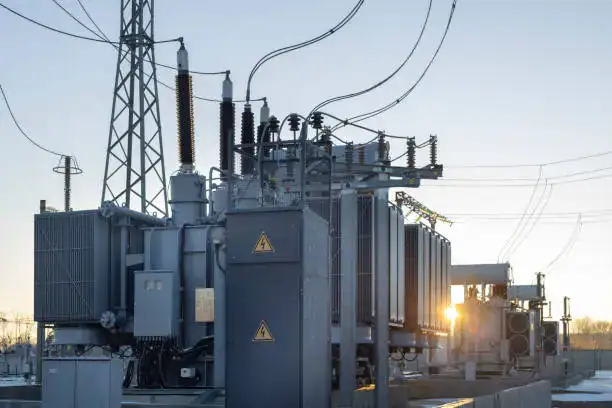
Determining the correct kVA and MVA rating of an oil-immersed transformer is one of the most important steps in transformer design, selection, and procurement. An incorrect rating can lead to overloading, excessive temperature rise, accelerated insulation aging, inefficient operation, or unnecessary capital costs. Many users assume transformer capacity is selected only according to connected load, but the actual rating calculation involves several factors, including voltage level, winding current capability, power factor, load characteristics, cooling performance, ambient conditions, and future expansion requirements. Understanding how kVA and MVA ratings are determined helps engineers and buyers select transformers that provide reliable operation and optimal lifecycle value.
The kVA and MVA ratings of oil-immersed transformers are determined by calculating the required apparent power based on system voltage, load current, power factor, demand characteristics, and safety margins. Manufacturers then verify the rating through thermal, electrical, insulation, and mechanical design calculations to ensure the transformer can continuously transfer the specified power without exceeding temperature and performance limits.
Oil-immersed transformer kVA and MVA ratings are based on apparent power capacity because transformer loading is determined by voltage and current rather than active power alone.True
Transformer heating and winding stress are mainly related to current flow, which is represented by apparent power.
Oil-immersed transformers are widely used in power distribution, industrial facilities, renewable energy systems, and utility substations because they provide efficient insulation and cooling. Their capacity ratings define how much electrical energy they can safely transfer throughout their operating life. A proper rating calculation ensures that the transformer operates efficiently without excessive stress while also avoiding unnecessary oversizing.
What Do kVA and MVA Ratings Mean for Oil-Immersed Transformers?
The kVA and MVA ratings represent the apparent power capacity of a transformer.
The relationship is:
| Unit | Meaning | Typical Application |
|---|---|---|
| kVA | Kilovolt-amperes | Distribution transformers |
| MVA | Megavolt-amperes | Large industrial and utility transformers |
The conversion relationship is:
| Conversion | Value |
|---|---|
| 1 MVA | 1000 kVA |
Examples:
| Transformer Rating | Typical Use |
|---|---|
| 500 kVA | Commercial buildings |
| 2500 kVA | Industrial facilities |
| 20 MVA | Substations |
| 100 MVA | Utility networks |
The rating indicates the maximum apparent power the transformer can handle continuously under specified operating conditions.
Why Are Transformers Rated in kVA or MVA Instead of kW?
Transformers are rated by apparent power because their performance depends on voltage and current.
Electrical power includes:
| Power Type | Meaning |
|---|---|
| Active power (kW) | Useful energy consumed by loads |
| Reactive power (kVAR) | Energy stored and returned by inductive loads |
| Apparent power (kVA) | Combination of active and reactive power |
The relationship is:
[kVA=\frac{kW}{Power\ Factor}]
For example:
| Load | Power Factor | Required Transformer Capacity |
|---|---|---|
| 800 kW | 1.0 | 800 kVA |
| 800 kW | 0.8 | 1000 kVA |
| 800 kW | 0.7 | 1143 kVA |
A lower power factor requires a higher transformer rating because the transformer must handle more current.
How Is the Basic kVA Rating Calculated?
The basic transformer capacity calculation depends on rated voltage and rated current.
For a single-phase transformer:
[S = V \times I]
For a three-phase transformer:
[S = \sqrt{3} \times V \times I]
Where:
| Symbol | Meaning |
|---|---|
| S | Apparent power |
| V | Rated line voltage |
| I | Rated line current |
For three-phase oil-immersed transformers, the capacity is usually calculated using:
| Parameter | Example |
|---|---|
| High-voltage rating | 35 kV |
| Low-voltage rating | 0.4 kV |
| Rated current | Determined by capacity |
| Frequency | Usually 50 Hz or 60 Hz |
Manufacturers use these calculations as the foundation for transformer design.
How Does Load Demand Affect Transformer Rating?
Transformer capacity should match the actual electrical demand rather than simply the connected load.
Important load factors include:
| Factor | Effect on Rating |
|---|---|
| Maximum demand | Determines peak requirement |
| Load diversity | Reduces simultaneous demand |
| Load growth | Requires future margin |
| Operating schedule | Affects thermal stress |
The demand calculation often considers:
[Required\ Capacity = Connected\ Load \times Demand\ Factor]
For example:
| Connected Load | Demand Factor | Required Capacity |
|---|---|---|
| 2000 kVA | 0.7 | 1400 kVA |
| 5000 kVA | 0.8 | 4000 kVA |
Selecting based only on connected equipment may result in unnecessary oversizing.
How Does Power Factor Influence Transformer Capacity?
Power factor has a direct impact on transformer kVA requirements.
The relationship is:
[kVA=\frac{kW}{PF}]
As power factor decreases:
- Current increases
- Winding losses increase
- Transformer capacity requirement increases
| Power Factor | Effect |
|---|---|
| High PF | Smaller transformer required |
| Low PF | Larger transformer required |
Industrial loads such as motors, furnaces, and compressors often require careful power factor consideration.
Poor power factor increases transformer capacity requirements because more current is required to deliver the same amount of active power.True
Higher current increases transformer loading and affects winding and thermal design.
How Do Manufacturers Determine the Thermal Rating?
The transformer rating must consider heat generation and cooling capability.
Major heat sources include:
| Heat Source | Cause |
|---|---|
| Core losses | Magnetization of electrical steel |
| Copper losses | Current flowing through windings |
| Stray losses | Leakage magnetic fields |
Oil-immersed transformers remove heat through transformer oil circulation.
Cooling methods affect allowable capacity:
| Cooling Method | Description |
|---|---|
| ONAN | Natural oil and air cooling |
| ONAF | Oil natural, air forced cooling |
| OFAF | Oil forced, air forced cooling |
| OFWF | Oil forced, water forced cooling |
A transformer with improved cooling can support higher MVA ratings.
How Do Winding Current Limits Affect kVA and MVA Ratings?
Transformer windings must withstand rated current continuously.
The winding rating depends on:
- Conductor size
- Copper or aluminum selection
- Cooling conditions
- Insulation design
- Short-circuit strength
| Winding Parameter | Influence |
|---|---|
| Conductor area | Current carrying capability |
| Resistance | Load losses |
| Mechanical strength | Fault withstand capability |
| Insulation thickness | Voltage capability |
Higher transformer ratings require larger and stronger winding designs.
How Does Voltage Level Affect Transformer MVA Rating?
Voltage and current are closely related in transformer capacity.
For the same MVA rating:
| Voltage Level | Current Characteristic |
|---|---|
| Higher voltage | Lower current |
| Lower voltage | Higher current |
For example:
A 50 MVA transformer:
| Voltage Side | Current Level |
|---|---|
| 110 kV side | Lower current |
| 10 kV side | Higher current |
This affects:
- Winding construction
- Bushings
- Cooling requirements
- Connection design
How Are Safety Margins Added to Transformer Ratings?
Engineers usually include design margins to account for future conditions.
Common considerations include:
| Margin Factor | Purpose |
|---|---|
| Future load growth | Support expansion |
| Temporary overload | Handle peak demand |
| Environmental conditions | Maintain reliability |
| System importance | Improve availability |
However, excessive margins can increase:
- Purchase cost
- No-load losses
- Installation requirements
The goal is to achieve a balanced rating.
How Does Ambient Temperature Affect Transformer Rating?
Transformer capacity depends on environmental conditions.
Important factors include:
| Environmental Factor | Rating Impact |
|---|---|
| High ambient temperature | Reduces cooling capability |
| High altitude | Reduces air cooling efficiency |
| Outdoor installation | Requires weather protection |
| Tropical climate | Requires enhanced cooling |
Manufacturers adjust transformer designs according to installation conditions.
How Are Standard Oil-Immersed Transformer Ratings Selected?
Manufacturers typically produce transformers according to standardized capacity ranges.
Common ratings include:
| Distribution Transformer | Larger Power Transformer |
|---|---|
| 100 kVA | 10 MVA |
| 250 kVA | 20 MVA |
| 630 kVA | 50 MVA |
| 1000 kVA | 100 MVA |
| 2500 kVA | 250 MVA |
Standard ratings simplify manufacturing and maintenance.
How Do Buyers Choose the Correct Transformer MVA Rating?
A proper selection process should include:
| Step | Evaluation |
|---|---|
| 1 | Calculate maximum demand |
| 2 | Determine power factor |
| 3 | Consider future expansion |
| 4 | Evaluate environmental conditions |
| 5 | Select appropriate safety margin |
| 6 | Confirm manufacturer design capability |
The selected rating should satisfy both current and future requirements.
What Happens If the Transformer Rating Is Too Small?
An undersized transformer may experience:
| Problem | Result |
|---|---|
| Excessive loading | Overheating |
| Higher losses | Reduced efficiency |
| Insulation stress | Shorter lifespan |
| Frequent overload | Increased failure risk |
Continuous operation above rated capacity significantly reduces transformer service life.
What Happens If the Transformer Rating Is Too Large?
Oversizing also creates disadvantages.
| Issue | Effect |
|---|---|
| Higher purchase cost | Increased investment |
| Lower utilization | Poor economic efficiency |
| Higher no-load losses | Increased energy consumption |
| Larger footprint | More installation space |
The best transformer rating balances reliability and cost efficiency.
How Are kVA and MVA Ratings Verified Before Delivery?
Manufacturers verify transformer ratings through factory testing.
Important tests include:
| Test | Purpose |
|---|---|
| No-load loss test | Verify core performance |
| Load loss test | Confirm winding losses |
| Temperature rise test | Validate thermal rating |
| Insulation test | Confirm dielectric strength |
| Short-circuit test | Verify mechanical capability |
Testing confirms that the transformer can achieve its rated performance safely.
What Voltage Ratings Are Commonly Available for Oil-Immersed Transformers?

Selecting the correct voltage rating is one of the most important decisions when purchasing an oil-immersed transformer. If the transformer voltage rating does not match the electrical system, it can lead to insulation stress, inefficient power transfer, equipment damage, or unsafe operation. Many buyers focus only on transformer capacity (kVA or MVA), but the voltage class determines whether the transformer can safely connect to a specific power network. Oil-immersed transformers are manufactured with a wide range of voltage ratings to serve residential distribution, industrial facilities, renewable energy projects, and high-voltage utility transmission systems. Understanding common voltage ratings helps customers choose a transformer that meets current system requirements while supporting long-term reliability.
Common voltage ratings for oil-immersed transformers range from low-voltage distribution levels such as 400 V and 690 V to medium-voltage levels including 6 kV, 10 kV, 11 kV, 20 kV, 33 kV, and high-voltage transmission levels such as 66 kV, 110 kV, 132 kV, 220 kV, and above. The correct voltage rating depends on the electrical network, application requirements, insulation level, and power system design.
Oil-immersed transformer voltage ratings are selected according to the voltage level of the electrical system they connect to and the insulation capability required for safe operation.True
Transformer voltage class determines winding design, insulation structure, and connection compatibility with the power network.
Oil-immersed transformers are widely used because transformer oil provides excellent insulation and heat dissipation for medium- and high-voltage applications. From small distribution units supplying buildings to large grid transformers connecting transmission networks, different voltage ratings allow transformers to operate safely across various power system levels. Manufacturers design each voltage class with appropriate winding insulation, bushings, clearances, and testing requirements.
What Does the Voltage Rating of an Oil-Immersed Transformer Mean?
The voltage rating defines the maximum operating voltage that a transformer winding is designed to handle.
A transformer normally has two main voltage ratings:
| Voltage Rating | Description |
|---|---|
| High-voltage (HV) rating | Input or primary-side voltage |
| Low-voltage (LV) rating | Output or secondary-side voltage |
For example:
| Transformer Specification | Meaning |
|---|---|
| 10 kV / 0.4 kV | Converts medium voltage to low voltage |
| 35 kV / 10 kV | Industrial distribution application |
| 110 kV / 10 kV | Substation transformer |
The voltage ratio determines the transformer’s voltage conversion function.
What Are the Main Voltage Classes for Oil-Immersed Transformers?
Oil-immersed transformers are generally divided into voltage classes according to their application.
| Voltage Class | Typical Voltage Range | Common Applications |
|---|---|---|
| Low voltage | Below 1 kV | Buildings, local loads |
| Medium voltage | 1 kV–35 kV | Distribution networks, factories |
| High voltage | 66 kV–220 kV | Substations, transmission |
| Extra high voltage | Above 220 kV | Large power grids |
Each class requires different insulation designs and manufacturing processes.
What Low-Voltage Ratings Are Commonly Used?
Low-voltage oil-immersed transformers are typically used in the final stage of power distribution.
Common secondary voltage ratings include:
| Low-Voltage Rating | Application |
|---|---|
| 220 V | Residential supply |
| 230 V | International residential systems |
| 380 V | Three-phase industrial loads |
| 400 V | Commercial and industrial distribution |
| 415 V | Low-voltage networks |
| 480 V | Industrial systems |
| 690 V | Heavy industrial equipment |
Three-phase distribution systems commonly use:
- 400 V
- 415 V
- 480 V
on the low-voltage side.
What Medium-Voltage Ratings Are Common for Oil-Immersed Transformers?
Medium-voltage transformers represent the largest category of distribution oil-immersed transformers.
Common ratings include:
| Medium Voltage Rating | Typical Application |
|---|---|
| 3.3 kV | Industrial systems |
| 6 kV | Manufacturing plants |
| 6.6 kV | Industrial motors |
| 10 kV | Distribution networks |
| 11 kV | Utility distribution |
| 13.8 kV | North American industrial systems |
| 15 kV | Regional distribution systems |
| 20 kV | Medium-voltage networks |
| 22 kV | Distribution systems |
| 24 kV | Medium-voltage grids |
| 33 kV | Regional distribution and renewable energy |
Among these, 10 kV, 11 kV, and 33 kV are especially common in utility and industrial applications.
10 kV, 11 kV, and 33 kV are widely used oil-immersed transformer voltage ratings because they match common medium-voltage distribution network requirements.True
These voltage classes are widely adopted in regional power distribution systems worldwide.
What High-Voltage Ratings Are Available for Oil-Immersed Transformers?
High-voltage oil-immersed transformers are used in substations and transmission networks.
Common ratings include:
| High Voltage Rating | Application |
|---|---|
| 66 kV | Regional substations |
| 69 kV | Utility networks |
| 110 kV | Transmission substations |
| 132 kV | Regional transmission |
| 138 kV | Utility systems |
| 161 kV | Transmission networks |
| 220 kV | High-voltage transmission |
High-voltage transformers require:
- Advanced insulation systems
- Larger oil tanks
- Higher-quality bushings
- More extensive testing
What Extra-High Voltage Ratings Are Used in Power Grids?
Large utility transformers may operate at extra-high voltage levels.
Typical ratings include:
| Voltage Level | Application |
|---|---|
| 275 kV | Transmission systems |
| 330 kV | Large grids |
| 400 kV | International transmission networks |
| 500 kV | Long-distance power transmission |
| 765 kV | Ultra-high voltage systems |
These transformers are usually large MVA units used by power utilities.
How Are Voltage Ratings Selected for Different Applications?
The correct voltage rating depends on the electrical system where the transformer will operate.
| Application | Typical Transformer Voltage |
|---|---|
| Residential distribution | 10 kV / 0.4 kV |
| Commercial buildings | 10 kV / 400 V |
| Industrial plants | 10 kV / 0.4 kV or 35 kV / 10 kV |
| Solar farms | 10 kV, 20 kV, 35 kV |
| Wind farms | 35 kV, 66 kV |
| Utility substations | 110 kV, 220 kV |
Engineers must match the transformer voltage with:
- Grid voltage
- Load requirements
- Protection system design
- Future expansion plans
How Does Voltage Rating Affect Transformer Insulation Design?
Higher voltage ratings require stronger insulation systems.
Important insulation components include:
| Component | Function |
|---|---|
| Transformer oil | Main insulation medium |
| Insulation paper | Protects winding conductors |
| Bushings | Provide insulated connections |
| Barriers | Improve electric field control |
As voltage increases:
- Insulation thickness increases
- Clearance distances increase
- Testing requirements become stricter
How Do Bushings Relate to Transformer Voltage Ratings?
Bushings provide the connection between transformer windings and external circuits.
Their ratings must match transformer voltage levels.
| Voltage Class | Bushing Requirement |
|---|---|
| Low voltage | Simple porcelain or polymer bushings |
| Medium voltage | Higher insulation bushings |
| High voltage | Condenser-type bushings |
| Extra-high voltage | Advanced insulation systems |
Incorrect bushing selection can compromise transformer safety.
How Does Voltage Rating Affect Transformer Cost?
Higher voltage transformers generally require more complex designs.
Cost factors include:
| Voltage Increase Effect | Cost Impact |
|---|---|
| More insulation materials | Higher manufacturing cost |
| Larger bushings | Increased component cost |
| More testing requirements | Higher quality costs |
| Larger physical structure | Increased transportation cost |
For this reason, buyers should select the correct voltage class rather than unnecessarily choosing a higher rating.
Can Oil-Immersed Transformers Have Multiple Voltage Ratings?
Yes. Many transformers are designed with multiple voltage options.
Examples include:
| Design Feature | Purpose |
|---|---|
| Tap changer | Adjust voltage ratio |
| Multiple HV taps | Adapt to grid variation |
| Dual voltage windings | Support different systems |
On-load tap changers are commonly used in high-voltage transformers to maintain stable output voltage.
How Are Transformer Voltage Ratings Tested?
Manufacturers verify voltage performance through factory tests.
Important tests include:
| Test | Purpose |
|---|---|
| Applied voltage test | Check insulation strength |
| Induced voltage test | Verify winding insulation |
| Lightning impulse test | Confirm surge withstand |
| Partial discharge test | Detect insulation defects |
These tests ensure the transformer can safely operate at its rated voltage.
What Happens If the Transformer Voltage Rating Is Incorrect?
Incorrect voltage selection can cause serious problems.
| Problem | Result |
|---|---|
| Overvoltage operation | Insulation failure risk |
| Undervoltage operation | Poor equipment performance |
| Wrong voltage ratio | Incorrect output voltage |
| Excessive stress | Reduced transformer lifespan |
Matching voltage ratings is essential for reliability.
How Should Buyers Evaluate Transformer Voltage Ratings?
Before purchasing an oil-immersed transformer, buyers should confirm:
| Evaluation Item | Question |
|---|---|
| Grid voltage | Does it match system voltage? |
| Voltage ratio | Is transformation correct? |
| Insulation class | Is it suitable for environment? |
| Tap range | Can voltage variations be managed? |
| Future requirements | Will expansion be supported? |
A detailed technical review prevents costly compatibility problems.
How Do Cooling Methods Affect Oil-Immersed Transformer Ratings?
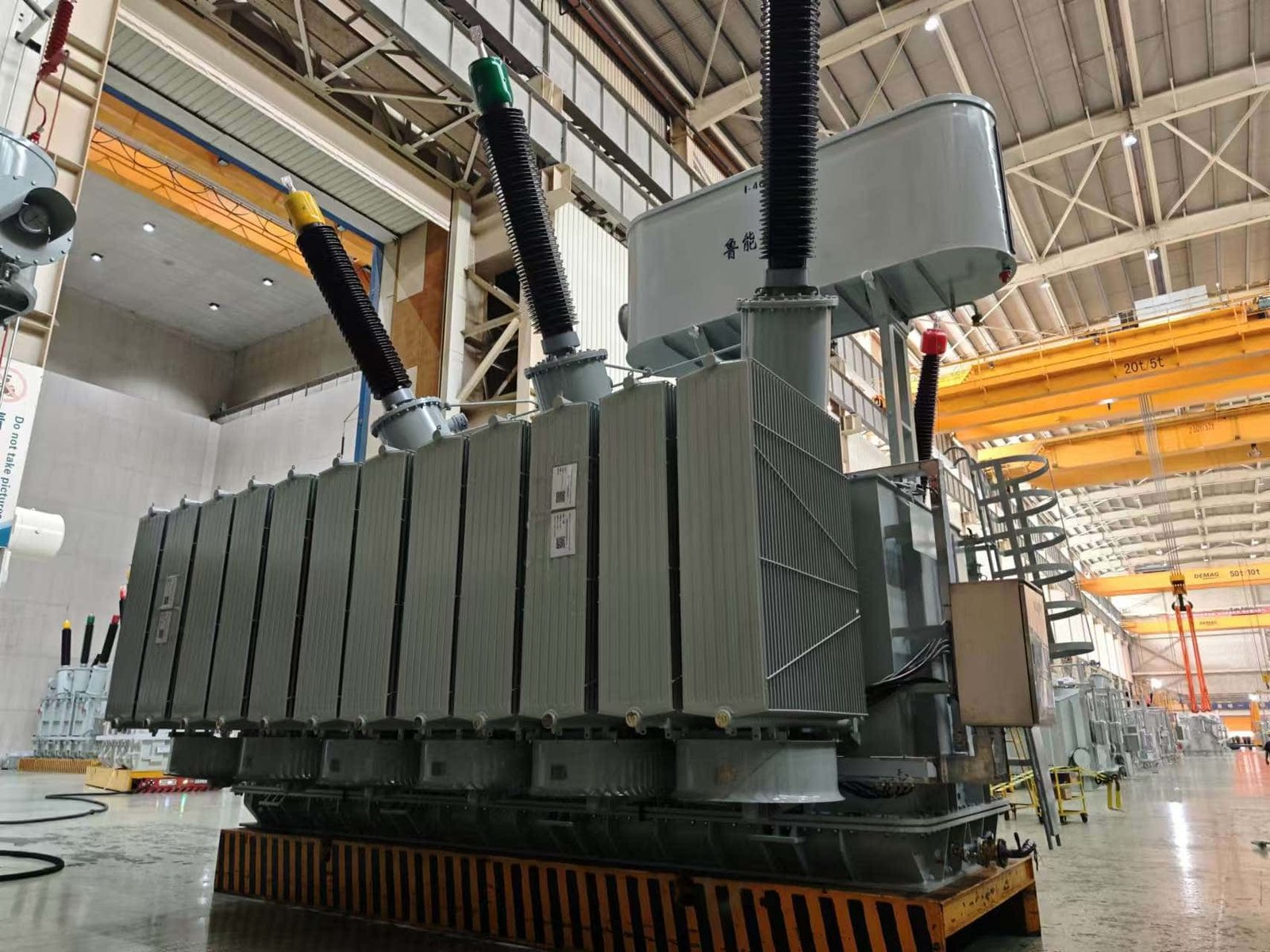
Cooling methods play a critical role in determining the safe operating capacity, efficiency, reliability, and service life of oil-immersed transformers. Although transformer ratings are commonly expressed in kVA or MVA, the actual power capacity a transformer can continuously handle depends heavily on how effectively heat generated inside the transformer can be removed. If cooling performance is insufficient, excessive temperature rise can accelerate insulation aging, increase losses, and reduce transformer lifespan. By selecting an appropriate cooling method, manufacturers can optimize transformer ratings and allow equipment to operate safely under different load conditions, environmental conditions, and application requirements.
Cooling methods directly affect oil-immersed transformer ratings by controlling temperature rise and heat dissipation capability. Natural cooling methods such as ONAN provide standard continuous ratings, while enhanced cooling methods such as ONAF, OFAF, and OFWF allow transformers to achieve higher kVA or MVA ratings by improving oil circulation and heat removal. The selected cooling system determines the transformer’s thermal capacity, overload capability, efficiency, and long-term reliability.
The cooling method of an oil-immersed transformer influences its rated capacity because transformer losses generate heat that must be removed to maintain acceptable insulation temperatures.True
Thermal limits are one of the primary factors determining how much power a transformer can safely transfer continuously.
Oil-immersed transformers generate heat through core losses, winding losses, and stray losses during operation. Transformer oil acts as both an insulation medium and a heat transfer medium, carrying heat away from internal components toward radiators, cooling tubes, fans, or heat exchangers. Therefore, the cooling design is not simply an auxiliary feature—it is a fundamental part of transformer rating calculation and performance optimization.
Why Is Cooling Important for Oil-Immersed Transformer Ratings?
Transformer capacity is limited by temperature rather than only by electrical design.
When a transformer operates under load:
| Heat Source | Cause |
|---|---|
| Core loss | Magnetic flux changes in electrical steel |
| Copper loss | Current flowing through windings |
| Stray loss | Leakage magnetic fields affecting structural parts |
The generated heat must be transferred away efficiently.
If cooling is inadequate:
| Problem | Effect |
|---|---|
| Higher winding temperature | Faster insulation aging |
| Oil overheating | Reduced insulation performance |
| Increased thermal stress | Lower reliability |
| Reduced loading capability | Lower available rating |
Transformer insulation life decreases as operating temperature increases because thermal stress accelerates insulation aging.True
Higher temperatures speed up chemical degradation processes in transformer insulation materials.
Therefore, cooling capability directly influences the maximum transformer rating.
How Is Cooling Related to Transformer Capacity Ratings?
The rated capacity of an oil-immersed transformer is determined by both electrical and thermal limits.
The relationship can be summarized as:
| Rating Factor | Cooling Influence |
|---|---|
| Winding current capability | Determines heat generation |
| Oil circulation | Controls heat transfer |
| Radiator capacity | Determines heat dissipation |
| Ambient temperature | Affects cooling efficiency |
| Cooling equipment | Expands thermal capacity |
A transformer with stronger cooling capability can operate at a higher MVA rating while maintaining the same temperature limits.
What Is ONAN Cooling and How Does It Affect Transformer Ratings?
ONAN means:
Oil Natural Air Natural
It is the most common cooling method for distribution and smaller power transformers.
The cooling process works as follows:
- Transformer oil absorbs heat from windings and core.
- Heated oil rises naturally.
- Cooler oil moves downward.
- External air removes heat from radiators.
Typical applications:
| Transformer Type | Common Rating Range |
|---|---|
| Distribution transformer | Up to several MVA |
| Small industrial transformer | Low to medium capacity |
Advantages of ONAN:
| Benefit | Description |
|---|---|
| Simple design | Fewer components |
| Low maintenance | No fans or pumps |
| High reliability | Fewer failure points |
However, ONAN has limited heat removal capability, so the transformer’s maximum rating is lower compared with forced cooling systems.
How Does ONAF Cooling Increase Transformer Ratings?
ONAF means:
Oil Natural Air Forced
This method adds cooling fans to improve heat dissipation.
The process:
- Oil circulates naturally inside the transformer.
- Fans force more air across radiators.
- Heat transfer from oil to air improves.
Compared with ONAN, ONAF allows higher transformer loading.
| Cooling Method | Relative Capacity |
|---|---|
| ONAN | Base rating |
| ONAF Stage 1 | Increased rating |
| ONAF Stage 2 | Further increased rating |
Typical applications:
- Industrial substations
- Renewable energy transformers
- Medium-size power transformers
How Does OFAF Cooling Affect Transformer MVA Ratings?
OFAF means:
Oil Forced Air Forced
This cooling method uses both:
- Oil pumps
- Cooling fans
The forced oil circulation improves heat transfer inside the transformer.
Advantages:
| Feature | Impact |
|---|---|
| Faster oil movement | Better heat removal |
| Higher cooling efficiency | Higher MVA capability |
| Improved overload capability | Better peak performance |
OFAF is commonly used for large transformers where high capacity is required.
Examples:
| Application | Typical Rating |
|---|---|
| Industrial power supply | Tens of MVA |
| Utility substations | Large MVA transformers |
How Does OFWF Cooling Influence Transformer Ratings?
OFWF means:
Oil Forced Water Forced
This system uses:
- Oil pumps
- Water heat exchangers
Instead of transferring heat directly to air, transformer oil transfers heat through a water cooling system.
Advantages:
| Benefit | Application |
|---|---|
| Very high cooling capacity | Large transformers |
| Compact design | Limited installation space |
| Stable thermal performance | Utility applications |
OFWF cooling is typically used for very large power transformers.
Comparison of Common Oil-Immersed Transformer Cooling Methods
| Cooling Method | Heat Transfer Method | Rating Capability | Typical Application |
|---|---|---|---|
| ONAN | Natural oil + natural air | Standard rating | Distribution transformers |
| ONAF | Natural oil + forced air | Higher rating | Industrial transformers |
| OFAF | Forced oil + forced air | High rating | Large substations |
| OFWF | Forced oil + forced water | Very high rating | Large power systems |
How Does Cooling Method Affect Overload Capability?
Transformers are sometimes required to operate above their normal rating temporarily.
Cooling capability affects overload performance.
| Cooling System | Overload Capability |
|---|---|
| ONAN | Limited temporary overload |
| ONAF | Improved overload ability |
| OFAF | Higher short-term loading |
| OFWF | Highest thermal capability |
Better cooling allows transformers to handle temporary demand increases without excessive temperature rise.
How Does Cooling Affect Transformer Efficiency?
Cooling systems consume energy but can improve overall performance.
The balance includes:
| Factor | Effect |
|---|---|
| Fan power consumption | Slight efficiency reduction |
| Lower operating temperature | Improved reliability |
| Reduced thermal stress | Longer service life |
For large transformers, improved cooling often provides better lifecycle value despite additional equipment costs.
How Does Cooling Method Influence Transformer Design?
Cooling selection affects many design parameters.
| Transformer Component | Cooling Impact |
|---|---|
| Radiators | Determines heat exchange capacity |
| Oil tank | Must support circulation requirements |
| Pumps | Required for forced cooling |
| Fans | Increase air movement |
| Windings | Designed according to thermal limits |
Manufacturers must optimize electrical and thermal designs together.
How Do Environmental Conditions Affect Cooling-Based Ratings?
Transformer cooling performance depends on installation conditions.
Important factors include:
| Condition | Cooling Impact |
|---|---|
| High ambient temperature | Reduces available capacity |
| High altitude | Reduces air density |
| Outdoor installation | Requires weather protection |
| Limited ventilation | Reduces heat removal |
A transformer rated for one environment may require adjustment in another.
How Do Cooling Methods Affect Transformer Maintenance Requirements?
Different cooling systems require different maintenance practices.
| Cooling Method | Maintenance Requirement |
|---|---|
| ONAN | Oil inspection and radiator checks |
| ONAF | Fan inspection required |
| OFAF | Pump and fan maintenance |
| OFWF | Pump and water system maintenance |
More advanced cooling systems provide higher ratings but require more maintenance attention.
How Should Buyers Select the Right Cooling Method?
The appropriate cooling method depends on:
| Selection Factor | Consideration |
|---|---|
| Transformer capacity | Higher MVA needs stronger cooling |
| Load profile | Continuous or peak operation |
| Environment | Temperature and installation conditions |
| Maintenance capability | Available service resources |
| Reliability requirements | System importance |
For example:
- A small distribution transformer may use ONAN.
- A large utility transformer may require OFAF or OFWF.
How Do Cooling Methods Affect Transformer Lifecycle Costs?
Cooling selection influences both investment and operating costs.
| Cost Factor | Cooling Impact |
|---|---|
| Initial cost | Advanced systems cost more |
| Energy consumption | Fans and pumps require power |
| Maintenance | More components require service |
| Reliability | Better cooling extends life |
A lifecycle cost analysis helps determine the most economical solution.
What Factors Should Be Considered When Selecting an Oil-Immersed Transformer Rating?
Selecting the correct rating for an oil-immersed transformer is a critical decision that directly affects electrical safety, operating efficiency, equipment lifespan, and total ownership costs. Many buyers select transformer ratings based only on current load demand or initial equipment price, but this approach can create long-term problems. An underrated transformer may experience overheating, excessive losses, insulation deterioration, and premature failure, while an oversized transformer may increase investment costs and reduce operating efficiency due to unnecessary capacity. A proper oil-immersed transformer rating selection requires a comprehensive evaluation of load requirements, voltage conditions, power factor, future expansion, cooling capability, environmental conditions, reliability expectations, and lifecycle economics.
The main factors to consider when selecting an oil-immersed transformer rating include load demand, required kVA/MVA capacity, voltage level, power factor, load growth, overload requirements, cooling method, ambient conditions, efficiency requirements, short-circuit capability, and lifecycle cost. A properly selected transformer rating should provide sufficient capacity for present operation while maintaining reliability, efficiency, and flexibility for future system changes.
Selecting an oil-immersed transformer rating requires consideration of both electrical demand and operating conditions because transformer performance depends on thermal, insulation, and loading limits.True
Transformer ratings are determined by the interaction of electrical capacity, heat dissipation capability, and system requirements.
Oil-immersed transformers are long-term electrical assets commonly operating for 25 to 40 years or more. Because replacement is costly and disruptive, selecting the correct rating at the design stage is essential. Engineers and buyers must evaluate not only how much power is needed today but also how the transformer will perform under changing loads, environmental conditions, and future grid requirements.
Why Is Correct Transformer Rating Selection Important?
The transformer rating determines how much electrical power the equipment can safely transfer.
A correct rating helps achieve:
| Benefit | Result |
|---|---|
| Reliable operation | Reduced failure risk |
| Lower losses | Improved energy efficiency |
| Longer lifespan | Reduced replacement frequency |
| Better investment value | Lower lifecycle cost |
An improper rating can cause several problems:
| Incorrect Selection | Possible Consequence |
|---|---|
| Undersized transformer | Overheating and overload |
| Oversized transformer | Higher cost and unnecessary losses |
| Incorrect voltage rating | System compatibility issues |
| Poor cooling selection | Reduced capacity |
Transformer operation above its rated capacity can increase temperature rise and accelerate insulation aging.True
Higher loading increases winding losses and heat generation, which can reduce insulation life.
How Does Load Demand Affect Transformer Rating Selection?
The first factor in selecting transformer rating is understanding the actual electrical load.
Engineers should analyze:
| Load Information | Purpose |
|---|---|
| Connected load | Identify total equipment demand |
| Maximum demand | Determine peak operating requirement |
| Load profile | Understand daily variations |
| Starting currents | Evaluate temporary stresses |
| Critical loads | Determine reliability needs |
Transformer capacity is usually selected based on maximum expected demand rather than the total connected equipment rating.
A simplified calculation is:
Required Transformer Capacity = Maximum Demand / Power Factor
For example:
| Load Requirement | Power Factor | Transformer Rating Consideration |
|---|---|---|
| 800 kW | 1.0 | Approximately 800 kVA |
| 800 kW | 0.8 | Approximately 1000 kVA |
| 800 kW | 0.7 | Larger capacity required |
How Should kVA or MVA Capacity Be Determined?
Oil-immersed transformers are rated according to apparent power.
Common ratings include:
| Transformer Application | Typical Rating |
|---|---|
| Small distribution | 50–1000 kVA |
| Commercial facilities | 500–2500 kVA |
| Industrial systems | 1–100 MVA |
| Utility substations | 10–1000+ MVA |
When selecting capacity, buyers should consider:
| Capacity Factor | Evaluation |
|---|---|
| Present load | Current demand |
| Future expansion | Expected growth |
| Emergency loading | Temporary overload |
| System importance | Required reliability |
A transformer should provide enough margin without creating excessive unused capacity.
How Does Power Factor Influence Transformer Rating?
Power factor has a major impact on required transformer capacity.
The relationship is:
kVA = kW ÷ Power Factor
Lower power factor means higher current for the same active power.
| Power Factor | Impact |
|---|---|
| 1.0 | Minimum kVA requirement |
| 0.9 | Moderate increase |
| 0.8 or lower | Larger transformer required |
Industrial loads such as:
- Motors
- Pumps
- Compressors
- Welding equipment
often operate at lower power factors and require careful rating evaluation.
How Does Voltage Level Affect Transformer Rating Selection?
Voltage rating must match the electrical network.
Important voltage parameters include:
| Parameter | Importance |
|---|---|
| High-voltage side | Grid connection |
| Low-voltage side | Load supply |
| Voltage ratio | Correct transformation |
| Tap range | Voltage adjustment capability |
Common oil-immersed transformer voltage combinations include:
| Application | Typical Voltage Ratio |
|---|---|
| Building distribution | 10 kV / 0.4 kV |
| Industrial distribution | 35 kV / 10 kV |
| Substation application | 110 kV / 10 kV |
| Transmission systems | 220 kV and above |
Incorrect voltage selection may result in poor performance or insulation stress.
How Should Future Expansion Be Considered?
A transformer selected only for current demand may become insufficient as the electrical system grows.
Future factors include:
| Expansion Factor | Consideration |
|---|---|
| Production growth | Increased industrial load |
| New buildings | Additional demand |
| Renewable integration | Variable generation |
| Electrification projects | Increased power consumption |
A reasonable capacity margin is often included.
However, excessive oversizing creates:
- Higher purchase cost
- Larger installation requirements
- Increased no-load losses
The goal is balanced capacity planning.
How Does Load Type Affect Transformer Rating?
Different loads create different operating stresses.
| Load Type | Rating Consideration |
|---|---|
| Residential loads | Moderate variation |
| Motor loads | Starting current |
| Data centers | High reliability |
| Renewable energy | Variable loading |
| Furnace loads | High fluctuation |
Transformers serving demanding loads may require additional capacity margins.
How Does Cooling Method Influence Transformer Rating?
Cooling capability directly affects the maximum safe rating.
Common cooling methods include:
| Cooling Method | Capacity Effect |
|---|---|
| ONAN | Standard rating |
| ONAF | Increased capacity |
| OFAF | Higher MVA capability |
| OFWF | Very large transformer applications |
A transformer with stronger cooling can handle greater losses while maintaining acceptable temperatures.
Enhanced transformer cooling systems can increase allowable transformer ratings by improving heat dissipation and reducing temperature rise.True
Cooling performance determines how much heat generated by electrical losses can be safely removed.
How Do Environmental Conditions Affect Rating Selection?
The installation environment influences transformer thermal performance.
Important conditions include:
| Environmental Factor | Impact |
|---|---|
| Ambient temperature | Higher temperatures reduce cooling margin |
| Altitude | Affects heat dissipation |
| Outdoor exposure | Requires weather protection |
| Humidity | Influences insulation conditions |
For example, a transformer installed in a hot climate may require derating or enhanced cooling.
How Does Transformer Efficiency Affect Rating Choice?
Efficiency is important because transformers operate continuously.
Efficiency considerations include:
| Factor | Impact |
|---|---|
| Core losses | Occur continuously |
| Load losses | Increase with loading |
| Energy prices | Affect operating cost |
A slightly higher-rated or higher-efficiency transformer may provide better long-term economic value.
How Should Overload Requirements Be Considered?
Some applications require temporary overload capability.
Examples include:
- Emergency operation
- Seasonal demand peaks
- Renewable energy fluctuations
Important factors:
| Overload Factor | Evaluation |
|---|---|
| Duration | How long overload occurs |
| Frequency | How often it happens |
| Cooling capability | Heat removal ability |
| Insulation condition | Remaining thermal margin |
Temporary overload capability should be considered during rating selection.
How Does Short-Circuit Capability Affect Transformer Rating?
Transformer windings must withstand electrical and mechanical forces during faults.
Important parameters include:
| Parameter | Purpose |
|---|---|
| Short-circuit impedance | Limits fault current |
| Mechanical strength | Withstands forces |
| Winding design | Maintains structural integrity |
High-reliability systems require careful short-circuit evaluation.
How Does Installation Location Affect Transformer Rating?
The installation site influences transformer selection.
Consider:
| Location Factor | Effect |
|---|---|
| Indoor/outdoor installation | Protection requirements |
| Space availability | Cooling arrangement |
| Accessibility | Maintenance planning |
| Grid conditions | Voltage and load matching |
Large oil-immersed transformers require proper installation planning.
How Does Lifecycle Cost Influence Rating Selection?
The cheapest transformer is not always the most economical choice.
Lifecycle cost includes:
| Cost Element | Description |
|---|---|
| Purchase cost | Initial investment |
| Energy losses | Operating expenses |
| Maintenance | Service costs |
| Downtime | Reliability impact |
| Replacement | Future investment |
Lifecycle cost analysis provides a more accurate evaluation of transformer value because operating and maintenance expenses can exceed the initial purchase price over decades of service.True
Long operating periods make efficiency and reliability important economic factors.
What Are Common Mistakes When Selecting Transformer Ratings?
Buyers should avoid:
| Mistake | Result |
|---|---|
| Selecting only by price | Higher long-term costs |
| Ignoring future growth | Early replacement |
| Ignoring power factor | Incorrect capacity |
| Underestimating environment | Thermal problems |
| Overestimating capacity | Poor efficiency |
A complete technical assessment prevents these issues.
What Process Should Buyers Follow When Selecting a Transformer Rating?
A practical selection process includes:
| Step | Action |
|---|---|
| 1 | Analyze electrical load |
| 2 | Calculate required kVA/MVA |
| 3 | Confirm voltage requirements |
| 4 | Evaluate environmental conditions |
| 5 | Consider future expansion |
| 6 | Select cooling method |
| 7 | Compare lifecycle costs |
| 8 | Confirm manufacturer capability |
This systematic approach improves reliability and investment efficiency.
How Can Buyers Choose the Right Oil-Immersed Transformer Rating for Their Application?

Choosing the right oil-immersed transformer rating is a key decision that determines the reliability, efficiency, safety, and long-term operating cost of a power system. Many buyers select transformer ratings based only on the existing connected load or the lowest purchase price, but this approach can create problems during actual operation. An underrated transformer may operate under excessive stress, causing overheating, increased losses, insulation aging, and unexpected failures. An oversized transformer, on the other hand, may require unnecessary investment and experience poor economic efficiency due to higher no-load losses. The correct oil-immersed transformer rating should be selected through a comprehensive analysis of load demand, voltage requirements, power factor, future expansion, operating environment, cooling capability, and lifecycle value.
Buyers can choose the right oil-immersed transformer rating by calculating the required kVA or MVA capacity based on actual load demand, power factor, voltage level, and future expansion requirements, then verifying that the selected transformer can meet thermal, insulation, and reliability requirements under operating conditions. The best transformer rating provides sufficient capacity without excessive oversizing, ensuring efficient performance, long service life, and optimized total ownership cost.
The correct oil-immersed transformer rating should be selected based on both present electrical demand and future operating conditions rather than only initial load requirements.True
Transformer investments typically last for decades, so future expansion and lifecycle performance must be considered during selection.
Oil-immersed transformers are critical components in distribution systems, industrial plants, renewable energy projects, and utility networks. Because these transformers often operate continuously for 25 to 40 years, selecting the correct rating during procurement has a major impact on asset performance. A professional selection process ensures that the transformer can handle normal operation, temporary load variations, environmental challenges, and future system growth.
Why Is Selecting the Correct Transformer Rating Important?
The transformer rating determines how much electrical power the transformer can safely transfer.
A properly selected rating provides:
| Benefit | Impact |
|---|---|
| Adequate capacity | Prevents overload operation |
| Lower losses | Improves energy efficiency |
| Stable temperature | Protects insulation |
| Longer service life | Reduces replacement frequency |
| Better investment value | Optimizes lifecycle cost |
Poor rating selection may result in:
| Selection Problem | Consequence |
|---|---|
| Undersized transformer | Overheating and reduced lifespan |
| Oversized transformer | Higher cost and unnecessary losses |
| Incorrect voltage rating | System compatibility problems |
| Insufficient cooling | Limited loading capability |
Operating an oil-immersed transformer continuously above its rated capacity can accelerate insulation deterioration and shorten service life.True
Excessive load increases winding temperature and thermal stress on insulation materials.
How Should Buyers Calculate the Required Transformer Capacity?
The first step is determining the required apparent power rating.
Oil-immersed transformers are normally rated in:
- kVA (kilovolt-amperes)
- MVA (megavolt-amperes)
The basic relationship is:
Transformer Capacity (kVA) = Load Power (kW) ÷ Power Factor
For three-phase systems:
kVA = √3 × Voltage × Current ÷ 1000
Example:
| Load Requirement | Power Factor | Required Transformer Rating |
|---|---|---|
| 500 kW | 1.0 | 500 kVA |
| 500 kW | 0.8 | 625 kVA |
| 1000 kW | 0.8 | 1250 kVA |
The calculated value provides the starting point for transformer selection.
How Does Load Analysis Affect Transformer Rating Selection?
A transformer should be selected based on actual operating demand rather than only connected equipment capacity.
Buyers should analyze:
| Load Parameter | Importance |
|---|---|
| Connected load | Total installed equipment |
| Maximum demand | Peak expected consumption |
| Load curve | Daily operating pattern |
| Starting current | Motor and equipment impact |
| Critical loads | Reliability requirements |
For example, a factory may have 5000 kW of installed equipment but only operate at 3000 kW maximum demand. Selecting a transformer based only on 5000 kW may result in unnecessary oversizing.
How Should Future Expansion Be Considered?
Transformer systems often remain in service for decades, so future growth should be included.
Important expansion factors include:
| Future Factor | Consideration |
|---|---|
| Production increase | Additional industrial loads |
| New buildings | Increased electricity demand |
| Renewable integration | Variable generation |
| Electrification projects | Higher future consumption |
A reasonable design margin is commonly considered.
| Margin Approach | Result |
|---|---|
| No margin | Lower initial cost but limited flexibility |
| Moderate margin | Balanced investment |
| Excessive margin | Higher cost and lower efficiency |
The goal is to avoid both early replacement and unnecessary capacity.
How Does Power Factor Affect Transformer Rating Choice?
Power factor directly affects required transformer capacity.
A low power factor means the transformer must handle more current for the same useful power output.
| Power Factor | Effect on Transformer |
|---|---|
| 1.0 | Lowest capacity requirement |
| 0.9 | Moderate capacity increase |
| 0.8 or below | Larger transformer required |
Industrial applications often require careful evaluation because motors and inductive equipment can significantly reduce power factor.
Improving power factor through compensation equipment may also reduce the required transformer rating.
How Does Voltage Level Influence Transformer Selection?
The transformer voltage rating must match the electrical network.
Common voltage combinations include:
| Application | Typical Voltage Ratio |
|---|---|
| Building distribution | 10 kV / 0.4 kV |
| Industrial distribution | 10 kV / 0.4 kV or 35 kV / 10 kV |
| Solar projects | 10 kV / 0.8 kV or 35 kV / 0.69 kV |
| Utility substations | 110 kV / 10 kV |
Buyers should confirm:
- Grid voltage
- Required output voltage
- Voltage fluctuation range
- Tap changer requirements
Incorrect voltage selection can cause inefficient operation or equipment damage.
How Does Cooling Method Affect Transformer Rating Selection?
Cooling capability determines how much heat the transformer can safely remove.
Common oil-immersed transformer cooling methods include:
| Cooling Type | Description | Rating Effect |
|---|---|---|
| ONAN | Natural oil and air cooling | Standard capacity |
| ONAF | Forced air cooling | Increased capacity |
| OFAF | Forced oil and air cooling | Higher MVA capability |
| OFWF | Forced oil and water cooling | Very large transformer ratings |
A transformer with a stronger cooling system can achieve a higher rating because improved heat dissipation allows operation at higher load levels while maintaining temperature limits.True
Thermal performance directly affects the maximum continuous loading capability of transformers.
Buyers should select cooling methods according to:
- Transformer size
- Load characteristics
- Installation environment
- Maintenance capability
How Do Environmental Conditions Affect Transformer Rating Selection?
The installation environment influences transformer performance.
Important conditions include:
| Environmental Condition | Rating Impact |
|---|---|
| High ambient temperature | Reduces cooling margin |
| High altitude | Reduces heat dissipation |
| Outdoor installation | Requires weather protection |
| High humidity | Affects insulation conditions |
| Dust or pollution | Requires additional protection |
For harsh environments, buyers may need:
- Higher insulation levels
- Enhanced cooling
- Special protection systems
How Should Buyers Consider Transformer Efficiency?
Transformer efficiency affects long-term operating costs.
Important loss factors include:
| Loss Type | Description |
|---|---|
| No-load loss | Core losses occurring continuously |
| Load loss | Winding losses increasing with load |
A higher-efficiency transformer may have:
- Higher initial cost
- Lower energy expenses
- Better lifecycle value
For transformers operating 24 hours a day, efficiency improvements can provide significant savings.
How Does Application Type Affect Transformer Rating Selection?
Different applications require different rating strategies.
| Application | Rating Considerations |
|---|---|
| Residential distribution | Daily load variation |
| Commercial buildings | Peak demand |
| Manufacturing plants | Motor starting and continuous load |
| Data centers | High reliability |
| Solar farms | Variable generation |
| Wind farms | Fluctuating output |
| Utility substations | High availability |
The transformer rating should match both electrical and operational requirements.
How Should Buyers Evaluate Overload Capability?
Some applications require temporary operation above normal load.
Important overload factors include:
| Factor | Evaluation |
|---|---|
| Duration | Length of overload |
| Frequency | How often overload occurs |
| Cooling capability | Heat removal ability |
| Insulation condition | Remaining thermal margin |
A transformer with sufficient overload capability provides better operational flexibility.
How Can Buyers Avoid Choosing an Oversized Transformer?
Oversizing may appear safer, but it creates disadvantages.
| Oversizing Problem | Impact |
|---|---|
| Higher purchase price | Increased investment |
| Higher no-load losses | More energy consumption |
| Lower utilization rate | Poor efficiency |
| Larger installation space | Higher infrastructure cost |
The best practice is to select a transformer that operates efficiently within its normal loading range.
How Can Buyers Avoid Choosing an Undersized Transformer?
Undersizing creates operational risks.
Common problems include:
| Issue | Result |
|---|---|
| High loading | Excessive heat |
| Frequent overload | Accelerated aging |
| Voltage drop | Poor power quality |
| Reduced reliability | Unexpected downtime |
A transformer should have sufficient capacity for normal operation and reasonable future demand.
What Data Should Buyers Collect Before Selecting a Transformer Rating?
A complete rating evaluation requires reliable technical information.
Recommended data includes:
| Data Category | Examples |
|---|---|
| Electrical data | Voltage, current, power factor |
| Load data | Peak demand and load profile |
| Environmental data | Temperature and altitude |
| Future plans | Expansion forecasts |
| Reliability requirements | Critical system needs |
Accurate information leads to better transformer selection.
What Is the Recommended Transformer Rating Selection Process?
A practical selection procedure includes:
| Step | Action |
|---|---|
| 1 | Analyze current and future load |
| 2 | Calculate required kVA/MVA |
| 3 | Confirm voltage requirements |
| 4 | Evaluate power factor |
| 5 | Select cooling method |
| 6 | Consider environmental conditions |
| 7 | Compare lifecycle costs |
| 8 | Verify manufacturer capability |
This approach helps buyers achieve the best balance between performance and cost.
Conclusion
The rating of an oil-immersed transformer represents its ability to safely transfer electrical power under defined operating conditions. From small distribution transformers to large utility-scale units, ratings are determined by capacity, voltage requirements, cooling design, insulation performance, and application demands. Selecting the correct transformer rating requires careful analysis of present load requirements, future growth, environmental conditions, and operational expectations. By choosing a properly rated oil-immersed transformer, organizations can improve efficiency, reduce operating risks, and achieve reliable power delivery throughout the transformer's service life.
FAQ
Q1: What is the rating of an oil-immersed transformer?
The rating of an oil-immersed transformer refers to its maximum electrical capacity and operating specifications under defined conditions. Transformer ratings indicate how much electrical power the transformer can safely transfer while maintaining acceptable temperature rise, insulation performance, and efficiency.
The main rating parameters include:
Rated power (kVA or MVA)
Primary and secondary voltage ratings
Frequency rating
Cooling class
Insulation level
Temperature rise rating
Short-circuit withstand capability
Oil-immersed transformers are available in a wide range of ratings, from small distribution units to very large transmission transformers.
Typical capacity ranges include:
Small distribution transformers: 25 kVA–2,500 kVA
Medium power transformers: 5 MVA–100 MVA
Large power transformers: 100 MVA–1,000 MVA or higher
The appropriate rating depends on the electrical system requirements, load demand, installation environment, and future expansion plans.
Q2: How is the capacity rating of an oil-immersed transformer measured?
Oil-immersed transformer capacity is normally measured in kVA (kilovolt-amperes) or MVA (megavolt-amperes).
The rating represents the apparent power the transformer can deliver.
For a three-phase transformer:
Transformer Capacity (kVA) = √3 × Voltage (kV) × Current (A)
For example:
A transformer operating at:
Voltage: 11 kV
Current: 525 A
Capacity:
√3 × 11 × 525 ≈ 10,000 kVA
Therefore, the transformer rating is approximately 10 MVA.
Unlike generators or motors, transformer ratings are not normally expressed in kW because transformers do not consume mechanical power. Their capacity depends mainly on voltage and current handling capability.
Q3: What are the common voltage ratings of oil-immersed transformers?
Oil-immersed transformers are manufactured for various voltage levels depending on their application.
Common voltage ratings include:
Distribution Applications:
6.6 kV
10 kV
11 kV
13.8 kV
20 kV
33 kV
Substation Applications:
66 kV
110 kV
132 kV
220 kV
Transmission Applications:
275 kV
400 kV
500 kV
765 kV and above
The voltage rating must match the electrical network requirements to ensure safe and efficient operation.
Q4: How do cooling methods affect oil-immersed transformer ratings?
Cooling methods directly influence the maximum load capacity of oil-immersed transformers.
Common cooling classes include:
ONAN (Oil Natural Air Natural)
Natural circulation of oil and air
Common for distribution transformers
Lower capacity rating
ONAF (Oil Natural Air Forced)
Fans improve heat dissipation
Allows higher loading capability
OFAF (Oil Forced Air Forced)
Pumps circulate oil
Fans cool radiators
Used for larger power transformers
OFWF (Oil Forced Water Forced)
Oil and water cooling systems
Used for very large transformers
A transformer with enhanced cooling can achieve a higher MVA rating compared with the same physical design using natural cooling.
Q5: What factors determine the rating selection of an oil-immersed transformer?
Selecting the correct transformer rating requires analysis of several electrical and environmental factors.
Important considerations include:
Maximum load demand
Future load growth
System voltage level
Power factor
Frequency (50 Hz or 60 Hz)
Ambient temperature
Installation altitude
Cooling conditions
Harmonic loads
Overload requirements
Energy efficiency requirements
Engineers typically include a capacity margin to prevent continuous operation near the maximum rating.
An undersized transformer may experience overheating and reduced lifespan, while an oversized transformer may increase investment costs and operating losses.
Q6: What are the efficiency ratings of oil-immersed transformers?
Oil-immersed transformers are among the most efficient electrical devices, especially at medium and high power ratings.
Typical efficiency levels are:
Small oil-immersed transformers: 95–98%
Medium and large power transformers: 98–99.5%
Efficiency depends on:
Core losses
Copper losses
Load level
Transformer design
Material quality
High-efficiency transformers use:
Low-loss electrical steel cores
Optimized winding designs
Improved cooling systems
Advanced insulation materials
Higher efficiency reduces operating costs over the transformer’s service life.
Q7: How are oil-immersed transformers classified according to power rating?
Oil-immersed transformers are commonly classified by their rated capacity.
Distribution Transformers
Typical ratings:
25 kVA to 5 MVA
Used for:
Residential areas
Commercial buildings
Local distribution networks
Power Transformers
Typical ratings:
Above 5 MVA
Used for:
Transmission substations
Power plants
Industrial facilities
Large Grid Transformers
Typical ratings:
Hundreds of MVA
Used for:
High-voltage transmission networks
National power grids
The classification may vary between countries and standards.
Q8: What standards define oil-immersed transformer ratings?
Oil-immersed transformer ratings are defined according to international standards to ensure safety, compatibility, and performance.
Common standards include:
IEC 60076 – Power Transformers
IEEE C57 Series – Transformers
NEMA transformer standards
These standards define requirements for:
Rated power
Voltage levels
Temperature rise
Insulation coordination
Testing procedures
Performance requirements
When selecting an oil-immersed transformer, buyers should ensure that the rating and specifications comply with the applicable regional and industry standards.
References
IEC 60076 – Power Transformers
https://webstore.iec.ch/publication/602
IEEE C57 Series – Power Transformer Standards
https://standards.ieee.org
Electrical Engineering Portal – Transformer Ratings and Applications
https://electrical-engineering-portal.com
U.S. Department of Energy – Transformer Efficiency Resources
https://www.energy.gov