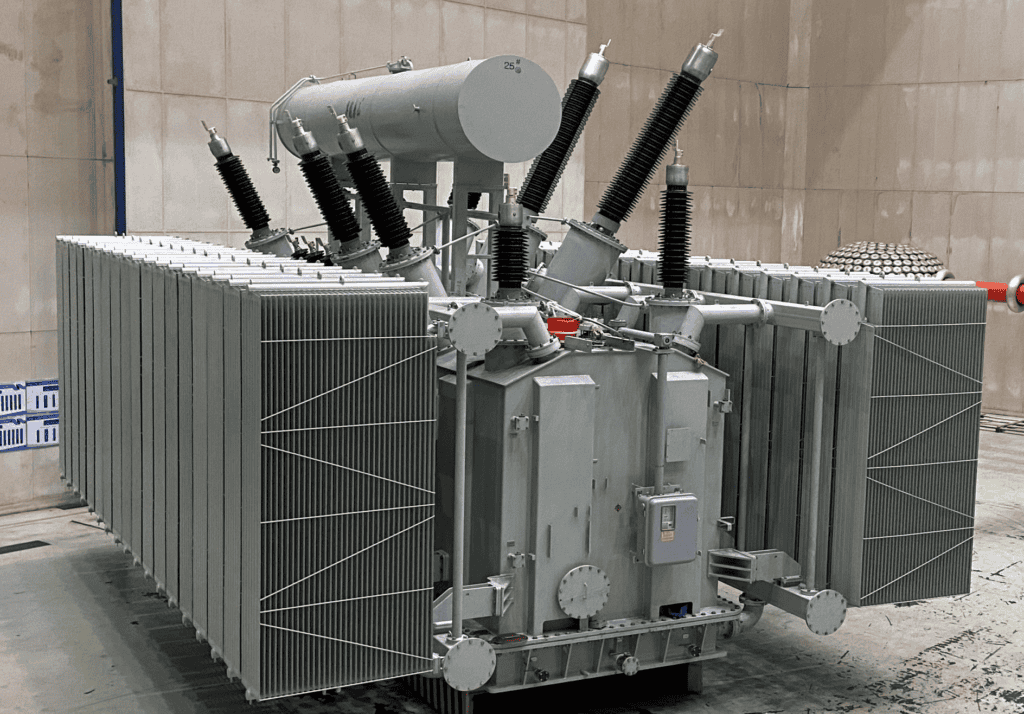
Phase-shifting transformers (PSTs) are specialized transformers used in power transmission networks to control the flow of active power between interconnected systems. Unlike conventional transformers that primarily change voltage levels, phase-shifting transformers adjust the phase angle between input and output voltages. This capability helps optimize power flow, reduce congestion, and improve the stability and efficiency of electrical grids.
What Is a Phase-Shifting Transformer?
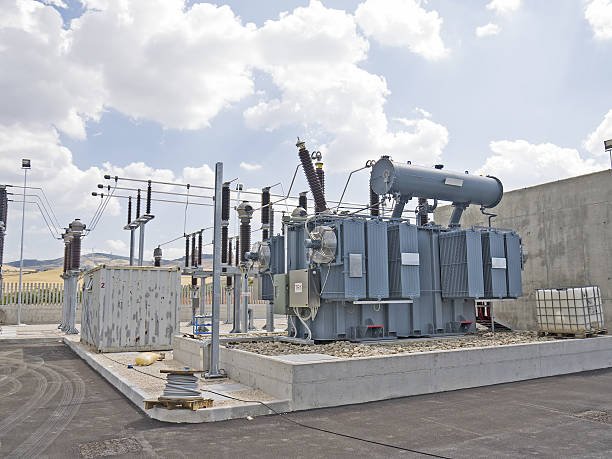
Managing power flow across interconnected transmission networks is one of the most important challenges in modern power systems. As electrical grids become larger and more interconnected, power naturally follows the path of least impedance rather than the path operators may prefer. This can lead to overloaded transmission lines, inefficient power distribution, congestion, and reduced system stability. To address these issues, utilities often use specialized equipment known as phase-shifting transformers (PSTs), also called phase-angle regulating transformers (PARs).
Unlike conventional transformers that primarily change voltage levels, a phase-shifting transformer adjusts the phase angle between the input and output voltages. By controlling this phase angle, the transformer influences the amount and direction of active power flowing through specific transmission lines. This capability allows grid operators to optimize network utilization, improve reliability, and reduce transmission congestion without constructing additional transmission infrastructure.
A phase-shifting transformer (PST) is a specialized transformer designed to control the flow of active power in AC transmission networks by introducing a controlled phase-angle shift between the input and output voltages. By adjusting the phase angle, utilities can direct power flow, reduce line overloads, improve grid stability, and enhance the efficiency of interconnected power systems.
Because of their ability to actively manage power flow, phase-shifting transformers are widely used in high-voltage transmission networks around the world.
A phase-shifting transformer is simply a standard voltage transformer that only changes voltage magnitude without affecting power flow direction.False
Phase-shifting transformers are specifically designed to alter the phase angle between voltages, allowing operators to control active power flow through transmission networks.
Understanding Power Flow in AC Systems
In alternating current (AC) power systems, power flow depends not only on voltage magnitude but also on the phase angle difference between two points.
Simplified Power Flow Equation
P=\frac{V_1V_2}{X}\sin\delta
Where:
- (P) = active power transfer
- (V_1) = sending-end voltage
- (V_2) = receiving-end voltage
- (X) = line reactance
- (\delta) = phase angle difference
This relationship forms the basis of phase-shifting transformer operation.
Why Power Flow Needs Control
Power naturally follows electrical paths with lower impedance.
Common Problems
| Issue | Consequence |
|---|---|
| Transmission congestion | Reduced capacity |
| Line overloads | Reliability risks |
| Uneven power distribution | System inefficiency |
| Cross-border power flow issues | Operational challenges |
Utilities use PSTs to address these concerns.
Basic Operating Principle
A phase-shifting transformer modifies the phase relationship between system voltages.
Main Objective
| Function | Result |
|---|---|
| Increase phase angle | Increase power flow |
| Decrease phase angle | Reduce power flow |
| Reverse angle direction | Redirect power |
This allows operators to influence how power moves through the network.
How a Phase Shift Affects Power Flow
Since active power is proportional to the sine of the phase-angle difference:
Example Relationship
| Phase Angle ((\delta)) | Relative Power Transfer |
|---|---|
| 0° | Minimal |
| 10° | Increased |
| 20° | Higher |
| 30° | Significantly higher |
Small angle changes can significantly alter power flow.
Main Components of a Phase-Shifting Transformer
A PST contains additional components beyond those found in conventional transformers.
Typical Components
| Component | Purpose |
|---|---|
| Series transformer | Injects voltage |
| Exciting transformer | Supplies regulating voltage |
| Tap changer | Adjusts phase angle |
| Control system | Manages operation |
These components work together to regulate power flow.
Series Voltage Injection Concept
The transformer injects a voltage component into the transmission line.
Principle
The injected voltage changes the phase relationship of the output.
Simplified Vector Representation
The phase shift is created by adding a voltage that is approximately in quadrature with the system voltage.
Effect
| Action | Result |
|---|---|
| Positive injection | Power flow increase |
| Negative injection | Power flow reduction |
This principle enables controllable power routing.
Types of Phase-Shifting Transformers
Several PST designs exist.
Common Types
| Type | Description |
|---|---|
| Symmetrical PST | Equal phase shift in both directions |
| Asymmetrical PST | Unequal phase-shift range |
| Quadrature booster | Most common utility design |
Selection depends on system requirements.
Symmetrical Phase-Shifting Transformers
These provide equal adjustment capability in both directions.
Characteristics
| Feature | Benefit |
|---|---|
| Bidirectional control | Flexible operation |
| Balanced adjustment range | Easier planning |
They are often used in interconnected grids.
Asymmetrical Phase-Shifting Transformers
These provide different adjustment capabilities depending on direction.
Typical Use
| Application | Benefit |
|---|---|
| Dominant power-flow direction | Optimized performance |
| Specialized transmission corridors | Improved efficiency |
They are tailored to specific network conditions.
Quadrature Booster Transformers
The quadrature booster is one of the most common PST designs.
Function
| Component | Role |
|---|---|
| Shunt unit | Creates regulating voltage |
| Series unit | Injects phase-shift voltage |
Together they control transmission-line power flow.
Typical Phase Shift Range
Most PSTs operate within a limited angular range.
Common Values
| Adjustment Range | Typical Application |
|---|---|
| ±10° | Moderate control |
| ±20° | Utility transmission |
| ±30° | Major interconnections |
The exact range depends on system design.
Applications in Transmission Networks
Phase-shifting transformers are primarily used in high-voltage systems.
Common Locations
| Application | Purpose |
|---|---|
| Transmission substations | Power-flow control |
| Interconnected grids | Load balancing |
| International interconnections | Cross-border flow management |
These installations improve network utilization.
Congestion Management
Transmission congestion can limit power delivery.
Benefits of PSTs
| Benefit | Result |
|---|---|
| Redirect power flow | Reduced overloads |
| Better line utilization | Increased capacity |
| Deferred infrastructure investment | Lower costs |
Utilities often install PSTs to avoid building new lines.
Cross-Border Power Control
Many countries operate interconnected grids.
Challenges
| Challenge | Example |
|---|---|
| Unscheduled power flows | Loop flows |
| Market transactions | Contract compliance |
| Grid stability | Power balancing |
PSTs help regulate these flows.
Renewable Energy Integration
Renewable generation introduces new power-flow patterns.
Applications
| Renewable Source | PST Function |
|---|---|
| Wind farms | Flow management |
| Solar plants | Congestion relief |
| Regional interconnections | Stability enhancement |
These transformers support grid modernization.
Improving Grid Stability
Controlled power flow improves overall stability.
Stability Benefits
| Benefit | Impact |
|---|---|
| Reduced overload risk | Higher reliability |
| Better contingency response | Improved resilience |
| Optimized network operation | Greater efficiency |
These benefits are increasingly valuable.
Economic Advantages
PSTs often provide significant economic value.
Cost Benefits
| Benefit | Description |
|---|---|
| Delayed transmission expansion | Reduced capital spending |
| Improved asset utilization | Better ROI |
| Lower congestion costs | Operational savings |
The financial benefits can justify their high initial cost.
Challenges and Limitations
Phase-shifting transformers also have disadvantages.
Common Limitations
| Challenge | Impact |
|---|---|
| High capital cost | Significant investment |
| Large physical size | Space requirements |
| Complex controls | Increased engineering needs |
| Maintenance requirements | Operational costs |
These factors must be considered during planning.
Comparison with Conventional Transformers
| Characteristic | Conventional Transformer | PST |
|---|---|---|
| Voltage transformation | Yes | |
| Phase-angle control | No | |
| Power-flow regulation | No | |
| Grid congestion management | No | |
| System optimization | Limited |
PSTs provide capabilities beyond standard transformers.
Typical Voltage Levels
Phase-shifting transformers are usually installed on high-voltage networks.
Common Ratings
| Voltage Class | Application |
|---|---|
| 110 kV | Regional networks |
| 220 kV | Transmission systems |
| 400 kV+ | Major interconnections |
Larger networks often require larger PSTs.
Summary of Advantages
| Advantage | Benefit |
|---|---|
| Active power-flow control | Network optimization |
| Congestion reduction | Improved utilization |
| Enhanced stability | Better reliability |
| Renewable integration support | Grid flexibility |
| Deferred infrastructure expansion | Cost savings |
Summary of Limitations
| Limitation | Impact |
|---|---|
| High cost | Increased project budget |
| Complex design | Specialized engineering |
| Larger footprint | Site constraints |
| Additional maintenance | Lifecycle expenses |
How Does a Phase-Shifting Transformer Control Power Flow?
In modern electrical transmission networks, controlling the direction and magnitude of power flow is essential for maintaining grid stability, preventing line overloads, and maximizing the use of existing infrastructure. However, unlike water flowing through a controlled valve, electrical power in an AC network naturally follows the paths determined by system impedance and voltage phase angles. This means operators cannot simply choose where power flows without influencing the electrical characteristics of the network.
A Phase-Shifting Transformer (PST), also known as a Phase-Angle Regulating Transformer (PAR), solves this challenge by intentionally changing the phase angle between voltages at different points in the power system. By introducing a controlled phase shift, the transformer alters the active power transferred through transmission lines, enabling utilities to redirect power away from overloaded corridors and toward underutilized routes.
A phase-shifting transformer controls power flow by introducing a regulated phase-angle difference between its input and output voltages. Because active power transfer in an AC system depends on the sine of the phase-angle difference between network nodes, adjusting this angle increases, decreases, or redirects power flow through selected transmission lines without significantly changing voltage magnitude.
This capability makes phase-shifting transformers one of the most effective tools for transmission congestion management and grid optimization.
A phase-shifting transformer controls power flow by primarily increasing or decreasing system frequency.False
Phase-shifting transformers do not change system frequency. They control active power flow by altering the phase angle between voltages in the transmission network.
Understanding AC Power Flow
To understand how a PST works, it is first necessary to understand how power flows in an AC transmission system.
Active Power Transfer Equation
The simplified power-flow relationship is:
P=\frac{V_1V_2}{X}\sin\delta
Where:
- (P) = active power transferred
- (V_1) = sending-end voltage
- (V_2) = receiving-end voltage
- (X) = transmission line reactance
- (\delta) = phase-angle difference
This equation shows that active power depends heavily on the phase angle.
Why Phase Angle Matters
The larger the phase-angle difference, the greater the power transfer capability.
Typical Relationship
| Phase Angle ((\delta)) | Relative Power Flow |
|---|---|
| 0° | Very low |
| 5° | Moderate |
| 10° | Higher |
| 20° | Significant |
| 30° | Very high |
Even small angle adjustments can noticeably change power flow.
Natural Power Flow in a Transmission Grid
Without a PST, power follows electrical laws automatically.
Factors Influencing Natural Flow
| Factor | Effect |
|---|---|
| Line impedance | Determines preferred path |
| Network topology | Influences distribution |
| Generator location | Affects flow patterns |
| Load distribution | Changes demand paths |
Operators often need greater control than these natural conditions allow.
Why Power Flow Control Is Needed
Modern grids face numerous operational challenges.
Common Problems
| Issue | Consequence |
|---|---|
| Transmission congestion | Capacity limitations |
| Line overloads | Reliability risks |
| Uneven corridor loading | Reduced efficiency |
| Renewable generation variability | Power-flow fluctuations |
PSTs help address these challenges.
Basic Principle of Phase-Shifting Transformers
The transformer changes the phase relationship between voltages.
Core Function
| Action | Result |
|---|---|
| Increase phase angle | Increase power flow |
| Decrease phase angle | Reduce power flow |
| Reverse phase shift | Redirect power |
This allows operators to influence power distribution across the network.
How a PST Creates a Phase Shift
The transformer injects an additional voltage component into the transmission system.
Simplified Concept
The injected voltage is carefully controlled to create the desired phase displacement.
Vector-Based Explanation
Voltage is represented as a rotating vector (phasor).
PST Operation
| Step | Effect |
|---|---|
| Generate regulating voltage | Creates control signal |
| Inject voltage in series | Alters phasor position |
| Shift output angle | Changes power flow |
This process occurs continuously during operation.
Main Components of a PST
Phase-shifting transformers contain specialized sections.
Key Components
| Component | Function |
|---|---|
| Exciting transformer | Produces regulating voltage |
| Series transformer | Injects voltage into line |
| Tap changer | Adjusts phase shift |
| Control system | Coordinates operation |
Together these components regulate network power flow.
The Role of the Exciting Transformer
The exciting transformer supplies the voltage used for phase shifting.
Purpose
| Function | Result |
|---|---|
| Create auxiliary voltage | Supports regulation |
| Feed series transformer | Enables phase adjustment |
It acts as the source of the injected voltage.
The Role of the Series Transformer
The series transformer introduces the regulating voltage into the line.
Effect
| Action | Result |
|---|---|
| Voltage injection | Phase shift |
| Controlled magnitude | Adjustable power flow |
This is where the actual phase-angle modification occurs.
Tap Changer Operation
Most PSTs use on-load tap changers.
Purpose
| Function | Benefit |
|---|---|
| Adjust injected voltage | Control angle magnitude |
| Operate under load | No service interruption |
| Fine-tune power flow | Enhanced flexibility |
Operators can adjust power flow while the system remains energized.
Increasing Power Flow Through a Line
If more power must flow through a transmission corridor:
PST Action
| Step | Result |
|---|---|
| Increase positive phase shift | Larger angle difference |
| Higher sine value | Increased power transfer |
The transmission line carries more power.
Decreasing Power Flow Through a Line
If a line is approaching overload:
PST Action
| Step | Result |
|---|---|
| Reduce phase angle | Lower power transfer |
| Smaller sine value | Reduced loading |
This helps prevent thermal and stability problems.
Redirecting Power Flow
One of the most valuable PST capabilities is flow redirection.
Example
Suppose two parallel transmission paths exist:
| Line | Loading |
|---|---|
| Line A | Overloaded |
| Line B | Underutilized |
The PST can shift power from Line A to Line B.
Benefits
| Benefit | Result |
|---|---|
| Better asset utilization | Improved efficiency |
| Reduced congestion | Higher reliability |
| Deferred upgrades | Lower costs |
This is a major reason utilities install PSTs.
Congestion Management
Transmission congestion can be expensive.
How PSTs Help
| Challenge | PST Solution |
|---|---|
| Overloaded corridors | Flow reduction |
| Uneven loading | Redistribution |
| Market constraints | Improved transfer capability |
The result is a more efficient grid.
Cross-Border Power Flow Control
Interconnected regional grids often require power-flow management.
Common Issues
| Issue | Example |
|---|---|
| Loop flows | Unscheduled transfers |
| Contract deviations | Market impacts |
| Network constraints | Reliability concerns |
PSTs help maintain desired power exchange patterns.
Renewable Energy Integration
Renewable generation changes traditional power-flow patterns.
Applications
| Source | PST Function |
|---|---|
| Wind farms | Flow management |
| Solar plants | Congestion reduction |
| Battery systems | Network optimization |
These transformers improve renewable integration.
Improving Grid Stability
Stable power flow contributes to system security.
Stability Benefits
| Benefit | Impact |
|---|---|
| Reduced overloads | Better reliability |
| Improved contingency response | Enhanced resilience |
| Balanced network loading | Greater stability |
Grid operators value these improvements.
Typical Phase Shift Range
Most phase-shifting transformers provide adjustable angles.
Common Ranges
| Range | Application |
|---|---|
| ±5° | Fine control |
| ±10° | Regional systems |
| ±20° | Major transmission corridors |
| ±30° | Large interconnections |
The required range depends on system studies.
Economic Benefits
Power-flow control often reduces infrastructure costs.
Financial Advantages
| Benefit | Value |
|---|---|
| Delayed transmission expansion | Capital savings |
| Better line utilization | Higher efficiency |
| Reduced congestion costs | Lower operating expenses |
These savings often justify PST investment.
Challenges and Limitations
Although powerful, PSTs have drawbacks.
Common Challenges
| Issue | Impact |
|---|---|
| High purchase cost | Significant investment |
| Large physical size | Space requirements |
| Complex controls | Specialized expertise |
| Maintenance needs | Ongoing costs |
Proper planning is essential.
Comparison with Conventional Transformers
| Characteristic | Conventional Transformer | PST |
|---|---|---|
| Voltage conversion | Yes | |
| Phase-angle control | No | |
| Active power-flow control | No | |
| Congestion management | No | |
| Network optimization | Limited |
This additional functionality distinguishes PSTs from standard transformers.
Summary of How PSTs Control Power Flow
| Mechanism | Result |
|---|---|
| Inject series voltage | Create phase shift |
| Adjust phase angle | Modify power transfer |
| Increase angle | Increase power flow |
| Decrease angle | Reduce power flow |
| Redirect flow | Balance network loading |
What Are the Main Components of a Phase-Shifting Transformer?
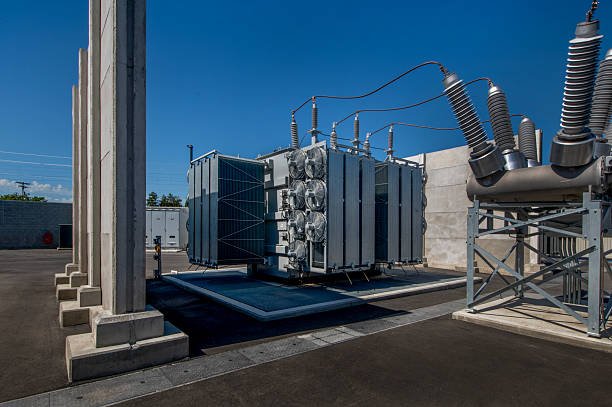
As electrical transmission networks become increasingly interconnected, utilities require advanced methods to control power flow, reduce congestion, and improve grid reliability. One of the most effective solutions is the Phase-Shifting Transformer (PST), also known as a Phase-Angle Regulating Transformer (PAR). Unlike conventional transformers that primarily adjust voltage levels, a PST modifies the phase angle between input and output voltages, allowing operators to control the direction and magnitude of active power flow through transmission corridors.
Achieving this sophisticated functionality requires a more complex internal structure than that of a standard power transformer. A phase-shifting transformer typically consists of several specialized components working together to generate, regulate, and inject a controlled voltage that creates the desired phase shift. Understanding these components is essential for engineers, utilities, and system operators involved in transmission system planning and operation.
The main components of a phase-shifting transformer include the exciting transformer, series transformer, on-load tap changer (OLTC), magnetic core, windings, insulation system, cooling system, bushings, protective devices, and control equipment. Together, these components generate and inject a controlled phase-shift voltage that regulates power flow within high-voltage transmission networks.
Each component plays a specific role in ensuring accurate phase-angle control, operational reliability, and long service life.
A phase-shifting transformer uses the same internal components as a standard power transformer and requires no additional regulating equipment.False
Phase-shifting transformers contain specialized components such as series transformers, exciting transformers, and tap changers that enable phase-angle regulation and power-flow control beyond the capabilities of conventional transformers.
Overview of Phase-Shifting Transformer Construction
A PST combines conventional transformer technology with additional regulating equipment.
Major Component Categories
| Component Group | Primary Function |
|---|---|
| Exciting transformer | Generate regulating voltage |
| Series transformer | Inject phase-shift voltage |
| Tap changer system | Adjust phase angle |
| Magnetic system | Transfer energy |
| Insulation and cooling systems | Ensure reliability |
| Control and protection systems | Safe operation |
Together, these systems provide precise power-flow control.
Exciting Transformer
The exciting transformer is one of the most important components of a PST.
Purpose
The exciting transformer produces the regulating voltage required to create the phase shift.
Main Functions
| Function | Description |
|---|---|
| Voltage generation | Produces control voltage |
| Power supply | Feeds regulating circuit |
| Phase-angle adjustment support | Enables phase shifting |
Without the exciting transformer, phase-angle regulation would not be possible.
Operating Principle
The exciting transformer draws power from the system and provides an adjustable voltage to the series transformer.
Benefits
| Advantage | Result |
|---|---|
| Controlled voltage source | Accurate phase regulation |
| Flexible operation | Adjustable power flow |
| Stable performance | Reliable grid operation |
It serves as the foundation of the PST regulating system.
Series Transformer
The series transformer is the component that directly influences power flow.
Primary Function
The series transformer injects a voltage into the transmission line.
Voltage Injection Concept
The injected voltage alters the phase relationship between the input and output voltages.
Functions of the Series Transformer
| Function | Result |
|---|---|
| Series voltage injection | Phase-angle modification |
| Adjustable operation | Variable power flow |
| Power routing | Congestion management |
This component performs the actual phase-shifting action.
Relationship Between Voltage Injection and Power Flow
The injected voltage changes the phase angle and therefore influences active power transfer.
Power Flow Equation
P=\frac{V_1V_2}{X}\sin\delta
Where:
- (P) = active power
- (V_1), (V_2) = system voltages
- (X) = line reactance
- (\delta) = phase-angle difference
The series transformer helps regulate (\delta).
On-Load Tap Changer (OLTC)
The tap changer provides adjustability.
Why It Is Needed
Power systems experience changing load conditions.
Functions
| Function | Benefit |
|---|---|
| Adjust injected voltage | Control phase shift |
| Operate under load | No interruption |
| Fine regulation | Accurate control |
The OLTC allows continuous system optimization.
Tap Position Effects
| Tap Position | Phase Shift |
|---|---|
| Minimum | Small angle |
| Medium | Moderate angle |
| Maximum | Largest angle |
Operators use tap positions to control power-flow levels.
Magnetic Core
Like conventional transformers, PSTs contain magnetic cores.
Core Function
The core provides a magnetic path for energy transfer.
Core Responsibilities
| Function | Purpose |
|---|---|
| Magnetic flux guidance | Efficient energy transfer |
| Loss reduction | Higher efficiency |
| Structural support | Mechanical integrity |
Core quality strongly influences transformer performance.
Core Materials
Modern PSTs typically use high-grade electrical steel.
Material Benefits
| Characteristic | Advantage |
|---|---|
| Low hysteresis loss | Improved efficiency |
| High permeability | Better flux transfer |
| Reduced heating | Longer life |
Premium materials improve overall reliability.
Transformer Windings
Windings are responsible for electromagnetic energy conversion.
Winding Types
| Winding | Function |
|---|---|
| Primary winding | Receives power |
| Secondary winding | Transfers energy |
| Regulating winding | Supports phase shifting |
Each winding contributes to PST operation.
Winding Design Requirements
PST windings must withstand:
| Stress Type | Source |
|---|---|
| Electrical stress | System voltage |
| Thermal stress | Load current |
| Mechanical stress | Short-circuit forces |
Proper design is critical for reliability.
Insulation System
Insulation protects transformer components from electrical breakdown.
Major Insulation Components
| Component | Function |
|---|---|
| Oil-paper insulation | Primary dielectric system |
| Pressboard structures | Mechanical support |
| Solid insulation | Electrical separation |
The insulation system is among the most critical transformer subsystems.
Importance of Insulation
| Benefit | Result |
|---|---|
| Prevents flashover | Improved safety |
| Reduces failure risk | Longer service life |
| Supports high voltages | Reliable operation |
Insulation quality directly affects transformer longevity.
Cooling System
PSTs generate significant heat during operation.
Cooling Functions
| Function | Purpose |
|---|---|
| Heat removal | Temperature control |
| Efficiency improvement | Reduced losses |
| Component protection | Extended life |
Effective cooling is essential for continuous operation.
Common Cooling Methods
| Cooling Method | Description |
|---|---|
| ONAN | Oil Natural Air Natural |
| ONAF | Oil Natural Air Forced |
| OFAF | Oil Forced Air Forced |
| OFWF | Oil Forced Water Forced |
Large PSTs often use advanced cooling systems.
Bushings
Bushings provide insulated electrical connections through the transformer tank.
Functions
| Function | Purpose |
|---|---|
| Conduct current | Electrical connection |
| Maintain insulation | Safety |
| Support high voltage | Reliable operation |
Bushings are critical external components.
Bushing Requirements
| Requirement | Importance |
|---|---|
| Dielectric strength | High |
| Mechanical strength | High |
| Weather resistance | High |
Failure of a bushing can result in serious transformer damage.
Transformer Tank
The transformer tank houses internal components.
Tank Functions
| Function | Benefit |
|---|---|
| Mechanical protection | Equipment security |
| Oil containment | Insulation support |
| Environmental protection | Long-term durability |
Large PST tanks are often custom-engineered.
Conservator System
Many PSTs use conservator tanks.
Purpose
| Function | Result |
|---|---|
| Oil expansion accommodation | Stable operation |
| Moisture reduction | Improved insulation |
| Pressure management | Equipment protection |
This helps maintain oil quality.
Monitoring Systems
Modern PSTs include extensive monitoring equipment.
Common Monitoring Devices
| Device | Purpose |
|---|---|
| Temperature sensors | Thermal monitoring |
| Oil level indicators | Fluid management |
| Dissolved gas analysis sensors | Fault detection |
| Load monitoring systems | Operational control |
Monitoring improves reliability and maintenance planning.
Protection Systems
Protection systems safeguard the transformer.
Protective Devices
| Device | Function |
|---|---|
| Differential relay | Internal fault protection |
| Buchholz relay | Gas fault detection |
| Pressure relief device | Overpressure protection |
| Overcurrent protection | Fault isolation |
These systems reduce the risk of catastrophic failure.
Control System
The control system coordinates PST operation.
Main Functions
| Function | Purpose |
|---|---|
| Tap changer control | Phase adjustment |
| Remote operation | Utility management |
| System integration | Grid coordination |
Modern systems often include digital automation.
Typical Component Interaction
Operational Sequence
| Step | Component |
|---|---|
| Generate regulating voltage | Exciting transformer |
| Adjust voltage level | Tap changer |
| Inject voltage | Series transformer |
| Create phase shift | Combined action |
| Control power flow | Entire PST system |
All components work together to achieve the desired phase-angle adjustment.
Summary of Main Components
| Component | Primary Role |
|---|---|
| Exciting transformer | Produces regulating voltage |
| Series transformer | Injects phase-shift voltage |
| On-load tap changer | Adjusts phase angle |
| Magnetic core | Transfers magnetic energy |
| Windings | Voltage conversion |
| Insulation system | Electrical protection |
| Cooling system | Heat dissipation |
| Bushings | External connections |
| Protection devices | Fault prevention |
| Control system | Operational management |
Why Are Phase-Shifting Transformers Used in Transmission Networks?
Modern transmission networks are highly interconnected systems designed to deliver electricity from power plants and renewable energy sources to consumers efficiently and reliably. However, electrical power does not always flow along the routes that system operators prefer. Instead, it follows the paths determined by network impedance and voltage phase angles, which can result in overloaded transmission lines, underutilized assets, congestion, and reduced system reliability.
To address these challenges, utilities and grid operators use Phase-Shifting Transformers (PSTs), also known as Phase-Angle Regulating Transformers (PARs). Unlike conventional transformers that primarily change voltage levels, PSTs actively control the direction and magnitude of active power flow between different parts of the transmission network. This capability allows operators to optimize power distribution, increase network efficiency, and enhance grid stability without necessarily constructing new transmission infrastructure.
Phase-shifting transformers are used in transmission networks to control active power flow, reduce transmission congestion, prevent line overloads, improve grid stability, optimize asset utilization, facilitate cross-border power exchanges, and support the integration of renewable energy sources. By adjusting the phase angle between voltages, PSTs allow operators to direct power through preferred transmission corridors and improve overall network performance.
As transmission systems continue to grow in complexity, PSTs have become an increasingly valuable tool for modern grid management.
Phase-shifting transformers are installed in transmission networks mainly to increase system frequency and generate additional electrical power.False
Phase-shifting transformers do not generate power or alter system frequency. Their primary purpose is to control active power flow by adjusting voltage phase angles within the transmission network.
Understanding Power Flow in Transmission Systems
Power flow in an AC transmission system depends largely on the phase-angle difference between network nodes.
Active Power Transfer Relationship
P=\frac{V_1V_2}{X}\sin\delta
Where:
- (P) = active power transfer
- (V_1) = sending-end voltage
- (V_2) = receiving-end voltage
- (X) = transmission line reactance
- (\delta) = phase-angle difference
This equation explains why controlling the phase angle directly affects power flow.
Natural Power Flow Limitations
Without active control, power naturally follows available electrical paths.
Common Consequences
| Issue | Impact |
|---|---|
| Uneven line loading | Reduced efficiency |
| Transmission congestion | Capacity limitations |
| Overloaded circuits | Reliability concerns |
| Underutilized assets | Economic losses |
PSTs help overcome these operational limitations.
Controlling Active Power Flow
The primary purpose of a PST is to regulate active power transfer.
How It Works
| Action | Result |
|---|---|
| Increase phase angle | Increase power flow |
| Decrease phase angle | Reduce power flow |
| Reverse phase shift | Redirect power |
This provides operators with direct influence over network loading.
Reducing Transmission Congestion
Congestion occurs when transmission lines approach their operating limits.
Causes of Congestion
| Cause | Example |
|---|---|
| High regional demand | Urban centers |
| Large renewable generation | Wind and solar zones |
| Limited transmission capacity | Bottlenecks |
Congestion can restrict electricity transfers and increase costs.
How PSTs Relieve Congestion
By adjusting phase angles, PSTs redistribute power flow.
Benefits
| Benefit | Result |
|---|---|
| Reduced line loading | Improved reliability |
| Better corridor utilization | Increased capacity |
| Lower congestion costs | Economic savings |
This makes PSTs an attractive alternative to building new transmission lines.
Preventing Transmission Line Overloads
Overloaded transmission lines can create serious operational risks.
Potential Consequences
| Problem | Impact |
|---|---|
| Excessive heating | Conductor damage |
| Reduced equipment life | Increased maintenance |
| Stability issues | Grid disturbances |
| Protection trips | Service interruptions |
PSTs help keep loading within safe limits.
Improving Grid Reliability
Reliable operation is a fundamental objective of every transmission network.
Reliability Benefits
| Benefit | Impact |
|---|---|
| Controlled power distribution | Improved operation |
| Reduced overload risk | Greater security |
| Better contingency response | Enhanced resilience |
These improvements support long-term network stability.
Enhancing Grid Stability
Power systems must remain stable during disturbances.
Stability Objectives
| Objective | Importance |
|---|---|
| Voltage stability | Critical |
| Rotor-angle stability | Critical |
| Frequency stability | Critical |
Proper power-flow control contributes significantly to system stability.
Optimizing Transmission Asset Utilization
Transmission infrastructure represents a major investment.
Asset Management Challenges
| Challenge | Effect |
|---|---|
| Uneven loading | Reduced efficiency |
| Capacity constraints | Limited transfers |
| Infrastructure expansion costs | Higher expenditures |
PSTs improve utilization of existing assets.
Benefits of Optimization
| Advantage | Result |
|---|---|
| Better use of transmission lines | Increased efficiency |
| Delayed expansion projects | Lower capital costs |
| Improved return on investment | Financial benefits |
Utilities often install PSTs to maximize network value.
Supporting Interconnected Power Grids
Many regions operate interconnected transmission networks.
Interconnection Benefits
| Benefit | Description |
|---|---|
| Resource sharing | Improved efficiency |
| Reliability support | Mutual assistance |
| Economic power exchange | Market benefits |
However, interconnected systems require flow control.
Managing Loop Flows
Loop flows occur when electricity takes unintended routes through neighboring networks.
Problems Created by Loop Flows
| Issue | Consequence |
|---|---|
| Unexpected loading | Congestion |
| Cross-border disputes | Market impacts |
| Reduced transfer capability | Operational limitations |
PSTs are frequently installed to manage these situations.
Facilitating Cross-Border Electricity Trading
International power exchanges are increasingly common.
Requirements
| Requirement | Importance |
|---|---|
| Scheduled transfers | High |
| Network stability | High |
| Fair capacity allocation | High |
Phase-shifting transformers help maintain contractual power flows.
Renewable Energy Integration
Renewable generation often changes traditional power-flow patterns.
Renewable Challenges
| Challenge | Example |
|---|---|
| Variable generation | Wind fluctuations |
| Remote generation sites | Long-distance transmission |
| Grid congestion | Renewable curtailment |
PSTs help accommodate these changing conditions.
Renewable Applications
| Energy Source | PST Benefit |
|---|---|
| Wind farms | Flow control |
| Solar plants | Congestion reduction |
| Energy storage systems | Network optimization |
These applications are becoming increasingly important.
Deferring Transmission Expansion
Building new transmission lines is expensive and time-consuming.
Common Obstacles
| Obstacle | Impact |
|---|---|
| Permitting delays | Extended timelines |
| Environmental reviews | Increased complexity |
| Land acquisition | Higher costs |
Utilities often seek alternatives before constructing new infrastructure.
PST Economic Advantages
| Advantage | Benefit |
|---|---|
| Better use of existing assets | Reduced spending |
| Increased transfer capability | Higher efficiency |
| Delayed infrastructure investment | Capital savings |
These factors frequently justify PST installations.
Improving Contingency Management
Transmission systems must remain operational after equipment failures.
N-1 Reliability Principle
Utilities commonly design systems to withstand the loss of a major component.
Contingency Benefits of PSTs
| Benefit | Result |
|---|---|
| Flexible power routing | Improved resilience |
| Reduced overload risk | Enhanced security |
| Better emergency response | Faster recovery |
This contributes to overall system robustness.
Typical Installation Locations
PSTs are generally installed at strategic network points.
Common Locations
| Location | Purpose |
|---|---|
| Major substations | Flow regulation |
| Interconnection points | Power exchange control |
| Cross-border links | Loop-flow management |
| Renewable energy corridors | Congestion mitigation |
These locations maximize operational value.
Comparison with Conventional Transformers
| Feature | Conventional Transformer | PST |
|---|---|---|
| Voltage transformation | Yes | |
| Phase-angle control | No | |
| Active power-flow control | No | |
| Congestion management | No | |
| Grid optimization | Limited |
The additional capabilities distinguish PSTs from standard transformers.
Key Benefits Summary
| Benefit | Importance |
|---|---|
| Power-flow control | Very high |
| Congestion reduction | Very high |
| Grid stability enhancement | Very high |
| Renewable integration support | High |
| Asset optimization | High |
| Cross-border flow management | High |
These advantages explain their growing use worldwide.
Challenges of PST Deployment
Despite their benefits, PSTs involve certain considerations.
Common Challenges
| Challenge | Impact |
|---|---|
| High initial cost | Significant investment |
| Large physical size | Site requirements |
| Complex engineering | Specialized expertise |
| Maintenance requirements | Ongoing operational costs |
Utilities must balance these factors against long-term benefits.
What Benefits Do Phase-Shifting Transformers Provide?
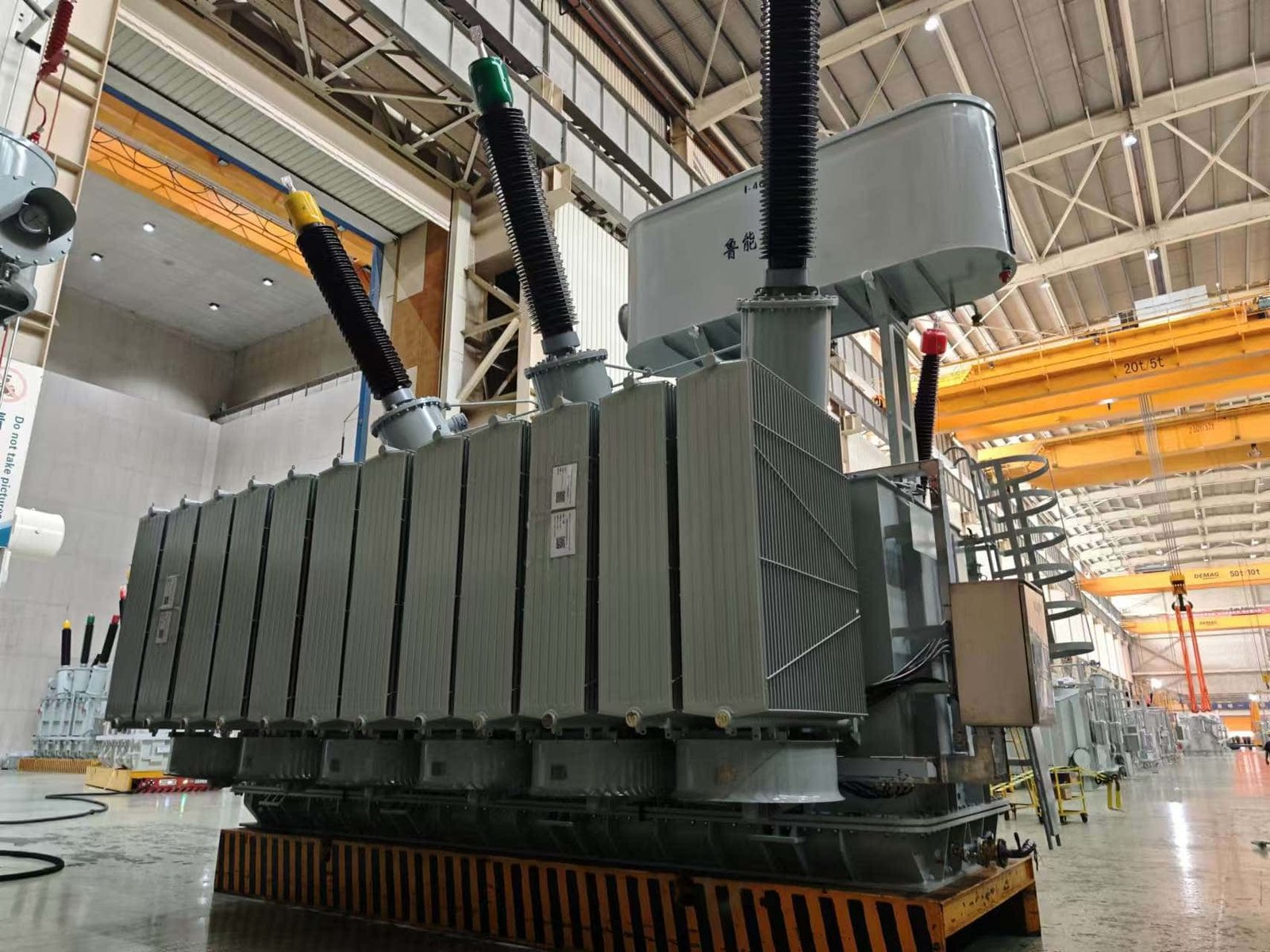
As electrical grids become larger, more interconnected, and increasingly dependent on renewable energy sources, controlling power flow has become a critical challenge for transmission system operators. Conventional transformers can efficiently transform voltage levels, but they cannot directly control how active power flows through transmission corridors. This limitation can lead to network congestion, overloaded lines, inefficient asset utilization, and reduced system reliability.
Phase-Shifting Transformers (PSTs), also known as Phase-Angle Regulating Transformers (PARs), address these challenges by introducing a controlled phase-angle shift between their input and output voltages. By modifying the phase angle, PSTs influence the direction and magnitude of active power flow, allowing operators to optimize transmission network performance. Their unique capabilities provide significant technical, operational, and economic benefits that make them valuable assets in modern power systems.
Phase-shifting transformers provide numerous benefits, including active power-flow control, transmission congestion reduction, overload prevention, improved grid stability, enhanced reliability, better utilization of existing transmission assets, support for renewable energy integration, facilitation of cross-border power exchanges, and reduced need for costly transmission expansion projects.
These advantages help utilities improve system efficiency while maintaining secure and reliable operation.
The primary benefit of a phase-shifting transformer is increasing the electrical generation capacity of a power plant.False
Phase-shifting transformers do not generate power or increase generation capacity. Their primary benefit is controlling active power flow within transmission networks to improve efficiency, reliability, and stability.
Understanding the Purpose of Phase-Shifting Transformers
A PST is designed to influence active power flow by adjusting voltage phase angles.
Power Flow Relationship
P=\frac{V_1V_2}{X}\sin\delta
Where:
- (P) = active power transfer
- (V_1) = sending-end voltage
- (V_2) = receiving-end voltage
- (X) = transmission line reactance
- (\delta) = phase-angle difference
By controlling (\delta), a PST directly influences power flow.
Benefit 1: Active Power Flow Control
The most important advantage of a PST is its ability to regulate power transfer.
How It Helps
| Action | Result |
|---|---|
| Increase phase angle | More power flow |
| Decrease phase angle | Less power flow |
| Reverse phase shift | Redirect power |
This capability gives operators unprecedented control over transmission networks.
Operational Advantages
| Advantage | Impact |
|---|---|
| Flexible power routing | Improved efficiency |
| Dynamic control | Better network management |
| Optimized transfers | Increased reliability |
Few other transmission devices offer similar functionality.
Benefit 2: Transmission Congestion Reduction
Congestion occurs when transmission lines approach their thermal or stability limits.
Causes of Congestion
| Cause | Example |
|---|---|
| High demand regions | Urban centers |
| Renewable generation surges | Wind farms |
| Limited corridor capacity | Transmission bottlenecks |
Congestion can restrict electricity transfers and increase operating costs.
How PSTs Reduce Congestion
By redistributing power flow:
| Benefit | Result |
|---|---|
| Reduced loading on critical lines | Improved security |
| Better utilization of alternate routes | Increased capacity |
| Lower congestion costs | Economic savings |
This is one of the primary reasons utilities install PSTs.
Benefit 3: Prevention of Transmission Line Overloads
Overloaded transmission lines can threaten system security.
Potential Risks
| Risk | Consequence |
|---|---|
| Excessive conductor heating | Equipment damage |
| Reduced lifespan | Higher maintenance |
| Protection trips | Service interruptions |
| Stability problems | Blackout risks |
PSTs help keep line loadings within safe limits.
Overload Management
| Function | Benefit |
|---|---|
| Power-flow redistribution | Lower stress |
| Load balancing | Enhanced reliability |
| Dynamic adjustment | Improved flexibility |
These capabilities improve overall network resilience.
Benefit 4: Improved Grid Stability
Stable operation is essential in interconnected power systems.
Stability Objectives
| Objective | Importance |
|---|---|
| Voltage stability | Critical |
| Rotor-angle stability | Critical |
| Power-flow stability | Critical |
PSTs contribute positively to all three areas.
Stability Benefits
| Benefit | Impact |
|---|---|
| Controlled power transfer | Reduced oscillations |
| Improved system balance | Better performance |
| Enhanced contingency response | Increased resilience |
These improvements support reliable grid operation.
Benefit 5: Better Utilization of Existing Infrastructure
Transmission assets represent substantial investments.
Common Challenges
| Challenge | Impact |
|---|---|
| Uneven line loading | Reduced efficiency |
| Underutilized corridors | Wasted capacity |
| Capacity bottlenecks | Limited transfers |
PSTs help maximize the value of existing assets.
Infrastructure Optimization
| Benefit | Result |
|---|---|
| Improved utilization | Higher efficiency |
| Better asset management | Increased ROI |
| Reduced bottlenecks | Greater capacity |
Utilities can often defer major investments through optimization.
Benefit 6: Reduced Need for New Transmission Lines
Constructing new transmission lines can be difficult.
Common Obstacles
| Obstacle | Impact |
|---|---|
| Environmental permitting | Delays |
| Land acquisition | Increased cost |
| Community opposition | Project challenges |
PSTs provide an alternative approach.
Economic Advantages
| Benefit | Value |
|---|---|
| Delayed expansion projects | Capital savings |
| Increased corridor utilization | Better efficiency |
| Reduced infrastructure spending | Improved economics |
This can significantly improve project economics.
Benefit 7: Enhanced Reliability
Reliable power delivery is a core objective of transmission operators.
Reliability Improvements
| Improvement | Effect |
|---|---|
| Controlled loading | Reduced failures |
| Better contingency handling | Faster recovery |
| Balanced network operation | Improved service quality |
PSTs support long-term reliability goals.
Benefit 8: Improved Contingency Management
Power systems must remain operational during equipment failures.
N-1 Reliability Concept
Utilities typically require the system to survive the loss of a major component.
PST Contributions
| Capability | Benefit |
|---|---|
| Alternative power routing | Improved resilience |
| Overload prevention | Enhanced security |
| Emergency flow management | Better recovery |
These capabilities improve overall system security.
Benefit 9: Support for Renewable Energy Integration
Renewable energy is changing traditional power-flow patterns.
Renewable Challenges
| Challenge | Example |
|---|---|
| Variable generation | Wind fluctuations |
| Remote locations | Long transmission distances |
| Grid congestion | Renewable curtailment |
PSTs help manage these issues.
Renewable Applications
| Source | PST Benefit |
|---|---|
| Wind farms | Flow regulation |
| Solar plants | Congestion reduction |
| Battery systems | Network optimization |
This supports the transition to cleaner energy systems.
Benefit 10: Facilitation of Cross-Border Power Exchanges
Many transmission networks operate across regional or national boundaries.
Cross-Border Requirements
| Requirement | Importance |
|---|---|
| Scheduled transfers | High |
| Contract compliance | High |
| Grid stability | High |
PSTs help maintain desired power-flow patterns.
Managing Loop Flows
Loop flows can occur when electricity takes unintended routes.
Problems
| Issue | Impact |
|---|---|
| Unexpected congestion | Reduced capacity |
| Market inefficiencies | Financial losses |
| Reliability concerns | Operational challenges |
PSTs help minimize these effects.
Benefit 11: Increased Operational Flexibility
Modern grids require adaptable solutions.
Flexibility Advantages
| Feature | Benefit |
|---|---|
| Adjustable phase angle | Dynamic control |
| Real-time operation | Responsive management |
| Adaptation to changing conditions | Improved performance |
Operators can respond quickly to evolving system needs.
Benefit 12: Improved Market Efficiency
Electricity markets rely on transmission availability.
Economic Benefits
| Benefit | Impact |
|---|---|
| Increased transfer capability | More competition |
| Reduced congestion charges | Lower costs |
| Better asset utilization | Improved efficiency |
PSTs can positively affect energy market performance.
Comparison with Conventional Transformers
| Feature | Conventional Transformer | PST |
|---|---|---|
| Voltage transformation | Yes | |
| Phase-angle control | No | |
| Active power-flow control | No | |
| Congestion management | No | |
| Grid optimization | Limited |
These additional capabilities create substantial value.
Summary of Technical Benefits
| Benefit | Importance |
|---|---|
| Power-flow control | Very high |
| Congestion reduction | Very high |
| Overload prevention | Very high |
| Grid stability | Very high |
| Reliability enhancement | Very high |
Summary of Economic Benefits
| Benefit | Financial Impact |
|---|---|
| Deferred transmission expansion | Significant |
| Better asset utilization | High |
| Reduced congestion costs | High |
| Improved market efficiency | Moderate to high |
Summary of Strategic Benefits
| Strategic Goal | PST Contribution |
|---|---|
| Renewable integration | Strong |
| Grid modernization | Strong |
| Cross-border cooperation | Strong |
| Infrastructure optimization | Strong |
What Challenges and Considerations Are Associated with Their Use?
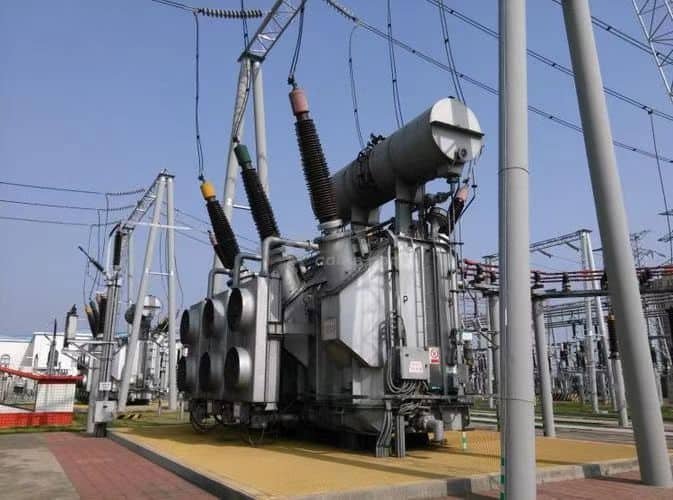
Phase-Shifting Transformers (PSTs) offer significant benefits for transmission network operation, including power-flow control, congestion management, grid stability enhancement, and renewable energy integration support. However, despite these advantages, PSTs are among the most complex and expensive transformers used in modern power systems. Their successful implementation requires careful technical evaluation, detailed system studies, and long-term operational planning.
Utilities considering a PST installation must assess factors such as system requirements, network interactions, protection coordination, maintenance needs, capital costs, and operational complexity. While a properly applied PST can deliver substantial economic and reliability benefits, poor planning or incorrect application may reduce effectiveness and increase operational challenges.
The main challenges associated with phase-shifting transformers include high capital costs, complex design and engineering requirements, increased maintenance needs, protection coordination challenges, system integration complexity, physical size constraints, operational control requirements, and the need for detailed power-flow studies. Successful implementation requires careful planning, ongoing monitoring, and comprehensive grid analysis.
Understanding these considerations helps utilities maximize the value of PST investments while minimizing operational risks.
Phase-shifting transformers can be installed in any transmission system without detailed studies because they automatically improve power flow under all operating conditions.False
Phase-shifting transformers require extensive system analysis, protection coordination, and operational planning to ensure they provide the intended benefits without creating new network challenges.
High Capital Investment
One of the first considerations is the cost of the equipment.
Why PSTs Are Expensive
Unlike conventional transformers, PSTs contain additional regulating components and sophisticated control systems.
Cost Drivers
| Factor | Impact on Cost |
|---|---|
| Series transformer section | High |
| Exciting transformer section | High |
| On-load tap changers | Significant |
| Advanced control systems | Significant |
| Custom engineering | Significant |
PSTs often cost considerably more than standard power transformers of similar ratings.
Economic Evaluation Requirements
Before installation, utilities typically perform detailed cost-benefit analyses.
Key Questions
| Evaluation Area | Objective |
|---|---|
| Congestion reduction | Estimate savings |
| Deferred transmission upgrades | Measure benefits |
| Reliability improvements | Quantify value |
| Market efficiency gains | Assess impact |
The long-term benefits must justify the initial investment.
Complex Design and Engineering
Phase-shifting transformers are among the most technically sophisticated transformers in service.
Design Challenges
| Challenge | Description |
|---|---|
| Voltage regulation coordination | Complex |
| Phase-angle optimization | Complex |
| Mechanical design | Specialized |
| Thermal management | Critical |
Each project often requires a customized engineering approach.
System Study Requirements
Extensive network analysis is essential before installation.
Typical Studies
| Study Type | Purpose |
|---|---|
| Load-flow analysis | Determine benefits |
| Short-circuit study | Verify protection |
| Stability analysis | Assess performance |
| Contingency analysis | Evaluate reliability |
These studies help determine the optimal PST rating and location.
Protection Coordination Challenges
PSTs alter power-flow patterns throughout the network.
Why Protection Must Be Reviewed
Changes in power flow can affect fault-current distribution.
Potential Issues
| Issue | Impact |
|---|---|
| Relay miscoordination | Protection errors |
| Unexpected fault-current paths | Reliability concerns |
| Changed system behavior | Operational complexity |
Protection schemes often require modification after PST installation.
Fault Current Considerations
Power system faults remain a critical design concern.
Fault Current Relationship
I_f=\frac{V}{Z_f}
Where:
- (I_f) = fault current
- (V) = system voltage
- (Z_f) = fault impedance
Although PSTs primarily control power flow, they can influence network conditions during faults.
Operational Complexity
A conventional transformer generally requires limited operational adjustment.
PST Operational Requirements
| Function | Complexity |
|---|---|
| Tap position management | Moderate |
| Power-flow optimization | High |
| System coordination | High |
| Network monitoring | High |
Operators must continuously evaluate system conditions.
Tap Changer Maintenance
Most PSTs rely heavily on on-load tap changers (OLTCs).
Importance of OLTCs
The tap changer adjusts the phase angle and therefore controls power flow.
Maintenance Considerations
| Issue | Impact |
|---|---|
| Mechanical wear | Increased servicing |
| Contact degradation | Reliability concerns |
| Frequent operation | Accelerated aging |
Tap changers are often among the most maintenance-intensive components.
Large Physical Size
PSTs are generally larger than comparable conventional transformers.
Reasons
| Cause | Effect |
|---|---|
| Additional transformer sections | Increased footprint |
| Extra cooling equipment | Larger installation area |
| Complex internal construction | Greater weight |
Site space requirements can become a significant challenge.
Transportation Challenges
Large PSTs can be difficult to transport.
Typical Issues
| Challenge | Impact |
|---|---|
| Excessive weight | Specialized logistics |
| Oversized dimensions | Route restrictions |
| Remote locations | Increased cost |
Transportation planning often begins years before commissioning.
Thermal Management Requirements
Phase-shifting transformers handle substantial power levels.
Heat Sources
| Source | Description |
|---|---|
| Core losses | Continuous |
| Copper losses | Load-dependent |
| Tap changer operation | Additional heating |
Proper cooling is essential.
Cooling System Considerations
| Cooling Method | Application |
|---|---|
| ONAN | Smaller units |
| ONAF | Medium-sized PSTs |
| OFAF | Large PSTs |
| OFWF | Very high-capacity installations |
Cooling system reliability directly affects transformer performance.
Grid Stability Considerations
PSTs influence network power-flow patterns.
Stability Benefits and Risks
| Benefit | Potential Concern |
|---|---|
| Controlled loading | Incorrect settings |
| Congestion reduction | Unintended flow shifts |
| Enhanced flexibility | Operational complexity |
Proper settings are critical for achieving desired results.
Power Flow Redistribution Risks
Power redirected away from one line appears elsewhere in the network.
Possible Consequences
| Risk | Description |
|---|---|
| Secondary congestion | New bottlenecks |
| Unexpected loading | Equipment stress |
| System imbalance | Operational issues |
Comprehensive system studies help minimize these risks.
Renewable Energy Integration Challenges
Renewable resources create dynamic operating conditions.
Challenges
| Issue | Example |
|---|---|
| Wind variability | Rapid output changes |
| Solar intermittency | Daily fluctuations |
| Power-flow uncertainty | Network management difficulty |
PST settings may require more frequent adjustment.
Control System Complexity
Modern PSTs often use advanced digital control systems.
Control Requirements
| Requirement | Purpose |
|---|---|
| Real-time monitoring | System awareness |
| Automated control | Rapid response |
| Remote operation | Utility integration |
These systems add functionality but also increase complexity.
Cybersecurity Considerations
Digital control systems require protection from cyber threats.
Key Areas
| Concern | Importance |
|---|---|
| Secure communications | High |
| Access control | High |
| Network protection | High |
Cybersecurity is increasingly important for critical infrastructure.
Maintenance Requirements
PSTs typically require more maintenance than standard transformers.
Maintenance Areas
| Component | Inspection Focus |
|---|---|
| Tap changer | Contact wear |
| Insulation system | Dielectric condition |
| Cooling equipment | Performance |
| Control system | Calibration |
Preventive maintenance is essential for long-term reliability.
Spare Parts and Service Considerations
Because PSTs are specialized devices:
Potential Challenges
| Challenge | Impact |
|---|---|
| Long lead times | Delayed repairs |
| Custom components | Higher costs |
| Specialized expertise | Limited availability |
Utilities often maintain strategic spare-part inventories.
Environmental Considerations
Large PST installations must comply with environmental regulations.
Common Requirements
| Requirement | Purpose |
|---|---|
| Oil containment | Spill prevention |
| Noise control | Community compliance |
| Fire protection | Safety |
These factors may influence site design.
Long Manufacturing Lead Times
PSTs are highly customized pieces of equipment.
Typical Timeline Factors
| Factor | Effect |
|---|---|
| Engineering design | Extended schedule |
| Manufacturing complexity | Longer production |
| Factory testing | Additional time |
Lead times can range from many months to several years.
Comparison with Conventional Transformers
| Characteristic | Conventional Transformer | PST |
|---|---|---|
| Initial cost | Lower | |
| Operational complexity | Lower | |
| Maintenance requirements | Lower | |
| Power-flow control capability | No | |
| System-study requirements | Moderate |
The additional functionality comes with additional responsibilities.
Summary of Key Challenges
| Challenge | Significance |
|---|---|
| High capital cost | Very high |
| Engineering complexity | Very high |
| Protection coordination | High |
| Maintenance requirements | High |
| Space requirements | Moderate to high |
| Transportation logistics | Moderate |
| Control system management | High |
Best Practices for Successful Deployment
| Practice | Benefit |
|---|---|
| Comprehensive system studies | Better planning |
| Proper protection coordination | Improved reliability |
| Preventive maintenance | Longer service life |
| Operator training | Better performance |
| Continuous monitoring | Early problem detection |
These practices maximize PST effectiveness.
Conclusion
A phase-shifting transformer is a specialized power transformer designed to regulate active power flow by introducing a controlled phase-angle shift between transmission lines. By directing power along preferred paths, PSTs help improve grid stability, increase transmission efficiency, and reduce network congestion. As modern power systems become more interconnected and complex, phase-shifting transformers play an increasingly important role in optimizing power system operation and reliability.
FAQ
Q1: What is a phase-shifting transformer (PST)?
A phase-shifting transformer (PST), also known as a phase-angle regulator, is a specialized transformer used to control the flow of active power in AC transmission networks.
Unlike conventional transformers that primarily change voltage levels, a PST introduces a controlled phase-angle difference between its input and output voltages. This phase shift influences how power flows through interconnected transmission lines, helping utilities optimize grid performance and reliability.
Q2: How does a phase-shifting transformer work?
A PST works by injecting a voltage component that is phase-shifted relative to the system voltage.
Its main components typically include:
A series transformer
An excitation transformer
An on-load tap changer (OLTC)
By adjusting the tap position, operators can increase or decrease the phase angle, thereby controlling the magnitude and direction of power flow across the transmission network.
Q3: Why are phase-shifting transformers used in power systems?
Phase-shifting transformers are used to:
Control power flow between transmission corridors
Reduce line congestion
Improve grid stability
Prevent overloads on critical transmission assets
Optimize the use of existing infrastructure
Support cross-border power exchanges
They provide a cost-effective alternative to constructing new transmission lines.
Q4: Where are phase-shifting transformers commonly installed?
PSTs are commonly installed in:
High-voltage transmission substations
Interconnections between regional grids
International power exchange points
Renewable energy integration hubs
Congested transmission corridors
These locations benefit from active power flow management and enhanced network flexibility.
Q5: How do phase-shifting transformers support renewable energy integration?
Renewable energy sources such as wind and solar can create fluctuating power flows across the grid.
Phase-shifting transformers help by:
Redirecting power to available transmission paths
Preventing congestion caused by renewable generation
Enhancing grid flexibility
Improving overall system stability
This enables utilities to accommodate higher levels of renewable energy without compromising reliability.
Q6: What are the advantages of phase-shifting transformers?
Key advantages include:
Precise control of active power flow
Increased transmission system efficiency
Improved grid reliability
Reduced transmission bottlenecks
Better utilization of existing infrastructure
Enhanced support for interconnected grids
These benefits make PSTs valuable assets in modern transmission networks.
Q7: What are the limitations of phase-shifting transformers?
Despite their advantages, PSTs have some challenges:
Higher installation costs
Larger physical size
More complex design and maintenance
Additional control and monitoring requirements
However, their operational benefits often outweigh these limitations in large transmission systems.
Q8: How are phase-shifting transformers different from conventional transformers?
While conventional transformers primarily adjust voltage levels, phase-shifting transformers are specifically designed to control power flow by changing the phase angle between voltages.
Feature Conventional Transformer Phase-Shifting Transformer
Main Function Voltage Transformation Power Flow Control
Phase Angle Adjustment No Yes
Grid Congestion Management Limited Excellent
Transmission Flow Control No Yes
Typical Application Distribution & Transmission Transmission Networks
This unique capability makes PSTs essential for managing modern interconnected power systems.
References
IEC 60076 – Power Transformers
https://webstore.iec.ch/publication/602
IEEE C57 Series – Transformer Standards
https://standards.ieee.org
Electrical Engineering Portal – Phase-Shifting Transformers Explained
https://electrical-engineering-portal.com/phase-shifting-transformers
CIGRE – Transmission System Power Flow Control Studies
https://www.cigre.org
Electric Power Research Institute (EPRI) – Grid Optimization Technologies
https://www.epri.com
International Energy Agency (IEA) – Modern Grid Infrastructure and Flexibility
https://www.iea.org