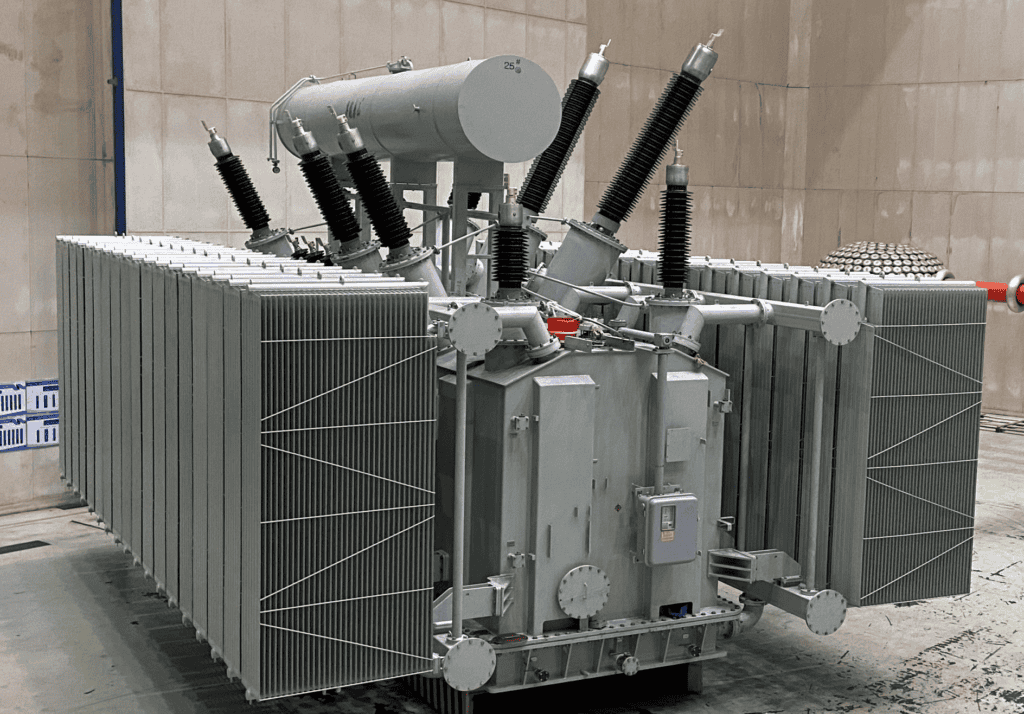
Selecting the correct capacity for a power transformer is one of the most important steps in electrical system design. An undersized transformer may experience overheating, excessive voltage drops, reduced efficiency, and premature aging, while an oversized transformer can result in unnecessary capital costs and increased no-load losses. Determining the right transformer capacity requires careful evaluation of current loads, future expansion plans, operating conditions, and system reliability requirements. A proper capacity calculation ensures that the transformer can deliver stable power while operating safely and efficiently throughout its service life.
The required capacity of a power transformer is calculated based on the total connected load, maximum demand, load factor, power factor, future expansion requirements, and safety margins. The transformer rating is usually selected in kilovolt-amperes (kVA) or megavolt-amperes (MVA) by calculating the expected apparent power demand and adding appropriate capacity reserves to handle load growth, starting currents, and operating conditions.
Accurate transformer sizing is not simply about adding up all connected equipment ratings. Engineers must analyze actual operating patterns, peak demand periods, and future system requirements to select a transformer that provides the best balance between performance, reliability, and investment cost.
How Is the Required Capacity of Power Transformers Calculated?
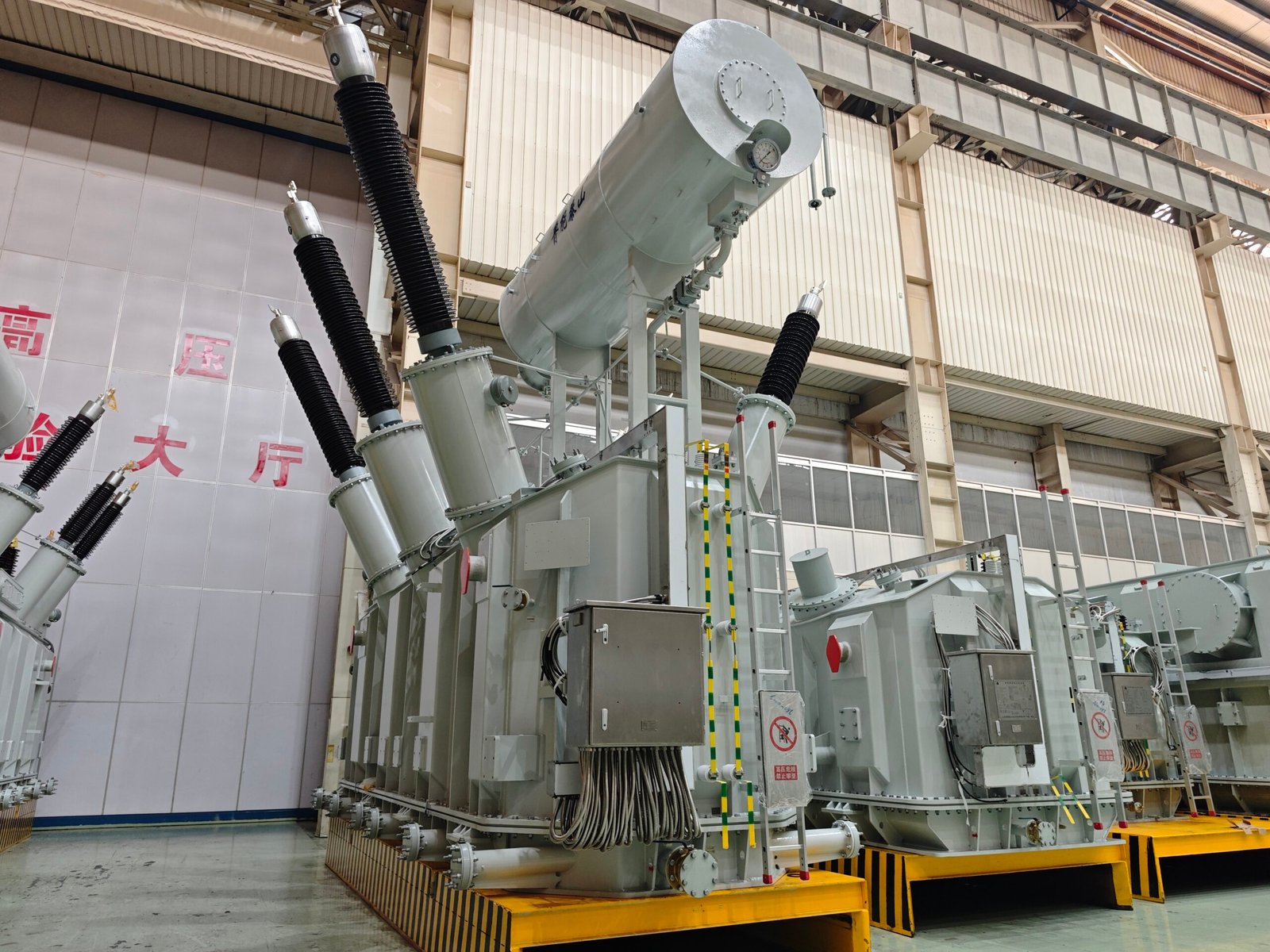
Selecting the correct capacity of a power transformer is one of the most important engineering decisions for ensuring reliable electrical system performance. An incorrectly sized transformer can create serious operational problems: an undersized transformer may suffer from overheating, excessive losses, voltage drops, and shortened service life, while an oversized transformer may increase investment costs and operate inefficiently under light loads. Engineers calculate the required transformer capacity by analyzing connected loads, demand factors, load diversity, future expansion requirements, operating conditions, and safety margins to determine the optimal transformer rating for the application.
The required capacity of a power transformer is calculated by determining the total electrical load in kilovolt-amperes (kVA), applying demand and diversity factors, considering power factor, adding future expansion margins, and selecting a transformer rating that can safely handle normal and peak operating conditions. The basic calculation is transformer capacity (kVA) = total load demand (kW) ÷ power factor, with additional allowances for future growth, overload capability, and environmental conditions.
Transformer capacity should always be selected based only on the maximum connected load without considering demand factors or future expansion.False
Transformer sizing requires analysis of actual demand, load diversity, operating conditions, and future growth. Selecting capacity based only on connected load can result in unnecessary cost or insufficient capacity.
Why is accurate transformer capacity calculation important?
A power transformer is a long-term electrical asset that may operate for 30 to 50 years or more. Choosing the correct capacity affects:
- Energy efficiency
- Reliability
- Operating temperature
- Maintenance requirements
- Equipment lifespan
- Expansion capability
A properly sized transformer operates efficiently while maintaining sufficient reserve capacity.
| Transformer Sizing Condition | Result |
|---|---|
| Undersized transformer | Overheating and reduced lifespan |
| Correctly sized transformer | Reliable and efficient operation |
| Oversized transformer | Higher cost and increased no-load losses |
What information is needed to calculate transformer capacity?
Engineers collect several key electrical parameters before selecting a transformer.
Required information includes:
- Connected load
- Maximum demand
- Load type
- Voltage level
- Frequency
- Power factor
- Future expansion plans
- Operating environment
The calculation process begins by identifying all equipment that will receive power from the transformer.
What is the basic transformer capacity calculation formula?
Transformer ratings are usually expressed in kVA because transformers supply both active and reactive power.
The basic relationship is:
Transformer capacity (kVA) = Load power (kW) ÷ Power factor
For example:
If a facility requires:
- 800 kW active power
- Power factor of 0.8
The required capacity is:
800 kW ÷ 0.8 = 1000 kVA
The transformer should then be selected from available standard ratings, usually with additional reserve capacity.
How does power factor affect transformer sizing?
Power factor has a major influence on required transformer capacity.
A lower power factor means more current is required to deliver the same useful power.
For example:
| Load Requirement | Power Factor | Required Transformer Capacity |
|---|---|---|
| 800 kW | 1.0 | 800 kVA |
| 800 kW | 0.8 | 1000 kVA |
| 800 kW | 0.7 | 1143 kVA |
Industrial facilities often have lower power factors due to:
- Motors
- Pumps
- Compressors
- Welding equipment
Engineers may include power factor correction when optimizing transformer capacity.
What is the difference between connected load and demand load?
Connected load refers to the total rated power of all electrical equipment connected to the system.
Demand load represents the actual expected maximum power consumption.
For example:
A factory may have:
- Ten motors rated at 100 kW each.
- Total connected load = 1000 kW.
However, if only six motors normally operate simultaneously:
- Demand load may be much lower.
Using connected load alone can result in an unnecessarily large transformer.
| Load Type | Meaning |
|---|---|
| Connected load | Total installed equipment capacity |
| Demand load | Expected operating requirement |
| Peak load | Highest measured demand |
How are demand factors used in transformer sizing?
The demand factor accounts for the fact that not all equipment operates at full capacity simultaneously.
The formula is:
Demand factor = Maximum demand ÷ Connected load
Engineers apply this factor to obtain realistic transformer loading requirements.
Example:
Connected load:
- 2000 kW
Demand factor:
- 0.7
Maximum demand:
- 1400 kW
The transformer should be sized based on the demand load, not the full connected load.
How do diversity factors affect transformer capacity?
Diversity factor considers the difference between individual equipment peak demands and the overall system peak demand.
Different loads often reach maximum demand at different times.
Benefits of considering diversity include:
- More accurate sizing
- Lower capital cost
- Improved operating efficiency
Why should future expansion be included?
Electrical systems often grow after installation.
Future requirements may include:
- Additional production equipment
- Electric vehicle charging
- Renewable energy systems
- Building expansion
- Increased automation
Engineers typically include a future growth allowance.
| Future Growth Allowance | Application |
|---|---|
| 10% | Stable systems |
| 20% | Moderate expansion |
| 30% or more | Rapid growth industries |
The exact value depends on project conditions.
How does transformer loading percentage affect capacity selection?
Transformers should not normally operate continuously at 100% rated capacity.
Operating at a lower percentage provides:
- Thermal reserve
- Improved reliability
- Better overload capability
Common design practice is:
| Normal Loading Level | Purpose |
|---|---|
| 50–70% | High reliability applications |
| 70–85% | Efficient general operation |
| 85–100% | Higher utilization with less margin |
How do environmental conditions affect transformer capacity?
Transformer capacity may need adjustment based on installation conditions.
Important factors include:
- Ambient temperature
- Installation altitude
- Cooling conditions
- Indoor or outdoor location
High temperatures and high altitude reduce cooling effectiveness and may require derating.
How are three-phase transformer capacities calculated?
For three-phase systems, engineers consider line voltage and current.
The apparent power calculation is:
Transformer capacity depends on:
- Three-phase voltage
- Phase current
- System configuration
Engineers use measured or calculated load current to determine the required rating.
For large industrial systems, three-phase transformer calculations are usually performed using detailed load studies.
How do engineers calculate capacity for industrial transformers?
Industrial transformer sizing requires analysis of complex loads.
Engineers evaluate:
- Motor starting currents
- Continuous loads
- Intermittent loads
- Harmonic-producing equipment
- Production cycles
Special consideration is required for:
- Steel plants
- Mining operations
- Chemical facilities
- Manufacturing plants
Large motors may require additional capacity because starting currents can temporarily exceed normal operating levels.
How are renewable energy transformer capacities determined?
Renewable energy projects require additional considerations.
Solar and wind transformer sizing includes:
- Generator output rating
- Inverter capacity
- Energy export requirements
- Grid connection requirements
- Power fluctuation patterns
Engineers must consider both normal generation and maximum output conditions.
How does transformer efficiency influence capacity selection?
Transformer efficiency varies depending on operating load.
An oversized transformer may have:
- Lower operating efficiency
- Higher no-load losses
An undersized transformer may have:
- Higher load losses
- Excessive temperature rise
The optimal capacity balances:
- Energy efficiency
- Reliability
- Future demand
- Investment cost
What monitoring data helps verify transformer capacity selection?
After installation, monitoring confirms whether the selected transformer rating is appropriate.
Important measurements include:
- Load percentage
- Phase currents
- Temperature rise
- Power factor
- Energy consumption
| Monitoring Data | Purpose |
|---|---|
| Load current | Verify utilization |
| Temperature | Check thermal performance |
| Power factor | Confirm capacity requirement |
| Historical demand | Support future planning |
What mistakes should be avoided when calculating transformer capacity?
Common transformer sizing mistakes include:
| Mistake | Consequence |
|---|---|
| Using only connected load | Oversizing |
| Ignoring future growth | Early capacity shortage |
| Ignoring motor starting current | Voltage problems |
| Ignoring power factor | Incorrect kVA selection |
| Ignoring environment | Reduced performance |
What standards guide transformer capacity selection?
Transformer capacity selection and performance evaluation are commonly based on standards developed by:
- International Electrotechnical Commission
- Institute of Electrical and Electronics Engineers
These standards provide guidance for:
- Transformer ratings
- Loading capability
- Temperature limits
- Testing requirements
- Performance evaluation
Following recognized standards helps ensure the selected transformer operates safely and reliably.
What Load Information Is Needed to Calculate Power Transformer Capacity?
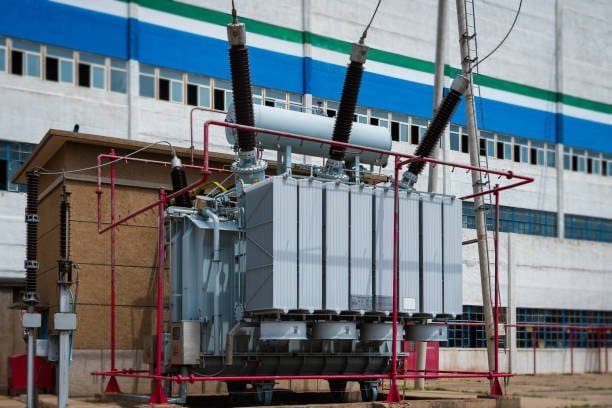
Accurate power transformer capacity calculation depends on collecting complete and reliable load information before selecting the transformer rating. A transformer that is selected without sufficient load data may operate inefficiently, experience unexpected overload conditions, or fail to support future electrical demand. Engineers must evaluate not only the total connected equipment but also actual operating demand, load characteristics, power quality conditions, and future expansion requirements. By analyzing detailed load information, engineers can select a transformer with the correct kVA rating, appropriate thermal capability, and sufficient reliability margin for long-term operation.
The load information needed to calculate power transformer capacity includes total connected load, maximum demand load, load profile, power factor, voltage level, current requirements, load type, starting currents, harmonic content, operating hours, demand factors, diversity factors, and future expansion requirements. Engineers use this information to calculate the required kVA rating and select a transformer that can operate efficiently and reliably under normal and peak conditions.
Transformer capacity can be accurately calculated using only the total wattage of all connected equipment.False
Transformer sizing requires additional information such as demand load, power factor, load diversity, operating conditions, starting currents, and future expansion requirements.
Why is load information important for transformer sizing?
A power transformer does not simply supply the sum of all installed electrical equipment ratings. Many connected loads operate intermittently, have different power factors, and create different electrical stresses.
Accurate load information helps engineers determine:
- Required transformer capacity
- Expected operating efficiency
- Thermal loading conditions
- Overload capability
- Future expansion potential
Without detailed load data, transformer selection may result in:
- Insufficient capacity
- Excessive investment cost
- Poor efficiency
- Reduced service life
| Load Data Quality | Transformer Selection Result |
|---|---|
| Complete load analysis | Optimized transformer size |
| Limited information | Higher design uncertainty |
| Incorrect data | Reliability problems |
What basic load information is required?
The first step in transformer capacity calculation is collecting fundamental electrical data.
Engineers typically require:
- Total connected load
- Maximum demand load
- System voltage
- Frequency
- Phase configuration
- Power factor
This information establishes the basic electrical requirements.
| Required Information | Purpose |
|---|---|
| Connected load | Understand installed equipment |
| Demand load | Determine actual operating requirement |
| Voltage level | Select transformer ratio |
| Frequency | Match system requirements |
| Phase configuration | Determine transformer design |
How does connected load affect transformer capacity calculation?
Connected load represents the total rated power of all electrical equipment connected downstream of the transformer.
Examples include:
- Motors
- Lighting systems
- HVAC equipment
- Industrial machinery
- Data processing equipment
However, connected load is usually higher than actual operating demand because not all equipment operates simultaneously.
For example:
A factory may have:
- Ten machines rated at 100 kW each
- Total connected load = 1000 kW
If only seven machines normally operate:
- Actual demand may be approximately 700 kW
Therefore, engineers do not select transformer capacity based only on connected load.
Why is maximum demand load important?
Maximum demand represents the highest expected electrical demand during normal operation.
It is one of the most important parameters for transformer sizing.
Engineers determine maximum demand through:
- Historical electricity records
- Load studies
- Equipment operating schedules
- Simulation models
Maximum demand helps prevent:
- Transformer overheating
- Excessive voltage drop
- Unexpected overload conditions
What is the role of load profiles in transformer sizing?
A load profile shows how electrical demand changes over time.
Important information includes:
- Daily demand patterns
- Weekly variations
- Seasonal changes
- Production cycles
Load profiles help engineers understand whether the transformer will experience:
- Continuous loading
- Short-term peaks
- Frequent fluctuations
| Load Pattern | Transformer Design Consideration |
|---|---|
| Stable industrial load | Normal capacity calculation |
| Short peak loads | Overload capability |
| Rapid fluctuations | Advanced monitoring |
| Seasonal demand | Additional capacity margin |
Why must power factor be considered?
Power factor directly affects transformer capacity because transformers are rated in kVA rather than kW.
A lower power factor requires higher apparent power capacity.
The relationship is:
kVA = kW ÷ power factor
Example:
A 1000 kW load requires:
| Power Factor | Required Transformer Capacity |
|---|---|
| 1.0 | 1000 kVA |
| 0.8 | 1250 kVA |
| 0.7 | 1429 kVA |
Industrial facilities often have lower power factors because of inductive equipment such as motors and compressors.
How does load type affect transformer capacity selection?
Different electrical loads create different transformer requirements.
Engineers classify loads as:
Resistive loads
Examples:
- Heating systems
- Electric furnaces
- Incandescent lighting
Characteristics:
- Stable current demand
- High power factor
Inductive loads
Examples:
- Motors
- Pumps
- Compressors
Characteristics:
- Lower power factor
- Starting current requirements
Nonlinear loads
Examples:
- Variable frequency drives
- UPS systems
- Inverters
Characteristics:
- Harmonic generation
- Additional heating effects
| Load Type | Transformer Consideration |
|---|---|
| Resistive | Standard sizing |
| Inductive | Starting current analysis |
| Nonlinear | Harmonic evaluation |
Why are motor starting currents important?
Large motors can draw several times their normal operating current during startup.
Starting currents may cause:
- Voltage dips
- Transformer stress
- Reduced equipment performance
Engineers need information about:
- Motor rated power
- Starting method
- Starting frequency
- Simultaneous motor operation
Special transformer capacity considerations may be required for:
- Pumps
- Compressors
- Crushers
- Industrial machinery
How do demand and diversity factors influence transformer capacity?
Demand factor and diversity factor prevent unnecessary oversizing.
Demand factor:
- Compares maximum demand to total connected load.
Diversity factor:
- Considers that different loads peak at different times.
These factors help engineers calculate realistic transformer requirements.
| Factor | Purpose |
|---|---|
| Demand factor | Adjust connected load |
| Diversity factor | Account for different operating times |
| Load factor | Evaluate average utilization |
What voltage information is needed?
Transformer capacity calculations require accurate voltage information.
Important voltage data includes:
- Primary voltage
- Secondary voltage
- Distribution voltage
- Voltage tolerance requirements
Incorrect voltage selection can cause:
- Equipment damage
- Poor performance
- Inefficient operation
Why is phase information required?
Engineers must know whether the system is:
- Single-phase
- Three-phase
Three-phase systems require evaluation of:
- Phase current balance
- Phase loading
- Connection configuration
Uneven phase loading can reduce transformer efficiency.
How do harmonic levels affect transformer capacity?
Modern electrical systems often contain nonlinear loads that generate harmonics.
Harmonic-producing equipment includes:
- Power converters
- Data center UPS systems
- Industrial drives
- Renewable energy inverters
Harmonics can increase:
- Transformer heating
- Eddy current losses
- Insulation stress
Engineers may select transformers with:
- Higher K-factor ratings
- Special winding designs
- Improved cooling capability
What future expansion information is needed?
Transformer selection should consider future electrical growth.
Engineers evaluate:
- Planned equipment additions
- Production expansion
- Building development
- New electrical loads
Common design margins include:
| Expansion Condition | Typical Approach |
|---|---|
| Stable facility | Small reserve margin |
| Growing industry | Moderate capacity reserve |
| Rapid expansion | Larger future allowance |
How do environmental conditions affect required capacity?
Load information must also include installation conditions.
Important factors include:
- Ambient temperature
- Installation altitude
- Indoor or outdoor location
- Cooling conditions
High temperature environments may require transformer derating.
What monitoring data can improve transformer capacity calculations?
Existing facilities can use operational data to improve accuracy.
Useful information includes:
- Historical load measurements
- Peak demand records
- Temperature trends
- Energy consumption data
This helps engineers avoid inaccurate assumptions during transformer replacement or expansion projects.
| Monitoring Data | Application |
|---|---|
| Current measurements | Determine actual loading |
| Temperature records | Evaluate thermal stress |
| Energy data | Analyze demand patterns |
| Power quality data | Identify special requirements |
What mistakes occur when collecting transformer load information?
Common errors include:
| Mistake | Consequence |
|---|---|
| Using only installed equipment ratings | Oversized transformer |
| Ignoring future growth | Insufficient capacity |
| Ignoring motor starting current | Voltage problems |
| Ignoring harmonics | Excessive heating |
| Ignoring power factor | Incorrect kVA selection |
Which standards support transformer capacity calculations?
Transformer selection and loading evaluation are commonly guided by international standards from:
- International Electrotechnical Commission
- Institute of Electrical and Electronics Engineers
These standards address:
- Transformer ratings
- Loading conditions
- Temperature limits
- Performance testing
- Reliability requirements
Following recognized standards helps engineers select transformers that operate safely and efficiently.
How Do Power Factor and Demand Factor Affect Transformer Sizing?
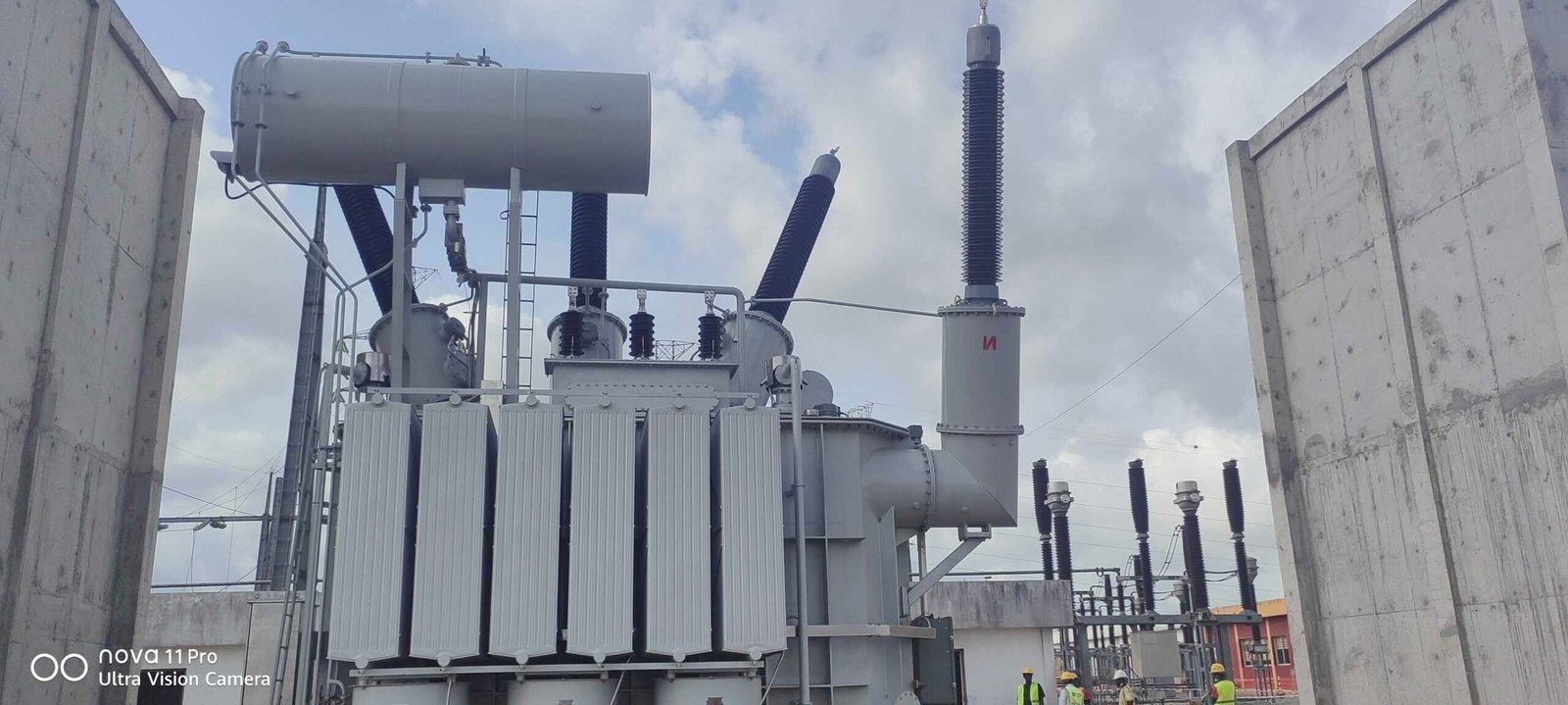
Selecting the correct power transformer capacity requires more than adding the rated power of connected equipment. Engineers must understand how electrical loads actually operate because transformers are rated in kilovolt-amperes (kVA), while most equipment ratings are expressed in kilowatts (kW). Two of the most important factors affecting transformer sizing are power factor and demand factor. Power factor determines how much apparent power is required to deliver useful electrical power, while demand factor helps engineers estimate the realistic operating load instead of assuming all connected equipment operates simultaneously. Properly considering both factors prevents transformer overloading, improves efficiency, reduces unnecessary investment, and ensures reliable long-term performance.
Power factor and demand factor directly affect transformer sizing by determining the actual kVA capacity required. Power factor converts useful power (kW) into apparent power (kVA), while demand factor adjusts total connected load to reflect the actual expected operating demand. A lower power factor increases required transformer capacity, while a lower demand factor reduces the required transformer rating by accounting for the fact that not all loads operate at maximum capacity at the same time.
A transformer can be sized correctly by using connected load only because all installed equipment may operate simultaneously.False
Transformer sizing requires demand factor, power factor, load diversity, and operating conditions because connected equipment rarely operates at full capacity simultaneously.
Why are power factor and demand factor important in transformer sizing?
Transformers transfer electrical energy based on apparent power, which includes both active power and reactive power.
The relationship between these electrical quantities determines the required transformer rating.
A transformer must be large enough to handle:
- Real power consumption
- Reactive power demand
- Current flow
- Thermal loading
Ignoring power factor or demand factor can lead to incorrect transformer selection.
| Factor | Main Function | Effect on Transformer Size |
|---|---|---|
| Power factor | Converts kW to kVA | Lower power factor increases required capacity |
| Demand factor | Adjusts connected load | Lower demand factor reduces required capacity |
| Diversity factor | Accounts for different peak times | Improves sizing accuracy |
How does power factor affect transformer capacity?
Power factor represents the relationship between useful electrical power and total apparent power.
Transformers are rated in kVA because their windings must carry current regardless of whether that current produces useful work or supports reactive loads.
The basic calculation is:
Transformer capacity (kVA) = Load power (kW) ÷ Power factor
For example:
A facility requires:
- 1,000 kW of active power
- Power factor = 0.8
Required transformer capacity:
1,000 kW ÷ 0.8 = 1,250 kVA
If the same facility improves its power factor to 0.95:
1,000 kW ÷ 0.95 = approximately 1,053 kVA
Power factor improvement can significantly reduce required transformer capacity.
How does low power factor increase transformer loading?
A low power factor causes higher current flow for the same amount of useful power.
Higher current results in:
- Increased copper losses
- Higher winding temperatures
- Greater voltage drop
- Reduced available capacity
Common causes of low power factor include:
- Induction motors
- Pumps
- Compressors
- Welding equipment
- Industrial machinery
| Power Factor | Transformer Impact |
|---|---|
| 0.95–1.0 | Efficient utilization |
| 0.80–0.90 | Increased kVA requirement |
| Below 0.80 | Higher losses and larger transformer needed |
How can power factor correction reduce transformer size requirements?
Power factor correction improves electrical efficiency by reducing unnecessary reactive current.
Common correction methods include:
- Capacitor banks
- Automatic power factor controllers
- Synchronous condensers
- Active power factor correction equipment
Benefits include:
- Lower current demand
- Reduced transformer loading
- Lower cable losses
- Improved voltage regulation
However, engineers must still consider future expansion and operational conditions before reducing transformer capacity.
What is demand factor in transformer sizing?
Demand factor represents the relationship between maximum actual demand and total connected load.
The formula is:
Demand factor = Maximum demand load ÷ Connected load
For example:
A building has:
- Connected load: 2,000 kW
- Maximum demand: 1,200 kW
Demand factor:
1,200 ÷ 2,000 = 0.6
This means the facility normally requires only 60% of its installed load capacity.
How does demand factor reduce required transformer capacity?
Using demand factor prevents engineers from selecting unnecessarily large transformers.
Example:
Without demand factor:
- Connected load = 2,000 kW
- Power factor = 0.8
Transformer requirement:
2,000 ÷ 0.8 = 2,500 kVA
Using demand factor:
- Demand factor = 0.6
- Actual demand = 1,200 kW
Transformer requirement:
1,200 ÷ 0.8 = 1,500 kVA
The difference represents significant savings in equipment cost and operating losses.
| Calculation Method | Required Capacity |
|---|---|
| Connected load only | 2,500 kVA |
| Using demand factor | 1,500 kVA |
| Difference | 1,000 kVA reduction |
What is the difference between demand factor and diversity factor?
Although related, these factors describe different electrical behaviors.
Demand factor evaluates how much of the installed load is actually used.
Diversity factor considers that different loads reach their maximum demand at different times.
| Factor | Meaning | Application |
|---|---|---|
| Demand factor | Actual demand compared with installed load | Transformer sizing |
| Diversity factor | Difference between individual and system peaks | Network planning |
| Load factor | Average load compared with peak load | Efficiency analysis |
How do engineers apply both factors together?
A typical transformer sizing process follows these steps:
- Calculate total connected load.
- Apply demand factor.
- Determine expected maximum demand.
- Adjust for power factor.
- Add future expansion margin.
- Select the nearest standard transformer rating.
Example:
Connected load:
- 3,000 kW
Demand factor:
- 0.7
Power factor:
- 0.85
Calculation:
Demand load:
3,000 × 0.7 = 2,100 kW
Transformer capacity:
2,100 ÷ 0.85 = approximately 2,471 kVA
The engineer may select a standard 2,500 kVA transformer with additional design consideration.
How do power factor and demand factor affect industrial transformers?
Industrial facilities often have complex electrical loads.
Examples include:
- Motors
- Furnaces
- Crushers
- Production lines
- Variable frequency drives
Industrial transformers require careful evaluation because:
- Motor loads reduce power factor.
- Production schedules affect demand.
- Equipment startup creates temporary high currents.
Engineers analyze operating patterns to avoid:
- Oversizing
- Overloading
- Excessive energy losses
How do power factor and demand factor affect renewable energy transformers?
Renewable energy projects introduce different loading patterns.
Solar and wind systems may experience:
- Variable generation
- Changing power flow
- Inverter-related power quality issues
Engineers consider:
- Maximum generation output
- Grid connection requirements
- Reactive power support
- Future expansion
Correct transformer sizing ensures reliable energy transfer under changing conditions.
How do power factor and demand factor influence transformer efficiency?
Transformer efficiency depends on operating load.
A transformer that is too large may experience:
- Higher no-load losses
- Lower efficiency during normal operation
A transformer that is too small may experience:
- Excessive load losses
- Higher temperature rise
- Reduced lifespan
Proper sizing balances:
- Energy efficiency
- Reliability
- Investment cost
| Sizing Approach | Result |
|---|---|
| Oversized transformer | Higher cost and idle losses |
| Undersized transformer | Overheating and reduced lifespan |
| Optimized transformer | Best efficiency and reliability |
How should engineers account for future load growth?
Demand factor calculations describe current conditions, but transformer selection must consider future requirements.
Future loads may include:
- Additional machinery
- Building expansion
- Electric vehicle charging
- Renewable energy integration
- Increased automation
Engineers typically add a capacity margin based on expected growth.
| Growth Expectation | Design Approach |
|---|---|
| Stable demand | Small reserve margin |
| Moderate expansion | Medium reserve capacity |
| Rapid development | Larger capacity allowance |
What monitoring methods help verify transformer sizing?
After installation, engineers verify transformer loading through monitoring systems.
Common measurements include:
- kVA loading
- Phase currents
- Power factor
- Temperature rise
- Peak demand records
Monitoring helps determine whether:
- The transformer is correctly sized.
- Additional capacity is needed.
- Load redistribution is required.
What mistakes occur when ignoring power factor and demand factor?
Common transformer sizing errors include:
| Mistake | Consequence |
|---|---|
| Ignoring power factor | Transformer capacity too small |
| Ignoring demand factor | Transformer unnecessarily oversized |
| Using only connected load | Incorrect investment decision |
| Ignoring future growth | Limited expansion capability |
What standards guide transformer sizing practices?
Transformer design and loading evaluations are commonly based on international standards from:
- International Electrotechnical Commission
- Institute of Electrical and Electronics Engineers
These standards provide guidance for:
- Transformer ratings
- Loading conditions
- Temperature limits
- Performance testing
- Reliability evaluation
Following recognized standards helps ensure transformers are selected and operated safely.
Why Should Future Expansion and Safety Margins Be Considered When Selecting Transformer Capacity?
Selecting the correct power transformer capacity is a long-term engineering decision that directly affects electrical system reliability, operating costs, and future flexibility. Many facilities experience increasing electricity demand after installation due to production expansion, new equipment, electrification projects, renewable energy integration, or changes in operational requirements. A transformer sized only for current demand may become overloaded sooner than expected, resulting in excessive temperature rise, reduced efficiency, voltage instability, and premature aging. By considering future expansion and safety margins during transformer selection, engineers can ensure that the transformer continues to provide reliable power throughout its expected service life while avoiding costly upgrades or replacements.
Future expansion and safety margins should be considered when selecting transformer capacity because electrical demand usually increases over time and operating conditions can vary beyond initial design assumptions. Including additional capacity allows transformers to handle future loads, temporary overloads, environmental changes, and unexpected demand growth while reducing thermal stress, improving reliability, extending service life, and preventing expensive system modifications.
Selecting a transformer based only on the present electrical load is the most economical approach because future demand can always be handled by replacing the transformer later.False
Transformer replacement or expansion can require significant downtime, construction work, and additional investment. Including appropriate future capacity and safety margins during initial selection improves lifecycle cost and reliability.
Why is future expansion important in transformer capacity selection?
Power transformers are designed for long operating lifetimes, often 30 to 50 years or more. During this period, electrical demand rarely remains constant.
Facilities may experience growth from:
- Additional manufacturing equipment
- New buildings or production lines
- Increased automation
- Electric vehicle charging infrastructure
- Renewable energy systems
- Data center expansion
- Industrial electrification
A transformer that is correctly sized today may become insufficient in the future if growth is not considered.
| Initial Design Approach | Long-Term Result |
|---|---|
| Size only for current load | Possible future overload |
| Include growth allowance | Improved flexibility |
| Excessively oversize | Higher cost and lower efficiency |
What happens if transformer capacity is too small?
An undersized transformer operates closer to its thermal and electrical limits.
Potential consequences include:
- Excessive winding temperature
- Increased copper losses
- Faster insulation aging
- Reduced overload capability
- Voltage fluctuations
- Unexpected downtime
The transformer may still function, but continuous operation under high stress reduces reliability.
How do safety margins improve transformer reliability?
Safety margins provide additional capacity beyond the calculated normal load requirement.
They account for uncertainties such as:
- Load estimation errors
- Seasonal demand changes
- Equipment additions
- Emergency operating conditions
- Ambient temperature variation
A safety margin allows the transformer to operate comfortably without continuous maximum loading.
| Safety Margin Purpose | Reliability Benefit |
|---|---|
| Future load growth | Avoid premature replacement |
| Peak demand support | Handle temporary increases |
| Environmental variation | Maintain thermal stability |
| Operating uncertainty | Improve system resilience |
How much capacity margin should engineers include?
The appropriate safety margin depends on the application.
Typical considerations include:
- Industry growth rate
- Equipment importance
- Expansion plans
- Budget constraints
- Required reliability level
Common design approaches include:
| Application | Typical Capacity Consideration |
|---|---|
| Stable commercial building | Moderate reserve capacity |
| Growing industrial facility | Larger expansion allowance |
| Critical infrastructure | Higher reliability margin |
| Utility systems | Long-term planning margin |
The exact margin should be determined through engineering analysis rather than applying a fixed percentage.
How does future expansion affect transformer efficiency?
Future capacity planning is not only about avoiding overload. It also affects energy efficiency.
An oversized transformer may have:
- Higher purchase cost
- Higher no-load losses
- Lower efficiency during normal operation
An undersized transformer may have:
- Excessive load losses
- Higher operating temperatures
- Reduced service life
Engineers aim for the optimal balance between:
- Current efficiency
- Future capability
- Lifecycle cost
Why is transformer loading level important?
Transformers are generally most reliable when operating below their maximum rating.
Operating with reserve capacity provides:
- Lower thermal stress
- Better overload capability
- Longer insulation life
- Improved reliability
For example:
| Loading Condition | Impact |
|---|---|
| 40–60% load | Low stress but possible inefficiency |
| 60–80% load | Often an efficient operating range |
| Near 100% load | Increased thermal stress |
| Above rating | Accelerated aging |
How do future expansion plans affect transformer selection?
Engineers should review planned developments before choosing transformer capacity.
Important questions include:
- Will production increase?
- Will new equipment be installed?
- Will electricity demand change?
- Will renewable generation be added?
- Will additional buildings require power?
A transformer should support realistic future scenarios, not only the current electrical design.
How do industrial facilities benefit from additional transformer capacity?
Industrial operations often experience significant growth and changing loads.
Examples include:
- Manufacturing plants
- Steel processing facilities
- Chemical plants
- Mining operations
Future capacity margins help industries:
- Add equipment without major electrical upgrades
- Maintain production continuity
- Avoid transformer replacement projects
- Reduce downtime risks
Why are safety margins especially important for renewable energy projects?
Renewable energy systems can experience rapidly changing operating conditions.
Examples include:
- Solar output variation
- Wind generation fluctuations
- Battery storage operation
- Grid support requirements
Transformer selection must consider:
- Maximum generation output
- Reactive power requirements
- Grid connection conditions
- Future expansion phases
Adequate capacity improves renewable system reliability.
How do safety margins protect against temporary overloads?
Electrical systems may experience short-term demand increases caused by:
- Motor starting
- Emergency operations
- Seasonal peaks
- Production changes
A transformer with appropriate reserve capacity can handle these temporary conditions without excessive damage.
This reduces:
- Emergency shutdowns
- Equipment stress
- Maintenance frequency
How do environmental conditions influence capacity margins?
Transformer performance depends on installation conditions.
Important environmental factors include:
- Ambient temperature
- Installation altitude
- Cooling conditions
- Outdoor exposure
High temperatures reduce heat dissipation capability and may require additional capacity allowance.
| Environmental Condition | Capacity Impact |
|---|---|
| High ambient temperature | Possible derating |
| High altitude | Reduced cooling efficiency |
| Poor ventilation | Increased thermal stress |
| Outdoor installation | Additional design requirements |
How do engineers calculate transformer capacity with future growth?
A typical calculation process includes:
- Determine present maximum demand.
- Apply power factor correction.
- Calculate required kVA.
- Add future expansion allowance.
- Consider safety margin.
- Select the nearest standard transformer rating.
Example:
Current calculated requirement:
- 1,500 kVA
Future growth allowance:
- 20%
Safety margin:
- Additional operational reserve
Final selection:
- A transformer larger than the minimum calculated requirement.
How does transformer monitoring support future capacity planning?
Modern monitoring systems provide valuable operational data.
Engineers can analyze:
- Historical loading patterns
- Peak demand periods
- Temperature trends
- Power quality conditions
This information helps determine whether:
- Existing capacity is sufficient.
- Expansion is required.
- Load redistribution is possible.
| Monitoring Data | Planning Benefit |
|---|---|
| Load history | Predict future demand |
| Temperature data | Evaluate thermal limits |
| Power quality | Identify special requirements |
| Energy trends | Support expansion decisions |
What are the risks of excessive oversizing?
Although reserve capacity is important, excessive oversizing creates disadvantages.
Problems include:
- Higher equipment cost
- Increased installation requirements
- Higher no-load losses
- Lower efficiency at normal operation
The goal is not to install the largest transformer possible, but to select the most appropriate capacity for the expected lifecycle.
What should buyers ask transformer manufacturers about capacity margins?
Before purchasing, buyers should discuss:
- Expected load growth
- Transformer overload capability
- Thermal design
- Cooling system capacity
- Future parallel operation options
- Monitoring features
| Buyer Question | Purpose |
|---|---|
| What future load can this transformer support? | Expansion planning |
| What is the thermal reserve capability? | Reliability evaluation |
| Can another transformer operate in parallel? | Future flexibility |
| What monitoring options are available? | Condition management |
Which standards guide transformer loading and capacity selection?
Transformer capacity evaluation and loading practices are commonly based on international standards from:
- International Electrotechnical Commission
- Institute of Electrical and Electronics Engineers
These standards address:
- Transformer ratings
- Temperature limits
- Loading capability
- Insulation aging
- Performance testing
Following recognized standards helps ensure transformers are designed for safe and reliable long-term operation.
What Happens If a Power Transformer Is Undersized or Oversized?
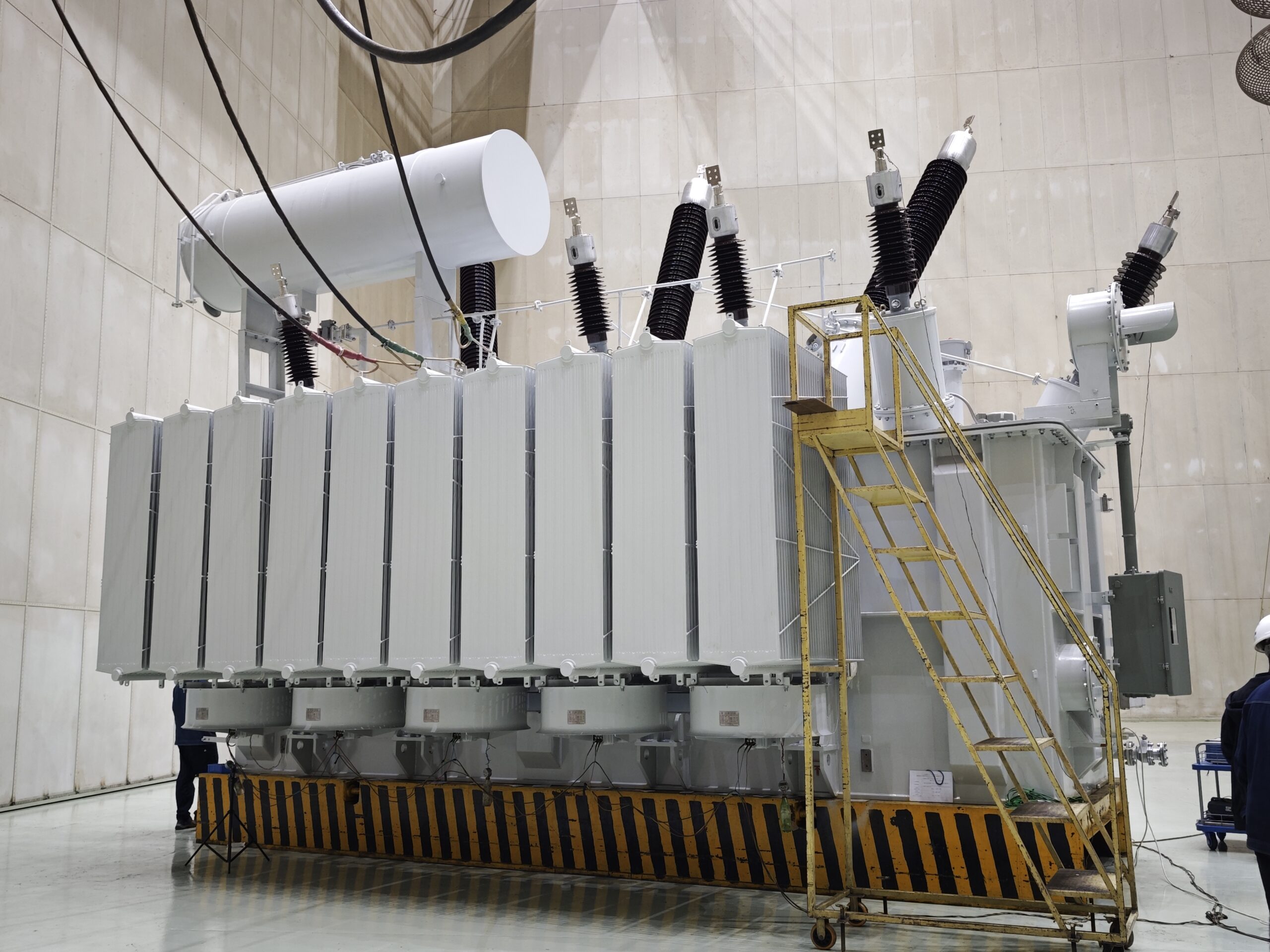
Selecting the correct power transformer capacity is critical for achieving reliable, efficient, and economical electrical system operation. A transformer that is undersized may not have enough capacity to support actual demand, causing overheating, excessive losses, voltage instability, and premature failure. On the other hand, an oversized transformer may operate inefficiently, increase initial investment costs, and create unnecessary energy losses. Engineers must carefully balance current load requirements, future expansion plans, operating conditions, and safety margins to select a transformer size that delivers optimal long-term performance.
An undersized power transformer can experience overload, excessive temperature rise, increased losses, voltage problems, and shortened service life, while an oversized transformer can cause higher purchase costs, increased no-load losses, lower efficiency under normal conditions, and unnecessary capacity investment. The correct transformer size should match expected demand while including appropriate future growth and safety margins.
An oversized transformer always provides better reliability because having more capacity eliminates all operational risks.False
Excessive oversizing can increase costs and reduce efficiency. Reliability depends on proper design, loading management, maintenance, and operating conditions rather than simply installing a larger transformer.
Why is correct transformer sizing important?
A power transformer is a major electrical investment designed for decades of operation. The selected capacity affects:
- Electrical reliability
- Energy efficiency
- Maintenance requirements
- Equipment lifespan
- Expansion flexibility
- Operating costs
Transformer sizing requires a balance between avoiding overload and preventing unnecessary oversizing.
| Transformer Selection | Main Result |
|---|---|
| Undersized transformer | High stress and reliability risks |
| Properly sized transformer | Efficient and reliable operation |
| Oversized transformer | Higher cost and lower utilization efficiency |
What happens when a power transformer is undersized?
An undersized transformer cannot safely handle the required electrical load.
When demand exceeds transformer capacity, several problems may occur.
1. Excessive thermal stress
Transformer losses generate heat during operation.
Higher loading increases:
- Winding temperature
- Oil temperature
- Hot-spot temperature
If temperatures remain high for extended periods, insulation materials degrade faster.
The result can include:
- Reduced transformer lifespan
- Increased maintenance requirements
- Higher failure risk
| Thermal Problem | Long-Term Effect |
|---|---|
| High winding temperature | Insulation aging |
| Excessive oil temperature | Cooling stress |
| Hot spots | Localized damage |
2. Accelerated insulation aging
Transformer insulation systems, especially cellulose paper insulation, are highly sensitive to temperature.
Operating an undersized transformer at excessive load accelerates:
- Paper degradation
- Loss of mechanical strength
- Reduced dielectric capability
Insulation deterioration is one of the primary causes of transformer aging.
3. Increased electrical losses
An overloaded transformer experiences higher current flow.
Higher current increases copper losses according to electrical resistance effects.
Consequences include:
- Lower efficiency
- Higher operating costs
- Additional heat generation
4. Voltage instability
An undersized transformer may experience excessive voltage drop under heavy load.
This can affect connected equipment such as:
- Motors
- Industrial machines
- Control systems
- Electronic equipment
Possible results include:
- Motor overheating
- Equipment malfunction
- Reduced production reliability
5. Reduced overload capability
Transformers are sometimes expected to handle temporary demand increases.
An undersized transformer has limited reserve capacity for:
- Motor starting currents
- Emergency loads
- Seasonal demand peaks
This reduces system flexibility.
Why do some systems become undersized over time?
A transformer may become undersized even if it was correctly selected originally.
Common reasons include:
- Facility expansion
- Additional machinery
- Increased production
- New electrical loads
- Electrification projects
For example, a manufacturing plant may install a transformer based on current production capacity but later add additional production lines that exceed the original design load.
What happens when a power transformer is oversized?
An oversized transformer has a capacity significantly greater than the actual electrical demand.
Although it avoids overload problems, excessive oversizing creates other disadvantages.
1. Higher initial investment cost
Larger transformers require:
- More core material
- More winding material
- Larger tanks
- Larger cooling systems
This increases:
- Equipment cost
- Transportation cost
- Installation cost
| Oversizing Effect | Financial Impact |
|---|---|
| Larger transformer | Higher purchase cost |
| Larger foundation | Increased construction cost |
| Additional equipment | Higher installation expense |
2. Increased no-load losses
Transformers consume energy even when lightly loaded.
These losses include:
- Core losses
- Magnetic losses
An oversized transformer has a larger magnetic core, which can increase fixed energy consumption.
Over many years, these losses create significant operating costs.
3. Lower operating efficiency
Transformer efficiency depends on loading conditions.
An oversized transformer may operate at very low load levels, causing inefficient operation.
Example:
| Transformer Rating | Actual Load | Result |
|---|---|---|
| 1000 kVA transformer | 200 kVA load | Low utilization |
| 1000 kVA transformer | 700 kVA load | Better efficiency |
4. Higher installation requirements
Larger transformers require:
- More physical space
- Stronger foundations
- Larger electrical connections
- Additional cooling considerations
This can complicate installation projects.
5. Poor return on investment
Excess capacity means customers pay for unused capability.
The investment may not provide proportional benefits unless future growth actually occurs.
How do engineers determine the right transformer size?
Engineers evaluate several parameters:
- Connected load
- Maximum demand
- Power factor
- Demand factor
- Load profile
- Future expansion
- Environmental conditions
- Reliability requirements
The objective is to select a transformer that operates efficiently while maintaining reserve capacity.
How does demand factor prevent transformer oversizing?
Demand factor helps engineers avoid sizing transformers based only on total installed equipment.
For example:
A facility may have:
- Connected load: 5,000 kW
- Actual maximum demand: 3,000 kW
Using demand analysis prevents unnecessary transformer capacity.
How does future expansion prevent transformer undersizing?
Future expansion planning ensures that transformers remain useful as demand grows.
Engineers consider:
- Planned production increases
- New buildings
- Additional equipment
- Renewable energy integration
A reasonable expansion margin avoids expensive future upgrades.
How do power factor and load characteristics affect sizing?
Transformer capacity is measured in kVA, not only kW.
Lower power factor increases required capacity.
For example:
| Load | Power Factor | Required Transformer Capacity |
|---|---|---|
| 1000 kW | 1.0 | 1000 kVA |
| 1000 kW | 0.8 | 1250 kVA |
| 1000 kW | 0.7 | 1429 kVA |
Industrial loads with motors and power electronics often require additional evaluation.
How do undersized and oversized transformers affect service life?
Transformer loading directly affects aging.
| Condition | Effect on Lifespan |
|---|---|
| Continuous overload | Rapid insulation aging |
| High temperature operation | Reduced service life |
| Very light loading | Lower efficiency |
| Optimized loading | Maximum lifecycle value |
Proper sizing helps achieve the expected transformer service life.
How can monitoring identify sizing problems?
Modern monitoring systems help determine whether transformer capacity matches actual requirements.
Engineers monitor:
- Load percentage
- Current levels
- Temperature rise
- Power factor
- Peak demand
| Monitoring Data | Identifies |
|---|---|
| High loading percentage | Possible undersizing |
| Low utilization | Possible oversizing |
| Temperature trends | Thermal stress |
| Demand history | Future capacity needs |
What solutions are available if a transformer is undersized?
Options include:
- Load redistribution
- Power factor correction
- Installing additional transformers
- Operating transformers in parallel
- Transformer replacement
The best solution depends on cost, downtime requirements, and future demand.
What solutions are available if a transformer is oversized?
Possible solutions include:
- Optimizing operating schedules
- Combining loads
- Using more efficient transformers
- Reviewing future expansion plans
Replacement is usually considered only when efficiency improvements justify the investment.
How do buyers avoid incorrect transformer sizing?
Before purchasing, buyers should provide manufacturers with:
- Detailed load studies
- Future expansion plans
- Operating conditions
- Power quality information
- Reliability requirements
Important questions include:
| Question | Purpose |
|---|---|
| What is the expected future load? | Prevent undersizing |
| What is the recommended loading range? | Optimize operation |
| What monitoring options are available? | Track performance |
| Can the transformer support expansion? | Improve flexibility |
Which standards support transformer sizing decisions?
Transformer design and loading evaluation are commonly guided by international standards from:
- International Electrotechnical Commission
- Institute of Electrical and Electronics Engineers
These standards address:
- Transformer ratings
- Loading capability
- Temperature limits
- Insulation performance
- Testing requirements
Following recognized standards helps ensure reliable transformer selection.
How Can Engineers Select the Optimal Capacity for Different Power Transformer Applications?

Selecting the optimal capacity for a power transformer is a critical engineering decision that determines the reliability, efficiency, and lifecycle cost of an electrical system. Different applications, including utility substations, industrial facilities, renewable energy projects, data centers, commercial buildings, and transportation infrastructure, have different load characteristics and operating requirements. A transformer designed for one application may not be suitable for another because factors such as load profile, power quality, expansion plans, environmental conditions, and reliability expectations vary significantly. Engineers must analyze these conditions carefully to select a transformer capacity that provides sufficient power capability without unnecessary oversizing.
Engineers select the optimal capacity for different power transformer applications by analyzing load demand, power factor, demand factor, load growth, operating conditions, voltage requirements, application-specific characteristics, and required reliability levels. The correct transformer capacity should support normal operation, temporary peak loads, future expansion, and safety margins while maintaining high efficiency and long-term reliability.
The largest available transformer capacity is always the best choice because additional capacity guarantees maximum reliability.False
Oversized transformers can increase capital costs, raise no-load losses, and reduce operating efficiency. Proper transformer sizing requires balancing present demand, future growth, and reliability requirements.
Why is transformer capacity selection different for each application?
Power transformers serve many different electrical environments, and each environment creates unique operating conditions.
For example:
- A utility substation requires high reliability and grid stability.
- A factory requires consideration of motor starting and production cycles.
- A solar plant requires management of variable generation.
- A data center requires continuous power availability.
- A commercial building requires efficient operation under changing occupancy.
Because these applications have different load behaviors, engineers cannot use a single transformer sizing approach for all projects.
| Application | Main Capacity Considerations |
|---|---|
| Utility substation | Grid demand, reliability, redundancy |
| Industrial facility | Motors, production cycles, harmonics |
| Renewable energy plant | Generation variation, grid requirements |
| Data center | Continuous load, redundancy |
| Commercial building | Demand changes, efficiency |
What basic factors determine transformer capacity?
Regardless of application, engineers begin with fundamental electrical information.
Key factors include:
- Connected load
- Maximum demand
- Power factor
- Demand factor
- Voltage level
- Frequency
- Phase configuration
- Future expansion requirements
The transformer rating is normally expressed in kVA because the transformer must handle total apparent power.
A simplified relationship is:
Transformer capacity (kVA) = Load power (kW) ÷ Power factor
However, practical transformer selection requires additional engineering analysis.
How do engineers size transformers for utility applications?
Utility transformers are designed for power transmission and distribution networks where reliability is the highest priority.
Engineers consider:
- Peak grid demand
- Load growth projections
- Network configuration
- Emergency loading capability
- Redundancy requirements
Utility transformers often include additional capacity margins because unexpected demand increases can affect thousands of customers.
| Utility Requirement | Transformer Design Approach |
|---|---|
| High reliability | Additional capacity margin |
| Future grid growth | Long-term load forecasting |
| Emergency operation | Overload capability |
| Network stability | Advanced monitoring |
For substations, engineers may also evaluate whether multiple transformers should operate in parallel to improve flexibility.
How are industrial transformer capacities selected?
Industrial applications often have complex and dynamic electrical loads.
Examples include:
- Manufacturing plants
- Steel mills
- Mining operations
- Chemical facilities
Industrial transformer sizing considers:
- Motor horsepower
- Starting current
- Production schedules
- Variable frequency drives
- Welding equipment
- Harmonic levels
Large motors can temporarily draw several times their normal current during startup, requiring additional transformer capability.
| Industrial Load Type | Capacity Consideration |
|---|---|
| Motors | Starting current |
| Furnaces | High continuous demand |
| Drives | Harmonic effects |
| Welding equipment | Load fluctuation |
How are transformer capacities selected for renewable energy projects?
Renewable energy transformers require special consideration because power generation varies.
Applications include:
- Solar farms
- Wind farms
- Battery energy storage systems
Engineers evaluate:
- Generator output rating
- Inverter capacity
- Maximum generation conditions
- Grid connection requirements
- Reactive power capability
Renewable projects must ensure transformers can handle maximum generation while maintaining grid compatibility.
| Renewable Application | Important Factor |
|---|---|
| Solar plant | Peak inverter output |
| Wind farm | Variable generation |
| Battery storage | Charge/discharge cycles |
| Hybrid systems | Multiple operating modes |
How do engineers select transformer capacity for data centers?
Data centers require extremely high reliability because power interruption can cause significant financial losses.
Transformer selection focuses on:
- Continuous loading
- Redundancy requirements
- Power quality
- Cooling reliability
- Expansion capability
Engineers often consider:
- N+1 redundancy
- Parallel transformer operation
- Future IT capacity growth
| Data Center Requirement | Transformer Consideration |
|---|---|
| 24/7 operation | High reliability design |
| Server expansion | Future capacity margin |
| Sensitive electronics | Power quality control |
| Heat management | Thermal performance |
How are commercial building transformers sized?
Commercial buildings usually have mixed loads, including:
- Lighting
- HVAC systems
- Elevators
- Office equipment
- Retail systems
Engineers analyze:
- Occupancy patterns
- Peak demand periods
- Energy efficiency requirements
- Building expansion plans
Commercial transformer sizing usually focuses on balancing:
- Initial investment
- Operating efficiency
- Future flexibility
Why must power factor be considered in transformer selection?
Power factor affects how much apparent power the transformer must supply.
A low power factor increases required transformer capacity.
Example:
| Load Requirement | Power Factor | Transformer Size |
|---|---|---|
| 800 kW | 1.0 | 800 kVA |
| 800 kW | 0.8 | 1000 kVA |
| 800 kW | 0.7 | 1143 kVA |
Applications with many motors or inductive loads often require larger transformer capacity because of lower power factor.
How does demand factor improve transformer sizing accuracy?
Demand factor prevents engineers from selecting transformers based only on total connected equipment.
Many systems have equipment that operates intermittently.
For example:
A factory may have:
- Installed load: 5,000 kW
- Actual maximum demand: 3,500 kW
Using demand factor avoids unnecessary transformer oversizing.
| Load Calculation Method | Result |
|---|---|
| Connected load only | Oversized transformer |
| Demand-based calculation | Optimized capacity |
How should engineers consider future expansion?
Transformers typically remain in service for decades, so future growth must be considered.
Expansion factors include:
- Additional production equipment
- New buildings
- Increased energy demand
- Electrification projects
- Renewable integration
Engineers commonly include reserve capacity to avoid early replacement.
| Future Scenario | Capacity Strategy |
|---|---|
| Stable demand | Moderate margin |
| Growing facility | Higher reserve |
| Rapid expansion | Significant future allowance |
How do environmental conditions affect transformer capacity selection?
Transformer performance depends on installation conditions.
Important environmental factors include:
- Ambient temperature
- Altitude
- Cooling method
- Indoor or outdoor installation
High-temperature environments reduce heat dissipation capability and may require additional capacity.
| Environmental Factor | Impact |
|---|---|
| High temperature | Reduced loading capability |
| High altitude | Cooling reduction |
| Poor ventilation | Higher thermal stress |
| Outdoor exposure | Additional protection |
How do engineers balance efficiency and reliability?
The optimal transformer is not always the largest transformer.
Engineers balance:
- Capital cost
- Energy efficiency
- Reliability
- Future growth
- Maintenance requirements
A transformer operating too lightly wastes energy through core losses, while one operating too heavily experiences increased thermal stress.
How does transformer monitoring help optimize capacity selection?
Modern monitoring systems provide valuable operational data.
Engineers use:
- Load measurements
- Temperature monitoring
- Power quality analysis
- Historical demand data
This information helps verify whether transformer capacity matches actual operating conditions.
| Monitoring Data | Engineering Benefit |
|---|---|
| Load percentage | Confirm utilization |
| Temperature | Evaluate thermal margin |
| Power factor | Improve sizing accuracy |
| Historical demand | Predict expansion |
What role do transformer standards play in capacity selection?
Transformer capacity selection and performance evaluation commonly follow international standards developed by:
- International Electrotechnical Commission
- Institute of Electrical and Electronics Engineers
These standards provide guidance for:
- Transformer ratings
- Loading conditions
- Temperature limits
- Testing requirements
- Reliability evaluation
Following recognized standards helps ensure transformers operate safely throughout their expected service life.
What mistakes should engineers avoid when selecting transformer capacity?
Common mistakes include:
| Mistake | Consequence |
|---|---|
| Using only current load | Future capacity shortage |
| Ignoring power factor | Incorrect kVA rating |
| Ignoring motor starting | Voltage problems |
| Excessive oversizing | Higher cost and losses |
| Ignoring environment | Reduced performance |
Conclusion
Calculating the required capacity of a power transformer requires a comprehensive understanding of the electrical load profile, operating conditions, power factor, demand characteristics, and future development plans. The correct transformer rating should provide enough capacity to handle normal and peak loads while maintaining efficiency and allowing reasonable growth without excessive oversizing. By conducting accurate load assessments and considering long-term operational requirements, engineers and buyers can select transformers that deliver reliable performance, minimize energy losses, and achieve the best lifecycle value for their electrical systems.
FAQ
Q1: How is the required capacity of power transformers calculated?
The required capacity of a power transformer is calculated by determining the total electrical load that the transformer must supply and selecting a transformer rating that can safely handle present and future demand.
Transformer capacity is usually expressed in:
kVA (kilovolt-amperes)
MVA (megavolt-amperes)
Because transformers transfer electrical power based on apparent power rather than only real power, calculations must consider both load current and power factor.
The basic calculation process includes:
Determine connected loads
Calculate maximum demand
Apply diversity and demand factors
Consider power factor
Add future expansion margin
Select a suitable transformer rating
Correct sizing prevents overloading while avoiding unnecessary investment in oversized equipment.
Q2: What factors affect power transformer capacity selection?
Transformer capacity is not determined only by the current load. Engineers consider multiple operating factors.
Important factors include:
Load Demand
The actual maximum power expected during operation.
Load Growth
Additional capacity required for future expansion.
Load Type
Different loads have different characteristics:
Motors require high starting currents.
Industrial equipment may create fluctuating loads.
Data centers require highly stable power.
Renewable energy systems may have variable output.
Power Factor
Lower power factor increases the required kVA rating.
Ambient Conditions
High temperatures or high-altitude locations may reduce transformer capacity.
Overload Requirements
Some applications require temporary overload capability.
Q3: Why are demand factor and diversity factor used in transformer sizing?
Connected loads are rarely operated at full capacity simultaneously. Demand and diversity factors help calculate a more realistic transformer requirement.
Demand Factor
The ratio between maximum demand and total connected load.
Demand Factor = Maximum Demand ÷ Connected Load
Diversity Factor
The ratio between the sum of individual maximum demands and the maximum demand of the complete system.
Using these factors prevents excessive oversizing while ensuring the transformer can meet actual operating requirements.
Q4: How much spare capacity should a power transformer have?
The recommended spare capacity depends on the application, operating conditions, and future plans.
Typical design margins include:
10–20% spare capacity for many commercial applications
20–30% or more for rapidly expanding industrial facilities
Additional margin for critical infrastructure
Factors influencing spare capacity include:
Expected load growth
Availability requirements
Replacement difficulty
Importance of continuous operation
Seasonal demand changes
Oversizing should be avoided because a lightly loaded transformer experiences higher relative no-load losses and increased capital costs.
Q5: How do engineers size transformers for industrial and special applications?
Industrial transformer sizing requires additional analysis because many industrial loads have unique characteristics.
Engineers evaluate:
Motor starting currents
Welding equipment loads
Arc furnace requirements
Variable frequency drives (VFDs)
Harmonic distortion
Continuous and intermittent loads
Short-duration peak loads
For renewable energy projects, engineers also consider:
Solar inverter output
Wind turbine generation profiles
Grid connection requirements
Reactive power requirements
A detailed load study ensures the transformer performs reliably under actual operating conditions.
Q6: What happens if a transformer is incorrectly sized?
Incorrect transformer sizing can create serious operational problems.
Undersized Transformer Problems:
Frequent overload conditions
Excessive temperature rise
Reduced efficiency
Accelerated insulation aging
Shortened service life
Unexpected shutdowns
Oversized Transformer Problems:
Higher purchase cost
Increased installation requirements
Higher no-load losses
Lower efficiency during light loads
Proper capacity calculation balances reliability, efficiency, and lifecycle cost.
Q7: What information should buyers provide when selecting transformer capacity?
To determine the correct transformer rating, buyers should provide detailed electrical system information, including:
Total connected load
Maximum demand load
Voltage levels
Frequency (50 Hz or 60 Hz)
Power factor
Load characteristics
Expected future expansion
Indoor or outdoor installation conditions
Cooling requirements
Required efficiency standards
Manufacturers and electrical engineers can then recommend the appropriate transformer capacity, configuration, and specifications.
References
IEC 60076 – Power Transformers
https://webstore.iec.ch/publication/602
IEEE C57 Series – Power Transformer Standards
https://standards.ieee.org
IEEE 141 – Recommended Practice for Electric Power Distribution for Industrial Plants
https://standards.ieee.org
Electrical Engineering Portal – Transformer Sizing Calculations and Guidelines
https://electrical-engineering-portal.com
U.S. Department of Energy – Transformer Energy Efficiency Resources
https://www.energy.gov