
Purchasing a power transformer involves significant financial investment, complex technical requirements, and long-term operational commitments. Unlike standard electrical products, power transformers are often custom-designed and manufactured according to specific project conditions, making contract management a critical part of procurement success. Poorly defined contractual terms can lead to disputes over specifications, delivery delays, cost increases, warranty limitations, and performance issues after installation. Addressing key contractual risks before signing an agreement helps buyers protect their investment and establish clear responsibilities with manufacturers.
The main contractual risks when purchasing power transformers include unclear technical specifications, delivery delays, price adjustment issues, inadequate warranty terms, incomplete testing requirements, unclear acceptance criteria, liability limitations, and insufficient after-sales support. Buyers can reduce these risks by creating detailed contracts that define performance requirements, inspection procedures, payment conditions, delivery obligations, warranty responsibilities, and dispute resolution mechanisms before production begins.
A well-structured power transformer purchase contract provides a foundation for successful project execution by aligning the expectations of buyers and manufacturers. Careful risk identification and contract negotiation help ensure that the delivered transformer meets technical requirements, quality standards, and long-term operational needs.
What Contractual Risks Should Be Addressed When Purchasing Power Transformers?
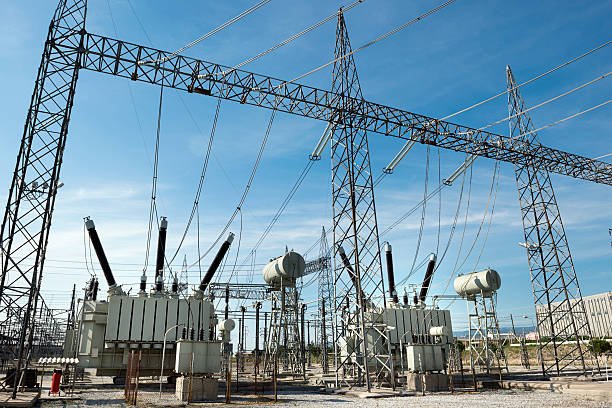
Purchasing power transformers involves significant technical, financial, and operational commitments because transformers are long-life assets that often remain in service for 30 years or more. Unlike standard electrical products, power transformers are highly customized according to voltage levels, capacity requirements, installation environments, grid conditions, and customer specifications. If contractual risks are not clearly addressed before signing a purchase agreement, buyers may face delayed deliveries, unexpected costs, performance disputes, inadequate documentation, warranty limitations, or equipment that does not meet system requirements.
The main contractual risks when purchasing power transformers include unclear technical specifications, incomplete scope definitions, delivery delays, quality responsibility gaps, insufficient testing requirements, warranty limitations, payment risks, documentation issues, change management problems, and weak after-sales obligations. Buyers can reduce these risks by creating detailed contracts that define transformer performance requirements, inspection procedures, acceptance criteria, delivery responsibilities, penalties, warranty terms, and long-term technical support obligations.
A detailed transformer purchase contract helps reduce technical and commercial risks between buyers and manufacturers.True
Clear contractual requirements define responsibilities, quality expectations, testing procedures, and delivery obligations.
Transformer purchase contracts only need to specify price and delivery date.False
Power transformer contracts must include technical specifications, testing requirements, warranties, documentation, and service responsibilities.
Factory acceptance tests and performance guarantees should be included in transformer procurement agreements.True
Testing and guarantees provide objective methods for verifying transformer quality before delivery.
A power transformer contract should be treated as a technical risk management document rather than only a commercial agreement. Engineers, procurement teams, and project owners must work together to ensure that contractual terms accurately reflect project requirements. A well-prepared contract protects both buyers and manufacturers while creating a clear framework for successful transformer delivery, installation, and operation.
Why Are Contractual Risks Important in Power Transformer Procurement?
Power transformers involve large investments and complex engineering requirements.
Common procurement risks include:
| Risk Category | Possible Consequence |
|---|---|
| Technical ambiguity | Incorrect transformer design |
| Delivery uncertainty | Project delays |
| Quality disputes | Difficult acceptance process |
| Warranty limitations | High repair costs |
| Documentation gaps | Commissioning problems |
| Scope misunderstanding | Additional expenses |
Because transformers are customized products, unclear contract terms can create significant project risks.
What Technical Specifications Should Be Clearly Defined in the Contract?
Technical specifications are the foundation of a transformer purchase agreement.
The contract should define:
| Technical Item | Required Information |
|---|---|
| Transformer type | Oil-immersed, dry-type, specialty design |
| Rated capacity | kVA or MVA rating |
| Voltage ratio | Primary and secondary voltage |
| Frequency | 50 Hz or 60 Hz |
| Phase configuration | Single-phase or three-phase |
| Cooling method | ONAN, ONAF, OFAF, OFWF |
| Insulation level | BIL and withstand requirements |
| Efficiency requirements | No-load and load losses |
| Standards compliance | IEC, IEEE, or customer standards |
Incomplete technical specifications may allow different interpretations between buyer and supplier.
How Can Buyers Prevent Specification Ambiguity?
Many transformer disputes occur because contract requirements are not detailed enough.
Buyers should include:
| Contract Element | Purpose |
|---|---|
| Technical datasheets | Define equipment requirements |
| Approved drawings | Control design changes |
| Performance guarantees | Establish measurable results |
| Applicable standards | Define testing criteria |
| Environmental conditions | Ensure suitable design |
A complete technical specification reduces the possibility of disagreement during manufacturing and acceptance.
What Scope of Supply Risks Should Be Addressed?
The contract must clearly define what is included in the supplier's responsibility.
Scope items may include:
| Supply Item | Contract Consideration |
|---|---|
| Main transformer unit | Included specification |
| Accessories | Defined quantity and type |
| Control cabinets | Included or excluded |
| Cooling equipment | Responsibility allocation |
| Spare parts | Required quantities |
| Installation support | Service expectations |
| Commissioning assistance | Defined responsibilities |
Unclear scope boundaries often result in unexpected costs.
How Should Transformer Delivery Risks Be Managed?
Power transformers often have long manufacturing lead times.
Contract delivery terms should address:
| Delivery Risk | Contract Solution |
|---|---|
| Manufacturing delay | Defined delivery schedule |
| Material shortage | Supplier responsibility |
| Transportation delay | Logistics requirements |
| Port/customs issues | Responsibility allocation |
| Site readiness issues | Coordination procedures |
The contract should include milestones from design approval to final delivery.
Should Delay Penalties Be Included in Transformer Contracts?
For large projects, delivery delays can affect entire construction schedules.
Contracts may include:
| Term | Purpose |
|---|---|
| Delivery milestones | Track progress |
| Liquidated damages | Compensate delay impact |
| Progress reporting | Improve visibility |
| Recovery plans | Manage delays |
Delay clauses encourage suppliers to maintain project schedules.
What Quality Control Requirements Should Be Included?
Quality responsibilities must be clearly defined before manufacturing begins.
Contracts should specify:
| Quality Requirement | Purpose |
|---|---|
| Material inspection | Verify component quality |
| Manufacturing inspection | Monitor production |
| Routine tests | Confirm individual unit performance |
| Type tests | Validate design |
| Special tests | Meet project requirements |
| Third-party inspection | Provide independent verification |
Quality requirements prevent disputes after delivery.
How Should Factory Acceptance Tests Be Defined Contractually?
Factory Acceptance Tests (FAT) are among the most important contractual requirements.
The agreement should define:
| FAT Element | Contract Requirement |
|---|---|
| Test list | Specify required tests |
| Test standards | Define applicable standards |
| Witness rights | Allow buyer participation |
| Test procedures | Establish methods |
| Acceptance limits | Define pass criteria |
Typical transformer FAT includes:
- Turns ratio testing
- Winding resistance testing
- No-load loss measurement
- Load loss measurement
- Impedance testing
- Insulation testing
- Temperature rise testing
What Performance Guarantees Should Be Included?
Performance guarantees protect buyers from receiving equipment that does not meet expected operating conditions.
Important guarantees include:
| Guarantee | Example Requirement |
|---|---|
| Rated power | Full capacity operation |
| Efficiency | Maximum allowable losses |
| Voltage regulation | Defined limits |
| Temperature rise | Maximum operating temperature |
| Noise level | Maximum acoustic value |
| Reliability | Service expectations |
Performance guarantees should be measurable and verifiable.
How Can Buyers Manage Transformer Warranty Risks?
Warranty terms are critical because transformers are expensive assets.
A strong warranty section should define:
| Warranty Item | Contract Requirement |
|---|---|
| Warranty period | Clearly stated duration |
| Covered failures | Defined responsibility |
| Replacement obligation | Repair or replacement process |
| Response time | Service expectations |
| Exclusions | Clearly explained limitations |
Weak warranty language may leave buyers responsible for expensive failures.
What After-Sales Support Obligations Should Be Contracted?
Transformer support requirements should extend beyond delivery.
Important service obligations include:
| Service Item | Benefit |
|---|---|
| Technical assistance | Faster troubleshooting |
| Installation support | Reduced commissioning risk |
| Spare parts supply | Long-term availability |
| Maintenance guidance | Improved lifespan |
| Training | Better operation practices |
Long-term support is especially important for critical power systems.
How Should Payment Risks Be Controlled?
Power transformer purchases often involve large financial commitments.
Payment terms should balance buyer and supplier interests.
Common approaches include:
| Payment Stage | Purpose |
|---|---|
| Advance payment | Supports production start |
| Manufacturing milestone payment | Matches progress |
| FAT approval payment | Links payment to quality |
| Shipment payment | Controls delivery |
| Retention payment | Supports warranty obligations |
Payment structures should protect both parties.
How Can Buyers Control Design Change Risks?
Transformer projects may require changes during engineering and manufacturing.
Contracts should define:
| Change Type | Contract Requirement |
|---|---|
| Design modification | Approval process |
| Material substitution | Buyer authorization |
| Drawing revision | Document control |
| Cost impact | Price adjustment method |
| Schedule impact | Delivery adjustment |
A formal change management process prevents disputes.
What Documentation Requirements Should Be Included?
Complete documentation is essential for installation, operation, and maintenance.
Contracts should specify:
| Document | Purpose |
|---|---|
| Technical drawings | Installation reference |
| Test reports | Performance verification |
| Operation manuals | Equipment operation |
| Maintenance manuals | Lifecycle support |
| Certificates | Regulatory compliance |
| Spare parts lists | Maintenance planning |
Missing documents can delay commissioning.
How Should Compliance and Certification Risks Be Managed?
Transformers must comply with applicable regulations and standards.
Contracts should define:
| Compliance Area | Requirement |
|---|---|
| Electrical standards | IEC/IEEE compliance |
| Local regulations | Country requirements |
| Environmental requirements | Installation conditions |
| Safety standards | Operational protection |
| Certification documents | Approval requirements |
Compliance responsibilities should be clearly assigned.
What Inspection Rights Should Buyers Request?
Inspection rights allow buyers to verify manufacturing quality.
Contract inspection clauses may include:
| Inspection Right | Purpose |
|---|---|
| Factory visits | Verify production |
| Material inspection | Confirm quality |
| Manufacturing monitoring | Control progress |
| FAT witnessing | Confirm performance |
| Pre-shipment inspection | Verify final condition |
Inspection rights improve transparency.
How Can International Procurement Contracts Reduce Risks?
For global transformer purchases, additional risks should be considered.
| International Risk | Contract Solution |
|---|---|
| Currency fluctuation | Define payment currency |
| Import regulations | Assign responsibilities |
| Transportation damage | Define insurance |
| Legal differences | Specify governing law |
| Communication issues | Establish documentation procedures |
International contracts require additional planning.
What Role Does Legal and Technical Review Play Before Signing?
Transformer contracts should be reviewed by both technical and commercial teams.
Review participants include:
| Team | Responsibility |
|---|---|
| Electrical engineers | Verify specifications |
| Procurement team | Review commercial terms |
| Legal team | Manage contractual risks |
| Project managers | Confirm schedule requirements |
| Quality engineers | Verify inspection requirements |
A multidisciplinary review reduces future conflicts.
How Can Buyers Create a Reliable Transformer Procurement Contract?
A strong transformer contract should include:
| Contract Section | Key Content |
|---|---|
| Technical specification | Transformer requirements |
| Scope of supply | Responsibilities |
| Quality requirements | Inspection procedures |
| Testing requirements | Acceptance criteria |
| Delivery terms | Schedule control |
| Warranty terms | Failure responsibility |
| Documentation | Project records |
| Support services | Long-term assistance |
This structure creates a reliable foundation for transformer procurement.
How Can Buyers Prevent Technical Specification Risks in Power Transformer Contracts?
Purchasing a power transformer without a clearly defined technical specification can create serious project risks. Many transformer procurement problems are not caused by manufacturing defects but by misunderstandings between buyers, engineers, and suppliers regarding ratings, operating conditions, standards, accessories, testing requirements, and performance expectations. A transformer that appears suitable on paper may fail to meet actual system requirements if important technical details are missing from the contract.
Buyers can prevent technical specification risks in power transformer contracts by preparing detailed technical specifications, clearly defining electrical and mechanical requirements, confirming applicable standards, establishing measurable performance guarantees, reviewing supplier design documents, controlling technical changes, and including complete testing and acceptance criteria. A well-defined transformer contract ensures that the delivered equipment matches the intended power system application, operating environment, and long-term reliability requirements.
Detailed technical specifications reduce the risk of transformer procurement disputes and incorrect equipment selection.True
Clear specifications define transformer design requirements, performance expectations, and supplier responsibilities.
Power transformer contracts only need to specify rated capacity and voltage ratio.False
Transformer contracts must also address insulation levels, losses, cooling, protection, testing, environmental conditions, and applicable standards.
Performance guarantees should include measurable technical parameters for power transformers.True
Defined limits for losses, temperature rise, efficiency, and regulation allow objective verification during testing.
Technical specification management is one of the most important steps in transformer procurement. Because power transformers are customized electrical assets, buyers should not rely on general product descriptions or supplier assumptions. Instead, the contract should become a complete technical reference document that guides design, manufacturing, inspection, delivery, installation, and commissioning.
Why Do Technical Specification Risks Occur in Transformer Contracts?
Technical risks usually occur when contract requirements are incomplete, unclear, or inconsistent.
Common causes include:
| Risk Cause | Possible Result |
|---|---|
| Incomplete electrical data | Incorrect transformer design |
| Missing environmental conditions | Reduced operating reliability |
| Undefined testing requirements | Acceptance disputes |
| Unclear standards | Compliance problems |
| Poor document control | Installation difficulties |
| Unspecified accessories | Additional project costs |
A transformer contract must eliminate uncertainty before manufacturing begins.
What Technical Information Should Be Included in a Transformer Contract?
A complete technical specification should define all major transformer characteristics.
Important information includes:
| Specification Category | Required Details |
|---|---|
| Transformer type | Oil-immersed, dry-type, specialty transformer |
| Rated power | kVA or MVA capacity |
| Voltage ratio | Primary and secondary ratings |
| Frequency | 50 Hz or 60 Hz |
| Phase number | Single-phase or three-phase |
| Cooling system | ONAN, ONAF, OFAF, OFWF |
| Insulation class | Required dielectric performance |
| Installation location | Indoor or outdoor application |
| Standards | IEC, IEEE, or customer standards |
These details provide the foundation for correct transformer engineering.
How Can Buyers Define Electrical Requirements Clearly?
Electrical requirements are among the most critical contract elements because transformer performance depends directly on system compatibility.
Buyers should specify:
| Electrical Parameter | Contract Requirement |
|---|---|
| Rated voltage | Exact system voltage |
| Rated frequency | Network frequency |
| Rated current | Required operating current |
| Short-circuit impedance | System coordination requirement |
| Vector group | Phase compatibility |
| Tap changer range | Voltage regulation capability |
| Insulation level | Surge withstand capability |
For example, specifying only a "10 MVA transformer" is insufficient. The contract must also define voltage levels, impedance, insulation requirements, and operating conditions.
How Does Transformer Rating Specification Prevent Design Problems?
Incorrect capacity selection is one of the most common technical risks.
Buyers should consider:
| Rating Factor | Consideration |
|---|---|
| Continuous load | Normal operating demand |
| Peak load | Maximum expected demand |
| Future expansion | Long-term growth |
| Emergency loading | Temporary overload capability |
| Ambient temperature | Thermal conditions |
| Cooling capability | Heat dissipation capacity |
A transformer should be selected based on actual operating conditions rather than only present demand.
How Should Voltage Requirements Be Specified?
Voltage requirements must include both nominal values and operating limits.
Important contract information includes:
| Voltage Item | Purpose |
|---|---|
| Primary voltage | Matches incoming system |
| Secondary voltage | Matches connected loads |
| Voltage tolerance | Handles network variation |
| Tap position | Defines adjustment range |
| Insulation level | Prevents electrical failure |
Incorrect voltage specifications may result in poor voltage regulation or equipment stress.
How Can Buyers Prevent Phase and Vector Group Risks?
Three-phase transformers require correct phase relationships.
The contract should define:
| Parameter | Importance |
|---|---|
| Vector group | Controls phase displacement |
| Phase sequence | Ensures system compatibility |
| Winding connection | Defines electrical arrangement |
| Polarity | Prevents incorrect connection |
For transformers operating in parallel, vector group compatibility is especially important.
How Should Cooling Requirements Be Defined?
Cooling design directly affects transformer capacity and lifespan.
The contract should specify:
| Cooling Requirement | Example |
|---|---|
| Cooling method | ONAN, ONAF, OFAF, OFWF |
| Cooling accessories | Fans, pumps, radiators |
| Control logic | Automatic cooling operation |
| Temperature limits | Maximum allowable rise |
| Backup cooling | Required redundancy |
Incorrect cooling specifications can reduce transformer loading capability.
How Can Buyers Specify Loss and Efficiency Requirements?
Transformer losses affect operating costs throughout the equipment lifecycle.
Contracts should define:
| Performance Parameter | Importance |
|---|---|
| No-load loss | Core energy consumption |
| Load loss | Operating efficiency |
| Total loss | Lifecycle cost evaluation |
| Efficiency guarantee | Performance verification |
Buyers should include guaranteed loss values and testing methods.
What Insulation Requirements Should Be Included?
Insulation failures are among the most serious transformer problems.
Technical specifications should include:
| Insulation Requirement | Purpose |
|---|---|
| Basic insulation level (BIL) | Lightning impulse withstand |
| Power frequency withstand | Overvoltage protection |
| Partial discharge limits | Detect insulation defects |
| Creepage distance | Prevent surface flashover |
| Oil dielectric strength | Maintain insulation quality |
The insulation design must match the system voltage and environment.
How Should Environmental Conditions Be Defined?
Transformer design depends heavily on installation conditions.
Buyers should specify:
| Environmental Factor | Design Impact |
|---|---|
| Ambient temperature | Cooling requirement |
| Altitude | Insulation and cooling adjustment |
| Humidity | Insulation protection |
| Pollution level | External insulation design |
| Outdoor exposure | Enclosure requirements |
A transformer designed for one environment may not perform reliably in another.
How Can Buyers Control Accessory Specification Risks?
Transformers require many accessories that affect operation and maintenance.
Contracts should define:
| Accessory | Specification Requirement |
|---|---|
| Bushings | Voltage and current rating |
| Conservator tank | Capacity and design |
| Cooling fans | Performance requirements |
| Protection devices | Required functions |
| Monitoring systems | Data requirements |
| Control cabinets | Interface requirements |
Missing accessories can delay installation and increase costs.
How Should Standards and Compliance Requirements Be Defined?
Different regions and projects may require different standards.
The contract should identify:
| Standard Area | Requirement |
|---|---|
| Transformer design | IEC 60076 or equivalent |
| Testing | Applicable test standards |
| Safety | Local regulations |
| Environmental | Project requirements |
| Documentation | Certification requirements |
Clearly defined standards prevent compliance disputes.
How Can Buyers Avoid Conflicts Between Technical Documents?
Large transformer projects often involve multiple documents.
A document hierarchy should be established:
| Document | Purpose |
|---|---|
| Purchase specification | Main technical requirement |
| Datasheet | Equipment summary |
| Drawings | Design confirmation |
| Standards | Reference requirements |
| Test procedures | Verification methods |
The contract should define which document takes priority if conflicts occur.
Why Are Performance Guarantees Important in Transformer Contracts?
Performance guarantees create measurable acceptance criteria.
Typical guarantees include:
| Guarantee Item | Example |
|---|---|
| Rated capacity | Full load capability |
| Efficiency | Maximum loss values |
| Temperature rise | Maximum limits |
| Noise level | Maximum sound level |
| Voltage regulation | Defined tolerance |
| Insulation performance | Required withstand level |
Without measurable guarantees, buyers may struggle to reject non-compliant equipment.
How Should Factory Acceptance Tests Be Defined?
Factory Acceptance Tests (FAT) verify that transformers meet contract requirements before shipment.
Contracts should define:
| FAT Requirement | Purpose |
|---|---|
| Test list | Define verification scope |
| Test standards | Ensure consistency |
| Witness procedure | Allow buyer inspection |
| Acceptance criteria | Define pass/fail limits |
| Test reports | Provide records |
Typical transformer FAT includes:
- Ratio test
- Winding resistance test
- No-load loss test
- Load loss test
- Impedance measurement
- Dielectric testing
- Temperature rise testing
How Can Buyers Manage Technical Change Risks?
Transformer designs may change during engineering or manufacturing.
Contracts should define:
| Change Type | Control Method |
|---|---|
| Design modification | Buyer approval |
| Material substitution | Technical review |
| Drawing changes | Document revision |
| Performance impact | Evaluation process |
| Schedule impact | Agreement process |
Unauthorized changes can affect transformer reliability.
What Supplier Documents Should Buyers Review?
Before approving transformer manufacturing, buyers should review:
| Document | Purpose |
|---|---|
| Technical datasheet | Confirm requirements |
| General arrangement drawing | Verify dimensions |
| Electrical drawings | Confirm connections |
| Loss calculation | Verify efficiency |
| Testing plan | Confirm quality process |
| Material list | Check components |
Document review helps identify problems early.
How Can Buyers Use Technical Reviews to Reduce Risks?
A technical review before contract signing should involve:
| Participant | Responsibility |
|---|---|
| Electrical engineer | Verify system compatibility |
| Project engineer | Confirm application requirements |
| Procurement team | Manage supplier commitments |
| Quality engineer | Review testing requirements |
| Maintenance team | Evaluate lifecycle needs |
A multidisciplinary review reduces specification gaps.
What Are Best Practices for Writing Transformer Technical Specifications?
Effective transformer specifications should:
| Best Practice | Benefit |
|---|---|
| Use detailed requirements | Reduce ambiguity |
| Define measurable values | Enable verification |
| Reference standards | Ensure compliance |
| Include testing requirements | Improve quality control |
| Define responsibilities | Prevent disputes |
| Control changes | Maintain design integrity |
How Should Delivery Schedule and Delay Penalties Be Defined for Power Transformer Purchases?
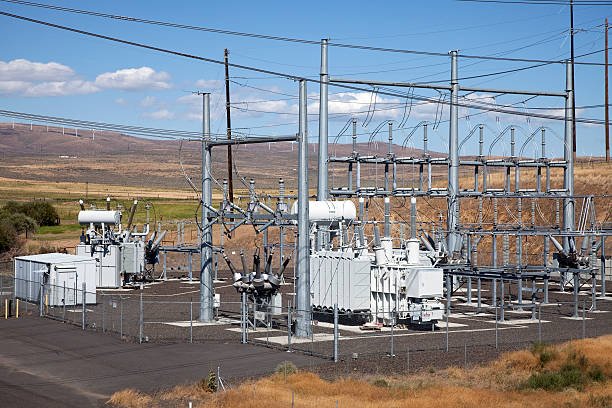
Power transformer purchases involve long manufacturing cycles, complex engineering coordination, and significant project dependencies. A delayed transformer delivery can affect entire power system projects by postponing substation completion, delaying renewable energy connections, interrupting industrial expansion plans, or increasing construction and financing costs. Because transformers are often customized and require extensive testing before shipment, unclear delivery schedules and weak delay penalty clauses can create major contractual risks for buyers.
Delivery schedules and delay penalties for power transformer purchases should be defined through clear contractual milestones, realistic manufacturing timelines, supplier reporting obligations, shipment requirements, and measurable liquidated damages. Buyers should specify design approval dates, manufacturing completion targets, factory acceptance testing schedules, shipping deadlines, and final delivery dates, while delay penalties should fairly compensate for project impacts and encourage suppliers to maintain agreed schedules.
Power transformer delivery contracts should define milestone dates and responsibilities to reduce schedule risks.True
Clear milestones allow buyers and suppliers to monitor progress and manage potential delays.
Delay penalties should be unlimited and applied regardless of the cause of delay.False
Delay penalties should be reasonable, clearly defined, and exclude justified delays such as approved force majeure events.
Factory acceptance testing schedules should be included in power transformer delivery planning.True
FAT timing directly affects shipment readiness and overall project completion schedules.
A well-structured delivery and penalty framework creates accountability while allowing manufacturers enough flexibility to complete complex engineering work properly. Buyers should avoid focusing only on the final delivery date and instead establish a complete timeline covering engineering, procurement, manufacturing, inspection, transportation, installation support, and commissioning.
Why Are Delivery Schedule Terms Important in Transformer Contracts?
Power transformers are usually long-lead equipment because they require specialized materials, customized design, and extensive testing.
A typical transformer procurement process includes:
| Project Stage | Typical Activities |
|---|---|
| Contract award | Order confirmation and project kickoff |
| Technical review | Specification confirmation |
| Design stage | Drawings and calculations |
| Material procurement | Core, winding, accessories |
| Manufacturing | Assembly and production |
| Factory testing | FAT and inspection |
| Shipment | Transportation preparation |
| Site delivery | Receiving and installation |
A delay in one stage can affect all following activities.
What Causes Power Transformer Delivery Delays?
Buyers should understand common delay risks before defining contract terms.
| Delay Cause | Possible Impact |
|---|---|
| Late technical approvals | Manufacturing postponement |
| Material supply problems | Production delays |
| Design changes | Rework and schedule extension |
| Failed factory tests | Additional testing time |
| Transportation issues | Late site arrival |
| Documentation delays | Customs or commissioning problems |
Identifying these risks helps buyers create realistic schedules and effective contractual controls.
How Should the Transformer Delivery Timeline Be Structured?
A strong contract should divide delivery into measurable milestones rather than using only one final delivery date.
Recommended milestones include:
| Milestone | Example Requirement |
|---|---|
| Technical document submission | Within defined days after order |
| Drawing approval | Before manufacturing start |
| Material procurement completion | Defined project date |
| Manufacturing completion | Defined milestone |
| FAT completion | Before shipment |
| Shipment date | Agreed deadline |
| Site delivery date | Final contractual commitment |
Milestones make it easier to identify delays early.
What Information Should Be Included in a Transformer Delivery Schedule?
A complete delivery schedule should define:
| Schedule Element | Required Information |
|---|---|
| Start date | Contract commencement |
| Completion date | Final delivery target |
| Milestone dates | Intermediate checkpoints |
| Responsible party | Buyer or supplier responsibility |
| Approval requirements | Required review periods |
| Reporting frequency | Progress monitoring method |
Without these details, disputes may occur over whether delays are supplier-caused or project-related.
How Can Buyers Create a Realistic Transformer Manufacturing Schedule?
Buyers should avoid unrealistic delivery expectations because rushed manufacturing can increase quality risks.
A realistic schedule should consider:
| Factor | Schedule Impact |
|---|---|
| Transformer size | Larger units require longer production |
| Design complexity | Customized designs need more engineering |
| Material availability | Special materials may require longer lead times |
| Testing requirements | Additional tests increase duration |
| Transportation method | Logistics affect delivery |
For example, a large transmission transformer may require significantly more time than a standard distribution transformer.
How Should Technical Approval Delays Be Managed?
Technical approvals are common sources of project delays.
Contracts should define:
| Approval Issue | Contract Solution |
|---|---|
| Drawing review | Define review period |
| Specification changes | Establish change process |
| Late buyer comments | Adjust schedule rules |
| Supplier design questions | Require prompt communication |
Clear approval procedures prevent unnecessary manufacturing delays.
What Role Does Progress Reporting Play in Delivery Control?
Regular progress reporting allows buyers to identify risks before they become serious problems.
A supplier reporting system may include:
| Report Type | Purpose |
|---|---|
| Manufacturing progress report | Track production |
| Material status report | Monitor procurement |
| Risk report | Identify problems |
| Testing schedule | Prepare inspection |
| Shipment preparation report | Confirm readiness |
Frequent communication improves schedule transparency.
Should Buyers Include Delay Penalties in Transformer Contracts?
Yes, delay penalties are commonly included for major transformer purchases because late delivery can create significant financial consequences.
Delay penalty clauses typically define:
| Contract Term | Purpose |
|---|---|
| Delay trigger date | Defines when penalties begin |
| Daily penalty rate | Calculates compensation |
| Maximum penalty limit | Maintains fairness |
| Excluded delays | Defines exceptions |
| Claim procedure | Establishes process |
These clauses encourage suppliers to meet contractual obligations.
How Are Liquidated Damages for Transformer Delays Typically Defined?
Liquidated damages provide predetermined compensation for delays.
A contract may define:
| Item | Example Definition |
|---|---|
| Penalty basis | Percentage of delayed equipment value |
| Calculation method | Amount per delayed day/week |
| Maximum limit | Contractually agreed ceiling |
| Start point | After contractual delivery date |
The penalty should reflect realistic project impacts.
What Factors Should Determine Delay Penalty Amounts?
Penalty levels should consider:
| Factor | Reason |
|---|---|
| Project importance | Critical infrastructure needs stronger protection |
| Transformer value | Higher-value equipment has greater impact |
| Delay consequences | Reflect actual project costs |
| Industry practice | Maintain commercial fairness |
| Supplier responsibility | Apply only for controllable delays |
A balanced penalty structure protects buyers without creating unreasonable supplier risks.
How Should Force Majeure Events Be Addressed?
Contracts should clearly define events outside supplier control.
Possible force majeure events include:
| Event | Example |
|---|---|
| Natural disasters | Earthquakes, floods |
| Government restrictions | Export limitations |
| Major transportation disruption | Port closures |
| Extreme events | Large-scale emergencies |
The contract should define:
- Notification requirements
- Evidence submission
- Schedule adjustment rules
- Recovery obligations
What Delays Should Not Qualify for Penalty Exemption?
Not all delays should be considered excusable.
Typically excluded:
| Delay Type | Reason |
|---|---|
| Poor production planning | Supplier responsibility |
| Lack of manpower | Supplier responsibility |
| Manufacturing inefficiency | Supplier responsibility |
| Late internal approvals | Supplier responsibility |
| Quality failures | Supplier responsibility |
Suppliers should remain accountable for avoidable delays.
How Should Factory Acceptance Testing Affect Delivery Dates?
Factory Acceptance Testing is a critical delivery milestone.
The contract should specify:
| FAT Requirement | Purpose |
|---|---|
| Test completion date | Controls shipment timing |
| Buyer witness period | Allows inspection |
| Test failure response | Defines correction process |
| Retest schedule | Controls recovery |
| Final acceptance | Confirms shipment approval |
A transformer should not be shipped before meeting FAT requirements.
How Can Buyers Prevent Shipment and Transportation Delays?
Transportation responsibilities should be clearly assigned.
Contracts should define:
| Logistics Item | Requirement |
|---|---|
| Shipping method | Road, rail, sea, special transport |
| Packaging requirements | Prevent damage |
| Insurance responsibility | Protect equipment value |
| Export documents | Avoid customs delays |
| Delivery location | Confirm receiving point |
Large transformers often require special transportation planning.
How Should Site Delivery Responsibilities Be Defined?
Site delivery involves coordination between suppliers and buyers.
The contract should specify:
| Responsibility | Assigned Party |
|---|---|
| Site preparation | Buyer |
| Transport coordination | Supplier or buyer |
| Unloading equipment | Defined responsibility |
| Storage requirements | Defined responsibility |
| Installation support | Supplier scope |
Clear responsibility allocation prevents disputes at the project site.
How Can Buyers Link Payment Terms to Delivery Performance?
Payment structures can encourage supplier performance.
Common approaches include:
| Payment Stage | Condition |
|---|---|
| Advance payment | Contract signing |
| Design payment | Document approval |
| Manufacturing payment | Production milestone |
| FAT payment | Successful testing |
| Shipment payment | Approved delivery |
| Retention payment | Warranty support |
Milestone-based payments reduce buyer exposure.
What Documentation Should Be Required Before Shipment?
Before shipment, buyers should require complete documentation.
Important documents include:
| Document | Purpose |
|---|---|
| FAT reports | Confirm performance |
| Test certificates | Verify compliance |
| Packing list | Support logistics |
| Shipping documents | Enable transportation |
| Final drawings | Support installation |
| Operation manuals | Prepare commissioning |
Missing documents can delay installation even after equipment arrival.
How Can Buyers Monitor Supplier Schedule Performance?
Buyers should establish schedule management procedures.
Recommended actions include:
| Action | Benefit |
|---|---|
| Regular meetings | Identify risks early |
| Milestone tracking | Measure progress |
| Factory visits | Verify production |
| Risk reviews | Manage delays |
| Recovery planning | Reduce schedule impact |
Active monitoring is more effective than relying only on penalties.
What Are Best Practices for Transformer Delivery Contracts?
A reliable delivery contract should include:
| Best Practice | Benefit |
|---|---|
| Detailed milestones | Clear accountability |
| Realistic schedule | Reduces quality pressure |
| Progress reporting | Improves visibility |
| Delay penalty clauses | Protects buyer interests |
| FAT requirements | Confirms quality |
| Change management | Controls schedule impact |
| Force majeure rules | Maintains fairness |
What Warranty and Performance Guarantees Should Be Included in Power Transformer Contracts?
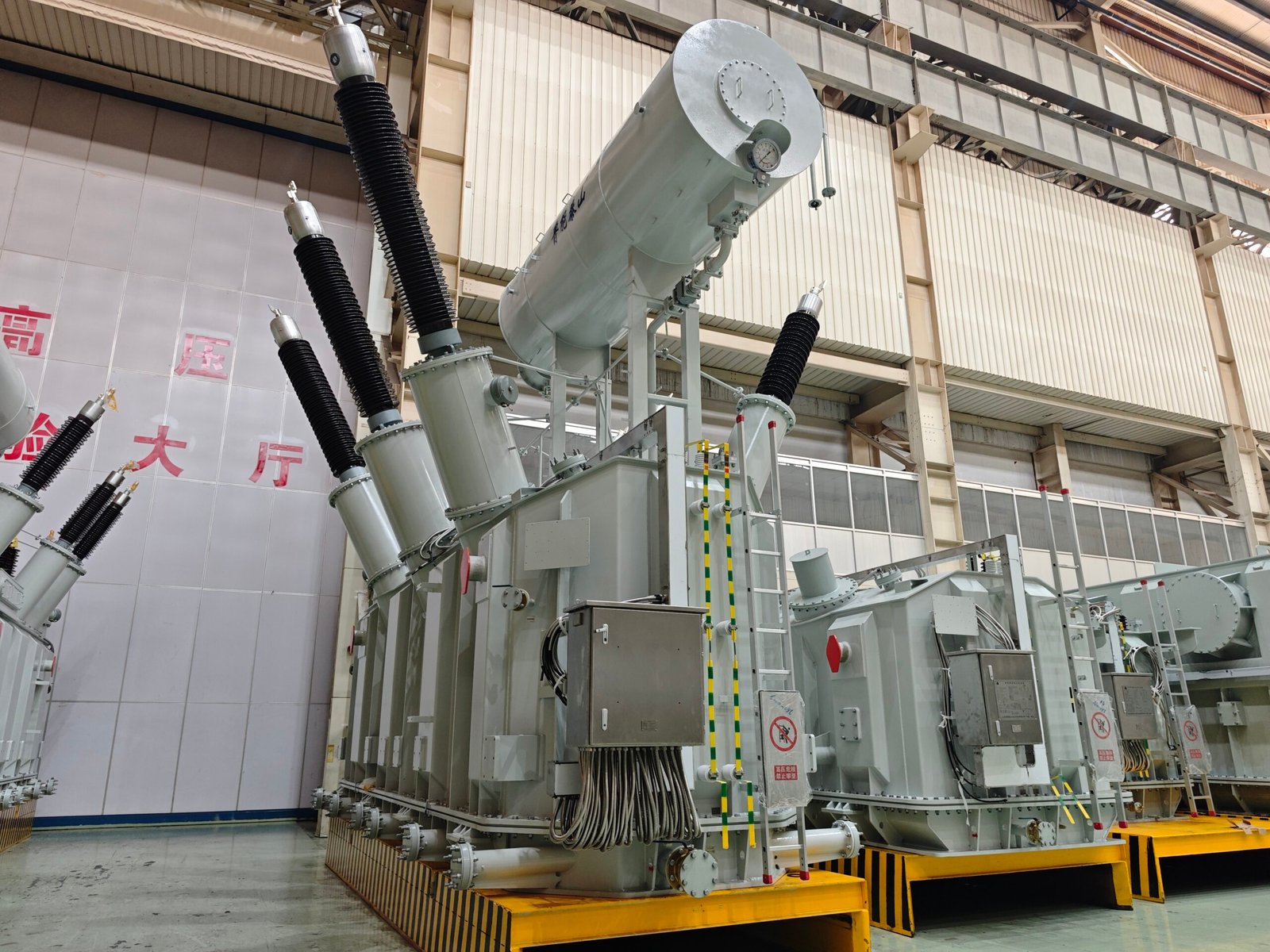
Power transformers are long-term investments that often operate for several decades, making warranty terms and performance guarantees critical parts of procurement contracts. Unlike standard electrical equipment, transformers are highly customized products designed according to specific voltage levels, load requirements, environmental conditions, and grid operating characteristics. If warranty responsibilities and performance expectations are not clearly defined, buyers may face costly repairs, difficult claim processes, unexpected downtime, and disputes with manufacturers after delivery.
Power transformer contracts should include clear warranty periods, coverage scope, repair and replacement responsibilities, response times, performance guarantees for losses, efficiency, temperature rise, voltage regulation, noise levels, insulation performance, and testing-based acceptance criteria. A strong warranty and guarantee structure protects buyers by defining measurable technical requirements, supplier obligations, and remedies when transformers fail to meet contractual performance expectations.
Power transformer contracts should include measurable performance guarantees to verify equipment quality.True
Defined technical parameters allow buyers to compare actual test results with contractual requirements.
Warranty clauses for power transformers only need to cover manufacturing defects found immediately after delivery.False
Transformer warranties should address operational failures, repair responsibilities, spare parts support, and defined service obligations.
Loss guarantees and temperature rise limits are important performance requirements for power transformer contracts.True
These parameters directly affect operating costs, efficiency, and transformer service life.
A well-designed transformer contract should not treat warranty and performance guarantees as simple commercial clauses. They are technical risk management tools that define how suppliers are responsible for equipment quality throughout manufacturing, installation, commissioning, and early operation. Buyers should work with engineering, procurement, and maintenance teams to ensure contract terms accurately reflect project requirements.
Why Are Warranty and Performance Guarantees Important for Power Transformers?
Power transformers have high purchase costs and significant installation impacts. A failure after commissioning can result in:
| Risk | Possible Consequence |
|---|---|
| Transformer outage | Power interruption |
| Insulation failure | Major equipment damage |
| Overheating | Reduced service life |
| Excessive losses | Higher operating costs |
| Delayed repair | Extended downtime |
Strong contractual protections reduce these risks.
What Is the Difference Between Transformer Warranty and Performance Guarantees?
Although related, warranty and performance guarantees serve different purposes.
| Contract Element | Main Purpose |
|---|---|
| Warranty | Defines supplier responsibility for defects and failures |
| Performance guarantee | Defines required operating results |
| Acceptance criteria | Determines whether equipment meets requirements |
| Remedy clauses | Defines corrective actions |
A complete contract should include all four elements.
How Should the Warranty Period Be Defined?
The warranty period should be clearly stated in the purchase agreement.
Important warranty details include:
| Warranty Item | Contract Requirement |
|---|---|
| Start date | Delivery, commissioning, or energization date |
| Duration | Defined number of months or years |
| Coverage scope | Included failures and defects |
| Claim procedure | Required notification process |
| Supplier response time | Service obligation |
For large power transformers, buyers often negotiate warranty periods that extend beyond basic commercial guarantees because transformer reliability is critical to system operation.
What Failures Should Be Covered Under Transformer Warranty?
Warranty coverage should clearly define what constitutes a supplier responsibility.
Typical covered issues include:
| Failure Type | Warranty Consideration |
|---|---|
| Manufacturing defects | Supplier responsibility |
| Material defects | Supplier responsibility |
| Design errors | Supplier responsibility |
| Insulation failures | Subject to contract conditions |
| Accessory failures | Defined responsibility |
| Performance shortfalls | Linked to guarantees |
The contract should avoid vague terms such as “normal equipment failure” without defining limits.
How Should Warranty Exclusions Be Defined?
Clear exclusions prevent future disagreements.
Common exclusions may include:
| Exclusion | Example |
|---|---|
| Incorrect installation | Customer responsibility |
| Improper operation | Customer responsibility |
| External system faults | Case-dependent |
| Unauthorized modification | Customer responsibility |
| Natural disasters | Force majeure |
However, exclusions should not be written so broadly that they eliminate meaningful supplier responsibility.
What Repair and Replacement Obligations Should Be Included?
A warranty is only effective if corrective actions are clearly defined.
Contracts should specify:
| Obligation | Requirement |
|---|---|
| Fault investigation | Supplier participation |
| Repair method | Approved procedure |
| Replacement parts | Availability requirements |
| Replacement equipment | Conditions for replacement |
| Labor responsibility | Cost allocation |
| Transportation costs | Defined responsibility |
These terms reduce delays during critical failures.
How Should Warranty Response Times Be Defined?
For critical transformers, slow response can create major operational losses.
Contracts should define:
| Service Requirement | Example Definition |
|---|---|
| Initial response | Within specified hours/days |
| Technical assessment | Defined timeframe |
| Repair plan | Required submission date |
| Spare parts delivery | Maximum delivery period |
| Site support | Required availability |
Fast response requirements improve equipment recovery.
What Performance Guarantees Should Be Included in Transformer Contracts?
Performance guarantees should cover measurable operating characteristics.
Important guarantees include:
| Performance Parameter | Purpose |
|---|---|
| Rated capacity | Confirms load capability |
| Efficiency | Controls energy losses |
| No-load loss | Measures core performance |
| Load loss | Measures winding losses |
| Temperature rise | Protects insulation life |
| Voltage regulation | Maintains power quality |
| Noise level | Meets environmental limits |
| Short-circuit impedance | Supports system coordination |
How Should Transformer Loss Guarantees Be Defined?
Transformer losses affect lifecycle operating costs.
Contracts should define:
| Loss Type | Importance |
|---|---|
| No-load loss | Continuous energy consumption |
| Load loss | Depends on operating load |
| Total loss | Overall efficiency evaluation |
The contract should include:
- Guaranteed maximum loss values
- Test methods
- Measurement standards
- Acceptance limits
- Penalty mechanisms if applicable
Why Are Efficiency Guarantees Important?
Transformer efficiency directly affects long-term operating expenses.
A small difference in efficiency can create significant energy costs over decades.
Efficiency guarantees should define:
| Parameter | Requirement |
|---|---|
| Rated efficiency | Minimum acceptable value |
| Calculation method | Standard formula |
| Test conditions | Defined operating conditions |
| Verification method | FAT measurement |
This helps buyers compare suppliers based on lifecycle cost rather than only purchase price.
How Should Temperature Rise Guarantees Be Specified?
Temperature performance affects transformer lifespan.
Contracts should define:
| Temperature Parameter | Purpose |
|---|---|
| Top oil temperature rise | Oil cooling performance |
| Winding temperature rise | Insulation protection |
| Ambient temperature condition | Test reference |
| Cooling operation | Verify thermal capability |
Excessive temperature can accelerate insulation aging.
How Should Voltage Regulation Guarantees Be Defined?
Voltage regulation affects connected equipment performance.
Contracts should specify:
| Parameter | Requirement |
|---|---|
| Voltage deviation limits | Maintain supply quality |
| Tap changer performance | Confirm adjustment capability |
| Load conditions | Define test conditions |
Proper voltage regulation is especially important in industrial and renewable energy applications.
What Insulation Performance Guarantees Should Be Included?
Transformer insulation is critical for long-term reliability.
Important guarantees include:
| Insulation Requirement | Verification Method |
|---|---|
| Dielectric withstand | High-voltage testing |
| Partial discharge level | PD measurement |
| Impulse withstand | Lightning impulse test |
| Oil quality | Laboratory testing |
| Moisture limits | Insulation evaluation |
Insulation guarantees help prevent premature transformer failure.
How Should Factory Acceptance Tests Support Guarantees?
Factory Acceptance Tests (FAT) provide objective verification of contract performance.
The contract should define:
| FAT Requirement | Purpose |
|---|---|
| Required tests | Define verification scope |
| Testing standards | Ensure consistency |
| Buyer witness rights | Improve transparency |
| Acceptance limits | Define compliance |
| Test reports | Provide evidence |
Typical FAT performance verification includes:
- Ratio testing
- Winding resistance measurement
- No-load loss testing
- Load loss testing
- Impedance measurement
- Dielectric tests
- Temperature rise tests
Should Performance Penalties Be Included?
For major transformer projects, contracts may include penalties for failure to meet guarantees.
Possible penalty areas include:
| Performance Failure | Possible Remedy |
|---|---|
| Excessive losses | Financial compensation |
| Low efficiency | Price adjustment |
| Excessive noise | Corrective action |
| Delayed correction | Additional compensation |
| Failure to meet ratings | Repair or replacement |
Penalty mechanisms should be reasonable and clearly measurable.
How Can Buyers Ensure Performance Guarantees Are Enforceable?
Performance guarantees should avoid vague language.
Effective guarantees should include:
| Requirement | Example |
|---|---|
| Measurable value | Maximum loss limit |
| Test method | Defined standard |
| Test condition | Rated operation condition |
| Acceptance criteria | Pass/fail requirement |
| Remedy action | Defined correction |
Clear measurement methods prevent disputes.
How Should Spare Parts Support Be Included in Contracts?
Transformer reliability depends on long-term spare parts availability.
Contracts should define:
| Spare Part Requirement | Purpose |
|---|---|
| Critical spare inventory | Reduce downtime |
| Availability period | Support lifecycle |
| Replacement delivery time | Improve recovery |
| Pricing conditions | Control future costs |
Important spare parts may include:
- Bushings
- Cooling fans
- Pumps
- Relays
- Sensors
- Sealing components
What Documentation Should Be Provided for Warranty Support?
Warranty management requires complete technical records.
Required documents may include:
| Document | Purpose |
|---|---|
| Test reports | Verify original condition |
| Operation manuals | Support correct use |
| Maintenance manuals | Prevent failures |
| Drawings | Support repairs |
| Spare parts list | Support service |
| Commissioning records | Establish baseline |
Documentation should be part of the contractual delivery package.
How Should After-Sales Service Be Defined?
Long-term support is important for transformer reliability.
Contracts should address:
| Service Area | Requirement |
|---|---|
| Technical assistance | Engineering support |
| Troubleshooting | Fault analysis |
| Field service | On-site assistance |
| Training | Operator knowledge |
| Maintenance recommendations | Lifecycle improvement |
A supplier's service capability should be evaluated before purchase.
How Can Buyers Compare Supplier Warranty and Guarantee Terms?
Buyers should evaluate suppliers using multiple criteria.
| Evaluation Factor | Question |
|---|---|
| Warranty duration | How long is coverage provided? |
| Failure coverage | What problems are included? |
| Response capability | How quickly can support be provided? |
| Performance guarantees | Are values measurable? |
| Testing procedures | Are results independently verified? |
| Spare parts support | Are parts available long-term? |
The lowest purchase price may not provide the lowest lifecycle cost.
What Are Best Practices for Transformer Warranty Contracts?
A strong contract should include:
| Best Practice | Benefit |
|---|---|
| Clear warranty period | Defines responsibility |
| Detailed coverage | Reduces disputes |
| Measurable guarantees | Enables verification |
| FAT requirements | Confirms quality |
| Defined remedies | Speeds problem resolution |
| Service obligations | Improves lifecycle support |
How Can Buyers Manage Payment, Price Adjustment, and Cost Risks in Power Transformer Agreements?

Power transformer procurement requires substantial financial investment, and commercial risks can become significant if payment terms, pricing mechanisms, and cost responsibilities are not clearly defined in the contract. Because power transformers often involve long manufacturing periods, specialized materials, international supply chains, and complex transportation requirements, unexpected changes in material prices, exchange rates, logistics costs, or project schedules can create financial disputes between buyers and suppliers.
Buyers can manage payment, price adjustment, and cost risks in power transformer agreements by establishing transparent payment milestones, defining fixed or adjustable pricing mechanisms, specifying responsibility for cost changes, controlling advance payment exposure, including currency and inflation clauses, linking payments to technical milestones, and requiring clear commercial documentation. A well-structured contract balances buyer protection with supplier production requirements while reducing financial uncertainty throughout the transformer procurement process.
Clear payment milestones and price adjustment clauses help reduce financial risks in power transformer procurement.True
Defined commercial terms create transparency and allocate cost responsibilities between buyers and suppliers.
Power transformer contracts should always use fixed prices regardless of project duration or market conditions.False
Long manufacturing periods may require carefully designed price adjustment mechanisms for major cost changes.
Advance payments should be protected through contractual safeguards such as milestone verification and payment security arrangements.True
Payment controls reduce buyer exposure before equipment delivery and acceptance.
Managing commercial risks is as important as managing technical risks when purchasing power transformers. A transformer project can fail financially even when the equipment meets technical requirements if payment structures are poorly designed or unexpected costs are not properly allocated. Buyers should develop contract terms that connect financial obligations with measurable project progress and supplier performance.
Why Are Payment and Cost Risks Important in Transformer Procurement?
Power transformers typically involve high-value transactions and long production cycles.
Common financial risks include:
| Risk Type | Possible Impact |
|---|---|
| Excessive advance payment | Increased buyer financial exposure |
| Material price increases | Higher project costs |
| Currency fluctuations | Budget uncertainty |
| Delivery delays | Extended financing costs |
| Scope changes | Unexpected expenses |
| Transportation increases | Additional logistics costs |
A well-designed commercial agreement helps prevent these issues.
What Payment Structure Should Be Used for Power Transformer Purchases?
Payment terms should align with project progress and risk transfer.
A common milestone-based structure includes:
| Payment Stage | Purpose |
|---|---|
| Contract signing payment | Allows project initiation |
| Engineering approval payment | Confirms technical progress |
| Manufacturing milestone payment | Links payment to production |
| FAT completion payment | Verifies equipment quality |
| Shipment payment | Confirms delivery readiness |
| Final acceptance payment | Protects buyer after commissioning |
Milestone payments reduce the risk of paying large amounts before meaningful progress is achieved.
How Can Buyers Reduce Advance Payment Risks?
Many transformer suppliers require advance payments because they must purchase materials and begin manufacturing.
However, excessive advance payments may expose buyers to financial risks.
Buyers can reduce exposure through:
| Risk Control Method | Benefit |
|---|---|
| Advance payment guarantee | Protects deposited funds |
| Bank guarantee | Provides financial security |
| Limited advance percentage | Reduces exposure |
| Milestone-based payments | Matches project progress |
| Retention payment | Maintains leverage |
Advance payments should support production without creating unnecessary buyer risk.
Should Buyers Request Payment Guarantees from Suppliers?
For large transformer projects, payment security mechanisms can be valuable.
Common instruments include:
| Guarantee Type | Purpose |
|---|---|
| Advance payment guarantee | Protects initial payment |
| Performance bond | Ensures supplier obligations |
| Warranty bond | Supports post-delivery obligations |
| Bank guarantee | Provides financial security |
These tools are especially important for international procurement.
How Should Transformer Prices Be Defined in Contracts?
The contract should clearly state whether the transformer price is fixed or adjustable.
Common pricing approaches include:
| Pricing Model | Application |
|---|---|
| Fixed price | Short projects with stable costs |
| Adjustable price | Long manufacturing periods |
| Indexed pricing | Major commodity exposure |
| Cost-plus model | Highly customized projects |
The appropriate model depends on project duration and market conditions.
When Should Price Adjustment Clauses Be Included?
Power transformers require materials such as:
- Electrical steel
- Copper
- Aluminum
- Insulating oil
- Steel structures
- Specialized components
Long production periods may expose suppliers and buyers to market changes.
Price adjustment clauses may be appropriate when:
| Condition | Reason |
|---|---|
| Long manufacturing period | Greater cost uncertainty |
| Large transformer capacity | Higher material exposure |
| International sourcing | Currency risk |
| Volatile commodity markets | Cost instability |
How Should Price Adjustment Mechanisms Be Defined?
A price adjustment clause should be specific and measurable.
Important elements include:
| Clause Element | Purpose |
|---|---|
| Adjustment trigger | Defines when changes apply |
| Reference index | Establishes measurement basis |
| Calculation method | Determines adjustment amount |
| Maximum adjustment limit | Controls risk |
| Documentation requirement | Verifies cost changes |
Avoid vague terms such as "market changes may affect pricing."
How Can Buyers Control Material Price Risks?
Transformer costs are strongly influenced by raw materials.
Important materials include:
| Material | Cost Impact |
|---|---|
| Copper | Winding cost |
| Electrical steel | Core cost |
| Transformer oil | Insulation system cost |
| Steel components | Structural cost |
| Aluminum | Alternative conductor cost |
Buyers can manage these risks through:
- Clear price adjustment formulas
- Supplier cost transparency
- Early procurement planning
- Approved material specifications
Should Currency Risk Be Addressed in International Transformer Contracts?
International transformer purchases often involve multiple currencies.
Currency risks may arise from:
- Supplier manufacturing costs
- Transportation payments
- Import duties
- Exchange rate changes
Contracts should define:
| Currency Item | Contract Requirement |
|---|---|
| Payment currency | Specify currency |
| Exchange rate reference | Define calculation source |
| Adjustment threshold | Define acceptable variation |
| Payment timing | Reduce uncertainty |
Clear currency clauses prevent disputes.
How Can Buyers Manage Inflation Risks?
Long-term projects may be affected by inflation.
Contracts can address inflation through:
| Method | Purpose |
|---|---|
| Fixed-price agreement | Supplier assumes risk |
| Inflation index adjustment | Shares risk |
| Limited escalation clause | Controls increases |
| Contract review points | Allows negotiation |
The chosen method should reflect project duration and market stability.
How Should Additional Costs Be Allocated?
Contracts should clearly define responsibility for additional expenses.
Potential cost areas include:
| Cost Item | Responsibility Definition |
|---|---|
| Design changes | Buyer or supplier responsibility |
| Additional testing | Defined responsibility |
| Transportation changes | Assigned party |
| Customs charges | Contractually defined |
| Installation support | Scope clarification |
Clear allocation prevents unexpected claims.
How Can Buyers Manage Cost Risks from Scope Changes?
Transformer projects often experience technical changes after contract signing.
A change management clause should define:
| Change Control Element | Purpose |
|---|---|
| Change request process | Formal approval |
| Cost evaluation method | Determine impact |
| Schedule impact review | Manage delays |
| Documentation update | Maintain records |
Unauthorized changes should not create uncontrolled costs.
How Should Additional Engineering Costs Be Managed?
Engineering changes can affect transformer prices.
Examples include:
- New voltage requirements
- Modified protection systems
- Additional monitoring equipment
- Revised installation conditions
Contracts should specify:
| Engineering Change | Commercial Treatment |
|---|---|
| Buyer-requested change | Price adjustment |
| Supplier design correction | Supplier responsibility |
| Regulatory requirement change | Negotiated adjustment |
How Can Buyers Link Payments to Quality Milestones?
Payments should not be based only on time.
Better approaches connect payment to verified achievements.
Examples include:
| Milestone | Payment Condition |
|---|---|
| Design approval | Approved drawings |
| Production completion | Manufacturing verification |
| FAT completion | Successful test results |
| Shipment | Required documents |
| Final acceptance | Successful commissioning |
This approach protects buyers while supporting supplier cash flow.
How Should Buyers Handle Delayed Delivery Costs?
Transformer delays can create additional expenses.
Possible impacts include:
| Delay Impact | Cost Consequence |
|---|---|
| Construction delay | Increased project expenses |
| Extended equipment rental | Additional costs |
| Grid connection delay | Lost revenue |
| Financing extension | Higher financial charges |
Contracts should include delay responsibility and compensation mechanisms.
How Do Delay Penalties Relate to Cost Management?
Delay penalties, or liquidated damages, help compensate buyers when supplier-controlled delays occur.
Important elements include:
| Element | Purpose |
|---|---|
| Penalty rate | Defines compensation |
| Maximum limit | Maintains fairness |
| Delay definition | Establishes trigger |
| Exemptions | Handles justified delays |
These clauses should align with actual project impacts.
What Commercial Documents Should Buyers Require?
Financial transparency requires complete documentation.
Important documents include:
| Document | Purpose |
|---|---|
| Commercial invoice | Payment verification |
| Cost breakdown | Price transparency |
| Adjustment calculation | Verify escalation |
| Shipping documents | Confirm delivery |
| Warranty documents | Support claims |
Documentation reduces commercial disputes.
How Can Buyers Evaluate Supplier Pricing Proposals?
A low initial price does not always represent the lowest total cost.
Buyers should compare:
| Evaluation Factor | Importance |
|---|---|
| Purchase price | Initial investment |
| Transformer losses | Operating cost |
| Warranty terms | Risk protection |
| Delivery schedule | Project impact |
| Service support | Lifecycle value |
| Spare parts cost | Long-term expenses |
Lifecycle cost analysis provides better purchasing decisions.
What Are Best Practices for Transformer Commercial Agreements?
Effective transformer agreements should include:
| Best Practice | Benefit |
|---|---|
| Milestone payments | Reduce financial exposure |
| Clear price mechanism | Avoid disputes |
| Cost responsibility definition | Improve transparency |
| Payment security | Protect funds |
| Change control | Manage variations |
| Documentation requirements | Support verification |
What Inspection, Acceptance, and Dispute Resolution Terms Should Be Included in Power Transformer Contracts?
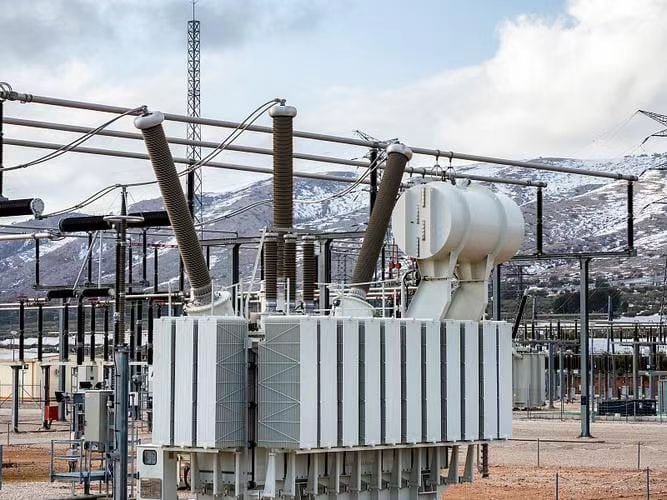
Power transformer contracts involve complex technical requirements, high equipment values, and long operational lifecycles. Without clearly defined inspection procedures, acceptance criteria, and dispute resolution mechanisms, buyers may face difficulties when verifying equipment quality, rejecting non-conforming products, or resolving disagreements with suppliers. Since transformers are customized assets that require extensive engineering, manufacturing, and testing, contract terms must establish objective methods for inspection and acceptance before delivery and commissioning.
Power transformer contracts should include detailed inspection rights, factory acceptance test requirements, pre-shipment inspection procedures, acceptance criteria, documentation obligations, non-conformance handling processes, warranty claim procedures, and structured dispute resolution methods. These terms help buyers verify transformer quality, confirm compliance with technical specifications, define responsibilities when problems occur, and ensure fair resolution of commercial or technical disagreements.
Inspection and acceptance clauses help buyers verify that power transformers meet contractual technical requirements before operation.True
Defined inspection procedures and acceptance criteria provide objective methods for evaluating transformer compliance.
Power transformer acceptance can be based only on visual inspection after delivery.False
Transformer acceptance requires electrical testing, documentation review, and performance verification in addition to physical inspection.
Clear dispute resolution procedures reduce uncertainty when transformer procurement disagreements occur.True
Defined escalation paths and resolution methods help avoid prolonged commercial conflicts.
A strong transformer contract should establish a complete quality verification framework from manufacturing to commissioning. Inspection confirms that the supplier follows approved designs, acceptance procedures determine whether the equipment can be delivered and operated, and dispute resolution terms define how technical or commercial disagreements are handled. These contractual protections help both buyers and suppliers maintain transparency and accountability.
Why Are Inspection and Acceptance Terms Important in Transformer Contracts?
Power transformers are critical electrical assets, and quality problems may not always be visible after delivery.
Potential consequences of inadequate inspection include:
| Risk | Possible Impact |
|---|---|
| Manufacturing defects | Early transformer failure |
| Incorrect specifications | System compatibility issues |
| Missing accessories | Installation delays |
| Poor documentation | Commissioning problems |
| Hidden quality issues | Expensive repairs |
Inspection and acceptance clauses allow buyers to identify problems before the transformer enters service.
What Inspection Rights Should Buyers Include in Contracts?
Buyers should negotiate clear inspection rights before signing transformer purchase agreements.
Important inspection rights include:
| Inspection Right | Purpose |
|---|---|
| Factory visits | Monitor manufacturing progress |
| Material inspection | Verify component quality |
| Manufacturing surveillance | Confirm production compliance |
| FAT witnessing | Observe testing procedures |
| Pre-shipment inspection | Confirm final equipment condition |
| Third-party inspection | Provide independent verification |
These rights improve transparency and reduce quality risks.
How Should Factory Inspection Requirements Be Defined?
Factory inspections should be planned throughout the manufacturing process rather than only performed at the end.
A typical inspection schedule includes:
| Manufacturing Stage | Inspection Activity |
|---|---|
| Material arrival | Verify incoming components |
| Core assembly | Check core quality |
| Winding production | Verify winding processes |
| Tank manufacturing | Inspect mechanical structure |
| Final assembly | Confirm equipment completion |
| Testing stage | Verify performance |
Early inspection helps detect problems before they become difficult to correct.
What Factory Acceptance Tests Should Be Included in Transformer Contracts?
Factory Acceptance Tests (FAT) are essential for confirming transformer performance before shipment.
Contracts should define:
| FAT Requirement | Contract Detail |
|---|---|
| Required tests | Complete test list |
| Testing standards | IEC, IEEE, or project standards |
| Test procedures | Approved methods |
| Witness rights | Buyer participation |
| Acceptance limits | Pass/fail criteria |
| Test reports | Required documentation |
Typical transformer FAT includes:
| Test | Purpose |
|---|---|
| Turns ratio test | Verify voltage transformation |
| Winding resistance test | Confirm winding integrity |
| Insulation resistance test | Evaluate insulation condition |
| No-load loss test | Measure core losses |
| Load loss test | Measure winding losses |
| Impedance test | Verify system characteristics |
| Temperature rise test | Confirm cooling capability |
| Dielectric test | Verify insulation strength |
How Should Acceptance Criteria Be Defined?
Acceptance criteria should be measurable and linked directly to technical specifications.
Contracts should define:
| Acceptance Item | Example Requirement |
|---|---|
| Electrical performance | Meets rated values |
| Loss limits | Within guaranteed limits |
| Temperature rise | Below maximum values |
| Noise level | Within specified limits |
| Insulation performance | Meets test requirements |
| Documentation | Complete submission |
Avoid vague acceptance language such as “acceptable quality” without measurable definitions.
How Can Buyers Prevent Acceptance Disputes?
Many disputes occur because buyers and suppliers interpret requirements differently.
Buyers should:
| Risk Prevention Method | Benefit |
|---|---|
| Reference technical specifications | Avoid ambiguity |
| Define testing standards | Create objective evaluation |
| Include acceptance limits | Establish clear decisions |
| Specify responsible parties | Avoid responsibility conflicts |
| Require complete records | Support verification |
Clear acceptance procedures reduce disagreements after manufacturing.
What Role Does Third-Party Inspection Play?
Third-party inspection provides independent verification of transformer quality.
Benefits include:
| Benefit | Explanation |
|---|---|
| Independent evaluation | Reduces supplier-buyer disagreement |
| Technical expertise | Improves inspection quality |
| Transparent reporting | Creates objective records |
| International confidence | Supports global procurement |
Third-party inspectors may review:
- Manufacturing processes
- Material certificates
- Test procedures
- FAT results
- Final equipment condition
Should Buyers Require Pre-Shipment Inspection?
For high-value transformers, pre-shipment inspection is strongly recommended.
Pre-shipment inspection may include:
| Inspection Item | Purpose |
|---|---|
| Equipment appearance | Detect physical damage |
| Nameplate verification | Confirm specifications |
| Accessories check | Verify completeness |
| Packaging inspection | Prevent transport damage |
| Documentation review | Confirm shipment readiness |
This final verification reduces delivery risks.
What Documents Should Be Required Before Acceptance?
Documentation is a key part of transformer acceptance.
Contracts should require:
| Document | Purpose |
|---|---|
| FAT reports | Verify test performance |
| Material certificates | Confirm component quality |
| Electrical drawings | Support installation |
| Mechanical drawings | Confirm dimensions |
| Operation manuals | Support operation |
| Maintenance manuals | Support lifecycle management |
| Compliance certificates | Confirm standards |
Missing documents can delay commissioning.
How Should Non-Conforming Transformers Be Handled?
Contracts should define procedures when equipment does not meet requirements.
A non-conformance process should include:
| Step | Requirement |
|---|---|
| Identification | Record the issue |
| Supplier notification | Inform responsible party |
| Investigation | Determine root cause |
| Corrective action | Define repair plan |
| Verification | Confirm correction |
| Acceptance decision | Approve or reject equipment |
This prevents unclear handling of quality problems.
What Remedies Should Be Available for Non-Conforming Equipment?
Contracts should specify buyer rights.
Possible remedies include:
| Remedy | Application |
|---|---|
| Repair | Minor defects |
| Replacement components | Failed accessories |
| Re-testing | Verify correction |
| Price adjustment | Performance shortfall |
| Equipment replacement | Major non-conformance |
| Contract termination | Serious failure |
Clear remedies improve supplier accountability.
How Should Acceptance After Site Delivery Be Defined?
Transformer acceptance should continue after transportation and installation.
Site acceptance may include:
| Site Activity | Purpose |
|---|---|
| Visual inspection | Confirm delivery condition |
| Installation verification | Check assembly |
| Electrical testing | Confirm performance |
| Protection testing | Verify safety systems |
| Energization monitoring | Confirm operation |
Final acceptance should occur only after successful commissioning.
How Should Warranty Acceptance Be Connected to Contract Terms?
Warranty responsibilities should begin from a clearly defined acceptance point.
Contracts should specify:
| Warranty Element | Requirement |
|---|---|
| Warranty start date | Delivery, commissioning, or acceptance |
| Covered failures | Defined scope |
| Claim process | Required procedure |
| Response time | Supplier obligation |
| Repair responsibility | Cost allocation |
Clear warranty acceptance avoids later disputes.
What Dispute Resolution Terms Should Be Included?
Transformer contracts should define how disagreements are handled.
Important dispute clauses include:
| Clause | Purpose |
|---|---|
| Negotiation procedure | First resolution step |
| Technical review process | Resolve engineering issues |
| Expert evaluation | Independent assessment |
| Arbitration method | Formal resolution |
| Governing law | Legal framework |
| Jurisdiction | Defines authority |
A structured process prevents disputes from delaying projects.
How Should Technical Disputes Be Resolved?
Technical disputes often involve:
- Test result differences
- Performance guarantee claims
- Design interpretation
- Non-conformance evaluation
A technical dispute process may include:
| Stage | Action |
|---|---|
| Engineering discussion | Review technical facts |
| Independent expert review | Obtain objective opinion |
| Retesting | Confirm results |
| Arbitration | Final resolution |
Technical evidence should guide decisions.
How Can Buyers Manage Disputes Over Test Results?
Test disputes can occur when measurement results differ.
Contracts should define:
| Test Issue | Contract Solution |
|---|---|
| Different measurement methods | Specify standard |
| Equipment calibration dispute | Define calibration requirements |
| Failed test | Define retesting process |
| Acceptance disagreement | Define expert review |
Pre-agreed testing procedures reduce conflicts.
How Should Change Orders Affect Acceptance Terms?
Changes during manufacturing may affect acceptance requirements.
Contracts should define:
| Change Area | Requirement |
|---|---|
| Design modification | Approval process |
| Additional testing | Responsibility allocation |
| Cost impact | Price adjustment method |
| Schedule impact | Delivery revision |
Change control prevents acceptance disputes.
What Are Best Practices for Transformer Contract Acceptance Clauses?
Effective acceptance clauses should include:
| Best Practice | Benefit |
|---|---|
| Detailed FAT requirements | Confirms factory quality |
| Defined acceptance limits | Creates objective decisions |
| Inspection rights | Improves transparency |
| Third-party inspection options | Reduces disputes |
| Documentation requirements | Supports verification |
| Non-conformance procedures | Defines corrective action |
| Dispute resolution process | Provides clear solutions |
Conclusion
Contractual risk management is essential when purchasing power transformers because these projects involve high costs, complex engineering requirements, and long operational lifecycles. Buyers should carefully define technical specifications, delivery commitments, warranty coverage, testing procedures, payment terms, and supplier responsibilities to avoid future disputes and unexpected costs. A comprehensive contract not only protects the buyer’s interests but also creates a clear framework for cooperation between manufacturers and customers. By addressing contractual risks early, organizations can improve project reliability, reduce procurement uncertainty, and ensure successful transformer installation and operation.
FAQ
Q1: What contractual risks should be addressed when purchasing power transformers?
When purchasing power transformers, buyers should address contractual risks related to technical specifications, delivery, quality, testing, warranty, payment terms, and supplier responsibilities. Because power transformers are high-value assets with long service lives, poorly defined contracts can lead to disputes, project delays, unexpected costs, and operational problems.
Key contractual risks include:
Unclear technical specifications
Non-compliance with standards
Delayed manufacturing and delivery
Insufficient factory testing requirements
Poor quality control
Warranty limitations
Incomplete documentation
Transportation responsibilities
Payment and acceptance disputes
Lack of after-sales support
A well-structured transformer purchase contract should clearly define:
Equipment requirements
Performance guarantees
Inspection procedures
Acceptance criteria
Delivery obligations
Liability responsibilities
Dispute resolution processes
The goal of contract management is to ensure that the delivered transformer meets the buyer's operational requirements while protecting both parties from unexpected risks.
Q2: How can unclear technical specifications create transformer procurement risks?
Unclear technical specifications are one of the biggest risks in power transformer procurement because transformers are customized products designed according to specific electrical and environmental requirements.
A contract should clearly define:
Electrical Specifications
Rated power (MVA/kVA)
Primary and secondary voltage
Frequency
Phase arrangement
Vector group
Impedance value
Short-circuit withstand capability
Performance Requirements
No-load losses
Load losses
Efficiency levels
Noise limits
Temperature rise limits
Design Requirements
Cooling method
Insulation system
Tap changer type
Protection accessories
Monitoring systems
If specifications are incomplete, suppliers may interpret requirements differently, resulting in equipment that technically meets the contract but does not satisfy actual project needs.
Detailed technical schedules and approved drawings should form part of the contract to minimize ambiguity.
Q3: What delivery risks should be included in power transformer contracts?
Power transformers often have long manufacturing periods, and delivery delays can significantly affect infrastructure projects.
Common delivery risks include:
Manufacturing delays
Material shortages
Testing delays
Transportation problems
Customs issues
Installation schedule conflicts
Contracts should clearly define:
Delivery Schedule
Include:
Manufacturing milestones
Factory testing dates
Shipment deadlines
Site delivery dates
Delay Responsibilities
Specify:
Causes of acceptable delays
Notification requirements
Recovery plans
Liquidated Damages
Contracts may include penalties for:
Late delivery
Missed project milestones
Incoterms
Define transportation responsibilities, including:
Shipping costs
Insurance
Risk transfer point
Customs responsibilities
Clear delivery terms help prevent disputes and protect project schedules.
Q4: How should warranty risks be managed in transformer purchase contracts?
Warranty provisions are critical because power transformers are expected to operate reliably for decades.
Important warranty terms include:
Warranty Period
Contracts should specify:
Start date
Duration
Coverage scope
Typical warranty periods may begin after:
Delivery
Commissioning
Commercial operation
Covered Failures
Define whether warranty covers:
Manufacturing defects
Design problems
Material failures
Performance issues
Supplier Responsibilities
Specify whether the supplier must provide:
Repair services
Replacement parts
Engineering support
On-site assistance
Exclusions
Clearly define limitations to avoid future disputes.
A strong warranty clause protects buyers from unexpected repair costs caused by supplier-related defects.
Q5: What testing and acceptance risks should buyers consider?
Testing and acceptance procedures determine whether a transformer is approved for delivery and operation.
Contracts should define:
Factory Acceptance Tests (FAT)
Including:
Routine tests
Type tests
Special tests
Examples:
Winding resistance tests
Ratio tests
Insulation tests
Loss measurements
Temperature rise tests
Inspection Rights
The buyer should have rights to:
Witness tests
Review test reports
Assign third-party inspectors
Acceptance Criteria
The contract should specify:
Required test results
Allowed tolerances
Corrective actions if tests fail
Without clear acceptance procedures, disagreements may occur regarding whether the transformer meets contractual requirements.
Q6: How can payment terms create risks in transformer procurement?
Payment structures significantly affect financial risk for both buyers and suppliers.
Common payment-related risks include:
Excessive Advance Payments
Large upfront payments increase buyer exposure before delivery.
Milestone Disputes
Payments linked to unclear milestones may create disagreements.
Delayed Payment Impact
Late payments may affect production schedules.
Contracts should define:
Payment milestones
Required documentation before payment
Retention amounts
Bank guarantees
Performance bonds
Common milestone payments may be linked to:
Contract signing
Design approval
Production completion
FAT approval
Shipment
Site acceptance
Balanced payment terms protect both parties.
Q7: What documentation requirements should be included in transformer contracts?
Complete documentation is essential for installation, operation, maintenance, and future troubleshooting.
Contracts should require suppliers to provide:
Engineering Documents
General arrangement drawings
Electrical drawings
Foundation details
Connection diagrams
Manufacturing Documents
Quality records
Material certificates
Inspection reports
Testing Documents
Factory test reports
Calibration certificates
Compliance certificates
Operation Documents
Installation manuals
Maintenance manuals
Spare parts lists
Missing documentation can delay commissioning and increase long-term maintenance costs.
Q8: How can buyers reduce overall contractual risks when purchasing power transformers?
Buyers can reduce contractual risks through careful planning and professional contract management.
Recommended practices include:
Before Contract Signing
Define technical requirements clearly
Evaluate supplier capability
Review previous project experience
Conduct supplier audits
During Manufacturing
Monitor production progress
Perform factory inspections
Witness FAT procedures
Before Shipment
Verify documentation
Confirm packaging requirements
Approve shipment release
After Delivery
Conduct site acceptance tests
Verify installation quality
Maintain warranty records
Additional contractual protections may include:
Performance guarantees
Delay penalties
Insurance requirements
Spare parts agreements
Dispute resolution clauses
A comprehensive contract transforms procurement risks into clearly managed responsibilities and improves the likelihood of successful transformer projects.
References
IEC 60076 – Power Transformers
https://webstore.iec.ch/publication/602
IEEE C57 Series – Power Transformer Standards
https://standards.ieee.org
ISO 9001 – Quality Management Systems
https://www.iso.org/iso-9001-quality-management.html
International Chamber of Commerce (ICC) – Incoterms Rules
https://iccwbo.org
FIDIC – International Construction Contract Resources
https://fidic.org