
The cost of power transformers varies widely depending on their type, voltage class, capacity, design, and application. From small distribution units to large-scale grid transformers, each category comes with different manufacturing complexities, materials, and testing standards. Understanding the general cost range of various transformer types helps buyers plan budgets more effectively and choose the most cost-efficient solution for their projects.
How Much Do Distribution Transformers Typically Cost?
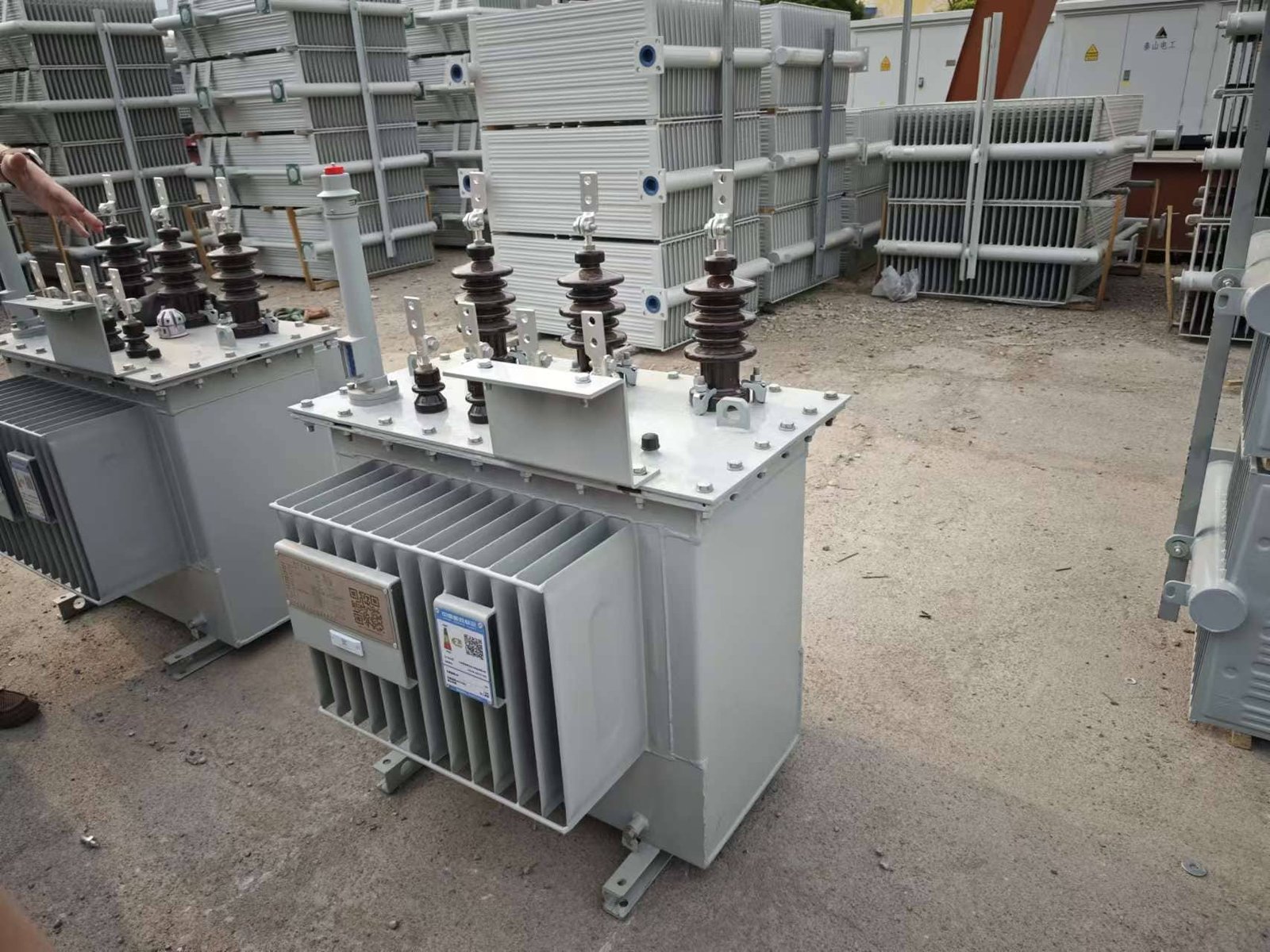
Rising energy demand, renewable integration, and urban expansion are pushing utilities and industrial buyers to reassess the true cost of distribution transformers. Yet, with global raw material fluctuations and region-specific standards, prices can vary widely — confusing buyers who need budget clarity for infrastructure or replacement projects.
The key is understanding how capacity, voltage level, type, and material selection influence cost — and how to balance performance with affordability without compromising reliability.
In general, distribution transformers typically cost between USD 2,000 and USD 50,000, depending on capacity (kVA rating), voltage class, cooling method, and customization requirements. Smaller pole-mounted units (25–100 kVA) may cost a few thousand dollars, while large pad-mounted or substation-grade units (1,000–5,000 kVA) can reach tens of thousands.
Buyers who understand these pricing structures and the cost drivers behind them are far better equipped to negotiate effectively and select the right transformer for both budget and long-term value.
1. Average Cost Range by Capacity and Type
Transformer cost scales nearly linearly with kVA rating, but design, cooling method, and local standards introduce nonlinear variations.
| Transformer Type | Typical Capacity Range (kVA) | Approximate Price Range (USD) | Common Applications |
|---|---|---|---|
| Pole-Mounted Oil-Immersed | 25 – 200 | $2,000 – $6,000 | Rural & small commercial lines |
| Pad-Mounted Oil-Immersed | 200 – 2,500 | $6,000 – $25,000 | Urban distribution networks |
| Dry-Type Cast Resin | 160 – 3,150 | $10,000 – $50,000 | Indoor, safety-sensitive sites |
| Hermetically Sealed Oil-Type | 100 – 1,600 | $4,000 – $20,000 | Industrial plants & utilities |
Dry-type distribution transformers are usually cheaper than oil-immersed models.False
No explanation available.
In most markets, oil-immersed transformers remain 20–30% cheaper than equivalent dry-type units due to simpler manufacturing and lower material cost. However, dry-type units dominate in hospitals, tunnels, and commercial buildings where safety standards outweigh price concerns.
2. Key Price Drivers in Distribution Transformers
Transformer pricing depends on both technical and commercial factors. Understanding these helps buyers avoid unexpected cost overruns.
| Parameter | Influence on Cost | Remarks |
|---|---|---|
| kVA Capacity | High | Major cost determinant — higher copper, core steel, and oil volume |
| Voltage Class (HV/LV) | Moderate | Higher insulation & testing requirements raise price |
| Cooling Type (ONAN, ONAF, AN, AF) | Medium | Forced cooling and fans add cost but enhance rating |
| Core Material | High | Amorphous steel can add 10–15% cost but cut losses by 30% |
| Winding Material | High | Copper windings cost ~20% more than aluminum |
| Efficiency Rating (IE2, IE3, Tier 2/3) | Moderate | Higher energy efficiency leads to lower lifecycle cost |
| Accessories (OLTC, gauges, sensors) | Medium | Adds functionality but increases price |
| Certification & Testing (IEC, ANSI) | Low–Moderate | Essential for export and safety compliance |
Copper-wound transformers are always cheaper than aluminum-wound ones.False
No explanation available.
Buyers targeting cost efficiency often optimize around aluminum windings, ONAN cooling, and standard loss classes, which are reliable yet economical choices for most 11/33 kV distribution networks.
3. Price Breakdown by Major Material Components
The following table illustrates how raw materials contribute to total transformer cost, highlighting why market fluctuations in copper and steel directly affect final prices:
| Component | Average Share of Total Cost | Key Market Influences |
|---|---|---|
| Core Steel (CRGO/Amorphous) | 25–30% | Steel prices, import tariffs |
| Windings (Copper/Aluminum) | 35–45% | Copper/Aluminum LME rates |
| Tank & Structure | 10–15% | Steel market, fabrication cost |
| Insulating Oil / Resin | 5–10% | Petroleum cost, resin formulation |
| Labor & Overheads | 10–20% | Regional wages, automation level |
Transformer cost is mostly determined by electronic components and accessories.False
No explanation available.
When copper prices rise above USD 10,000/ton, transformer manufacturers typically adjust quotes by 3–5% to compensate, explaining recent cost volatility in 2023–2025.
4. Regional Price Variations
Transformer prices differ by region due to material sourcing, labor, logistics, and import policy differences.
| Region | Average Cost Index (vs Global 100) | Key Factors |
|---|---|---|
| China / India | 80–90 | Low labor, localized steel production |
| Europe (EU) | 110–130 | High labor, strict efficiency rules |
| North America (US/Canada) | 120–140 | UL certification, Buy-American compliance |
| Middle East / Africa | 95–105 | Import-dependent but competitive |
| Latin America | 90–110 | Fluctuating import duties, logistics impact |
Transformer prices are uniform worldwide due to global material sourcing.False
No explanation available.
Thus, buyers sourcing globally should compare total landed cost, including freight, taxes, and local certification, rather than unit price alone.
5. Cost Comparison: Oil-Immersed vs Dry-Type Distribution Transformers
| Feature | Oil-Immersed | Dry-Type (Cast Resin) |
|---|---|---|
| Initial Cost | Lower | Higher (+20–40%) |
| Maintenance | Requires oil checks | Minimal |
| Fire Risk | Moderate | Very low |
| Efficiency | Slightly better | Slightly lower |
| Cooling System | ONAN/ONAF | AN/AF |
| Installation | Outdoor | Indoor/Sensitive areas |
| Expected Lifespan | 25–35 years | 20–30 years |
While oil-immersed models are cost-effective and efficient, dry-type transformers justify their premium in fire-safe environments, despite higher upfront cost.
Oil-immersed transformers are always more efficient than dry-type ones.False
No explanation available.
6. How Buyers Can Optimize Cost
To achieve the best balance between cost, performance, and long-term value:
- Specify realistic load profiles — avoid overrating unnecessarily.
- Use aluminum windings for moderate load profiles.
- Consider Tier 1/IE2 efficiency class for low-duty applications.
- Standardize designs to reduce custom engineering cost.
- Source regionally to avoid freight and import duty premiums.
- Negotiate long-term supply contracts with reputable OEMs to stabilize pricing.
These strategies can collectively save 8–15% without compromising reliability.
7. Projected Price Trends (2025–2030)
| Year | Average Global Price Change | Trend Driver |
|---|---|---|
| 2025 | +3–5% | Copper and energy inflation |
| 2026 | Stable | Digital manufacturing expansion |
| 2027 | −2–3% | Regional production & material recycling |
| 2028–2030 | Stable to +2% | Demand from renewables & grid upgrades |
Buyers can expect gradual price stabilization beyond 2026 as recycling, automation, and localized production reduce cost pressure, though renewable-driven demand will keep high-efficiency units in premium segments.
What Is the Price Range for Medium-Voltage Power Transformers?
When planning an electrical infrastructure project, one of the most pressing questions for buyers and EPC contractors is “How much will a medium-voltage power transformer cost?”. Pricing in this range can vary dramatically due to rating, design type, materials, and compliance standards. The market’s complexity often leads to confusion and budget uncertainty — especially when comparing quotes across different suppliers or countries.
In general, medium-voltage (MV) power transformers — typically rated from 2.5 MVA to 30 MVA at primary voltages between 11 kV and 69 kV — range from approximately USD 15,000 to USD 400,000, depending on capacity, design (oil-immersed or dry type), efficiency class, and included accessories.
Understanding the cost composition, technical variables, and market context allows buyers to accurately evaluate offers and optimize budgets without sacrificing long-term reliability or performance.
1. Typical Price Range by Capacity and Voltage Level
The following table summarizes common transformer configurations and their approximate global market prices (as of 2025).
| Rated Capacity (MVA) | Primary Voltage (kV) | Design Type | Approximate Price Range (USD) | Typical Application |
|---|---|---|---|---|
| 2.5 – 5 | 11 – 22 | Oil-Immersed (ONAN) | $15,000 – $50,000 | Industrial and commercial substations |
| 5 – 10 | 22 – 33 | Oil-Immersed (ONAF) | $45,000 – $120,000 | Regional substations, backup units |
| 10 – 20 | 33 – 66 | Oil-Immersed (ONAF/OFAF) | $120,000 – $250,000 | Grid distribution and renewable plants |
| 20 – 30 | 66 – 69 | Oil-Immersed or Dry Type | $250,000 – $400,000 | Utility substations, high-demand industries |
All medium-voltage power transformers cost below $100,000.False
No explanation available.
In most scenarios, oil-immersed transformers are more cost-effective for outdoor applications, whereas dry-type models (especially cast resin designs) command a 20–40% premium due to safety and insulation requirements in indoor installations.
2. Cost Drivers: What Factors Influence Pricing the Most?
Medium-voltage transformers are custom-engineered devices, and their pricing reflects numerous technical and logistical elements.
| Parameter | Influence on Cost | Remarks |
|---|---|---|
| kVA/MVA Rating | Very High | Direct correlation between size, copper/steel content, and cost |
| Voltage Class (Primary/Secondary) | High | Higher insulation and clearance requirements increase material and testing costs |
| Cooling System (ONAN, ONAF, OFAF) | Moderate | Forced-air or forced-oil cooling adds fans, pumps, and control circuits |
| Core Material (CRGO vs Amorphous) | High | Amorphous steel cuts losses but adds ~10–15% to cost |
| Winding Material (Copper vs Aluminum) | High | Copper is ~20–30% more expensive than aluminum |
| Efficiency & Loss Class (IEC Tier 2/3) | Medium | Higher efficiency classes demand improved materials and design precision |
| Accessories (OLTC, Temperature Monitors, Sensors) | Medium | OLTCs alone can add $10,000–$30,000 to total price |
| Testing, Certification & Standards (IEC, IEEE, ANSI) | Medium | Type and routine testing increase cost but ensure reliability |
Transformer capacity and material choice are the least significant cost factors.False
No explanation available.
Buyers who understand these drivers can customize specifications — such as choosing aluminum windings or standard cooling — to meet performance needs at lower capital cost.
3. Oil-Immersed vs. Dry-Type: Cost Comparison
| Feature | Oil-Immersed Transformer | Dry-Type Transformer |
|---|---|---|
| Initial Cost | Lower | Higher (+25–40%) |
| Cooling Medium | Mineral or ester oil | Air or cast resin |
| Maintenance | Regular oil testing | Minimal |
| Fire Safety | Moderate risk | Very high safety |
| Efficiency | Slightly higher | Slightly lower |
| Common Application | Outdoor / Utility | Indoor / Sensitive sites |
Dry-type transformers are always cheaper to install and maintain.False
No explanation available.
In the 5–20 MVA range, oil-immersed units dominate the market for cost and performance, while dry-type models are preferred for hospitals, tunnels, and high-rise buildings.
4. Price Breakdown by Material and Process
| Cost Component | Average Share (%) | Influence on Price |
|---|---|---|
| Core Steel (CRGO/Amorphous) | 25–30 | Driven by global steel index |
| Windings (Copper/Aluminum) | 35–45 | LME copper pricing is major variable |
| Tank, Radiators, and Hardware | 10–15 | Fabrication and logistics impact |
| Insulation & Oil/Resin | 5–10 | Based on dielectric grade |
| Labor, Design, Testing | 10–20 | Region-dependent |
The majority of transformer cost comes from labor and accessories.False
No explanation available.
5. Regional Price Variation
| Region | Average Price Index (Global = 100) | Key Drivers |
|---|---|---|
| Asia-Pacific (China, India) | 80–90 | Local material sourcing, lower labor cost |
| Europe (EU) | 115–130 | Higher labor, strict energy-efficiency standards |
| North America (US, Canada) | 120–140 | UL/CSA compliance, labor cost |
| Middle East / Africa | 95–110 | Import logistics and duties |
| Latin America | 90–110 | Currency volatility, import tariffs |
Transformer prices are uniform worldwide due to global supply chains.False
No explanation available.
6. Price Impact of Accessories and Customization
Optional accessories and design features can increase total cost by 10–30%, especially in smart grid–ready or digital monitoring applications.
| Optional Feature | Approx. Added Cost (USD) | Benefit |
|---|---|---|
| On-Load Tap Changer (OLTC) | $10,000 – $30,000 | Voltage regulation |
| Digital Temperature Sensors | $1,000 – $3,000 | Real-time monitoring |
| Smart IoT Communication | $2,000 – $5,000 | Predictive maintenance |
| Eco-Friendly Ester Oil | +10–15% overall | Fire safety & biodegradability |
| Noise-Reduction Design | +5–8% | Urban/substation compliance |
Adding smart sensors and IoT modules has no significant cost impact.False
No explanation available.
7. Future Price Trends (2025–2030)
| Year | Expected Trend | Drivers |
|---|---|---|
| 2025 | +3–5% | Copper & logistics cost inflation |
| 2026 | Stable | Expansion of regional manufacturing |
| 2027–2028 | −2–3% | Material recycling & process optimization |
| 2029–2030 | Stable / Slight increase | Demand from renewable integration |
Medium-voltage transformer prices are projected to stabilize beyond 2026, with efficiency-driven designs and eco-material adoption influencing premiums rather than raw inflation.
8. Buyer Insights: Balancing Cost and Value
To optimize investment while ensuring performance, buyers should:
- Select appropriate MVA capacity aligned with actual load growth.
- Choose oil-immersed designs unless safety requires dry-type.
- Specify aluminum windings where acceptable to cut cost by ~20%.
- Adopt standardized, regionally certified designs to minimize engineering charges.
- Compare lifecycle cost, not just purchase price — high-efficiency units save energy over decades.
Smart procurement combining technical understanding and supplier transparency can save up to 15–20% in total expenditure.
How Expensive Are High-Voltage and Extra-High-Voltage Transformers?
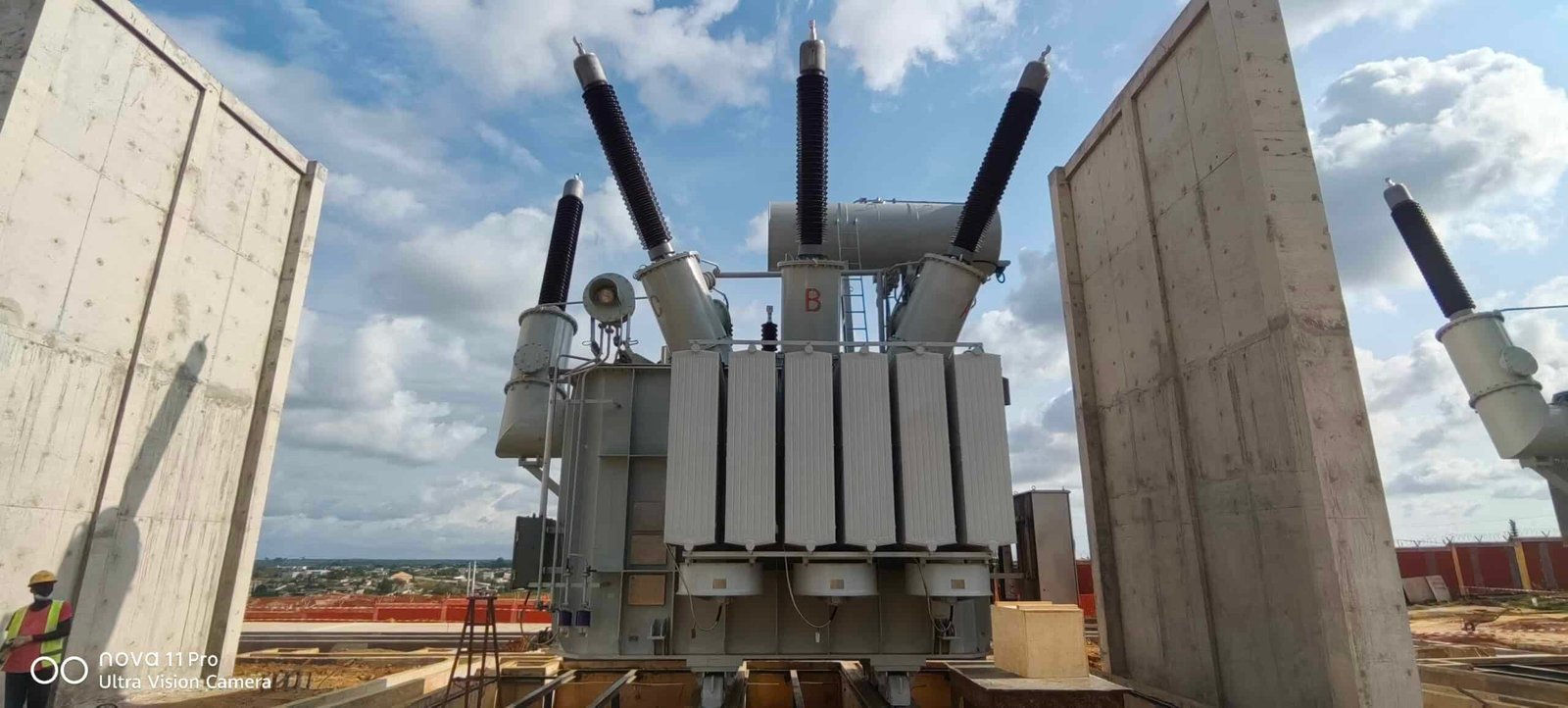
High-voltage (HV) and extra-high-voltage (EHV) power transformers are the backbone of national grids, interconnection projects, and renewable energy integration. However, their sheer scale, material consumption, and technical precision make them among the most expensive components in the electrical infrastructure sector.
Buyers often experience sticker shock — especially when comparing HV and EHV units to smaller distribution or medium-voltage transformers — due to their custom engineering, testing, logistics, and long-lead manufacturing requirements.
In general, high-voltage transformers (69 kV–230 kV) typically cost between USD 400,000 and USD 2 million, while extra-high-voltage transformers (230 kV–765 kV) can range from USD 2 million up to USD 10 million or more depending on capacity (50–1000 MVA), specifications, and accessories.
Understanding what drives these massive cost differences is essential for accurate project budgeting and procurement strategy in large-scale grid developments.
1. Price Range by Voltage Class and Capacity
| Voltage Class | Typical Capacity (MVA) | Design Type | Approx. Price Range (USD) | Application |
|---|---|---|---|---|
| 69 – 132 kV | 20 – 60 | Oil-Immersed (ONAN/ONAF) | $400,000 – $1,200,000 | Regional substations, industrial grids |
| 132 – 230 kV | 50 – 150 | Oil-Immersed (ONAF/OFAF) | $1,000,000 – $2,500,000 | Transmission & renewable integration |
| 230 – 400 kV | 100 – 500 | Oil-Immersed (OFAF/ODAF) | $2,000,000 – $5,000,000 | National grid interconnection |
| 400 – 765 kV | 300 – 1000 | Oil-Immersed (ODAF/ODWF) | $5,000,000 – $10,000,000+ | Extra-high-voltage & UHV substations |
All high-voltage transformers cost under one million dollars.False
No explanation available.
Each unit is engineered for specific system voltage, load, and network conditions, which explains the wide variance even within the same voltage class.
2. Major Factors Affecting Cost
High-voltage and EHV transformers require premium-grade materials, precision manufacturing, and extensive testing, all of which drive cost.
| Factor | Cost Impact | Explanation |
|---|---|---|
| MVA Capacity | Very High | Directly proportional to copper, steel, and oil requirements |
| Voltage Level | Very High | Determines insulation, bushings, and dielectric test requirements |
| Cooling Type (ONAF, OFAF, ODAF) | High | Complex systems of pumps, radiators, and fans increase cost |
| Core & Winding Material | High | CRGO or amorphous steel, oxygen-free copper used |
| Efficiency & Loss Class (Tier 2/3) | Moderate | Premium core reduces loss but increases price |
| Accessories (OLTC, Bushing Monitors, Sensors) | Medium | Adds $50,000–$300,000 depending on complexity |
| Testing & Certification (IEC, IEEE, ANSI) | High | Type, impulse, and temperature tests under load are expensive |
| Logistics & Installation | Very High | Heavy transport, cranes, and specialized foundations add cost |
Testing and logistics contribute only a minor portion to high-voltage transformer costs.False
No explanation available.
The cost of EHV transformers increases exponentially with voltage level due to insulation design complexity and the cost of precision manufacturing tolerances required to handle very high electrical stresses.
3. Breakdown of Cost Components
| Component | Approx. Cost Share (%) | Details |
|---|---|---|
| Core Steel | 20–25 | High-grade CRGO or amorphous steel laminations |
| Winding Material | 25–35 | Oxygen-free copper, often silver-bearing for conductivity |
| Tank, Bushings, and Hardware | 10–15 | Custom-built high-strength tanks for pressure containment |
| Cooling System | 10–15 | Radiators, pumps, and fans for heat dissipation |
| Insulation Oil & Solid Dielectrics | 5–10 | High-dielectric mineral or ester oils, pressboard |
| Testing, Labor, and QA | 10–20 | Includes full-type tests, heat runs, impulse & noise tests |
Transformer cost is mainly determined by accessories and external parts.False
No explanation available.
4. Regional Price Variations
| Region | Average Price Index (Global = 100) | Key Drivers |
|---|---|---|
| Asia-Pacific (China, India) | 85–95 | Cost-efficient labor, local material supply |
| Europe (EU) | 115–130 | Higher labor and stricter energy-efficiency standards |
| North America (US, Canada) | 120–150 | UL/CSA compliance, logistics & testing costs |
| Middle East / Africa | 95–110 | Import-dependent, but competitive local assembly |
| Latin America | 90–110 | Logistics distance, taxes, currency variation |
Transformer prices remain stable globally regardless of region.False
No explanation available.
For projects involving EHV transformers, on-site assembly is often required, especially when transportation limits restrict fully assembled shipment. This alone can add 10–15% to total project cost.
5. Testing and Certification Cost Impact
High-voltage transformers must pass an extensive suite of factory and type tests under IEC 60076 or IEEE C57 standards, including:
- Lightning impulse test
- Partial discharge test
- Temperature rise and heat-run test
- Noise measurement
- Dielectric withstand tests
Each full-type test for EHV transformers may cost $50,000–$200,000, depending on capacity and testing facility.
High-voltage transformers can be sold without standard testing to reduce cost.False
No explanation available.
6. Cooling and Accessories’ Influence on Cost
| Cooling System | Added Cost (USD) | Impact |
|---|---|---|
| ONAN (Natural Air) | Base | Standard for ≤60 MVA |
| ONAF (Forced Air) | +$50,000 – $150,000 | Boosts capacity by 20–30% |
| OFAF / ODAF (Forced Oil & Air) | +$150,000 – $400,000 | For 230–500 kV range |
| ODWF (Water Forced) | +$300,000+ | For compact high-load substations |
Additional features like On-Load Tap Changers (OLTC), bushing monitors, and digital sensors can each add between $20,000 and $100,000, depending on brand and automation level.
Cooling systems have minimal impact on transformer pricing.False
No explanation available.
7. Logistics and Installation Costs
Transporting a single EHV transformer — often weighing 200 to 400 tons — requires specialized rail, barge, or hydraulic trailers.
| Logistics Aspect | Typical Cost Range (USD) | Remarks |
|---|---|---|
| Heavy Transport (factory to port/site) | $100,000 – $500,000 | Depends on route, permits, distance |
| Customs and Duties | $50,000 – $150,000 | Varies by import regulations |
| On-site Installation & Testing | $100,000 – $300,000 | Includes oil filling, dry-out, and commissioning |
Total logistics and installation may account for 15–25% of final delivered cost.
8. Future Price Trends (2025–2035)
| Year | Price Trend | Key Driver |
|---|---|---|
| 2025 | +5–8% | Copper, steel inflation |
| 2026–2027 | Stable | Regional manufacturing expansion |
| 2028–2030 | −2–3% | Digital manufacturing, material recycling |
| 2031–2035 | Gradual rise (+3%) | Renewable expansion and grid upgrades |
High-voltage transformer prices are expected to fall sharply in the next decade.False
No explanation available.
9. Procurement Insights for Buyers
To manage high investment cost and risk:
- Start early: HV/EHV units often have 10–16 month lead times.
- Specify realistic load and redundancy to avoid overdesign.
- Plan transport logistics early, considering weight and size constraints.
- Standardize technical requirements to enable competitive bidding.
- Prioritize lifecycle cost, not just upfront price — efficiency gains often save millions in losses.
What Are the Cost Differences Between Oil-Immersed and Dry-Type Transformers?
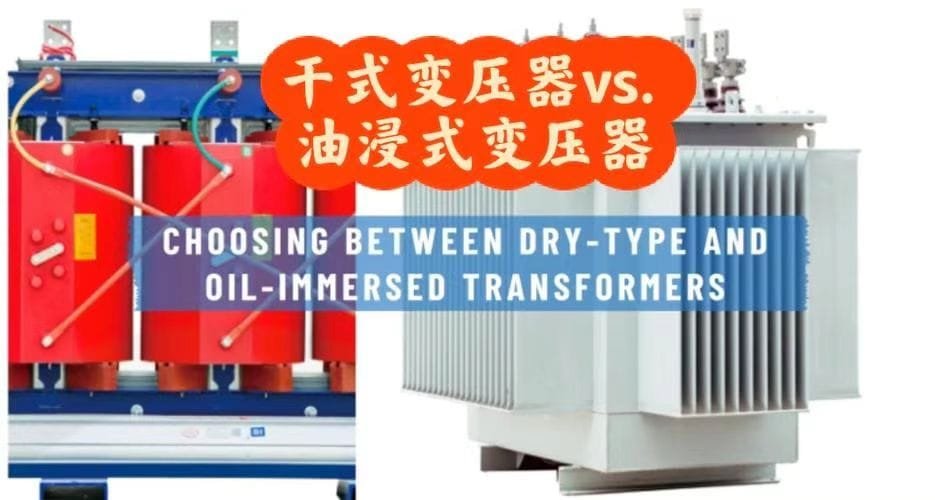
Selecting the right transformer type — oil-immersed or dry-type — has a major influence on both initial purchase cost and total lifecycle expense. While both serve the same electrical purpose of voltage conversion and power distribution, they differ significantly in design, materials, cooling method, and maintenance requirements, which together drive price disparities.
In general, oil-immersed transformers are 20–40% cheaper than dry-type transformers of equivalent capacity. However, dry-type units offer better fire safety, lower installation costs in indoor settings, and reduced environmental risk — which can offset the higher initial price depending on application.
Let’s explore these differences in greater technical depth to help buyers and engineers make the most cost-effective decision.
1. Price Comparison Overview
| Transformer Type | Typical Capacity Range (kVA) | Approx. Price Range (USD) | Relative Cost vs. Oil Type | Common Applications |
|---|---|---|---|---|
| Oil-Immersed | 100 – 2500 | $5,000 – $80,000 | Baseline (100%) | Outdoor substations, industrial grids, rural distribution |
| Dry-Type (Cast Resin / VPI) | 100 – 2500 | $8,000 – $110,000 | +20% to +40% | Indoor facilities, commercial buildings, tunnels, renewable energy stations |
Oil-immersed transformers are more expensive than dry-type transformers.False
No explanation available.
While oil-immersed designs have lower unit prices, site and safety conditions often determine which option is truly economical over the project’s full life.
2. Key Technical and Material Cost Drivers
| Cost Component | Oil-Immersed Transformer | Dry-Type Transformer | Impact on Cost |
|---|---|---|---|
| Core Material (CRGO steel) | Similar in both types | Similar | ≈ 20–25% of total cost |
| Winding Material (Copper/Aluminum) | Similar | Similar, but higher insulation | ≈ 30–35% |
| Insulation System | Mineral oil + cellulose | Epoxy resin (cast) or VPI varnish | Dry-type costs 25–30% more |
| Cooling System | Oil circulation (ONAN/ONAF) | Natural air or forced air (AN/AF) | Oil system more efficient, less costly |
| Tank and Enclosure | Heavy steel tank, conservator, radiators | Enclosed epoxy housing or ventilated enclosure | Dry-type enclosures more expensive |
| Fire Protection / Ventilation | Requires oil containment | Requires forced cooling/ventilation | Site-dependent |
Oil-immersed units use inexpensive mineral oil for insulation and cooling, while dry-type designs rely on high-cost epoxy resin or vacuum pressure impregnation (VPI) materials, which elevate production cost.
3. Efficiency and Operating Cost Comparison
| Parameter | Oil-Immersed | Dry-Type | Efficiency Impact |
|---|---|---|---|
| Core Loss (No-load) | Lower | Slightly higher | +1–3% for dry-type |
| Load Loss (Full load) | Lower due to better cooling | Higher at high load | +1–2% for dry-type |
| Cooling Performance | Excellent (oil circulates heat) | Limited by air convection | Requires derating above 40°C |
| Energy Efficiency Class | IEC Tier 1–3 | IEC Tier 1–3 | Similar, but oil type maintains rating better under load |
Dry-type transformers are more energy-efficient than oil-immersed models.False
No explanation available.
Although dry-type units consume less maintenance energy (no oil pumps or fans), the higher temperature rise during continuous operation often increases thermal losses, affecting lifecycle energy cost.
4. Maintenance and Service Cost Comparison
| Parameter | Oil-Immersed Transformer | Dry-Type Transformer | Maintenance Cost Implication |
|---|---|---|---|
| Oil Testing & Filtration | Required annually | Not applicable | +$300–$1000/year |
| Insulation Inspection | Oil and DGA analysis | Visual and thermal inspection | Lower for dry-type |
| Cooling System | Oil pumps/fans | Air fans | Comparable |
| Environmental Safety | Risk of leaks/spills | Non-flammable | Dry-type safer indoors |
| Lifespan | 25–35 years | 20–25 years | Oil-immersed longer but needs care |
Dry-type units reduce maintenance complexity but tend to have shorter lifespan and higher winding temperature, which can affect long-term performance under heavy load.
5. Installation and Environmental Considerations
| Condition | Preferred Type | Reason |
|---|---|---|
| Outdoor substation or high-load industrial area | Oil-Immersed | Better heat dissipation, lower cost |
| Indoor commercial, hospital, metro tunnel | Dry-Type | Fire safety, no oil leak risk |
| Coastal or humid environment | Dry-Type | No risk of oil degradation |
| Renewable integration (wind/solar) | Depends on site | Oil type for outdoor, dry for containerized units |
Oil-immersed transformers require oil containment pits and fire barriers, which add civil cost, while dry-type transformers can be installed directly inside buildings without special containment — partially offsetting their higher unit price.
Dry-type transformers are unsafe for indoor use due to overheating risk.False
No explanation available.
6. Cost Example — 1000 kVA, 11/0.4 kV Transformer
| Item | Oil-Immersed Transformer | Dry-Type Transformer |
|---|---|---|
| Base Unit Cost | $15,000 | $22,000 |
| Installation & Civil Work | $3,000 | $1,500 |
| Fire & Safety Equipment | $2,000 | $1,000 |
| Maintenance (10 years) | $4,000 | $2,000 |
| Total 10-Year Cost | $24,000 | $26,500 |
This example shows that while the initial cost difference is about 30–40%, the long-term total cost becomes much closer, depending on environment and service conditions.
7. Long-Term Value and Lifecycle Considerations
Oil-immersed transformers deliver lower capital cost and higher efficiency, ideal for outdoor substations or industrial users.
Dry-type transformers offer safety, environmental protection, and ease of installation, which makes them more suitable for commercial or high-density urban projects.
| Lifecycle Attribute | Oil-Immersed | Dry-Type |
|---|---|---|
| Initial Cost | Lower | Higher |
| Energy Losses | Lower | Slightly higher |
| Fire Risk | Moderate | Very low |
| Maintenance | Regular | Minimal |
| Expected Life | 30+ years | 20–25 years |
| Environmental Impact | Oil leakage risk | Eco-friendly |
Oil-immersed transformers always have lower total ownership cost.False
No explanation available.
8. Global Market Price Insights (2025 Outlook)
| Region | Oil-Immersed Price Index | Dry-Type Price Index | Key Trend |
|---|---|---|---|
| Asia-Pacific | 100 | 125 | High demand for dry-type in urban infrastructure |
| Europe | 110 | 140 | Preference for eco-friendly and low-noise dry-type |
| North America | 115 | 145 | Strong regulatory push for dry-type in public spaces |
| Middle East / Africa | 95 | 120 | Cost-sensitive markets favor oil-immersed |
Oil-immersed designs remain dominant in outdoor grid and utility applications, but dry-type market share is growing in renewable and indoor industrial sectors.
How Do Custom Design and Optional Features Affect Transformer Cost?
In today’s power infrastructure projects, no two transformers are exactly alike. Each installation — from renewable substations to industrial process plants — has unique load profiles, voltage ratios, cooling needs, and environmental conditions.
While standard models offer economical solutions, custom-designed transformers introduce flexibility and performance optimization at a cost. For buyers, understanding how each customization or optional feature affects the overall price is critical to balancing technical requirements and budget efficiency.
In general, custom design and optional features can increase transformer costs by 10% to 60%, depending on the complexity of design modifications, materials, testing, and compliance requirements.
1. Standard vs. Customized Transformer Design
| Design Type | Typical Cost Impact | Description | Use Case Example |
|---|---|---|---|
| Standard Design | Baseline (0%) | Off-the-shelf model built for common voltage ratios and cooling classes | 11/0.4 kV 1000 kVA distribution transformer |
| Semi-Custom Design | +10–25% | Modified from standard (e.g., non-standard tap range, different enclosure) | 33/11 kV transformer with OLTC |
| Fully Custom Design | +30–60% | Engineered from scratch for unique applications | Offshore wind turbine step-up transformer |
Customized transformers always cost less than standard units.False
No explanation available.
The more a transformer deviates from catalog specifications — such as non-standard voltage ratios, winding materials, or enclosure dimensions — the greater the cost multiplier becomes due to engineering labor and material sourcing.
2. Core Design and Winding Customization
Transformer core and winding configurations represent the heart of both cost and performance.
| Customization | Technical Impact | Approx. Cost Increase |
|---|---|---|
| Special vector groups (e.g., YNd1, Dyn11, YNyn0) | Improved compatibility with system | +3–8% |
| Low-loss CRGO or amorphous steel core | Reduces no-load loss by 10–30% | +8–15% |
| Higher-grade copper windings (oxygen-free or silver-bearing) | Enhanced conductivity and thermal stability | +10–20% |
| Aluminum instead of copper | Reduces initial cost but increases size | −5–10% |
| Additional tap changer range (±10–20%) | Enhances voltage regulation | +5–12% |
Using higher-grade copper or amorphous core materials reduces cost.False
No explanation available.
Every design variation requires recalculation of magnetic flux density, impedance, and thermal behavior, which extends engineering and testing time — contributing to higher pricing.
3. Cooling System and Load Management Options
| Cooling System Type | Added Cost (%) | Typical Application |
|---|---|---|
| ONAN (Oil Natural Air Natural) | Base | Standard up to 60 MVA |
| ONAF (Oil Natural Air Forced) | +10–15% | Medium-size power transformers |
| OFAF (Oil Forced Air Forced) | +15–25% | High-capacity transformers >100 MVA |
| ODAF / ODWF | +25–35% | EHV and compact substation units |
Cooling system design has little influence on transformer cost.False
No explanation available.
Adding intelligent cooling control systems (thermostats, fan sequencing, or oil flow automation) improves efficiency but increases both component and testing costs.
4. Protection, Monitoring, and Digital Features
Modern buyers increasingly request smart monitoring and digital diagnostics to reduce maintenance downtime.
| Optional Feature | Function | Approx. Added Cost (USD) |
|---|---|---|
| Temperature sensors (winding/core) | Prevents overheating | $1,000–$3,000 |
| Buchholz relay & pressure relief | Fault and gas protection | $2,000–$5,000 |
| Online Dissolved Gas Analyzer (DGA) | Detects insulation faults | $10,000–$25,000 |
| Bushing condition monitoring | Tracks dielectric deterioration | $8,000–$20,000 |
| IoT Remote Monitoring System | Digital performance data logging | $5,000–$15,000 |
Each feature enhances reliability and data availability, but collectively, they may raise the total cost by 10–20% — a worthwhile trade-off for mission-critical or remote installations.
Adding monitoring systems does not significantly increase transformer cost.False
No explanation available.
5. Enclosure and Environmental Adaptations
| Environmental Condition | Custom Design Feature | Cost Increase (%) |
|---|---|---|
| Coastal or high-humidity | Stainless-steel tank, anti-corrosion coating | +5–10% |
| Desert or dusty region | Air filters, enhanced cooling | +3–8% |
| Seismic zone | Reinforced base and mounting | +5–12% |
| Underground or tunnel installation | Compact dry-type design, IP54 enclosure | +10–25% |
| Marine/offshore | Salt-resistant paint, sealed core | +20–35% |
Environmental modifications are among the most overlooked cost factors, yet they play a decisive role in ensuring reliability and compliance with regional standards (e.g., IEC 60076-11 for dry-type, IEC 60076-14 for seismic).
Environmental protection coatings have negligible cost impact.False
No explanation available.
6. Testing, Certification, and Compliance
Specialized transformers must pass additional type and routine tests to verify performance, safety, and noise limits.
| Test Type | Standard Reference | Typical Cost Addition |
|---|---|---|
| Lightning impulse test | IEC 60076-3 | +$5,000–$15,000 |
| Temperature rise test | IEC 60076-2 | +$3,000–$10,000 |
| Sound level test | IEC 60076-10 | +$2,000–$5,000 |
| Seismic and vibration test | IEEE 693 | +$10,000–$25,000 |
| Special insulation coordination (EHV) | IEC 60076-4 | +$20,000+ |
Every additional test requires specialized equipment, engineering time, and certification, directly influencing total price.
Special type testing has minimal cost effect.False
No explanation available.
7. Example Cost Analysis — 20 MVA, 66/11 kV Transformer
| Specification | Base Oil-Immersed Unit (USD) | Customized Unit (USD) | Cost Increase (%) |
|---|---|---|---|
| Standard ONAN cooling, no monitoring | $850,000 | — | — |
| With ONAF cooling + OLTC | — | $950,000 | +12% |
| With Online DGA, digital sensors | — | $1,050,000 | +23% |
| With seismic reinforcement, marine coating | — | $1,120,000 | +32% |
This breakdown shows that the addition of optional systems and custom materials can raise total cost by several hundred thousand dollars — justified when reliability, location, or safety standards demand them.
8. When Customization Adds Real Value
Customization should always be purpose-driven — not aesthetic. It’s most beneficial when it:
- Improves system compatibility (non-standard voltage ratios).
- Reduces operational losses through premium cores and materials.
- Enhances monitoring and predictive maintenance.
- Adapts to harsh or specialized environments (marine, underground, or high-altitude).
- Meets grid-specific testing or certification standards.
For large-scale or critical applications, these investments pay off through lower lifetime losses, higher reliability, and reduced downtime risk.
What Factors Should Buyers Consider When Comparing Transformer Prices?
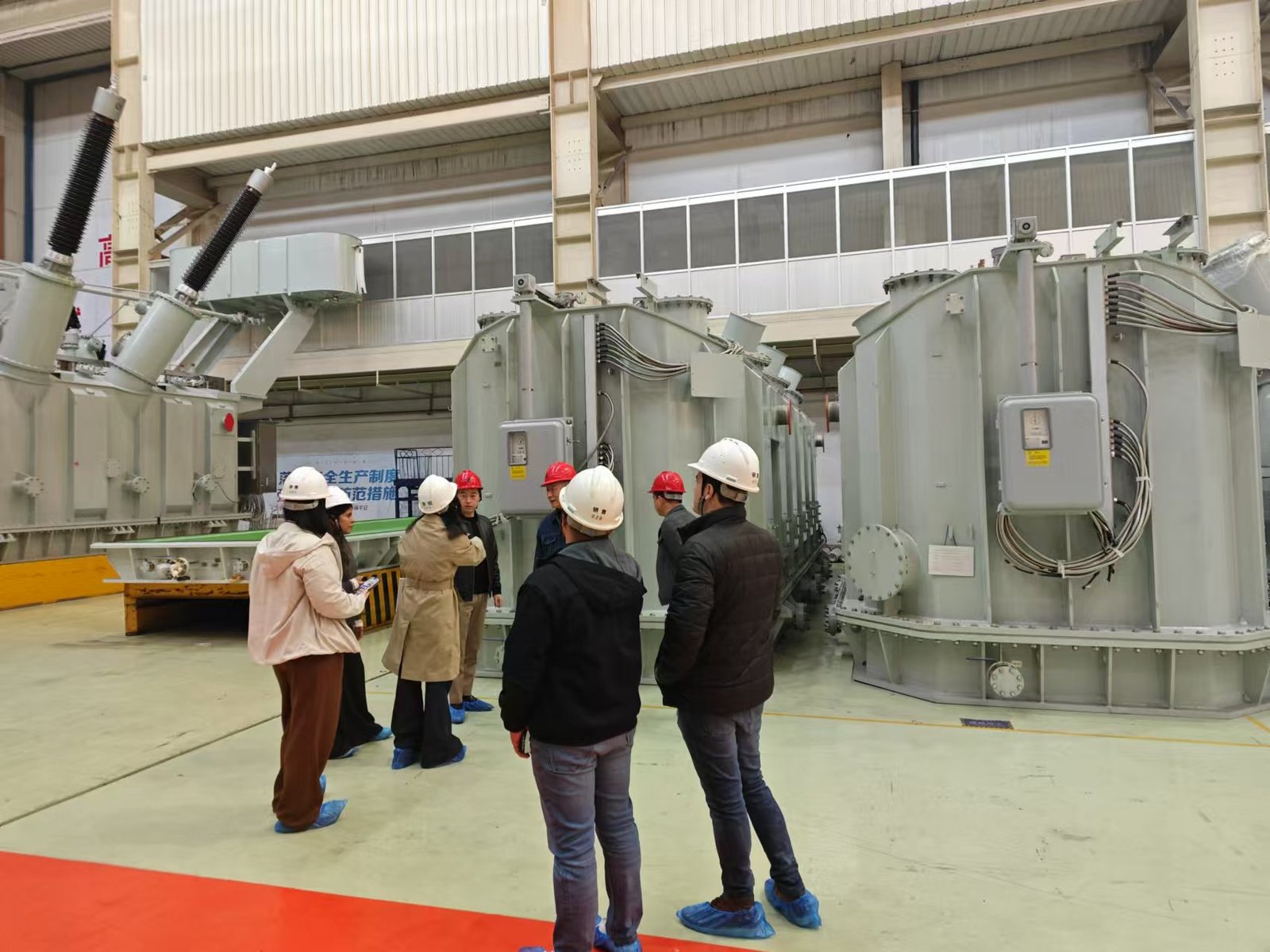
When sourcing power transformers, price comparisons can be deceptive. Two offers may look similar on paper, yet differ significantly in performance, reliability, and total cost of ownership. Many buyers focus solely on the initial purchase price, overlooking crucial technical and operational details that influence the long-term value of their investment. A lower upfront cost can lead to higher maintenance expenses, reduced efficiency, or even premature failure if key specifications are missed. Understanding the factors that truly define transformer value helps ensure that procurement decisions are both financially sound and technically reliable.
When comparing transformer prices, buyers must evaluate not only the base price but also factors such as design specifications, core and winding materials, cooling system, efficiency rating, testing standards, warranty terms, logistics costs, and long-term maintenance requirements.
While cost is a major consideration, transformer pricing reflects a complex balance between engineering quality, compliance, and lifecycle performance. Let’s explore the major components that determine fair comparisons.
1. Technical Specifications and Design Class
| Specification | Impact on Price | Explanation |
|---|---|---|
| Rated capacity (kVA/MVA) | Directly proportional | Higher power capacity means larger core and winding materials |
| Voltage ratio (HV/LV) | Moderate | Non-standard ratios need customized design |
| Impedance and losses | Moderate | Lower losses mean higher material quality |
| Frequency (50/60 Hz) | Minor | Standardized globally, but affects core lamination |
| Cooling method (ONAN, ONAF, OFAF) | High | Adds radiators, pumps, and fans |
Transformer price is determined only by its rated power.False
No explanation available.
Always verify that offers meet the same voltage ratio, vector group, and efficiency class (IEC 60076 or DOE standards). Even small technical deviations can cause substantial price gaps.
2. Core and Winding Material Selection
The core material directly affects efficiency and cost.
| Material | Efficiency | Relative Cost Impact |
|---|---|---|
| CRGO steel | Standard | Base |
| Amorphous metal core | High efficiency | +15–25% |
| Copper windings | High conductivity | +10–20% |
| Aluminum windings | Lower cost but bulkier | −5–10% |
Copper and aluminum windings have identical performance and cost.False
No explanation available.
Buyers should confirm whether a price difference arises from different material grades — not just manufacturing markups.
3. Efficiency Class and Energy Losses
High-efficiency transformers (such as IEC Tier 2 or DOE 2016-compliant) cost more initially but reduce lifetime operational expenses.
| Efficiency Class | Initial Cost Increase | Energy Saving (20 years) |
|---|---|---|
| Standard (Tier 1) | — | Baseline |
| High Efficiency (Tier 2) | +10–15% | 5–10% energy savings |
| Super Premium | +20–25% | Up to 15% energy savings |
Higher efficiency transformers always cost less to buy.False
No explanation available.
For large-scale utilities, efficiency improvements translate into tangible savings over decades, far exceeding the marginal cost increase.
4. Testing, Certification, and Compliance Standards
Testing standards ensure transformer reliability and safety.
Different countries and projects require compliance with IEC, IEEE, ANSI, or ISO protocols.
| Compliance Standard | Example Tests | Typical Cost Impact |
|---|---|---|
| IEC 60076 | Type & routine tests | Base |
| IEEE C57 | Impulse, temperature, sound | +5–10% |
| ISO/CE/UL certifications | Product safety verification | +3–8% |
All transformer test reports are equivalent across standards.False
No explanation available.
Always ensure that suppliers provide complete type test reports and factory inspection records, not just routine test data.
5. Optional Features and Accessories
Optional systems influence cost more than most buyers expect.
| Feature | Function | Cost Increase (%) |
|---|---|---|
| On-load tap changer (OLTC) | Automatic voltage regulation | +10–15% |
| Online monitoring & DGA | Fault detection and predictive maintenance | +5–10% |
| Special enclosure (IP54, stainless steel) | Environmental protection | +8–12% |
| Seismic or offshore design | Structural reinforcement | +10–20% |
Adding accessories like tap changers has no effect on overall cost.False
No explanation available.
It’s important to evaluate whether each accessory adds functional or compliance value — not just convenience.
6. Manufacturing Location and Supply Chain Costs
Geographical factors influence both production and logistics costs.
| Region | Relative Price Level | Remarks |
|---|---|---|
| China / India | Lower | Economies of scale, lower labor costs |
| Europe | Higher | Strict standards, high material & labor |
| North America | Higher | Compliance and quality requirements |
| Middle East | Moderate | Growing local manufacturing capacity |
Transformer prices are the same globally regardless of origin.False
No explanation available.
Freight costs, import duties, and local testing also contribute to final delivered cost — sometimes exceeding 10% of the total project budget.
7. Warranty, Service, and Lifecycle Value
| Warranty Duration | Implication | Indicative Cost Impact |
|---|---|---|
| 1 year | Basic protection | Baseline |
| 2–3 years | Extended reliability guarantee | +2–5% |
| 5+ years | Premium confidence warranty | +5–8% |
A longer warranty indicates stronger manufacturer confidence and higher build quality. Buyers should assess not just price per kVA, but also expected maintenance costs and service network availability.
Warranty period has no relationship with transformer quality.False
No explanation available.
8. Example: Comparing Two Offers (10 MVA, 33/11 kV Transformer)
| Parameter | Supplier A | Supplier B | Key Difference |
|---|---|---|---|
| Cooling System | ONAN | ONAF | B adds 12% cost |
| Core Material | CRGO | Amorphous | B adds 20% cost |
| Efficiency Class | Tier 1 | Tier 2 | B adds 10% cost |
| Warranty | 2 years | 5 years | B adds 5% cost |
| Total Price (USD) | $520,000 | $640,000 | +23% justified by lifetime savings |
Supplier B’s higher offer might seem expensive but offers better efficiency, longer warranty, and lower lifecycle losses, leading to long-term savings.
9. Evaluating Total Cost of Ownership (TCO)
A practical TCO formula for transformer comparison:
[
TCO = P{initial} + (P{losses} × EnergyCost × ServiceLife)
]
This formula helps quantify lifetime operating losses, often accounting for 50–70% of total cost over 25 years. A transformer that’s 2% more efficient can save tens of thousands of dollars in electricity expenses annually.
Conclusion
Power transformer costs can range from a few thousand dollars for small distribution units to over a million dollars for large grid transformers. Key factors such as capacity (kVA/MVA), insulation type, cooling method, and material quality all play major roles in determining price. Buyers should evaluate both upfront and lifetime costs—considering efficiency, maintenance, and reliability—to ensure long-term value and performance. Understanding these cost ranges allows utilities and industries to make well-informed investment decisions.
FAQ
Q1: What is the general cost range of power transformers by type and capacity?
The cost of power transformers varies widely depending on type, capacity (kVA/MVA), voltage rating, cooling method, and specifications. Here’s a general breakdown (as of 2025):
Oil-immersed transformers:
100 kVA – 1 MVA: $5,000 – $50,000
1 MVA – 10 MVA: $50,000 – $300,000
10 MVA – 100 MVA: $300,000 – $2 million
These are the most common for utilities and industrial grids due to high efficiency and cost-effectiveness.
Dry-type transformers (cast resin or VPI):
100 kVA – 1 MVA: $8,000 – $60,000
1 MVA – 10 MVA: $60,000 – $350,000
They cost 20–40% more than oil-filled types because of fire-resistant materials and resin insulation, making them ideal for indoor or data center use.
Step-up transformers (renewables, substations):
Typically $10–$25 per kVA depending on voltage and cooling (ONAN/ONAF).
Step-down transformers (distribution, building supply):
Usually $7–$18 per kVA for standard oil-filled types.
Special-purpose units (rectifier, furnace, traction, converter):
Can exceed $30 per kVA depending on cooling system, phase-shift design, and harmonic handling.
Prices vary by region and manufacturer; bulk orders and local content often lower delivered cost.
Q2: What are the main factors that affect transformer pricing?
Rated capacity (kVA/MVA) – Larger transformers have lower cost per kVA but higher total price.
Voltage class – Higher-voltage insulation, bushings, and testing increase cost.
Cooling method – Dry-type and forced-air/oil-cooled designs add cost.
Material cost – Copper and electrical steel price volatility has major influence.
Efficiency standards – Higher efficiency (IEC Tier 2, DOE 2027) designs use more premium materials.
Customization – Special winding, vector group, or noise-limited designs increase engineering cost.
Testing & certification – Type tests, FAT inspection, and international certification add 3–8% to cost.
Shipping & installation – Oversized units require special logistics and cranes.
Q3: Why are dry type transformers generally more expensive than oil-filled transformers?
Dry-type transformers use cast resin insulation or vacuum-pressure impregnation instead of oil. These processes demand advanced materials, clean-room casting, and tighter manufacturing controls. They offer fire safety, moisture resistance, and lower maintenance, which adds upfront cost but saves in the long term for indoor or high-risk environments such as data centers, hospitals, and commercial buildings.
Q4: How can buyers estimate transformer cost per kVA?
A quick rule of thumb:
Transformer Type Typical Cost per kVA (USD)
Oil-immersed (standard) $7 – $20
Dry-type (cast resin) $10 – $30
Step-up (renewables/substations) $12 – $25
Rectifier or Furnace type $20 – $35
Multiply the cost per kVA by the desired rating (e.g., 1 MVA × $15 = $15,000). Adjust upward for high-voltage or customized specifications.
Q5: How can transformer buyers reduce costs without compromising quality?
Standardize designs: Avoid unnecessary customizations.
Plan procurement early: Lock in quotes before commodity surges.
Compare total cost of ownership (TCO): Factor in efficiency, maintenance, and losses.
Request transparent bids: Ask suppliers to itemize copper, steel, and logistics costs.
Partner with certified OEMs: Ensures quality, warranty coverage, and long service life.
Consider regional manufacturing: Reduces freight and import duty costs.
References
U.S. Department of Energy – Distribution Transformer Efficiency Standards 2025 Update. https://www.energy.gov
IEC – IEC 60076: Power Transformers Standards. https://www.iec.ch
MarketsandMarkets – Transformer Market Size & Price Trends 2025. https://www.marketsandmarkets.com
Global Market Insights – Power Transformer Market Report 2025. https://www.gminsights.com
The Business Research Company – Transformers Global Market Report 2025. https://www.thebusinessresearchcompany.com
Statista – Average Transformer Prices by Type and Capacity (2025). https://www.statista.com
ElectricalTrader – Transformer Price Comparison by Type and kVA. https://electricaltrader.com