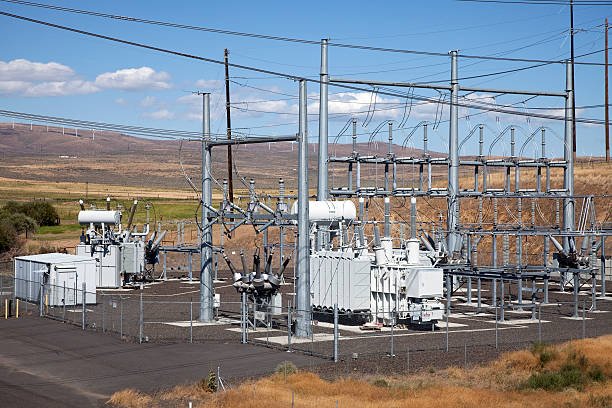
Power transformers can be subject to environmental requirements covering insulating fluids, hazardous substances, noise, emissions, energy efficiency, fire protection, and end-of-life disposal. These requirements vary significantly by country, region, transformer type, and installation location. Failing to identify applicable regulations before procurement can result in non-compliance, delayed approvals, additional modification costs, or restrictions on equipment installation and operation. Buyers should therefore address environmental compliance during the transformer specification and supplier-selection stages.
Power transformers must comply with the environmental regulations applicable to their installation jurisdiction, which may address insulating fluids and spills, hazardous substances, energy efficiency, noise emissions, fire safety, waste management, and equipment disposal. Buyers should verify the applicable national and local requirements, confirm that the transformer and materials meet those requirements, and obtain appropriate compliance documentation from the manufacturer before shipment and commissioning.
Environmental compliance is not determined by one universal regulation. Requirements can differ for oil-immersed and dry-type transformers and may become more stringent in environmentally sensitive areas, urban installations, or projects subject to specific utility and government requirements.
What Environmental Regulations Must Power Transformers Meet?
Power transformer environmental compliance is often misunderstood as a simple question of whether a transformer is “green” or “environmentally friendly.” In practice, buyers must evaluate several different regulatory dimensions at once: energy efficiency, insulating fluids, restricted substances, PCB controls, oil-spill prevention, waste management, noise, fire protection, installation conditions, and end-of-life disposal. The applicable requirements also change according to the destination country, transformer rating, insulation technology, site conditions, and lifecycle stage. A reliable procurement decision therefore starts by identifying the regulations that apply to the specific project and then verifying the transformer's documented compliance with each applicable requirement.

The most important principle is that environmental compliance is destination-specific. A transformer that is acceptable in one country may require additional documentation, containment, material declarations, efficiency verification, or disposal controls in another. Buyers should establish the regulatory baseline before comparing suppliers, rather than discovering compliance gaps after manufacturing or delivery.
Power transformers have one universal international environmental regulation that applies everywhere.False
Environmental requirements vary by jurisdiction, transformer technology, rated power, insulating medium, installation site, and lifecycle stage.
Which Environmental Requirements Should Buyers Check?
A practical compliance review should begin with these categories:
| Environmental Issue | Typical Buyer Concern |
|---|---|
| Energy efficiency | No-load and load losses |
| Insulating fluid | Oil/ester type, quality and environmental characteristics |
| PCB | PCB presence and regulatory status |
| Restricted substances | Materials subject to chemical restrictions |
| Oil spills | Containment and spill-prevention requirements |
| Fire | Fluid fire point and installation requirements |
| Noise | Transformer acoustic emissions |
| Waste | Decommissioning and disposal |
| Site environment | Humidity, chemicals, dust and temperature |
| End of life | Recycling and hazardous-waste classification |
Not every requirement applies to every transformer. The purpose of the table is to establish the questions that should be answered before purchasing.
How Do Energy-Efficiency Regulations Affect Transformers?
Transformer losses have a direct environmental consequence because transformers can remain energized continuously for many years.
The two most important loss categories are:
- No-load loss, primarily associated with the magnetic core
- Load loss, primarily associated with windings and additional stray/eddy-current effects
Even when a transformer is not delivering significant load, its core can continue consuming power while energized.
A buyer should therefore compare guaranteed losses rather than relying on efficiency percentages calculated under one favorable operating point.
A better lifecycle assessment considers:
Annual energy loss × operating hours × electricity-generation emissions × service life
This can reveal why a transformer with a higher initial purchase price may produce lower total environmental impact over decades.
Does the European Union Regulate Transformer Energy Performance?
Yes. The EU has specific ecodesign requirements for certain power transformers.
Regulation (EU) No 548/2014 established ecodesign requirements for small, medium, and large power transformers within its defined scope. The regulation addresses parameters including transformer losses and efficiency. It was subsequently amended by Regulation (EU) 2019/1783. Buyers should therefore check the current applicable requirements rather than using outdated supplier literature.
For an EU project, the procurement process should establish:
- Whether the transformer is within scope.
- Its applicable transformer category.
- Required no-load and load-loss limits.
- Applicable efficiency or PEI requirements.
- Applicable regulatory tier.
- Required conformity documentation.
How Should Buyers Evaluate Insulating Fluids?
The insulating liquid can have both electrical and environmental implications.
Common choices include:
- Mineral insulating oil
- Natural ester
- Synthetic ester
The evaluation should consider:
- Dielectric properties
- Cooling performance
- Flash point
- Fire point
- Biodegradability where relevant
- Spill consequences
- Moisture behavior
- Oxidation stability
- Maintenance requirements
- Disposal requirements
An ester fluid may offer environmental or fire-safety advantages in a particular installation, but this does not automatically make it the best choice for every transformer.
What Are PCB Requirements?
PCBs, or polychlorinated biphenyls, are particularly important when dealing with older transformers.
Historically, PCB-containing fluids were used in electrical equipment. Modern equipment specifications normally prohibit or tightly control PCB use, but legacy equipment can still contain PCBs.
In the United States, EPA regulates PCBs under the Toxic Substances Control Act (TSCA), including requirements associated with PCB-containing electrical equipment and PCB waste.
Therefore, buyers involved in transformer replacement, refurbishment, relocation, or demolition should establish the PCB status of existing equipment before handling or disposing of insulating fluids.
Why Should New-Transformer Buyers Request a PCB Declaration?
Even when a new transformer is specified with a modern non-PCB insulating fluid, documenting the fluid status is good procurement practice.
A purchase specification can require:
- Insulating-fluid identification
- Fluid manufacturer and grade
- PCB declaration
- Relevant safety documentation
- Applicable environmental compliance statement
This creates a clear record that can remain with the transformer throughout its service life.
When Can Oil-Spill Regulations Affect a Transformer Project?
Oil-filled transformers contain potentially significant quantities of insulating liquid.
A spill can create:
- Soil contamination
- Water contamination
- Cleanup costs
- Operational disruption
- Regulatory reporting obligations
For this reason, some installations require:
- Secondary containment
- Bunds
- Oil collection pits
- Drainage controls
- Spill-response equipment
- Inspection procedures
In the United States, certain facilities may fall under EPA's SPCC Rule depending on facility characteristics, oil-storage capacity, and the reasonable expectation of discharge to navigable waters or adjoining shorelines.
This is an important distinction: SPCC is primarily a facility-level regulatory issue rather than a certificate that a transformer manufacturer can simply attach to a transformer.
Do Dry-Type Transformers Have Environmental Advantages?
Dry-type transformers can reduce certain environmental risks because they do not contain bulk insulating oil.
Potential benefits include:
- No mineral-oil spill from the main insulation system
- Reduced liquid-containment requirements
- No routine insulating-oil sampling
- Reduced risk of liquid leakage
- Easier application in some indoor environments
However, dry-type does not mean environmentally unregulated.
Buyers still need to evaluate:
- Energy efficiency
- Restricted materials
- Resin composition
- Fire performance
- Noise
- Waste handling
- Recycling
- Installation requirements
Dry-type transformers should therefore be considered a different environmental risk profile, not automatically a regulation-free product.
How Should Ester-Filled and Mineral-Oil Transformers Be Compared?
| Factor | Mineral Oil | Natural/Synthetic Ester |
|---|---|---|
| Technology maturity | Very high | High and increasing |
| Dielectric performance | Established | Established for appropriate designs |
| Cooling | Well understood | Requires application-specific evaluation |
| Fire performance | Lower fire point | Generally higher fire point |
| Spill risk | Requires management | Still requires management |
| Biodegradability | Limited | Certain esters offer significant advantages |
| Maintenance | Mature procedures | Fluid-specific procedures |
| Initial cost | Often lower | Often higher |
The comparison should be based on the complete installation lifecycle, not simply the fluid purchase price.
What Chemical and Restricted-Substance Requirements Matter?
Depending on the market, buyers may need to investigate restrictions affecting:
- PCBs
- Lead
- Mercury
- Certain flame retardants
- Other restricted chemicals
- Contaminated insulation
- Hazardous waste
For international projects, the transformer supplier should be asked to provide a restricted-substance declaration when required by the customer's regulatory or corporate environmental system.
A buyer should also distinguish between regulations that apply directly to the finished transformer and those that apply to individual materials or components in the supply chain.
Does Transformer Noise Count as an Environmental Requirement?
In many projects, yes.
Transformer noise can affect:
- Residential areas
- Hospitals
- Commercial buildings
- Urban substations
- Industrial sites near occupied areas
Noise comes from sources such as:
- Core magnetostriction
- Cooling fans
- Pumps
- Mechanical vibration
Therefore, buyers should establish an allowable sound level where the project location requires it and request manufacturer test data or guaranteed acoustic performance.
This is especially important because a transformer can be electrically compliant yet still create an unacceptable environmental impact through excessive noise.
How Do Fire Regulations Interact With Environmental Requirements?
Fire protection is not strictly the same as environmental regulation, but the two frequently overlap in transformer procurement.
Oil-filled transformers may require:
- Oil containment
- Fire separation
- Fire barriers
- Drainage systems
- Fire suppression
- Appropriate equipment spacing
Dry-type transformers can simplify some of these requirements because they eliminate bulk liquid insulation.
Ester fluids may also reduce fire risk compared with conventional mineral oil because of their higher fire points.
The buyer should evaluate fire risk, environmental risk, building requirements, and electrical performance together.
What Environmental Conditions Should the Transformer Be Designed For?
A transformer must be suitable for the actual site environment.
Important parameters include:
- Ambient temperature
- Humidity
- Altitude
- Dust
- Salt contamination
- Industrial chemicals
- Condensation
- Indoor/outdoor exposure
- Ventilation
- Solar radiation where applicable
For example, a dry-type transformer installed in a humid industrial facility may require a different enclosure and environmental design from a unit installed in a clean, climate-controlled electrical room.
How Should Buyers Consider End-of-Life Regulations?
Environmental compliance continues after the transformer is removed from service.
A decommissioned transformer may contain:
- Steel
- Copper
- Aluminum
- Insulation
- Resin
- Oil or ester
- Contaminated materials
- Electronic accessories
The correct disposal route depends on material composition and contamination.
Legacy PCB equipment requires particular attention because PCB waste can be subject to specific storage, transportation, treatment, and disposal requirements.
Consequently, buyers should request end-of-life information during procurement instead of treating disposal as a future problem.
How Can Buyers Verify Environmental Compliance?
A supplier should be able to provide relevant documentation rather than making a generic statement such as "environmentally compliant."
A useful document package can include:
| Document | Purpose |
|---|---|
| Transformer technical datasheet | Establishes equipment configuration |
| Guaranteed loss data | Verifies energy performance |
| Insulating-fluid specification | Identifies fluid characteristics |
| PCB declaration | Establishes PCB status |
| SDS | Provides fluid safety information where applicable |
| Restricted-substance declaration | Supports chemical compliance |
| Material declaration | Supports project requirements |
| Factory test reports | Demonstrates tested performance |
| Type-test reports | Supports design qualification |
| Regulatory conformity documents | Supports market-specific compliance |
| Installation requirements | Helps establish site compliance |
| Disposal information | Supports lifecycle planning |
The exact documentation package should be defined in the purchase contract.
What Should a Transformer Environmental RFQ Contain?
A strong RFQ should ask the manufacturer to identify:
- Applicable product regulations
- Applicable energy-efficiency requirements
- Guaranteed no-load losses
- Guaranteed load losses
- Insulating-fluid type
- PCB status
- Fluid quantity
- Restricted substances
- Fire characteristics
- Noise level
- Environmental operating limits
- Required containment measures
- Factory testing
- Applicable IEC/IEEE standards
- End-of-life considerations
This makes supplier quotations technically comparable.
How Can Buyers Compare Three Transformer Suppliers?
A compliance matrix can prevent environmental claims from becoming vague marketing language.
| Criterion | Supplier A | Supplier B | Supplier C |
|---|---|---|---|
| Applicable regulations identified | ☐ | ☐ | ☐ |
| Energy-loss guarantees | ☐ | ☐ | ☐ |
| PCB documentation | ☐ | ☐ | ☐ |
| Fluid specification | ☐ | ☐ | ☐ |
| Restricted-substance declaration | ☐ | ☐ | ☐ |
| Oil quantity provided | ☐ | ☐ | ☐ |
| Spill requirements identified | ☐ | ☐ | ☐ |
| Fire characteristics provided | ☐ | ☐ | ☐ |
| Noise data provided | ☐ | ☐ | ☐ |
| Factory tests documented | ☐ | ☐ | ☐ |
| Applicable standards identified | ☐ | ☐ | ☐ |
| End-of-life information provided | ☐ | ☐ | ☐ |
The supplier offering the lowest purchase price is not necessarily the lowest-environmental-cost option.
What Is the Difference Between Product Compliance and Site Compliance?
This distinction is essential.
Product compliance can involve:
- Energy efficiency
- Electrical performance
- Materials
- Restricted substances
- Product documentation
Site compliance can involve:
- Oil containment
- Fire protection
- Noise
- Drainage
- Environmental permits
- Waste management
- Local building requirements
The manufacturer can support the owner by providing transformer data, but the site owner or project contractor may remain responsible for obtaining permits and implementing site controls.
A transformer manufacturer's environmental compliance certificate automatically proves that the installation site is environmentally compliant.False
Product conformity and facility/site compliance are separate issues; site requirements such as spill containment, fire protection, permits, and waste procedures may remain the owner's responsibility.
What Environmental Regulations Apply to Insulating Fluids Used in Power Transformers?
Transformer insulating fluid is often treated as a technical specification, but for buyers it is also an environmental and compliance issue. A fluid that provides excellent dielectric strength may still create obligations related to chemical handling, fire protection, leakage, spill containment, storage, maintenance, transportation, and end-of-life disposal. The situation becomes more complicated when transformers are imported, installed near sensitive environments, refurbished, or removed after decades of service. Buyers should evaluate insulating fluids according to the laws and environmental requirements of the destination market, then verify the fluid identity, PCB status, chemical information, spill risk, fire characteristics, waste classification, and supplier documentation before purchasing. Mineral oil, natural ester, synthetic ester, and legacy PCB-containing fluids should never be treated as environmentally equivalent simply because they are all described as transformer insulating fluids.

The key purchasing principle is simple: do not select an insulating fluid based only on electrical performance or environmental marketing claims. The fluid must be evaluated together with the transformer design, insulation system, installation site, regulatory jurisdiction, maintenance plan, and eventual disposal route.
A transformer insulating fluid described as biodegradable is automatically exempt from environmental requirements.False
Biodegradability is only one environmental characteristic. Insulating fluids can still be subject to requirements for chemical handling, fire protection, transportation, leakage, spill control, storage, maintenance and waste disposal.
Which Environmental Issues Should Buyers Evaluate?
A complete fluid assessment should cover the entire lifecycle rather than only the period when the transformer is energized.
| Lifecycle Stage | Main Environmental Consideration |
|---|---|
| Fluid manufacturing | Chemical composition and production controls |
| Transportation | Packaging, handling and applicable transport rules |
| Transformer filling | Clean handling and spill prevention |
| Normal operation | Leakage, degradation and environmental exposure |
| Maintenance | Collection and management of removed fluid |
| Emergency response | Spill containment and contaminated-material handling |
| Fluid replacement | Used-fluid classification and disposal |
| Transformer retirement | Fluid removal and equipment decontamination |
| Final disposal | Waste classification and approved treatment route |
This lifecycle approach is particularly important for large power transformers because a single unit can contain a substantial quantity of insulating liquid.
How Do Mineral Oils Affect Environmental Compliance?
Mineral insulating oil remains one of the most widely used fluids for oil-filled power transformers. Its long operating history, established electrical characteristics, and relatively low cost make it attractive for many applications.
From an environmental perspective, however, the buyer should consider:
- Leakage potential
- Spill consequences
- Soil contamination
- Water contamination
- Fire characteristics
- Used-oil handling
- Storage requirements
- Waste classification
- Disposal procedures
The fact that mineral oil is commonly used does not mean that every installation can handle it in the same way. A transformer located in a remote outdoor substation may have very different environmental requirements from one installed inside an urban building.
Are Natural Ester Fluids Environmentally Preferable?
Natural ester fluids are often selected where environmental and fire-performance considerations are important.
Depending on the specific product, potential advantages can include:
- High biodegradability
- Favorable environmental characteristics after accidental release
- Higher fire point than conventional mineral oil
- Reduced environmental persistence compared with some petroleum-based fluids
However, buyers should avoid describing natural ester as automatically "green" without defining measurable requirements.
The buyer should request:
- Fluid composition
- Biodegradability information
- Flash point
- Fire point
- Dielectric strength
- Viscosity
- Oxidation stability
- Moisture characteristics
- Compatibility information
- Safety documentation
- Disposal guidance
A fluid with favorable environmental properties must still be electrically and thermally suitable for the transformer.
What About Synthetic Ester Fluids?
Synthetic ester fluids can provide a different combination of electrical, thermal, fire-safety, and environmental properties.
They may be attractive for:
- Indoor transformers
- Fire-sensitive locations
- Urban substations
- Commercial buildings
- Environmentally sensitive installations
- Applications requiring specialized thermal performance
But synthetic ester does not automatically have identical environmental behavior to natural ester.
Buyers should evaluate the specific fluid formulation, not simply the word "ester."
How Important Are PCBs?
PCB contamination deserves special attention because older transformers can contain historically used PCB-containing dielectric fluids.
For new transformer procurement, buyers should establish an explicit PCB requirement. For existing equipment, the issue is more complicated because historical maintenance, fluid replacement, or contamination can affect the status of the equipment and associated waste.
Before repairing, relocating, draining, or disposing of an older transformer, buyers or owners should determine:
- Transformer manufacturing date
- Original insulating-fluid type
- Existing fluid history
- Previous oil-replacement records
- PCB testing history
- Applicable local requirements
- Required disposal route
PCB considerations are relevant only to transformers manufactured many decades ago and can be ignored when buying replacement equipment.False
New equipment should have its PCB status documented, while replacement projects can also involve legacy transformers, contaminated fluids, components and waste that require appropriate regulatory evaluation.
Should New Transformers Include a PCB Declaration?
Yes, where applicable to the destination market and project.
A good procurement specification should identify the required PCB condition rather than merely asking for a general environmental certificate.
The documentation can identify:
- Insulating-fluid product
- Fluid manufacturer
- PCB status
- Applicable concentration requirement
- Testing or declaration method
- Equipment identification
- Traceability information
This documentation becomes useful later during maintenance, resale, relocation, and decommissioning.
Can Oil-Filled Transformers Create Spill-Control Obligations?
Yes.
An oil-filled transformer can contain enough insulating liquid that an accidental release becomes an environmental concern.
Potential consequences include:
- Soil contamination
- Surface-water contamination
- Drainage contamination
- Cleanup costs
- Equipment shutdown
- Regulatory reporting
- Disposal of contaminated materials
Depending on the jurisdiction and site, environmental controls may include:
- Bunds
- Oil-collection pits
- Secondary containment
- Drainage isolation
- Spill-response equipment
- Oil-water separation
- Emergency procedures
These controls are normally determined by the installation site and applicable regulations, not solely by the transformer manufacturer.
Why Should Buyers Know the Exact Fluid Volume?
Fluid volume can directly affect the environmental design of the installation.
The buyer should obtain the actual or guaranteed fluid quantity because it may influence:
- Containment capacity
- Spill-response planning
- Fire protection
- Transportation arrangements
- Maintenance procedures
- Waste quantities
- Decommissioning costs
A purchase specification should therefore contain a specific field for:
Total insulating-fluid quantity: __ L
For large transformers, this information should be available before the civil and environmental design is finalized.
How Do Fire Requirements Interact With Environmental Requirements?
Fire protection and environmental protection are separate regulatory subjects, but they frequently influence the same fluid-selection decision.
Mineral oil generally has a lower fire point than ester fluids. Therefore, a site with strict fire constraints may consider:
- Dry-type transformer technology
- Natural ester
- Synthetic ester
- Fire barriers
- Increased separation
- Automatic suppression
- Oil containment
The buyer should not evaluate environmental performance without considering fire safety.
A fluid that minimizes one risk may change another aspect of the transformer design.
Does Transformer Fluid Affect Soil and Water Protection?
Yes.
A transformer installed near waterways, groundwater-sensitive areas, agricultural land, or protected environments may face more stringent spill-management expectations.
The buyer should identify:
- Distance to water bodies
- Drainage direction
- Ground permeability
- Groundwater sensitivity
- Local environmental restrictions
- Required emergency response
- Containment strategy
The same transformer may therefore be acceptable at one site and require additional protective measures at another.
Are Used Transformer Fluids Regulated Differently From New Fluids?
Often, yes.
New insulating fluid is a commercial product. Used fluid may become a waste stream whose classification depends on its composition and contamination.
The operator should determine whether the used fluid contains:
- PCBs
- Heavy contaminants
- Degradation products
- Other regulated substances
before choosing a disposal method.
This is particularly important when draining older transformers.
A used-fluid container should never be labeled simply "waste oil" without confirming that such a classification is legally appropriate.
What Chemical Information Should Buyers Request?
A transformer-fluid procurement package should normally include relevant chemical and safety information.
Depending on jurisdiction, request:
- Safety Data Sheet
- Technical data sheet
- Product identification
- Chemical composition information where appropriate
- Restricted-substance declaration
- PCB declaration
- Fire characteristics
- Handling instructions
- Storage requirements
- Spill-response instructions
- Disposal recommendations
The supplier should identify the actual fluid being delivered rather than providing documentation for a generic product family.
How Do Chemical Regulations Affect Transformer Fluids?
Chemical regulations can affect the manufacturing, import, sale, handling, storage, and disposal of insulating fluids.
The exact requirements depend on the jurisdiction and may address:
- Chemical registration
- Classification
- Labeling
- Safety communication
- Restricted substances
- Persistent pollutants
- Waste management
- Environmental release
For international projects, the buyer should identify who is responsible for chemical compliance: the fluid manufacturer, transformer manufacturer, importer, distributor, or equipment owner.
That responsibility should be clarified contractually.
How Should Buyers Evaluate Environmental Claims?
Environmental claims should be converted into measurable procurement criteria.
For example, instead of asking:
"Is this transformer fluid environmentally friendly?"
ask:
- What is the exact fluid type?
- What is its biodegradability classification?
- What is its flash point?
- What is its fire point?
- What substances does it contain?
- Is PCB contamination excluded?
- What regulatory restrictions apply?
- What documentation is available?
- How should used fluid be disposed of?
- What happens if the fluid is accidentally released?
- Is the fluid compatible with the transformer's insulation system?
This produces a much more reliable comparison.
How Should Mineral Oil and Ester Fluids Be Compared?
| Factor | Mineral Oil | Natural Ester | Synthetic Ester |
|---|---|---|---|
| Electrical application history | Extensive | Extensive and growing | Established in selected applications |
| Fire performance | Conventional | Generally favorable | Generally favorable |
| Biodegradability | Limited | Generally favorable | Product-dependent |
| Spill consequences | Requires control | Potentially lower environmental persistence | Product-dependent |
| Cooling behavior | Well established | Design-dependent | Design-dependent |
| Moisture behavior | Well established | Different from mineral oil | Product-dependent |
| Initial cost | Usually lower | Usually higher | Usually higher |
| Disposal | Jurisdiction-dependent | Fluid-specific | Fluid-specific |
| Documentation needs | Standard | Detailed | Detailed |
No fluid is universally superior. The correct choice depends on the application and the regulatory environment.
How Does Fluid Choice Affect Transformer Insulation?
The insulating fluid should be considered part of the complete insulation system.
The system can include:
- Fluid
- Cellulose paper
- Pressboard
- Barriers
- Spacers
- Conductors
- Winding geometry
- Cooling structures
Changing the fluid can alter:
- Moisture equilibrium
- Heat transfer
- Insulation aging
- Dielectric behavior
- Maintenance procedures
Therefore, buyers should request confirmation that the proposed fluid has been evaluated with the complete transformer insulation system.
What Environmental Conditions Should Be Included in the Specification?
The RFQ should identify the actual site environment.
| Site Parameter | Information to Specify |
|---|---|
| Ambient temperature | Minimum, normal and maximum |
| Humidity | Expected range |
| Altitude | Installation elevation |
| Dust | Normal or severe |
| Chemical exposure | Type and concentration where known |
| Indoor/outdoor | Installation arrangement |
| Water proximity | Distance and drainage conditions |
| Fire restrictions | Applicable site requirements |
| Noise restrictions | Maximum acceptable sound level |
| Environmental sensitivity | Protected or high-risk location |
This information allows the manufacturer to recommend an appropriate fluid and containment strategy.
What Should Buyers Include in an Environmental Fluid RFQ?
A practical RFQ can use the following checklist:
| Requirement | Supplier Response |
|---|---|
| Fluid type | __ |
| Fluid manufacturer | __ |
| Product designation | __ |
| Total fluid volume | __ L |
| PCB status | __ |
| SDS supplied | Yes / No |
| Chemical information supplied | Yes / No |
| Restricted-substance declaration | Yes / No |
| Biodegradability information | __ |
| Flash point | __ |
| Fire point | __ |
| Dielectric strength | __ |
| Moisture specification | __ |
| Spill-response recommendation | __ |
| Storage requirements | __ |
| Disposal recommendation | __ |
| Regulatory documentation | __ |
This makes competing transformer quotations much easier to compare.
How Can Buyers Verify Supplier Compliance Before Ordering?
Do not rely only on a supplier's statement that the fluid is compliant.
Buyers should cross-check:
- Fluid name and product code
- Manufacturer documentation
- SDS
- Technical datasheet
- PCB declaration
- Chemical declarations
- Test results where required
- Fluid quantity
- Transformer technical specification
- Destination-market requirements
- Site environmental requirements
- Waste-management plan
The transformer manufacturer's documentation should be consistent across the quotation, drawings, datasheet, inspection documents, and final delivery records.
What Are the Most Common Procurement Mistakes?
Mistake 1: Choosing the cheapest fluid.
Initial fluid price does not represent containment, maintenance, energy, fire, or disposal costs.
Mistake 2: Assuming ester means zero environmental risk.
Ester fluids can reduce certain environmental and fire risks, but leakage and waste management still require appropriate controls.
Mistake 3: Ignoring legacy PCBs.
Older transformers require specific historical-fluid evaluation before maintenance or disposal.
Mistake 4: Forgetting fluid volume.
Containment and spill planning depend heavily on the quantity of liquid present.
Mistake 5: Separating fluid from insulation design.
Electrical, thermal, moisture and aging performance depend on the complete insulation system.
Mistake 6: Asking for a generic "environmental certificate."
Compliance should be demonstrated against specific requirements.
How Do Energy Efficiency Regulations Affect Power Transformer Specifications?
Energy efficiency regulations can change a power transformer specification from a simple electrical design document into a performance, compliance, and lifecycle-cost requirement. Buyers can no longer evaluate a transformer only by rated MVA, voltage ratio, impedance, and purchase price; where efficiency rules apply, the specification may also need defined no-load loss, load loss, efficiency or peak-efficiency performance, measurement conditions, guaranteed values, tolerances, documentation, and conformity evidence. The practical effect is that applicable efficiency requirements should be identified before the transformer is designed or quoted, because they can influence the magnetic core, conductor dimensions, winding arrangement, cooling design, overall dimensions, weight, testing requirements, and ultimately the purchase price and lifetime energy cost.

The important point is that energy-efficiency regulation does not simply tell a manufacturer to "make the transformer more efficient." It can establish maximum allowable losses or minimum efficiency performance, which then becomes a design boundary. Buyers should translate that boundary into measurable guaranteed values in the technical specification and verify them during factory acceptance testing.
Energy-efficiency regulations affect only the transformer purchase price and do not materially affect transformer design.False
Loss requirements can influence core steel selection, conductor size, winding geometry, thermal design, transformer dimensions, weight, testing and lifecycle energy consumption.
What Transformer Parameters Are Most Affected by Efficiency Regulations?
The main parameters are normally associated with transformer losses.
| Specification Parameter | Efficiency Relevance | Typical Design Impact |
|---|---|---|
| No-load loss | Energy consumed while energized | Core material, flux density and core construction |
| Load loss | Energy consumed under load | Conductor size, winding resistance and stray-loss control |
| Total loss | Overall energy consumption | Combined electromagnetic and thermal design |
| Efficiency | Ratio of useful output to input | Overall design optimization |
| Peak Efficiency Index | Useful for variable loading in some regulatory frameworks | Core/load-loss balance |
| Guaranteed loss tolerance | Determines contractual compliance | Manufacturing control and testing |
| Temperature rise | Indirectly related to losses | Cooling-system design |
| Weight and dimensions | Often affected by lower-loss construction | Core and conductor material quantities |
The exact parameters required depend on the applicable regulation and transformer category.
Why Are No-Load Losses Important?
No-load loss occurs whenever the transformer is energized, even when it supplies little or no external load.
This makes no-load loss especially important for transformers that remain connected to the grid continuously.
Core losses are mainly associated with:
- Hysteresis
- Eddy currents in the magnetic core
- Core-joint effects
- Magnetic flux distribution
- Operating flux density
A transformer with a low no-load loss may require higher-quality magnetic material, optimized core geometry, improved joint construction, or a more conservative flux-density design.
This can increase manufacturing cost, but the additional investment can be justified when the transformer operates continuously for many years.
How Do Load Losses Affect the Specification?
Load losses increase as transformer current increases.
They are primarily associated with winding resistance but also include additional losses caused by leakage fields and circulating currents in conductive structural components.
A simplified relationship is:
Load loss approximately increases with the square of load current.
This means that a transformer operating at high loading can accumulate substantially more energy loss than one operating at light load.
The design may therefore require:
- Larger conductor cross-sections
- Lower-resistance winding arrangements
- Optimized conductor geometry
- Transposed conductors where appropriate
- Better control of stray magnetic fields
- Improved structural design
Buyers should request guaranteed load-loss values at clearly defined reference conditions rather than accepting an unspecified "high-efficiency" claim.
How Do Regulations Influence Transformer Core Design?
If a regulation imposes a strict no-load-loss limit, the core becomes a major design focus.
The manufacturer may optimize:
- Core-steel grade
- Lamination thickness
- Magnetic flux density
- Core cross-sectional geometry
- Joint configuration
- Stacking method
- Insulation between laminations
- Core clamping
A lower-loss core does not necessarily mean simply using more expensive steel. The manufacturer must balance material grade, core dimensions, magnetic operating point, manufacturing accuracy, and cost.
This is why an energy-efficiency requirement should be included before engineering begins.
How Do Efficiency Requirements Affect Winding Design?
Lower load loss generally requires lower effective winding resistance.
The manufacturer may therefore use:
- Larger conductor cross-section
- Optimized conductor length
- Improved winding geometry
- Appropriate conductor material
- Transposed conductors for suitable high-current applications
- Better control of circulating and eddy-current losses
However, increasing conductor size increases copper or aluminum consumption and may increase transformer dimensions and weight.
The optimum design is therefore not simply "use the largest conductor possible." It is an economic and thermal optimization problem.
Can Efficiency Requirements Increase Transformer Size?
Yes.
Reducing losses may require additional active material.
For example, a manufacturer may reduce core losses by changing the magnetic design, which can influence:
- Core cross-section
- Core weight
- Tank dimensions
- Overall transformer footprint
Similarly, reducing load loss may require more conductor material.
The final transformer can therefore become:
- Heavier
- Larger
- More expensive
even though its electrical rating remains unchanged.
This is an important procurement consideration because transportation and installation costs may increase with equipment weight.
Do Efficiency Regulations Affect Cooling-System Design?
Indirectly, but significantly.
Every watt of transformer loss ultimately becomes heat.
Therefore:
Lower losses → lower heat generation → lower cooling burden
A transformer with reduced losses may achieve the same thermal performance with a less demanding cooling arrangement, or it may provide greater thermal margin with the same cooling system.
However, buyers should not assume that lower losses automatically mean smaller radiators or fewer fans. Cooling design also depends on:
- Ambient temperature
- Rated load
- Temperature-rise limits
- Altitude
- Installation environment
- Cooling mode
- Overload requirements
Efficiency and thermal design should therefore be evaluated together.
How Do Efficiency Regulations Affect Transformer Cost?
The initial price can increase when a manufacturer must achieve stricter loss limits.
Potential cost drivers include:
- Higher-grade core steel
- Additional core material
- Additional conductor material
- More precise manufacturing
- More sophisticated loss-control design
- Additional testing
- More detailed documentation
But purchase price alone can be misleading.
A useful lifecycle comparison is:
Total lifecycle cost = purchase cost + energy-loss cost + maintenance cost + other ownership costs
For a transformer expected to operate continuously for decades, the energy-loss component can become substantial.
Should Buyers Choose the Transformer With the Lowest Loss?
Not automatically.
The lowest-loss transformer may not have the lowest total lifecycle cost.
Consider three designs:
| Option | Purchase Cost | Losses | Expected Result |
|---|---|---|---|
| A | Low | High | Low initial cost, higher operating cost |
| B | Medium | Medium | Balanced investment |
| C | High | Very low | Higher initial cost, potentially lower lifecycle cost |
The correct choice depends on:
- Annual operating hours
- Load profile
- Electricity price
- Expected service life
- Discount rate
- Load growth
- Energy-efficiency requirements
- Cost of additional active material
- Project budget
A transformer operating continuously at high load may justify a substantially lower-loss design than a lightly loaded or intermittently energized unit.
How Do Buyers Convert Regulations Into Technical Specifications?
The regulation should be translated into contractual numbers.
Instead of writing:
"The transformer shall be energy efficient."
write requirements such as:
- Maximum no-load loss
- Maximum load loss
- Reference temperature for load-loss measurement
- Rated operating point
- Applicable efficiency metric
- Measurement method
- Permitted tolerance
- Factory acceptance procedure
- Required test report
- Consequences of exceeding guaranteed values
This approach makes compliance measurable.
What Is the Difference Between Guaranteed Loss and Typical Loss?
This distinction is critical during procurement.
Typical loss is an expected engineering value.
Guaranteed loss is a contractual performance commitment.
If the buyer is evaluating lifecycle energy cost, guaranteed values are much more useful.
A supplier quotation should clearly distinguish:
| Data Type | Procurement Value |
|---|---|
| Calculated loss | Engineering estimate |
| Typical loss | Expected manufacturing performance |
| Guaranteed loss | Contractual performance |
| Tested loss | Factory-measured result |
| Maximum permitted loss | Regulatory or project boundary |
Buyers should avoid calculating lifecycle economics from an optimistic typical value when the contract is based on a different guaranteed value.
Why Does Reference Temperature Matter for Load Loss?
Winding resistance changes with temperature.
Consequently, load loss measured at one winding temperature cannot be compared directly with a value measured at another temperature without applying the appropriate correction.
The technical specification should therefore clearly define:
- Measurement temperature
- Reference temperature
- Test method
- Correction method
- Applicable standard
Otherwise, two suppliers can appear to offer different losses simply because their figures are reported under different conditions.
How Do Efficiency Regulations Affect Factory Testing?
Stricter efficiency requirements make factory testing more important.
Depending on the project, buyers may require measurement of:
- No-load loss
- No-load current
- Load loss
- Short-circuit impedance
- Winding resistance
- Temperature rise
- Auxiliary consumption where relevant
The buyer should verify that the factory test program measures the same parameters used in the quotation and contract.
Can Manufacturing Quality Change Actual Transformer Losses?
Yes.
Even if the transformer design is excellent, manufacturing variation can affect actual performance.
Examples include:
- Poor core-lamination handling
- Incorrect core stacking
- Damaged lamination insulation
- Excessive core-joint gaps
- Incorrect conductor dimensions
- Poor winding geometry
- Unintended circulating-current paths
- Manufacturing dimensional errors
This is why efficiency should be verified through factory testing rather than inferred solely from the design drawing.
How Do Regulations Influence Transformer Procurement Documentation?
An energy-efficiency specification should be accompanied by a documentation package.
A buyer may request:
- Guaranteed no-load loss
- Guaranteed load loss
- Efficiency calculation
- Applicable regulatory classification
- Applicable regulatory limits
- Test methodology
- Factory test report
- Type-test information where relevant
- Design data supporting guaranteed losses
- Conformity documentation
The documents should correspond to the exact transformer model supplied.
How Do Efficiency Regulations Affect Transformer Selection for Different Loads?
Transformer loading is fundamental to lifecycle efficiency.
Consider three typical applications:
| Application | Loading Characteristic | Main Efficiency Concern |
|---|---|---|
| Utility substation | Long energized periods, variable load | Balance core and load losses |
| Industrial transformer | Significant daily load variation | Optimize losses around actual load profile |
| Renewable-energy collector | Variable/intermittent operation | Consider load profile and no-load energy consumption |
A transformer designed solely around maximum load may not be optimal if the actual annual load factor is low.
What Is the Importance of Load Profile?
Efficiency is not one fixed number.
For a transformer, the economically important performance depends on how the transformer operates throughout the year.
For example:
- A lightly loaded transformer is strongly influenced by no-load losses.
- A heavily loaded transformer is strongly influenced by load losses.
- A highly variable transformer requires a balanced design.
- A continuously energized standby transformer may place unusual importance on no-load performance.
Therefore, buyers should provide the manufacturer with an expected load profile whenever possible.
How Can Buyers Compare Two Transformers With Different Losses?
A practical comparison should calculate annual energy loss.
For simplified analysis:
Annual loss energy = no-load loss × energized hours + load-loss component × load-profile factor
The load-loss component must be calculated using the actual or expected current/load distribution rather than simply multiplying rated load loss by 8,760 hours.
For more accurate procurement decisions, buyers should use an annual load-duration curve or representative operating profile.
What Happens if Energy Regulations Become Stricter?
A transformer purchased today may remain in service for 20–40 years.
Therefore, buyers should consider future regulatory risk.
Possible changes include:
- Lower permitted losses
- More detailed reporting
- New efficiency metrics
- Additional material requirements
- Expanded documentation
- Updated conformity procedures
A transformer that barely meets today's requirement may have less flexibility for future regulatory changes than a design with additional efficiency margin.
Should Buyers Specify a Regulatory Margin?
Where project economics justify it, yes.
For example, instead of selecting a transformer whose calculated performance is extremely close to the regulatory limit, a buyer may choose a design with additional performance margin.
This can provide:
- Greater manufacturing tolerance
- Reduced risk of failed acceptance testing
- Better lifecycle efficiency
- Greater resilience to future requirements
The appropriate margin should be determined from the project's technical and commercial requirements rather than chosen arbitrarily.
How Do Energy Requirements Affect Transformer Materials?
Energy efficiency and material consumption are closely connected.
Lower losses can require additional:
- Electrical steel
- Copper
- Aluminum
- Insulation
- Structural material
Therefore, there is an engineering trade-off between:
Material impact + purchase cost + energy savings + service life
A technically responsible design seeks the optimum lifecycle result rather than minimizing either material quantity or losses in isolation.
What Should Buyers Put in a Transformer RFQ?
A strong energy-efficiency section can include:
| RFQ Requirement | Supplier Response |
|---|---|
| Applicable efficiency regulation | __ |
| Transformer regulatory category | __ |
| Maximum no-load loss | __ W |
| Guaranteed no-load loss | __ W |
| Maximum load loss | __ W |
| Guaranteed load loss | __ W |
| Reference temperature | __ °C |
| Efficiency metric | __ |
| Test method | __ |
| Guaranteed tolerance | __ |
| Factory test required | Yes / No |
| Test report required | Yes / No |
| Regulatory documentation | __ |
| Expected annual load profile | __ |
| Expected service life | __ years |
This creates a common technical basis for supplier comparison.
What Are the Most Common Buyer Mistakes?
Mistake 1: Using "high efficiency" as a specification.
It is too vague to be contractually useful.
Mistake 2: Comparing losses at different temperatures.
Load-loss values require a consistent reference condition.
Mistake 3: Looking only at rated efficiency.
Actual operating load determines annual energy consumption.
Mistake 4: Ignoring no-load losses.
Transformers can consume core-loss energy continuously while energized.
Mistake 5: Choosing the lowest-loss design without lifecycle analysis.
A very expensive low-loss design may not provide the best economic return for every load profile.
Mistake 6: Not requiring factory verification.
Declared performance should be supported by appropriate testing.
Mistake 7: Ignoring transformer weight.
More active material can increase transportation and installation costs.
What Hazardous Substance and Waste Regulations Apply to Power Transformers?
Power transformers can contain or become associated with materials that require environmental or waste controls, including insulating fluids, contaminated oils, certain electrical components, treated materials, and legacy substances. The regulatory issue becomes especially important when transformers are manufactured, imported, maintained, refurbished, transported, decommissioned, or scrapped. There is no single worldwide hazardous-substance rule for all power transformers. Buyers must identify the regulations in the destination jurisdiction and determine whether they apply to the transformer itself, a particular material or substance, the insulating fluid, contaminated waste, or the facility handling the equipment. For new equipment, the most important procurement controls are material and chemical declarations, PCB status where relevant, insulating-fluid documentation, applicable restricted-substance information, and a defined end-of-life waste-management route.

The most important distinction is between a regulated substance and regulated waste. A substance may be permitted during normal operation but become subject to special controls when removed from the transformer. Similarly, a transformer may be perfectly acceptable as new equipment but require additional assessment when dismantled because its fluid or components may be contaminated.
If a new power transformer complies with its electrical product standards, its materials and waste are automatically exempt from hazardous-substance regulations.False
Electrical product compliance does not automatically establish chemical, hazardous-substance, waste, PCB, spill-management, or end-of-life compliance.
Which Transformer Materials Should Buyers Evaluate?
A practical review should identify every material that could create a regulatory obligation.
| Transformer Material or Waste Stream | Main Compliance Question |
|---|---|
| Mineral insulating oil | Is it subject to chemical, spill or waste controls? |
| Natural ester fluid | What chemical and disposal requirements apply? |
| Synthetic ester fluid | What product and waste classification applies? |
| Legacy PCB fluid | Are PCB-specific controls triggered? |
| Cellulose insulation | Does contamination change waste classification? |
| Pressboard | Is it contaminated with regulated fluid? |
| Copper conductors | Can they be recycled as ordinary metal? |
| Steel tank/core | Is the material contaminated? |
| Paint/coatings | Do restricted substances apply? |
| Electronic accessories | Are separate waste rules applicable? |
| Contaminated absorbents | Are they hazardous waste? |
| Used oil containers | What disposal route is permitted? |
The correct answer depends on the material's composition, contamination, quantity, jurisdiction, and lifecycle stage.
What Are Hazardous-Substance Regulations Trying to Control?
Hazardous-substance regulations generally seek to control materials that may present risks to:
- Human health
- Soil
- Surface water
- Groundwater
- Air
- Wildlife
- Waste-treatment workers
- Recycling personnel
For transformers, the concern often arises not from the basic steel and copper structure, but from insulating fluids, chemical additives, historical contaminants, and materials that become contaminated during operation.
Why Are PCBs Especially Important?
PCBs are one of the most important hazardous-substance issues associated with older transformers.
Historically, PCB-containing dielectric fluids were used because of their useful electrical and thermal characteristics. Modern transformer procurement normally avoids such fluids, but legacy equipment can remain in service for many years.
In the United States, PCBs are regulated under the Toxic Substances Control Act (TSCA), with detailed controls contained in federal PCB regulations.
This means an owner cannot automatically treat fluid from an old transformer as ordinary used oil.
Before draining or dismantling older equipment, the owner should establish:
- Transformer age
- Original fluid type
- Previous maintenance history
- Fluid-replacement records
- PCB test history
- Applicable local requirements
- Disposal classification
Does PCB Compliance Matter for New Transformers?
Yes, even though the issue is primarily associated with legacy equipment.
For a new transformer, buyers should clearly specify the required PCB status and request supporting documentation.
The purchase package can include:
- Fluid identification
- PCB declaration
- Concentration requirement
- Test evidence where required
- Equipment traceability
This protects the buyer during future maintenance and decommissioning.
What Happens When Transformer Oil Becomes Waste?
Used insulating fluid can have a different regulatory status from unused commercial fluid.
Before disposal, the operator should evaluate:
- Original fluid composition
- PCB concentration
- Chemical contamination
- Other contaminants
- Applicable waste classification
- Approved treatment route
Possible management options can include:
- Reuse after appropriate treatment
- Regeneration
- Recycling
- Recovery
- Controlled disposal
The correct option depends on the fluid condition and local law.
Is Used Transformer Oil Automatically Hazardous Waste?
No universal answer exists.
Some jurisdictions classify particular used oils as hazardous under specified conditions, while others distinguish between ordinary used oil and contaminated oil.
The key point is that the word "oil" is not enough to determine waste status.
A proper assessment should consider:
- Chemical composition
- Contaminant concentration
- PCB status
- Flash characteristics
- Applicable waste codes
- Local regulatory thresholds
This is particularly important when a transformer has been in service for decades.
How Do Waste Regulations Affect Transformer Decommissioning?
Transformer retirement should be treated as an environmental project, not simply an equipment-removal project.
A typical decommissioning sequence includes:
- Electrical isolation
- Fluid identification
- Fluid sampling where necessary
- Fluid removal
- Containment of residual liquid
- Component separation
- Contamination assessment
- Waste classification
- Transportation
- Recycling or disposal
- Documentation
The transformer owner should establish the waste route before the transformer is drained.
Which Transformer Components Are Usually Recyclable?
Large portions of a transformer can have significant recycling value.
Common recyclable materials include:
- Copper
- Aluminum
- Steel
- Magnetic core steel
However, contamination can change the disposal requirements.
For example, clean copper is very different from copper contaminated with regulated oil or other hazardous substances.
Therefore, dismantling should separate clean recyclable materials from potentially contaminated materials.
How Can Insulation Become a Waste Problem?
Cellulose paper, pressboard and other solid insulation materials are normally not considered hazardous simply because they are used in transformers.
The situation changes if the materials become contaminated with regulated substances.
Potentially affected materials include:
- Cellulose paper
- Pressboard
- Wood components
- Absorbent materials
- Gaskets
- Cleaning cloths
If a transformer has contained regulated fluid, these materials may need to be evaluated before disposal.
What About Transformer Tanks and Cores?
Transformer tanks and cores are generally valuable metal resources.
However, before sending them directly to a recycling facility, the operator should establish whether they contain:
- Residual insulating fluid
- Contaminated sludge
- PCB residues
- Other regulated substances
Proper draining and cleaning can simplify downstream recycling.
How Do Chemical-Substance Regulations Affect New Transformers?
For new transformers, chemical requirements can apply to:
- Insulating fluids
- Coatings
- Resins
- Adhesives
- Plastics
- Cable materials
- Electronic components
- Manufacturing chemicals
Depending on the market, buyers may need to consider frameworks governing:
- Chemical registration
- Restricted substances
- Classification and labeling
- Persistent pollutants
- Supply-chain communication
For international projects, the buyer should not assume that an IEC or IEEE transformer standard automatically addresses every chemical requirement.
What Is the Difference Between Electrical Standards and Chemical Regulations?
This distinction is essential.
Electrical standards typically address subjects such as:
- Insulation
- Dielectric performance
- Temperature rise
- Short-circuit capability
- Losses
- Impedance
- Testing
- Mechanical performance
Chemical and environmental regulations may address:
- Restricted substances
- Hazardous chemicals
- PCB
- Waste
- Spill management
- Disposal
- Recycling
A transformer can therefore pass every required electrical test while still requiring separate chemical and environmental documentation.
Do EU Chemical Regulations Affect Transformers?
Potentially, yes.
For EU projects, buyers may need to evaluate the applicability of frameworks such as:
- REACH
- CLP
- POPs
- Waste legislation
- Applicable product-specific restrictions
The exact obligations depend on the substance, concentration, use, importer status and supply chain.
The procurement requirement should therefore focus on documented applicability, rather than asking a supplier for an undefined "EU environmental certificate."
How Does REACH Matter to Transformer Procurement?
REACH primarily regulates chemical substances and their use within the European market.
For transformer projects, relevant questions may concern:
- Insulating fluids
- Resins
- Coatings
- Additives
- Components containing regulated substances
Buyers should establish who in the supply chain is responsible for the applicable REACH obligations, especially when transformers or fluids are imported from outside the EU.
A useful supplier request is:
"Provide the applicable REACH status and supporting chemical documentation for substances and mixtures supplied with the transformer."
This is more useful than simply requesting a generic declaration.
What Role Does CLP Play?
Where applicable, the EU Classification, Labelling and Packaging framework affects the communication of hazardous properties for substances and mixtures.
For transformer fluids and certain chemicals, buyers should review the supplier's current SDS and classification information.
This can affect:
- Storage
- Labels
- Worker handling
- Emergency response
- Transportation interfaces
- Waste procedures
Why Do Persistent Pollutants Matter?
Some substances can persist in the environment for long periods and may accumulate in organisms.
Legacy transformer equipment should therefore be reviewed for substances that fall under applicable persistent-pollutant controls.
This becomes especially important during:
- Transformer replacement
- Site demolition
- Oil replacement
- Equipment relocation
- Recycling
- Waste export
Are Waste Regulations Different Between Countries?
Yes.
This is one of the most important points for international transformer buyers.
The same decommissioned transformer can potentially have different:
- Waste codes
- Sampling requirements
- Storage requirements
- Transportation rules
- Treatment requirements
- Recycling pathways
in different jurisdictions.
Therefore, a manufacturer should not be expected to make an unsupported global claim that all transformer waste is handled identically everywhere.
What Happens When a Transformer Is Exported for Recycling?
International waste movement can introduce additional requirements.
The buyer should determine:
- Country of origin
- Destination country
- Waste classification
- Whether the material is considered hazardous
- Required shipping documents
- Approved receiving facility
- Required permits
- Environmental responsibilities during transportation
This is especially important for older transformers that may contain regulated fluids or contaminated components.
How Should Buyers Specify Waste Requirements Before Purchase?
A transformer purchase contract should include lifecycle requirements.
For example:
| Requirement | Supplier Response |
|---|---|
| Insulating-fluid type | __ |
| PCB status | __ |
| SDS provided | Yes / No |
| Chemical declaration | Yes / No |
| Restricted-substance declaration | Yes / No |
| Fluid quantity | __ L |
| Used-fluid disposal guidance | __ |
| Decommissioning instructions | __ |
| Recycling information | __ |
| Contaminated-material procedure | __ |
| Component material declaration | __ |
| End-of-life documentation | __ |
This helps the buyer build a complete asset record from the beginning.
How Should Buyers Handle Older Transformers?
Age is a major factor.
For an older transformer, the buyer should collect:
- Nameplate data
- Manufacturer information
- Manufacturing year
- Fluid history
- Maintenance history
- Previous laboratory reports
- PCB information
- Leakage records
- Repair records
- Previous disposal documentation
If the history is incomplete, fluid testing may be necessary before maintenance or disposal.
How Do Repairs Affect Hazardous-Waste Requirements?
Repair activities can create regulated waste streams.
Examples include:
- Drained oil
- Contaminated filters
- Absorbent materials
- Cleaning solvents
- Contaminated gaskets
- Used insulation
- Sludge
The repair contractor should have a clear waste-management procedure.
A good service contract should specify who owns the removed fluid and contaminated materials and who is responsible for classification, transportation and disposal.
What Environmental Documents Should Buyers Keep?
A complete transformer environmental file can include:
- Original transformer datasheet
- Fluid technical datasheet
- SDS
- PCB declaration
- Restricted-substance declaration
- Material declaration
- Fluid quantity
- Factory test records
- Fluid laboratory reports
- Maintenance records
- Fluid replacement records
- Waste-transfer documentation
- Decommissioning records
- Recycling certificates where applicable
Maintaining these records can significantly simplify future replacement or environmental audits.
How Can Buyers Compare Transformer Suppliers?
Use a supplier compliance matrix rather than comparing price alone.
| Compliance Criterion | Supplier A | Supplier B | Supplier C |
|---|---|---|---|
| Fluid clearly identified | ☐ | ☐ | ☐ |
| PCB status documented | ☐ | ☐ | ☐ |
| SDS supplied | ☐ | ☐ | ☐ |
| Chemical information supplied | ☐ | ☐ | ☐ |
| Restricted-substance declaration | ☐ | ☐ | ☐ |
| Fluid quantity stated | ☐ | ☐ | ☐ |
| Waste guidance supplied | ☐ | ☐ | ☐ |
| Recycling information supplied | ☐ | ☐ | ☐ |
| Decommissioning instructions | ☐ | ☐ | ☐ |
| Traceability available | ☐ | ☐ | ☐ |
| Applicable regulations identified | ☐ | ☐ | ☐ |
This makes environmental compliance part of supplier qualification rather than an afterthought.
What Are the Most Common Buyer Mistakes?
Mistake 1: Assuming electrical certification covers hazardous substances.
Electrical standards and chemical regulations address different risks.
Mistake 2: Assuming all transformer oil is ordinary used oil.
Legacy contamination can change the regulatory classification.
Mistake 3: Ignoring PCB status.
This is particularly risky for old transformers and unknown fluid histories.
Mistake 4: Planning disposal only after equipment removal.
The waste pathway should be established before draining or dismantling.
Mistake 5: Focusing only on the insulating fluid.
Contaminated insulation, filters, absorbents, sludge and other materials can also require assessment.
Mistake 6: Assuming one country's waste classification applies globally.
Waste regulations are jurisdiction-specific.
Mistake 7: Accepting generic supplier declarations.
Documentation should identify the actual transformer and materials supplied.
What Should an International Transformer RFQ Ask?
A practical RFQ should include questions such as:
- Identify all insulating fluids supplied with the transformer.
- State the exact fluid manufacturer and product designation.
- Provide current SDS documentation.
- State the PCB status and required concentration limit.
- Identify substances subject to applicable restrictions.
- Provide a restricted-substance declaration where required.
- State the total fluid quantity.
- Provide fluid-handling and spill-response instructions.
- Provide maintenance-fluid disposal instructions.
- Provide transformer decommissioning instructions.
- Identify recyclable materials.
- Identify potentially contaminated materials.
- Provide end-of-life recommendations.
- Identify regulations that the supplier considers applicable to the product.
- Identify documents supplied with the completed transformer.
This creates a much more useful environmental baseline.
How Do Noise, Fire Safety, and Environmental Protection Requirements Affect Power Transformers?
Power transformers are not specified only by voltage, MVA rating, impedance, and losses. In many installations, noise, fire safety, and environmental protection requirements can materially change the transformer design, enclosure, cooling method, insulating fluid, installation arrangement, containment system, and total project cost. Ignoring these requirements until after the electrical design is completed can result in redesign, additional civil works, difficult permitting, or equipment that cannot be installed at the intended site. Buyers should define acoustic limits, fire-risk requirements, environmental sensitivity, spill-control expectations, and site conditions at the beginning of procurement, then evaluate the transformer and its installation as one integrated system.

The key procurement principle is to avoid treating these three subjects independently. Transformer noise, fire risk, and environmental impact interact with transformer type, cooling system, insulating medium, enclosure, separation distance, and civil design. A technically excellent transformer can still be unsuitable if its acoustic emission exceeds a site's limits, its fire protection arrangement is inadequate, or its insulating liquid cannot be safely contained.
Noise, fire safety, and environmental protection are mainly civil-engineering issues and have little effect on transformer selection.False
These requirements can influence transformer type, insulating fluid, cooling arrangement, acoustic treatment, containment, separation, enclosure design, installation layout, testing and lifecycle cost.
Which Requirements Should Buyers Define First?
Before comparing transformer quotations, buyers should establish the site's non-electrical constraints.
| Requirement | Key Question | Possible Transformer Impact |
|---|---|---|
| Acoustic | What maximum sound level is permitted? | Core design, cooling, enclosure, acoustic treatment |
| Fire | What fire-risk level is acceptable? | Fluid choice, transformer type, separation, suppression |
| Environmental | Is the site environmentally sensitive? | Containment, fluid choice, drainage protection |
| Location | Indoor or outdoor? | Enclosure and cooling design |
| Water | Is the transformer near drainage or water? | Spill containment |
| Population | Is it near homes or occupied buildings? | Noise and fire controls |
| Space | How much installation area is available? | Barriers, containment, separation |
| Climate | What ambient conditions apply? | Cooling and enclosure |
| Maintenance | How will the transformer be serviced? | Access and fluid-management design |
These parameters should be available before the manufacturer finalizes the transformer design.
How Does Transformer Noise Affect Specification?
Transformer noise is primarily associated with:
- Core magnetostriction
- Core vibration
- Structural vibration
- Cooling fans
- Pumps
- Mechanical resonance
- Tank vibration
For a transformer operating near residential areas, hospitals, offices, schools or other noise-sensitive locations, the acoustic specification can become a major design requirement.
The buyer should specify:
- Maximum sound level
- Measurement distance
- Measurement environment
- Transformer operating condition
- Cooling stage
- Applicable acoustic standard or project requirement
- Required test method
A statement such as "low noise transformer" is not sufficiently precise for procurement.
Why Does Core Design Affect Transformer Noise?
The magnetic core experiences dimensional changes as magnetic flux changes. This phenomenon, commonly associated with magnetostriction, can produce vibration.
The resulting vibration can transfer through:
Core → clamps → structural members → tank → surrounding air
Therefore, reducing transformer noise may involve:
- Optimizing magnetic flux density
- Selecting suitable core material
- Improving core-joint construction
- Controlling clamping pressure
- Reducing structural resonance
- Improving mechanical isolation
A low-loss core design can therefore influence both energy performance and acoustic performance.
How Does Cooling Equipment Affect Noise?
Oil-filled transformers may use natural or forced cooling systems.
Fans and pumps introduce additional acoustic sources.
A transformer that is quiet under natural cooling may become significantly louder when:
- Fans start
- Pumps operate
- Higher cooling stages are activated
Therefore, the buyer should clarify whether the acoustic limit applies to:
- Transformer only
- Transformer plus radiators
- Transformer plus fans
- Transformer plus pumps
- Normal operating condition
- Maximum cooling condition
For projects with strict noise limits, this distinction is extremely important.
How Can Transformer Noise Be Reduced?
Noise reduction can be achieved through several approaches.
| Method | Main Benefit | Potential Trade-Off |
|---|---|---|
| Lower core flux density | Reduces magnetic vibration | May increase core size |
| Optimized core joints | Reduces vibration | Requires manufacturing precision |
| Improved clamping | Controls mechanical movement | Must avoid excessive stress |
| Vibration isolation | Reduces structural transmission | Adds mechanical complexity |
| Acoustic enclosure | Reduces radiated sound | Requires space and ventilation |
| Low-noise fans | Reduces cooling-system noise | Higher equipment cost |
| Remote cooling equipment | Can separate noise source | More complex installation |
The most effective solution is usually to address the source rather than simply adding a large acoustic enclosure.
What Fire Risks Are Associated With Power Transformers?
Fire risk is particularly important for oil-filled transformers because conventional mineral insulating oil is combustible.
A serious transformer fault can produce:
- Internal arcing
- Rapid gas generation
- Tank pressure increase
- Oil release
- Fire
- Secondary equipment damage
Fire protection therefore needs to consider the complete installation rather than only the fluid.
Important factors include:
- Transformer fluid type
- Fluid quantity
- Fire point
- Transformer rating
- Indoor/outdoor installation
- Separation distance
- Nearby buildings
- Fire detection
- Fire suppression
- Oil containment
Does Insulating Fluid Choice Affect Fire Safety?
Yes.
Common transformer insulating-fluid categories include:
- Mineral oil
- Natural ester
- Synthetic ester
- Dry-type insulation systems
Their fire characteristics differ.
Ester fluids generally have higher fire points than conventional mineral oil, which can make them attractive for installations where fire risk is a major concern.
Dry-type transformers can eliminate the large volume of liquid insulating fluid entirely, although they have their own thermal, insulation, installation and cost considerations.
The correct choice depends on the application rather than a simple ranking.
How Does Fluid Volume Affect Fire Protection?
Fluid volume is important because it affects the potential amount of combustible material released during a severe failure.
A large transformer can contain a significant quantity of insulating liquid.
This may influence:
- Fire separation
- Containment
- Suppression-system design
- Drainage
- Emergency response
- Civil works
Therefore, the transformer datasheet should identify the actual fluid quantity, not merely the transformer MVA rating.
How Does Environmental Protection Affect Transformer Design?
Environmental protection primarily concerns preventing or controlling the release of materials that could contaminate:
- Soil
- Surface water
- Groundwater
- Drainage systems
- Sensitive ecosystems
For oil-filled transformers, the main environmental concern is often accidental insulating-fluid release.
Potential controls include:
- Bunded containment
- Oil-collection pits
- Secondary containment
- Drainage isolation
- Oil-water separation
- Spill-response equipment
- Emergency procedures
The required arrangement depends on the site and applicable regulations.
Why Is Transformer Location So Important?
The same transformer can present very different risks depending on where it is installed.
Compare:
| Site | Primary Concern |
|---|---|
| Remote utility substation | Equipment reliability and spill containment |
| Urban substation | Noise, fire and public safety |
| Indoor industrial plant | Fire, ventilation and access |
| Residential area | Acoustic emission and safety |
| Near river or reservoir | Spill and water protection |
| Environmentally sensitive area | Leakage and contamination |
| Underground installation | Fire, ventilation and emergency access |
Therefore, transformer procurement should begin with a site-risk assessment.
How Does Environmental Protection Influence Transformer Type?
The site can influence whether buyers select:
- Oil-immersed transformers
- Ester-filled transformers
- Dry-type transformers
For example, an environmentally or fire-sensitive project may consider an ester-filled or dry-type solution even if a mineral-oil transformer would otherwise be technically adequate.
However, changing transformer type can affect:
- Cost
- Dimensions
- Cooling
- Efficiency
- Overload behavior
- Maintenance
- Installation requirements
The decision should therefore be based on total lifecycle performance.
Are Natural and Synthetic Ester Fluids Always the Best Choice?
No.
They can offer important advantages, but the fluid must still satisfy the complete transformer design requirements.
Buyers should evaluate:
- Dielectric strength
- Viscosity
- Thermal behavior
- Moisture interaction
- Oxidation stability
- Insulation compatibility
- Fire characteristics
- Biodegradability
- Maintenance requirements
- Availability
- Cost
An environmentally favorable fluid that is poorly matched to the transformer design is not a good engineering solution.
How Do Noise, Fire, and Environmental Requirements Interact?
These requirements often produce competing design objectives.
For example:
Lower noise may require acoustic treatment or lower-flux-density operation.
Lower fire risk may favor ester fluid or dry-type construction.
Lower environmental risk may favor fluid systems with favorable biodegradability and robust containment.
But each choice can affect:
- Transformer size
- Weight
- Cost
- Cooling
- Maintenance
- Efficiency
The objective is therefore not to optimize one parameter independently.
How Do These Requirements Affect Transformer Cost?
Non-electrical requirements can create both equipment and civil costs.
| Cost Area | Possible Additional Cost |
|---|---|
| Low-noise core design | Higher active-material cost |
| Acoustic enclosure | Equipment and civil works |
| Low-noise fans | Cooling-system cost |
| Ester fluid | Higher fluid cost |
| Dry-type construction | Higher equipment cost in some applications |
| Fire barriers | Civil construction |
| Fire suppression | Detection and suppression systems |
| Oil containment | Bunds, pits and drainage |
| Spill detection | Monitoring equipment |
| Environmental testing | Sampling and laboratory costs |
| Special installation | Additional site preparation |
A transformer with a lower purchase price may therefore have a higher installed cost.
How Should Buyers Evaluate Total Cost?
A practical comparison should include:
Total project cost = transformer + transportation + installation + fire protection + environmental protection + acoustic treatment + expected energy losses + maintenance
This is more useful than comparing transformer quotations by factory price alone.
For example, a lower-cost mineral-oil transformer might require substantial containment and fire protection, while a higher-cost ester transformer could reduce certain site-protection requirements.
The correct answer depends on the actual project.
How Should Buyers Specify Noise Performance?
The acoustic requirement should be measurable.
A good specification should identify:
- Sound-power or sound-pressure requirement
- Measurement method
- Measurement distance
- Transformer loading condition
- Cooling condition
- Background-noise correction
- Acceptance criteria
The buyer should also clarify whether the requirement applies to the complete transformer installation.
How Should Buyers Specify Fire Performance?
The specification should define the applicable project fire-safety requirements and provide relevant transformer information.
Request:
- Fluid type
- Fluid volume
- Flash point
- Fire point
- Cooling arrangement
- Transformer dimensions
- Emergency pressure-relief arrangement
- Fire-detection requirements
- Required containment arrangement
- Applicable suppression strategy
The manufacturer can then coordinate the transformer design with the site's fire-protection engineering.
How Should Environmental Protection Be Included in the RFQ?
A practical environmental section can include:
| Environmental Requirement | Supplier Response |
|---|---|
| Insulating fluid | __ |
| Fluid quantity | __ L |
| PCB status | __ |
| Biodegradability information | __ |
| Spill-control recommendation | __ |
| Required containment | __ |
| Fire characteristics | __ |
| SDS | Yes / No |
| Chemical declaration | Yes / No |
| Waste-disposal guidance | __ |
| Decommissioning guidance | __ |
| Environmental testing | __ |
This makes environmental performance a measurable part of supplier comparison.
How Do Noise and Fire Requirements Affect Factory Testing?
Factory testing should verify the characteristics that are contractually important.
Depending on the project, buyers may require:
- Acoustic measurements
- No-load loss
- Load loss
- Temperature-rise testing
- Fluid-property verification
- Pressure-related tests
- Cooling-system functional checks
Not every project requires every test, so the final test plan should correspond to the applicable standards and contract.
Can Manufacturing Quality Influence Noise and Fire Safety?
Yes.
Manufacturing quality affects:
- Core geometry
- Core clamping
- Winding mechanical strength
- Tank fabrication
- Sealing
- Radiator installation
- Fan alignment
- Fluid cleanliness
Poor manufacturing can increase vibration, leakage, overheating or mechanical damage.
Therefore, environmental and safety performance should not be considered separately from manufacturing quality.
What Role Does Sealing Play?
Sealing quality is particularly important for oil-filled transformers.
Poor sealing can lead to:
- Oil leakage
- Moisture ingress
- Insulation degradation
- Environmental contamination
- Increased maintenance
- Reduced service life
Important quality-control points include:
- Gasket material
- Flange surfaces
- Weld quality
- Bushing interfaces
- Valve sealing
- Conservator connections
- Pressure-relief interfaces
A transformer that performs well electrically but leaks oil is not a successful installation.
What Should Buyers Ask About Emergency Spill Response?
The transformer supplier should provide practical information such as:
- Fluid type
- Fluid volume
- Recommended spill-response procedure
- Compatible absorbent materials
- Fluid collection method
- Safe handling instructions
- Disposal considerations
- Relevant SDS
The owner can then integrate this information into the site's emergency-response plan.
How Can Buyers Compare Different Transformer Designs?
A structured evaluation matrix is useful.
| Criterion | Weight | Transformer A | Transformer B | Transformer C |
|---|---|---|---|---|
| Electrical performance | High | |||
| Energy losses | High | |||
| Noise | High | |||
| Fire risk | High | |||
| Environmental risk | High | |||
| Initial cost | Medium | |||
| Installation cost | Medium | |||
| Maintenance | Medium | |||
| Lifecycle cost | High | |||
| Documentation | High |
This prevents a low purchase price from dominating a decision that has significant site-specific risks.
What Are the Most Common Procurement Mistakes?
Mistake 1: Specifying noise only after transformer selection.
Acoustic performance may require changes to core design or cooling equipment.
Mistake 2: Treating fire safety as the responsibility of the transformer manufacturer alone.
Fire protection involves transformer design, site layout and civil engineering.
Mistake 3: Choosing insulating fluid only by price.
Fluid choice can affect fire protection, environmental controls and maintenance.
Mistake 4: Ignoring fluid quantity.
Containment and fire planning depend on actual liquid volume.
Mistake 5: Assuming an ester transformer needs no spill protection.
Reduced environmental persistence does not eliminate leakage-management requirements.
Mistake 6: Forgetting cooling-system noise.
Fans and pumps can become significant noise sources.
Mistake 7: Ignoring nearby receptors.
Homes, offices, hospitals, schools and waterways can materially change the required design.
Mistake 8: Comparing equipment without installation costs.
Fire barriers, containment, acoustic treatment and civil works can materially change the project economics.
What Is the Best Integrated Design Approach?
A practical design sequence is:
1. Survey the site.
Identify nearby people, buildings, roads, water, drainage and environmentally sensitive areas.
2. Establish regulatory requirements.
Identify applicable acoustic, fire, chemical and environmental requirements.
3. Define measurable limits.
Specify noise, fluid, fire and containment requirements.
4. Select the transformer technology.
Compare oil-filled, ester-filled and dry-type alternatives where technically suitable.
5. Optimize the transformer.
Coordinate core, winding, cooling, fluid and mechanical design.
6. Coordinate civil protection.
Integrate containment, fire barriers, suppression, drainage and acoustic measures.
7. Verify factory performance.
Test the characteristics required by the contract.
8. Verify site performance.
Confirm that the completed installation satisfies project requirements.
This integrated process reduces the chance of discovering a non-compliant condition after delivery.
How Can Buyers Verify Environmental Compliance When Purchasing Power Transformers?
Environmental compliance is easy to overestimate when a transformer quotation contains broad statements such as "eco-friendly," "green," "RoHS compliant," or "environmentally safe." These phrases do not by themselves prove that the complete transformer satisfies the requirements of the destination market, installation site, insulating-fluid specification, hazardous-substance rules, spill-control expectations, or end-of-life obligations. Buyers should verify environmental compliance through a documented chain of evidence: identify the applicable jurisdiction and requirements, identify every relevant material and fluid, obtain supplier declarations and safety documentation, verify PCB and restricted-substance status where applicable, check waste and recycling arrangements, review factory records, and ensure the contractual specification makes compliance measurable and auditable.

The strongest verification process does not depend on one certificate. It connects regulation → specification → supplier evidence → material traceability → testing → delivery records → lifecycle documentation. This approach is particularly important for large transformers because environmental compliance can involve several different subjects at once, including insulating fluids, hazardous substances, noise, fire risk, leakage, waste, recycling and site-specific environmental controls.
A manufacturer's environmental certificate is sufficient proof that a power transformer complies with all environmental requirements at the buyer's installation site.False
Environmental requirements depend on jurisdiction, transformer materials, fluid composition, installation conditions and lifecycle obligations. Supplier certificates are useful evidence but do not replace project-specific compliance verification.
What Does Environmental Compliance Actually Mean for a Power Transformer?
For procurement purposes, environmental compliance should be divided into several categories rather than treated as one general requirement.
| Compliance Area | What the Buyer Should Verify |
|---|---|
| Restricted substances | Applicable chemical restrictions and declarations |
| Insulating fluid | Exact fluid type, composition and safety information |
| PCB | Status of new or legacy equipment where relevant |
| Chemical communication | SDS and applicable chemical documentation |
| Leakage | Spill prevention and containment requirements |
| Fire | Fluid fire characteristics and site protection |
| Noise | Contractual acoustic limits and test conditions |
| Waste | Used fluid and component disposal route |
| Recycling | Material recovery and contamination controls |
| Transportation | Applicable handling and environmental requirements |
| Site conditions | Local environmental restrictions |
| End of life | Decommissioning and waste-management procedure |
The buyer should determine which categories actually apply to the project.
Why Should Buyers Start With the Destination Market?
Environmental compliance is jurisdiction-specific.
A transformer manufactured in one country may be installed in another country with different requirements for:
- Chemicals
- Restricted substances
- PCB
- Waste
- Used oil
- Product documentation
- Importation
- Environmental permits
Therefore, the first question should be:
Where will the transformer ultimately be manufactured, imported, installed, operated and disposed of?
The answer determines which regulatory framework should be reviewed.
For multinational projects, buyers should avoid relying on a generic global compliance statement.
How Can Buyers Build a Regulatory Compliance Matrix?
Before sending the final RFQ, create a simple compliance matrix.
| Requirement | Applicable? | Evidence Required | Supplier Response | Buyer Verification |
|---|---|---|---|---|
| Restricted substances | Yes/No | Declaration | __ | ☐ |
| PCB requirements | Yes/No | Declaration/test | __ | ☐ |
| SDS | Yes/No | Current SDS | __ | ☐ |
| Fluid requirements | Yes/No | Technical data | __ | ☐ |
| Waste requirements | Yes/No | Disposal guidance | __ | ☐ |
| Noise | Yes/No | Test data | __ | ☐ |
| Fire protection | Yes/No | Fluid/site data | __ | ☐ |
| Spill containment | Yes/No | Design information | __ | ☐ |
| Recycling | Yes/No | End-of-life guidance | __ | ☐ |
This turns environmental compliance into a controlled procurement activity.
What Documents Should Buyers Request From Transformer Suppliers?
A supplier documentation package should normally be tailored to the project, but may include:
- Environmental compliance declaration
- Restricted-substance declaration
- Insulating-fluid technical datasheet
- Safety Data Sheet
- PCB declaration or applicable test information
- Material declaration
- Chemical-substance information where applicable
- Waste-management guidance
- Spill-response information
- Fire-property information
- Acoustic test information where required
- Factory test records
- Decommissioning guidance
- Recycling recommendations
The buyer should check that the documents refer to the actual supplied transformer and fluid, not merely to a general product family.
Is a RoHS Declaration Enough?
Not necessarily.
RoHS-type requirements concern specific restricted substances and particular product categories and jurisdictions. They should not automatically be interpreted as covering every environmental issue associated with a power transformer.
A RoHS declaration does not by itself establish:
- PCB status
- Transformer-oil compliance
- Spill protection
- Fire compliance
- Waste classification
- Site environmental compliance
- End-of-life disposal
Therefore, buyers should ask the supplier to identify which specific requirement the declaration addresses.
How Should Buyers Verify the Insulating Fluid?
The insulating fluid deserves special attention because it can affect electrical performance, fire safety, environmental risk and waste management.
Request:
- Exact fluid name
- Manufacturer
- Product designation
- Fluid type
- Technical datasheet
- SDS
- Flash point
- Fire point
- Dielectric properties
- Moisture characteristics
- Biodegradability information where relevant
- PCB status
- Disposal recommendations
The fluid delivered to the factory should correspond to the fluid specified in the procurement documents.
Why Is Fluid Traceability Important?
Transformer fluids can be replaced or topped up during maintenance.
Without traceability, future owners may not know:
- What fluid was originally installed
- What fluid was added later
- Whether different fluids were mixed
- Whether the fluid contains regulated substances
- How the used fluid should be handled
A robust transformer documentation system should therefore identify the original fluid and preserve its product information.
How Can Buyers Verify PCB Status?
PCB verification is particularly important for older transformers.
For new equipment, the procurement specification can establish an explicit PCB requirement.
For legacy equipment, buyers should review:
- Nameplate and manufacturing date
- Original fluid records
- Maintenance records
- Previous oil-replacement history
- Laboratory results
- Existing PCB declarations
If historical information is incomplete, appropriate sampling and testing may be necessary before maintenance or disposal.
A new transformer quotation that states 'PCB-free' eliminates the need to consider PCB requirements during future maintenance.False
Future maintenance can involve replacement fluids, contaminated materials or legacy equipment. Proper records and fluid traceability remain important throughout the transformer lifecycle.
Should Buyers Request Independent Laboratory Testing?
For higher-risk or higher-value projects, independent testing can provide additional confidence.
Independent testing may be appropriate for:
- Insulating-fluid composition
- PCB screening
- Restricted substances
- Environmental contaminants
- Disputed supplier declarations
However, testing should be targeted. Buyers should first determine what requirement needs to be demonstrated, then select an appropriate test method and laboratory.
Testing without a defined compliance criterion can create paperwork without providing meaningful assurance.
How Should Buyers Evaluate Supplier Certificates?
Do not simply count certificates.
For each certificate, verify:
- Issuing organization
- Certificate number
- Issue date
- Expiration date if applicable
- Scope
- Product or model covered
- Manufacturer covered
- Manufacturing site
- Standard or regulation referenced
- Whether the certificate applies to the actual transformer
A certificate covering a manufacturer's general management system is not necessarily evidence that a specific transformer satisfies a particular environmental requirement.
What Is the Difference Between ISO 14001 and Product Compliance?
This distinction is important.
An environmental-management-system certification can demonstrate that an organization operates an environmental management system.
It does not automatically prove that:
- A particular transformer contains no restricted substances
- A particular fluid satisfies every destination-market requirement
- A transformer meets a site noise limit
- Used oil can be disposed of through a particular route
Management-system certification and product-level compliance are different forms of evidence.
How Can Buyers Verify Restricted Substances?
A practical approach is to request a material declaration covering the relevant components.
Depending on the project, the supplier may need to provide information about:
- Metals
- Coatings
- Polymers
- Resins
- Insulation
- Electronic components
- Fluids
- Additives
The buyer should define the applicable substance list or regulation rather than asking vaguely for "all hazardous substances."
Should Buyers Ask for a Full Bill of Materials?
A complete bill of materials may not always be commercially available because it can contain proprietary information.
Instead, buyers can request an environmental material declaration identifying regulated substances and applicable thresholds without requiring disclosure of confidential formulation details.
This provides a practical balance between compliance verification and supplier intellectual-property protection.
How Can Buyers Verify Environmental Compliance During Factory Inspection?
Environmental verification should be included in the factory inspection plan.
Inspectors can check:
- Transformer identification
- Fluid identification
- Fluid storage
- Chemical labeling
- SDS availability
- Spill-control arrangements
- Waste segregation
- Waste containers
- Material traceability
- Environmental records
- Manufacturing cleanliness
- Leakage controls
For an oil-filled transformer, the inspector should confirm that the fluid actually installed matches the approved technical documentation.
What Should Buyers Check During Final Factory Acceptance Testing?
Environmental compliance is not normally proven by one electrical test, but environmental-related performance can be connected to FAT activities.
Depending on the project, the FAT package may include:
| Test or Verification | Purpose |
|---|---|
| No-load loss | Energy performance |
| Load loss | Energy performance |
| Temperature rise | Thermal performance |
| Fluid-property verification | Fluid quality |
| Leakage checks | Environmental protection |
| Cooling-system functional test | Thermal and acoustic considerations |
| Acoustic measurement | Noise compliance where specified |
| Documentation review | Traceability |
The final test program should reflect the contractual requirements.
How Does Noise Compliance Need to Be Verified?
Noise is often overlooked because it is partly an installation issue.
The buyer should specify:
- Sound level or sound-power requirement
- Measurement method
- Transformer operating condition
- Cooling condition
- Measurement location
- Background-noise treatment
If the transformer will be installed near residential buildings, the project may require acoustic assessment beyond the factory measurement.
Therefore, buyers should distinguish between:
Transformer acoustic emission and site environmental noise level.
They are related but not identical.
How Should Fire and Environmental Compliance Be Connected?
For oil-filled transformers, fire safety and environmental protection often overlap because an equipment failure can potentially cause both fire and fluid release.
Buyers should evaluate:
- Fluid quantity
- Fire point
- Flash point
- Transformer location
- Separation distance
- Containment
- Drainage
- Fire detection
- Fire suppression
- Emergency response
A higher-fire-point fluid may reduce some risks, but it does not eliminate the need for an appropriate site design.
How Can Buyers Verify Spill Protection?
The buyer should establish the site's containment requirements independently of the supplier's marketing claims.
Verify:
- Total fluid volume
- Required containment volume
- Bund dimensions
- Oil-collection arrangement
- Drainage isolation
- Emergency response
- Nearby water pathways
- Contaminated-material handling
The transformer supplier should provide accurate fluid quantity and relevant fluid characteristics so the civil engineer can complete the site design.
How Can Buyers Verify Waste Compliance Before Purchase?
This should happen before the transformer is delivered.
Request written information covering:
- Used insulating fluid
- Contaminated absorbents
- Filters
- Sludge
- Insulation
- Gaskets
- Metal components
- Electronic accessories
The supplier should explain which materials can normally be recycled and which may require specialized treatment if contaminated.
Why Is End-of-Life Planning Part of Environmental Compliance?
Power transformers can remain in operation for several decades.
At retirement, the owner may need to:
- Drain fluid
- Remove accessories
- Separate metals
- Assess contamination
- Transport waste
- Recycle components
- Dispose of regulated materials
A procurement package that contains no end-of-life information creates a documentation gap that may become expensive decades later.
How Can Buyers Verify Environmental Claims From an Overseas Supplier?
International procurement requires additional caution.
The buyer should verify:
- Manufacturing country
- Destination country
- Importer responsibilities
- Applicable chemical regulations
- Applicable waste regulations
- Fluid requirements
- Product declarations
- Required local-language documentation
- Third-party testing where appropriate
- Local disposal arrangements
A supplier may be compliant in its manufacturing country but still require additional documentation for the destination market.
What Should Be Written Into the Purchase Contract?
Environmental compliance should not remain only in email correspondence.
The contract should identify:
- Applicable regulations
- Required declarations
- Required test reports
- Guaranteed material conditions
- Fluid identification
- PCB status
- Documentation requirements
- Nonconformance procedure
- Supplier responsibility
- Buyer responsibility
- Change-control procedure
For important requirements, the contract should define what happens if the supplied transformer does not match the approved environmental specification.
How Can Buyers Control Changes After Contract Award?
Environmental compliance can be affected by substitutions.
A manufacturer might change:
- Insulating fluid
- Coating
- Seal material
- Component supplier
- Electronic accessory
- Resin
- Chemical formulation
The procurement contract should therefore require notification and approval for changes that could affect environmental compliance.
What Does a Good Environmental Compliance File Look Like?
A complete asset file should connect the transformer to its materials and compliance evidence.
A practical file can contain:
Equipment identity
- Serial number
- Model
- Rating
- Manufacturing date
Fluid
- Manufacturer
- Product
- Quantity
- SDS
- PCB status
Materials
- Relevant declarations
- Restricted-substance information
Testing
- Factory test reports
- Fluid tests
- Acoustic tests where applicable
Site
- Containment information
- Fire-protection information
- Environmental assessment
Lifecycle
- Maintenance records
- Fluid replacement records
- Waste-transfer documents
- Decommissioning records
This creates traceability from purchase through retirement.
What Are the Most Common Verification Mistakes?
Mistake 1: Accepting a generic "environmentally friendly" statement.
Ask for measurable properties and applicable regulatory evidence.
Mistake 2: Treating one certificate as universal proof.
Different certificates address different requirements.
Mistake 3: Confusing management-system certification with product compliance.
An environmental-management system does not automatically certify the material composition of a transformer.
Mistake 4: Ignoring the insulating fluid.
Fluid characteristics can affect chemical, fire, environmental and waste requirements.
Mistake 5: Failing to verify the actual supplied fluid.
The product installed in the transformer should match the approved documentation.
Mistake 6: Ignoring future waste management.
The transformer will eventually require draining and disposal or recycling.
Mistake 7: Relying only on supplier documents for site-specific requirements.
Noise, fire protection, spill containment and drainage depend heavily on the installation site.
A Practical Buyer Verification Checklist
Before issuing a purchase order, buyers can use this condensed checklist:
| Verification Item | Evidence | Status |
|---|---|---|
| Applicable regulations identified | Regulatory matrix | ☐ |
| Transformer category confirmed | Technical specification | ☐ |
| Fluid type confirmed | Fluid datasheet | ☐ |
| Fluid quantity confirmed | Manufacturer datasheet | ☐ |
| SDS received | Current SDS | ☐ |
| PCB status verified | Declaration/test | ☐ |
| Restricted substances reviewed | Material declaration | ☐ |
| Noise requirement defined | Acoustic specification | ☐ |
| Fire requirement defined | Fire assessment | ☐ |
| Spill containment defined | Site/civil design | ☐ |
| Waste route identified | Disposal plan | ☐ |
| Recycling route identified | Supplier/owner plan | ☐ |
| Factory verification defined | FAT plan | ☐ |
| Change-control clause included | Purchase contract | ☐ |
| Lifecycle records required | Documentation schedule | ☐ |
Conclusion
Environmental requirements for power transformers can cover insulating fluids, hazardous materials, energy efficiency, noise, fire protection, and end-of-life management, with specific obligations depending on the project location and transformer application. Buyers should identify applicable regulations early, include environmental requirements in the technical specification, and require manufacturers to provide relevant compliance documentation and test records. A thorough compliance review helps prevent regulatory problems, supports safer installation and operation, and ensures that the transformer remains suitable throughout its intended lifecycle.
FAQ
Q1: What environmental regulations apply to power transformers?
Power transformers may be subject to several environmental requirements depending on their location, transformer design, insulating fluid, installation environment, and applicable national or regional legislation. There is no single worldwide regulation covering every transformer.
For liquid-immersed transformers, environmental compliance commonly focuses on insulating-fluid management, spill prevention, fire protection, hazardous-material handling, and end-of-life disposal.
In the United States, for example, transformers containing regulated polychlorinated biphenyls (PCBs) may fall under specific requirements administered by the U.S. Environmental Protection Agency. PCB regulations address the use, marking, storage, disposal, and servicing of PCB-containing equipment.
Oil-spill prevention requirements can also apply depending on the quantity and type of oil stored at a facility. In the United States, the EPA's Spill Prevention, Control, and Countermeasure framework can apply to facilities with sufficient quantities of oil that could reasonably discharge to navigable waters or adjoining shorelines.
Other environmental considerations can include:
Transformer oil storage
Oil containment systems
Leak detection
Spill response
PCB identification
Waste-oil disposal
Contaminated soil management
Equipment recycling
Fire-water containment
Noise emissions
Hazardous-material transportation
European projects may additionally be affected by EU chemical, waste, environmental, and electrical-equipment requirements, while other jurisdictions have their own national and local rules.
The transformer's insulating fluid is particularly important. Mineral oil, natural ester, and synthetic ester fluids have different environmental, fire, and handling characteristics.
Buyers should therefore identify applicable regulations before specifying the transformer, rather than attempting to address environmental compliance after delivery.
A project compliance review should consider:
Country → local jurisdiction → transformer type → insulating fluid → installation site → spill/fire requirements → end-of-life requirements.
Q2: Are transformer oils subject to environmental regulations?
Yes. Transformer insulating liquids can be subject to environmental regulations concerning storage, handling, transportation, spills, contamination, and disposal.
The exact requirements depend on the type of fluid and the jurisdiction.
Historically, PCB-containing dielectric fluids have been a major environmental concern because PCBs are persistent and toxic substances. Modern transformer procurement generally requires clear documentation confirming the insulating-fluid type and, where applicable, PCB status.
For mineral insulating oil, environmental requirements can focus on spill prevention and containment. A significant oil release can contaminate soil or water and may trigger reporting, cleanup, and remediation obligations.
For this reason, liquid-filled transformers may require measures such as:
Bunds or containment areas
Oil collection pits
Drainage controls
Spill-response equipment
Leak detection
Emergency procedures
In the United States, EPA requirements under the SPCC program can apply to facilities storing oil above specified thresholds where a discharge could reasonably reach protected waters. Requirements can include preparation and implementation of a spill-prevention plan.
Alternative fluids such as natural esters and synthetic esters may provide environmental or fire-safety advantages in certain applications, but they do not automatically eliminate regulatory obligations.
A biodegradable fluid can reduce some environmental impacts in the event of a release, but the installation may still need appropriate containment and spill-response measures.
Buyers should request the supplier's fluid documentation, including:
Fluid type
Manufacturer
Safety data sheet
Fire-point information
Environmental characteristics
PCB declaration where applicable
Compatibility information
Disposal guidance
Environmental compliance should be assessed for the entire lifecycle, including manufacturing, transportation, installation, operation, maintenance, and final disposal.
Q3: What PCB regulations should buyers consider when purchasing power transformers?
PCB requirements are particularly important when purchasing, replacing, servicing, or disposing of older transformers.
PCBs were historically used in some electrical equipment because of their useful insulating and thermal properties. However, their persistence and environmental and health hazards led to extensive restrictions and phase-out programs.
In the United States, the EPA regulates PCBs under the Toxic Substances Control Act (TSCA). The regulations include requirements concerning PCB-containing electrical equipment, including identification, use, servicing, storage, and disposal.
For new transformer procurement, buyers should establish clear requirements for insulating-fluid composition.
A procurement specification can require the supplier to provide:
A declaration of PCB status
Insulating-fluid identification
Fluid test documentation where appropriate
Safety data documentation
Compliance statements
Traceability records
For existing equipment, buyers should not assume that an older transformer is PCB-free simply because it currently contains transformer oil. Historical equipment may require testing or documentation to establish its status.
PCB considerations become especially important during:
Repair → oil replacement → transformer relocation → decommissioning → disposal.
If PCB contamination is suspected, handling and disposal should be performed according to applicable regulations and by appropriately qualified organizations.
International projects require additional care because PCB restrictions and phase-out requirements differ between jurisdictions, although international environmental agreements have contributed to broad controls on persistent organic pollutants.
For procurement teams, the simplest approach is to make the transformer specification explicit:
The transformer and insulating liquid must comply with all applicable PCB restrictions in the destination jurisdiction.
The supplier should then provide supporting documentation before shipment or commissioning.
Q4: Do power transformers need oil containment and spill protection?
Liquid-immersed transformers may require oil containment or other spill-control measures depending on their oil volume, location, jurisdiction, and environmental risk.
The purpose of containment is to prevent insulating liquid from reaching:
Soil
Stormwater
Groundwater
Rivers
Lakes
Drainage systems
Neighboring property
A containment system can include an impermeable foundation, bund, oil-collection pit, drainage system, retention tank, or other engineered solution.
The appropriate design depends on the transformer and site.
Large transformers can contain substantial quantities of insulating liquid, so a major leak or tank failure can create a significant environmental incident.
Containment design should consider more than normal leakage. It may also need to account for a major accidental release and, where applicable, contaminated firefighting water.
For U.S. facilities subject to EPA SPCC requirements, the facility's oil-storage arrangements and potential discharge pathways must be assessed and addressed in its spill-prevention planning.
Local fire codes and environmental requirements can impose additional requirements for transformer substations.
Buyers should therefore coordinate transformer procurement with civil and environmental engineering.
The transformer specification may need to provide:
Total fluid volume
Fluid density
Transformer dimensions
Drainage connections
Emergency oil-drain arrangements
Foundation requirements
Fire-protection information
The site design can then determine the appropriate containment capacity and drainage arrangement.
Where environmental sensitivity is high, buyers may also consider natural ester fluids or other alternative dielectric fluids. These can offer favorable fire and environmental characteristics, although site-specific regulatory requirements still apply.
The important principle is that environmental protection should be designed as part of the complete transformer installation, rather than treated as an accessory after the transformer has been selected.
References
U.S. Environmental Protection Agency – Polychlorinated Biphenyls (PCBs)
https://www.epa.gov/pcbs
U.S. Environmental Protection Agency – Spill Prevention, Control, and Countermeasure (SPCC)
https://www.epa.gov/emergency-response/spill-prevention-control-and-countermeasure-spcc-rule
U.S. Environmental Protection Agency – Transformer and Electrical Equipment PCB Requirements
https://www.epa.gov/pcbs/learn-about-pcb-transformers
U.S. Environmental Protection Agency – Managing Used Oil
https://www.epa.gov/hw/managing-used-oil-used-oil-generators
European Commission – Waste Electrical and Electronic Equipment (WEEE)
https://environment.ec.europa.eu/topics/waste-and-recycling/waste-electrical-and-electronic-equipment-weee_en
European Commission – Restriction of Hazardous Substances (RoHS)
https://environment.ec.europa.eu/topics/waste-and-recycling/rohs-directive_en
IEC – Power Transformers, IEC 60076 Series
https://webstore.iec.ch/en/publication/602
IEC – Mineral Insulating Oils, IEC 60422
https://webstore.iec.ch/en/publication/25456