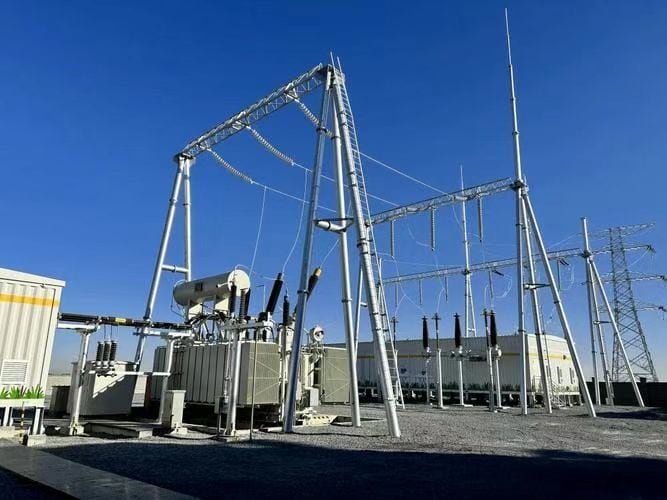
Power transformers are designed for decades of reliable operation, but their longevity depends heavily on regular inspection and preventive maintenance. Without routine inspections, minor issues such as oil leaks, insulation degradation, overheating, or loose connections can develop into costly failures, unexpected outages, and expensive repairs. Because transformer failures often have significant operational and financial consequences, establishing an appropriate inspection schedule is essential for maintaining system reliability and extending equipment life.
Power transformers should be inspected at different intervals depending on their size, operating conditions, and criticality. Routine visual inspections are typically performed weekly or monthly, operational inspections every three to six months, comprehensive preventive maintenance annually, transformer oil testing every one to three years, and major condition assessments every five to ten years. High-load or mission-critical transformers may require more frequent monitoring and continuous online condition assessment.
An effective inspection program combines routine visual checks with periodic electrical testing and condition monitoring. By detecting potential problems early, operators can reduce maintenance costs, improve reliability, and significantly extend the service life of their power transformers.
How Often Should Power Transformers Be Inspected?
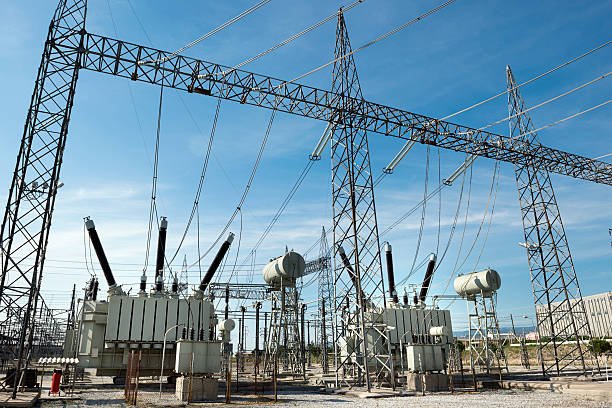
Power transformers are among the most valuable assets in an electrical power system, and their reliability directly affects the continuity of power supply. Although modern transformers are designed for decades of service, they are continuously exposed to electrical, thermal, mechanical, and environmental stresses that gradually age insulation and other critical components. Without regular inspections, small issues such as oil leaks, moisture ingress, overheating, or deteriorating insulation can develop into major failures that result in costly repairs, extended outages, or even catastrophic transformer damage. A structured inspection and maintenance program is therefore essential to maximize transformer reliability, safety, and service life.
Power transformers should be inspected at intervals based on their criticality, operating conditions, age, and maintenance strategy. Routine visual inspections are typically performed weekly or monthly, operational inspections every three to six months, comprehensive preventive maintenance annually, and advanced diagnostic testing every three to five years or as recommended by the manufacturer and applicable standards. Critical transformers may require continuous online monitoring and more frequent inspections.
Power transformers only need to be inspected when a fault occurs.False
Waiting until a fault occurs significantly increases the risk of unexpected failures and costly downtime. Routine inspections and condition monitoring help identify developing problems before they become serious, extending transformer service life and improving system reliability.
Why are regular transformer inspections important?
Power transformers operate continuously under varying electrical and environmental conditions.
Over time, normal operation can lead to:
- Insulation aging
- Oil degradation
- Thermal stress
- Mechanical vibration
- Moisture contamination
- Component wear
Regular inspections allow maintenance teams to detect these issues early, reducing the likelihood of unexpected failures and extending equipment life.
Benefits of routine inspections
| Benefit | Operational Impact |
|---|---|
| Early fault detection | Prevents major failures |
| Improved reliability | Reduces unexpected outages |
| Lower maintenance costs | Enables planned repairs |
| Longer service life | Slows insulation aging |
| Enhanced safety | Reduces operational risks |
How often should visual inspections be performed?
Visual inspections are the first line of preventive maintenance and generally require no shutdown.
Typical inspection frequency:
- Critical utility transformers: Weekly or biweekly
- Industrial transformers: Monthly
- Commercial transformers: Monthly or quarterly
- Remote renewable energy sites: Monthly or supported by remote monitoring
During a visual inspection, technicians typically check for:
- Oil leaks
- Corrosion
- Damaged bushings
- Unusual noise or vibration
- Cooling fan operation
- Radiator condition
- Oil level
- Signs of overheating
- Alarm indications
These inspections can identify many developing issues before they affect transformer performance.
What should be checked during routine operational inspections?
Operational inspections evaluate the transformer's condition while it remains in service.
Typical inspection intervals range from every three to six months, depending on operating conditions.
Common checks include:
- Load current
- Voltage levels
- Winding temperature
- Oil temperature
- Cooling system performance
- Tap changer operation
- Protective relay status
- Pressure relief device condition
Trending these operating parameters over time helps identify gradual deterioration.
Typical operational inspection checklist
| Inspection Item | Purpose |
|---|---|
| Oil level | Verify adequate insulation and cooling |
| Oil temperature | Detect overload or cooling issues |
| Load current | Monitor operating conditions |
| Bushings | Identify cracks or contamination |
| Cooling equipment | Ensure effective heat dissipation |
| Protection devices | Confirm proper operation |
When should preventive maintenance be performed?
A comprehensive preventive maintenance inspection is commonly scheduled once every 12 months, although critical installations may require shorter intervals.
Annual maintenance may include:
- Internal and external cleaning
- Torque checks on electrical connections
- Cooling system inspection
- Tap changer maintenance
- Oil sampling
- Functional testing of protection devices
- Calibration of monitoring equipment
This planned maintenance helps ensure that all major transformer systems continue operating within their design specifications.
How often should transformer oil be tested?
Transformer insulating oil provides both electrical insulation and cooling, making its condition essential to transformer reliability.
Oil testing frequency depends on transformer importance and operating conditions.
Typical guidelines are:
| Transformer Type | Recommended Oil Testing Interval |
|---|---|
| Critical transmission transformer | Every 6–12 months |
| Distribution transformer | Every 1–2 years |
| Industrial transformer | Annually |
| New transformer after commissioning | Within the first year |
Common oil tests include:
- Dissolved Gas Analysis (DGA)
- Moisture content
- Dielectric breakdown voltage
- Acidity (neutralization number)
- Interfacial tension
- Furan analysis (for paper insulation aging)
These tests provide valuable insight into both oil condition and internal transformer health.
How frequently should dissolved gas analysis (DGA) be performed?
DGA is one of the most effective predictive maintenance tools for oil-filled transformers.
It detects gases generated by:
- Electrical discharges
- Overheating
- Insulation deterioration
- Arcing
Typical testing frequency:
- Critical grid transformers: Every 3–6 months
- Important industrial transformers: Every 6–12 months
- Standard distribution transformers: Annually or as required
Many modern substations also use continuous online DGA monitoring for high-value transformers.
When is infrared thermography recommended?
Infrared thermal inspections help identify abnormal heating caused by:
- Loose electrical connections
- Overloaded components
- Cooling system failures
- High contact resistance
Thermographic inspections are often performed:
- Annually
- Before peak load seasons
- After major maintenance
- Whenever abnormal operating conditions are suspected
Because the transformer remains energized during testing, thermal imaging is an effective non-invasive diagnostic tool.
Diagnostic inspection methods
| Diagnostic Method | Typical Interval |
|---|---|
| Infrared thermography | Annual |
| Dissolved Gas Analysis | 6–12 months |
| Oil quality testing | 1–2 years |
| Electrical testing | 3–5 years |
| Comprehensive condition assessment | 5 years or as required |
How does transformer age affect inspection frequency?
Older transformers generally require more frequent monitoring because insulation naturally degrades over time.
Typical maintenance strategy:
| Transformer Age | Suggested Inspection Approach |
|---|---|
| 0–10 years | Routine preventive maintenance |
| 10–20 years | Increased diagnostic testing |
| Over 20 years | More frequent inspections and condition assessments |
| Over 30 years | Risk-based maintenance and life-extension evaluations |
Age alone does not determine condition, but it should influence maintenance planning.
Why is condition-based maintenance becoming more common?
Rather than relying solely on fixed inspection intervals, many operators now use condition-based maintenance (CBM).
CBM combines data from:
- Online temperature monitoring
- Moisture sensors
- Dissolved gas monitors
- Partial discharge monitoring
- Load monitoring
- Intelligent control systems
Maintenance is then scheduled based on the transformer's actual condition instead of elapsed time.
This approach offers several advantages:
- Earlier fault detection
- Reduced unnecessary maintenance
- Improved asset utilization
- Lower lifecycle costs
How do inspection requirements differ by application?
Different industries operate transformers under different conditions, affecting inspection frequency.
Typical inspection priorities by industry
| Industry | Inspection Focus |
|---|---|
| Electric utilities | Continuous monitoring, DGA, thermal performance |
| Manufacturing | Load changes, cooling systems, tap changers |
| Renewable energy | Environmental exposure, oil condition, remote monitoring |
| Data centers | Maximum reliability, redundant systems, online monitoring |
| Mining | Dust contamination, vibration, cooling performance |
| Commercial buildings | Safety systems, electrical connections, temperature monitoring |
Critical applications generally justify more frequent inspections and advanced diagnostic techniques.
Which international standards support transformer maintenance?
Inspection and maintenance programs should align with recognized international standards and manufacturer recommendations.
Common guidance is provided by the:
- International Electrotechnical Commission
- Institute of Electrical and Electronics Engineers
These organizations publish recommendations covering:
- Inspection procedures
- Oil testing
- Diagnostic methods
- Acceptance criteria
- Condition assessment
- Preventive maintenance practices
Following these guidelines helps ensure consistent maintenance practices and supports long-term transformer reliability.
What Should Be Checked During Routine Power Transformer Inspections?

Routine power transformer inspections are one of the most effective ways to prevent unexpected failures and extend equipment service life. Although power transformers are designed to operate reliably for 30 to 50 years or more, continuous exposure to electrical loading, thermal cycling, environmental conditions, and aging can gradually degrade critical components. Small problems such as oil leaks, loose connections, abnormal temperatures, or deteriorating insulation often develop long before a major failure occurs. Regular inspections allow maintenance personnel to identify these warning signs early, enabling corrective action before they result in costly outages or equipment damage.
Routine power transformer inspections should include checks of transformer oil, bushings, cooling systems, tap changers, electrical connections, protective devices, temperatures, load conditions, grounding, and the general physical condition of the transformer. Combining visual inspections with diagnostic testing and condition monitoring helps detect developing faults early, improve reliability, and reduce lifecycle maintenance costs.
If a power transformer appears to be operating normally, routine inspections are unnecessary.False
Many transformer faults develop gradually without obvious external symptoms. Routine inspections and condition monitoring can detect problems such as insulation deterioration, oil contamination, overheating, and loose connections before they lead to failures.
Why are routine inspections essential?
Power transformers operate continuously under electrical, thermal, and mechanical stress.
Routine inspections help identify:
- Early insulation deterioration
- Cooling system problems
- Oil contamination
- Component wear
- Electrical overheating
- Mechanical damage
Detecting these issues before they become serious reduces the likelihood of unplanned outages and extends transformer service life.
Benefits of routine inspections
| Inspection Benefit | Operational Advantage |
|---|---|
| Early fault detection | Prevents major failures |
| Improved reliability | Reduces unplanned outages |
| Better maintenance planning | Lowers repair costs |
| Longer service life | Slows equipment aging |
| Increased safety | Reduces operational risk |
What should be checked during a visual inspection?
Visual inspections are typically the first step in any maintenance program and can often be performed while the transformer remains energized.
Inspectors should look for:
- Oil leaks around gaskets, valves, radiators, and pipe connections
- Corrosion on the tank or structural components
- Paint deterioration
- Physical damage
- Loose hardware
- Signs of overheating or discoloration
- Excessive vibration
- Unusual noises
Even minor abnormalities may indicate developing mechanical or electrical issues that require further investigation.
Why is transformer oil inspection important?
Transformer oil provides both electrical insulation and cooling.
Its condition has a direct impact on transformer reliability.
Routine checks should include:
- Oil level
- Oil color and clarity
- Evidence of contamination
- Signs of leakage
- Moisture indicators (where fitted)
Laboratory testing is also recommended periodically for:
- Dissolved Gas Analysis (DGA)
- Moisture content
- Dielectric breakdown voltage
- Acidity
- Interfacial tension
- Furan compounds (paper insulation aging)
Oil analysis provides valuable information about the transformer's internal condition without requiring disassembly.
Transformer oil inspection checklist
| Inspection Item | Purpose |
|---|---|
| Oil level | Verify adequate insulation and cooling |
| Oil leaks | Prevent insulation loss |
| Oil color | Identify contamination or aging |
| DGA | Detect internal faults |
| Moisture content | Assess insulation health |
What should be checked on bushings?
Bushings provide insulated electrical connections between the transformer windings and external power system.
Routine inspections should verify:
- Cracks or chips in porcelain or composite insulation
- Dirt or pollution buildup
- Oil leakage (for oil-filled bushings)
- Flashover marks
- Loose electrical connections
- Abnormal heating
Damaged or contaminated bushings are a common cause of transformer failures if not addressed promptly.
How should the cooling system be inspected?
Transformer temperature has a major influence on insulation aging.
Routine inspections should confirm that all cooling components operate correctly.
Items to inspect include:
- Radiators
- Cooling fans
- Oil pumps
- Heat exchangers
- Air passages
- Cooling control circuits
Any obstruction or equipment malfunction may reduce cooling efficiency and increase operating temperature.
Cooling system inspection items
| Component | Inspection Focus |
|---|---|
| Radiators | Cleanliness and leaks |
| Cooling fans | Proper operation |
| Oil pumps | Flow and vibration |
| Heat exchangers | Fouling and leakage |
| Temperature sensors | Accurate readings |
Why should tap changers be inspected?
Tap changers regulate transformer output voltage and experience frequent mechanical and electrical operation, especially in transformers equipped with on-load tap changers (OLTCs).
Routine inspections should include:
- Tap position verification
- Contact wear
- Drive mechanism condition
- Oil condition (for separate OLTC compartments)
- Motor operation
- Control circuitry
Proper tap changer maintenance helps ensure stable voltage regulation and prevents operational failures.
What electrical measurements should be monitored?
Routine operational inspections should include recording key electrical parameters such as:
- Primary voltage
- Secondary voltage
- Load current
- Load balance
- Power factor (where applicable)
- Frequency
genui{"physics_electricity_magnetism_learning_block_staging":{"type_id":"IDEAL_TRANSFORMER","locale_override":"en"}}
Trending these values over time helps identify abnormal operating conditions before they become serious problems.
Why are temperature measurements important?
Temperature is one of the best indicators of transformer health.
Routine monitoring should include:
- Top oil temperature
- Winding temperature
- Ambient temperature
- Cooling system operation
Unexpected temperature increases may indicate:
- Overloading
- Cooling system malfunction
- Internal faults
- Poor electrical connections
Infrared thermography is often used to detect localized hot spots without interrupting transformer operation.
Temperature monitoring checklist
| Measurement | Purpose |
|---|---|
| Top oil temperature | Monitor cooling performance |
| Winding temperature | Protect insulation |
| Infrared inspection | Detect hot spots |
| Ambient temperature | Evaluate operating conditions |
What protective devices should be inspected?
Protective devices safeguard the transformer against abnormal operating conditions.
Routine inspections should verify the condition and operation of:
- Pressure relief devices
- Oil level gauges
- Temperature indicators
- Gas-operated relays
- Sudden pressure relays
- Cooling control systems
- Alarm circuits
- Trip circuits
These devices should be tested periodically to ensure they function correctly during fault conditions.
Why should grounding and electrical connections be checked?
Loose or corroded electrical connections can create excessive resistance, leading to overheating and energy losses.
Inspectors should examine:
- Grounding conductors
- Neutral grounding connections
- Terminal connections
- Busbar joints
- Cable terminations
Proper grounding also ensures that protection systems operate correctly during electrical faults.
How do operating conditions influence inspection priorities?
Inspection requirements vary depending on the transformer's application.
Typical inspection priorities by industry
| Industry | Primary Inspection Focus |
|---|---|
| Electric utilities | Oil condition, cooling, online monitoring |
| Manufacturing | Load changes, tap changers, connections |
| Renewable energy | Environmental exposure, surge protection |
| Data centers | Redundancy, temperature, power quality |
| Mining | Dust contamination, vibration, cooling |
| Commercial buildings | Safety devices, bushings, electrical connections |
Critical transformers often justify more frequent inspections and advanced condition-monitoring systems.
Which diagnostic tests complement routine inspections?
Visual inspections should be supplemented with diagnostic testing to provide a more complete assessment of transformer health.
Common tests include:
- Dissolved Gas Analysis (DGA)
- Insulation resistance testing
- Winding resistance measurement
- Transformer turns ratio (TTR) testing
- Sweep Frequency Response Analysis (SFRA)
- Power factor (tan delta) testing
- Infrared thermography
- Partial discharge monitoring
These techniques help detect internal problems that cannot be observed externally.
What standards guide transformer inspection practices?
Routine inspections and maintenance should follow internationally recognized standards and the manufacturer's recommendations.
Key guidance is provided by the:
- International Electrotechnical Commission
- Institute of Electrical and Electronics Engineers
These standards provide recommendations for:
- Inspection procedures
- Oil testing
- Condition assessment
- Electrical testing
- Maintenance intervals
- Diagnostic techniques
Following these guidelines helps ensure safe operation and consistent long-term performance.
Which Tests Are Recommended During Annual Transformer Maintenance?
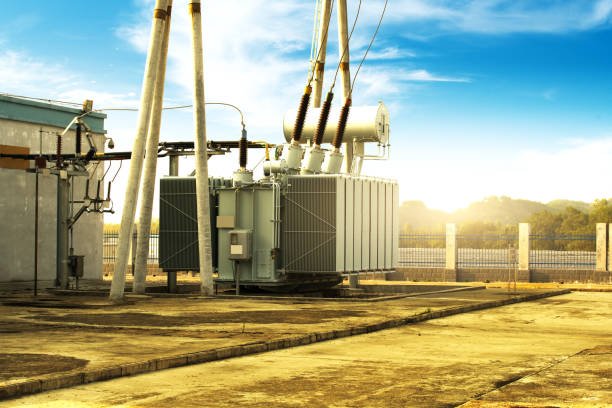
Annual transformer maintenance is essential for ensuring reliable operation, preventing unexpected failures, and extending the service life of power transformers. Although transformers are designed to operate continuously for decades, their insulation system, cooling components, electrical connections, and mechanical parts gradually deteriorate due to thermal stress, electrical loading, environmental conditions, and natural aging. Without periodic testing, hidden defects such as insulation degradation, winding deformation, moisture contamination, or internal overheating may remain undetected until they develop into costly failures. A comprehensive annual testing program enables maintenance teams to identify these issues early, schedule repairs efficiently, and maintain safe, stable operation.
Annual transformer maintenance should include a combination of electrical, mechanical, thermal, and oil diagnostic tests. The most commonly recommended tests are visual inspection, transformer oil analysis, Dissolved Gas Analysis (DGA), insulation resistance testing, winding resistance measurement, transformer turns ratio (TTR) testing, power factor (tan delta) testing, infrared thermography, cooling system inspection, tap changer inspection, grounding verification, and protection device functional testing. Together, these tests provide a comprehensive assessment of transformer condition and help prevent unplanned outages.
Annual transformer maintenance only requires checking the oil level and cleaning the transformer exterior.False
A complete annual maintenance program includes diagnostic testing of insulation, windings, transformer oil, cooling equipment, tap changers, protective devices, and electrical performance to identify developing faults before they lead to equipment failure.
Why is annual transformer testing important?
Power transformers experience continuous electrical, thermal, and mechanical stress throughout their operating life.
Annual maintenance testing helps detect:
- Insulation aging
- Moisture contamination
- Electrical overheating
- Winding deterioration
- Cooling system problems
- Loose electrical connections
- Mechanical wear
- Internal faults
Early detection reduces maintenance costs while significantly improving transformer reliability and operational safety.
| Benefit | Operational Value |
|---|---|
| Early fault detection | Prevents catastrophic failures |
| Improved reliability | Reduces unexpected outages |
| Lower repair costs | Enables planned maintenance |
| Longer transformer life | Slows insulation aging |
| Better operational safety | Reduces electrical hazards |
1. Visual Inspection
A detailed visual inspection is the foundation of every annual maintenance program.
Maintenance personnel should examine:
- Transformer tank condition
- Oil leaks
- Corrosion
- Paint deterioration
- Bushings
- Radiators
- Cooling fans
- Oil pumps
- Conservator tank
- Breather condition
- Pressure relief device
- Cable terminations
- Ground connections
- Nameplates
- Warning indicators
Visible abnormalities often indicate developing internal problems.
2. Transformer Oil Analysis
Transformer oil serves as both the primary insulating medium and cooling medium.
Annual oil testing typically includes:
- Dielectric breakdown voltage
- Moisture content
- Acidity (Neutralization Number)
- Interfacial tension
- Color and appearance
- Particle contamination
These tests determine whether the oil continues to provide adequate insulation and cooling performance.
| Oil Test | Purpose |
|---|---|
| Breakdown voltage | Evaluate dielectric strength |
| Moisture content | Assess insulation condition |
| Acidity | Detect oil aging |
| Interfacial tension | Monitor oxidation |
| Visual inspection | Identify contamination |
3. Dissolved Gas Analysis (DGA)
DGA is one of the most valuable predictive maintenance tools for oil-filled transformers.
It measures gases generated by:
- Partial discharge
- Electrical arcing
- Thermal overheating
- Cellulose insulation decomposition
Typical gases analyzed include:
- Hydrogen
- Methane
- Ethane
- Ethylene
- Acetylene
- Carbon monoxide
- Carbon dioxide
Gas trends help maintenance engineers identify developing faults before they become critical.
4. Insulation Resistance Test
The insulation resistance test evaluates the condition of transformer insulation.
This test can reveal:
- Moisture ingress
- Surface contamination
- Insulation deterioration
- Internal insulation damage
Comparing annual test results with historical values allows engineers to monitor insulation aging over time.
5. Winding Resistance Measurement
Winding resistance testing verifies the integrity of transformer windings and electrical connections.
The test helps identify:
- Loose connections
- Broken conductors
- Poor tap changer contacts
- Uneven winding resistance
Stable resistance values indicate healthy winding condition.
| Measurement | Detects |
|---|---|
| Winding resistance | Loose or damaged conductors |
| Phase comparison | Uneven winding condition |
| Trend analysis | Progressive deterioration |
6. Transformer Turns Ratio (TTR) Test
The TTR test confirms that the transformer winding ratio matches its design specification.
This test detects:
- Shorted turns
- Incorrect tap positions
- Winding damage
- Manufacturing defects
- Mechanical movement after fault events
Routine TTR testing verifies correct voltage transformation performance.
7. Power Factor (Tan Delta) Test
Power factor testing evaluates insulation quality by measuring dielectric losses.
Increasing dielectric loss may indicate:
- Moisture contamination
- Oil deterioration
- Aging insulation
- Internal contamination
Trending annual results provides valuable information about insulation health.
8. Infrared Thermography
Infrared thermal imaging detects abnormal heating while the transformer remains energized.
Thermography identifies:
- Loose electrical connections
- Hot spots
- Cooling system problems
- Overloaded components
- High-resistance joints
Because it is non-contact and non-destructive, infrared inspection is widely used during annual maintenance.
| Thermal Finding | Possible Cause |
|---|---|
| Hot bushing | Loose connection |
| Hot radiator | Restricted oil circulation |
| Uneven temperatures | Cooling malfunction |
| Hot terminal | High contact resistance |
9. Cooling System Inspection
Proper cooling directly affects transformer insulation life.
Annual inspection should verify:
- Radiator cleanliness
- Cooling fan operation
- Oil pump performance
- Heat exchanger condition
- Temperature controller operation
- Cooling control circuits
Any reduction in cooling efficiency accelerates insulation aging.
10. Tap Changer Inspection
Tap changers experience both electrical and mechanical wear.
Maintenance should include:
- Tap position verification
- Contact wear inspection
- Drive mechanism lubrication
- Motor operation testing
- Control circuit verification
- Oil inspection for on-load tap changers
Reliable tap changer operation is essential for maintaining stable output voltage.
11. Protection Device Testing
Protective devices safeguard the transformer during abnormal operating conditions.
Annual testing should include:
- Pressure relief devices
- Sudden pressure relays
- Oil level indicators
- Temperature indicators
- Alarm circuits
- Trip circuits
- Cooling system controls
Functional testing confirms that protective systems respond correctly during faults.
12. Grounding System Inspection
Proper grounding protects both equipment and personnel.
Maintenance personnel should verify:
- Ground conductor continuity
- Connection tightness
- Corrosion
- Neutral grounding equipment
- Ground resistance where applicable
Reliable grounding also ensures correct operation of protection systems.
| Grounding Check | Purpose |
|---|---|
| Ground continuity | Ensure fault current path |
| Connection condition | Prevent overheating |
| Corrosion inspection | Maintain reliability |
| Neutral grounding | Verify protection performance |
13. Bushing Inspection and Testing
Bushings should be inspected for:
- Cracks
- Oil leakage
- Surface contamination
- Flashover marks
- Mechanical damage
Where appropriate, electrical testing such as capacitance and power factor measurements can provide additional information about bushing condition.
14. Functional Verification of Monitoring Systems
Modern transformers often include intelligent monitoring equipment.
Annual verification should confirm proper operation of:
- Oil temperature sensors
- Winding temperature indicators
- Moisture sensors
- Online DGA monitors
- Load monitoring systems
- Remote communication equipment
Accurate monitoring supports effective condition-based maintenance.
Recommended Annual Maintenance Test Summary
| Test | Primary Purpose |
|---|---|
| Visual inspection | Detect external defects |
| Oil analysis | Evaluate insulation oil condition |
| Dissolved Gas Analysis | Detect internal electrical and thermal faults |
| Insulation resistance | Assess insulation integrity |
| Winding resistance | Verify winding condition |
| Transformer Turns Ratio | Confirm voltage ratio accuracy |
| Power factor (Tan Delta) | Evaluate insulation aging |
| Infrared thermography | Identify overheating |
| Cooling system inspection | Verify cooling performance |
| Tap changer inspection | Maintain voltage regulation |
| Protection device testing | Ensure safe operation |
| Grounding inspection | Verify electrical safety |
| Bushing inspection | Assess external insulation condition |
| Monitoring system verification | Confirm sensor and alarm accuracy |
Which Standards Guide Annual Transformer Testing?
Annual transformer maintenance should follow recognized international standards and manufacturer recommendations.
The most widely adopted standards are published by the:
- International Electrotechnical Commission
- Institute of Electrical and Electronics Engineers
These standards provide guidance on:
- Diagnostic testing
- Oil analysis
- Electrical measurements
- Maintenance procedures
- Acceptance criteria
- Condition assessment
Following these recommendations helps ensure consistent maintenance practices and supports long-term transformer reliability.
How Does Transformer Condition Monitoring Help Reduce Inspection Frequency?
Power transformers are critical assets that require regular inspection to maintain reliability, but traditional time-based maintenance programs can result in unnecessary inspections, increased labor costs, and avoidable service interruptions. At the same time, reducing inspections without accurate information can increase the risk of unexpected failures. Transformer condition monitoring provides a solution by continuously collecting and analyzing real-time operating data, allowing maintenance teams to understand the actual health condition of the transformer rather than relying only on fixed inspection schedules. By identifying early signs of deterioration, condition monitoring enables a shift from periodic maintenance to condition-based maintenance, reducing unnecessary inspections while maintaining or improving transformer reliability.
Transformer condition monitoring reduces inspection frequency by continuously tracking key operating parameters such as temperature, dissolved gases, oil condition, moisture levels, partial discharge activity, load conditions, and vibration. By detecting abnormal trends early, monitoring systems allow maintenance teams to perform inspections only when needed, replacing frequent manual checks with targeted condition-based maintenance while reducing downtime and maintenance costs.
Condition monitoring completely eliminates the need for physical transformer inspections.False
Condition monitoring reduces unnecessary inspections but does not replace all physical inspections. Visual checks, testing, and scheduled maintenance remain necessary to verify equipment condition and comply with maintenance requirements.
Why is traditional transformer inspection frequency difficult to optimize?
Traditional transformer maintenance often follows fixed schedules, such as monthly inspections, annual testing, or periodic shutdown maintenance.
Although time-based maintenance is simple to manage, it has several limitations:
- It does not always reflect actual transformer condition.
- Healthy transformers may be inspected more often than necessary.
- Developing faults may occur between scheduled inspections.
- Maintenance resources may be allocated inefficiently.
A transformer operating in a stable environment with low loading may require less frequent inspection than a transformer exposed to high temperatures, heavy loading, or frequent electrical disturbances.
Condition monitoring solves this problem by providing continuous information about actual equipment health.
| Maintenance Approach | Main Characteristic | Limitation |
|---|---|---|
| Time-based maintenance | Fixed inspection intervals | May cause unnecessary inspections |
| Reactive maintenance | Repair after failure | High downtime risk |
| Condition-based maintenance | Maintenance based on actual condition | Requires monitoring systems |
What is transformer condition monitoring?
Transformer condition monitoring is a technology-based maintenance approach that uses sensors, diagnostic equipment, and data analysis systems to evaluate transformer health in real time.
Modern monitoring systems can measure:
- Oil temperature
- Winding temperature
- Load current
- Voltage conditions
- Dissolved gases
- Moisture content
- Partial discharge
- Cooling system performance
- Vibration levels
The collected information is analyzed to identify abnormal trends before they develop into major failures.
How does online monitoring reduce manual inspections?
Without monitoring systems, maintenance personnel must frequently visit transformer sites to manually check operating conditions.
Online monitoring reduces this requirement by providing continuous remote information.
For example:
A transformer without monitoring may require:
- Monthly visual inspections
- Regular oil sampling
- Manual temperature checks
- Frequent site visits
A transformer with advanced monitoring may allow:
- Remote condition assessment
- Automatic alarms
- Trend analysis
- Targeted maintenance visits
This approach allows technicians to focus attention on transformers showing signs of deterioration.
Which parameters are monitored to reduce inspection frequency?
Different monitoring technologies provide information about specific transformer components.
| Monitoring Parameter | Detects Potential Problems |
|---|---|
| Oil temperature | Overloading and cooling problems |
| Winding temperature | Insulation overheating |
| Dissolved gases | Internal electrical faults |
| Moisture level | Insulation degradation |
| Partial discharge | Insulation defects |
| Vibration | Mechanical problems |
| Load data | Thermal stress |
By continuously tracking these parameters, maintenance teams can identify when inspection is actually necessary.
How does Dissolved Gas Analysis reduce unnecessary inspections?
Dissolved Gas Analysis (DGA) is one of the most widely used condition monitoring methods for oil-filled transformers.
Transformer faults generate gases due to:
- Overheating
- Partial discharge
- Arcing
- Insulation decomposition
By analyzing gas concentrations and trends, engineers can determine whether the transformer is operating normally or requires further investigation.
Examples:
| DGA Result | Maintenance Action |
|---|---|
| Stable gas levels | Continue normal monitoring |
| Slow gas increase | Schedule detailed inspection |
| Rapid gas increase | Immediate investigation required |
Instead of performing frequent internal inspections, operators can use DGA trends to determine the appropriate maintenance timing.
How does temperature monitoring improve maintenance planning?
Temperature is one of the most important indicators of transformer stress.
High operating temperatures accelerate insulation aging and reduce transformer life expectancy.
Continuous temperature monitoring helps identify:
- Cooling system failures
- Overloading conditions
- Abnormal heat generation
- Excessive thermal stress
If temperature remains within normal limits over a long period, inspection intervals may be extended with greater confidence.
How does partial discharge monitoring reduce inspection frequency?
Partial discharge is a small electrical discharge that occurs within insulation systems.
Although it may not immediately cause failure, continuous partial discharge activity can gradually damage insulation.
Online partial discharge monitoring can detect:
- Insulation defects
- Voids in solid insulation
- Electrical stress areas
- Aging-related problems
Early detection allows maintenance teams to investigate specific issues rather than performing unnecessary general inspections.
How does condition monitoring support predictive maintenance?
Condition monitoring enables predictive maintenance by identifying trends before failures occur.
Instead of asking:
"Has the transformer reached its inspection date?"
Maintenance teams can ask:
"Does the transformer condition indicate that inspection is required?"
This approach improves decision-making through:
- Data analysis
- Historical comparisons
- Fault prediction
- Risk evaluation
What maintenance activities can be reduced through monitoring?
Condition monitoring can reduce the frequency of several maintenance activities.
| Activity | Traditional Approach | Condition-Based Approach |
|---|---|---|
| Visual site visits | Fixed schedule | Based on alarms and trends |
| Oil testing | Regular intervals | Increased when abnormal trends appear |
| Temperature checks | Manual readings | Continuous monitoring |
| Fault investigation | After failure signs | Early detection |
| Emergency maintenance | Reactive | Preventive |
How does condition monitoring reduce operating costs?
Frequent inspections involve:
- Labor expenses
- Travel costs
- Equipment shutdowns
- Production interruptions
Condition monitoring reduces these costs by allowing maintenance teams to:
- Prioritize critical transformers
- Avoid unnecessary inspections
- Plan repairs during convenient periods
- Reduce emergency failures
For large transformer fleets, these savings can be significant.
Which transformers benefit most from condition monitoring?
Condition monitoring is especially valuable for high-value or critical transformers.
Common applications include:
| Application | Why Monitoring Is Important |
|---|---|
| Utility substations | Prevent widespread outages |
| Power plants | Protect critical generation equipment |
| Data centers | Maintain continuous operation |
| Industrial facilities | Avoid production losses |
| Renewable energy plants | Manage remote assets |
| Mining operations | Monitor harsh environments |
How does monitoring affect transformer service life?
Transformer insulation aging is strongly influenced by operating temperature, moisture, and electrical stress.
By identifying unfavorable conditions early, condition monitoring helps operators:
- Prevent excessive thermal aging
- Control loading conditions
- Maintain insulation quality
- Reduce mechanical stress
As a result, transformers can often achieve longer operational lifetimes.
What are the limitations of transformer condition monitoring?
Although condition monitoring provides significant benefits, it does not replace all maintenance activities.
Limitations include:
- Initial equipment investment
- Need for skilled data interpretation
- Sensor maintenance requirements
- Requirement for periodic verification testing
The best approach combines monitoring technology with scheduled inspections and manufacturer recommendations.
Recommended condition monitoring strategy
| Transformer Importance | Recommended Monitoring Level |
|---|---|
| Small distribution transformer | Periodic inspections with basic monitoring |
| Industrial transformer | Temperature and oil monitoring |
| Critical utility transformer | Online DGA and advanced diagnostics |
| Data center transformer | Continuous monitoring and alarms |
| Renewable energy transformer | Remote monitoring systems |
Which standards support transformer condition monitoring?
Transformer monitoring and maintenance practices are guided by international standards and industry recommendations.
Important standards are published by:
- International Electrotechnical Commission
- Institute of Electrical and Electronics Engineers
These standards provide guidance for:
- Transformer diagnostics
- Oil analysis
- Condition assessment
- Maintenance planning
- Monitoring system application
Following recognized standards helps ensure reliable and consistent transformer management.
What Factors Determine How Often a Power Transformer Should Be Inspected?
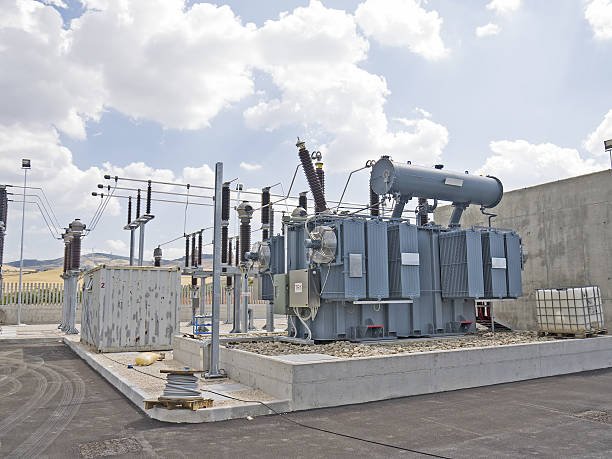
Power transformers are designed for decades of reliable operation, but no single inspection schedule is suitable for every installation. A transformer operating under light loads in a clean indoor environment may require less frequent inspections than a heavily loaded transformer exposed to harsh weather, contamination, or frequent switching operations. Determining the appropriate inspection frequency requires evaluating the transformer's operating conditions, criticality, age, maintenance history, and overall condition. A risk-based inspection strategy helps balance reliability, maintenance costs, and asset availability while reducing the likelihood of unexpected failures.
The inspection frequency of a power transformer depends on several factors, including transformer age, operating load, environmental conditions, installation location, criticality, maintenance history, oil condition, diagnostic test results, condition monitoring systems, and manufacturer recommendations. High-risk or mission-critical transformers generally require more frequent inspections than transformers operating under stable, low-stress conditions.
All power transformers should follow the same inspection schedule regardless of their operating conditions.False
Inspection intervals should be based on transformer condition, operating environment, loading, criticality, and maintenance history. A risk-based approach improves reliability while avoiding unnecessary maintenance.
Why is inspection frequency not the same for every transformer?
Every transformer operates under unique electrical and environmental conditions.
Factors such as loading, ambient temperature, pollution, humidity, switching frequency, and system importance directly influence the rate of component aging.
As a result, maintenance schedules should reflect the actual operating risk rather than relying on a single fixed interval.
| Inspection Strategy | Suitable For |
|---|---|
| Fixed time-based | Stable operating conditions |
| Risk-based | Critical installations |
| Condition-based | Transformers with online monitoring |
| Predictive maintenance | Large transformer fleets |
1. Transformer Criticality
One of the most important considerations is how critical the transformer is to the electrical system.
A transformer supplying a major utility substation, hospital, data center, or manufacturing plant has a much greater impact on operations than a transformer serving a small auxiliary load.
Critical transformers often require:
- More frequent visual inspections
- Continuous condition monitoring
- Regular diagnostic testing
- Detailed maintenance records
| Transformer Importance | Typical Inspection Priority |
|---|---|
| Utility transmission | Very high |
| Data centers | Very high |
| Industrial production | High |
| Renewable energy substations | High |
| Commercial buildings | Moderate |
| Small distribution transformers | Standard |
2. Transformer Age
As transformers age, insulation gradually deteriorates due to thermal, electrical, and mechanical stress.
Older transformers may experience:
- Reduced insulation strength
- Higher moisture content
- Increased oil degradation
- Mechanical wear
- Higher probability of internal faults
Typical maintenance approaches include:
- New transformers: Routine preventive inspections
- Mid-life transformers: Increased diagnostic testing
- Aging transformers: More frequent inspections and condition assessments
3. Operating Load
Transformer loading has a direct effect on operating temperature and insulation aging.
Heavily loaded transformers generally require closer monitoring because elevated temperatures accelerate insulation degradation.
Maintenance personnel should evaluate:
- Average load
- Peak load
- Overload events
- Daily load fluctuations
Transformers operating consistently near their rated capacity usually require shorter inspection intervals.
4. Environmental Conditions
The installation environment significantly influences maintenance requirements.
Harsh environmental conditions may accelerate deterioration.
Examples include:
- Coastal salt exposure
- Industrial pollution
- High humidity
- Dust accumulation
- Extreme temperatures
- Heavy rainfall
- Snow and ice
Outdoor transformers in severe environments generally require more frequent inspections than indoor installations.
| Environment | Inspection Requirement |
|---|---|
| Clean indoor | Lower frequency |
| Urban outdoor | Moderate frequency |
| Coastal | Higher frequency |
| Mining | Higher frequency |
| Chemical plants | Higher frequency |
| Desert | Increased inspection for dust contamination |
5. Transformer Oil Condition
Transformer oil serves as both an insulating and cooling medium.
Its condition provides valuable information about transformer health.
Routine oil analysis evaluates:
- Moisture content
- Dielectric strength
- Acidity
- Oxidation
- Contamination
Poor oil condition often indicates that additional inspections or maintenance are required.
6. Dissolved Gas Analysis (DGA) Results
Dissolved Gas Analysis is one of the most important diagnostic tools for oil-filled transformers.
Increasing concentrations of fault gases may indicate:
- Partial discharge
- Overheating
- Arcing
- Paper insulation deterioration
Stable gas trends may allow inspection intervals to remain unchanged, while rapidly increasing gas levels typically require immediate investigation.
| DGA Trend | Recommended Action |
|---|---|
| Stable | Continue routine monitoring |
| Slowly increasing | Increase observation |
| Rapid increase | Immediate inspection |
7. Condition Monitoring Systems
Modern transformers often include online monitoring systems that continuously measure:
- Oil temperature
- Winding temperature
- Moisture
- Dissolved gases
- Load current
- Partial discharge
Continuous monitoring allows maintenance teams to move from time-based inspections to condition-based maintenance.
Healthy transformers with stable operating data may require fewer routine site visits.
8. Maintenance History
Previous inspection and maintenance records provide valuable information for planning future inspections.
Maintenance teams should review:
- Previous failures
- Oil test history
- Temperature trends
- Repair records
- Protection system operations
- Loading history
Transformers with recurring problems may require increased inspection frequency.
9. Cooling System Performance
Cooling efficiency directly affects transformer life.
Maintenance personnel should monitor:
- Cooling fans
- Oil pumps
- Radiators
- Heat exchangers
- Temperature indicators
Any reduction in cooling performance may require additional inspections to prevent overheating.
| Cooling Condition | Inspection Priority |
|---|---|
| Normal operation | Standard schedule |
| Reduced cooling | Increased inspections |
| Cooling failure | Immediate maintenance |
10. Operating Temperature
High operating temperatures accelerate insulation aging.
Maintenance teams should review:
- Top oil temperature
- Winding temperature
- Ambient temperature
- Seasonal loading patterns
Transformers operating at elevated temperatures typically require closer attention.
11. Installation Location
Location also affects maintenance planning.
Examples include:
- Remote substations
- Offshore installations
- Underground facilities
- Mountain regions
- Urban substations
Remote locations often benefit from online monitoring because frequent manual inspections may be impractical.
12. Electrical Disturbances
Frequent electrical disturbances increase mechanical and thermal stress on transformers.
Events include:
- Short circuits
- Lightning strikes
- Switching surges
- Fault currents
- Repeated overloads
After significant system events, additional inspections may be necessary even if the routine inspection schedule has not been reached.
13. Manufacturer Recommendations
Transformer manufacturers provide maintenance guidance based on:
- Design characteristics
- Cooling method
- Insulation system
- Rated capacity
- Operating environment
These recommendations should always be considered when developing inspection schedules.
14. Regulatory and Industry Standards
Inspection programs should comply with internationally recognized standards and utility maintenance practices.
Important guidance is published by:
- International Electrotechnical Commission
- Institute of Electrical and Electronics Engineers
These standards provide recommendations for:
- Inspection intervals
- Oil testing
- Diagnostic testing
- Condition assessment
- Preventive maintenance
- Asset management
Following these standards helps maintain reliability, safety, and regulatory compliance.
Example Risk-Based Inspection Matrix
| Risk Factor | Low Risk | Medium Risk | High Risk |
|---|---|---|---|
| Transformer age | Less than 10 years | 10–25 years | More than 25 years |
| Loading | Light | Moderate | Heavy |
| Environment | Clean indoor | Outdoor | Severe industrial or coastal |
| Oil condition | Excellent | Minor aging | Significant deterioration |
| DGA results | Stable | Slight increase | Rapid gas growth |
| Monitoring system | Continuous online | Partial monitoring | No monitoring |
| Inspection frequency | Lower | Moderate | Higher |
How Can Regular Inspections Extend the Service Life of a Power Transformer?
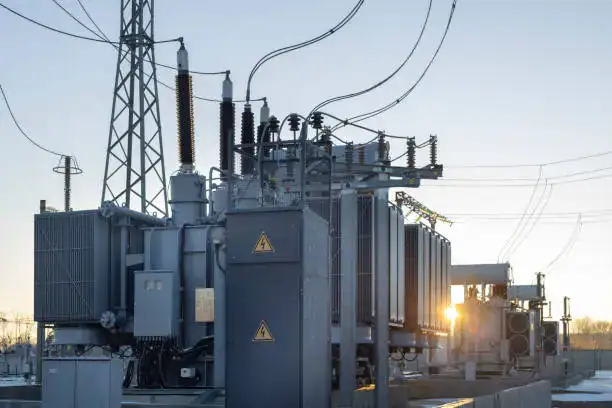
Power transformers are designed to provide reliable operation for several decades, but their service life is strongly influenced by how effectively they are maintained throughout their operating period. Continuous electrical loading, temperature fluctuations, moisture exposure, insulation aging, and mechanical stress gradually affect transformer components and can reduce reliability if problems remain undetected. A minor issue such as degraded oil quality, a loose connection, reduced cooling performance, or early insulation deterioration can eventually develop into a major failure requiring expensive repairs or replacement. Regular inspections provide a proactive approach by identifying developing problems early, allowing corrective actions before permanent damage occurs and helping transformers achieve their expected service life.
Regular inspections extend the service life of a power transformer by detecting early signs of deterioration, maintaining insulation quality, preventing overheating, verifying cooling performance, monitoring oil condition, checking electrical connections, and ensuring protective systems operate correctly. Through preventive maintenance and condition-based monitoring, inspections reduce failure risks, improve reliability, and help transformers operate safely for a longer period.
Regular transformer inspections only prevent sudden failures but do not affect transformer lifespan.False
Regular inspections identify and correct conditions that accelerate aging, such as overheating, moisture contamination, insulation deterioration, and oil degradation, which directly influence transformer service life.
Why do power transformers require regular inspections?
A power transformer contains multiple systems that must work together to maintain reliable performance.
The main components affected by aging include:
- Core and windings
- Insulation system
- Transformer oil
- Bushings
- Tap changers
- Cooling equipment
- Protective devices
- Electrical connections
Unlike simple electrical equipment, transformer failures often develop gradually over months or years. Regular inspections allow maintenance teams to identify these gradual changes and prevent them from becoming critical problems.
| Inspection Benefit | Impact on Transformer Life |
|---|---|
| Early fault detection | Prevents major damage |
| Oil condition monitoring | Protects insulation system |
| Temperature monitoring | Reduces thermal aging |
| Connection inspection | Prevents overheating |
| Cooling system maintenance | Controls operating temperature |
| Protection testing | Limits fault damage |
How do inspections protect transformer insulation?
The insulation system is one of the most important factors determining transformer lifespan.
Transformer insulation consists mainly of:
- Oil insulation
- Paper insulation
- Solid insulation materials
Insulation naturally ages due to:
- High temperature
- Electrical stress
- Moisture
- Oxygen exposure
- Contamination
Once insulation becomes severely degraded, transformer failure risk increases significantly.
Regular inspections help protect insulation by monitoring:
- Oil dielectric strength
- Moisture levels
- Dissolved gases
- Temperature trends
- Insulation resistance
By identifying insulation deterioration early, maintenance teams can take corrective action before insulation failure occurs.
How does temperature monitoring extend transformer life?
Temperature is one of the strongest indicators of transformer aging.
High operating temperatures accelerate the degradation of cellulose insulation and reduce transformer lifespan.
Regular inspections help verify:
- Top oil temperature
- Winding temperature
- Cooling system performance
- Load conditions
- Thermal alarms
When abnormal temperature increases are detected, operators can investigate causes such as:
- Transformer overload
- Cooling fan failure
- Blocked radiators
- Reduced oil circulation
Correcting these problems prevents accelerated aging and improves long-term reliability.
How does transformer oil inspection improve service life?
Transformer oil performs two essential functions:
- Electrical insulation
- Heat transfer and cooling
Over time, transformer oil can deteriorate due to:
- Oxidation
- Moisture absorption
- Contamination
- Thermal stress
Regular oil inspections and laboratory testing help maintain oil performance.
Common oil tests include:
| Oil Test | Purpose |
|---|---|
| Dielectric breakdown voltage | Measures insulation strength |
| Moisture analysis | Detects water contamination |
| Acidity testing | Identifies oil aging |
| Dissolved Gas Analysis | Detects internal faults |
| Furan analysis | Evaluates paper insulation aging |
Maintaining good oil quality reduces insulation stress and slows transformer aging.
How does Dissolved Gas Analysis help prevent transformer damage?
Dissolved Gas Analysis (DGA) is one of the most valuable predictive maintenance methods for oil-filled transformers.
Internal transformer problems generate specific gases caused by:
- Partial discharge
- Overheating
- Arcing
- Insulation breakdown
By analyzing gas concentration and trends, engineers can detect developing faults before severe damage occurs.
| DGA Finding | Possible Condition | Recommended Action |
|---|---|---|
| Stable gas levels | Normal operation | Continue monitoring |
| Increasing hydrogen | Possible discharge | Investigate |
| Increasing acetylene | Possible arcing | Immediate assessment |
| Increasing ethylene | Thermal fault | Check overheating |
Early detection allows repairs before major internal damage develops.
How do inspections prevent overheating problems?
Overheating is one of the most common causes of accelerated transformer aging.
Regular inspections evaluate:
- Radiator condition
- Cooling fans
- Oil pumps
- Heat exchangers
- Temperature sensors
Cooling problems can cause:
- Higher winding temperatures
- Insulation deterioration
- Reduced efficiency
- Shortened service life
Maintaining proper cooling performance is therefore essential for protecting the transformer.
How do electrical connection inspections extend transformer life?
Loose electrical connections create increased resistance, which generates heat.
Common problem areas include:
- Bushings
- Cable terminals
- Bus connections
- Tap changer contacts
- Grounding connections
Regular inspections can identify:
- Loose bolts
- Corrosion
- Discoloration
- Thermal hotspots
Infrared thermography is often used to detect abnormal heating without shutting down the transformer.
How does tap changer maintenance improve reliability?
Tap changers regulate transformer output voltage and experience mechanical movement and electrical stress.
Without proper maintenance, tap changers may develop:
- Contact wear
- Carbon deposits
- Mechanical failures
- Poor voltage regulation
Regular inspections verify:
- Tap position accuracy
- Contact condition
- Operating mechanism
- Control system performance
Proper tap changer maintenance reduces electrical stress on connected equipment and improves transformer reliability.
How do protection system inspections prevent major failures?
Transformers rely on protective devices to limit damage during abnormal conditions.
Important protection systems include:
- Buchholz relay
- Pressure relief device
- Temperature protection
- Overcurrent protection
- Differential protection
- Alarm systems
Routine testing ensures these devices respond correctly during:
- Internal faults
- Overheating events
- Short circuits
- Abnormal pressure conditions
A properly functioning protection system can significantly reduce the severity of transformer failures.
How does regular inspection reduce unexpected downtime?
Unexpected transformer failures can result in:
- Power outages
- Production interruptions
- Expensive emergency repairs
- Equipment replacement costs
Regular inspections allow operators to move from reactive maintenance to preventive maintenance.
| Maintenance Approach | Result |
|---|---|
| Reactive maintenance | Repair after failure |
| Preventive maintenance | Repair before failure |
| Predictive maintenance | Repair based on condition data |
Predictive maintenance provides the best balance between reliability and cost because maintenance activities are performed according to actual transformer condition.
How does condition monitoring support longer transformer life?
Modern transformers increasingly use online monitoring systems that continuously collect operating data.
Monitoring systems can measure:
- Oil temperature
- Moisture
- Dissolved gases
- Load conditions
- Partial discharge
- Vibration
These systems allow operators to identify abnormal trends early and adjust maintenance schedules accordingly.
Condition monitoring helps:
- Reduce unnecessary inspections
- Detect hidden problems
- Improve maintenance planning
- Extend transformer operating life
How often should transformers be inspected to maximize lifespan?
Inspection frequency depends on:
- Transformer age
- Load level
- Environmental conditions
- Transformer importance
- Historical performance
- Monitoring capabilities
Typical maintenance practices include:
| Inspection Type | Typical Frequency |
|---|---|
| Visual inspection | Monthly or quarterly |
| Operational checks | Every 3–6 months |
| Oil testing | Annually or based on condition |
| DGA testing | 6–12 months for critical units |
| Comprehensive testing | Every few years |
Critical transformers often require more frequent monitoring because their failure impact is higher.
Which transformers benefit most from regular inspections?
Regular inspections are especially important for:
| Application | Reason |
|---|---|
| Utility substations | Prevent widespread outages |
| Power plants | Protect generation reliability |
| Data centers | Maintain continuous operation |
| Manufacturing plants | Avoid production losses |
| Renewable energy facilities | Monitor remote assets |
| Mining operations | Handle harsh conditions |
The higher the operational impact of failure, the more important a comprehensive inspection program becomes.
Which standards guide transformer inspection and maintenance?
Transformer maintenance programs should follow recognized international standards and manufacturer recommendations.
Important guidance is provided by:
- International Electrotechnical Commission
- Institute of Electrical and Electronics Engineers
These organizations provide recommendations for:
- Transformer testing
- Oil analysis
- Condition assessment
- Maintenance procedures
- Reliability management
Following recognized standards helps operators maintain transformer safety and performance throughout the equipment lifecycle.
Conclusion
Regular inspections are one of the most effective ways to maximize the reliability and lifespan of a power transformer. While routine visual inspections help identify obvious issues such as leaks, abnormal temperatures, or damaged components, periodic testing of transformer oil, insulation, electrical performance, and protective devices provides deeper insight into the transformer's overall condition. The ideal inspection frequency depends on factors including transformer age, operating environment, loading conditions, and system criticality. By implementing a structured maintenance program and using condition-based monitoring where appropriate, operators can detect problems early, minimize unplanned outages, reduce lifecycle costs, and ensure dependable power system performance for many years.
FAQ
Q1: How often should power transformers be inspected?
The inspection frequency for power transformers depends on factors such as transformer size, voltage class, operating environment, loading conditions, and criticality to the electrical system. While manufacturers and utilities may have different maintenance programs, a preventive maintenance schedule generally includes routine visual inspections, periodic testing, and comprehensive condition assessments.
A typical inspection schedule is:
Inspection Type Typical Frequency
Visual inspection Daily to monthly
Operational inspection Monthly to quarterly
Oil sampling and laboratory testing Every 6–12 months
Electrical testing Every 1–5 years
Comprehensive condition assessment Every 5–10 years
Continuous online monitoring (critical transformers) 24/7
Condition-based maintenance is increasingly replacing fixed schedules by using real-time monitoring to determine inspection needs.
Q2: What should be checked during routine visual inspections?
Routine inspections help identify early signs of potential problems before they develop into major failures.
Common inspection items include:
Oil level indicators
Oil leaks
Radiators and cooling fans
Bushings for cracks or contamination
Breather condition and silica gel color
Temperature indicators
Unusual noise or vibration
Corrosion or paint damage
Grounding connections
Signs of overheating or discoloration
These inspections usually require minimal downtime and can often be performed while the transformer remains in service.
Q3: How often should transformer oil be tested?
For oil-immersed transformers, insulating oil should be tested regularly to evaluate its condition and detect developing faults.
Typical testing intervals are:
Every 6–12 months for normal operating transformers
Every 3–6 months for heavily loaded or critical transformers
Immediately after significant faults or abnormal operating events
Common oil tests include:
Dissolved Gas Analysis (DGA)
Dielectric breakdown voltage
Moisture content
Acidity (neutralization number)
Interfacial tension
Color and visual inspection
These tests provide valuable insight into the health of both the oil and the internal insulation system.
Q4: What electrical tests should be performed periodically?
Electrical testing verifies the transformer's condition and confirms that it continues to meet design specifications.
Common tests include:
Insulation resistance test
Transformer turns ratio (TTR) test
Winding resistance measurement
Power factor (tan δ) test
Sweep Frequency Response Analysis (SFRA)
Excitation current measurement
Short-circuit impedance verification
Partial discharge testing (where applicable)
The recommended testing interval depends on the transformer's age, loading, and criticality.
Q5: How does online condition monitoring improve transformer maintenance?
Modern power transformers often include online monitoring systems that continuously track operating conditions without requiring shutdowns.
Typical monitoring parameters include:
Oil temperature
Winding hot-spot temperature
Dissolved Gas Analysis (online DGA)
Moisture in oil
Bushing condition
Partial discharge activity
Load current
Cooling system performance
Continuous monitoring enables predictive maintenance by detecting abnormal trends before they result in failures.
Q6: Which factors determine inspection frequency?
Inspection intervals should be adjusted based on several operational factors, including:
Transformer age
Voltage rating
Load profile
Ambient temperature
Environmental conditions (dust, humidity, coastal or industrial pollution)
Historical maintenance records
Results of previous inspections
Criticality of the transformer to the electrical system
Older or heavily loaded transformers generally require more frequent inspections than newer units operating under normal conditions.
Q7: What are the benefits of regular transformer inspections?
Routine inspections and preventive maintenance offer several advantages:
Early detection of developing faults
Reduced risk of unexpected outages
Extended transformer service life
Improved operational reliability
Lower maintenance costs
Enhanced personnel safety
Better asset management
Increased energy efficiency
A proactive maintenance program helps utilities and industrial operators avoid costly emergency repairs and unplanned downtime.
Q8: What maintenance strategy is recommended for modern power transformers?
The most effective maintenance strategy combines scheduled inspections with condition-based maintenance (CBM).
Best practices include:
Performing regular visual inspections
Following manufacturer-recommended maintenance schedules
Conducting periodic oil and electrical testing
Using online monitoring systems for critical assets
Trending historical test data
Responding promptly to abnormal conditions
Maintaining detailed inspection and maintenance records
This integrated approach maximizes transformer reliability, optimizes maintenance costs, and supports long-term asset performance.
References
IEC 60076 – Power Transformers
https://webstore.iec.ch/publication/602
IEC 60422 – Mineral Insulating Oils in Electrical Equipment: Supervision and Maintenance Guide
https://webstore.iec.ch
IEEE C57.152 – Guide for Diagnostic Field Testing of Fluid-Filled Power Transformers
https://standards.ieee.org
IEEE C57.106 – Guide for Acceptance and Maintenance of Insulating Mineral Oil
https://standards.ieee.org
Electrical Engineering Portal – Power Transformer Inspection and Maintenance Guide
https://electrical-engineering-portal.com