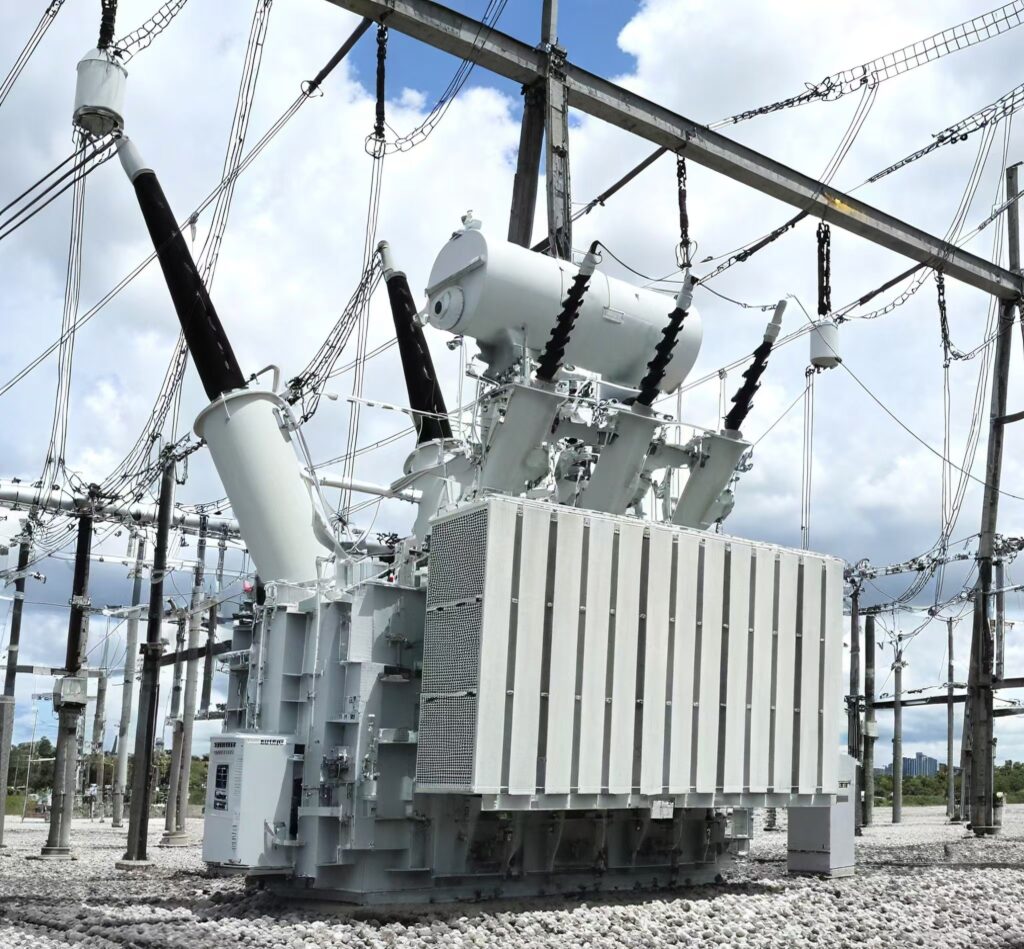
Power transformers are critical assets that support reliable electricity transmission and distribution, but their long-term performance depends heavily on proper inspection and maintenance. Without regular monitoring, issues such as insulation deterioration, oil contamination, overheating, loose connections, and abnormal vibration can develop into serious failures, unexpected outages, and costly repairs. Establishing effective routine inspection and maintenance procedures allows operators to identify potential problems early, extend transformer service life, and maintain safe and efficient operation.
Routine inspection and maintenance procedures for power transformers include visual inspections, oil level and quality checks, temperature monitoring, leak detection, bushing inspections, cooling system checks, electrical testing, insulation condition assessments, protection system verification, and periodic transformer oil analysis. Regular maintenance schedules based on operating conditions, transformer age, loading levels, and manufacturer recommendations help prevent failures and maximize transformer reliability.
A comprehensive maintenance program combines simple daily observations with advanced diagnostic testing to evaluate transformer condition. By following structured inspection procedures, utilities and industrial users can reduce downtime, improve asset management, and ensure stable power system performance.
What Are Routine Inspection and Maintenance Procedures for Power Transformers?

Power transformers are critical assets in electrical systems, and unexpected failures can cause expensive downtime, equipment damage, and safety risks. Because transformers often operate continuously for decades under electrical, thermal, and mechanical stress, regular inspection and maintenance are essential to identify early signs of deterioration before they develop into major failures. Problems such as insulation aging, oil degradation, overheating, loose connections, winding damage, and cooling system faults can often be detected through proper maintenance practices.
Routine inspection and maintenance procedures for power transformers include visual inspections, oil quality testing, temperature and load monitoring, bushing inspections, cooling system checks, electrical testing, protection system verification, and periodic condition assessments. A structured maintenance program helps detect early defects, extend transformer service life, improve reliability, and reduce unexpected failures and repair costs.
Regular inspection and preventive maintenance can extend the service life of power transformers by identifying developing problems before they cause major equipment failures.True
Condition monitoring and scheduled maintenance allow operators to correct issues before transformer performance is significantly affected.
Power transformers are complex systems consisting of cores, windings, insulation materials, transformer oil, cooling equipment, bushings, tap changers, and protection devices. Each component requires specific inspection methods to ensure safe and reliable operation. A professional maintenance strategy combines routine checks, predictive testing, and condition-based maintenance to maximize transformer availability.
Why Is Routine Transformer Inspection Important?
Routine inspection allows operators to understand transformer condition and identify abnormal changes.
The main goals include:
| Maintenance Goal | Benefit |
|---|---|
| Detect early defects | Prevent major failures |
| Monitor aging processes | Extend service life |
| Maintain efficiency | Reduce energy losses |
| Verify protection systems | Improve safety |
| Plan repairs | Reduce downtime |
Without regular maintenance, small problems may develop into:
| Developing Issue | Possible Result |
|---|---|
| Oil contamination | Reduced insulation strength |
| Overheating | Accelerated aging |
| Loose connections | Local heating and failure |
| Insulation deterioration | Internal breakdown |
| Cooling problems | Excessive temperature rise |
What Are the Main Types of Power Transformer Maintenance?
Power transformer maintenance is usually divided into three categories:
| Maintenance Type | Description |
|---|---|
| Routine maintenance | Regular visual and operational checks |
| Preventive maintenance | Scheduled testing and servicing |
| Predictive maintenance | Condition-based monitoring using data analysis |
A modern transformer maintenance program combines all three approaches.
What Visual Inspections Should Be Performed on Power Transformers?
Visual inspection is the simplest and most frequent maintenance activity.
Operators should check:
| Inspection Item | What to Observe |
|---|---|
| Transformer tank | Oil leakage, corrosion, damage |
| Radiators | Blockage or deformation |
| Bushings | Cracks, contamination, oil leakage |
| Conservator tank | Oil level condition |
| Connections | Loose or overheated joints |
| Grounding system | Proper connection |
| External components | Physical damage |
During inspection, operators should record:
- Abnormal sounds
- Unusual smells
- Oil stains
- Temperature changes
- Signs of overheating
Visual inspections are an important part of transformer maintenance because many external problems can be identified before they develop into serious internal failures.True
Physical inspection helps detect leakage, overheating, contamination, and mechanical damage at an early stage.
How Often Should Power Transformers Be Inspected?
Inspection frequency depends on transformer size, application, environment, and operating conditions.
A typical schedule may include:
| Inspection Frequency | Typical Activities |
|---|---|
| Daily or weekly | Operating condition monitoring |
| Monthly | Visual inspection |
| Quarterly | Detailed equipment checks |
| Annually | Preventive maintenance testing |
| Several years | Comprehensive condition assessment |
Critical transformers in utilities, hospitals, factories, and data centers may require more frequent monitoring.
How Should Transformer Oil Be Inspected and Tested?
Oil is a key component of oil-immersed transformers because it provides insulation and cooling.
Oil maintenance includes:
| Oil Test | Purpose |
|---|---|
| Breakdown voltage test | Measures dielectric strength |
| Moisture analysis | Detects water contamination |
| Acidity test | Evaluates oil aging |
| Dissolved gas analysis (DGA) | Detects internal faults |
| Oil color inspection | Identifies degradation |
Why Is Dissolved Gas Analysis Important?
Dissolved gas analysis (DGA) is one of the most valuable predictive maintenance methods.
It detects gases generated by abnormal transformer conditions.
Common gases include:
| Gas | Possible Indication |
|---|---|
| Hydrogen | Partial discharge |
| Methane | Low-temperature overheating |
| Ethylene | High-temperature overheating |
| Acetylene | Electrical arcing |
| Carbon monoxide | Paper insulation degradation |
DGA helps identify problems before visible damage occurs.
What Transformer Temperature Monitoring Procedures Are Required?
Temperature monitoring is essential because excessive heat accelerates insulation aging.
Important monitoring points include:
| Temperature Parameter | Purpose |
|---|---|
| Top oil temperature | Indicates cooling performance |
| Winding temperature | Evaluates thermal stress |
| Ambient temperature | Supports load analysis |
| Hot spot temperature | Estimates insulation aging |
Operators should compare actual temperatures with design limits.
How Should Transformer Load Be Monitored?
Transformer loading affects temperature, efficiency, and lifespan.
Monitoring should include:
| Load Parameter | Purpose |
|---|---|
| Current level | Prevent overload |
| Load variation | Analyze operating patterns |
| Peak demand | Evaluate stress |
| Phase balance | Prevent uneven heating |
Long-term overload can accelerate:
- Insulation aging
- Oil deterioration
- Winding stress
How Are Transformer Windings Inspected?
Windings are critical components that require periodic evaluation.
Inspection methods include:
| Test Method | Purpose |
|---|---|
| Winding resistance test | Detect connection problems |
| Frequency response analysis (FRA) | Identify winding deformation |
| Insulation resistance test | Evaluate insulation condition |
| Power factor test | Assess insulation quality |
These tests help identify:
- Short circuits
- Mechanical movement
- Insulation deterioration
What Maintenance Is Required for Transformer Bushings?
Bushings provide electrical connections between transformer windings and external circuits.
Maintenance should include:
| Bushing Check | Purpose |
|---|---|
| Visual inspection | Detect cracks or contamination |
| Oil level check | Verify insulation condition |
| Capacitance test | Detect insulation deterioration |
| Power factor test | Evaluate dielectric condition |
Damaged bushings can create serious electrical hazards.
How Should Cooling Systems Be Maintained?
Cooling systems control transformer operating temperature.
Maintenance activities include:
| Cooling Component | Maintenance Task |
|---|---|
| Radiators | Clean and inspect |
| Fans | Check operation |
| Pumps | Verify oil circulation |
| Valves | Confirm proper position |
| Temperature controls | Test functionality |
Poor cooling performance can cause excessive temperature rise.
What Maintenance Is Required for Transformer Tap Changers?
Tap changers regulate transformer output voltage.
Maintenance includes:
| Tap Changer Type | Maintenance Requirement |
|---|---|
| On-load tap changer (OLTC) | Contact inspection and oil testing |
| Off-circuit tap changer | Mechanical inspection |
Problems may include:
- Contact wear
- Oil contamination
- Mechanical failure
How Should Transformer Protection Systems Be Checked?
Protection systems help prevent catastrophic damage.
Important checks include:
| Protection Device | Maintenance Activity |
|---|---|
| Buchholz relay | Functional testing |
| Temperature relay | Calibration check |
| Pressure relief device | Inspection |
| Overcurrent protection | Relay testing |
| Alarm system | Functional verification |
What Electrical Tests Are Used During Transformer Maintenance?
Periodic electrical testing provides information about internal condition.
Common tests include:
| Electrical Test | Purpose |
|---|---|
| Insulation resistance test | Evaluate insulation condition |
| Turns ratio test | Verify winding ratio |
| Power factor test | Assess insulation losses |
| Partial discharge test | Detect insulation defects |
| Short-circuit impedance test | Identify winding problems |
How Does Preventive Maintenance Improve Transformer Reliability?
Preventive maintenance reduces failure probability through early intervention.
Benefits include:
| Preventive Action | Reliability Improvement |
|---|---|
| Oil treatment | Maintains insulation quality |
| Connection tightening | Prevents overheating |
| Cooling maintenance | Controls temperature |
| Testing | Detects hidden defects |
| Cleaning | Reduces contamination |
What Maintenance Records Should Be Maintained?
Accurate records support long-term transformer management.
Important records include:
| Record Type | Purpose |
|---|---|
| Inspection reports | Track condition changes |
| Test results | Analyze trends |
| Oil analysis history | Monitor aging |
| Repair records | Understand previous issues |
| Operating data | Support decisions |
Trend analysis is often more valuable than individual test results.
How Can Condition Monitoring Improve Transformer Maintenance?
Modern transformers increasingly use online monitoring systems.
Common monitoring technologies include:
| Technology | Function |
|---|---|
| Online DGA | Continuous gas monitoring |
| Temperature sensors | Thermal monitoring |
| Load monitoring | Operating analysis |
| Moisture sensors | Insulation monitoring |
| Vibration monitoring | Mechanical condition analysis |
These systems support predictive maintenance strategies.
What Are Warning Signs That a Transformer Needs Immediate Attention?
Operators should investigate:
| Warning Sign | Possible Cause |
|---|---|
| Sudden temperature increase | Cooling failure or overload |
| Oil leakage | Seal or tank problems |
| Abnormal noise | Mechanical or magnetic issues |
| Gas alarm | Internal fault |
| Increased losses | Core or winding problems |
| Protection trip | Electrical abnormality |
Immediate investigation can prevent major equipment damage.
How Can Buyers Establish a Transformer Maintenance Plan?
A practical maintenance plan should include:
| Step | Activity |
|---|---|
| 1 | Establish inspection schedules |
| 2 | Define testing requirements |
| 3 | Record operating data |
| 4 | Analyze condition trends |
| 5 | Perform preventive repairs |
| 6 | Update maintenance strategies |
Maintenance plans should be customized based on:
- Transformer age
- Load profile
- Environmental conditions
- Criticality of application
What Visual Inspections Should Be Performed on Power Transformers?
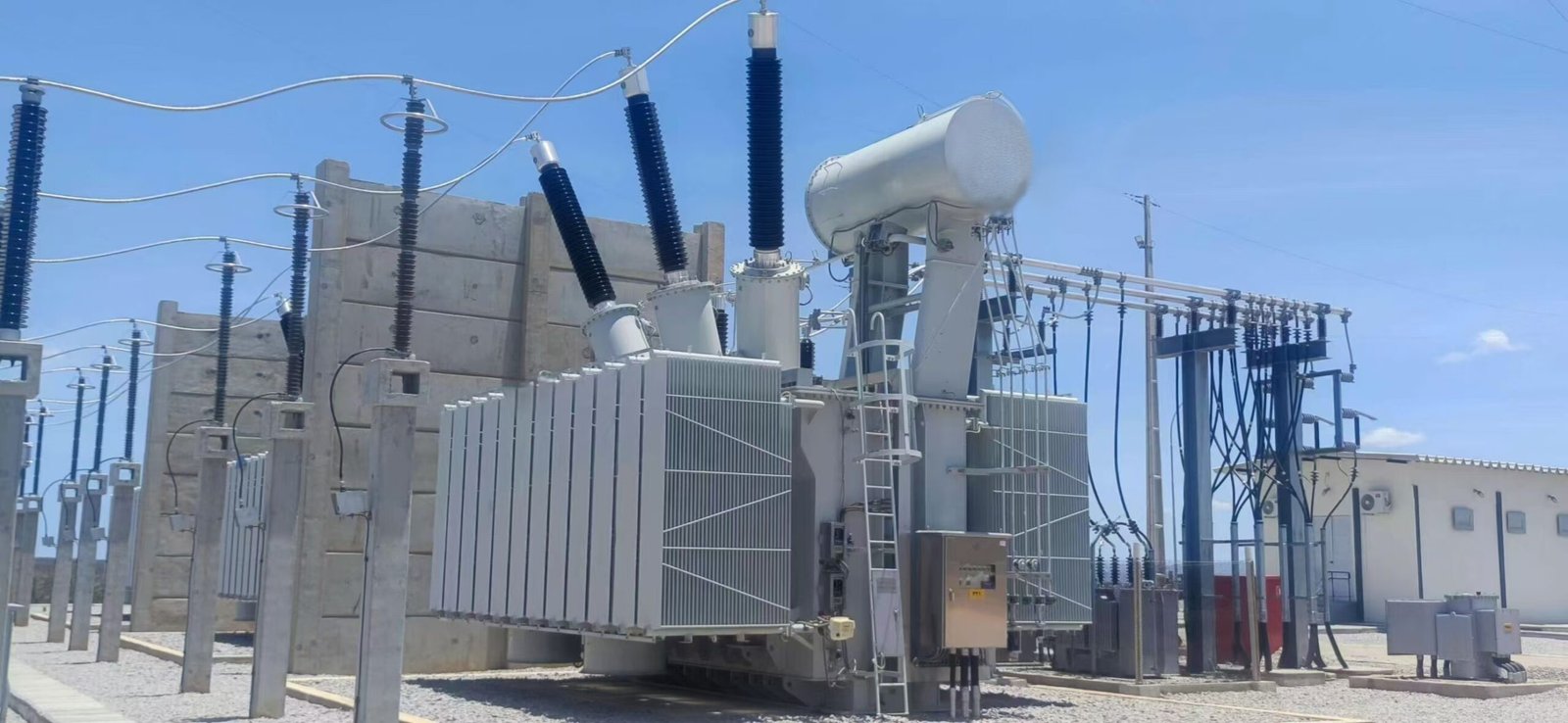
Power transformer visual inspections are one of the most important and cost-effective maintenance activities for identifying early signs of equipment deterioration. Although many transformer problems develop internally, external observations can reveal warning indicators such as oil leakage, overheating, corrosion, damaged bushings, abnormal sounds, loose connections, and cooling system problems before they become major failures. Regular visual inspections help operators maintain transformer reliability, reduce unexpected downtime, and extend equipment service life.
Visual inspections of power transformers should include checking the transformer tank, oil level, oil leakage, bushings, radiators, cooling equipment, external connections, grounding system, control panels, protection devices, and surrounding environment. A systematic visual inspection program helps detect abnormal conditions early and allows maintenance teams to correct problems before they lead to transformer failure.
Regular visual inspections can identify many external indicators of transformer problems before they develop into serious internal failures.True
External inspections allow operators to detect leakage, overheating, contamination, mechanical damage, and abnormal operating conditions at an early stage.
Power transformers operate continuously under electrical, thermal, and mechanical stress. Components such as insulation systems, oil systems, windings, bushings, and cooling equipment gradually age over time. A detailed visual inspection provides valuable information about transformer condition and supports preventive maintenance decisions.
Why Are Visual Inspections Important for Power Transformers?
Visual inspections provide the first indication of transformer health without requiring shutdown or complex testing equipment.
The main purposes include:
| Inspection Purpose | Maintenance Benefit |
|---|---|
| Detect physical damage | Prevent equipment deterioration |
| Identify oil leakage | Maintain insulation performance |
| Observe overheating signs | Prevent thermal failures |
| Check external components | Improve operating reliability |
| Monitor environmental conditions | Reduce corrosion and contamination |
Visual inspections are especially valuable because many problems create visible symptoms before causing internal damage.
How Often Should Power Transformers Receive Visual Inspections?
Inspection frequency depends on transformer importance, operating environment, and manufacturer recommendations.
A typical inspection schedule may include:
| Inspection Frequency | Recommended Activities |
|---|---|
| Daily or weekly | Basic operating condition checks |
| Monthly | External visual inspection |
| Quarterly | Detailed component inspection |
| Annually | Comprehensive maintenance inspection |
| After abnormal events | Immediate condition assessment |
Critical transformers in applications such as power plants, substations, hospitals, and data centers may require more frequent inspections.
What Should Be Checked on the Transformer Tank?
The transformer tank provides mechanical protection and contains the insulating oil.
During inspection, operators should check:
| Tank Inspection Item | What to Look For |
|---|---|
| Tank surface | Corrosion, cracks, deformation |
| Weld areas | Leakage or damage |
| Paint coating | Rust or coating failure |
| Pressure relief areas | Signs of operation |
| Sealing points | Oil leakage |
Common warning signs include:
- Oil stains around the tank
- Rust formation
- Bulging or deformation
- Damaged protective coating
Tank problems should be addressed quickly because they can affect oil containment and insulation reliability.
How Should Transformer Oil Level Be Visually Inspected?
Transformer oil provides both insulation and cooling functions.
Operators should inspect:
| Oil System Component | Inspection Focus |
|---|---|
| Oil level indicator | Correct oil level |
| Conservator tank | Oil expansion condition |
| Oil leakage points | Seal condition |
| Oil color | Possible degradation |
Abnormal oil conditions may indicate:
- Leakage
- Aging insulation
- Internal overheating
- Contamination
A sudden oil level decrease requires immediate investigation.
What Oil Leakage Signs Should Be Checked?
Oil leakage is one of the most common visible transformer problems.
Inspect areas including:
| Location | Possible Leakage Source |
|---|---|
| Tank joints | Sealing problems |
| Valve connections | Loose fittings |
| Radiator connections | Mechanical damage |
| Bushing seals | Insulation issues |
| Conservator system | Oil containment problems |
Oil leakage can lead to:
- Reduced insulation strength
- Environmental concerns
- Increased maintenance requirements
Transformer oil leakage should be investigated promptly because reduced oil levels can affect insulation and cooling performance.True
Oil-immersed transformers rely on sufficient oil volume for dielectric insulation and heat transfer.
How Should Transformer Bushings Be Inspected?
Bushings are critical components connecting transformer windings to external electrical circuits.
Visual inspection should include:
| Bushing Inspection | What to Check |
|---|---|
| Porcelain or composite surface | Cracks or damage |
| External contamination | Dirt or salt deposits |
| Oil level (oil-filled type) | Proper level |
| Sealing area | Leakage |
| Connection terminals | Overheating signs |
Warning signs include:
- Cracked porcelain
- Carbon tracking marks
- Discoloration
- Oil leakage
- Loose terminal connections
Damaged bushings can create serious insulation and safety risks.
What Signs of Overheating Should Be Observed?
Overheating is one of the most common causes of accelerated transformer aging.
Visual indicators include:
| Overheating Sign | Possible Cause |
|---|---|
| Discolored connections | High resistance joints |
| Burn marks | Local overheating |
| Damaged paint | Excessive temperature |
| Deformed components | Thermal stress |
| Abnormal smell | Insulation overheating |
Operators should pay particular attention to:
- Cable connections
- Bushings
- Tap changer areas
- Cooling equipment
How Should Transformer Radiators Be Inspected?
Radiators remove heat generated during transformer operation.
Inspection points include:
| Radiator Check | Purpose |
|---|---|
| External cleanliness | Maintain heat transfer |
| Oil leakage | Detect damage |
| Physical condition | Check deformation |
| Air passages | Ensure ventilation |
Blocked or damaged radiators can reduce cooling efficiency and increase transformer temperature.
What Cooling System Components Require Visual Inspection?
Cooling systems must operate correctly to prevent overheating.
Inspection should include:
| Component | Inspection Items |
|---|---|
| Cooling fans | Operation and damage |
| Oil pumps | Leakage and vibration |
| Valves | Correct position |
| Control devices | Proper operation |
| Filters | Cleanliness |
Problems with cooling systems may cause:
- Excessive temperature rise
- Reduced loading capability
- Accelerated insulation aging
How Should Transformer Connections Be Inspected?
External electrical connections should be checked regularly.
Inspect:
| Connection Area | What to Check |
|---|---|
| High-voltage terminals | Tightness and condition |
| Low-voltage terminals | Heating signs |
| Cable connections | Mechanical condition |
| Grounding connections | Secure attachment |
Visible warning signs include:
- Discoloration
- Corrosion
- Loose hardware
- Burn marks
Loose connections can create high-resistance heating and eventual failure.
What Should Be Checked on the Transformer Conservator System?
The conservator system manages oil expansion caused by temperature changes.
Inspection points include:
| Component | Inspection Focus |
|---|---|
| Oil level indicator | Correct operation |
| Breather | Condition and cleanliness |
| Silica gel | Moisture absorption status |
| Pipes | Leakage or blockage |
A damaged breather can allow moisture into the transformer oil system.
How Should Transformer Breathers Be Inspected?
Breathers protect transformer oil from moisture contamination.
Operators should check:
| Breather Condition | Meaning |
|---|---|
| Silica gel color change | Moisture absorption |
| Damaged housing | Reduced protection |
| Oil seal condition | Proper operation |
| Blockage | Air circulation problems |
Moisture contamination can significantly reduce insulation performance.
What Protection Devices Should Be Visually Checked?
Protection devices help detect abnormal operating conditions.
Visual inspection should include:
| Protection Device | Inspection Item |
|---|---|
| Buchholz relay | Leakage or damage |
| Pressure relief device | Condition indicator |
| Temperature indicators | Display condition |
| Control cabinet | Cleanliness and wiring |
Operators should verify that protective equipment is not damaged or blocked.
How Should the Transformer Control Cabinet Be Inspected?
Control cabinets contain important monitoring and protection components.
Check:
| Cabinet Item | Inspection Focus |
|---|---|
| Door seals | Protection from moisture |
| Wiring | Loose connections |
| Indicators | Proper operation |
| Heaters | Prevent condensation |
| Cleanliness | Avoid contamination |
A poorly maintained control cabinet may cause incorrect protection operation.
What Environmental Conditions Should Be Observed Around Transformers?
The surrounding environment can influence transformer reliability.
Inspect:
| Environmental Factor | Potential Problem |
|---|---|
| Dust accumulation | Reduced cooling |
| Salt contamination | Corrosion |
| Water accumulation | Insulation risk |
| Vegetation growth | Restricted ventilation |
| Animals | Equipment damage |
Transformers installed outdoors require special attention to environmental conditions.
Should Abnormal Sounds Be Included in Visual Inspections?
Although sound is not a visual factor, it is commonly included during routine transformer observation.
Operators should listen for:
| Sound Change | Possible Cause |
|---|---|
| Increased humming | Magnetic changes |
| Cracking sounds | Electrical discharge |
| Mechanical vibration | Loose components |
| Unusual noise patterns | Internal problems |
Changes from normal operating sound should be investigated.
What Inspection Records Should Be Maintained?
Documentation is essential for tracking transformer condition.
Inspection records should include:
| Record | Purpose |
|---|---|
| Inspection date | Track maintenance history |
| Observations | Identify changes |
| Photos | Compare physical condition |
| Corrective actions | Record repairs |
| Operator notes | Support analysis |
Trend analysis helps identify gradual deterioration.
What Tools Can Improve Transformer Visual Inspections?
Modern inspection methods can improve accuracy.
Useful tools include:
| Tool | Application |
|---|---|
| Thermal imaging camera | Detect overheating |
| Digital camera | Document conditions |
| Oil level monitoring devices | Track oil status |
| Drones | Inspect large transformers |
| Remote monitoring systems | Continuous observation |
Thermal imaging is especially useful for identifying abnormal temperature patterns.
What Are Warning Signs Requiring Immediate Action?
Certain visual findings require urgent investigation.
| Warning Sign | Possible Issue |
|---|---|
| Large oil leak | Tank or seal failure |
| Smoke or burning smell | Overheating |
| Cracked bushing | Insulation failure risk |
| Severe corrosion | Structural weakness |
| Abnormal vibration | Mechanical problems |
| Protection alarm | Internal fault possibility |
Ignoring these signs can lead to major transformer damage.
How Can Buyers Establish a Proper Visual Inspection Program?
A professional inspection program should include:
| Step | Action |
|---|---|
| 1 | Define inspection frequency |
| 2 | Create inspection checklists |
| 3 | Train operators |
| 4 | Record findings |
| 5 | Analyze trends |
| 6 | Schedule corrective maintenance |
A standardized checklist improves inspection consistency.
How Does Transformer Oil Testing Help Maintain Power Transformer Reliability?

Transformer oil plays a critical role in oil-immersed power transformers because it provides electrical insulation, transfers heat away from active components, and protects internal materials from degradation. Over time, transformer oil can deteriorate due to moisture, oxidation, overheating, electrical discharge, and contamination. If these conditions are not detected early, they may reduce insulation strength, accelerate aging, damage windings, and eventually lead to unexpected transformer failure. Regular transformer oil testing provides valuable information about internal transformer conditions and allows maintenance teams to identify developing problems before they become costly failures.
Transformer oil testing helps maintain power transformer reliability by evaluating insulation condition, detecting moisture and contamination, identifying overheating or electrical faults through dissolved gas analysis, monitoring oil aging, and supporting predictive maintenance decisions. Regular oil analysis enables operators to detect early problems, prevent failures, extend transformer service life, and maintain safe and efficient operation.
Transformer oil testing is an important predictive maintenance method because changes in oil properties can indicate developing transformer problems before physical damage occurs.True
Oil analysis can reveal insulation degradation, overheating, moisture contamination, and internal electrical faults at an early stage.
Power transformers are designed for long-term operation, often exceeding 30 years when properly maintained. Since transformer oil is in direct contact with internal components, its condition reflects the overall health of the transformer. A well-established oil testing program provides continuous insight into transformer condition and helps determine whether maintenance, oil treatment, or further diagnostic testing is required.
Why Is Transformer Oil Important for Power Transformer Reliability?
Transformer oil performs several essential functions inside oil-filled transformers.
| Transformer Oil Function | Importance |
|---|---|
| Electrical insulation | Prevents internal electrical breakdown |
| Heat transfer | Removes heat from windings and core |
| Arc suppression | Helps reduce damage from electrical discharge |
| Internal protection | Slows insulation deterioration |
The condition of transformer oil directly affects:
| Oil Condition | Transformer Impact |
|---|---|
| Clean and dry oil | Strong insulation performance |
| Moisture-contaminated oil | Reduced dielectric strength |
| Aged oil | Faster insulation degradation |
| Gas-contaminated oil | Possible internal fault indication |
Maintaining good oil quality is therefore essential for reliable transformer operation.
What Problems Can Transformer Oil Testing Detect?
Transformer oil testing can identify many developing issues before they cause major damage.
Common detectable problems include:
| Problem | Oil Test Indicator |
|---|---|
| Moisture contamination | Water content measurement |
| Insulation aging | Acidity and dielectric tests |
| Overheating | Dissolved gases |
| Electrical arcing | Acetylene generation |
| Partial discharge | Hydrogen concentration |
| Oil oxidation | Chemical analysis |
Transformer oil analysis can provide early warnings of internal transformer faults by detecting abnormal gases and chemical changes produced during equipment stress.True
Fault conditions inside transformers generate specific gases and oil degradation products that can be measured through laboratory analysis.
What Are the Main Types of Transformer Oil Tests?
A complete transformer oil testing program includes several different analysis methods.
| Oil Test | Main Purpose |
|---|---|
| Dielectric breakdown voltage test | Evaluate insulation strength |
| Dissolved gas analysis (DGA) | Detect internal faults |
| Moisture content test | Measure water contamination |
| Acidity test | Evaluate oil aging |
| Interfacial tension test | Assess oil degradation |
| Furan analysis | Monitor paper insulation aging |
| Oil quality inspection | Identify contamination |
Each test provides different information about transformer condition.
How Does Dissolved Gas Analysis (DGA) Improve Transformer Reliability?
Dissolved gas analysis is one of the most important transformer diagnostic methods.
During abnormal conditions, transformer oil and insulation materials generate gases. Measuring these gases helps identify possible internal problems.
Common gases include:
| Gas | Possible Cause |
|---|---|
| Hydrogen (H₂) | Partial discharge or electrical stress |
| Methane (CH₄) | Low-temperature overheating |
| Ethane (C₂H₆) | Thermal degradation |
| Ethylene (C₂H₄) | High-temperature overheating |
| Acetylene (C₂H₂) | Electrical arcing |
| Carbon monoxide (CO) | Paper insulation aging |
| Carbon dioxide (CO₂) | Insulation deterioration |
DGA can help detect:
- Insulation breakdown
- Loose connections
- Overheating windings
- Core faults
- Electrical discharge
How Does Moisture Testing Protect Transformer Insulation?
Moisture is one of the most damaging factors in transformer insulation systems.
Water contamination can:
| Moisture Effect | Result |
|---|---|
| Reduce oil dielectric strength | Higher breakdown risk |
| Accelerate paper aging | Shorter transformer life |
| Increase corrosion | Component damage |
| Promote gas formation | Fault indication |
Transformer oil testing measures moisture levels to determine whether drying or oil treatment is required.
Why Is Dielectric Breakdown Voltage Testing Important?
The dielectric breakdown voltage test evaluates the ability of transformer oil to withstand electrical stress.
The test helps determine:
| Test Result | Meaning |
|---|---|
| High breakdown voltage | Good insulation condition |
| Reduced breakdown voltage | Possible contamination |
| Significant reduction | Requires corrective action |
Low dielectric strength may result from:
- Water contamination
- Dust particles
- Oil degradation
- Poor handling practices
How Does Oil Acidity Testing Support Transformer Maintenance?
Transformer oil naturally oxidizes over time.
Oxidation produces acidic compounds that can damage transformer materials.
Acidity testing helps identify:
| Oil Condition | Maintenance Decision |
|---|---|
| Low acidity | Normal operation |
| Increased acidity | Monitor closely |
| High acidity | Oil regeneration or replacement |
High acidity may:
- Accelerate insulation aging
- Create sludge deposits
- Reduce cooling efficiency
How Does Furan Analysis Evaluate Transformer Insulation Aging?
The paper insulation system is one of the most important life-limiting components in a transformer.
Furan analysis measures compounds produced when cellulose insulation deteriorates.
It helps estimate:
| Furan Result | Indication |
|---|---|
| Low level | Healthy paper insulation |
| Increasing level | Aging insulation |
| High level | Advanced degradation |
This allows operators to estimate remaining transformer life.
How Does Oil Testing Help Detect Overheating Problems?
Excessive heat causes chemical changes in transformer oil.
Oil testing can reveal:
| Overheating Cause | Detection Method |
|---|---|
| Winding overload | DGA |
| Poor cooling | Gas analysis and temperature data |
| Loose connections | Gas generation patterns |
| Core problems | Abnormal gas levels |
Early detection allows operators to reduce thermal stress.
How Often Should Transformer Oil Be Tested?
Testing frequency depends on transformer importance, age, and operating conditions.
Typical recommendations include:
| Transformer Condition | Testing Frequency |
|---|---|
| New transformer | Baseline testing after commissioning |
| Normal operation | Annual testing |
| Aging transformer | More frequent testing |
| Critical transformer | Continuous monitoring |
Factors affecting frequency include:
- Load level
- Operating environment
- Previous test results
- Transformer age
What Baseline Oil Tests Should Be Performed After Installation?
A new transformer should have initial oil test records.
Recommended baseline tests include:
| Test | Purpose |
|---|---|
| Breakdown voltage | Establish insulation condition |
| Moisture test | Confirm dryness |
| DGA | Record initial gas levels |
| Acidity test | Confirm oil quality |
| Furan analysis | Establish insulation reference |
Future test results can then be compared against baseline data.
How Should Buyers Evaluate Transformer Oil Testing Capabilities of Suppliers?
When selecting a transformer manufacturer, buyers should ask:
| Question | Purpose |
|---|---|
| Is oil testing performed before delivery? | Confirm factory quality |
| Are oil test reports provided? | Verify documentation |
| Are DGA tests available? | Evaluate diagnostic capability |
| What oil standards are followed? | Confirm compliance |
| Is oil sampling procedure controlled? | Ensure accuracy |
A reliable manufacturer should provide complete oil quality records.
What Standards Guide Transformer Oil Testing?
Professional transformer oil testing follows recognized standards.
Common standards include:
| Standard | Application |
|---|---|
| IEC 60422 | Mineral insulating oil supervision |
| IEC 60567 | Gas sampling and DGA procedures |
| IEC 60156 | Dielectric breakdown voltage testing |
| ASTM standards | Oil property testing methods |
Following recognized standards ensures consistent and reliable results.
How Does Transformer Oil Testing Support Predictive Maintenance?
Traditional maintenance relies on fixed schedules, while predictive maintenance uses actual equipment condition data.
Oil testing supports predictive maintenance by:
| Predictive Maintenance Benefit | Result |
|---|---|
| Early fault detection | Prevents failures |
| Condition tracking | Improves planning |
| Remaining life estimation | Supports investment decisions |
| Maintenance optimization | Reduces unnecessary work |
What Actions Should Be Taken When Oil Test Results Are Abnormal?
Abnormal results require proper evaluation.
Possible actions include:
| Condition | Recommended Action |
|---|---|
| Low oil quality | Oil filtration |
| High moisture | Drying treatment |
| Increased gases | Further diagnosis |
| High acidity | Oil regeneration |
| Severe degradation | Transformer inspection |
Oil test results should always be analyzed together with operating conditions.
How Can Online Oil Monitoring Improve Transformer Reliability?
Modern transformers increasingly use online monitoring systems.
Examples include:
| Monitoring Technology | Function |
|---|---|
| Online DGA sensors | Continuous gas measurement |
| Moisture sensors | Real-time water monitoring |
| Temperature monitoring | Thermal condition tracking |
| Oil quality sensors | Continuous assessment |
Online monitoring is especially useful for:
- Large utility transformers
- Critical industrial transformers
- High-load applications
What Are the Benefits of a Regular Transformer Oil Testing Program?
A structured oil testing program provides:
| Benefit | Result |
|---|---|
| Early fault detection | Fewer unexpected failures |
| Better maintenance planning | Reduced downtime |
| Improved safety | Lower operational risk |
| Longer service life | Higher asset value |
| Better reliability | Stable power supply |
What Electrical and Mechanical Tests Are Required During Transformer Maintenance?
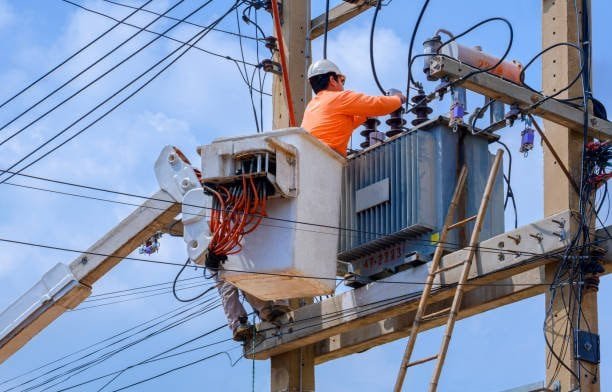
Power transformer maintenance requires more than visual inspection and oil analysis. Electrical and mechanical tests are essential for evaluating the internal condition, operational performance, and structural integrity of transformers throughout their service life. Without proper testing, problems such as winding deformation, insulation deterioration, loose connections, core defects, overheating, and mechanical damage may remain undetected until they cause unexpected failures, costly downtime, or safety hazards.
Electrical and mechanical tests required during transformer maintenance include insulation resistance testing, winding resistance testing, transformer turns ratio testing, power factor testing, frequency response analysis, impedance measurement, partial discharge testing, vibration analysis, bushing testing, grounding checks, and mechanical inspections of tanks, cooling systems, tap changers, and structural components. These tests help identify hidden defects, verify transformer condition, and maintain long-term reliability.
Electrical and mechanical testing during transformer maintenance helps detect hidden transformer defects that cannot be identified through visual inspection alone.True
Many internal electrical and structural problems require specialized testing methods to evaluate transformer condition accurately.
Power transformers operate under continuous electrical, thermal, and mechanical stress. Over time, repeated loading cycles, short-circuit forces, insulation aging, vibration, and environmental conditions can affect transformer components. A comprehensive maintenance testing program combines electrical diagnostics with mechanical inspections to provide a complete assessment of transformer health.
Why Are Electrical and Mechanical Tests Important During Transformer Maintenance?
Transformer testing provides information about the condition of internal components and confirms whether the equipment can continue operating safely.
| Testing Category | Main Purpose |
|---|---|
| Electrical tests | Evaluate insulation, windings, and electrical performance |
| Mechanical tests | Assess structural integrity and physical condition |
| Diagnostic tests | Identify developing faults |
| Condition tests | Support maintenance decisions |
The main benefits include:
| Benefit | Result |
|---|---|
| Early fault detection | Prevent unexpected failures |
| Condition assessment | Improve maintenance planning |
| Performance verification | Maintain efficiency |
| Risk reduction | Increase operational safety |
| Life evaluation | Extend transformer service period |
What Electrical Tests Are Commonly Performed on Power Transformers?
Electrical tests evaluate the condition of the transformer’s active electrical components, including:
- Windings
- Core
- Insulation system
- Bushings
- Connections
- Protection circuits
Common electrical tests include:
| Electrical Test | Main Purpose |
|---|---|
| Insulation resistance test | Evaluate insulation condition |
| Winding resistance test | Check conductor and connection integrity |
| Turns ratio test | Verify voltage transformation ratio |
| Power factor test | Assess insulation losses |
| Frequency response analysis | Detect winding deformation |
| Partial discharge test | Identify insulation defects |
| Impedance test | Evaluate winding condition |
How Does Insulation Resistance Testing Maintain Transformer Reliability?
Insulation resistance testing measures the ability of transformer insulation systems to prevent unwanted current flow.
The test evaluates:
| Insulation Area | Purpose |
|---|---|
| Windings to ground | Check main insulation |
| Between windings | Evaluate separation insulation |
| Bushings | Assess dielectric condition |
Abnormal insulation resistance values may indicate:
- Moisture contamination
- Insulation aging
- Dirt or contamination
- Internal damage
Regular insulation testing helps identify insulation deterioration before breakdown occurs.
Low insulation resistance values may indicate moisture, contamination, or insulation degradation inside a power transformer.True
Insulation resistance decreases when insulating materials lose their ability to block leakage current.
What Is the Purpose of Transformer Winding Resistance Testing?
Winding resistance testing evaluates the condition of transformer conductors and electrical connections.
It helps detect:
| Possible Problem | Testing Indication |
|---|---|
| Loose connections | Abnormal resistance values |
| Broken conductors | Increased resistance |
| Poor contact points | Uneven phase readings |
| Tap changer problems | Resistance variation |
The test is especially important after:
- Transformer transportation
- Short-circuit events
- Major repairs
- Long operating periods
How Does Transformer Turns Ratio Testing Work?
The turns ratio test verifies whether the transformer produces the correct voltage relationship between primary and secondary windings.
It can detect:
| Problem | Possible Cause |
|---|---|
| Incorrect ratio | Winding problems |
| Phase errors | Connection issues |
| Tap position errors | Tap changer problems |
| Winding faults | Internal damage |
A correct turns ratio confirms that transformer windings are operating according to design specifications.
Why Is Power Factor Testing Important for Transformer Insulation?
Power factor testing evaluates dielectric losses within insulation systems.
It helps identify:
| Condition | Possible Cause |
|---|---|
| Increased losses | Insulation aging |
| High dielectric loss | Moisture contamination |
| Abnormal values | Insulation deterioration |
Power factor testing is commonly performed on:
- Windings
- Bushings
- Oil-paper insulation systems
How Does Partial Discharge Testing Detect Transformer Problems?
Partial discharge (PD) testing identifies small electrical discharges occurring within insulation systems.
It can detect:
| Fault Type | Example |
|---|---|
| Void discharge | Internal insulation defects |
| Surface discharge | Contaminated insulation |
| Corona discharge | Electrical stress problems |
| Internal defects | Manufacturing or aging issues |
Early detection of partial discharge helps prevent major insulation failures.
What Is Frequency Response Analysis (FRA) Used For?
Frequency response analysis evaluates mechanical changes inside transformer windings.
It is particularly useful after:
- Short-circuit events
- Transportation
- Severe mechanical impact
FRA can detect:
| Mechanical Problem | Result |
|---|---|
| Winding movement | Changed frequency response |
| Deformation | Abnormal curve patterns |
| Loose structures | Response variation |
Because winding deformation may not be visible externally, FRA provides valuable internal condition information.
How Does Impedance Testing Help Evaluate Transformers?
Impedance testing measures transformer short-circuit impedance characteristics.
It helps identify:
| Issue | Testing Purpose |
|---|---|
| Winding deformation | Compare impedance changes |
| Internal damage | Detect abnormal values |
| Design verification | Confirm specifications |
Significant impedance changes may indicate mechanical damage.
What Mechanical Inspections Are Required During Transformer Maintenance?
Mechanical inspections focus on physical components that support transformer operation.
Important areas include:
| Mechanical Component | Inspection Focus |
|---|---|
| Transformer tank | Structural condition |
| Cooling equipment | Mechanical operation |
| Tap changer | Movement and wear |
| Clamps and supports | Tightness |
| Connections | Mechanical stability |
| Mounting structure | Alignment |
How Should the Transformer Tank Be Mechanically Inspected?
The transformer tank protects internal components and contains insulating oil.
Inspection should include:
| Tank Check | Purpose |
|---|---|
| Surface condition | Detect corrosion |
| Weld inspection | Identify leakage risks |
| Pressure relief device | Confirm operation |
| Bolted connections | Verify tightness |
| Deformation check | Detect mechanical stress |
Mechanical damage to the tank can affect oil containment and transformer safety.
What Mechanical Tests Are Required for Transformer Cooling Systems?
Cooling systems require mechanical verification because they directly affect transformer temperature control.
Inspection includes:
| Cooling Component | Mechanical Check |
|---|---|
| Fans | Rotation and vibration |
| Pumps | Flow and noise |
| Radiators | Damage and cleanliness |
| Valves | Correct operation |
| Motors | Electrical-mechanical condition |
Cooling system failures may reduce transformer loading capability.
How Should On-Load Tap Changers Be Tested?
On-load tap changers (OLTCs) experience frequent mechanical movement and require regular inspection.
Maintenance checks include:
| OLTC Inspection | Purpose |
|---|---|
| Contact wear | Verify switching reliability |
| Drive mechanism | Confirm operation |
| Oil condition | Detect contamination |
| Operating sequence | Ensure correct movement |
OLTC problems can cause unstable output voltage and operational failures.
Why Is Vibration Analysis Used in Transformer Maintenance?
Vibration monitoring provides information about mechanical conditions.
It can identify:
| Vibration Pattern | Possible Cause |
|---|---|
| Increased vibration | Loose components |
| Abnormal frequency | Mechanical resonance |
| Sudden changes | Internal problems |
Vibration analysis is useful for large transformers operating under heavy loads.
How Are Transformer Bushings Tested?
Bushings require both electrical and mechanical evaluation.
Testing methods include:
| Bushing Test | Purpose |
|---|---|
| Capacitance measurement | Detect insulation changes |
| Power factor test | Evaluate dielectric condition |
| Visual inspection | Identify cracks or contamination |
| Mechanical check | Verify mounting integrity |
Bushing failures are among the most serious transformer reliability risks.
How Should Transformer Connections Be Mechanically Checked?
Connections must maintain both electrical conductivity and mechanical strength.
Inspection includes:
| Connection Area | Check |
|---|---|
| Terminal bolts | Tightness |
| Cable supports | Mechanical stability |
| Ground connections | Secure attachment |
| Bus connections | Alignment |
Loose connections may cause overheating and electrical failure.
What Tests Are Recommended After Transformer Fault Events?
Additional testing is recommended after abnormal events.
| Event | Recommended Tests |
|---|---|
| Short circuit | FRA, winding resistance, impedance test |
| Overheating | Oil analysis, insulation tests |
| Lightning event | Insulation and surge-related tests |
| Transportation impact | Mechanical inspection and FRA |
| Protection trip | Electrical diagnostic tests |
How Should Test Results Be Evaluated?
Maintenance decisions should consider trends rather than isolated results.
A proper evaluation includes:
| Evaluation Method | Purpose |
|---|---|
| Compare historical data | Identify deterioration |
| Compare phases | Detect imbalance |
| Compare manufacturer limits | Verify acceptance |
| Analyze multiple tests together | Improve diagnosis |
A single test rarely provides a complete transformer condition assessment.
What Maintenance Testing Schedule Should Buyers Follow?
A typical maintenance testing program may include:
| Frequency | Testing Activity |
|---|---|
| Routine inspection | Visual and operational checks |
| Annual maintenance | Electrical condition tests |
| Several-year intervals | Advanced diagnostic testing |
| After abnormal events | Immediate condition assessment |
The exact schedule depends on:
- Transformer age
- Loading conditions
- Criticality
- Environmental factors
How Can Testing Extend Transformer Service Life?
Regular testing supports proactive maintenance.
| Testing Benefit | Long-Term Result |
|---|---|
| Detect insulation aging | Prevent failures |
| Identify winding issues | Avoid major repairs |
| Monitor mechanical condition | Maintain structural reliability |
| Optimize maintenance timing | Reduce unnecessary costs |
How Do Cooling Systems, Bushings, and Protection Devices Affect Power Transformer Maintenance?
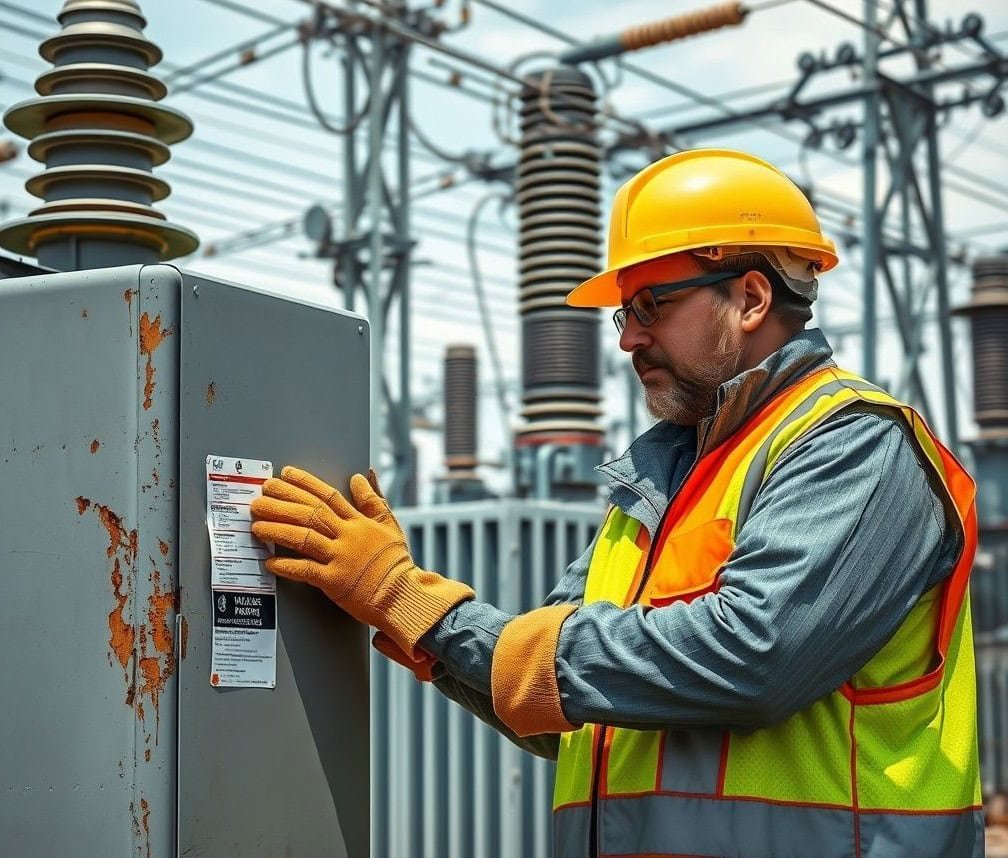
Power transformer reliability depends not only on the condition of the core, windings, and insulation system but also on the performance of supporting components such as cooling systems, bushings, and protection devices. These components directly influence transformer temperature control, electrical insulation performance, operational safety, and fault response capability. If cooling equipment fails, transformer temperature may rise beyond safe limits. If bushings deteriorate, insulation failures and electrical faults may occur. If protection devices are not properly maintained, internal problems may develop into catastrophic transformer damage.
Cooling systems, bushings, and protection devices significantly affect power transformer maintenance because they control temperature, maintain insulation integrity, and protect transformers from abnormal operating conditions. Routine inspection, testing, cleaning, calibration, and functional verification of these components help prevent failures, reduce downtime, and extend transformer service life.
Cooling systems, bushings, and protection devices are critical maintenance components because failures in these systems can directly affect transformer reliability and safety.True
These components influence thermal performance, insulation condition, and fault protection during transformer operation.
Power transformers are designed as integrated systems where every component contributes to safe operation. Maintenance programs that focus only on the transformer body may overlook important failure risks associated with auxiliary equipment. A complete maintenance strategy evaluates cooling performance, bushing condition, and protection system functionality as part of overall transformer health management.
Why Are Cooling Systems Important in Power Transformer Maintenance?
Cooling systems are essential because transformers continuously generate heat during operation. Electrical losses in the core and windings produce thermal energy that must be removed to maintain acceptable operating temperatures.
The main functions of cooling systems include:
| Function | Maintenance Importance |
|---|---|
| Remove heat from windings | Prevent overheating |
| Maintain insulation temperature | Slow aging |
| Support transformer loading capacity | Avoid overload damage |
| Improve operating efficiency | Reduce thermal stress |
Poor cooling performance can lead to:
| Cooling Problem | Possible Transformer Impact |
|---|---|
| Fan failure | Increased temperature rise |
| Oil circulation failure | Reduced heat transfer |
| Radiator blockage | Lower cooling efficiency |
| Pump malfunction | Uneven temperature distribution |
What Types of Cooling Systems Are Used in Power Transformers?
Different transformer applications use different cooling methods.
Common cooling systems include:
| Cooling Method | Description | Typical Application |
|---|---|---|
| ONAN | Oil Natural Air Natural cooling | Distribution and medium transformers |
| ONAF | Oil Natural Air Forced cooling | Larger transformers |
| OFAF | Oil Forced Air Forced cooling | High-capacity transformers |
| OFWF | Oil Forced Water Forced cooling | Large power transformers |
Each cooling method requires specific maintenance procedures.
What Cooling System Components Require Regular Inspection?
Cooling system maintenance should include inspection of:
| Component | Inspection Focus |
|---|---|
| Radiators | Cleanliness, leakage, damage |
| Cooling fans | Operation, vibration, noise |
| Oil pumps | Flow rate and mechanical condition |
| Temperature controls | Accuracy and response |
| Valves | Correct position |
| Motors | Electrical and mechanical condition |
Regular inspection helps identify problems before transformer temperature becomes excessive.
How Do Cooling Fans Affect Transformer Reliability?
Cooling fans improve heat removal by increasing airflow across radiators.
Maintenance checks should include:
| Fan Inspection Item | Purpose |
|---|---|
| Fan rotation direction | Confirm correct operation |
| Motor condition | Prevent mechanical failure |
| Bearing condition | Reduce vibration |
| Fan blades | Check damage |
| Control operation | Verify automatic switching |
A failed fan may not immediately stop transformer operation, but it can reduce loading capability and accelerate insulation aging.
How Does Oil Circulation Affect Transformer Cooling?
Oil circulation transfers heat from internal transformer components to external cooling surfaces.
Problems with oil circulation may include:
| Problem | Result |
|---|---|
| Blocked oil passages | Poor heat transfer |
| Pump failure | Reduced cooling |
| Valve problems | Uneven oil flow |
| Oil contamination | Lower thermal performance |
Oil circulation checks are especially important for large transformers with forced cooling systems.
How Should Transformer Cooling Systems Be Maintained?
A practical cooling maintenance program includes:
| Maintenance Activity | Recommended Purpose |
|---|---|
| Clean radiators | Improve heat exchange |
| Test fans and pumps | Verify operation |
| Check temperature alarms | Ensure protection |
| Inspect oil flow | Maintain cooling efficiency |
| Record temperature trends | Detect deterioration |
Maintaining transformer cooling systems helps prevent overheating because excessive temperature accelerates insulation aging and reduces transformer service life.True
Transformer insulation aging increases significantly when operating temperatures exceed design limits.
Why Are Bushings Important in Power Transformer Maintenance?
Bushings provide insulated connections between transformer windings and external electrical circuits.
They must withstand:
- High voltage stress
- Environmental contamination
- Thermal expansion
- Mechanical forces
Bushing failure can cause:
| Failure Type | Consequence |
|---|---|
| Insulation breakdown | Internal electrical fault |
| Cracking | Moisture entry |
| Oil leakage | Reduced insulation performance |
| Terminal overheating | Connection failure |
What Visual Inspections Should Be Performed on Transformer Bushings?
Routine bushing inspections should check:
| Bushing Area | Inspection Item |
|---|---|
| Porcelain or composite body | Cracks or damage |
| Surface condition | Dirt and contamination |
| Oil level indicator | Proper oil level |
| Sealing points | Leakage |
| Terminals | Heating or corrosion |
Common warning signs include:
- Carbon tracking marks
- Discoloration
- Cracked surfaces
- Oil leakage
- Loose connections
What Electrical Tests Are Used for Transformer Bushings?
Bushings require periodic electrical testing.
Common tests include:
| Test | Purpose |
|---|---|
| Capacitance measurement | Detect insulation changes |
| Power factor testing | Evaluate dielectric losses |
| Insulation resistance testing | Check insulation condition |
| Partial discharge testing | Detect defects |
These tests help identify bushing deterioration before failure occurs.
How Does Bushing Contamination Affect Transformer Maintenance?
External contamination can reduce bushing performance.
Common contaminants include:
| Contaminant | Effect |
|---|---|
| Dust | Reduces insulation surface performance |
| Salt deposits | Increases leakage current |
| Industrial pollution | Causes surface tracking |
| Moisture | Reduces dielectric strength |
Regular cleaning may be required for transformers installed in:
- Coastal areas
- Industrial environments
- High-pollution locations
Why Are Protection Devices Important for Transformer Maintenance?
Protection devices monitor abnormal conditions and help prevent severe damage.
They detect problems such as:
- Internal faults
- Oil movement
- Excess pressure
- Overtemperature
- Electrical overload
A reliable protection system reduces the consequences of transformer failures.
What Protection Devices Are Commonly Used on Power Transformers?
Typical transformer protection devices include:
| Protection Device | Function |
|---|---|
| Buchholz relay | Detects gas accumulation and oil movement |
| Pressure relief device | Releases excessive internal pressure |
| Temperature relay | Monitors overheating |
| Oil level relay | Detects abnormal oil levels |
| Differential protection relay | Detects internal electrical faults |
| Overcurrent protection | Protects against excessive current |
How Should Buchholz Relays Be Maintained?
Buchholz relays are important protection devices for oil-immersed transformers with conservator systems.
Maintenance includes:
| Inspection Item | Purpose |
|---|---|
| Relay condition | Check physical damage |
| Alarm function | Verify operation |
| Trip function | Confirm protection response |
| Gas collection chamber | Check condition |
Buchholz relay activation may indicate:
- Insulation breakdown
- Internal overheating
- Oil circulation problems
- Electrical faults
How Should Pressure Relief Devices Be Inspected?
Pressure relief devices protect transformers from dangerous internal pressure increases.
Inspection should include:
| Check | Purpose |
|---|---|
| Mechanical condition | Ensure proper operation |
| Sealing | Prevent leakage |
| Alarm contacts | Verify signals |
| Reset mechanism | Confirm functionality |
A failed pressure relief device can increase transformer safety risks during internal faults.
How Should Temperature Protection Systems Be Maintained?
Temperature monitoring devices protect transformers from overheating.
Maintenance includes:
| Device | Maintenance Activity |
|---|---|
| Oil temperature indicator | Calibration check |
| Winding temperature indicator | Verify accuracy |
| Alarm system | Functional testing |
| Trip settings | Confirm values |
Incorrect temperature protection settings may result in:
- False alarms
- Delayed protection
- Unnecessary shutdowns
How Do Protection Device Tests Improve Transformer Reliability?
Protection testing ensures that fault detection systems respond correctly.
Typical tests include:
| Test | Purpose |
|---|---|
| Relay calibration | Verify accuracy |
| Alarm testing | Confirm signals |
| Trip testing | Verify shutdown function |
| Communication testing | Ensure remote monitoring |
Protection devices must be tested regularly because they may remain inactive for long periods before being needed.
How Do Cooling Systems, Bushings, and Protection Devices Work Together?
These systems provide complementary protection.
| Component | Main Role | Maintenance Objective |
|---|---|---|
| Cooling system | Controls temperature | Prevent overheating |
| Bushings | Maintain insulation connection | Prevent electrical failure |
| Protection devices | Detect abnormal conditions | Limit damage |
A failure in one area can affect the others.
For example:
- Cooling failure causes overheating.
- Overheating accelerates insulation aging.
- Insulation deterioration increases fault risk.
- Protection devices must detect and isolate the problem.
What Maintenance Schedule Should Be Used for These Components?
A typical maintenance plan may include:
| Frequency | Maintenance Activity |
|---|---|
| Monthly | Visual inspection |
| Quarterly | Cooling system checks |
| Annually | Electrical testing |
| Several years | Advanced diagnostic testing |
The schedule should be adjusted based on:
- Transformer age
- Loading conditions
- Environmental conditions
- System importance
What Records Should Be Maintained?
Maintenance records help track transformer condition over time.
Important records include:
| Record | Purpose |
|---|---|
| Cooling system test results | Monitor thermal performance |
| Bushing test data | Track insulation aging |
| Protection test reports | Verify safety systems |
| Temperature history | Analyze operating stress |
| Repair records | Support future decisions |
How Can Predictive Maintenance Improve Transformer Reliability?
Modern maintenance strategies use condition monitoring data.
Technologies include:
| Technology | Application |
|---|---|
| Online temperature monitoring | Thermal analysis |
| Bushing monitoring systems | Insulation assessment |
| Online DGA | Internal fault detection |
| Remote protection monitoring | System supervision |
Predictive maintenance allows operators to move from scheduled maintenance to condition-based decisions.
How Can a Preventive Maintenance Program Extend the Life of Power Transformers?
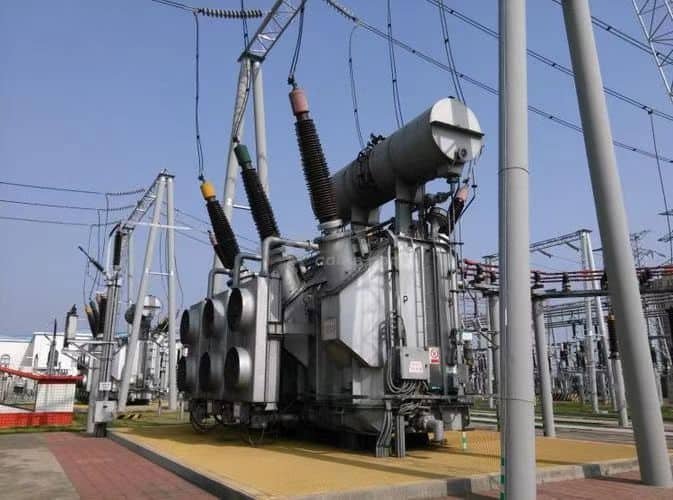
Power transformers are among the most valuable and critical assets in electrical power systems, often operating continuously for 30 years or more. However, without proper maintenance, aging insulation, oil deterioration, overheating, mechanical stress, and component failures can significantly shorten transformer service life and increase the risk of unexpected outages. Many transformer failures develop gradually and can be prevented when early warning signs are identified through a structured preventive maintenance program.
A preventive maintenance program extends the life of power transformers by regularly monitoring transformer condition, maintaining insulation systems, testing electrical and mechanical components, preventing overheating, improving cooling performance, and correcting minor defects before they develop into major failures. A well-designed maintenance strategy reduces downtime, improves reliability, lowers repair costs, and maximizes transformer lifecycle value.
Preventive maintenance programs can significantly improve power transformer reliability by identifying and correcting developing problems before they cause major failures.True
Regular inspections, testing, and maintenance activities allow operators to manage transformer aging and prevent avoidable damage.
Power transformer aging is influenced by multiple factors, including operating temperature, electrical loading, insulation condition, oil quality, environmental exposure, and mechanical stress. A preventive maintenance program addresses these factors through planned inspections, diagnostic testing, component servicing, and condition monitoring. Instead of waiting for failures to occur, operators can make informed decisions based on transformer health data.
Why Is Preventive Maintenance Important for Power Transformers?
Preventive maintenance helps control the natural aging process of transformer components.
The primary objectives include:
| Maintenance Objective | Impact on Transformer Life |
|---|---|
| Maintain insulation quality | Reduce electrical breakdown risk |
| Control operating temperature | Slow aging processes |
| Monitor oil condition | Preserve dielectric performance |
| Check mechanical components | Prevent structural failures |
| Verify protection systems | Improve safety |
Without preventive maintenance, small issues may gradually develop into serious failures.
| Minor Problem | Possible Long-Term Consequence |
|---|---|
| Low oil quality | Insulation deterioration |
| Cooling reduction | Excessive temperature rise |
| Loose connections | Local overheating |
| Moisture contamination | Reduced dielectric strength |
| Winding movement | Internal electrical faults |
How Does Preventive Maintenance Slow Transformer Aging?
Transformer lifespan is largely determined by the condition of its insulation system.
The main aging factors include:
| Aging Factor | Effect on Transformer |
|---|---|
| High temperature | Accelerates insulation breakdown |
| Moisture | Reduces insulation strength |
| Oxygen exposure | Causes oil oxidation |
| Electrical stress | Damages insulation |
| Mechanical forces | Deforms windings |
Preventive maintenance reduces these stresses by identifying abnormal conditions early.
How Does Temperature Control Extend Transformer Life?
Temperature is one of the most important factors affecting transformer lifespan.
Transformer insulation aging increases significantly when operating temperatures exceed design limits.
Preventive maintenance controls temperature through:
| Maintenance Activity | Benefit |
|---|---|
| Cooling system inspection | Maintains heat removal |
| Fan and pump testing | Ensures proper circulation |
| Load monitoring | Prevents overload |
| Temperature monitoring | Detects abnormal heating |
Reducing excessive transformer operating temperatures helps extend transformer life because insulation aging is strongly affected by thermal stress.True
Higher temperatures accelerate chemical and physical degradation of transformer insulation materials.
How Does Oil Maintenance Improve Transformer Reliability?
Oil-immersed transformers depend on transformer oil for insulation and cooling.
Preventive oil maintenance includes:
| Oil Maintenance Activity | Purpose |
|---|---|
| Dissolved gas analysis (DGA) | Detect internal faults |
| Moisture testing | Monitor contamination |
| Breakdown voltage testing | Evaluate insulation strength |
| Acidity testing | Measure oil aging |
| Oil filtration | Remove contaminants |
Maintaining oil quality helps prevent:
- Insulation failure
- Internal discharge
- Corrosion
- Cooling problems
How Does Insulation Testing Extend Transformer Service Life?
Insulation deterioration is one of the most common causes of transformer failure.
Preventive maintenance uses tests such as:
| Test | Purpose |
|---|---|
| Insulation resistance test | Evaluate insulation condition |
| Power factor test | Measure dielectric losses |
| Partial discharge test | Detect insulation defects |
| Furan analysis | Assess paper insulation aging |
These tests help determine whether insulation is:
- Healthy
- Aging normally
- Requiring corrective action
How Does Regular Electrical Testing Prevent Transformer Failures?
Electrical testing identifies hidden problems before they become major faults.
Important tests include:
| Electrical Test | Detects |
|---|---|
| Winding resistance test | Connection problems |
| Turns ratio test | Winding abnormalities |
| Frequency response analysis | Winding deformation |
| Impedance testing | Mechanical damage |
| Partial discharge testing | Insulation defects |
Early detection allows maintenance teams to repair problems before catastrophic failure.
How Does Mechanical Maintenance Improve Transformer Lifespan?
Transformers experience mechanical stress from:
- Short-circuit forces
- Transportation vibration
- Thermal expansion
- Electromagnetic forces
Mechanical preventive maintenance includes:
| Component | Maintenance Action |
|---|---|
| Transformer tank | Inspect corrosion and leakage |
| Windings | Check deformation indicators |
| Cooling equipment | Verify operation |
| Tap changer | Inspect mechanical movement |
| Connections | Tighten and inspect |
Maintaining mechanical integrity prevents failures caused by structural damage.
How Does Cooling System Maintenance Prevent Premature Aging?
Cooling systems directly influence transformer loading capability and insulation life.
Maintenance activities include:
| Cooling Component | Maintenance Task |
|---|---|
| Radiators | Clean and inspect |
| Fans | Test operation |
| Pumps | Verify oil circulation |
| Temperature controls | Check calibration |
| Valves | Confirm correct position |
A properly maintained cooling system helps transformers operate safely under changing load conditions.
How Does Bushing Maintenance Extend Transformer Life?
Bushings provide insulated connections between transformer windings and external circuits.
Preventive maintenance includes:
| Bushing Maintenance | Purpose |
|---|---|
| Visual inspection | Detect cracks and contamination |
| Capacitance testing | Monitor insulation condition |
| Power factor testing | Identify deterioration |
| Cleaning | Reduce surface leakage |
Bushing maintenance prevents:
- Flashover
- Insulation failure
- Terminal overheating
How Do Protection System Checks Improve Transformer Reliability?
Protection devices reduce damage when abnormal conditions occur.
Maintenance includes:
| Protection Device | Maintenance Activity |
|---|---|
| Buchholz relay | Test alarms and trips |
| Temperature relay | Verify settings |
| Pressure relief device | Check operation |
| Differential relay | Test protection response |
A properly maintained protection system can quickly isolate faults and minimize damage.
How Does Load Monitoring Support Preventive Maintenance?
Transformer loading directly affects operating stress.
Load monitoring evaluates:
| Parameter | Maintenance Value |
|---|---|
| Current | Detect overload |
| Load pattern | Understand operating conditions |
| Phase balance | Prevent uneven heating |
| Peak demand | Plan capacity management |
Avoiding excessive loading reduces thermal and mechanical stress.
What Role Does Condition Monitoring Play in Preventive Maintenance?
Modern preventive maintenance increasingly uses real-time monitoring systems.
Common technologies include:
| Monitoring Method | Function |
|---|---|
| Online DGA | Detect internal gas generation |
| Temperature sensors | Monitor thermal conditions |
| Oil quality sensors | Track insulation condition |
| Vibration monitoring | Detect mechanical issues |
| Remote monitoring | Support continuous assessment |
Condition monitoring allows maintenance teams to move from fixed schedules to data-based decisions.
How Does Preventive Maintenance Reduce Transformer Downtime?
Unexpected transformer failures can cause:
- Production interruption
- Power supply instability
- Emergency repair costs
- Equipment damage
Preventive maintenance reduces downtime through:
| Maintenance Strategy | Downtime Reduction |
|---|---|
| Early fault detection | Avoid emergency failures |
| Planned repairs | Improve scheduling |
| Condition assessment | Prioritize maintenance |
| Spare parts planning | Reduce repair delays |
How Can Preventive Maintenance Reduce Transformer Operating Costs?
Although maintenance requires investment, it reduces total ownership costs.
| Preventive Maintenance Activity | Cost Benefit |
|---|---|
| Oil testing | Avoids major failures |
| Electrical testing | Prevents expensive damage |
| Cooling maintenance | Reduces overheating losses |
| Component replacement | Avoids emergency repairs |
The total lifecycle cost of a transformer depends on both purchase price and maintenance performance.
What Is Included in a Power Transformer Preventive Maintenance Schedule?
A comprehensive program typically includes:
| Frequency | Maintenance Activities |
|---|---|
| Daily/weekly | Operating condition checks |
| Monthly | Visual inspections |
| Quarterly | Cooling and protection checks |
| Annually | Electrical and oil testing |
| Multi-year intervals | Advanced diagnostic testing |
The schedule should be customized according to:
- Transformer rating
- Operating environment
- Age
- Criticality
How Should Maintenance Data Be Used to Improve Transformer Life Management?
Maintenance records provide valuable information for long-term decisions.
Important data includes:
| Data Type | Application |
|---|---|
| Oil test history | Track insulation aging |
| Temperature records | Analyze thermal stress |
| Electrical test results | Identify deterioration trends |
| Load history | Evaluate operating stress |
| Repair records | Understand equipment condition |
Trend analysis is more valuable than individual test results because it reveals gradual changes.
What Are the Signs That a Transformer Needs Preventive Maintenance Attention?
Operators should investigate:
| Warning Sign | Possible Cause |
|---|---|
| Increased operating temperature | Cooling problems |
| Abnormal oil test results | Internal deterioration |
| Increased gas levels | Fault development |
| Oil leakage | Sealing issues |
| Unusual noise | Mechanical problems |
| Protection alarms | Abnormal operation |
Early action can prevent expensive failures.
How Can Buyers Evaluate a Transformer Manufacturer’s Maintenance Support?
When purchasing transformers, buyers should ask suppliers:
| Question | Evaluation Purpose |
|---|---|
| Do you provide maintenance guidelines? | Confirm technical support |
| Are spare parts available? | Support lifecycle maintenance |
| Can you provide testing services? | Ensure future support |
| Is remote monitoring available? | Improve condition management |
| Do you offer training? | Improve operation quality |
A reliable supplier should support the transformer throughout its operating life.
Conclusion
Routine inspection and maintenance are essential for ensuring the reliability, efficiency, and longevity of power transformers. Regular visual checks, oil analysis, temperature monitoring, electrical testing, cooling system inspections, and protection system verification help identify developing problems before they become major failures. A well-planned maintenance program should be tailored to the transformer's operating environment, loading conditions, and service history. By implementing consistent inspection procedures and using condition-based monitoring technologies, organizations can reduce unexpected downtime, lower maintenance costs, and maximize the service life of their power transformer investments.
FAQ
Q1: What are the routine inspection and maintenance procedures for power transformers?
Routine inspection and maintenance of power transformers are essential for ensuring safe operation, preventing unexpected failures, and extending transformer service life. A structured maintenance program combines visual inspections, electrical testing, oil analysis, mechanical checks, and condition monitoring.
Common maintenance activities include:
Visual inspection of transformer components
Checking oil levels and leaks
Monitoring temperature indicators
Inspecting bushings and connections
Testing insulating oil quality
Checking cooling systems
Inspecting tap changers
Measuring electrical parameters
Reviewing protection system operation
Maintenance frequency depends on:
Transformer size and voltage level
Operating environment
Loading conditions
Manufacturer recommendations
Criticality of the installation
Large utility transformers often require continuous monitoring and periodic detailed testing, while smaller distribution transformers may require less frequent inspections.
A preventive maintenance program helps identify early warning signs such as overheating, insulation deterioration, oil contamination, loose connections, and abnormal electrical conditions before they lead to major failures.
Q2: What visual inspections should be performed on power transformers?
Visual inspection is the first and simplest step in transformer maintenance. It helps identify external problems that may affect reliability.
Routine visual checks should include:
Transformer Tank
Inspect for:
Oil leaks
Corrosion
Physical damage
Abnormal pressure conditions
Bushings
Check for:
Cracks
Contamination
Oil leakage
Overheating marks
Loose connections
Cooling System
Inspect:
Radiators
Cooling fans
Oil pumps
Air passages
Fan motors
Accessories
Check:
Oil level indicators
Temperature gauges
Pressure relief devices
Buchholz relays
Control panels
Operators should record inspection results and compare them with previous conditions to identify developing problems.
Q3: How often should power transformers be inspected?
Inspection frequency depends on transformer importance, operating conditions, and manufacturer recommendations.
Typical inspection schedules include:
Daily or Weekly Monitoring
For critical transformers:
Oil temperature
Winding temperature
Load current
Alarm status
Oil level
Monthly Inspections
Common checks:
Visual condition
Leaks
Cooling operation
External connections
Annual Maintenance
Usually includes:
Oil testing
Electrical testing
Protection system checks
Detailed condition assessment
Major Maintenance
Every several years or based on condition:
Internal inspection
Tap changer maintenance
Detailed diagnostic testing
Condition-based maintenance programs may adjust inspection intervals according to actual transformer health data.
Q4: Why is transformer oil testing important during maintenance?
For oil-immersed transformers, insulating oil plays a critical role in electrical insulation and heat transfer. Oil testing provides valuable information about transformer condition.
Common oil tests include:
Dissolved Gas Analysis (DGA)
Detects gases produced by:
Overheating
Partial discharge
Arcing
Insulation breakdown
Dielectric Strength Test
Measures the oil's ability to withstand electrical stress.
Moisture Content Test
Determines water contamination that can accelerate insulation aging.
Acidity Test
Indicates oil oxidation and aging.
Oil Quality Analysis
Checks:
Color
Chemical stability
Contamination levels
Regular oil analysis can identify internal problems before serious transformer damage occurs.
Q5: What electrical tests are performed during transformer maintenance?
Electrical testing evaluates transformer insulation condition, winding performance, and overall operating health.
Common electrical tests include:
Insulation Resistance Test
Checks insulation condition between:
Windings
Windings and ground
Transformer Turns Ratio (TTR) Test
Verifies correct winding ratio and detects winding problems.
Winding Resistance Test
Identifies:
Loose connections
Winding damage
Contact problems
Power Factor / Dissipation Factor Test
Evaluates insulation deterioration.
Partial Discharge Test
Detects insulation defects and internal discharge activity.
These tests help maintenance teams identify issues that cannot be detected through visual inspection alone.
Q6: How should transformer cooling systems be maintained?
Cooling systems are critical because excessive heat accelerates insulation aging and reduces transformer lifespan.
Maintenance activities include:
Checking radiator cleanliness
Testing cooling fans
Inspecting oil pumps
Checking fan motor operation
Verifying temperature controls
Cleaning ventilation paths
Cooling problems may cause:
Increased winding temperature
Reduced load capacity
Insulation degradation
Premature failure
For large transformers, cooling system performance should be monitored continuously through temperature sensors and control systems.
Q7: What maintenance is required for transformer protection devices?
Protection systems must remain operational to prevent transformer damage during abnormal conditions.
Important protection components include:
Buchholz Relay
Checks for:
Internal gas generation
Oil movement caused by faults
Pressure Relief Device
Protects against excessive internal pressure.
Temperature Protection
Monitors:
Oil temperature
Winding temperature
Tap Changer
Requires inspection of:
Mechanical operation
Contact condition
Oil quality (for oil-type tap changers)
Regular testing ensures protection devices respond correctly during faults.
Q8: What are the best practices for transformer preventive maintenance?
Effective preventive maintenance combines regular inspection, testing, monitoring, and documentation.
Best practices include:
Follow IEC 60076 and IEEE C57 maintenance guidance
Maintain detailed inspection records
Perform regular oil analysis
Monitor operating temperatures
Avoid continuous overload operation
Inspect cooling systems regularly
Check electrical connections
Use condition monitoring systems
Analyze trends instead of isolated measurements
Address minor issues before they develop into failures
Modern transformer maintenance increasingly uses predictive technologies such as online dissolved gas analysis, smart sensors, and digital asset management systems to improve reliability and reduce downtime.
References
IEC 60076 – Power Transformers
https://webstore.iec.ch/publication/602
IEEE C57.152 – Guide for Diagnostic Field Testing of Fluid-Filled Power Transformers
https://standards.ieee.org
IEEE C57.106 – Guide for Acceptance and Maintenance of Insulating Mineral Oil
https://standards.ieee.org
Electrical Engineering Portal – Transformer Maintenance Guide
https://electrical-engineering-portal.com