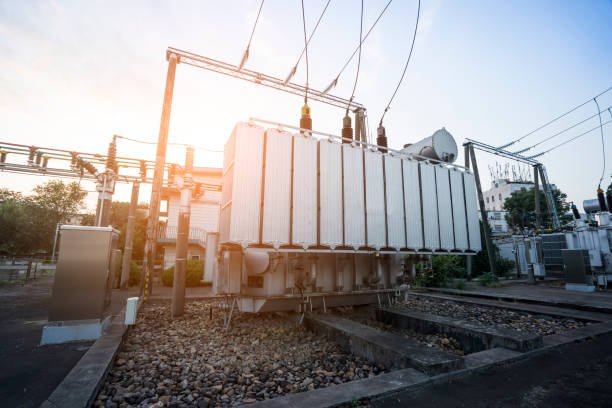
Purchasing a power transformer is a major investment, and ensuring product quality before shipment is essential for reducing technical risks, avoiding installation problems, and preventing costly failures after delivery. Since transformers are large, customized, and difficult to repair once installed, discovering manufacturing defects after transportation or commissioning can result in significant delays and expenses. Pre-shipment inspection and third-party verification provide buyers with confidence that the transformer meets contractual requirements, international standards, and expected performance specifications before leaving the factory.
Yes, buyers can inspect power transformers before shipment or appoint an independent third-party inspector to verify quality, testing results, documentation, and compliance. Pre-shipment inspections typically include factory acceptance tests (FAT), visual and dimensional checks, material verification, review of test reports, inspection of manufacturing processes, and confirmation that the transformer meets agreed technical specifications and international standards such as IEC or IEEE requirements.
A well-organized pre-shipment inspection process helps buyers verify transformer quality at the manufacturing stage when corrections are still possible. Whether performed by the customer’s engineering team or an independent inspection agency, these inspections are an important step in ensuring reliable transformer performance after installation.
Can You Inspect the Power Transformer Before Shipment or Assign a Third-Party Inspector?
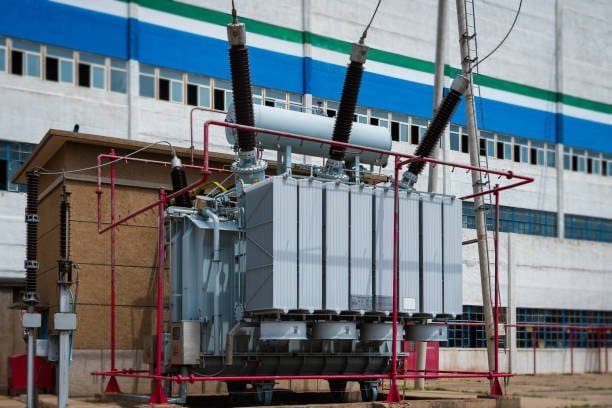
Purchasing a power transformer is a major investment, and customers need confidence that the equipment meets technical specifications, quality requirements, and reliability expectations before it leaves the factory. Because transformers are large, complex, and often customized products, defects discovered after delivery can result in costly transportation delays, installation problems, commissioning failures, or unexpected downtime. Pre-shipment inspection provides an important opportunity to verify manufacturing quality and ensure that the transformer is ready for safe operation.
Yes, power transformers can be inspected before shipment either by the manufacturer’s quality team, the buyer’s representatives, or an independent third-party inspection company. Pre-shipment inspections typically include design verification, material checks, manufacturing process reviews, routine electrical tests, dimensional inspections, documentation review, and final quality assessments to confirm that the transformer meets agreed specifications before delivery.
Customers can arrange third-party inspections before power transformer shipment to independently verify product quality and compliance with purchase requirements.True
Independent inspection agencies can review manufacturing processes, witness testing, and verify documentation before equipment delivery.
A professional pre-shipment inspection program helps reduce procurement risks by providing transparency between transformer manufacturers and customers. For utility companies, industrial users, EPC contractors, and distributors, factory acceptance inspections (FAI) and third-party verification are valuable steps in ensuring that the delivered transformer performs as expected throughout its service life.
Why Is Pre-Shipment Inspection Important for Power Transformers?
Power transformers are complex electrical systems containing many critical components, including:
- Magnetic cores
- Windings
- Insulation systems
- Transformer oil
- Bushings
- Tap changers
- Cooling systems
- Protection devices
Because many manufacturing defects cannot be detected after installation, inspection before shipment helps verify quality at the source.
| Inspection Benefit | Customer Advantage |
|---|---|
| Confirm specifications | Ensure correct product delivery |
| Verify manufacturing quality | Reduce defect risks |
| Witness testing | Increase confidence |
| Review documents | Ensure traceability |
| Identify issues early | Avoid installation delays |
Who Can Perform Power Transformer Pre-Shipment Inspections?
Customers usually have several inspection options.
| Inspector Type | Role |
|---|---|
| Manufacturer quality team | Performs internal quality control |
| Customer representatives | Verify contract requirements |
| Third-party inspectors | Provide independent verification |
| Certification agencies | Confirm compliance with standards |
Many large transformer projects use a combination of manufacturer testing and independent inspection.
Can Customers Visit the Transformer Factory Before Shipment?
Yes. Customers can arrange factory visits to inspect the transformer manufacturing process.
A factory inspection may include:
| Factory Area | Inspection Focus |
|---|---|
| Raw material storage | Material traceability |
| Core assembly area | Core quality and handling |
| Winding workshop | Winding manufacturing process |
| Assembly area | Component installation |
| Testing laboratory | Testing capability |
| Packing area | Shipment preparation |
Factory visits allow customers to directly evaluate:
- Manufacturing capability
- Quality control procedures
- Production environment
- Testing facilities
What Is a Factory Acceptance Test (FAT) for Power Transformers?
A Factory Acceptance Test (FAT) is a formal inspection and testing process conducted before shipment.
The purpose of FAT is to confirm that the transformer:
- Meets technical specifications
- Passes required tests
- Operates according to design requirements
- Complies with contract conditions
Typical FAT activities include:
| FAT Activity | Purpose |
|---|---|
| Document review | Confirm design compliance |
| Visual inspection | Verify workmanship |
| Electrical testing | Confirm performance |
| Mechanical inspection | Verify assembly quality |
| Final approval | Authorize shipment |
What Electrical Tests Can Be Witnessed Before Shipment?
Electrical testing is one of the most important parts of transformer pre-shipment inspection.
Common tests include:
| Electrical Test | Purpose |
|---|---|
| Ratio test | Verify voltage transformation ratio |
| Winding resistance test | Check winding connections |
| Insulation resistance test | Evaluate insulation quality |
| Applied voltage test | Verify insulation strength |
| Induced voltage test | Check insulation performance |
| No-load loss test | Measure core losses |
| Load loss test | Evaluate copper losses |
| Impedance test | Verify short-circuit impedance |
These tests confirm that the transformer meets design performance requirements.
How Are Transformer Oil Quality Checks Performed Before Shipment?
For oil-immersed transformers, transformer oil quality is critical.
Pre-shipment oil inspections may include:
| Oil Test | Purpose |
|---|---|
| Breakdown voltage test | Verify dielectric strength |
| Moisture measurement | Confirm dryness |
| Acidity test | Check oil condition |
| Dissolved gas analysis | Establish baseline condition |
| Oil filtration records | Verify treatment quality |
Proper oil condition helps prevent insulation problems after commissioning.
What Mechanical Inspections Are Included Before Shipment?
Mechanical inspection verifies that the transformer has been properly assembled.
Common checks include:
| Mechanical Inspection | Purpose |
|---|---|
| Tank inspection | Confirm structural quality |
| Welding inspection | Check manufacturing quality |
| Bushing installation | Verify correct assembly |
| Cooling equipment | Confirm operation |
| Tap changer assembly | Verify mechanical function |
| Dimensions | Confirm installation requirements |
Can Third-Party Inspectors Witness Transformer Testing?
Yes. Third-party inspectors can witness factory tests and provide independent reports.
Their responsibilities may include:
| Third-Party Activity | Purpose |
|---|---|
| Witness testing | Confirm test procedures |
| Review test results | Verify compliance |
| Inspect workmanship | Identify defects |
| Check documents | Confirm traceability |
| Issue inspection reports | Provide independent evidence |
Which Third-Party Inspection Companies Can Inspect Power Transformers?
Customers may select internationally recognized inspection organizations or specialized electrical equipment inspectors.
Common inspection providers include:
| Inspector Type | Typical Service |
|---|---|
| Independent inspection companies | Quality verification |
| Electrical certification organizations | Standards compliance |
| Engineering consultants | Technical assessment |
| Customer-appointed inspectors | Project-specific checks |
The selected inspector should have experience with:
- High-voltage equipment
- Transformer standards
- Factory testing procedures
- Electrical quality assessment
What Documents Should Be Reviewed During Pre-Shipment Inspection?
Documentation review is an important part of transformer inspection.
Typical documents include:
| Document | Purpose |
|---|---|
| Test reports | Verify performance |
| Material certificates | Confirm quality |
| Drawings | Confirm design |
| Quality records | Track manufacturing |
| Inspection reports | Provide verification |
| Operation manuals | Support installation |
Complete documentation ensures future maintenance and troubleshooting.
What Standards Are Used During Transformer Inspection?
Power transformer inspections are typically based on international standards.
Common standards include:
| Standard | Application |
|---|---|
| IEC 60076 | Power transformer requirements |
| IEEE transformer standards | Electrical performance guidelines |
| ISO 9001 | Quality management systems |
| Customer specifications | Project-specific requirements |
The applicable standards should be defined during contract negotiation.
What Should Customers Check During a Final Visual Inspection?
Before shipment approval, customers should inspect:
| Item | Inspection Point |
|---|---|
| Transformer nameplate | Correct ratings |
| External appearance | Damage-free condition |
| Paint coating | Surface protection |
| Accessories | Correct installation |
| Labels and markings | Identification accuracy |
| Packing condition | Transport readiness |
How Does Third-Party Inspection Reduce Procurement Risks?
Independent inspection provides additional confidence by reducing information gaps between buyers and suppliers.
Benefits include:
| Risk | Inspection Solution |
|---|---|
| Incorrect specifications | Verify design documents |
| Manufacturing defects | Inspect production quality |
| Failed testing | Witness factory tests |
| Missing documentation | Review records |
| Shipment damage | Check packing condition |
When Should Customers Arrange Third-Party Inspection?
Third-party inspection is especially recommended for:
- Large MVA transformers
- High-voltage transformers
- International purchases
- Customized transformer projects
- Critical infrastructure applications
It is less common for small standard transformers unless required by the buyer.
What Are the Limitations of Pre-Shipment Inspection?
Although inspection greatly reduces risks, customers should understand its limitations.
| Inspection Can Verify | Inspection Cannot Fully Guarantee |
|---|---|
| Manufacturing quality | Entire future operating life |
| Test performance | All future environmental conditions |
| Documentation accuracy | Long-term maintenance quality |
| Shipment condition | Installation practices |
Proper installation and maintenance remain essential after delivery.
How Should Buyers Prepare a Transformer Inspection Checklist?
A detailed inspection checklist should include:
| Category | Inspection Items |
|---|---|
| Design | Ratings, drawings, specifications |
| Materials | Certificates and traceability |
| Manufacturing | Process quality |
| Testing | FAT results |
| Mechanical | Assembly condition |
| Documentation | Reports and manuals |
| Shipment | Packing and transportation readiness |
A clear checklist prevents important inspection items from being overlooked.
What Items Are Checked During a Power Transformer Pre-Shipment Inspection?
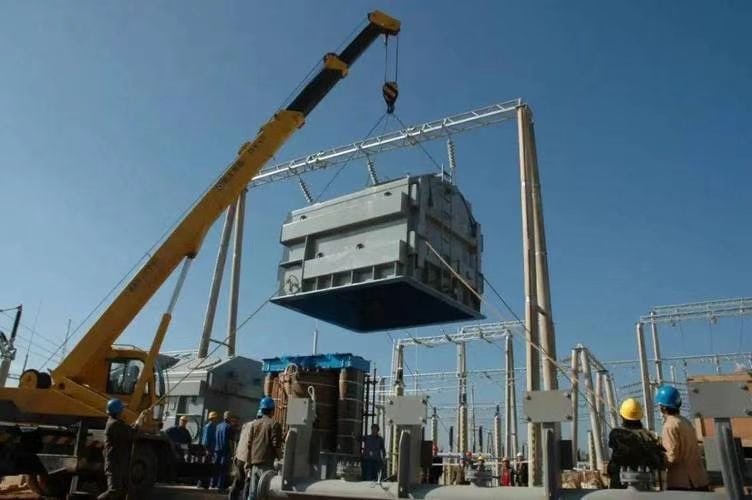
A power transformer pre-shipment inspection is a critical quality assurance step performed before the equipment leaves the manufacturing facility. Since power transformers are large, complex, and expensive assets, identifying problems after delivery can cause significant costs, including transportation delays, installation problems, commissioning failures, and unexpected project downtime. A comprehensive pre-shipment inspection verifies that the transformer meets technical specifications, manufacturing standards, customer requirements, and operational expectations before shipment.
During a power transformer pre-shipment inspection, engineers typically check design documents, raw material certificates, manufacturing quality, transformer dimensions, tank structure, windings, insulation system, transformer oil quality, bushings, cooling equipment, protection devices, electrical test results, mechanical assembly, accessories, nameplate information, packaging condition, and final documentation. These inspections ensure the transformer is safe, compliant, and ready for installation and operation.
Pre-shipment inspection helps reduce power transformer procurement risks by verifying product quality and test performance before transportation to the installation site.True
Factory inspections allow customers to identify manufacturing issues, documentation errors, or non-compliance before shipment.
A professional inspection process combines factory acceptance testing (FAT), visual examination, document verification, and technical review. Depending on project requirements, inspections may be performed by the transformer manufacturer, customer representatives, engineering consultants, or independent third-party inspection agencies.
Why Is Power Transformer Pre-Shipment Inspection Necessary?
Power transformers contain many interconnected systems that must work together reliably.
Important components include:
| Transformer Component | Inspection Importance |
|---|---|
| Core | Ensures low-loss magnetic performance |
| Windings | Confirms electrical and mechanical integrity |
| Insulation system | Prevents breakdown failures |
| Transformer oil | Maintains cooling and dielectric strength |
| Bushings | Ensures safe high-voltage connections |
| Cooling system | Controls operating temperature |
| Protection devices | Prevents severe damage during faults |
Pre-shipment inspection helps confirm that every critical component meets design requirements before the transformer enters service.
What Documents Are Checked During a Transformer Pre-Shipment Inspection?
Documentation review is usually the first stage of inspection.
Inspectors verify:
| Document | Purpose |
|---|---|
| Approved drawings | Confirm design compliance |
| Technical specifications | Verify customer requirements |
| Bill of materials | Confirm component selection |
| Quality control records | Review manufacturing history |
| Material certificates | Verify material quality |
| Test reports | Confirm electrical performance |
| Operation manuals | Support installation and maintenance |
| Packing lists | Verify shipment contents |
Document verification ensures that the manufactured transformer matches the approved project requirements.
How Are Transformer Design Specifications Verified?
Inspectors compare the finished transformer against the approved technical design.
Key items include:
| Design Parameter | Inspection Focus |
|---|---|
| Rated power | Correct kVA/MVA capacity |
| Voltage ratio | Matches system requirements |
| Frequency | Correct operating frequency |
| Vector group | Confirm phase relationship |
| Impedance | Verify system compatibility |
| Cooling class | Confirm thermal design |
| Insulation level | Verify voltage withstand capability |
Any deviation from approved specifications must be reviewed before shipment.
What Raw Materials Are Checked Before Transformer Shipment?
Material quality directly affects transformer reliability.
Common material checks include:
| Material | Inspection Item |
|---|---|
| Electrical steel | Grade and quality certificates |
| Copper or aluminum conductors | Material compliance |
| Insulation paper | Quality and specifications |
| Transformer oil | Testing records |
| Steel tank materials | Mechanical properties |
| Sealing materials | Compatibility and durability |
Material traceability is important because transformer components must maintain reliable performance over decades.
What Is Checked During Transformer Core Inspection?
The transformer core is responsible for magnetic energy transfer and efficiency.
Core inspection includes:
| Core Inspection Item | Purpose |
|---|---|
| Core material | Confirm electrical steel quality |
| Lamination condition | Reduce losses |
| Core assembly | Verify alignment |
| Grounding connection | Prevent abnormal currents |
| Clamping structure | Maintain mechanical stability |
Poor core assembly may increase losses, noise, and operating temperature.
How Are Transformer Windings Inspected Before Shipment?
Windings are among the most important transformer components.
Inspection focuses on:
| Winding Item | Inspection Purpose |
|---|---|
| Conductor material | Verify quality |
| Winding arrangement | Confirm design |
| Insulation placement | Prevent breakdown |
| Mechanical support | Resist short-circuit forces |
| Connections | Ensure correct electrical paths |
Inspectors review winding manufacturing records and electrical test results.
What Insulation System Checks Are Required?
The insulation system determines transformer reliability and service life.
Inspection items include:
| Insulation Component | Check |
|---|---|
| Paper insulation | Material condition |
| Pressboard | Mechanical strength |
| Oil-paper system | Dryness and quality |
| Insulation distances | Design compliance |
| Insulation test results | Electrical performance |
Insulation defects can lead to serious transformer failures, so verification before shipment is essential.
What Electrical Tests Are Reviewed During Pre-Shipment Inspection?
Electrical testing is a major part of factory acceptance inspection.
Common tests include:
| Electrical Test | Purpose |
|---|---|
| Turns ratio test | Verify transformation ratio |
| Winding resistance test | Check winding connections |
| Insulation resistance test | Evaluate insulation condition |
| Applied voltage test | Verify dielectric strength |
| Induced voltage test | Confirm insulation performance |
| No-load loss test | Measure core losses |
| Load loss test | Measure winding losses |
| Impedance test | Verify short-circuit impedance |
Factory electrical tests are necessary before transformer shipment because they confirm that the transformer meets specified performance requirements.True
Electrical tests verify important operating parameters such as insulation strength, losses, ratio, and impedance.
How Is Transformer Oil Quality Checked Before Shipment?
For oil-immersed transformers, oil inspection is essential.
Typical checks include:
| Oil Test | Purpose |
|---|---|
| Breakdown voltage test | Verify dielectric strength |
| Moisture test | Confirm dryness |
| Acidity test | Evaluate oil condition |
| Oil filtration record | Confirm treatment process |
| Appearance inspection | Detect contamination |
Good oil quality supports:
- Electrical insulation
- Heat transfer
- Long-term reliability
What Transformer Tank Inspections Are Performed?
The transformer tank must provide mechanical protection and maintain oil containment.
Inspection includes:
| Tank Inspection | Check |
|---|---|
| Weld quality | Structural integrity |
| Surface coating | Corrosion protection |
| Leakage test | Oil containment |
| Pressure relief mounting | Correct installation |
| Deformation inspection | Mechanical condition |
Tank defects can create oil leakage and safety problems.
What Bushings Are Checked During Inspection?
Bushings connect internal transformer windings to external circuits.
Inspectors check:
| Bushing Item | Inspection Purpose |
|---|---|
| Type and rating | Confirm specification |
| Physical condition | Detect damage |
| Mounting | Verify installation |
| Sealing | Prevent oil leakage |
| Test results | Confirm insulation quality |
Bushing problems are a common cause of transformer failures, making inspection essential.
What Cooling System Components Are Verified Before Shipment?
Cooling systems ensure that transformers can operate within safe temperature limits.
Inspection items include:
| Cooling Component | Check |
|---|---|
| Radiators | Installation and leakage |
| Fans | Operation and condition |
| Pumps | Function testing |
| Temperature controls | Correct settings |
| Valves | Proper installation |
Cooling verification prevents overheating problems after commissioning.
How Are Transformer Protection Devices Inspected?
Protection devices help detect abnormal conditions and limit damage.
Common checks include:
| Protection Device | Inspection Item |
|---|---|
| Buchholz relay | Alarm and trip functions |
| Temperature relay | Calibration |
| Pressure relief device | Mechanical operation |
| Oil level indicator | Correct indication |
| Control panel | Wiring and signals |
Protection systems must operate correctly before the transformer enters service.
What Accessories Are Checked Before Shipment?
Transformers often include multiple accessories.
Inspection includes:
| Accessory | Inspection Focus |
|---|---|
| Conservator tank | Installation condition |
| Breather | Correct assembly |
| Tap changer | Mechanical operation |
| Control cabinet | Wiring quality |
| Terminals | Correct labeling |
| Monitoring devices | Function verification |
Accessories must match the approved configuration.
Are Transformer Dimensions and Weight Verified?
Dimensional inspection ensures the transformer can be transported and installed correctly.
Checks include:
| Measurement | Purpose |
|---|---|
| Length | Confirm installation space |
| Width | Verify transportation limits |
| Height | Check clearance requirements |
| Weight | Confirm lifting requirements |
| Lifting points | Ensure safe handling |
Incorrect dimensions may create serious installation challenges.
What Nameplate Information Is Checked?
The transformer nameplate provides essential operating information.
Inspectors verify:
| Nameplate Item | Verification |
|---|---|
| Manufacturer information | Correct identification |
| Rated capacity | Matches design |
| Voltage ratings | Correct values |
| Frequency | Correct specification |
| Serial number | Traceability |
| Standards | Compliance |
The nameplate must match all technical documents.
How Is Transformer Packaging Inspected Before Shipment?
Proper packaging protects the transformer during transportation.
Inspection includes:
| Packaging Item | Purpose |
|---|---|
| Moisture protection | Prevent contamination |
| Shock protection | Reduce transport damage |
| Accessories packaging | Prevent loss |
| Labels | Ensure handling instructions |
| Shipping supports | Maintain stability |
Large transformers may require special transportation arrangements.
Can Customers Witness the Pre-Shipment Inspection?
Yes. Customers can participate in factory inspections through:
- Direct factory visits
- Factory acceptance tests
- Video inspections
- Third-party inspection agencies
Customer involvement provides additional confidence and transparency.
What Third-Party Inspection Activities Are Common?
Independent inspectors may perform:
| Third-Party Activity | Purpose |
|---|---|
| Manufacturing review | Verify process quality |
| Witness testing | Confirm test procedures |
| Document review | Verify compliance |
| Visual inspection | Check workmanship |
| Final approval | Authorize shipment |
What Should Be Included in a Transformer Pre-Shipment Checklist?
A complete checklist may include:
| Category | Inspection Items |
|---|---|
| Design | Ratings and specifications |
| Materials | Certificates and traceability |
| Manufacturing | Assembly quality |
| Electrical tests | FAT results |
| Mechanical checks | Structure and accessories |
| Documentation | Reports and manuals |
| Packaging | Shipment readiness |
What Factory Acceptance Tests Should Be Reviewed Before Power Transformer Delivery?
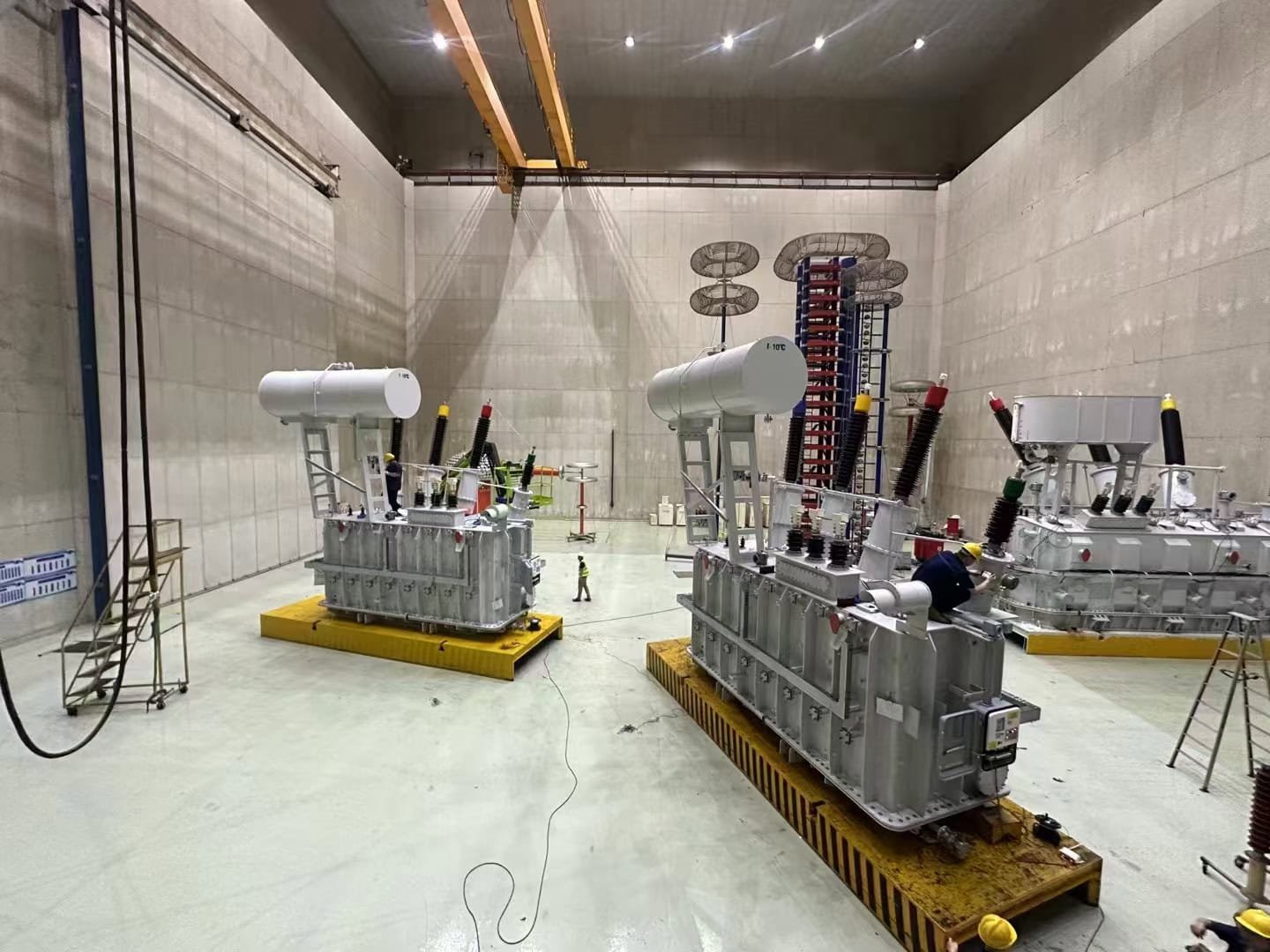
Before a power transformer is delivered to a customer, Factory Acceptance Tests (FAT) provide the final opportunity to verify that the transformer has been manufactured according to approved designs, technical specifications, and performance requirements. Since transformers are critical and high-value electrical assets, defects discovered after installation can lead to expensive repairs, project delays, and operational risks. Reviewing FAT results before shipment allows buyers to confirm product quality, verify compliance, and ensure the transformer is ready for commissioning.
The Factory Acceptance Tests that should be reviewed before power transformer delivery include transformer ratio testing, winding resistance testing, insulation resistance testing, dielectric withstand tests, no-load and load loss tests, impedance tests, temperature rise tests, partial discharge tests, oil quality tests, mechanical inspections, protection system checks, and documentation verification. These tests confirm electrical performance, insulation reliability, mechanical integrity, and compliance with applicable standards before shipment.
Factory Acceptance Tests are performed before power transformer delivery to verify that the transformer meets design requirements and customer specifications.True
FAT procedures evaluate transformer performance, construction quality, and test results before the equipment is released for shipment.
A power transformer FAT is usually conducted at the manufacturer’s facility with participation from the manufacturer’s quality team, customer representatives, engineering consultants, or third-party inspectors. The exact test scope depends on transformer voltage level, capacity, application, contract requirements, and applicable standards such as IEC 60076 or IEEE transformer guidelines.
Why Should Buyers Review Factory Acceptance Tests Before Transformer Delivery?
A transformer may operate for decades after installation, but its long-term reliability depends heavily on manufacturing quality.
FAT review helps buyers verify:
| Verification Area | Purpose |
|---|---|
| Electrical performance | Confirm transformer operating characteristics |
| Insulation condition | Reduce breakdown risk |
| Mechanical quality | Ensure structural reliability |
| Manufacturing compliance | Confirm contract requirements |
| Documentation accuracy | Support installation and maintenance |
A complete FAT review helps prevent issues such as:
- Incorrect voltage ratio
- Excessive losses
- Insulation weakness
- Abnormal heating
- Winding defects
- Incorrect accessories
- Missing documentation
What Standards Guide Power Transformer Factory Acceptance Tests?
Factory acceptance tests are generally based on international transformer standards.
| Standard | Application |
|---|---|
| IEC 60076 | Power transformer testing requirements |
| IEEE C57 series | Transformer performance and testing guidance |
| Customer specifications | Project-specific requirements |
| Utility standards | Grid application requirements |
The purchase contract should clearly define:
- Required tests
- Acceptance criteria
- Test procedures
- Witness requirements
- Documentation format
What Routine Electrical Tests Should Be Reviewed During FAT?
Routine electrical tests are typically required for every transformer before delivery.
| Test | Purpose |
|---|---|
| Winding resistance test | Check winding connections |
| Voltage ratio test | Verify transformation ratio |
| Polarity and vector group test | Confirm phase relationship |
| Insulation resistance test | Evaluate insulation condition |
| Dielectric withstand test | Verify insulation strength |
| No-load loss test | Measure core losses |
| Load loss test | Measure winding losses |
| Impedance test | Verify short-circuit impedance |
These tests confirm that the transformer performs according to design expectations.
How Does Transformer Ratio Testing Verify Performance?
The transformer turns ratio test confirms that the voltage relationship between primary and secondary windings matches the design.
Inspectors review:
| Ratio Test Item | Purpose |
|---|---|
| Rated voltage ratio | Confirm design accuracy |
| Tap positions | Verify tap changer operation |
| Phase relationship | Confirm correct connections |
| Deviation values | Check manufacturing accuracy |
Abnormal ratio results may indicate:
- Incorrect winding connections
- Tap changer problems
- Internal winding defects
Why Is Winding Resistance Testing Included in FAT?
Winding resistance testing evaluates the condition of transformer conductors and connections.
The test can identify:
| Finding | Possible Issue |
|---|---|
| High resistance | Poor connection |
| Phase imbalance | Manufacturing problem |
| Abnormal variation | Tap changer or winding issue |
This test is especially important because loose connections can cause overheating during operation.
What Insulation Tests Should Be Reviewed Before Shipment?
Transformer insulation is one of the most important reliability factors.
Common insulation-related FAT tests include:
| Test | Purpose |
|---|---|
| Insulation resistance test | Measure insulation condition |
| Applied voltage test | Verify insulation strength |
| Induced voltage test | Check internal insulation |
| Partial discharge test | Detect insulation defects |
| Power factor test | Evaluate dielectric losses |
Insulation testing during transformer FAT helps identify weaknesses that could lead to electrical breakdown after commissioning.True
Insulation tests evaluate dielectric performance and detect defects before the transformer enters service.
How Does Partial Discharge Testing Improve Transformer Reliability?
Partial discharge (PD) testing detects small electrical discharges occurring inside insulation systems.
PD testing can identify:
| Defect Type | Possible Cause |
|---|---|
| Internal discharge | Insulation defects |
| Surface discharge | Contamination |
| Void discharge | Manufacturing issues |
| Corona activity | High electrical stress |
For high-voltage transformers, partial discharge testing is often an important quality indicator.
What Loss Tests Should Be Reviewed Before Delivery?
Transformer efficiency depends on controlling electrical losses.
Loss testing includes:
| Test | Measures |
|---|---|
| No-load loss test | Core losses |
| Load loss test | Copper losses |
| Total loss calculation | Overall efficiency |
These results affect:
- Energy consumption
- Operating costs
- Temperature rise
Why Is Transformer Impedance Testing Important?
Transformer impedance affects system performance during operation.
The impedance test verifies:
| Parameter | Importance |
|---|---|
| Short-circuit impedance | System coordination |
| Voltage regulation | Load performance |
| Design consistency | Manufacturing verification |
Incorrect impedance values may affect:
- Parallel transformer operation
- Fault current calculations
- Voltage stability
What Temperature Rise Tests Should Be Reviewed?
Temperature rise testing evaluates transformer thermal performance.
The test verifies:
| Parameter | Purpose |
|---|---|
| Oil temperature rise | Confirm cooling design |
| Winding temperature rise | Verify insulation stress |
| Cooling system performance | Confirm heat removal |
A transformer that exceeds temperature limits may experience accelerated aging.
How Are Transformer Oil Tests Reviewed During FAT?
For oil-immersed transformers, oil quality records are essential.
Common oil tests include:
| Oil Test | Purpose |
|---|---|
| Breakdown voltage | Verify insulation capability |
| Moisture content | Check dryness |
| Acidity | Evaluate oil aging |
| Dissolved gas analysis | Establish baseline condition |
| Oil filtration records | Confirm treatment quality |
Good oil condition supports reliable insulation and cooling performance.
What Mechanical Inspections Should Be Included in FAT?
Mechanical inspections verify transformer construction quality.
Inspectors typically review:
| Mechanical Item | Inspection Focus |
|---|---|
| Transformer tank | Structural integrity |
| Welding quality | Leak prevention |
| Bushings | Installation condition |
| Radiators | Cooling system assembly |
| Conservator | Oil expansion function |
| Tap changer | Mechanical operation |
What Cooling System Tests Should Be Reviewed?
Cooling equipment must operate correctly before shipment.
FAT review should include:
| Cooling Component | Test Requirement |
|---|---|
| Fans | Operation check |
| Pumps | Flow verification |
| Temperature controls | Functional testing |
| Cooling alarms | Signal verification |
| Valves | Correct operation |
Cooling failures can reduce transformer capacity and accelerate aging.
What Protection Device Tests Should Be Reviewed?
Protection systems must function correctly before commissioning.
Common checks include:
| Protection Device | FAT Verification |
|---|---|
| Buchholz relay | Alarm and trip testing |
| Pressure relief device | Operation check |
| Temperature relay | Calibration |
| Oil level indicator | Signal verification |
| Control panel | Wiring verification |
A reliable protection system reduces damage during abnormal conditions.
What Transformer Nameplate and Identification Checks Are Required?
Before shipment, inspectors verify that identification information is correct.
Items include:
| Nameplate Information | Check |
|---|---|
| Manufacturer | Correct identification |
| Serial number | Traceability |
| Rated capacity | Match specifications |
| Voltage ratings | Confirm values |
| Frequency | Verify system compatibility |
| Standards | Confirm compliance |
Incorrect nameplate information can create installation and operational problems.
What Documents Should Be Reviewed After FAT Completion?
FAT documentation provides evidence of transformer quality.
Important documents include:
| Document | Purpose |
|---|---|
| FAT test reports | Confirm performance |
| Inspection reports | Record quality checks |
| Calibration certificates | Verify test equipment |
| Material certificates | Ensure traceability |
| Drawings | Support installation |
| Manuals | Guide operation |
Can Customers Witness Factory Acceptance Tests?
Yes. Customers can participate in FAT through:
- On-site factory witnessing
- Remote video witnessing
- Third-party inspection services
- Engineering consultant review
Customer participation improves transparency and confidence.
What Are the Most Important FAT Results Buyers Should Focus On?
Although all FAT records are important, buyers should pay particular attention to:
| Priority Test | Reason |
|---|---|
| Insulation tests | Prevent major failures |
| Loss tests | Confirm efficiency |
| Ratio test | Verify electrical performance |
| Impedance test | Confirm system compatibility |
| Partial discharge test | Evaluate insulation quality |
| Temperature rise test | Verify thermal design |
What Happens If a Transformer Fails a FAT Test?
If test results do not meet acceptance criteria, the manufacturer should:
| Action | Purpose |
|---|---|
| Investigate cause | Identify problem source |
| Perform corrective work | Resolve defect |
| Repeat testing | Confirm correction |
| Update documentation | Maintain traceability |
The transformer should not be shipped until all required acceptance criteria are satisfied.
How Does FAT Review Support Long-Term Transformer Reliability?
A complete FAT review creates a baseline reference for future maintenance.
Benefits include:
| Benefit | Long-Term Value |
|---|---|
| Verified initial condition | Easier future diagnosis |
| Complete test records | Better maintenance planning |
| Confirmed performance | Reduced operational risk |
| Quality documentation | Improved asset management |
How Does Third-Party Inspection Improve Power Transformer Procurement Quality?

Purchasing a power transformer involves significant technical, financial, and operational risks. Unlike standard electrical equipment, power transformers are highly customized assets with long service lives, complex manufacturing processes, and strict performance requirements. If quality problems are discovered after delivery or installation, customers may face expensive repairs, project delays, commissioning failures, and unexpected power system interruptions. Third-party inspection provides an independent evaluation process that helps buyers verify transformer quality before accepting delivery.
Third-party inspection improves power transformer procurement quality by providing independent verification of manufacturing processes, material quality, factory testing results, documentation accuracy, and compliance with technical specifications. By involving qualified inspectors before shipment, buyers can identify potential defects, reduce supplier risks, ensure contract compliance, and increase confidence that the transformer will perform reliably after installation.
Third-party inspection provides an independent assessment of power transformer quality and helps reduce procurement risks before delivery.True
Independent inspectors verify manufacturing activities, test results, and documentation without being directly involved in transformer production.
A professional third-party inspection process works as an additional quality control layer between transformer manufacturers and customers. It does not replace the manufacturer’s internal quality system but provides independent confirmation that production, testing, and delivery activities meet agreed requirements. For utilities, industrial facilities, renewable energy projects, and EPC contractors, third-party inspection is often an important part of a reliable transformer procurement strategy.
Why Is Third-Party Inspection Important for Power Transformer Procurement?
Power transformers contain many critical components that must work together correctly.
| Transformer Area | Procurement Risk |
|---|---|
| Core assembly | Excessive losses or abnormal heating |
| Windings | Electrical or mechanical failures |
| Insulation system | Breakdown risk |
| Transformer oil | Reduced dielectric performance |
| Bushings | High-voltage insulation failure |
| Cooling system | Overheating problems |
| Protection devices | Delayed fault response |
Third-party inspection helps verify that these components meet requirements before shipment.
What Quality Problems Can Third-Party Inspection Identify?
Independent inspectors can detect issues that may otherwise remain unnoticed.
| Potential Issue | Inspection Method |
|---|---|
| Incorrect materials | Certificate verification |
| Manufacturing defects | Visual and process inspection |
| Poor workmanship | Assembly review |
| Failed tests | FAT witnessing |
| Missing documentation | Record review |
| Specification deviations | Technical comparison |
Early detection allows manufacturers to correct problems before delivery.
How Does Third-Party Inspection Improve Supplier Transparency?
One challenge in transformer procurement is the information gap between buyers and manufacturers.
Third-party inspectors improve transparency by:
| Inspection Activity | Transparency Benefit |
|---|---|
| Factory visits | Show actual production conditions |
| Manufacturing monitoring | Confirm process control |
| Test witnessing | Verify actual performance |
| Document review | Confirm traceability |
| Final inspection reports | Provide objective records |
This creates stronger communication and trust between suppliers and customers.
What Does a Third-Party Inspector Check During Transformer Manufacturing?
Inspection can occur at different manufacturing stages.
| Manufacturing Stage | Inspection Focus |
|---|---|
| Raw material stage | Material quality and certificates |
| Core manufacturing | Core material and assembly |
| Winding production | Conductor and insulation quality |
| Tank fabrication | Welding and structure |
| Final assembly | Component installation |
| Testing stage | Performance verification |
| Packing stage | Shipment preparation |
Early-stage inspections can prevent defects from continuing into later production steps.
How Does Third-Party Inspection Verify Raw Material Quality?
Transformer reliability depends heavily on the quality of raw materials.
Inspectors may review:
| Material | Verification Item |
|---|---|
| Electrical steel | Grade certificates |
| Copper conductors | Material compliance |
| Insulation paper | Specification confirmation |
| Transformer oil | Test results |
| Steel plates | Mechanical properties |
| Sealing materials | Compatibility |
Material verification ensures that manufacturers use approved components.
How Does Third-Party Inspection Improve Factory Acceptance Testing (FAT)?
Factory Acceptance Tests are essential before transformer shipment.
Third-party inspectors may witness:
| FAT Test | Purpose |
|---|---|
| Ratio test | Verify voltage transformation |
| Winding resistance test | Check winding integrity |
| Insulation tests | Confirm dielectric strength |
| Loss measurement | Verify efficiency |
| Impedance test | Confirm system parameters |
| Temperature rise test | Validate thermal design |
| Partial discharge test | Detect insulation defects |
Witnessing factory acceptance tests through third-party inspection helps confirm that transformer test procedures and results meet customer requirements.True
Independent witnesses can verify that tests are performed according to approved procedures and specifications.
Why Is Independent Review of Transformer Test Reports Valuable?
Transformer test reports contain important technical information.
Third-party review checks:
| Report Item | Verification Purpose |
|---|---|
| Test values | Confirm acceptance criteria |
| Test methods | Verify correct procedures |
| Equipment calibration | Ensure measurement accuracy |
| Test dates | Confirm traceability |
| Signatures | Verify authorization |
Independent review reduces the risk of incomplete or inaccurate test documentation.
How Does Third-Party Inspection Ensure Compliance With Standards?
Power transformers must comply with technical standards and customer specifications.
Inspectors verify compliance with:
| Requirement Type | Example |
|---|---|
| International standards | IEC 60076 |
| Utility requirements | Grid specifications |
| Customer specifications | Project requirements |
| Contract documents | Purchase agreements |
Compliance verification reduces problems during installation and approval.
How Does Third-Party Inspection Evaluate Transformer Workmanship?
Manufacturing workmanship directly affects transformer reliability.
Inspectors evaluate:
| Workmanship Area | Inspection Focus |
|---|---|
| Welding | Quality and leakage prevention |
| Assembly | Correct installation |
| Connections | Tightness and accuracy |
| Painting | Corrosion protection |
| Labels | Identification accuracy |
Good workmanship reduces future maintenance problems.
What Role Does Third-Party Inspection Play in Transformer Documentation Control?
Complete documentation supports installation, operation, and maintenance.
Inspectors review:
| Document | Purpose |
|---|---|
| Drawings | Confirm design |
| Test reports | Verify performance |
| Material certificates | Provide traceability |
| Quality records | Document production |
| Manuals | Support operation |
| Spare parts lists | Support maintenance |
Proper documentation is especially important for long-term transformer asset management.
How Does Third-Party Inspection Reduce Delivery Risks?
Before shipment, inspectors verify:
| Delivery Risk | Inspection Solution |
|---|---|
| Incorrect equipment | Specification verification |
| Damaged accessories | Packing inspection |
| Missing components | Shipment checklist |
| Poor protection | Packaging review |
| Documentation errors | Record verification |
This reduces problems during transportation and installation.
How Does Third-Party Inspection Support International Transformer Procurement?
International transformer purchases involve additional challenges:
- Different technical standards
- Long transportation distances
- Limited factory access
- Communication barriers
- Complex project requirements
Third-party inspectors provide:
| Service | International Procurement Benefit |
|---|---|
| Local factory presence | Easier monitoring |
| Technical reporting | Better communication |
| Independent verification | Reduced uncertainty |
| Shipment approval | Improved confidence |
When Should Buyers Use Third-Party Inspection?
Third-party inspection is especially recommended for:
| Project Type | Reason |
|---|---|
| Large MVA transformers | High investment value |
| High-voltage transformers | Higher technical risk |
| Overseas purchases | Limited factory access |
| Critical infrastructure | Reliability requirements |
| Customized transformers | More quality variables |
For small standard transformers, inspection requirements may depend on customer policies.
How Should Buyers Select a Third-Party Inspection Company?
A qualified inspection company should have:
| Qualification | Importance |
|---|---|
| Transformer experience | Understand technical risks |
| Electrical testing knowledge | Review FAT correctly |
| Industry certification | Ensure professional capability |
| Reporting ability | Provide useful documentation |
| International experience | Support global projects |
Selecting an inexperienced inspector may reduce inspection effectiveness.
What Is the Difference Between Manufacturer Inspection and Third-Party Inspection?
Both inspection types are valuable but serve different purposes.
| Inspection Type | Main Role |
|---|---|
| Manufacturer inspection | Internal quality control |
| Customer inspection | Buyer verification |
| Third-party inspection | Independent confirmation |
The strongest quality approach often combines all three.
How Does Third-Party Inspection Improve Long-Term Transformer Reliability?
Quality verification before delivery creates long-term benefits.
| Inspection Benefit | Lifecycle Impact |
|---|---|
| Defect prevention | Fewer failures |
| Accurate documentation | Easier maintenance |
| Verified performance | Stable operation |
| Better supplier control | Improved procurement decisions |
A transformer that passes thorough inspection has a stronger foundation for reliable operation.
What Should Be Included in a Third-Party Inspection Plan?
A complete inspection plan should define:
| Inspection Element | Details |
|---|---|
| Inspection timing | Manufacturing stages |
| Test requirements | Required FAT tests |
| Acceptance criteria | Pass/fail limits |
| Reporting format | Documentation requirements |
| Inspector authority | Approval responsibilities |
Clear inspection planning prevents misunderstandings during procurement.
What Documents Should Buyers Verify During Power Transformer Inspection?
Purchasing a power transformer involves more than evaluating physical construction and test results. A transformer is a long-term electrical asset that requires accurate technical records, traceable materials, complete testing documentation, and reliable maintenance information throughout its service life. During inspection before delivery, document verification is essential because incorrect, incomplete, or inconsistent records can create problems during installation, commissioning, operation, warranty claims, and future maintenance.
During a power transformer inspection, buyers should verify technical specifications, approved drawings, calculation documents, material certificates, manufacturing quality records, factory acceptance test reports, calibration certificates, transformer oil test reports, inspection reports, compliance certificates, operation manuals, maintenance manuals, nameplate information, and shipment documents. These documents confirm that the transformer matches the contract requirements, meets applicable standards, and is ready for safe operation.
Document verification is an essential part of power transformer inspection because technical records provide evidence of manufacturing quality, testing compliance, and equipment traceability.True
Complete documentation allows buyers to confirm transformer characteristics, verify test results, and support future maintenance activities.
A professional transformer inspection process combines physical inspection, factory acceptance testing, and documentation review. While visual and electrical tests confirm the condition of the delivered equipment, documents provide the background information needed to understand how the transformer was designed, manufactured, tested, and approved.
Why Are Documents Important During Power Transformer Inspection?
Power transformers typically operate for several decades, making accurate documentation important throughout the entire lifecycle.
Document verification helps buyers:
| Purpose | Benefit |
|---|---|
| Confirm technical compliance | Ensure the transformer matches requirements |
| Verify material quality | Improve reliability confidence |
| Review test performance | Confirm operating capability |
| Support installation | Provide correct technical information |
| Enable future maintenance | Maintain historical records |
Missing or incorrect documents may cause:
| Documentation Problem | Possible Impact |
|---|---|
| Wrong technical data | Installation errors |
| Missing test reports | Reduced quality confidence |
| Incorrect drawings | Commissioning difficulties |
| Poor traceability | Difficult fault analysis |
| Missing manuals | Improper operation and maintenance |
What Technical Specification Documents Should Buyers Verify?
The technical specification document defines the transformer requirements agreed between buyer and manufacturer.
Inspectors should verify:
| Specification Item | Verification Purpose |
|---|---|
| Rated capacity (kVA/MVA) | Confirm power capability |
| Primary and secondary voltage | Match system requirements |
| Frequency | Confirm operating conditions |
| Phase number | Verify system compatibility |
| Vector group | Confirm connection requirements |
| Impedance value | Support system calculations |
| Cooling method | Confirm thermal design |
| Insulation level | Verify voltage withstand capability |
| Tap range | Confirm voltage adjustment capability |
The delivered transformer should match the approved technical specification exactly.
What Transformer Drawings Should Be Reviewed?
Approved drawings are important references for inspection and installation.
Key drawings include:
| Drawing Type | Purpose |
|---|---|
| General arrangement drawing | Verify dimensions and layout |
| Electrical schematic | Confirm circuit connections |
| Wiring diagram | Check control connections |
| Foundation drawing | Support installation planning |
| Bushing arrangement drawing | Verify external connections |
| Cooling system drawing | Confirm equipment configuration |
| Nameplate drawing | Verify identification details |
Drawing review helps identify differences between the approved design and the manufactured transformer.
Why Should Buyers Check Transformer Design Calculation Documents?
Design calculations demonstrate that the transformer was engineered for its intended application.
Important calculation documents may include:
| Calculation Document | Purpose |
|---|---|
| Load loss calculation | Verify efficiency |
| No-load loss calculation | Evaluate core performance |
| Temperature rise calculation | Confirm thermal capability |
| Short-circuit withstand calculation | Verify mechanical strength |
| Insulation coordination calculation | Confirm electrical safety |
These documents provide confidence that the transformer design is suitable for long-term operation.
What Material Certificates Should Be Verified?
Material certificates prove that critical transformer components meet quality requirements.
Common certificates include:
| Material | Required Documentation |
|---|---|
| Electrical steel | Material grade certificate |
| Copper conductor | Chemical and mechanical certificate |
| Insulation paper | Quality certificate |
| Pressboard | Insulation material certificate |
| Transformer oil | Oil quality report |
| Steel tank materials | Mechanical property certificate |
Material certificates help verify the traceability and quality of components used in power transformer manufacturing.True
Material documentation allows buyers to confirm that critical components meet specified standards and requirements.
What Manufacturing Quality Records Should Be Reviewed?
Manufacturing records provide evidence that production processes were controlled.
Important quality records include:
| Record | Purpose |
|---|---|
| Production inspection records | Confirm manufacturing control |
| Welding inspection reports | Verify tank quality |
| Vacuum drying records | Confirm insulation treatment |
| Oil filling records | Verify processing quality |
| Assembly inspection records | Confirm workmanship |
| Cleaning records | Prevent contamination |
These records help demonstrate that the transformer was manufactured according to approved procedures.
What Factory Acceptance Test (FAT) Documents Should Buyers Verify?
Factory Acceptance Test reports are among the most important documents before delivery.
Buyers should review:
| FAT Report | Purpose |
|---|---|
| Routine test report | Confirm standard performance |
| Type test report | Verify design capability |
| Special test report | Confirm project-specific requirements |
| Test result sheets | Review measured values |
| Test acceptance records | Confirm approval status |
Typical FAT test documents include:
| Test Report | Main Verification |
|---|---|
| Transformer ratio test | Voltage transformation accuracy |
| Winding resistance test | Connection quality |
| Insulation resistance test | Insulation condition |
| Applied voltage test | Dielectric strength |
| Induced voltage test | Internal insulation performance |
| No-load loss test | Core losses |
| Load loss test | Copper losses |
| Impedance test | System compatibility |
| Temperature rise test | Thermal performance |
| Partial discharge test | Insulation quality |
How Should Buyers Review Transformer Test Reports?
Test reports should not only show pass/fail results. Buyers should verify:
| Test Report Item | Review Purpose |
|---|---|
| Test standard | Confirm correct procedure |
| Test date | Verify production timing |
| Transformer serial number | Ensure traceability |
| Test equipment information | Confirm measurement reliability |
| Measured values | Compare with specifications |
| Acceptance criteria | Confirm compliance |
| Inspector approval | Verify authorization |
What Calibration Certificates Should Be Checked?
Testing accuracy depends on properly calibrated equipment.
Calibration documents should include:
| Information | Purpose |
|---|---|
| Equipment identification | Confirm test instrument |
| Calibration date | Verify validity |
| Calibration standard | Confirm accuracy |
| Certificate number | Maintain traceability |
This is particularly important for:
- High-voltage tests
- Loss measurements
- Temperature testing
- Electrical parameter measurements
What Transformer Oil Documents Should Be Verified?
For oil-immersed transformers, oil documentation is essential.
Buyers should review:
| Oil Document | Purpose |
|---|---|
| Oil test report | Verify dielectric quality |
| Oil certificate | Confirm specification |
| Filtration record | Verify treatment process |
| Filling record | Confirm proper filling |
| Moisture test report | Evaluate insulation condition |
Oil quality directly affects transformer insulation and cooling performance.
What Inspection Reports Should Be Reviewed?
Inspection reports provide independent confirmation of transformer quality.
They may include:
| Report Type | Purpose |
|---|---|
| Factory inspection report | Confirm manufacturing quality |
| Third-party inspection report | Provide independent verification |
| Final inspection report | Confirm shipment approval |
| Non-conformance report | Document corrective actions |
If any problems occurred during manufacturing, buyers should verify that corrective actions were completed.
What Compliance Certificates Should Buyers Verify?
Transformers must comply with applicable standards and regulations.
Common compliance documents include:
| Certificate | Purpose |
|---|---|
| IEC compliance certificate | Confirm international standards |
| IEEE compliance documentation | Verify technical requirements |
| ISO 9001 certificate | Confirm quality management system |
| Environmental certificates | Verify applicable regulations |
The required certificates depend on project location and customer requirements.
What Operation Manuals Should Be Provided Before Delivery?
Operation manuals support safe installation and use.
Important contents include:
| Manual Section | Purpose |
|---|---|
| Installation instructions | Guide commissioning |
| Operating procedures | Ensure correct operation |
| Safety instructions | Prevent accidents |
| Control system description | Explain functions |
| Troubleshooting guide | Support problem solving |
What Maintenance Documents Should Buyers Verify?
Maintenance documents support long-term transformer reliability.
Typical maintenance information includes:
| Maintenance Document | Purpose |
|---|---|
| Maintenance schedule | Plan inspections |
| Spare parts list | Support repairs |
| Recommended testing procedures | Guide condition monitoring |
| Oil maintenance instructions | Preserve insulation quality |
| Component replacement guidance | Extend service life |
What Nameplate Documents Should Be Checked?
The transformer nameplate must match all technical documents.
Verify:
| Nameplate Data | Check |
|---|---|
| Manufacturer | Correct supplier |
| Serial number | Equipment traceability |
| Rated capacity | Match contract |
| Voltage rating | Confirm system compatibility |
| Frequency | Confirm operating conditions |
| Standards | Verify compliance |
Incorrect nameplate information can create commissioning and maintenance issues.
What Shipment Documents Should Be Verified Before Delivery?
Before transportation, buyers should confirm shipping documentation.
Important documents include:
| Shipment Document | Purpose |
|---|---|
| Packing list | Confirm delivered items |
| Shipping instructions | Ensure proper handling |
| Lifting instructions | Support safe installation |
| Transportation drawings | Plan logistics |
| Insurance documents | Manage transport risks |
How Do Third-Party Inspectors Review Transformer Documents?
Independent inspectors typically verify:
| Inspection Activity | Document Reviewed |
|---|---|
| Design verification | Drawings and specifications |
| Material inspection | Certificates |
| FAT witnessing | Test reports |
| Final approval | Inspection records |
| Shipment release | Packing documents |
Third-party document review provides additional confidence for buyers.
What Document Control Practices Should Buyers Require?
Good document control ensures information accuracy.
Recommended practices include:
| Practice | Benefit |
|---|---|
| Document numbering | Easy tracking |
| Revision control | Prevent outdated information |
| Approval signatures | Confirm authorization |
| Digital records | Improve accessibility |
| Traceability system | Support lifecycle management |
What Are the Most Critical Documents Before Transformer Delivery?
Although all documents are important, buyers should prioritize:
| Priority Document | Reason |
|---|---|
| FAT reports | Confirm transformer performance |
| Approved drawings | Support installation |
| Material certificates | Verify component quality |
| Inspection reports | Confirm quality control |
| Oil test reports | Verify insulation condition |
| Operation manuals | Support safe operation |
How Can Buyers Prepare an Effective Power Transformer Pre-Shipment Inspection Plan?
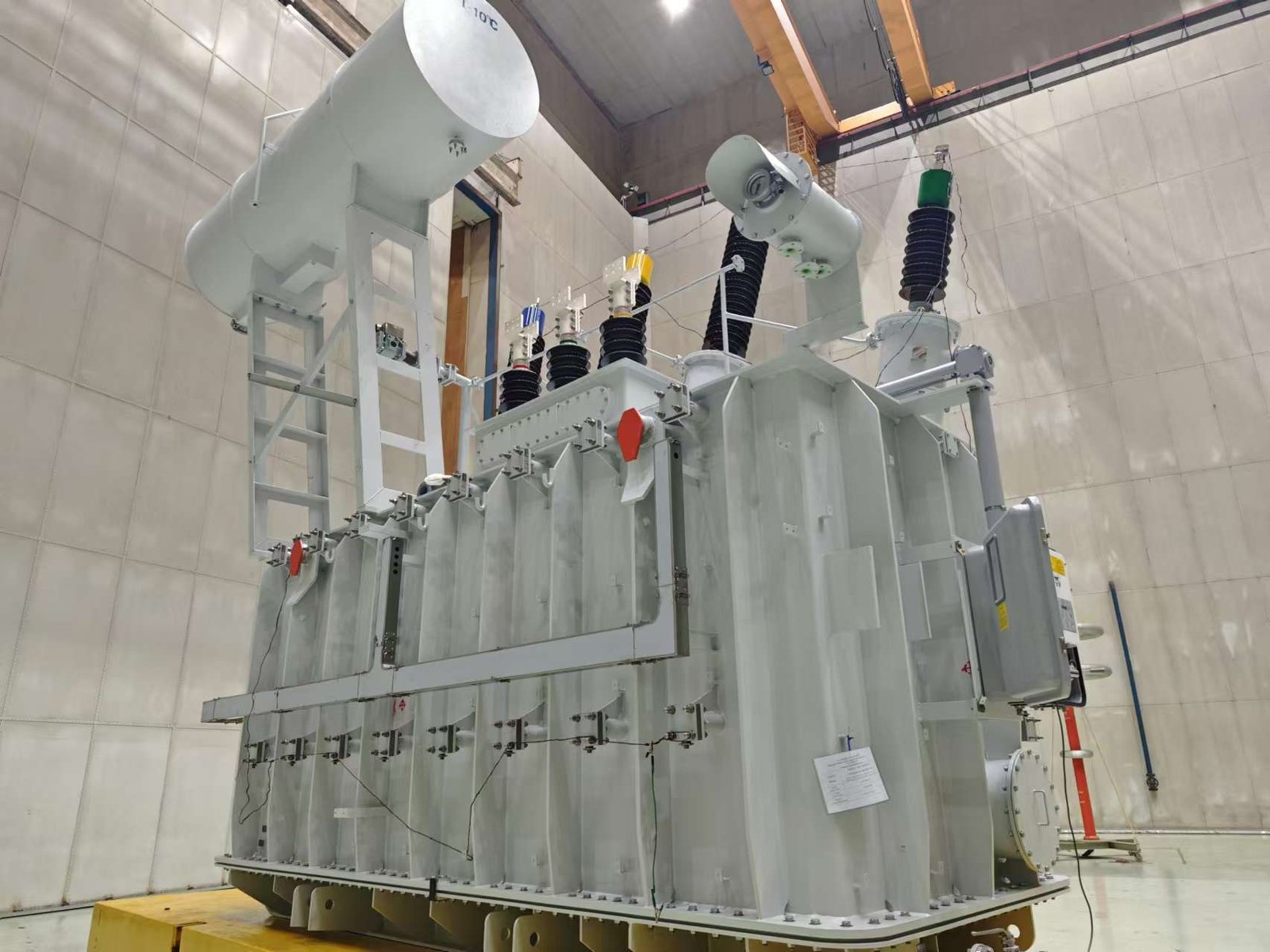
Purchasing a power transformer without a detailed pre-shipment inspection plan can expose buyers to significant risks, including hidden manufacturing defects, incorrect specifications, incomplete documentation, failed commissioning, and unexpected operational problems. Because power transformers are customized, high-value assets designed for decades of service, quality verification must begin before transportation from the factory. A structured inspection plan allows buyers to define acceptance criteria, confirm testing requirements, coordinate inspectors, and ensure that the delivered transformer meets all technical and contractual expectations.
Buyers can prepare an effective power transformer pre-shipment inspection plan by defining inspection objectives, reviewing technical specifications, identifying critical components, establishing inspection stages, selecting qualified inspectors, confirming factory acceptance tests, verifying documentation requirements, setting acceptance criteria, and coordinating final shipment approval. A well-prepared inspection plan reduces procurement risks, improves supplier accountability, and ensures the transformer is ready for reliable installation and operation.
A detailed pre-shipment inspection plan helps buyers reduce power transformer procurement risks by defining quality requirements and verification procedures before delivery.True
Clear inspection plans allow manufacturers, buyers, and inspectors to follow agreed procedures and acceptance criteria.
A successful transformer inspection plan should be prepared during the procurement stage rather than after manufacturing begins. Early planning ensures that the manufacturer understands inspection expectations and that buyers have enough time to arrange factory visits, third-party inspection services, and technical reviews.
Why Is a Pre-Shipment Inspection Plan Important for Power Transformers?
Power transformers contain many critical systems that must operate together safely.
| Transformer Area | Inspection Purpose |
|---|---|
| Core | Verify magnetic performance and losses |
| Windings | Confirm electrical and mechanical integrity |
| Insulation system | Ensure dielectric reliability |
| Transformer oil | Verify cooling and insulation quality |
| Bushings | Confirm high-voltage connection safety |
| Cooling system | Check thermal performance |
| Protection devices | Verify fault protection functions |
A pre-shipment inspection plan helps buyers answer key questions:
- Was the transformer manufactured according to approved designs?
- Were correct materials used?
- Did the transformer pass required tests?
- Are all accessories installed correctly?
- Is the equipment ready for transportation and commissioning?
What Are the Main Steps in Preparing a Transformer Inspection Plan?
A complete inspection plan usually follows a structured process.
| Step | Main Activity |
|---|---|
| 1 | Review contract requirements |
| 2 | Define inspection scope |
| 3 | Identify critical inspection points |
| 4 | Select inspectors |
| 5 | Prepare inspection checklist |
| 6 | Confirm testing requirements |
| 7 | Review results and approve shipment |
This approach ensures that inspection activities are organized and traceable.
How Should Buyers Review Transformer Contract Requirements First?
The inspection plan should begin with a detailed review of procurement documents.
Important references include:
| Document | Inspection Use |
|---|---|
| Purchase specification | Define technical requirements |
| Approved drawings | Verify design compliance |
| Technical data sheet | Confirm transformer parameters |
| Contract agreement | Establish acceptance conditions |
| Applicable standards | Define testing requirements |
Buyers should identify:
- Rated power
- Voltage levels
- Cooling method
- Insulation class
- Transformer accessories
- Required tests
- Documentation requirements
How Should Buyers Define Inspection Scope?
The inspection scope determines what will be checked before shipment.
A typical scope includes:
| Inspection Category | Examples |
|---|---|
| Design review | Drawings and specifications |
| Material inspection | Certificates and traceability |
| Manufacturing inspection | Production processes |
| Electrical testing | FAT results |
| Mechanical inspection | Assembly quality |
| Documentation review | Reports and manuals |
| Shipment inspection | Packing condition |
The inspection scope should match the transformer’s importance and application.
What Inspection Stages Should Be Included in the Plan?
Effective inspection plans usually divide inspections into multiple stages.
| Inspection Stage | Inspection Focus |
|---|---|
| Raw material stage | Verify component quality |
| Manufacturing stage | Monitor production quality |
| Assembly stage | Check installation accuracy |
| Testing stage | Review FAT performance |
| Final stage | Approve shipment |
Early inspections are valuable because they allow problems to be corrected before final assembly.
How Should Buyers Identify Critical Inspection Points?
Not every transformer component carries the same level of risk.
Critical inspection points usually include:
| Component | Reason for Inspection |
|---|---|
| Windings | High failure impact |
| Insulation system | Determines transformer life |
| Core assembly | Affects efficiency |
| Bushings | High-voltage reliability |
| Tap changer | Voltage regulation function |
| Cooling system | Prevents overheating |
Focusing on critical areas improves inspection efficiency.
How Should Buyers Prepare a Transformer Inspection Checklist?
A detailed checklist prevents important items from being overlooked.
Example checklist:
| Category | Inspection Items |
|---|---|
| Design | Ratings, drawings, specifications |
| Materials | Certificates, quality records |
| Manufacturing | Workmanship and process control |
| Electrical tests | FAT results |
| Mechanical checks | Tank, accessories, assembly |
| Documents | Reports and manuals |
| Shipment | Packing and transportation readiness |
The checklist should be approved before factory inspection begins.
What Factory Acceptance Tests Should Be Included in the Inspection Plan?
Factory Acceptance Tests are the core of transformer pre-shipment verification.
Required tests may include:
| FAT Test | Purpose |
|---|---|
| Transformer ratio test | Confirm voltage ratio |
| Winding resistance test | Verify winding connections |
| Insulation resistance test | Check insulation condition |
| Applied voltage test | Confirm dielectric strength |
| Induced voltage test | Verify internal insulation |
| No-load loss test | Measure core losses |
| Load loss test | Measure winding losses |
| Impedance test | Confirm system compatibility |
| Temperature rise test | Verify thermal design |
| Partial discharge test | Detect insulation defects |
Factory Acceptance Tests are an important part of transformer inspection plans because they verify electrical performance before shipment.True
FAT results provide objective evidence that the transformer meets required performance criteria before delivery.
How Should Buyers Define FAT Witness Requirements?
Buyers should specify who will participate in factory testing.
Possible participants include:
| Participant | Responsibility |
|---|---|
| Manufacturer engineers | Perform tests |
| Buyer representatives | Witness compliance |
| Third-party inspectors | Provide independent verification |
| Consultants | Review technical results |
The inspection plan should define:
- Required witnesses
- Notification period
- Test schedule
- Report format
- Approval process
How Should Buyers Select a Third-Party Inspector?
A qualified inspector should have transformer-specific experience.
Selection criteria include:
| Qualification | Importance |
|---|---|
| Transformer testing experience | Understand technical requirements |
| Electrical knowledge | Review FAT correctly |
| Industry certifications | Ensure professionalism |
| Reporting capability | Provide useful records |
| International experience | Support global projects |
An experienced inspector can identify problems that general inspectors may miss.
What Documents Should Be Included in the Inspection Plan?
Document review should be clearly defined.
Required documents may include:
| Document | Purpose |
|---|---|
| Approved drawings | Confirm design |
| Material certificates | Verify components |
| FAT reports | Confirm performance |
| Calibration certificates | Verify test accuracy |
| Quality records | Track manufacturing |
| Oil test reports | Confirm insulation condition |
| Operation manuals | Support commissioning |
| Maintenance manuals | Support lifecycle management |
How Should Buyers Establish Acceptance Criteria?
Acceptance criteria define whether the transformer can be approved for shipment.
Examples include:
| Parameter | Acceptance Requirement |
|---|---|
| Test results | Within specified limits |
| Dimensions | Match approved drawings |
| Documentation | Complete and approved |
| Appearance | Free from defects |
| Accessories | Correctly installed |
Clear acceptance criteria prevent disagreements between buyers and suppliers.
How Should Buyers Plan Visual and Mechanical Inspections?
Visual inspection should verify overall construction quality.
Important checks include:
| Item | Inspection Focus |
|---|---|
| Transformer tank | Leakage and structure |
| Welds | Manufacturing quality |
| Paint coating | Corrosion protection |
| Bushings | Damage and installation |
| Radiators | Cooling assembly |
| Control cabinet | Wiring condition |
| Nameplate | Identification accuracy |
How Should Buyers Verify Transformer Oil Quality?
For oil-immersed transformers, oil inspection should be included.
The plan should review:
| Oil Check | Purpose |
|---|---|
| Breakdown voltage | Verify dielectric strength |
| Moisture content | Confirm dryness |
| Acidity | Evaluate oil condition |
| Oil certificate | Confirm specification |
| Filtration record | Verify treatment |
Proper oil quality supports long-term transformer reliability.
How Should Buyers Include Shipment and Packaging Inspection?
The final inspection stage should confirm transportation readiness.
Checks include:
| Shipment Item | Inspection Purpose |
|---|---|
| Packing condition | Prevent transport damage |
| Accessories | Confirm completeness |
| Labels | Support handling |
| Lifting points | Ensure safe installation |
| Shipping documents | Support logistics |
Large transformers require careful transportation planning because mechanical damage during shipment can affect performance.
How Can Buyers Manage Inspection Schedule Coordination?
Inspection timing should be planned with the manufacturer.
Important schedule points include:
| Activity | Recommended Timing |
|---|---|
| Inspection plan approval | Before production |
| Material review | During procurement |
| Manufacturing inspection | During assembly |
| FAT witnessing | Before shipment |
| Final approval | Before transportation |
Early coordination prevents delays.
What Common Mistakes Should Buyers Avoid When Preparing an Inspection Plan?
Common mistakes include:
| Mistake | Consequence |
|---|---|
| Defining inspection too late | Limited correction options |
| Ignoring documents | Reduced traceability |
| Missing FAT requirements | Quality uncertainty |
| Choosing inexperienced inspectors | Poor defect detection |
| Using unclear acceptance criteria | Supplier disputes |
A detailed plan avoids these problems.
How Does a Good Inspection Plan Improve Transformer Lifecycle Management?
A strong inspection process creates valuable baseline information.
| Inspection Output | Lifecycle Benefit |
|---|---|
| FAT records | Future performance comparison |
| Quality documents | Easier troubleshooting |
| Inspection reports | Maintenance reference |
| Material records | Better asset management |
The information collected before delivery supports decades of operation.
Conclusion
Pre-shipment inspection and third-party verification are valuable practices for ensuring that a power transformer meets quality, safety, and performance requirements before delivery. By reviewing manufacturing processes, conducting factory acceptance tests, checking technical documentation, and verifying compliance with agreed standards, buyers can identify potential issues early and reduce procurement risks. For large or critical transformer projects, involving experienced inspectors provides an additional layer of quality assurance and helps ensure that the delivered equipment performs reliably throughout its operational lifetime. A professional inspection process ultimately protects the buyer’s investment and supports successful project execution.
FAQ
Q1: Can I inspect a power transformer before shipment?
Yes. Buyers can inspect power transformers before shipment to verify that the equipment meets contractual specifications, technical requirements, and quality standards. Pre-shipment inspection is a common practice in transformer procurement, especially for large and high-value transformers.
The inspection is usually performed at the manufacturer's factory after production is completed and before the transformer is released for transportation.
A pre-shipment inspection may include:
Review of manufacturing records
Verification of materials and components
Inspection of assembly quality
Review of factory test results
Witnessing factory acceptance tests (FAT)
Checking documentation
Confirming packaging and shipping conditions
For major projects, utilities and industrial customers often require factory inspections before accepting delivery. This process helps identify issues early and reduces risks associated with transportation, installation, and commissioning.
Q2: What is a Factory Acceptance Test (FAT) for power transformers?
A Factory Acceptance Test (FAT) is a series of inspections and tests performed at the manufacturer's facility to verify transformer performance before shipment.
FAT procedures are typically defined in the purchase contract and follow standards such as IEC 60076 or IEEE C57.
Common FAT tests include:
Routine Tests
Winding resistance measurement
Voltage ratio verification
Polarity and phase relationship checks
No-load loss measurement
Load loss measurement
Impedance voltage measurement
Dielectric tests
Special Tests (if required)
Temperature rise test
Partial discharge measurement
Lightning impulse test
Noise level measurement
Short-circuit withstand verification
The FAT confirms that the transformer has been manufactured according to approved drawings, specifications, and performance requirements.
Q3: Can buyers send their own engineers to inspect transformers at the factory?
Yes. Buyers can send their own engineers, inspectors, or representatives to the manufacturer's factory for inspection.
Customer representatives may:
Review manufacturing progress
Witness testing procedures
Verify test equipment calibration
Check assembly quality
Approve inspection reports
Confirm compliance with specifications
For large transformers, buyers often assign technical teams to attend key production stages, including:
Core assembly
Winding inspection
Final assembly
Testing
Packing
The inspection rights and procedures should be clearly included in the purchase contract before manufacturing begins.
Q4: Can I assign a third-party inspector to inspect a power transformer?
Yes. Buyers can appoint an independent third-party inspection company to perform transformer inspections before shipment.
Third-party inspectors provide an objective assessment of:
Manufacturing quality
Test procedures
Documentation accuracy
Contract compliance
Shipping readiness
Common third-party inspection companies include organizations specializing in:
Electrical equipment inspection
Industrial quality control
Factory audits
Testing verification
A third-party inspector may:
Witness factory acceptance tests
Verify dimensions and accessories
Review certificates
Check packaging
Issue inspection reports
This approach is especially useful when buyers cannot send their own engineers to the manufacturing location.
Q5: What should be checked during a pre-shipment transformer inspection?
A comprehensive pre-shipment inspection should cover technical, quality, and documentation requirements.
Important inspection items include:
Technical Verification
Transformer rating
Voltage ratio
Frequency
Vector group
Cooling method
Efficiency values
Loss levels
Physical Inspection
Tank condition
Bushings
Radiators
Conservator
Accessories
Nameplate information
Documentation Review
Test reports
Material certificates
Quality records
Drawings
Operation manuals
Certificates of compliance
Packaging Inspection
Transportation supports
Moisture protection
Marking and labeling
Shipping preparation
This ensures the transformer delivered to the site matches the approved design.
Q6: When should a buyer arrange transformer inspection before shipment?
The timing of inspection depends on the transformer manufacturing schedule.
Recommended inspection stages include:
During Manufacturing
For large transformers:
Core inspection
Winding inspection
Assembly inspection
After Completion
Before shipment:
Final inspection
FAT witnessing
Documentation review
Packaging inspection
Buyers should arrange inspection well in advance because factory schedules and testing facilities must be coordinated with the manufacturer.
For large custom transformers, inspection planning is often included during contract negotiation.
Q7: Who pays for third-party transformer inspections?
The responsibility for inspection costs depends on the procurement contract.
Common arrangements include:
Buyer Pays
The buyer selects and pays the inspection company.
Seller Pays
The manufacturer includes inspection costs in the quotation.
Shared Cost
Both parties share inspection expenses.
Inspection costs are usually small compared with the total transformer investment, making third-party inspection a cost-effective method for reducing procurement risks.
Q8: What are the benefits of inspecting transformers before shipment?
Pre-shipment inspection provides several important benefits:
Quality Assurance
Confirms that the transformer meets technical requirements.
Risk Reduction
Helps detect manufacturing issues before transportation.
Contract Compliance
Verifies that supplied equipment matches agreed specifications.
Documentation Control
Ensures complete test records and certificates.
Project Schedule Protection
Reduces the risk of installation delays caused by incorrect or defective equipment.
For high-value power transformers, factory inspection and third-party verification are widely considered best practices for successful procurement and long-term reliable operation.
References
IEC 60076 – Power Transformers
https://webstore.iec.ch/publication/602
IEEE C57 Series – Power Transformer Standards
https://standards.ieee.org
ISO 9001 – Quality Management Systems
https://www.iso.org/iso-9001-quality-management.html