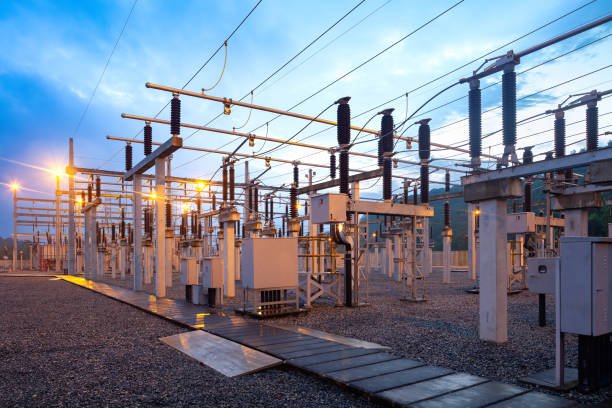
Power transformer projects involve significant investment, complex engineering requirements, and long-term operational expectations, making quality management a critical concern for buyers. Poor transformer quality can lead to insulation failures, unexpected downtime, costly repairs, delayed commissioning, and reduced system reliability. Since transformers are often customized and operate for several decades, identifying and controlling quality risks throughout the procurement process is essential. A proactive quality management strategy helps buyers ensure that delivered transformers meet technical requirements, industry standards, and expected performance levels.
Buyers can mitigate quality risks in power transformer projects by selecting qualified manufacturers, conducting detailed technical evaluations, defining clear specifications, implementing factory acceptance testing (FAT), performing third-party inspections, verifying certifications, monitoring production processes, and maintaining effective communication with suppliers. A comprehensive quality assurance approach reduces the risk of manufacturing defects, delivery issues, performance failures, and unexpected lifecycle costs.
Quality control for power transformers should begin before the purchase order is issued and continue through manufacturing, testing, transportation, installation, and commissioning. By applying structured risk management practices, buyers can improve project success and ensure reliable transformer operation for decades.
How Can Buyers Mitigate Quality Risks in Power Transformer Projects?
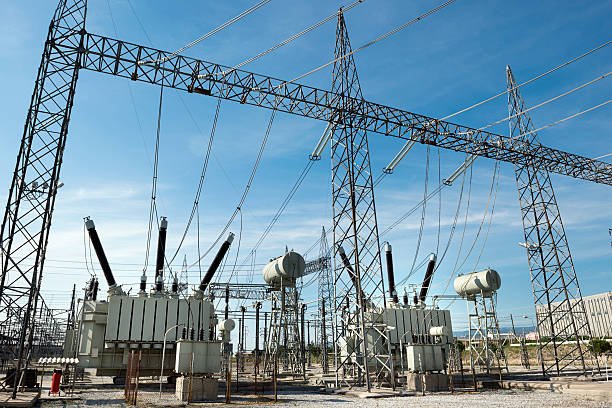
Power transformer projects involve significant technical complexity, long service expectations, and high capital investment. A transformer that fails to meet design requirements can cause severe consequences, including unexpected downtime, grid instability, production losses, safety concerns, and expensive replacement costs. Quality risks may arise from many areas, including incorrect specifications, insufficient supplier capability, poor material selection, manufacturing defects, inadequate testing, transportation damage, and improper installation.
Buyers can mitigate quality risks in power transformer projects by selecting qualified manufacturers, defining detailed technical specifications, conducting supplier evaluations, implementing strict quality control requirements, performing factory inspections and acceptance tests, verifying documentation, monitoring production progress, and ensuring proper installation and commissioning. A comprehensive quality management strategy throughout the procurement lifecycle helps reduce failure risks and improves transformer reliability, performance, and service life.
Supplier qualification and factory acceptance testing are important methods for reducing power transformer project quality risks.True
Evaluating manufacturer capability and verifying transformer performance before delivery helps identify potential problems early.
The lowest purchase price always represents the lowest total cost for a power transformer project.False
Poor quality, failures, downtime, and maintenance expenses can make a low initial price more expensive over the transformer lifecycle.
Transformer quality risks can be reduced through early specification review and effective communication between buyers and manufacturers.True
Clear requirements prevent design misunderstandings and ensure the transformer matches application needs.
A reliable power transformer requires more than a successful purchase order. Buyers need a systematic approach that controls quality risks from project planning through operation. By managing every stage carefully, organizations can improve delivery confidence and achieve better long-term asset performance.
What Are the Main Quality Risks in Power Transformer Projects?
Power transformer projects involve multiple technical and operational risks.
| Risk Category | Common Problems | Possible Impact |
|---|---|---|
| Design risk | Incorrect specifications or unsuitable design | Poor performance |
| Supplier risk | Limited manufacturing experience | Quality inconsistency |
| Material risk | Low-quality raw materials | Reduced service life |
| Manufacturing risk | Process defects | Transformer failure |
| Testing risk | Incomplete inspections | Hidden problems |
| Logistics risk | Transportation damage | Installation issues |
| Installation risk | Incorrect commissioning | Early failure |
Understanding these risks helps buyers develop effective mitigation strategies.
Why Is Quality Risk Management Important for Power Transformers?
Power transformers are long-life assets that often operate for 30 years or more. A quality problem during manufacturing can affect performance throughout the entire lifecycle.
Poor quality control may lead to:
| Problem | Long-Term Effect |
|---|---|
| Insulation defects | Reduced dielectric strength |
| Winding problems | Short-circuit failure |
| Oil leakage | Cooling and insulation issues |
| Core losses | Reduced efficiency |
| Poor assembly | Mechanical reliability problems |
Because transformers are difficult and expensive to replace after installation, preventing quality problems before delivery is essential.
How Can Buyers Reduce Quality Risks During the Specification Stage?
Many transformer problems begin with unclear technical requirements.
Buyers should carefully define:
| Specification Item | Consideration |
|---|---|
| Rated capacity | kVA/MVA requirements |
| Voltage ratio | System compatibility |
| Frequency | Network requirements |
| Cooling method | Operating environment |
| Insulation level | Electrical safety |
| Protection requirements | System reliability |
| Applicable standards | Compliance expectations |
A detailed specification helps manufacturers design the correct transformer.
How Does Supplier Evaluation Reduce Transformer Quality Risks?
Choosing the right manufacturer is one of the most important risk-control steps.
Buyers should evaluate:
| Evaluation Area | Key Questions |
|---|---|
| Manufacturing experience | Has the supplier produced similar transformers? |
| Production capacity | Can the factory meet project requirements? |
| Engineering capability | Can they provide customized designs? |
| Quality system | Are inspection processes established? |
| Testing capability | Are required tests performed internally? |
| Project references | Do previous installations demonstrate reliability? |
A supplier with proven experience reduces technical uncertainty.
What Manufacturing Capabilities Should Buyers Review?
A qualified transformer manufacturer should have strong capabilities in:
| Capability | Importance |
|---|---|
| Core manufacturing | Ensures magnetic performance |
| Winding production | Controls electrical reliability |
| Insulation processing | Protects against breakdown |
| Tank fabrication | Prevents leakage |
| Oil treatment | Improves insulation quality |
| Assembly control | Ensures accurate construction |
Buyers should review manufacturing facilities rather than relying only on documents.
How Does Quality Management System Certification Help?
A mature quality management system improves manufacturing consistency.
Important certifications and systems may include:
| Quality Element | Purpose |
|---|---|
| ISO-based quality systems | Standardized processes |
| Inspection procedures | Consistent verification |
| Traceability systems | Material tracking |
| Corrective action systems | Problem prevention |
However, certification should be combined with actual factory capability evaluation.
How Can Buyers Control Material Quality?
Transformer performance depends heavily on material quality.
Important materials include:
| Material | Quality Concern |
|---|---|
| Electrical steel | Core losses |
| Copper/aluminum conductors | Electrical efficiency |
| Insulation paper | Aging resistance |
| Transformer oil | Dielectric performance |
| Bushings | High-voltage reliability |
| Sealing materials | Oil leakage prevention |
Buyers should request material certificates and inspection records.
How Do Factory Inspections Reduce Quality Risks?
Factory inspections allow buyers to verify manufacturing progress before shipment.
Common inspection stages include:
| Inspection Stage | Purpose |
|---|---|
| Incoming material inspection | Verify raw materials |
| Manufacturing inspection | Monitor production quality |
| Assembly inspection | Confirm construction accuracy |
| Final inspection | Verify finished transformer |
Early inspection can prevent expensive corrections later.
What Factory Acceptance Tests Should Buyers Require?
Factory acceptance tests (FAT) are critical for confirming transformer performance.
Typical tests include:
| Test | Purpose |
|---|---|
| Ratio test | Verify voltage ratio |
| Winding resistance test | Check conductor integrity |
| Insulation resistance test | Evaluate insulation condition |
| No-load loss test | Measure core performance |
| Load loss test | Verify efficiency |
| Impedance test | Confirm system compatibility |
| Temperature rise test | Verify thermal performance |
| Dielectric tests | Confirm insulation strength |
| Partial discharge test | Detect insulation defects |
Testing requirements should be clearly defined before manufacturing begins.
How Does Third-Party Inspection Improve Quality Control?
Independent inspection provides additional verification.
Third-party inspectors can review:
| Inspection Activity | Benefit |
|---|---|
| Manufacturing progress | Confirms production status |
| Material verification | Improves transparency |
| Testing observation | Confirms test procedures |
| Documentation review | Ensures completeness |
| Final inspection | Reduces delivery risks |
This is especially valuable for international procurement projects.
How Can Buyers Monitor Manufacturing Progress?
Communication gaps can create project risks.
Buyers should establish:
| Management Practice | Benefit |
|---|---|
| Production schedules | Track milestones |
| Regular reports | Improve visibility |
| Technical meetings | Resolve issues quickly |
| Design reviews | Prevent errors |
| Progress inspections | Confirm status |
Active project management reduces unexpected delays.
How Can Buyers Verify Transformer Documentation?
Complete documentation supports future operation and maintenance.
Important documents include:
| Document | Purpose |
|---|---|
| Technical drawings | Confirm design |
| Test reports | Verify performance |
| Material certificates | Confirm quality |
| Inspection records | Provide traceability |
| Operation manuals | Support installation |
| Maintenance guidelines | Improve lifecycle management |
Documentation quality is an important indicator of supplier professionalism.
How Can Buyers Reduce Transportation Quality Risks?
Large transformers are sensitive equipment requiring careful logistics management.
Transportation risks include:
| Risk | Prevention Method |
|---|---|
| Mechanical shock | Proper packaging |
| Moisture exposure | Protective sealing |
| Tank damage | Secure transportation |
| Improper handling | Experienced logistics providers |
Buyers should review transportation plans before shipment.
How Can Buyers Control Installation and Commissioning Risks?
Even a high-quality transformer can experience problems if installed incorrectly.
Commissioning should include:
| Activity | Purpose |
|---|---|
| Visual inspection | Check shipment condition |
| Oil inspection | Confirm oil quality |
| Electrical testing | Verify installation |
| Protection testing | Confirm safety systems |
| Trial operation | Validate performance |
Proper commissioning ensures reliable operation.
How Can Digital Technologies Improve Transformer Quality Management?
Modern digital tools can improve project visibility.
Examples include:
| Technology | Quality Benefit |
|---|---|
| Digital documentation systems | Better traceability |
| Online monitoring | Early fault detection |
| AI analytics | Predictive quality assessment |
| Manufacturing data tracking | Process control |
Digital management helps buyers monitor transformer lifecycle performance.
What Quality Metrics Should Buyers Track?
Measuring supplier performance helps improve future procurement.
Useful indicators include:
| Metric | Purpose |
|---|---|
| Delivery performance | Evaluate schedule reliability |
| Test pass rate | Assess manufacturing quality |
| Defect frequency | Measure production consistency |
| Warranty claims | Evaluate long-term reliability |
| Response time | Assess after-sales support |
Data-based evaluation supports better supplier decisions.
How Can Long-Term Supplier Relationships Reduce Quality Risks?
Long-term cooperation with qualified suppliers can improve project outcomes.
Benefits include:
| Relationship Benefit | Result |
|---|---|
| Better communication | Fewer misunderstandings |
| Supplier familiarity | Faster technical solutions |
| Continuous improvement | Higher quality consistency |
| Better support | Improved lifecycle service |
Strategic supplier relationships are valuable for large transformer projects.
What Role Does After-Sales Support Play in Quality Risk Management?
Quality management continues after delivery.
Important services include:
| Service | Benefit |
|---|---|
| Installation support | Correct commissioning |
| Technical consultation | Faster problem solving |
| Spare parts supply | Reduced downtime |
| Maintenance guidance | Extended service life |
A supplier’s support capability should be considered during selection.
How Should Buyers Evaluate Power Transformer Manufacturers Before Placing Orders?

Selecting the right power transformer manufacturer is one of the most important decisions in a transformer procurement project. A transformer is a long-term investment that directly affects electrical system reliability, operational safety, and lifecycle costs. Choosing a supplier based only on the lowest quotation can create significant risks, including poor product quality, delayed delivery, insufficient technical support, and unexpected maintenance expenses after installation.
Buyers should evaluate power transformer manufacturers before placing orders by reviewing their manufacturing experience, technical capabilities, quality control systems, production facilities, testing capabilities, project references, certifications, delivery performance, customization ability, and after-sales support. A comprehensive supplier evaluation process helps buyers identify reliable manufacturers, reduce procurement risks, and ensure that the purchased transformer meets technical, safety, and long-term operational requirements.
Evaluating a power transformer manufacturer's technical capability and quality system before ordering helps reduce project risks.True
Supplier evaluation allows buyers to verify manufacturing processes, testing capacity, and engineering expertise before committing to a purchase.
The lowest-priced transformer supplier always provides the best overall value.False
A lower initial price may result in higher lifecycle costs due to quality issues, failures, delays, or insufficient support.
Previous project references are useful indicators when assessing the reliability of power transformer manufacturers.True
Successful completed projects demonstrate practical manufacturing experience and application capability.
A professional supplier evaluation process allows buyers to move beyond price comparison and focus on total value, including product reliability, technical performance, delivery confidence, and long-term service capability.
Why Is Manufacturer Evaluation Important Before Buying Power Transformers?
Power transformers operate under demanding electrical, thermal, and environmental conditions. A manufacturing defect or design issue may not appear immediately but can reduce transformer reliability over decades of operation.
Poor supplier selection may result in:
| Risk | Possible Consequence |
|---|---|
| Insufficient design capability | Incorrect transformer performance |
| Weak manufacturing control | Production defects |
| Poor material management | Reduced service life |
| Limited testing ability | Hidden quality problems |
| Weak after-sales support | Difficult problem resolution |
A qualified manufacturer helps buyers achieve:
| Evaluation Goal | Expected Benefit |
|---|---|
| Reliable product quality | Fewer failures |
| Accurate technical design | Better system compatibility |
| Stable delivery | Reduced project delays |
| Professional support | Easier operation and maintenance |
What Are the Key Factors When Evaluating Power Transformer Manufacturers?
Buyers should evaluate manufacturers across multiple areas rather than relying on a single factor.
| Evaluation Category | Key Assessment Points |
|---|---|
| Manufacturing experience | Years of transformer production and project history |
| Engineering capability | Design and customization ability |
| Production facilities | Factory equipment and capacity |
| Quality management | Inspection systems and certifications |
| Testing capability | Routine and type testing capacity |
| Project references | Similar completed installations |
| Supply chain management | Material reliability |
| Service capability | Installation and maintenance support |
A complete evaluation provides a clearer understanding of supplier reliability.
How Should Buyers Evaluate a Manufacturer’s Transformer Experience?
Manufacturing experience is one of the strongest indicators of supplier capability.
Buyers should review:
| Experience Factor | Evaluation Question |
|---|---|
| Operating history | How long has the manufacturer produced transformers? |
| Product range | Can they manufacture required ratings? |
| Application experience | Have they supplied similar projects? |
| Industry experience | Do they understand specific application needs? |
| Export experience | Can they manage international requirements? |
A manufacturer with extensive experience is more likely to understand technical challenges and provide practical solutions.
Why Are Similar Project References Important?
Past project references demonstrate whether a manufacturer can successfully deliver transformers for similar applications.
Buyers should request:
| Reference Information | Purpose |
|---|---|
| Transformer rating | Verify capacity experience |
| Voltage level | Confirm technical capability |
| Industry application | Evaluate suitability |
| Installation location | Understand operating conditions |
| Project completion status | Confirm reliability |
Examples of useful references include:
- Utility substations
- Industrial power systems
- Renewable energy projects
- Mining operations
- Infrastructure developments
A manufacturer with relevant experience reduces technical uncertainty.
How Can Buyers Assess Technical Capabilities?
Power transformer manufacturing requires advanced engineering knowledge.
Important technical capabilities include:
| Technical Area | Importance |
|---|---|
| Electrical design | Ensures proper performance |
| Magnetic design | Controls efficiency and losses |
| Thermal calculation | Prevents overheating |
| Insulation design | Improves reliability |
| Short-circuit strength analysis | Protects windings |
| Noise reduction design | Meets environmental requirements |
Buyers should evaluate whether the manufacturer can provide engineering calculations and technical documentation.
What Manufacturing Facilities Should Buyers Inspect?
A factory visit or third-party factory assessment can reveal actual production capability.
Important areas include:
| Factory Area | What to Review |
|---|---|
| Core assembly area | Manufacturing accuracy |
| Winding workshop | Production cleanliness and equipment |
| Insulation processing area | Quality control |
| Tank fabrication area | Mechanical manufacturing |
| Assembly area | Final construction quality |
| Testing laboratory | Verification capability |
A well-organized factory usually reflects stronger process control.
How Does Production Capacity Affect Supplier Selection?
Manufacturing capacity directly influences delivery reliability.
Buyers should evaluate:
| Capacity Factor | Importance |
|---|---|
| Annual output | Indicates production experience |
| Equipment availability | Supports manufacturing efficiency |
| Workforce capability | Ensures technical execution |
| Current production schedule | Avoids delivery conflicts |
| Material supply stability | Reduces delays |
A manufacturer should have sufficient capacity without compromising quality.
How Should Buyers Review Quality Control Systems?
Quality control is essential because transformer defects can be expensive to correct after installation.
Important quality processes include:
| Quality Control Stage | Purpose |
|---|---|
| Incoming inspection | Verify raw materials |
| Manufacturing inspection | Control production processes |
| Assembly inspection | Confirm construction accuracy |
| Testing inspection | Verify performance |
| Final inspection | Confirm delivery condition |
Buyers should review:
- Quality manuals
- Inspection procedures
- Non-conformance handling
- Corrective action processes
- Traceability systems
Which Certifications Should Buyers Check?
Certifications can indicate standardized management practices.
Common certifications include:
| Certification | Purpose |
|---|---|
| ISO quality systems | Process management |
| Environmental systems | Sustainable production |
| Occupational safety systems | Workplace management |
| Product compliance certificates | Market requirements |
However, certifications should support—not replace—actual capability evaluation.
How Should Buyers Evaluate Transformer Testing Capability?
Testing capability is a critical supplier evaluation factor.
A qualified manufacturer should provide comprehensive testing.
| Test Category | Examples |
|---|---|
| Routine tests | Ratio, resistance, insulation tests |
| Performance tests | Loss and efficiency tests |
| Dielectric tests | Insulation verification |
| Temperature tests | Cooling performance |
| Special tests | Customer-specific requirements |
Buyers should confirm that required tests can be performed according to applicable standards.
Why Is Factory Acceptance Testing Important?
Factory acceptance testing (FAT) allows buyers to verify transformer quality before shipment.
FAT may include:
| Test | Purpose |
|---|---|
| Winding resistance test | Check winding integrity |
| Turns ratio test | Verify voltage transformation |
| Insulation tests | Confirm dielectric strength |
| No-load loss test | Verify core performance |
| Load loss test | Confirm efficiency |
| Impedance test | Verify system compatibility |
A supplier willing to support detailed FAT demonstrates confidence in product quality.
How Can Buyers Evaluate Customization Ability?
Many projects require transformers designed for specific conditions.
Customization may involve:
| Requirement | Example |
|---|---|
| Special voltage ratio | Grid requirements |
| Different cooling method | Environmental conditions |
| High-altitude design | Installation location |
| Low-noise design | Urban applications |
| Special protection | System requirements |
Manufacturers should demonstrate the ability to modify designs while maintaining reliability.
How Should Buyers Compare Supplier Prices?
Price is important, but it should not be the only selection factor.
A better comparison includes:
| Cost Factor | Evaluation |
|---|---|
| Purchase price | Initial investment |
| Energy losses | Operating cost |
| Maintenance requirements | Lifecycle expense |
| Warranty support | Risk reduction |
| Delivery reliability | Project cost control |
The lowest quotation may not provide the lowest total cost.
How Important Is Supply Chain Management?
Transformer quality depends on reliable material sourcing.
Buyers should evaluate:
| Supply Chain Area | Review Point |
|---|---|
| Raw materials | Quality certification |
| Supplier management | Vendor qualification |
| Material traceability | Quality tracking |
| Inventory control | Production stability |
Strong supply chain management reduces production risks.
How Should Buyers Evaluate After-Sales Support?
After-sales service is important throughout the transformer lifecycle.
Buyers should review:
| Service Capability | Importance |
|---|---|
| Installation guidance | Proper commissioning |
| Technical support | Problem solving |
| Spare parts availability | Reduced downtime |
| Warranty response | Risk protection |
| Maintenance support | Long-term reliability |
A reliable manufacturer remains a technical partner after delivery.
What Questions Should Buyers Ask Transformer Manufacturers?
Before placing an order, buyers should ask:
| Question | Purpose |
|---|---|
| Have you produced similar transformers? | Verify experience |
| What testing can you perform? | Confirm quality capability |
| Can you provide project references? | Evaluate reliability |
| How do you control materials? | Assess supply quality |
| What is your delivery process? | Understand project management |
| What support is available after delivery? | Evaluate lifecycle service |
Detailed communication prevents misunderstandings.
How Can Buyers Conduct a Final Supplier Evaluation?
Before signing a purchase contract, buyers should complete a final review.
Recommended checklist:
| Evaluation Item | Completed |
|---|---|
| Technical requirements confirmed | ✓ |
| Manufacturer capability verified | ✓ |
| Quality system reviewed | ✓ |
| Testing requirements agreed | ✓ |
| Delivery schedule confirmed | ✓ |
| Warranty terms reviewed | ✓ |
| Service capability evaluated | ✓ |
A structured checklist reduces procurement risks.
What Quality Control Measures Should Be Applied During Power Transformer Manufacturing?
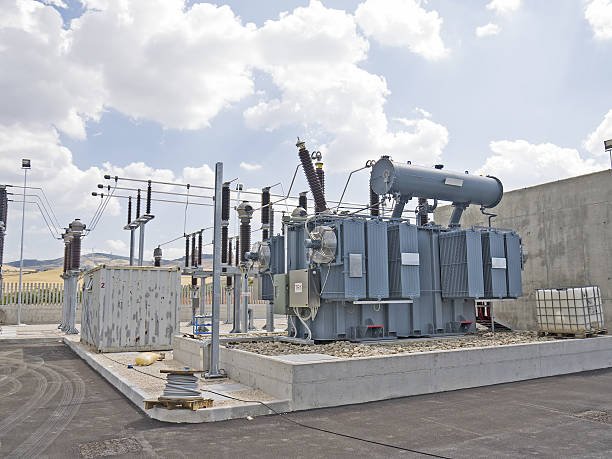
Power transformers are critical electrical assets designed to operate reliably for decades under high electrical, thermal, and mechanical stress. A small manufacturing defect, such as insulation damage, poor winding assembly, contaminated oil, incorrect material selection, or inadequate testing, can lead to serious failures after installation. Because transformer repairs in the field are expensive and disruptive, quality control during manufacturing is essential to prevent defects before delivery.
Quality control measures during power transformer manufacturing should include strict material inspection, supplier qualification, design verification, controlled production processes, winding and insulation inspections, oil treatment monitoring, dimensional checks, assembly quality control, factory acceptance testing, documentation verification, and final pre-shipment inspection. A comprehensive quality management system ensures that transformers meet technical specifications, international standards, safety requirements, and long-term reliability expectations.
Material inspection, manufacturing process control, and factory testing are essential quality control measures for power transformer production.True
These controls verify that materials, manufacturing processes, and final transformer performance meet required standards.
Transformer quality can be guaranteed only through final testing after manufacturing is completed.False
Quality must be controlled throughout the entire manufacturing process because some defects originate during material selection and production stages.
Traceability systems help manufacturers identify the source of materials and production issues during transformer manufacturing.True
Material and process traceability improves quality management and corrective action efficiency.
A reliable transformer is not created by final inspection alone. High-quality manufacturers apply quality control throughout the entire production lifecycle, from engineering design and raw material procurement to manufacturing, testing, and shipment.
Why Is Quality Control Important in Power Transformer Manufacturing?
Power transformers contain many complex components, including:
- Magnetic cores
- High-voltage and low-voltage windings
- Insulation systems
- Transformer oil systems
- Bushings
- Cooling equipment
- Protection devices
- Steel tanks
Each component affects transformer performance.
Poor manufacturing control may cause:
| Quality Issue | Possible Consequence |
|---|---|
| Incorrect winding design | Short-circuit failure |
| Poor insulation processing | Dielectric breakdown |
| Contaminated oil | Reduced insulation strength |
| Core assembly errors | Increased losses |
| Leakage problems | Oil loss and overheating |
| Poor testing procedures | Undetected defects |
Effective quality control reduces these risks before the transformer reaches the customer.
What Quality Management System Should Transformer Manufacturers Have?
A professional transformer manufacturer should operate a structured quality management system.
Key elements include:
| Quality System Element | Purpose |
|---|---|
| Quality procedures | Standardize manufacturing activities |
| Inspection plans | Define control points |
| Process documentation | Maintain consistency |
| Non-conformance management | Correct defects |
| Continuous improvement | Improve production quality |
| Traceability system | Track materials and processes |
A mature quality system ensures that every transformer follows controlled manufacturing procedures.
How Does Design Quality Control Affect Transformer Reliability?
Quality control begins before production starts.
Engineering teams should verify:
| Design Area | Quality Control Activity |
|---|---|
| Electrical design | Verify voltage, current, impedance |
| Magnetic design | Calculate losses and flux density |
| Thermal design | Confirm cooling performance |
| Insulation design | Check dielectric strength |
| Mechanical design | Verify structural strength |
| Short-circuit design | Evaluate winding strength |
Design reviews help prevent problems before manufacturing begins.
How Should Raw Materials Be Inspected?
Transformer performance depends heavily on material quality.
Important materials include:
| Material | Quality Inspection |
|---|---|
| Electrical steel | Core loss and thickness verification |
| Copper conductors | Conductivity and dimensions |
| Insulation paper | Strength and moisture control |
| Transformer oil | Dielectric and chemical testing |
| Steel plates | Mechanical properties |
| Sealing materials | Compatibility and durability |
Incoming material inspection prevents defective components from entering production.
How Important Is Supplier Quality Management?
Transformer manufacturers depend on many specialized suppliers.
Quality control should include:
| Supplier Control | Purpose |
|---|---|
| Supplier qualification | Verify capability |
| Material certificates | Confirm specifications |
| Supplier audits | Evaluate production processes |
| Performance monitoring | Track reliability |
| Corrective actions | Resolve quality problems |
Strong supplier management improves overall transformer quality.
How Is Transformer Core Manufacturing Controlled?
The transformer core affects efficiency and operating performance.
Quality control measures include:
| Core Process | Inspection Method |
|---|---|
| Steel cutting | Check dimensional accuracy |
| Layer assembly | Verify alignment |
| Clamping | Confirm mechanical stability |
| Grounding | Verify electrical safety |
| Core loss testing | Confirm performance |
Incorrect core assembly can increase losses and noise levels.
What Quality Controls Are Required During Transformer Winding?
Winding manufacturing is one of the most critical stages.
Important controls include:
| Winding Control | Purpose |
|---|---|
| Conductor inspection | Ensure material quality |
| Winding tension control | Maintain mechanical strength |
| Layer spacing inspection | Prevent insulation problems |
| Dimensional measurement | Confirm design accuracy |
| Compression control | Improve short-circuit resistance |
Proper winding quality directly affects transformer reliability.
How Is Insulation Quality Controlled?
The insulation system determines transformer service life.
Quality control includes:
| Insulation Component | Inspection |
|---|---|
| Paper insulation | Moisture and thickness checks |
| Pressboard | Mechanical strength testing |
| Insulation assembly | Position verification |
| Drying process | Moisture removal |
| Dielectric testing | Insulation performance |
Insufficient drying or contamination can significantly reduce transformer lifespan.
Why Is Vacuum Drying Important in Transformer Manufacturing?
Moisture is one of the biggest threats to transformer insulation.
Vacuum drying helps:
- Remove moisture from insulation materials
- Improve dielectric strength
- Increase insulation life
- Reduce aging rate
Manufacturers should monitor:
| Drying Control | Purpose |
|---|---|
| Temperature | Maintain proper drying conditions |
| Vacuum level | Improve moisture removal |
| Drying duration | Ensure complete treatment |
| Moisture measurement | Verify results |
How Should Transformer Oil Quality Be Controlled?
Transformer oil provides insulation and cooling.
Quality control includes:
| Oil Test | Purpose |
|---|---|
| Breakdown voltage test | Check insulation ability |
| Moisture test | Detect contamination |
| Acidity test | Evaluate aging |
| Dissipation factor test | Assess dielectric condition |
| Gas analysis | Identify abnormalities |
Before filling, oil should be properly filtered and treated.
What Assembly Quality Controls Are Required?
Transformer assembly requires precise mechanical control.
Important inspections include:
| Assembly Area | Inspection Focus |
|---|---|
| Tank installation | Dimensions and welding quality |
| Bushing installation | Sealing and alignment |
| Cooling system | Proper connection |
| Accessories | Correct installation |
| Fasteners | Tightening control |
Assembly errors can cause operational problems after commissioning.
How Is Transformer Tank Manufacturing Controlled?
The tank protects internal components and prevents oil leakage.
Quality checks include:
| Tank Inspection | Purpose |
|---|---|
| Welding inspection | Prevent leakage |
| Pressure testing | Verify strength |
| Dimensional inspection | Confirm design accuracy |
| Surface treatment | Prevent corrosion |
| Paint inspection | Improve protection |
A high-quality tank ensures mechanical durability.
What Welding Quality Controls Should Be Applied?
Transformer tanks and structural parts require reliable welding.
Common controls include:
| Welding Control | Method |
|---|---|
| Welding procedure qualification | Verify process |
| Visual inspection | Detect surface defects |
| Non-destructive testing | Detect internal defects |
| Leak testing | Confirm sealing |
Poor welding can cause oil leakage and safety issues.
How Does Process Inspection Improve Manufacturing Quality?
Manufacturers should inspect transformers at multiple production stages.
Typical inspection points include:
| Manufacturing Stage | Inspection Purpose |
|---|---|
| Material receiving | Verify incoming quality |
| Core assembly | Confirm magnetic structure |
| Winding production | Check electrical construction |
| Insulation assembly | Prevent dielectric defects |
| Final assembly | Confirm completeness |
Early detection reduces correction costs.
What Factory Tests Are Required Before Delivery?
Factory acceptance testing verifies final transformer performance.
Typical tests include:
| Test | Purpose |
|---|---|
| Winding resistance test | Verify conductor condition |
| Turns ratio test | Confirm transformation ratio |
| Insulation resistance test | Check insulation condition |
| No-load loss test | Measure core performance |
| Load loss test | Verify efficiency |
| Impedance test | Confirm system compatibility |
| Temperature rise test | Validate cooling design |
| Dielectric test | Confirm insulation strength |
| Partial discharge test | Detect insulation defects |
These tests provide confidence before shipment.
How Does Partial Discharge Testing Improve Quality Control?
Partial discharge testing detects early insulation defects.
It can identify:
- Internal insulation voids
- Poor insulation assembly
- Contamination problems
- Electrical stress areas
Early detection prevents future insulation failure.
How Important Is Quality Documentation?
Complete documentation supports quality verification and future maintenance.
Important records include:
| Document | Purpose |
|---|---|
| Material certificates | Verify components |
| Inspection reports | Confirm quality checks |
| Test reports | Prove performance |
| Manufacturing records | Ensure traceability |
| Drawings | Support installation |
| Operation manuals | Support maintenance |
Documentation is an important indicator of manufacturer professionalism.
How Can Buyers Verify Manufacturing Quality?
Buyers can improve quality assurance by:
| Action | Benefit |
|---|---|
| Factory audits | Verify production capability |
| Production inspections | Monitor progress |
| Witness testing | Confirm results |
| Third-party inspection | Provide independent verification |
| Document review | Ensure transparency |
Direct verification reduces procurement risks.
What Role Does Digital Technology Play in Transformer Quality Control?
Modern manufacturers increasingly use digital tools.
Examples include:
| Technology | Quality Benefit |
|---|---|
| Digital inspection records | Better traceability |
| Manufacturing databases | Process monitoring |
| Automated testing systems | Higher accuracy |
| AI quality analysis | Early defect detection |
Digital quality management improves production consistency.
How Can Manufacturers Continuously Improve Transformer Quality?
Continuous improvement involves:
| Improvement Activity | Purpose |
|---|---|
| Failure analysis | Prevent repeated issues |
| Customer feedback | Improve products |
| Process optimization | Increase consistency |
| Staff training | Improve skills |
| Technology upgrades | Enhance manufacturing |
Quality control should continue throughout the manufacturer's development.
How Do Factory Acceptance Tests and Third-Party Inspections Reduce Power Transformer Risks?
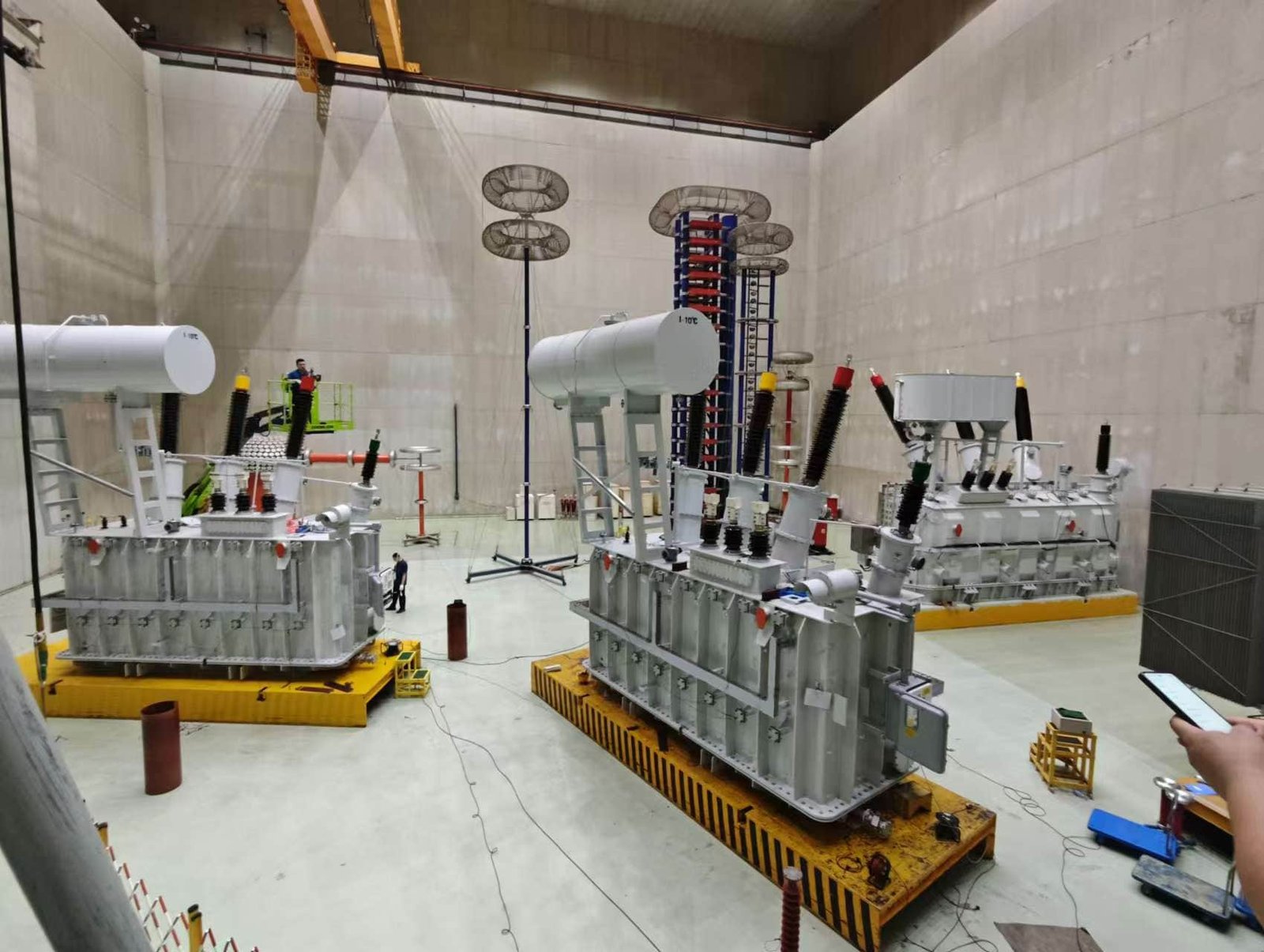
Power transformers are high-value electrical assets that must operate reliably for decades after installation. However, many quality problems can remain hidden during manufacturing unless proper verification procedures are performed before shipment. Defects in insulation systems, winding structures, core assemblies, accessories, or protection components may lead to unexpected failures, costly downtime, and difficult field repairs. For buyers, accepting a transformer without sufficient inspection creates significant technical and financial risks.
Factory Acceptance Tests (FAT) and third-party inspections reduce power transformer risks by verifying transformer design performance, manufacturing quality, material compliance, documentation accuracy, and contractual requirements before delivery. FAT confirms that the completed transformer meets electrical and mechanical specifications through standardized testing, while independent third-party inspections provide unbiased verification of manufacturing processes, test results, and product condition. Together, they help buyers detect defects early, improve supplier accountability, and ensure reliable transformer operation after installation.
Factory Acceptance Tests help verify that power transformers meet specified electrical performance requirements before shipment.True
FAT includes electrical, mechanical, and functional tests that confirm transformer compliance with approved specifications.
Third-party inspections eliminate the need for factory testing by the transformer manufacturer.False
Third-party inspections supplement manufacturer testing by providing independent verification but do not replace required factory tests.
Pre-shipment inspections can reduce the risk of discovering major transformer defects after installation.True
Identifying problems before shipment avoids expensive field corrections and operational disruptions.
A successful transformer procurement project requires quality control throughout the entire supply chain. FAT and third-party inspections create a verification barrier between manufacturing completion and field operation, giving buyers greater confidence that the transformer they receive will perform safely and reliably.
Why Are Power Transformer Quality Risks Difficult to Detect?
Power transformers contain complex internal systems that are not easily inspected after assembly.
Major components include:
| Component | Potential Quality Risk |
|---|---|
| Core assembly | Excessive losses or noise |
| Windings | Mechanical weakness or electrical faults |
| Insulation system | Dielectric failure |
| Transformer oil | Reduced cooling and insulation performance |
| Bushings | Electrical breakdown |
| Cooling equipment | Overheating |
| Protection devices | Incorrect operation |
Many defects cannot be identified through visual inspection alone. Electrical testing and independent verification are therefore essential.
What Is a Factory Acceptance Test (FAT) for Power Transformers?
A Factory Acceptance Test is a structured inspection and testing process performed at the manufacturer's facility before shipment.
The purpose of FAT is to confirm that the transformer:
- Meets approved technical specifications
- Performs according to design requirements
- Passes required electrical tests
- Satisfies customer and contract requirements
- Is ready for transportation and installation
The FAT process usually involves the buyer, manufacturer engineers, and sometimes an independent inspector.
What Risks Does FAT Help Reduce?
Factory Acceptance Testing reduces several major risks.
| Risk | FAT Prevention Method |
|---|---|
| Incorrect transformer ratio | Ratio testing |
| High losses | Loss measurement |
| Insulation defects | Dielectric testing |
| Winding problems | Resistance testing |
| Cooling issues | Temperature rise testing |
| Manufacturing errors | Functional verification |
By detecting problems before shipment, FAT prevents expensive field failures.
What Tests Are Normally Included in Transformer FAT?
The exact test requirements depend on transformer type, rating, standards, and contract requirements.
Typical FAT tests include:
| Test Category | Test Example | Purpose |
|---|---|---|
| Electrical performance | Turns ratio test | Verify voltage transformation |
| Electrical resistance | Winding resistance test | Check conductor integrity |
| Insulation verification | Insulation resistance test | Evaluate insulation condition |
| Loss measurement | No-load and load loss tests | Confirm efficiency |
| Impedance verification | Short-circuit impedance test | Confirm system compatibility |
| Dielectric testing | Applied voltage test | Verify insulation strength |
| Thermal verification | Temperature rise test | Confirm cooling performance |
| Partial discharge | PD measurement | Detect insulation weaknesses |
These tests provide objective evidence of transformer quality.
How Does FAT Verify Transformer Design Compliance?
A transformer must match the approved design documents.
FAT verifies:
| Design Requirement | Verification Method |
|---|---|
| Rated voltage | Ratio test |
| Rated capacity | Performance testing |
| Efficiency | Loss testing |
| Impedance | Impedance measurement |
| Insulation level | Dielectric tests |
| Cooling performance | Temperature testing |
| Noise requirements | Acoustic measurement if specified |
This ensures that the delivered transformer matches the buyer's expectations.
How Does FAT Reduce Manufacturing Defects?
Manufacturing defects may occur during:
- Core assembly
- Winding production
- Insulation installation
- Tank fabrication
- Final assembly
FAT provides the final opportunity to identify issues before transportation.
Examples:
| Defect | Detection Method |
|---|---|
| Incorrect winding connection | Electrical testing |
| Poor insulation quality | Dielectric testing |
| Excessive losses | Loss testing |
| Internal assembly problems | Performance abnormalities |
| Oil leakage risk | Pressure and sealing inspection |
Early detection significantly reduces correction costs.
What Is Third-Party Inspection for Power Transformers?
Third-party inspection involves an independent organization reviewing transformer manufacturing, testing, and documentation.
Unlike manufacturer self-inspection, third-party inspection provides an external assessment.
Typical third-party inspection activities include:
| Inspection Activity | Purpose |
|---|---|
| Factory audit | Evaluate manufacturing capability |
| Material inspection | Verify component quality |
| Production monitoring | Confirm process compliance |
| FAT witnessing | Observe testing procedures |
| Documentation review | Verify records |
Why Should Buyers Use Third-Party Inspectors?
Independent inspection provides additional confidence, especially for:
- International purchases
- Large transformer projects
- Utility applications
- Critical infrastructure
- First-time supplier relationships
Benefits include:
| Benefit | Explanation |
|---|---|
| Independent verification | Reduces supplier bias |
| Improved transparency | Provides objective reporting |
| Risk reduction | Identifies problems earlier |
| Contract compliance | Confirms requirements are met |
| Better communication | Creates clear inspection records |
How Do Third-Party Inspections Improve Supplier Accountability?
When suppliers know that independent inspectors will verify production quality, they are more likely to maintain strict manufacturing discipline.
Third-party inspection encourages:
| Supplier Practice | Quality Improvement |
|---|---|
| Accurate documentation | Better traceability |
| Proper testing procedures | More reliable results |
| Process compliance | Fewer manufacturing errors |
| Timely communication | Faster issue resolution |
This improves overall project management.
What Items Are Checked During Third-Party Transformer Inspections?
A comprehensive inspection may cover:
Manufacturing Documentation
Inspectors review:
- Approved drawings
- Technical specifications
- Quality plans
- Material certificates
- Test procedures
- Manufacturing records
Physical Manufacturing
Inspectors may verify:
| Area | Inspection Focus |
|---|---|
| Core | Assembly accuracy |
| Windings | Construction quality |
| Insulation | Installation condition |
| Tank | Welding and sealing |
| Accessories | Correct installation |
Testing Activities
Inspectors may witness:
- Routine tests
- Special tests
- FAT procedures
- Test data recording
How Do FAT and Third-Party Inspection Work Together?
FAT and third-party inspection are complementary processes.
| FAT | Third-Party Inspection |
|---|---|
| Conducted by manufacturer | Conducted by independent organization |
| Tests transformer performance | Verifies process transparency |
| Confirms technical compliance | Confirms inspection credibility |
| Required for final approval | Adds additional confidence |
Together they provide stronger quality assurance.
What Happens If FAT Detects a Problem?
If a transformer fails FAT, the manufacturer should:
- Identify the root cause
- Correct the problem
- Repeat the affected tests
- Provide corrective action reports
- Obtain customer approval before shipment
This process prevents unresolved problems from reaching the installation site.
How Can Buyers Prepare an Effective FAT Plan?
Before manufacturing begins, buyers should define:
| FAT Planning Item | Purpose |
|---|---|
| Applicable standards | Establish testing requirements |
| Test list | Define required verification |
| Acceptance criteria | Determine pass/fail conditions |
| Witness points | Identify customer involvement |
| Documentation requirements | Ensure complete records |
A clear FAT plan prevents disagreements later.
Which Standards Guide Transformer Testing?
Power transformer testing is typically based on recognized standards.
Common standards include:
| Standard Type | Application |
|---|---|
| IEC standards | International transformer requirements |
| IEEE standards | North American practices |
| National standards | Local regulatory requirements |
The applicable standard should be confirmed during contract discussions.
How Do Inspections Reduce Lifecycle Costs?
Preventing defects before delivery is usually much cheaper than repairing failures after installation.
| Stage | Cost Impact |
|---|---|
| Manufacturing correction | Lower cost |
| Factory repair | Moderate cost |
| Field repair | High cost |
| Emergency replacement | Extremely high cost |
FAT and inspection shift problem detection to the lowest-cost stage.
How Do Inspections Improve Transformer Delivery Confidence?
Successful transformer projects require confidence in:
- Product quality
- Delivery schedule
- Technical compliance
- Documentation completeness
Inspection activities provide evidence that these requirements have been achieved.
How Should Buyers Select Third-Party Inspection Companies?
Buyers should evaluate inspection providers based on:
| Evaluation Factor | Importance |
|---|---|
| Electrical equipment experience | Ensures technical knowledge |
| Transformer inspection experience | Improves effectiveness |
| Qualified inspectors | Ensures professional assessment |
| Reporting quality | Provides useful records |
| Independence | Maintains objectivity |
The inspector should understand both transformer engineering and quality management.
What Documentation and Certifications Should Buyers Review for Power Transformer Quality Assurance?
Power transformer quality assurance depends not only on manufacturing processes and testing but also on complete, accurate, and traceable documentation. A transformer may appear acceptable during production, yet missing certificates, incomplete test records, unclear material origins, or insufficient compliance documents can create serious risks during installation, operation, maintenance, and future audits. For buyers, reviewing documentation and certifications before shipment is an essential step to confirm that the transformer meets technical specifications, safety requirements, and contractual obligations.
Buyers should review power transformer quality assurance documentation and certifications including approved technical drawings, design calculation reports, material certificates, manufacturing quality records, factory acceptance test reports, inspection documents, compliance certificates, calibration records, and operation and maintenance manuals. These documents verify product quality, confirm regulatory compliance, support traceability, and provide evidence that the transformer has been manufactured and tested according to required standards.
Complete transformer documentation improves quality assurance by providing traceability of materials, manufacturing processes, and test results.True
Documentation allows buyers and manufacturers to verify product history and investigate issues throughout the transformer lifecycle.
Certification documents alone are sufficient proof that a power transformer will operate reliably for its entire service life.False
Certifications support quality verification but must be combined with testing, inspections, manufacturing evaluation, and operating conditions.
Factory test reports are important documents for confirming that power transformers meet specified performance requirements before delivery.True
Test reports provide recorded evidence of electrical and mechanical performance verification.
A professional quality assurance process treats documentation as part of the transformer itself. Accurate records allow buyers to confirm manufacturing compliance, support installation teams, simplify maintenance activities, and protect long-term asset value.
Why Is Documentation Important in Power Transformer Quality Assurance?
Power transformers are complex systems containing many components that must work together reliably.
Quality documentation helps buyers verify:
| Quality Aspect | Documentation Support |
|---|---|
| Design accuracy | Engineering drawings and calculations |
| Material quality | Material certificates |
| Manufacturing control | Production records |
| Testing performance | Factory test reports |
| Regulatory compliance | Certifications |
| Future maintenance | Manuals and service records |
Without proper documentation, buyers cannot fully confirm whether a transformer was manufactured according to requirements.
What Types of Documentation Should Buyers Review Before Ordering?
Quality assurance documentation can be divided into several categories.
| Documentation Category | Purpose |
|---|---|
| Technical documents | Confirm design requirements |
| Manufacturing records | Verify production control |
| Testing documents | Confirm performance |
| Quality documents | Demonstrate process compliance |
| Compliance certificates | Verify standards and regulations |
| Operation documents | Support installation and maintenance |
A complete document review should be performed before final approval and shipment.
What Technical Documents Should Be Reviewed?
Technical documentation defines the transformer design and performance requirements.
Important documents include:
| Technical Document | Purpose |
|---|---|
| Transformer specification sheet | Defines ratings and requirements |
| General arrangement drawing | Shows physical configuration |
| Electrical schematic drawings | Confirms connections |
| Nameplate drawing | Verifies identification information |
| Foundation drawings | Supports installation planning |
| Accessory drawings | Confirms component arrangement |
Buyers should verify that all drawings match the approved project specifications.
Why Are Transformer Design Calculation Reports Important?
Design calculations demonstrate that the transformer can meet operating requirements.
Typical calculation documents include:
| Calculation Report | Verification Purpose |
|---|---|
| Magnetic circuit calculation | Confirms core performance |
| Load loss calculation | Evaluates efficiency |
| No-load loss calculation | Verifies energy performance |
| Temperature rise calculation | Confirms thermal capability |
| Short-circuit withstand calculation | Evaluates mechanical strength |
| Insulation coordination calculation | Confirms dielectric safety |
These reports help buyers understand the technical basis behind transformer performance.
What Material Certificates Should Buyers Request?
Material traceability is essential for transformer reliability.
Important material certificates include:
| Material | Required Verification |
|---|---|
| Electrical steel | Grade and loss characteristics |
| Conductors | Material composition and conductivity |
| Insulation materials | Quality and performance data |
| Transformer oil | Chemical and dielectric properties |
| Steel components | Mechanical properties |
| Bushings | Manufacturer specifications |
Material certificates prove that critical components meet required standards.
How Do Material Certificates Reduce Quality Risks?
Material defects can cause long-term transformer problems.
For example:
| Material Problem | Potential Failure |
|---|---|
| Poor electrical steel | Increased losses |
| Low-quality conductor | Overheating |
| Contaminated oil | Insulation failure |
| Weak insulation material | Breakdown risk |
Certificates allow buyers to confirm that materials are suitable before transformer assembly.
What Manufacturing Quality Records Should Buyers Review?
Manufacturing records show whether production followed approved procedures.
Important records include:
| Record | Purpose |
|---|---|
| Manufacturing schedule | Tracks production progress |
| Process inspection records | Confirms quality checks |
| Welding inspection reports | Verify tank integrity |
| Drying records | Confirm moisture removal |
| Oil filling records | Verify oil treatment |
| Assembly inspection reports | Confirm construction accuracy |
These records provide evidence of controlled manufacturing.
What Quality Control Documents Should Be Provided?
A professional manufacturer should maintain a quality control package.
Typical documents include:
| Quality Document | Function |
|---|---|
| Quality plan | Defines inspection activities |
| Inspection and test plan (ITP) | Identifies control points |
| Non-conformance reports | Records corrective actions |
| Corrective action reports | Shows problem resolution |
| Inspection checklists | Confirms completed checks |
These documents demonstrate that quality was actively managed during production.
What Factory Acceptance Test Documents Should Buyers Review?
Factory Acceptance Test (FAT) reports are among the most important quality documents.
Typical FAT documents include:
| Test Report | Purpose |
|---|---|
| Routine test report | Confirms standard performance |
| Type test report | Verifies design capability |
| Special test report | Confirms customer requirements |
| Test data sheets | Provide measurement results |
| Test certificates | Confirm completion |
Buyers should verify that test results meet contract requirements.
Which Transformer Tests Should Have Documentation?
Important test records include:
| Test | Documented Result |
|---|---|
| Winding resistance test | Resistance values |
| Turns ratio test | Ratio measurements |
| Insulation resistance test | Insulation condition |
| No-load loss test | Core performance |
| Load loss test | Efficiency data |
| Impedance test | System compatibility |
| Dielectric test | Insulation strength |
| Partial discharge test | Internal insulation condition |
| Temperature rise test | Cooling performance |
Complete test records provide confidence before installation.
How Should Buyers Review Transformer Test Reports?
A quality review should confirm:
| Review Item | Question |
|---|---|
| Test standard | Was the correct standard applied? |
| Test date | Was testing completed recently? |
| Transformer identification | Does the report match the delivered unit? |
| Test results | Are values within limits? |
| Inspector approval | Were results verified? |
Incorrect or incomplete test reports can create future problems.
What Certifications Should Power Transformer Buyers Review?
Certifications demonstrate compliance with recognized requirements.
Common certifications include:
| Certification Type | Purpose |
|---|---|
| Quality management certification | Demonstrates process control |
| Environmental certification | Shows environmental management |
| Product compliance certificates | Confirms market requirements |
| Factory qualification certificates | Demonstrates manufacturing capability |
Certification requirements depend on project location and application.
Are ISO Certifications Important for Transformer Suppliers?
Quality management certifications can indicate a structured production system.
Common examples include:
| Certification | Importance |
|---|---|
| ISO 9001 | Quality management system |
| ISO 14001 | Environmental management |
| ISO 45001 | Occupational health and safety |
However, buyers should evaluate actual manufacturing capability rather than relying only on certificates.
What International Standards Should Buyers Verify?
Transformer documentation should reference applicable standards.
Common standards include:
| Standard | Application |
|---|---|
| IEC transformer standards | International transformer requirements |
| IEEE transformer standards | Electrical industry practices |
| National standards | Local regulations |
| Customer specifications | Project-specific requirements |
The correct standard depends on transformer application and installation location.
What Calibration Certificates Should Be Reviewed?
Testing equipment accuracy affects the reliability of test results.
Buyers should request:
| Calibration Document | Purpose |
|---|---|
| Equipment calibration certificate | Verify measurement accuracy |
| Calibration date | Confirm validity |
| Equipment identification | Ensure traceability |
Proper calibration ensures reliable test data.
What Inspection Reports Should Be Included?
Inspection records provide independent quality verification.
Examples include:
| Inspection Report | Purpose |
|---|---|
| Incoming material inspection | Verify components |
| In-process inspection | Monitor manufacturing |
| Final inspection | Confirm completion |
| Third-party inspection report | Provide independent verification |
These reports strengthen buyer confidence.
What Documents Are Required Before Transformer Shipment?
Before shipment, buyers should confirm receipt of:
| Document Package | Status |
|---|---|
| Approved drawings | Required |
| Material certificates | Required |
| FAT reports | Required |
| Inspection reports | Required |
| Compliance certificates | Required |
| Packing list | Required |
| Installation manuals | Required |
| Warranty documents | Required |
A complete shipment document package prevents delays during installation.
How Does Documentation Support Transformer Maintenance?
Quality documents remain valuable throughout the transformer lifecycle.
Maintenance teams use documents for:
| Maintenance Activity | Useful Documents |
|---|---|
| Troubleshooting | Drawings and test reports |
| Spare parts planning | Component lists |
| Performance comparison | Factory test data |
| Condition assessment | Historical records |
| Repairs | Manufacturing information |
Good documentation improves future service efficiency.
How Can Buyers Identify Reliable Transformer Manufacturers Through Documentation?
Professional manufacturers usually provide:
| Supplier Characteristic | Documentation Evidence |
|---|---|
| Strong quality culture | Complete inspection records |
| Manufacturing transparency | Detailed production documents |
| Technical capability | Engineering calculations |
| Testing capability | Comprehensive test reports |
| Customer focus | Organized documentation packages |
Documentation quality often reflects overall supplier professionalism.
What Are Common Documentation Problems Buyers Should Avoid?
Buyers should watch for:
| Documentation Problem | Risk |
|---|---|
| Missing test reports | Unknown performance |
| Generic certificates | Poor traceability |
| Incorrect transformer data | Installation issues |
| Incomplete drawings | Maintenance difficulties |
| Unsigned reports | Reduced credibility |
Document review should be completed before acceptance.
How Can Buyers Create an Effective Transformer Documentation Review Process?
A structured review process includes:
| Step | Action |
|---|---|
| 1 | Define required documents in contract |
| 2 | Review supplier submissions |
| 3 | Verify compliance with standards |
| 4 | Confirm test results |
| 5 | Approve final document package |
Early planning avoids document-related delays.
How Can Buyers Manage Quality Risks During Power Transformer Installation and Commissioning?
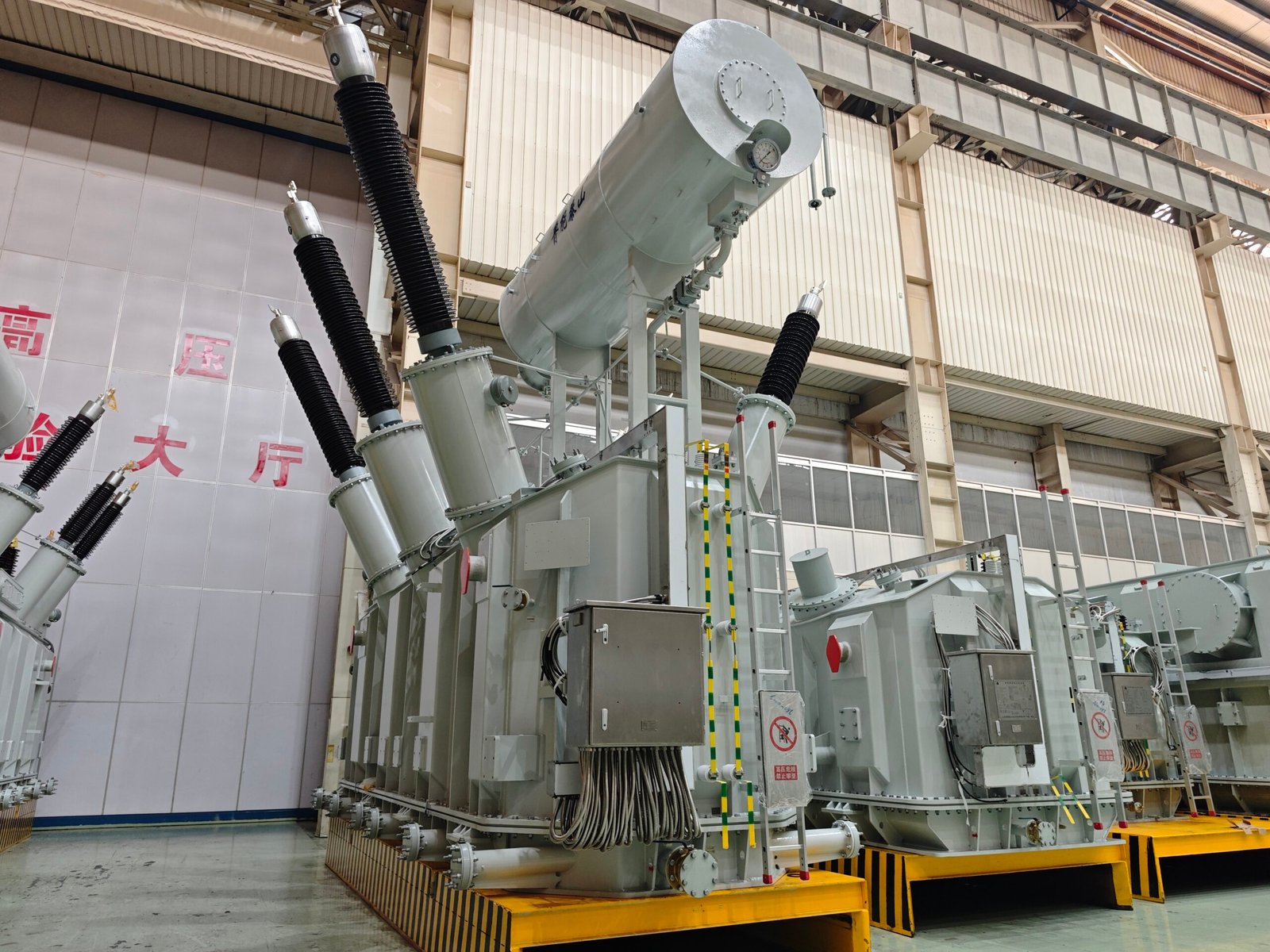
Power transformer installation and commissioning are critical stages that determine whether a transformer will achieve its expected service life and operating reliability. Even a transformer manufactured with excellent quality control can experience early failures if transportation damage, incorrect installation procedures, improper connections, insufficient oil treatment, or incomplete commissioning tests are overlooked. Installation mistakes can result in insulation problems, overheating, abnormal noise, protection failures, or unexpected outages after energization.
Buyers can manage quality risks during power transformer installation and commissioning by preparing detailed installation plans, selecting qualified installation teams, verifying transportation conditions, inspecting equipment upon arrival, controlling assembly procedures, performing oil and electrical tests, checking protection systems, conducting commissioning tests, reviewing documentation, and approving energization only after all acceptance criteria are satisfied. A structured installation and commissioning process ensures transformer safety, reliability, and long-term performance.
Proper installation inspection and commissioning testing help reduce the risk of early power transformer failures.True
Installation errors and hidden transportation damage can be identified before the transformer is energized.
A transformer that passes factory acceptance tests does not require commissioning tests after installation.False
Installation conditions, transportation effects, and site connections must still be verified before operation.
Qualified technicians and documented commissioning procedures improve transformer installation quality.True
Professional execution reduces human errors and ensures compliance with technical requirements.
A power transformer installation project requires coordination between buyers, manufacturers, contractors, and commissioning engineers. Effective quality management continues after shipment because field conditions can significantly influence transformer reliability.
Why Are Installation and Commissioning Quality Controls Important?
Power transformers are transported as precision-engineered systems. During installation, many factors can affect performance.
Common risks include:
| Risk Source | Possible Impact |
|---|---|
| Transportation shock | Internal mechanical damage |
| Improper lifting | Tank or bushing damage |
| Incorrect assembly | Operational problems |
| Poor oil handling | Reduced insulation strength |
| Wrong wiring | Protection failures |
| Incomplete testing | Hidden defects after energization |
A comprehensive installation quality program reduces these risks before operation begins.
What Should Buyers Prepare Before Transformer Installation?
Preparation is the first step in controlling installation risks.
Buyers should establish:
| Preparation Activity | Purpose |
|---|---|
| Installation plan | Define procedures and responsibilities |
| Technical document review | Confirm requirements |
| Site readiness check | Ensure suitable conditions |
| Contractor qualification review | Verify expertise |
| Tool and equipment preparation | Prevent installation errors |
| Safety planning | Protect personnel and equipment |
A detailed preparation stage prevents delays and quality issues.
How Should Buyers Select Installation Contractors?
The installation team directly affects transformer performance.
Buyers should evaluate:
| Contractor Capability | Evaluation Criteria |
|---|---|
| Transformer experience | Previous similar projects |
| Technical qualifications | Certified personnel |
| Testing capability | Available equipment |
| Safety record | Proper work practices |
| Manufacturer cooperation | Access to technical support |
Experienced contractors are more likely to follow correct procedures.
How Can Buyers Control Transformer Transportation Risks?
Transportation is a major quality risk before installation begins.
Potential problems include:
| Transportation Issue | Result |
|---|---|
| Excessive vibration | Internal displacement |
| Impact during handling | Mechanical damage |
| Moisture exposure | Insulation contamination |
| Incorrect positioning | Structural stress |
Buyers should verify:
| Transportation Control | Purpose |
|---|---|
| Shock monitoring records | Detect excessive impact |
| Shipping documents | Confirm handling conditions |
| Packaging condition | Identify external damage |
| Transportation route | Reduce handling risks |
What Should Be Checked When the Transformer Arrives On Site?
Incoming inspection should be completed before installation.
Important checks include:
| Inspection Item | Purpose |
|---|---|
| External appearance | Detect visible damage |
| Nameplate information | Confirm specifications |
| Accessories | Verify completeness |
| Oil leakage inspection | Check tank integrity |
| Impact indicators | Review transportation conditions |
Any abnormal condition should be documented before acceptance.
How Should Buyers Verify Transformer Components Before Assembly?
Before installation, all components should be inspected.
Common items include:
| Component | Inspection Focus |
|---|---|
| Bushings | Damage and cleanliness |
| Radiators | Connection condition |
| Conservator tank | Assembly accuracy |
| Cooling fans | Operation condition |
| Control cabinets | Wiring correctness |
| Protection devices | Function availability |
Component verification prevents problems during commissioning.
How Does Proper Transformer Assembly Reduce Risks?
Transformer assembly must follow manufacturer procedures.
Important assembly controls include:
| Assembly Activity | Quality Requirement |
|---|---|
| Bushing installation | Correct torque and sealing |
| Accessory mounting | Proper alignment |
| Connection tightening | Correct mechanical strength |
| Grounding installation | Reliable electrical safety |
| Cable connection | Correct phase identification |
Improper assembly can cause failures after energization.
Why Is Transformer Oil Handling Critical During Installation?
Transformer oil provides both insulation and cooling functions.
Poor oil handling may cause:
| Oil Problem | Consequence |
|---|---|
| Moisture contamination | Reduced insulation strength |
| Foreign particles | Electrical discharge risk |
| Low dielectric strength | Insulation failure |
| Incorrect filling level | Cooling problems |
Oil quality control should include:
| Oil Control Activity | Purpose |
|---|---|
| Oil filtration | Remove contamination |
| Vacuum filling | Prevent moisture |
| Dielectric testing | Verify insulation quality |
| Moisture testing | Confirm condition |
How Does Vacuum Treatment Improve Transformer Reliability?
Vacuum treatment helps remove moisture and trapped air.
Benefits include:
- Improved insulation performance
- Reduced partial discharge risk
- Better oil impregnation
- Longer insulation life
Buyers should confirm that vacuum procedures follow manufacturer requirements.
What Electrical Tests Should Be Performed Before Energization?
Electrical testing confirms installation quality.
Common commissioning tests include:
| Test | Purpose |
|---|---|
| Insulation resistance test | Evaluate insulation condition |
| Turns ratio test | Confirm connections |
| Winding resistance test | Verify winding integrity |
| Power factor test | Assess insulation quality |
| Capacitance test | Evaluate bushings |
| Excitation current test | Check magnetic circuit |
Test results should be compared with factory data.
How Does Comparing Factory and Site Test Results Help?
Factory test results provide a reference condition.
Comparison helps identify:
| Difference | Possible Cause |
|---|---|
| Increased winding resistance | Connection problem |
| Changed insulation values | Moisture or contamination |
| Abnormal excitation current | Core issue |
| Different ratio results | Connection error |
Trend comparison improves fault detection.
What Protection System Checks Are Required During Commissioning?
Transformer protection systems must operate correctly before energization.
Important checks include:
| Protection Device | Verification |
|---|---|
| Buchholz relay | Alarm and trip operation |
| Temperature protection | Sensor response |
| Pressure relief device | Functional verification |
| Differential protection | Relay testing |
| Overcurrent protection | Setting verification |
| Control circuits | Signal testing |
Protection system failure can increase damage severity during faults.
How Should Buyers Verify Transformer Grounding?
Proper grounding is essential for safety and system performance.
Grounding inspection should verify:
| Grounding Item | Requirement |
|---|---|
| Tank grounding | Secure connection |
| Neutral grounding | Correct installation |
| Cable grounding | Proper bonding |
| Resistance measurement | Acceptable values |
Incorrect grounding can create dangerous operating conditions.
How Can Buyers Manage Commissioning Documentation?
Complete records are essential for future operation.
Commissioning documents should include:
| Document | Purpose |
|---|---|
| Installation checklist | Confirm completed work |
| Test reports | Record performance |
| Oil test results | Document insulation condition |
| Protection test records | Verify safety systems |
| As-built drawings | Support maintenance |
| Commissioning approval | Confirm readiness |
Documentation creates a baseline for future maintenance.
What Is the Role of Manufacturer Support During Commissioning?
Manufacturer involvement can reduce installation risks.
Support may include:
| Manufacturer Service | Benefit |
|---|---|
| Installation guidance | Correct procedures |
| Technical supervision | Quality assurance |
| Troubleshooting support | Faster issue resolution |
| Commissioning assistance | Reliable startup |
For complex transformers, manufacturer supervision is highly valuable.
How Should Buyers Plan Transformer Energization?
Initial energization should follow a controlled procedure.
Recommended steps include:
| Step | Activity |
|---|---|
| 1 | Confirm all tests are complete |
| 2 | Verify protection settings |
| 3 | Check oil and cooling systems |
| 4 | Confirm communication systems |
| 5 | Energize under controlled conditions |
| 6 | Monitor operating parameters |
Careful energization reduces startup risks.
What Operating Parameters Should Be Monitored After Energization?
Initial operation monitoring helps detect early issues.
Important parameters include:
| Parameter | Purpose |
|---|---|
| Oil temperature | Monitor cooling |
| Winding temperature | Check thermal performance |
| Load current | Verify operation |
| Voltage level | Confirm system performance |
| Noise and vibration | Detect abnormalities |
| Oil level | Check sealing condition |
Early monitoring supports rapid response.
How Can Buyers Establish a Post-Commissioning Maintenance Baseline?
Commissioning data becomes the reference point for future condition monitoring.
Baseline information includes:
| Data Type | Future Use |
|---|---|
| Electrical test results | Compare aging trends |
| Oil analysis | Detect deterioration |
| Temperature records | Evaluate thermal stress |
| Load history | Assess operating conditions |
A strong baseline improves predictive maintenance.
How Do Digital Monitoring Systems Improve Installation Quality?
Modern transformers may include monitoring systems.
Examples include:
| System | Monitoring Function |
|---|---|
| Online DGA | Detect gas generation |
| Temperature sensors | Track thermal conditions |
| Moisture sensors | Monitor insulation |
| Partial discharge monitoring | Detect insulation defects |
These systems improve long-term visibility after commissioning.
What Common Installation Mistakes Should Buyers Avoid?
Buyers should avoid:
| Mistake | Risk |
|---|---|
| Skipping site inspection | Missed damage |
| Using inexperienced contractors | Installation defects |
| Ignoring oil testing | Insulation problems |
| Energizing without complete tests | Failure risk |
| Poor documentation | Maintenance difficulties |
Preventive management is more effective than corrective repair.
Conclusion
Managing quality risks is essential for ensuring the reliability and long-term performance of power transformer projects. Buyers can reduce potential failures by carefully selecting experienced manufacturers, establishing clear technical requirements, monitoring production quality, conducting comprehensive testing, and verifying compliance with industry standards. A strong quality assurance process protects investment, minimizes operational disruptions, and ensures that transformers deliver safe and efficient performance throughout their service life. By treating quality management as a continuous process rather than a final inspection step, buyers can achieve greater confidence and value from their transformer projects.
FAQ
Q1: How can buyers mitigate quality risks in power transformer projects?
Buyers can mitigate quality risks in power transformer projects by implementing a structured quality assurance strategy throughout the entire procurement lifecycle, from supplier selection to installation and commissioning.
Because power transformers are expensive, long-life assets, quality problems can result in:
Unexpected failures
Project delays
High repair costs
Power outages
Safety risks
Reduced equipment lifespan
Effective risk mitigation measures include:
Selecting qualified manufacturers
Defining clear technical specifications
Conducting supplier audits
Performing factory acceptance tests (FAT)
Using third-party inspections
Reviewing manufacturing documentation
Monitoring production progress
Conducting site acceptance tests (SAT)
A successful quality management approach begins before the purchase contract is signed. Buyers should evaluate not only transformer price but also supplier experience, engineering capability, manufacturing processes, testing facilities, and after-sales support.
A proactive quality strategy reduces the probability of defects and ensures that transformers meet required performance, reliability, and safety expectations.
Q2: How does supplier qualification reduce transformer quality risks?
Supplier qualification is one of the most important steps in reducing transformer project risks. A qualified manufacturer has demonstrated experience, technical capability, and quality management processes.
Buyers should evaluate suppliers based on:
Technical Experience
Similar transformer ratings produced
Voltage level experience
Application experience
Previous project references
Manufacturing Capability
Production facilities
Equipment quality
Engineering resources
Production capacity
Quality Systems
ISO certifications
Quality control procedures
Inspection processes
Testing capabilities
Performance History
Customer references
Failure records
Warranty history
Delivery performance
Working with an experienced transformer manufacturer reduces the risk of design errors, manufacturing defects, and schedule problems.
Q3: What quality checks should be included in transformer procurement contracts?
Transformer procurement contracts should clearly define quality requirements, inspection procedures, and acceptance criteria.
Important contract quality provisions include:
Technical Requirements
Transformer ratings
Voltage levels
Efficiency requirements
Loss limits
Noise limits
Cooling method
Insulation requirements
Testing Requirements
Routine tests
Type tests
Special tests
Factory acceptance testing procedures
Documentation Requirements
Drawings
Test reports
Material certificates
Quality records
Operation manuals
Inspection Rights
Contracts should specify whether buyers can:
Visit the factory
Witness tests
Assign third-party inspectors
Review manufacturing progress
Clear contractual requirements prevent misunderstandings and provide a reference for quality acceptance.
Q4: How do factory inspections help prevent transformer quality problems?
Factory inspections allow buyers to verify manufacturing quality before the transformer leaves the production facility.
Inspections may cover:
Manufacturing Process Checks
Core assembly
Winding production
Insulation installation
Tank fabrication
Final assembly
Quality Control Checks
Material verification
Dimensional inspection
Process documentation
Workmanship evaluation
Testing Verification
Inspectors may witness:
Transformer ratio tests
Insulation tests
No-load loss tests
Load loss tests
Impedance tests
Temperature rise tests
Factory inspections help identify issues before shipment when corrections are easier and less expensive.
Q5: Should buyers use third-party inspectors for transformer quality control?
Yes. Third-party inspection can provide an independent assessment of transformer quality and reduce procurement risks.
Third-party inspectors can verify:
Manufacturing compliance
Test procedures
Documentation accuracy
Product specifications
Packaging conditions
Benefits include:
Independent Verification
A third party provides an unbiased evaluation.
Reduced Travel Requirements
Buyers can monitor overseas manufacturing without sending their own teams.
Improved Supplier Accountability
Manufacturers are encouraged to maintain consistent quality.
Better Documentation
Inspection reports provide formal records for project management.
Third-party inspection is especially valuable for large transformers, international purchases, and critical infrastructure projects.
Q6: How can factory acceptance tests (FAT) reduce transformer quality risks?
Factory acceptance testing is a key quality control step before transformer shipment.
FAT confirms that the completed transformer meets contractual and technical requirements.
Typical FAT activities include:
Electrical Tests
Winding resistance measurement
Voltage ratio testing
Insulation resistance testing
Dielectric testing
Performance Tests
No-load loss measurement
Load loss measurement
Impedance testing
Temperature rise testing
Special Tests
Depending on project requirements:
Partial discharge testing
Lightning impulse testing
Noise measurement
Short-circuit withstand testing
Successful FAT approval provides confidence that the transformer is ready for transportation and installation.
Q7: How can buyers control quality risks during transformer transportation and installation?
Quality risks do not end after factory acceptance. Transportation and installation can also affect transformer condition.
Important controls include:
Transportation Management
Use proper lifting methods
Monitor shock and vibration
Protect against moisture
Verify packaging requirements
Site Preparation
Ensure proper foundation
Check installation environment
Prepare required tools and equipment
Installation Quality Control
Verify connections
Check oil levels
Perform insulation tests
Confirm protection system settings
Commissioning Tests
Before energization, conduct:
Electrical testing
Oil testing
Functional checks
Protection verification
Proper handling prevents damage that may not be visible externally.
Q8: What are the best practices for long-term transformer quality management?
Long-term transformer reliability requires continuous quality management after installation.
Best practices include:
Establish preventive maintenance programs
Monitor transformer operating conditions
Perform regular oil analysis
Track temperature trends
Maintain accurate service records
Use condition monitoring systems
Review performance data regularly
Modern approaches increasingly use:
Online monitoring systems
Digital asset management platforms
Predictive maintenance tools
AI-based condition analysis
A transformer quality strategy should cover the complete lifecycle:
Supplier selection
Engineering review
Manufacturing control
Factory testing
Transportation
Installation
Operation and maintenance
This lifecycle approach minimizes risks and maximizes transformer reliability.
References
IEC 60076 – Power Transformers
https://webstore.iec.ch/publication/602
IEEE C57 Series – Power Transformer Standards
https://standards.ieee.org
ISO 9001 – Quality Management Systems
https://www.iso.org/iso-9001-quality-management.html